

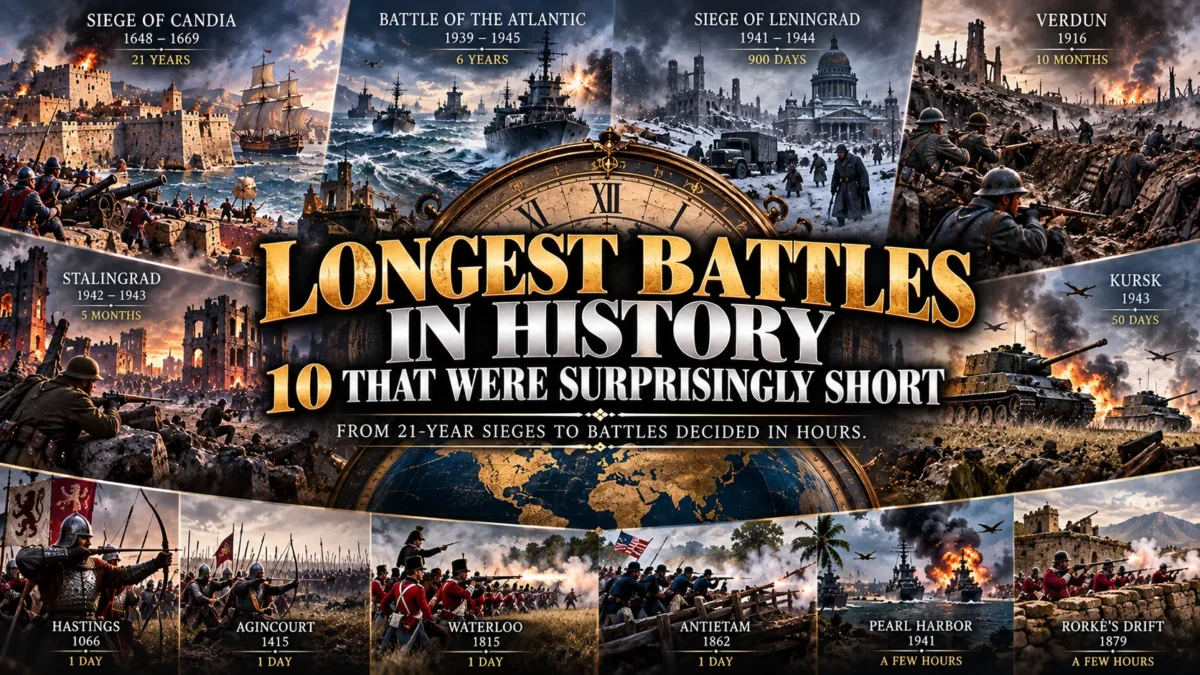
When you hear the phrase “longest battle in history,” you probably picture something grinding and miserable, months of mud, hunger, and stalemate. That image is accurate for some of the entries on this list.
But it is completely wrong for others, because plenty of the battles we treat as legendary turning points in world history were actually over before most people finished a single day’s work.
This list mixes both extremes on purpose. We’ll look at genuine record-holders for sheer duration, the sieges and campaigns that dragged on for months, years, or even decades, and then we’ll flip the script with famous clashes that ended in hours despite reshaping empires.
Along the way we’ll clear up some common mix-ups about the longest battle of World War 2, the longest battle of World War 1, the deadliest single-day battle in history, and what actually counts as the largest land battle ever fought.
TL;DR: History’s longest siege, the Siege of Candia, dragged on for 21 years, while equally famous clashes like Waterloo and Hastings were decided in a single day.
What Actually Makes a Battle “Long”?
Before diving into the list, it helps to define terms, because historians don’t always agree on what separates a “battle” from a “siege” or a “campaign.”
A siege can last years because it’s really a blockade punctuated by occasional fighting, not constant combat. A pitched battle, by contrast, usually involves two armies actively engaged, and those tend to wrap up in a day or two simply because armies can’t sustain that intensity for long.
That distinction matters a lot when people ask what was the longest battle in history. If you count sieges and drawn-out campaigns, the answer looks very different than if you only count continuous, active combat. We’ll flag these distinctions as we go so you can decide which definition feels right to you.
The Longest Battles in History (By Sheer Duration)
These are the campaigns and sieges that tested endurance more than tactics. Some lasted so long that the soldiers who started them were replaced by entirely new generations before they ended.
1. The Siege of Candia (1648–1669)
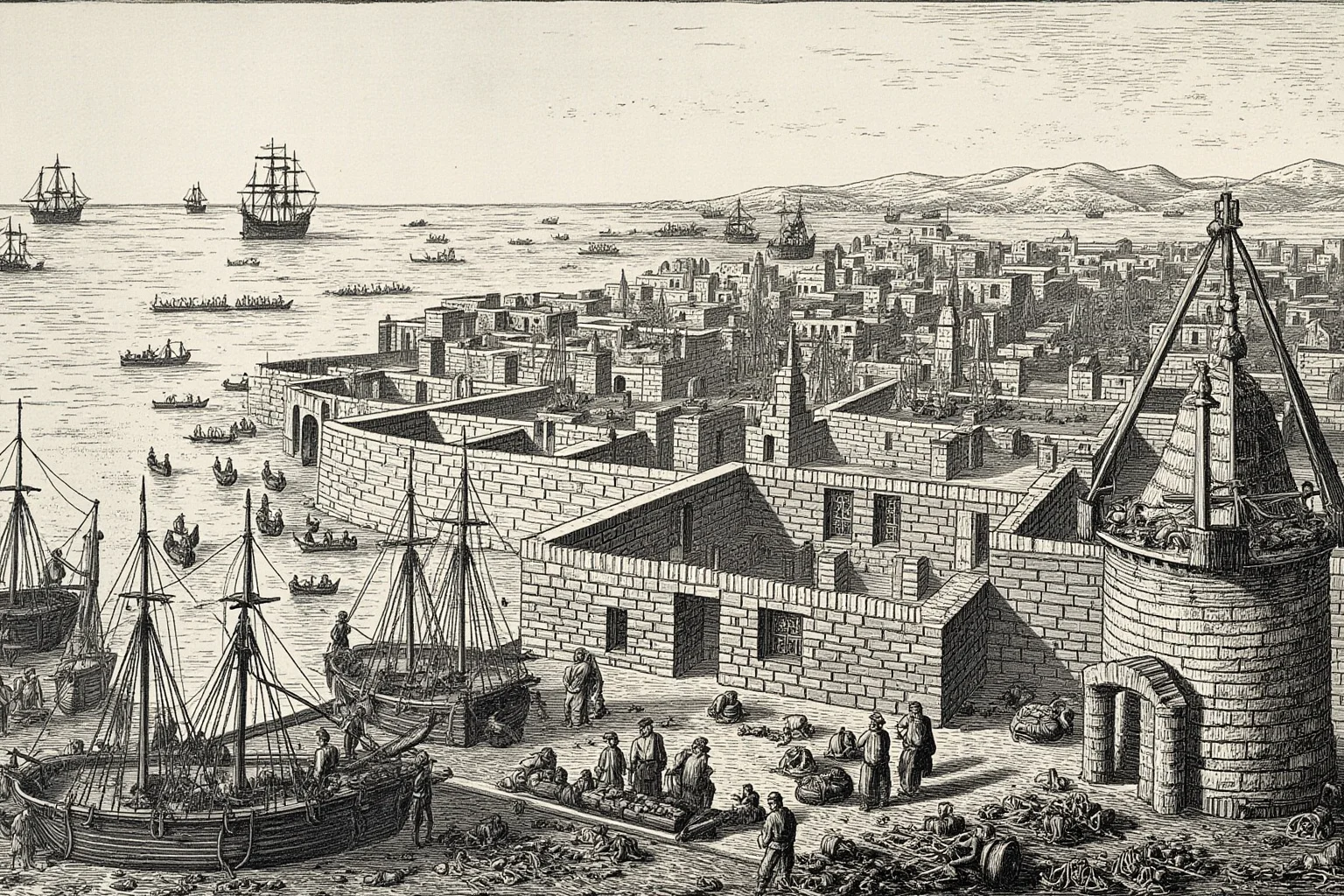
When people search for what is the longest battle in history, the Siege of Candia is usually the answer historians point to first. Ottoman forces besieged the Venetian-held city of Candia, now Heraklion on Crete, for a staggering 21 years during the Cretan War.
It wasn’t 21 years of nonstop fighting, of course. Long lulls, resupply missions, and diplomatic maneuvering filled much of that time, but the blockade and siege lines held for over two decades before the Ottomans finally took the city in 1669.
Most researchers consider this the longest siege ever recorded, and it’s a strong contender for the longest battle in history overall, provided you accept that sieges count as battles.
2. The Battle of the Atlantic (1939–1945)
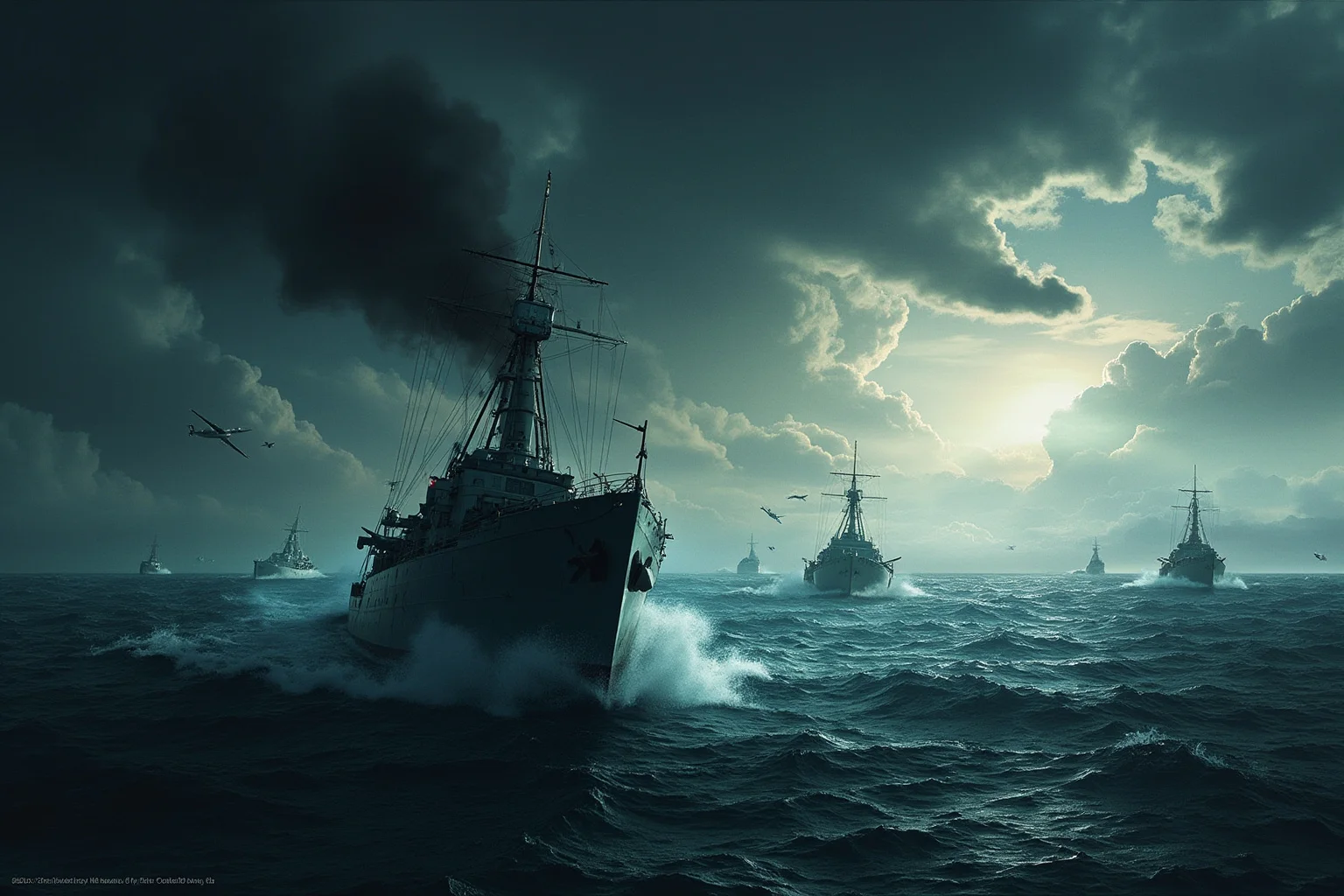
If you’re wondering about the longest battle of World War 2, many people default to Stalingrad or Leningrad. But the Battle of the Atlantic technically ran for the entire war, from September 1939 to Germany’s surrender in May 1945, making it arguably the longest continuous military campaign of the conflict.
This wasn’t one fight but a sprawling, years-long struggle between Allied convoys and German U-boats across the Atlantic Ocean. Winston Churchill later admitted it was the only part of the war that genuinely frightened him, because losing it would have starved Britain of supplies.
3. The Siege of Leningrad (1941–1944)
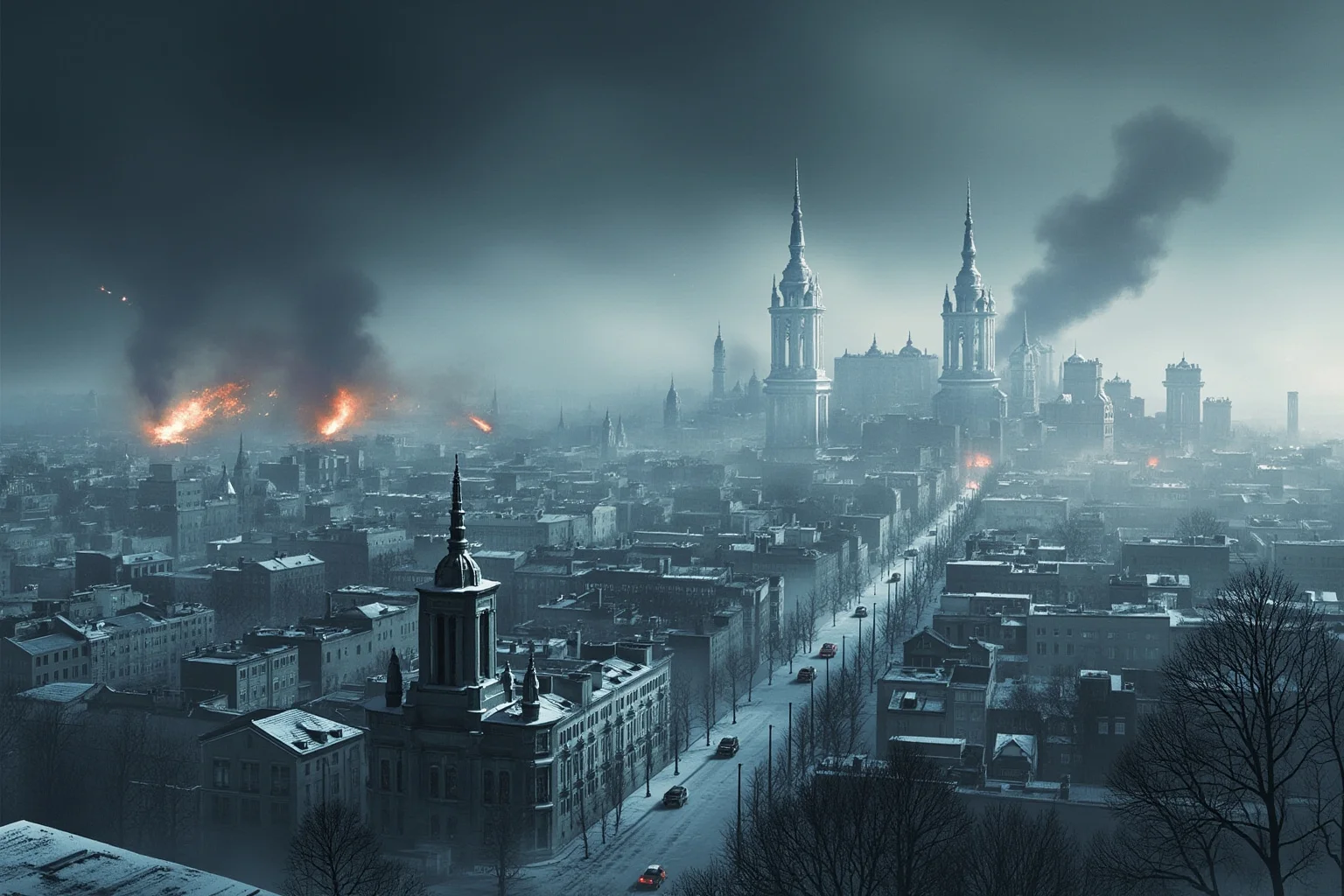
More commonly cited as the longest battle of WW2 in a land-warfare sense, the Siege of Leningrad lasted roughly 872 days, from September 1941 to January 1944. German and Finnish forces encircled the Soviet city, cutting off food and fuel.
Civilian suffering was immense, with estimates of over a million deaths from starvation, cold, and bombardment. It remains one of the deadliest sieges ever recorded and a defining symbol of Soviet resilience, as detailed in these harrowing facts about the Siege of Leningrad.
4. The Battle of Verdun (1916)
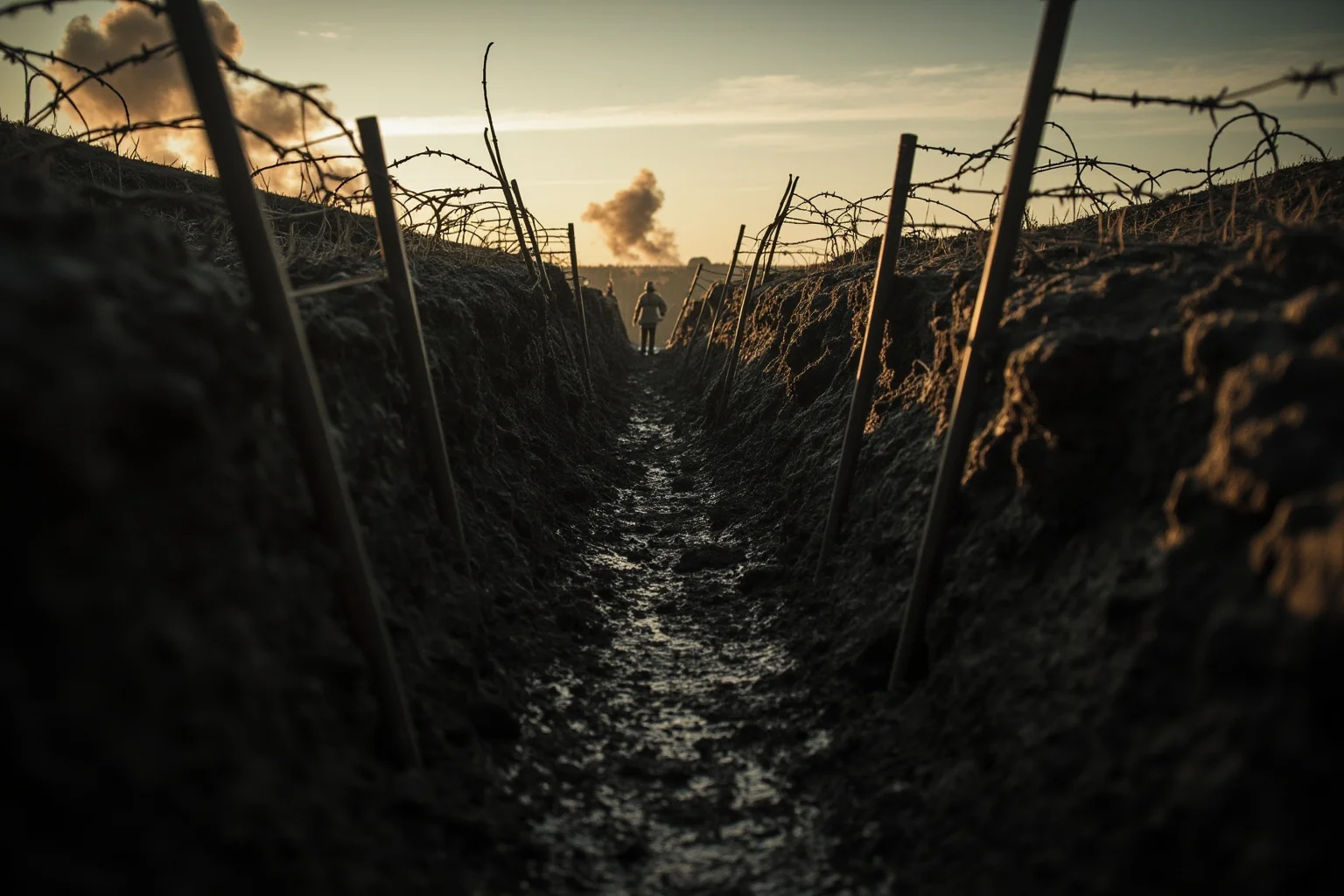
For World War 1, the longest battle by a clear margin was Verdun. Fought between French and German forces from February to December 1916, it lasted 302 days.
Verdun became a symbol of attrition warfare, with both sides suffering roughly 700,000 combined casualties for barely any territorial change. The French rallying cry “Ils ne passeront pas” (“They shall not pass”) emerged from this grueling stand.
5. The Battle of Stalingrad (1942–1943)
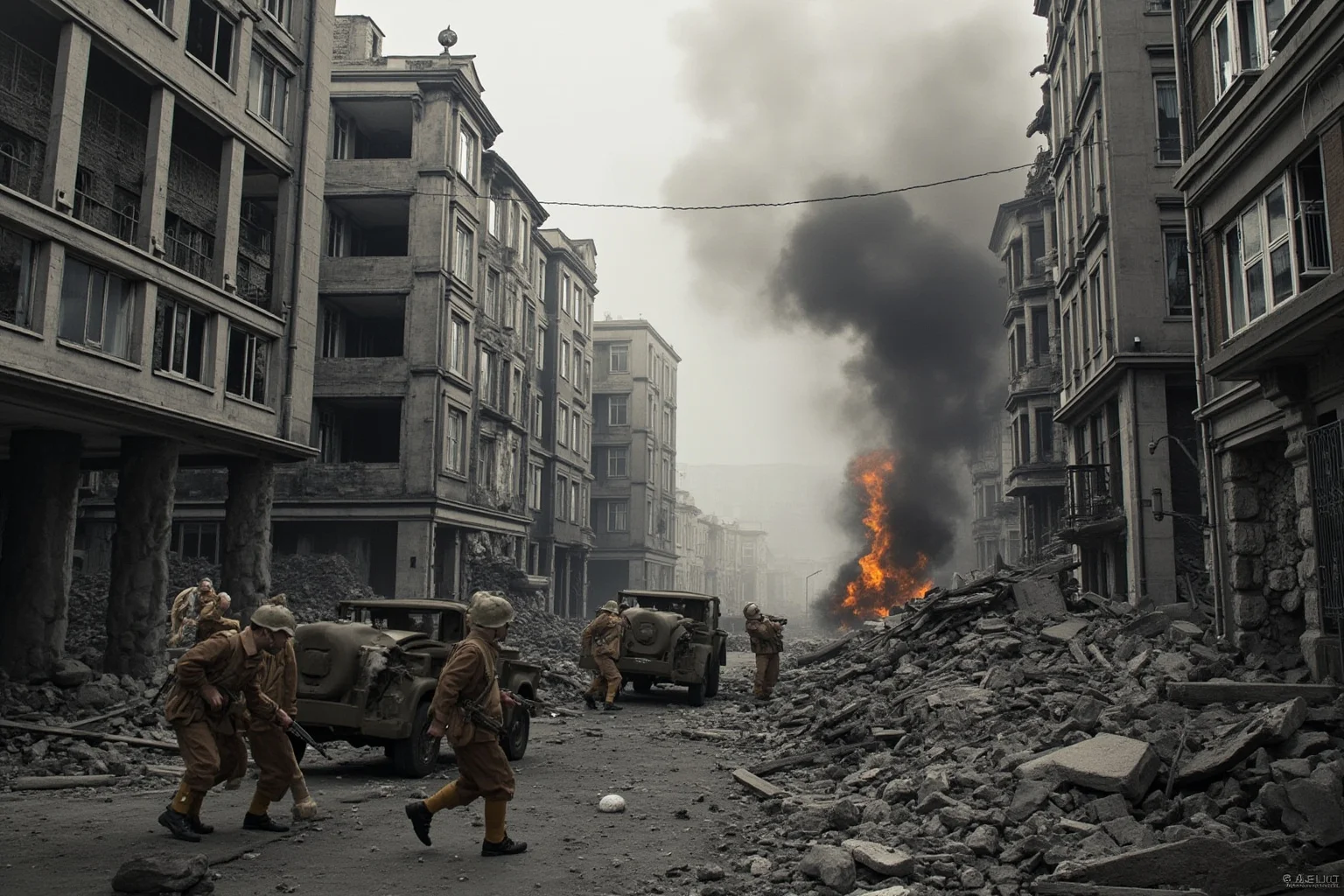
Stalingrad ran from August 1942 to February 1943, roughly five and a half months of brutal urban combat. It’s frequently mentioned alongside Leningrad when people ask about the longest battle of World War 2, though it was shorter in duration.
What sets Stalingrad apart is scale and horror. Estimates put total casualties, military and civilian combined, at around two million, making it one of the bloodiest single battles in human history.
6. The Siege of Sevastopol (1854–1855)
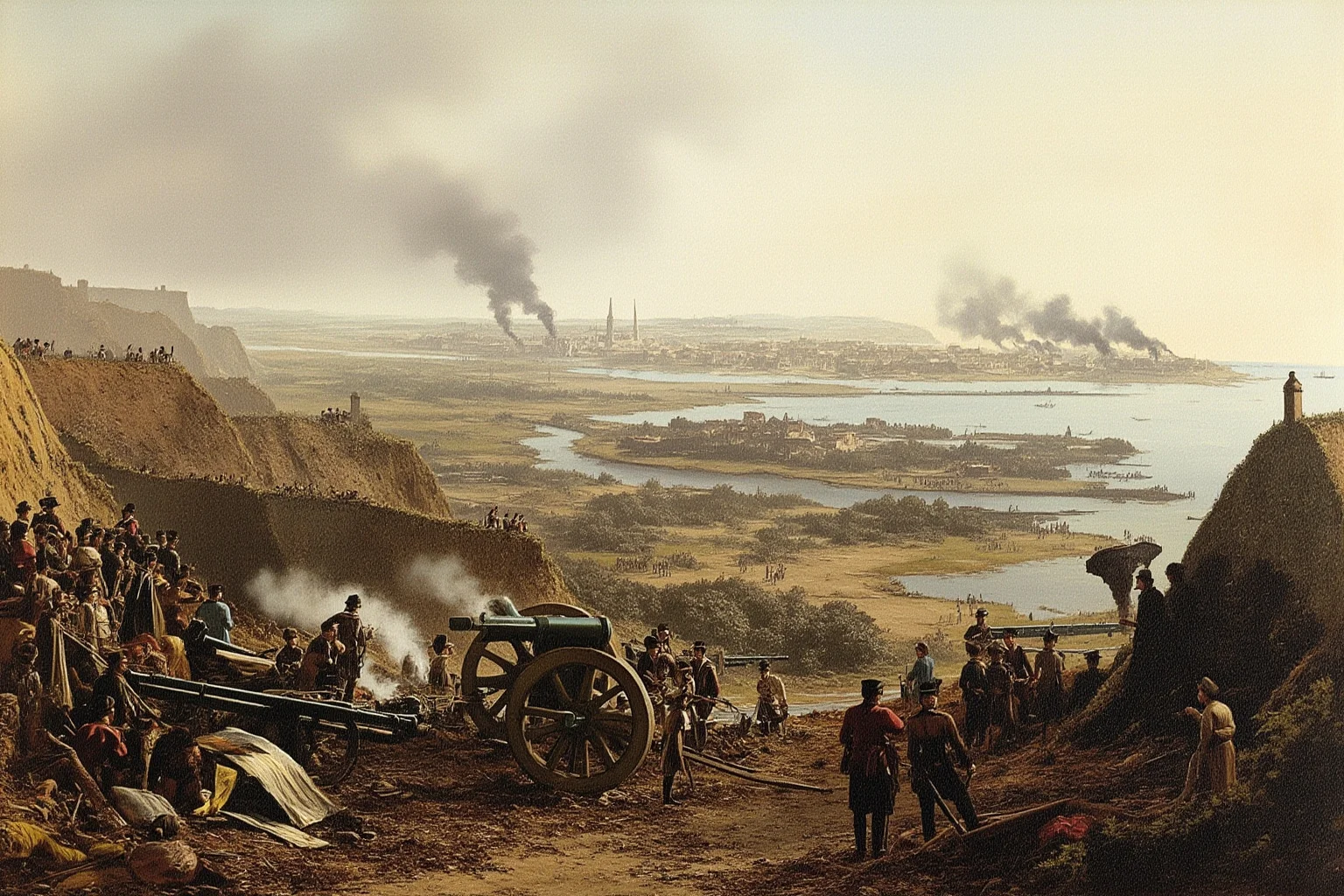
During the Crimean War, Russian forces held the port city of Sevastopol against besieging British, French, and Ottoman troops for about eleven months. Trenches, artillery bombardment, and disease made it a grim preview of the trench warfare that would define World War 1 six decades later.
The siege ultimately fell to Allied forces in September 1855, but not before both sides suffered enormous losses to combat and illness alike.
7. The Battle of Kursk (1943)
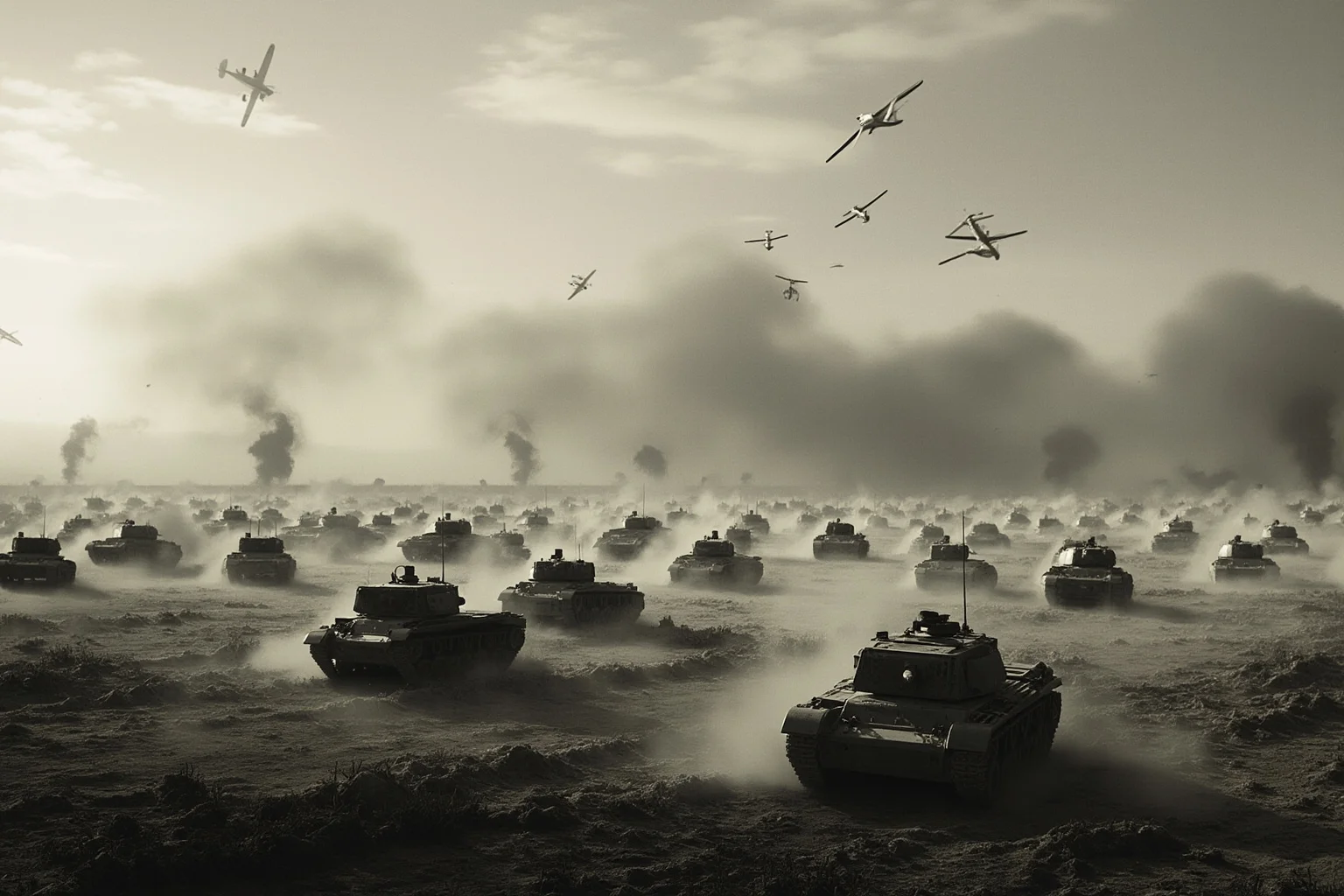
Kursk is usually the answer to the largest land battle in history, and it’s also frequently cited as the largest tank battle ever fought. Fought in July and August 1943, it involved roughly two million troops and thousands of tanks and aircraft.
The Soviet victory at Kursk effectively ended German offensive capability on the Eastern Front, cementing its place among the turning points in history that changed the course of major wars. It’s a strong example of how “largest battle” and “longest battle” are two very different superlatives, since Kursk lasted weeks rather than months.
8. The Hundred Years’ War (1337–1453)
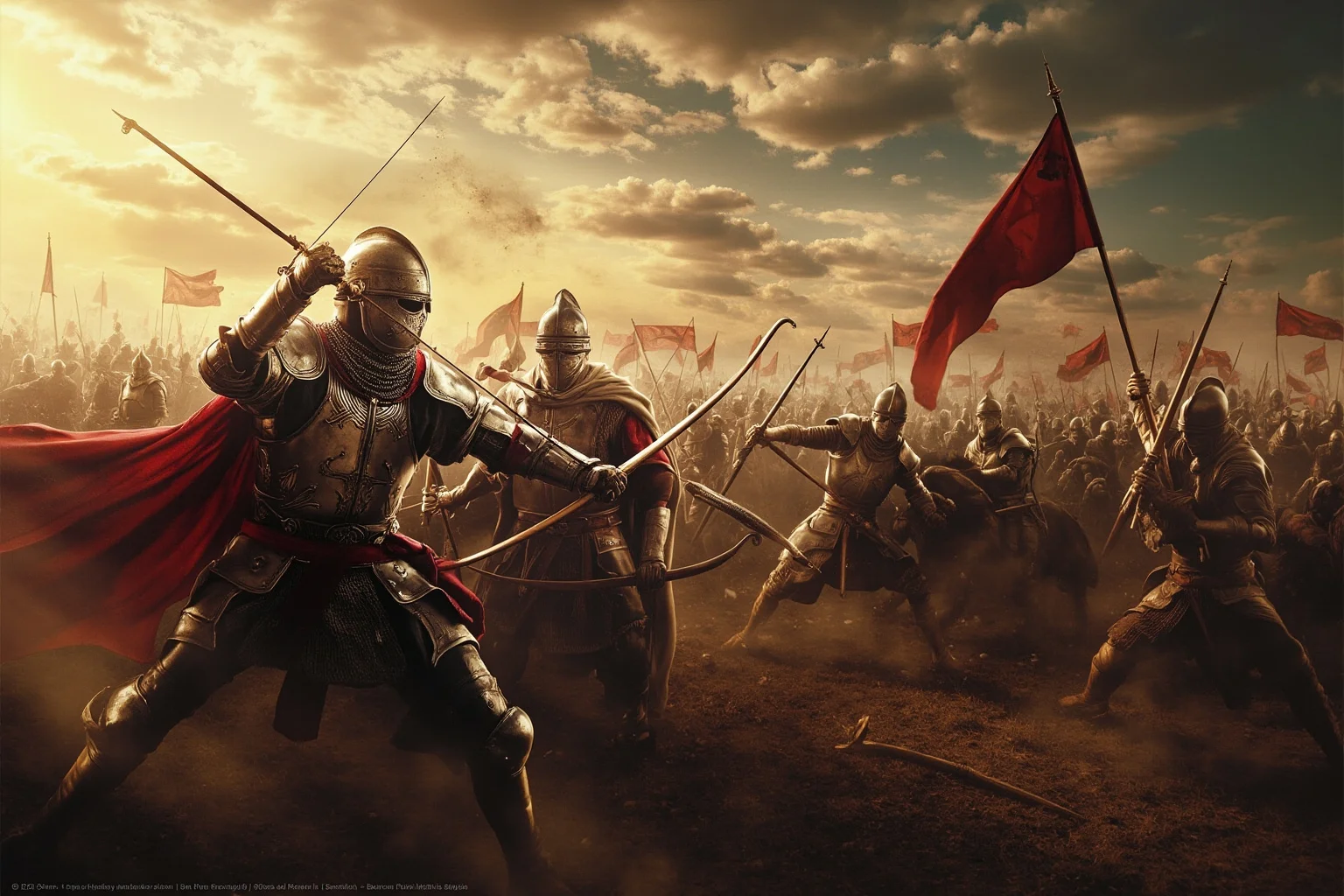
This one is a bit of a trick entry, and a useful myth-buster. The Hundred Years’ War itself lasted 116 years between England and France, but it was not one continuous battle.
It was a series of individual, often quite short, battles and sieges separated by years of truces and lulls. Famous clashes within it, like Agincourt and Crecy, were each over in a matter of hours, which is a good preview of the surprisingly short battles coming up later in this list.
9. Napoleon’s Retreat from Moscow (1812)
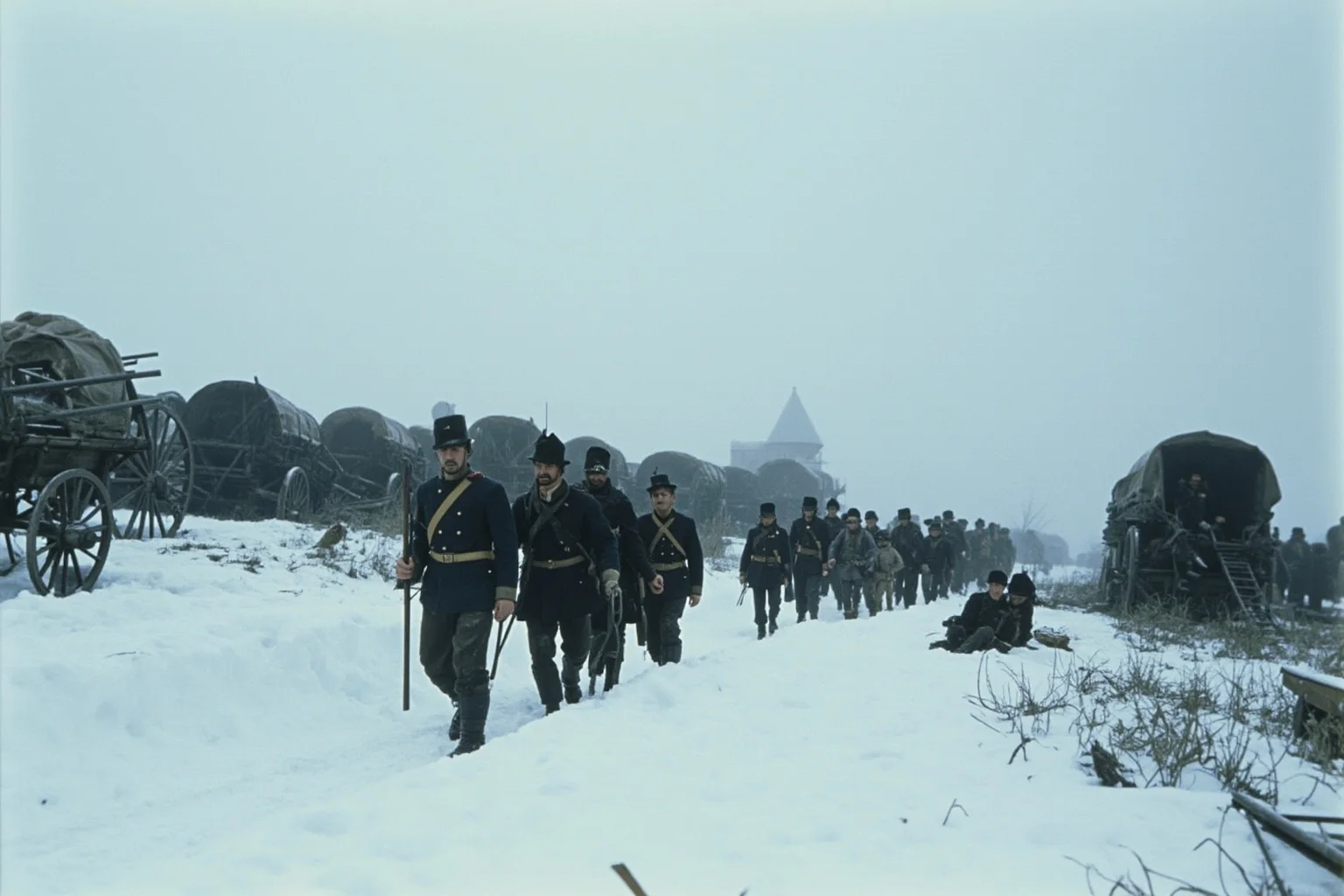
When people search for the longest retreat in history, Napoleon’s disastrous withdrawal from Moscow often comes up. After failing to force a decisive victory over Russia, Napoleon’s Grande Armée retreated roughly 500 miles through brutal winter conditions in late 1812.
Of the roughly 600,000 troops who invaded Russia earlier that year, only a small fraction made it back. Starvation, disease, and cold killed far more soldiers than actual combat during this grim, months-long withdrawal.
10. The Long March (1934–1935)
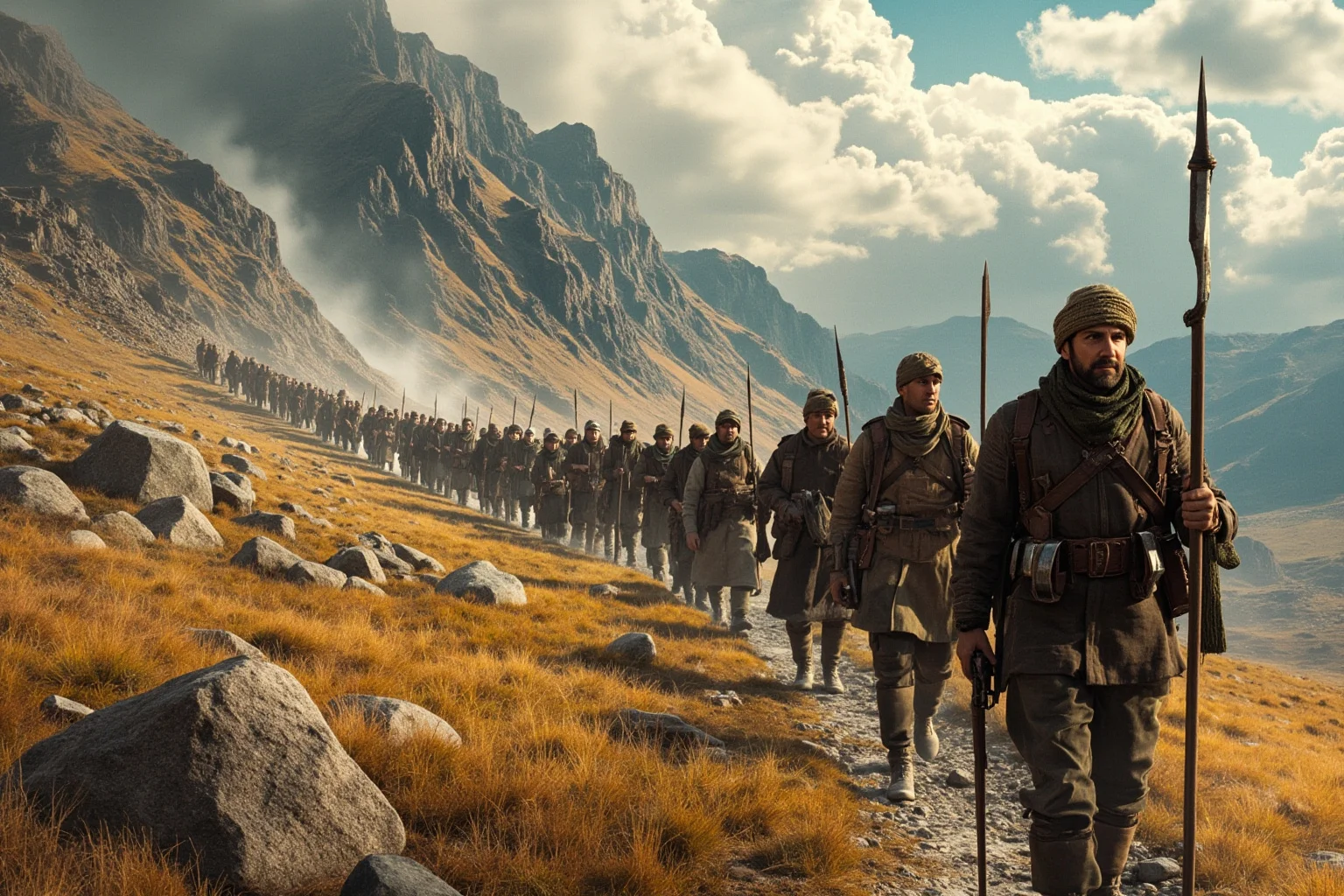
Another strong candidate for the longest retreat in history is the Long March, undertaken by Chinese Communist forces fleeing Nationalist troops. Over roughly a year, various Communist armies traveled an estimated 6,000 miles across difficult terrain.
While not a single battle in the traditional sense, it involved near-constant skirmishing and pursuit, and it became a foundational legend in Chinese Communist Party history. Mao Zedong emerged from it as the party’s unquestioned leader.
Famous Battles That Were Surprisingly Short
Here’s the twist. Plenty of history’s most legendary, empire-shaping battles were decided in a single day, or even a single afternoon. If you only know these battles by reputation, their actual timelines might surprise you.
11. The Battle of Hastings (1066)
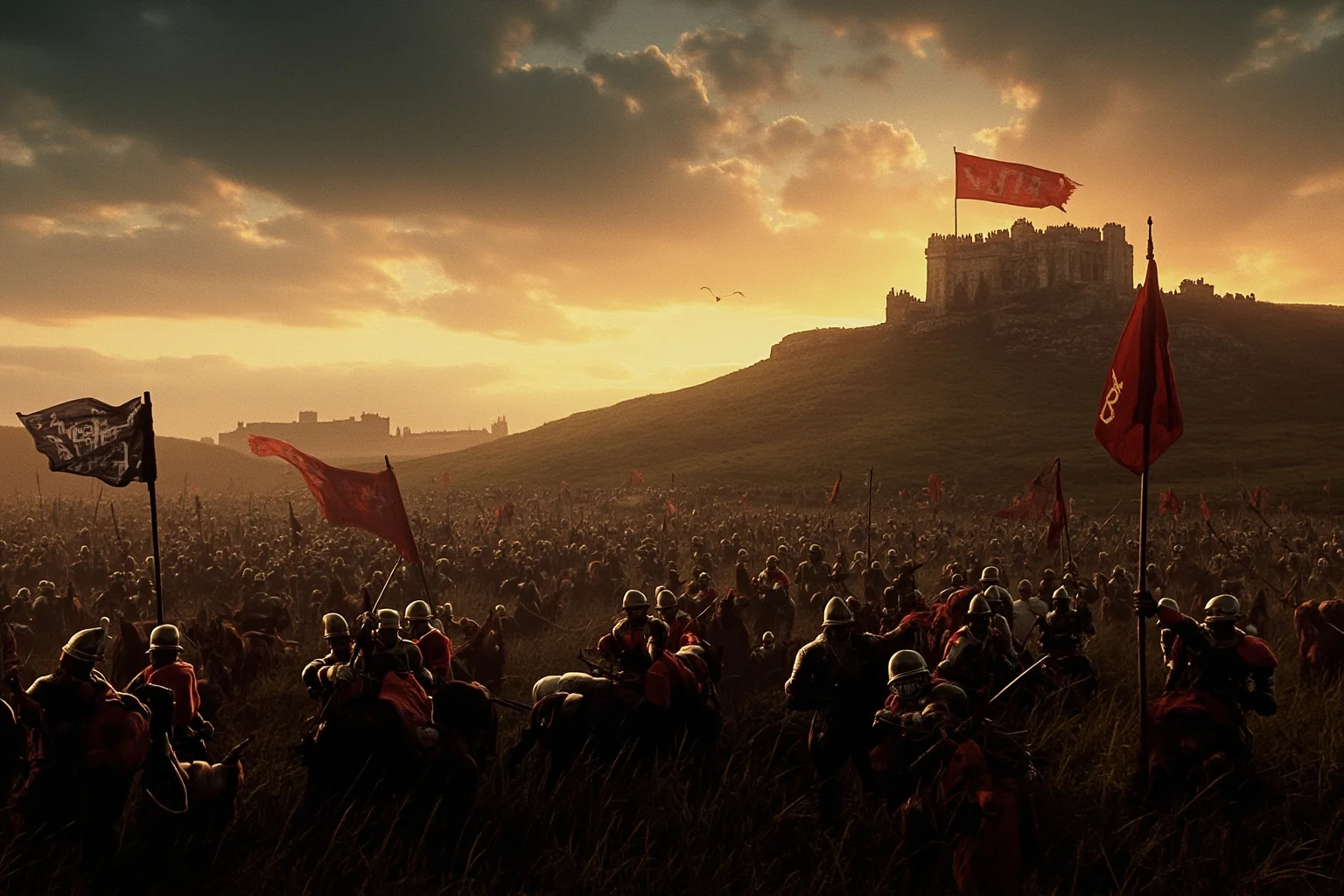
One of the most consequential battles in English history took just one day, October 14, 1066. William the Conqueror’s Norman forces defeated King Harold II’s army, fundamentally reshaping English language, culture, and governance for centuries.
Despite its massive long-term impact, the actual fighting was over by nightfall. Harold’s death, reportedly from an arrow to the eye according to later depictions, effectively ended English resistance almost immediately.
12. The Battle of Waterloo (1815)
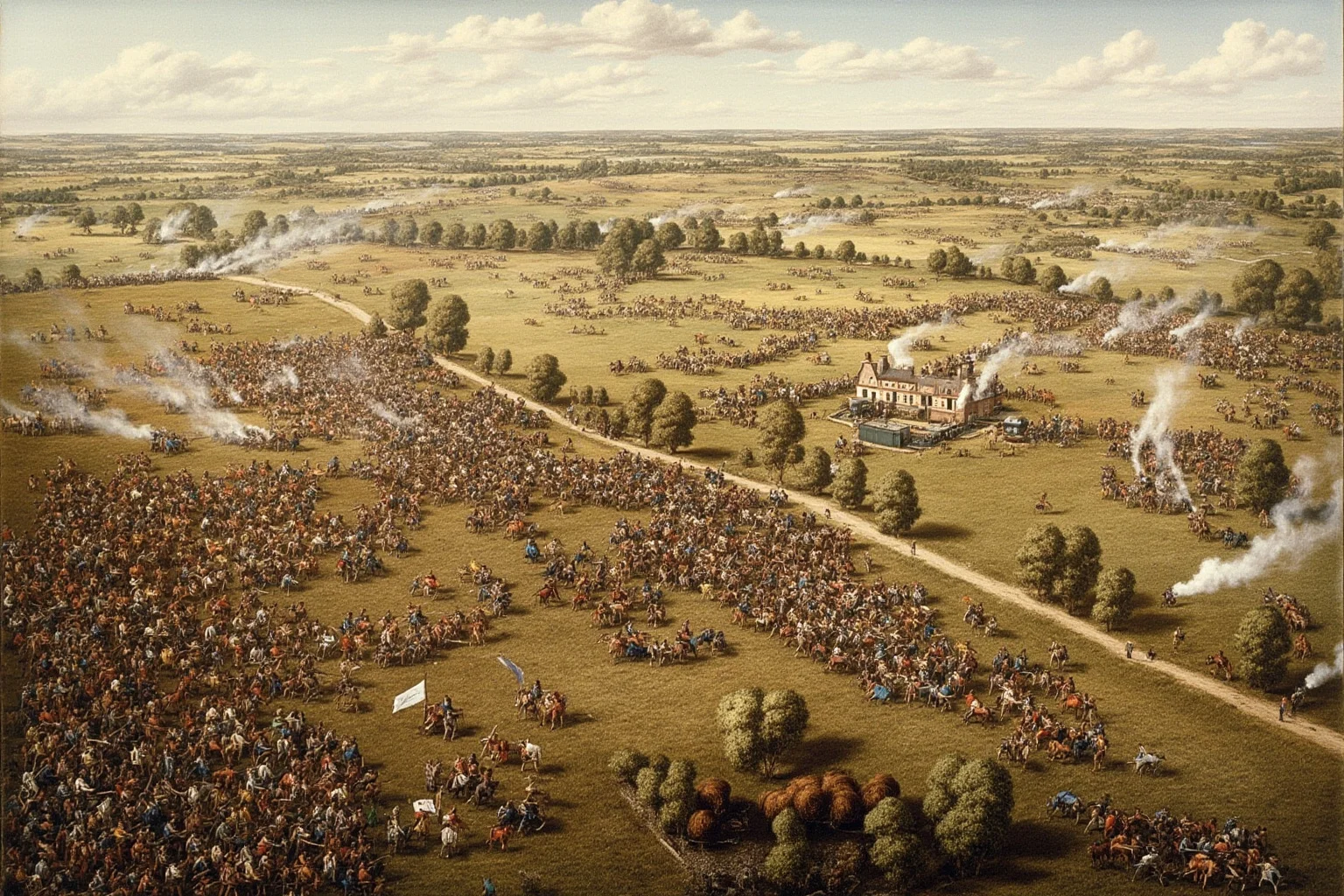
Napoleon’s final defeat, the battle that ended his rule and reshaped European politics for a century, happened in a single day. On June 18, 1815, combined British, Dutch, and Prussian forces defeated the French army near the village of Waterloo in modern Belgium.
The fighting lasted roughly nine hours. That’s remarkably short for a battle so often described as one of history’s most decisive.
13. The Battle of Cannae (216 BC)
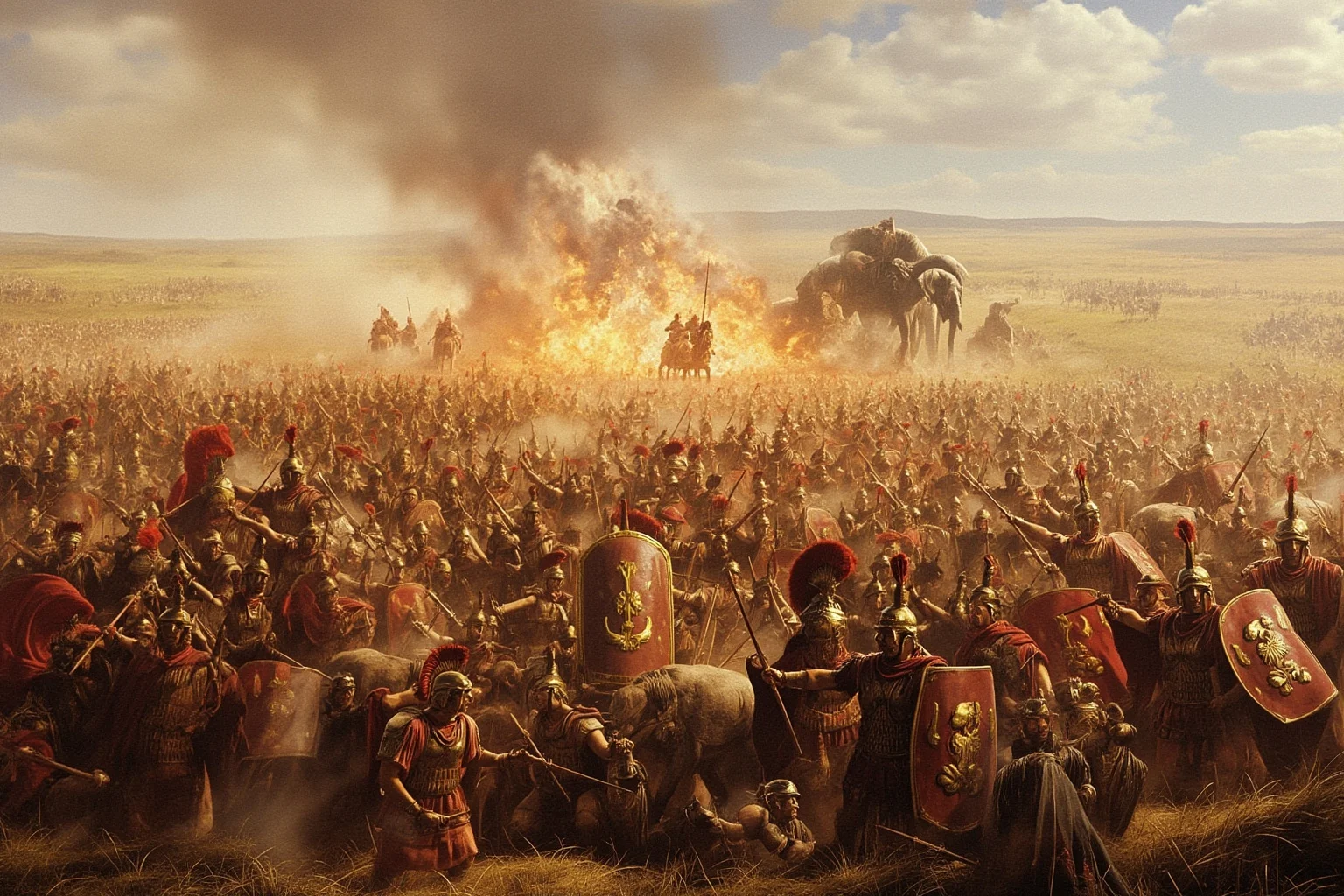
Cannae is a serious contender for the deadliest single-day battle in history. Hannibal’s Carthaginian forces annihilated a much larger Roman army in a single day, with ancient historians estimating Roman losses somewhere between 50,000 and 70,000 killed.
Those figures come from ancient sources like Livy and Polybius, and modern historians treat them with some caution given how ancient casualty counts were often estimated rather than precisely recorded. Even with that caveat, Cannae remains one of the bloodiest single days in recorded military history.
14. The Battle of Antietam (1862)
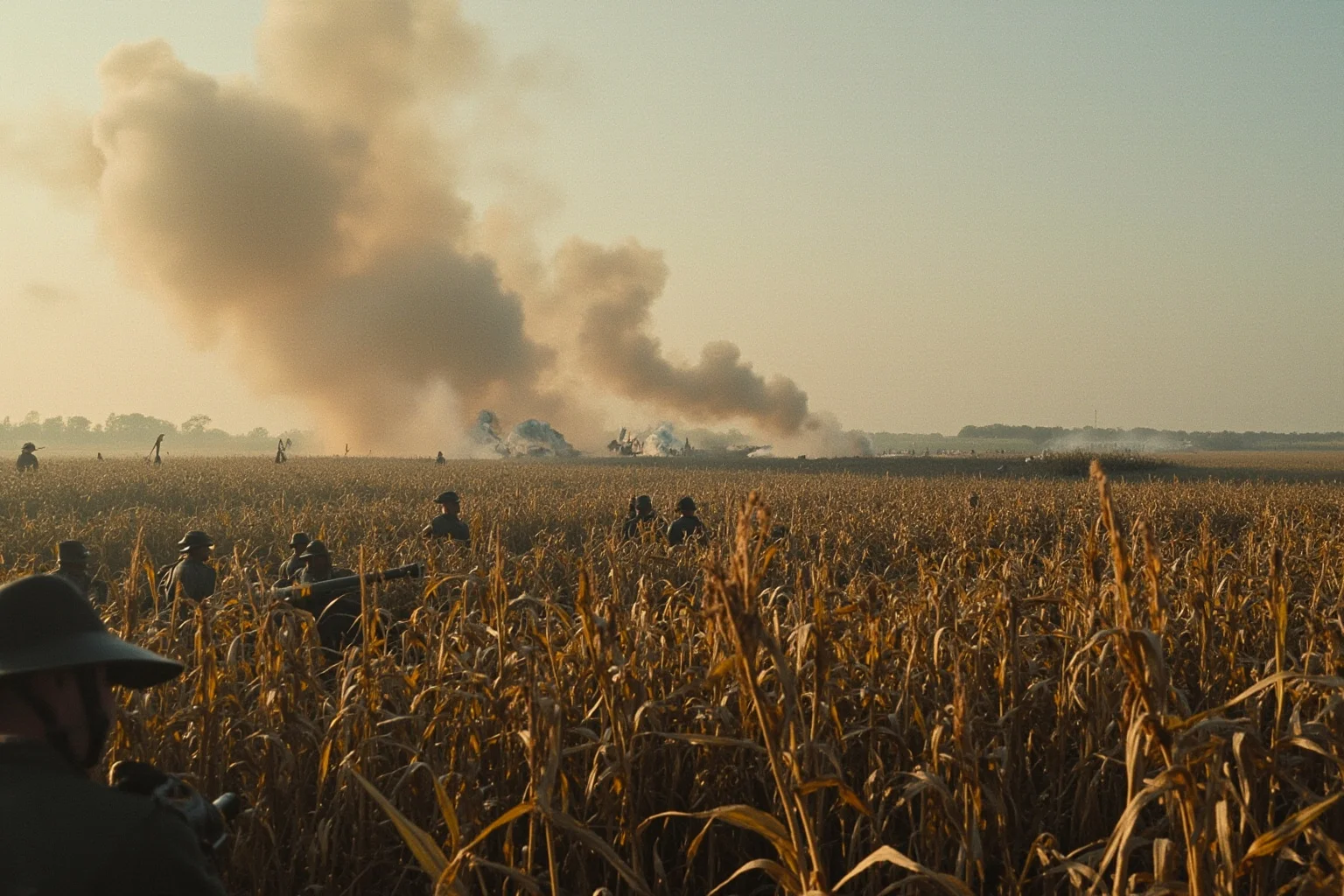
For American history specifically, Antietam holds the grim distinction of the deadliest single day. Fought on September 17, 1862, during the American Civil War, it produced an estimated 22,717 combined casualties in roughly twelve hours of fighting.
The battle itself was tactically inconclusive, but it gave President Lincoln the political opening to issue the Emancipation Proclamation shortly afterward. Sometimes the shortest battles carry the heaviest long-term consequences.
15. The First Day of the Somme (1916)
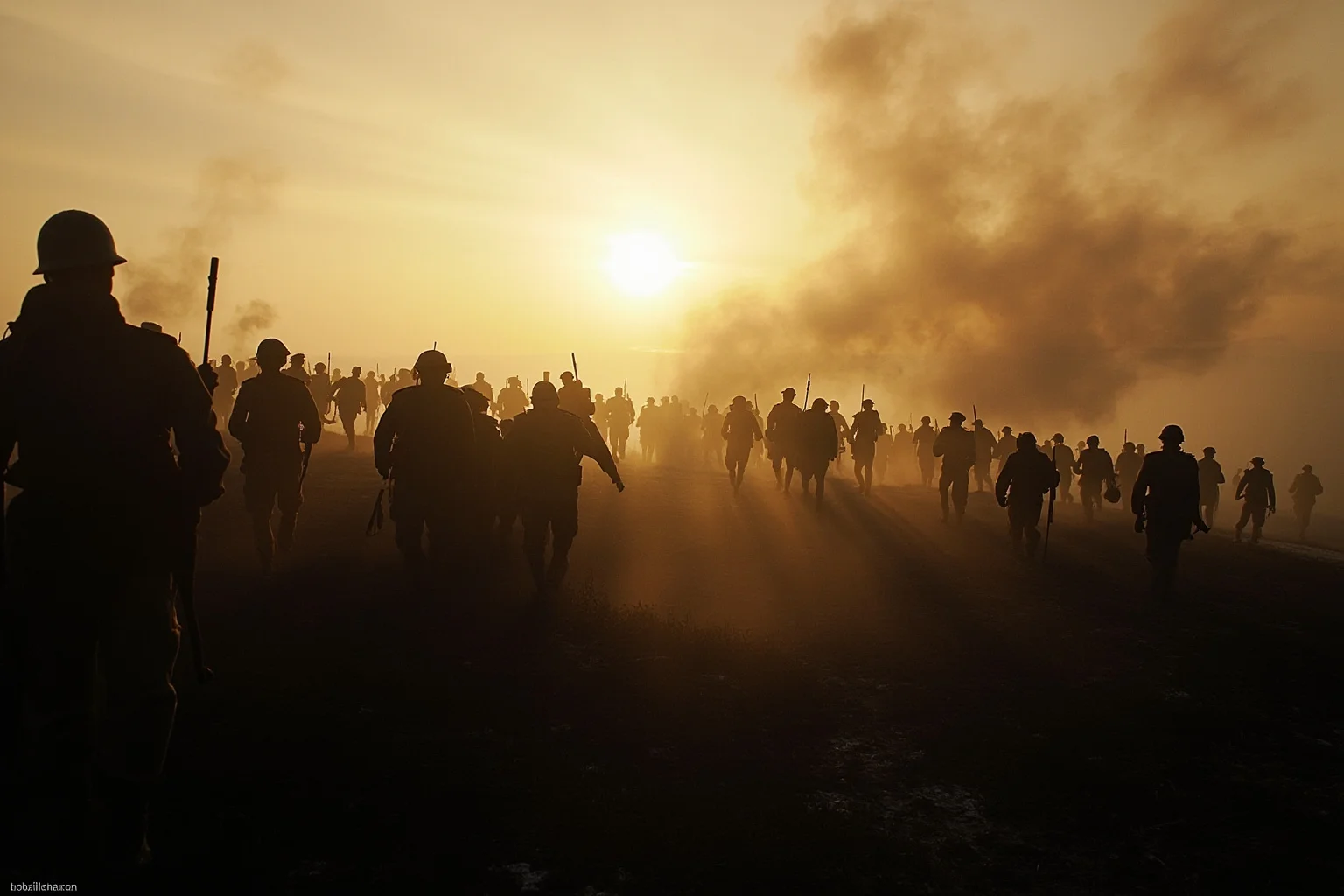
While the overall Battle of the Somme dragged on for over four months, its opening day, July 1, 1916, stands alone as the deadliest single day in the history of the British Army. Roughly 57,470 British casualties were recorded that day, including about 19,240 killed.
This is a good example of how “longest battle” and “deadliest single day” can refer to entirely different events, even within the same overall campaign. The Somme was long overall, but its worst carnage was concentrated into just a few catastrophic hours.
16. The Battle of Agincourt (1415)
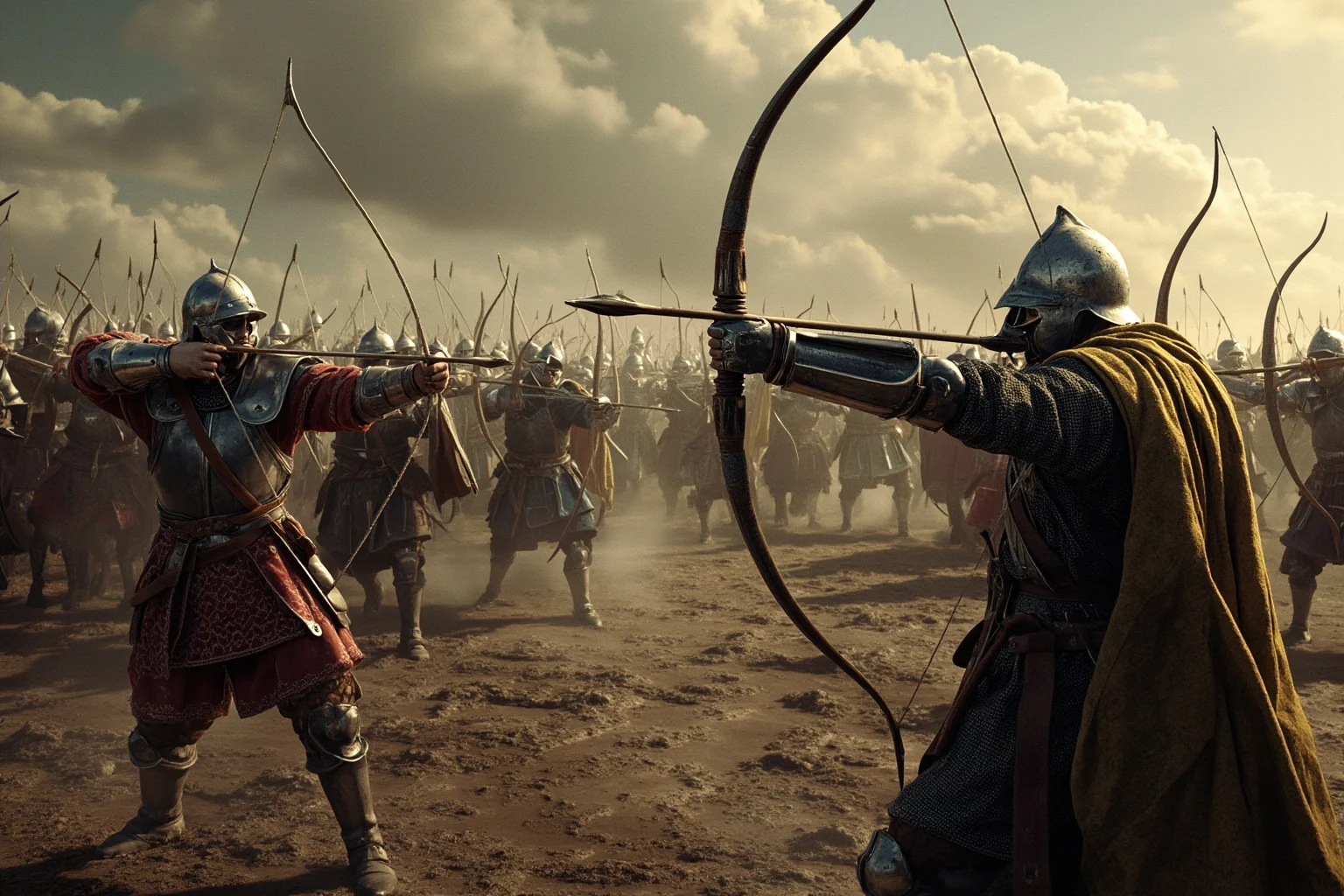
Henry V’s celebrated victory over a numerically superior French force lasted only a few hours on October 25, 1415. Muddy terrain, longbowmen, and heavy French armor combined to produce a lopsided English victory.
Shakespeare immortalized the battle centuries later, but the actual combat was brief by any measure. It’s another reminder that dramatic historical impact doesn’t require a long fight.
17. The Six-Day War (1967)
Sometimes the name says it all. The Six-Day War between Israel and a coalition of Arab states in June 1967 lasted exactly six days, yet it reshaped Middle Eastern borders and politics for decades afterward.
Israel’s rapid, decisive military campaign captured the Sinai Peninsula, Gaza Strip, West Bank, and Golan Heights in less than a week. Few conflicts demonstrate such a stark gap between duration and lasting consequence.
18. The Battle of Tsushima (1905)
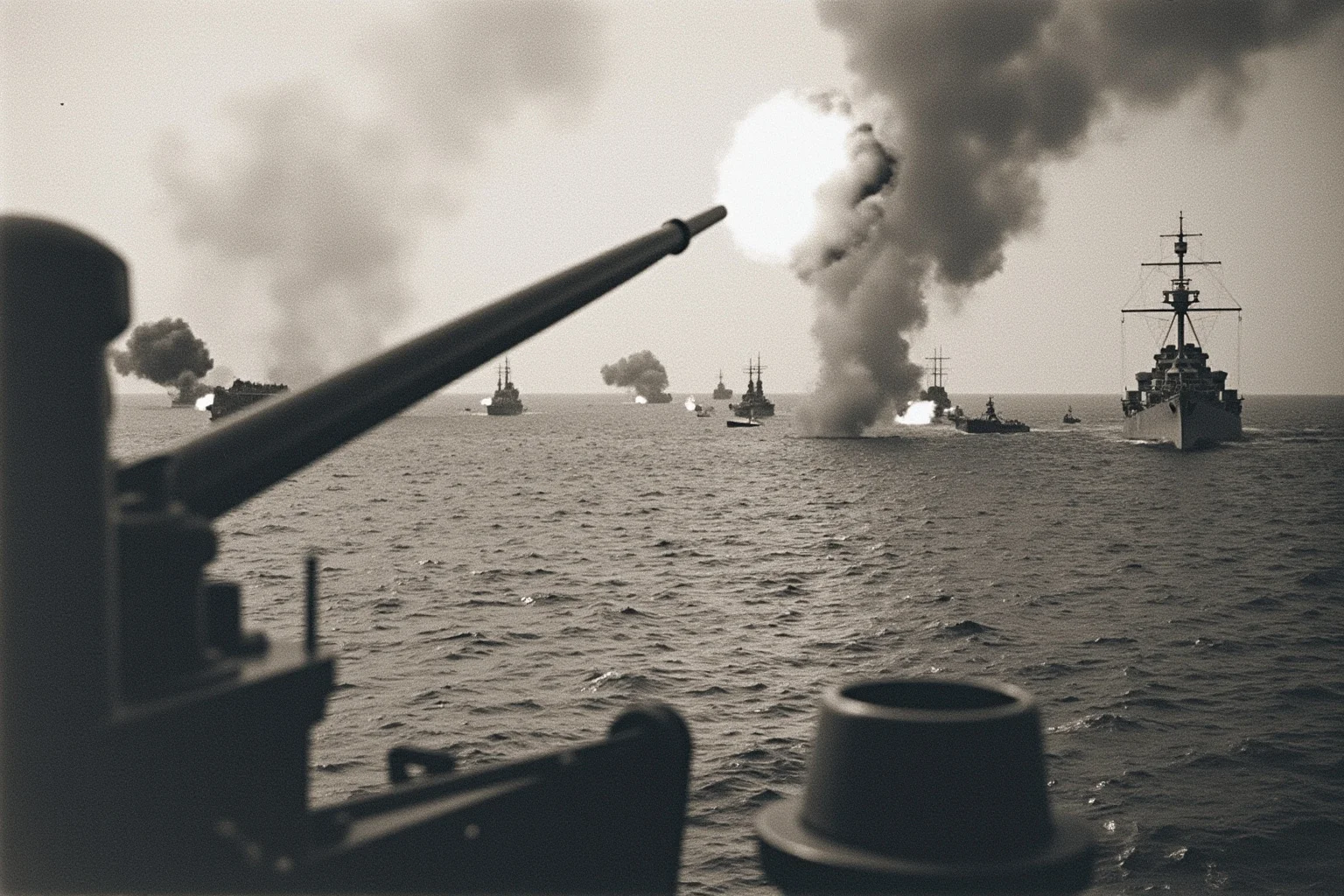
During the Russo-Japanese War, the Battle of Tsushima effectively destroyed Russia’s Baltic Fleet in about a day and a half of fighting in May 1905. Japanese Admiral Togo Heihachiro’s decisive victory shocked the world and signaled Japan’s arrival as a modern naval power.
The speed and totality of the Russian defeat contributed directly to Russia’s loss in the broader war and fed unrest that would eventually contribute to the 1905 Russian Revolution.
19. The Attack on Pearl Harbor (1941)
Often discussed alongside major WW2 battles, the attack on Pearl Harbor lasted roughly ninety minutes to two hours on the morning of December 7, 1941. In that short window, Japanese forces sank or damaged numerous American ships and killed over 2,400 people.
It’s worth noting this was technically a surprise attack rather than a prolonged battle in the traditional sense. Even so, its consequences, the United States’ entry into World War 2, unfolded over the following four years, marking one of the biggest events in American history.
20. The Battle of Rorke’s Drift (1879)
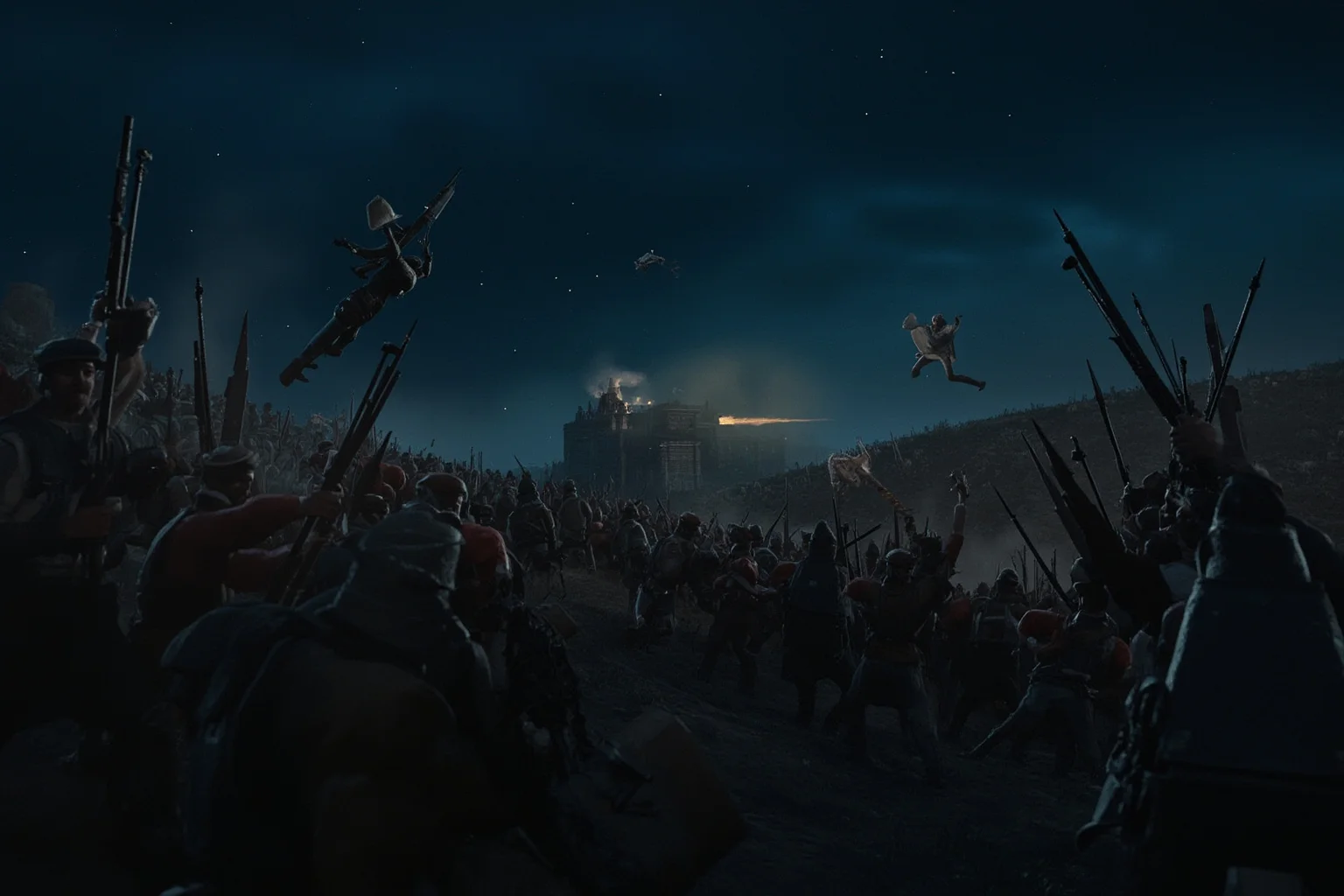
During the Anglo-Zulu War, a small garrison of roughly 150 British and colonial troops held off thousands of Zulu warriors overnight at the Rorke’s Drift mission station. The defense lasted about twelve hours, from the afternoon of January 22 into the early hours of January 23, 1879.
Despite being vastly outnumbered, the defenders held their position, and eleven Victoria Crosses were awarded for the action, the most ever given for a single engagement in British military history. It stands as a striking example of how intensity, not duration, often defines a battle’s legacy.
Long, Short, or Somewhere In Between
What this list really shows is that “longest,” “largest,” and “deadliest” are three separate questions, and history rarely lets one battle claim all three titles. Candia was long but not especially deadly by comparison. Cannae was short but catastrophically bloody. Kursk was enormous in scale but wrapped up in weeks.
The next time someone mentions the longest battle in history with total confidence, it’s worth asking which definition they mean. Are they talking about a siege that dragged on for decades, a WW2 campaign that spanned the entire war, or a single day that happened to be unusually brutal? All three answers are technically correct, depending on the question.
History tends to reward nuance over neat, tidy superlatives. That’s really the whole point of a list like this one.
Frequently Asked Questions
What was the longest battle in history?
It depends on your definition. If sieges count as battles, the Siege of Candia (1648–1669) on Crete is usually cited as the longest, lasting 21 years during the Ottoman-Venetian Cretan War. If you're looking for a shorter, more intense engagement, the answer changes considerably, since most pitched battles wrap up in days, not decades.
What was the longest battle of World War 2?
The Siege of Leningrad (1941–1944) is the most commonly cited answer for land warfare, lasting around 872 days. However, the Battle of the Atlantic technically ran the entire length of the war, from 1939 to 1945, making it arguably the longest continuous campaign of WW2 overall.
What was the longest battle in World War 1?
The Battle of Verdun holds that title, lasting 302 days between French and German forces in 1916. It became a defining symbol of attrition warfare on the Western Front, with roughly 700,000 combined casualties for minimal territorial change.
What is the deadliest single-day battle in history?
There isn't one universally agreed answer, since ancient casualty records are less reliable than modern ones. The Battle of Cannae in 216 BC is often cited for the ancient world, with Roman losses estimated between 50,000 and 70,000 in a single day, while the first day of the Battle of the Somme (1916) remains the deadliest single day in British military history.
What was the longest retreat in history?
Napoleon's 1812 retreat from Moscow is one of the most famous long retreats, stretching roughly 500 miles through brutal winter conditions and devastating his army. China's Long March (1934–1935), covering an estimated 6,000 miles over about a year, is another major contender often cited for sheer distance.
What is the largest land battle in history?
The Battle of Kursk in 1943 is generally considered the largest land battle in history and the largest tank battle ever fought, involving roughly two million troops and thousands of tanks and aircraft on the Eastern Front of World War 2.
Why do people say “why do you give me your toughest battles”?
This phrase comes from a popular inspirational quote, often attributed loosely to religious or motivational sources, encouraging people to see personal struggles as a sign of inner strength rather than punishment. It's a modern motivational saying rather than a historical reference, and it isn't connected to any specific war or military battle discussed by historians.
Were most historic battles actually long, drawn-out affairs?
No, and this is a common misconception. Many of history's most famous and consequential battles, including Hastings, Waterloo, and Agincourt, were decided in a single day or even a few hours. Long battles tend to be sieges or extended campaigns rather than continuous, active combat.

Alex Warren
Related Articles





