
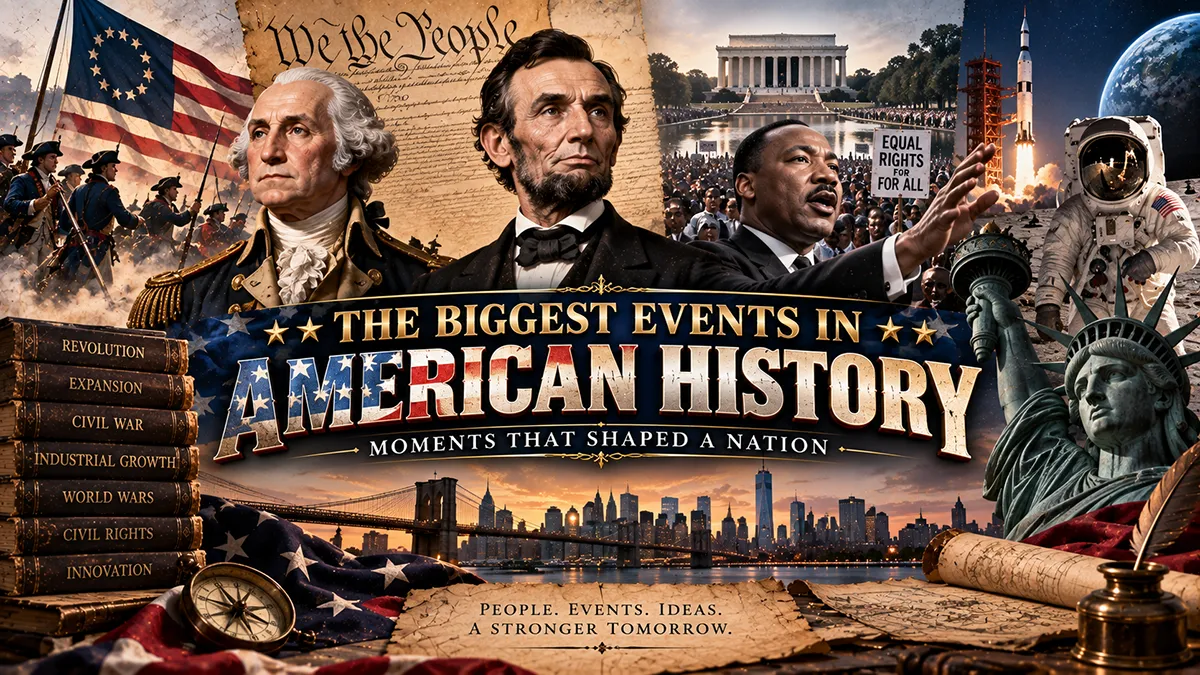
America’s story is really a chain of pivotal moments, each one nudging the country toward whatever came next. When people search for “america historical” information or a rundown of major historical events, they’re usually hoping for more than a dry list of dates. They want to understand how a handful of decisions, wars, and social movements built the country we live in today.
This guide walks through the biggest events in American history, from the nations who lived here long before 1492 to the crises that are still shaping headlines today. Some searchers want the “20 most important events in U.S. history,” others want a quick “top 10,” and some just want to know what happened in a specific year.
We’ve built this timeline to answer all of those questions in one place, without inflating the list with filler just to hit a round number.
TL;DR: From Indigenous nations and the Revolution to the Civil War, two World Wars, the Civil Rights Movement, and 9/11, a chain of about two dozen defining moments explains how the United States became the country it is today.
What Counts as a “Major” Event in American History?
Historians don’t always agree on what is the most important event in American history, and honestly, that’s part of what makes the subject so interesting. A major event usually changes who holds power, how people live day to day, or how the country sees itself. By that measure, a single election, a court ruling, or one battlefield decision can outweigh years of ordinary life.
There are a few recurring themes in American history worth watching for as you read through this timeline. Expansion and displacement, the long struggle over who counts as a full citizen, the push-pull between federal and state power, and the country’s shifting role in the wider world all show up again and again. These themes throughout American history connect events that otherwise look unrelated.
It’s also worth asking what is the most important event in history more broadly, since American history doesn’t happen in isolation, and the U.S. itself is a young nation compared to some of the oldest countries in the world. Global events like the World Wars or the Cold War reshaped the U.S. just as much as the U.S. reshaped them, so a few entries below are as much world history as they are strictly American.
The Full Timeline: 28 Major Events in American History
Whether you’re after the “20 most important events in U.S. history,” a quick top 10, or something closer to the 100 most important events in US history that a full college syllabus might cover, this list is built to be the single most useful stop. We’ve included more than 20 entries on purpose, filling real gaps that shorter lists tend to skip, like the War of 1812, the Spanish-American War, and the Space Race, while leaving out filler that wouldn’t survive a fact-check.
This timeline touches on the major topics in US history you’d find in any classroom or documentary: founding and revolution, westward expansion, civil war and reconstruction, industrial growth, two world wars, civil rights, and the modern era. Each entry below includes a rough date range and why the event mattered, so you can also use this as a quick historical dates in American history reference.
1. Indigenous Nations Before European Contact (Pre-1492)
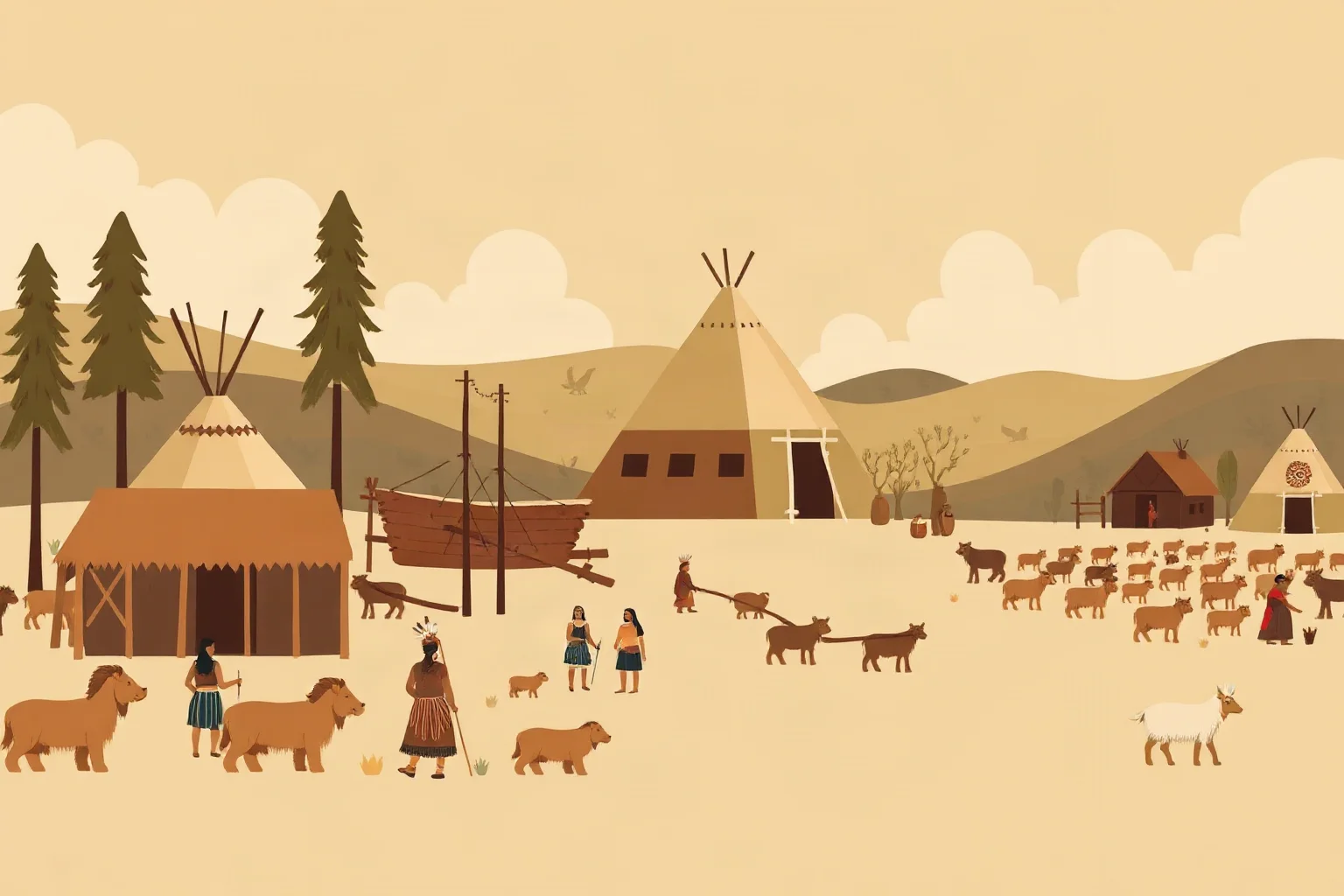
Long before any European sailed west, hundreds of distinct Indigenous nations lived across North America, from the Haudenosaunee Confederacy in the Northeast to the Ancestral Pueblo communities of the Southwest. These societies had their own governments, trade networks, languages, and agricultural systems, some of which influenced later American institutions in ways that are still debated by historians.
This era matters because it’s the true starting point of American history, even though many older textbooks skipped straight to 1492. Any honest look at events in American history has to start here, since the “discovery” framing ignores millions of people who were already home.
2. Columbus’s Voyages and the Age of Exploration (1492)

Christopher Columbus wasn’t looking for a new continent when he sailed in 1492; he was trying to find a westward route to Asia. Instead, he landed in the Caribbean, and his voyages opened the door to sustained European exploration, conquest, and colonization of the Americas.
The consequences were enormous and often devastating for Indigenous peoples, who faced disease, displacement, and violence in the centuries that followed. It’s one of the most significant events in American history precisely because it set nearly everything else on this list in motion, for better and for worse.
3. The Founding of Jamestown (1607)

Jamestown, Virginia, became the first permanent English settlement in North America in 1607. The colonists faced brutal famine, disease, and conflict with the Powhatan Confederacy, and the settlement’s survival was far from guaranteed in its early years.
Jamestown’s endurance secured England’s first lasting foothold in what would become the United States. It also introduced the tobacco economy and, by 1619, the first recorded Africans brought to English North America, planting the seeds of the institution of slavery that would shape the next two and a half centuries.
4. Plymouth and the Mayflower Compact (1620)
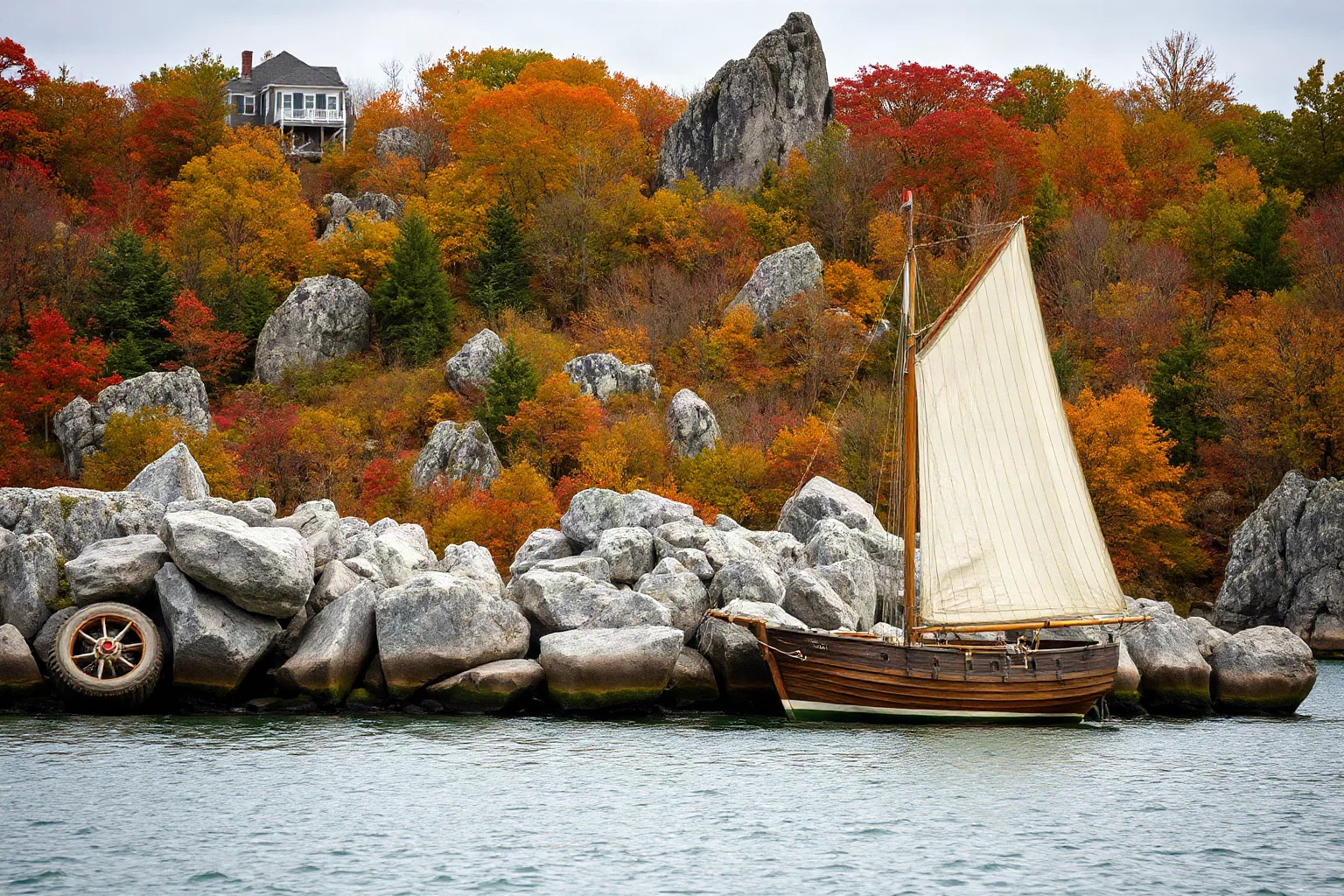
In 1620, a group of English separatists, later remembered as the Pilgrims, landed in present-day Massachusetts and founded Plymouth Colony. Before going ashore, the passengers signed the Mayflower Compact, an early experiment in self-government among the settlers.
Plymouth’s story is wrapped in myth, including the popular but unverified claim that the Pilgrims stepped ashore on a specific rock. What’s better documented is the colony’s early alliance and later conflict with the Wampanoag people, a pattern that would repeat across the continent.
5. The American Revolution and the Declaration of Independence (1775-1783)
Frustration over taxation without representation and tightening British control finally erupted into armed conflict at Lexington and Concord in 1775. By July 1776, the Continental Congress adopted the Declaration of Independence, formally asserting that the thirteen colonies were free and independent states.
The war itself dragged on for eight difficult years, marked by harsh winters like the one at Valley Forge and a turning point at Saratoga that helped secure French support. American and French forces finally forced a British surrender at Yorktown in 1781, and the 1783 Treaty of Paris made independence official. This is the event most people mean when they ask about important events in the American Revolution, though the next section breaks the war into its individual turning points.
6. The Constitutional Convention and the Bill of Rights (1787-1791)
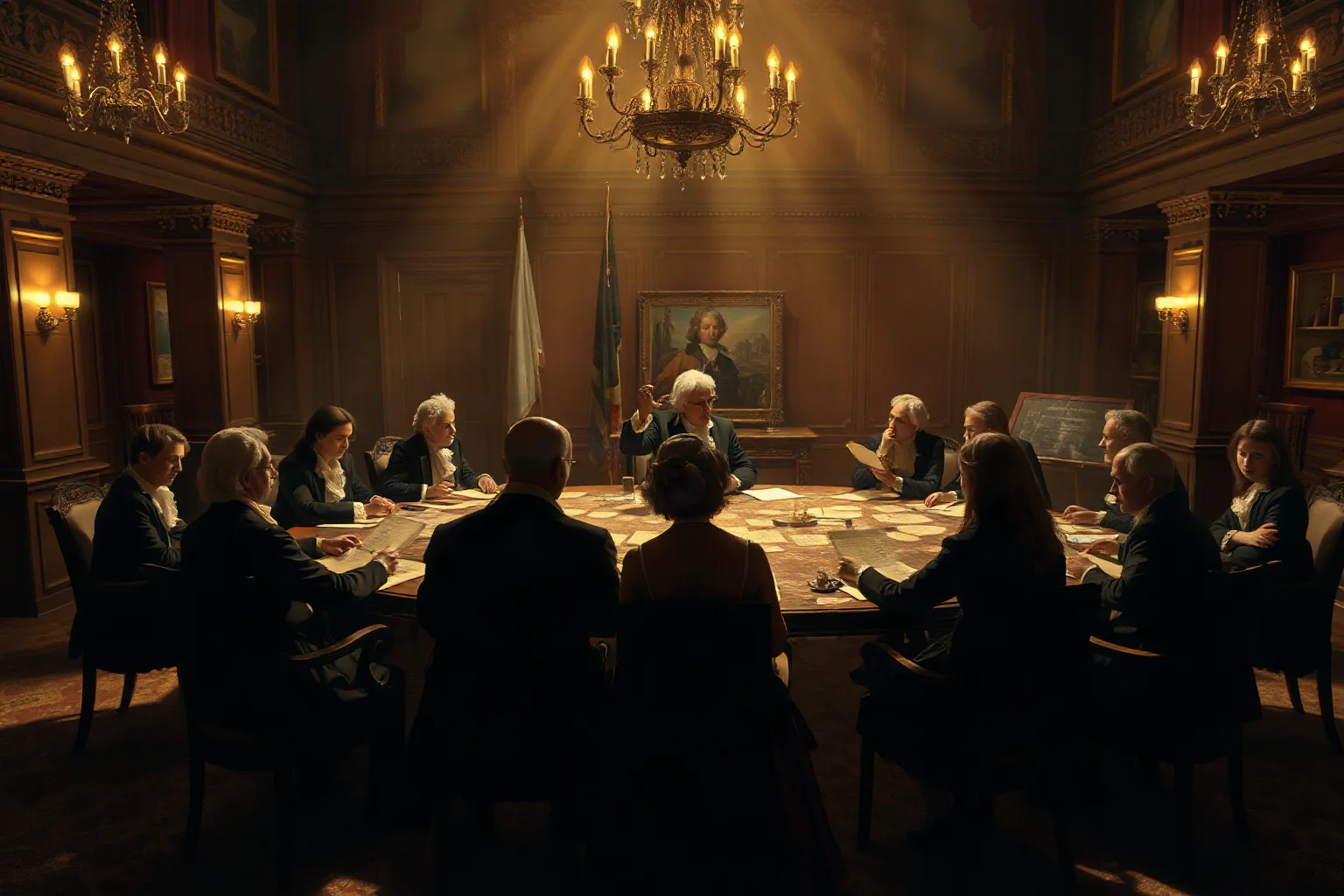
The new nation’s first government under the Articles of Confederation proved too weak to function well, so delegates, drawing on some of history’s sharpest minds, gathered in Philadelphia in 1787 to draft a stronger framework. The result was the U.S. Constitution, which balanced federal authority against states’ rights and individual liberty.
Ratification wasn’t automatic. Many states demanded explicit protections for personal freedoms, which led to the first ten amendments, known as the Bill of Rights, being added in 1791. Together, these documents still form the backbone of American law and government today.
7. The Louisiana Purchase (1803)
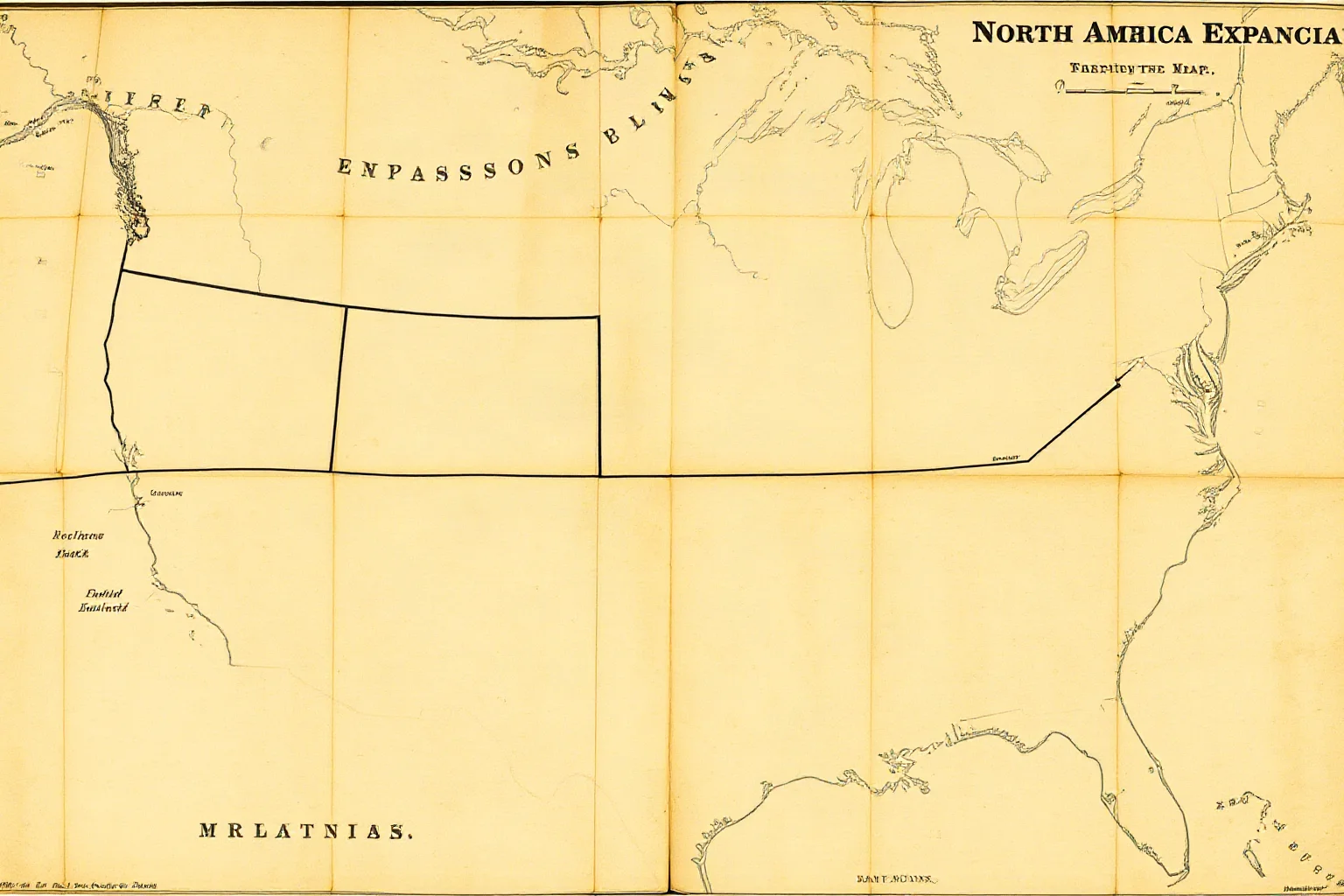
In 1803, the United States bought roughly 828,000 square miles of territory from France for about $15 million, doubling the size of the country almost overnight. President Thomas Jefferson pursued the deal mainly to secure control of the Mississippi River and the port of New Orleans.
The purchase opened the door to westward migration, the Lewis and Clark expedition, and decades of expansion that would eventually stretch the country to the Pacific. It remains one of the most consequential land deals in world history, not just American history.
8. The War of 1812 (1812-1815)
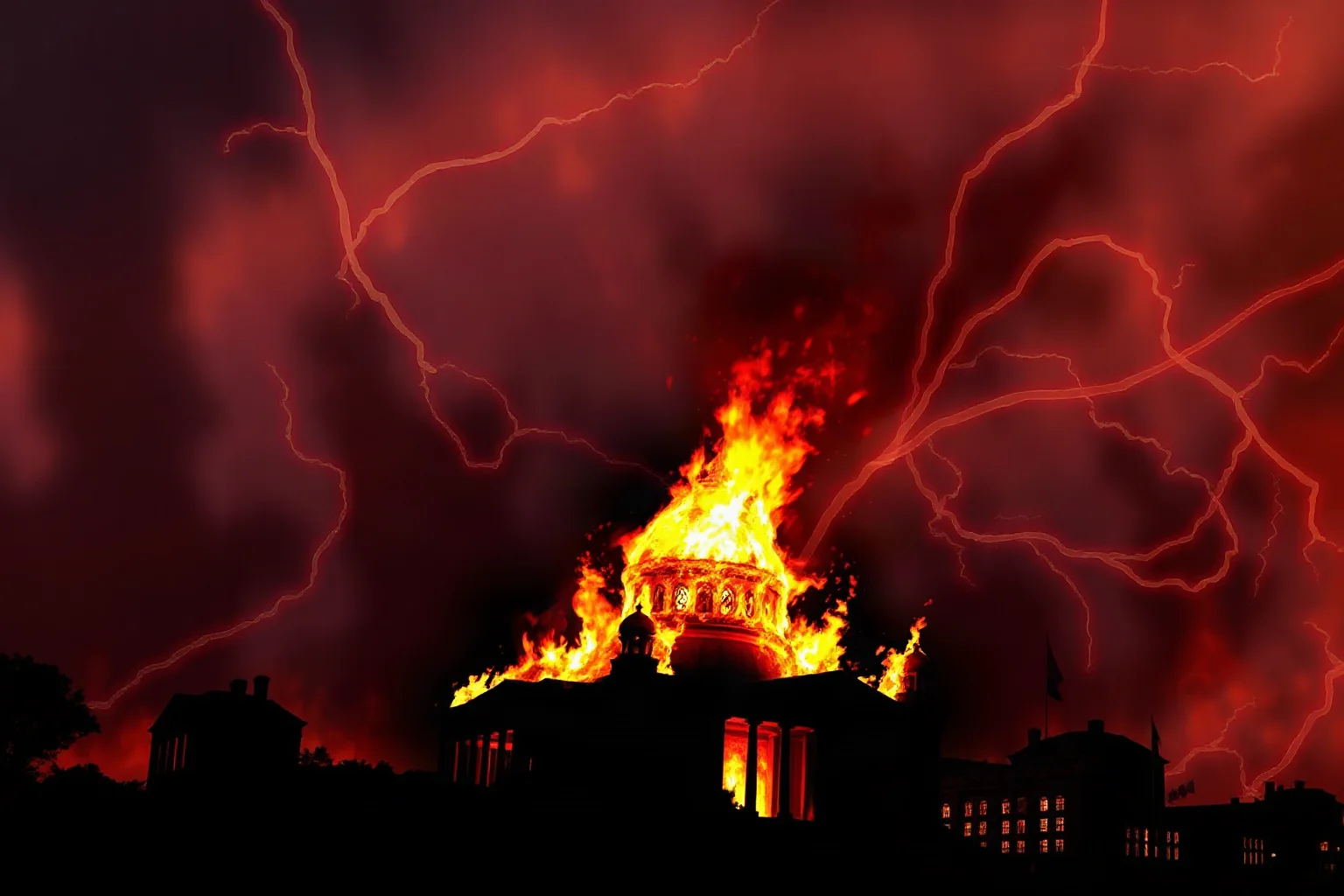
Ongoing tensions with Britain over trade restrictions, naval impressment of American sailors, and British support for Native American resistance on the frontier led to the War of 1812. The conflict included the burning of Washington, D.C., in 1814 and the defense of Fort McHenry that inspired Francis Scott Key to write what became “The Star-Spangled Banner.”
Although the war ended in a rough stalemate, it boosted American national identity and confidence. It’s a genuinely important event that’s often left off shorter timelines, even though it shaped early American nationalism and foreign policy for decades.
9. Indian Removal and the Trail of Tears (1830s)

The Indian Removal Act of 1830 authorized the federal government to force Native American nations, including the Cherokee, Choctaw, and Muscogee, off their ancestral lands in the Southeast. The Cherokee removal in particular, remembered as the Trail of Tears, killed thousands of people during the forced march west.
This is one of the most tragic events in American history, and it’s essential context for understanding the country’s later relationship with Native nations. It reshaped Indigenous history across the continent and left consequences that are still felt in tribal communities today.
10. The Mexican-American War and Manifest Destiny (1846-1848)
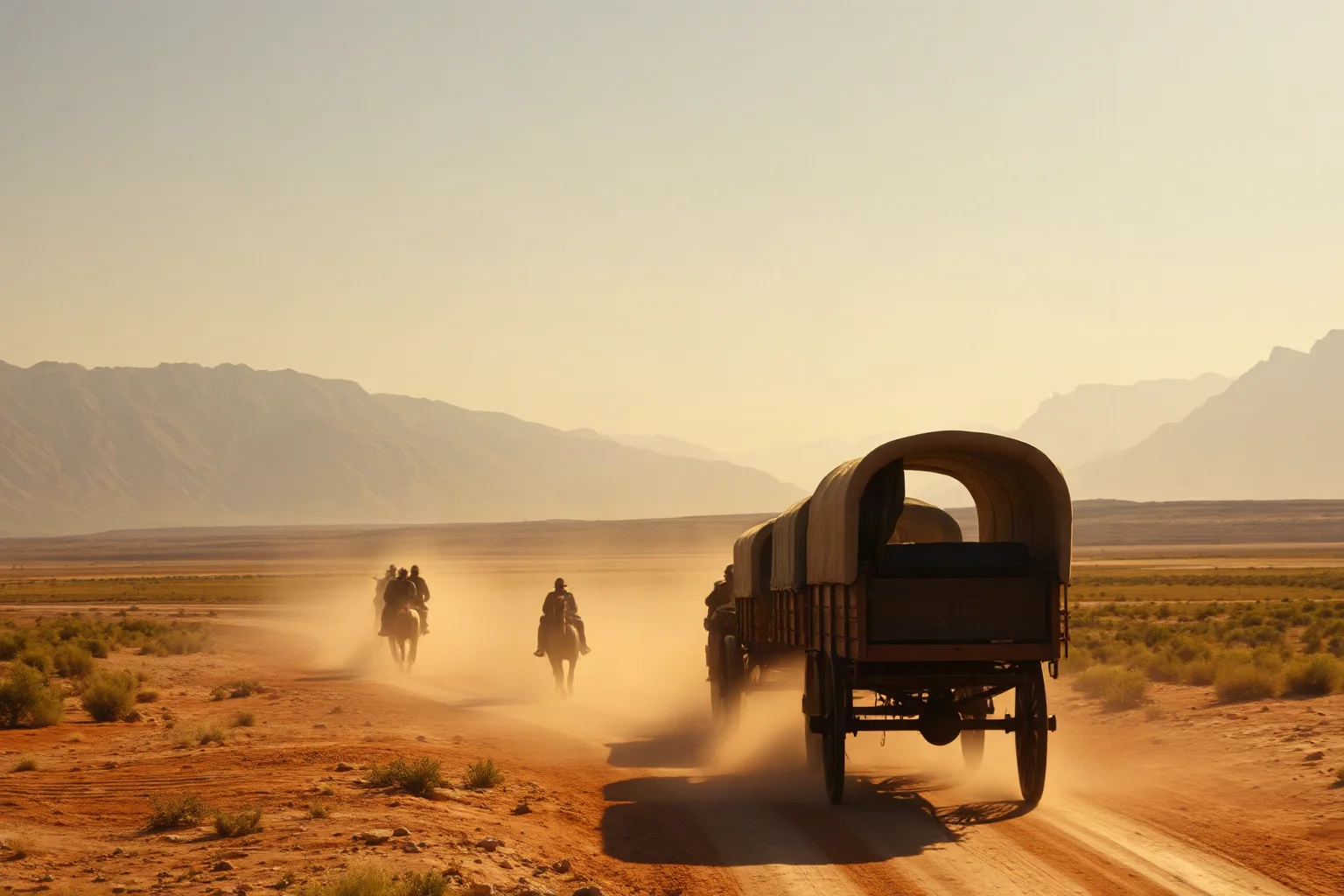
Driven by the belief in “Manifest Destiny,” the idea that the U.S. was fated to expand across the continent, the country went to war with Mexico in 1846. The 1848 Treaty of Guadalupe Hidalgo that ended the war transferred a huge swath of territory, including present-day California, Arizona, and New Mexico, to the United States.
This expansion intensified the national argument over whether new territories would permit slavery, a debate that pushed the country closer to civil war. It’s a big event in the 1800s that doesn’t get nearly as much attention as it deserves.
11. The Civil War (1861-1865)

The Civil War remains the deadliest conflict in American history, killing an estimated 620,000 to 750,000 soldiers according to modern historical estimates. It was fought primarily over slavery and states’ rights, after eleven Southern states seceded to form the Confederacy following Abraham Lincoln’s election.
Union victory preserved the United States as one nation and ended legal slavery, but the human cost was staggering, and its aftermath shaped American politics for generations. Understanding the Civil War is essential to answering almost any question about significant events in US history from 1861 onward.
12. The Emancipation Proclamation and the 13th Amendment (1863-1865)

In January 1863, President Lincoln issued the Emancipation Proclamation, declaring enslaved people in Confederate-held territory to be free. It didn’t immediately free everyone or apply to border states, but it reframed the war’s purpose around ending slavery.
The 13th Amendment, ratified in December 1865, finished the job by abolishing slavery throughout the entire United States. Together, these two milestones mark one of the most important events in American history for civil rights, even though full racial equality remained decades away.
13. The Assassination of Abraham Lincoln (1865)

Just five days after Confederate General Robert E. Lee’s surrender at Appomattox, John Wilkes Booth shot President Lincoln at Ford’s Theatre on April 14, 1865. Lincoln died the next morning, becoming the first U.S. president to be assassinated.
If you’ve searched for what happened in 1865 in American history, this is usually the answer alongside the war’s end. Lincoln’s death removed a moderating voice from Reconstruction planning, leaving Vice President Andrew Johnson, a far less conciliatory leader toward the South, in charge of reuniting the country.
14. Reconstruction and the Gilded Age (1865-1900)
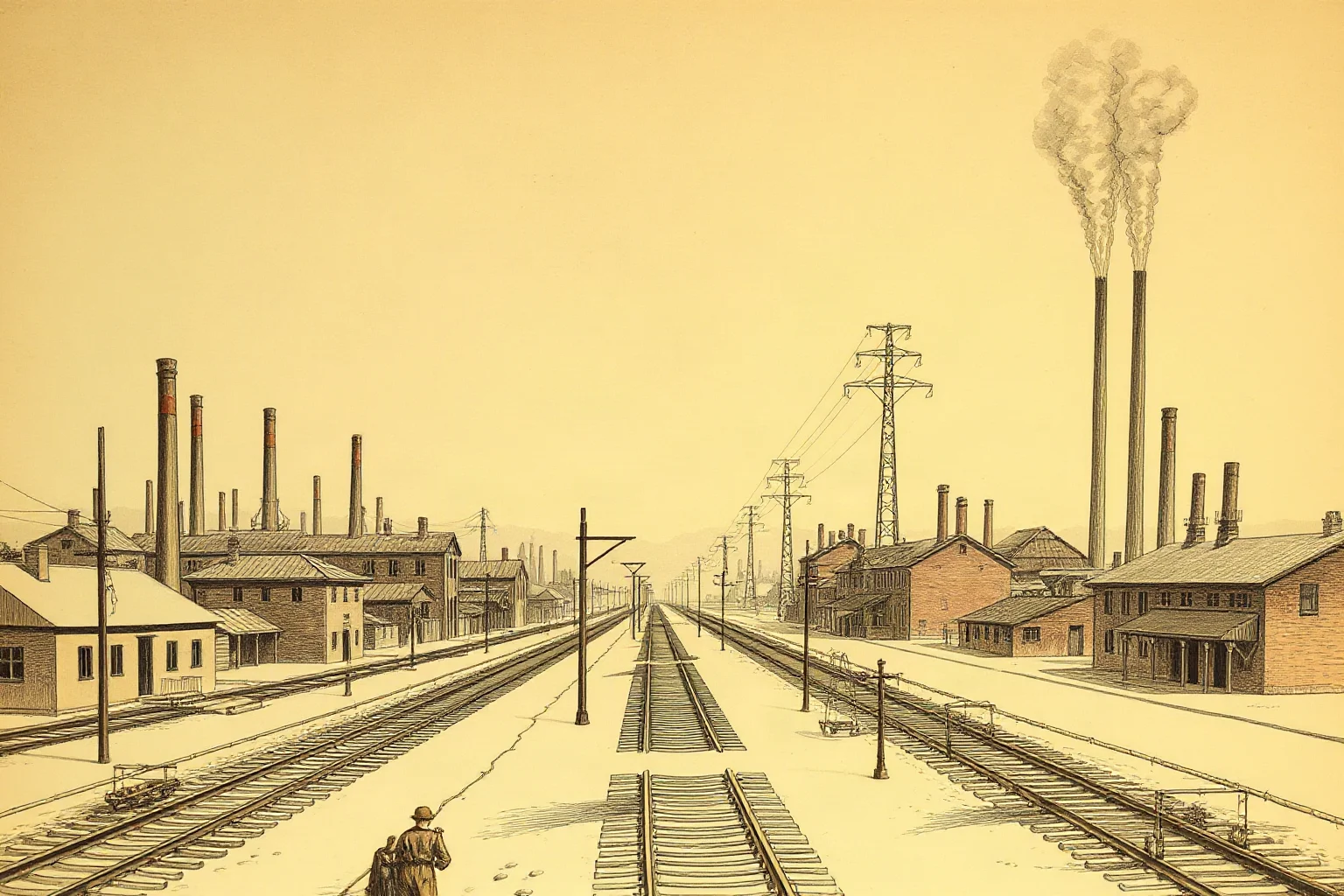
Reconstruction attempted to rebuild the South and grant genuine citizenship rights to formerly enslaved people, producing the 14th and 15th Amendments. That progress was rolled back within a couple of decades by Jim Crow laws, voter suppression, and racial violence once federal troops withdrew from the South in 1877.
The following Gilded Age brought explosive industrial growth, massive immigration, and deep inequality, as some of the richest and most powerful families in history built their fortunes amid major labor unrest like the Homestead Strike of 1892 and the Pullman Strike of 1894, among the biggest strikes in US history at the time. This is exactly the stretch people mean when they ask about major events that happened between 1865 and 1914 in America, a period that quietly built the industrial nation the 20th century would inherit.
15. The Spanish-American War (1898)
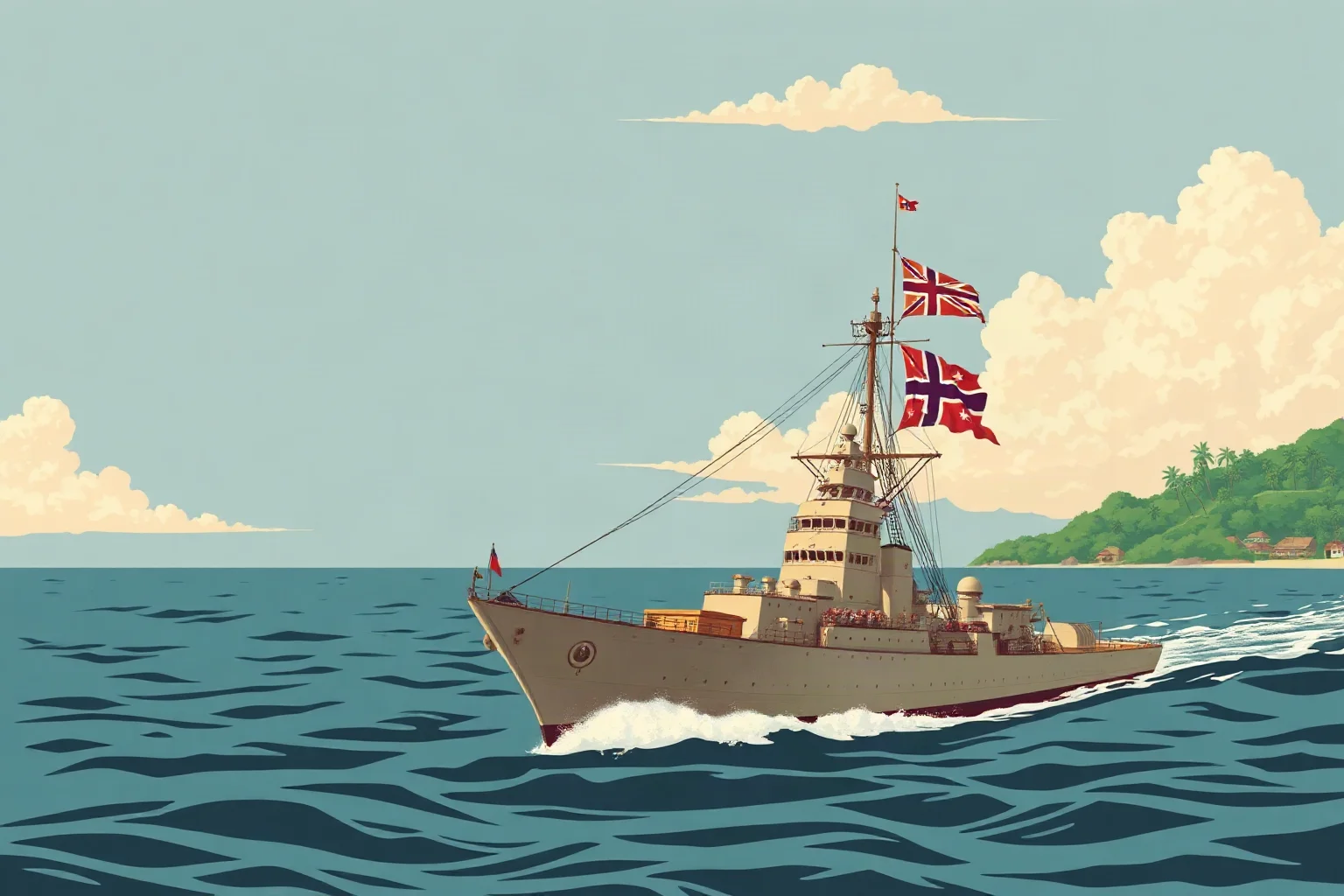
A brief but consequential war with Spain in 1898 ended with the U.S. gaining control of Puerto Rico, Guam, and the Philippines, while Cuba gained nominal independence. The war marked America’s emergence as a global colonial power with overseas territories, a sharp departure from its earlier, more inward-looking foreign policy.
This shift set the stage for the more active role the United States would play in 20th-century world affairs. It’s a frequently overlooked but genuinely major event in US history between the Civil War and World War I.
16. World War I (1917-1918)
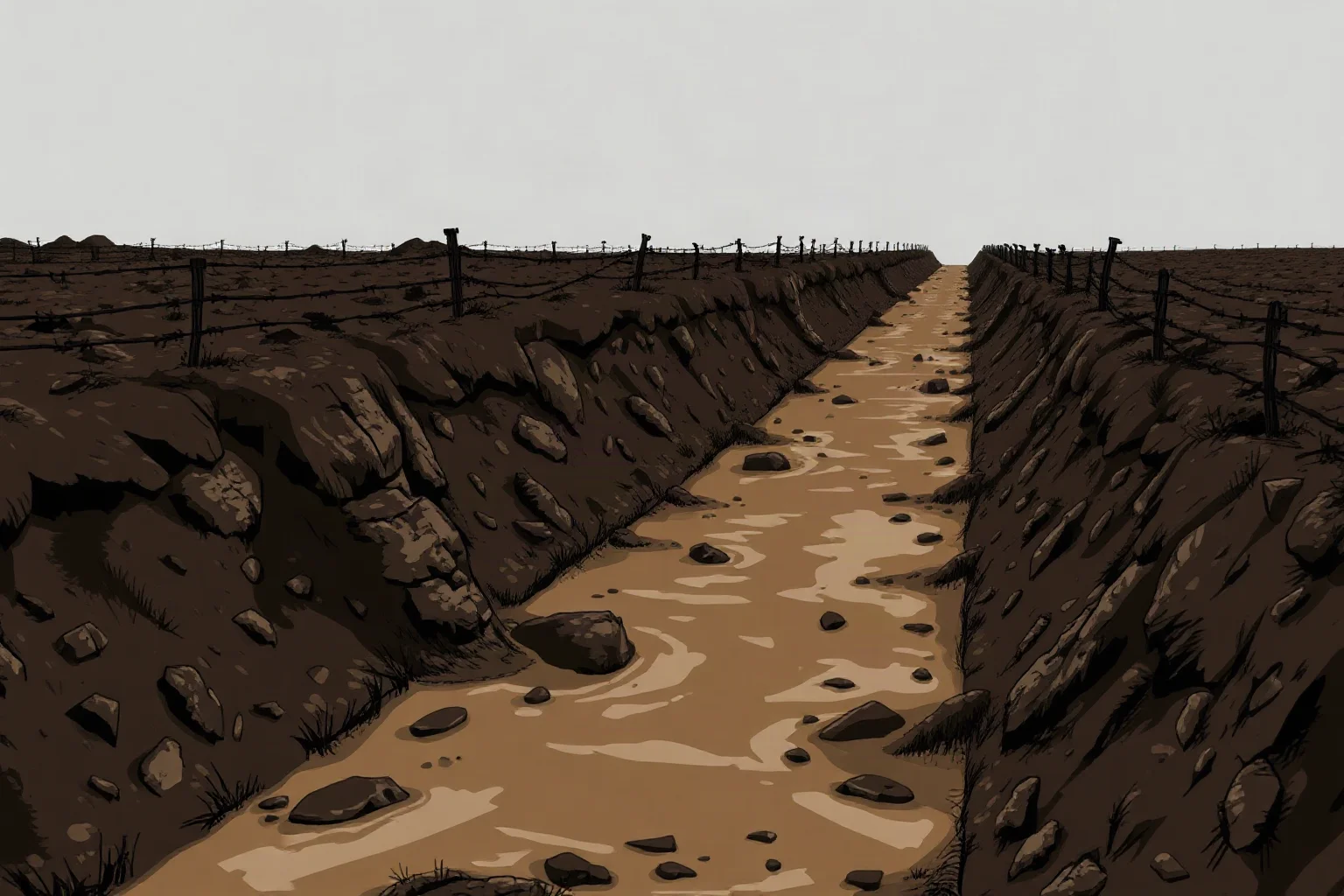
The United States stayed officially neutral for the first three years of World War I, but unrestricted German submarine warfare and the intercepted Zimmermann Telegram, which proposed a German-Mexican alliance against the U.S., pushed Congress to declare war in April 1917. American troops arrived in large numbers in 1918, helping tip the balance on the Western Front.
The war ended with an armistice on November 11, 1918, followed by the Treaty of Versailles in 1919. If you’ve wondered what happened in 1918 in American history, it’s this rapid mobilization and the war’s end, closely followed by the devastating 1918 influenza pandemic.
17. Women’s Suffrage and the 19th Amendment (1920)
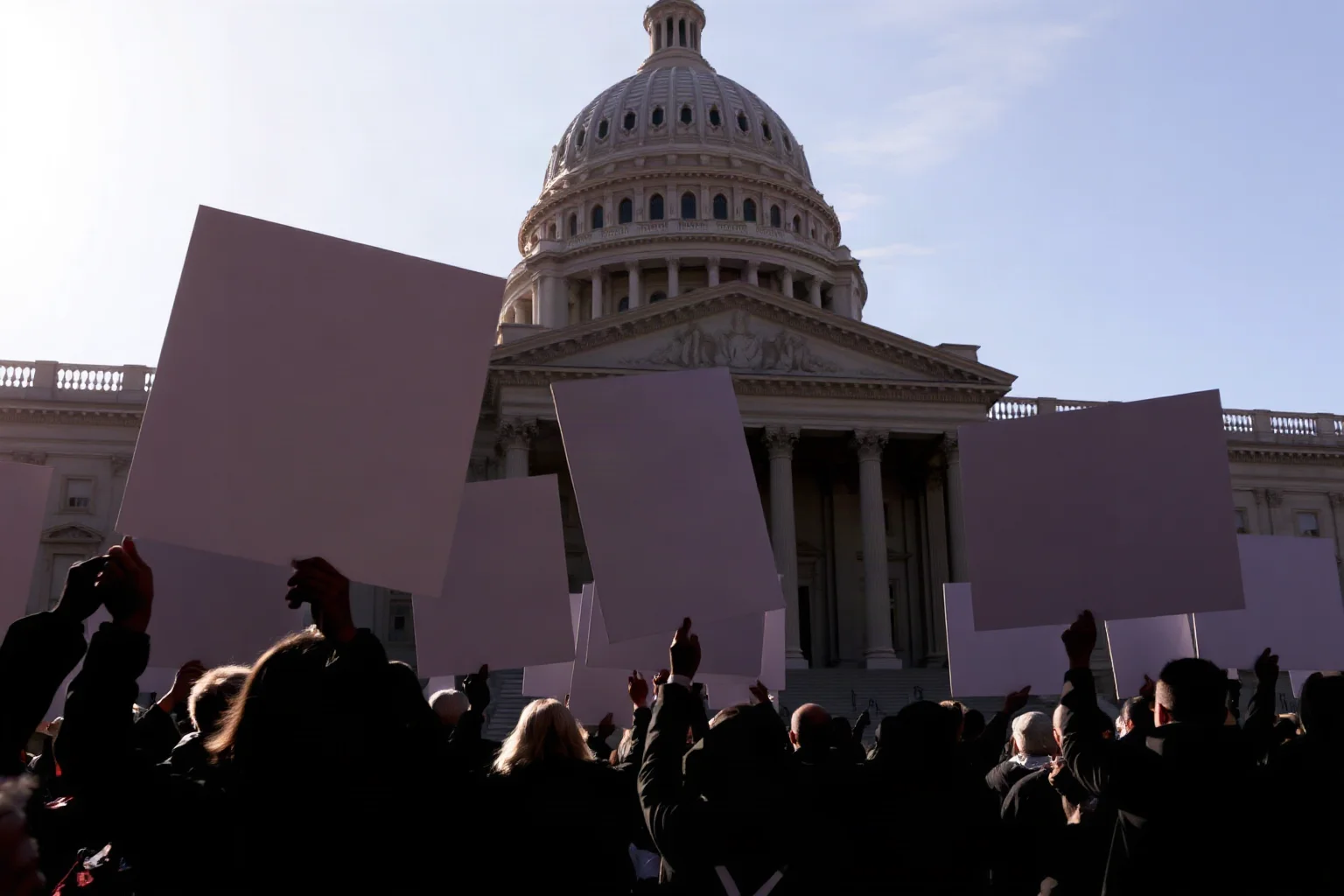
Decades of organizing by suffragists, including leaders like Susan B. Anthony and Elizabeth Cady Stanton in earlier generations and Alice Paul in the final push, culminated in the ratification of the 19th Amendment in 1920. It prohibited denying the right to vote on the basis of sex.
This milestone didn’t guarantee voting access for all women; many Black women in the South still faced Jim Crow-era barriers for decades afterward. Still, it stands as one of the most significant events in the American Revolution’s long unfinished promise of self-government.
18. The Great Depression and the New Deal (1929-1939)
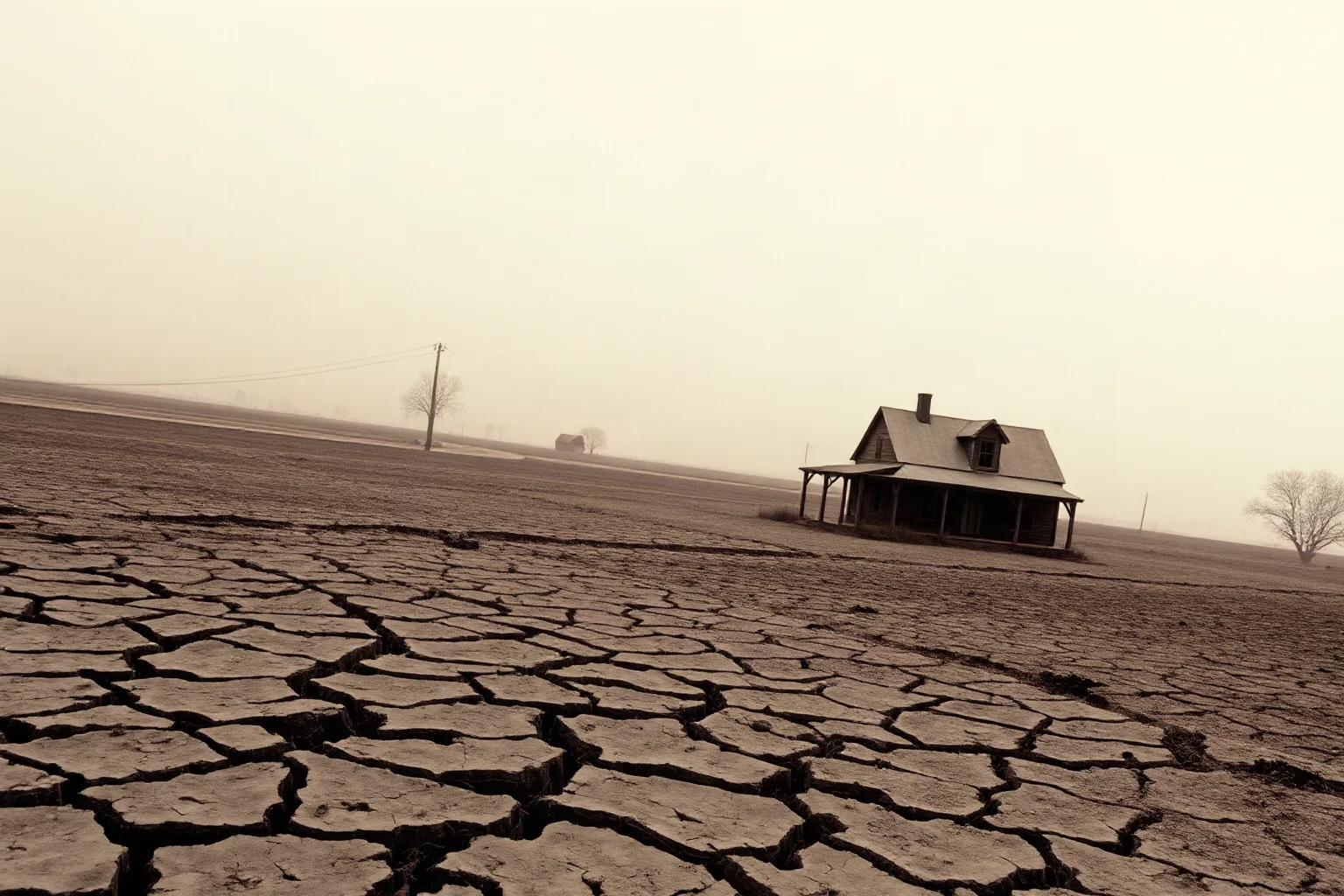
The stock market crash of October 1929 triggered the worst economic crisis in American history, with unemployment eventually reaching around 25 percent. Banks failed, families lost homes and savings, and Dust Bowl conditions devastated farmland across the Great Plains.
President Franklin D. Roosevelt’s New Deal, launched in 1933, created Social Security, banking reforms, and public works programs that reshaped the federal government’s role in the economy. Many of those institutions still directly affect American life today.
19. World War II and Pearl Harbor (1941-1945)
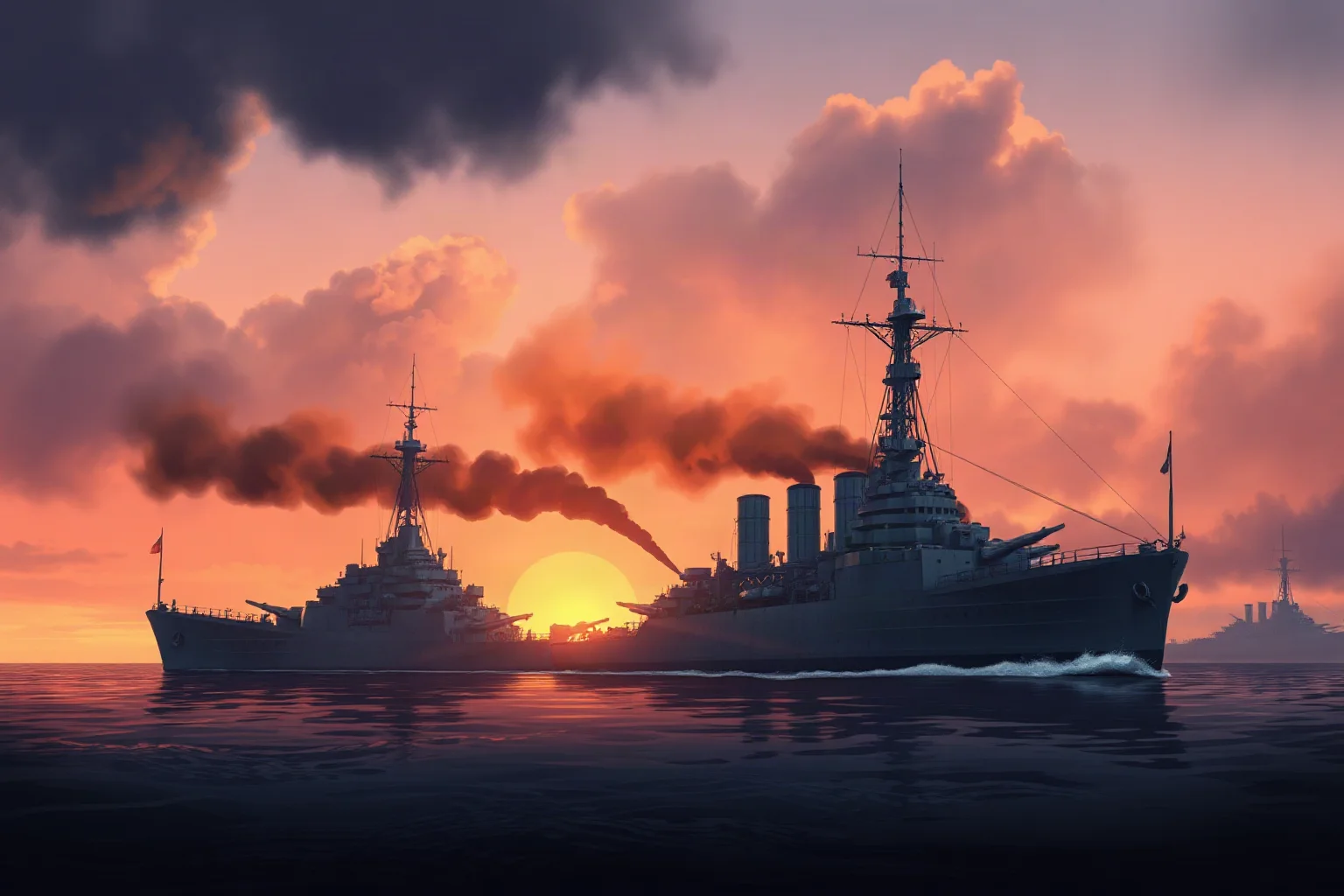
Japan’s surprise attack on the naval base at Pearl Harbor on December 7, 1941, killed over 2,300 Americans and brought the U.S. fully into World War II. What happened in the 1940s in America afterward was a total wartime transformation, with the economy retooled for military production and millions of Americans serving overseas or working in war industries at home.
The war ended in 1945 after Allied victory in Europe and the atomic bombings of Hiroshima and Nagasaki, which remain among the most debated decisions in American history. The U.S. emerged as one of two global superpowers, fundamentally changing its role in world affairs.
20. The Cold War and the Space Race (1947-1991)
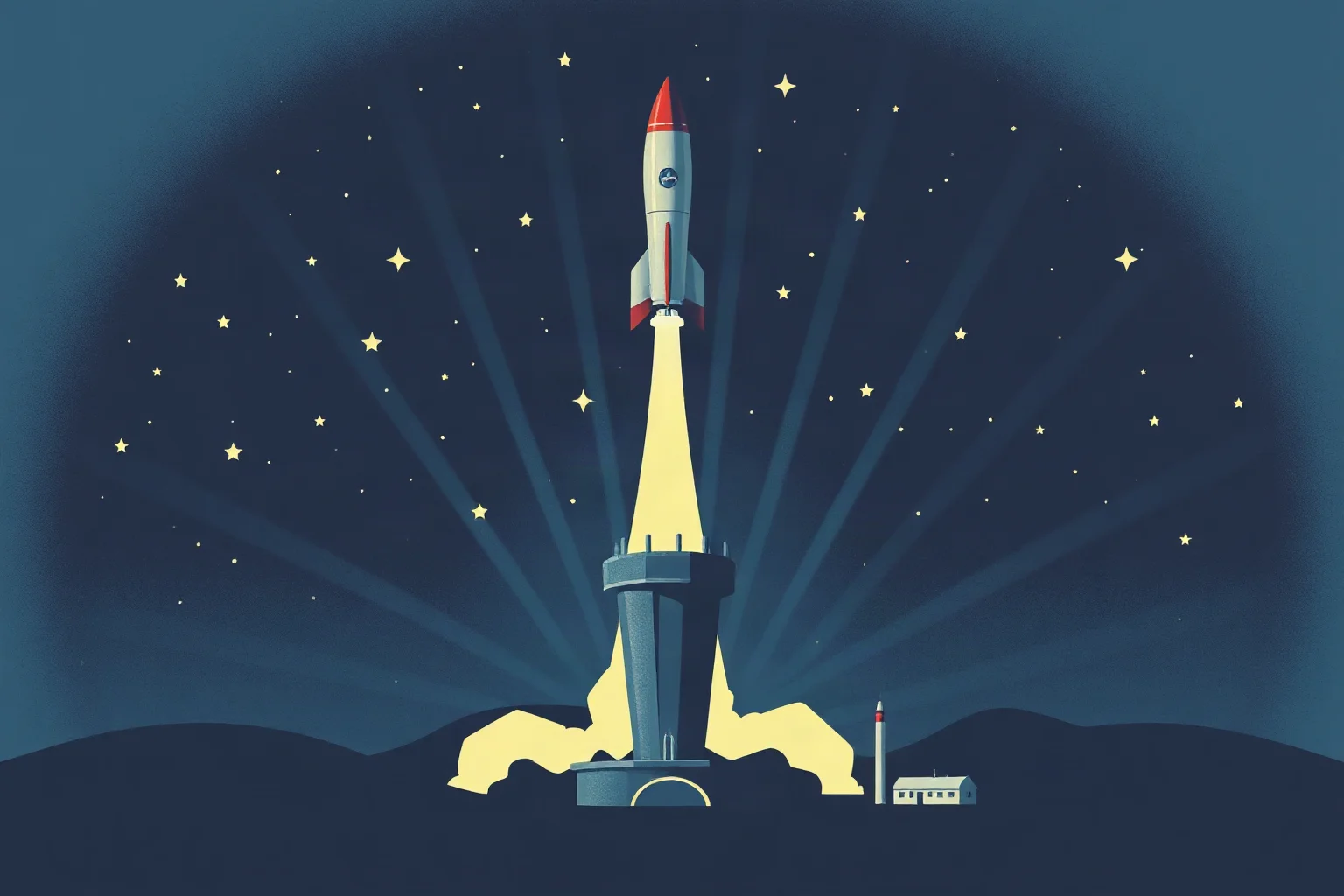
Following World War II, the U.S. and Soviet Union entered decades of geopolitical rivalry known as the Cold War, marked by the Korean War, the Cuban Missile Crisis, and a nuclear arms race between two of the largest militaries in the world. Competition also extended into space, and the Soviet launch of Sputnik in 1957 triggered a space race that ended with American astronauts landing on the Moon in 1969.
The Cold War shaped nearly every major U.S. foreign policy decision for over 40 years, until the Soviet Union’s collapse in 1991 brought it to a close. It’s essential background for understanding major historical events in the second half of the 20th century.
21. The Civil Rights Movement (1954-1968)
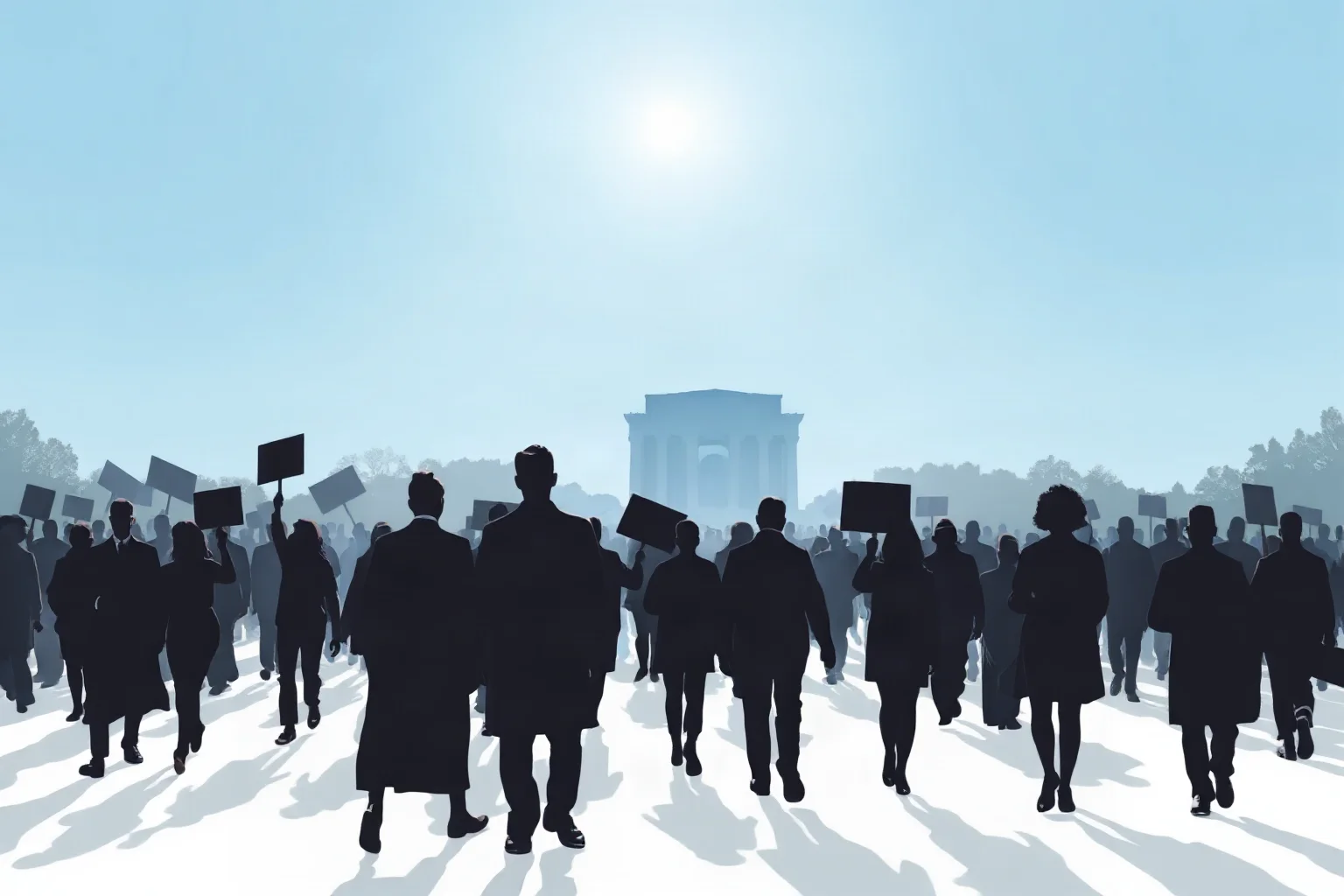
Despite constitutional guarantees, Black Americans still faced legal segregation, disenfranchisement, and violence well into the 20th century. The 1954 Brown v. Board of Education ruling, the 1955-56 Montgomery Bus Boycott sparked by Rosa Parks, and the leadership of figures like Martin Luther King Jr., one of the most recognized historical figures of the 20th century, built a mass movement for equality.
That movement produced landmark legislation, including the Civil Rights Act of 1964 and the Voting Rights Act of 1965, which outlawed segregation and dismantled many legal barriers to voting. It’s consistently ranked among the most influential events in American history for its lasting impact on law and society.
22. The Vietnam War (1955-1975)

U.S. involvement in Vietnam escalated gradually through the 1960s before peaking with hundreds of thousands of American troops deployed by the late 1960s. The war became deeply unpopular at home, fueling massive antiwar protests and a broader generational distrust of government institutions.
American combat involvement ended in 1973, and Saigon fell to North Vietnamese forces in 1975. The war left over 58,000 American service members dead and remains one of the most divisive events in American history, still shaping debates about military intervention today.
23. Watergate and Nixon’s Resignation (1972-1974)

A break-in at the Democratic National Committee’s headquarters in the Watergate complex in 1972 unraveled into a massive political scandal involving abuse of presidential power. Investigative journalism and congressional hearings gradually exposed President Richard Nixon’s involvement in the cover-up.
Facing near-certain impeachment, Nixon resigned in August 1974, the only U.S. president ever to do so. If you’re curious what happened in 1974 in American history, this is it, and it left a lasting public distrust of government that historians still study today.
24. The End of the Cold War (1989-1991)

The fall of the Berlin Wall in 1989 symbolized the collapse of Soviet-backed communist governments across Eastern Europe. Two years later, in 1991, the Soviet Union itself formally dissolved, ending the Cold War and leaving the United States as the world’s sole superpower.
This shift changed American foreign policy priorities for the following decade, redirecting attention toward regional conflicts, globalization, and new economic competition. It’s a major turning point that’s easy to overlook, sandwiched as it is between the more dramatic Cold War and the post-9/11 era.
25. The September 11 Attacks (2001)

On September 11, 2001, terrorists hijacked four commercial airplanes, crashing two into the World Trade Center towers in New York, one into the Pentagon, and one into a field in Pennsylvania after passengers fought back. Nearly 3,000 people were killed, making it the deadliest terrorist attack in American history.
The attacks led directly to the wars in Afghanistan and Iraq, sweeping changes to airport security, and the creation of the Department of Homeland Security. For most Americans alive at the time, it’s the defining “where were you when” moment of the early 21st century.
26. The 2008 Financial Crisis (2007-2009)

A collapse in the U.S. housing market and risky mortgage lending practices triggered a global financial crisis in 2008, the worst since the Great Depression. Major financial institutions failed or required government bailouts, and unemployment climbed sharply as the broader economy contracted.
The crisis led to significant financial regulation reforms and reshaped American attitudes toward banking, debt, and economic inequality. Its effects lingered well into the following decade, influencing major events in the last 10 years of American political and economic life.
27. The COVID-19 Pandemic (2020-2023)
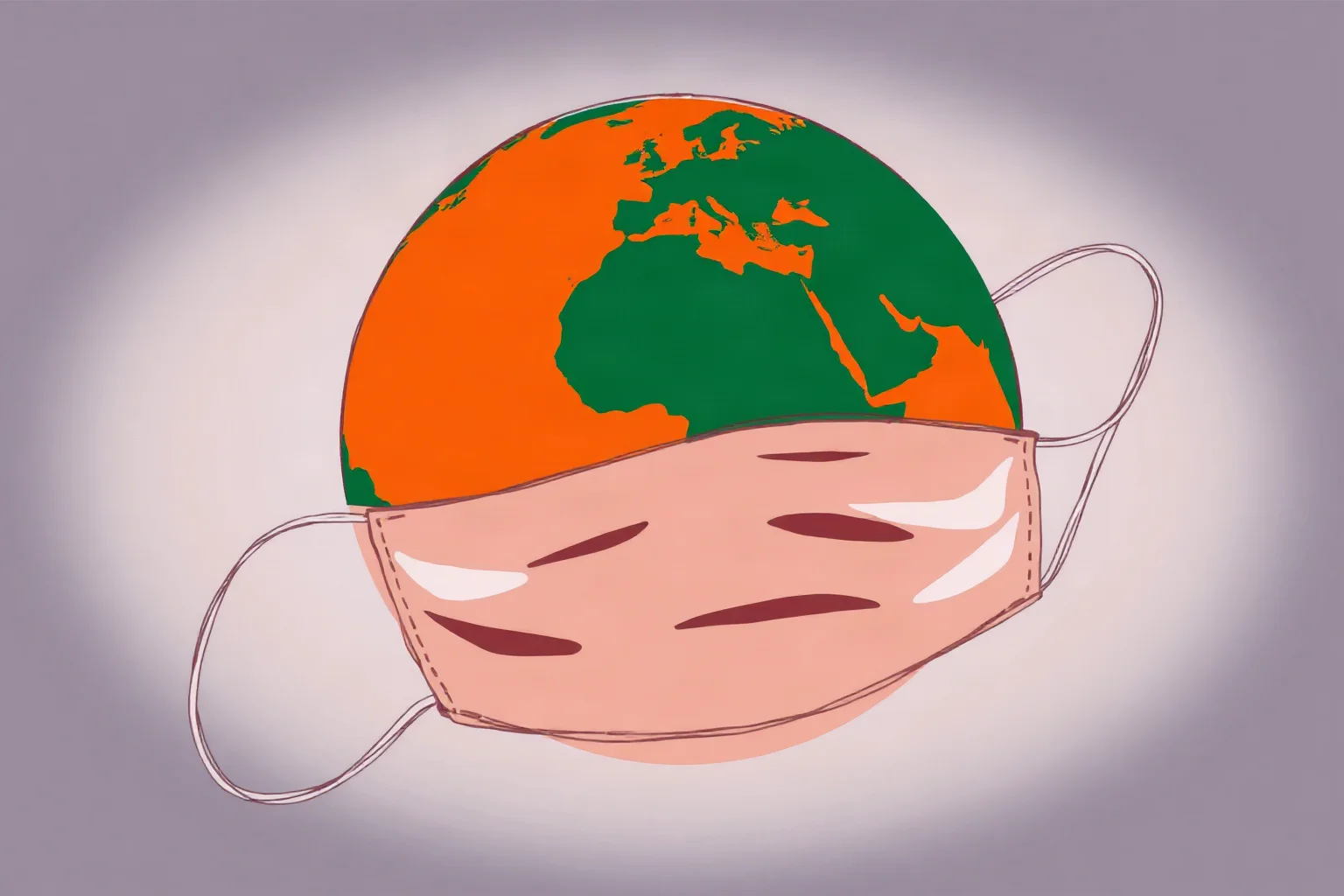
The COVID-19 pandemic reached the United States in early 2020, eventually leading to over a million confirmed American deaths and widespread lockdowns, school closures, and economic disruption. Rapid vaccine development brought some relief starting in late 2020, though the pandemic’s social and political effects lingered for years.
It stands as one of the most significant events in US history from the past decade, reshaping remote work, public health policy, and political trust in ways researchers are still studying. It’s also a useful reminder that major historical events aren’t only things you read about in old textbooks.
28. The January 6, 2021 Capitol Attack
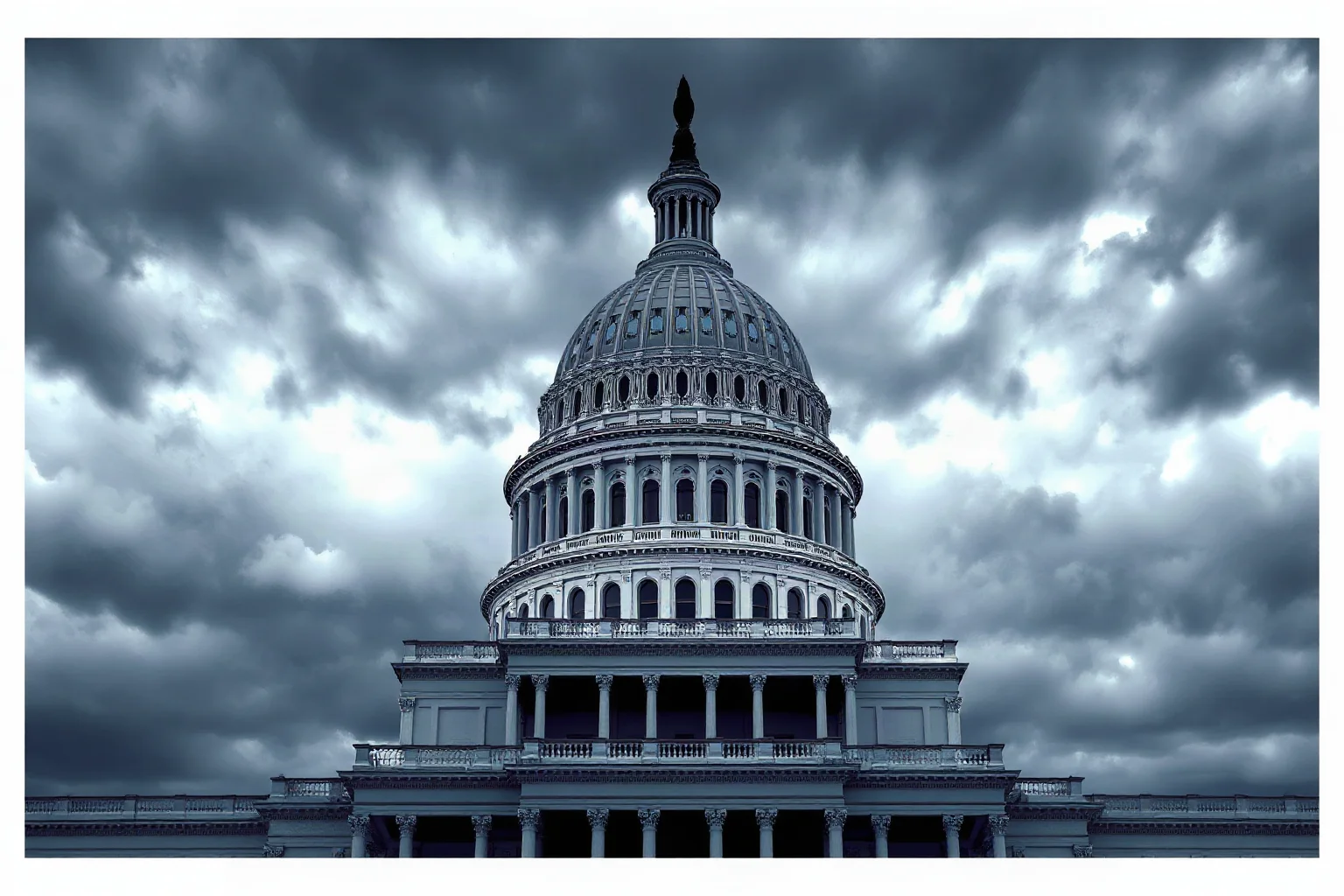
On January 6, 2021, a mob of supporters of outgoing President Donald Trump breached the U.S. Capitol building in an attempt to disrupt Congress’s certification of the 2020 presidential election results. It was the first major breach of the Capitol since the War of 1812 and led to multiple criminal prosecutions in the years that followed.
The event remains politically contentious, and its long-term historical significance is still being assessed by historians and journalists. It’s included here because it’s a clearly documented, verifiable event that any complete list of major recent US events needs to acknowledge.
Important Events in the American Revolution, Explained
The American Revolution shows up as a single entry in most timelines, but it was really a chain of smaller turning points. If a teacher ever says “the American Revolution had many important events, name one,” these are the ones worth knowing individually rather than lumping together.
The Boston Tea Party of 1773 was a protest against British taxation that dumped a shipment of tea into Boston Harbor, escalating tensions well before fighting began. The Battles of Lexington and Concord in April 1775 marked the first actual combat of the war, followed by the Second Continental Congress taking on the job of coordinating a colonial response.
The Declaration of Independence in July 1776 turned a rebellion into a formal bid for nationhood, while the brutal winter at Valley Forge in 1777-78 tested the Continental Army’s endurance under George Washington. The 1777 victory at Saratoga convinced France to formally ally with the colonies, supplying money, ships, and troops that proved decisive.
The war’s military conclusion came at the Siege of Yorktown in 1781, where combined American and French forces trapped and forced the surrender of British General Cornwallis. The 1783 Treaty of Paris formally ended the war and recognized American independence, closing out one of the most significant events in the American Revolution and opening the harder work of actually building a functioning country.
Key Events of the 20th Century at a Glance
The 20th century packed in more transformative change than almost any other period in American history. Two world wars, a global depression, a decades-long Cold War, and the modern Civil Rights Movement all happened within about 100 years, which is part of why so many searches ask specifically about major historical events in the 20th century.
If you’re studying this era, the throughline worth remembering is that the U.S. moved from a relatively isolated regional power in 1900 to the world’s dominant superpower by 1991. World War I introduced the country to global military engagement, and World War II cemented that role permanently, especially once the Cold War made international leadership unavoidable.
Domestically, the 20th century is also when women won the vote, the New Deal redefined government’s role in the economy, and the Civil Rights Movement finally forced the country to confront the gap between its founding ideals and its actual laws. Taken together, these events explain most of the political and cultural assumptions Americans still argue about today.
Recent US History: Major Events of the Last Few Decades
Not every major event is safely in the past, and plenty of people search for major events in the last 10 years or historical events happening right now because history is still being written. The 2008 financial crisis, the COVID-19 pandemic, and the January 6, 2021 Capitol attack all qualify as genuinely significant, well-documented events rather than passing news cycles.
It’s worth being cautious here, though. Recent events are still being studied and reassessed, and their long-term historical significance isn’t always clear yet, unlike, say, the Civil War or World War II, where the dust has settled and the consequences are well understood. Treat any “current events” framing of American history as a snapshot in progress rather than a final verdict.
What Happened in These Pivotal Years? A Quick-Reference Guide
Sometimes you just want to know what happened on a specific date rather than reading a whole timeline. Here’s a fast reference for some of the most commonly searched years in US history:
- 1857: The Supreme Court’s Dred Scott decision ruled that Black Americans, enslaved or free, could not be U.S. citizens, deepening the national crisis over slavery.
- 1865: The Civil War ended, slavery was abolished by the 13th Amendment, and President Lincoln was assassinated, all within the same few months.
- 1918: World War I ended with the November armistice, and a devastating influenza pandemic swept the country and the world.
- 1929: The stock market crashed in October, triggering the Great Depression.
- 1936: Roosevelt’s New Deal programs were in full swing, and his landslide re-election that year confirmed strong public support for expanded federal relief efforts.
- 1941: Japan’s attack on Pearl Harbor brought the United States into World War II.
- 1963: President John F. Kennedy was assassinated in Dallas, and Martin Luther King Jr. delivered his “I Have a Dream” speech at the March on Washington.
- 1969: Apollo 11 landed the first astronauts on the Moon, the high point of the Cold War space race.
- 1974: President Nixon resigned over the Watergate scandal, the only U.S. president ever to do so.
- 1979: The Iran hostage crisis began, holding 52 Americans captive for 444 days and dominating U.S. foreign policy.
- 1983: Cold War tensions ran high, marked by a U.S. military buildup and the invasion of Grenada.
- 1993: A truck bomb attack on the World Trade Center foreshadowed the larger 2001 attacks, and the Branch Davidian standoff in Waco drew national attention.
- 1997: The late 1990s economic boom continued, alongside major growth in internet use that began reshaping American life and commerce.
- 2001: The September 11 terrorist attacks killed nearly 3,000 people and reshaped American foreign and domestic policy.
- 2008: A global financial crisis triggered the worst recession since the Great Depression.
- 2020: The COVID-19 pandemic reached the U.S., upending daily life for years afterward.
This kind of “on this day in American history” reference is useful precisely because history didn’t happen only in the years we tend to memorize for tests.
Busting Common Myths About American History
A friendly warning: a lot of “fun facts” about American history don’t hold up under scrutiny, so it’s worth separating verified history from popular legend. Christopher Columbus never set foot on the North American mainland; his voyages landed in the Caribbean, and he died believing he’d reached Asia.
The story that Betsy Ross personally designed the first American flag comes from her grandson’s account, told decades after the fact, and isn’t confirmed by any contemporary evidence. Similarly, the popular image of Pilgrims stepping directly onto “Plymouth Rock” in 1620 is a tradition that emerged more than a century later, not a detail recorded at the time.
Even the framing of “discovery” itself is worth questioning, since Indigenous nations had lived across the continent for thousands of years before any European arrived. And on a lighter note, not every historical name is as serious as it sounds: the diplomatic crisis known as the XYZ Affair (1797-1798) nearly dragged the young United States into war with France, decades before “X” meant anything else in pop culture.
It’s also worth remembering that not every major event was a triumph. Some of the worst days in US history, including Pearl Harbor, the bloodiest battles of the Civil War, and September 11, are core parts of this story precisely because progress in America has rarely come without real cost.
Why These Moments Still Matter Today
Reading through decades of American moments, a pattern becomes hard to miss. Expansion, conflict, and reform keep repeating in different forms, whether it’s land, rights, or global influence at stake, and each generation ends up relitigating questions the founders never fully settled.
Some of the country’s major accomplishments, like the Constitution’s durability, the moon landing, and the legal victories of the Civil Rights Movement, prove that meaningful change is possible even when it takes decades of pressure. Other entries on this list, like the Trail of Tears or the Civil War’s death toll, are reminders that history includes plenty of painful chapters that deserve honest acknowledgment rather than sanitizing.
That mix of triumph and tragedy is really what makes American history worth studying closely rather than reducing to a highlight reel. The next major event is always still being written, which is exactly why it’s worth understanding how the previous ones actually happened.
Frequently Asked Questions
What are the most important events in American history?
There's no single official list, but historians consistently point to the American Revolution and Declaration of Independence, the Constitution's ratification, the Civil War and emancipation, the two World Wars, the Civil Rights Movement, and the September 11 attacks as among the most important events in American history. This guide covers 28 of them in chronological order, including several lesser-known but genuinely significant moments.
What is considered the single most important event in American history?
Historians disagree, and reasonable people land on different answers. The Declaration of Independence, the Civil War, and World War II are the three most commonly cited candidates, largely because each one fundamentally changed who held power, whether slavery would continue, or America's role in the world.
What were the important events in the American Revolution?
Key turning points include the Boston Tea Party (1773), the battles of Lexington and Concord (1775), the Declaration of Independence (1776), the winter at Valley Forge (1777-78), the victory at Saratoga that brought France into the war, and the decisive siege of Yorktown in 1781, which led to the 1783 Treaty of Paris.
What happened in 1865 in American history?
In 1865, the Civil War ended with the Confederacy's surrender, the 13th Amendment abolished slavery nationwide, and President Abraham Lincoln was assassinated by John Wilkes Booth just days after the war concluded.
What happened in the 1940s in America?
The decade was dominated by World War II, beginning with the Pearl Harbor attack in December 1941 and ending with Allied victory in 1945 after the atomic bombings of Japan. The late 1940s also saw the start of the Cold War and early civil rights organizing that would grow through the following decades.
How can I find out what happened today in US history?
Many history sites and museums, including the National Museum of American History, publish daily 'on this day' features. Checking a specific date against a detailed timeline like this one is also a reliable way to see what major events occurred on that day across different years.
What were some major accomplishments in American history?
Notable accomplishments include drafting a durable Constitution that has governed the country for over 230 years, abolishing slavery, extending voting rights to women and minorities, landing astronauts on the Moon in 1969, and passing civil rights legislation in the 1960s that dismantled legal segregation.
What are the biggest events in American history from the last 10 years?
The most significant recent events include the COVID-19 pandemic starting in 2020, its accompanying economic disruption, and the January 6, 2021 Capitol attack. Because these events are so recent, historians are still assessing their full long-term significance.

Alex Warren
Related Articles