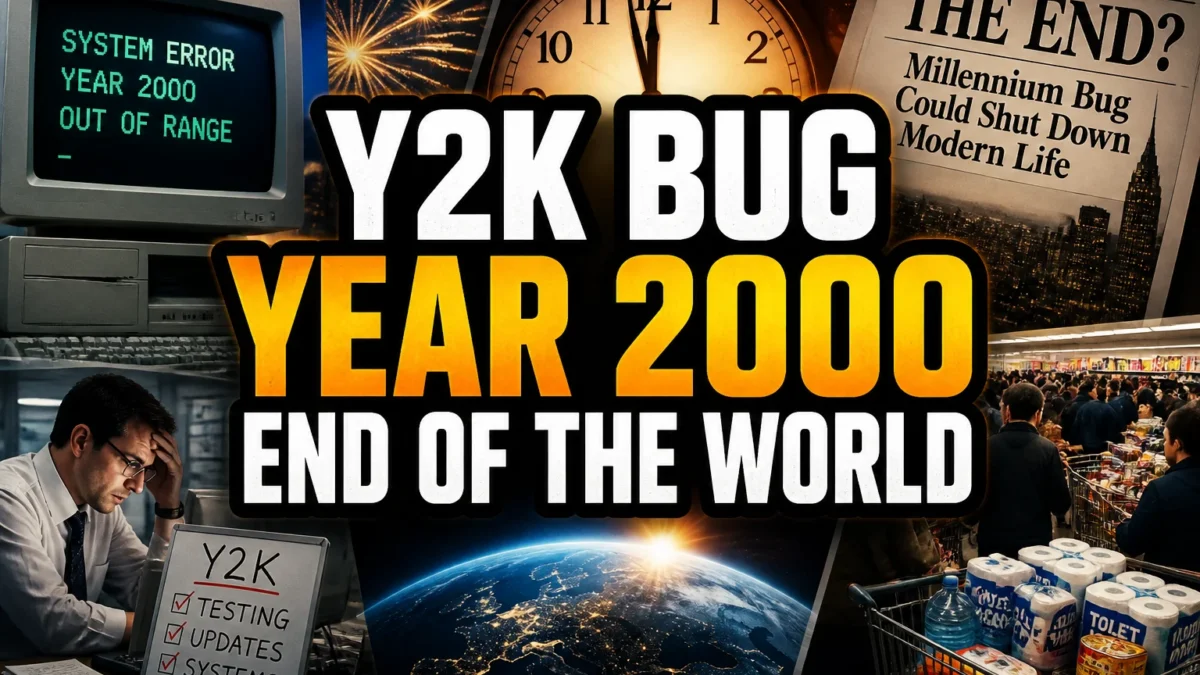
On the last night of 1999, millions of people went to bed without knowing whether their lights, water, phones, and bank accounts would still work in the morning. The threat wasn't a war or a storm — it was a decades-old programming shortcut that stored years as two digits instead of four. That flaw, the year 2000 problem, had governments, banks, and families around the world spending years and billions of dollars bracing for collapse.
Y2K turned a technical bug into a full-blown cultural event, complete with survival kits, prophecy paperbacks, and round-the-clock news coverage. Below are 25 reasons the world spent the final years of the 1990s half-convinced the year 2000 was the end of the world — and what really happened when the clock rolled over.
TL;DR: The year 2000 problem was a genuine date-handling flaw in millions of computer systems, but Y2K became an end-of-the-world story because real infrastructure risk collided with media hype, millennial prophecy, and a booming remediation industry.
1. The Two-Digit Shortcut That Started It All
The year 2000 problem began with a storage decision that made perfect sense at the time. Early computers and punch-card systems had almost no memory to spare, so programmers recorded dates as six digits — two for the day, two for the month, and two for the year. A string like '12/31/99' was cheaper to store and faster to process than '12/31/1999', and nobody expected the code to survive into the next century.
The trouble was that '00' is ambiguous. A program reading a two-digit year had no built-in way to know whether it meant 1900 or 2000, and the answer changed everything: interest payments, expiration dates, pension calculations, sorting order, and scheduling logic all depended on it. Multiply that ambiguity across millions of lines of code running in banks, utilities, and government agencies, and you have the year 2000 bug.
2. COBOL, Mainframes, and the Legacy Code Problem
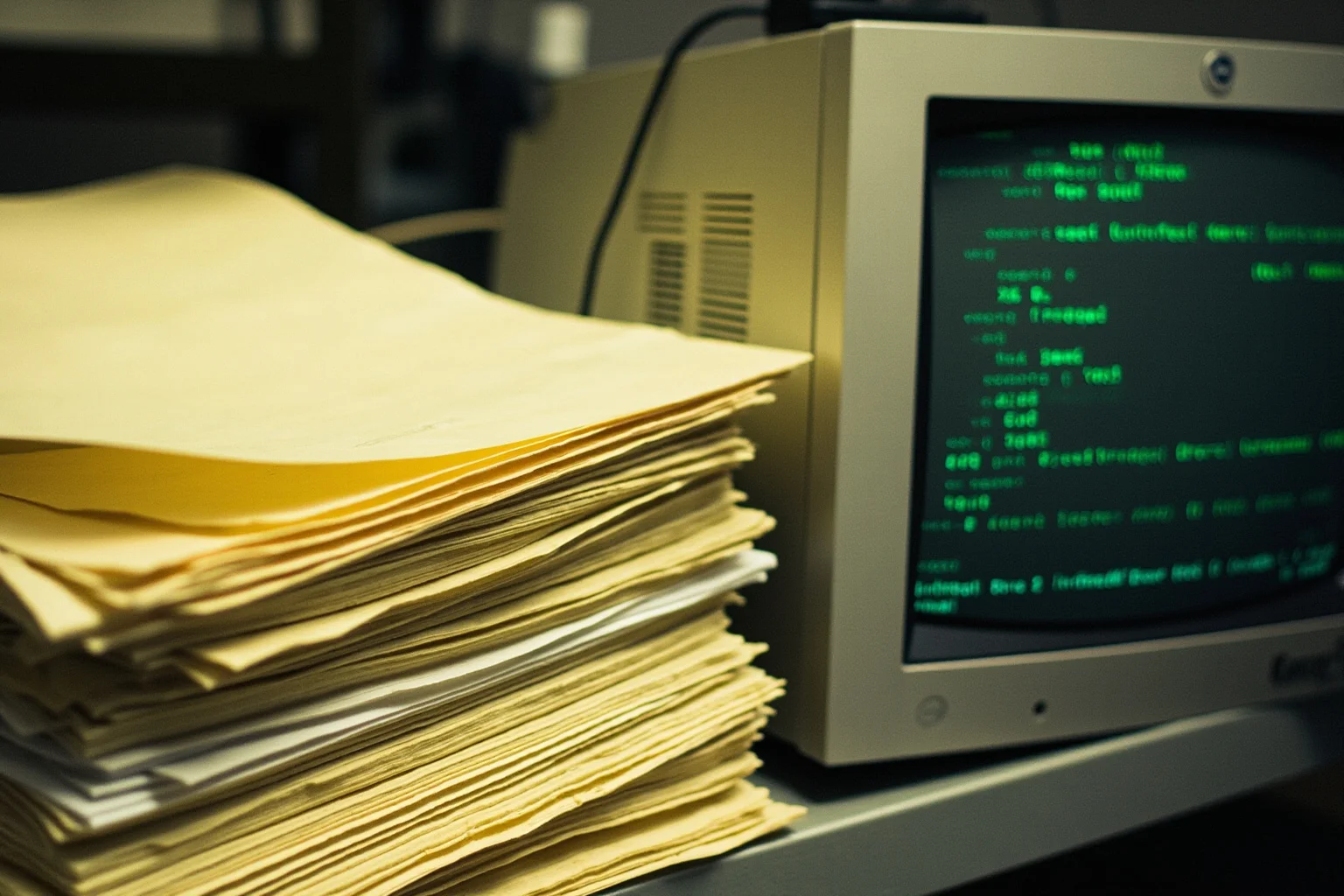
A huge share of the world's critical infrastructure ran on mainframes using COBOL, a programming language introduced in 1959 that still processes enormous volumes of business transactions today. Much of that code had been patched and extended for decades, sometimes by programmers who had long since retired, and documentation was often thin or missing entirely.
Fixing the year 2000 problem wasn't as simple as searching for '99' and swapping in '1999'. The same two digits could represent a year, a dollar amount, a record count, or a status code, so every change had to be reviewed by someone who understood what the program was actually doing. Multiply that by hundreds of thousands of programs, and the scale of the remediation effort starts to become clear.
3. The Embedded Chip Problem Nobody Could Fully Inventory
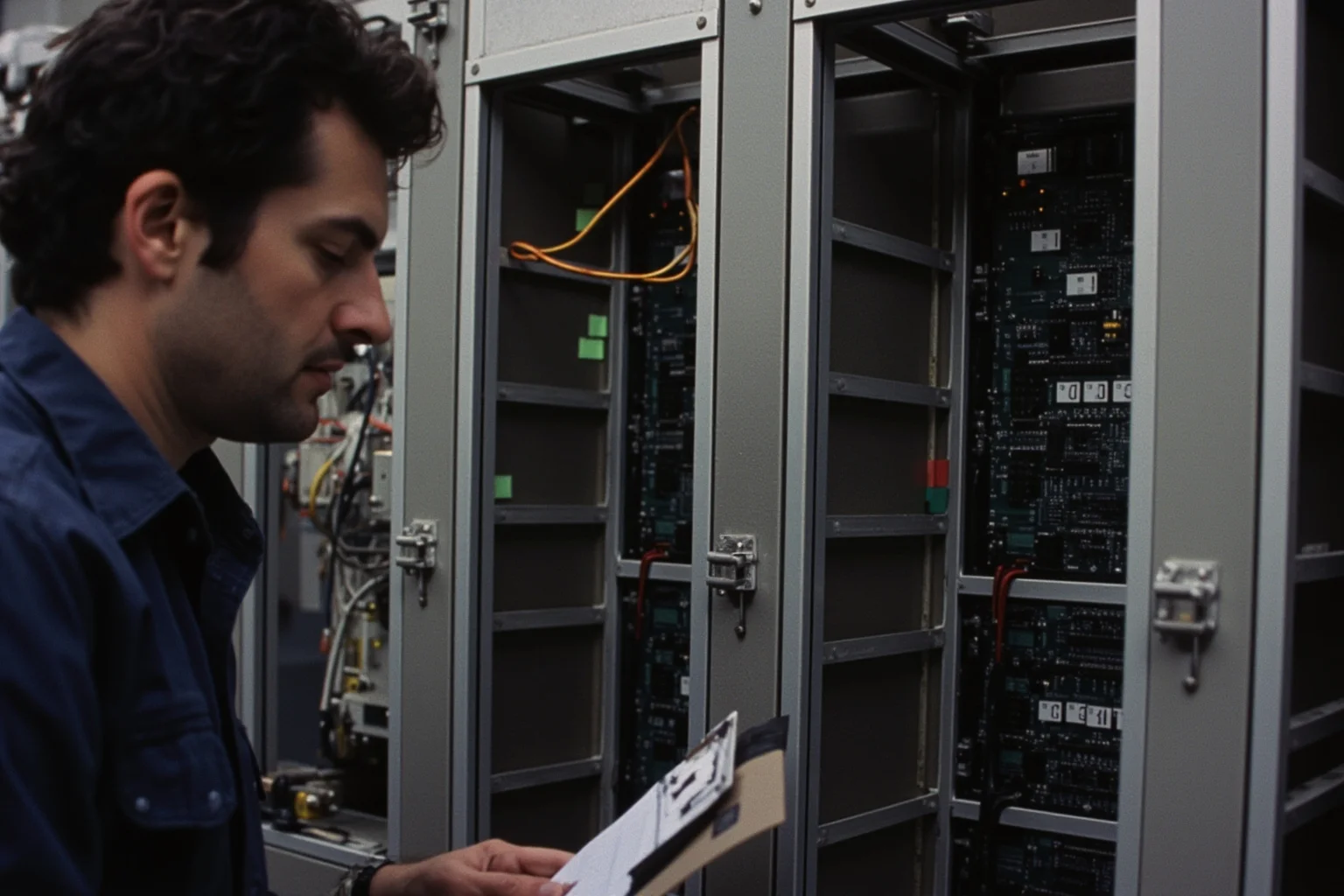
Desktop software was only part of the story. Microchips with embedded date logic sat inside elevators, traffic lights, factory robots, medical pumps, and power plant controllers, and many of them could not be patched at all. The only fix was to find the affected devices, test them, and replace the ones that failed — an enormous logistical task.
The real difficulty was that no one had a complete list. Most organizations didn't know how many embedded systems they owned, let alone which ones were date-sensitive, and manufacturers often couldn't say for certain either. Estimates at the time suggested only a small percentage of embedded chips actually cared about the date, but with billions of devices in circulation, even a tiny percentage was a lot of hardware.
4. The Cascade Failure Theory
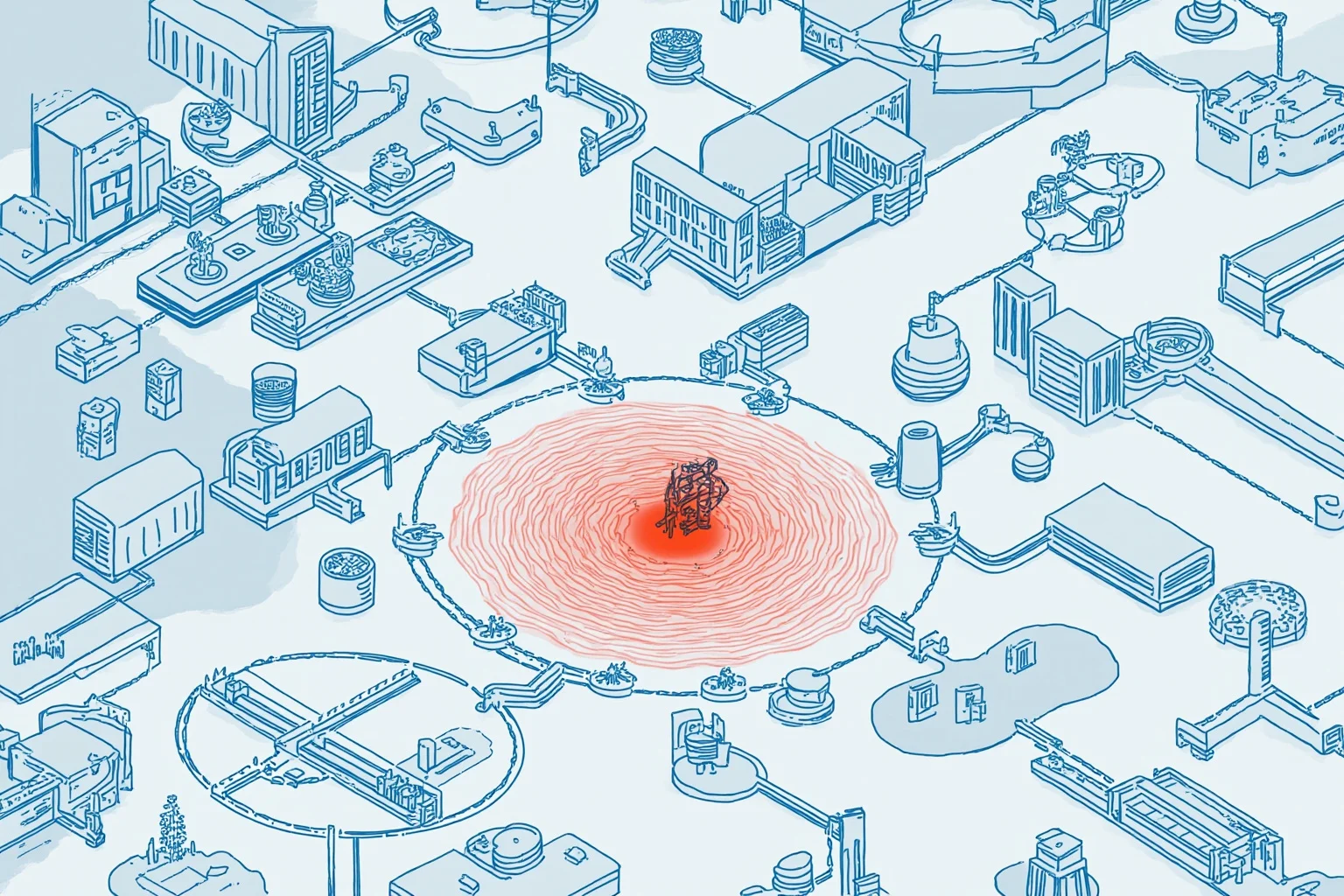
One of the loudest arguments in the Y2K debate was that individual failures wouldn't stay individual. Modern economies run on tightly linked systems — power feeds water treatment, water feeds hospitals, banks feed payroll, and just-in-time supply chains carry almost no slack. If several nodes failed at once, the reasoning went, the damage could ripple outward faster than anyone could contain it.
That logic is why the Y2K event felt apocalyptic rather than merely inconvenient. A glitch in one billing system is a headache; a glitch that takes down payments, deliveries, and fuel distribution simultaneously is a crisis. Whether the cascade scenario was realistic is still debated, but it remains the single biggest reason the panic spread beyond IT departments.
5. Peter de Jager's 'Doomsday 2000' Warning
Public awareness of the year 2000 problem owes a great deal to one Canadian consultant. In 1993, Peter de Jager published an article in Computerworld titled 'Doomsday 2000' arguing that the two-digit year flaw was a systemic risk most organizations were ignoring. He followed it with a speaking campaign that put him in front of business and government audiences around the world.
De Jager was not predicting the end of civilization, and he later pushed back on the more hysterical readings of his work. His core message was narrower and more practical: the fix was boring, expensive, and urgent, and companies that waited would run out of time. That framing — a dull technical problem with a hard deadline — is exactly what turned Y2K into a boardroom priority.
6. Nuclear Power Plants and Weapons Systems

Nothing raised the stakes of the year 2000 problem like nuclear risk. Reactor control rooms, radiation monitoring systems, and early-warning networks all relied on computer systems that could, in theory, be tripped up by a date error. Regulators in the United States, Europe, and Japan ran dedicated Y2K programs to audit and test those systems well in advance.
The most sensitive question was nuclear command and control, where a false alarm could be catastrophic. During the Cold War, both superpowers had built systems designed to react within minutes, and a Y2K-induced glitch in the wrong place was a scenario nobody wanted to imagine. That fear is what pushed the two countries into an unusual act of cooperation.
7. The U.S.-Russia Joint Early-Warning Center

In December 1999, the United States and Russia opened a joint early-warning center at Peterson Air Force Base in Colorado Springs. American and Russian officers sat in the same room through the New Year's rollover, watching missile warning data together so that neither side could mistake a computer error for an attack.
The facility, formally called the Center for Year 2000 Strategic Stability, was a temporary measure that lasted only as long as the rollover risk. It remains one of the strangest footnotes of the Y2K event: two former adversaries sharing a room because of a date format. Had the year 2000 problem produced a single false alert, that arrangement might have been the thing that prevented a catastrophe.
8. Air Travel and Air Traffic Control
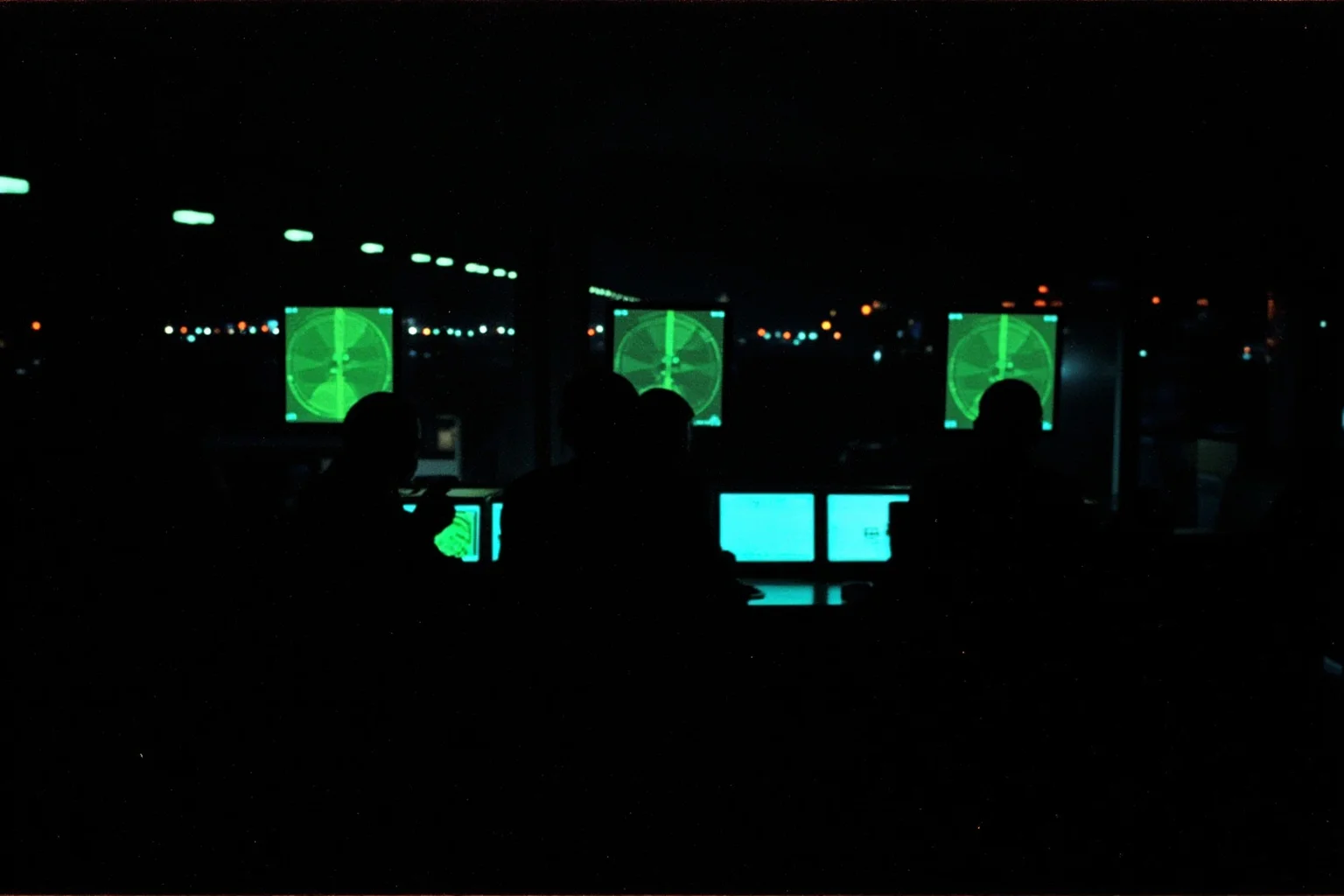
Airlines and air traffic control systems were among the most visible Y2K targets. Flight schedules, reservation systems, maintenance tracking, and radar data processing all relied on dates, and a failure in air traffic control could have grounded flights worldwide almost instantly. The Federal Aviation Administration ran a multi-year remediation program and repeatedly told Congress the system would be ready.
Airlines took their own precautions, including keeping extra staff on duty and, in some cases, scheduling lighter operations around the rollover. Several carriers let passengers cancel or rebook New Year's flights without penalty. In the end, air travel on January 1, 2000, was remarkably normal, which many people read as proof the whole thing had been overblown.
9. Banks, Payments, and the Fed's Cash Stockpile
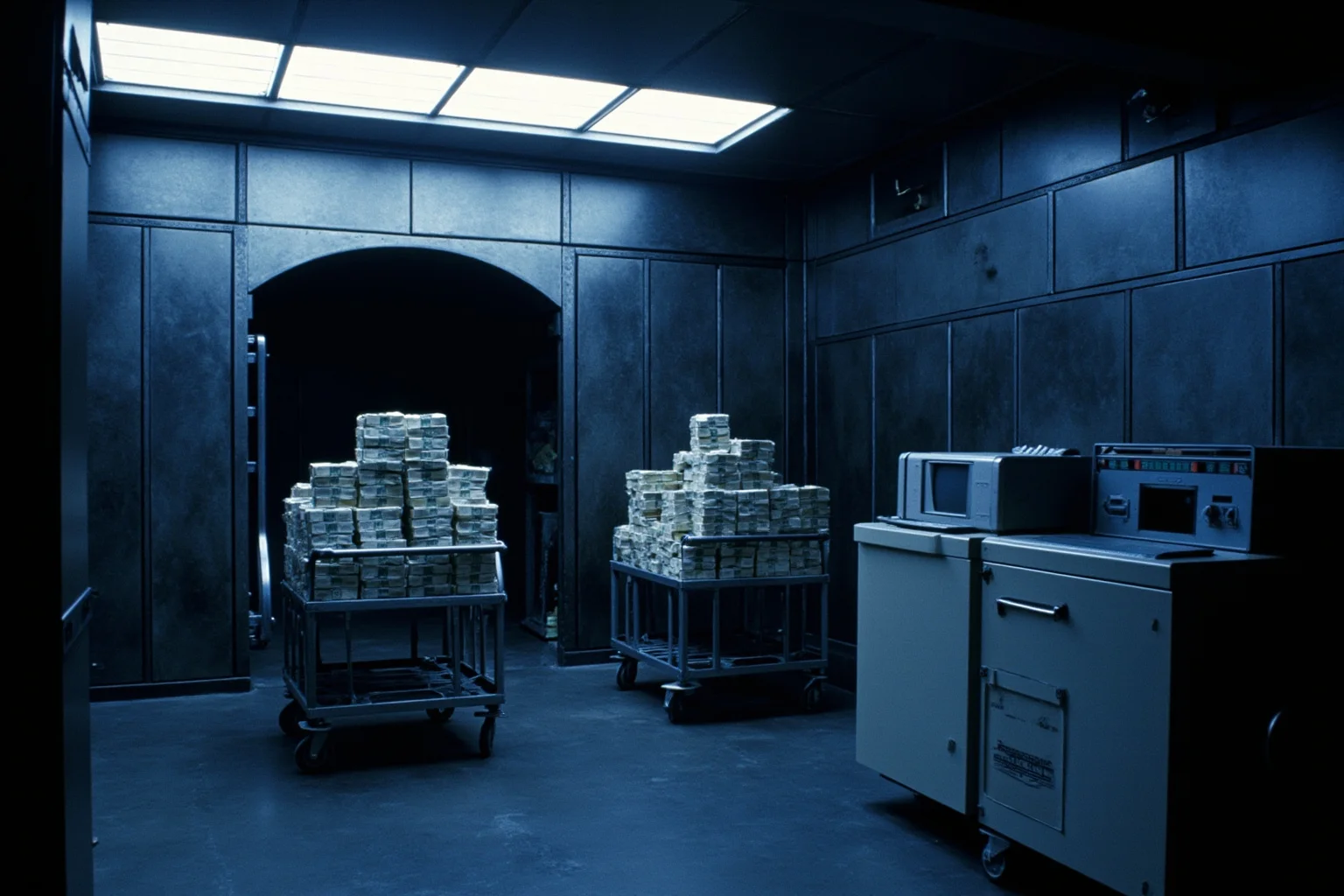
Finance was the sector where a date error could do the most immediate damage. Interest accrual, settlement cycles, credit card expiration dates, and automated clearing systems all depend on correct calendars, and a broken bank system could freeze payroll and commerce within days. Banks worldwide spent enormous sums testing and rewriting their core systems through the late 1990s.
The Federal Reserve prepared for the worst by arranging tens of billions of dollars in extra currency and expanding its contingency lending plans, in case depositors panicked and pulled cash. The Fed also coordinated with other central banks on cross-border payment continuity. The extra cash largely stayed in vaults, but the preparation was real rather than symbolic.
10. Power Grids, Water, and Other Utilities
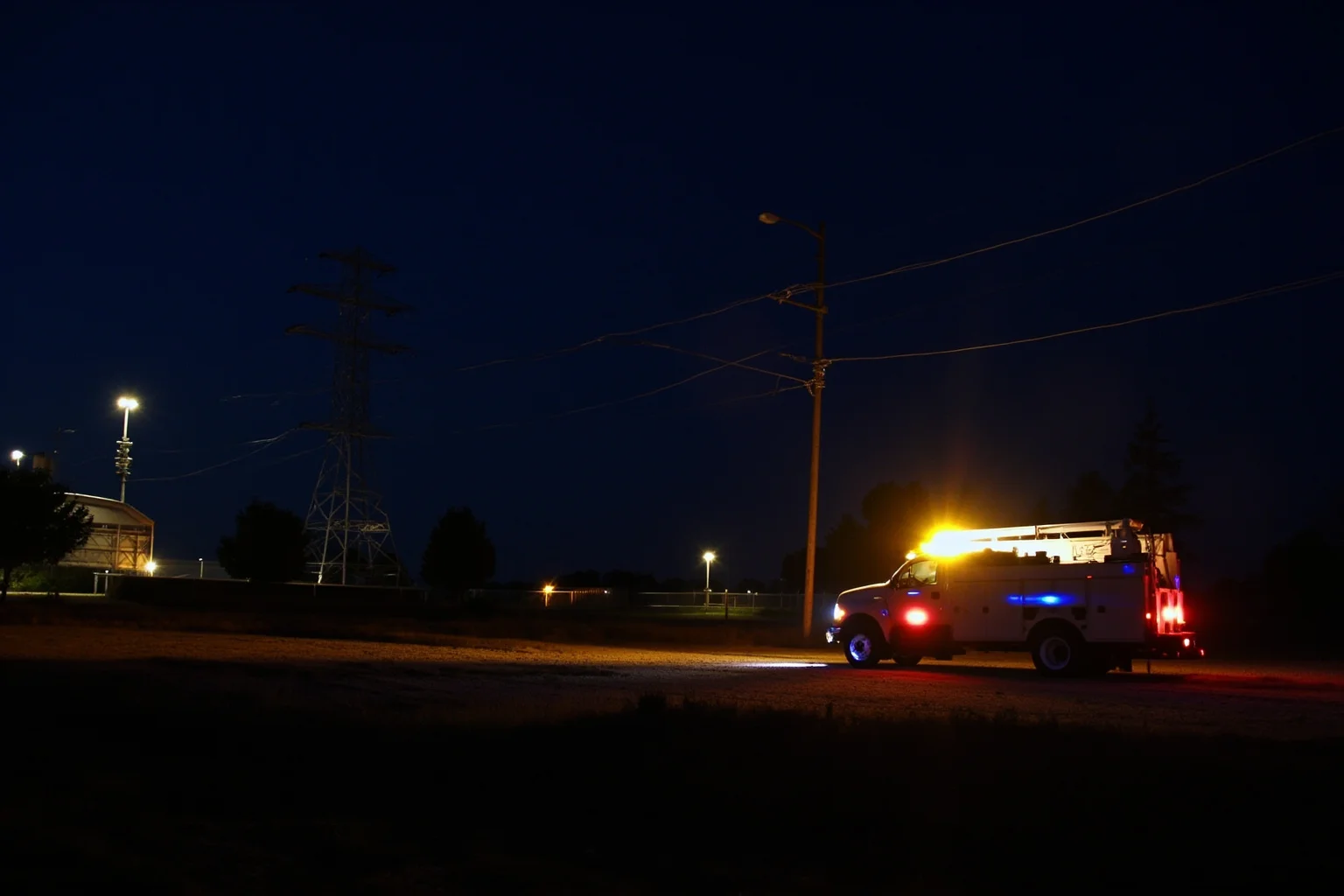
Electric grids, water treatment plants, and gas pipelines are classic industrial control environments, where software sits close to physical machinery. Utilities spent years auditing control systems, testing date-dependent equipment, and staffing up for the rollover night. Regulators in several countries required formal readiness reports from the operators they oversaw.
The worry wasn't just a blackout. Utilities depend on billing systems, control networks, and supply chain coordination, so a date glitch could create financial chaos even if the lights stayed on. In practice most utilities reported a quiet night, but the preparations consumed a significant share of their late-1990s IT budgets.
11. Hospitals and Medical Devices
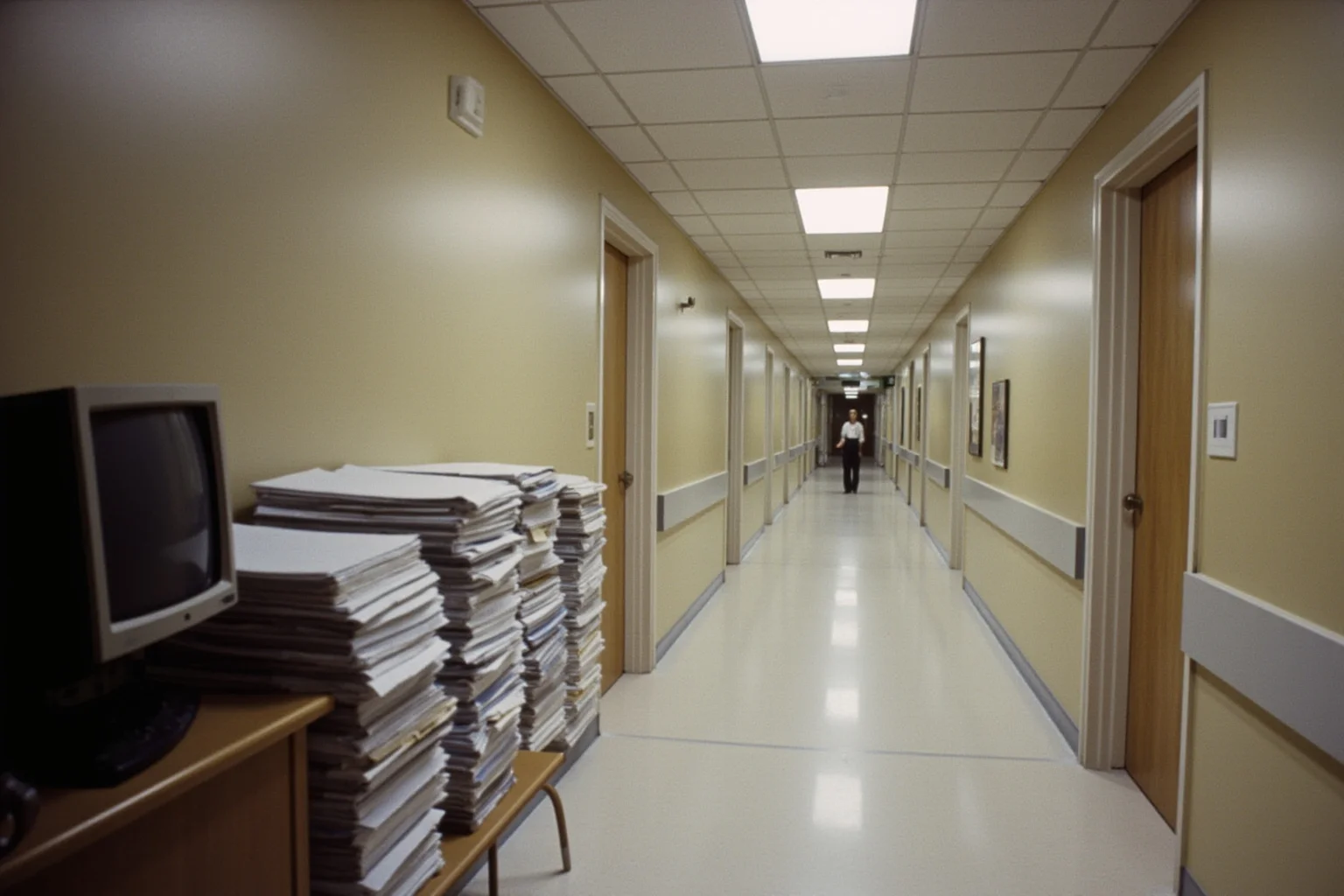
Hospitals had to think about both their records and their machines. Patient scheduling, lab results, pharmacy dosing, and billing systems were date-dependent, and so were infusion pumps, imaging equipment, and defibrillators with embedded clocks. A device that misread the year could, in theory, miscalculate a dose or refuse to operate.
Health systems responded with equipment inventories, vendor questionnaires, and manual backup plans. Many hospitals printed extra paper records, tested generators, and scheduled additional staff for the New Year's weekend. There were scattered reports of minor problems, but no confirmed wave of device failures tied to the rollover.
12. Governments Organized: Koskinen, Bennett, and Action 2000
Governments didn't wait passively for the year 2000 problem to arrive. In 1998, President Bill Clinton created the President's Council on Year 2000 Conversion and put John Koskinen in charge of coordinating federal efforts. That same year, the U.S. Senate established a special committee on the Year 2000 technology problem chaired by Senator Bob Bennett.
Other countries built similar machinery. The United Kingdom funded a body called Action 2000 to push businesses toward readiness, and international coordination ran through the International Y2K Cooperation Center, set up with United Nations support in 1999. For a few years, the world briefly had something close to a global Y2K command structure.
13. The Y2K Remediation Boom
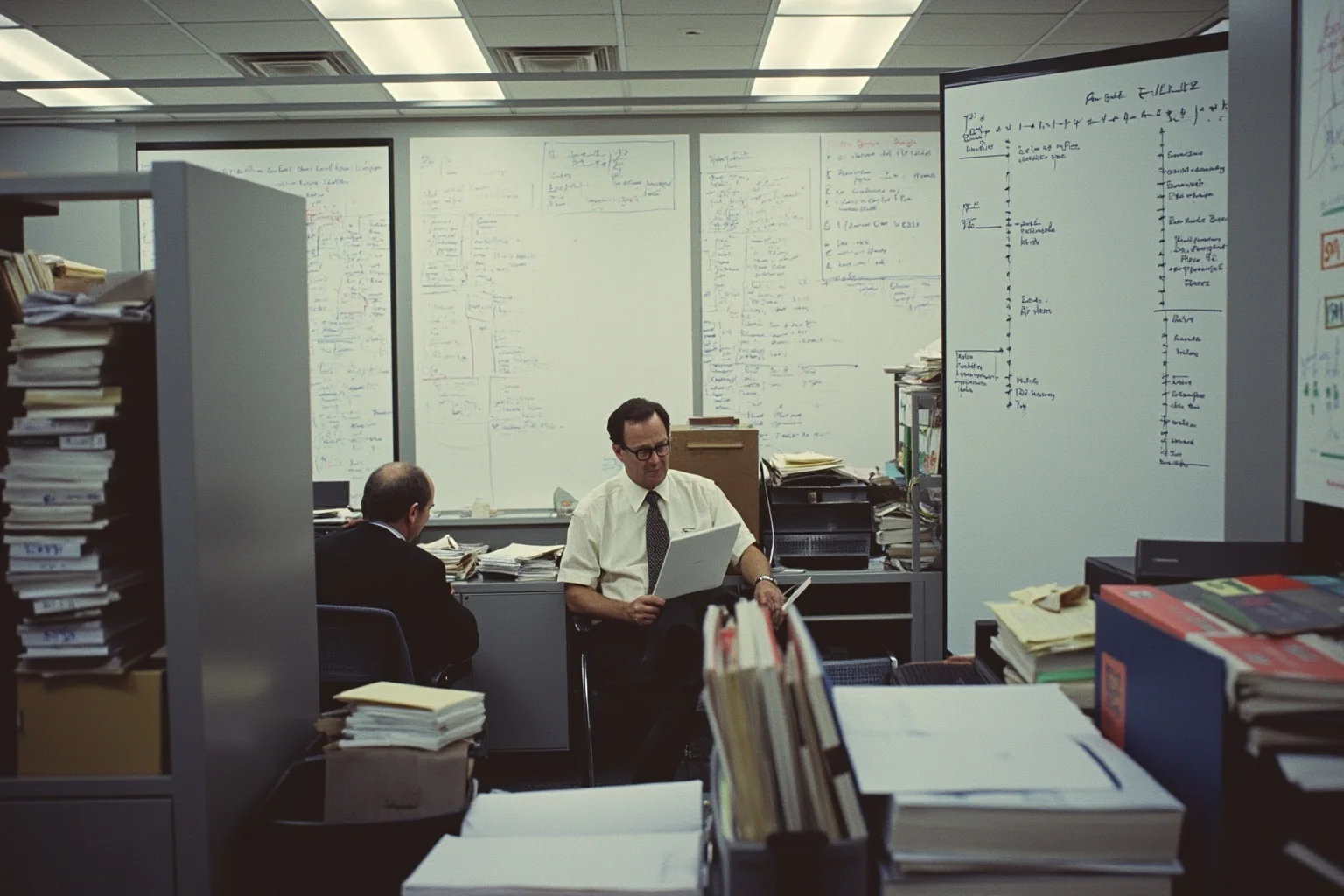
Where there is fear, there is a market. Y2K remediation became a multi-billion-dollar industry almost overnight, with consultancies, auditing firms, and software vendors selling readiness assessments, code audits, and compliance tooling. Estimates of total global spending on the year 2000 problem commonly ranged from roughly $300 billion to $600 billion.
That money bought real work: inventories, code reviews, testing, and hardware replacement that would otherwise have waited years. It also created an obvious conflict of interest, since the firms warning loudest about catastrophic failure were often the same firms selling the fix. Critics argued this dynamic inflated the panic, and there is no clean way to separate genuine risk from commercial self-interest.
14. COBOL Programmers Came Out of Retirement

With critical systems still running COBOL, demand for programmers who understood the language exploded. Many experienced developers had retired years earlier, and companies began recruiting them back with high rates, short contracts, and flexible schedules. The press nicknamed the phenomenon the return of the COBOL cowboys.
The shortage was real enough that some organizations offered bonuses and training programs to bring younger developers up to speed. It was an odd moment in tech history: a language widely dismissed as obsolete became one of the most valuable skills on the market. The episode also exposed how dependent modern institutions had become on code nobody fully understood anymore.
15. Y2K Books, Manuals, and Preparedness Guides

The publishing industry treated Y2K as a genre. Bookstores filled with titles such as Edward Yourdon's 'Time Bomb 2000', which predicted serious disruptions, alongside practical guides on auditing software and protecting a small business. Some of the most popular titles were less technical and considerably more apocalyptic.
Christian publishing produced its own wave, including prophecy books that framed the rollover as a sign of end times. Mainstream outlets published Y2K special editions and checklists, and even the Red Cross and emergency agencies issued preparedness guidance. The line between a technical manual and an end-times tract blurred in a way that is hard to imagine today.
16. Survival Kits, Generators, and Canned Food

For ordinary households, Y2K became a shopping list. Sales of generators, water filters, canned food, batteries, propane, and hand-crank radios spiked through 1999, and some retailers sold out of basic supplies. A smaller group went further, buying gold, rural land, and firearms.
Preparedness advice ranged from sensible to extreme. Emergency agencies suggested the same basics they recommend for any disaster — water, food, medicine, cash, and a battery radio — while survivalist communities treated the rollover as a rehearsal for societal collapse. Most of those supplies were quietly consumed or forgotten in the years that followed.
17. Hollywood and TV Cashed In
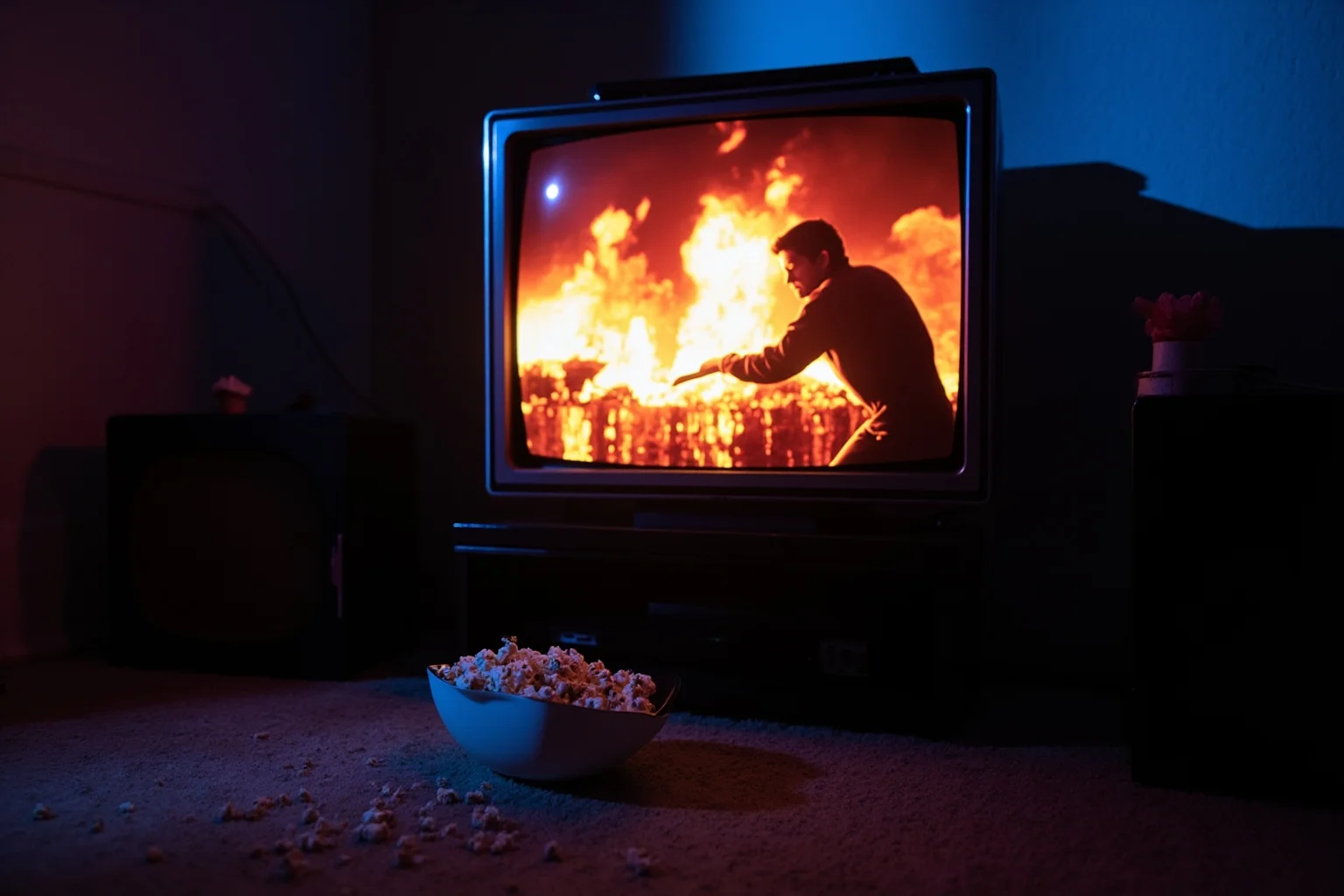
Pop culture amplified the fear with remarkable speed. A made-for-television disaster movie titled Y2K aired in 1999, and The Simpsons devoted a Treehouse of Horror segment to a Y2K meltdown the same year. The decade's mood of technological dread was everywhere, and the millennium bug fit it perfectly.
Late-night hosts, sketch comedy, and advertising all mined the rollover for jokes, which cut both ways. Mocking the panic made it feel silly, but it also kept the topic in front of millions of people every week. The result was a feedback loop where entertainment, news, and genuine technical concern all fed the same fire.
18. Millennialism and the Pull of Round Numbers

Human beings have a long history of attaching meaning to round numbers, and the year 2000 was about as round as it gets. Apocalyptic traditions in Christianity, Islam, and various folk beliefs had been predicting a dramatic turn of the millennium for centuries, and the rollover gave those expectations a specific date.
The Left Behind novels, which began in 1995, sold millions of copies and pushed end-times theology into mainstream conversation. Talk of the world ending in 1999 or 2000 blended easily with computer anxiety, because both framed the same moment as a threshold. For many people, Y2K wasn't just a software bug — it was a prophecy with a timestamp.
19. Y2K Conspiracy Theories
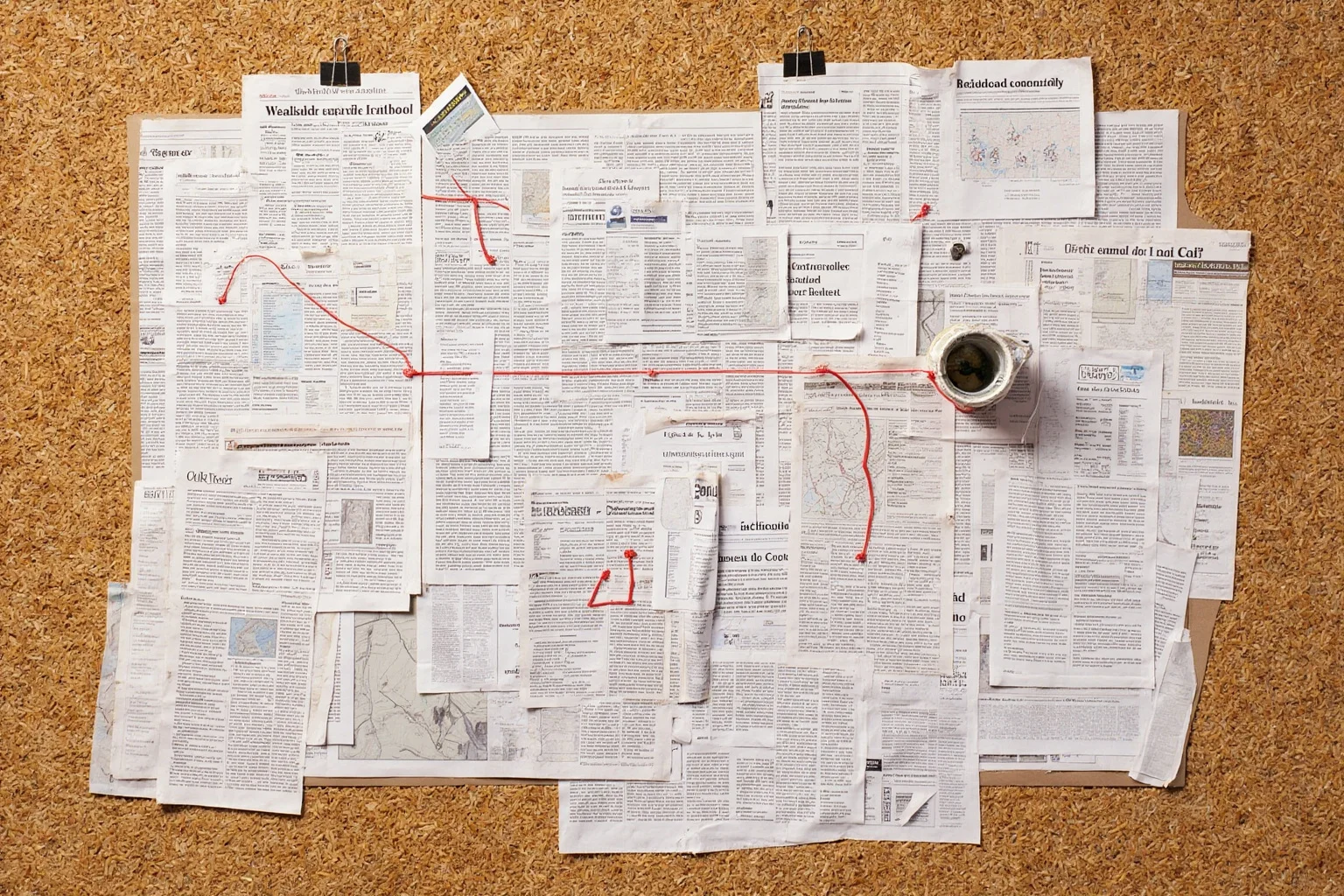
Not everyone who feared Y2K feared the computers. A strand of y2k conspiracy thinking held that the bug was a cover story — a pretext for government emergency powers, martial law, or a financial reset. Others argued the opposite: that the whole thing had been invented by consultants and media to sell products and advertising.
These theories circulated through talk radio, early internet forums, and militia-adjacent newsletters, and they rarely agreed with each other. What they shared was a distrust of official reassurances, which meant every calm statement from a government or bank was read as proof of a cover-up. When nothing collapsed, both camps simply adjusted their explanations.
20. Other Date Traps: 9/9/99, Leap Year, and GPS
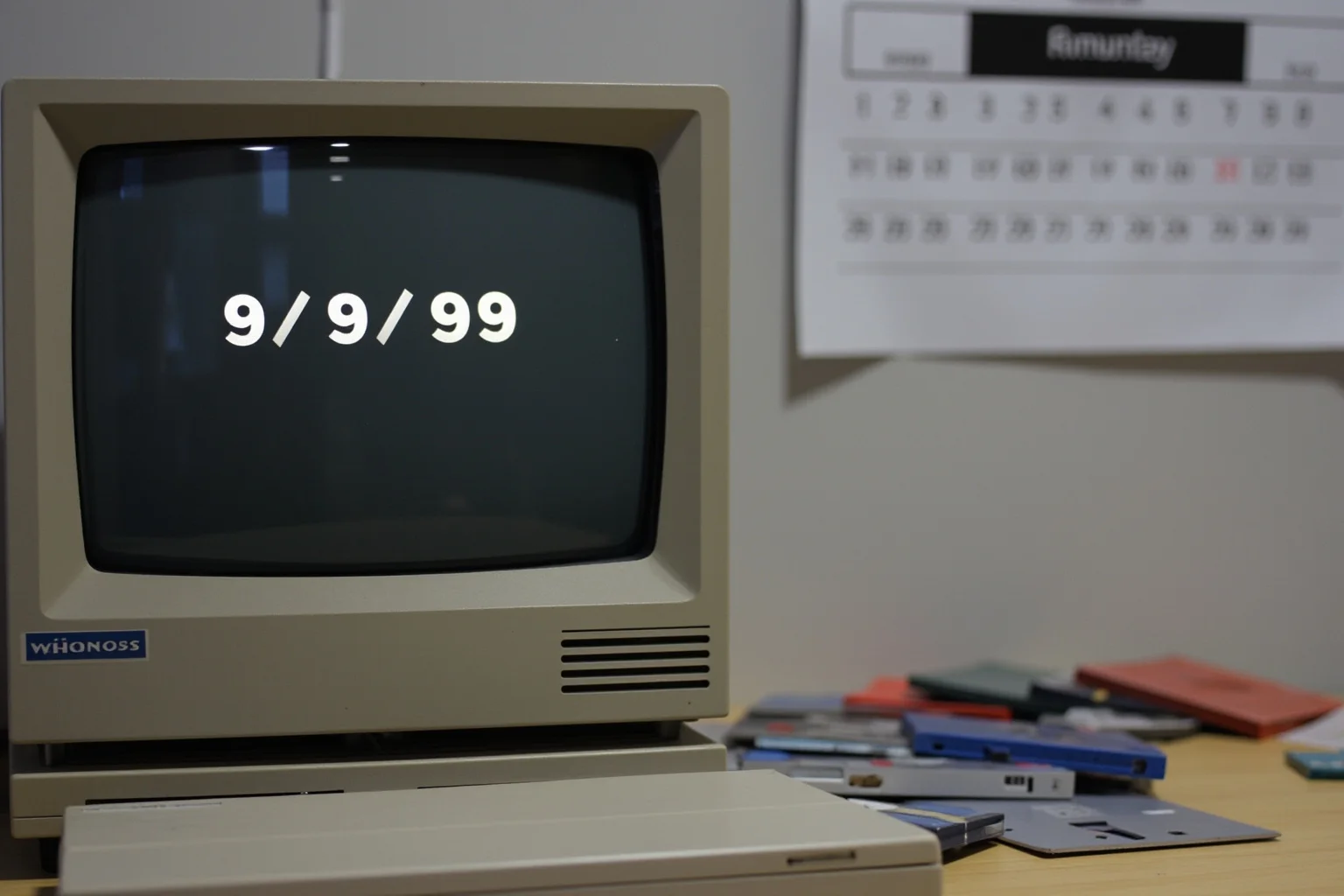
The rollover wasn't the only date risk on the calendar. Some systems used strings like '9999' or '9/9/99' as sentinel values meaning end of file or no expiration, so September 9, 1999, carried its own small cluster of risks. Testing for those edge cases was part of the remediation workload.
Then came February 29, 2000. Because 2000 was a leap year under the divisible-by-400 rule, systems that applied the leap-year calculation incorrectly could stumble a second time. And in August 1999, older GPS receivers had already hit a week-number rollover of their own, a reminder that date bugs were a family of problems rather than a single event.
21. The 1999 New Year's Eve Rollover Watch
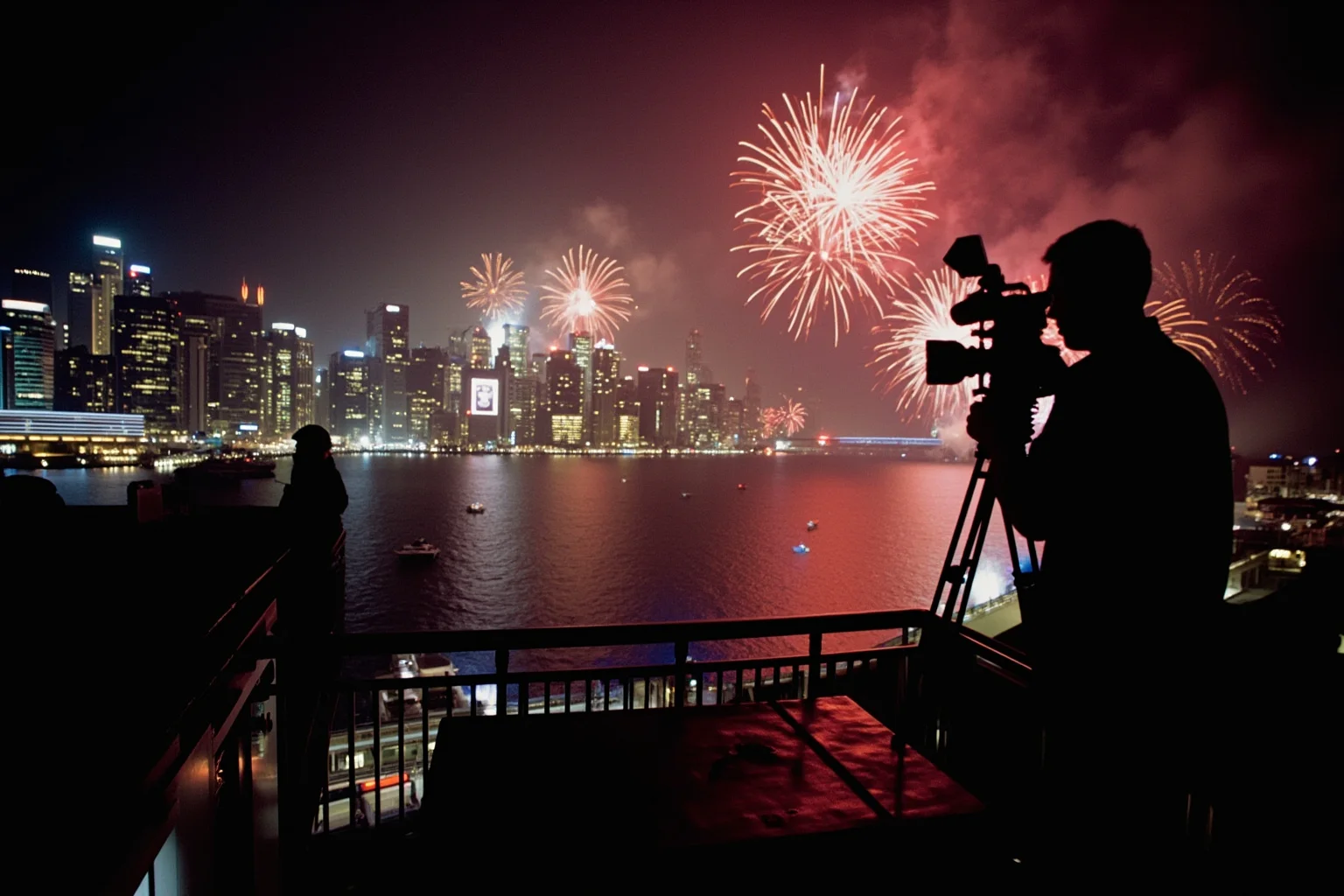
Because the rollover happened at midnight local time, the world experienced it as a rolling wave rather than a single instant. New Zealand and Australia crossed first, then Asia, Europe, Africa, and the Americas, giving everyone else hours of live evidence about what to expect. News networks turned the night into a global watch party with correspondents stationed across the time zones.
Sydney's harbour fireworks and London's Millennium Dome celebrations went ahead as planned, and most cities reported a normal night. For viewers at home, the coverage had a strange dual quality: celebration footage on one screen and emergency operations centers on the other. New Year's Eve 1999 may be the only night in history that a software bug shared top billing with fireworks.
22. What Actually Happened on January 1, 2000

January 1, 2000, arrived without catastrophe. Power stayed on, planes flew, ATMs dispensed cash, and the internet kept running, while emergency operations centers around the world reported quiet nights. Within days the dominant story shifted from looming disaster to collective relief — and, for some, to suspicion that the whole thing had been a con.
The absence of collapse is genuinely the most important fact about the Y2K event. It is also the most easily misread, because it tempts people to conclude that nothing was ever wrong. That conclusion doesn't survive contact with the remediation records, the spending figures, or the fact that thousands of organizations spent years fixing something.
23. The Glitches That Did Happen
There were real failures, just not dramatic ones. Reports from the period include a radiation monitoring system at a Japanese nuclear plant that briefly malfunctioned, scattered date errors in government databases, and faulty credit card terminals and ticket machines. None of them threatened public safety, and most were resolved within hours.
Some of the most widely shared stories were smaller and funnier, like a video rental store that reportedly charged a customer a 100-year late fee. Minor issues also surfaced around the February 29 leap day, when a handful of systems misread the calendar. The pattern is exactly what you would expect if the biggest risks had been successfully defused in advance.
24. Why 'Nothing Happened' Is a Misleading Verdict
The most common myth about Y2K is that the panic was proven wrong because nothing happened. In reality, the scale of preparation is the reason so little happened — a self-defeating prophecy rather than a hoax. That doesn't mean every warning was accurate, and plenty of predictions were wildly overstated.
The honest verdict sits between the two extremes. The year 2000 problem was a genuine, expensive, and widespread defect that required a global remediation effort to prevent serious disruption. At the same time, the apocalyptic framing — the end of the world, the collapse of civilization — was driven by media incentives, prophecy, and commercial interest as much as by engineering reality.
25. What Y2K Left Behind
Y2K changed how the technology industry thought about dates and legacy systems, at least for a while. Standards such as ISO 8601 and four-digit year storage became normal practice, and many organizations finally documented code that had been running unexamined for decades. Some economists have argued that remediation spending pulled IT budgets forward and contributed to the tech slowdown that followed in 2000 and 2001.
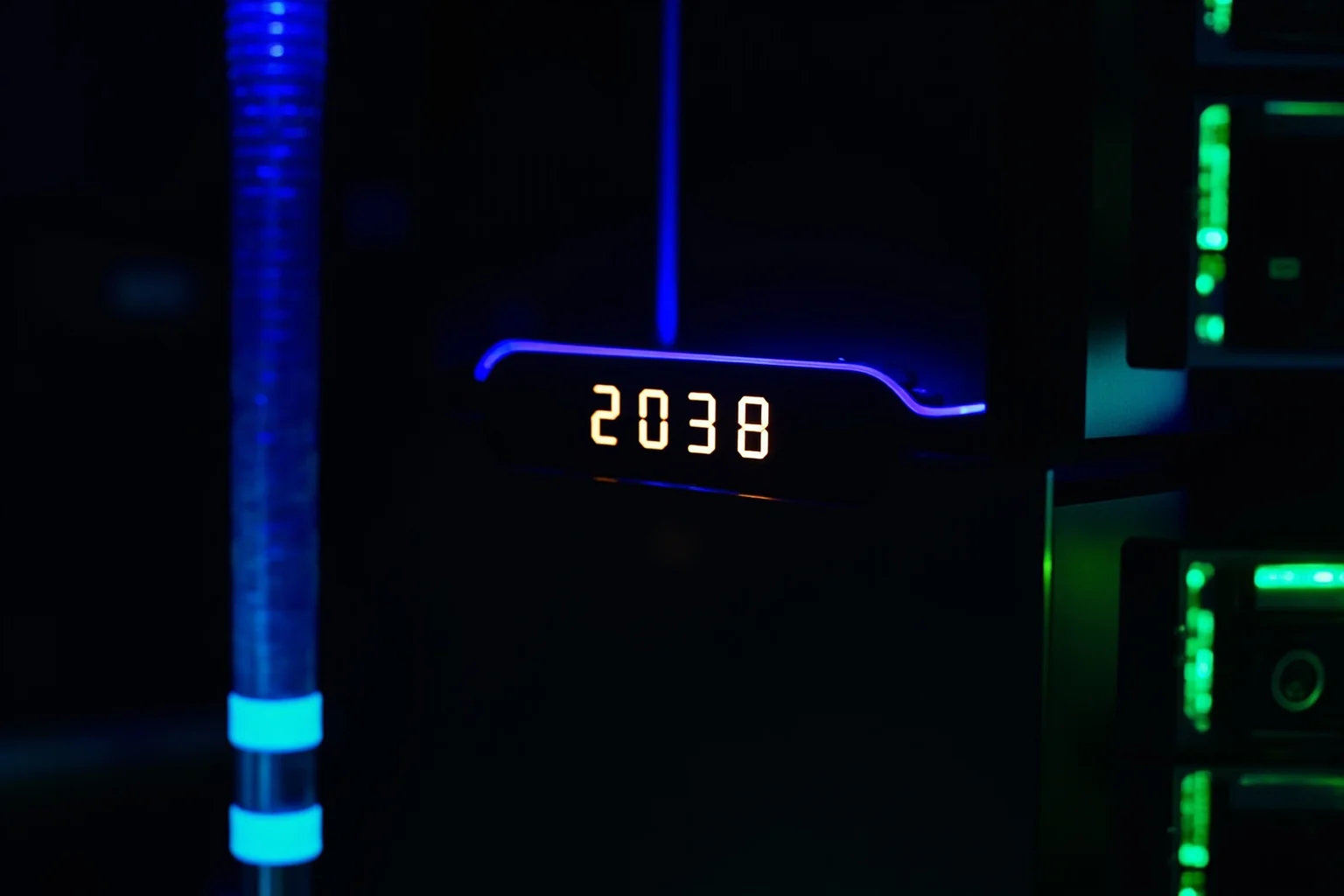
The problem didn't disappear, it simply moved. The 32-bit Unix timestamp will overflow on January 19, 2038, a date already nicknamed Y2K38, and similar rollovers keep appearing in software, hardware, and file formats. The real lesson of the year 2000 bug is simple: date handling is hard, deadlines are unforgiving, and the systems we depend on are more fragile than they look.
Final Thoughts: Why We Still Talk About Y2K
Y2K endures because it sits at the intersection of three things people find irresistible: technology, apocalypse, and a countdown. It gave the world a shared deadline, a villain that was nobody in particular, and a New Year's Eve that felt genuinely uncertain. Even today, a small number of people mistype it as 'year 20000' when they go looking for answers.
The more useful takeaway is about how societies respond to invisible risk. When the danger is technical and the outcome depends on work nobody can see, the public gets a distorted picture in both directions — panic before, complacency after. Y2K was neither the end of the world nor a nothing-burger, and holding both of those truths at once is the most honest way to remember it.
Frequently Asked Questions
When did Y2K happen?
The Y2K rollover happened at midnight local time on January 1, 2000, sweeping across the world's time zones over roughly 24 hours. The underlying year 2000 problem, however, was identified much earlier — warnings about two-digit dates circulated in the early 1990s, and large-scale remediation work ran from roughly 1996 through 1999.
Was Y2K the end of the world?
No. The y2k end of the world predictions did not come true — power grids stayed up, banks kept processing payments, and air travel continued normally on January 1, 2000. The reason so little went wrong was largely that governments and companies spent years and billions of dollars fixing date-related code in advance, not that the threat was imaginary.
What exactly was the year 2000 problem?
The year 2000 problem was a date-handling flaw caused by storing years as two digits instead of four. When the calendar rolled from 1999 to 2000, affected systems could interpret '00' as 1900, producing errors in calculations, sorting, and scheduling. The flaw affected software, mainframes, and embedded chips across nearly every industry.
Was the Y2K bug a hoax or a conspiracy?
The Y2K bug itself was real, well documented, and expensive to fix, so calling it a hoax isn't accurate. Some y2k conspiracy theories went further, claiming the whole thing was staged for profit or to justify emergency powers, but there is no credible evidence for those claims. What is fair to say is that media hype and vendors with financial incentives magnified the fear beyond what the technical evidence supported.
How much money was spent on Y2K?
Global estimates for year 2000 problem spending commonly range from about $300 billion to $600 billion, though figures vary widely depending on what costs are counted. In the United States, the federal government alone spent roughly $8 billion to $10 billion on its own remediation and coordination efforts. Private sector spending on code audits, testing, and hardware replacement made up the bulk of the total.
Why did people think the world was ending in 2000?
Talk of the world ending in 2000 came from several directions at once: genuine uncertainty about interconnected infrastructure, a 24-hour news cycle hungry for worst-case scenarios, millennial prophecy traditions, and an industry selling Y2K fixes. Round numbers also carry psychological weight, and the year 2000 was the roundest date in living memory. The result was a panic bigger than the technical risk alone could justify.
What happened on New Year’s Eve 1999?
New Year's Eve 1999 was a global rolling watch as the date changed time zone by time zone, with broadcasters tracking each region's rollover live. Major celebrations, including Sydney's harbour fireworks and London's Millennium Dome event, went ahead, while emergency operations centers stayed fully staffed in case something failed. Most regions reported a quiet night with only minor glitches.
Were there any real Y2K failures?
Yes, but they were small. Reported issues included a radiation monitoring malfunction at a Japanese nuclear plant, scattered date errors in government systems, and faulty credit card terminals and ticket machines. Some systems also stumbled on February 29, 2000, because of leap-year handling errors. No major infrastructure failure was confirmed.
Is there another Y2K-style bug coming?
Yes. The 32-bit Unix timestamp overflows on January 19, 2038, a problem widely known as Y2K38, and other date rollovers continue to surface in software and hardware. The broader lesson is that date handling is a persistent engineering problem rather than a one-time event.
Did Y2K affect the whole world?
Y2K was a global issue because computer systems, banking networks, and supply chains were already international by the late 1990s. Countries with less computer-dependent infrastructure faced smaller risks, while heavily digitized economies had the most work to do. International coordination ran through bodies such as the International Y2K Cooperation Center, set up with United Nations support in 1999.

Alex Warren
Related Articles