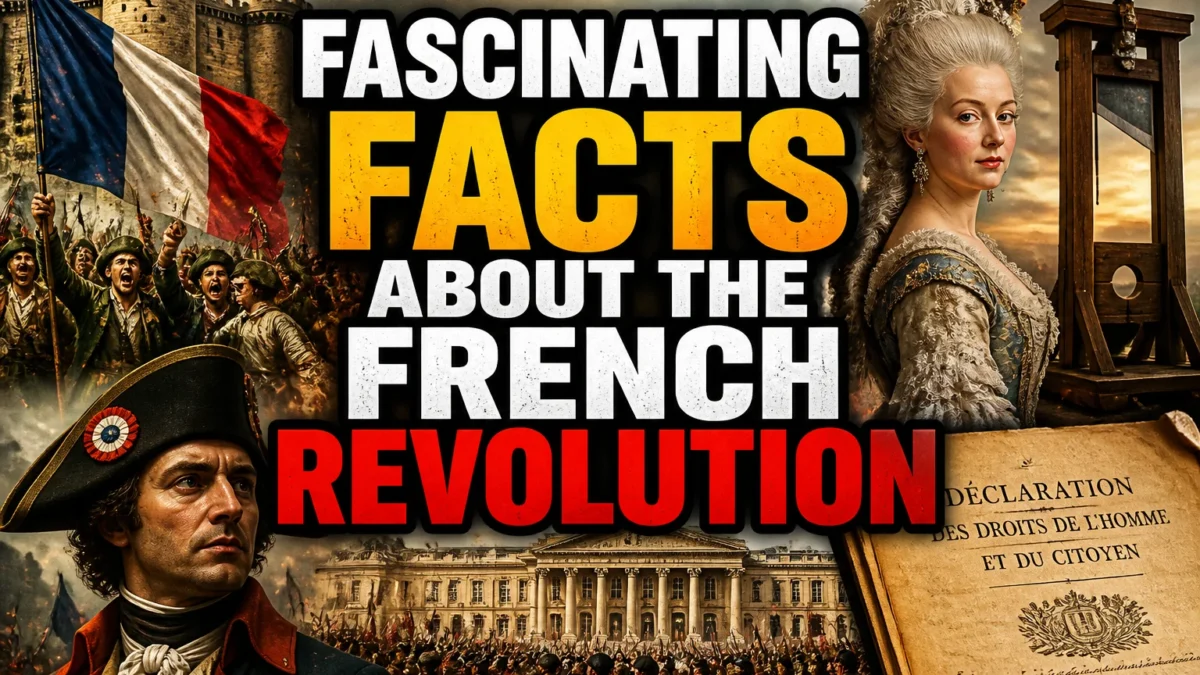
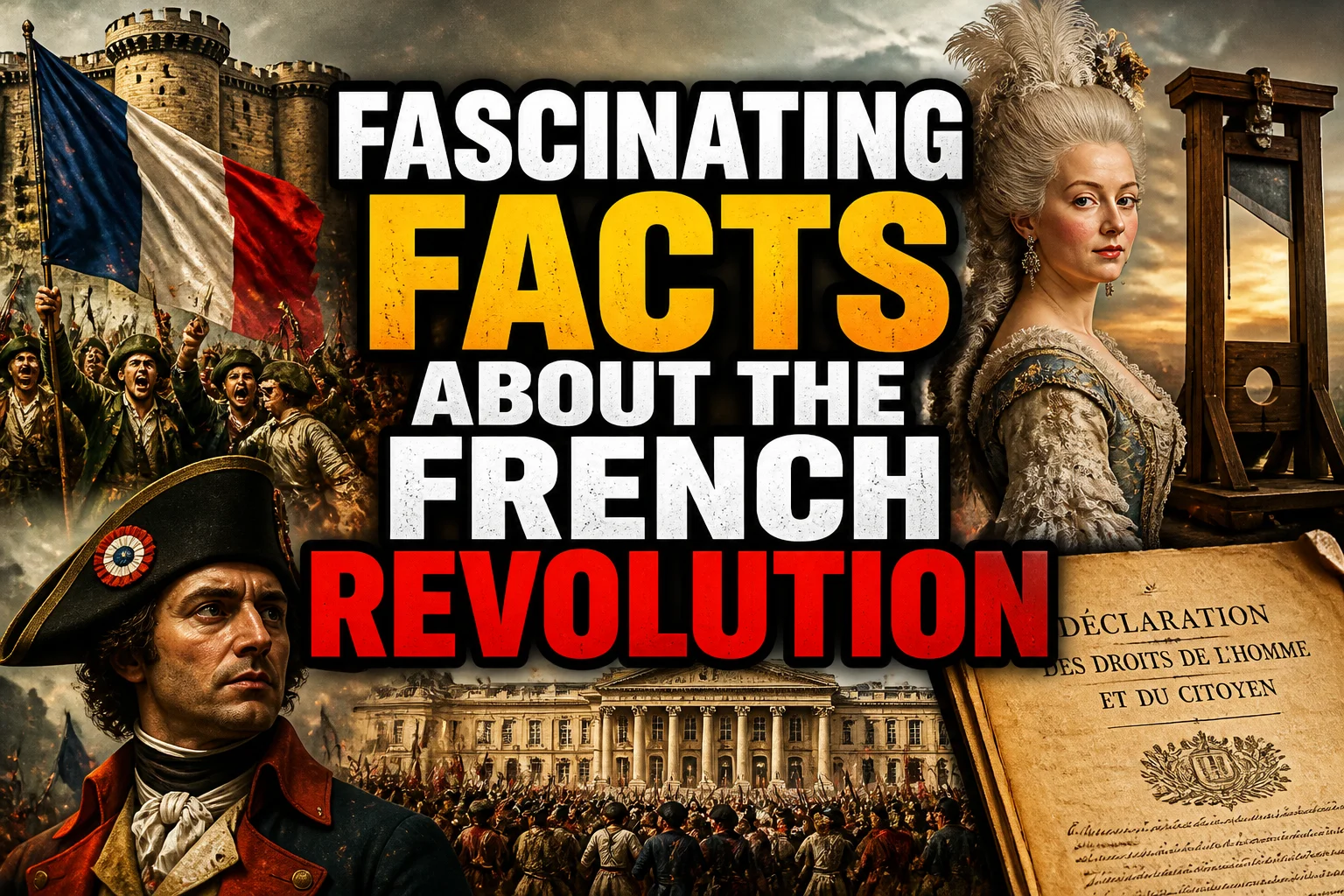
The French Revolution was one of the most transformative events in world history. It toppled a thousand-year-old monarchy, reshaped the social order, and inspired political movements for centuries to come.
Yet beyond the familiar images of guillotines and angry mobs lies a treasure trove of surprising details. From the Revolution's accidental role in inventing the metric system to the bizarre cult of a "Supreme Being," there are plenty of interesting facts about the French Revolution that even history buffs may not know.
TL;DR: The French Revolution was a chaotic mix of high ideals and brutal reality that reshaped Europe and gave the world lasting ideas about liberty and equality.
1. The Revolution Began Because of a Financial Crisis, Not Just Hunger
While food shortages and soaring bread prices were a major factor, the immediate trigger for the Revolution was a deep fiscal crisis. France had spent enormous sums on the Seven Years' War and the American Revolutionary War, leaving the treasury nearly empty.
King Louis XVI was forced to convene the Estates-General in May 1789, the first such assembly in over 150 years. That meeting quickly spiraled into a revolutionary movement that no one, including the king, could control.
2. The Bastille Was Not a Prison for Political Dissidents
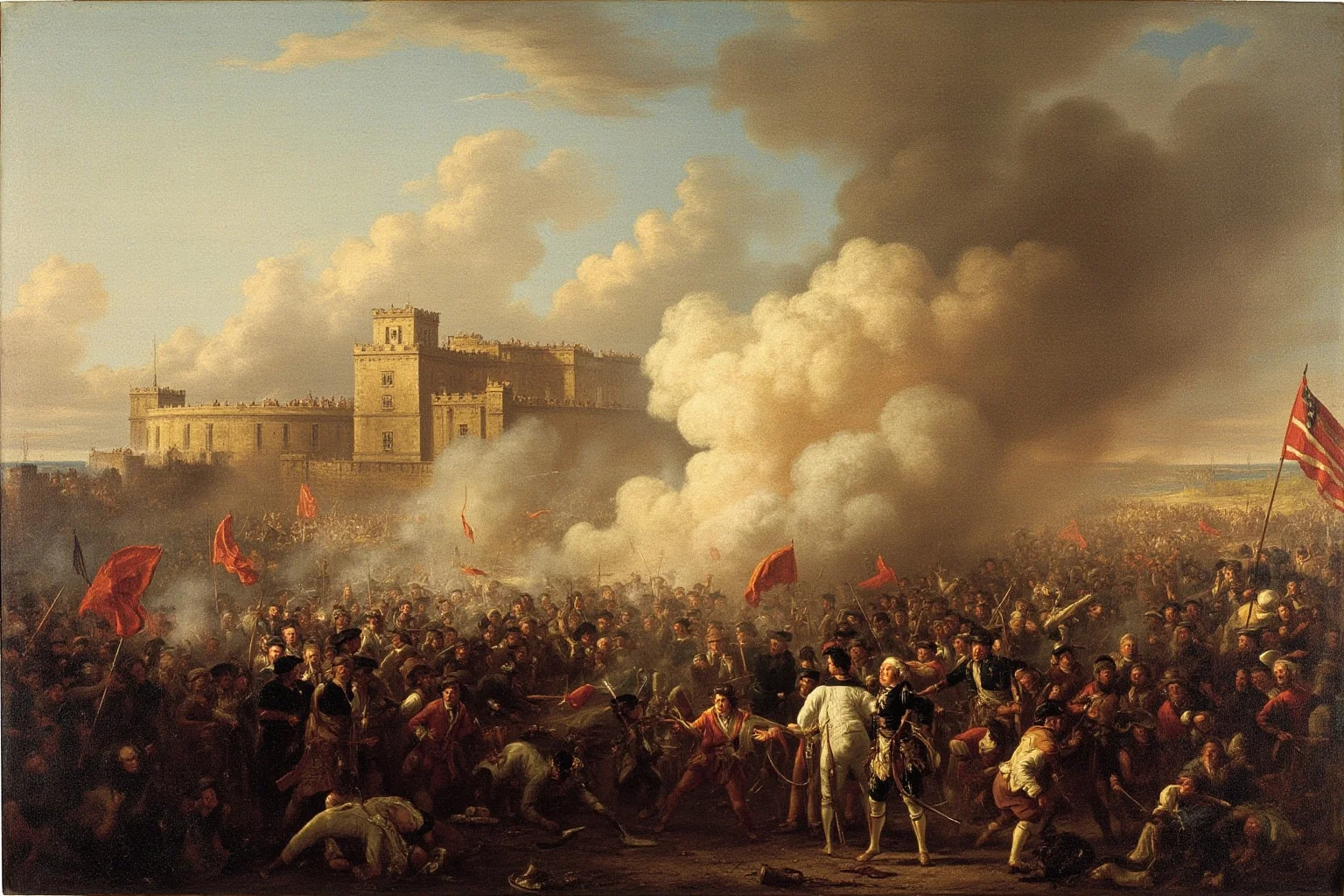
By 1789, the Bastille held only seven prisoners, including four forgers and two lunatics. It was a symbol of royal tyranny, but on the day it was stormed—July 14, 1789—it was hardly a hotbed of political prisoners.
The crowd's real goal was to seize the gunpowder stored there. The event became a powerful symbol of the people rising against oppression.
3. The Revolution Created the Metric System
Before the Revolution, France had over 250,000 different units of measurement. This chaos made trade and science difficult, so revolutionary leaders commissioned a new, rational system.
The metric system was officially adopted in 1795, based on the meter, which was defined as one ten-millionth of the distance from the North Pole to the Equator. It remains the standard in most of the world today.
4. The Guillotine Was Considered Humane
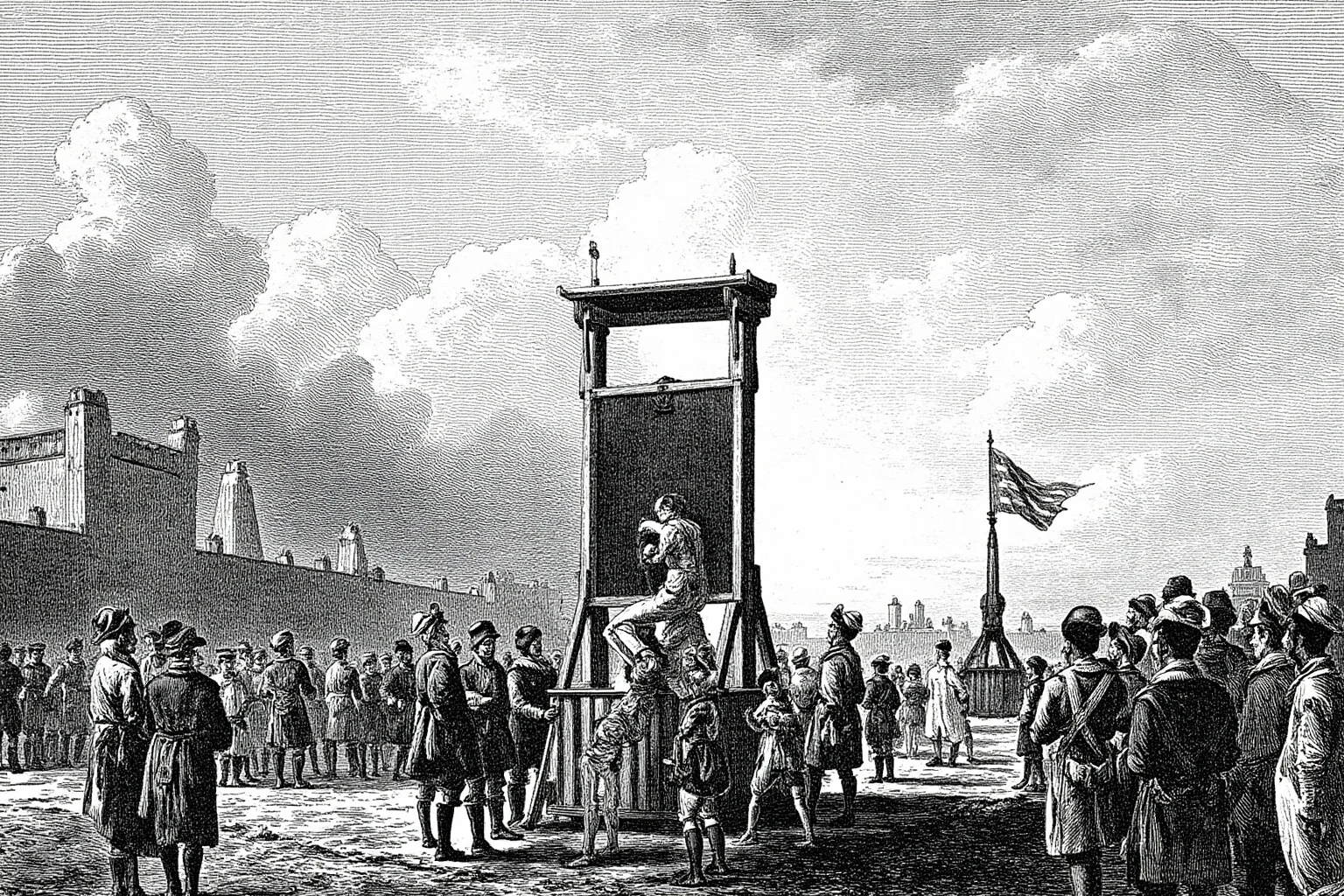
The guillotine was not invented to be cruel. It was promoted as a more humane and egalitarian method of execution compared to hanging, which often caused prolonged suffering.
Even more importantly, it applied equally to all classes. Before the Revolution, nobles were beheaded with swords while commoners were hanged. The guillotine ended that inequality in death.
5. King Louis XVI Voted to Execute Himself (Sort Of)
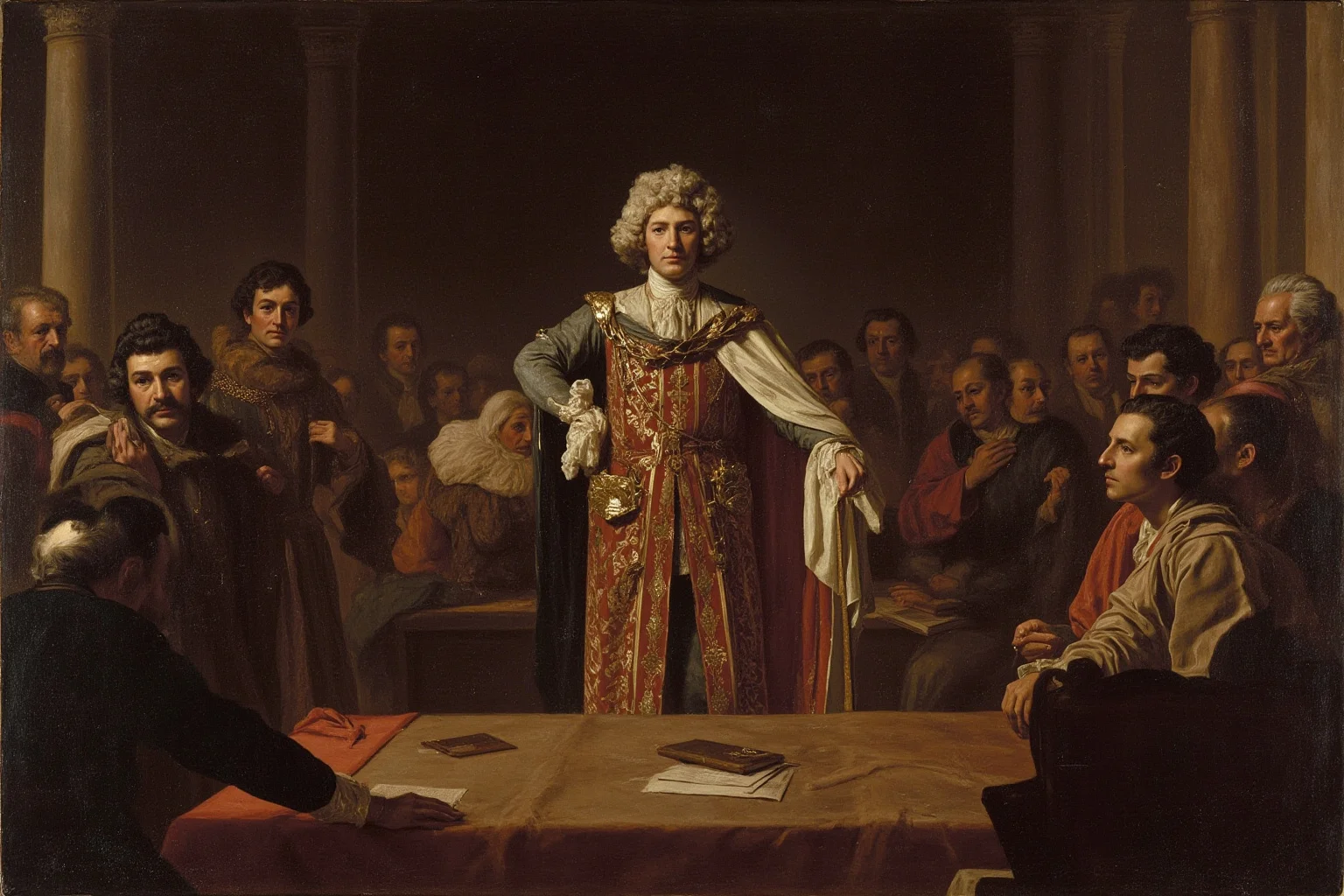
In a bizarre twist, the National Convention voted on whether to execute the king. The vote was 361 to 360 in favor of execution. Louis's own cousin, the Duke of Orléans, voted for the death penalty.
Louis was executed on January 21, 1793. It was a shocking moment that signaled the end of the monarchy in France.
6. The Revolution Radicalized Over Time
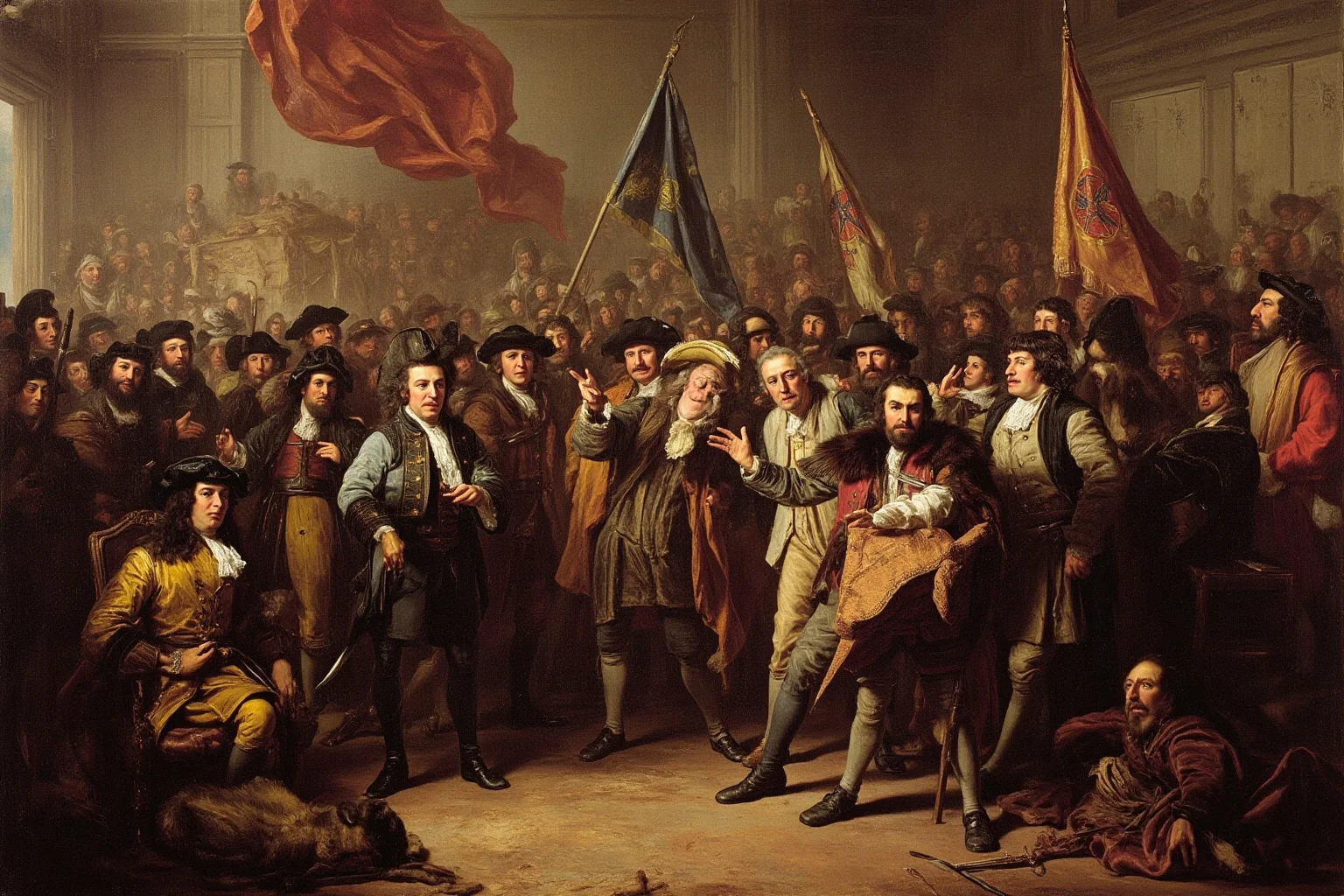
The Revolution did not start as a radical movement. It began with moderate demands for a constitutional monarchy, but external war and internal unrest pushed it further left.
By 1793, the radical Jacobins had seized power, leading to the Reign of Terror. This phase showed how revolutions can spiral beyond their original goals.
7. The Reign of Terror Executed Thousands
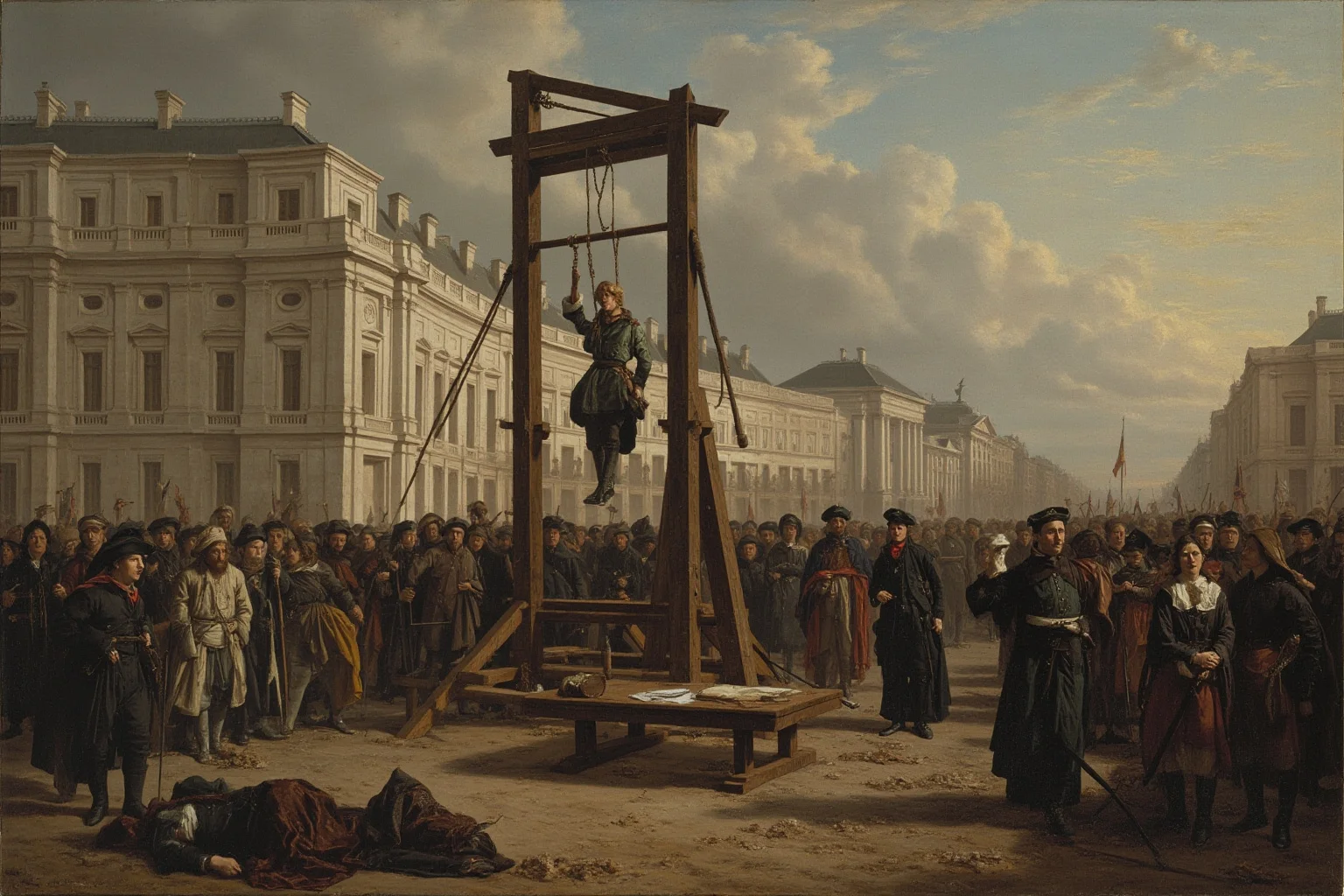
Between September 1793 and July 1794, around 17,000 people were executed by guillotine, many without fair trials. The Terror was led by Maximilien Robespierre, who believed terror was necessary to defend the revolution.
Eventually, Robespierre himself was executed in July 1794, ending the most extreme phase of the Revolution.
For a closer look at the people behind these events, see our guide to the Heroes and Villains of the French Revolution.
8. Revolutionary France Fought a Massive Coalition
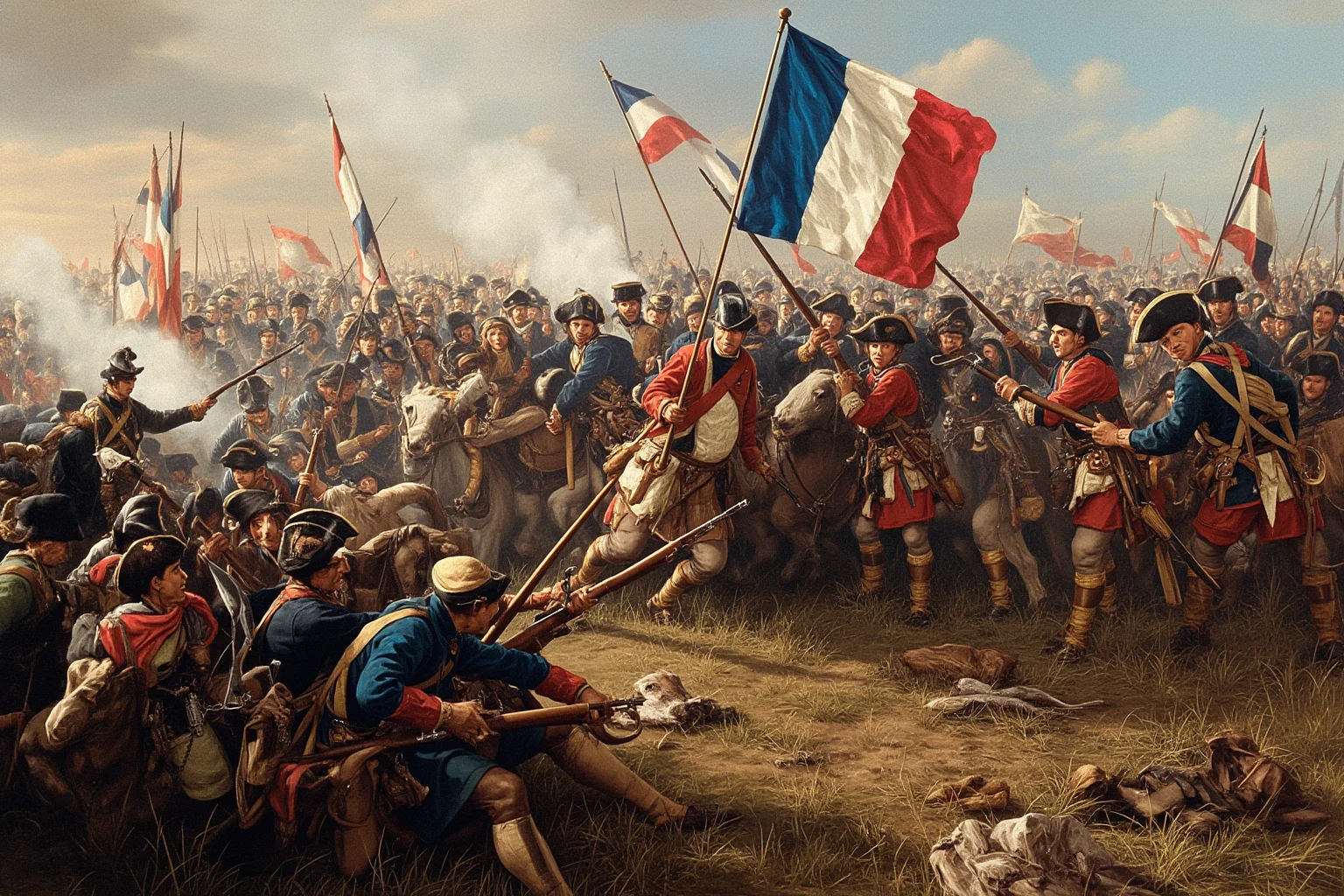
The French Revolutionary Wars (1792–1802) pitted France against a coalition of European powers including Austria, Prussia, Britain, and Spain. French armies, initially disorganized, eventually won stunning victories.
These wars helped spread revolutionary ideas across Europe, but they also drained France's resources and created a culture of militarism.
9. The Revolution Abolished Slavery (For a While)
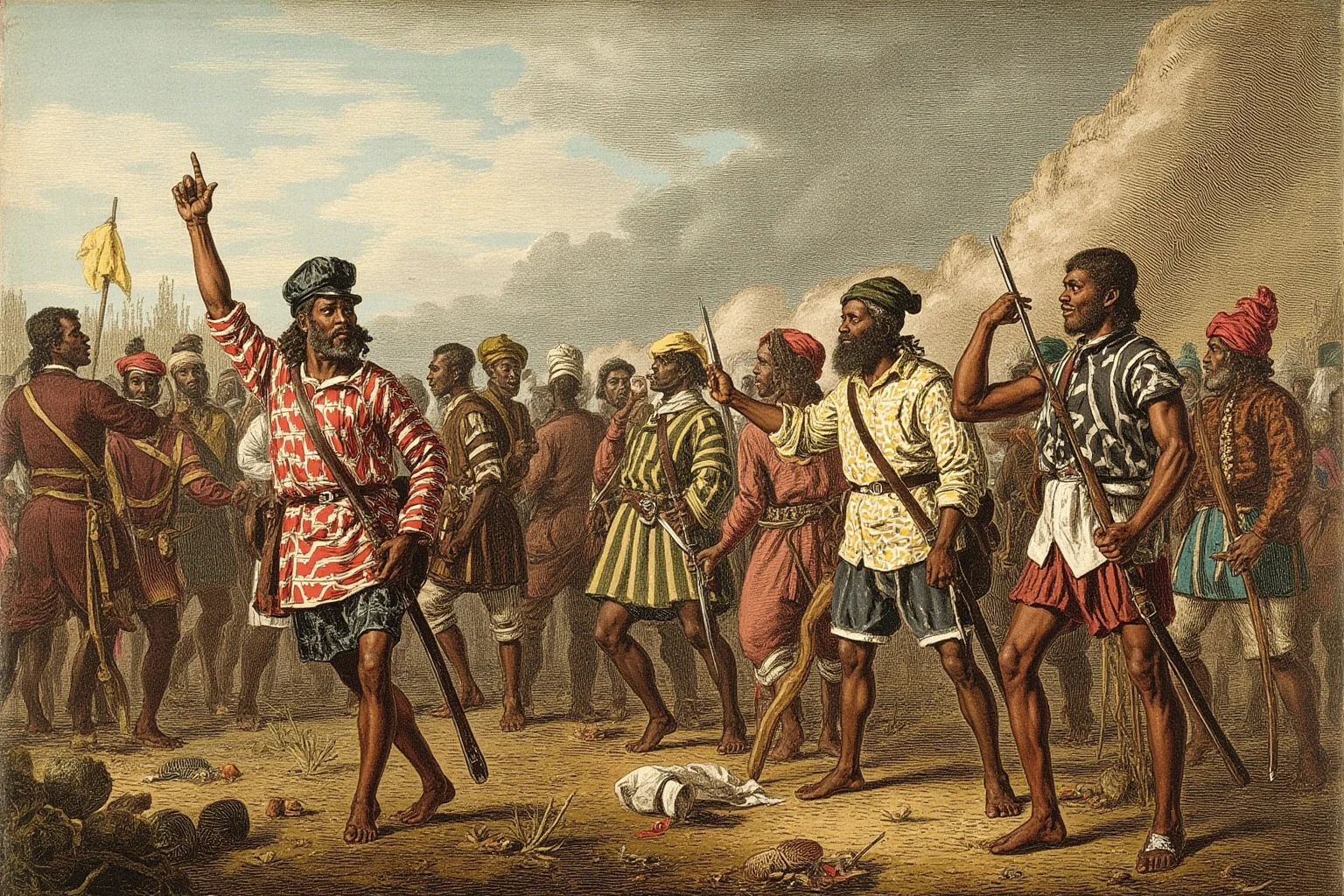
In 1794, the National Convention abolished slavery in French colonies. This was a radical move influenced by slave revolts in Saint-Domingue (now Haiti).
However, Napoleon reinstated slavery in 1802, and it was not permanently abolished until 1848. The Revolution's record on slavery was mixed.
10. The Revolution Invented a New Calendar
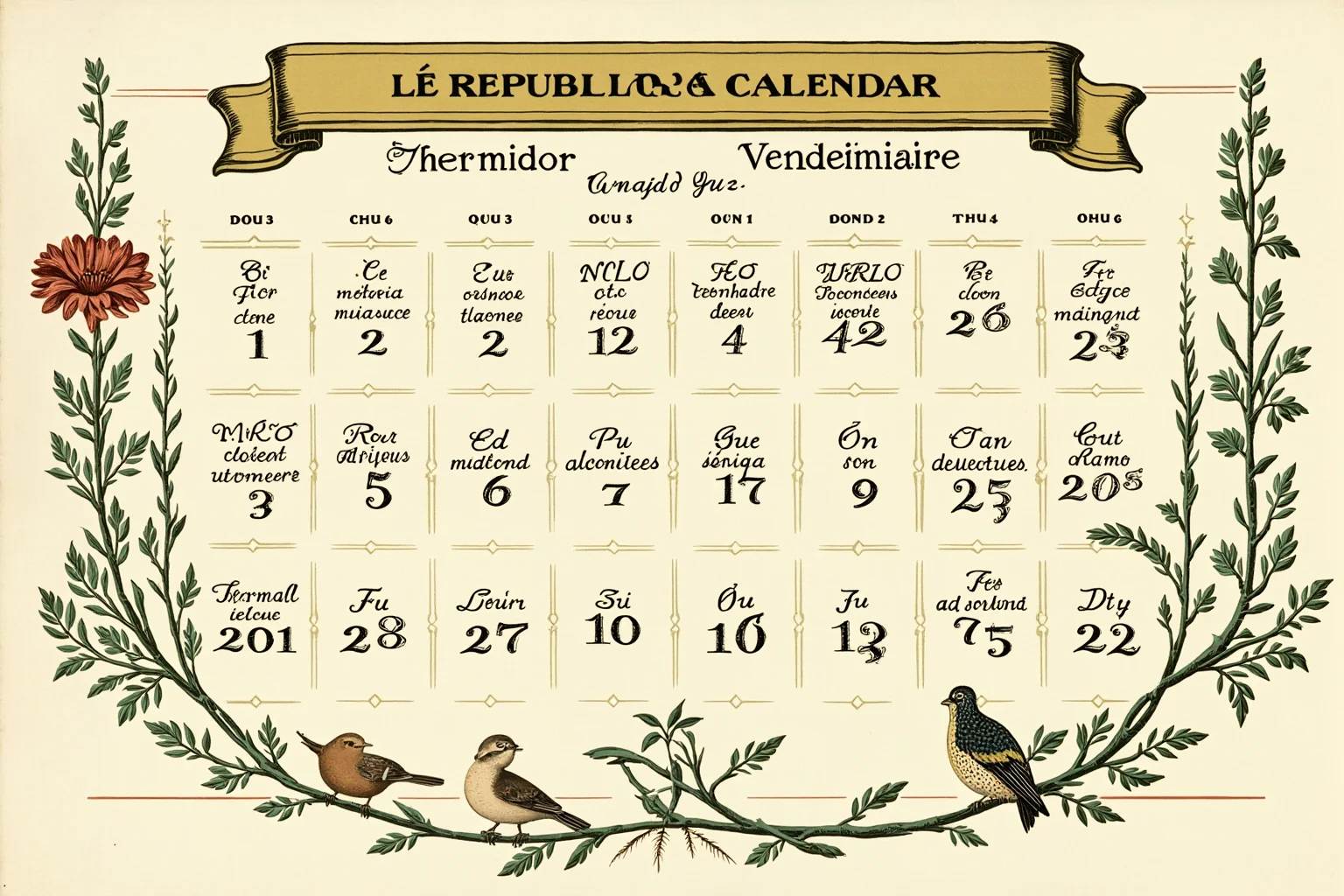
In 1793, revolutionaries introduced the French Republican Calendar. It had 12 months of 30 days each, with names based on nature (e.g., Thermidor, meaning "heat").
It was meant to replace the Christian calendar and secularize time. Napoleon abolished it in 1805.
11. The Cult of the Supreme Being Replaced Christianity
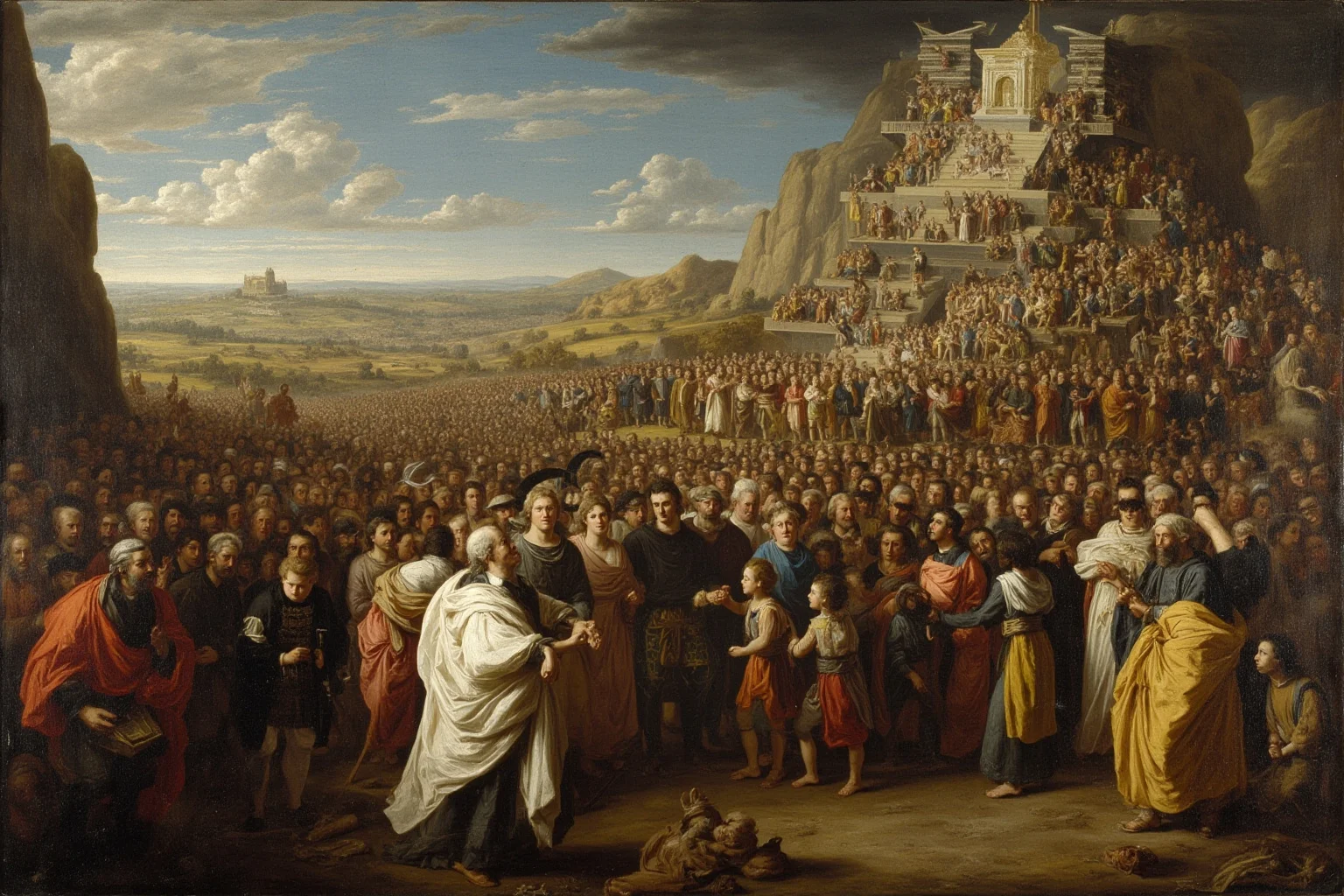
Robespierre promoted a new state religion called the Cult of the Supreme Being. It was meant to replace Catholicism and unite citizens around deist beliefs.
It lasted only a few months. Robespierre's fall ended the cult and marked the decline of revolutionary religiosity.
12. Women Played Vital Roles in the Revolution
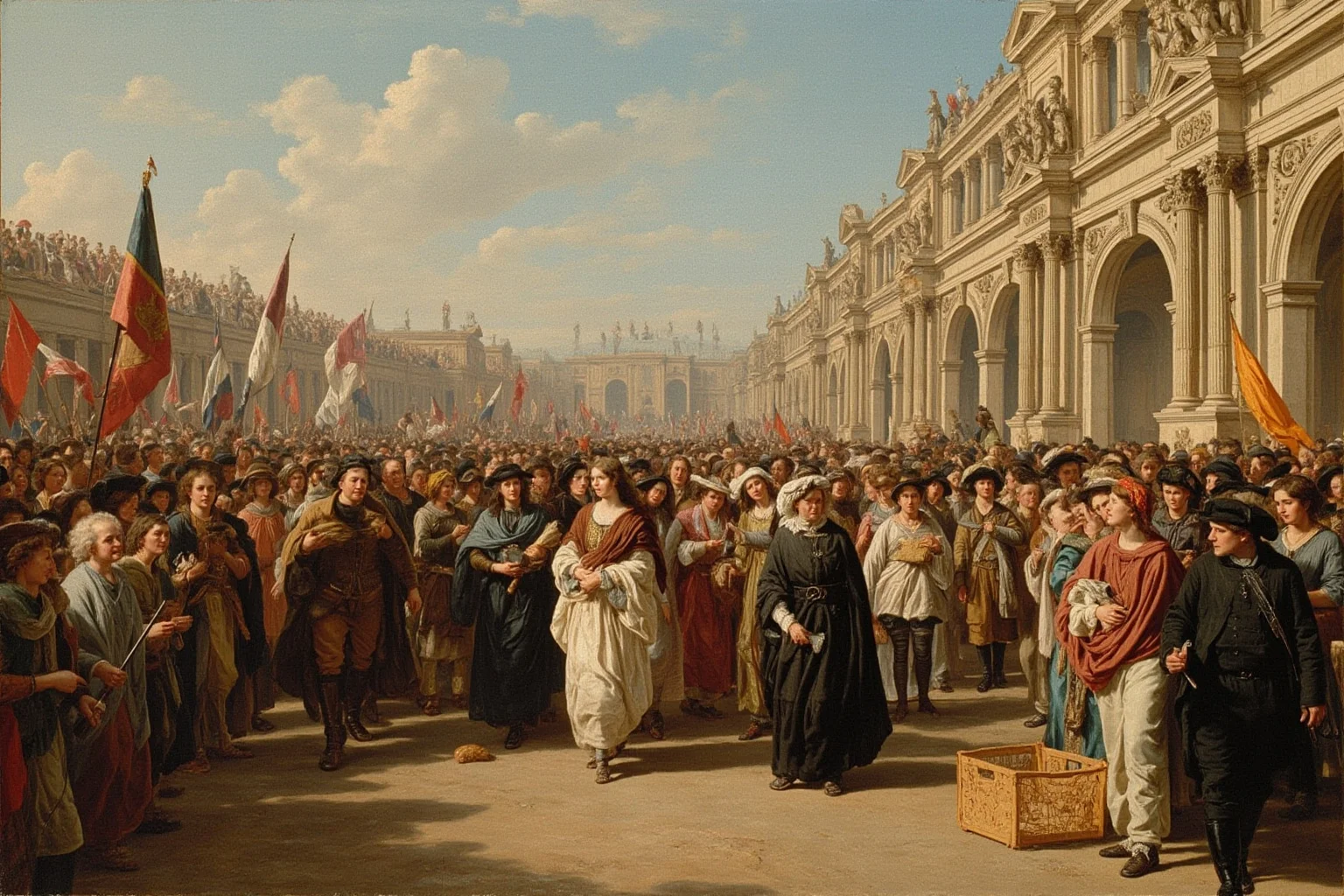
Women participated in demonstrations, riots, and political clubs. The Women's March on Versailles in October 1789 forced the royal family to return to Paris.
However, the Revolution largely excluded women from formal political power. Olympe de Gouges, who wrote the Declaration of the Rights of Woman, was executed in 1793.
13. The Storming of the Tuileries Palace Ended the Monarchy
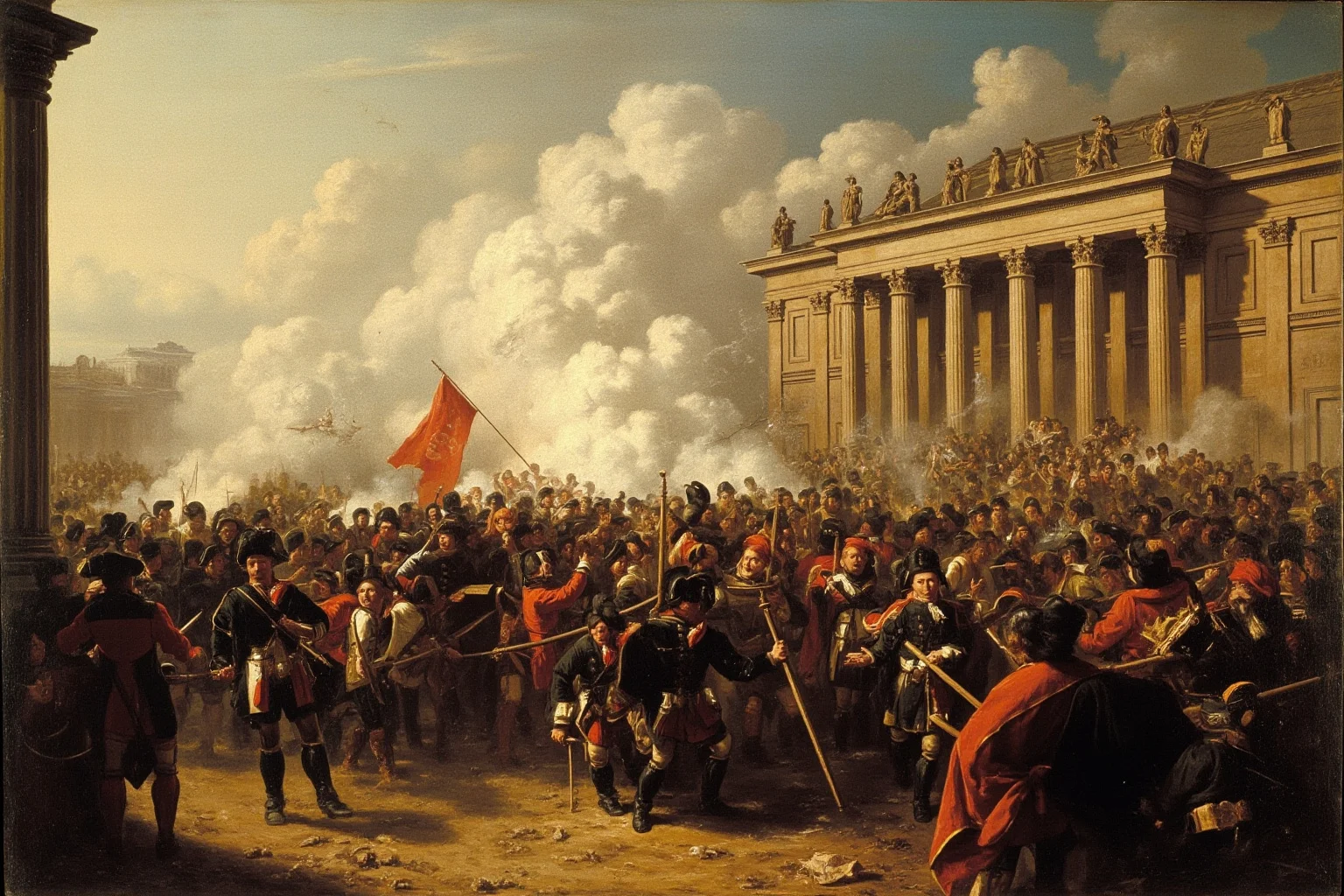
On August 10, 1792, a mob stormed the Tuileries Palace, where the royal family was staying. The king was arrested, and the monarchy was suspended.
This event was more decisive than the storming of the Bastille. It directly led to the creation of the French Republic.
14. The Revolution Was Influenced by the American Revolution
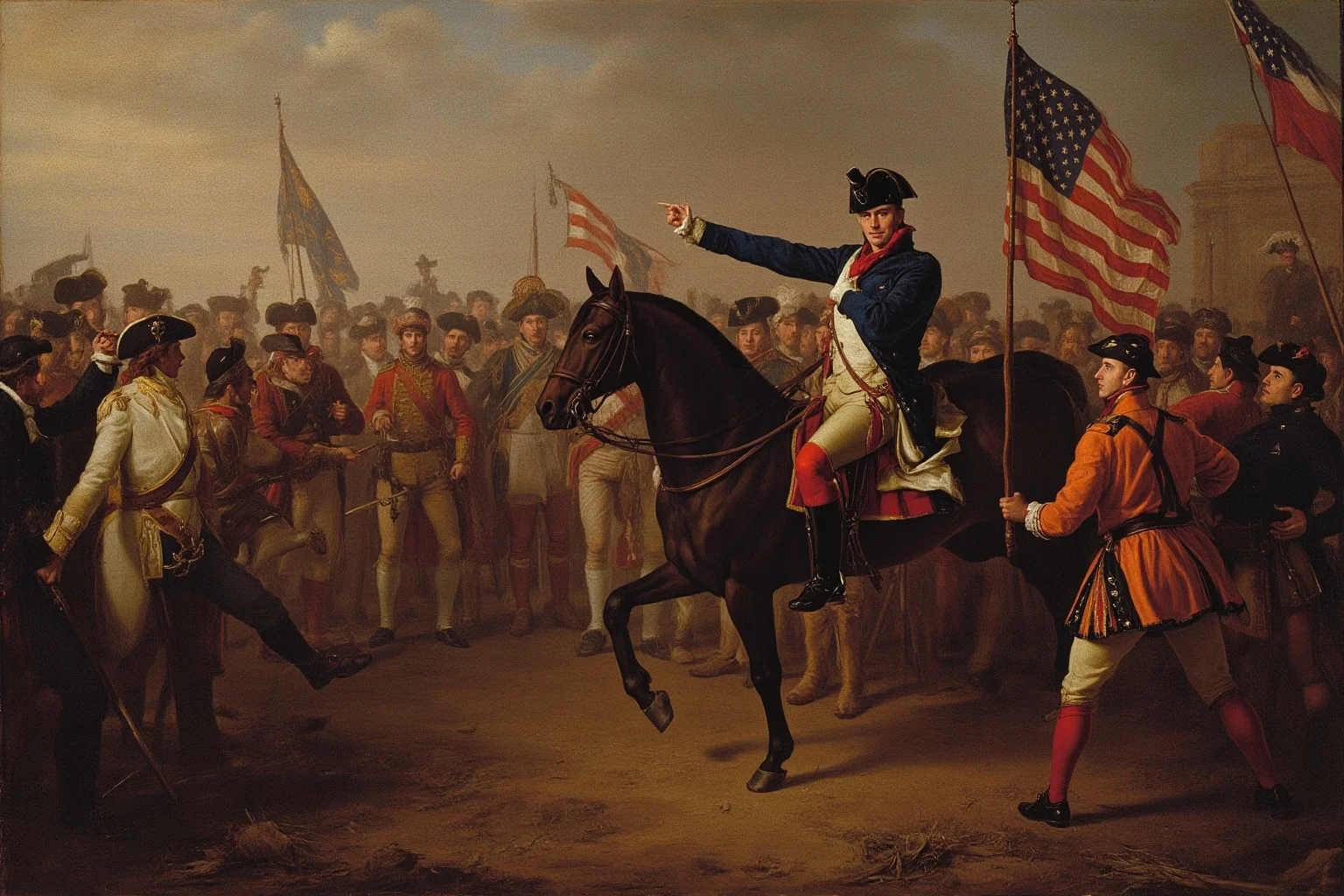
French soldiers and officers who fought in the American Revolutionary War brought back ideas of liberty and republicanism. Figures like Lafayette were heroes in both revolutions.
However, the French situation was far more complex, with deeper social divisions and economic crises. Or, for another perspective on revolutionary-era struggles, see The Biggest Events in American History.
15. The Revolution Gave Us Modern Nationalism
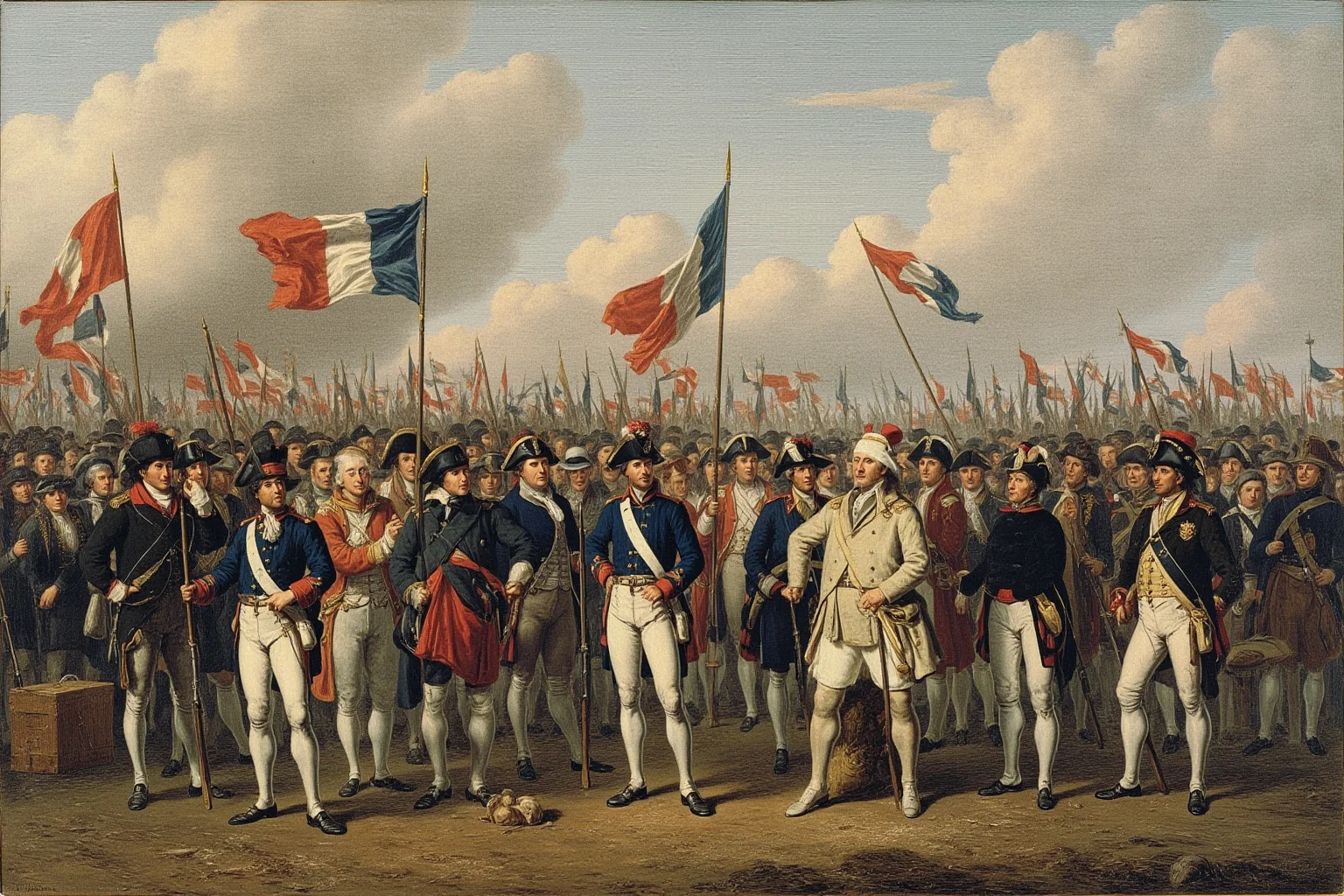
The idea of a nation as a community of citizens rather than subjects of a king was central to the Revolution. The "levée en masse" (mass conscription) in 1793 created the first modern national army.
This concept of nationalism spread across Europe and shaped the modern world.
16. The Guillotine Was Used Less Than You Think
While the guillotine is the most iconic symbol, only about 17,000 people were executed during the entire Revolution. That's a fraction of the deaths caused by the subsequent Napoleonic Wars.
The guillotine's efficiency and symbolism have made it seem more prevalent than it actually was.
17. The Revolution Had a Dark Side: The Vendée Uprising
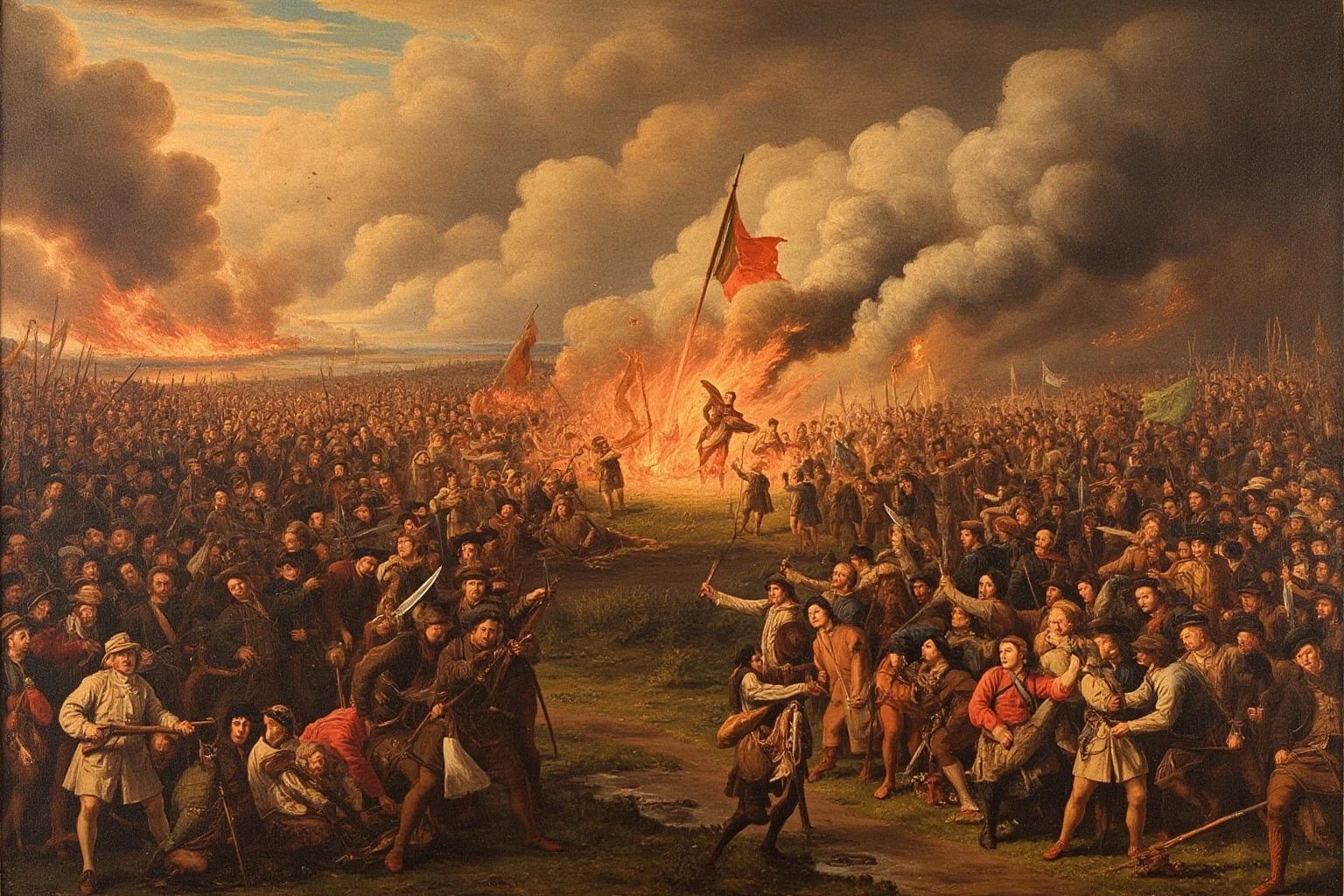
In the Vendée region, a counter-revolutionary uprising broke out in 1793. The government's brutal suppression led to the deaths of up to 200,000 people.
This event is often overlooked but shows the Revolution's violent suppression of dissent.
18. The Directory Was a Corrupt and Unstable Government
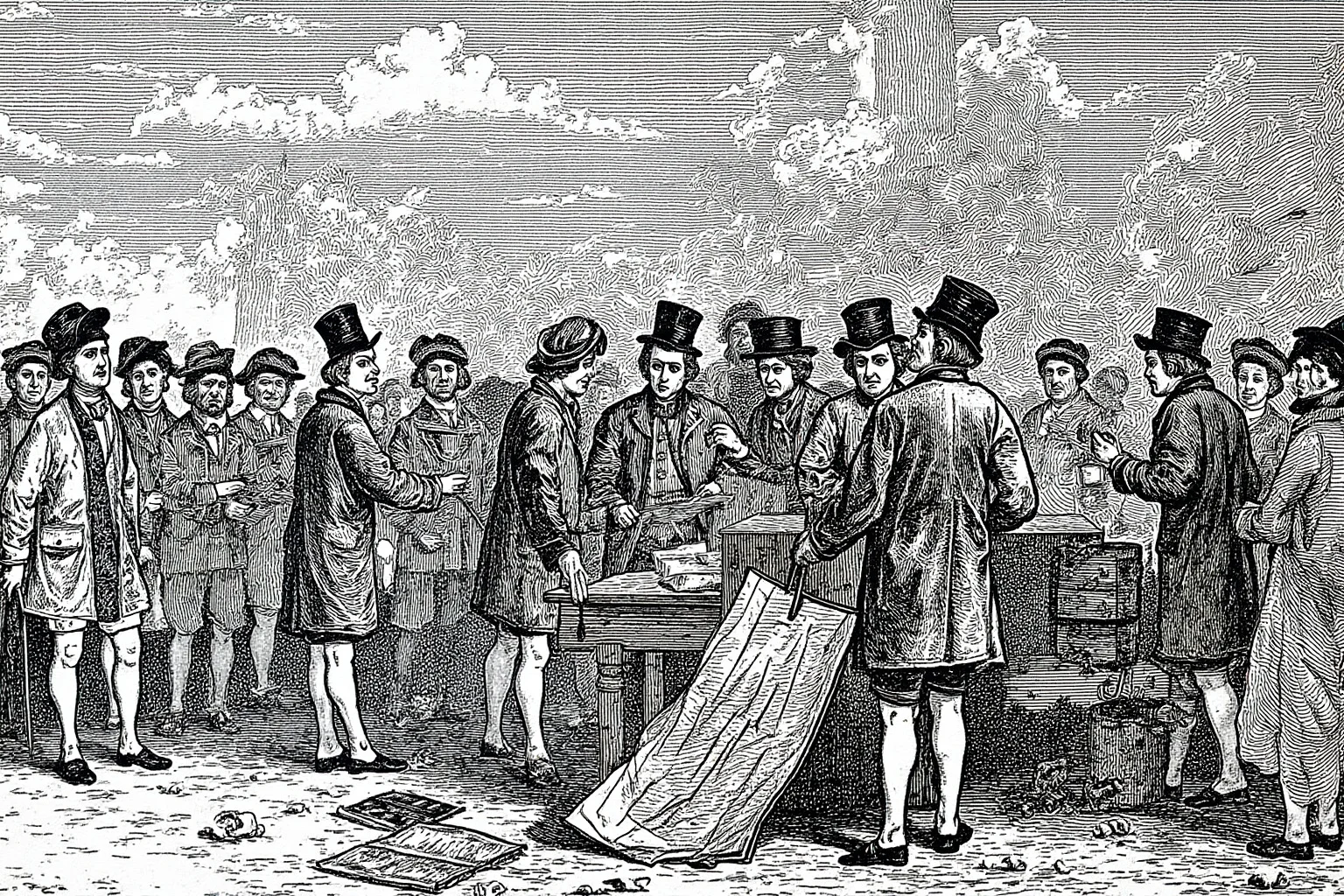
After Robespierre's fall, the Directory took power in 1795. It was plagued by corruption, inflation, and political infighting.
The Directory relied on the military to stay in power, which set the stage for Napoleon's rise.
19. Napoleon Bonaparte Was a Product of the Revolution
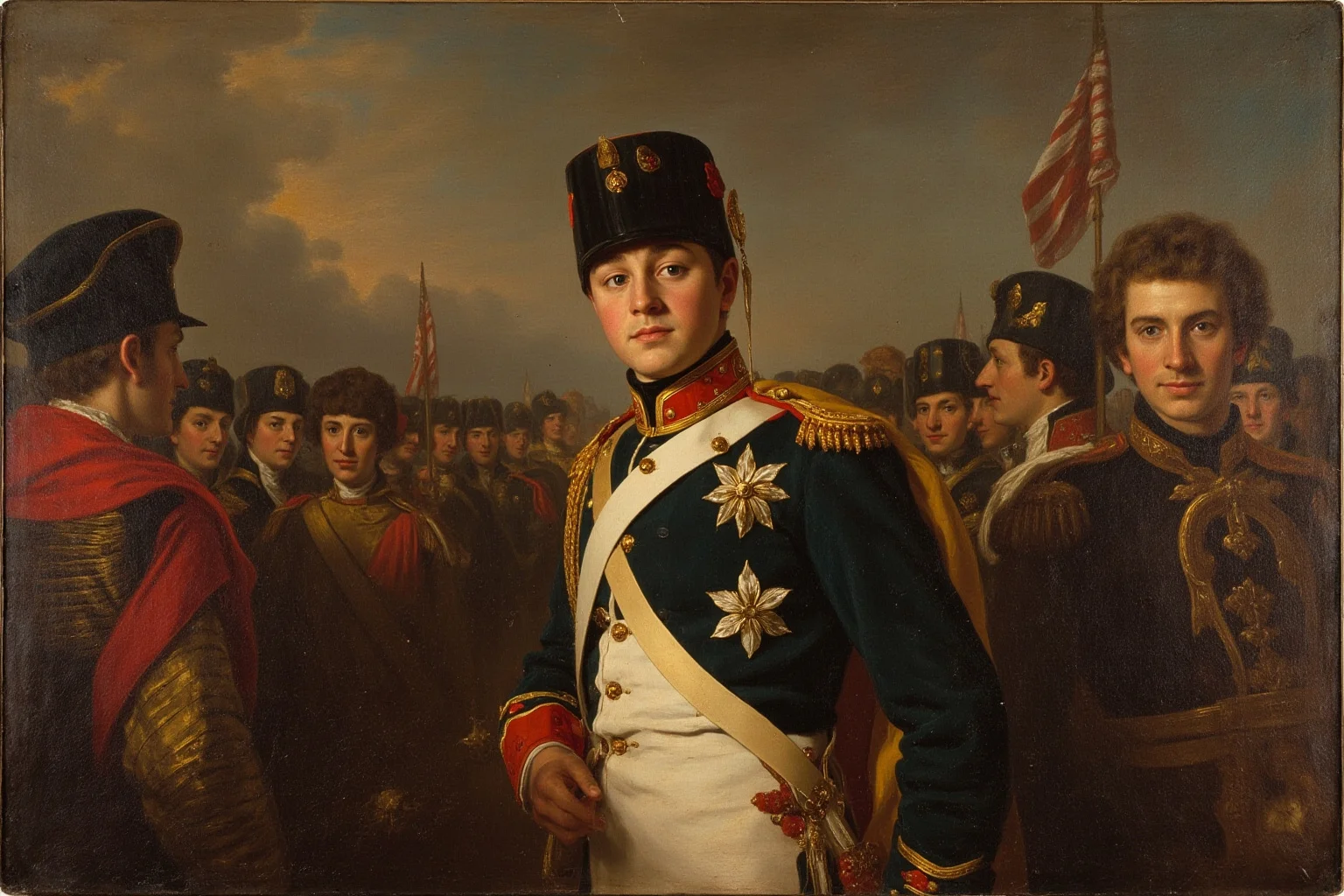
Napoleon rose through the ranks of the revolutionary army. He was a general by 24 and used his fame to seize power in 1799.
He ended the Revolution but also consolidated many of its reforms, such as the Napoleonic Code.
20. The Revolution Inspired the Haitian Revolution
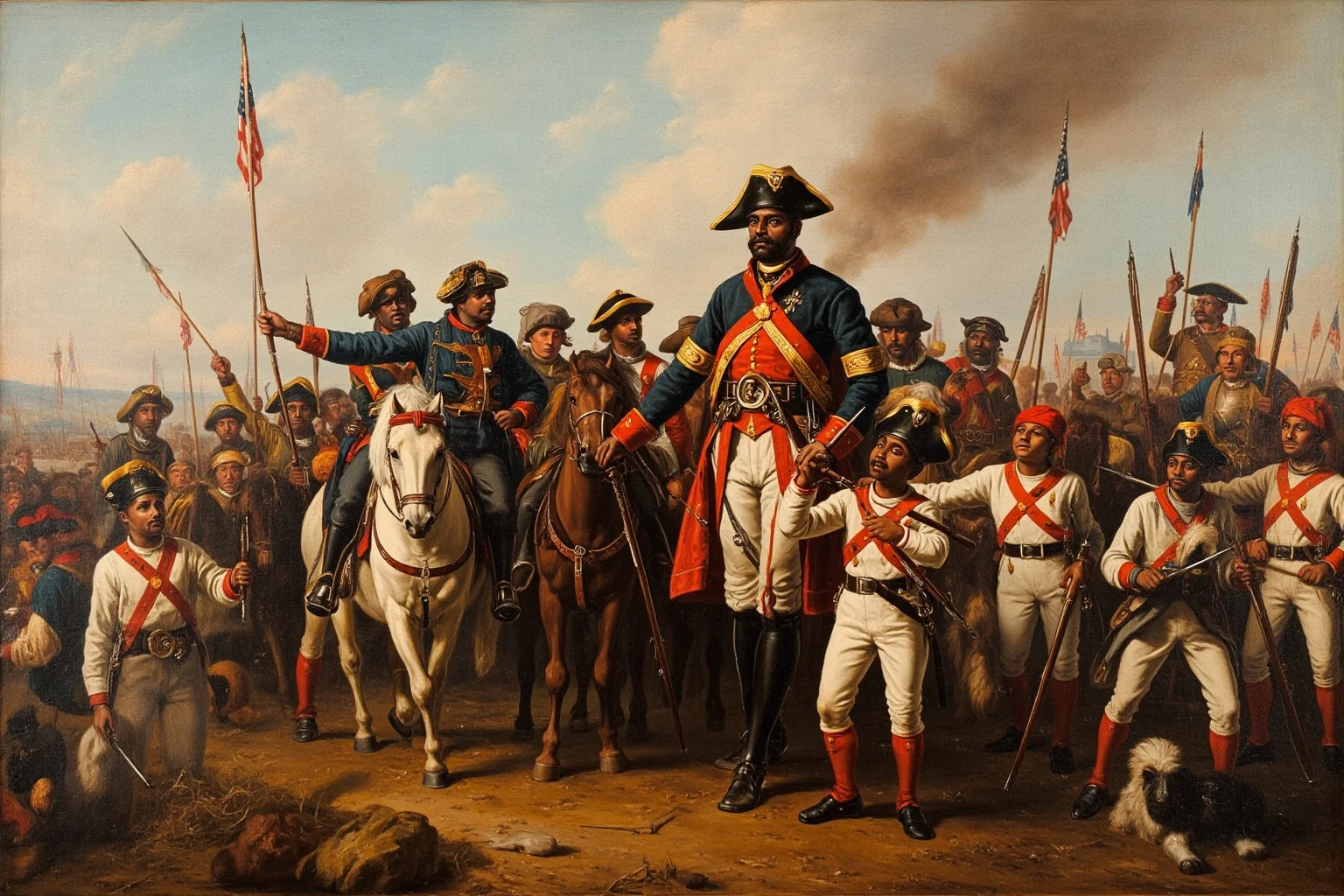
The Haitian Revolution (1791–1804) was directly inspired by French revolutionary ideals. Enslaved people in Saint-Domingue rose up and eventually created the first free Black republic.
France initially tried to suppress it but ultimately lost its most profitable colony.
21. The Revolution Changed Fashion
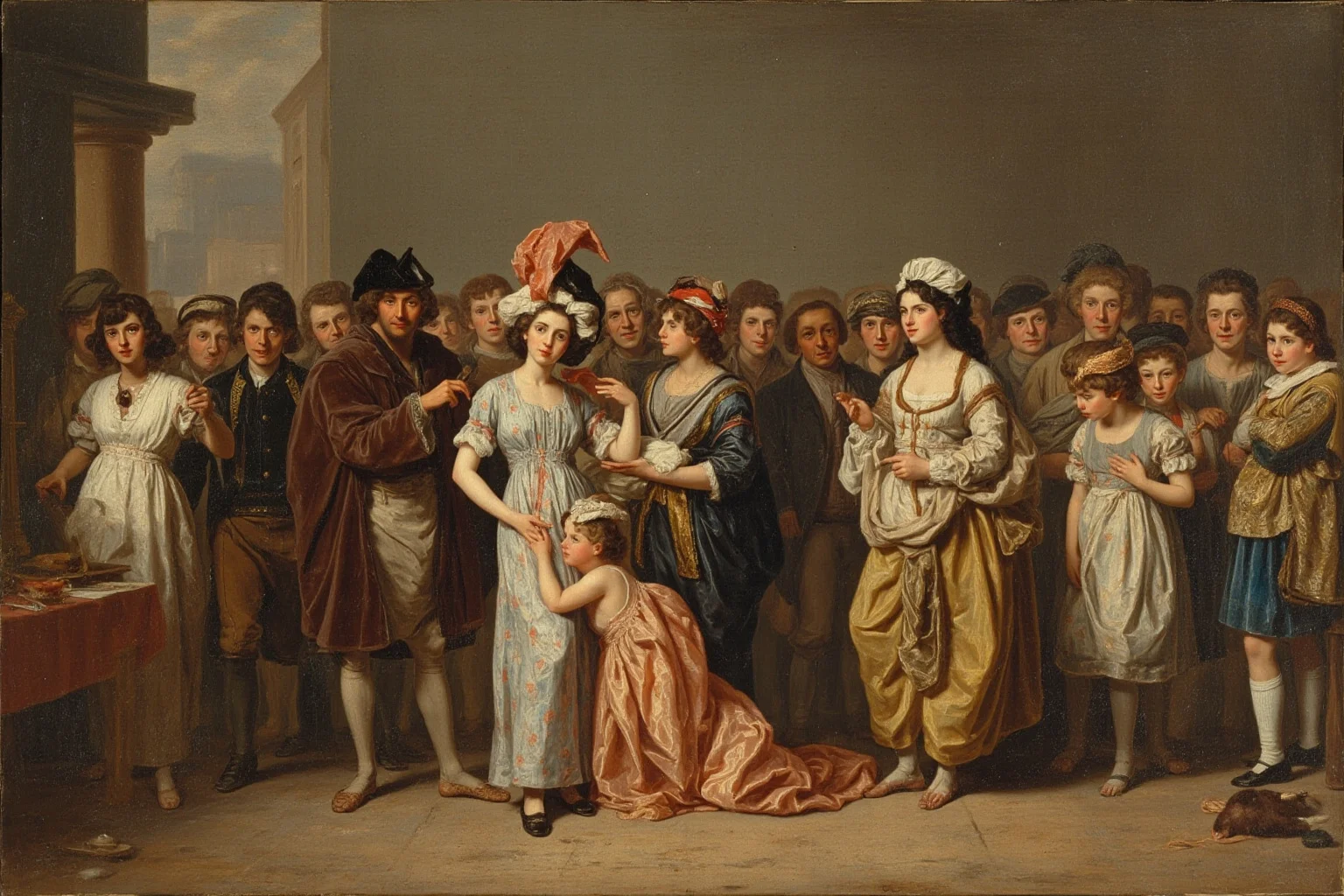
Revolutionaries rejected the elaborate clothing of the aristocracy. Simple, practical clothing became a symbol of egalitarianism.
Women's fashion also changed, with simpler dresses and less ornamentation. The revolution even influenced hairstyles. You can still see some of those lasting symbols today—such as the Statue of Liberty's French origins.
22. The Revolution's Legacy Is Contested
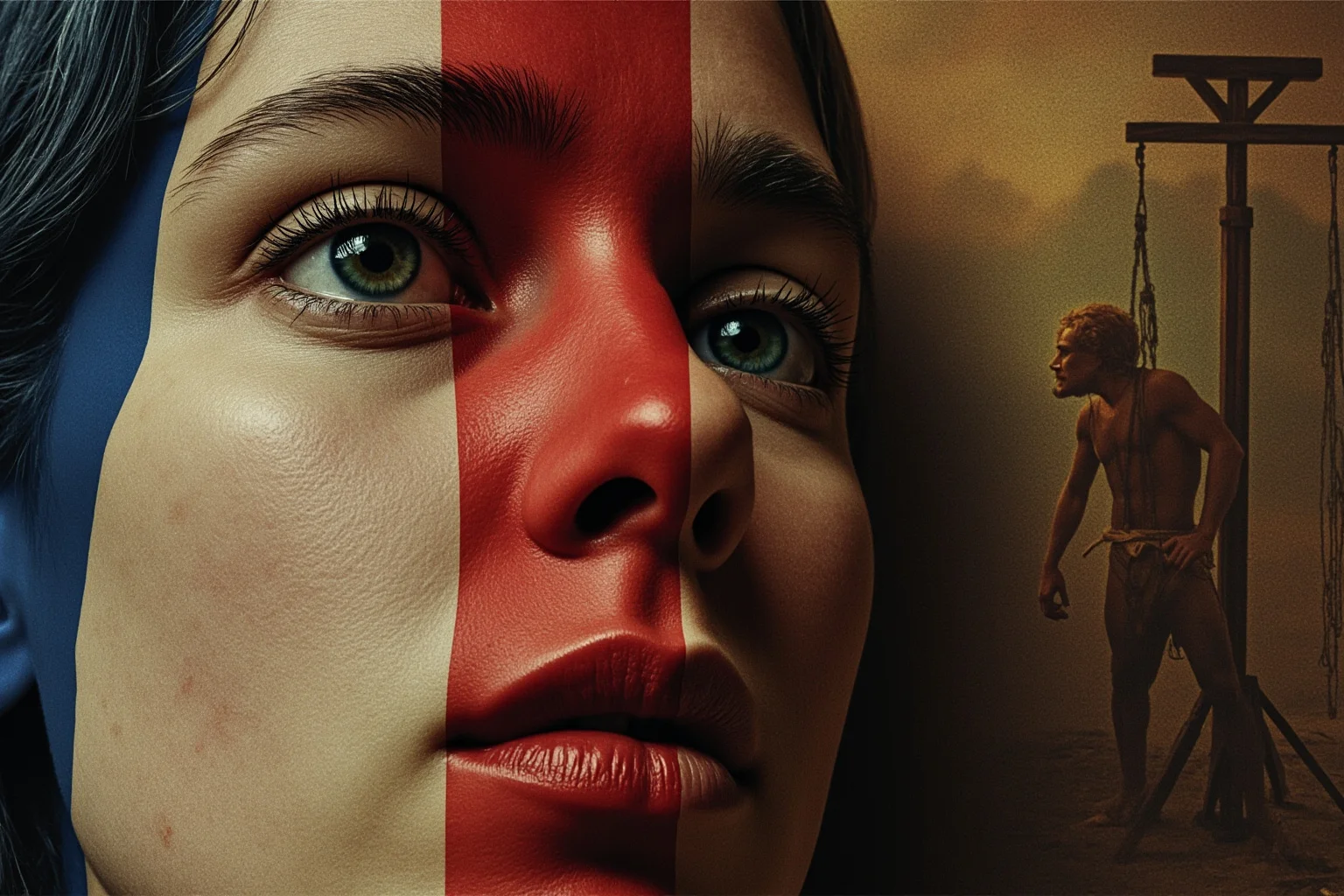
The French Revolution is seen as both a beacon of liberty and a cautionary tale of mob rule. Its ideals of liberty, equality, and fraternity remain powerful.
But its violent excesses remind us that revolutions can devour their own children.
23. Interesting Facts About the French Revolution: The Thermidorian Reaction
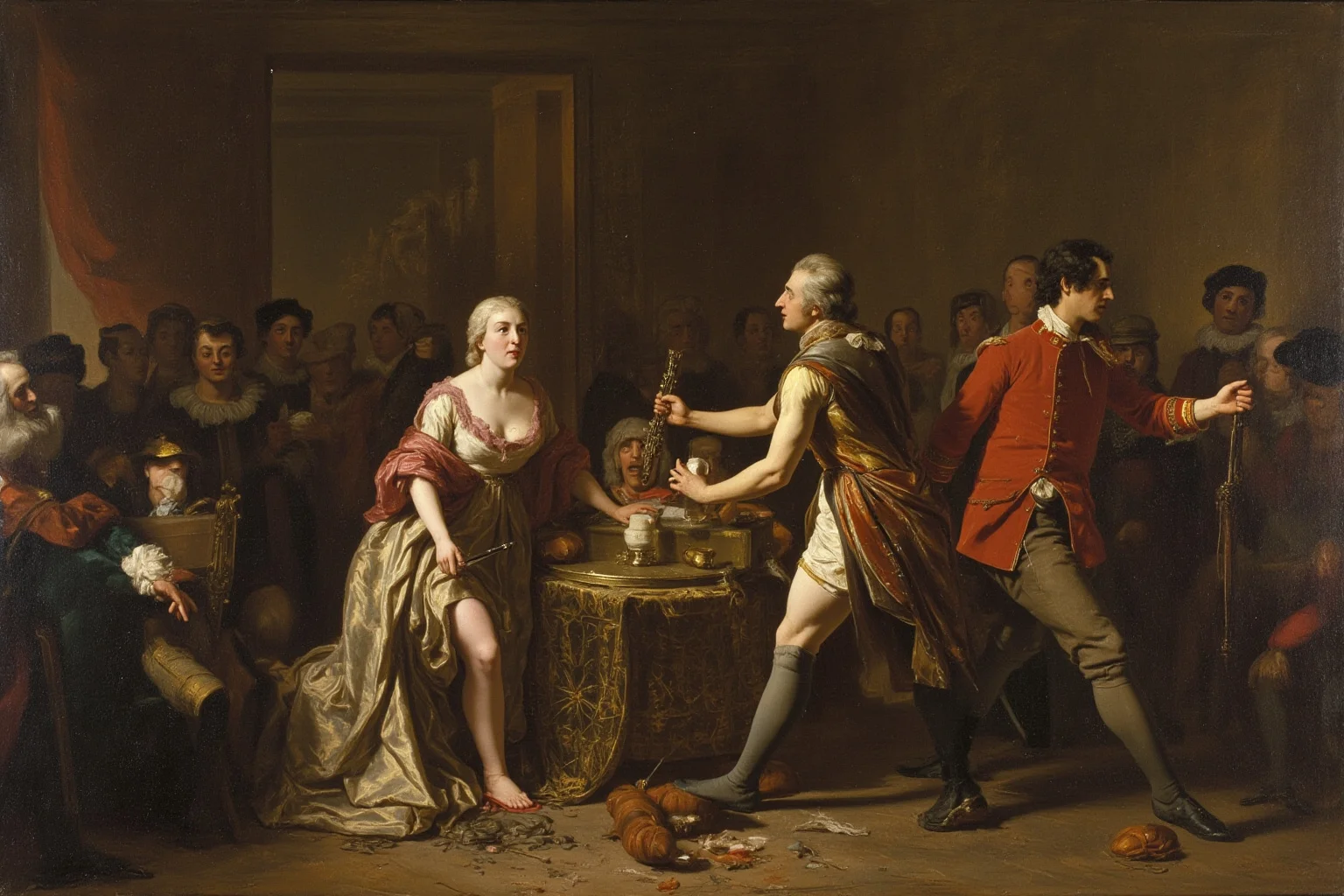
The Thermidorian Reaction was a conservative backlash against the Terror. It ended Robespierre's reign and brought a more moderate government.
However, it also led to a "White Terror" against former revolutionaries. The Revolution's end was as chaotic as its beginning.
Conclusion
The French Revolution was a complex and multifaceted event. These 23 interesting facts about the French Revolution only scratch the surface. From the metric system to the Haitian Revolution, its impact is still felt today.
Whether you're looking for fun facts about the French Revolution or deep historical analysis, the Revolution offers endless lessons about power, society, and human nature.
Frequently Asked Questions
What are some key french revolutionary war facts?
The French Revolutionary Wars (1792–1802) saw France fight against coalitions of European powers. Key facts include the Battle of Valmy in 1792, where French forces stopped the Prussian advance, and the rise of Napoleon Bonaparte, who emerged as a military genius during these wars. The wars helped spread revolutionary ideals across Europe.
What are 5 facts about the French Revolution?
- The Bastille held only 7 prisoners when it was stormed. 2) The metric system was created during the Revolution. 3) The guillotine was considered a humane execution method. 4) Louis XVI voted for his own execution (via his cousin). 5) The Revolution abolished slavery in 1794, but Napoleon reinstated it in 1802.
What are interesting facts about the French Revolution?
Some interesting facts include: the Revolution introduced a new calendar with 10-day weeks, created the Cult of the Supreme Being, and inspired the Haitian Revolution. Also, women played key roles but were denied political rights, and the Revolution's violence led to the Reign of Terror.
What are some fun facts about the French Revolution?
Fun facts include: the guillotine was originally called the 'louisette' after its proposer, the Revolution changed fashion to simpler styles, and the French Republican Calendar had months named after weather and crops. Also, the Bastille was stormed to get gunpowder, not to free prisoners.
What are 3 facts about the French Revolution?
- It began in 1789 with the Estates-General and the storming of the Bastille. 2) It led to the execution of King Louis XVI and Marie Antoinette. 3) It ended with Napoleon Bonaparte's rise to power in 1799, but its ideals of liberty, equality, and fraternity spread worldwide.
What are characteristics of the French Revolution?
Key characteristics include: the overthrow of the monarchy, the establishment of a republic, the Reign of Terror, the rise of nationalism, and the spread of revolutionary ideals. It was also marked by social upheaval, economic crisis, and war against European coalitions.
What are 10 facts on the French Revolution?
- Started in 1789. 2) Bastille stormed July 14. 3) Louis XVI executed January 1793. 4) Reign of Terror 1793-94. 5) Robespierre executed July 1794. 6) Metric system introduced. 7) Slavery abolished 1794 (reinstated 1802). 8) Napoleon seized power 1799. 9) Inspired Haitian Revolution. 10) Changed fashion and calendar.

Alex Warren
Related Articles