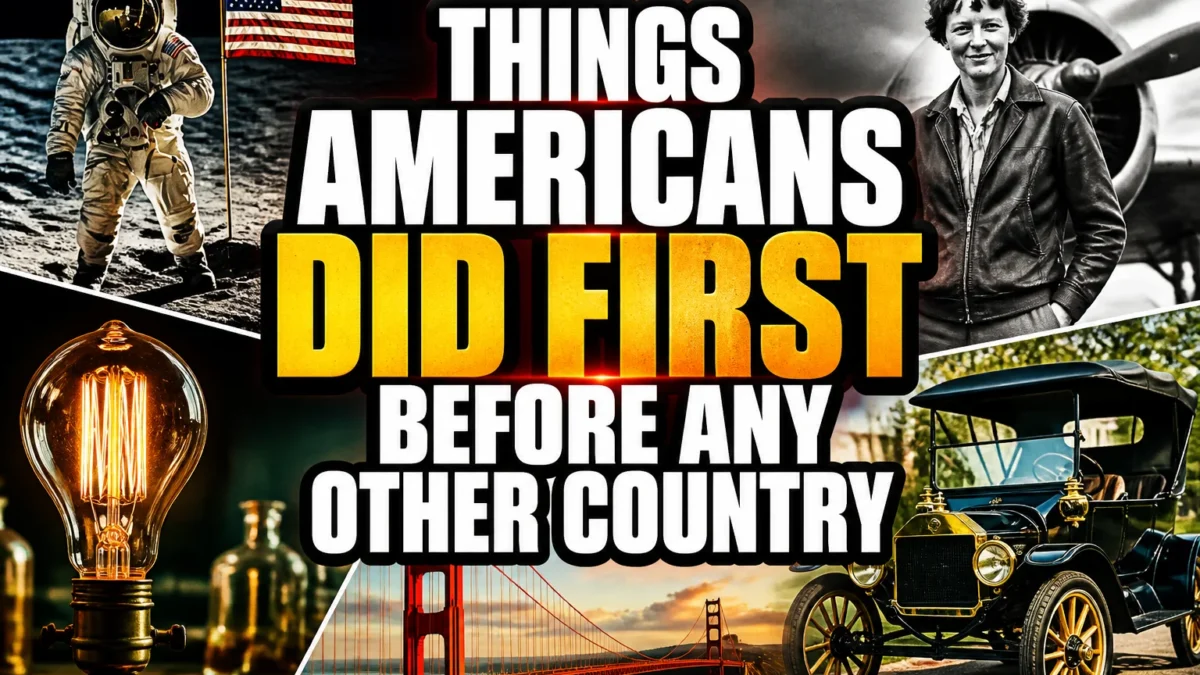
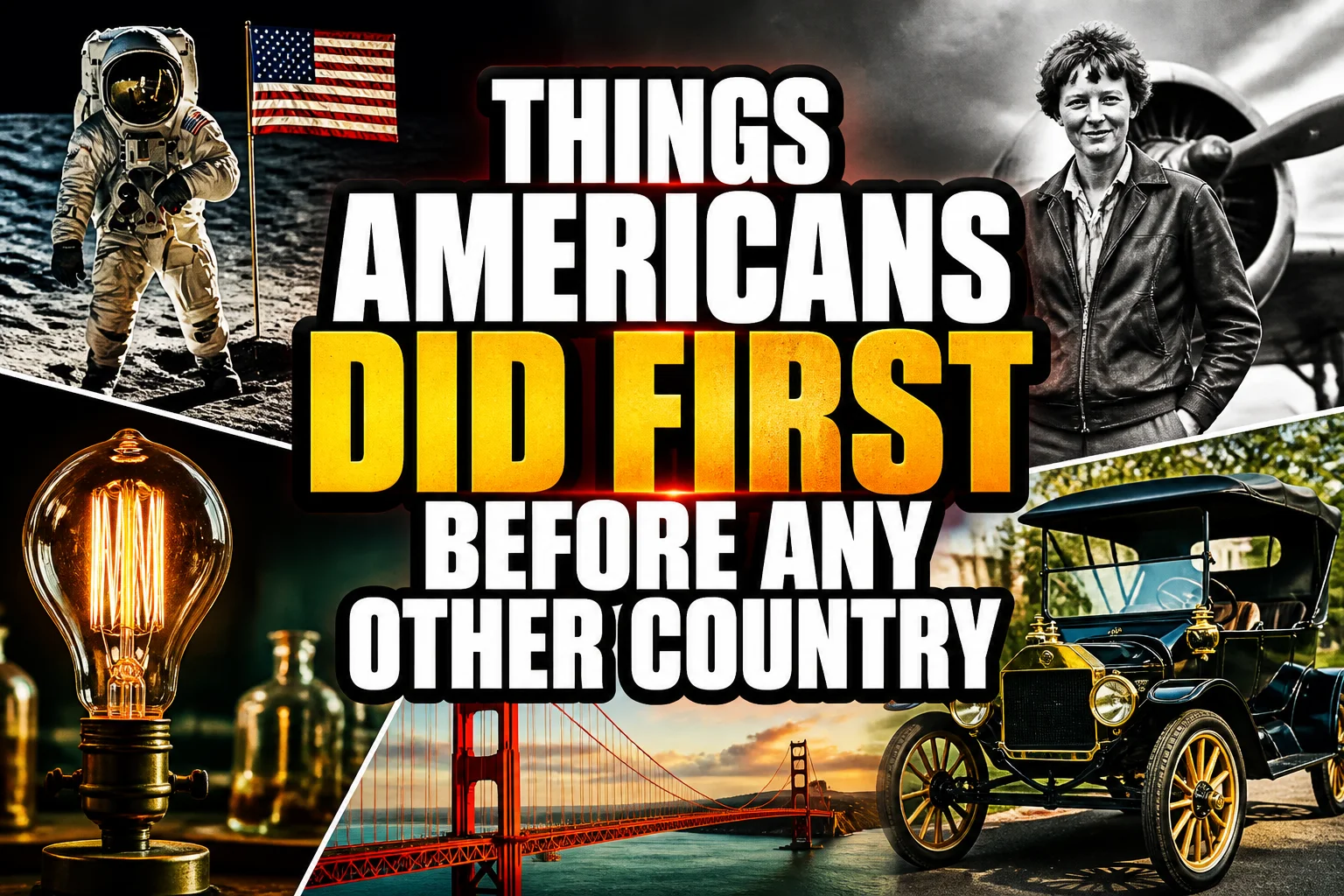
When people ask who was here first in America, the answer is layered. Indigenous peoples built thriving societies here for thousands of years before European contact, and that story deserves its own spotlight. This post, however, focuses on a different set of firsts: the inventions, explorations, and breakthroughs that the United States achieved before any other nation.
Some of these famous firsts are celebrated in textbooks, while others remain surprisingly obscure. Together they help explain why America is widely described as a first world country today. Let's separate the genuine achievements from the myths and look at the history of firsts that shaped the modern world.
TL;DR: From the first powered airplane flight to the first successful heart transplant, the United States notched dozens of world firsts that reshaped technology, medicine, and exploration.
Who Was First in America? Setting the Record Straight
Before diving into American achievements, it helps to untangle a common confusion. The question of who was first in America often mixes up two very different timelines. One timeline belongs to the Indigenous peoples who arrived millennia ago, and the other belongs to the modern nation-state.
Ancestors of Native Americans crossed from Asia into North America at least 15,000 years ago, and possibly earlier. By the time European ships arrived, hundreds of distinct nations already lived across the continent. So when someone asks who lived in the United States first, the honest answer is: Indigenous peoples, by a margin of thousands of years.
The first people in the United States, in other words, were not Europeans at all. Norse explorers briefly settled in Newfoundland around 1000 CE, and Christopher Columbus reached the Caribbean in 1492. Neither event, however, created the United States as a political entity.
That distinction matters for this list. The "firsts" below belong to the United States as a nation and to the people living within its borders. They are achievements of a specific country and era, not claims about who occupied the land originally.
What Does It Mean to Be a First World Country?
Many readers arrive at this topic through a related question: is America a first world country? The short answer is yes, though the term itself has a complicated history. It originated during the Cold War to describe nations aligned with the United States and its allies.
In modern usage, "first world" is more of a development shorthand than a political label. It typically signals a wealthy, industrialized nation with strong infrastructure, high life expectancy, and advanced technology. By that measure, the United States clearly qualifies.
America's track record of world firsts is one reason the label sticks. Breakthroughs in aviation, medicine, computing, and space exploration reinforced the image of a technologically leading nation. Whether that reputation is fully deserved or partly mythologized is worth examining case by case, much like the biggest events in American history.
Famous Firsts: American Achievements Before Any Other Nation
Here is a list of firsts, organized as numbered highlights, drawn from verified historical records. Each entry notes what actually happened and why it mattered. Where claims are contested or shared with other countries, that ambiguity is flagged rather than glossed over.
1. First Successful Powered Airplane Flight (1903)
On December 17, 1903, the Wright brothers achieved the first sustained, controlled, powered flight of a heavier-than-air machine. Orville Wright piloted the Flyer for 12 seconds over the dunes near Kitty Hawk, North Carolina. This is one of the most celebrated famous firsts in American history.
The achievement was not a single lucky moment. The Wrights built their own wind tunnel, tested hundreds of wing shapes, and solved the problem of three-axis control. Their methodical approach is why historians credit them over earlier experimenters who achieved only glides or brief hops.
2. First Nuclear Chain Reaction (1942)
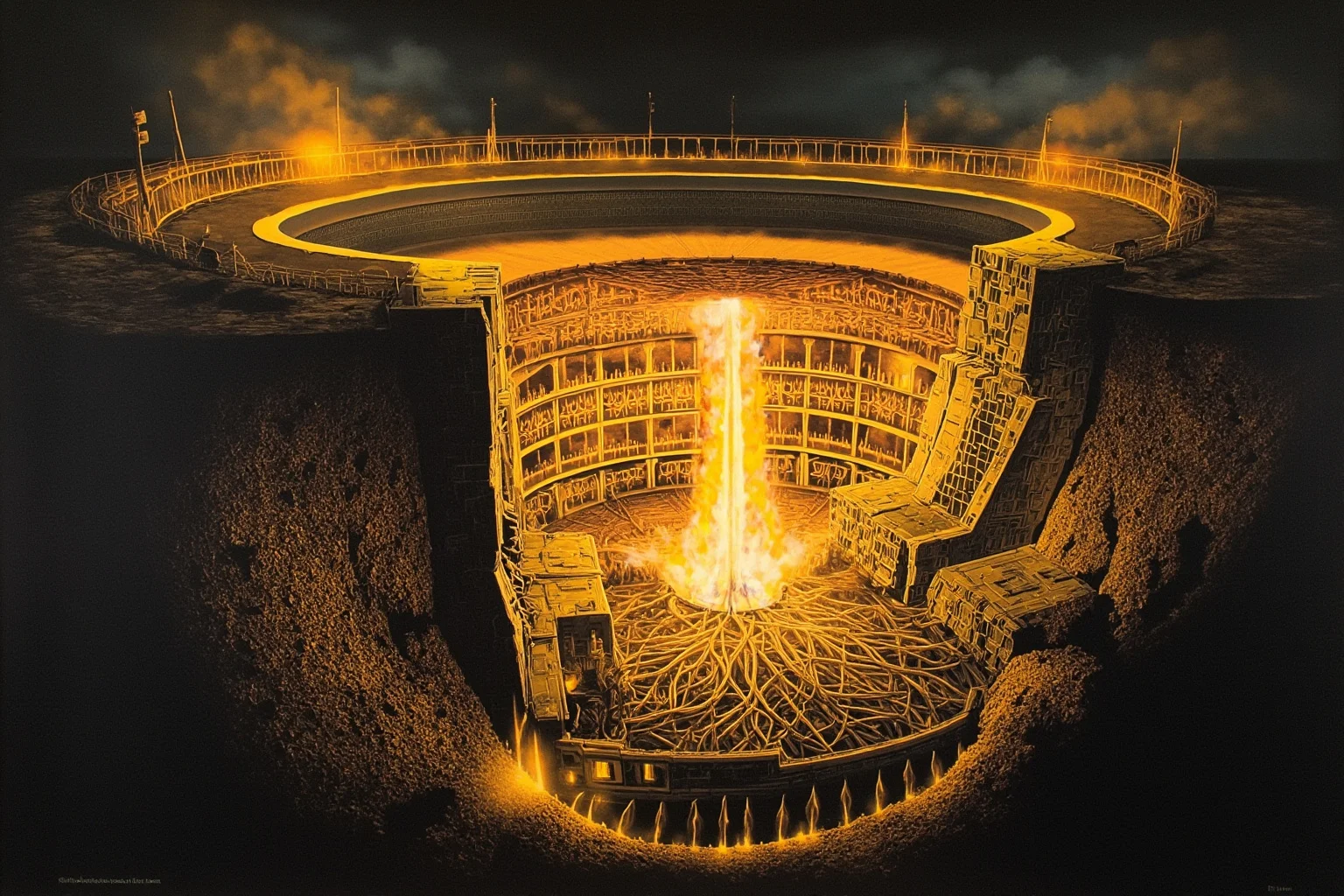
Under the stands of Stagg Field at the University of Chicago, Enrico Fermi's team achieved the first controlled, self-sustaining nuclear chain reaction on December 2, 1942. The experiment, part of the Manhattan Project, lasted only about 28 minutes. It nonetheless opened the nuclear age.
The physicist who observed the moment reportedly sent a coded message: "The Italian navigator has landed in the New World." That first chain reaction paved the way for both nuclear power and nuclear weapons, with consequences the world still grapples with, including some of the worst man-made disasters in history.
3. First Atomic Bomb Test and Use (1945)
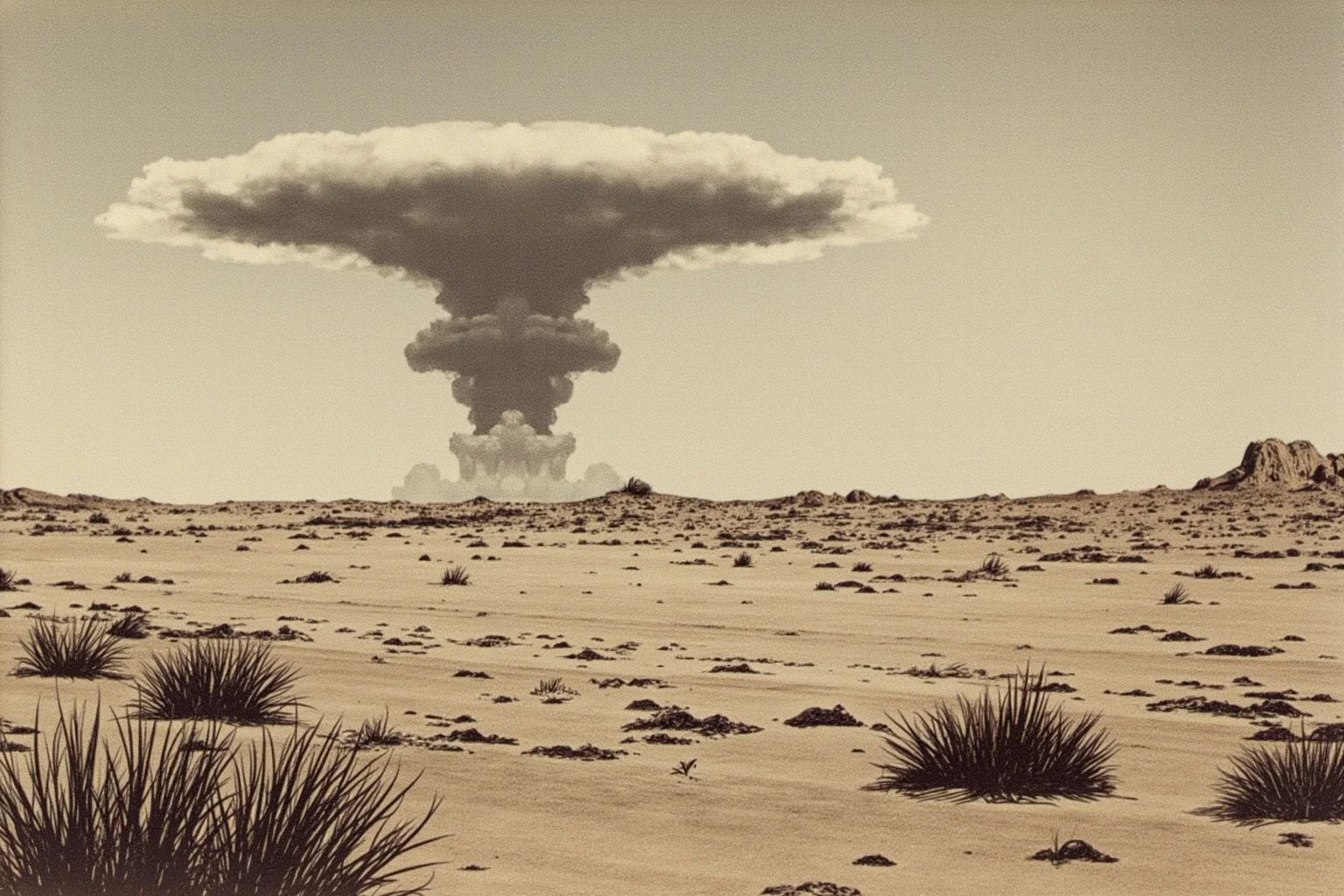
The Trinity test in New Mexico on July 16, 1945, was the first detonation of a nuclear weapon. Weeks later, atomic bombs were used in warfare for the first time against Hiroshima and Nagasaki. These remain the only combat uses of nuclear weapons in history.
The moral weight of these firsts makes them unlike any other entry on this list. They represent scientific and industrial achievement intertwined with profound human tragedy. Any history of firsts must acknowledge both dimensions honestly, much like the broader timeline of major battles of WWI shows how technology reshaped conflict.
4. First Human on the Moon (1969)
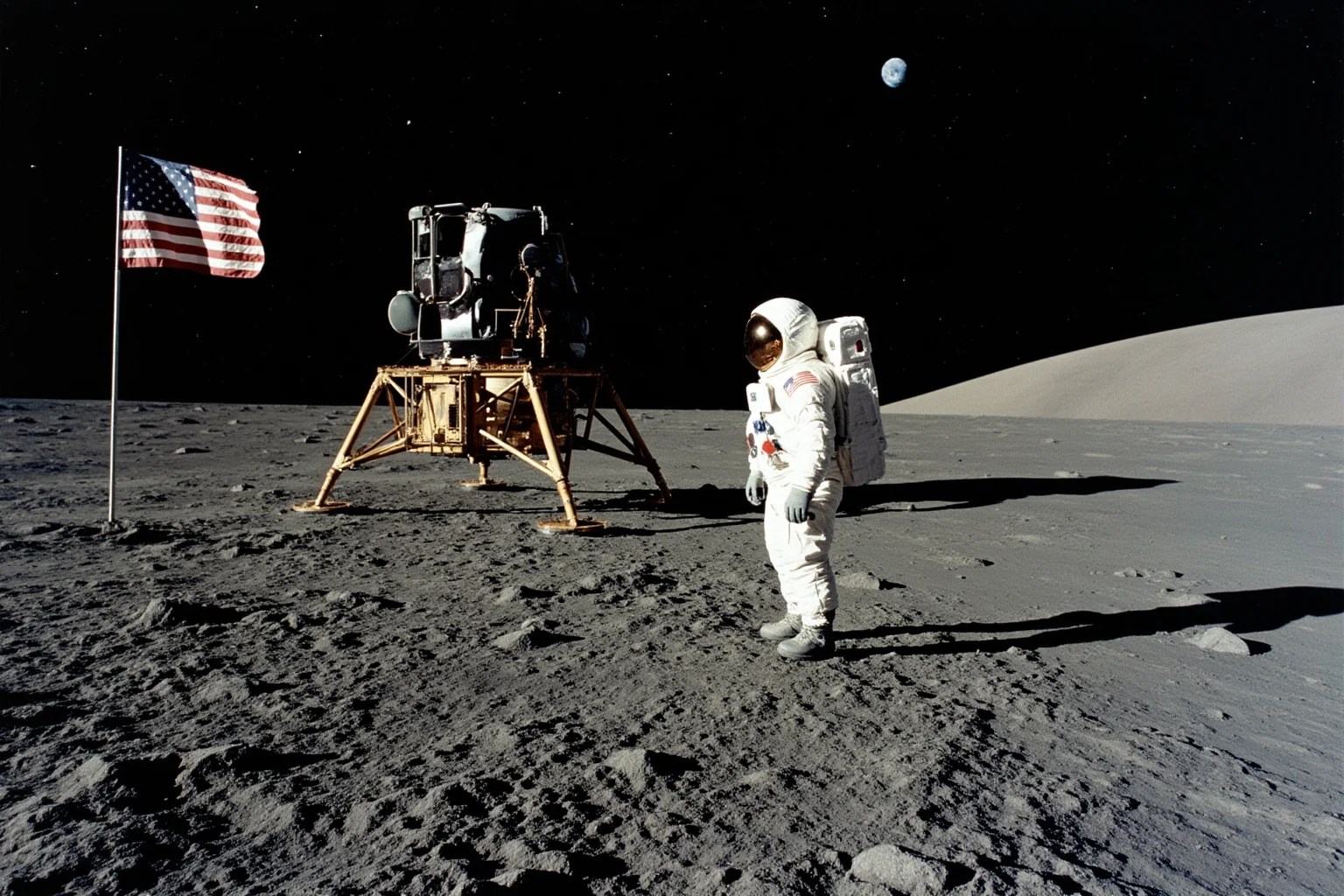
On July 20, 1969, Apollo 11 astronauts Neil Armstrong and Buzz Aldrin landed on the Moon. Armstrong became the first human to step onto another world, while Michael Collins orbited above. The Apollo program fulfilled a goal set by President Kennedy in 1961.
The Moon landing remains a defining moment in the history of firsts. Roughly 600 million people watched the broadcast, the largest television audience at the time. No other country has yet matched the feat of landing humans on the lunar surface.
5. First Successful Human Heart Transplant (1967)
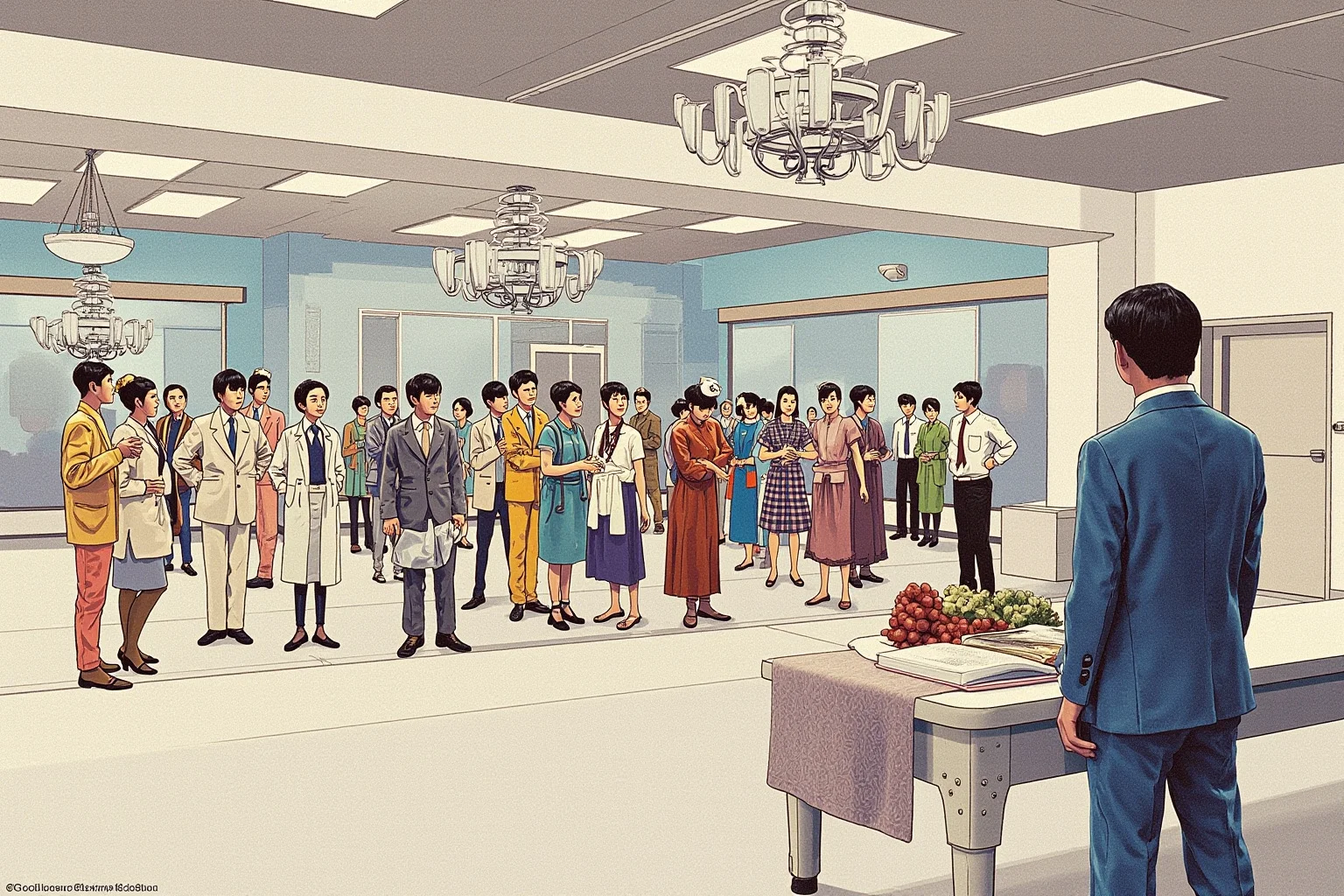
Dr. Christiaan Barnard performed the world's first human-to-human heart transplant in South Africa, not the United States. However, the first successful long-term heart transplant and many subsequent milestones occurred in America. Dr. Norman Shumway at Stanford pioneered much of the underlying surgical technique.
This entry illustrates why lists of firsts require care. Nationality, definitions of "success," and the difference between first attempt and first lasting success all matter. The broader point is that American medicine drove transplant science forward dramatically in the 1960s and 1970s.
6. First Artificial Heart Implant (1969)

Dr. Denton Cooley implanted the first total artificial heart in a human in 1969 in Houston, Texas. The device sustained the patient for about 64 hours until a donor heart became available. It was a temporary bridge, not a permanent replacement.
A few years later, Dr. Barney Clark received the first permanent artificial heart in 1982. He survived 112 days with the Jarvik-7 device. These firsts remain landmarks in biomedical engineering and artificial organ research.
7. First Electronic Digital Computer (ENIAC, 1945)
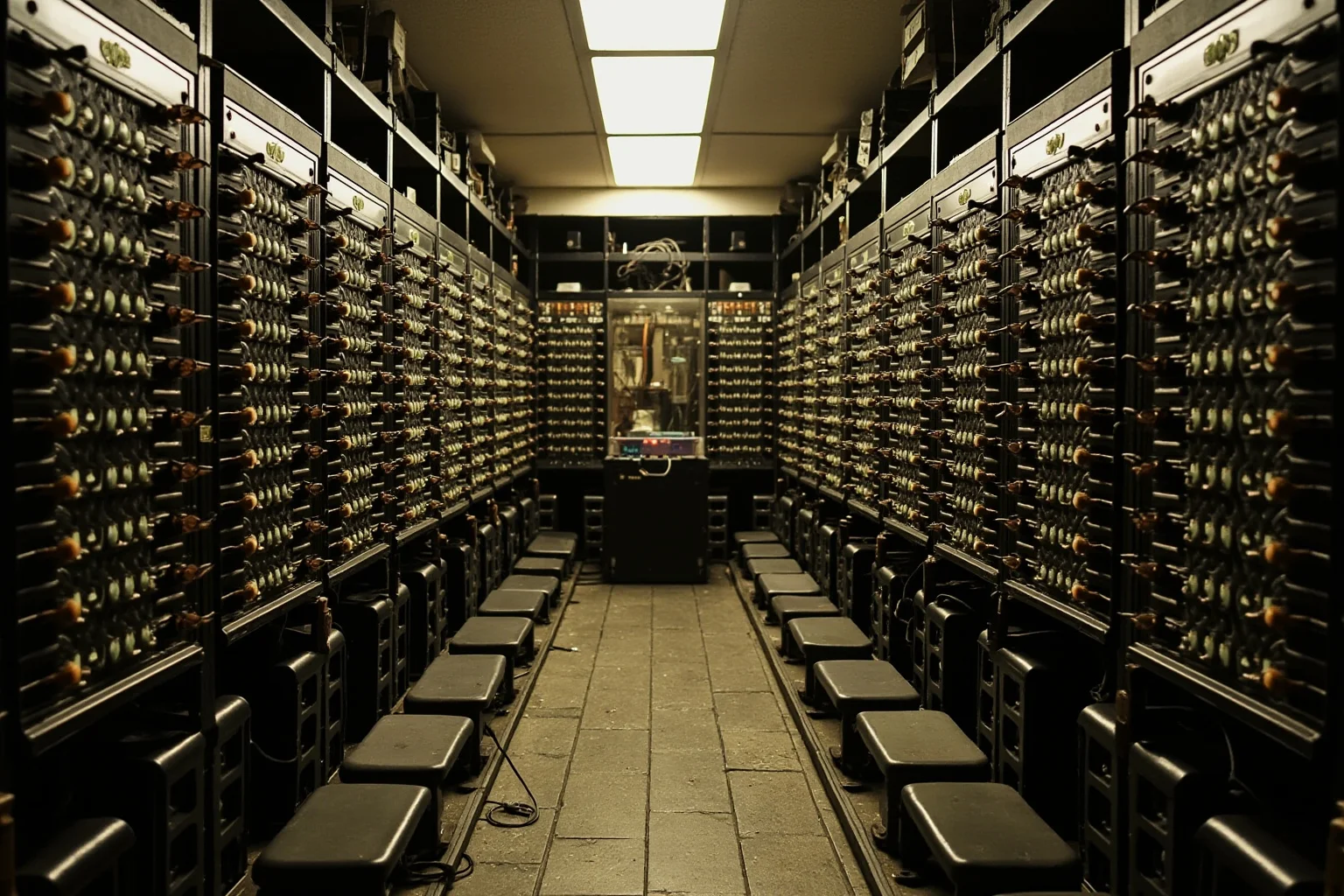
The Electronic Numerical Integrator and Computer, or ENIAC, was completed in 1945 at the University of Pennsylvania. It is widely regarded as the first general-purpose electronic digital computer. It weighed about 30 tons and filled an entire room.
The question of the "first computer" is genuinely contested. Machines like the Atanasoff-Berry Computer and Britain's Colossus preceded ENIAC in specific respects. Most historians agree ENIAC was the first fully electronic, programmable, general-purpose machine.
8. First Transatlantic Telegraph Cable Success (1858)
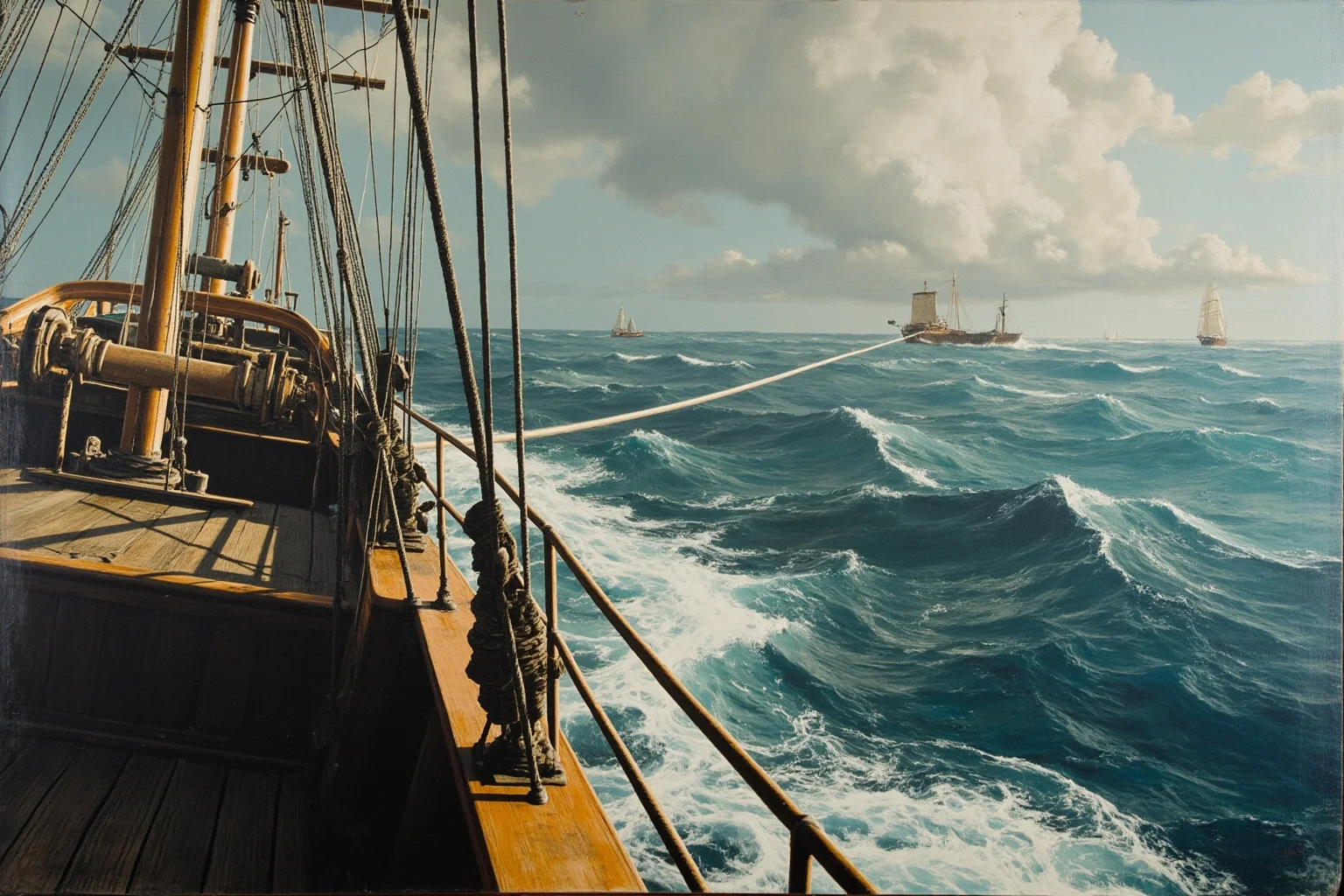
The first successful transatlantic telegraph cable was laid in 1858 by Cyrus Field's company. Queen Victoria and President Buchanan exchanged congratulatory messages. The cable failed after three weeks, but the feat proved intercontinental communication was possible.
A more durable cable followed in 1866, largely the work of the steamship Great Eastern. This achievement is often overlooked in lists of firsts, yet it foreshadowed the global communications network we rely on today.
9. First Commercial Telephone Service (1877)
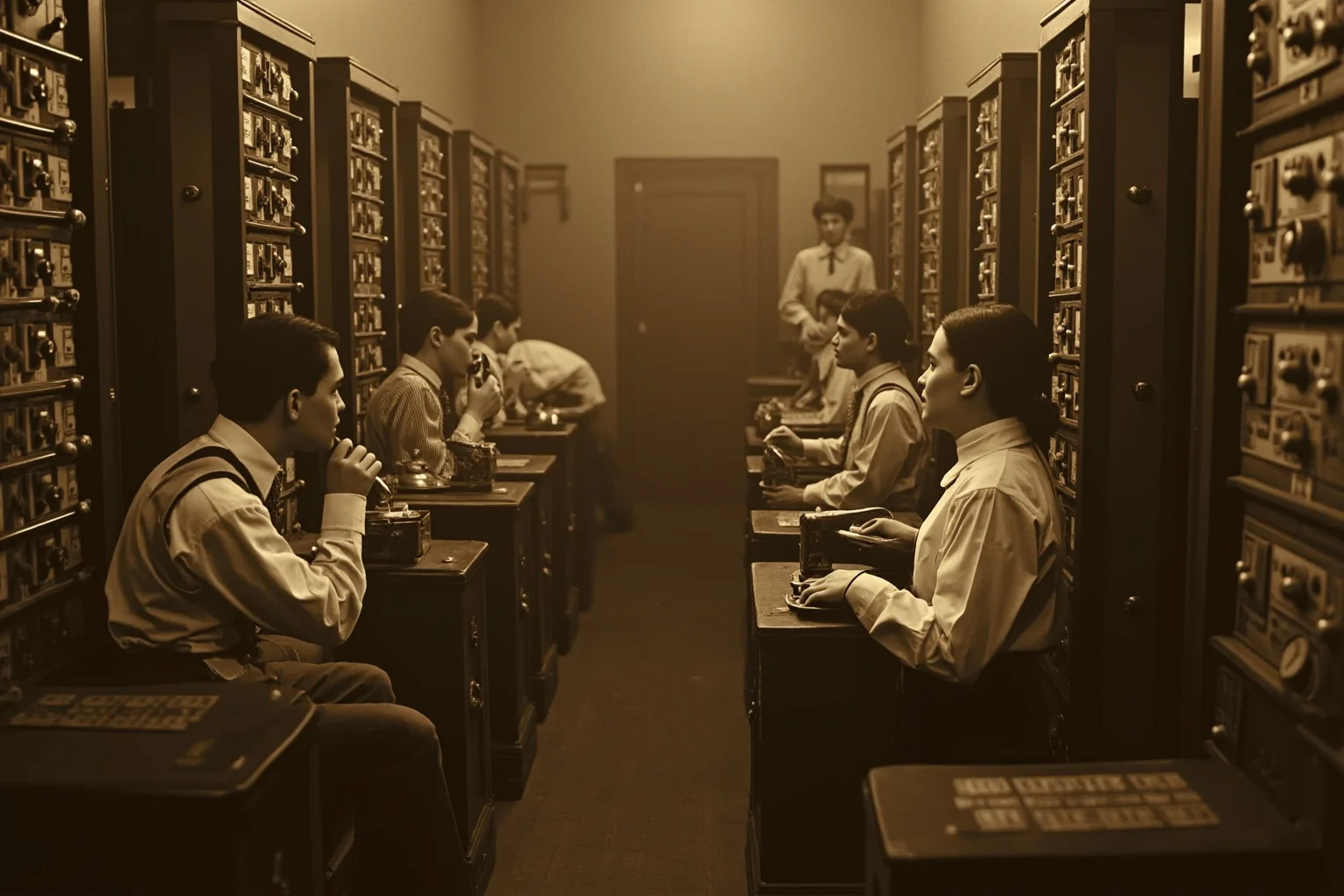
Alexander Graham Bell received the first patent for the telephone in 1876, though the invention's history involves disputed claims. The first commercial telephone service opened in 1878 in New Haven, Connecticut. Within a few years, exchanges appeared across the United States.
Bell's patent became one of the most valuable in history. The legal battles that followed illustrate how "first" often means "first to secure the paperwork." Historians still debate whether Bell or Elisha Gray deserved priority.
10. First Practical Light Bulb (1879)
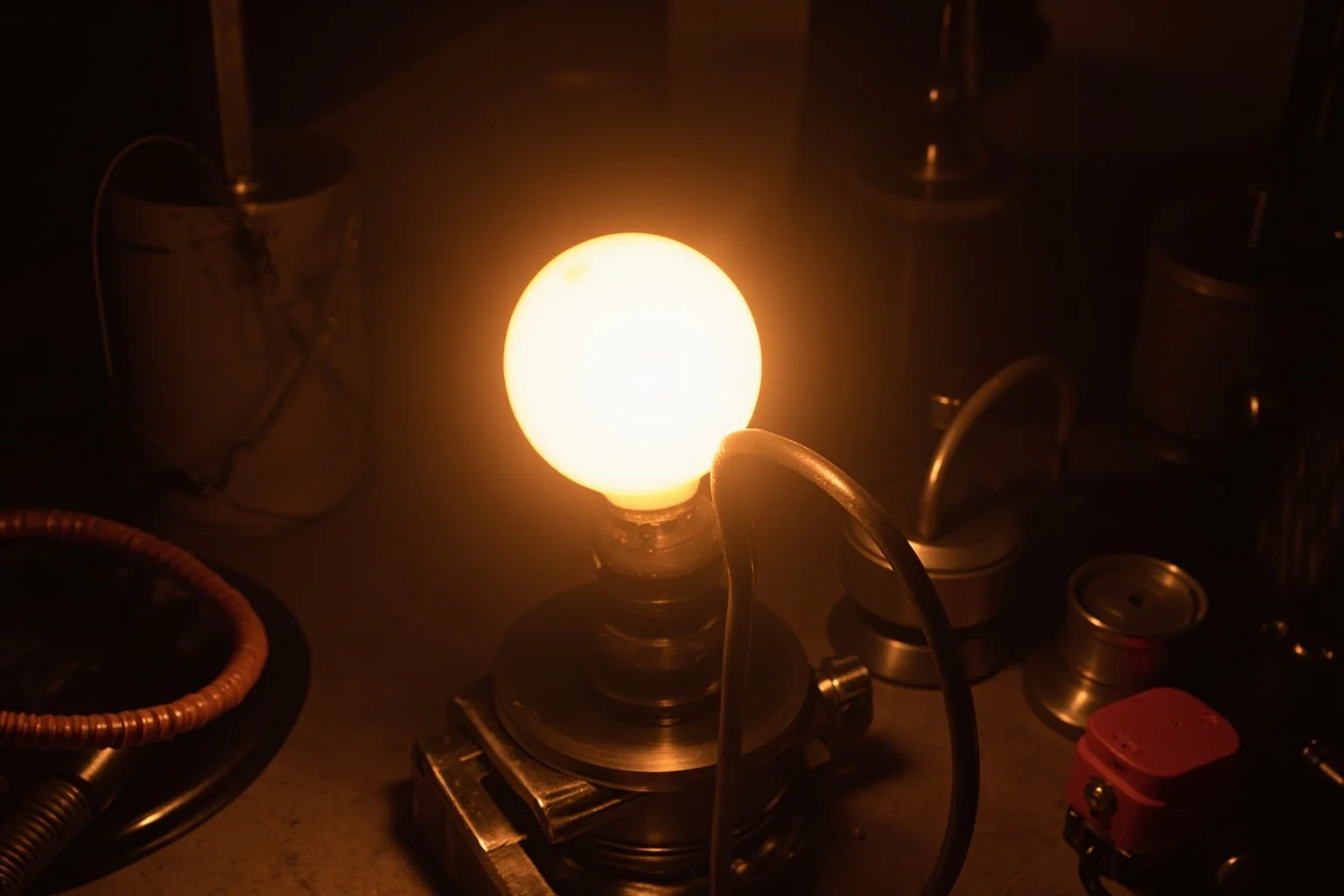
Thomas Edison demonstrated a practical incandescent light bulb in 1879 that burned for many hours. Earlier inventors, including Joseph Swan in Britain, had built working prototypes. Edison's breakthrough lay in the entire system, not just the bulb itself.
He developed power generation, distribution, and metering to make electric light commercially viable. This systems approach is why Edison gets credit despite not literally being the first to make a bulb glow.
11. First Skyscraper with a Steel Skeleton (1885)
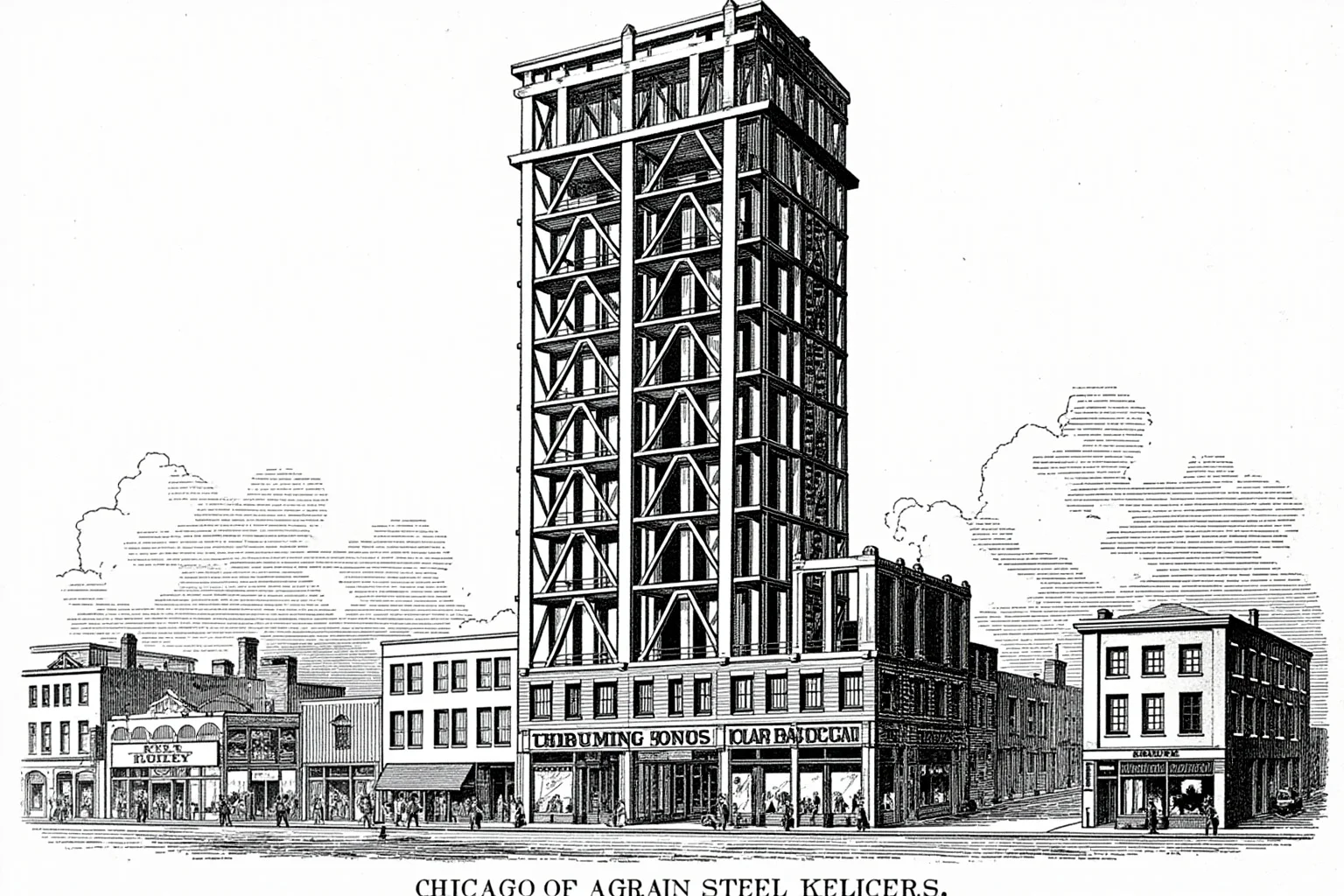
The Home Insurance Building in Chicago, completed in 1885, is often called the world's first skyscraper. It used a steel frame that carried the building's weight, allowing far greater heights. The architect was William Le Baron Jenney.
Chicago and New York then raced skyward, inventing technologies like the safety elevator and curtain wall along the way. The skyscraper became an enduring symbol of American urban ambition. Modern cities worldwide still build on this structural concept.
12. First Movie with Sound (The Jazz Singer, 1927)

The Jazz Singer, starring Al Jolson, premiered in 1927 as the first feature-length film with synchronized dialogue. It effectively ended the silent film era within a few years. The technology came from the Vitaphone sound system.
Controversially, the film featured blackface performance, a painful reminder that cultural firsts can carry ugly legacies. Modern historians discuss this milestone alongside its racism. It reshaped entertainment while also reflecting the era's prejudices.
13. First Broadcast Television Station (1928)
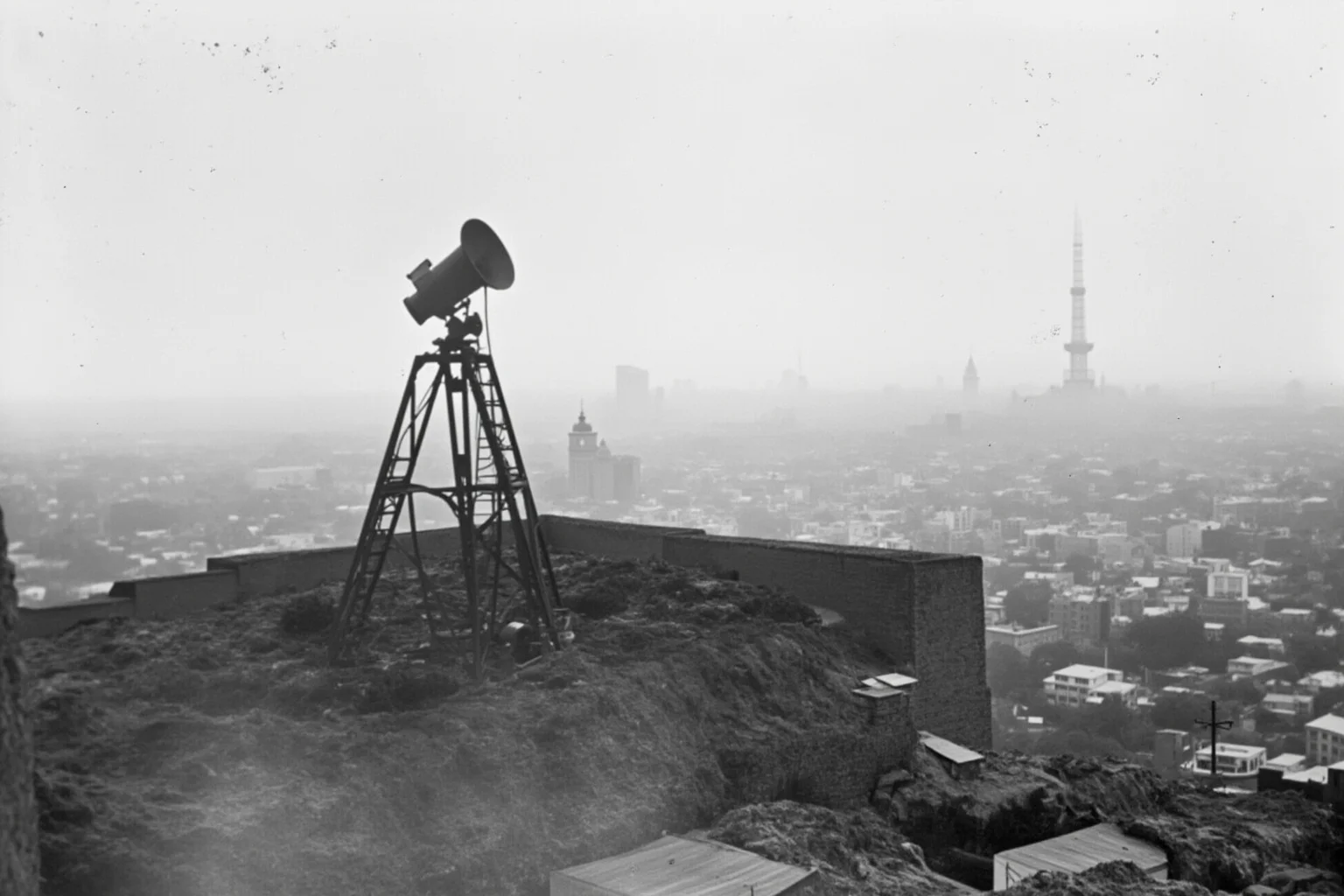
WRGB in Schenectady, New York, began experimental broadcasts in 1928 and is often cited as the world's first television station. Regular commercial broadcasting followed in the 1930s and 1940s. Philo Farnsworth and Vladimir Zworykin both contributed key technologies.
Farnsworth, an American inventor, demonstrated the first fully electronic television image in 1927. The dispute over who invented television is a classic example of simultaneous innovation. Both men's work was essential to the medium's development.
14. First Successful Polio Vaccine (1955)
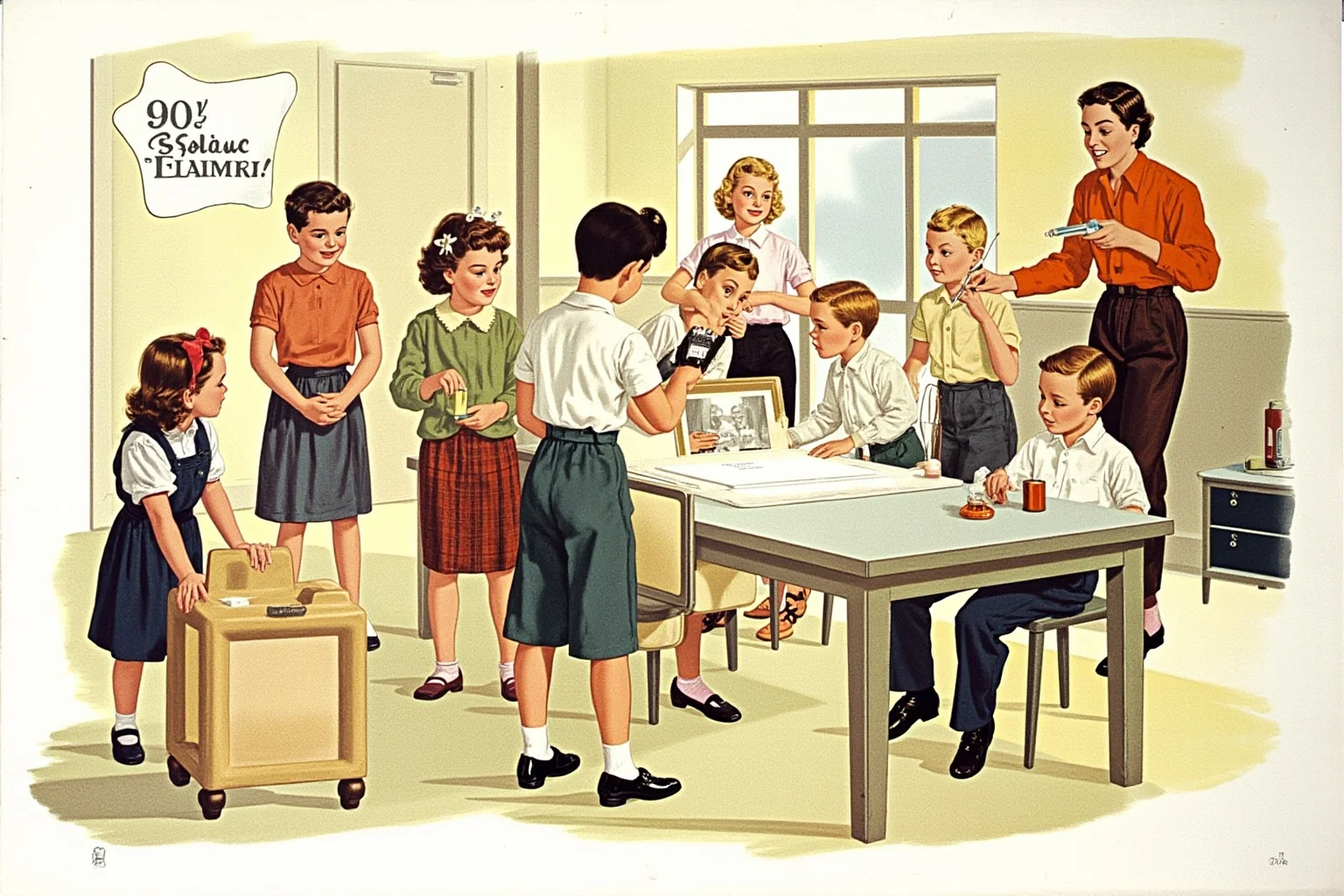
Jonas Salk's polio vaccine was declared safe and effective in 1955, a massive public health victory. Albert Sabin later developed an oral version that became widely used. The disease, once a source of terror, has been nearly eradicated globally.
Salk famously refused to patent the vaccine, asking whether one could patent the sun. That choice made it cheaply available worldwide. The polio campaign remains a model for rapid vaccine deployment.
15. First Human Spaceflight Program to Reach Mars (1965)
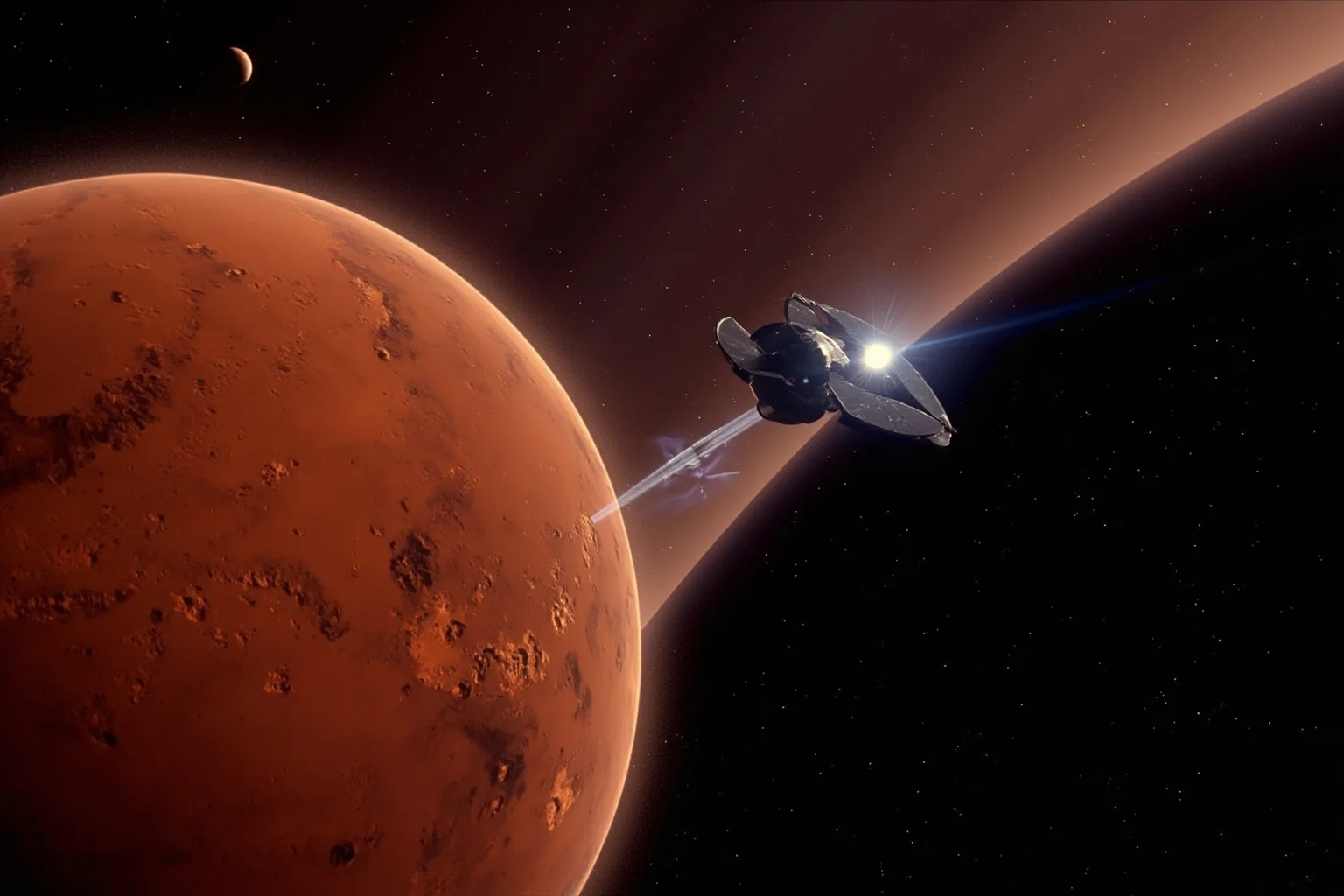
NASA's Mariner 4 flew past Mars in 1965, returning the first close-up images of another planet. The pictures revealed a cratered, moon-like surface, dashing hopes of canals and civilizations. It was a landmark in planetary exploration.
Subsequent American missions, including Viking and the rovers, continued the tradition. Robots like Curiosity and Perseverance built on that first flyby. Mars exploration remains one of America's most visible scientific endeavors.
16. First GPS Satellite Navigation System (1978)
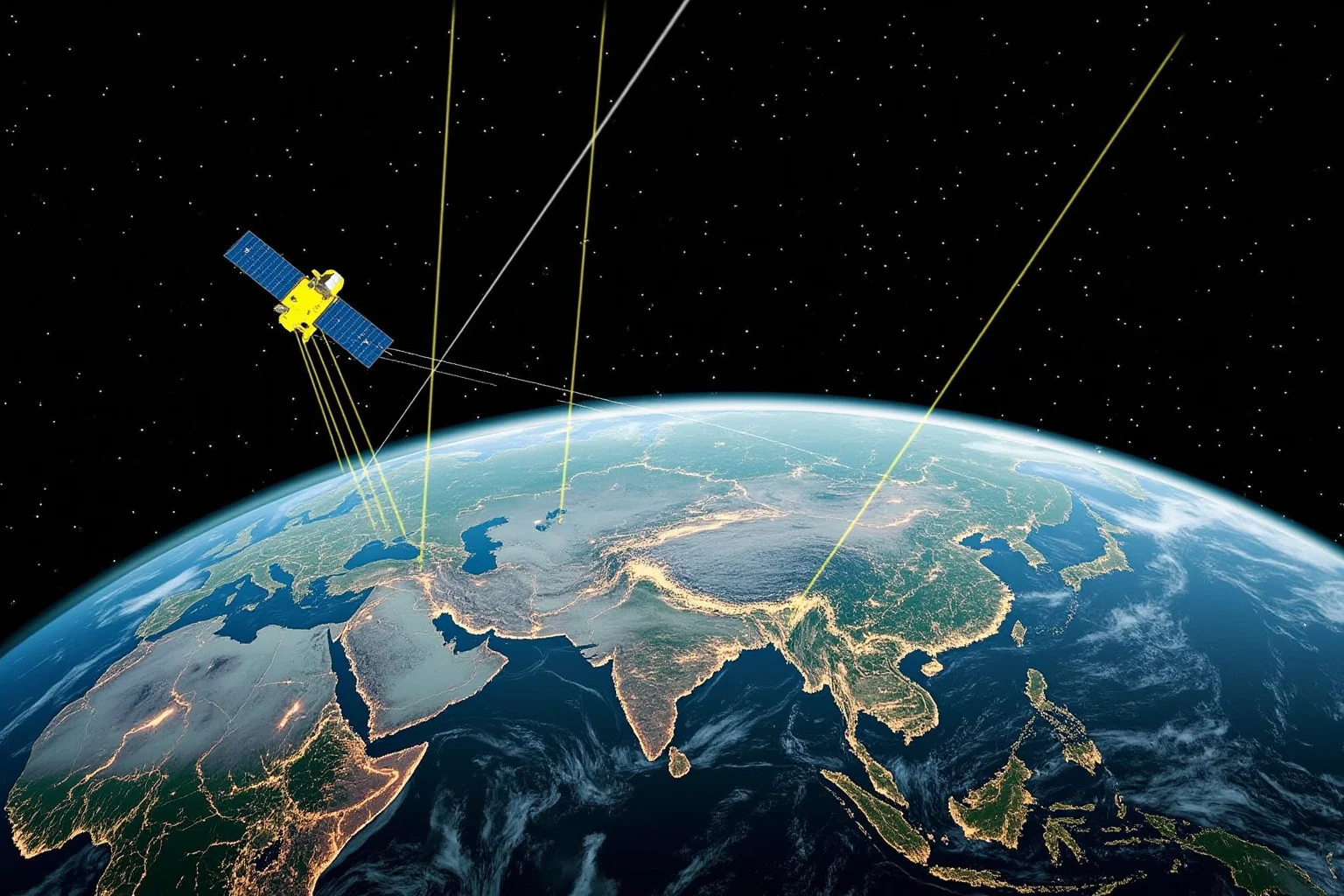
The United States launched the first GPS satellite in 1978, beginning a system that would transform navigation. The full constellation became operational in the 1990s. Today, GPS underpins everything from smartphones to shipping logistics, much like the strategic importance of the largest militaries in the world still rely on secure navigation.
The technology emerged from military research but became a global public utility. Few firsts have woven themselves so deeply into daily life. Billions of devices now rely on signals from American satellites.
17. First Successful Public Internet (ARPANET, 1969)
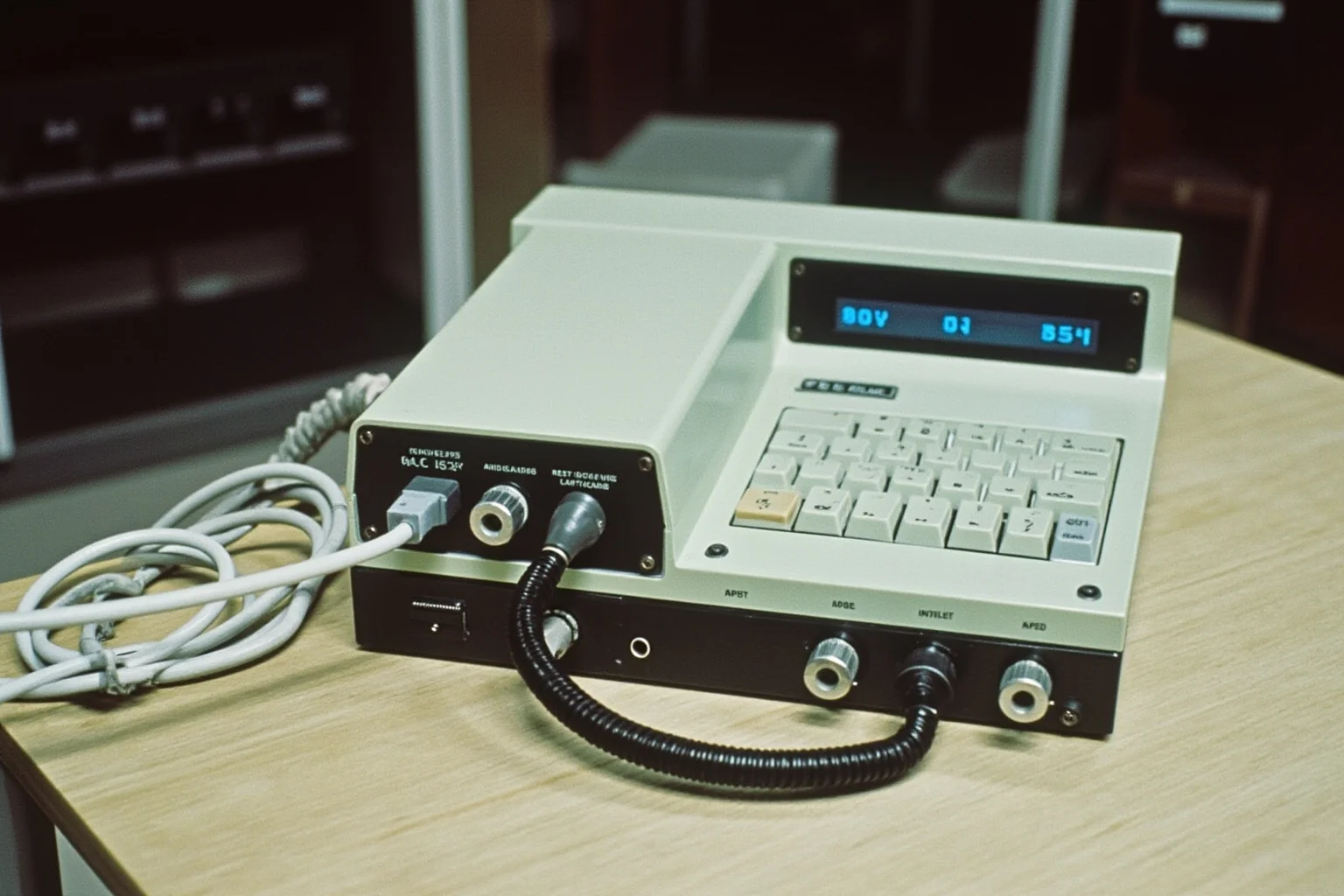
ARPANET, funded by the U.S. Department of Defense, sent its first message in 1969 between UCLA and Stanford. The network grew into the internet we know today. Tim Berners-Lee later invented the World Wide Web at CERN.
The distinction between internet infrastructure and the web matters. America built the foundational network, while the web emerged from European research. Both were necessary to create the connected world of the twenty-first century.
18. First Heart-Lung Machine Use in Surgery (1953)
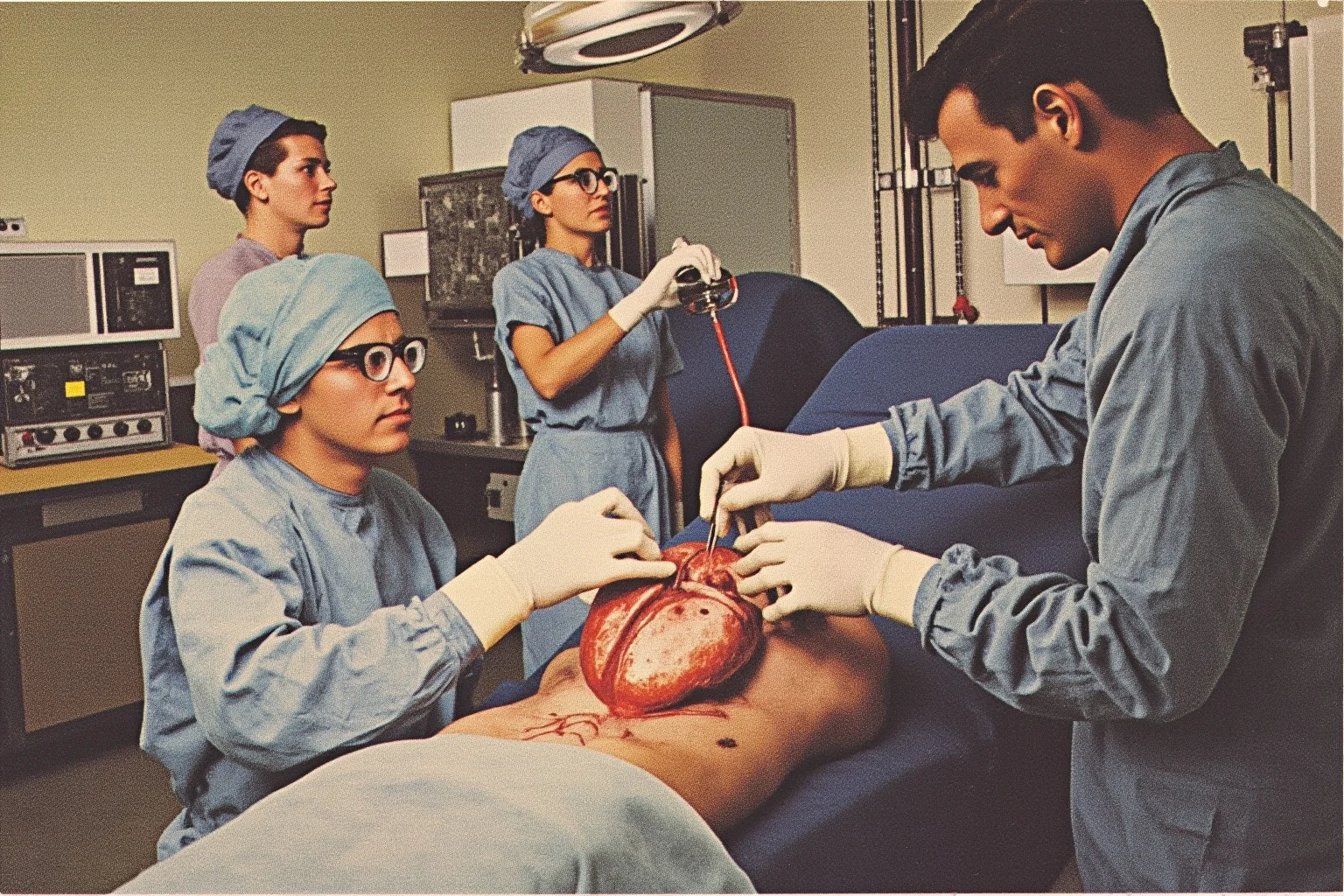
Dr. John Gibbon used the first successful heart-lung machine in 1953 to perform open-heart surgery. The device oxygenated and circulated blood while the heart was stopped. This opened the door to modern cardiac surgery.
Without this technology, procedures like bypass surgery and valve replacement would be impossible. Mayo Clinic and other American institutions drove rapid refinements. The machine remains a cornerstone of operating rooms worldwide.
19. First Live Global Satellite Television Broadcast (1962)
Telstar, launched by the United States in 1962, relayed the first live transatlantic television signals. Viewers in Europe and America saw each other in real time for the first time. The satellite was a joint effort involving AT&T, Bell Labs, and NASA.
This first foreshadowed today's 24-hour global news cycle. Events like moon landings and Olympic games could now be witnessed simultaneously worldwide. Satellite television changed how humanity experienced shared moments.
20. First Commercial Nuclear Power Plant (1957)
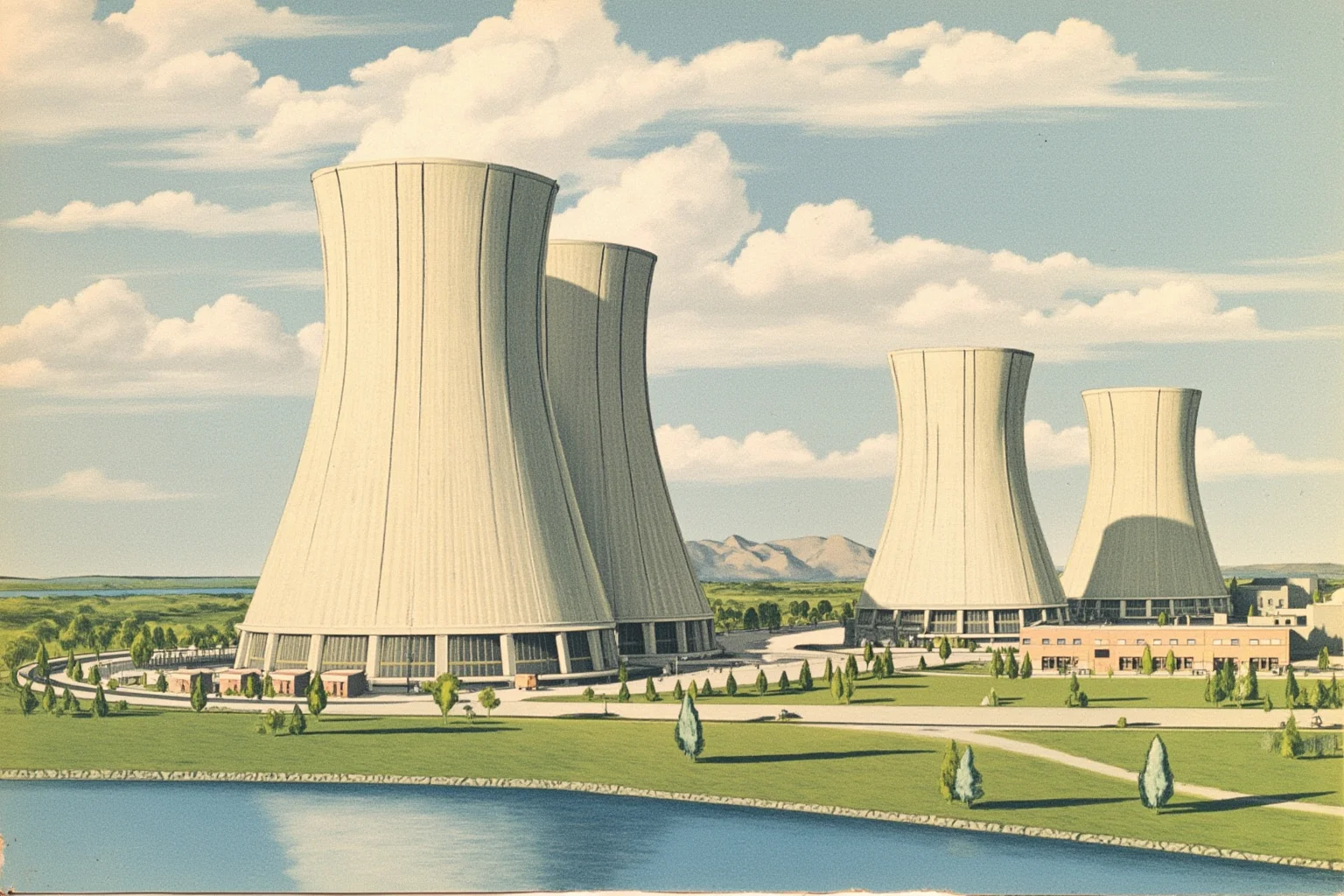
The Shippingport Atomic Power Station in Pennsylvania began operating in 1957. It was the first full-scale commercial nuclear power plant in the United States. The plant was part of President Eisenhower's Atoms for Peace initiative.
Earlier reactors existed for research and military purposes, so definitions vary. Shippingport demonstrated that nuclear fission could reliably generate civilian electricity. The global nuclear power industry traces part of its lineage to this facility.
21. First Reusable Orbital Spacecraft (1981)
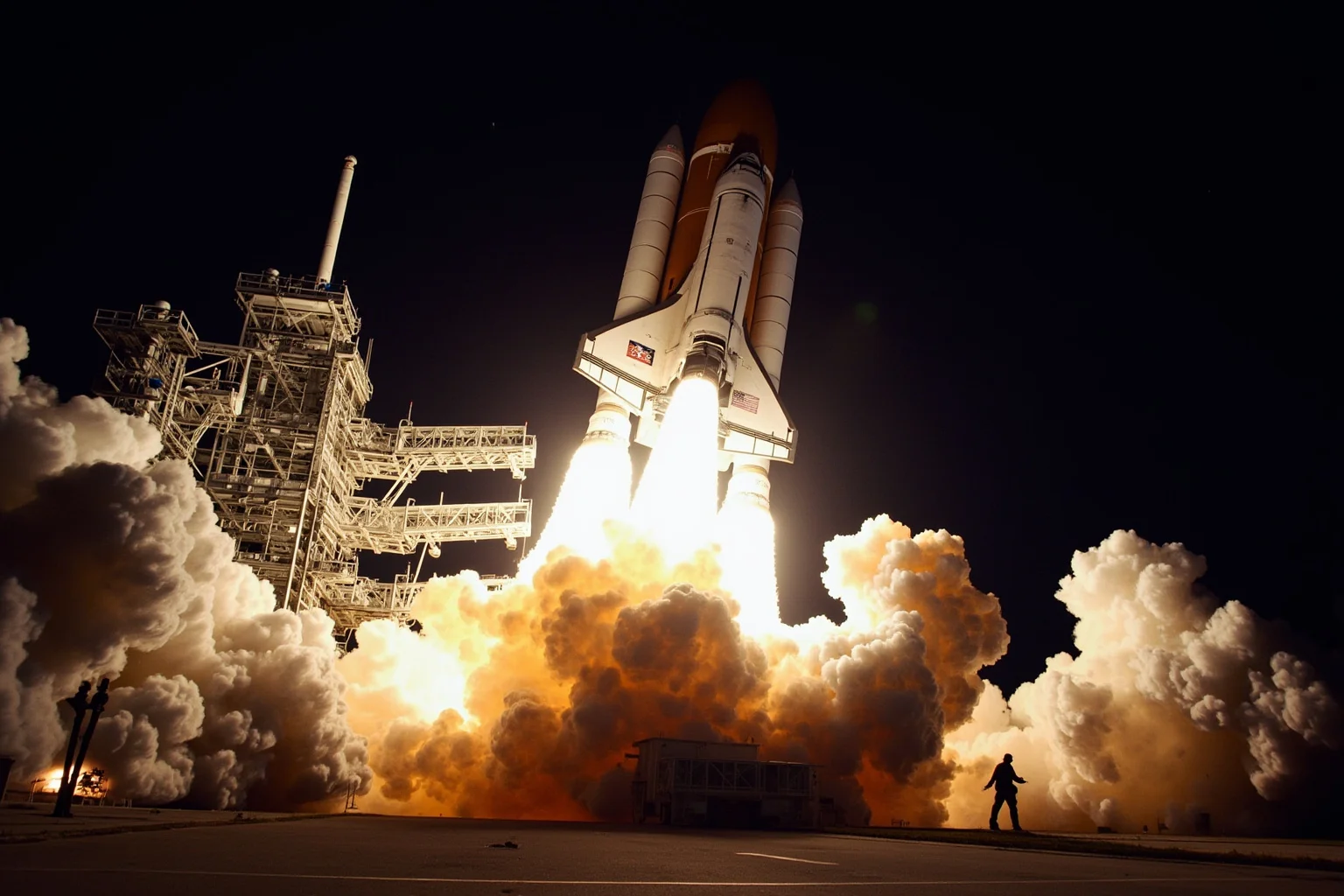
The Space Shuttle Columbia launched on April 12, 1981, marking the first reusable orbital spacecraft. It flew 135 missions over three decades. The program enabled construction of the International Space Station and launched many satellites.
Two fatal accidents, Challenger in 1986 and Columbia in 2003, reminded the world of the risks. The shuttle era ended in 2011, but reusable rockets now carry the concept forward. American companies like SpaceX have pushed reusability even further.
22. First Mapping of the Human Genome (2003)
The Human Genome Project, led partly by American institutions, completed its work in 2003. It mapped the roughly three billion base pairs of human DNA. The project was an international effort coordinated with partners in Britain and elsewhere.
This first has transformed medicine, forensics, and our understanding of biology. Gene-based therapies and personalized medicine grew from the project's data. It stands as one of the great scientific collaborations of the modern era.
Why So Many Famous Firsts Came From America
Several conditions favored innovation in the United States. A large internal market allowed inventions to scale quickly once proven. Patent protections encouraged inventors to commercialize their ideas rather than hide them.
Immigration brought talent from around the world, enriching American labs and workshops. Universities and military funding played outsized roles in fields like computing and space. War and Cold War competition also accelerated specific technologies dramatically.
None of this means America invented everything or acted alone. Many entries above involved international collaboration or parallel work abroad. The honest view is that the U.S. was often first to combine, finance, and scale breakthroughs.
Debunking Common Firsts Myths
Not every "American first" claim survives scrutiny, and myth-busting is part of good history. Columbus did not "discover" America; Indigenous peoples and Norse explorers preceded him. Likewise, Edison did not single-handedly invent the light bulb.
Other contested claims include who invented the telephone and the first automobile. Several countries can make legitimate priority arguments depending on definitions. Careful readers should always ask what "first" is being claimed and by what measure.
This skepticism does not diminish real achievements. It simply keeps the history of firsts honest and useful. The strongest claims rest on specific, datable, verifiable events.
The First People in the United States: A Closing Note
The story of who was here first in America begins long before any nation-state. Indigenous peoples built cities, trade networks, and cultures across the continent for millennia. Their history is not a footnote to American achievement; it is foundational in its own right.
The modern firsts on this list are remarkable, but they sit atop that deeper human story. Understanding both timelines gives a fuller picture of this land's past. The most complete answer to who found the USA first is neither Columbus nor the Wright brothers, but the ancestors of Native nations.
From powered flight to the internet, America's history of firsts reflects ambition, resources, and timing. Whether America is a first world country today is less about labels than about outcomes. The achievements above, debated and contextualized, help explain why the question even gets asked.
As for what did the US just do, that depends entirely on when you're reading this. New firsts keep arriving, from space telescopes to AI breakthroughs. The list of firsts is never truly closed, and that is part of what makes history worth following.
Frequently Asked Questions
Is America a first world country?
Yes, the United States is generally classified as a first world country. The term originally described Cold War allies but now signals a wealthy, industrialized nation with advanced infrastructure and technology. By measures like GDP, life expectancy, and innovation, America fits the modern definition.
Who were the first people in the United States?
The first people in the United States were Indigenous peoples whose ancestors crossed from Asia into North America at least 15,000 years ago. They developed diverse societies across the continent long before European contact. Norse explorers briefly settled in Newfoundland around 1000 CE, and Columbus arrived in 1492.
Who found the USA first?
No single person 'found' the USA as a nation, since the country formed in 1776. Indigenous peoples inhabited the land first, Norse explorers reached it around 1000 CE, and Columbus arrived in 1492. The United States as a political entity was founded much later.
What was the United States able to accomplish first?
The United States achieved many world firsts, including the first powered airplane flight in 1903, the first controlled nuclear chain reaction in 1942, the first human Moon landing in 1969, and the first reusable orbital spacecraft in 1981. Other notable firsts include the polio vaccine, GPS, and the internet's foundational network.
Who was here first in America?
Indigenous peoples were here first in America, arriving thousands of years before any European explorer. Their descendants built complex civilizations across the continent. European contact began around 1000 CE with Norse explorers, followed by Columbus in 1492.
What did the US just do that was a first?
The United States continues to notch firsts in space exploration, medicine, and technology, from Mars rovers to AI research. Because these achievements change constantly, checking current news sources is the best way to learn the latest. Historical firsts like the Moon landing remain the most famous examples.

Alex Warren
Related Articles