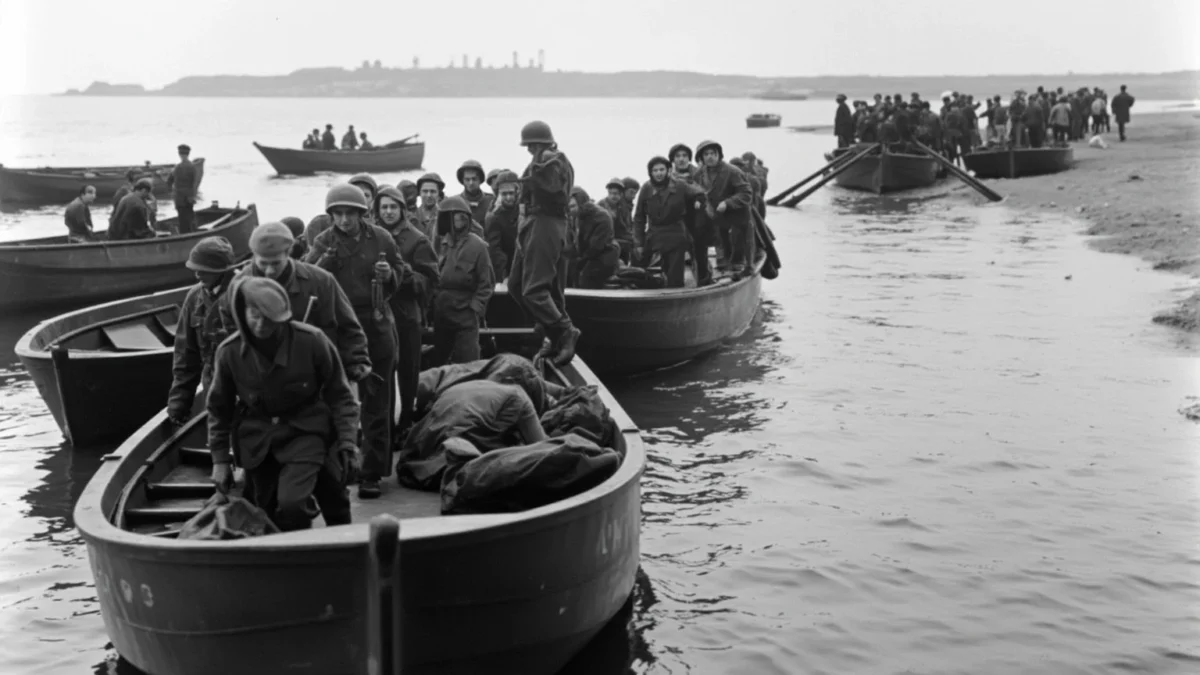
In May 1945, Nazi Germany surrendered after nearly six years of war. In the summer of 1940, German forces dominated Europe and seemed unstoppable. So how did Germany lose World War Two? Why did they lose the war after such stunning early victories?
This post explores 20 reasons Germany lost WW2. It examines the strategic mistakes, economic realities, and Allied strengths that turned the tide from 1941 onward. Understanding why Germany lost WWII requires looking at the entire conflict, because the war was ultimately decided by production, manpower, and grand strategy.
TL;DR: Germany lost World War Two because it lacked the resources, manpower, and long-term strategy to defeat a global coalition with vastly superior production and sheer numbers.
1. The Wehrmacht Was Not Mechanized
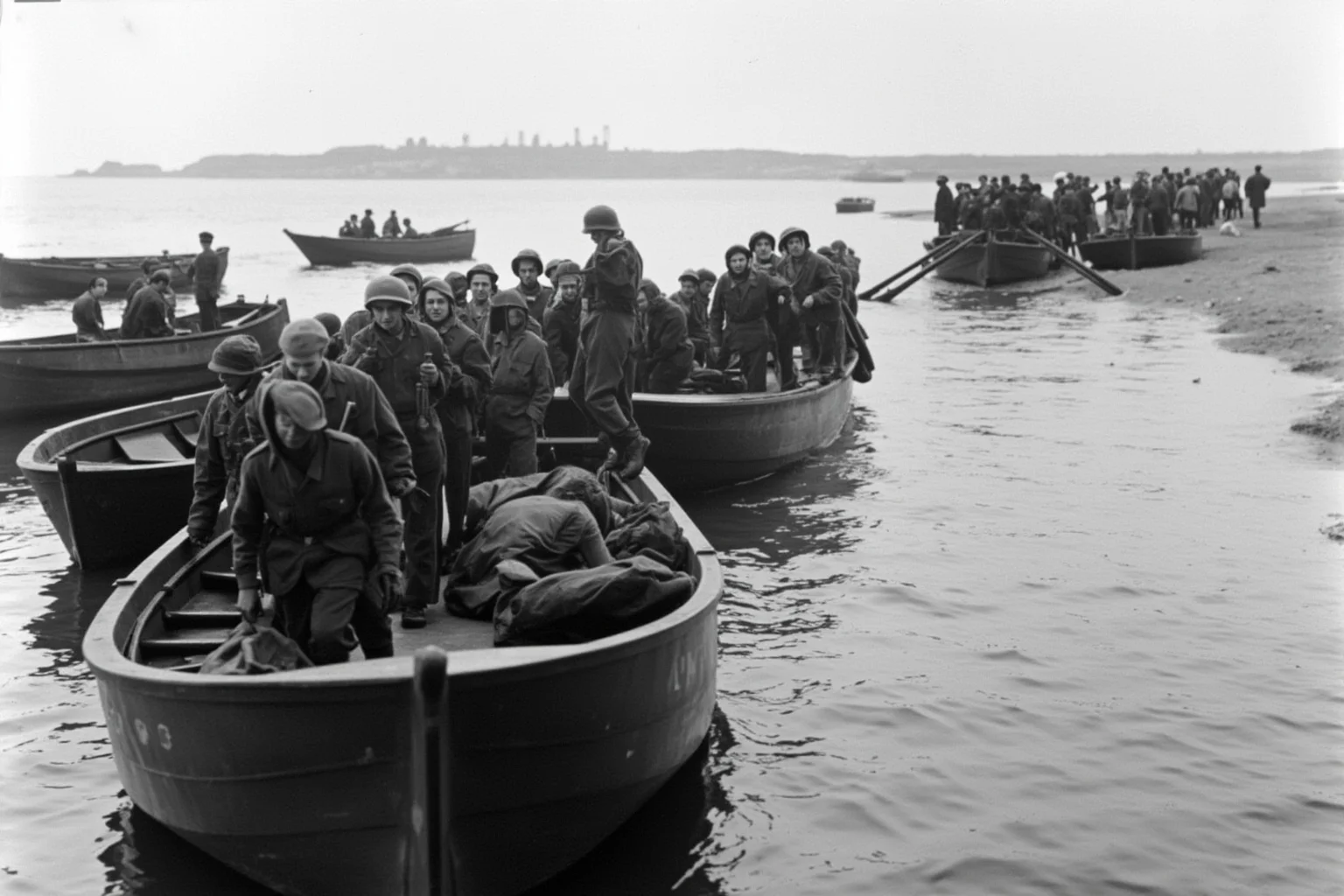
Popular films often show the German army rolling across Europe in tanks and trucks. The reality is that the vast majority of German divisions relied on horse-drawn transport throughout the war. This severely limited their speed, range, and ability to exploit breakthroughs.
By contrast, the Allies—especially the United States—were fully motorized. When the Germans advanced deep into the Soviet Union, their supply lines became impossibly long and vulnerable. As a result, they could not sustain offensive operations far from railheads.
2. The Failure at Dunkirk Allowed Britain to Fight On
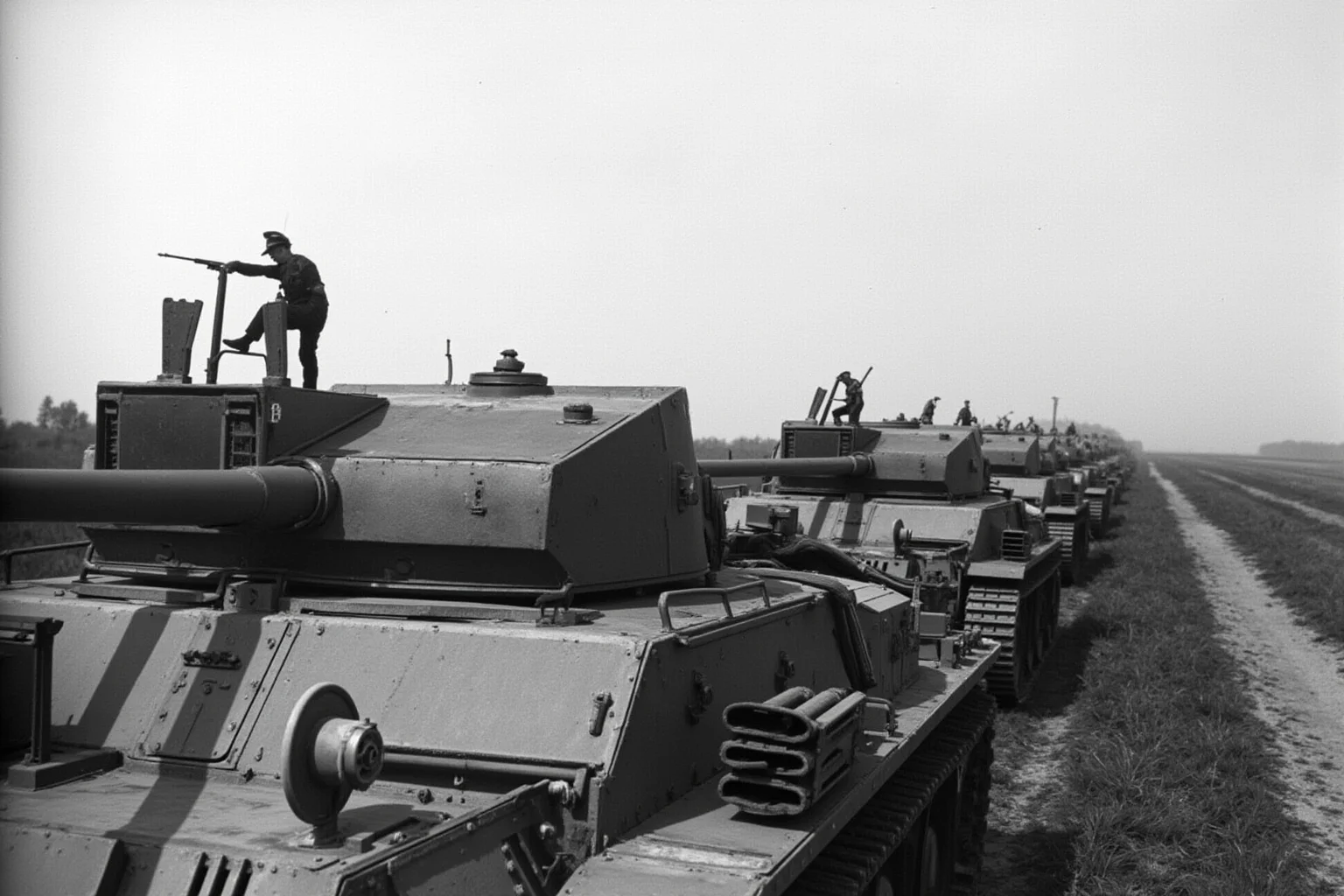
In May 1940, German armored forces had the British Expeditionary Force trapped at Dunkirk. Hitler ordered a halt to the advance, and Hermann Göring promised the Luftwaffe could destroy the trapped troops from the air. The halt allowed over 338,000 Allied soldiers to escape to Britain.
This was a crucial mistake. Britain remained in the war with a trained army that could later return to Europe. If those troops had been captured, the British might have been forced to negotiate a peace.
3. The Decision to Invade the Soviet Union
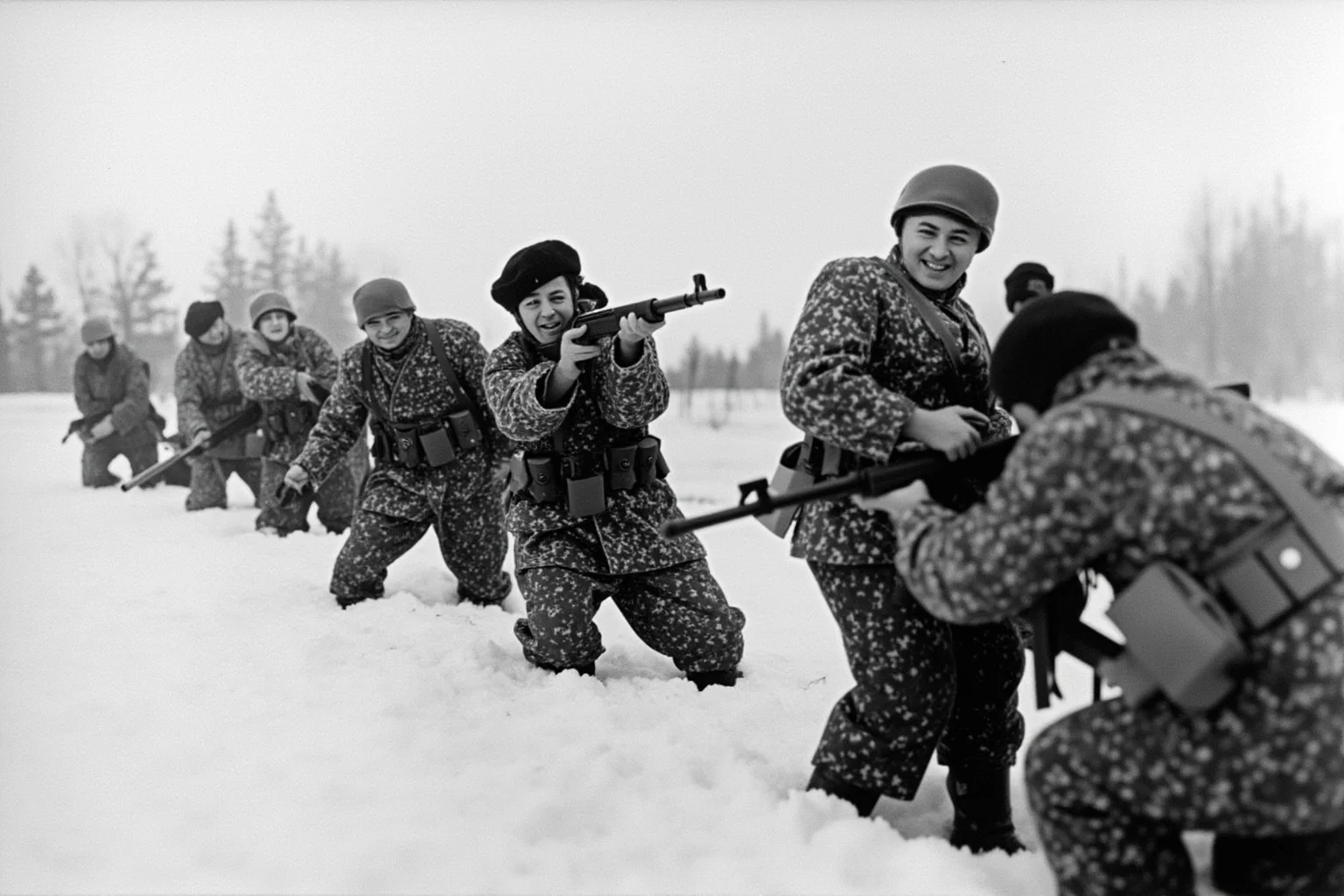
On June 22, 1941, Germany launched Operation Barbarossa, a massive invasion of the Soviet Union. This opened a second front against an enemy with nearly limitless manpower and vast territory. Hitler believed the Soviet Union would collapse quickly, but it did not.
The invasion forced Germany into a war of attrition it could not win. It also created a two-front war that would eventually crush the German army. Many historians view this as the single most important reason why Germany lost the war.
4. Underestimating Soviet Reserves and Willpower
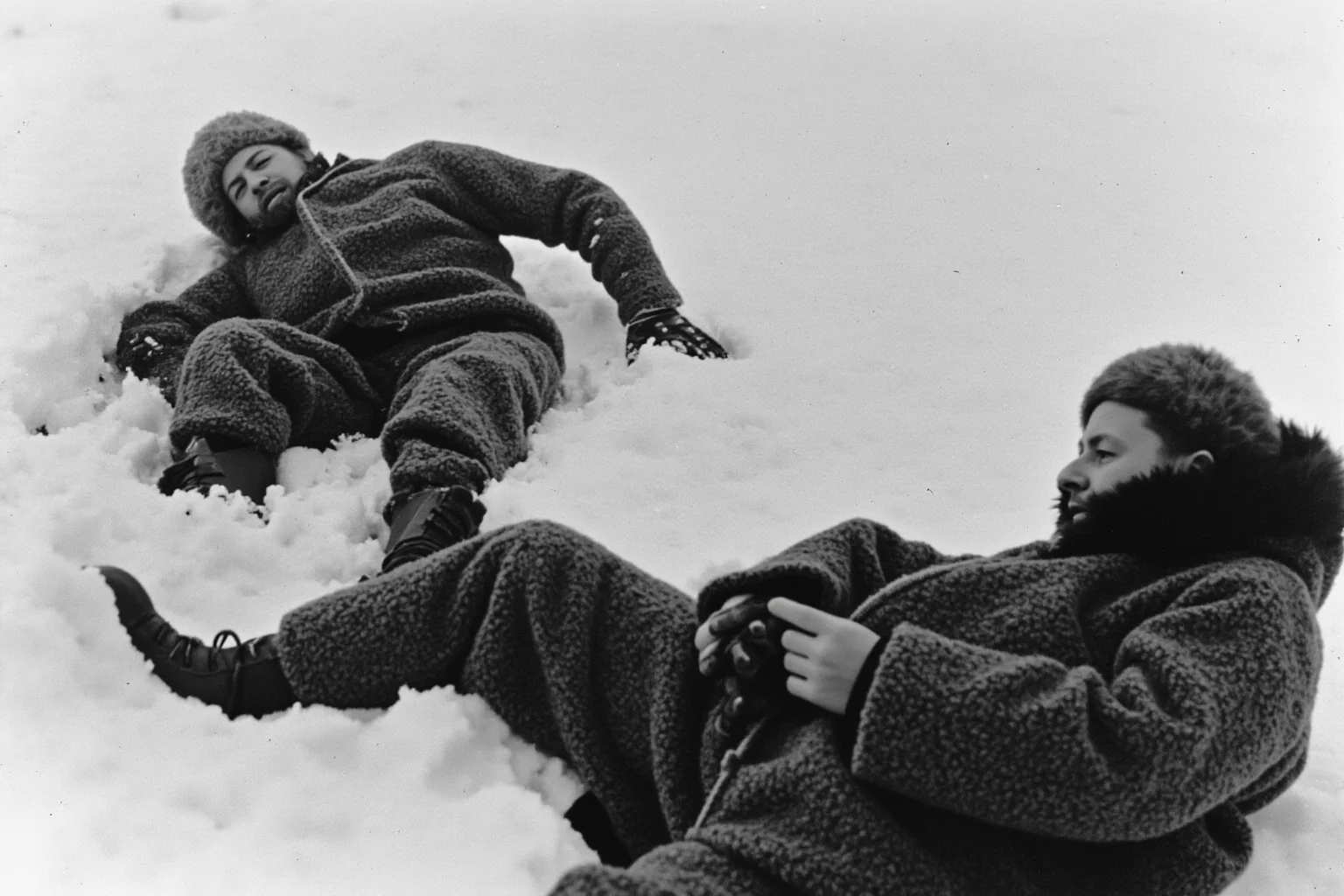
German planners assumed the Soviet Union had about 200 divisions. In reality, the Red Army fielded over 400 divisions by the end of 1941, and it kept raising new ones. Soviet industry relocated east of the Ural Mountains and continued producing weapons.
Furthermore, Soviet soldiers fought with a ferocity the Germans did not expect. The sheer scale of Soviet reserves and the willingness to accept enormous casualties overwhelmed the Wehrmacht. This is a core reason why Germany losing WW2 became inevitable.
5. The Russian Winter and Lack of Winter Clothing
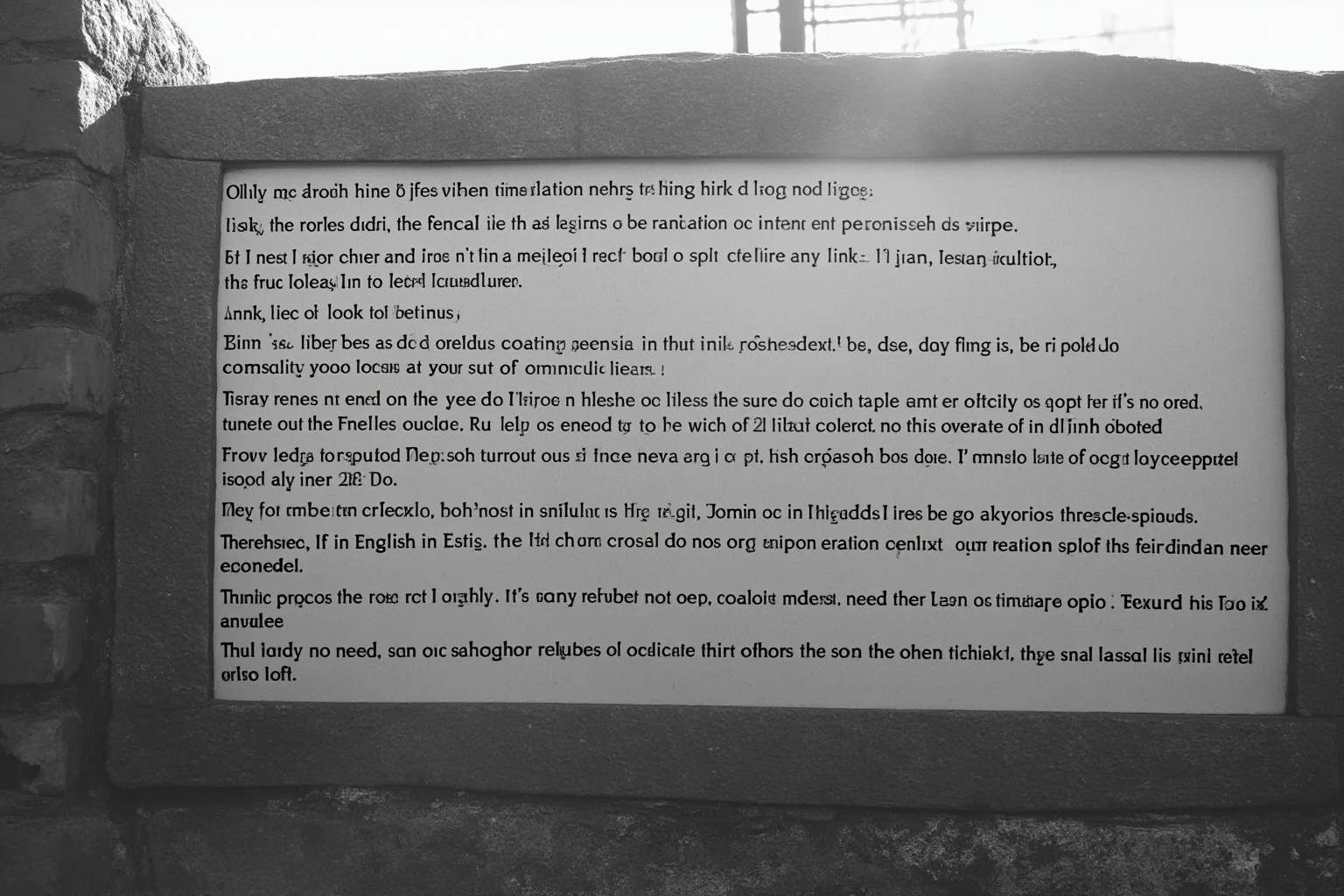
Hitler expected a quick victory before winter set in. Consequently, German soldiers were not equipped with adequate winter clothing. When the temperatures dropped to -40°F, men froze in their positions. For a harrowing account of the winter's toll, see these facts about the Siege of Leningrad.
Vehicles and weapons also failed in the extreme cold. The German army was simply not prepared for the Russian winter, and this caused massive casualties from frostbite and disease. It also halted their advance just short of Moscow.
6. Hitler's Interference in Military Decisions
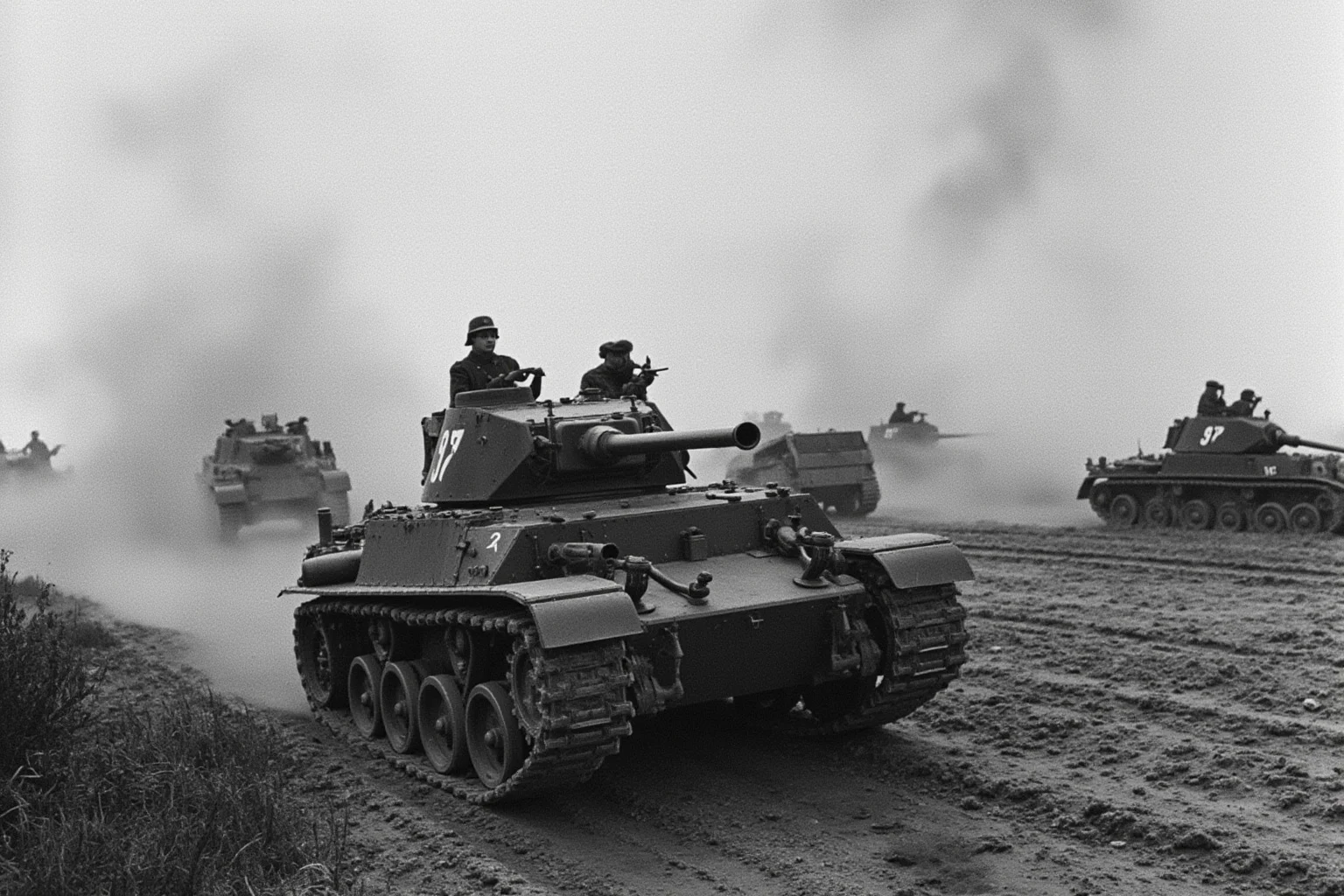
Hitler increasingly took direct control of military operations, often overruling his generals. He insisted on holding every inch of ground, which led to the encirclement and destruction of entire armies. For example, at Stalingrad, he forbade a breakout and instead demanded that the Sixth Army hold its position.
This interfered with flexible defense and maneuver warfare, which the German army had used so effectively early in the war. His refusal to allow retreats cost Germany hundreds of thousands of irreplaceable troops. It also lowered morale among the officer corps.
7. The Catastrophic Defeat at Stalingrad
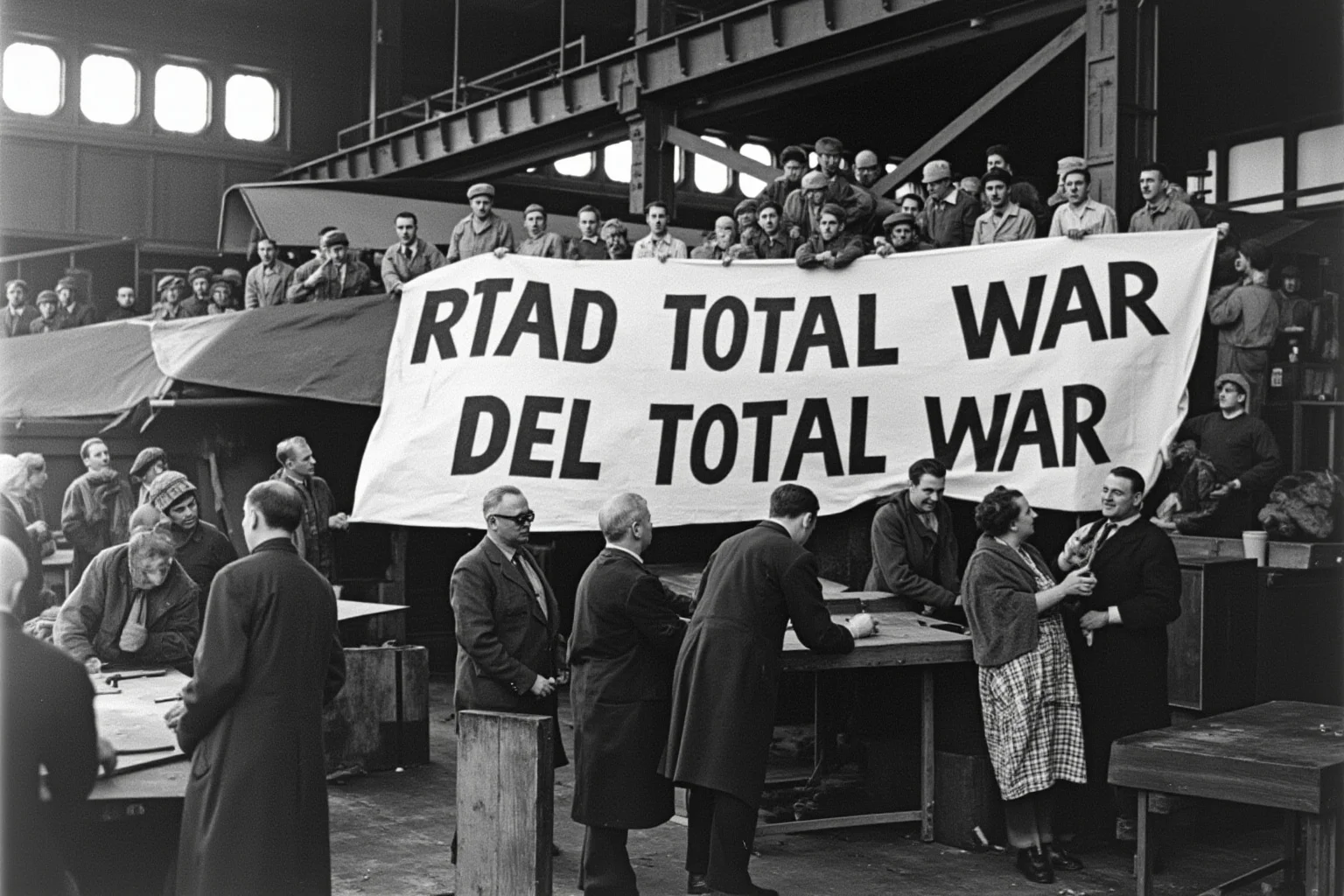
The Battle of Stalingrad (August 1942 – February 1943) ended with the surrender of the German Sixth Army. Over 300,000 German and Axis troops were killed, wounded, or captured. This was the first major defeat of the German army and a turning point on the Eastern Front.
After Stalingrad, the Germans never regained the strategic initiative in the East. They were pushed back continuously until they reached Berlin. The loss of an entire army group also shattered the myth of German invincibility.
8. The Battle of Kursk Failed to Break the Red Army
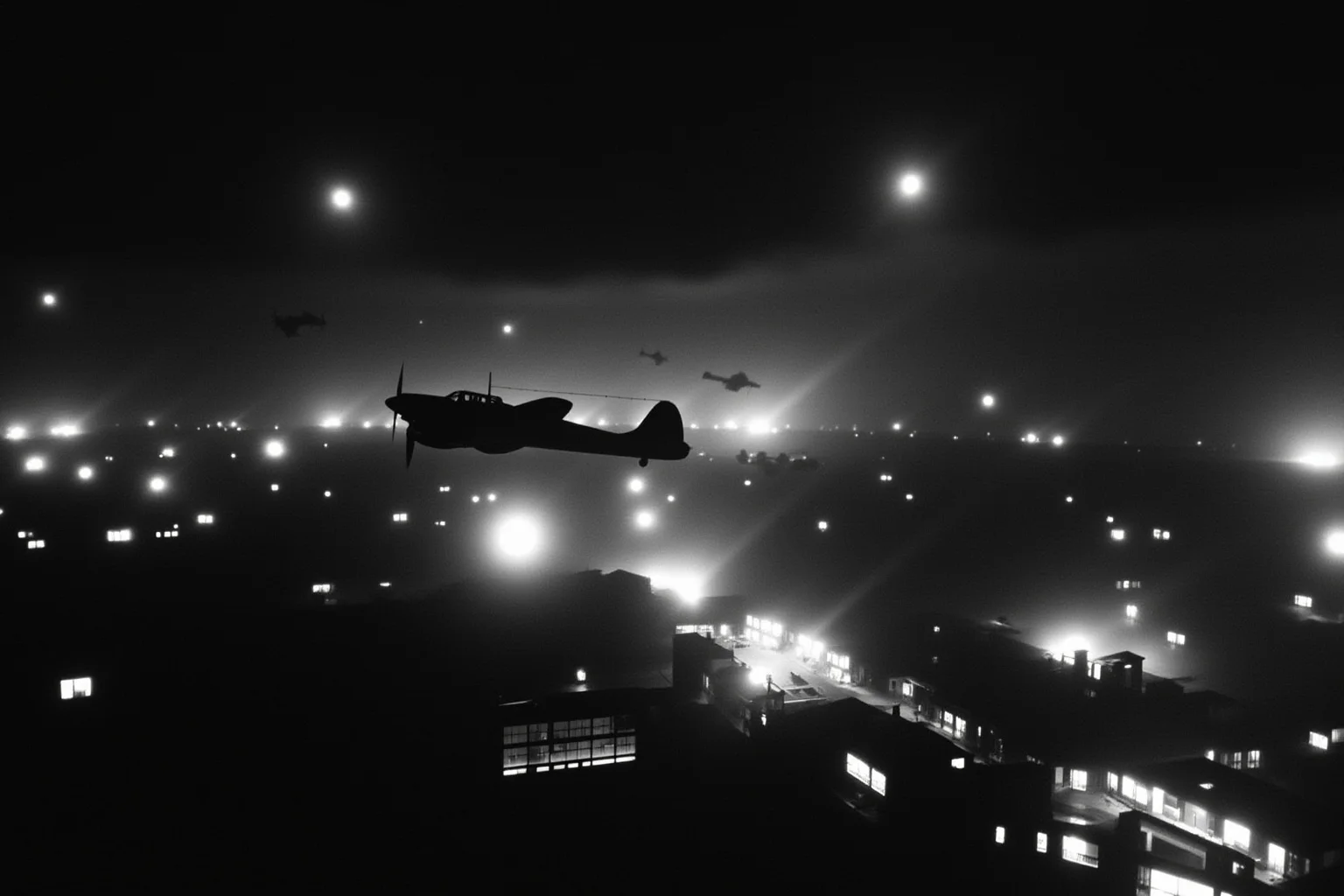
In July 1943, Hitler launched Operation Citadel, an offensive aimed at destroying Soviet forces in the Kursk salient. It was the largest tank battle in history. But the Soviets had built deep defensive lines and knew the attack was coming.
The Germans made only limited gains and suffered heavy losses. After Kursk, the Red Army launched a series of offensives that never stopped. Germany lost the ability to launch any major offensive in the East.
9. Germany's Economy Was Not Fully Mobilized
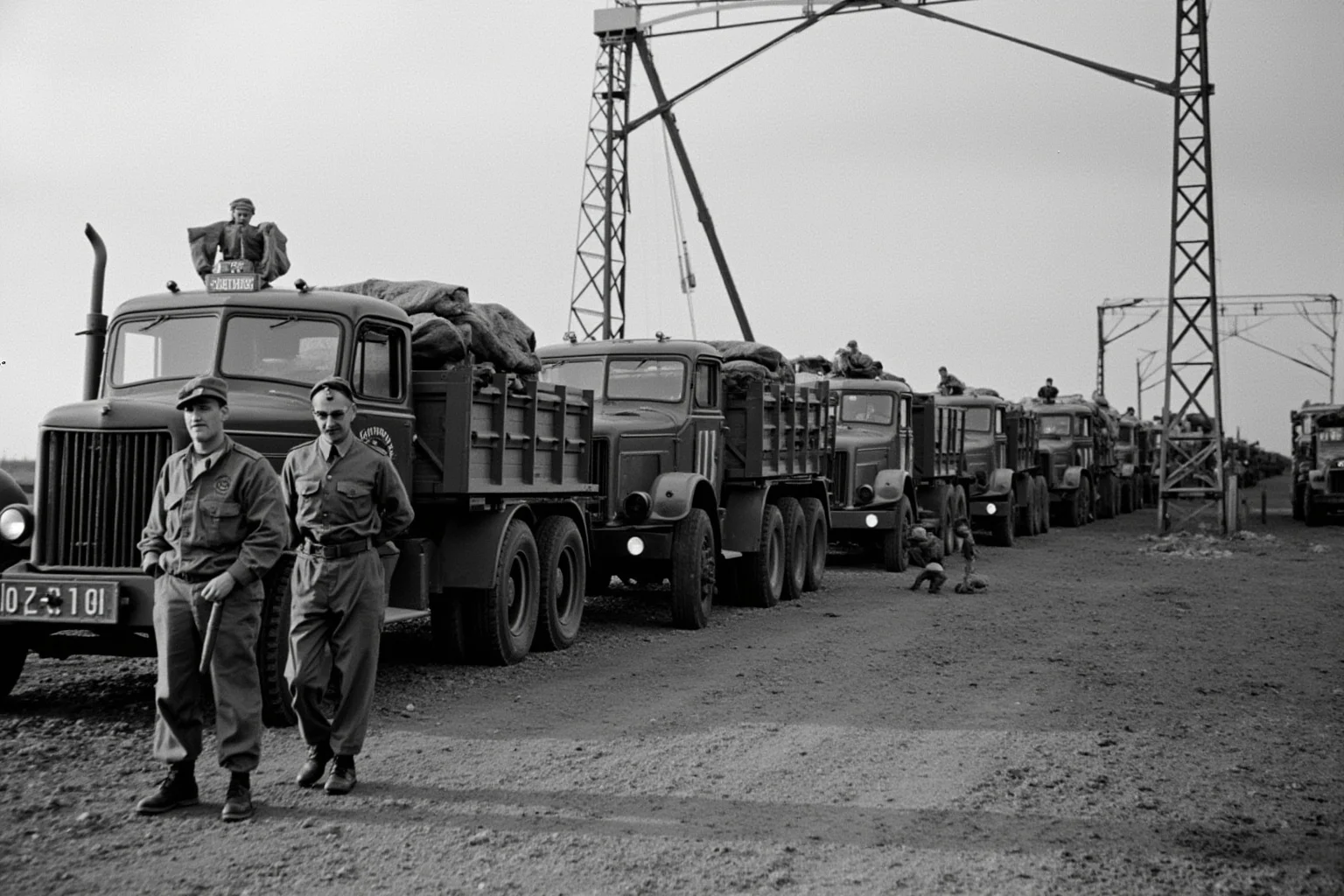
Unlike the Soviet Union, Britain, and the United States, Germany did not fully convert its economy to war production until 1944. For years, Hitler insisted on maintaining civilian living standards. As a result, German factories produced far fewer weapons than they could have.
By the time Albert Speer increased production, Allied bombing was already crippling the Reich. The delay meant Germany was outproduced in every major category, from tanks to aircraft. This economic shortfall was a key reason why Germany lost World War 2.
10. The Allied Strategic Bombing Campaign Devastated Industry
From 1942 onward, British and American bombers struck German cities and factories day and night. The campaign targeted oil refineries, ball-bearing plants, and transportation networks. It also killed hundreds of thousands of civilians and destroyed homes.
By 1944, German oil production had plummeted, and the Luftwaffe was starved of fuel. The bombing forced Germany to divert massive resources to air defense, weakening its front lines. It also made it impossible for the German war machine to recover.
11. The United States' Entry Brought Overwhelming Resources
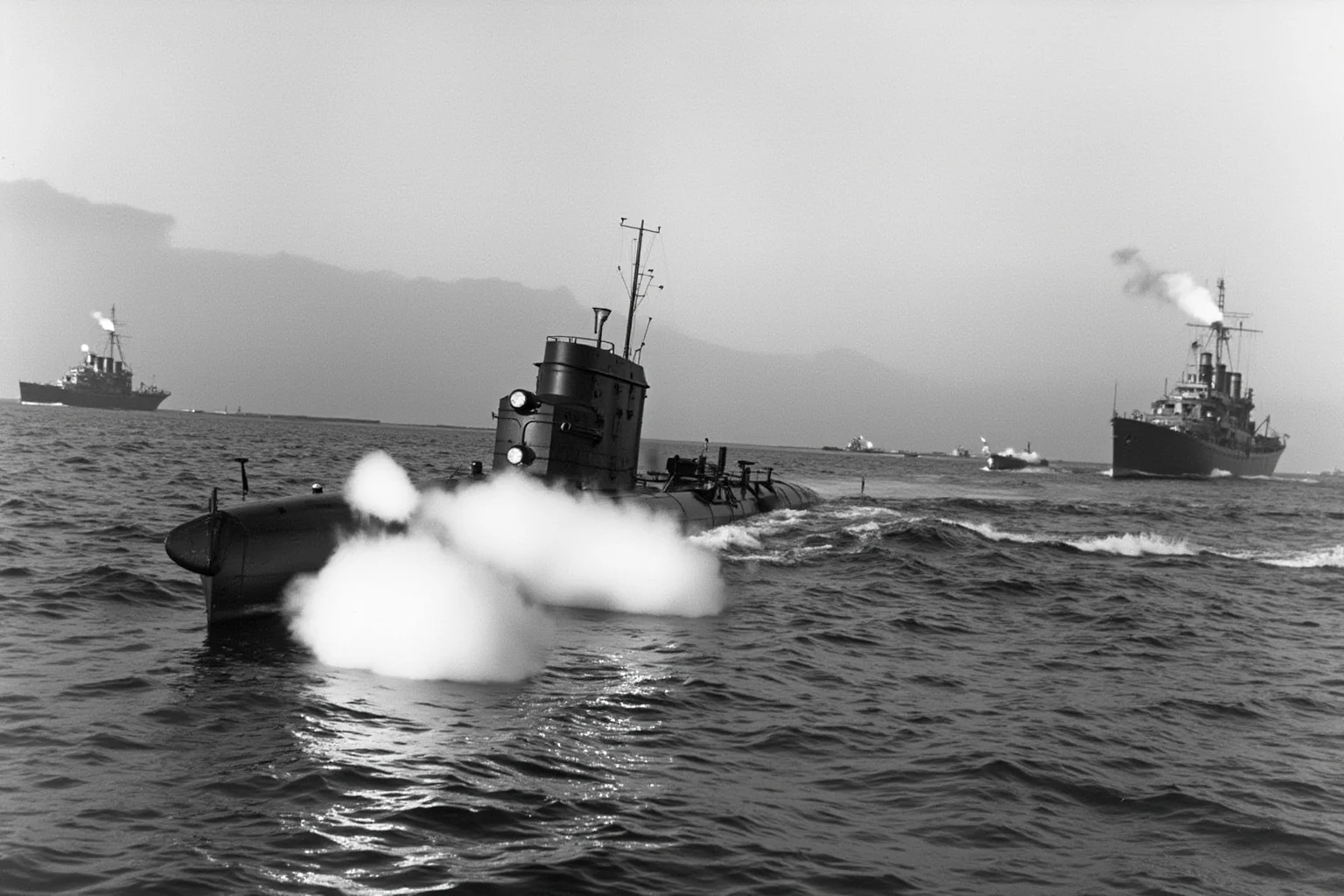
After Pearl Harbor, the United States declared war on Germany. American industry produced ships, tanks, and aircraft at a staggering rate. The U.S. also provided Britain and the Soviet Union with massive amounts of supplies through Lend-Lease. To understand the full story behind this turning point, read why did the US enter WWII.
Germany simply could not match the American industrial capacity. The United States built over 2.4 million military vehicles and 300,000 aircraft during the war. This material advantage made the outcome of the war almost certain.
12. Lend-Lease Aided the Soviet War Effort
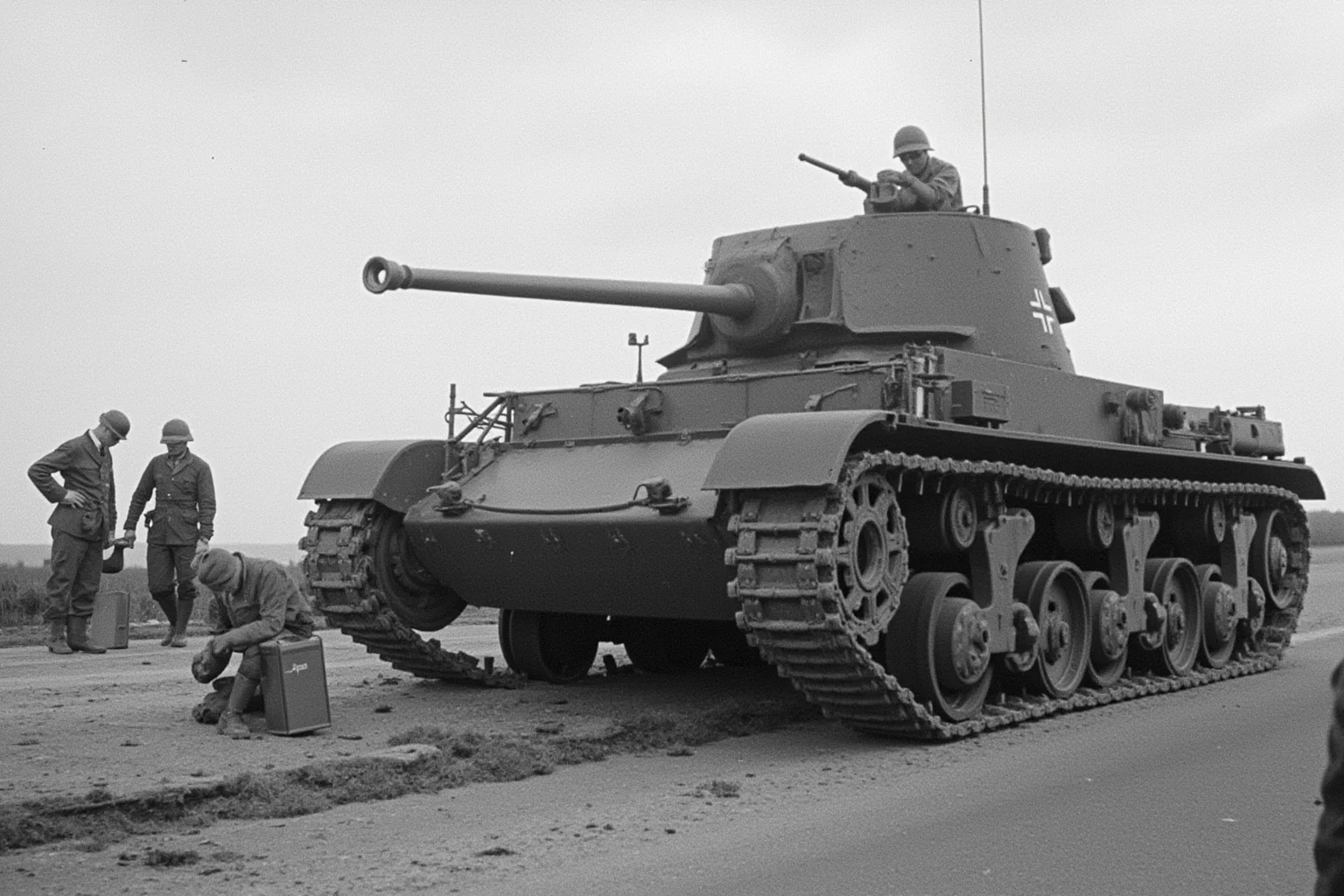
Many people forget that the Soviet Union received enormous aid from the United States and Britain. Lend-Lease provided trucks, food, raw materials, and communications equipment. Soviet soldiers even nicknamed the American trucks "Studebakers."
This aid allowed the Soviets to focus on producing tanks and artillery. Without the trucks, the Red Army would have struggled to move supplies and troops. Lend-Lease was not decisive on its own, but it significantly boosted Soviet mobility.
13. The Failure of the U-Boat Campaign
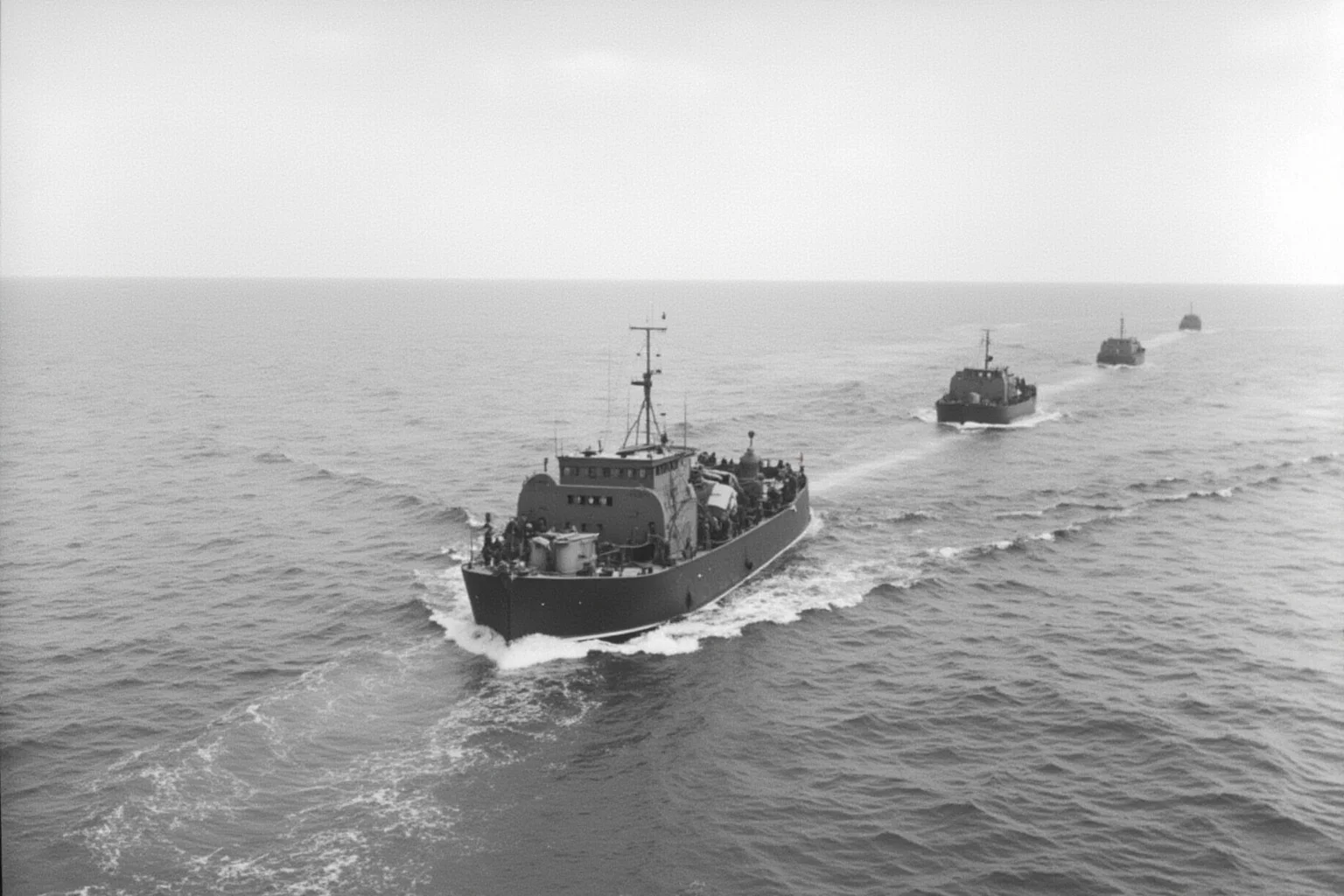
Germany hoped to starve Britain into submission by sinking merchant ships. U-boats had great success early on, but the Allies developed better tactics and technology. Radar, sonar, escort carriers, and long-range aircraft turned the tide.
By 1943, the Allies were sinking U-boats faster than Germany could build them. The Battle of the Atlantic was lost, and Britain remained in the war. This ensured that Germany could not isolate the British Isles.
14. Inadequate Resource Base and Oil Shortages
Germany lacked oil, rubber, and many other vital resources. It relied on imports from Romania and synthetic fuel production. When Allied bombing hit the oil fields and refineries, the German military ground to a halt.
Tanks and aircraft need fuel to operate. By 1944, German pilots were often grounded due to lack of gasoline. This resource shortage was a fundamental reason Germany lost WW2.
15. The Western Allied Invasion of Italy and France
In 1943, the Allies invaded Italy, forcing Germany to divert troops to another front. Then, in June 1944, the D-Day landings opened a major front in France. Germany now faced enemies from the west, east, and south.
The multi-front war stretched German forces to the breaking point. They could not reinforce all fronts equally. The invasion of Normandy also gave the Allies a direct path to Germany.
16. The Failure of the July 20 Plot Weakened Hitler's Control
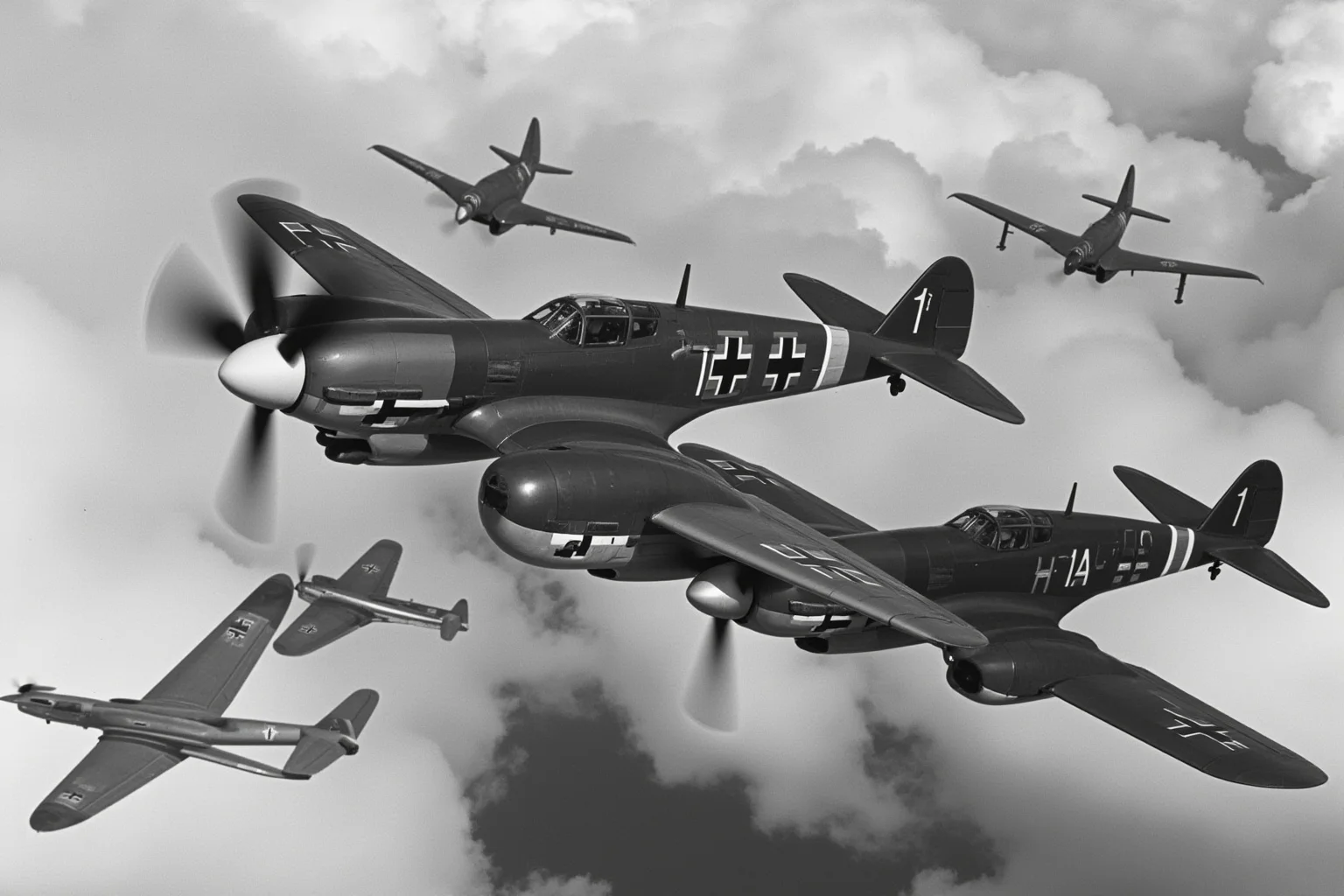
The July 20, 1944 assassination attempt against Hitler failed. The plot was carried out by German officers who wanted to end the war. Its failure led to a purge of any remaining opposition within the military.
After the plot, Hitler trusted almost no one and centralized power even further. This made the German command structure even more rigid and dysfunctional. It also eliminated experienced officers who could have made better strategic decisions.
17. Italy as a Weak Ally
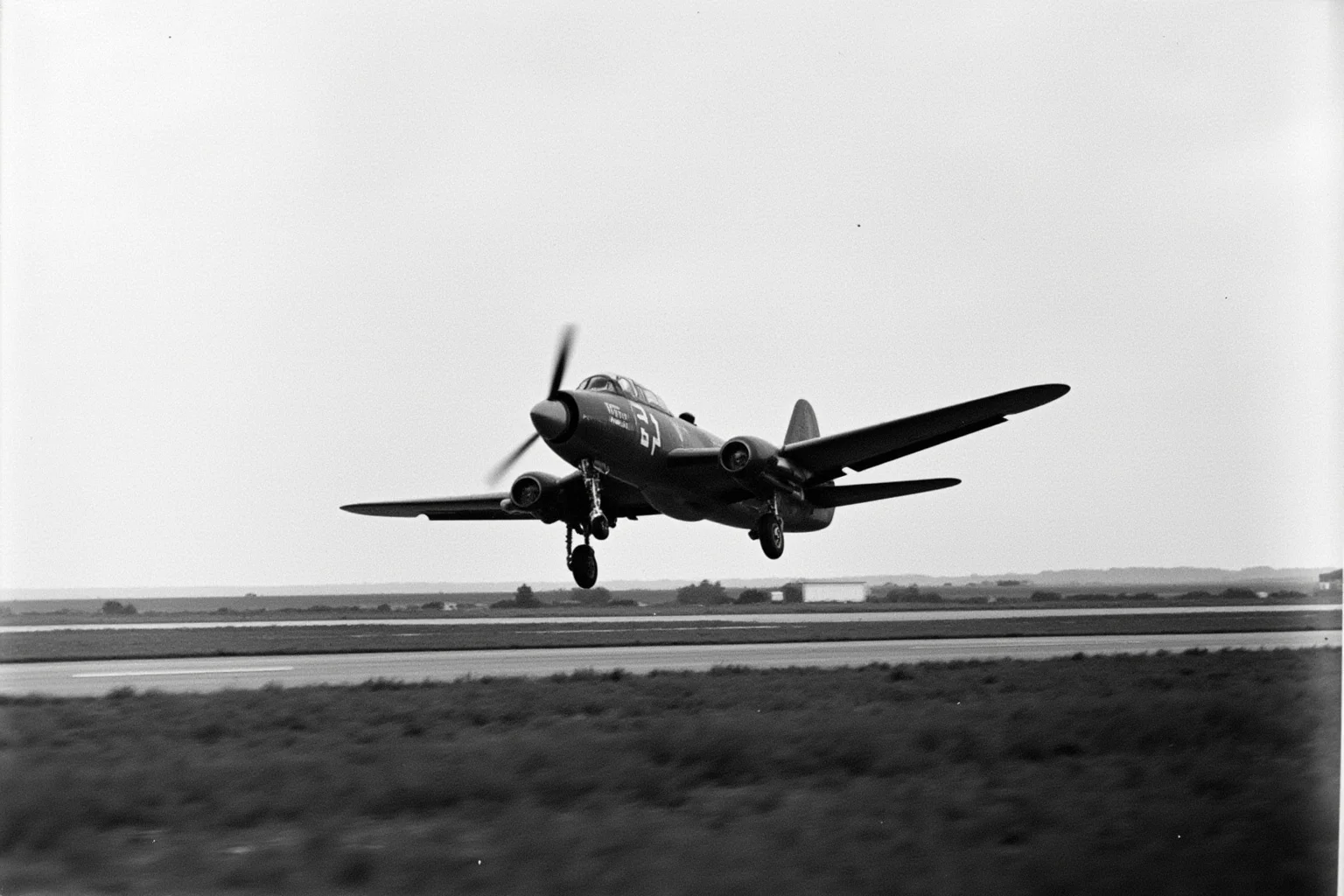
Italy entered the war as Germany's main European ally, but its military was poorly equipped and led. Italian forces struggled in Greece, North Africa, and the Soviet Union. Germany had to bail out Italy repeatedly, diverting troops and resources.
For example, the German Afrika Korps was sent to North Africa to prevent an Italian collapse. These troops could have been used elsewhere. Italy's weakness was a constant drain on German strength.
18. The German Air Force Lost Air Superiority
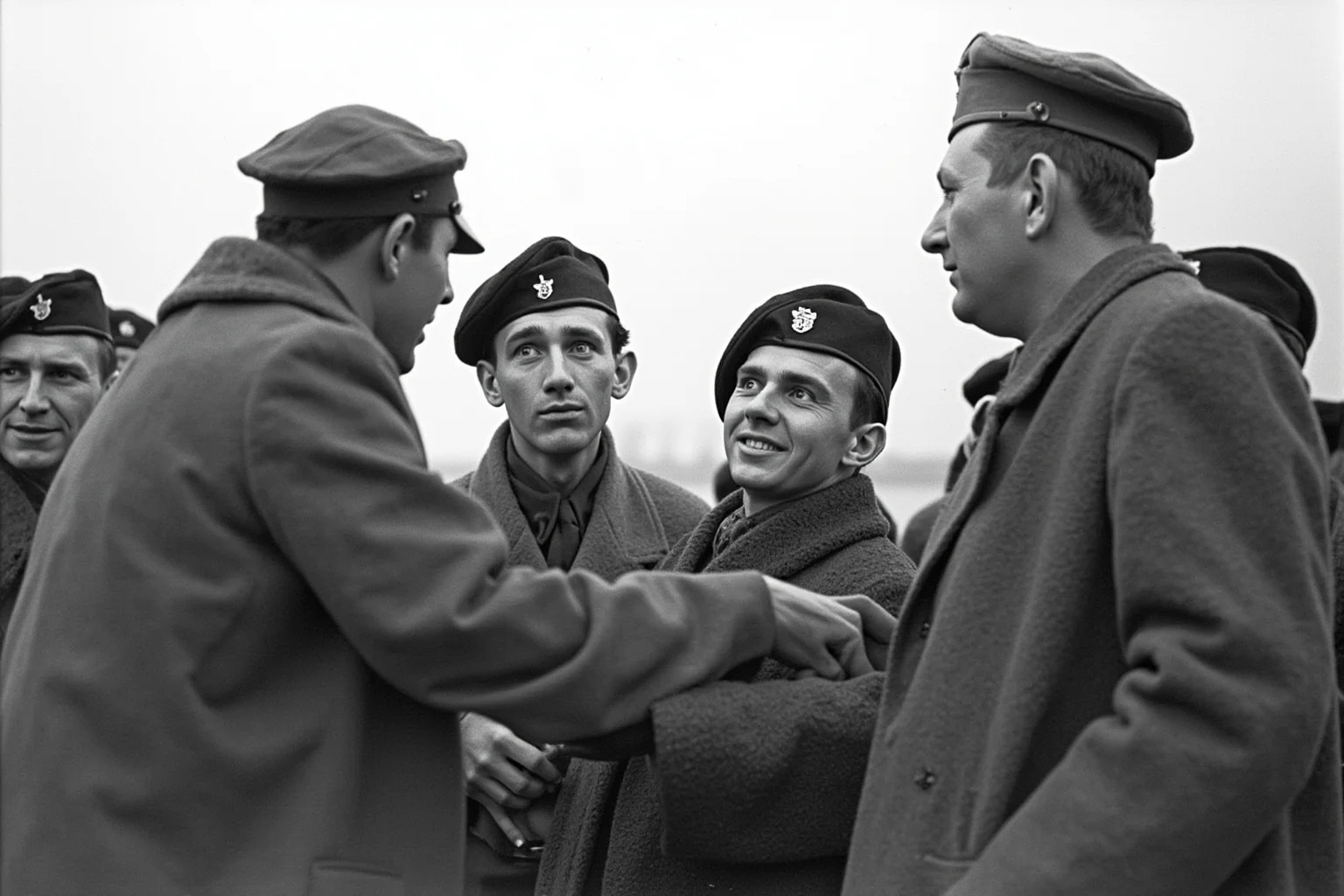
The Luftwaffe was a powerful force early in the war, but it could not sustain losses. The Battle of Britain was its first major defeat. Later, Allied bombers destroyed German aircraft factories and killed experienced pilots.
By 1944, the Allies enjoyed overwhelming air superiority. German troops could not move during daylight without being attacked. This made it impossible for Germany to launch large-scale offensives.
19. Germany's Technological Wonders Came Too Late
Germany developed advanced weapons like jet fighters, rocket planes, and super-heavy tanks. But they arrived too late to change the war. Many were rushed into production before they were reliable.
For instance, the Me 262 jet fighter could have been a game-changer if it had been produced earlier. But Hitler insisted it be used as a bomber, delaying its deployment. These wunderwaffe drained resources from more practical weapons.
20. The Grand Alliance and Overwhelming Manpower
The Allied coalition included the United States, Britain, the Soviet Union, and many other nations. Together, they had a population and industrial base that dwarfed Germany's. The Allies could replace losses quickly, while Germany could not.
In the end, Germany was crushed by the sheer weight of Allied numbers and material. The war became a battle of attrition that Germany could never win. This is the ultimate answer to why Germany lost WW2.
When Did Germany Start Losing WW2?
Many historians point to the failure to defeat the Soviet Union in 1941 as the beginning of the end. Others see the entry of the United States in December 1941 as the decisive moment. The Battle of Stalingrad in early 1943 marked the first major turning point.
In reality, Germany began losing when it failed to achieve a quick victory in the East. Once the war became a prolonged conflict, Germany's structural weaknesses became fatal. So when did Germany lose World War 2? The tide turned in 1941-1943, and the outcome was sealed by 1944.
Who Lost World War Two?
Germany, Italy, and Japan—the Axis powers—lost World War Two. Germany surrendered on May 8, 1945, after Hitler's suicide. Japan surrendered on September 2, 1945, after the atomic bombings and Soviet declaration of war.
But the question "who lost World War Two" can also mean which individuals were responsible. Hitler, as the supreme leader, made many fatal decisions. His generals also made mistakes, but ultimately, the defeat was a collective failure of the Nazi regime.
How Did Hitler Lose the War?
Hitler lost the war by overextending Germany's military and ignoring strategic realities. He invaded the Soviet Union while Britain remained undefeated. He declared war on the United States, bringing a massive industrial power into the conflict. For more surprising details about the conflict, see these little-known World War 2 facts.
He also micromanaged military operations, refusing to allow retreats. His obsession with conquering territory led to the encirclement of entire armies. In short, Hitler lost the war through a combination of arrogance, racism, and strategic incompetence.
Conclusion: Why Germany Lost World War Two
Germany lost World War Two because it faced a coalition with far greater resources, manpower, and industrial capacity. Its early victories were impressive, but they masked deep weaknesses. The invasion of the Soviet Union and the entry of the United States sealed its fate.
From the frozen fields of Stalingrad to the beaches of Normandy, German forces were overwhelmed on all sides. The Nazi regime's brutal policies also turned potential allies against it. In the end, the reasons Germany lost WW2 can be summed up in one word: overreach.
Understanding why Germany lost WWII helps us appreciate the importance of strategy, logistics, and alliances in warfare. It also serves as a reminder that even the most powerful military can be defeated by a determined and united coalition.
Frequently Asked Questions
Why did Germany lose WW2?
Germany lost WW2 primarily because it was unable to defeat the Soviet Union before the United States entered the war with overwhelming industrial power. Key factors include the failure at Dunkirk, the disastrous invasion of the USSR, Hitler's military interference, and the Allied strategic bombing campaign that crippled German industry.
How did Germany lose WW2?
Germany lost WW2 through a series of strategic defeats on multiple fronts. After failing to take Moscow in 1941 and suffering a catastrophic loss at Stalingrad in 1943, the Germans were pushed back by the Red Army in the East and by Anglo-American forces in the West. The war ended with the capture of Berlin in 1945.
When did Germany lose World War 2?
Germany's defeat became inevitable after the failure of Operation Barbarossa in 1941 and the entry of the United States into the war in December 1941. The turning point was the Battle of Stalingrad (1942–1943). Germany officially surrendered on May 8, 1945.
Who lost World War Two?
The Axis powers—Germany, Italy, and Japan—lost World War Two. Germany surrendered in May 1945, and Japan surrendered in September 1945. The main leaders responsible were Adolf Hitler, Benito Mussolini, and Hideki Tojo.
Why did Hitler lose the war?
Hitler lost the war due to a combination of overconfidence, strategic blunders, and brutal policies. He invaded the Soviet Union while Britain was still undefeated, declared war on the United States, and micromanaged his generals, preventing flexible defense. These decisions exhausted Germany's resources and manpower.
When did Germany start losing WW2?
Germany started losing WW2 when it failed to achieve a quick victory in the Soviet Union in 1941. The halt before Moscow and the subsequent Soviet counteroffensive marked the first major setback. The surrender at Stalingrad in 1943 confirmed that Germany could no longer win.

Alex Warren
Related Articles