Historians love a good debunking, but sometimes the debunking needs a debunking. A surprising number of stories that were once dismissed as legend have later found support in excavations, archives, or archaeology. This list explores historical myths that turned out to be true, or at least true enough to overturn the old assumption that they were pure fiction.
To be clear, “true” rarely means every detail is accurate. Ancient writers exaggerated, mixed timelines, and added supernatural flourishes. The fascinating part is how often a real city, battle, ruler, or creature stood behind the tale.
TL;DR: From Troy and Viking America to a gilded raft and giant squid, many stories once dismissed as legend have been supported by archaeological evidence, though the real history is usually messier than the myth.
Ancient Cities and Lost Civilizations
1. Troy Was More Than a Poet’s Invention
For centuries, scholars treated Homer’s Troy as a literary setting rather than a real city. In the 1870s, Heinrich Schliemann dug at Hisarlik in northwest Turkey and uncovered a fortified citadel with multiple destruction layers. Later excavations revealed a major Bronze Age trading center with walls, gates, and imported goods.
Most historians now agree that a real conflict, likely over trade and regional power, inspired the Trojan War legend. The wooden horse and Homer’s heroes remain storytelling, but the city beneath the myth was real.
2. The Hittite Empire Was Hiding in Plain Sight
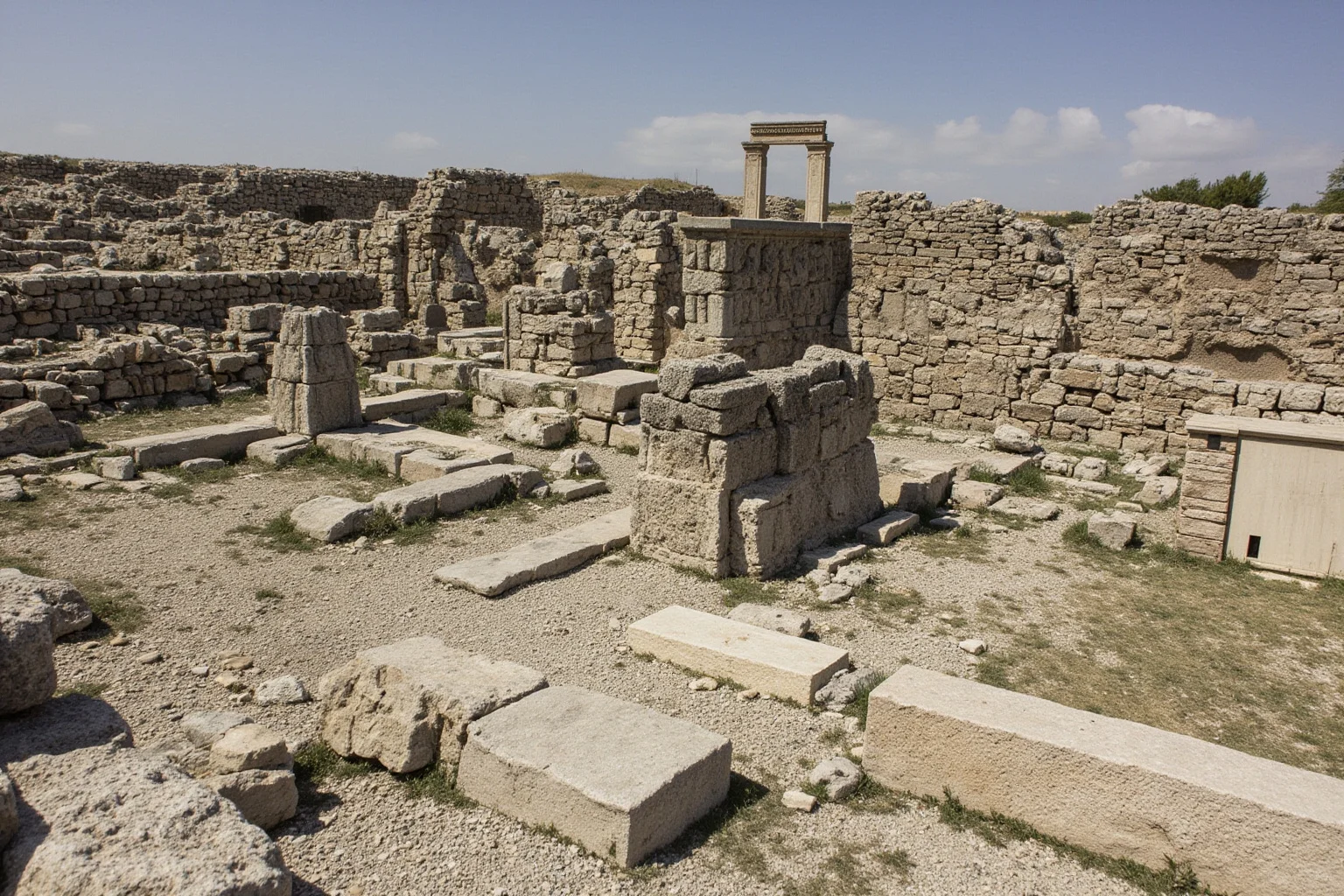
The Bible and Egyptian inscriptions mentioned Hittites repeatedly, but critics argued that no such empire could simply vanish from the record. Then archaeologists located Hattusa, the Hittite capital in central Anatolia, complete with royal archives and thousands of clay tablets. The tablets revealed treaties, laws, and correspondence with Egypt.
This confirmation made the Hittites one of the classic examples of myths that turned out to be true. The empire was real, powerful, and a rival to New Kingdom Egypt at the Battle of Kadesh.
3. Nineveh and the Assyrian Empire Were Real
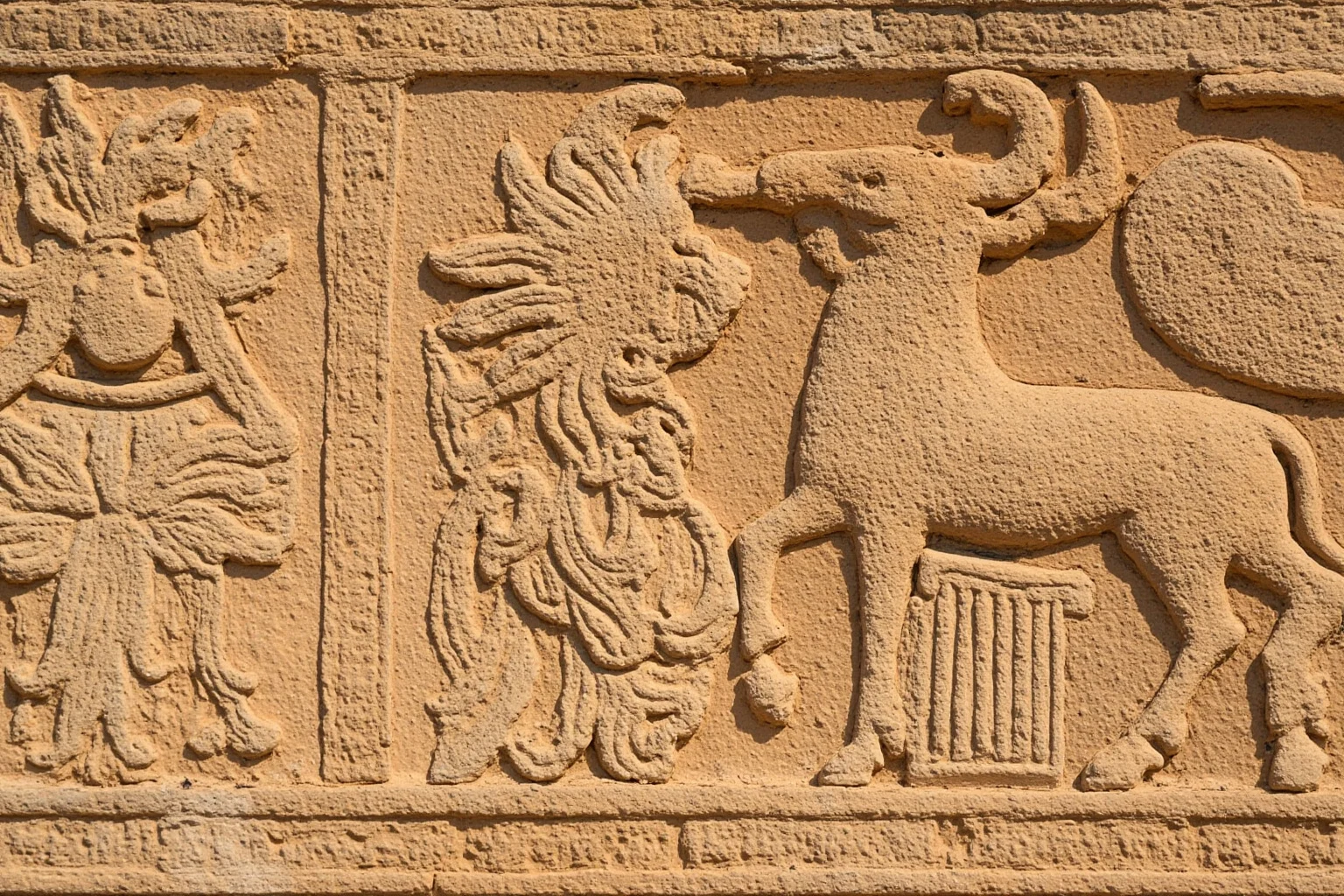
Nineveh was dismissed by some as biblical exaggeration until Austen Henry Layard and others began excavating the Assyrian capital in the 1840s. They uncovered massive palace complexes, carved reliefs, and the library of Ashurbanipal. That library preserved thousands of cuneiform tablets that opened up Mesopotamian history.
The city’s wealth, military campaigns, and abrupt fall now have a concrete archaeological record. Was this true? In broad terms yes, even if the Bible’s moral framing comes from a specific religious tradition.
4. Ur of the Chaldees Was Not a Fable
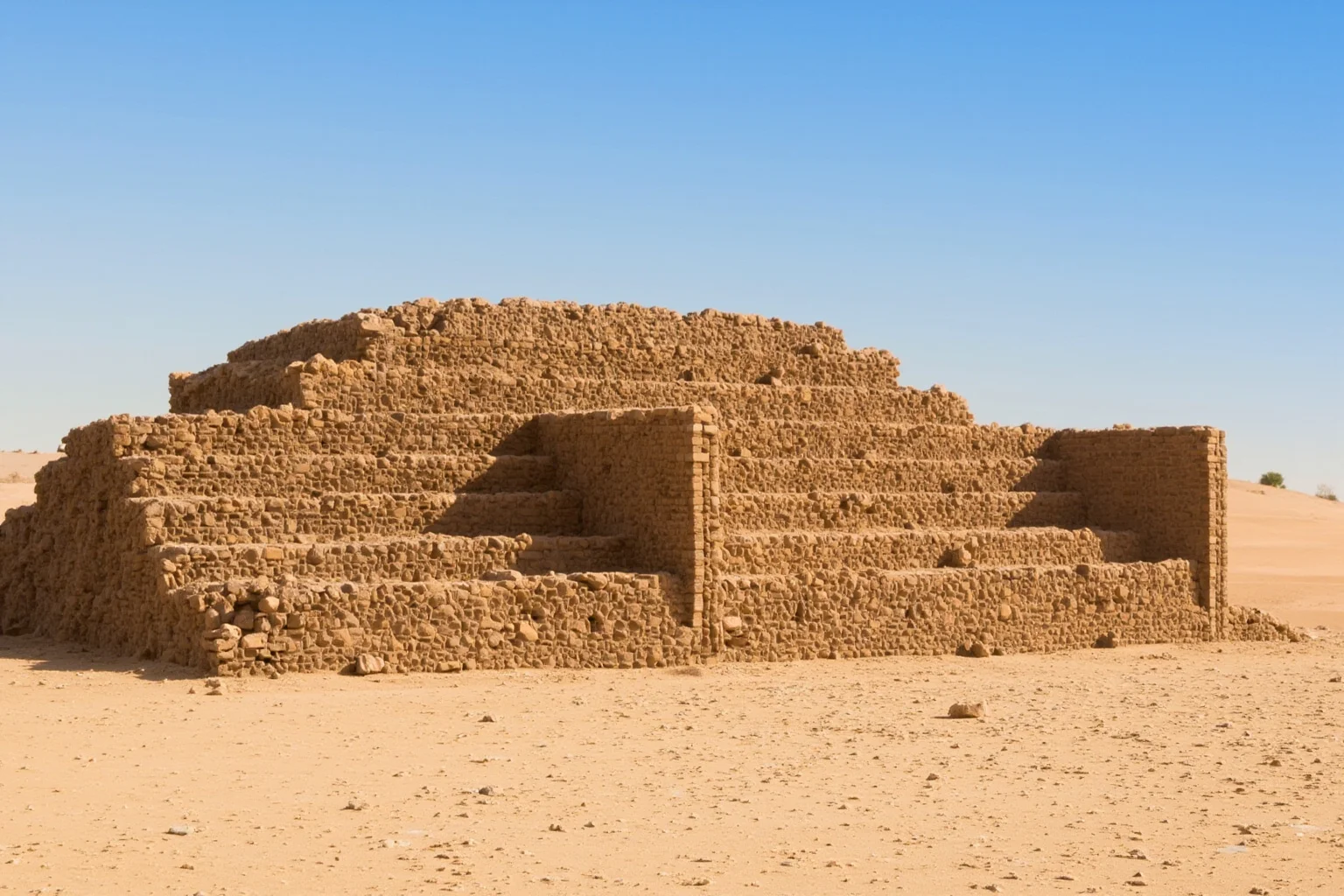
The city of Ur appeared in biblical genealogies, but for a long time nobody could prove it existed outside scripture. In the 1920s and 1930s, Leonard Woolley’s excavations in southern Iraq exposed a major Sumerian city with ziggurats, royal tombs, and evidence of long-distance trade.
Woolley’s finds included the famous Royal Cemetery and artifacts such as the Standard of Ur. The city was already ancient by the time biblical stories about Abraham were written, which proves the Bible preserved some genuine geography.
5. The Land of Punt Was a Genuine Trade Partner
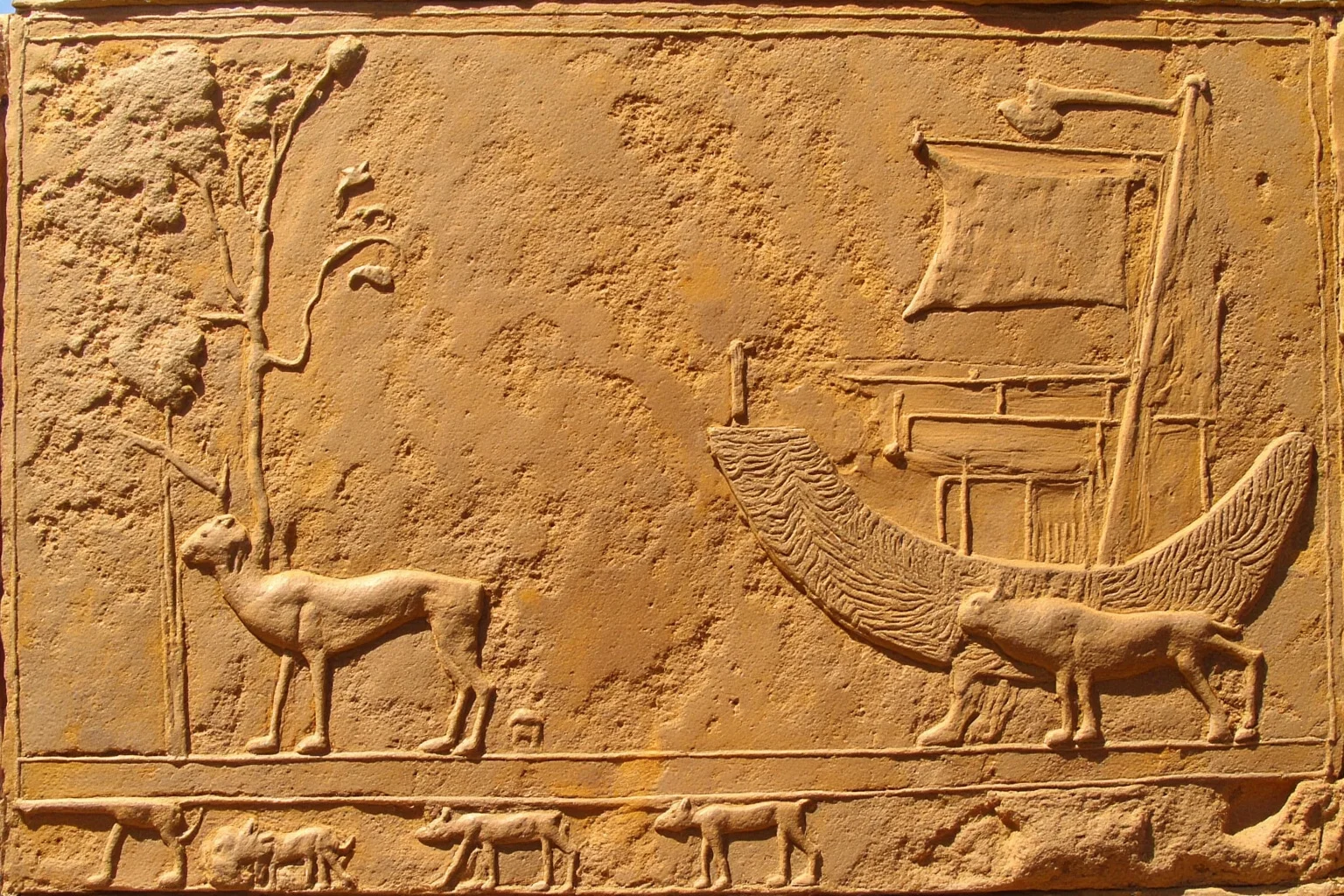
Egyptian pharaohs sent expeditions to Punt for gold, ivory, incense, and exotic animals, yet its location remained vague for centuries. Scholars now place Punt along the Red Sea coast, likely in modern Sudan, Eritrea, or northern Ethiopia. Material finds and texts show these voyages were recorded with practical detail.
Punt was not a myth; it was a real trading partner whose goods appear in Egyptian tombs and temples. The uncertainty is mainly about which modern region matches the ancient name.
6. Knossos Gave the Minotaur a Real Address
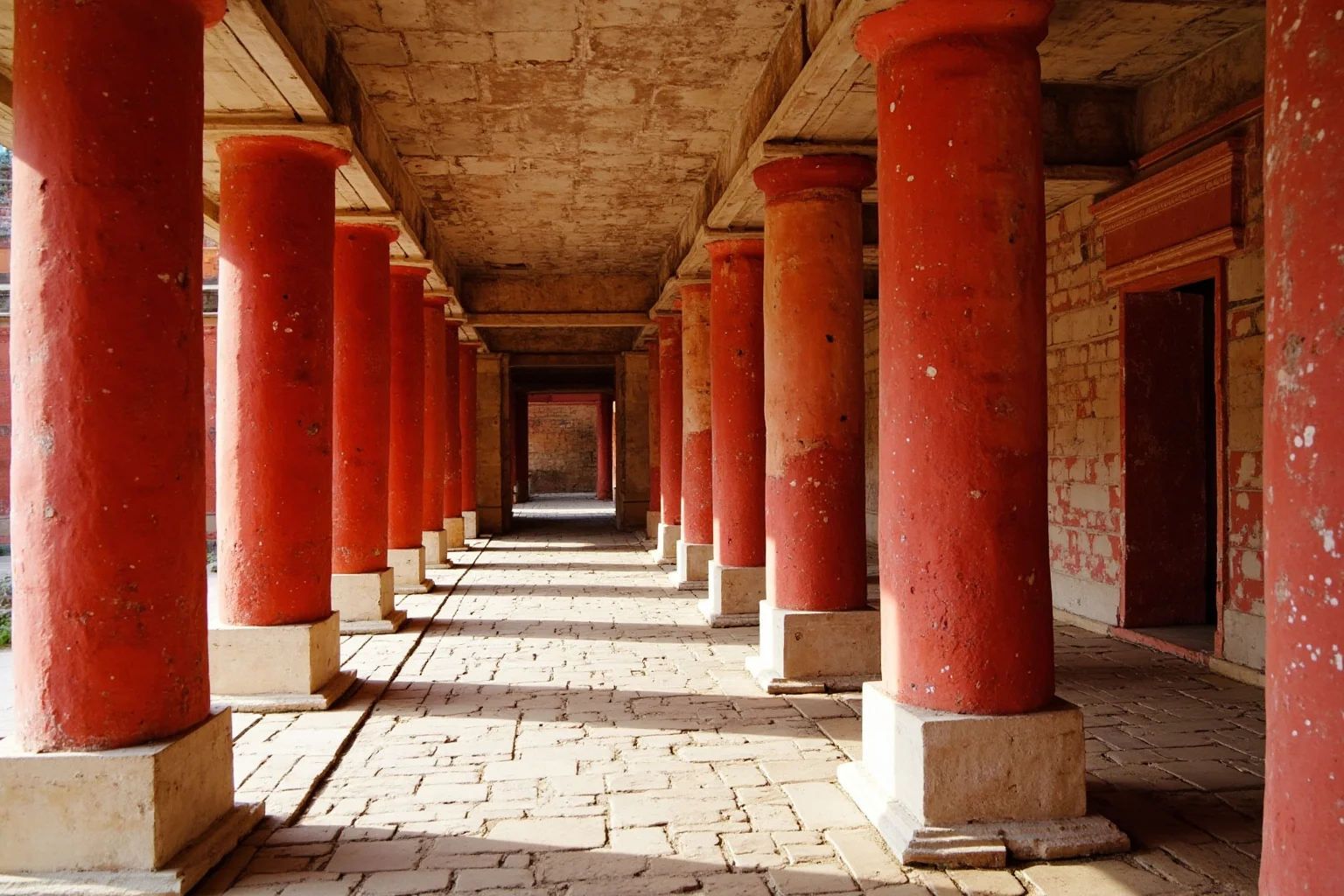
The legend of the labyrinth and the Minotaur sounds like pure fantasy, but the palace at Knossos on Crete was very real. Arthur Evans excavated a sprawling Minoan complex with storerooms, staircases, and a maze-like layout that could feel like a labyrinth. The Greek word “labyrinth” may be linked to the double-axe symbol, or labrys, found throughout Minoan Crete.
Bull imagery is everywhere in Minoan art and religion, which helps explain the monster element. What archaeologists have not found is any trace of an actual half-man, half-bull creature.
7. Helike, the City Swallowed by the Sea, Was Real
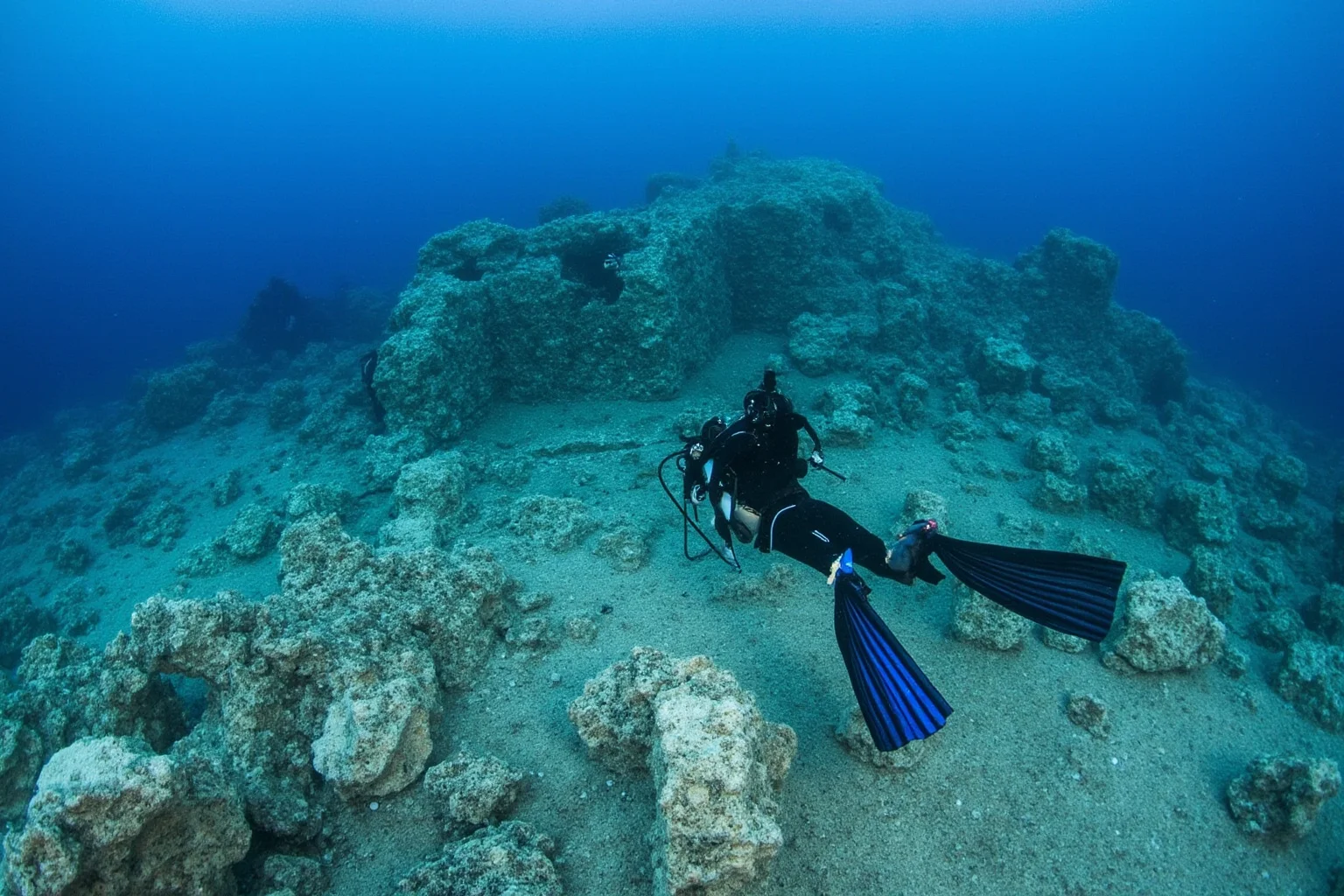
Greek writers described Helike being destroyed overnight in 373 BCE by an earthquake and a wave. For centuries the story looked like a moral fable about divine punishment, until archaeologists located submerged ruins in the Gulf of Corinth in 2001.
The remains confirmed that a real city had been buried and drowned by geological disaster. Some researchers call Helike a real-life inspiration for Atlantis, though that link remains speculative.
8. Viking Sagas Were Based on a Real New World Settlement

Viking sagas claimed Norse sailors reached a land called Vinland west of Greenland, but the stories were long dismissed as exaggeration. In 1960, archaeologists found a Norse settlement at L’Anse aux Meadows in Newfoundland, with turf houses and iron nails. Radiocarbon dating places the site around 1000 CE, making it the first confirmed pre-Columbian European settlement in North America.
The sagas were not precise travel guides, but they preserved real knowledge of North America. This is one of the strongest examples of a myth that turned out to be true.
9. Petra Was More Than a Western Rumor
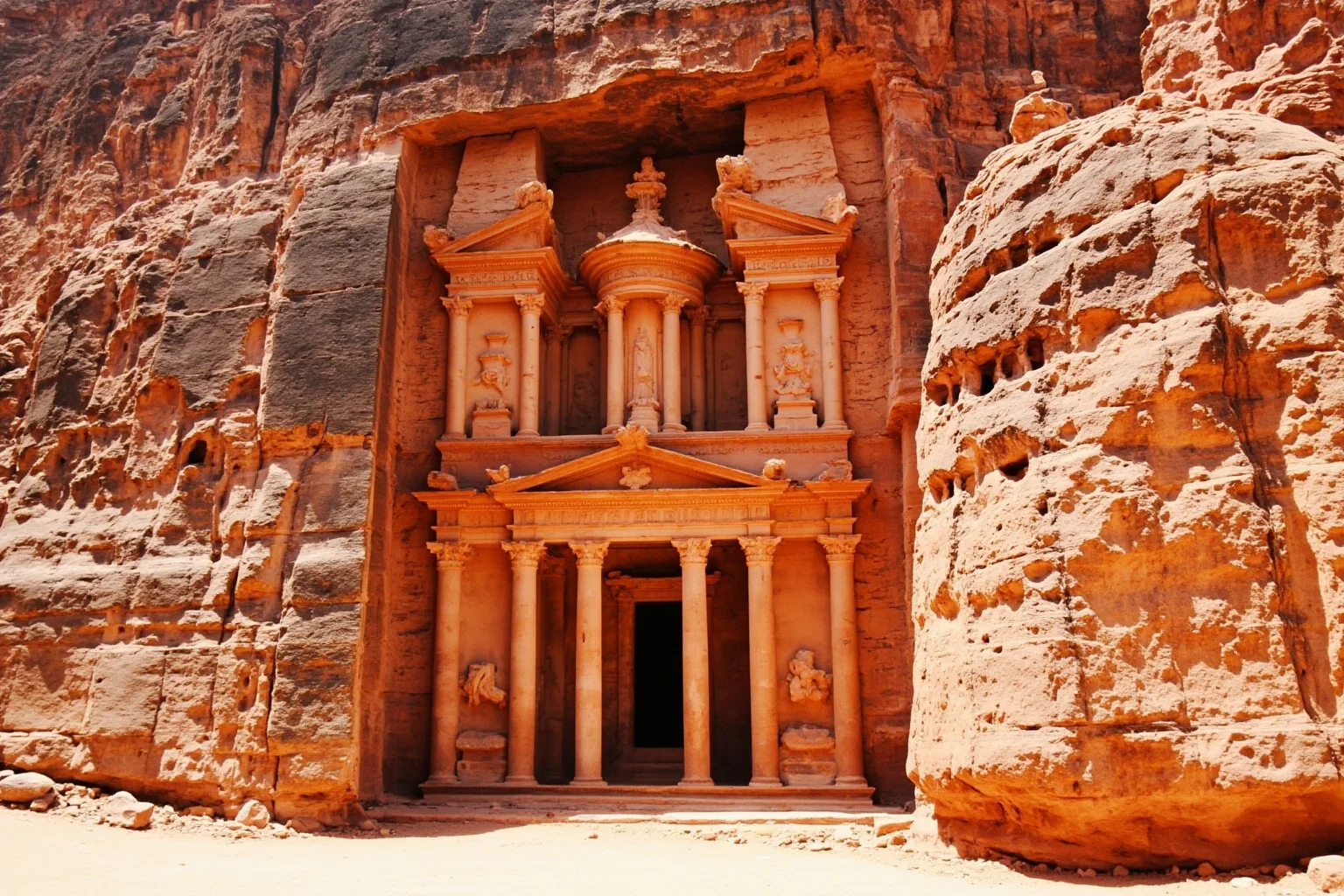
Westerners treated Petra as a lost city of legend until Johann Ludwig Burckhardt slipped into the hidden Jordanian valley in 1812. He found monumental tombs and temples carved directly into rose-red cliffs by the Nabataeans.
Petra was never lost to local Bedouin, but the myth of a rediscovered city made archaeology far more dramatic. The city’s engineering, especially its water system, is as impressive as the story.
10. Ubar, the “Atlantis of the Sands,” May Have Been Found
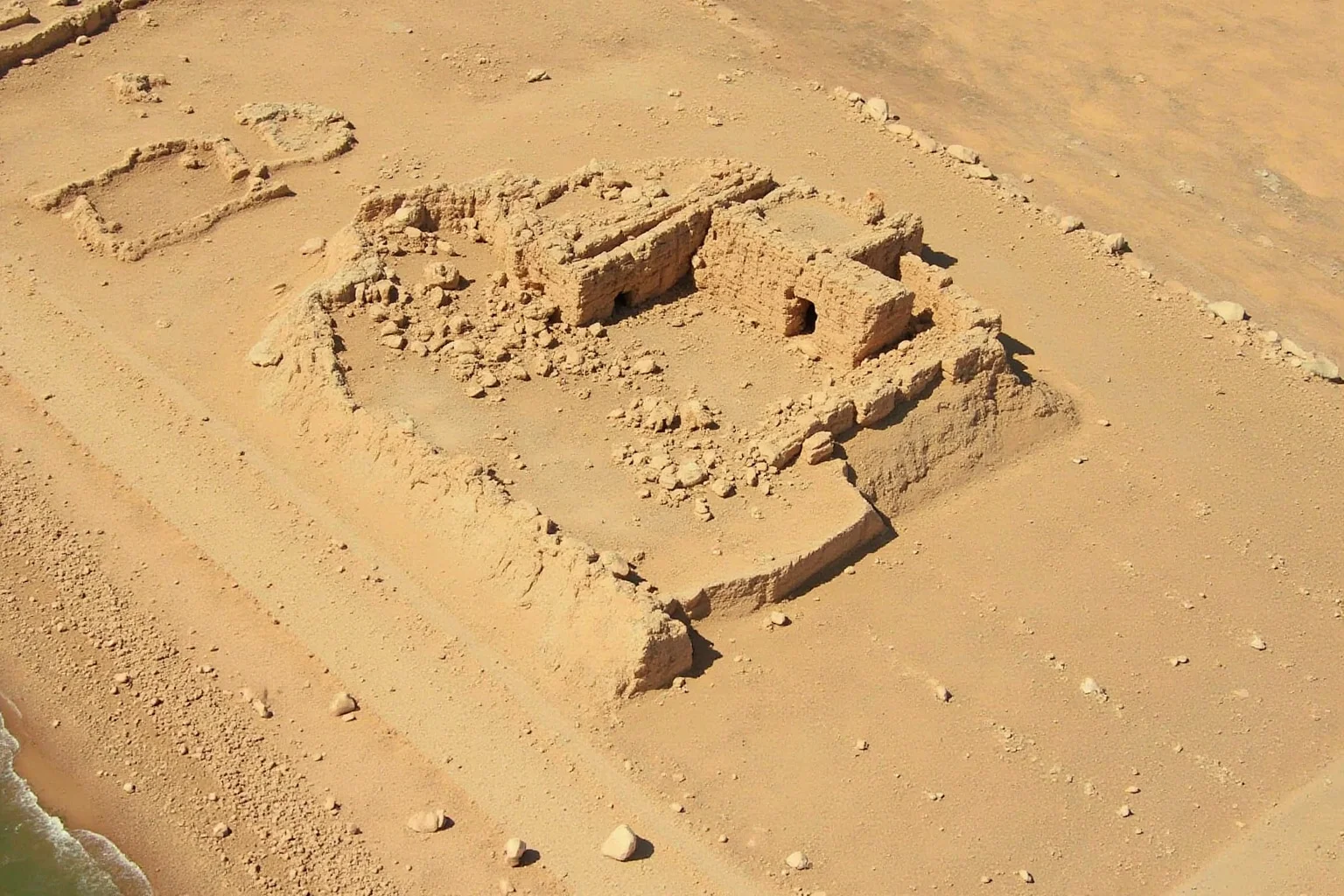
Arab tradition and the Quran describe Iram, a city destroyed by disaster. In the 1990s, researchers used satellite imagery to identify Shisr in Oman as a possible candidate for Ubar.
The site shows evidence of a fortress, trade activity, and a collapse linked to a sinkhole. This identification remains debated, so Ubar is best treated as a myth with real roots rather than a settled discovery.
11. The Kingdom of Sheba Was Real
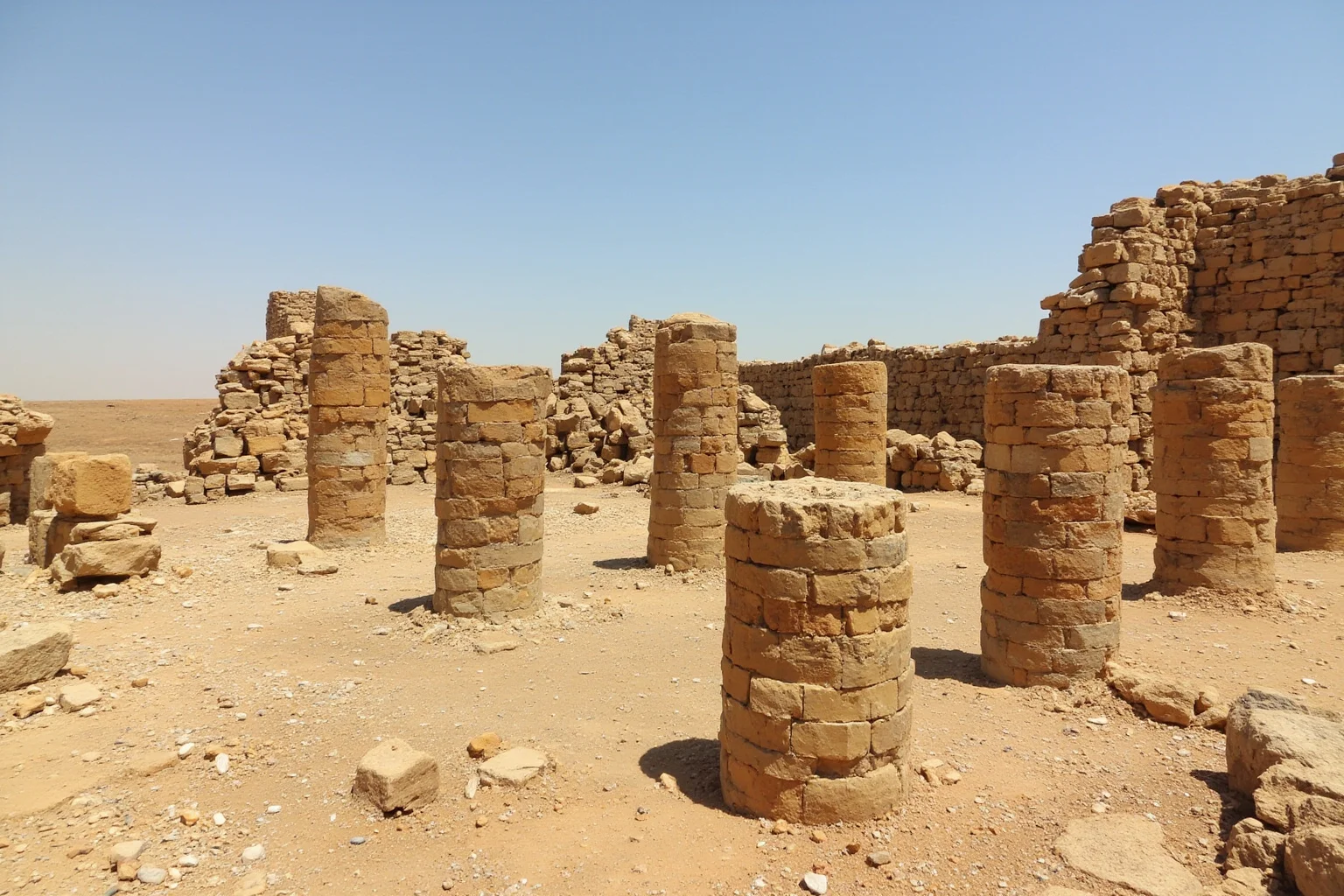
The Queen of Sheba’s visit to Solomon is a legendary set piece, but the kingdom she supposedly came from was not imaginary. Saba, centered in what is now Yemen, controlled the spice trade and built sophisticated dam systems.
Archaeologists have found inscriptions, temples, and agricultural works that match many traditions about the kingdom. The queen herself remains elusive, but her wealthy civilization was real.
War, Rulers, and Battlefield Legends
12. Amazon-Like Warrior Women Existed Among the Scythians
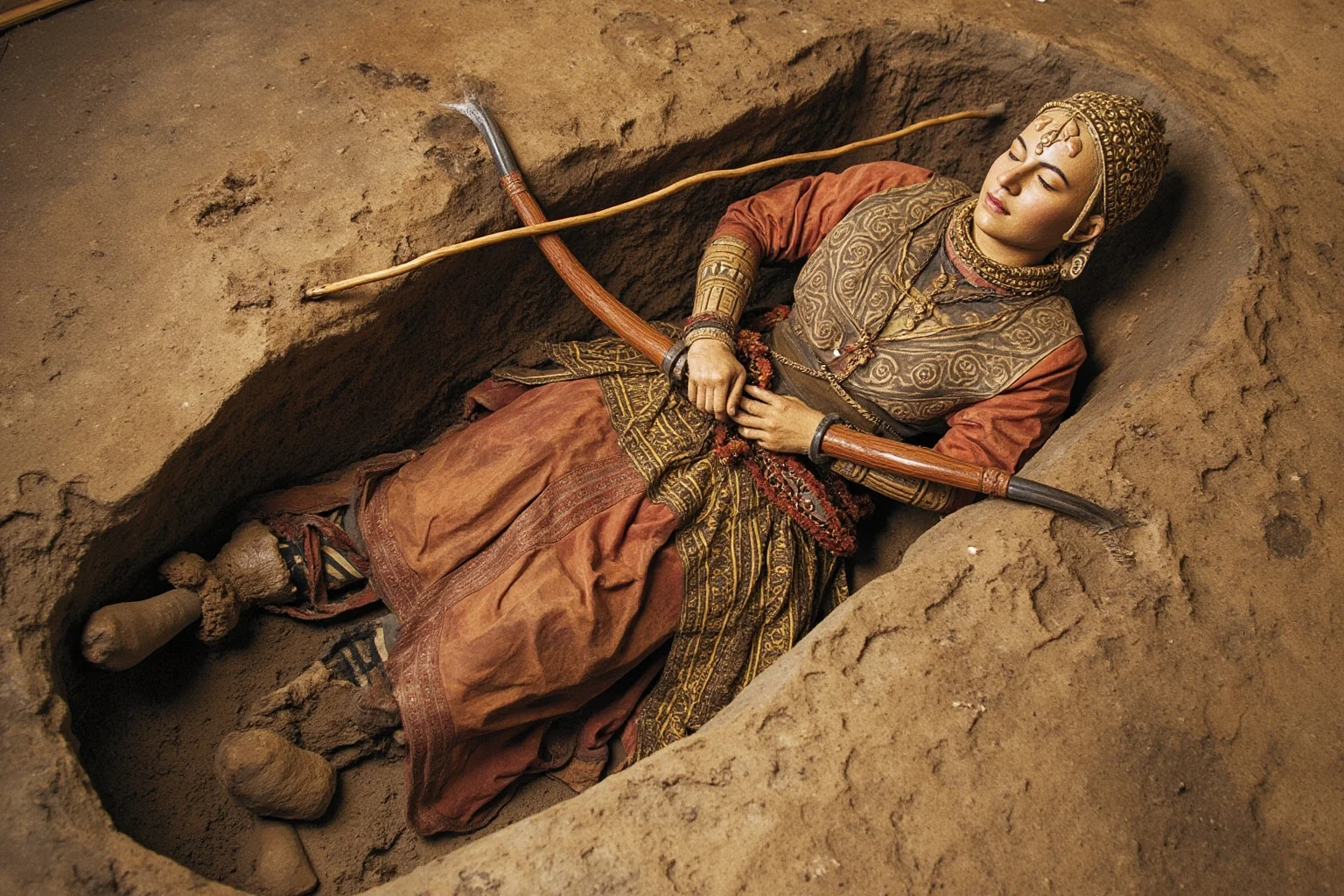
Greek tales of Amazons were long read as fantasy, but burials across the Eurasian steppe have revealed women buried with weapons, armor, and battle injuries. Scythian and other nomadic cultures allowed women to ride and fight, which likely inspired the Amazon stories.
The myth was not literally true in every detail, but its cultural seed was genuine. Recent bioarchaeology has identified female warriors in graves once assumed to be male.
13. The Last Stand at Thermopylae Has a Real Core
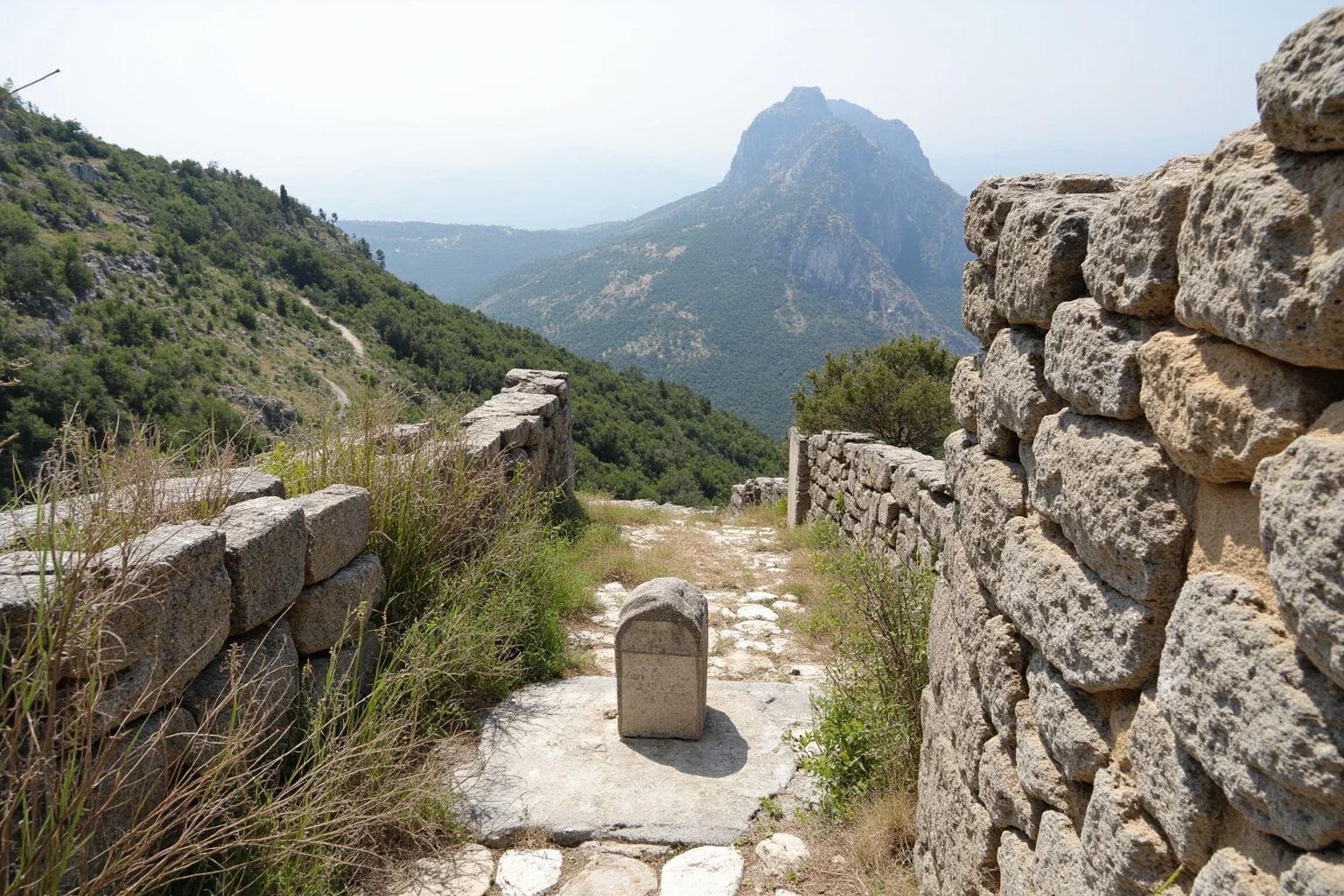
The Spartan legend of 300 men facing a vast Persian army is exaggerated but not baseless. Ancient sources actually describe several thousand Greek allies fighting alongside the Spartans before the final rearguard action.
The narrow pass, the betrayal by a local guide, and the annihilation of the last defenders are accepted historical events. The story’s moral gloss is mythology, but the battle happened.
14. The Persian Immortals Were More Than Herodotus’s Invention
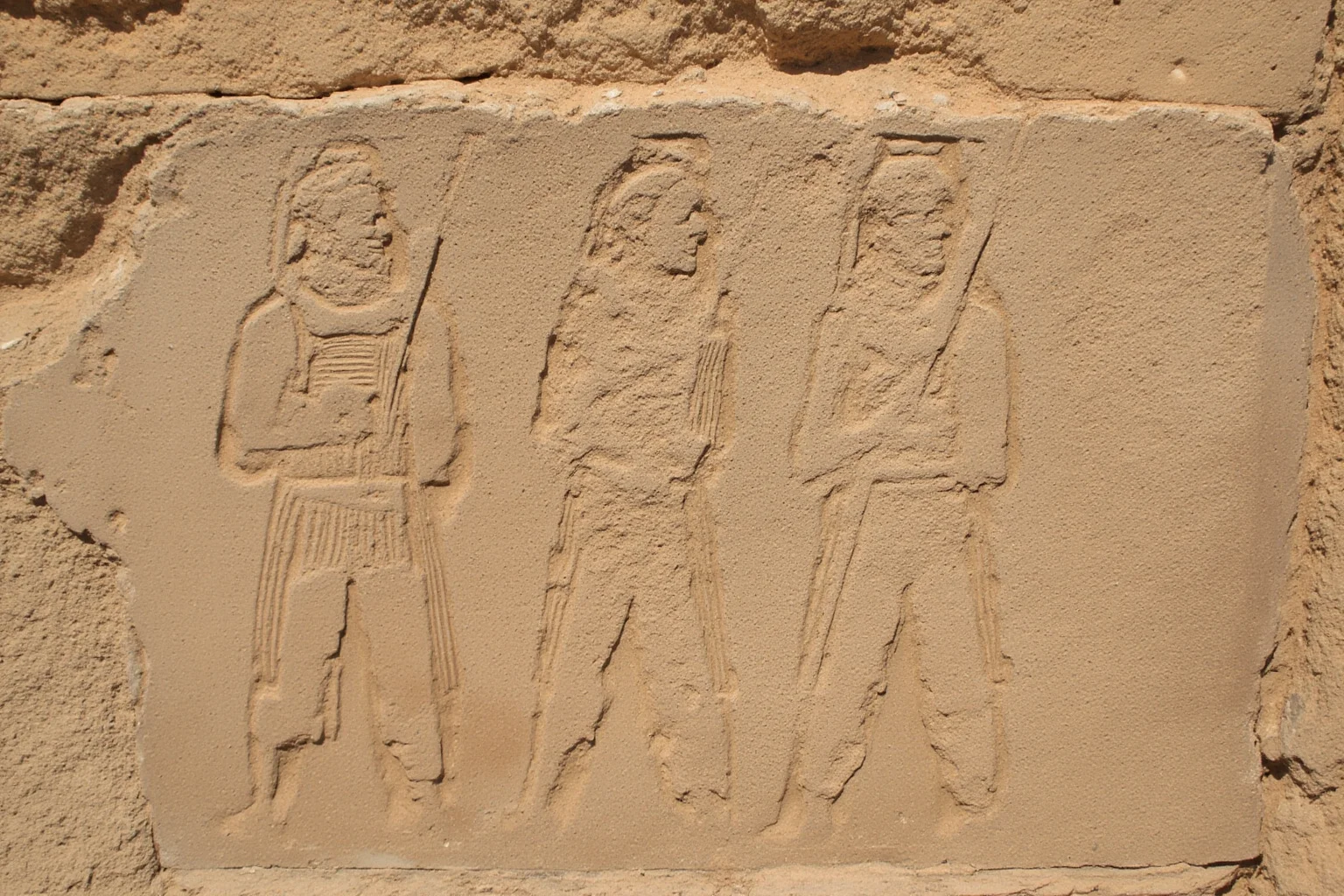
Herodotus described an elite Persian unit of 10,000 soldiers whose numbers never dropped because replacements filled every casualty. Later readers doubted the polished account, but Persian reliefs and administrative records confirm an elite royal guard.
The name “Immortals” may be a Greek rendering of a Persian term, though the exact unit structure is hard to verify. The core idea of a permanent elite corps was real.
15. The Terracotta Army Guarded a Real Emperor Underground

The first Chinese emperor Qin Shi Huang was said to have been buried with a clay army, but no one could confirm the scale until farmers dug into the site in 1974. Excavations have since revealed thousands of life-sized soldiers, horses, and chariots arranged in battle formation.
Sima Qian’s ancient account turned out to be astonishingly accurate in its description of the tomb complex. The figures also preserve real details of uniform, hairstyle, and equipment.
16. Richard III’s Remains Were Not Lost Forever
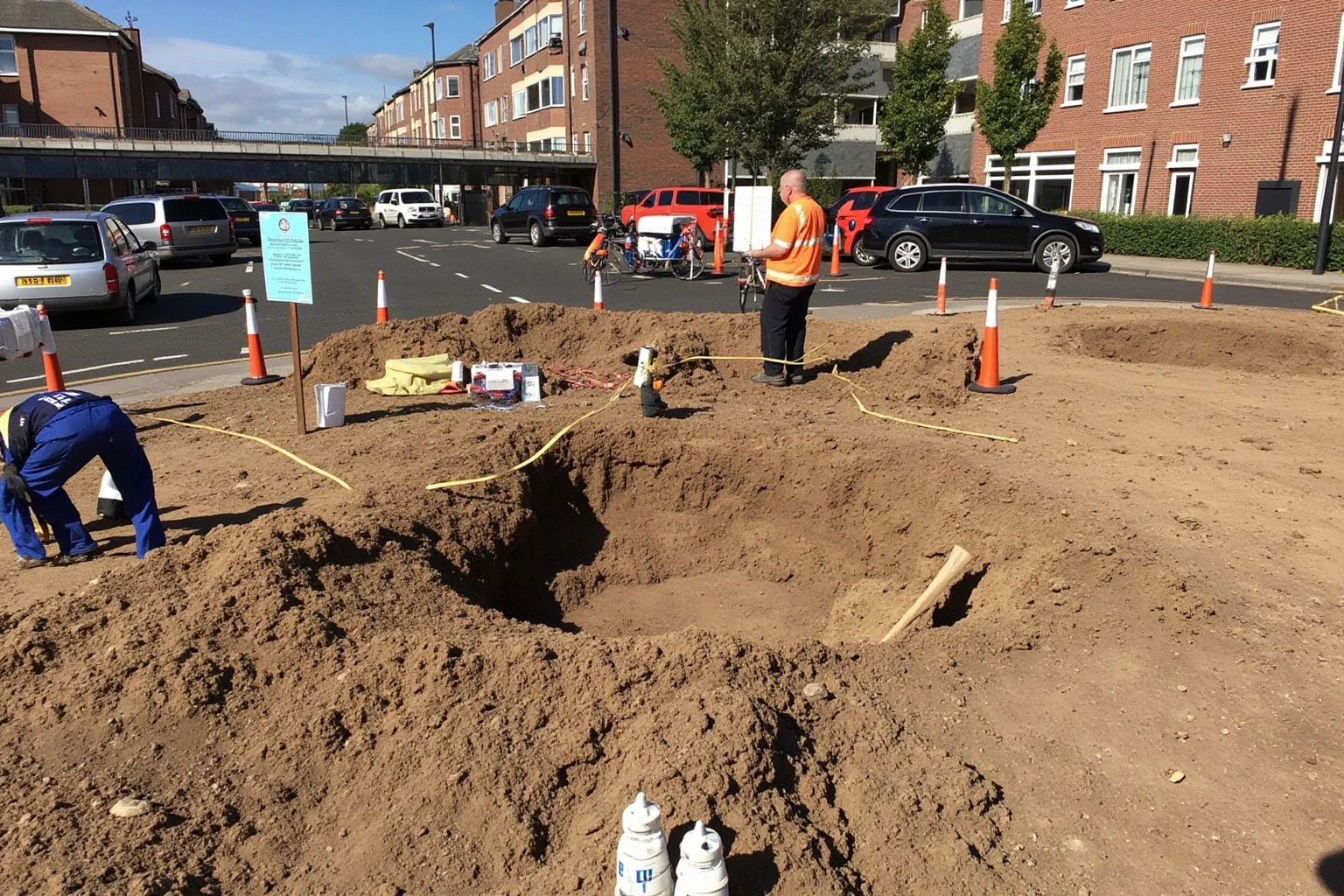
After Richard III died at Bosworth in 1485, chronicles claimed his body was buried in Greyfriars church in Leicester. Over time the church vanished, and the story became a local curiosity.
In 2012, archaeologists found a skeleton under a parking lot with spinal curvature and battle wounds, matching the king’s recorded death. DNA evidence later confirmed the remains, turning a muddled tradition into hard history.
17. Caligula’s Giant Pleasure Ships Were Real
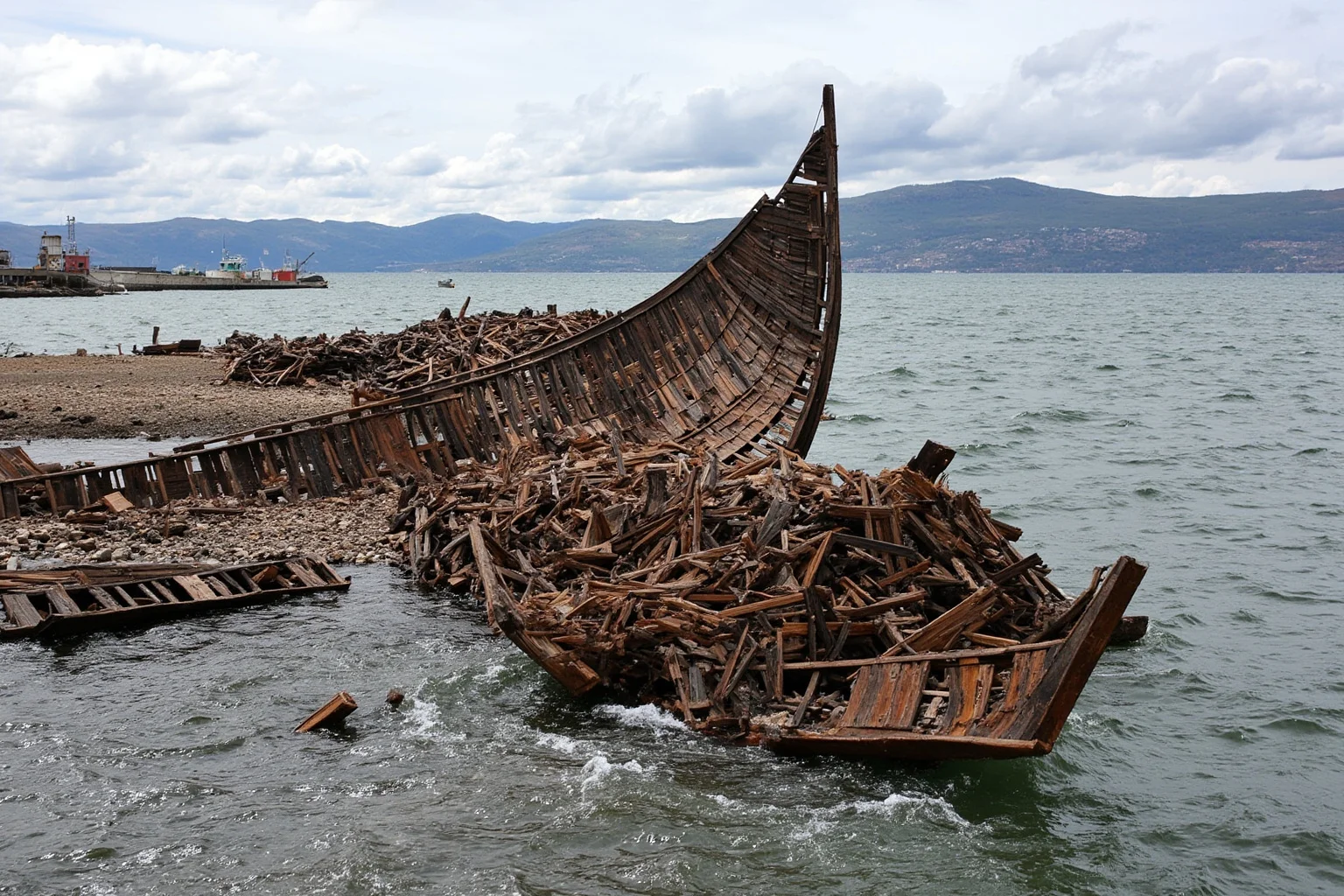
Ancient writers described enormous pleasure ships built by the emperor Caligula on Lake Nemi, but the accounts sounded too lavish to believe. In the 1920s and 1930s, engineers recovered two enormous wooden vessel remains from the lake, complete with luxury fittings and plumbing.
The ships matched the ancient descriptions closely enough to prove a seemingly exaggerated story was true. Unfortunately, the recovered hulls were destroyed by fire during World War II.
18. Nero Really Had a Rotating Dining Room
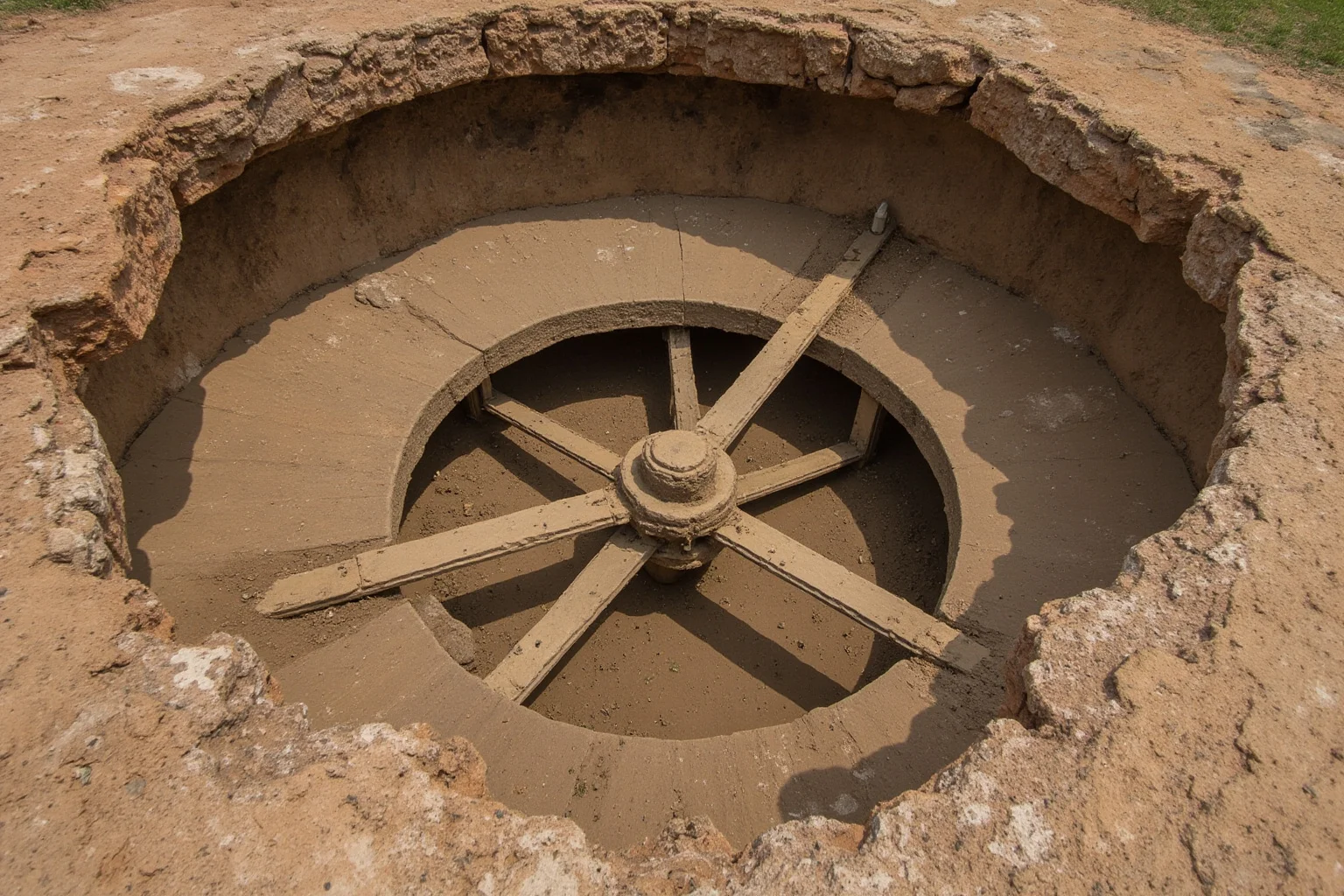
Suetonius described a banquet hall in Nero’s Golden House that revolved while perfume and petals drifted from above. Modern researchers found a circular room on the Palatine Hill with rotating floor mechanisms and water features.
The dining room story, once classified as imperial gossip, now has engineering evidence behind it. It is a reminder that ancient writers could describe technological marvels without fully understanding them.
19. The Franklin Expedition Cannibalism Reports Were True
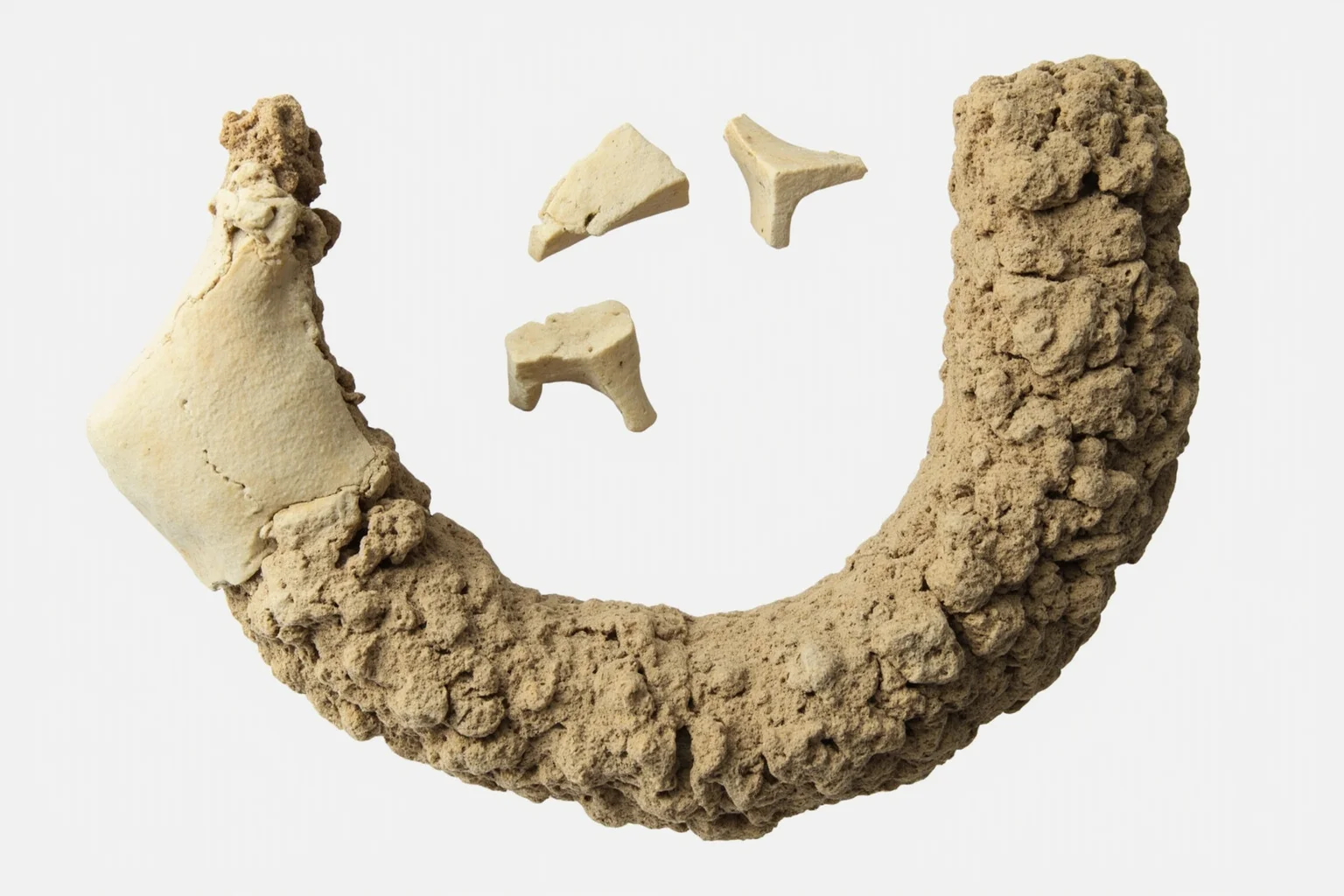
Local Inuit testimony said members of the lost 1845 Franklin expedition resorted to cannibalism, but Victorian Britain dismissed that as slander. Forensic studies of recovered bones later found cut marks consistent with human butchery.
The grim reports were vindicated, and archaeologists now treat oral history as a vital source for the disaster. This case shows how bias can delay the acceptance of uncomfortable truths.
20. Hannibal Really Did Cross the Alps With Elephants

Hannibal’s army crossing the Alps with dozens of war elephants reads like a cartoon, but ancient sources are consistent on the basic fact. Later scholars have debated the exact route, not whether elephants made the crossing.
Some of the animals survived the march, though many died from cold, hunger, and falls. The logistical feat was real even if the exact path remains uncertain.
Treasure, Monsters, and Misunderstood Cultures
21. El Dorado Was Grounded in a Golden Ritual

The myth of a city of gold sent conquistadors searching for nonsense, but its origin was a real Muisca ceremony at Lake Guatavita. A new ruler was covered in gold dust and taken on a raft loaded with gold offerings.
Spanish chroniclers recorded the ritual, and archaeological finds have recovered gold artifacts from the lake. The story of El Dorado mutated from a ritual into a phantom city.
22. Great Zimbabwe Was Built by Africans
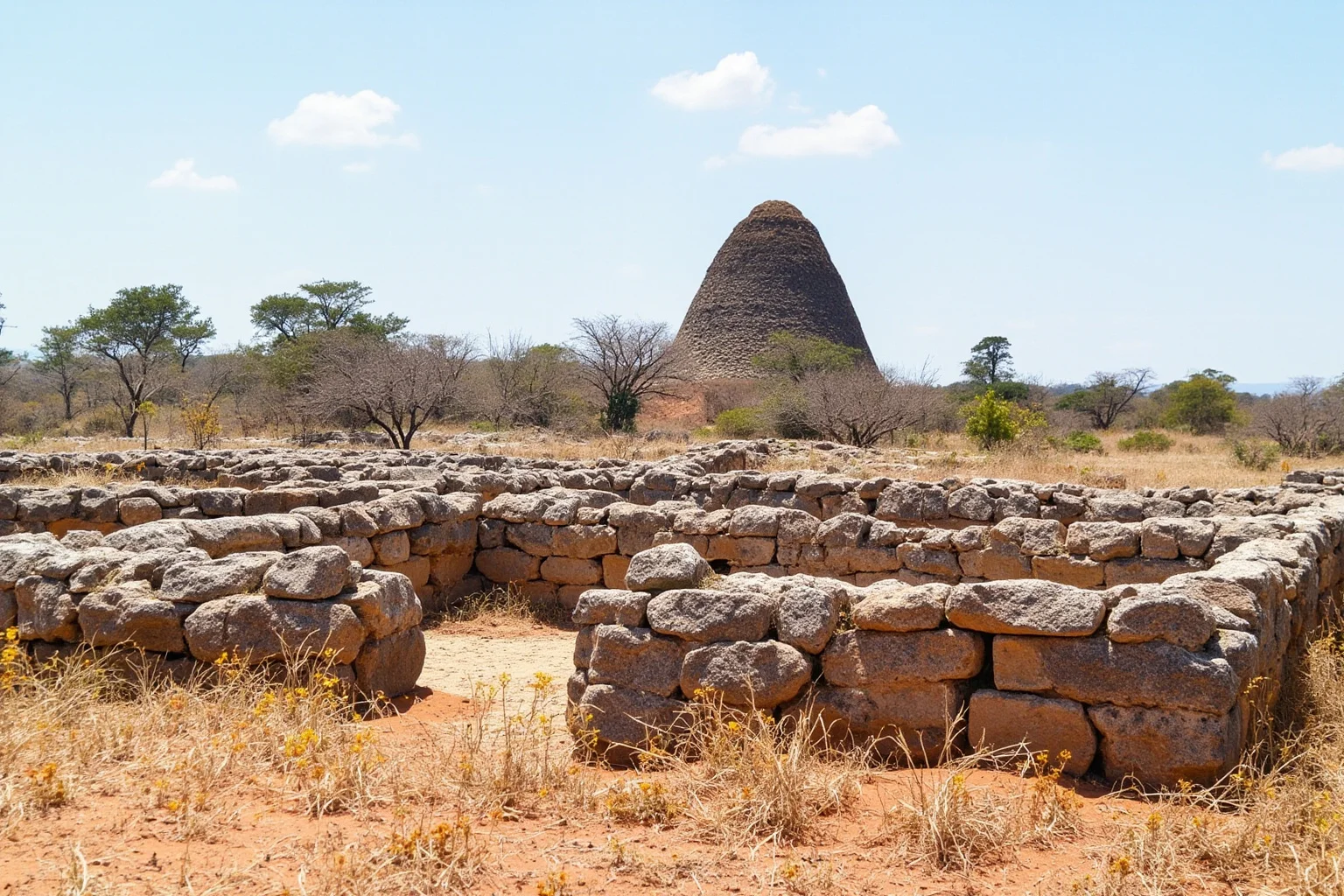
European colonizers refused to believe that local people built the massive stone city of Great Zimbabwe, inventing myths about lost white builders. Archaeological evidence has confirmed the city was built by the ancestors of the Shona people beginning around the 11th century.
It was a center of trade, politics, and cattle wealth with extensive stone walls. The real myth here was colonial racism, not African history.
23. The Kraken Had a Real Animal Behind It

Sailors’ tales of a ship-destroying kraken were long considered fantasy. Marine biology later confirmed the existence of giant squid, which can grow to impressive lengths and have been filmed in deep water.
The legendary monster is exaggerated, but the underlying creature is real. It is one of the clearest cases of a real animal inspiring a maritime myth.
24. The Roc May Have Been a Giant Bird
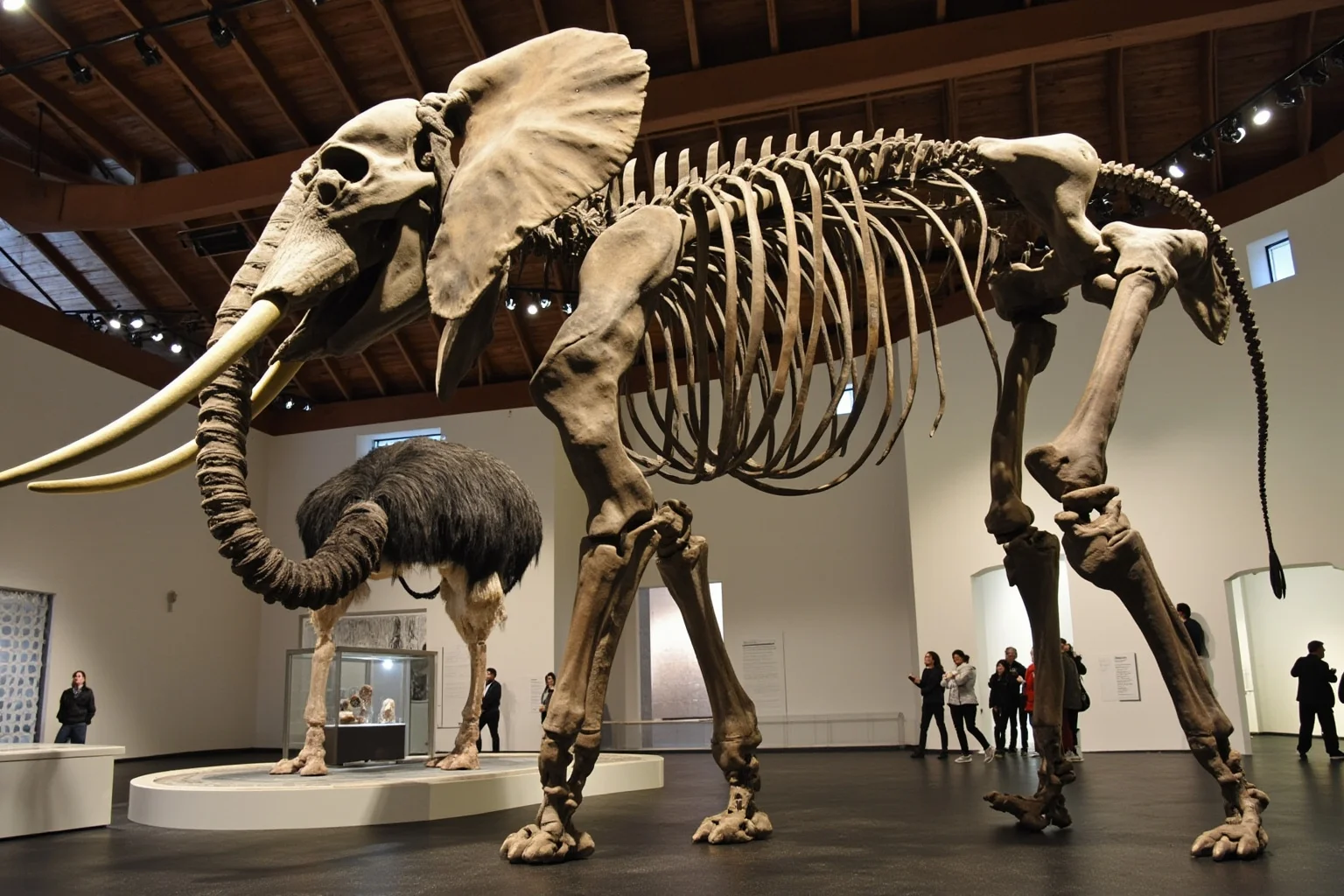
The roc from Arabian legends seemed impossible until people rediscovered the elephant bird of Madagascar. This flightless bird stood around three meters tall and laid enormous eggs.
It went extinct roughly a thousand years ago, and its remains likely helped seed stories of gigantic birds. Travelers and traders may have carried fragments of those giant eggs far beyond Madagascar.
Why the Line Between Myth and History Keeps Moving
These examples do not mean every old story is true. For every Troy or Vinland, there are dozens of legends that stay legends.
Still, the pattern matters: oral tradition, ancient chronicles, and folklore often preserve compressed memories of real places and events. Archaeologists now treat many stories as leads rather than lies. That is what makes exploring historical myths that turned out to be true so rewarding—not the fantasy, but the trace of reality underneath.
If you ask what are examples of myths that deserve a second look, this list is only a starting point. Museums and digs keep turning up surprises, and yesterday’s tall tale can become tomorrow’s history.
Frequently Asked Questions
What are some myths that are true?
Several stories once dismissed as legend have real historical foundations. Troy and the Hittite Empire were shown to be real through archaeology, Vikings reached North America at L’Anse aux Meadows, and Scythian warrior women likely inspired Amazon tales. In most cases the core events were true even when later details were exaggerated.
Which historical myths that turned out to be true involve lost cities?
Troy, Nineveh, Ur, Petra, Knossos, and Helike are among the best-known examples. Each was either treated as fictional or lost until excavation and survey work connected written stories to physical remains.
Was this true that Vikings reached America before Columbus?
Yes. The Norse site at L’Anse aux Meadows in Newfoundland, dated to around 1000 CE, matches the Vinland sagas and confirms pre-Columbian European contact with North America.
What are examples of myths about legendary creatures that were based on real animals?
The kraken was likely inspired by giant squid, and the roc may have been linked to Madagascar’s extinct elephant bird. The historical core is real, though the stories greatly exaggerated the danger and size.

Alex Warren
Related Articles