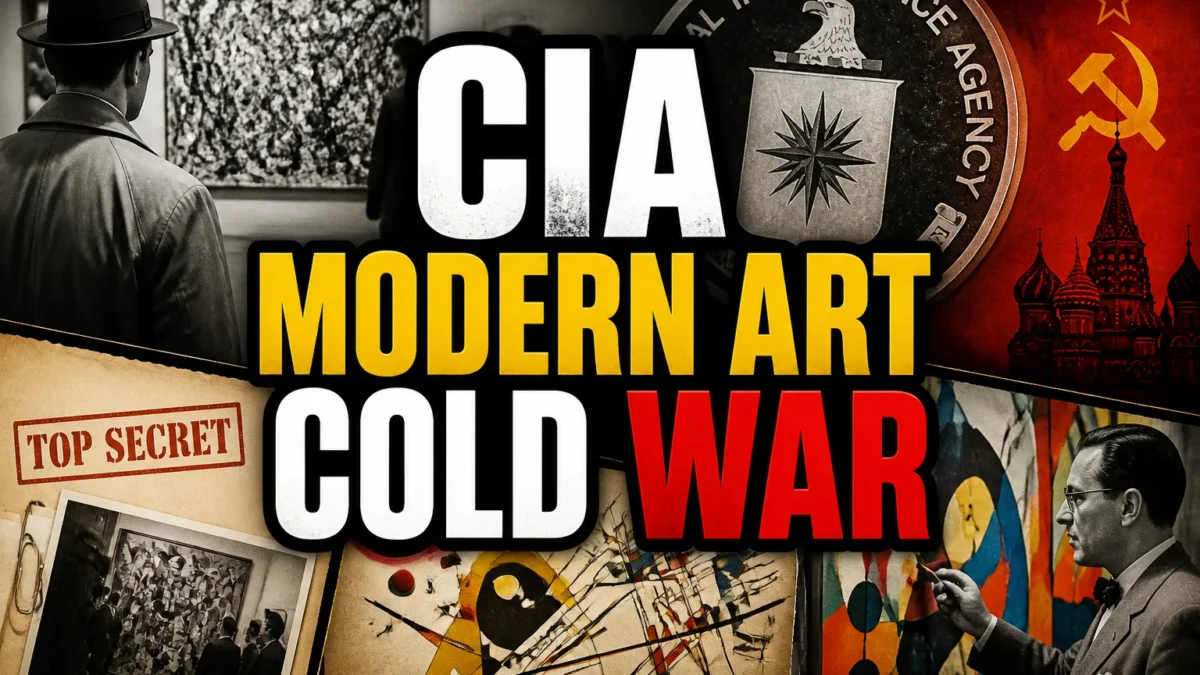
During the Cold War, the United States and the Soviet Union fought a shadow war of ideas. That war reached far beyond missiles and summits, into galleries, museums, and artists' studios. One of its strangest chapters involves a modern art movement that received quiet help from an unlikely patron: the CIA.
The phrase cold war art usually evokes a simple contrast between Soviet censorship and American freedom. The real story is more complicated, because parts of the American art world were secretly financed and promoted with government money. This article separates the documented history of the CIA and modern art from decades of rumor and myth.
TL;DR: The CIA secretly promoted American modern art, especially Abstract Expressionism, during the Cold War as a cultural counterweight to Soviet Socialist Realism.
Art in the Cold War: A Battle of Symbols
Cultural prestige mattered as much as military strength in the Cold War. Western Europe was still recovering from World War II, and communist parties attracted many intellectuals who distrusted capitalism. American planners believed that winning over artists, writers, and thinkers could shift entire societies toward the West.
Soviet ideology demanded that art serve the state, the worker, and the communist future. American officials wanted to present the United States as a place where the artist could be free. Art in the cold war therefore became a strategic asset, not just a matter of taste.
Modern painting seemed ready-made for that role. Bold, nonrepresentational work could suggest open inquiry and individual genius. It was the visual opposite of the disciplined, mass-themed imagery encouraged in Moscow.
The Secret Machinery of CIA Modern Art
The covert program did not operate like a normal arts grant. It used shadowy networks, private foundations, and respected cultural institutions to keep the government's hand hidden. The five points below explain how the machinery worked.
1. The CIA Worked Through Cutouts, Not Direct Checks
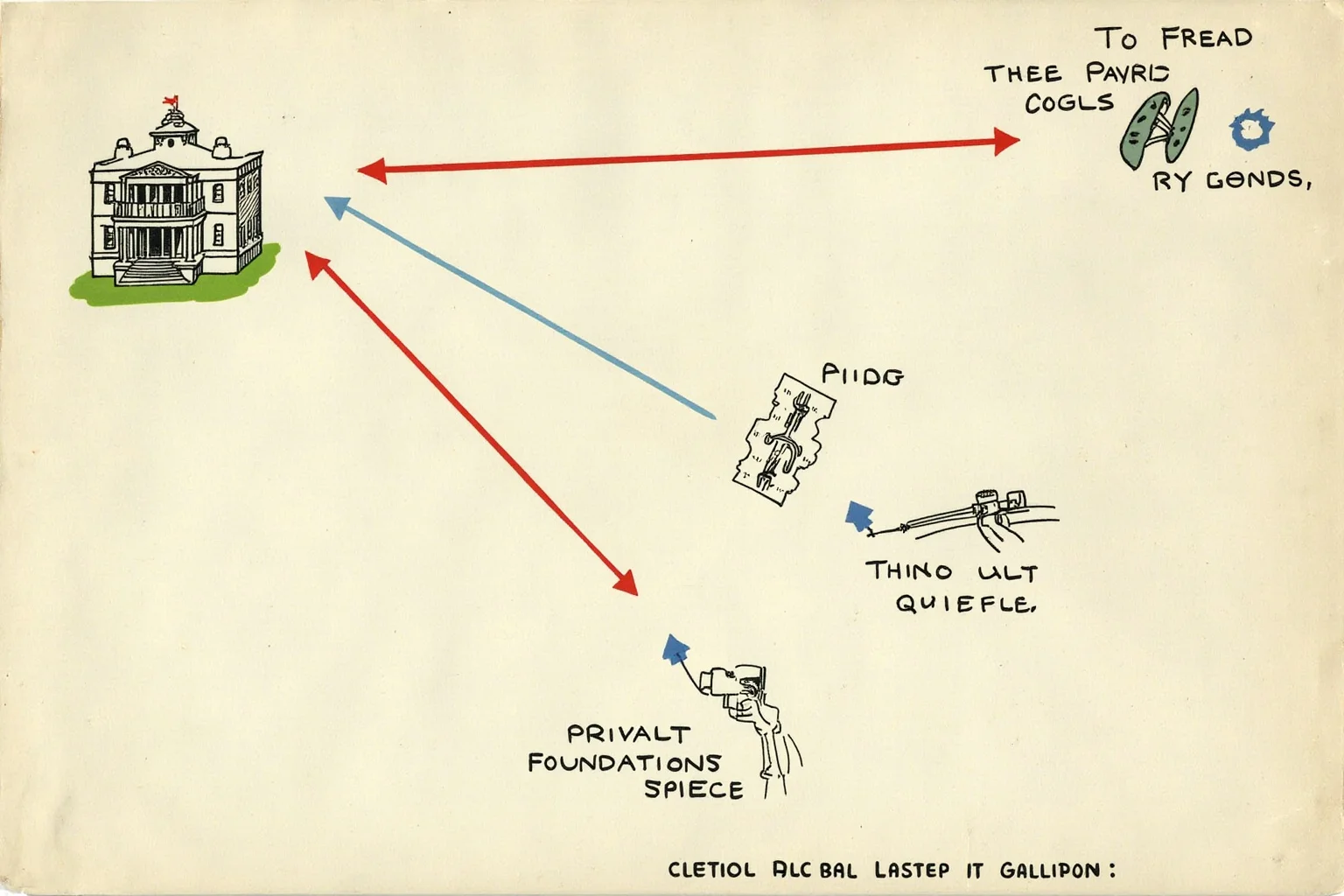
The agency rarely wrote checks to painters or galleries. Instead, it moved funds through private organizations that looked independent. This technique, known in intelligence as a cutout, hid the source of support.
Declassified records show that the CIA used this method across many cultural fields. Modern art was only one target among literature, music, and intellectual conferences. The goal was influence without obvious fingerprints.
If anyone questioned the money, it could be traced to a foundation or a wealthy patron. That deniability protected both the agency and the artists. It also made the history of CIA modern art harder for the public to uncover.
The system also allowed the CIA to support controversial art without political blowback. A private patron could champion avant-garde painting without answering to Congress. That freedom was exactly what the agency needed.
2. The Congress for Cultural Freedom Was the Main Vehicle
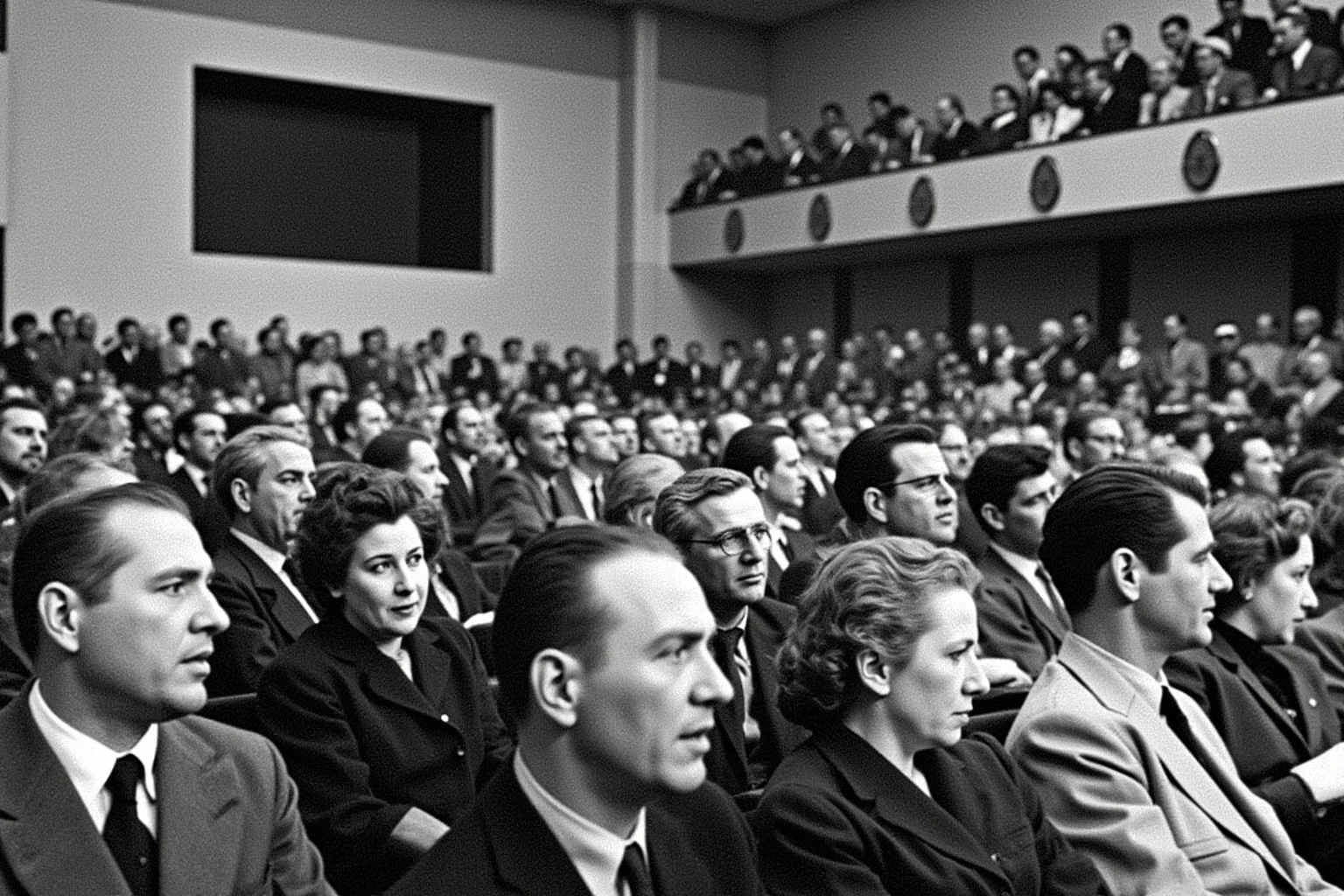
The Congress for Cultural Freedom, or CCF, became the central instrument of the campaign. It was founded in West Berlin in 1950 and gathered anti-communist intellectuals from dozens of countries. On paper, it was a private alliance of writers, artists, and thinkers.
Historians such as Frances Stonor Saunders have documented that the CCF received substantial CIA funds. The organization opened offices around the world and published magazines in several languages. Those publications reviewed and publicized American modern art.
The CCF gave the campaign an international network with a respectable intellectual face. It could organize exhibitions, fund travel, and host debates without appearing to serve Washington. That respectability was essential because the entire project depended on secrecy.
The CCF's publications reached influential readers across Europe and beyond. They reviewed shows and debated modernism in a way that felt organic. That organic feel was part of the covert strategy.
3. The Museum of Modern Art Played a Quiet Partner Role
The Museum of Modern Art in New York was already championing modern painting before the Cold War. Its international program later cooperated with American cultural diplomacy. Exhibitions of American art traveled to Europe and Latin America with help from state-connected networks.
Several MoMA trustees and staff moved in government and intelligence circles. The museum therefore became a natural partner for promoting art during the Cold War. It had the collections, the expertise, and the prestige that the campaign required.
The exact level of MoMA's knowledge about CIA money remains a subject of historical debate. What is clear is that the museum's international programs amplified the same artists the CIA wanted to promote. Public-private cooperation made the operation effective.
The museum's expertise made the exhibitions credible. Curators could select strong work and explain it to foreign audiences. Covert money simply helped those shows travel farther.
4. Private Foundations Laundered the Money
The CIA could not openly fund a Paris exhibition of Jackson Pollock. So it used philanthropic foundations as conduits. The Farfield Foundation and similar groups received CIA money and distributed it as ordinary cultural grants.
This arrangement turned covert funds into respectable art patronage. A grant from a private foundation carried no obvious government taint. Artists and curators could accept support without being accused of working for Washington.
The foundation system also allowed the CIA to support projects abroad without diplomatic friction. Money could flow into magazines, galleries, and travel grants while the source stayed hidden. It was an elegant solution to a political problem.
Not all foundation staff knew where the money originated. Many believed they were funding culture on behalf of private donors. That ignorance helped maintain the cover.
5. Thomas Braden Later Confirmed the Program
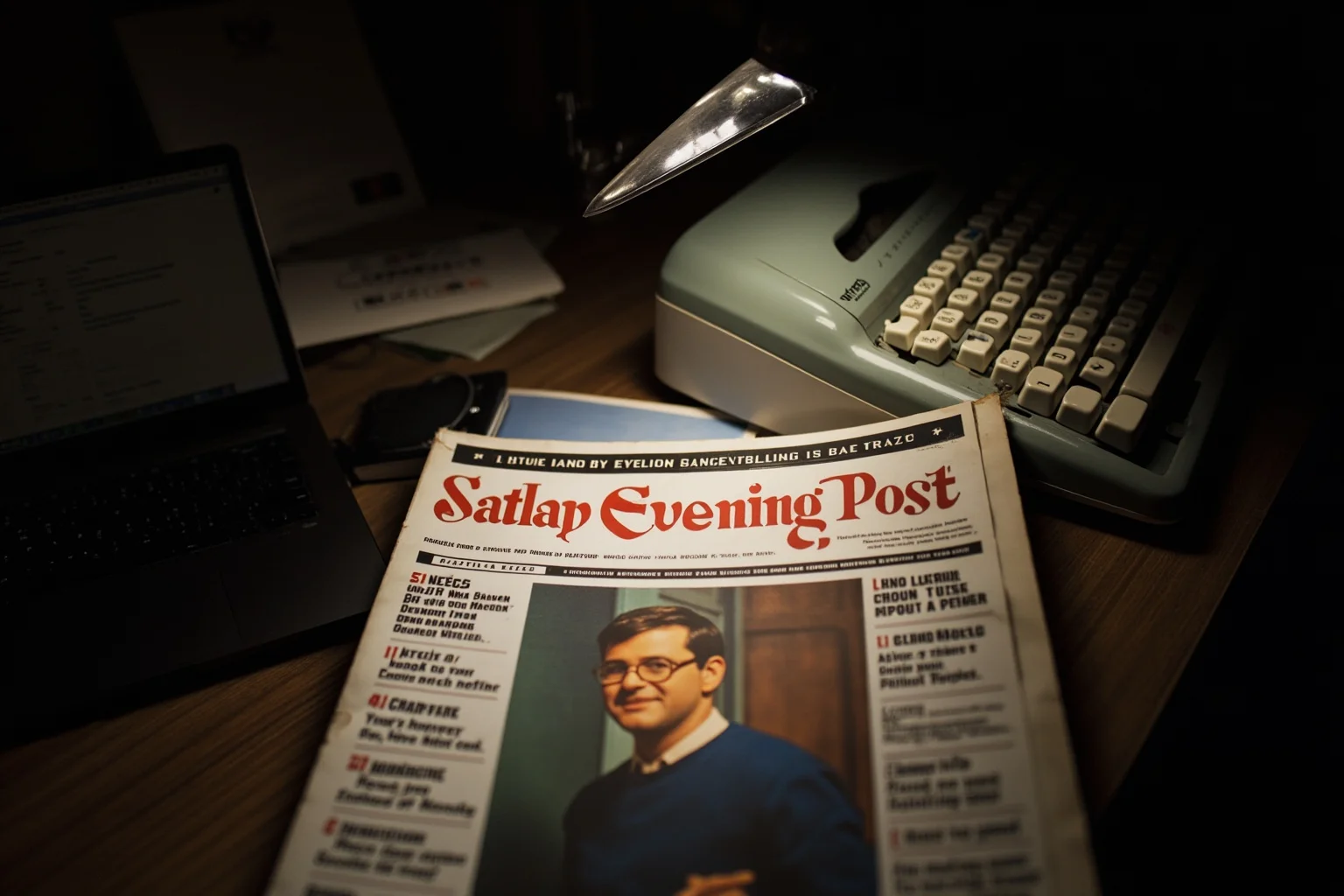
Former CIA officer Thomas W. Braden broke the silence in 1967. Writing in the Saturday Evening Post, he admitted that the agency had funded the Congress for Cultural Freedom and journals such as Encounter. His article openly defended the hidden use of American money.
Braden argued that the West needed secret funding to compete in a shadow war of ideas. He suggested that the agency had no choice but to act through private groups. The essay turned the question 'Did the CIA fund modern art?' into a public controversy.
Braden's account was blunt and self-justifying. Scholars later used it as a starting point for deeper archival research. It remains one of the clearest first-person confirmations of the cultural front.
Braden's article did not trigger immediate declassification, but it changed the conversation. From that point on, the line between private culture and state power was harder to ignore.
The Art and Artists Caught in the Crosshairs
The covert campaign needed a style that could carry the message. Abstract Expressionism supplied it. These five points explore the movement, its artists, and the myths that still surround them.
6. Abstract Expressionism Became the Signature Style
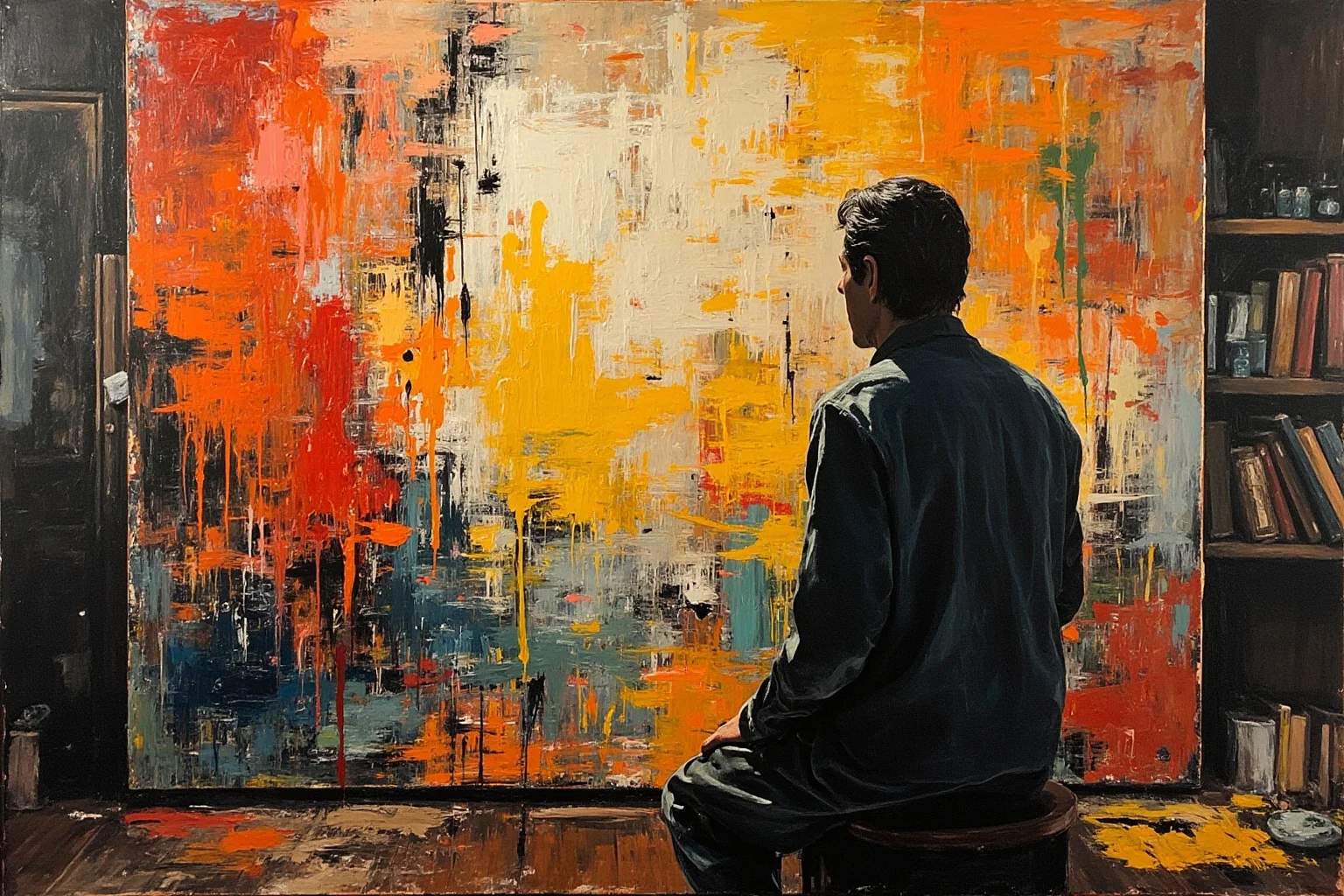
Abstract Expressionism emerged in New York during the 1940s, before it became a Cold War symbol. Painters such as Jackson Pollock, Mark Rothko, Willem de Kooning, and Barnett Newman created large, emotionally charged, nonrepresentational works. They wanted the act of painting itself to carry meaning.
That style suited the American message. It rejected state-approved formulas and celebrated individual freedom. The phrase CIA abstract expressionism now sounds strange, but the abstract expressionism CIA link is real.
The art was also difficult to imitate. It gave American culture a distinctive look that could not be dismissed as provincial. Promoters used that originality to argue that Western freedom produced stronger art than Soviet control.
The movement's global success gave the CIA a cultural victory. It suggested that American freedom could produce art that rivalled Europe. That claim mattered enormously in the ideological battle.
7. Did the CIA Buy Jackson Pollock Paintings?
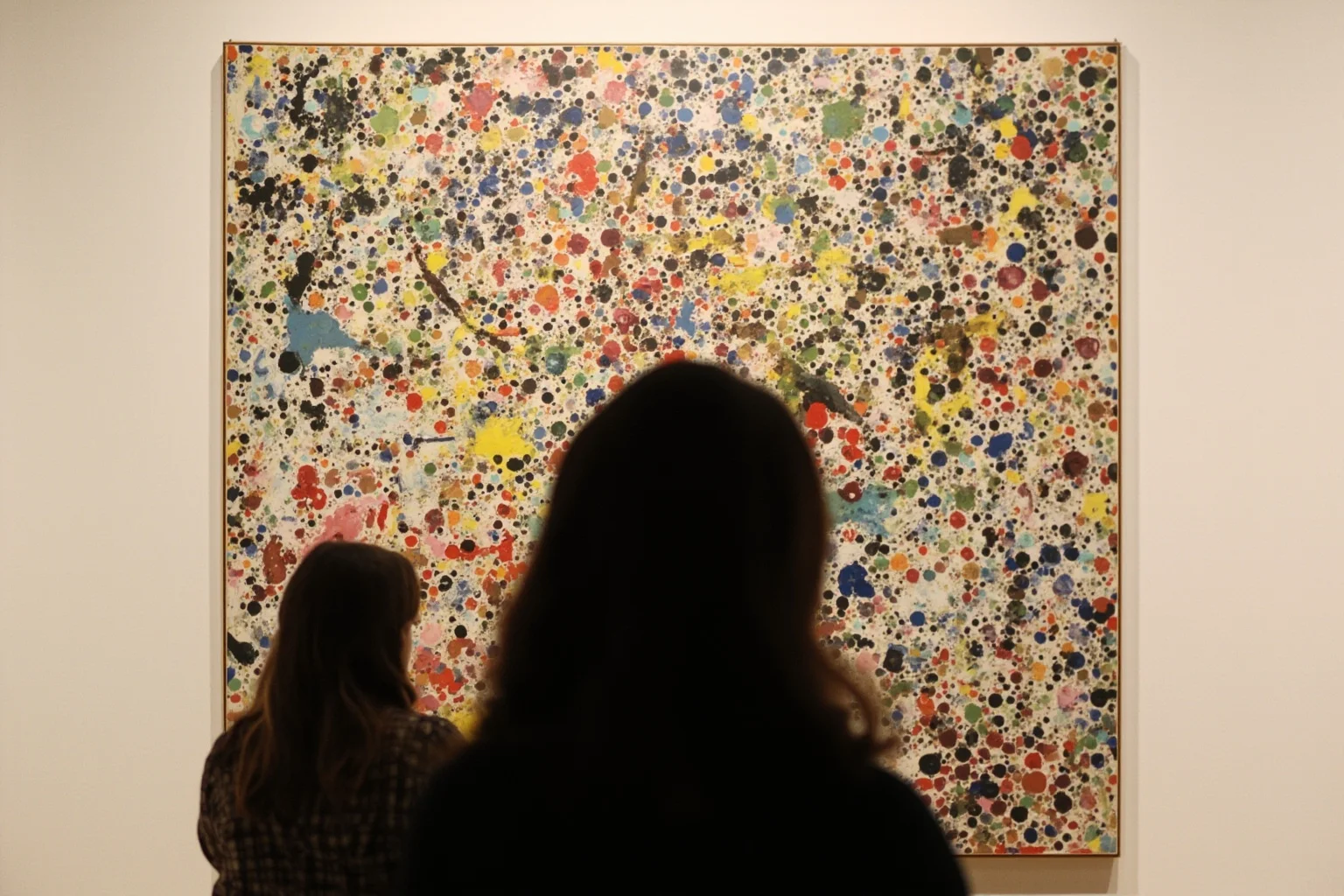
The question 'did the CIA buy Jackson Pollock paintings' is common, but the evidence points in a different direction. No available record shows the agency purchasing Pollock canvases directly or building a secret collection. Instead, the CIA funded institutions and events that exhibited and promoted his work.
This distinction matters because it shapes how we understand the operation. The CIA did not need to own a Pollock to benefit from his fame. Exhibitions, catalogs, and critical praise could spread the image of American modernism without a purchase order.
When people ask whether the CIA bought Pollock paintings, they are usually pointing at a real phenomenon. The agency's money helped create an international stage for Pollock and his peers. But the artist himself was not on a CIA payroll.
Some private collectors and institutions did buy Pollock works with no CIA involvement. The art market was growing independently. The CIA simply benefited from a trend that was already underway.
8. Most Artists Had No Idea They Were Being Used
The image of a government-trained 'CIA artist' is misleading. Many painters and sculptors knew nothing about hidden support. They worked with galleries, critics, and museums that may have received indirect funding.
Some Abstract Expressionists were anti-communist and might have welcomed a cultural battle. Others cared only about painting and refused political labels. The secrecy meant most artists never saw the strategic machinery behind their success.
This uncertainty made the program ethically complicated. Support came without the informed consent that ordinary cultural diplomacy would require. It also protected artists from being seen as official propagandists.
Some artists later expressed discomfort when the story emerged. Others dismissed the funding as irrelevant to the art itself. The range of reactions shows how murky the situation was.
9. Art Critics Helped Frame the Story
Critics such as Clement Greenberg turned American painting into a serious intellectual movement. Greenberg championed Pollock and argued that the most advanced art required formal experimentation. His essays gave the new style the language of freedom and progress.
Greenberg moved through some anti-communist cultural circles during the period. The degree of his personal involvement with CIA projects is not neatly documented, however. What matters for this history is that his criticism supplied the narrative the campaign needed.
The CIA did not have to invent the ideas. It simply supported an ecosystem in which those ideas could travel. Art criticism, gallery promotion, and museum exhibitions all reinforced the message that American abstraction was vital and free.
Formalist criticism encouraged viewers to look at the work itself. That focus removed the need for explicit political content. In a propaganda war, the absence of politics was itself political.
10. The State Department Tried Public Propaganda First
Before the covert program, the United States government attempted an open modern art tour. The State Department's 'Advancing American Art' project after World War II bought and exhibited contemporary works abroad. Congress attacked the collection as irregular, leftist, and a waste of taxpayer money.
Lawmakers forced the sale of many paintings. The public failure taught cultural policymakers a hard lesson about the political risks of modern art. That lesson pushed the campaign into the shadows.
The CIA approach avoided congressional hearings and newspaper scandals. By hiding the government's role, it protected the art from conservative critics at home. It also allowed the same cultural objective to continue under private cover.
By contrast, the CIA's covert program could support the same art without public debate. The art went abroad under private auspices. The result looked less like policy and more like culture.
Cold War Art Propaganda: Two Competing Visions
The American push for modern art only made sense against the Soviet alternative. Both sides used culture to claim the future. These five points compare the two approaches.
11. Soviet Socialist Realism Was the Official Opposite
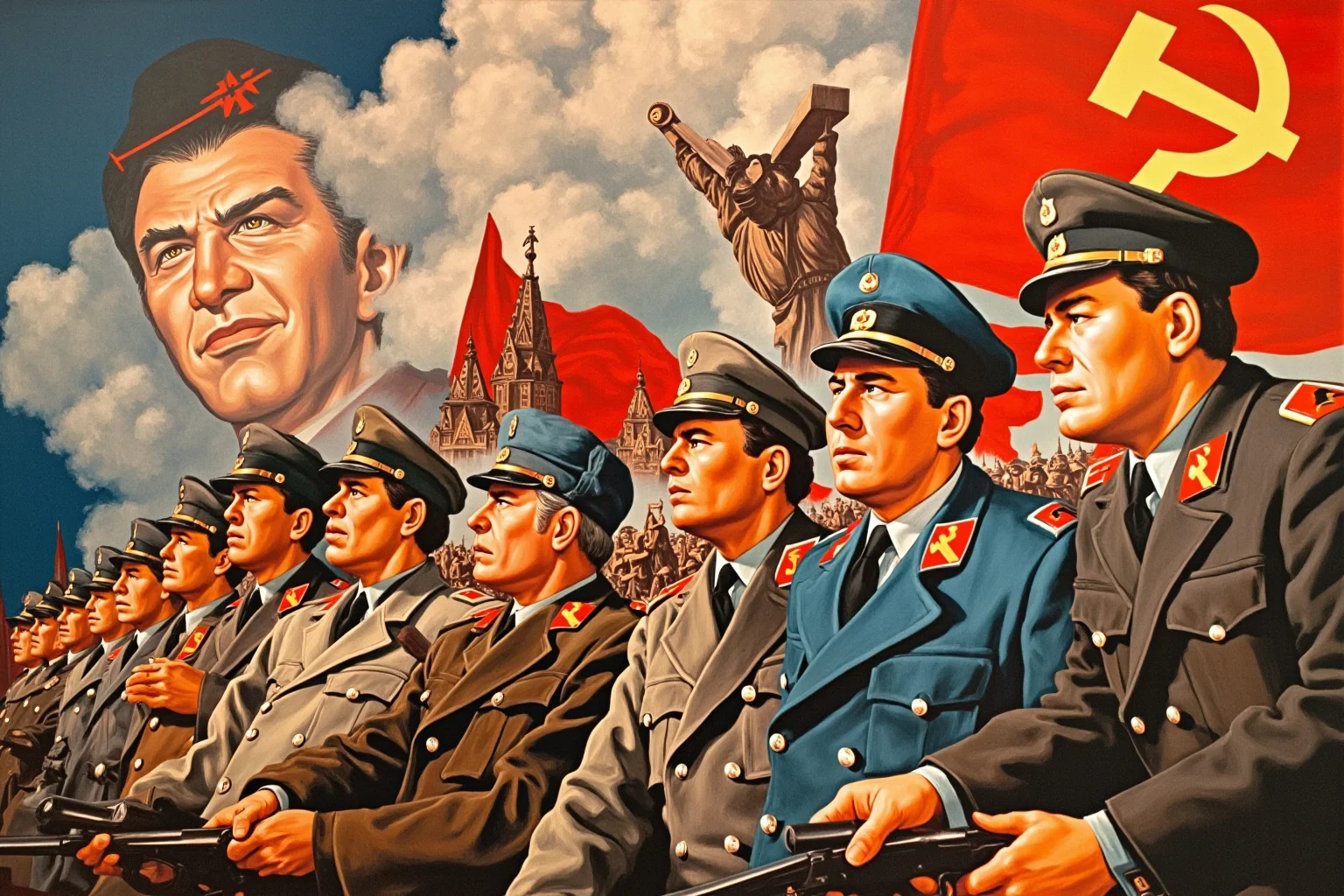
Soviet authorities enforced Socialist Realism as the only acceptable artistic style. Paintings were expected to glorify workers, leaders, and the communist future in an uplifting realistic manner. Experimental or abstract work faced censorship and career ruin.
This policy gave American modernism a perfect enemy. Any abstract canvas could be framed as the opposite of Soviet control. Cold war art propaganda thrived on that contrast.
The rigidity of the Soviet system made American culture look dynamic by comparison. Even if American artists had their own constraints, overt censorship was not the norm. The propaganda used that difference to maximum effect.
The Soviet example helped American modernism define itself. Every cramped official canvas made the abstract alternative look freer. The contrast became a standard talking point.
12. Abstraction Symbolized an Open Society
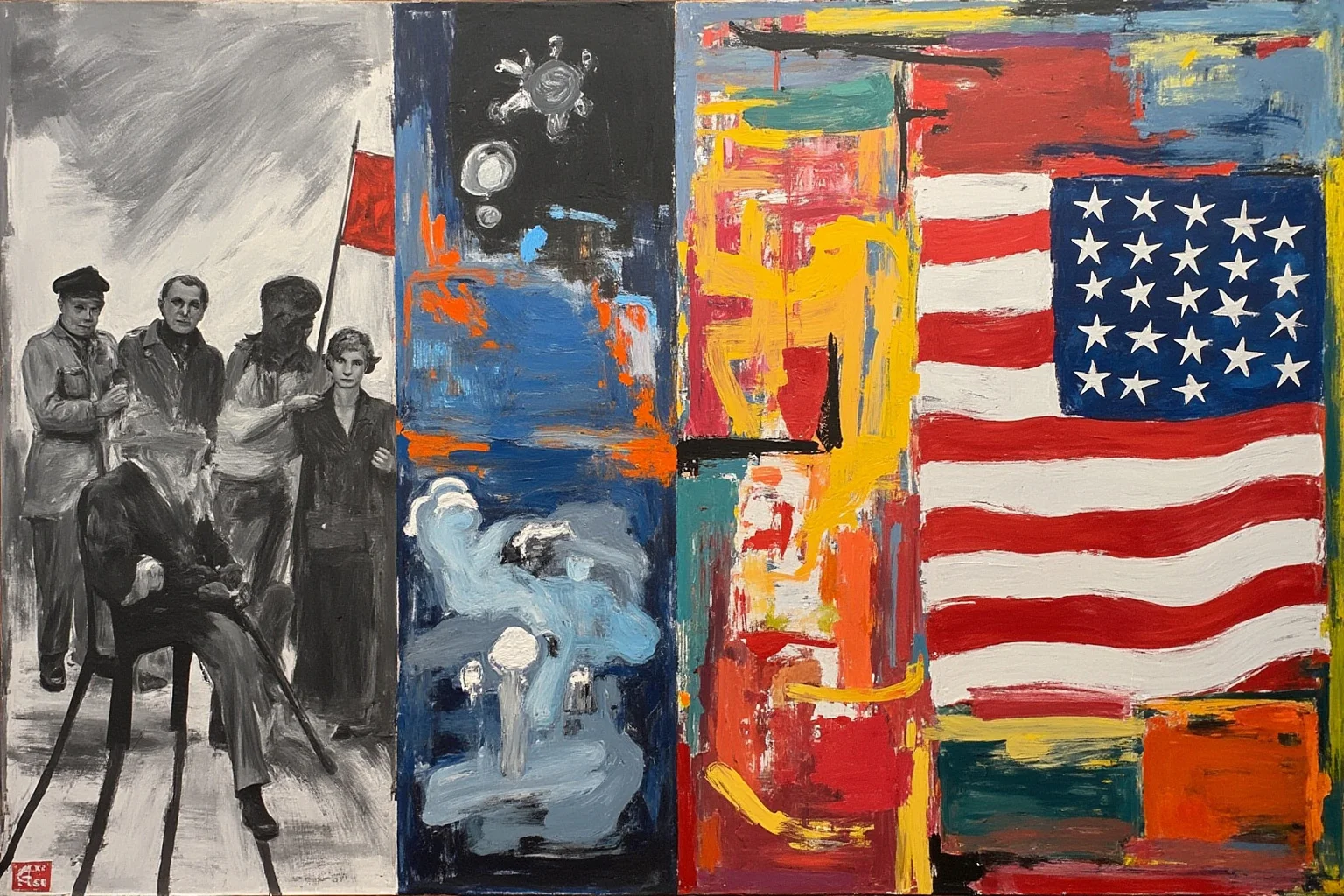
American officials and their allies argued that abstract art represented free thought. A Rothko field of color or a Pollock drip painting did not instruct the viewer what to feel. It invited individual interpretation, which matched the official story of American liberty.
Critics of the program later noted the irony. The CIA was using art as propaganda while celebrating that same art as free expression. Still, the message was subtle and often successful.
The appeal lay in the absence of a clear state line. Viewers could see the work as evidence of a society that tolerated uncertainty. That ambiguity was itself the ideological argument.
Audiences did not always read the message as intended. Some simply liked the color, the scale, or the novelty. But the political framing surrounded the art wherever it traveled.
13. The Cultural Front Extended Beyond Painting
The covert cultural campaign was not limited to visual art. It helped fund magazines such as Encounter, Preuves, and Der Monat. Literature, music, philosophy, and academic conferences all received support through the same networks.
This broad approach placed modern painting inside a wider intellectual offensive. Art from the cold war traveled with novels, essays, and performances that shared the same anti-communist tone. The goal was to shape an entire international intellectual climate.
By funding ideas rather than only slogans, the program reached educated audiences. Those audiences shaped public opinion in their home countries. Modern art was one polished instrument in a much larger toolkit.
The magazines carried essays, fiction, and criticism alongside cultural news. Modern painting appeared in their pages as part of a broader Western revival. This made the art feel less like government messaging.
14. Jazz and Modern Art Traveled Together
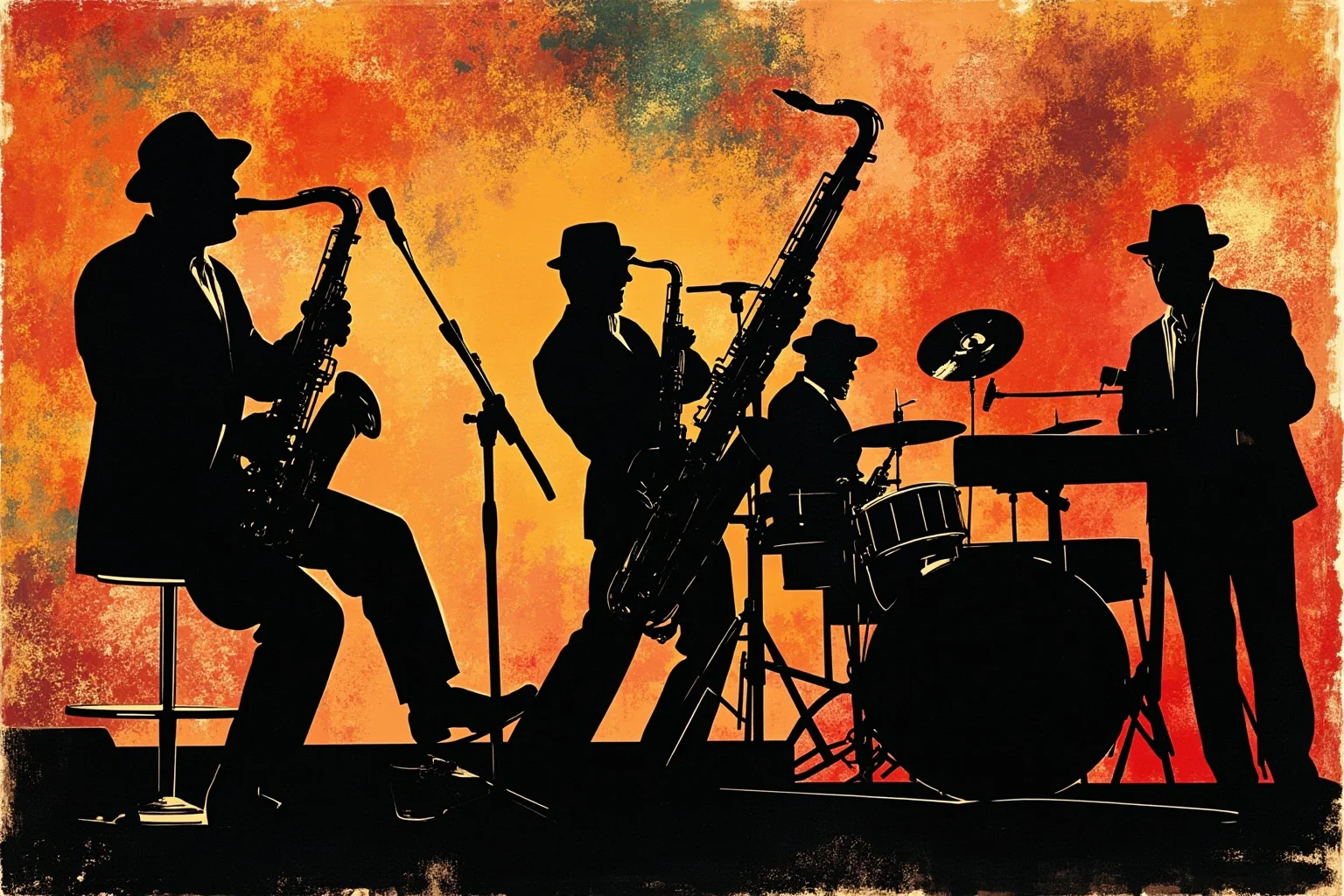
Jazz musicians also became American cultural ambassadors during the Cold War. Public State Department tours sent figures such as Dizzy Gillespie and Louis Armstrong around the world. These tours were not covert CIA projects, but they shared the same propaganda logic.
Jazz and abstract painting both communicated spontaneity and individual expression. They offered a nonpolitical style that could still carry a political point. Together they projected an image of an energetic, free society.
The State Department learned that cultural exchange could open doors closed to official speeches. Modern art exhibitions worked in a similar way. They created goodwill and curiosity before politics entered the room.
The State Department and the CIA operated along parallel tracks. One was public and the other covert, but they aimed at the same audience. Both treated culture as an instrument of American influence.
15. Europe and Latin America Were Key Battlegrounds
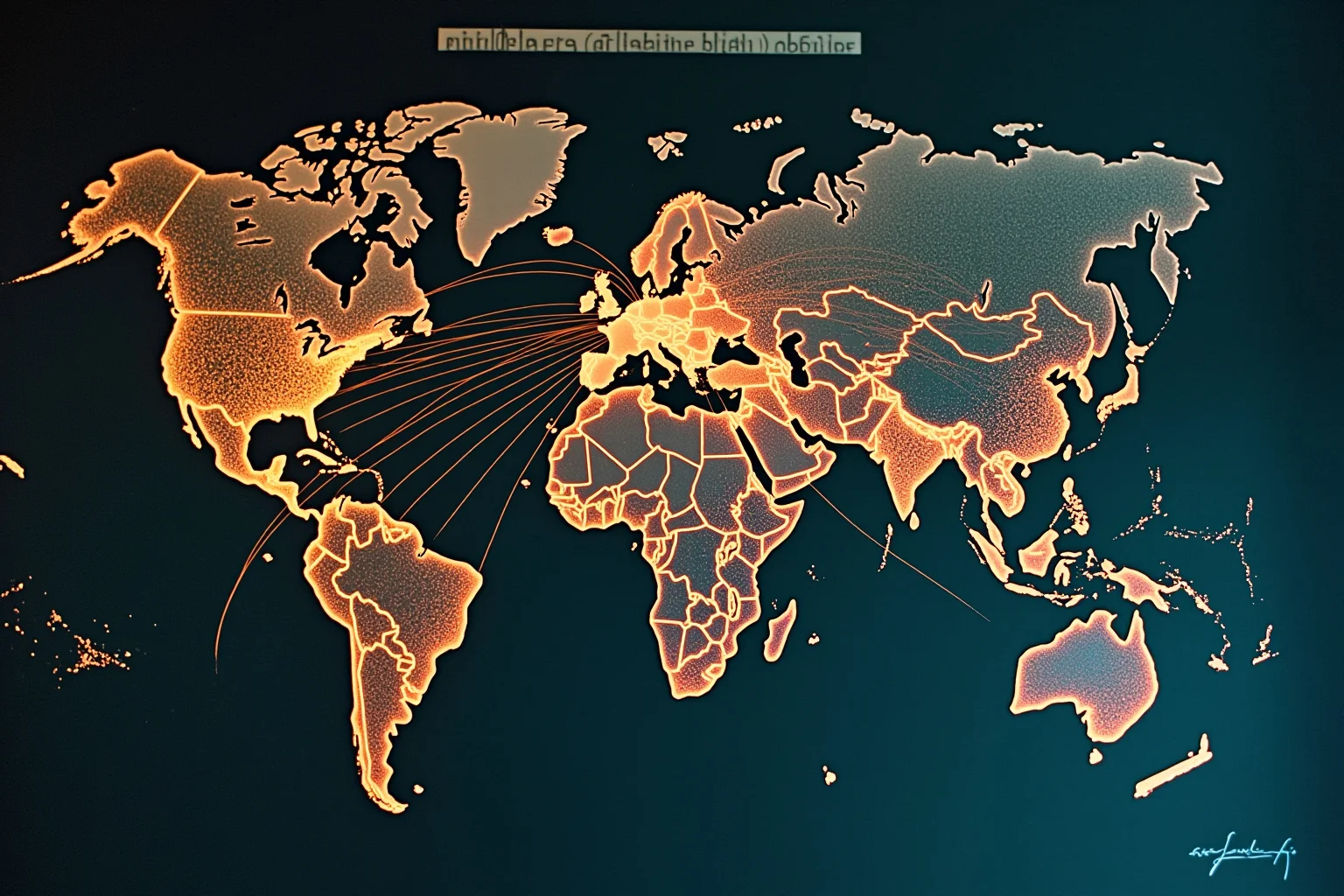
American cultural programs concentrated first on Western Europe. Communist parties had strong appeal in France and Italy, and many intellectuals were skeptical of the United States. Paris, Rome, and West Berlin became staging grounds for modernism.
Latin America received sustained attention as well. Traveling exhibitions, magazines, and conferences brought the new American art to major cities. The United States feared cultural drift toward Moscow in its own hemisphere.
These regions mattered because their thinkers shaped the broader non-aligned world. Winning their sympathy was seen as vital. Art during cold war decades thus moved along strategic routes, not just artistic ones.
Exhibitions often opened in capitals where political debates were fierce. The art provided a neutral-looking occasion for elites to gather. Behind the scenes, the geopolitical stakes were high.
Revelations, Myths, and the Long-Term Legacy
The secret held for years but not forever. Confessions, investigations, and scholarship gradually exposed the program. These final five points separate legend from documented history.
16. Investigative Journalism Broke the Story
The first major cracks appeared in the late 1960s. Ramparts magazine exposed CIA funding of the National Student Association, which encouraged reporters to probe other cultural fronts. The Congress for Cultural Freedom soon came under scrutiny.
Thomas Braden's 1967 article added a high-profile admission. The public learned that respected magazines and intellectual organizations had accepted secret government money. The revelation was explosive because these institutions appeared independent.
The disclosures forced a public debate about covert cultural influence. Some defended the program as necessary, while others called it a betrayal of intellectual trust. The story has never fully left the public imagination.
The publicity forced several organizations to close or reorganize. The Congress for Cultural Freedom could not survive the loss of its cover. Its fall showed how dependent the cultural front had been on secrecy.
17. Declassified Archives and Scholarly Books Filled the Gaps
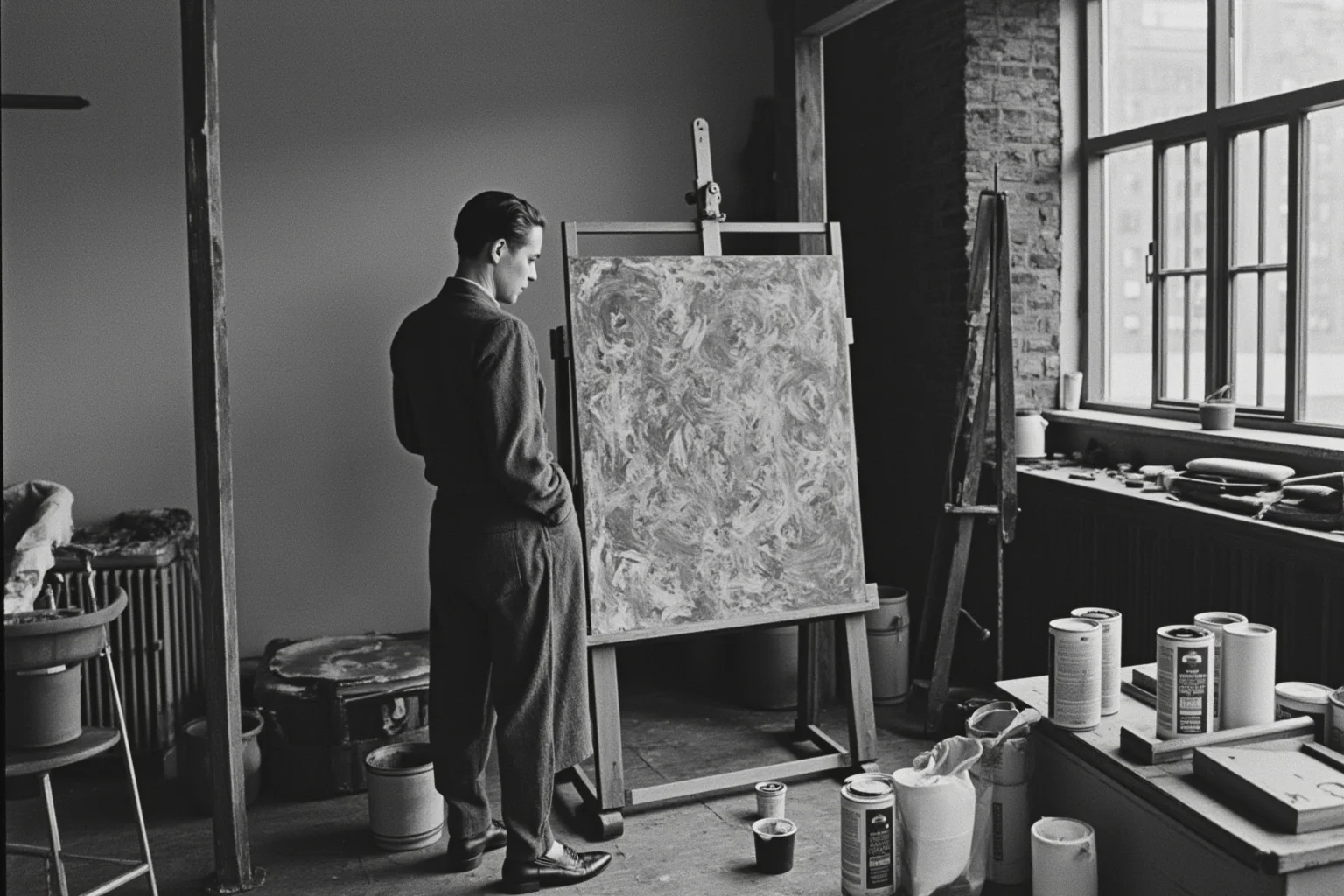
Official secrecy made the history difficult to reconstruct. Over decades, researchers gained access to foundation records, personal papers, and government documents. Frances Stonor Saunders' 1999 book 'The Cultural Cold War' became the standard account.
Her research traced names, institutions, and money flows that had long been hidden. Other historians added detail from the Soviet side and from participating countries. The result is a much clearer picture of the CIA and modern art network.
Still, many questions remain. Covert programs often leave no tidy paper trail. Historians must reason carefully from partial evidence rather than claim certainty.
The archival record still has holes, but the core facts are widely accepted. The CIA used cultural organizations to promote American values. Modern art was part of that broader operation.
18. The CIA Did Not Invent Abstract Expressionism
One of the biggest myths is that the agency created Abstract Expressionism from nothing. The movement began among New York artists and critics before the CIA took an interest. Pollock, Rothko, and their peers developed their styles through personal and artistic struggles.
What the CIA did was recognize a useful movement and push it abroad. It funded the networks that exhibited, explained, and legitimized the work. That is a meaningful role, but it is not the same as creation.
The distinction protects both the artists and the historical record. The paintings had independent value and ambition. Saying the CIA made them would be an overstatement unsupported by the evidence.
The paintings had roots in earlier European modernism as well. The CIA did not create the style or its aesthetics. It recognized a useful current and helped carry it overseas.
19. Historians Debate How Much the Art Market Owed the CIA
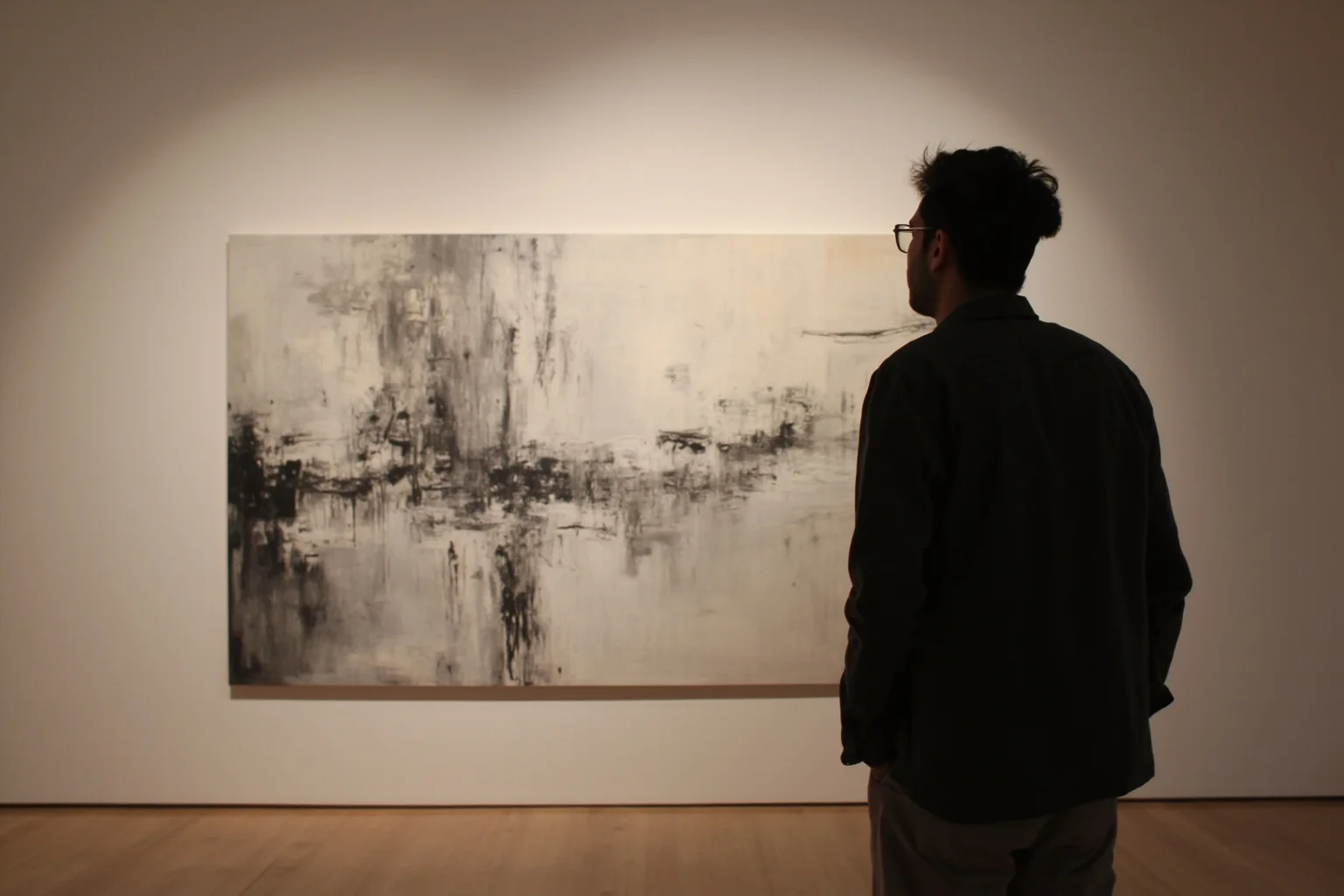
Scholars argue about the campaign's practical effect. Some maintain that secret money helped make American modernism dominant in postwar Europe. Others respond that strong critics, wealthy collectors, and genuine innovation did more than any spy agency.
The disagreement reflects the complexity of cultural influence. It is difficult to measure how many opinions changed because of a funded exhibition or magazine. Art markets answer to taste, fashion, and money, not only to intelligence budgets.
Most careful accounts land in the middle. The CIA's support lowered barriers and opened international doors, but it could not force admiration. Abstract Expressionism succeeded because it also changed the history of art.
Cultural influence is hard to quantify, which is why the debate continues. The funds removed practical obstacles rather than controlling every outcome. In art, as in politics, intentions and effects rarely align perfectly.
20. The Secret Campaign Reshaped Cultural Diplomacy
After the revelations, covert cultural funding became politically toxic. Public bodies such as the National Endowment for the Arts expanded their roles in international exchange. The United States continued to promote its culture, but with greater openness and oversight.
The episode also left a lasting mark on how museums and foundations guard their independence. Donors and audiences became more sensitive to hidden agendas. Cold war art history now includes the awkward question of who was really paying.
In the end, the campaign revealed the power of culture in geopolitics. It also exposed the tension between artistic freedom and state interest. Those tensions remain visible in cultural policy today.
The episode taught policymakers that cultural power could be both effective and controversial. It also showed that secrecy can undermine the very values being promoted. That paradox is central to the legacy of CIA modern art.
Why the Secret Story Still Matters
The hidden history of CIA modern art complicates the simple version of Cold War culture. American art was not purely free, and Soviet art was not purely controlled. Both superpowers treated culture as a weapon in a larger struggle.
Visitors who admire a Pollock in a museum rarely think of the Cold War. Yet the movement's global fame owes something to a contest between two systems. Knowing that context can deepen rather than cheapen the experience of the art.
The lesson is not that modern art was a fraud. The paintings, the creativity, and the risks were real. The story instead reminds us to ask who pays for culture, and what image of freedom they hope to sell.
Frequently Asked Questions
What was the relationship between the CIA and modern art?
According to declassified records and historians, the CIA secretly promoted modern art as part of the cultural Cold War. It channeled money through organizations like the Congress for Cultural Freedom and private foundations to fund exhibitions, magazines, and travel that advanced American art abroad.
Did the CIA fund modern art?
Yes, indirectly. The CIA did not typically hand money directly to painters. Instead, it funded cultural institutions and foundations that supported modern art, especially Abstract Expressionism, as a way to contrast American freedom with Soviet Socialist Realism.
Did the CIA buy Jackson Pollock paintings?
No available evidence shows that the CIA bought Jackson Pollock paintings directly or built a secret collection. The agency instead funded institutions and exhibitions that promoted Pollock and other Abstract Expressionists internationally.
Why did the CIA choose Abstract Expressionism?
Abstract Expressionism was individualistic, nonrepresentational, and difficult to imitate. American officials and their cultural allies saw it as a symbolic opposite of Soviet Socialist Realism, which demanded that art glorify the state and the worker.
How do we know about the CIA and modern art today?
The story emerged through investigative journalism, former officials such as Thomas Braden, declassified documents, and scholarship like Frances Stonor Saunders' book 'The Cultural Cold War.' Those sources documented the covert funding networks, although some gaps remain.

Alex Warren
Related Articles