
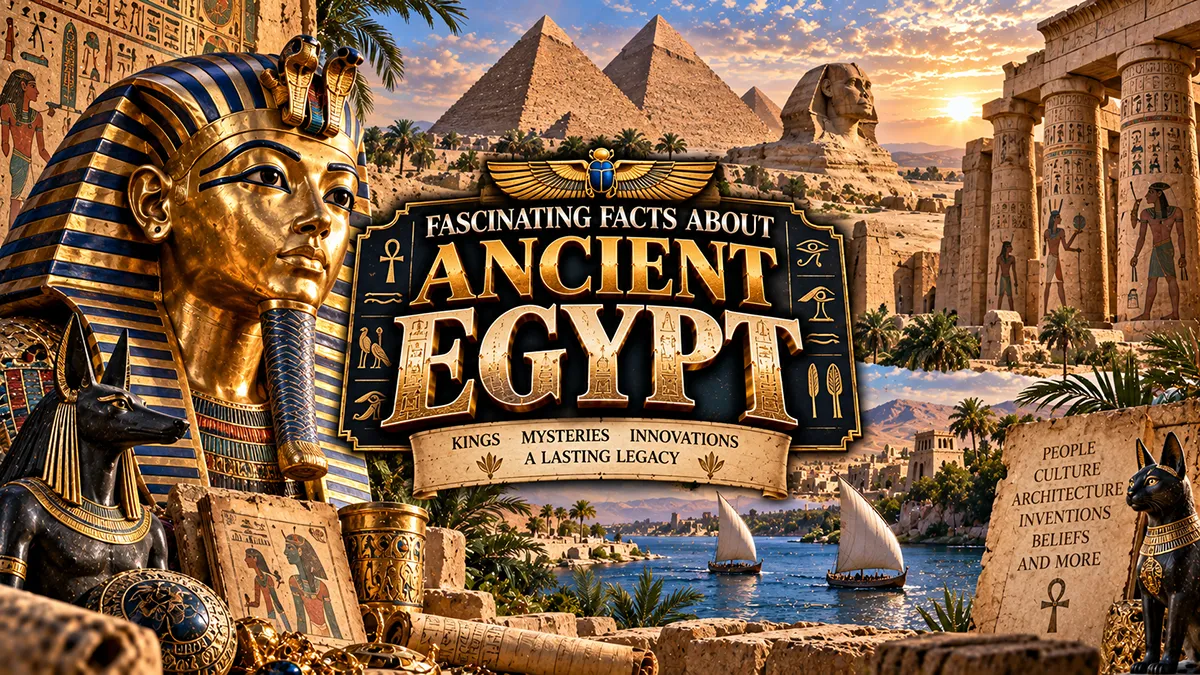
Few civilizations capture the imagination quite like ancient Egypt. Golden masks, towering pyramids, mummified pharaohs, and a river that made a desert bloom — it’s no wonder people keep searching for interesting facts on Egypt, both ancient and modern. But between the Hollywood movies and viral social media posts, a lot of myths have crept in alongside the real history.
This guide separates the well-documented from the wildly exaggerated. Whether you’re a student hunting for facts about ancient Egyptian life, a trivia lover after cool facts about Egypt, or just someone curious about things to know about ancient Egypt before a trip to Cairo, you’ll find something new below. We’ve grouped 25 of the most genuinely fascinating, historically grounded facts about this civilization that lasted roughly 3,000 years.
TL;DR: Ancient Egypt’s pyramids, writing system, medicine, and religion were so advanced for their time that they still shape how historians define civilization itself.
1. The Great Pyramid Held a World Record for Almost 4,000 Years
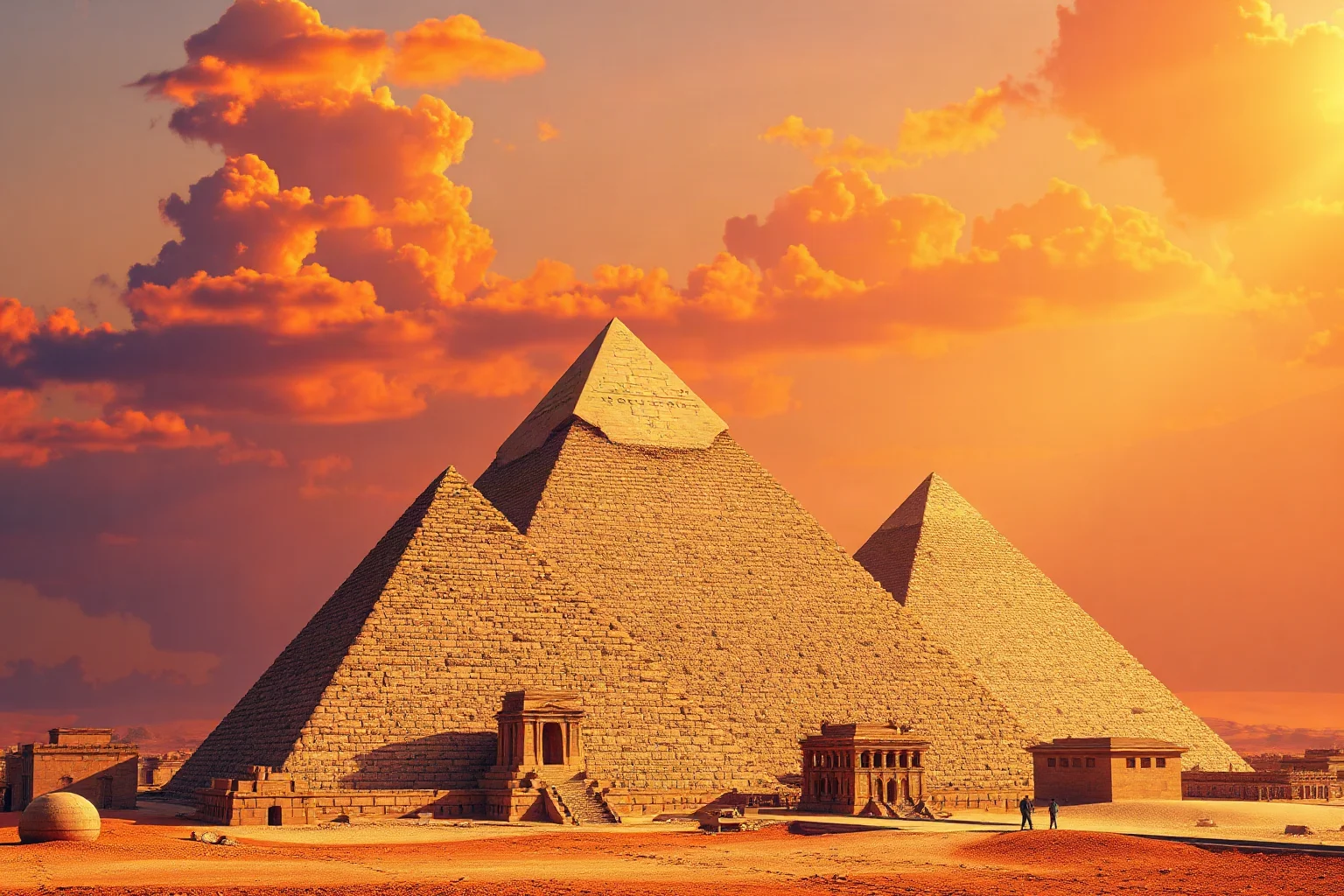
The Great Pyramid of Giza, built around 2560 BCE as a tomb for the pharaoh Khufu, stood roughly 481 feet tall when completed. That made it the tallest human-made structure on Earth until Lincoln Cathedral in England surpassed it in the 1300s AD.
That’s an engineering record held for nearly 3,800 years, which is almost unimaginable by modern standards. Even today, Egyptologists still debate exactly how workers hauled and placed roughly 2.3 million limestone blocks with such precision.
2. The Pyramids Were Not Built by Slaves
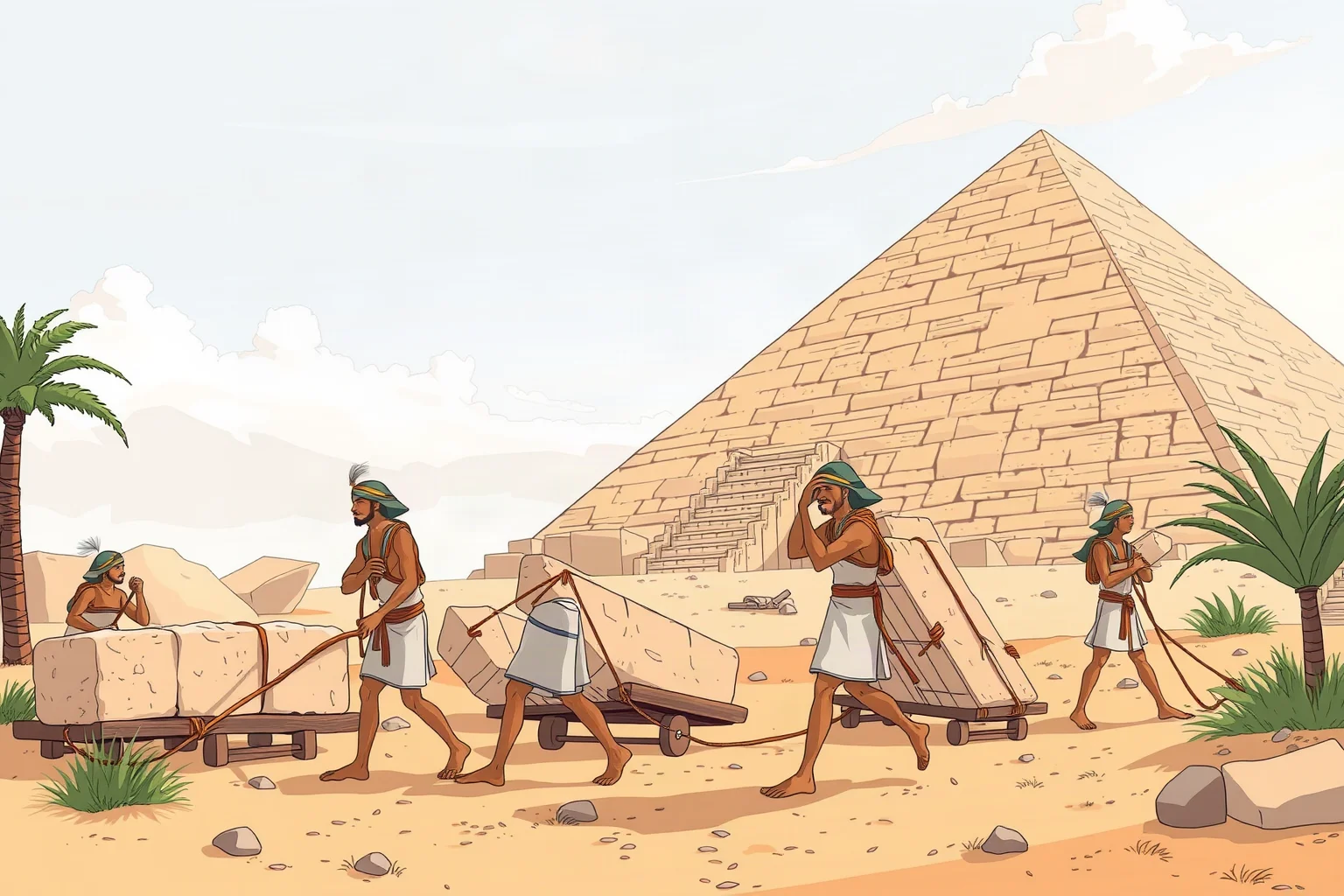
One of the most persistent myths about ancient Egypt is that enslaved people built the pyramids under the whip. Archaeological evidence from workers’ villages near Giza tells a different story entirely.
Skeletal remains and settlement records suggest the pyramids were built largely by paid laborers, including skilled craftsmen and seasonal farmers working during the Nile’s flood season. These workers received bread, beer, and medical care, and were even buried in nearby tombs of honor, a treatment inconsistent with slavery.
3. Ancient Egyptians Invented One of the World’s Earliest Writing Systems
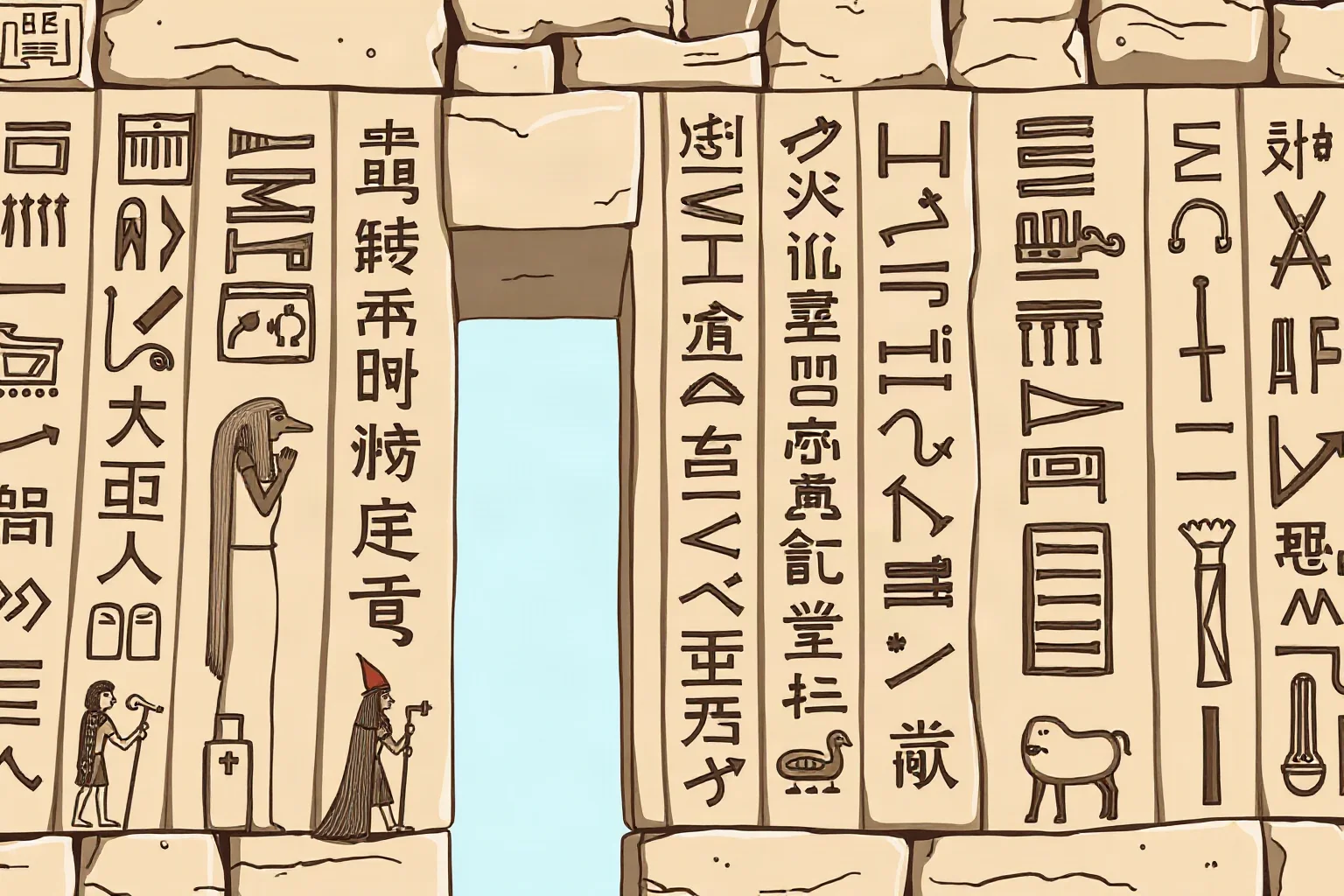
Hieroglyphic writing developed in Egypt around 3200 BCE, making it one of the oldest known writing systems alongside Mesopotamian cuneiform. It combined pictorial signs representing sounds, words, and ideas, used for everything from religious texts to tax records.
For centuries, nobody could read hieroglyphs after the language fell out of use. It took the discovery of the Rosetta Stone to finally crack the code, which we’ll get to shortly.
4. Mummification Was a Careful, Multi-Week Process
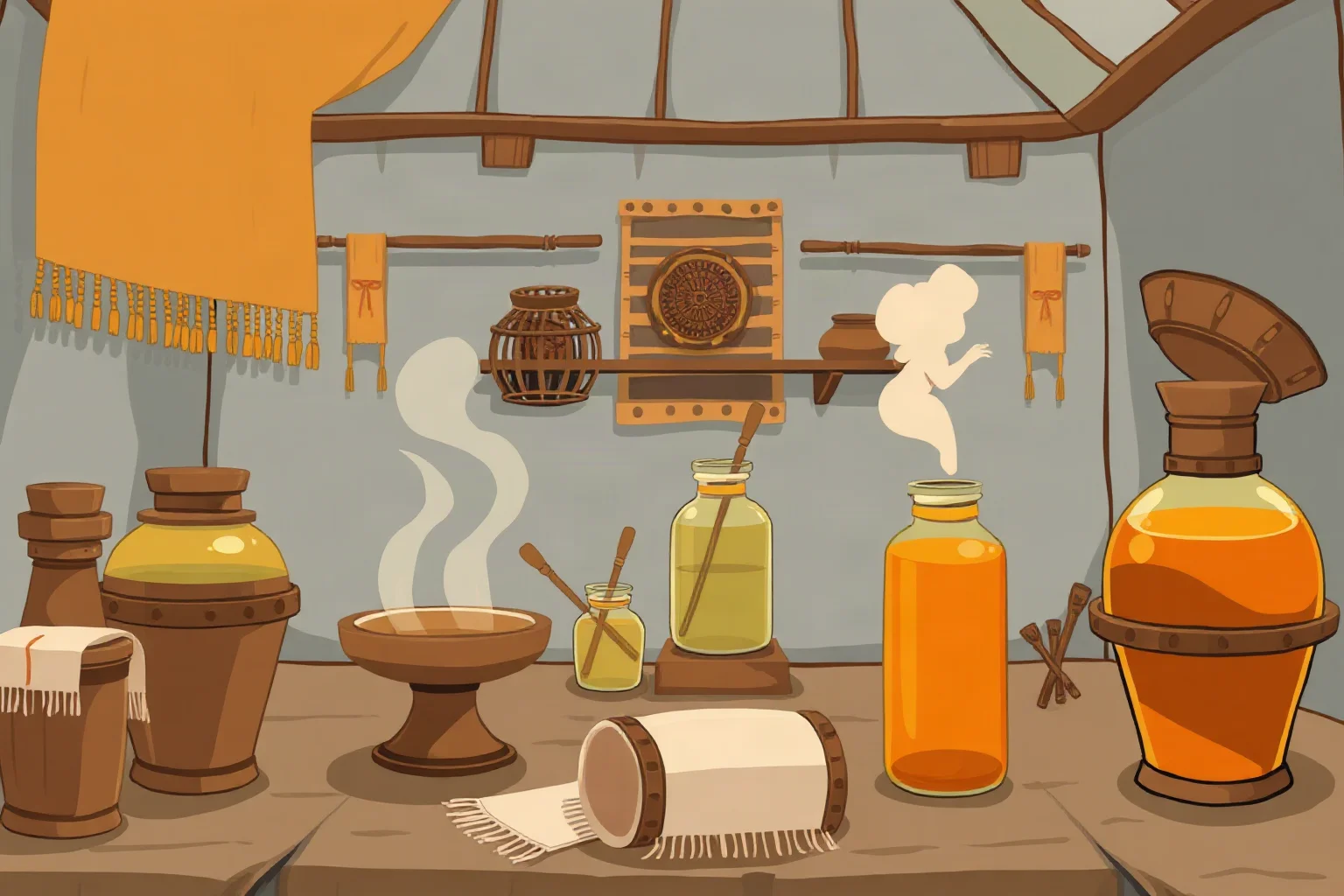
Mummification wasn’t just wrapping a body in bandages. Embalmers removed internal organs, dried the body using natron salt for about 40 days, and preserved key organs in canopic jars, all in preparation for the afterlife.
The brain, curiously, was considered unimportant and was typically removed through the nose and discarded. The heart, believed to be the seat of intelligence and emotion, was left in place so it could be judged in the afterlife.
5. Cleopatra Was Greek, Not Ethnically Egyptian
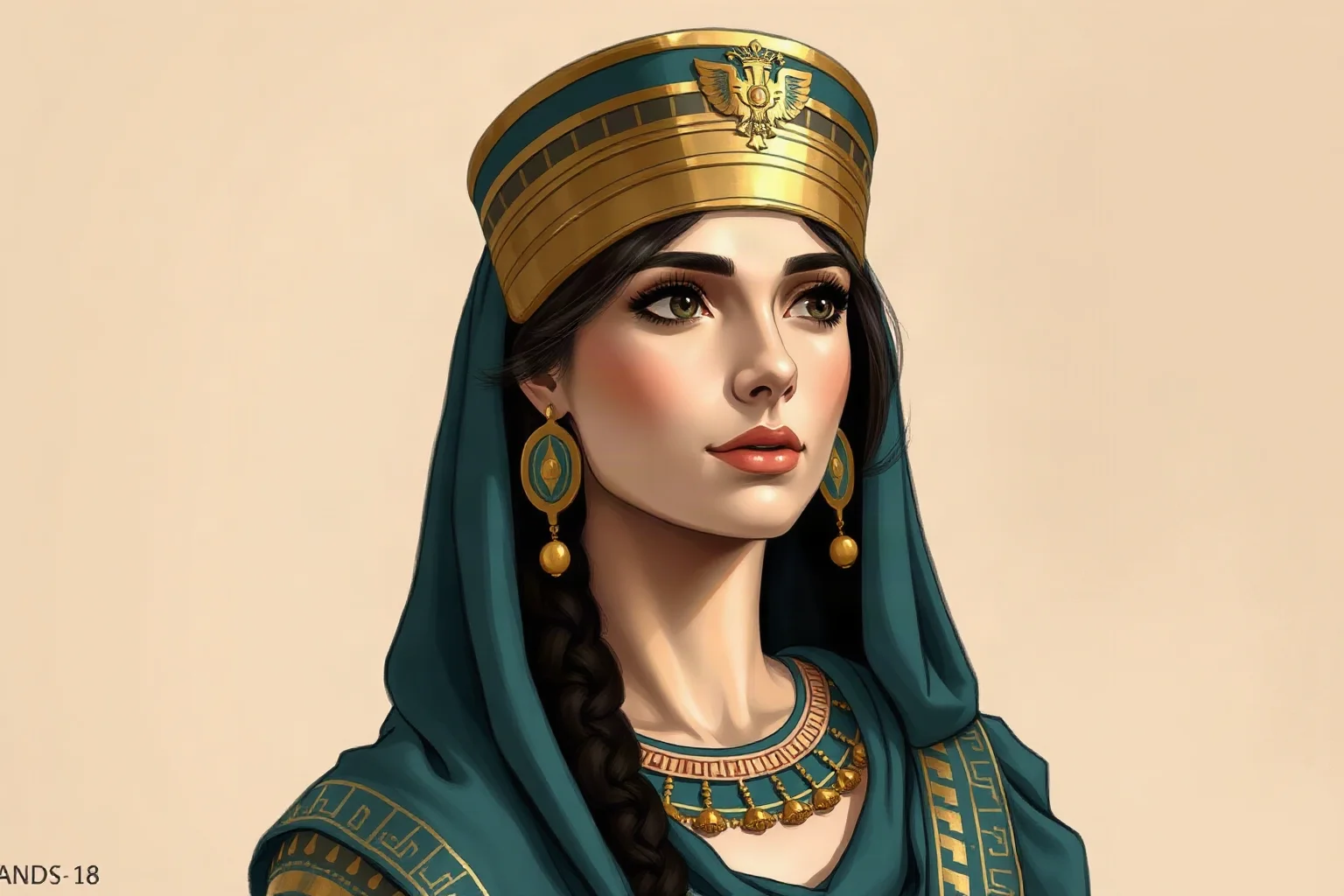
Cleopatra VII, Egypt’s most famous queen, belonged to the Ptolemaic dynasty, a Greek-Macedonian royal family that ruled Egypt after Alexander the Great’s conquest in 332 BCE. She was likely the first ruler in her family to actually learn the Egyptian language.
This is one of those facts about ancient Egyptian history that surprises people, since Cleopatra is so closely associated with Egyptian identity. Her reign, which ended with her death in 30 BCE, also marked the close of ancient Egypt’s independent rule.
6. King Tutankhamun’s Tomb Was Found Almost Completely Intact
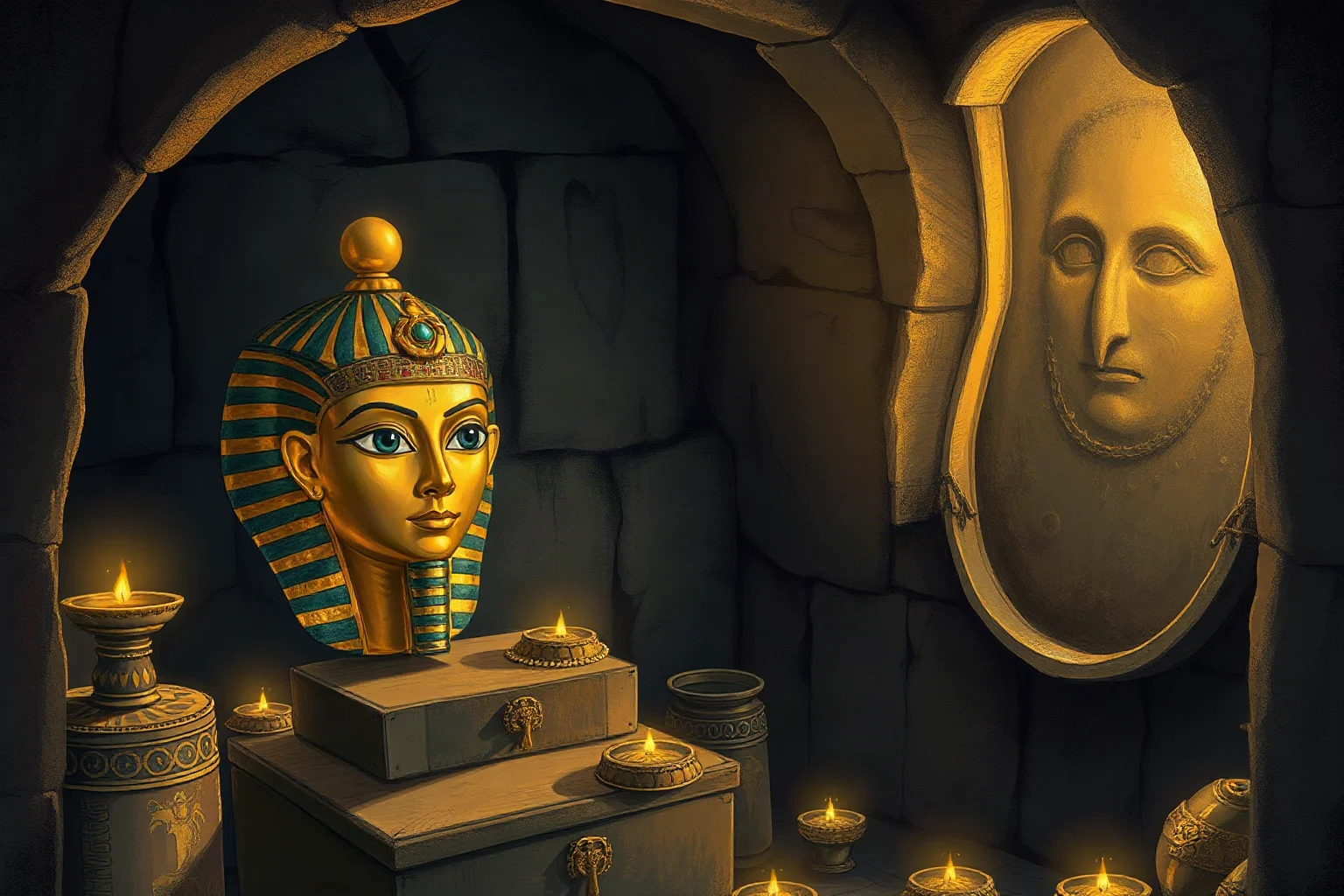
When archaeologist Howard Carter discovered Tutankhamun’s tomb in 1922, it had escaped the widespread looting that hit most other pharaohs’ burial sites. Inside were more than 5,000 objects, including the now-iconic golden funeral mask.
Tutankhamun himself was a relatively minor pharaoh who died young, likely in his late teens. His tomb’s survival, rather than his political importance, is why he became one of the most famous names in Egyptian history.
7. Egyptian Men and Women Both Wore Makeup
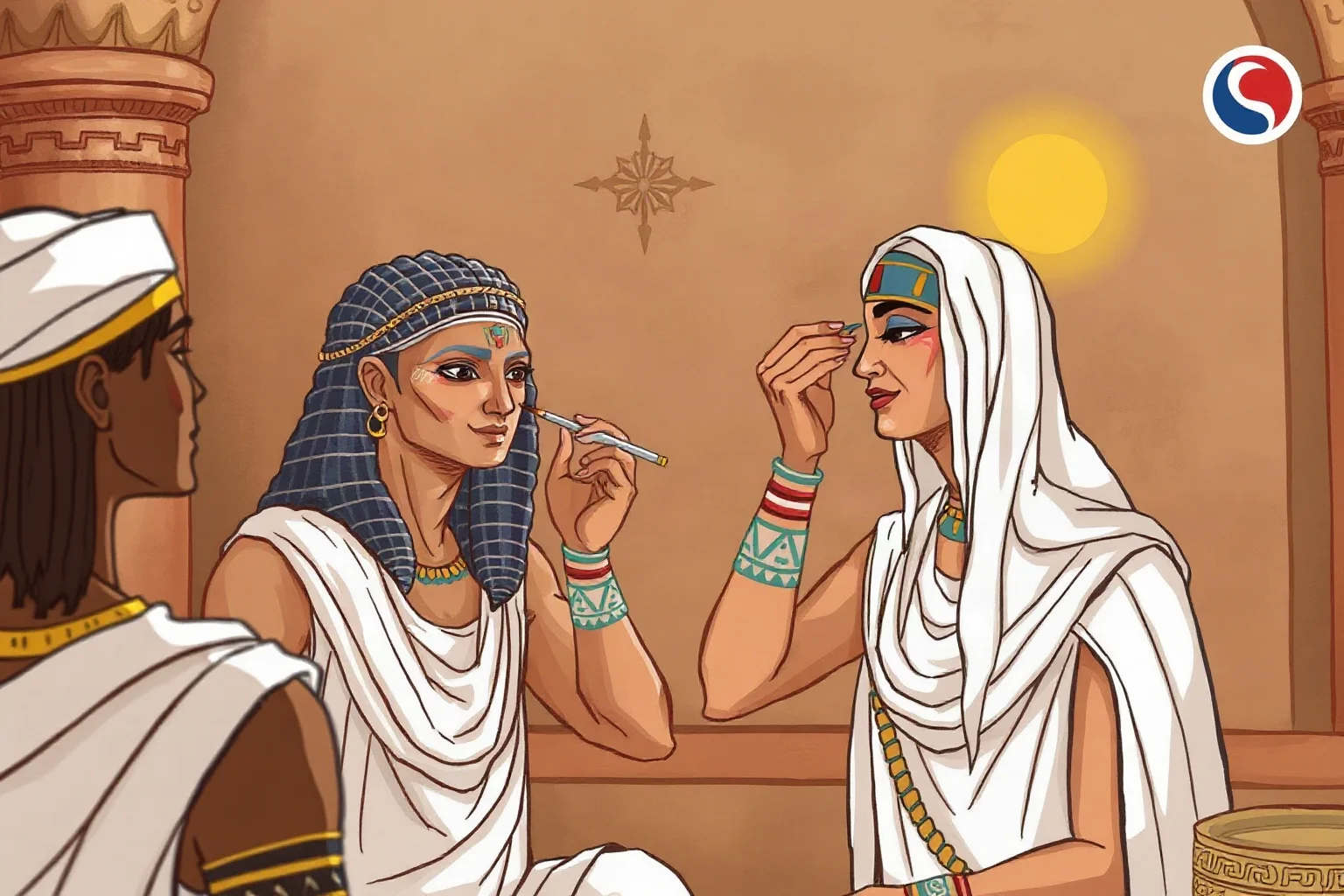
Kohl eyeliner, made from crushed minerals like galena, was worn by Egyptians of nearly every social class, regardless of gender. Beyond aesthetics, it was believed to protect the eyes from the sun’s glare and ward off infection.
Green malachite eyeshadow and red ochre for lips and cheeks were also common. This makes cosmetics one of the more relatable and genuinely fun facts about ancient Egyptian daily life.
8. Egypt Had Female Pharaohs, Including One Who Wore a False Beard
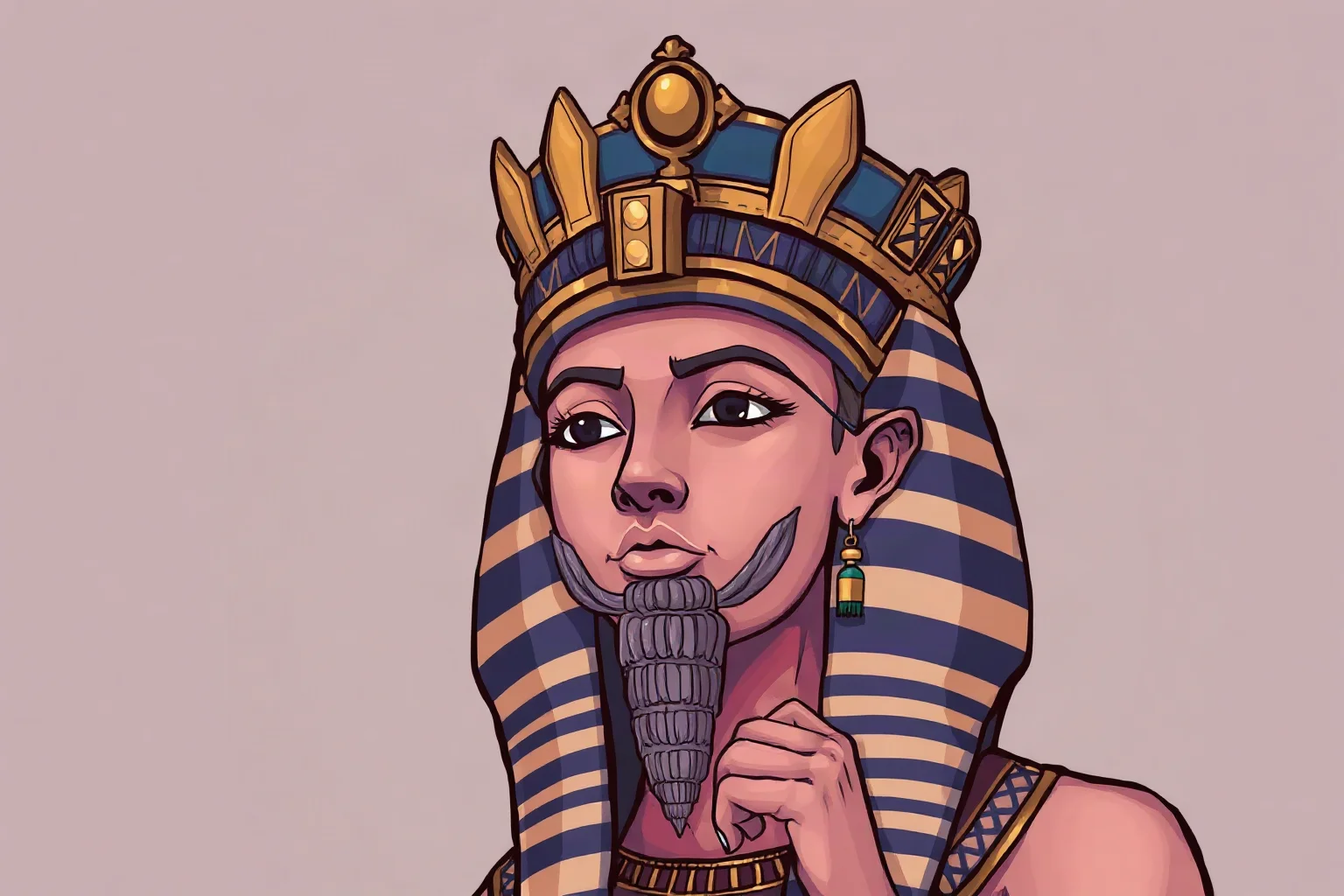
Hatshepsut ruled as pharaoh during the 15th century BCE, one of the few women to hold the title in her own right rather than as a queen consort. Statues and reliefs sometimes show her wearing the traditional false beard associated with pharaonic authority, a symbol of legitimate rule rather than an attempt to appear male.
Her reign is remembered for ambitious building projects and expanded trade, particularly the famous expedition to the land of Punt. She remains one of the most successful rulers in Egyptian history, male or female.
9. The Nile’s Floods Created Egypt’s Entire Calendar and Economy
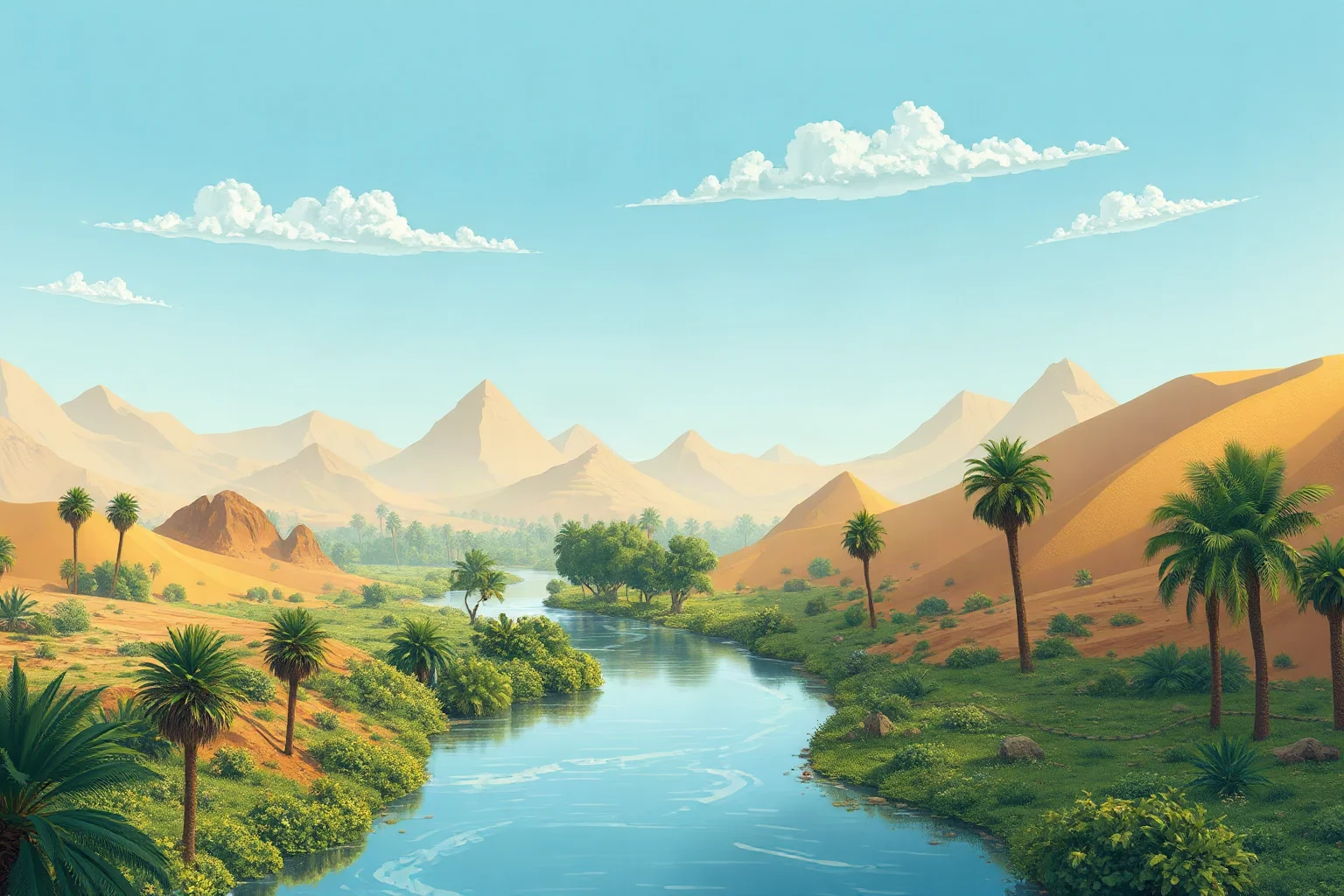
Ancient Egyptians depended entirely on the Nile’s annual flooding, which deposited nutrient-rich silt across the surrounding land. This natural cycle was so central to survival that the Egyptian calendar was built around three seasons tied directly to the river’s behavior.
Without the Nile’s predictable flooding, sustained agriculture in the surrounding desert would have been nearly impossible. It’s genuinely one of the most important facts about old Egypt: the whole civilization essentially formed along a single river’s banks.
10. Egyptians Invented Papyrus, an Early Form of Paper
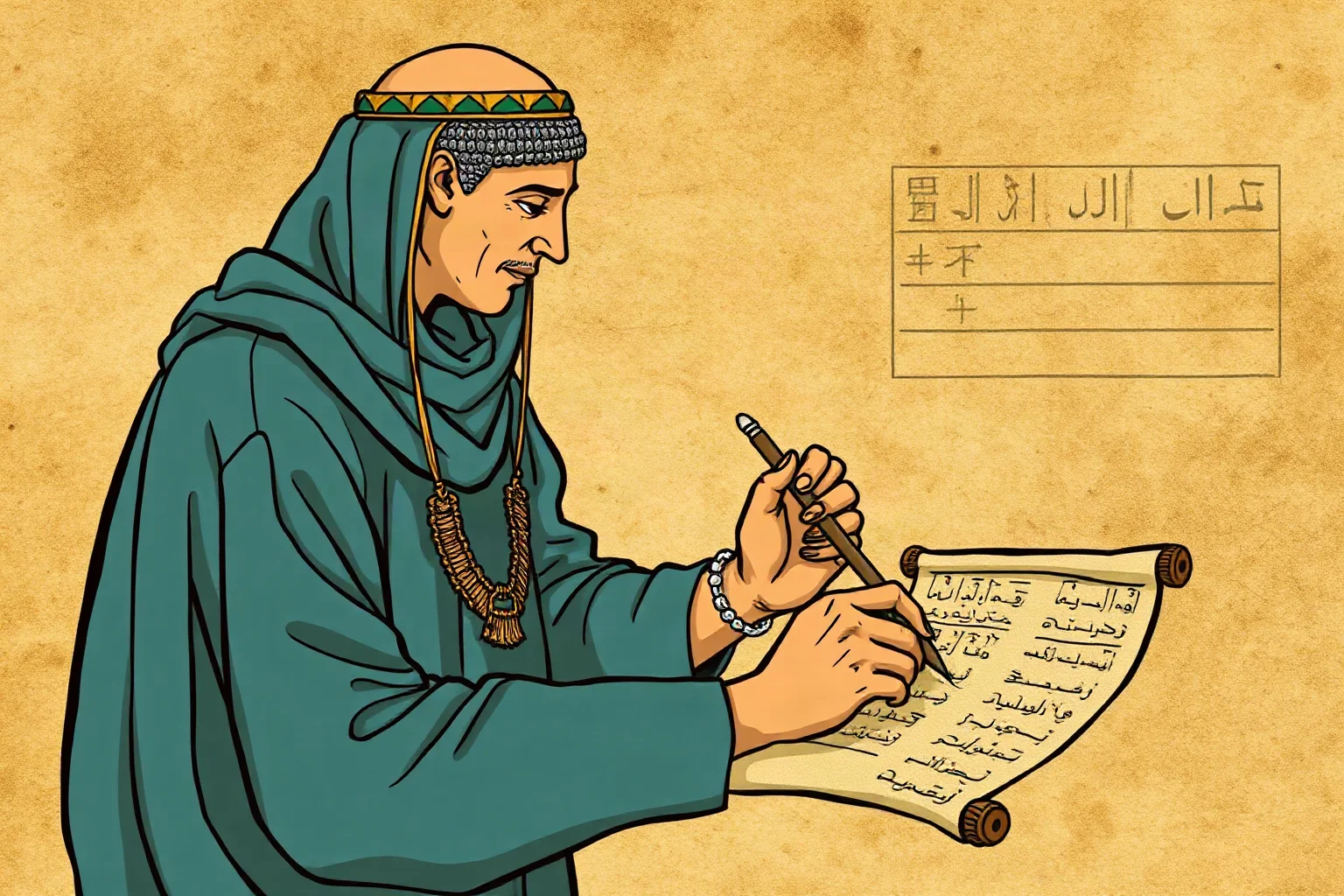
Made from the papyrus plant that grew abundantly along the Nile, this material became the writing surface of choice across the ancient Mediterranean world. Egypt exported papyrus widely, and the word “paper” itself derives from “papyrus.”
Surviving papyrus documents have given historians enormous insight into Egyptian medicine, mathematics, and daily administration. Without this invention, much of what we know today about ancient Egypt might have been lost entirely.
11. Board Games Were a Favorite Pastime
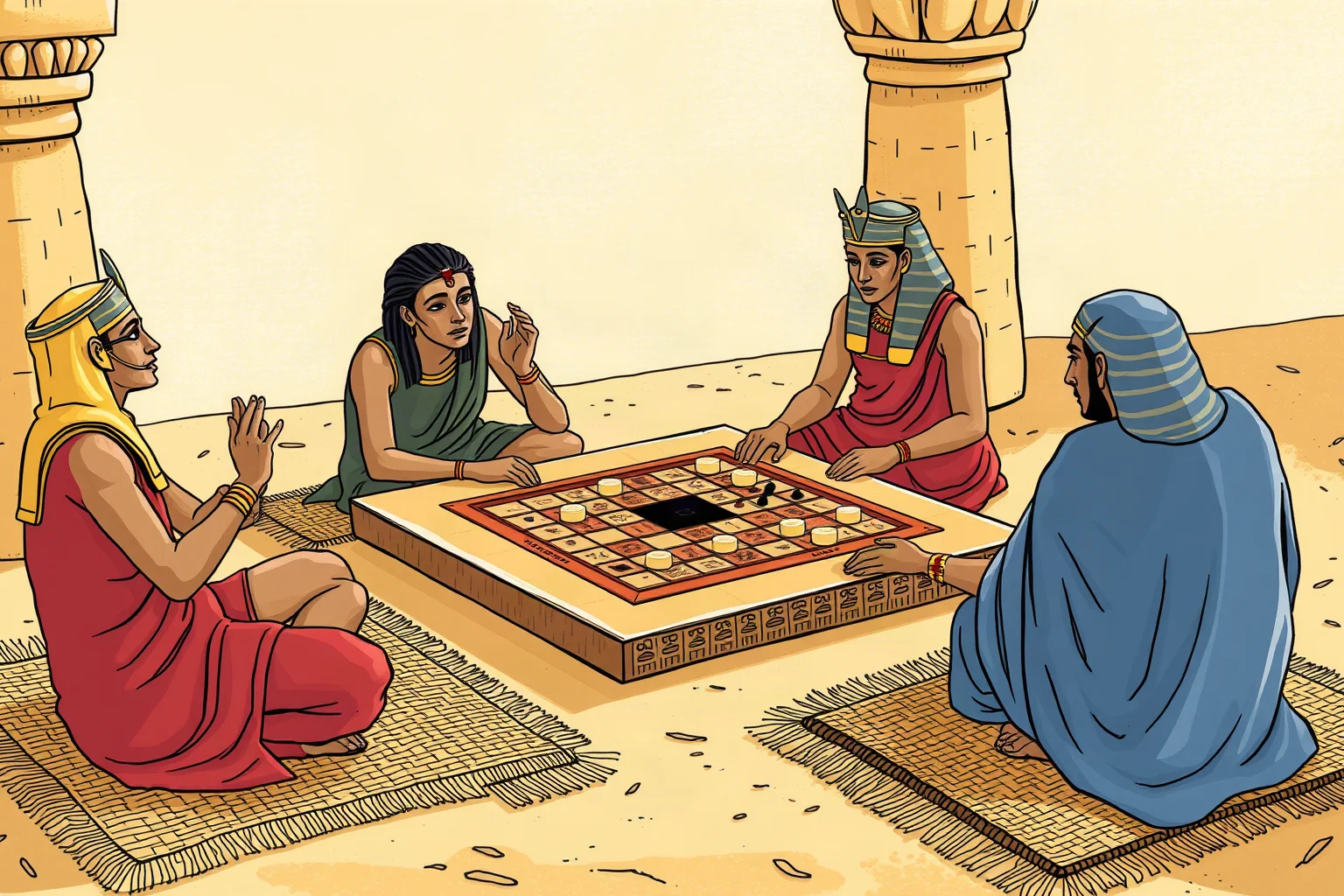
Senet, a board game played with carved pieces and thrown sticks or bones, dates back to at least 3100 BCE and was popular across all social classes. Boards have been found in tombs, including Tutankhamun’s, suggesting it held spiritual significance tied to the journey through the afterlife.
This is one of those unusual facts about ancient Egypt that humanizes the civilization. People three or four thousand years ago were still gathering to play games, much like we do today.
12. Egyptian Mathematics Made the Pyramids Possible
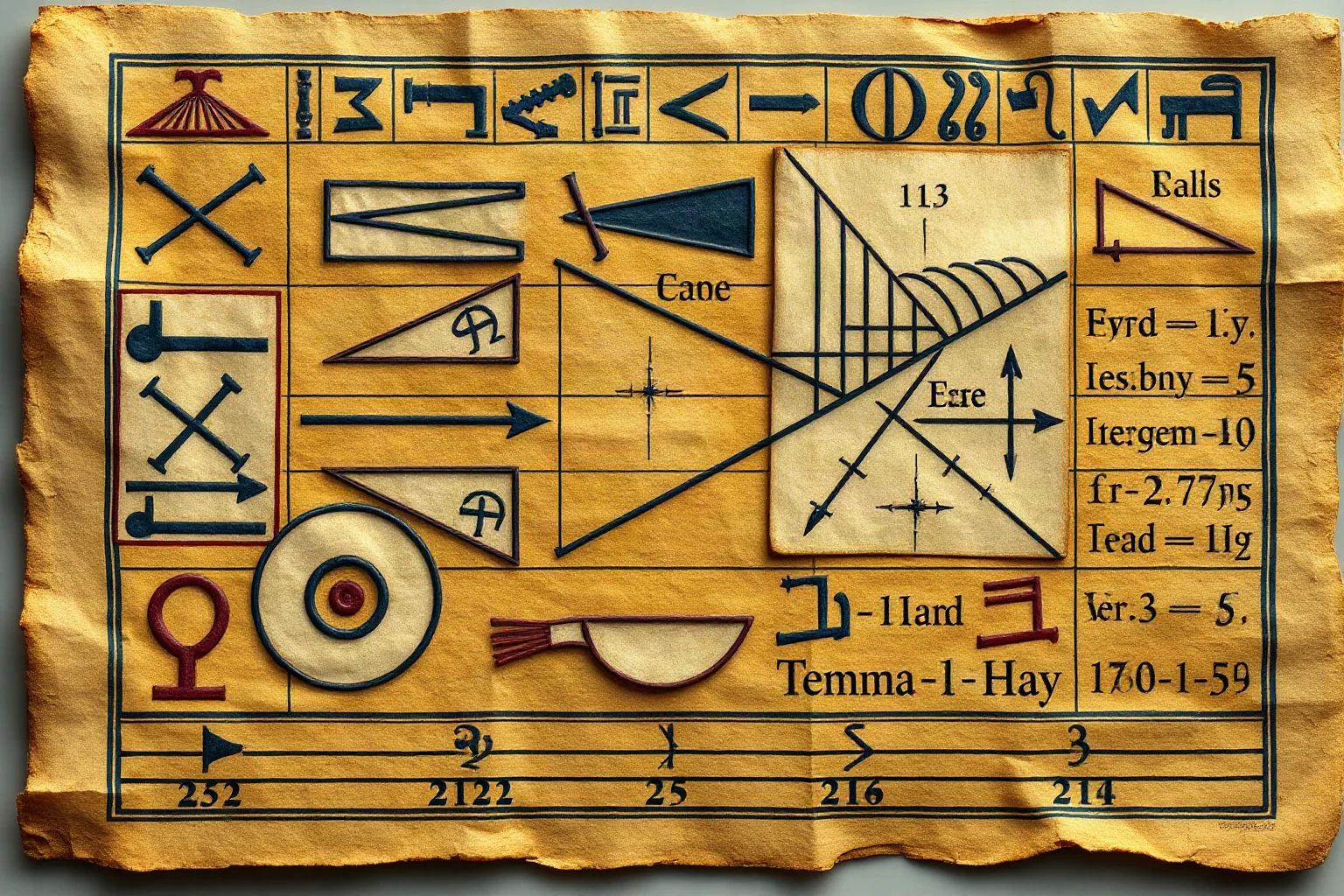
Egyptians used a base-10 number system and developed practical geometry to calculate land area, construction angles, and grain storage volumes. The Rhind Mathematical Papyrus, dating to around 1650 BCE, shows problems strikingly similar to basic algebra and geometry taught today.
This mathematical skill was essential for aligning the pyramids so precisely with true north. It’s a reminder that ancient Egyptian achievements weren’t just artistic, they were deeply technical.
13. Cats Were Sacred, but Egyptians Kept Many Other Pets Too
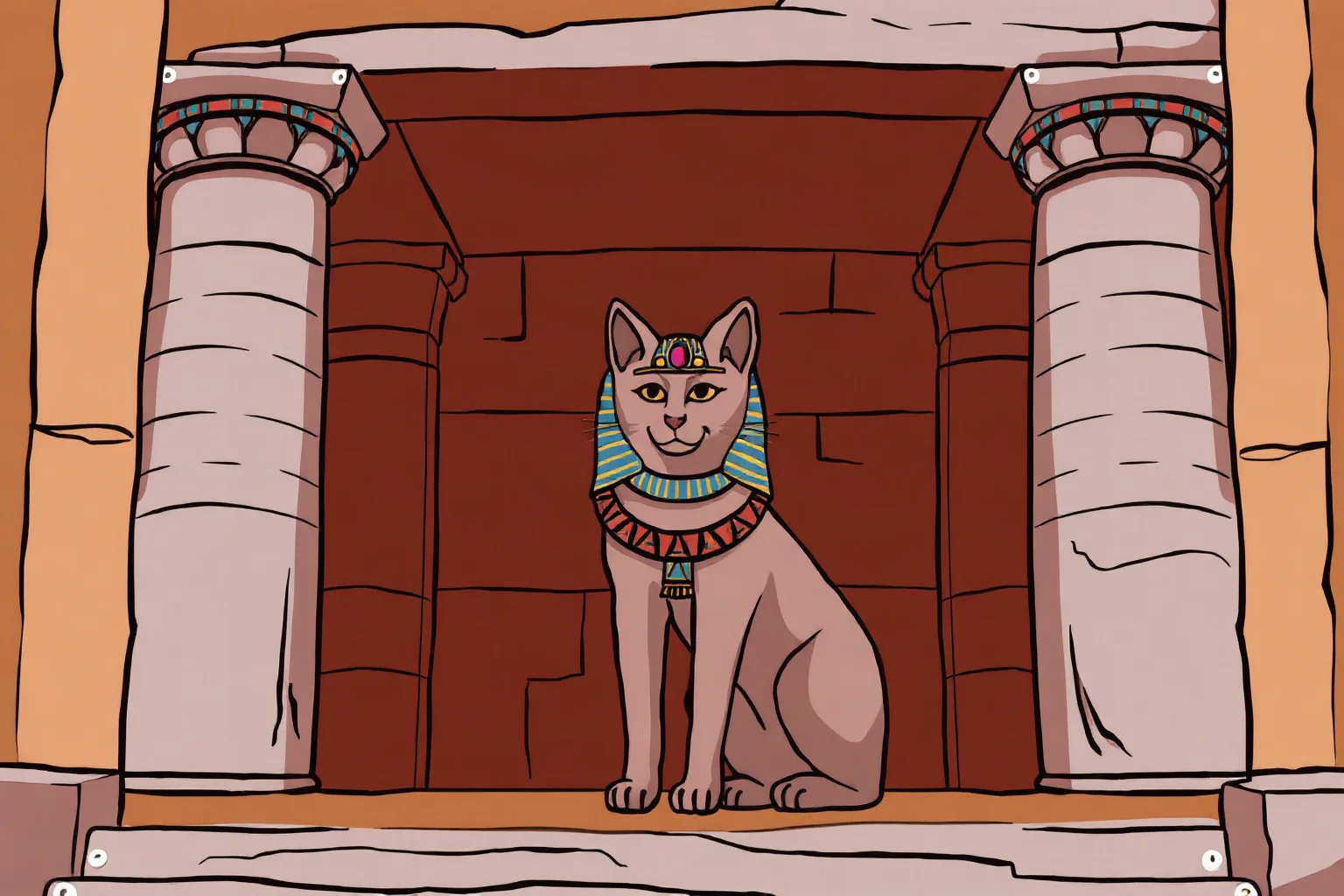
Cats were associated with the goddess Bastet and were protected under religious law in some periods, with harming one potentially carrying serious penalties. But cats weren’t the only animals Egyptians cherished, since dogs, baboons, and even trained monkeys appear in tomb paintings as companions.
Mummified animals have also been found in huge numbers, some as beloved pets and others as religious offerings. This blend of affection and religious symbolism is one of the more charming facts about Egyptians and their daily lives.
14. The Egyptian Calendar Had 365 Days, Centuries Before Rome’s
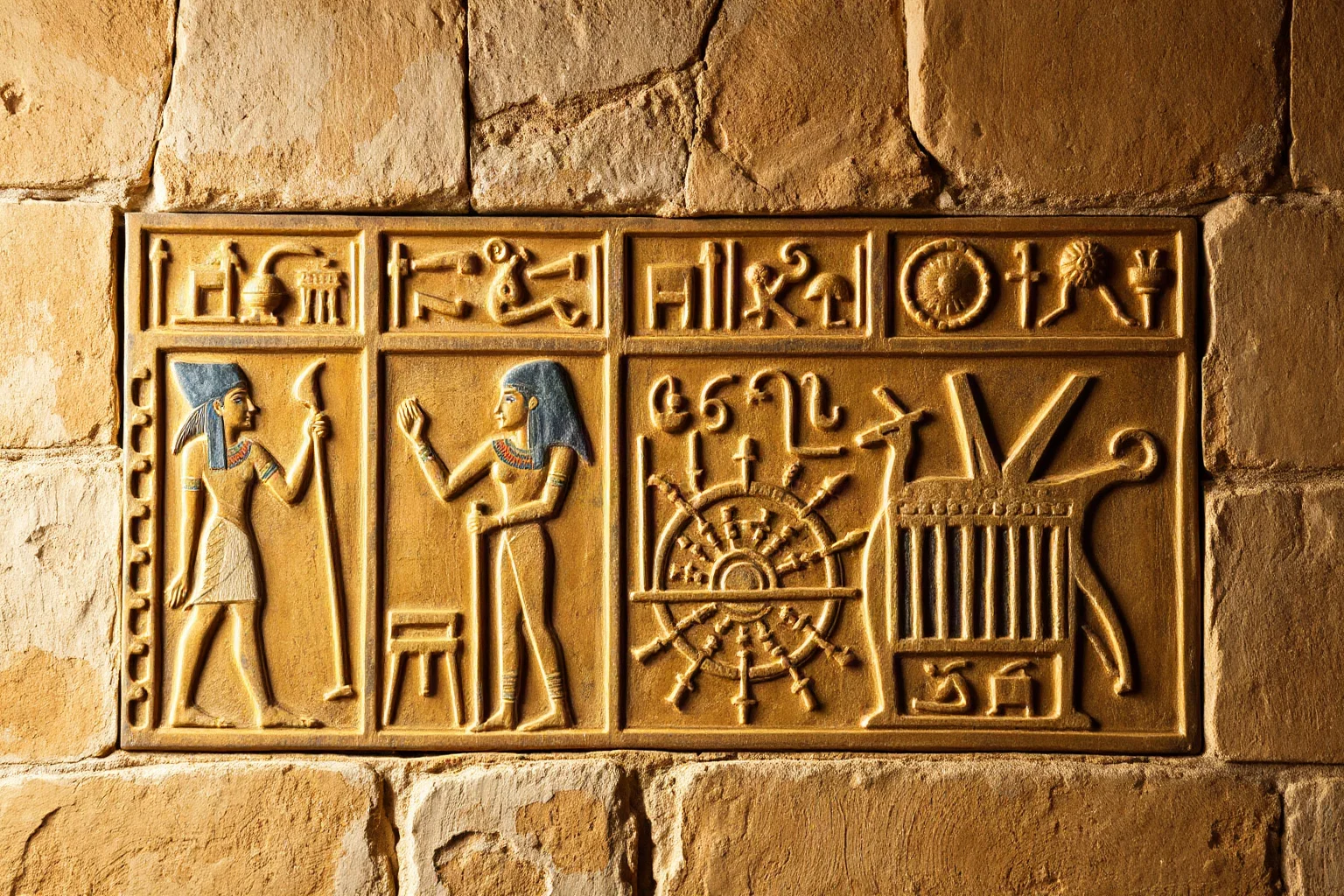
Egyptians developed a civil calendar with 12 months of 30 days each, plus five extra “epagomenal” days added at the end of the year to align with the solar cycle. This 365-day structure predates the Roman Julian calendar by thousands of years and influenced later timekeeping systems.
It wasn’t perfectly accurate, since it didn’t account for leap years, so it slowly drifted out of sync with the seasons over centuries. Still, for its time, it was a remarkably sophisticated system.
15. Workers Once Went on Strike Against a Pharaoh
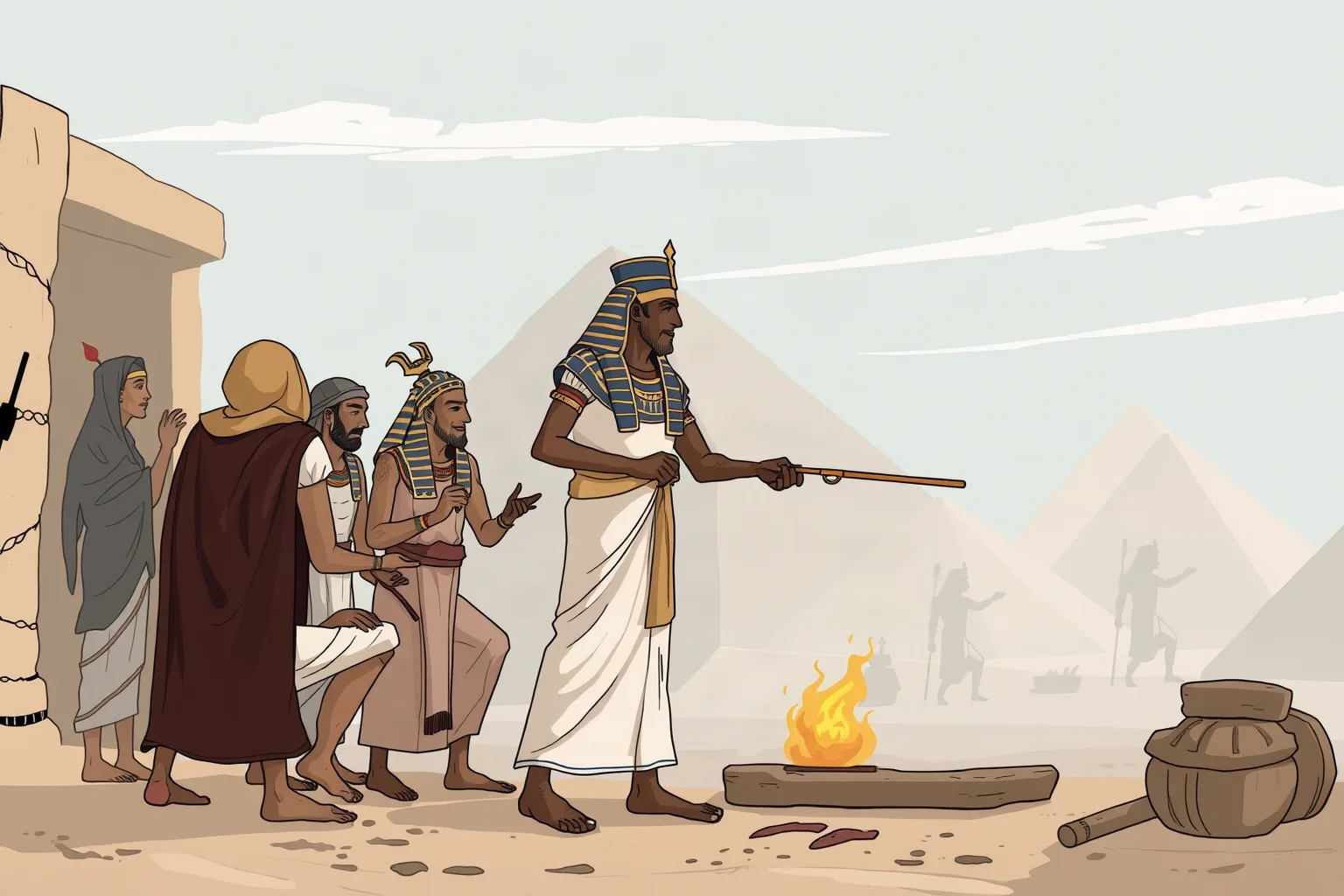
Records from the village of Deir el-Medina, home to the artisans who built royal tombs, describe a labor dispute during the reign of Ramesses III around 1157 BCE. When wages of grain were delayed, the workers reportedly stopped working and staged a sit-in, one of the earliest documented labor strikes in recorded history.
This fact tends to surprise people expecting a rigidly obedient ancient society. It shows that even under pharaonic rule, ordinary workers had leverage and were willing to use it.
16. Egyptian Medicine Included Surgery and Even Prosthetics
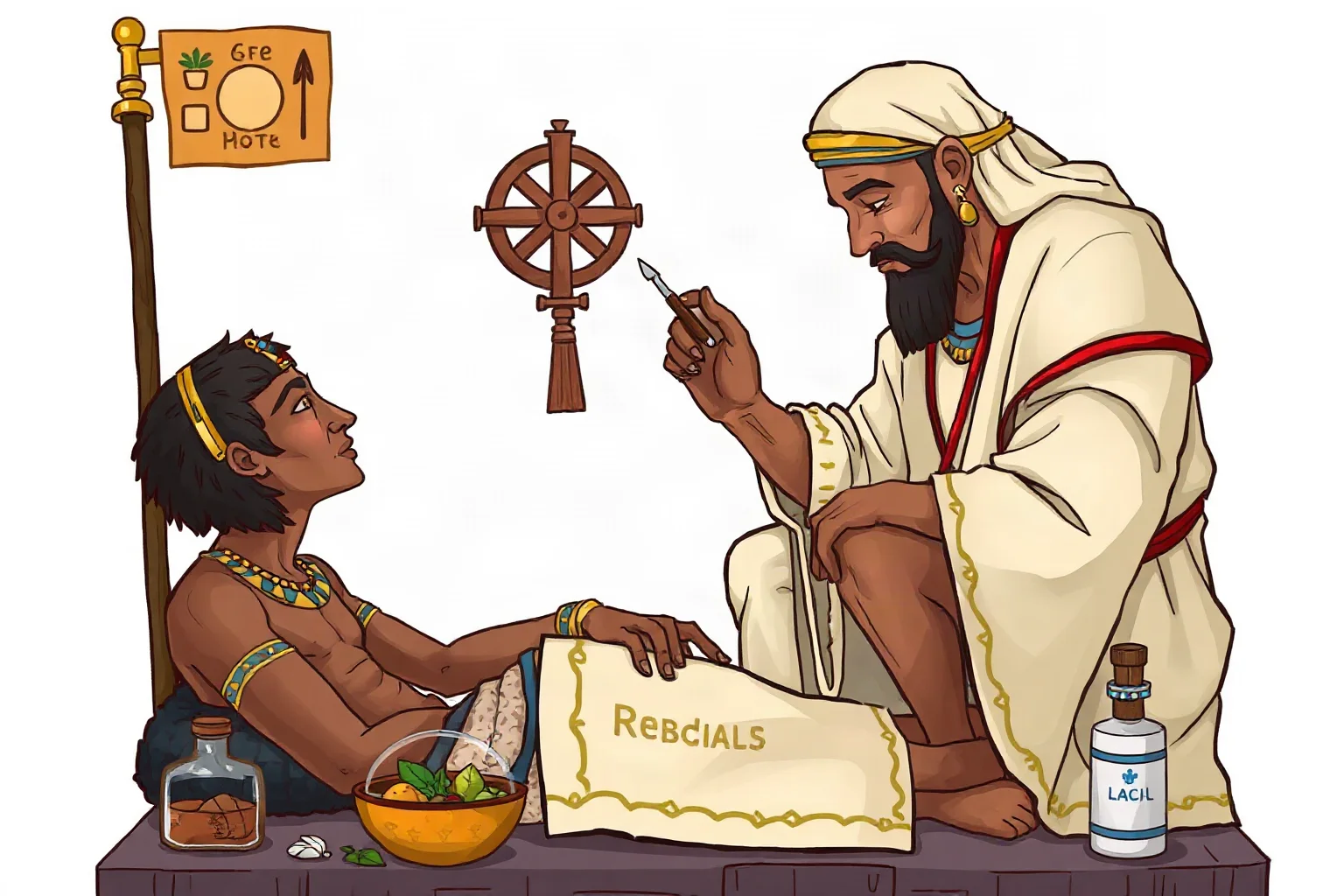
The Edwin Smith Papyrus, dating to around 1600 BCE but likely copied from even older texts, describes dozens of surgical cases with remarkably clinical, non-magical observations. Egyptian physicians set bones, performed basic surgeries, and treated wounds with honey, which has genuine antibacterial properties.
Archaeologists have also found the “Cairo Toe,” a wooden and leather prosthetic toe dated to before 600 BCE, showing signs of wear consistent with real use. It’s considered one of the earliest known functional prosthetics in human history.
17. Ancient Egyptians Worshipped Over Two Thousand Gods and Goddesses
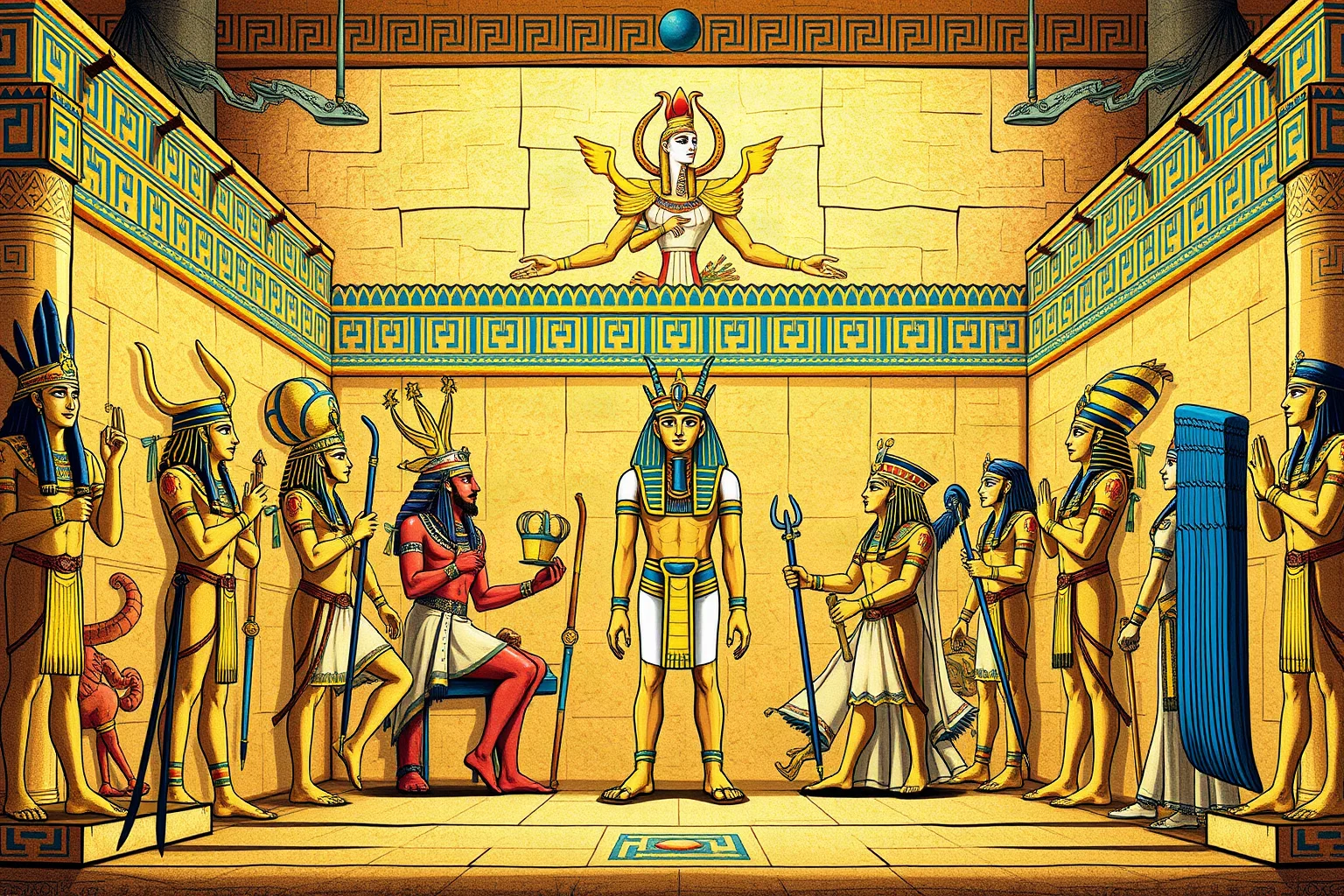
The Egyptian pantheon was vast and often overlapping, with deities like Ra, Osiris, Isis, and Anubis representing everything from the sun to the afterlife to mummification itself. Different regions sometimes emphasized different gods, and deities could merge or take on new roles over time.
Religion wasn’t separate from daily life either, since it touched agriculture, medicine, kingship, and death all at once. Understanding this religious complexity is essential to grasping what ancient Egyptians were truly known for.
18. The Rosetta Stone Unlocked a Lost Language
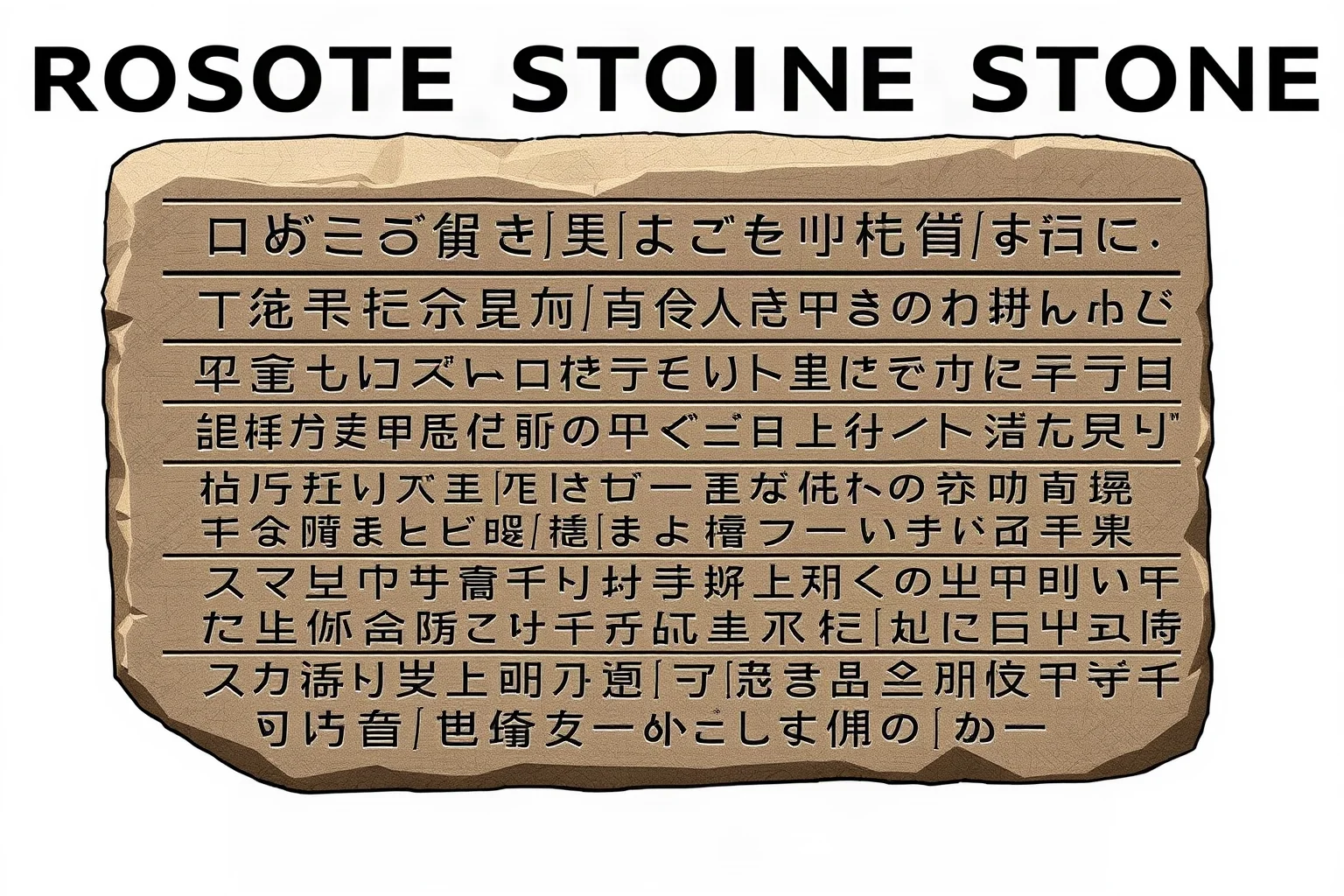
Discovered in 1799 by French soldiers near the town of Rosetta, this stone slab contained the same decree written in hieroglyphic, Demotic, and ancient Greek. Because scholars could already read Greek, they finally had a key to decoding hieroglyphic writing after centuries of failed attempts.
French scholar Jean-François Champollion completed the decipherment in the 1820s, opening up thousands of years of Egyptian texts to modern historians. Without it, huge swaths of Egyptian history might still be a mystery today.
19. Beer Was a Daily Staple, Not Just a Drink for Celebrations
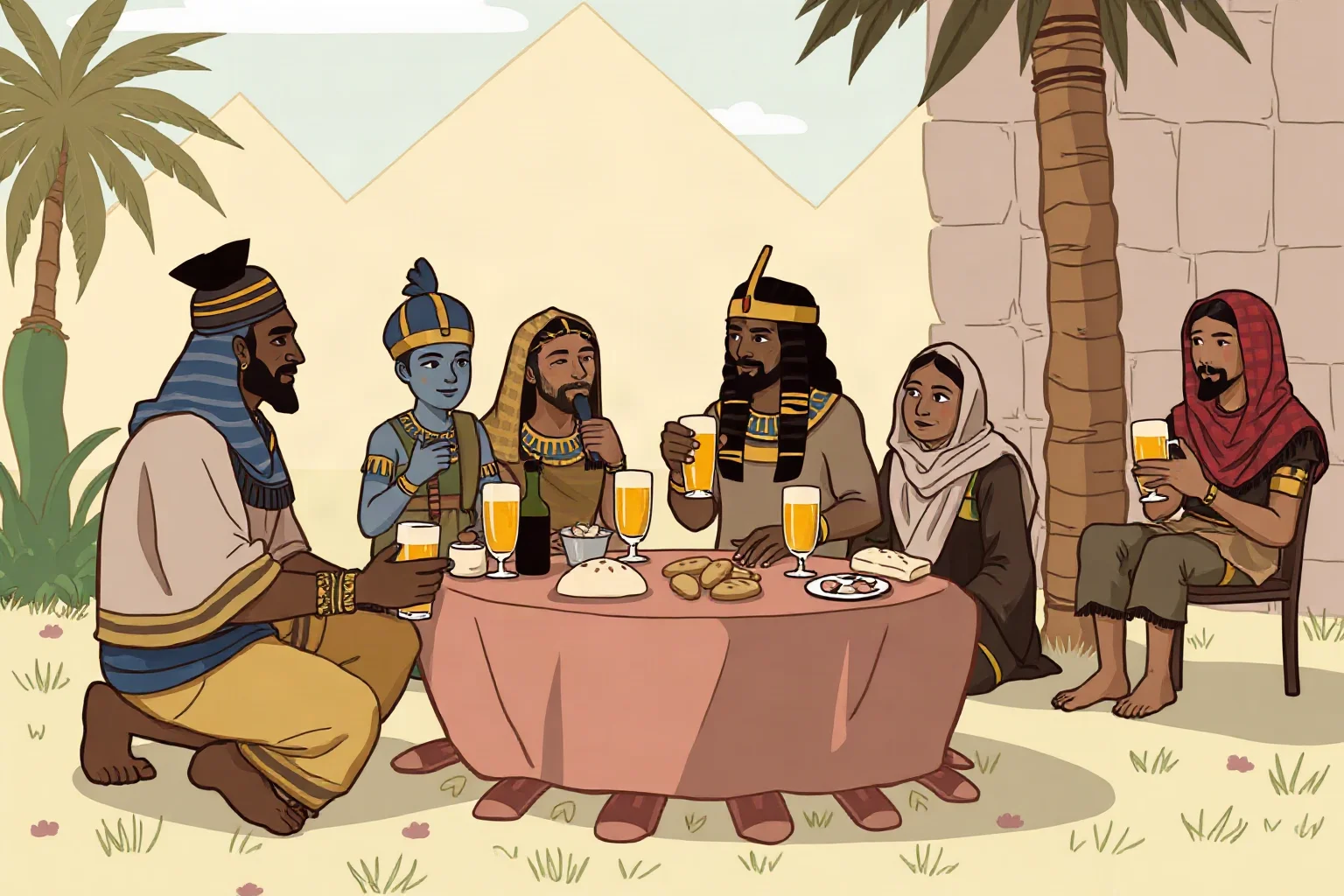
Beer in ancient Egypt was a thick, nutritious, low-alcohol beverage consumed by adults and children alike, often as part of workers’ daily wages alongside bread. It was brewed from barley or emmer wheat and was considered a basic necessity rather than a luxury item.
Some religious rituals even involved offering beer to the gods. It’s a genuinely fun fact about Egypt that this staple was treated less like alcohol and more like a food source.
20. The Book of the Dead Was a Guide for the Afterlife
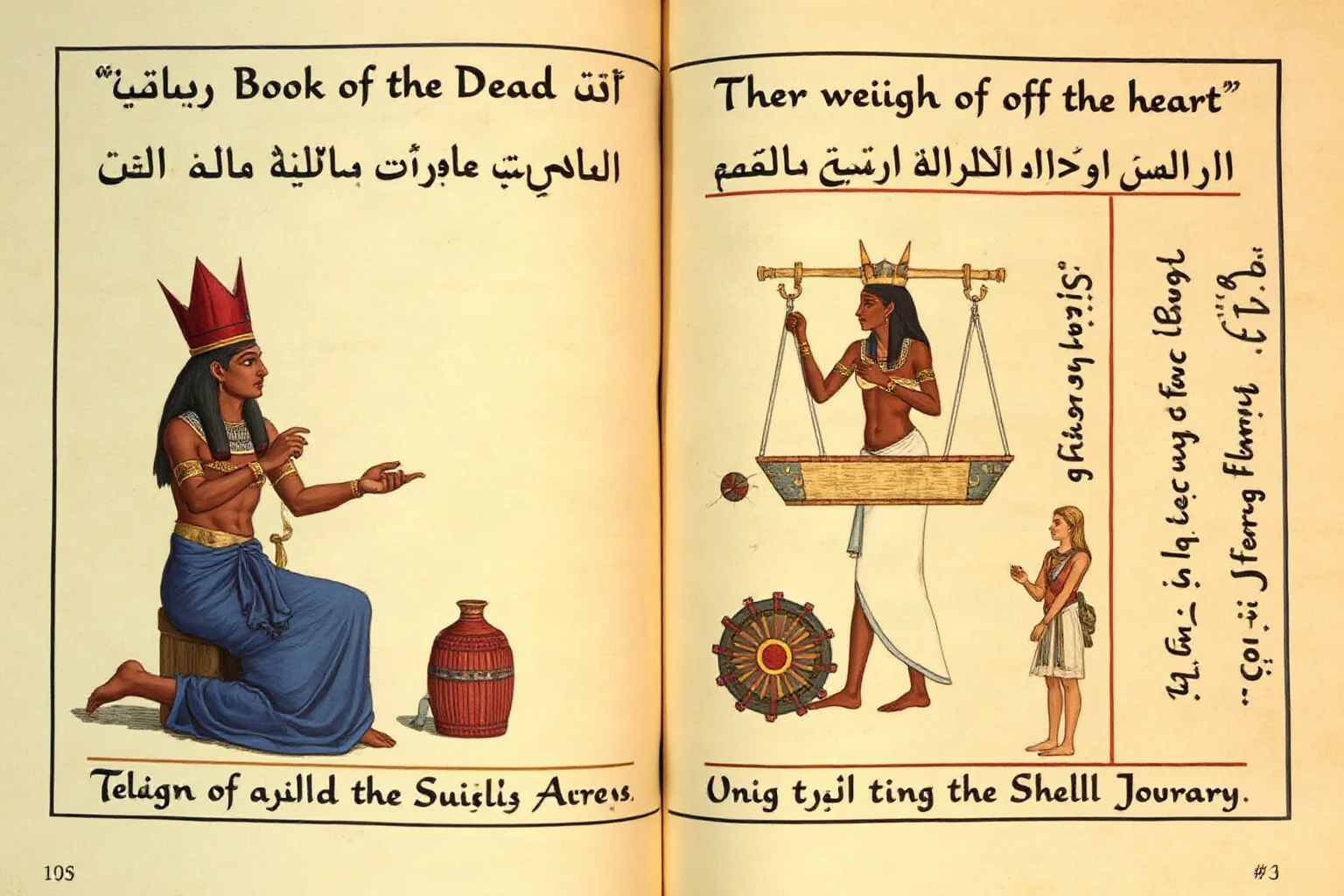
Rather than a single book, the Book of the Dead was a collection of spells, prayers, and instructions meant to help the deceased navigate the dangerous journey through the underworld. Copies were often personalized and placed in tombs alongside the body.
One famous scene depicted in these texts shows the heart being weighed against the feather of Ma’at, the goddess of truth, to determine the person’s fate. This belief in a moral judgment after death shaped much of Egyptian religious practice.
21. Ancient Egyptian Civilization Lasted Roughly 3,000 Years
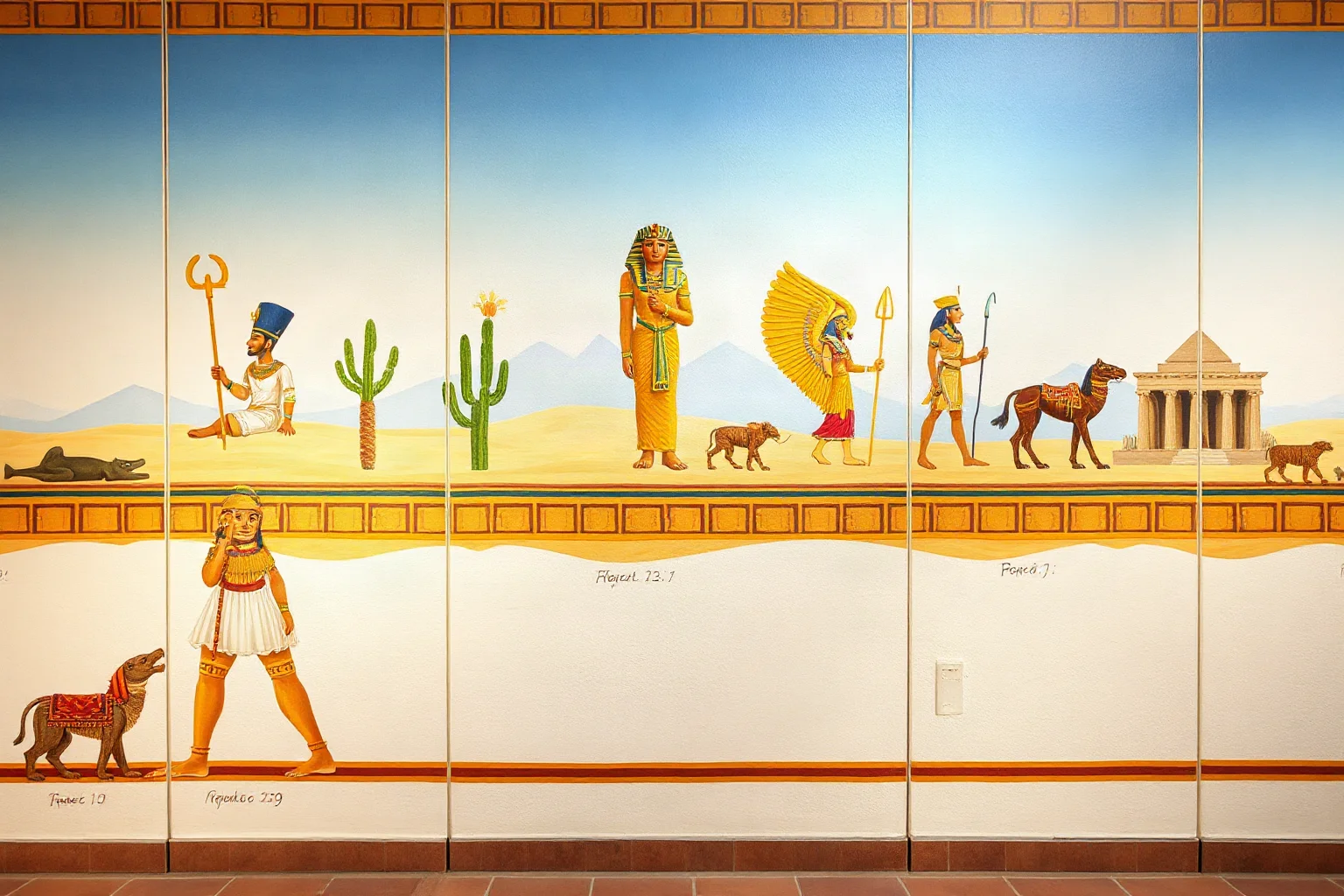
From the unification of Upper and Lower Egypt around 3100 BCE to the Roman annexation in 30 BCE, ancient Egyptian civilization spanned roughly three millennia. To put that in perspective, more time separates the building of the Great Pyramid from Cleopatra’s reign than separates Cleopatra from the present day.
This longevity is genuinely one of the most important facts about ancient Egypt to understand. It wasn’t one static culture, but a civilization that evolved dramatically across dozens of dynasties and foreign influences.
22. Egyptians Traded Widely Across Africa and the Mediterranean
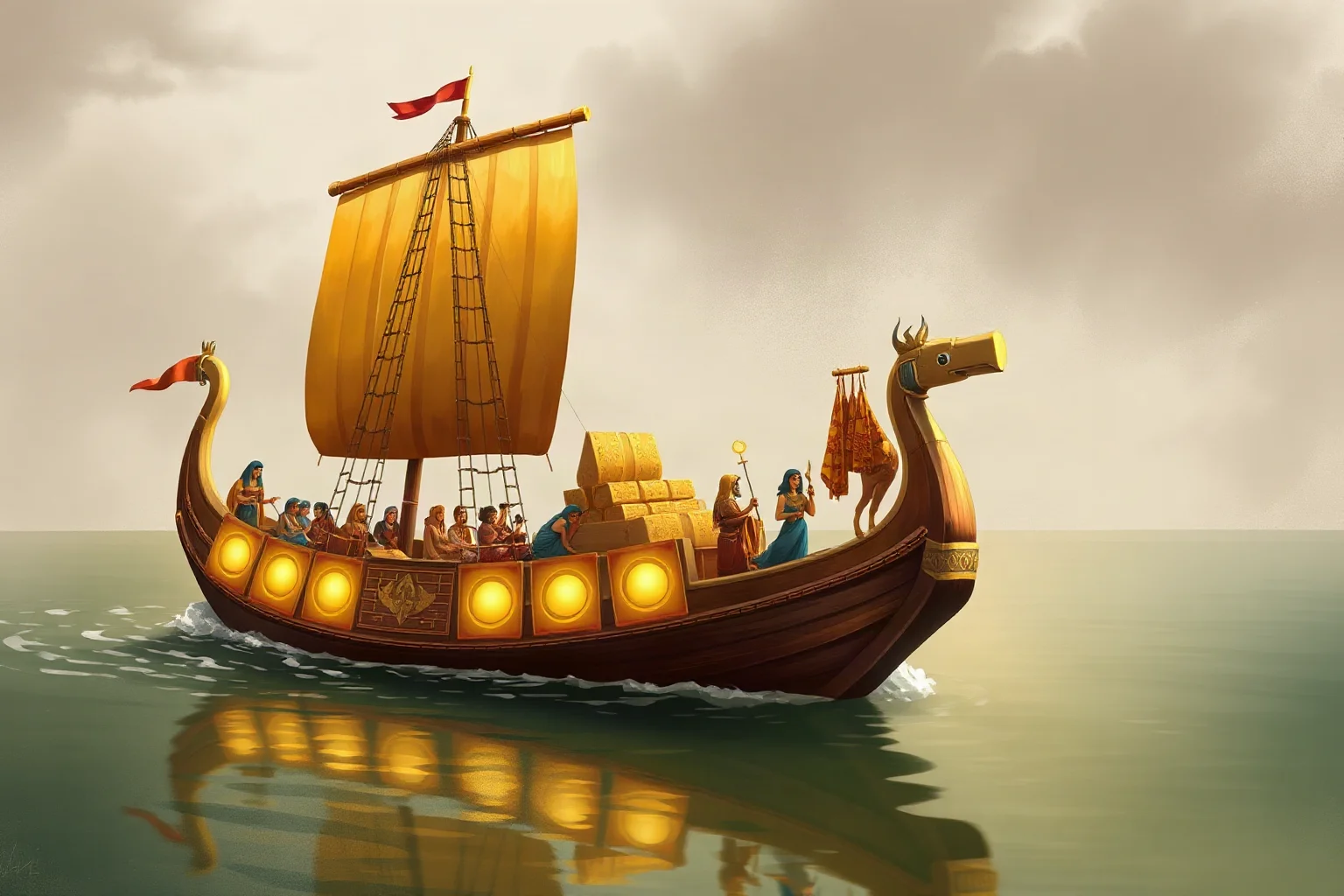
Egypt wasn’t isolated behind its deserts. Trade routes connected it to Nubia in the south, the Levant to the east, and later Greece and Rome, exchanging goods like gold, incense, ivory, cedar wood, and exotic animals.
The expedition to Punt under Hatshepsut, likely located in the Horn of Africa region, is one well-documented example of this long-distance trade. These connections meant Egyptian culture both influenced, and was influenced by, its neighbors.
23. The Great Sphinx Still Holds Unanswered Questions
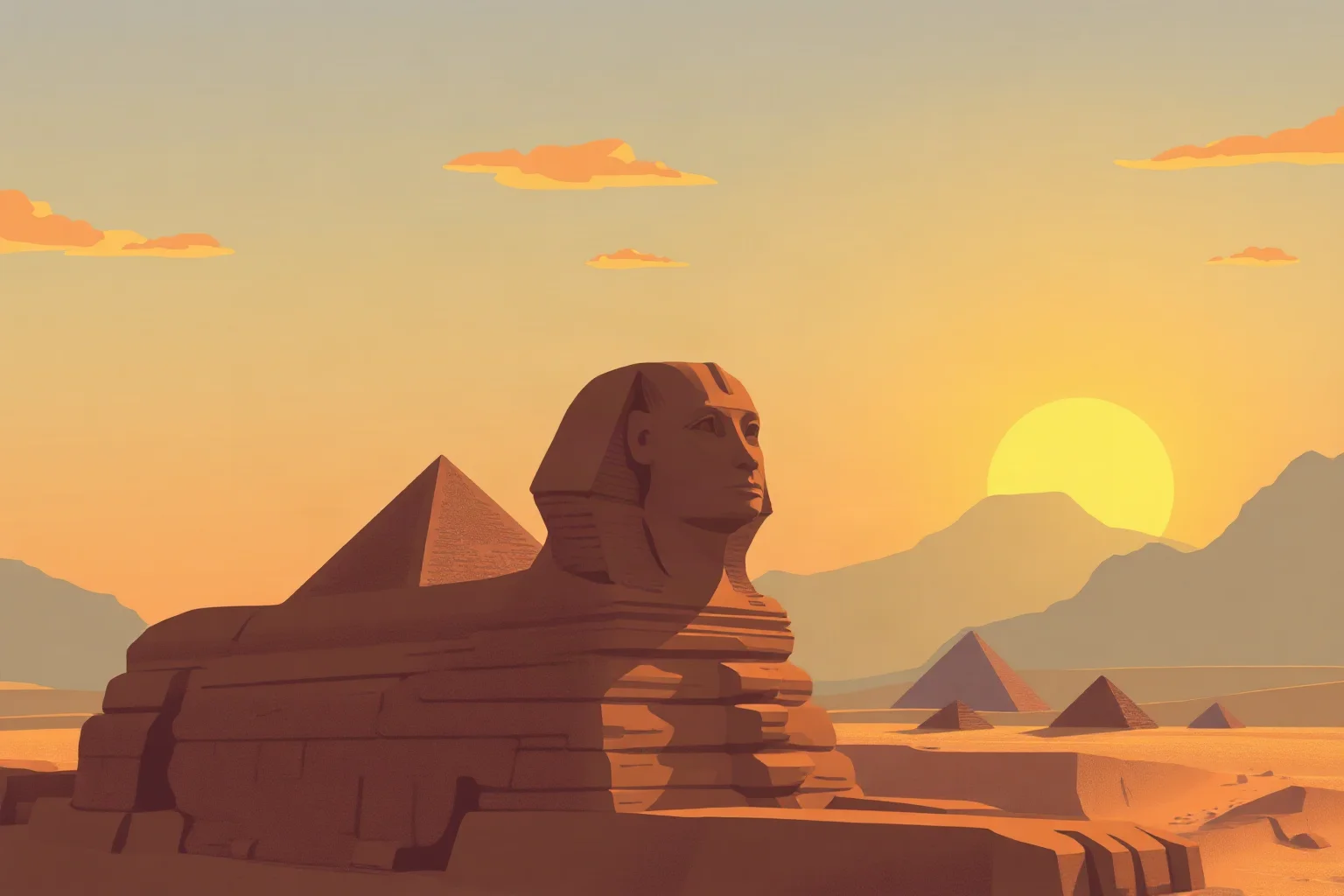
The Great Sphinx of Giza, carved from a single limestone outcrop, is one of the largest monolithic statues in the world at roughly 240 feet long. Most Egyptologists associate it with the pharaoh Khafre based on its location near his pyramid, though the evidence isn’t entirely conclusive.
Its exact construction date and purpose remain subjects of ongoing academic debate rather than settled fact. This lingering uncertainty is part of why the Sphinx continues to fascinate both historians and casual visitors alike.
24. Shaved Heads and Wigs Were a Matter of Hygiene, Not Just Fashion
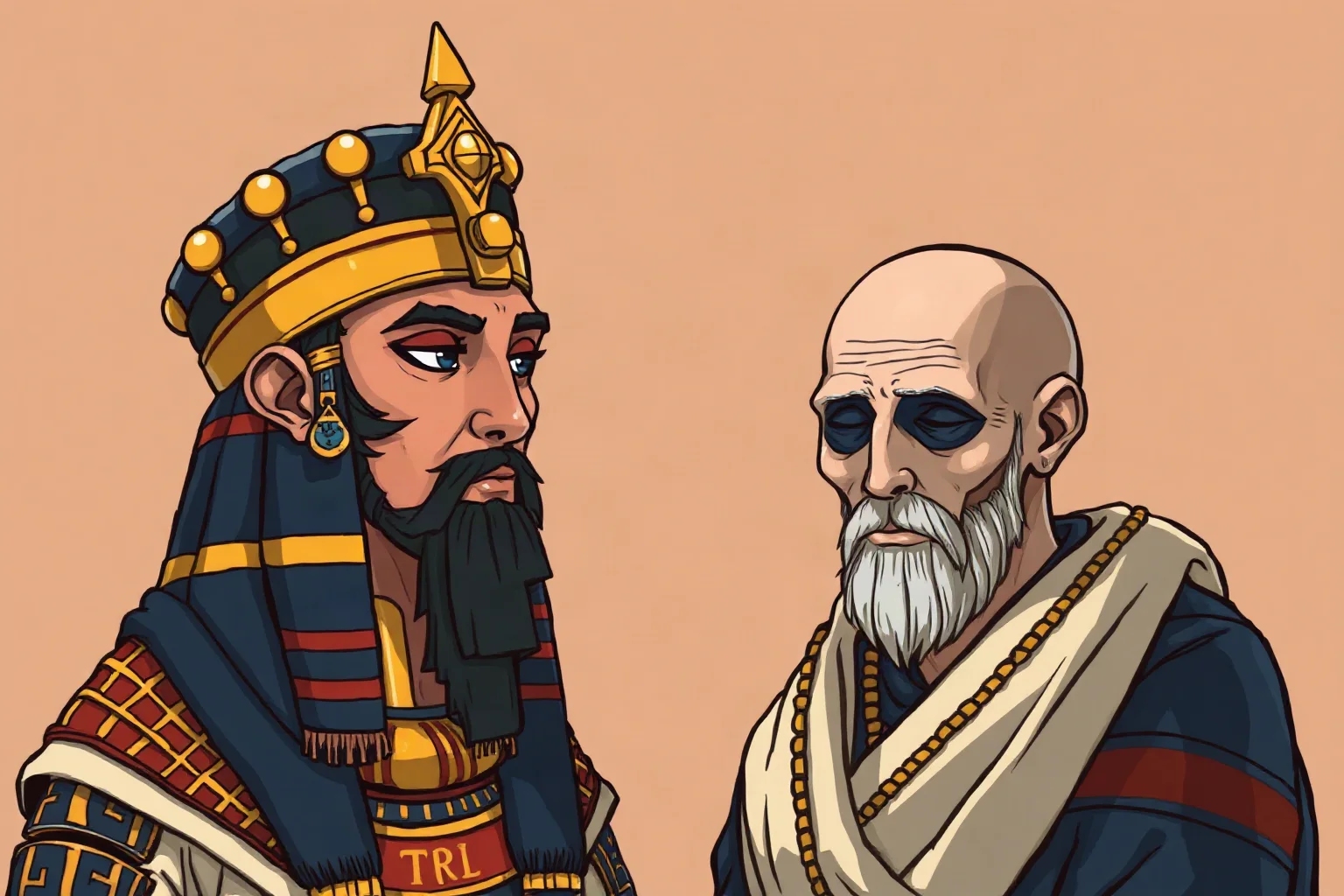
Many ancient Egyptians, particularly among the upper classes, shaved their heads to avoid lice and manage the heat, then wore elaborately styled wigs made from human hair or plant fibers for social occasions. Wigs also signaled status, with more elaborate styles reserved for the wealthy.
Priests in particular were expected to keep their entire bodies hair-free as part of ritual purity requirements. It’s an unusual fact about ancient Egypt that reveals how practical concerns and social status often overlapped.
25. Modern Egypt Still Carries Ancient Egypt’s Legacy
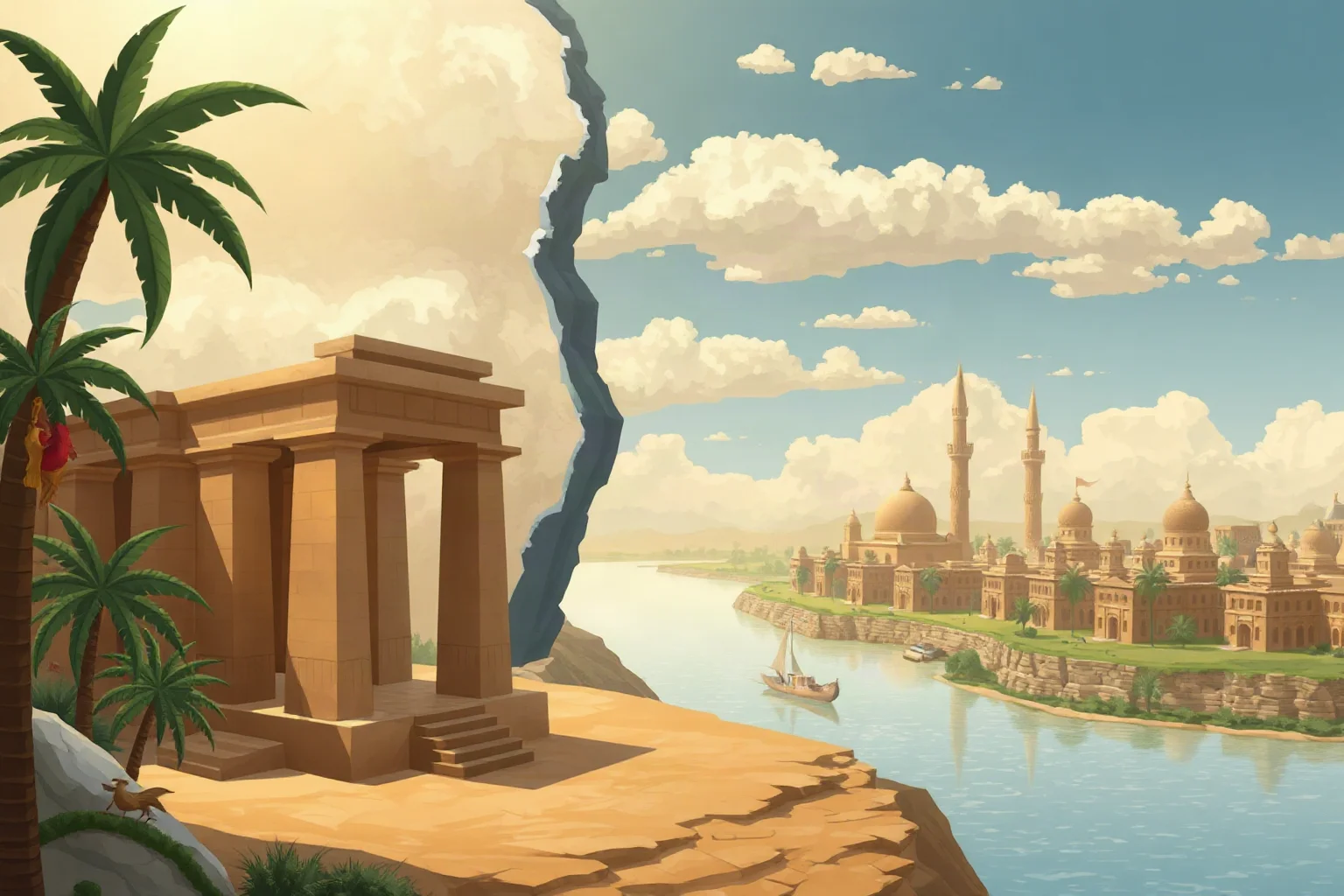
Today’s Egypt is a modern nation of over 100 million people, and while its population is overwhelmingly Muslim and Arabic-speaking, echoes of the ancient civilization remain everywhere. The Nile still sustains most agriculture, and monuments like Giza and Luxor draw millions of tourists each year.
Interestingly, Egyptian Arabic still contains a small number of words with roots traceable to ancient Egyptian language, passed down through Coptic. These interesting facts about modern Egypt show that the ancient world never fully disappeared, it just kept evolving.
Final Thoughts on Ancient Egypt’s Enduring Legacy
Ancient Egypt earns its reputation as one of history’s most remarkable civilizations, not because of any single achievement, but because of how many different fields it touched. Writing, medicine, mathematics, architecture, and religion all reached levels of sophistication that still impress historians thousands of years later.
What makes these facts about ancient Egypt so compelling is how much verified evidence backs them up, even as pop culture keeps piling on exaggerated myths. From workers’ strikes to prosthetic toes, the real history is often stranger and more human than the legends.
Whether you came looking for fun facts about Egypt for a school project or genuine trivia about Egypt to impress friends, hopefully this list gave you a clearer, myth-checked picture. Ancient Egypt doesn’t need embellishment. The documented reality is fascinating enough on its own.
Frequently Asked Questions
What are some interesting facts on Egypt?
Ancient Egypt lasted roughly 3,000 years, built the Great Pyramid without slave labor, developed one of the world's earliest writing systems in hieroglyphs, and practiced detailed mummification rituals tied to a belief in judgment after death. Modern Egypt still carries traces of this legacy through the Nile-based economy and popular tourism sites like Giza and Luxor.
What are 3 important facts about ancient Egypt?
First, ancient Egyptian civilization endured for about three millennia, longer than the time separating Cleopatra's reign from today. Second, its writing system, hieroglyphs, was one of the earliest developed anywhere in the world. Third, the pyramids were most likely built by paid laborers and skilled craftsmen rather than enslaved people, based on evidence from nearby workers' settlements.
What are the Egyptians known for?
Ancient Egyptians are best known for monumental architecture like the pyramids and the Great Sphinx, elaborate mummification practices, hieroglyphic writing, and a complex religious system with over 2,000 gods and goddesses. They also made significant advances in mathematics, medicine, and calendar-keeping that influenced later civilizations.
What is one fun fact about ancient Egypt?
One fun fact is that ancient Egyptian beer was considered a daily food staple rather than a party drink, and workers were sometimes even paid in bread and beer as part of their wages. It was thick, nutritious, and consumed by adults and children alike.
How long did ancient Egyptian civilization actually last?
Ancient Egyptian civilization spanned roughly 3,000 years, from unification around 3100 BCE to Roman annexation in 30 BCE following Cleopatra's death. That timeline covers dozens of dynasties, several foreign invasions, and dramatic cultural shifts.
Were the pyramids of Egypt really built by slaves?
No, this is a common myth. Archaeological evidence from workers' villages near Giza suggests the pyramids were built primarily by paid laborers and skilled craftsmen who received food, housing, and medical care, and were even given honorary burials nearby.
What language did the ancient Egyptians speak and write?
Ancient Egyptians spoke Egyptian, a language written in hieroglyphs for formal and religious texts and in simplified scripts like hieratic and Demotic for everyday use. The language eventually evolved into Coptic, and some of its vocabulary survives in modern Egyptian Arabic today.
Is modern Egypt the same as ancient Egypt?
Not exactly. Modern Egypt is a majority Muslim, Arabic-speaking nation, culturally and religiously distinct from the polytheistic civilization of the pharaohs. However, it still occupies the same Nile-centered geography and preserves ancient monuments that remain central to its identity and economy.

Alex Warren
Related Articles