Every October, baseball fans argue about the best World Series ever, and the debate rarely ends cleanly. The Fall Classic has produced so many swings, catches, and collapses that no single list can settle the question.
Still, some moments have shaped how we remember the World Series itself. They range from the first modern championship to perfect games, walk-off homers, and curses finally broken.
TL;DR: The World Series' greatest moments are not just heroic hits; they are the plays, mistakes, and comebacks that turned baseball's championship into a shared American ritual.
What Makes a World Series Moment Last?
Memorable World Series moments usually combine high stakes with a single, irreversible change. A routine grounder can become a legend if it happens with the season on the line.
The best World Series games of all time also carry context: a drought, a dynasty, a scandal, or a player who had waited years for one swing. This list mixes famous highlights with moments whose meaning grew after the final out.
1. The First Modern World Series Sets the Stage (1903)

In 1903, the Pittsburgh Pirates of the National League agreed to meet the Boston Americans of the new American League in a postseason series. It was not yet the World Series best-of-seven format fans know today, but it was the first modern World Series.
Boston fell behind three games to one before winning four straight. The Americans clinched with a 3-0 victory in Game 8, turning an experimental championship into a genuine spectacle.
The series proved that interleague postseason baseball could draw attention and create stars. It also gave the World Series a founding story: a favored team, a comeback, and a final game that made the whole enterprise feel necessary.
2. Fred Snodgrass's Muff Becomes a Cautionary Tale (1912)
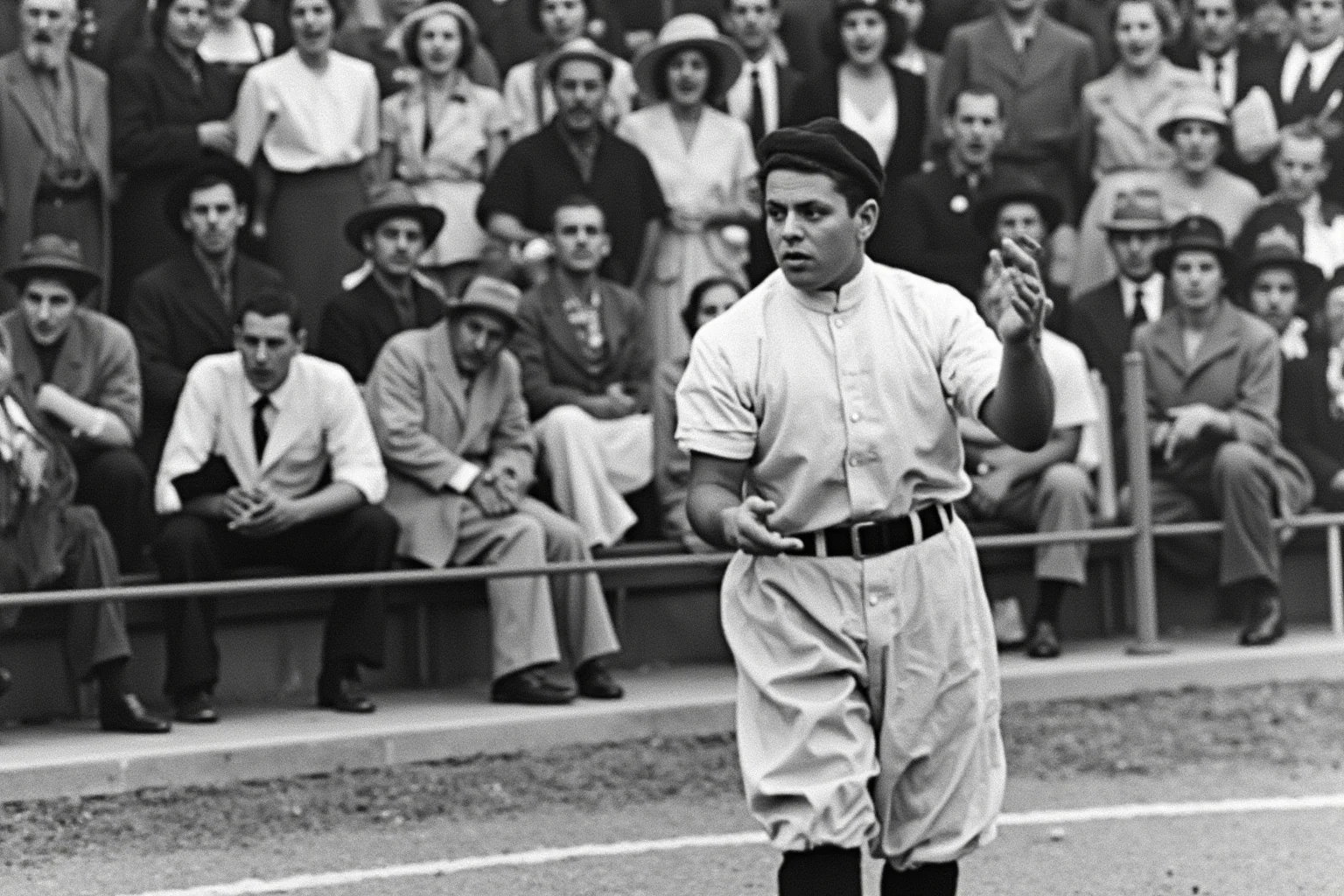
In Game 8 of the 1912 World Series, Giants center fielder Fred Snodgrass dropped a routine fly in the 10th inning. The Red Sox took advantage and won 3-2 to capture the championship.
The play became known as Snodgrass's Muff, but it did not single-handedly lose the series. New York still had chances in that inning, and the error became more famous than its actual impact.
That gap between reputation and reality is part of what makes World Series history so fascinating. A single flub can outlive a dozen better plays, especially when it arrives at the worst possible moment.
3. The Black Sox Scandal Shatters Trust (1919)
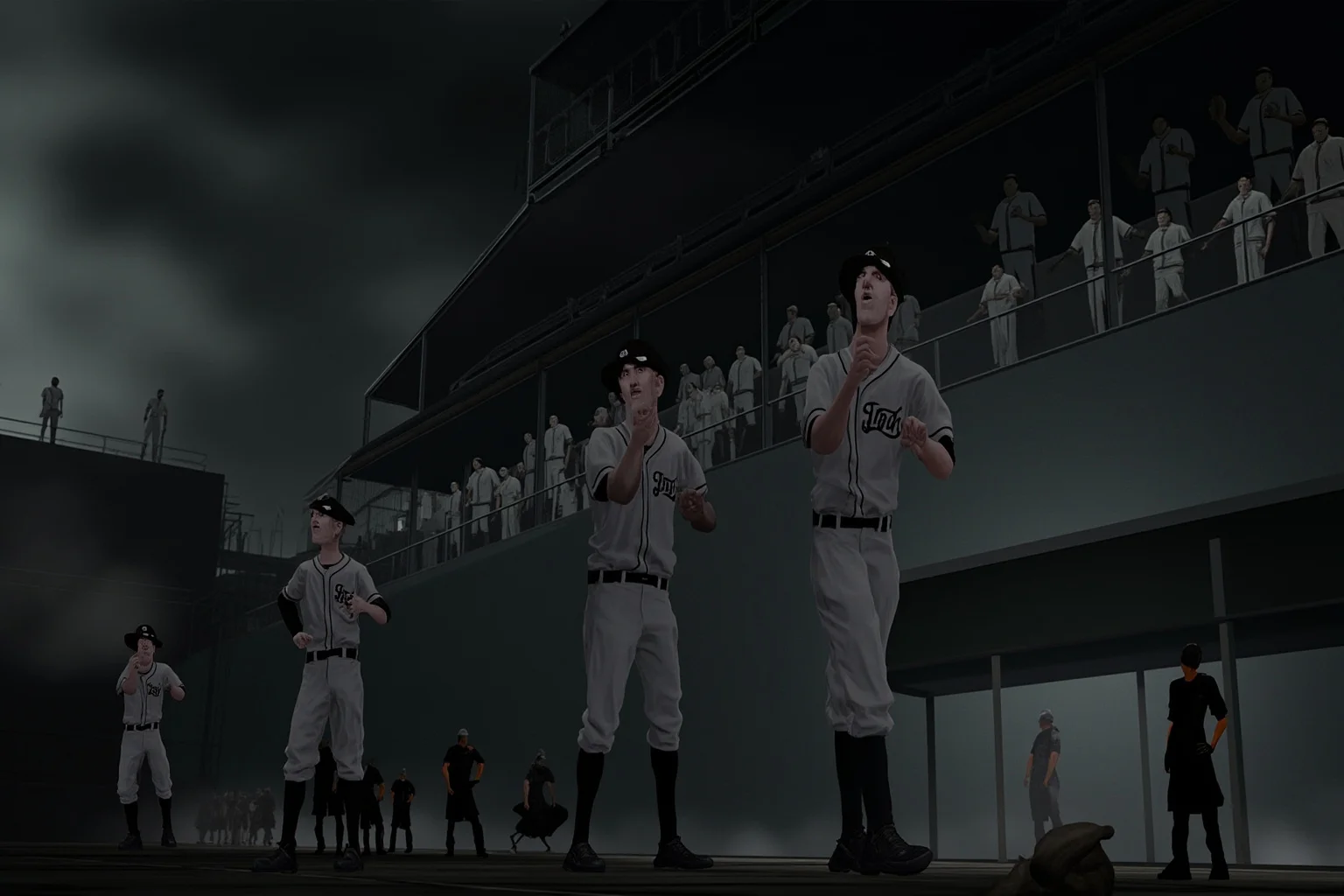
The Cincinnati Reds beat the Chicago White Sox in a best-of-nine 1919 World Series, but the result was soon overshadowed by allegations that White Sox players had conspired to lose. Eight players were banned from baseball in 1921, including Shoeless Joe Jackson.
The scandal did not just stain one series; it changed how fans talked about the game's integrity. It also became a permanent warning about what can happen when the World Series becomes a backdrop for gambling and betrayal.
Baseball responded with reforms and a new emphasis on policing the sport's image. The Black Sox affair remains a defining October story because it showed that the World Series could be damaged from within.
4. The 1927 Yankees Turn Dominance Into Legend (1927)
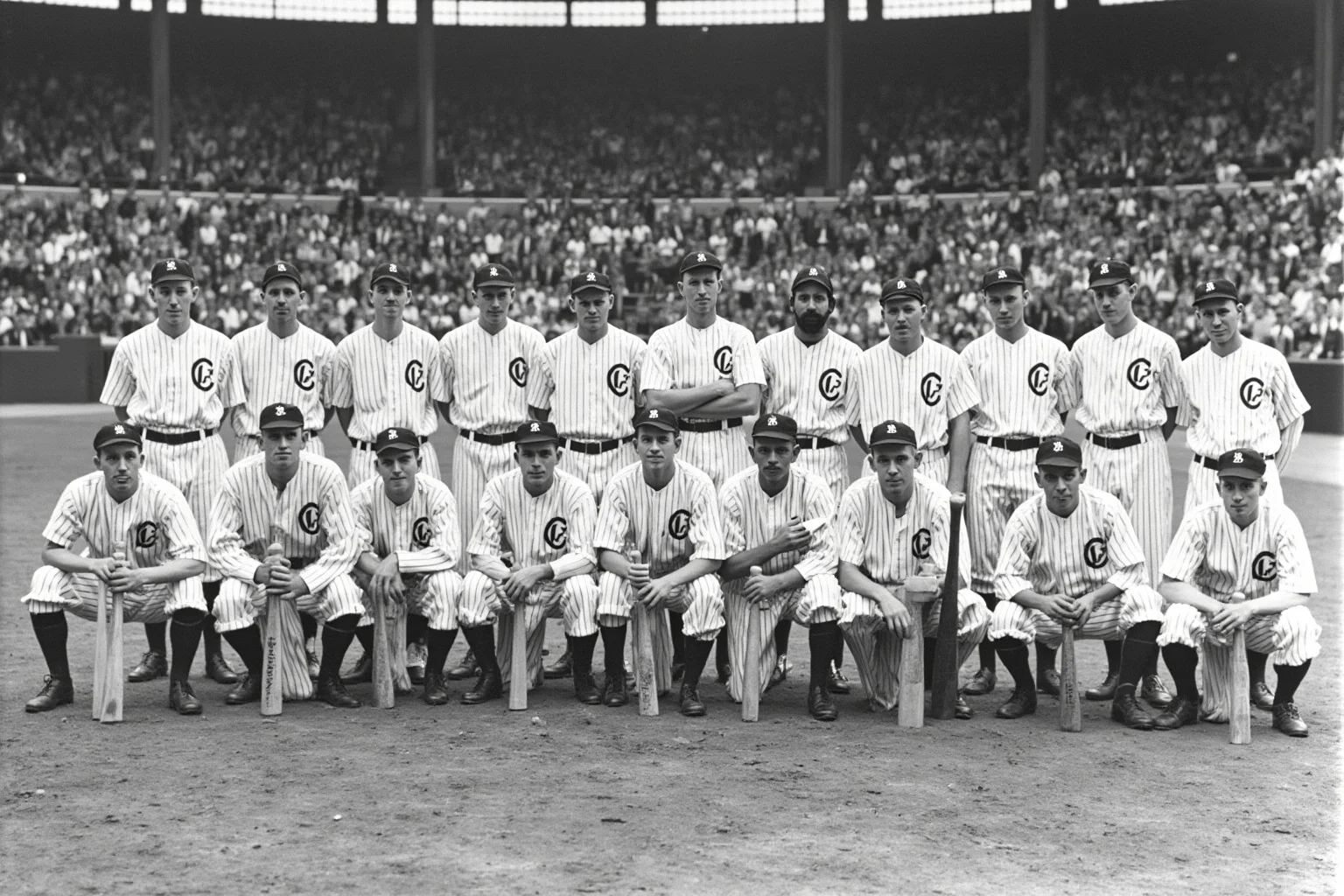
The 1927 New York Yankees swept the Pittsburgh Pirates in four games, outscoring them 23-10. With Babe Ruth and Lou Gehrig leading a lineup known as Murderers' Row, the Yankees looked less like a team and more like a standard for greatness.
The sweep helped define the idea of a World Series dynasty. Later Yankees teams won more, but the 1927 club became the shorthand for a roster that could overwhelm October.
Modern fans still use that team as a measuring stick for dominance. The 1927 series was not the most dramatic, but it was one of the most influential in shaping what a powerhouse looks like.
5. Babe Ruth's Called Shot Becomes a Myth (1932)

In Game 3 of the 1932 World Series at Wrigley Field, Babe Ruth made a gesture toward the outfield and then hit a long home run. Legend says he called the shot, but the truth is disputed; no clear film or contemporaneous account settles exactly what he intended.
That uncertainty has only made the moment more durable. It shows how the greatest World Series stories often sit between what happened and what fans chose to remember.
The called-shot story also reveals a useful lesson about baseball mythology. Repetition can turn a gesture into a guarantee, even when the evidence remains stubbornly unclear.
6. Jackie Robinson Breaks the World Series Color Line (1947)
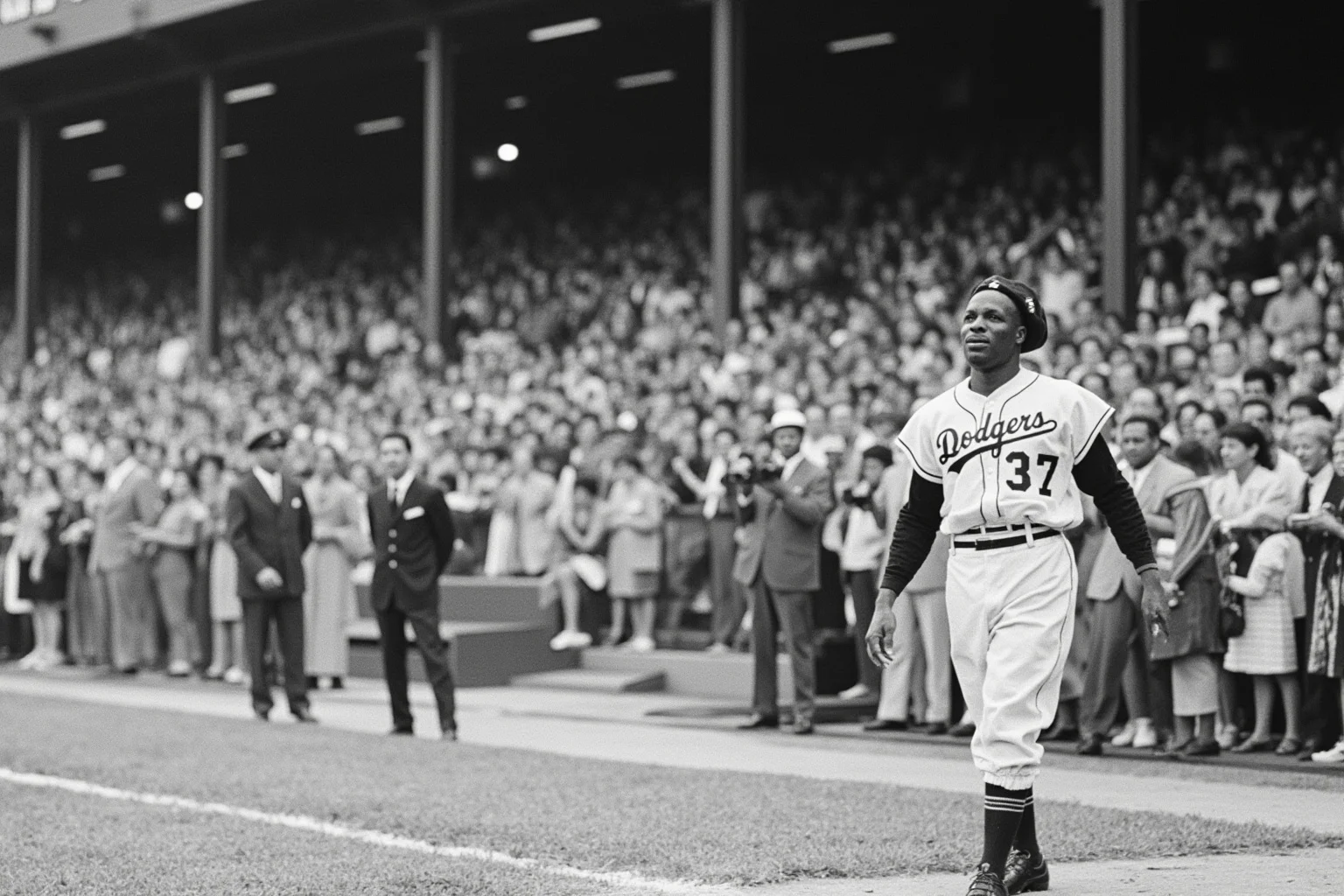
When Jackie Robinson took the field for the Brooklyn Dodgers in the 1947 World Series, he became the first Black player to appear in the Fall Classic. The Dodgers lost to the Yankees in seven games, but Robinson's presence marked a historic step for the sport.
Robinson had already broken baseball's color line that April, and the World Series gave the change a national stage. The moment was not a tidy triumph, but it helped make integration impossible to ignore.
The series also exposed how much pressure followed Robinson at every turn. His appearance did not end discrimination, but it changed the visual and moral landscape of the championship.
7. Willie Mays Makes The Catch (1954)
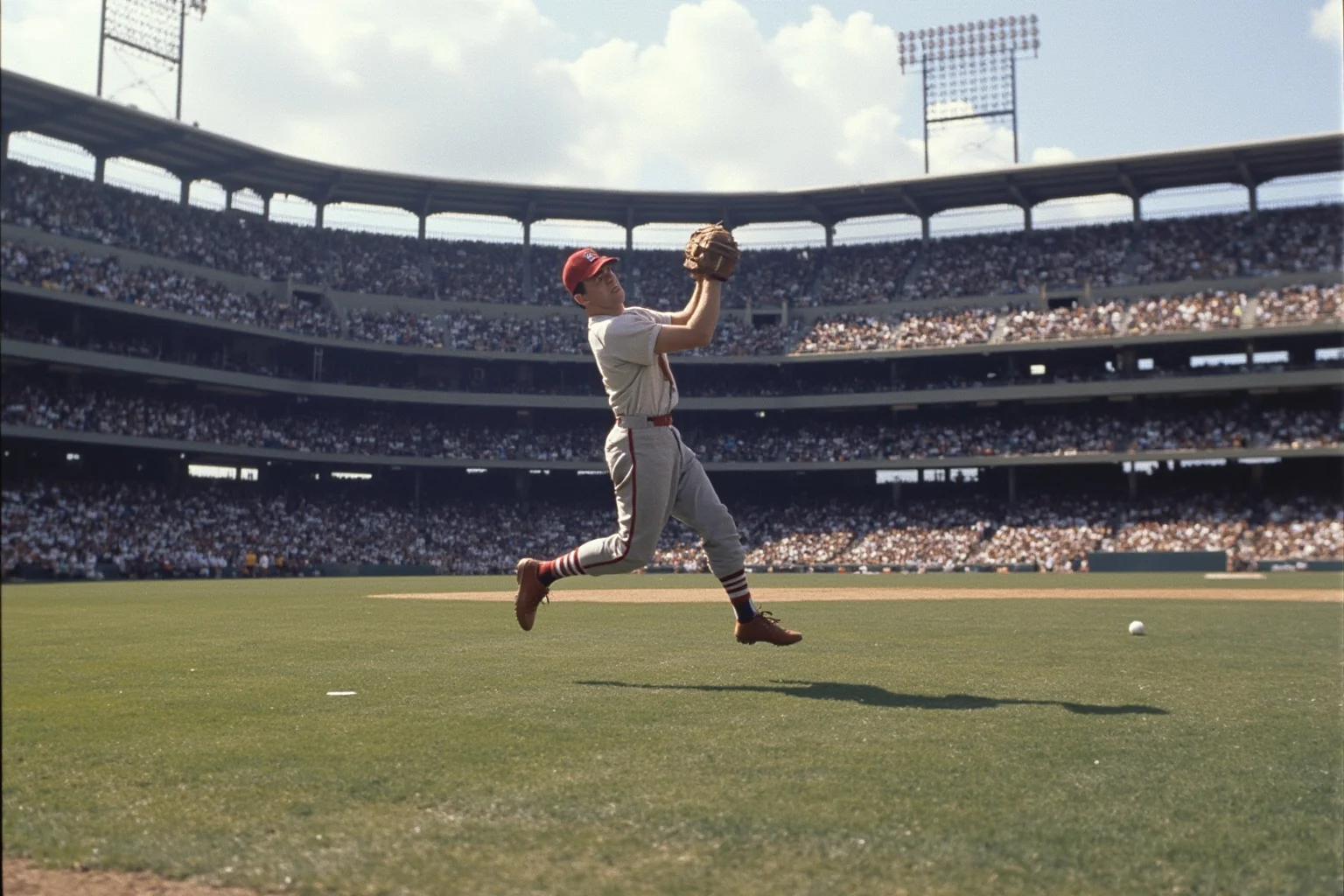
In Game 1 of the 1954 World Series, Vic Wertz of the Cleveland Indians hit a deep drive to center field at the Polo Grounds. Willie Mays turned and made an over-the-shoulder catch that is still known simply as The Catch.
The Giants went on to win the game in extra innings and swept the series. The play endures because it combined speed, instinct, and a ballpark so vast that it seemed to require a miracle.
Modern highlights often rely on slow-motion replays and multiple angles. Mays's catch needed only one look to become permanent, which is part of why it still feels like the standard for defensive brilliance.
8. Don Larsen Throws a Perfect Game (1956)
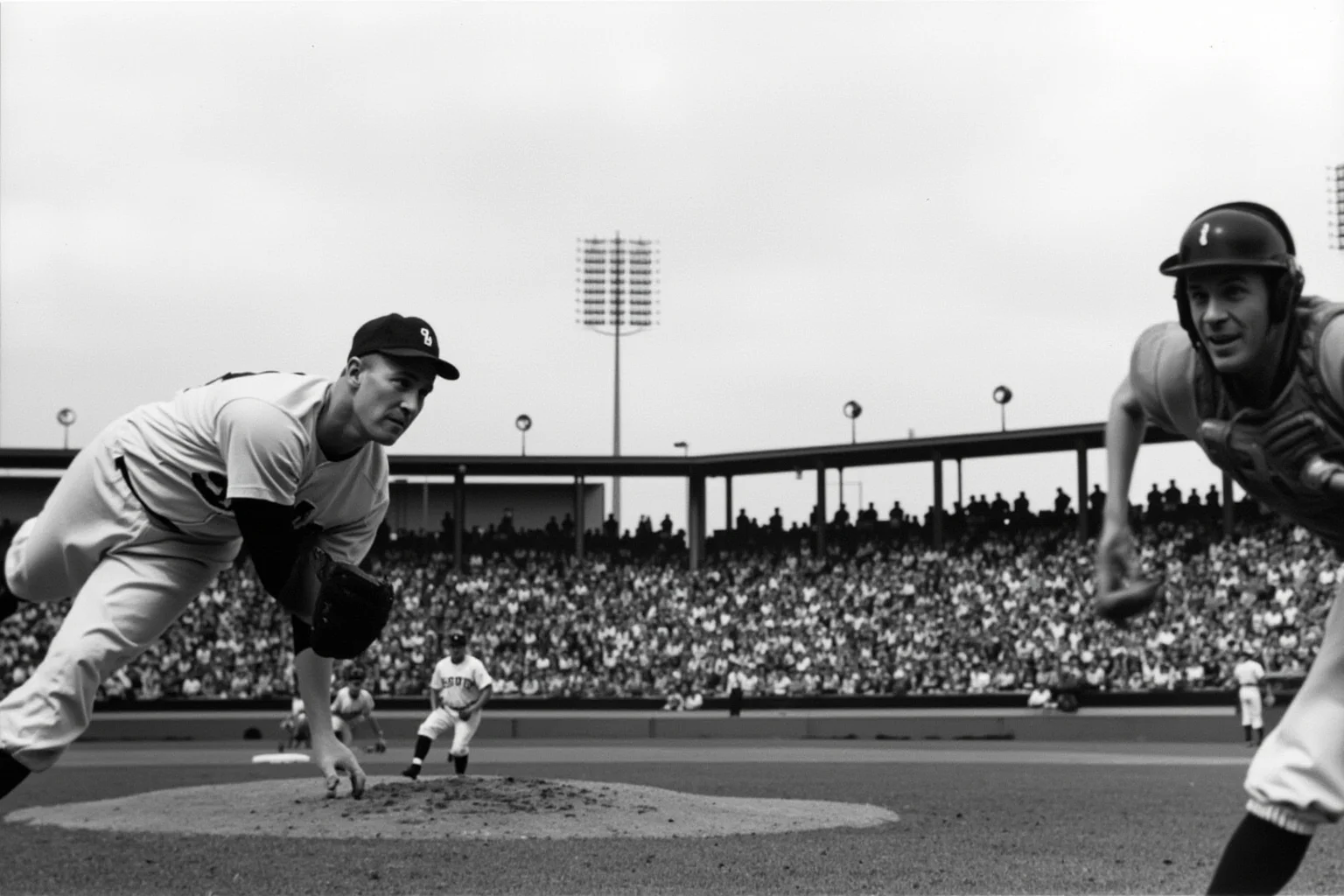
In Game 5 of the 1956 World Series, Don Larsen of the Yankees retired all 27 Brooklyn Dodgers he faced. It remains the only perfect game in World Series history, and Larsen's 2-0 win became an instant October legend.
Perfect games are rare in any setting; a perfect game in the World Series is almost impossible to imagine. The fact that Larsen had been an inconsistent pitcher made the performance feel even more like a sudden gift.
Catcher Yogi Berra's leap into Larsen's arms became the visual signature of the moment. The game remains a reminder that October can produce perfection without warning.
9. Bill Mazeroski Ends the Series With a Home Run (1960)
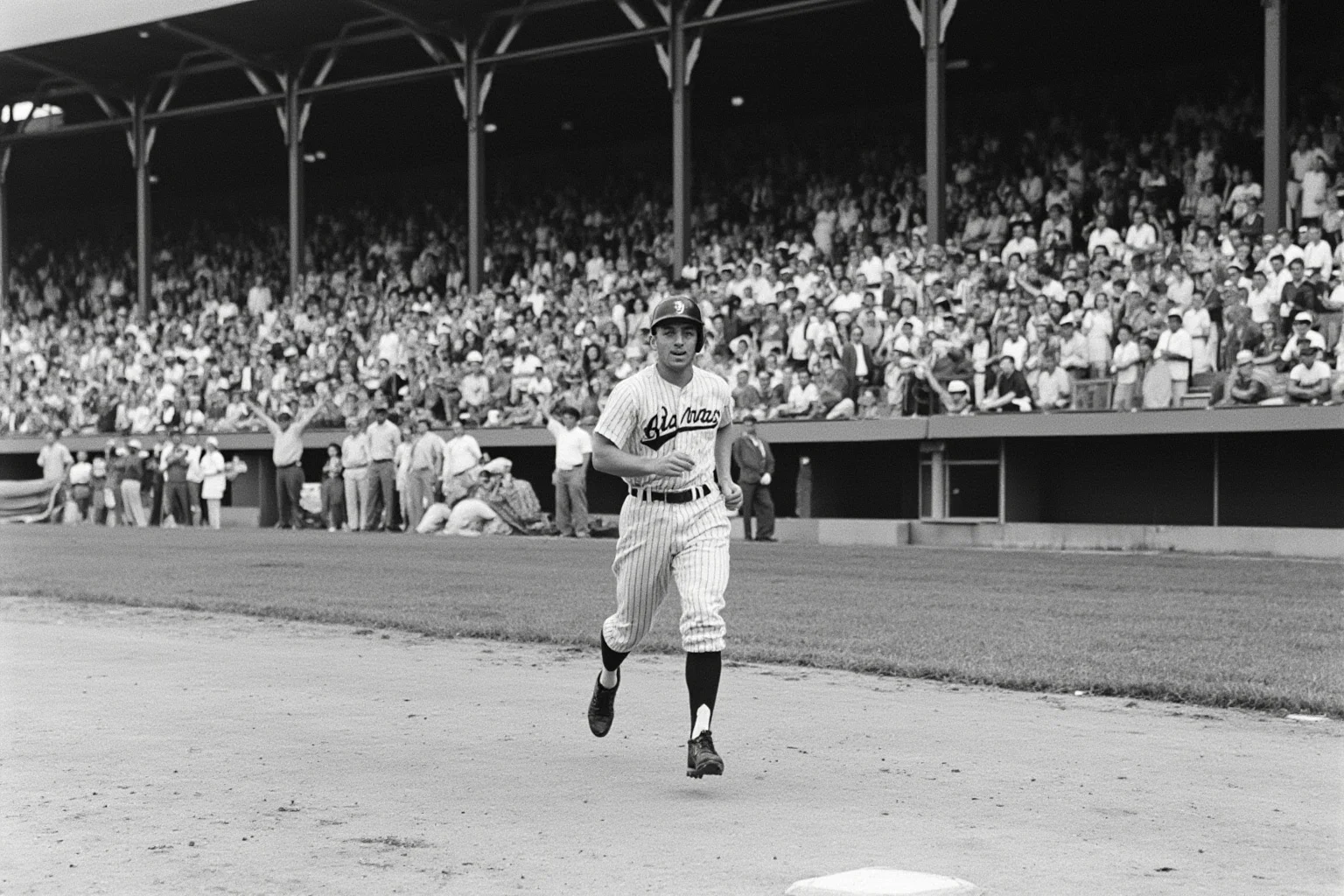
Bill Mazeroski's leadoff home run in the bottom of the ninth gave the Pittsburgh Pirates a 10-9 win over the Yankees in Game 7. It was the first walk-off home run to end a World Series.
The Yankees actually outscored Pittsburgh by a wide margin across the series, which makes the result a useful myth-buster. Championships are not awarded for aggregate runs, and one swing can outweigh a week of dominance.
Mazeroski's homer also gave the World Series one of its cleanest endings. The ball left the park, the Pirates celebrated, and the Yankees had no reply.
10. The Miracle Mets Stun the Orioles (1969)
The 1969 New York Mets were not supposed to beat the powerful Baltimore Orioles, yet they won the World Series in five games. Their unlikely run turned a young franchise into a symbol of October possibility.
The Mets' victory helped cement the idea that the best World Series ever is not always the one with the most famous teams. Sometimes it is the one where the underdog refuses to behave like one.
New York's pitching staff and timely hits made the upset feel earned rather than lucky. The Miracle Mets became a template for every October team that believes it can ignore the odds.
11. Carlton Fisk Waves His Home Run Fair (1975)
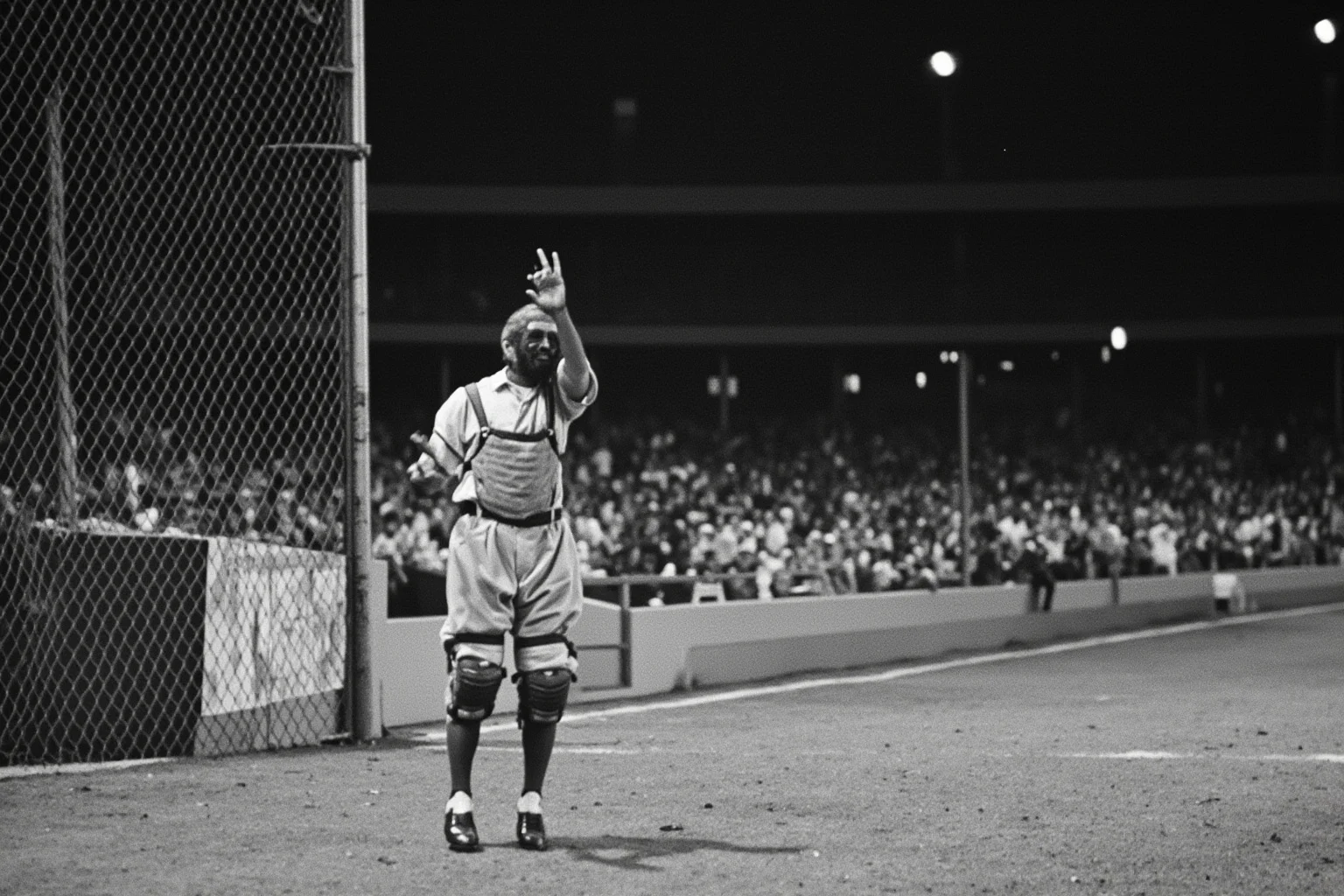
In Game 6 of the 1975 World Series, Carlton Fisk hit a 12th-inning home run off Pat Darcy at Fenway Park. As the ball sailed toward the left-field pole, Fisk waved his arms, trying to will it fair.
The Red Sox won 7-6 and forced a Game 7, which the Cincinnati Reds won. The image of Fisk dancing near home plate became one of the most replayed moments in World Series history, even though Boston did not win the title.
Game 6 is often ranked among the best World Series games ever because it had everything: tension, extra innings, a dramatic finish, and a visual that needed no narration. It also proved that a classic game can belong to the losing team.
12. Reggie Jackson Hits Three Home Runs (1977)
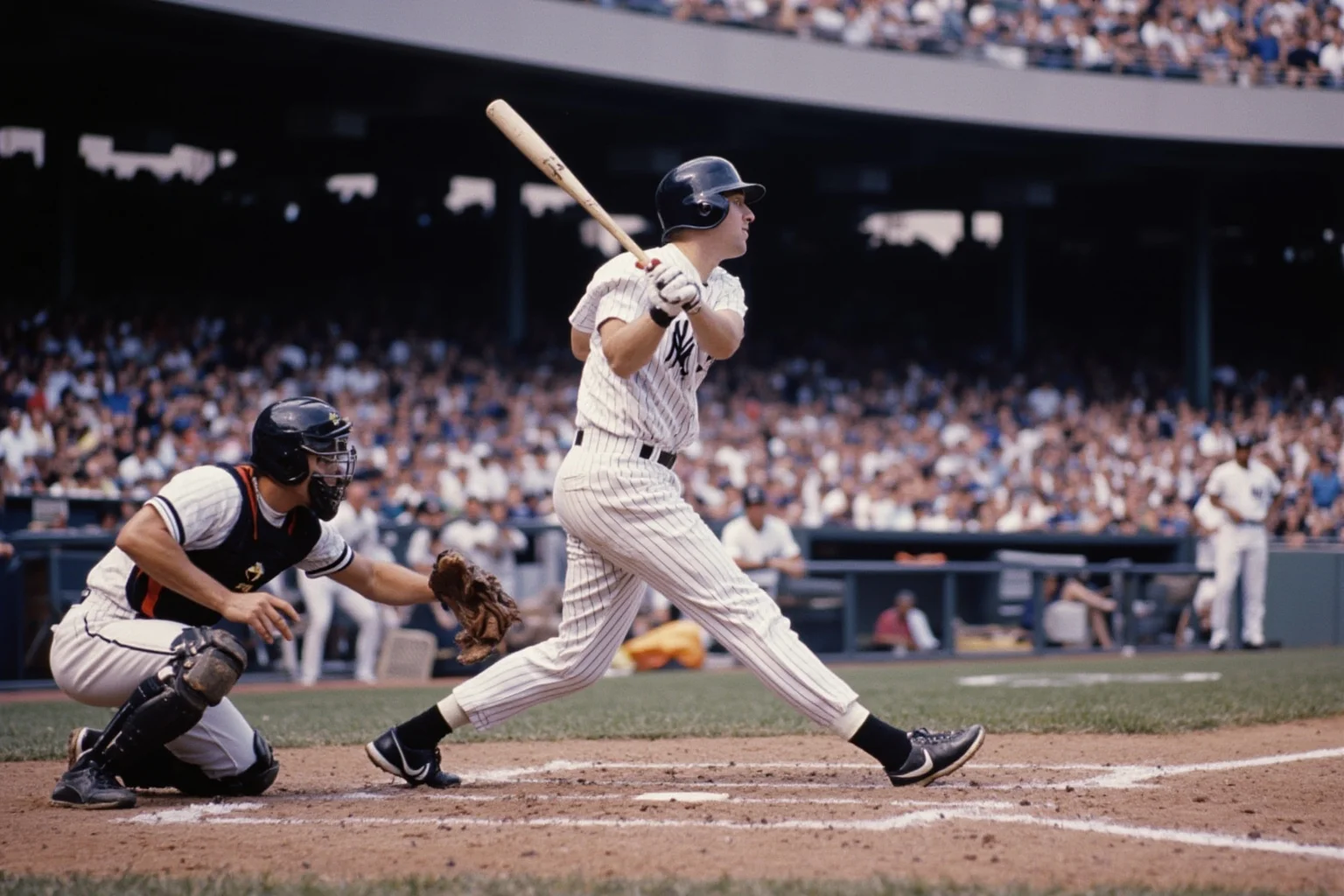
Reggie Jackson hit three home runs in Game 6 of the 1977 World Series, powering the Yankees to an 8-4 win over the Dodgers. The performance earned him the nickname Mr. October and gave the series a signature star turn.
Jackson's outburst was not just a statistical oddity; it was a statement of intent. In a series full of large personalities, he produced the moment that matched his own legend.
The home runs also showed how a single player can dominate a World Series stage. Jackson did not just participate in the moment; he made the moment carry his name.
13. Bill Buckner's Error Extends a Curse (1986)
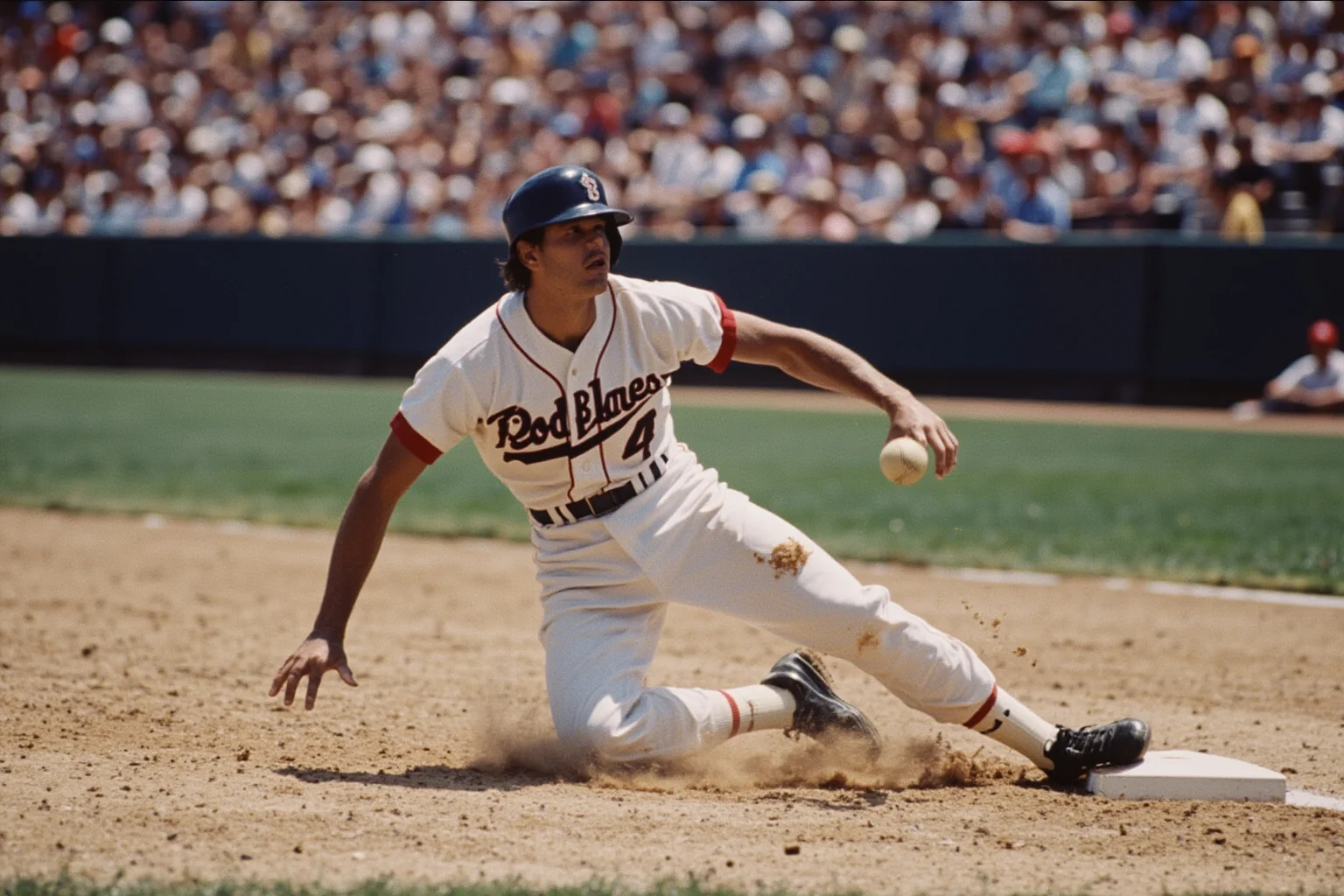
In Game 6 of the 1986 World Series, the Red Sox were one strike away from winning the title. The Mets rallied to tie in the 10th, and then Mookie Wilson's ground ball rolled through Bill Buckner's legs, allowing the winning run to score.
Buckner's error became a symbol of the Red Sox's long drought, but it did not lose the series by itself. Boston still had Game 7, which the Mets won after taking an early lead.
The play is a classic example of World Series mythology compressing a complex series into one image. Buckner's name became attached to the mistake, even though the game and series had many other turning points.
14. Kirk Gibson Hits a Pinch-Hit Walk-Off (1988)
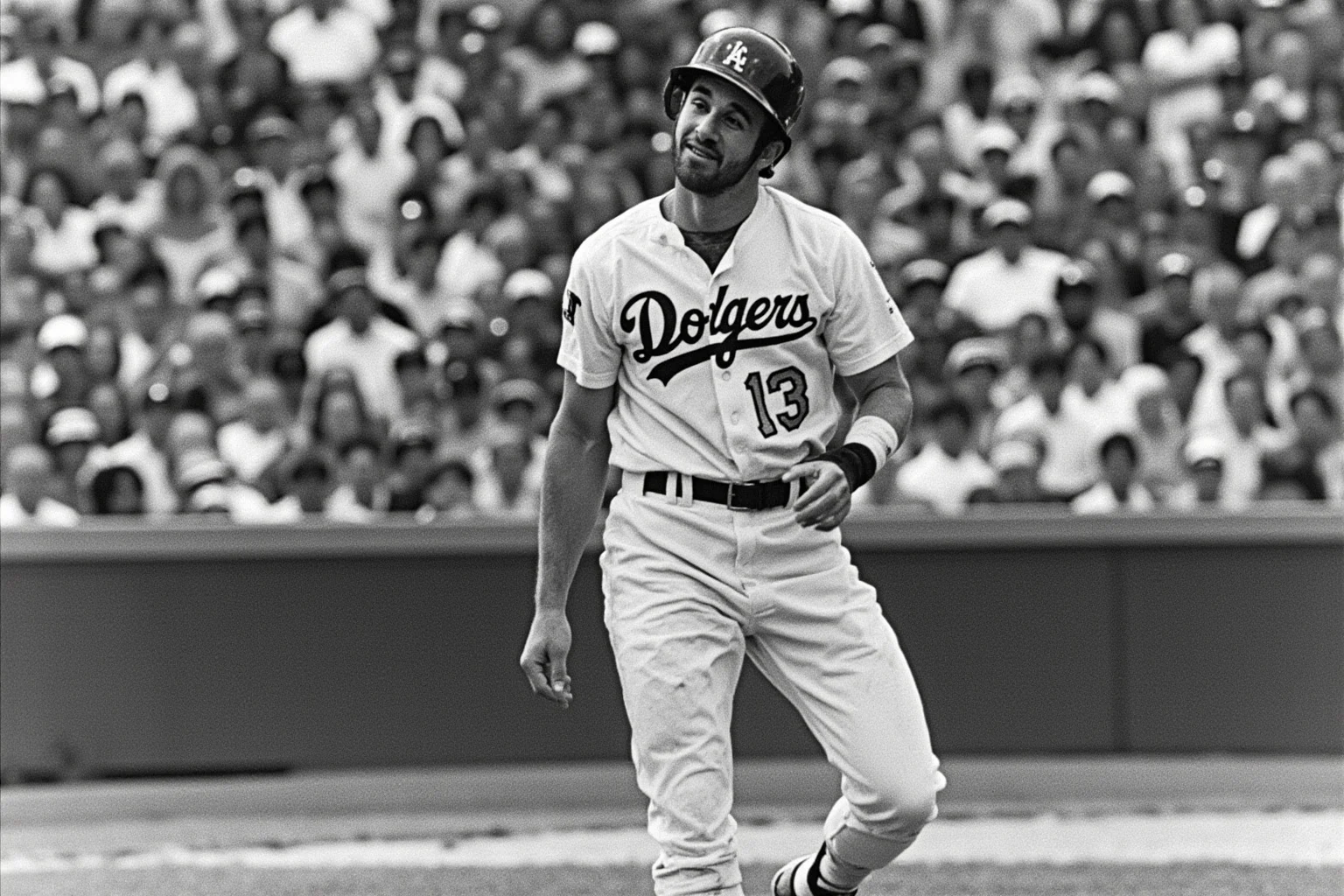
Kirk Gibson could barely run because of leg injuries, but Dodgers manager Tommy Lasorda sent him up to pinch-hit in the ninth inning of Game 1. Gibson hit a two-run homer off Dennis Eckersley to give Los Angeles a 5-4 win.
The moment became a touchstone for the idea that the World Series can produce heroes who are not fully healthy, fully expected, or fully ready. Gibson's limp around the bases made the home run feel like a scene from fiction.
It also gave the 1988 series an immediate emotional peak. The Dodgers went on to win the title, but Game 1 remains the image most fans see when they think of that team.
15. Jack Morris Pitches a 10-Inning Shutout (1991)
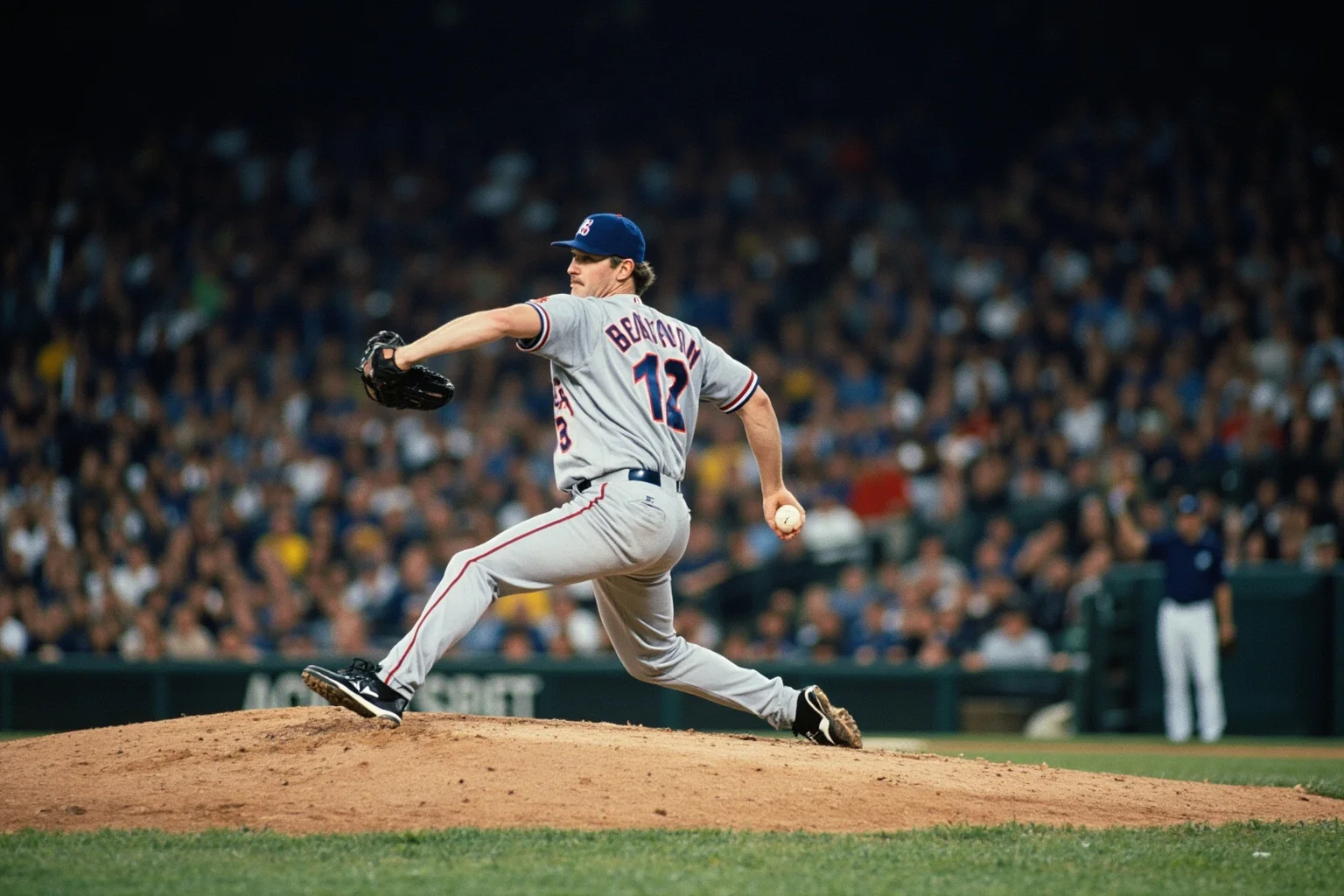
In Game 7 of the 1991 World Series, Jack Morris of the Minnesota Twins pitched 10 scoreless innings against the Atlanta Braves. The Twins won 1-0 in the 10th on a Gene Larkin single, giving Morris one of the most celebrated complete-game performances in Series history.
The game is often cited among the greatest World Series games ever because it matched tension with restraint. Every inning felt like it might be the last, and Morris kept answering the same question.
It was a pitchers' duel in an era that still allowed starters to finish what they began. That old-school texture is part of why the game remains a favorite in debates about the greatest Fall Classic.
16. Joe Carter Ends the 1993 Series With a Homer (1993)
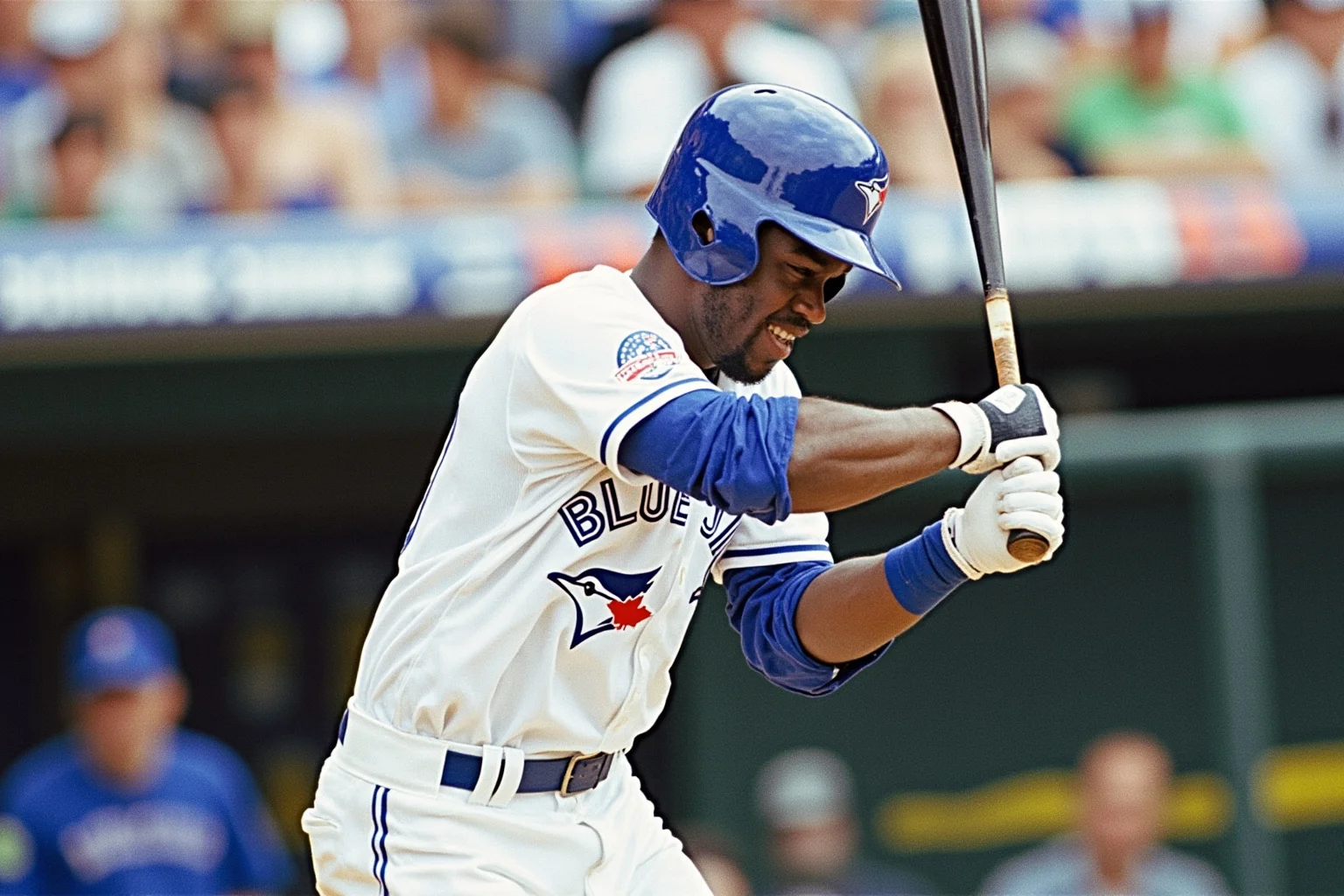
With the Toronto Blue Jays trailing in the bottom of the ninth in Game 6, Joe Carter hit a three-run homer off Mitch Williams. The Blue Jays won 8-6 and became the first team since the 1977-78 Yankees to win back-to-back World Series.
Carter's homer was only the second walk-off home run to end a World Series, following Mazeroski in 1960. It gave Canada its second straight title and gave the series a finish that needed no explanation.
The moment also captured the growing international footprint of the World Series. Toronto's celebration showed that the championship could belong to a city outside the United States and still feel central to baseball history.
17. The Yankees Erase a 6-0 Deficit (1996)
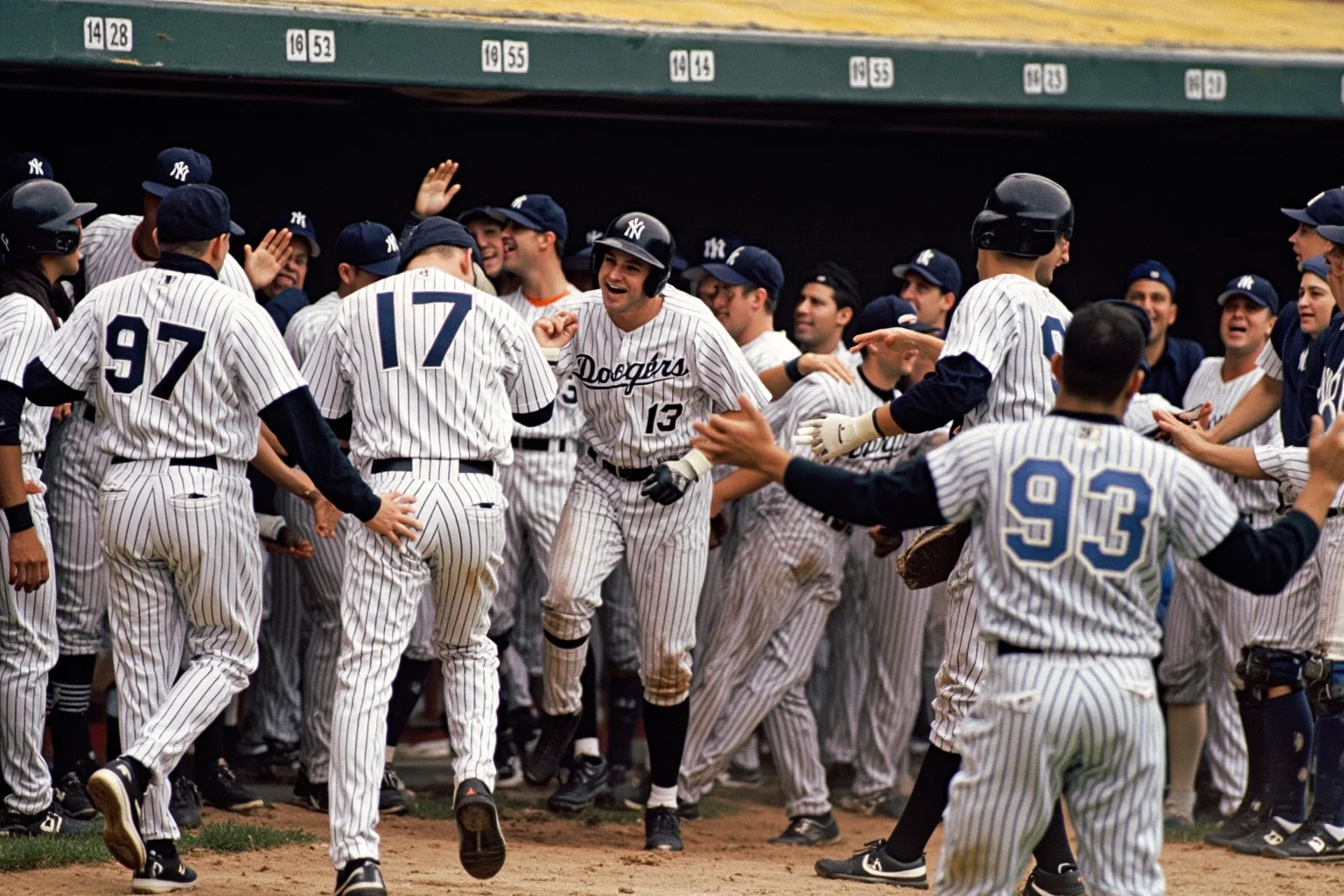
In Game 4 of the 1996 World Series, the Atlanta Braves jumped to a 6-0 lead and seemed ready to take control. The Yankees rallied, tied the game on Jim Leyritz's three-run homer, and won 8-6 in 10 innings.
The comeback shifted the series, and New York went on to win in six games. It became a model for how quickly October momentum can turn when a team refuses to accept an early knockout.
The Yankees' comeback also underlined the danger of assuming a big lead is safe in the World Series. October bullpens, pressure, and one timely swing can erase an entire game of dominance.
18. Luis Gonzalez Beats Mariano Rivera (2001)
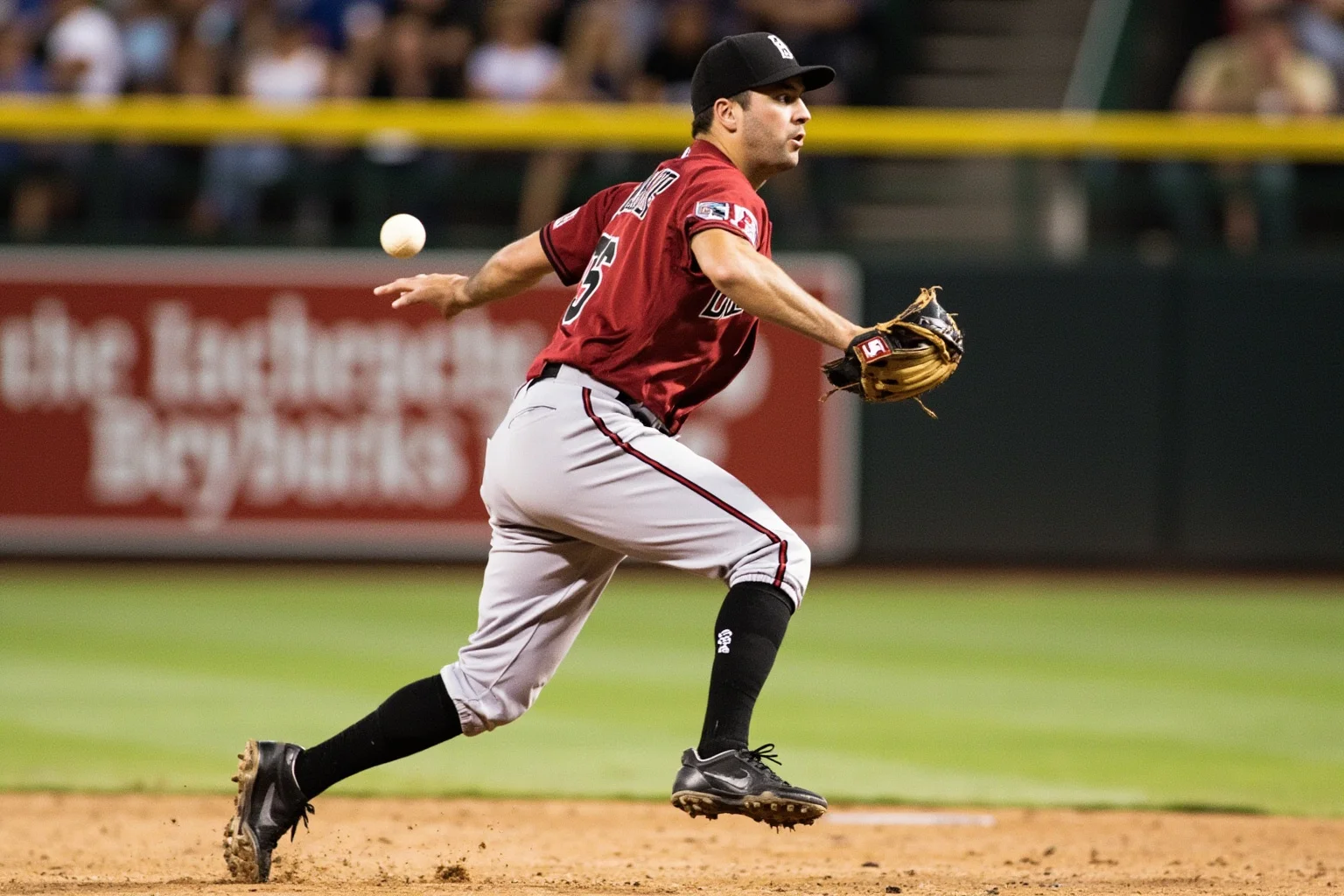
In Game 7 of the 2001 World Series, the Arizona Diamondbacks faced Mariano Rivera with the season on the line. Luis Gonzalez blooped a single over a drawn-in infield, scoring the winning run in a 3-2 victory.
The Yankees had won three straight titles and seemed built for this exact moment. The Diamondbacks' rally reminded fans that even the most reliable closer can be beaten by a well-placed ball in play.
The finish was especially striking because Rivera rarely faltered in October. It gave the 2001 series a storybook ending just weeks after the country had been through the September 11 attacks.
19. The Angels Rally From Five Down (2002)
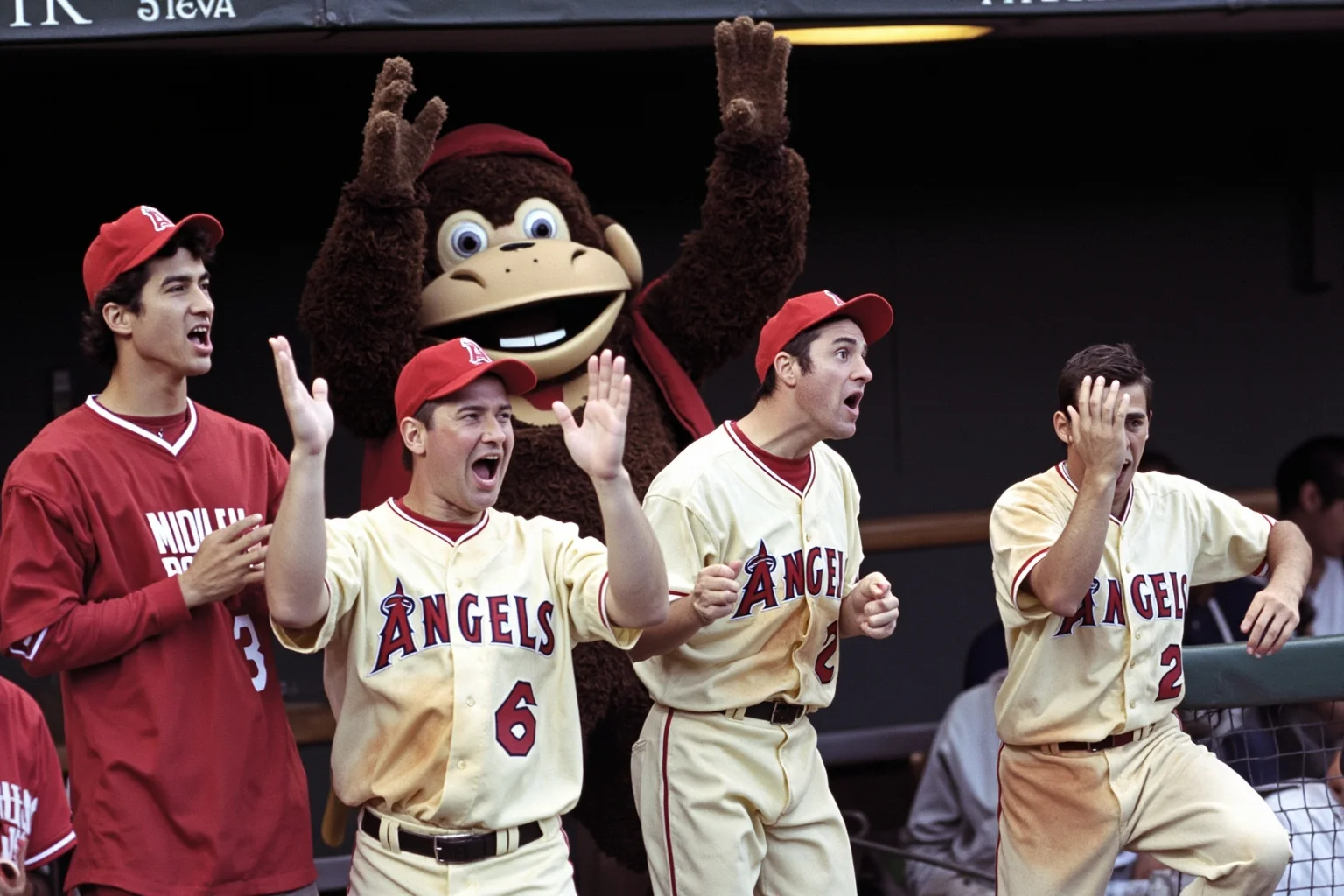
In Game 6 of the 2002 World Series, the San Francisco Giants led 5-0 in the seventh inning and were closing in on a title. The Los Angeles Angels scored three in the seventh and three in the eighth to win 6-5.
The Angels then won Game 7 to capture their first championship. The rally, often linked to the team's Rally Monkey, became a symbol of how quickly a World Series can flip.
Game 6 also showed that a series can change without a home run or a highlight catch. Sometimes the decisive moment is a parade of singles, walks, and pressure that refuses to break.
20. The Red Sox Finally End the Curse (2004)
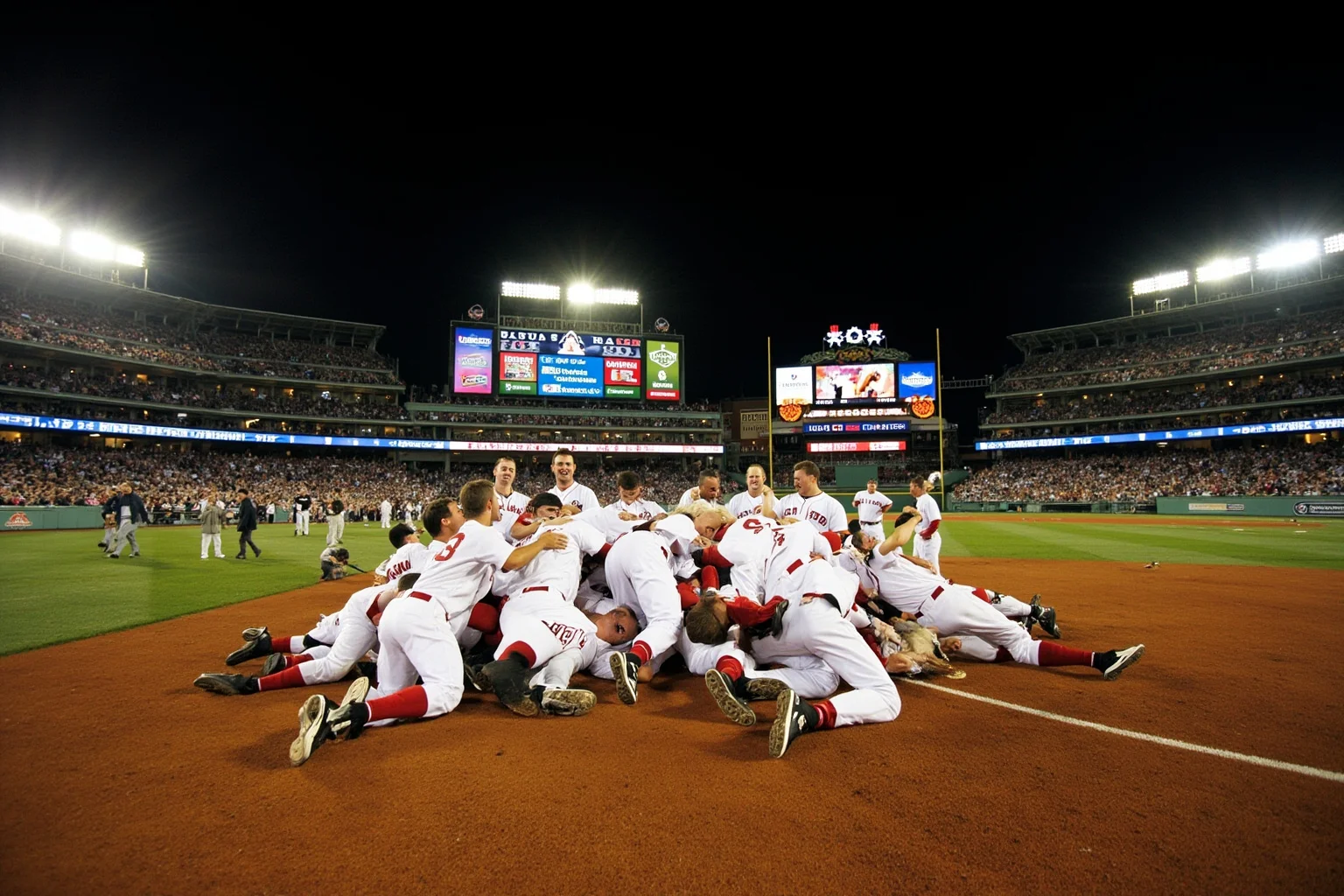
The Boston Red Sox swept the St. Louis Cardinals in the 2004 World Series, winning their first championship since 1918. The title came after a historic comeback from a 3-0 deficit against the Yankees in the ALCS.
The World Series itself was less dramatic than the pennant race, but its meaning was enormous. Generations of fans had heard about the Curse of the Bambino, and the sweep finally gave Boston a different October story.
The 2004 title also changed the emotional weather around the franchise. What had been a story about waiting became a story about finishing, and the World Series gained one of its most cathartic modern chapters.
21. David Freese Forces a Game 7 (2011)
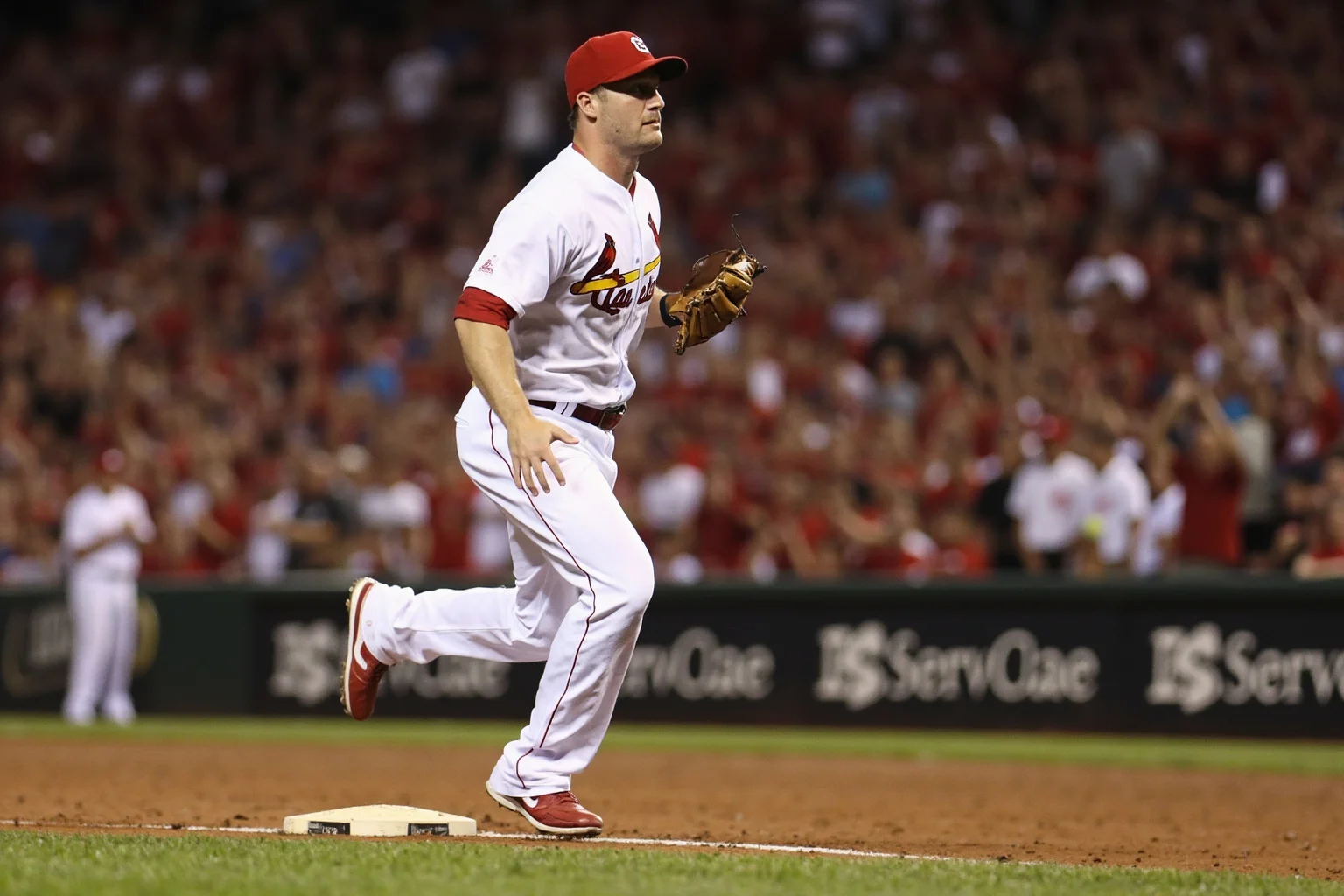
In Game 6 of the 2011 World Series, the St. Louis Cardinals were twice one strike away from elimination. David Freese tripled to tie the game in the ninth, then hit a walk-off homer in the 11th to win 10-9.
The Rangers had seemed in control, but the Cardinals kept extending the series. Freese's performance became the defining image of one of the most exciting World Series in modern memory.
The game is now a staple of debates about the best World Series games of all time. It had lead changes, blown leads, extra innings, and a hometown hero, which is close to a complete October script.
22. The Cubs Win After 108 Years (2016)
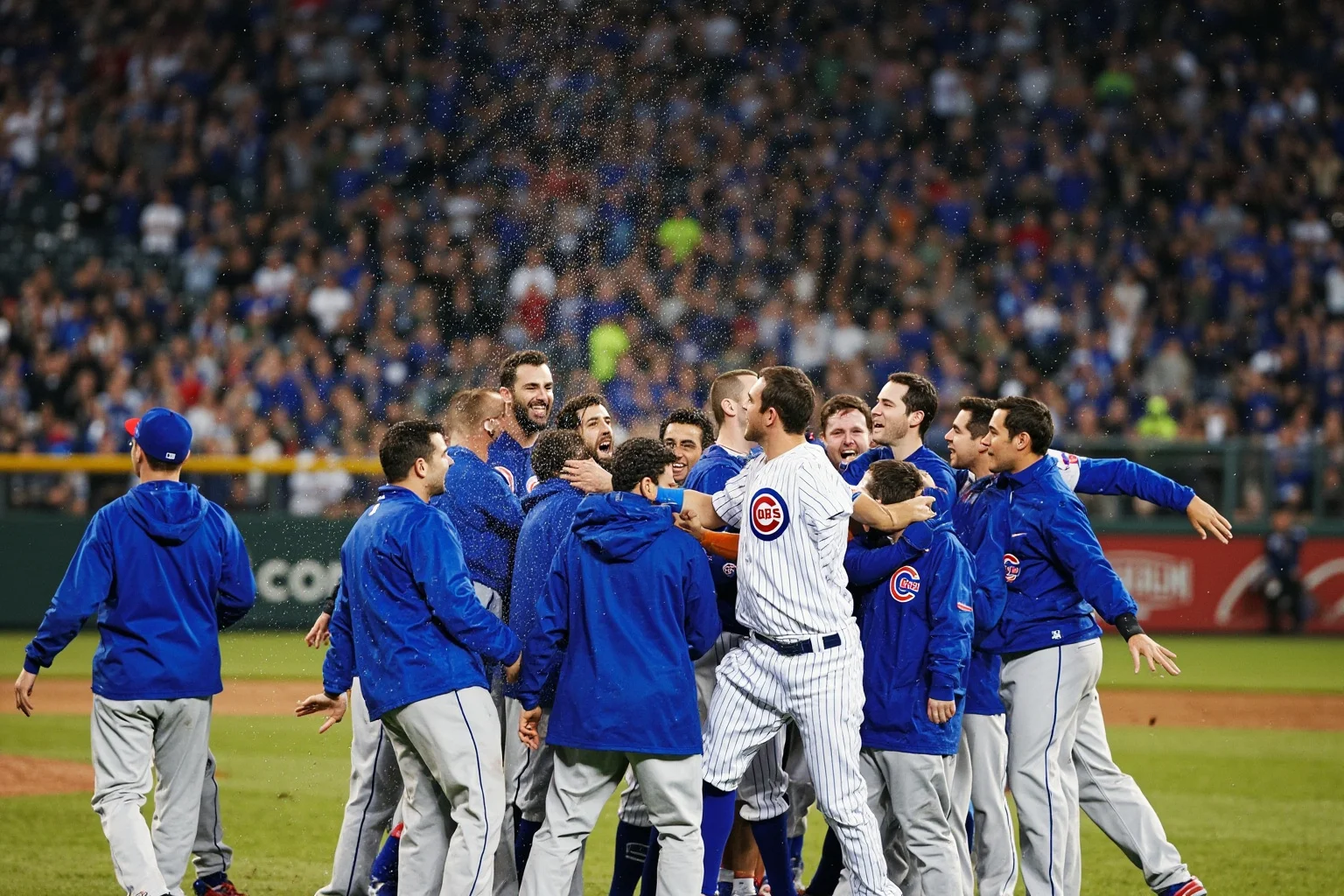
The Chicago Cubs won the 2016 World Series in Game 7, beating the Cleveland Indians 8-7 in 10 innings. Ben Zobrist's go-ahead double in the 10th helped end a championship drought that dated to 1908.
A rain delay after the ninth inning added to the drama, and the Cubs' victory became a civic celebration as much as a sports result. It was a reminder that the World Series can carry the weight of generations.
The final out triggered relief more than simple joy, because the drought had become part of the team's identity. For many fans, the 2016 series was the best World Series ever simply because it closed a century of waiting.
23. The Nationals Win Every Road Game (2019)
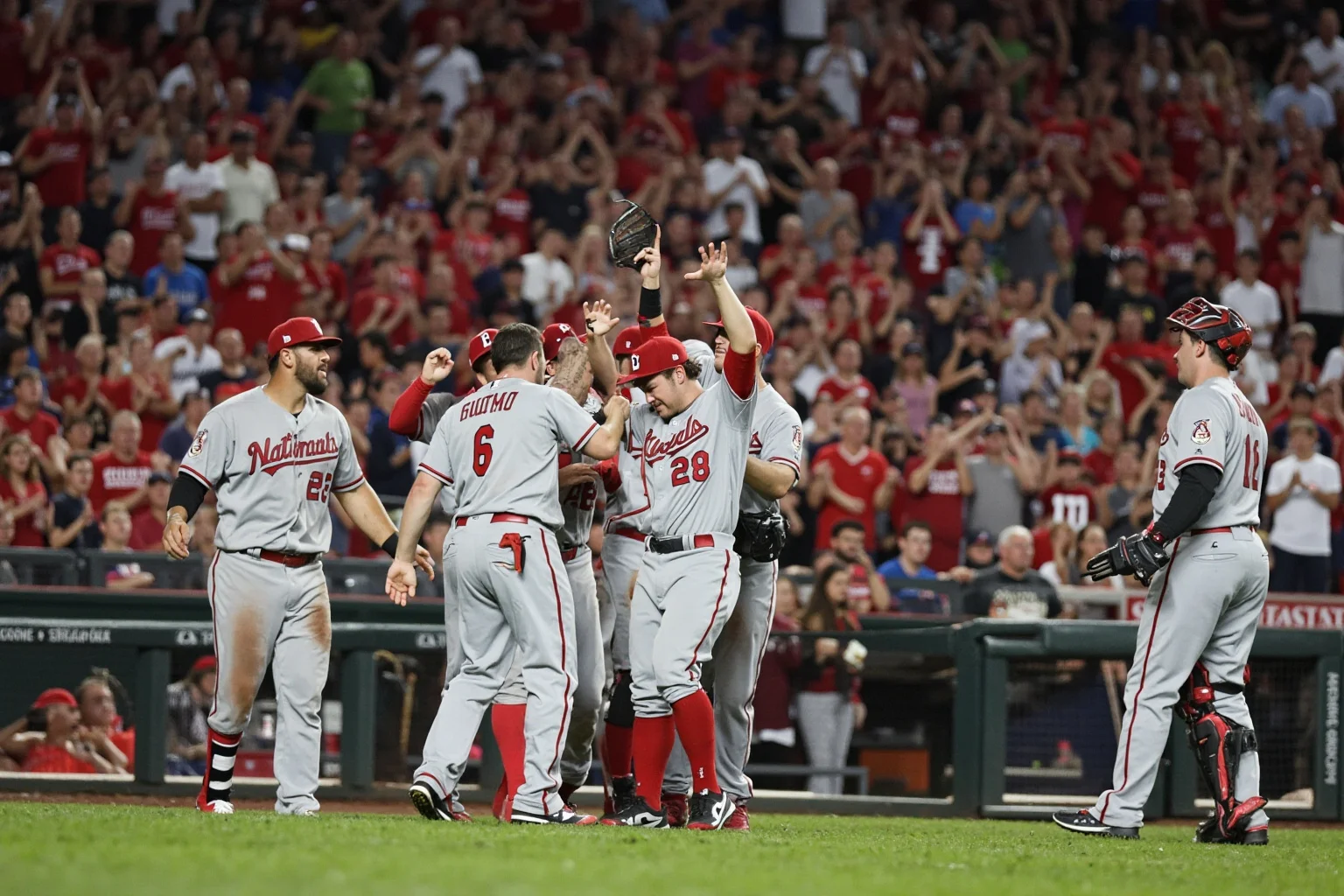
The Washington Nationals won the 2019 World Series in seven games, and every game in the series was won by the road team. That had never happened before in a World Series, and it gave the matchup a strange, symmetrical tension.
Washington's Game 7 win in Houston completed a run that began as a wild card. The series showed that the most memorable October stories can emerge from teams that were not supposed to be there.
The Nationals also beat the Astros twice in Houston after falling behind in the series. Their title run added a new kind of road-warrior legend to World Series history.
24. Bob Gibson Sets a Strikeout Record (1968)
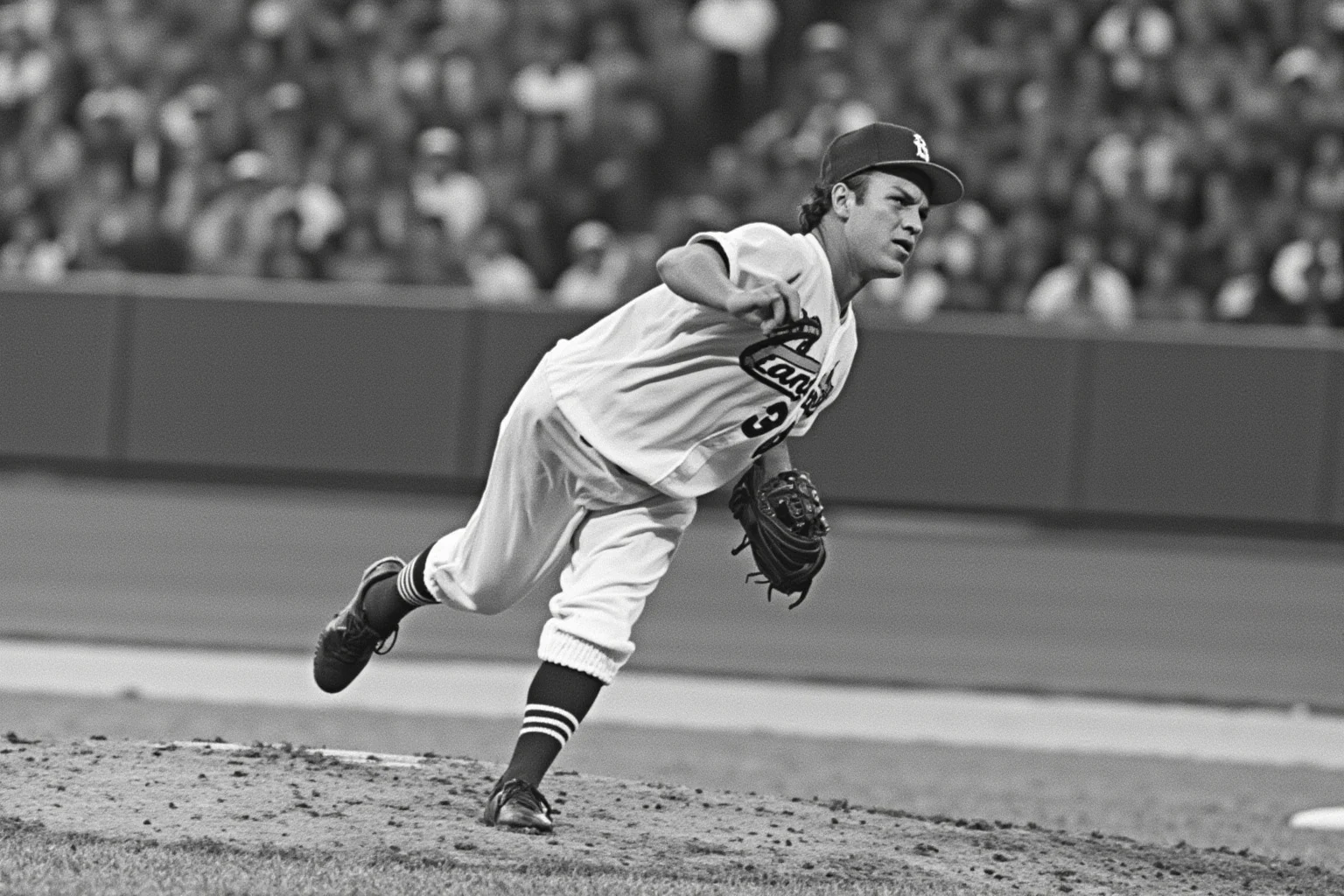
In Game 1 of the 1968 World Series, Bob Gibson struck out 17 Detroit Tigers batters, a World Series single-game record that still stands. The Cardinals won 4-0, and Gibson's performance became the benchmark for October dominance.
Gibson was already known as one of the game's most intimidating pitchers. The 17-strikeout game gave that reputation a permanent statistical anchor.
Modern relievers and pitch limits make such a total even harder to imagine. The record remains a reminder of how completely a starter could control a World Series game in his era.
25. Sandy Koufax Shuts Out the Twins on Short Rest (1965)
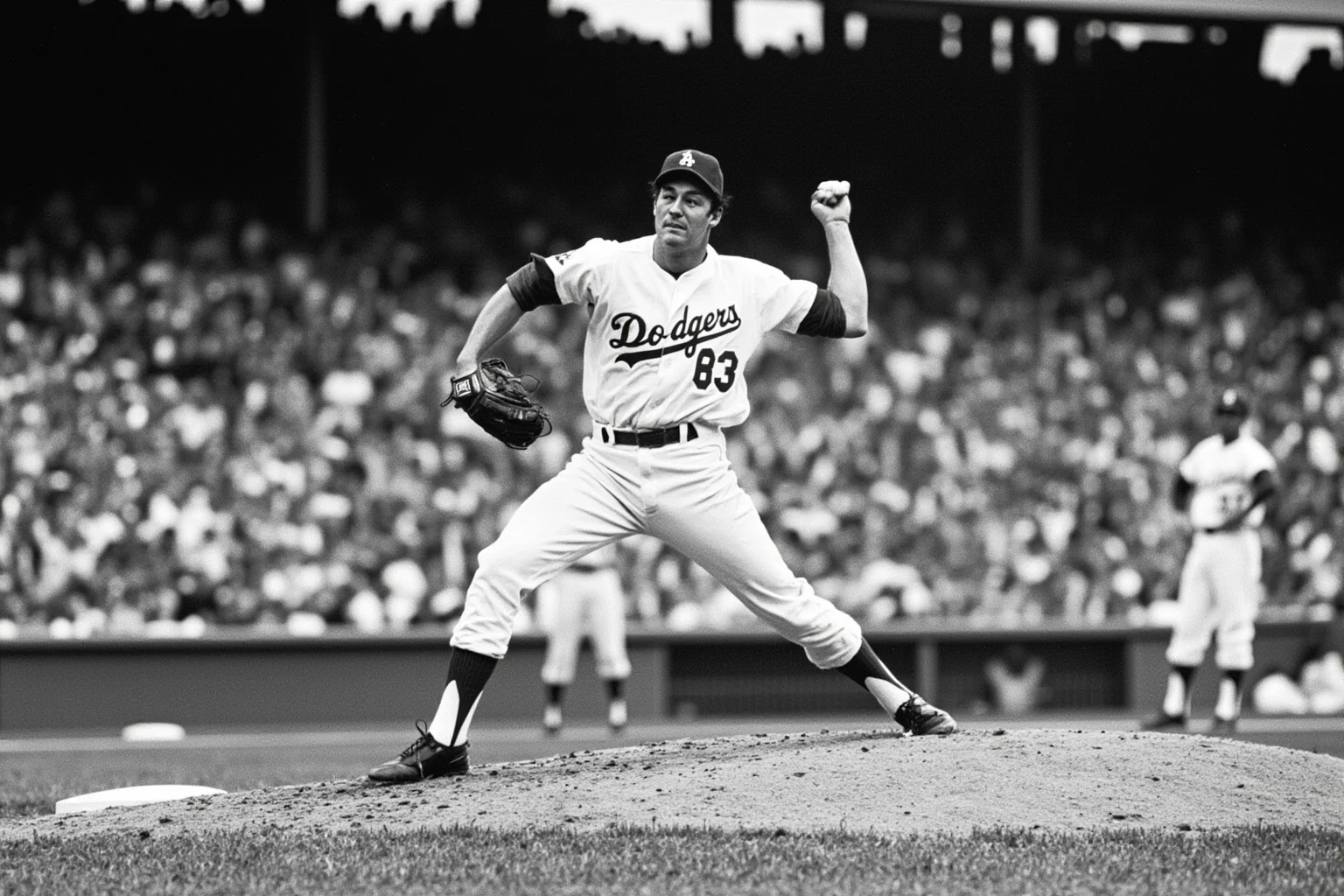
In Game 7 of the 1965 World Series, Sandy Koufax of the Dodgers pitched a complete-game 2-0 shutout against the Minnesota Twins on two days' rest. It was a decisive performance from a pitcher who had already become the series' central figure.
Koufax's outing capped a championship and became one of the most famous Game 7 pitching performances in history. It also reflected an era when aces were expected to carry October on their arms.
The game remains a reference point in debates about the greatest World Series games ever. It had tension, a legendary pitcher, and a final score that left no room for argument.
What the Best World Series Ever Really Shares
Lists like this cannot settle the greatest World Series ever, because each fan weighs drama, history, and rooting interest differently. A series can be legendary for a perfect game, a curse-breaking title, or a single error that refused to fade.
The best World Series games of all time tend to share a few traits: high stakes, a turning point that feels inevitable in hindsight, and a story that survives beyond the box score. The 1975, 1991, 2001, and 2011 Fall Classics are often named when fans debate the greatest World Series of all time.
Ultimately, the most exciting World Series is the one that makes you forget the calendar. Whether it ends with a walk-off homer or a routine grounder, it leaves a moment that fans keep replaying long after the final out.
Frequently Asked Questions
What is the best World Series ever?
There is no consensus answer. Fans often point to 1975 for Fisk's homer, 1991 for Morris's Game 7, 2001 for the Diamondbacks' rally, and 2011 for Freese's heroics; the right choice depends on whether you value drama, history, or star power.
Which World Series had the most exciting finish?
The 2011 Game 6 is hard to beat: the Cardinals were twice one strike from elimination before David Freese won it in the 11th. The 1960 and 1993 walk-off homers and 2001 Game 7 also belong in the conversation.
What was the greatest World Series game ever played?
Many historians and fans cite Game 7 of the 1991 World Series, when Jack Morris pitched 10 shutout innings in a 1-0 Twins win. Game 6 of the 1975 and 2011 World Series are also common picks.
Did Bill Buckner’s error cost the Red Sox the 1986 World Series?
It did not cost Boston the series by itself. The Mets had already tied Game 6 before the error, and Boston still had Game 7, which New York won.
How many World Series have gone to Game 7?
Dozens of World Series have reached a deciding Game 7, and the number grows as new October classics are added. The exact total depends on how you count the early best-of-nine and tied-game eras.

Alex Warren
Related Articles