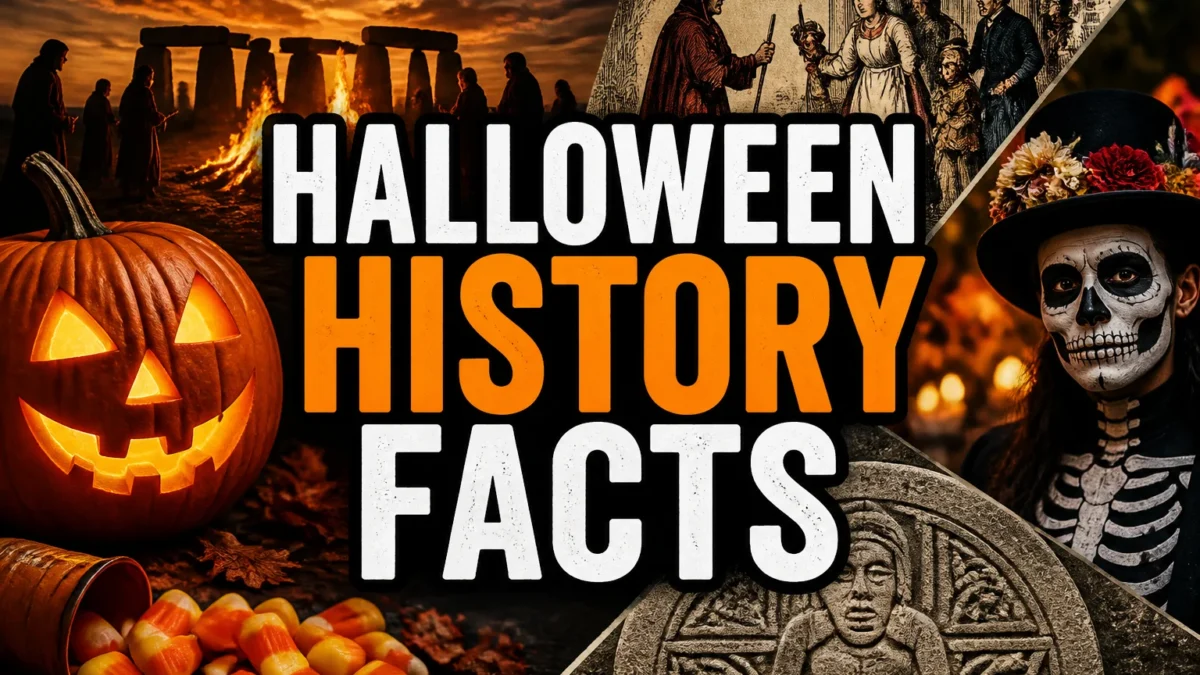
Halloween looks like a night of costumes, candy, and carved pumpkins — but almost every one of those traditions has a long, complicated past. Long before trick-or-treating, people were lighting bonfires, baking soul cakes, and telling stories about the boundary between the living and the dead.
This guide gathers the most reliable historical facts about Halloween, separating what scholars actually know from the myths that keep getting repeated. Whether you want Halloween trivia history for a party or solid information about Halloween for a school project, the story is stranger and more interesting than most people expect.
TL;DR: Halloween grew out of the ancient Celtic festival of Samhain and was reshaped over centuries by Christian holidays, medieval folk customs, and 19th-century immigration into the modern American celebration we know today.
What Is Halloween? A Quick Overview
Halloween is a holiday observed on October 31, the evening before the Christian feast of All Saints' Day on November 1. Its name is a contraction of "All Hallows' Eve," meaning the evening before the day set aside to honor saints and, later, all the faithful departed.
The holiday blends two very different traditions. One is the ancient Celtic festival of Samhain, marking the end of the harvest and the start of winter. The other is a set of Christian observances — All Saints' Day and All Souls' Day — that the church placed at the same time of year.
Because of that mix, Halloween is less a single invention than a layered tradition. Each century added something: prayers for the dead, costumed begging, pranks, parties, and eventually mass-produced candy.
1. Halloween's Roots Reach Back to the Ancient Celtic Festival of Samhain
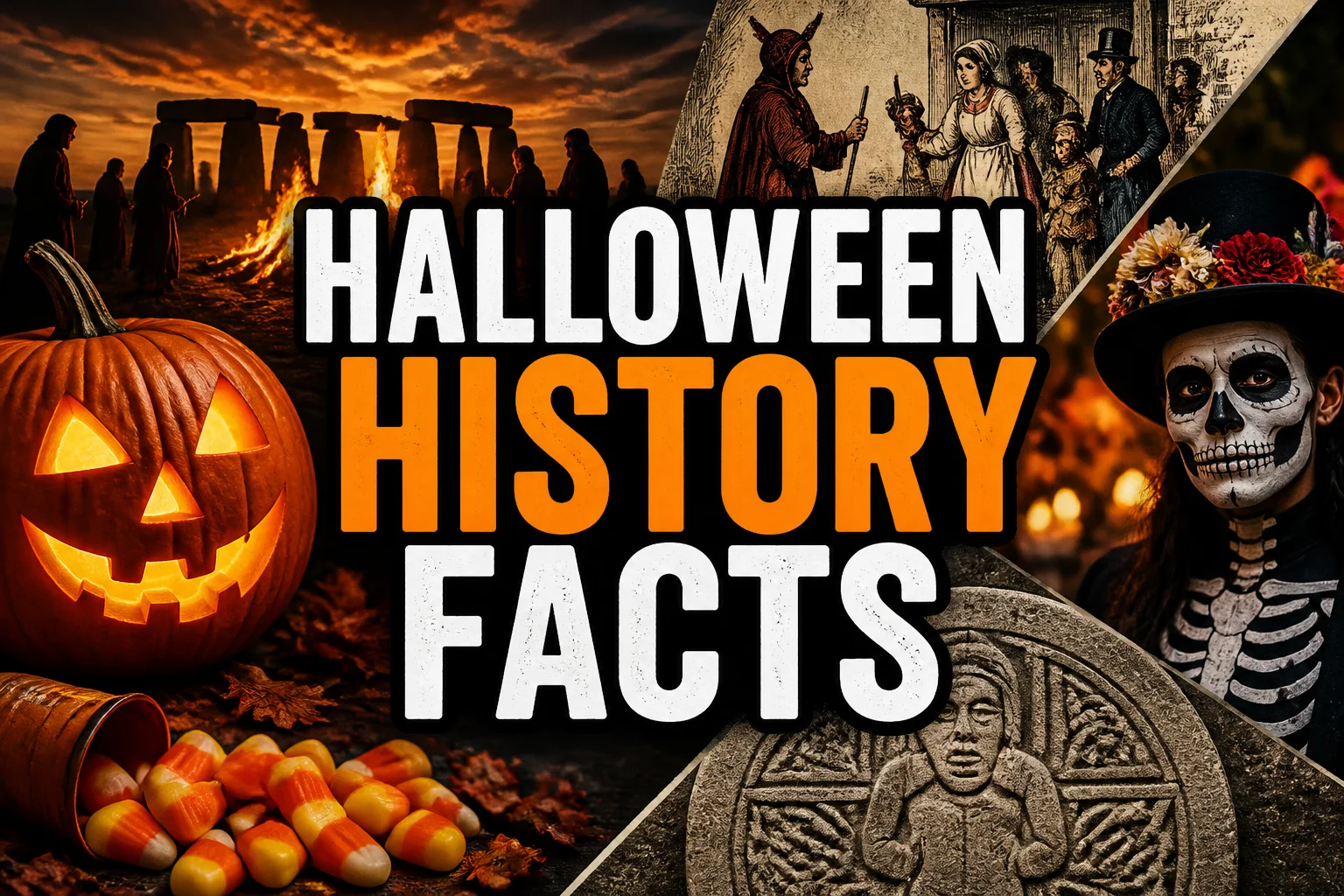
Samhain (roughly "SAH-win") was a Gaelic festival marking the end of the harvest season and the beginning of winter. It was celebrated around the first of November, when cattle were brought down from summer pastures and communities prepared for the dark half of the year.
According to early Irish literature, Samhain was a time when the boundary between the human world and the supernatural was thought to be thin. People told stories of spirits, fairies, and otherworldly beings crossing over during this liminal period.
It is important to be precise here: the popular claim that Samhain was primarily a festival of the dead, presided over by a druid priest and a god named Saman, comes mostly from later and unreliable sources. The name "Samhain" simply means "summer's end" in Old Irish.
2. The Famous Story of a God Named Saman Is a Myth
Many Halloween articles repeat a story that Samhain honored a Celtic lord of death called Saman, who supposedly demanded human sacrifices. That version traces back to an 18th-century antiquarian writer, not to medieval Irish texts.
Scholars of Celtic studies have repeatedly pointed out that there is no reliable evidence for such a figure. The confusion likely comes from misreading the Irish word for the month of November, which shares a similar root.
The myth survives because it sounds dramatic. But accurate historical facts about Halloween require setting it aside in favor of what the earliest sources actually say.
3. The Roman Festival of Pomona Probably Did Not Create the Apple Traditions
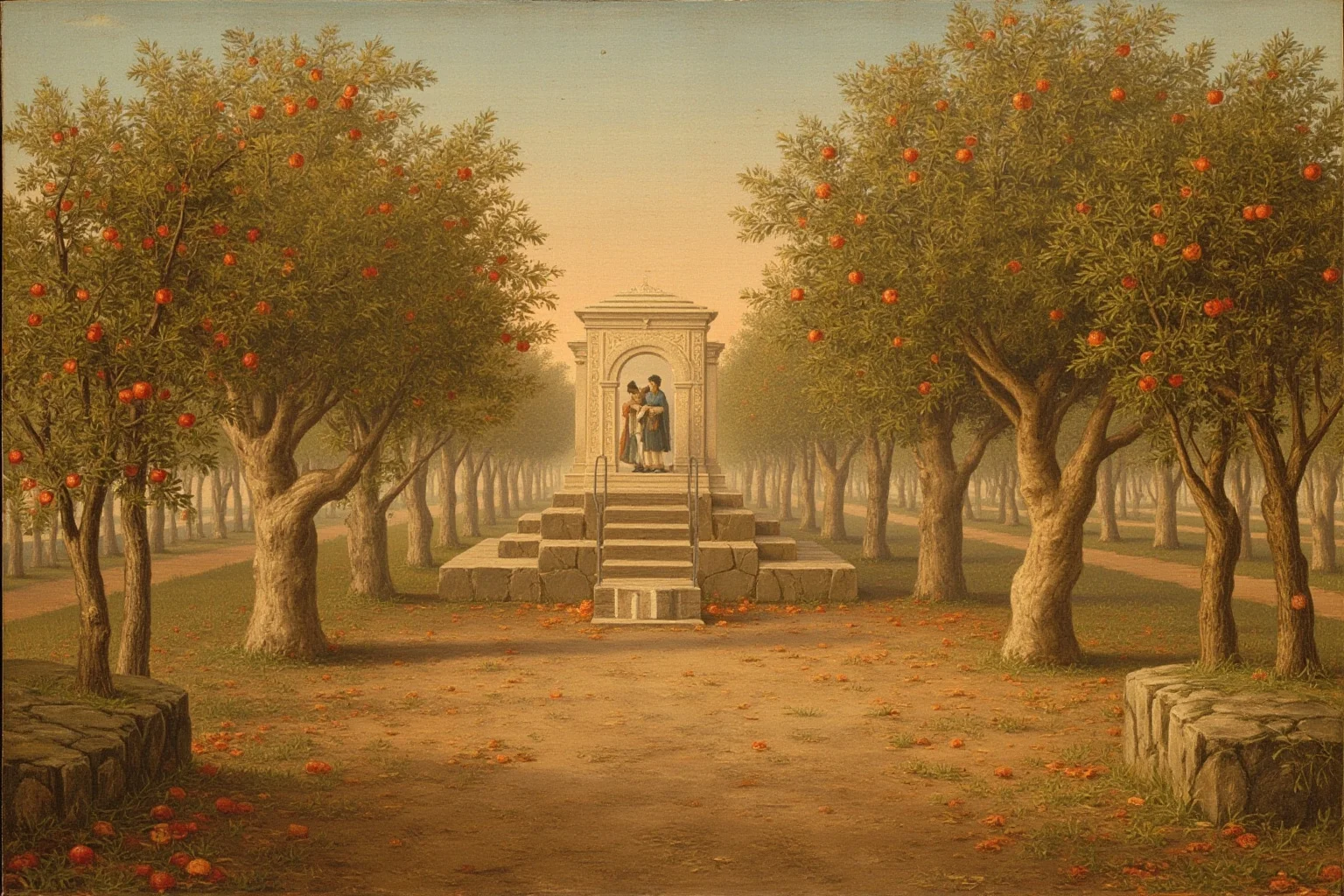
A common claim is that bobbing for apples comes from the Roman goddess Pomona, who presided over orchards. The theory is neat, but the evidence is thin — Roman Britain and Celtic Ireland were not the same cultural world.
Apples do appear in later Halloween games, especially in Ireland and Scotland. Apple bobbing and apple-on-a-string were popular autumn party games, likely tied to harvest abundance rather than a specific Roman deity.
So the Roman connection is speculative, while the harvest-game explanation is well supported. That distinction matters when you are sorting genuine facts on Halloween history from popular folklore.
4. The Name "Halloween" Comes From "All Hallows' Eve"
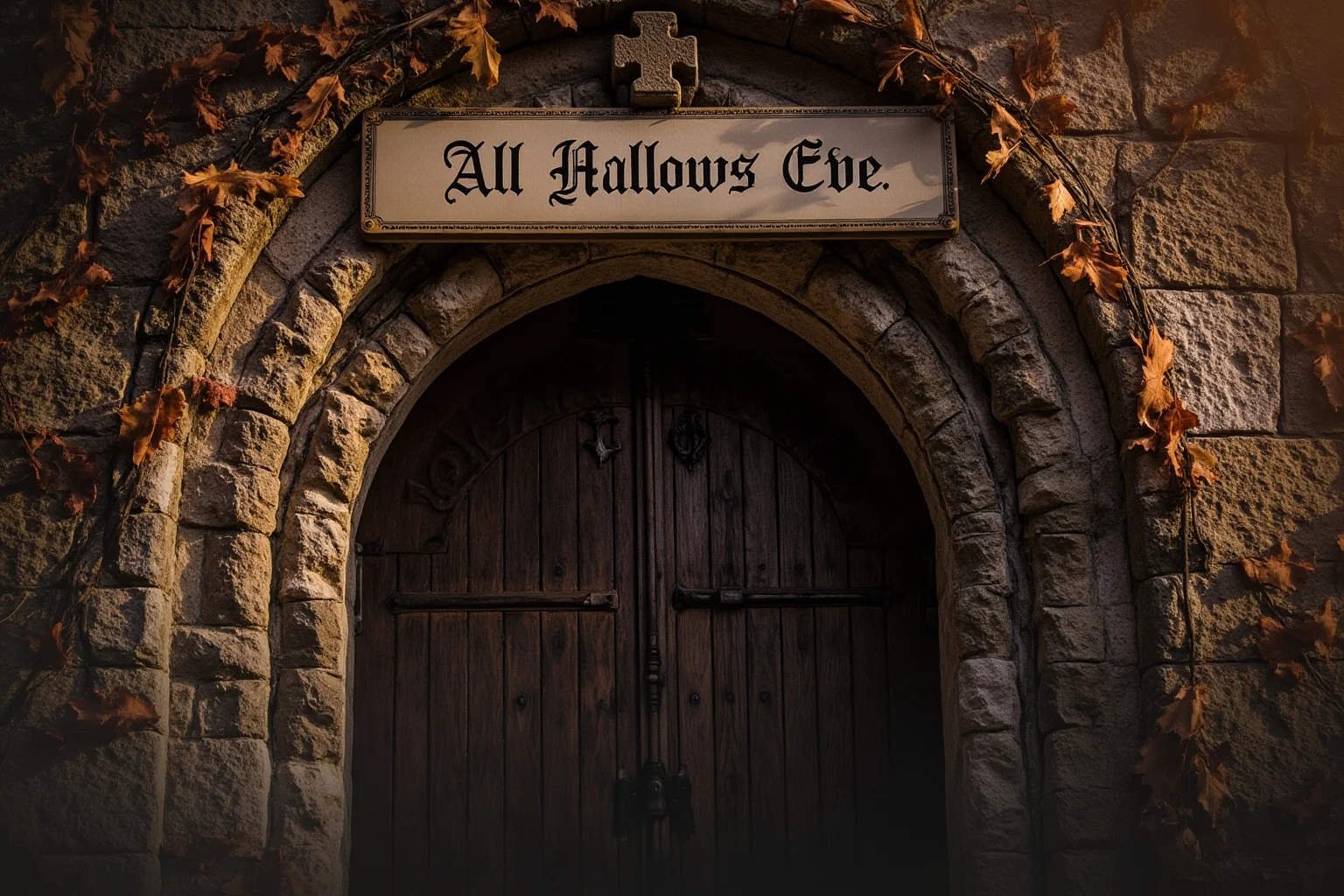
The word Halloween is a Scottish contraction of "All Hallows' Eve," first recorded in the 16th century. "Hallow" is an old word for a holy person or saint, and "eve" refers to the evening before a feast day.
In the Christian calendar, November 1 became All Saints' Day, also called All Hallows' Day. The evening before it — October 31 — was All Hallows' Eve, which eventually shortened to Hallowe'en and then Halloween.
This linguistic history is one of the most solidly documented facts about the holiday. The name itself shows how thoroughly Christian observance shaped the modern celebration.
5. The Church Moved All Saints' Day to November 1 in the 8th Century
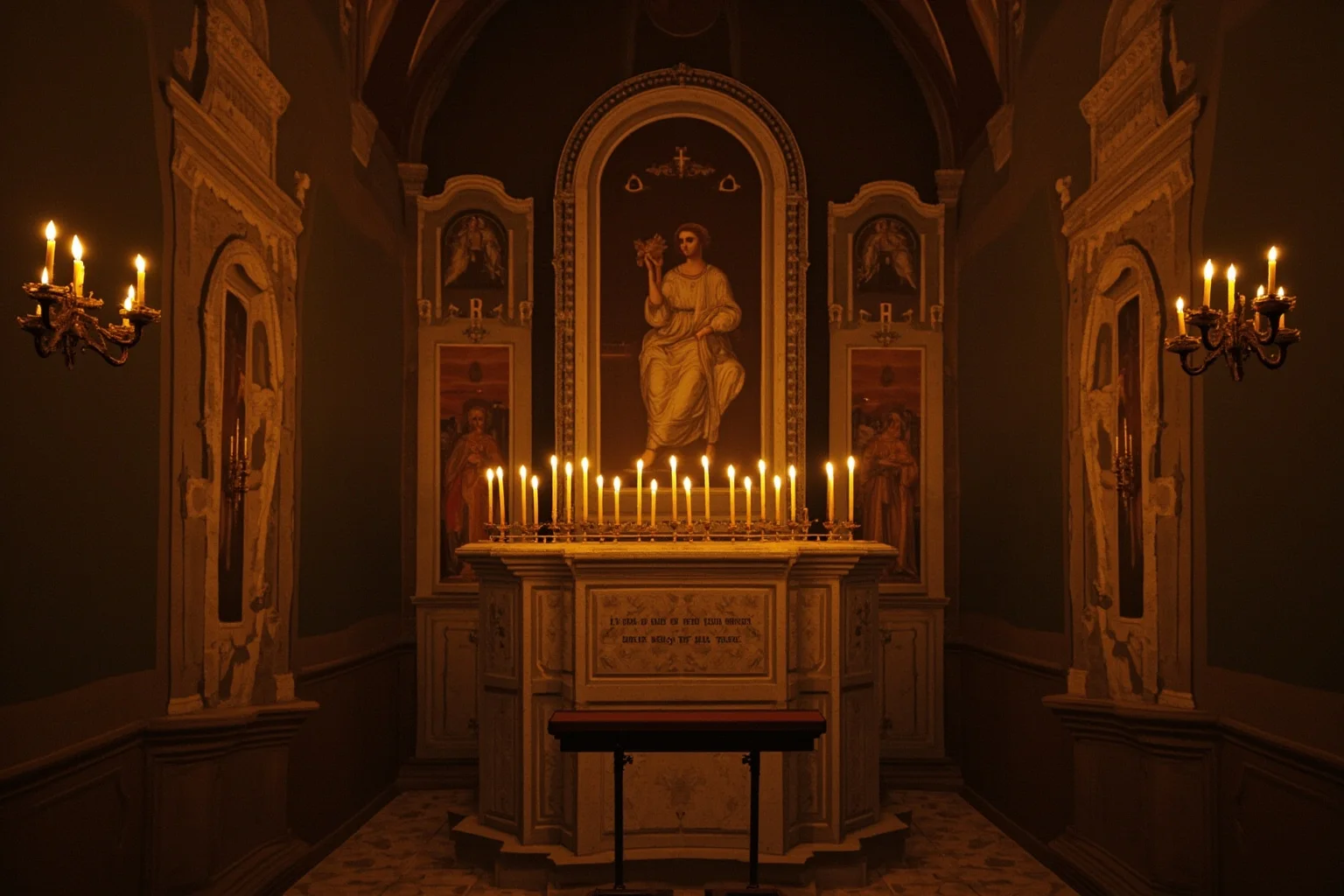
All Saints' Day originally had different dates in different regions. In the 8th century, Pope Gregory III dedicated a chapel in Rome to all the saints and fixed the feast on November 1.
Later, the observance spread across Western Europe, and All Souls' Day on November 2 was added to pray for the dead. Together these created a three-day period sometimes called Allhallowtide.
Some historians argue the church deliberately placed these feasts near Samhain to absorb existing autumn customs. Others are more cautious, noting the evidence for direct replacement is not conclusive.
6. Medieval Christians Baked "Soul Cakes" for the Dead
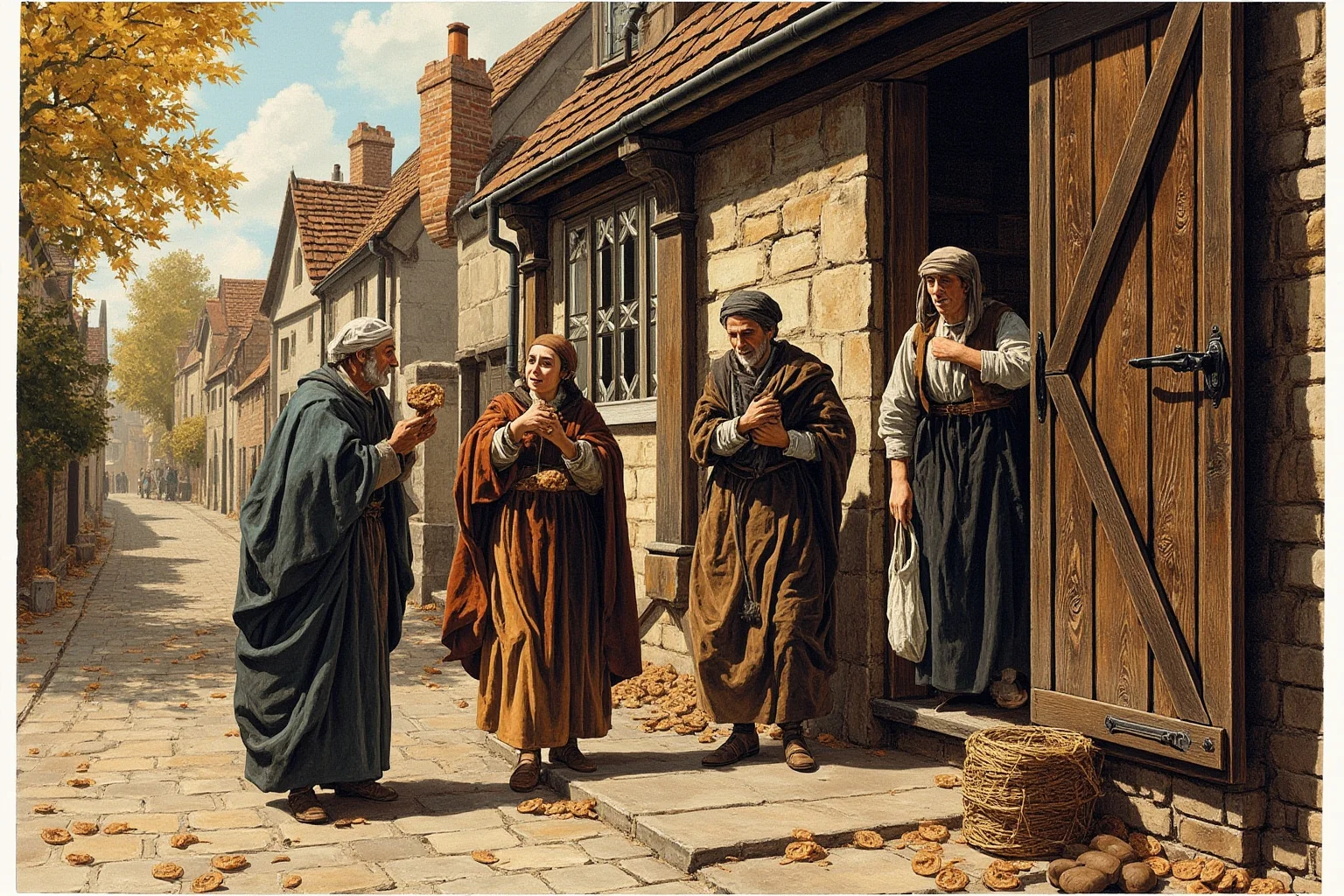
In medieval England, All Souls' Day involved a custom called souling. The poor went door to door begging for small cakes, known as soul cakes, in exchange for prayers for the giver's deceased relatives.
This practice is one of the clearest ancestors of modern trick-or-treating. Instead of demanding candy, the visitors offered spiritual benefit — prayers — in return for food.
Soul cakes were usually simple spiced breads marked with a cross. The custom persisted in parts of Britain into the 20th century and is still revived in some communities today.
7. "Guising" and "Mumming" Are Older Than Trick-or-Treating
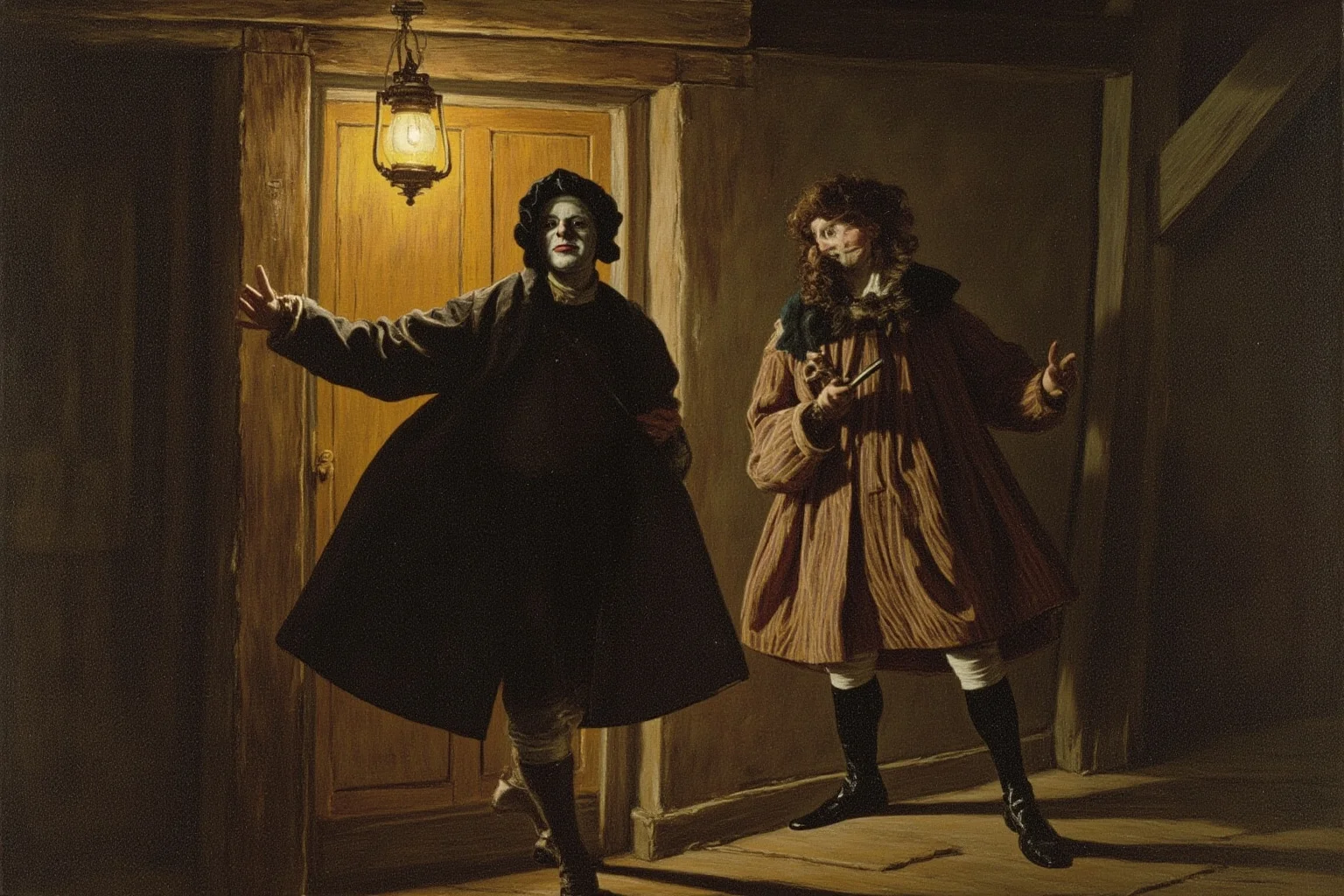
Long before children asked for candy, people in Scotland and Ireland went house to house in disguise. This was called guising, and participants often performed a song, poem, or joke to earn food or coins.
The disguises were not always spooky. Some were simply masks or turned-out coats, while others borrowed from folk characters and seasonal figures.
Guising is a crucial link in the chain of Halloween history facts. It shows that costumed door-to-door visiting had roots in performance and community reciprocity, not just begging.
8. Trick-or-Treating as We Know It Took Shape in 20th-Century North America
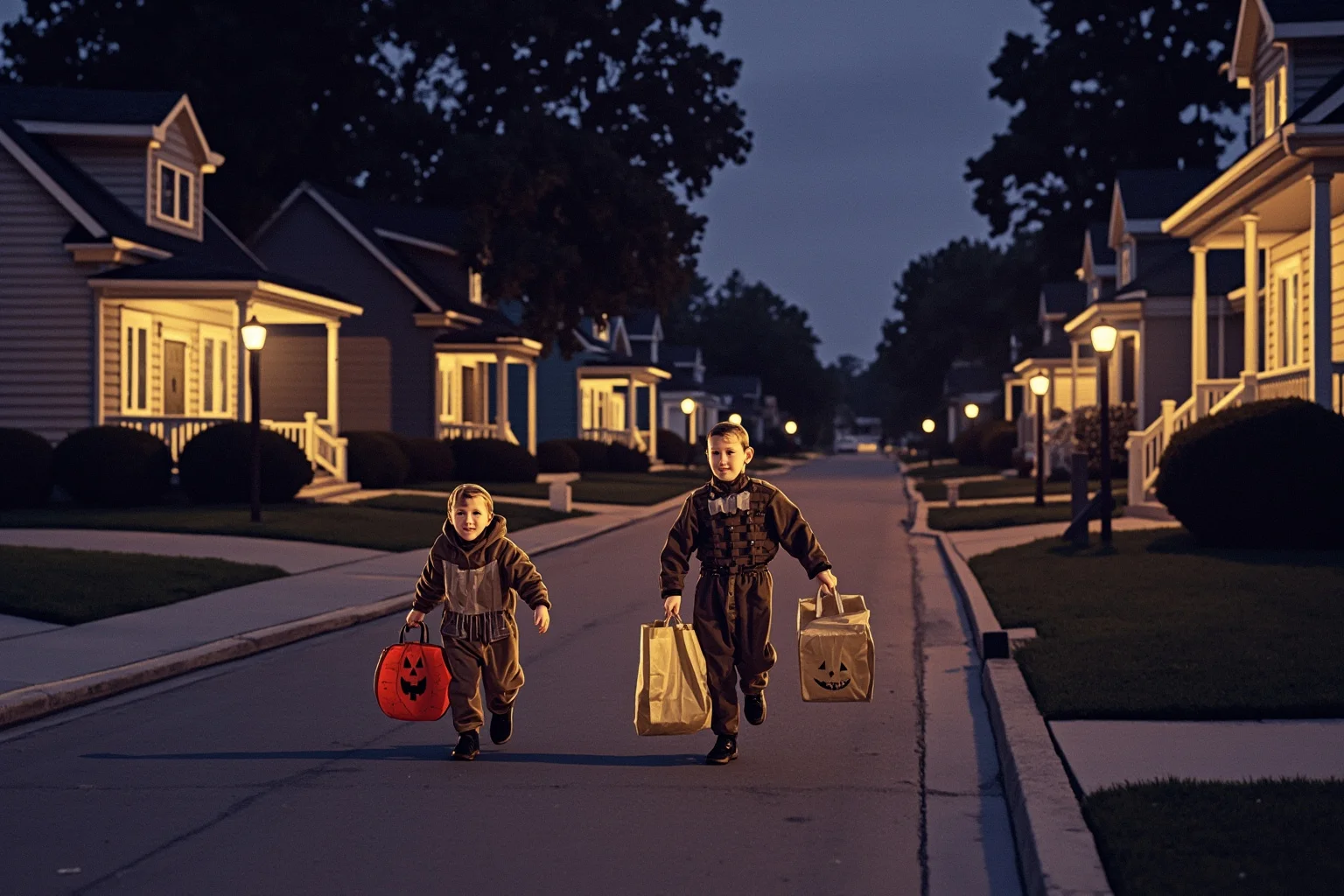
The phrase "trick or treat" appears in print in North America in the 1920s and spread widely in the 1930s. It combined older guising traditions with the American custom of neighborhood Halloween visits.
Early trick-or-treating was often a community effort to redirect mischief into something harmless. Cities and towns encouraged children to knock on doors for treats rather than play pranks.
The practice paused during sugar rationing in the 1940s, then exploded after World War II, a period that also shaped the suburban rituals chronicled in accounts of life in the 1950s. By the 1950s, trick-or-treating was a mainstream national ritual.
9. Jack-o'-Lanterns Originally Came From Ireland and Scotland
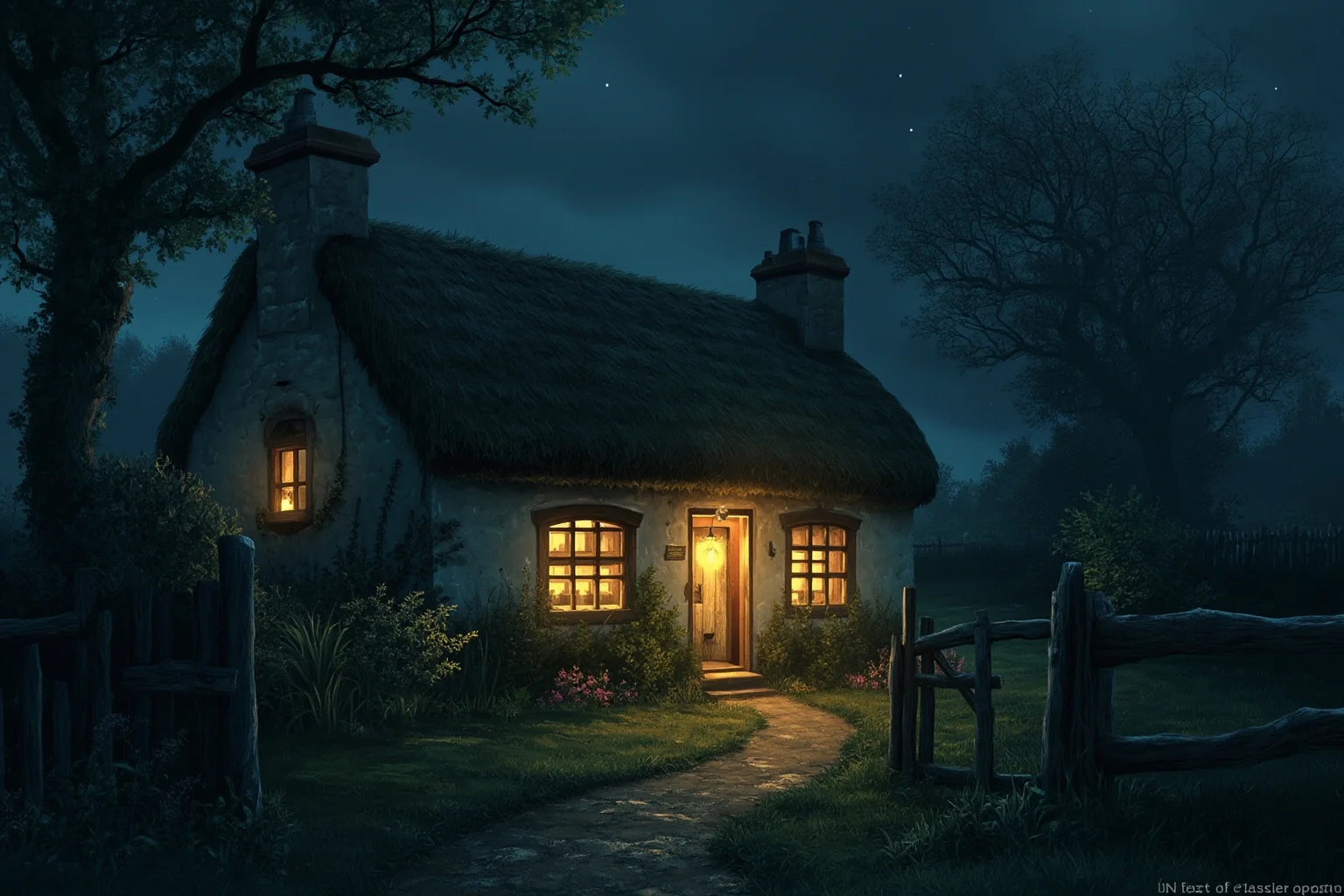
The first jack-o'-lanterns were carved from turnips, beets, and potatoes — not pumpkins. People hollowed them out, carved faces, and placed a light inside to ward off wandering spirits.
The name comes from an Irish folktale about "Stingy Jack," a man who tricked the devil and was doomed to wander the earth with only a burning coal in a carved turnip. The story has many regional variations.
When Irish immigrants arrived in North America, they adapted the tradition to the native pumpkin, which was larger, softer, and far easier to carve.
10. The Pumpkin Became the Icon Because It Was Cheap and Plentiful
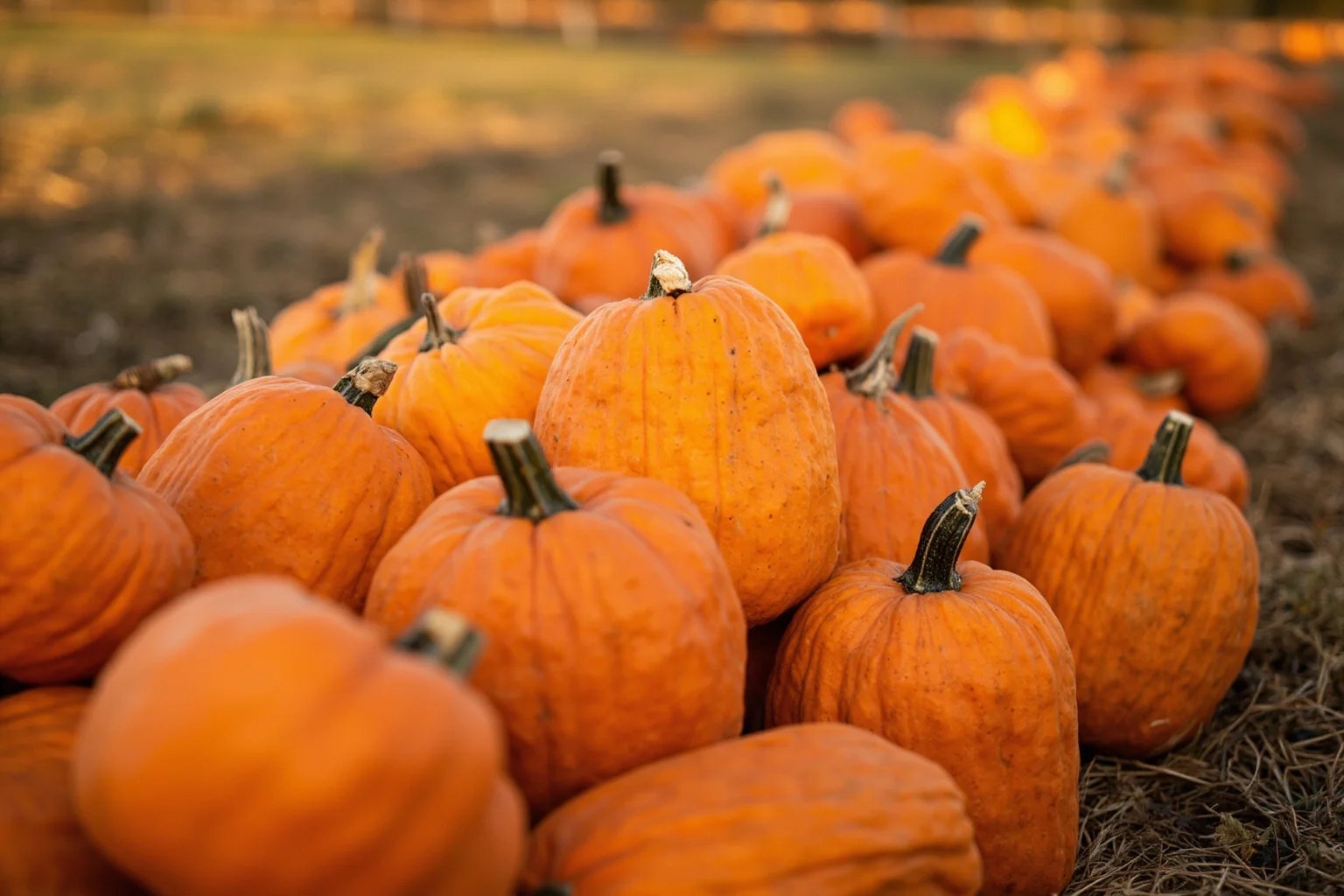
Pumpkins are native to North America and were already a staple crop for Indigenous peoples. They were abundant in autumn, easy to grow, and hollow enough to hold a candle.
That practical advantage made them the natural replacement for turnips. Within a couple of generations, the pumpkin jack-o'-lantern had become the defining symbol of the holiday.
Today the United States grows well over a billion pounds of pumpkins annually, with a large share sold specifically for carving. The symbol is now inseparable from Halloween info in popular culture.
11. Bonfires Were Part of Autumn Festivals Long Before Halloween
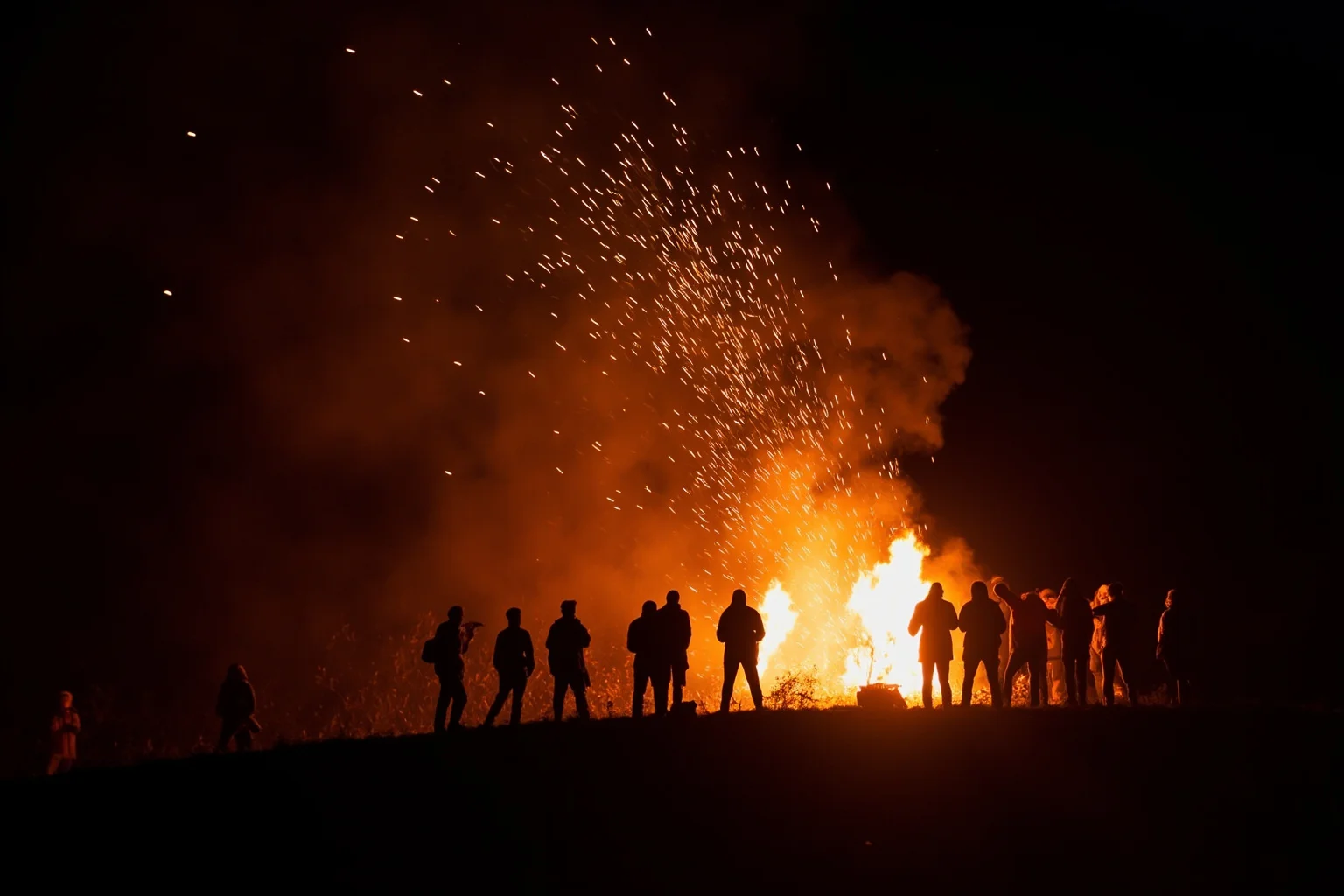
Communal bonfires were common in many European autumn festivals, including Samhain observances in Ireland and Scotland. They served practical purposes — light, warmth, and disposal of harvest waste — as well as symbolic ones.
Later, Guy Fawkes Night on November 5 became a major bonfire holiday in Britain. Because it fell so close to Halloween, the two traditions influenced each other in some regions.
This overlap is why bonfires sometimes get described as purely Celtic or purely British. In reality, the history is tangled, and the customs borrowed from each other over centuries.
12. Bobbing for Apples Was a Harvest Game With Romantic Stakes
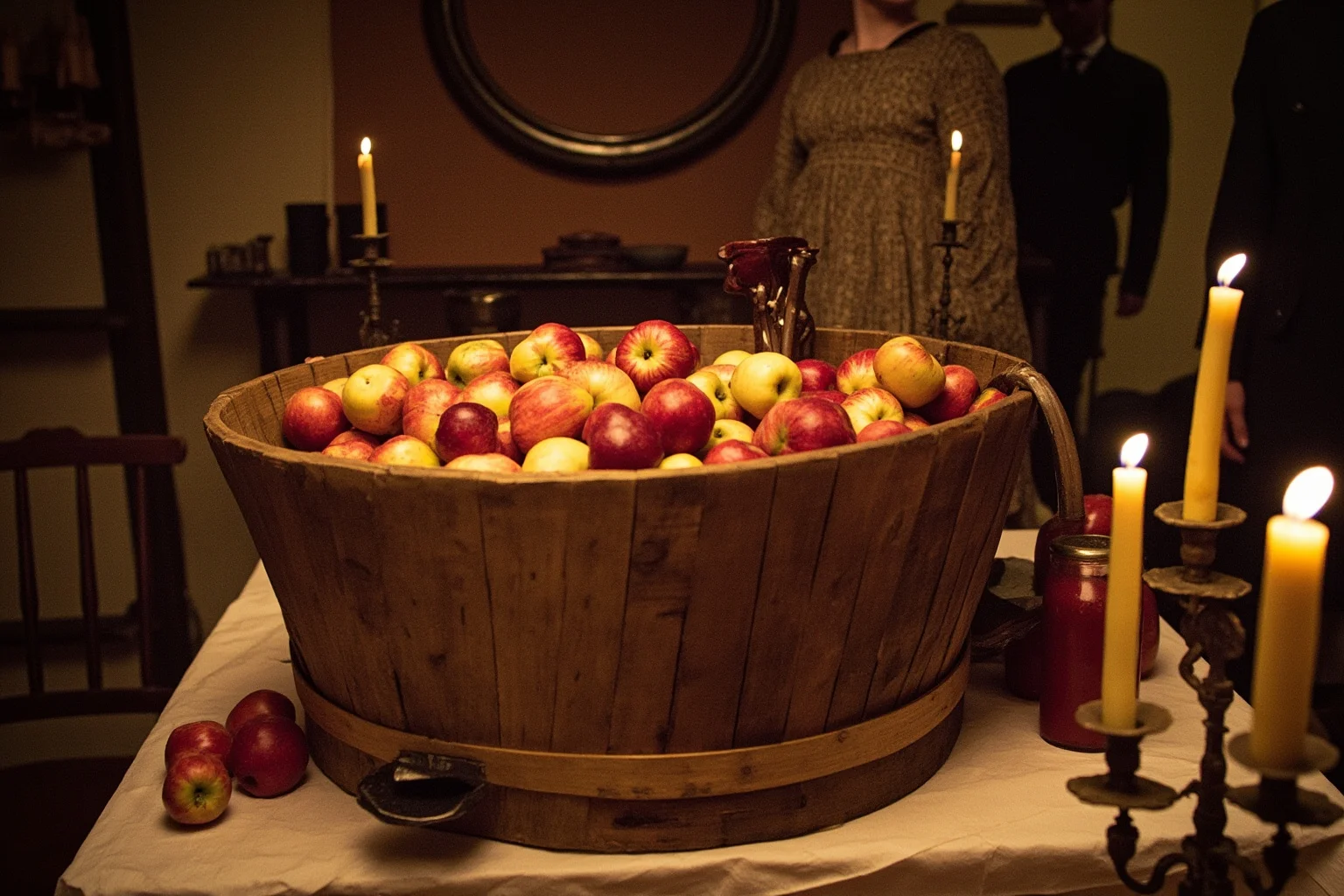
Apple bobbing was a popular game at autumn gatherings in Ireland, Scotland, and England. Participants dunked their heads into a basin of water to catch floating apples with their teeth.
In some traditions, the first person to bite an apple would be the next to marry. Other versions used apple peels tossed over the shoulder to reveal the initial of a future partner.
These games link Halloween to harvest celebrations and courtship customs rather than to anything specifically supernatural. They are a good example of how playful the holiday's history really is.
13. Fortune-Telling Was a Central Halloween Activity
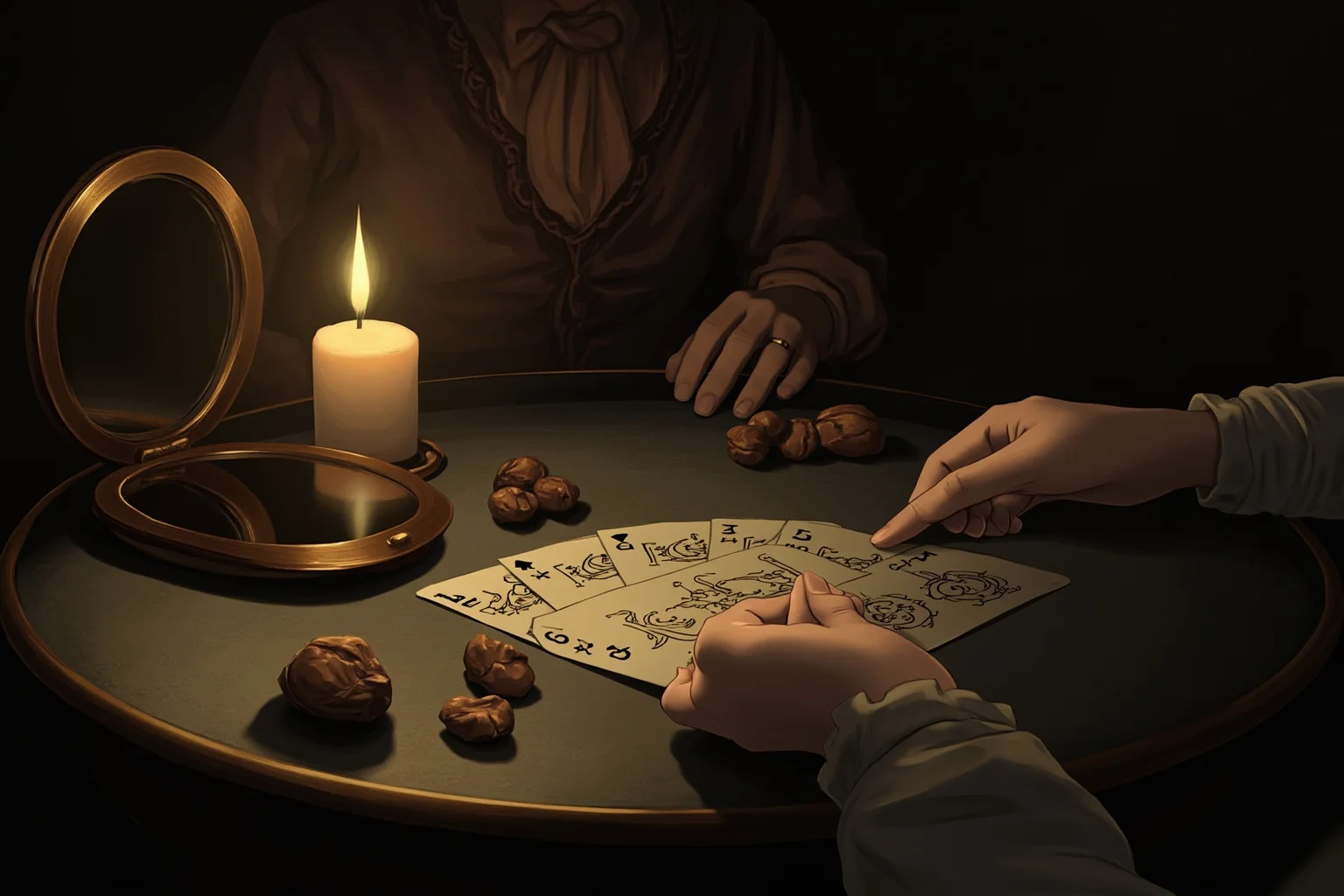
In the 18th and 19th centuries, Halloween was strongly associated with fortune-telling, especially in Scotland. Young people used nuts, apples, mirrors, and even lead poured into water to predict romance and marriage.
Robert Burns's 1785 poem "Halloween" describes many of these customs in detail. It remains one of the best contemporary accounts of Scottish Halloween practices.
This fortune-telling focus is often overlooked in modern summaries. Yet it was arguably the most important domestic activity of the holiday for centuries.
14. The Holiday Wasn't Always About Scary Things

Modern Halloween leans heavily on horror imagery, but that emphasis is relatively recent. Earlier observances mixed solemn remembrance, community feasting, and lighthearted games.
Ghosts and spirits were part of the picture, but so were harvest foods, matchmaking, and neighborhood visiting. The holiday was social as much as it was spooky.
The shift toward fear-based entertainment accelerated in the 20th century, driven by movies, haunted attractions, and commercial marketing. That is a modern development, not an ancient one.
15. Black Cats Became Associated With Halloween for Complicated Reasons
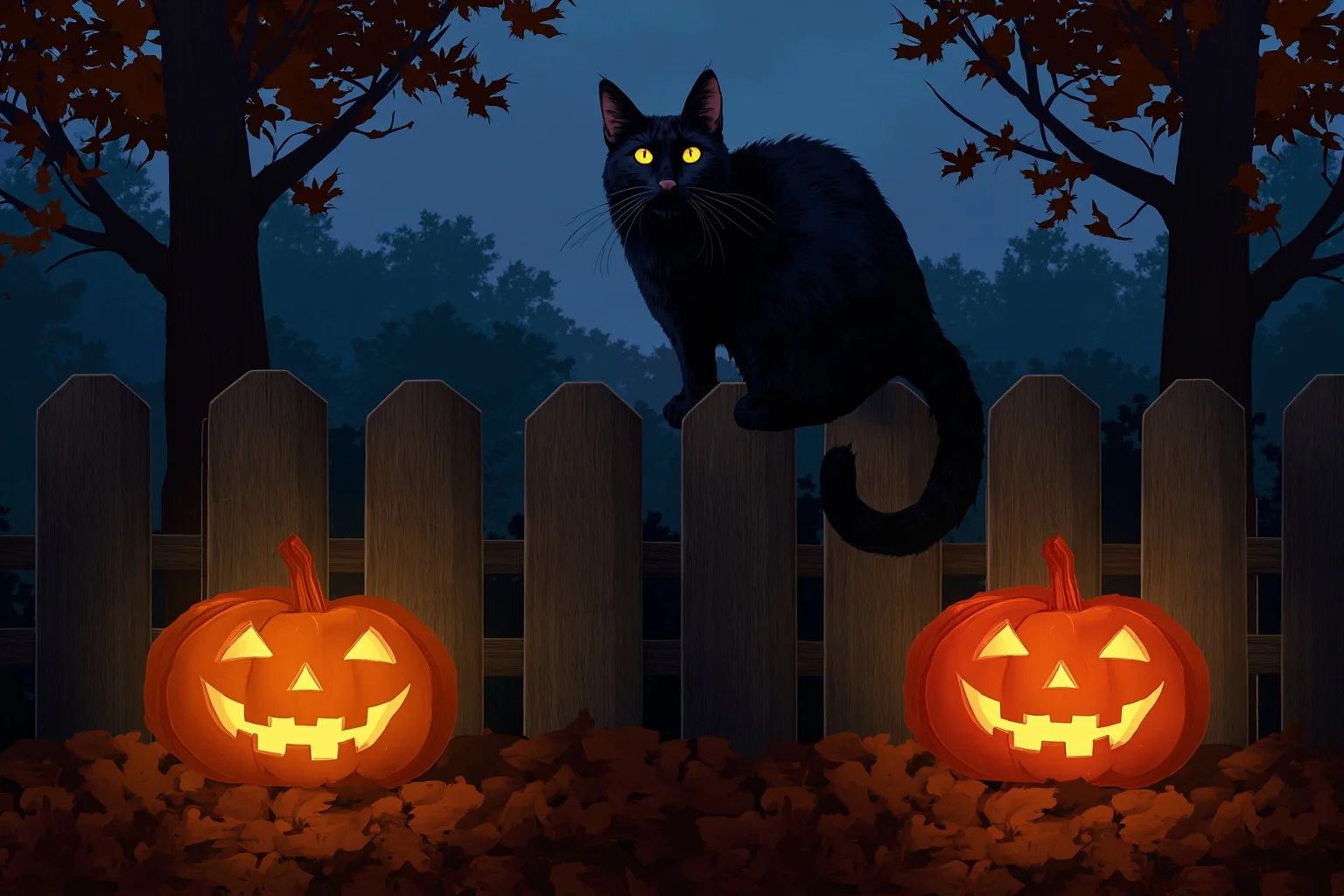
Black cats have long been linked to superstition in Europe, where they were sometimes associated with witches and bad luck. During periods of witch persecution, fear of cats intensified in some regions.
In Britain and Ireland, however, black cats were sometimes considered lucky. The negative association was stronger in parts of continental Europe and later in American popular culture.
By the 20th century, black cats had become a Halloween staple through films, decorations, and advertising. The link is cultural and modern, not a direct inheritance from Samhain.
16. Witches on Broomsticks Are a Medieval and Early Modern Image
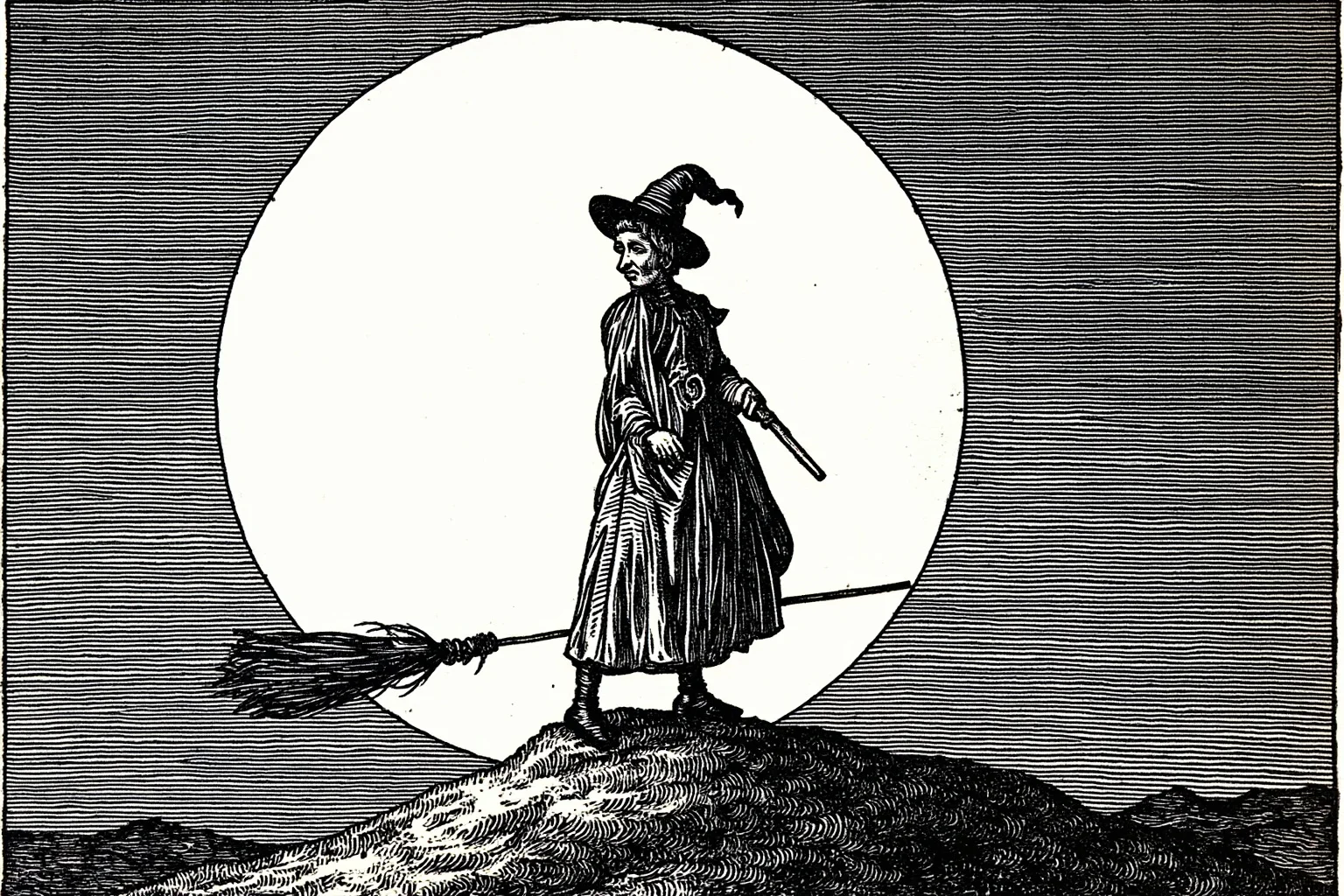
The image of the witch as an old woman in a pointed hat flying on a broomstick developed over centuries. It drew on folklore, witch-trial propaganda, and later artistic conventions.
The pointed hat and broomstick are largely early modern and modern inventions. Medieval art often depicted witches very differently, if at all.
During the witch trials of the 16th and 17th centuries, accused people were typically ordinary community members, not the cartoon figures we now decorate with. Remembering that is part of taking Halloween's dark history seriously.
17. The Holiday's "Dark History" Is Real but Often Exaggerated
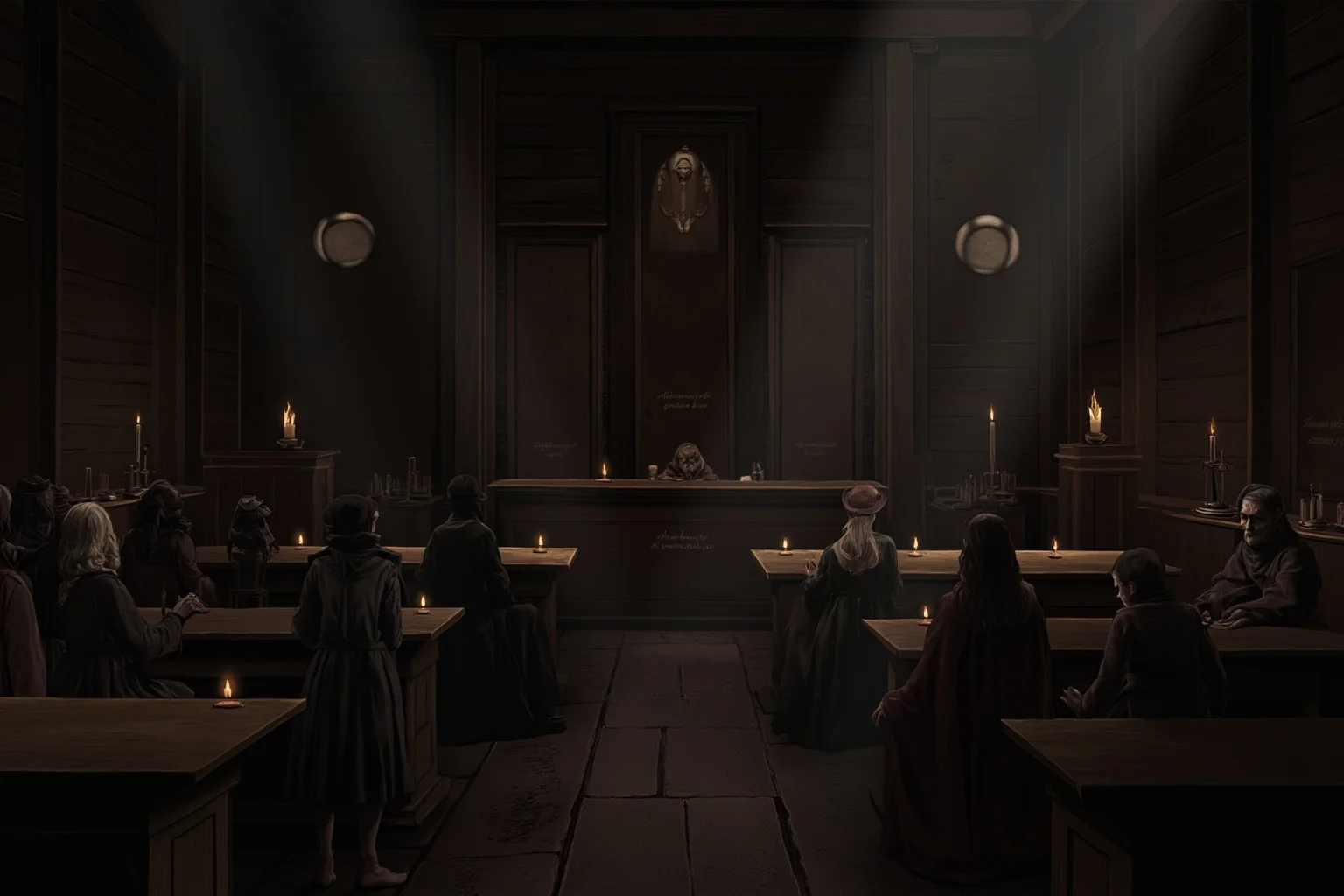
There is genuine darkness in Halloween's past: witch persecutions, harsh winter preparations, and folklore about restless spirits. But claims that Halloween was built on mass human sacrifice are not supported by reliable evidence.
Popular "dark history" lists often recycle the same debunked stories about druids and demons. Good historical writing separates documented persecution and hardship from sensational invention.
For adults interested in Halloween dark history facts, the most honest approach is to acknowledge real violence where it happened — such as the witch trials — without inventing rituals that never existed.
18. Halloween Nearly Disappeared in Some Places During the 19th Century
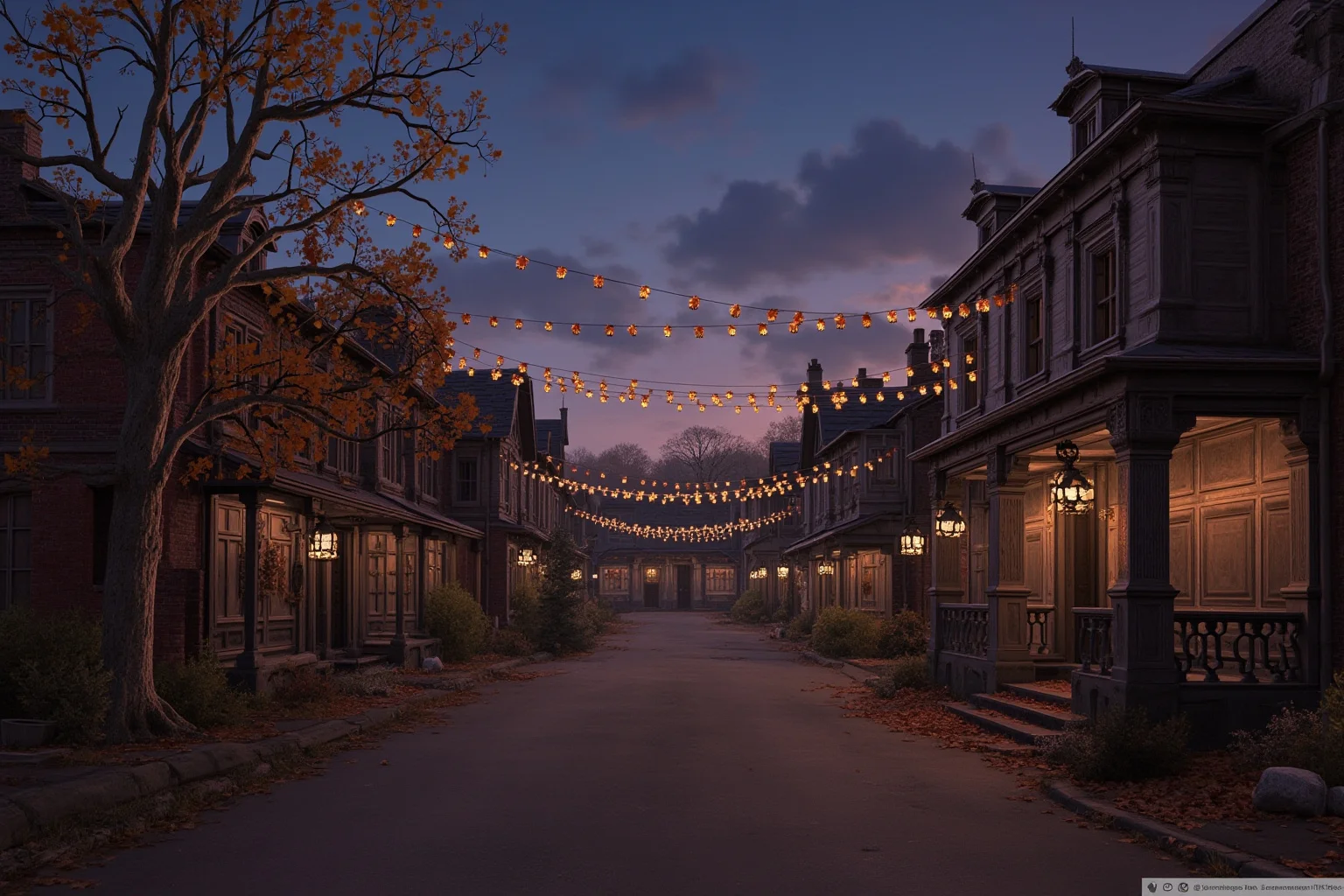
As industrialization and urbanization changed community life, some older Halloween customs faded in Britain and Ireland. Village-based souling and guising declined in many areas.
At the same time, Irish and Scottish immigrants carried their traditions to North America, where the holiday found new energy. This migration is a key reason Halloween became so strongly associated with the United States.
So the holiday did not simply spread outward from one place. It survived partly by moving, adapting, and being reinvented in new communities.
19. The Modern American Halloween Was Shaped by Irish and Scottish Immigrants
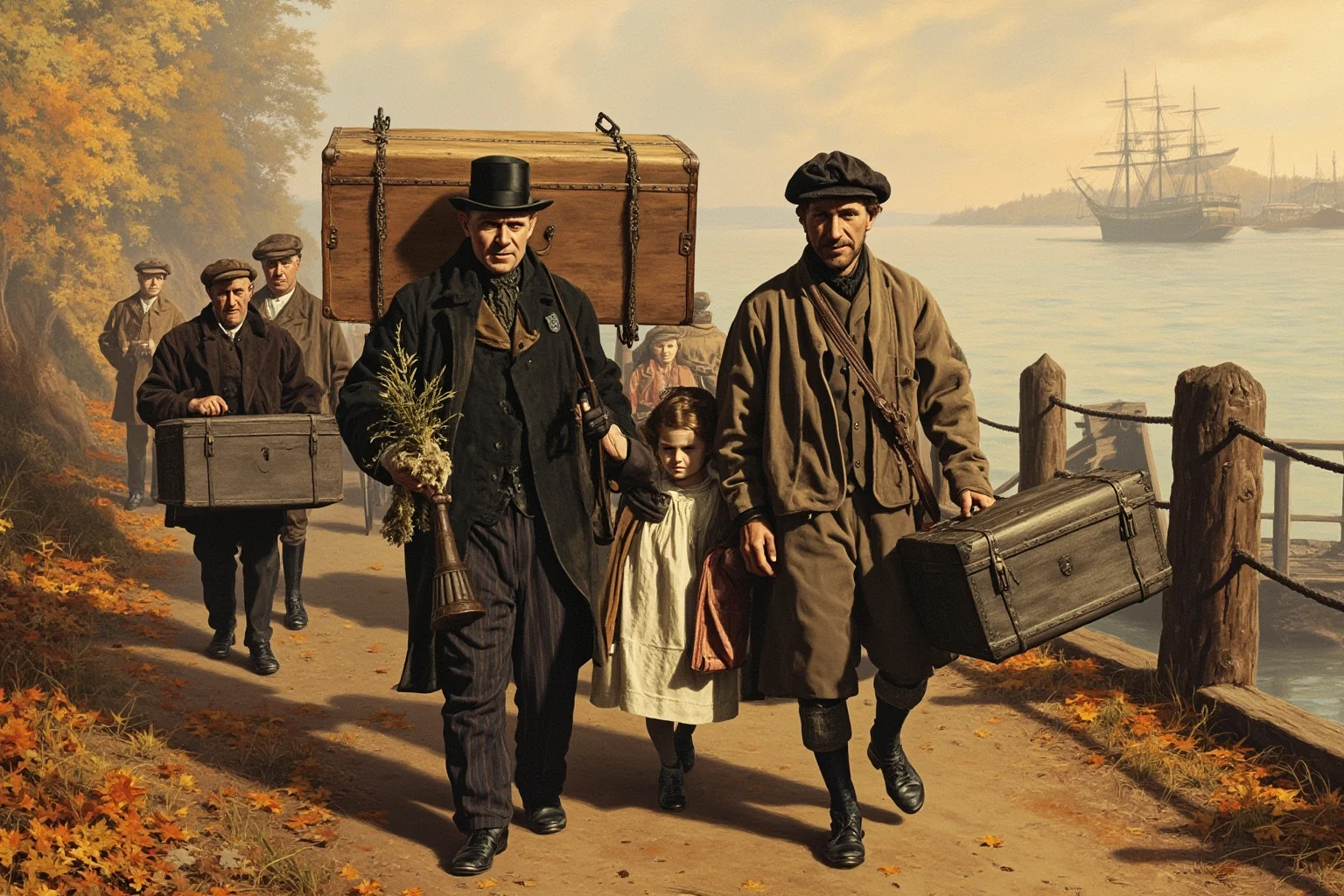
In the 19th century, millions of Irish and Scottish immigrants arrived in North America, bringing guising, jack-o'-lanterns, and fortune-telling games with them. These customs merged with existing American autumn celebrations.
By the early 20th century, Halloween had become a neighborhood holiday with parties, costumes, and pranks. Community leaders worked to make it safer and more family-oriented.
This immigrant influence is one of the most important historical facts about Halloween. It explains why an ancient Gaelic festival became a distinctly American cultural export.
20. Halloween Became a Commercial Holiday in the 20th Century
Halloween costumes were once homemade from whatever was available at home. By the 1930s and 1940s, companies began mass-producing costumes, masks, and decorations.
The candy industry also embraced the holiday. Individually wrapped treats became the standard after concerns about tampering and safety in the 1970s and 1980s.
Today Halloween is one of the most commercially significant holidays in the United States. That commercial identity is a 20th-century creation, not an ancient one.
21. Halloween Is Now Celebrated Around the World — Differently Everywhere
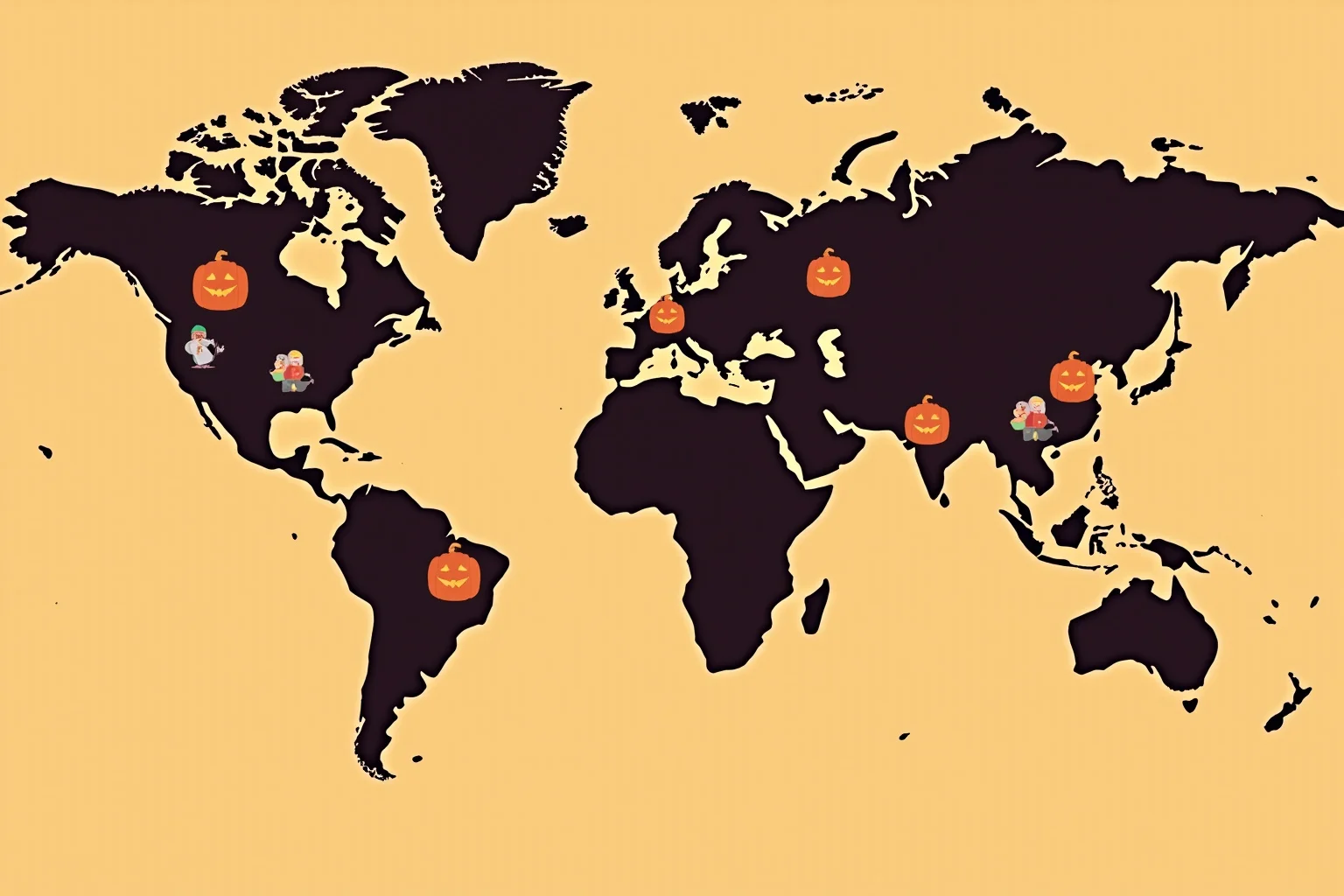
Halloween has spread far beyond North America and the British Isles. It is celebrated in parts of Europe, Latin America, Asia, and Australia, often blended with local customs.
In Mexico, Día de los Muertos overlaps in time but has distinct Indigenous and Catholic roots. In Japan, Halloween is strongly associated with street parties and cosplay rather than door-to-door candy.
These variations show that Halloween is not a single fixed tradition. It is a flexible holiday that each culture adapts to its own tastes.
22. Some Popular Halloween "Facts" Simply Aren't True
A few widely repeated claims do not hold up. Halloween is not the highest-crime night of the year, and stranger-danger candy tampering is extremely rare despite decades of warnings.
The idea that Halloween is a direct, unbroken continuation of a single ancient druid ritual is also an oversimplification. The holiday evolved through many influences, including Christian, folk, and commercial ones.
Checking these claims is not about ruining the fun. It is about enjoying the holiday with a clearer sense of what actually happened — which is usually more interesting than the myth.
Why Halloween's History Still Matters
The history of Halloween is a story about how cultures borrow, blend, and reinvent. A harvest festival became a Christian observance, then a night of guising and fortune-telling, and finally a global celebration of costumes and candy.
Understanding that journey gives you more than party trivia. It shows how traditions survive by adapting, and how the customs we take for granted were once new ideas.
So whether you are carving a pumpkin, handing out candy, or reading up on Halloween facts and history, you are taking part in a tradition that is thousands of years in the making. The details about Halloween may have changed, but the impulse to mark the turning of the seasons has not.
Frequently Asked Questions
What are the most important Halloween facts and history to know?
The most important points are that Halloween descends from the Celtic festival of Samhain, that its name comes from "All Hallows' Eve," and that traditions like souling, guising, and jack-o'-lanterns developed over many centuries. Trick-or-treating and mass-produced costumes are relatively modern American additions.
Did Halloween really start as a Celtic festival?
Yes, its roots are in Samhain, a Gaelic festival marking the end of the harvest and the start of winter. However, many popular claims about Samhain — such as a god named Saman or widespread human sacrifice — are not supported by reliable historical evidence.
Why do we carve pumpkins on Halloween?
Carving lanterns began in Ireland and Scotland using turnips and other root vegetables, inspired by the folktale of Stingy Jack. When immigrants reached North America, they switched to pumpkins because they were plentiful, easier to carve, and large enough to hold a candle.
Where did trick-or-treating come from?
Trick-or-treating combines older customs like souling, where the poor traded prayers for soul cakes, and guising, where people in disguise performed for food or coins. The modern door-to-door version took shape in North America in the 1920s and 1930s and spread widely after World War II.
Is Halloween a dangerous night?
Despite persistent warnings, Halloween is not the most dangerous night of the year, and verified cases of strangers tampering with candy are extremely rare. Most safety advice focuses on traffic, visibility, and pedestrian accidents, which are genuine risks.
How did Halloween become so popular in the United States?
Irish and Scottish immigrants in the 19th century brought guising, jack-o'-lanterns, and fortune-telling games to North America. These merged with local autumn customs, and by the 20th century Halloween had become a neighborhood celebration reinforced by costume and candy manufacturing.

Alex Warren
Related Articles