
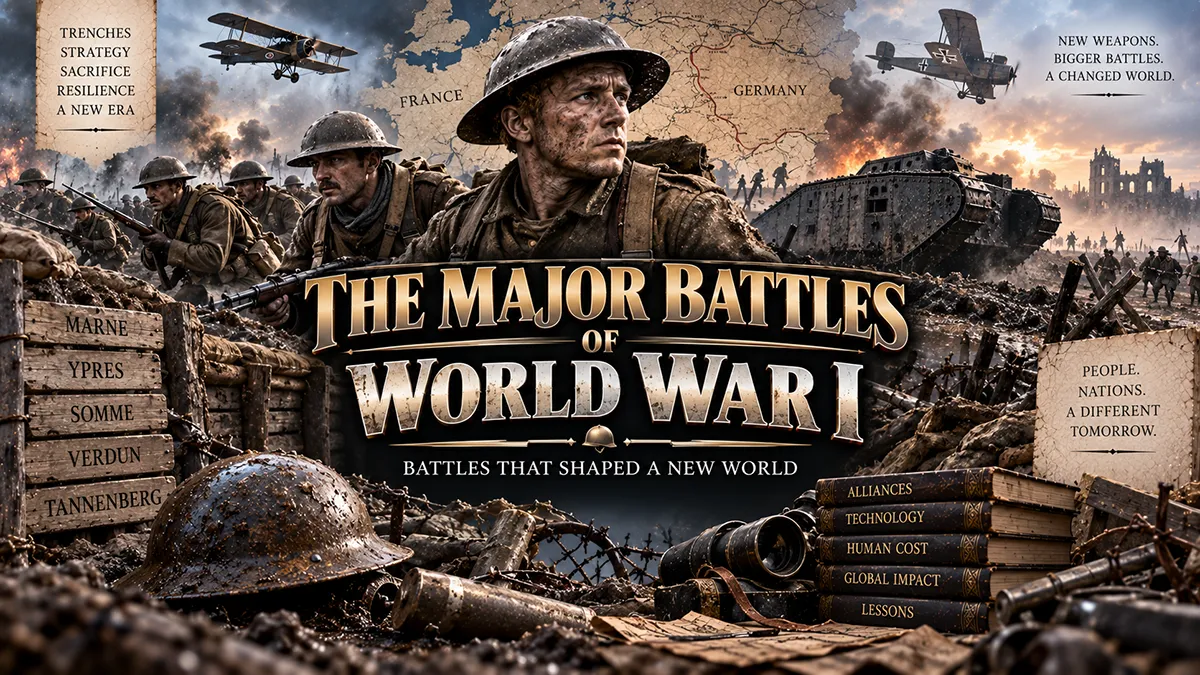
World War I lasted just over four years, yet it produced some of the deadliest and most consequential fighting in human history. Understanding the major battles of WWI means understanding how a regional crisis in the Balkans exploded into a global war that redrew borders, toppled empires, and killed roughly 20 million people.
This guide walks through the most historically significant WWI battles in roughly chronological order, explains who fought who in World War 1, and separates well-documented fact from the myths that have grown up around the Great War over the last century.
TL;DR: From Tannenberg to the Hundred Days Offensive, these 22 battles show how WWI evolved from fast-moving maneuver warfare into grinding trench stalemate and finally into the mobile campaigns that ended the war in November 1918.
Who Fought Who in World War 1: A Quick Overview
World War 1 was fought between two main alliances. The Allied Powers included France, the British Empire, Russia (until 1917), Italy (from 1915), and eventually the United States (from 1917), among others.
The Central Powers consisted of Germany, Austria-Hungary, the Ottoman Empire, and Bulgaria. The war was fought when these alliances collided following the assassination of Archduke Franz Ferdinand of Austria-Hungary in June 1914, triggering a chain of mobilizations across Europe that called on some of the largest militaries in the world at the time.
When was World War 1 fought? The conflict ran from July 28, 1914, when Austria-Hungary declared war on Serbia, until the armistice on November 11, 1918. Fighting took place across Europe, the Middle East, Africa, and at sea, though the Western Front in France and Belgium and the Eastern Front against Russia saw the largest and most famous battles.
The Major Battles of WWI, In Order
Below are the battles of WWI most historians point to as turning points, either for their scale, their casualties, or their lasting impact on how the war was fought and eventually won.
1. The Battle of the Frontiers (August 1914)
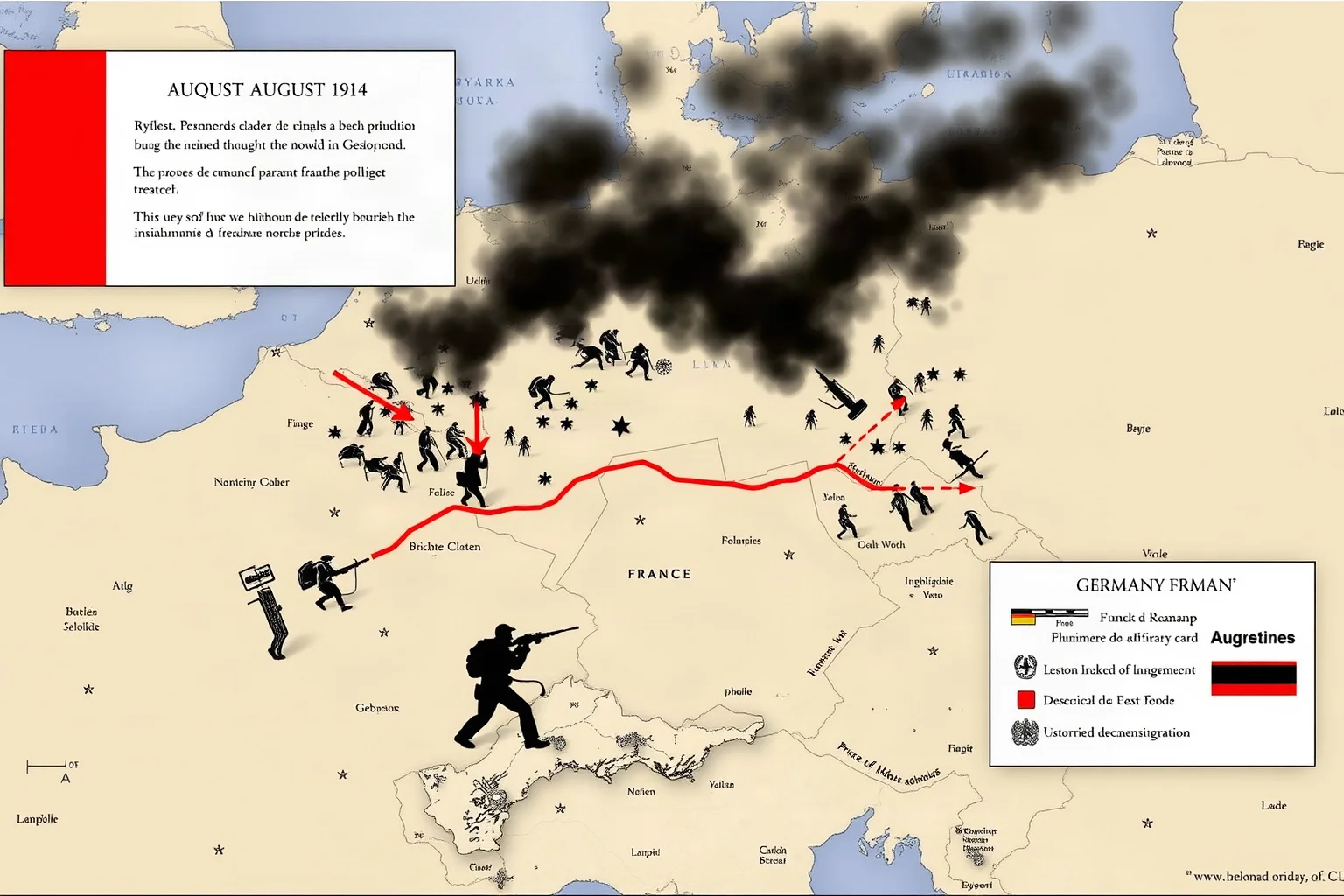
The opening major clash of the war saw French and German armies collide along the Franco-German and Franco-Belgian borders. France’s pre-war plan, Plan XVII, called for an aggressive advance into Alsace-Lorraine, but it ran straight into superior German firepower.
The result was catastrophic for France, with roughly 27,000 French soldiers killed on August 22, 1914, alone, making it one of the deadliest single days in French military history. This early bloodletting shattered any illusion that the war would be short or easily won.
2. The First Battle of the Marne (September 1914)
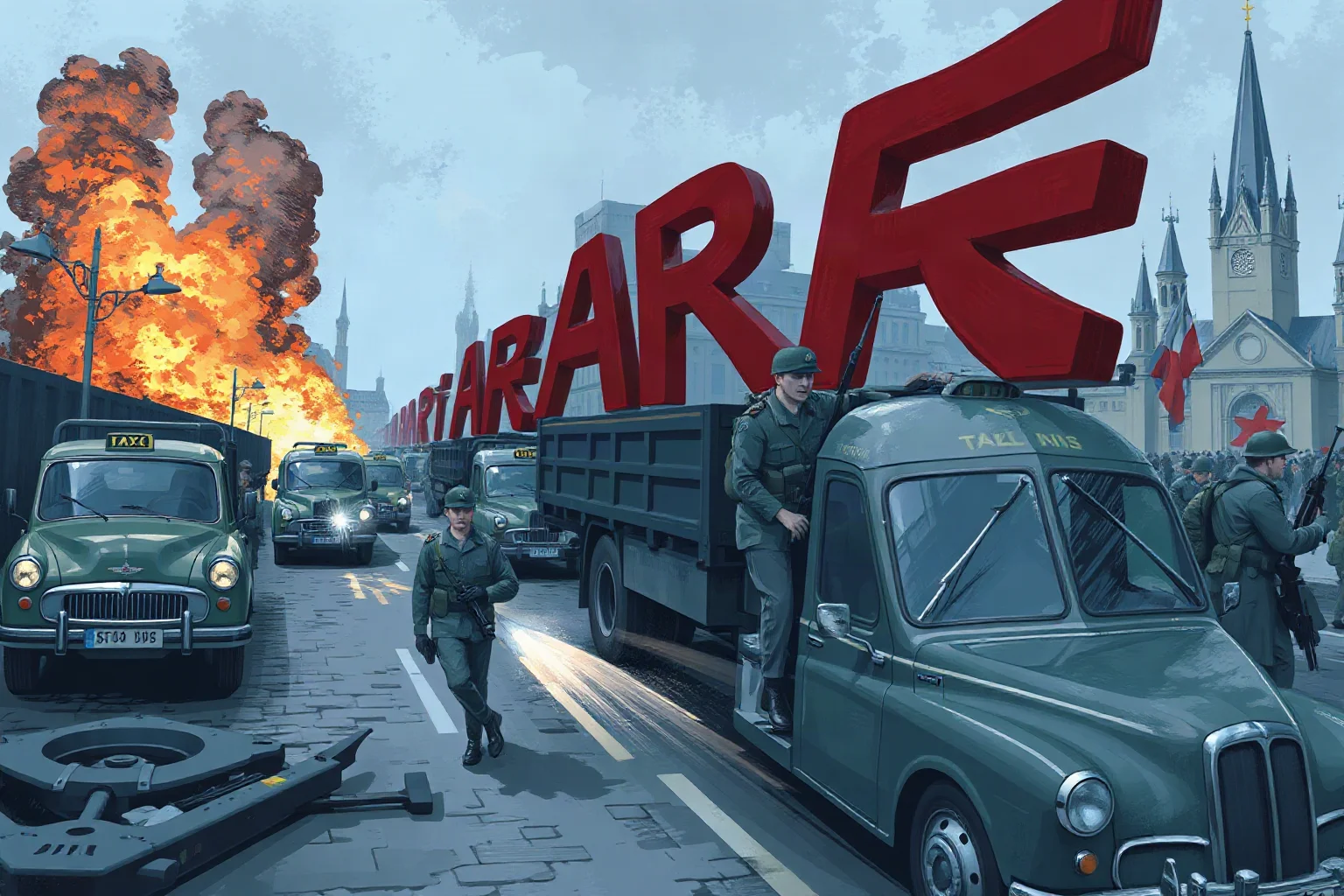
After driving deep into France through Belgium, German forces were stopped just short of Paris in a dramatic Allied counterattack along the Marne River. French and British troops, including reserves famously rushed to the front by Parisian taxicabs, forced a German withdrawal.
This battle effectively ended the war of rapid movement that both sides had planned for. It pushed the conflict toward the entrenched, static warfare that would define the Western Front for the next four years.
3. The First Battle of Ypres (October–November 1914)
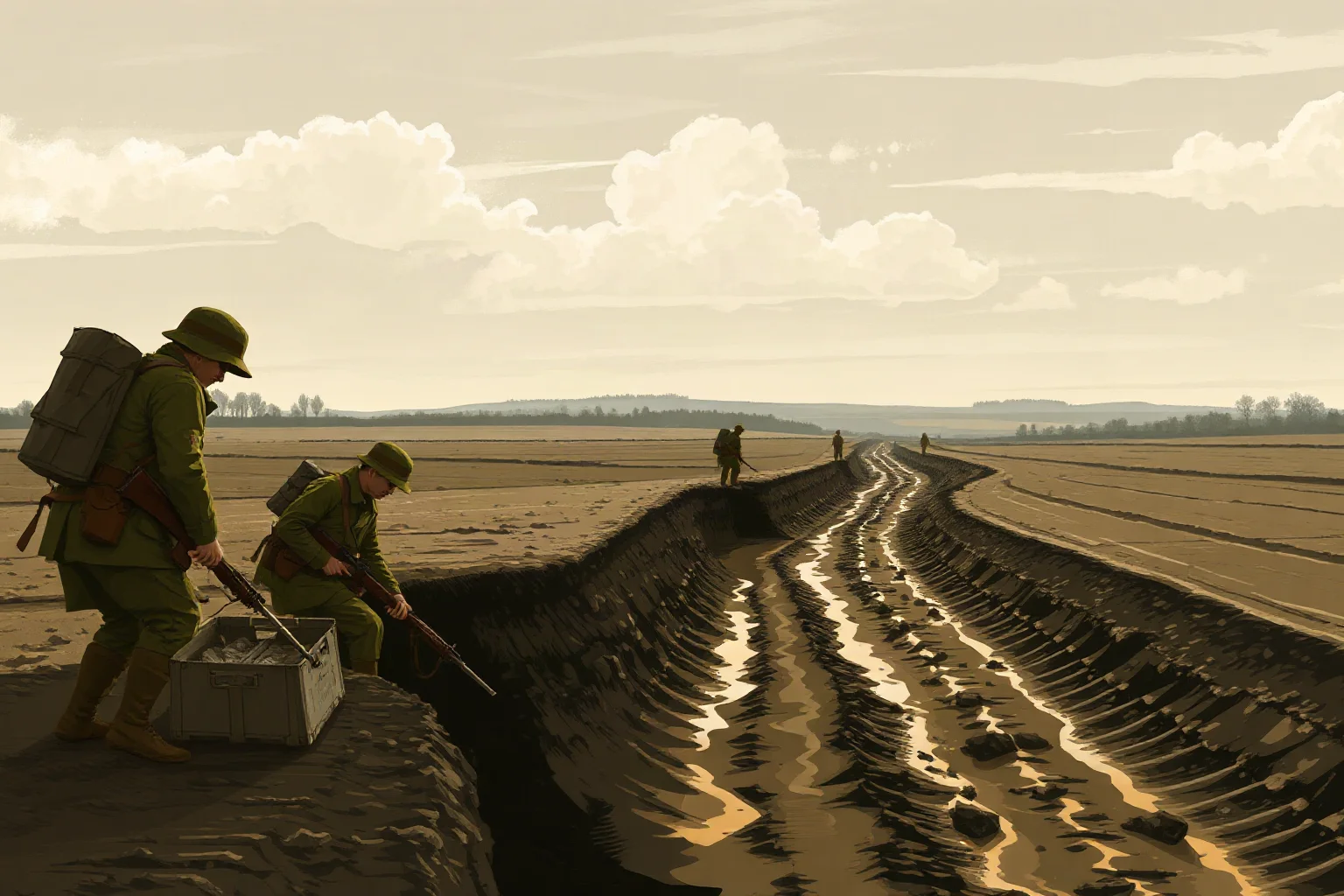
Fought in Belgium, this battle marked the end of the “Race to the Sea,” as both sides extended their lines to the English Channel. British, French, and Belgian troops held off a determined German push toward the vital Channel ports.
Casualties were heavy on both sides, and much of Britain’s small, professional pre-war army was effectively used up here. Ypres would remain a contested and symbolic battleground for the rest of the war.
4. The Battle of Tannenberg (August 1914)
On the Eastern Front, German forces under Paul von Hindenburg and Erich Ludendorff won a decisive victory over invading Russian forces in East Prussia. Poor Russian coordination and communication allowed the Germans to encircle and destroy an entire Russian army.
Tannenberg became one of the most celebrated German victories of the war and a lasting symbol of Russian military disorganization. It set the tone for a brutal Eastern Front campaign that ran alongside the more famous trench warfare in the west.
5. The Gallipoli Campaign (1915)
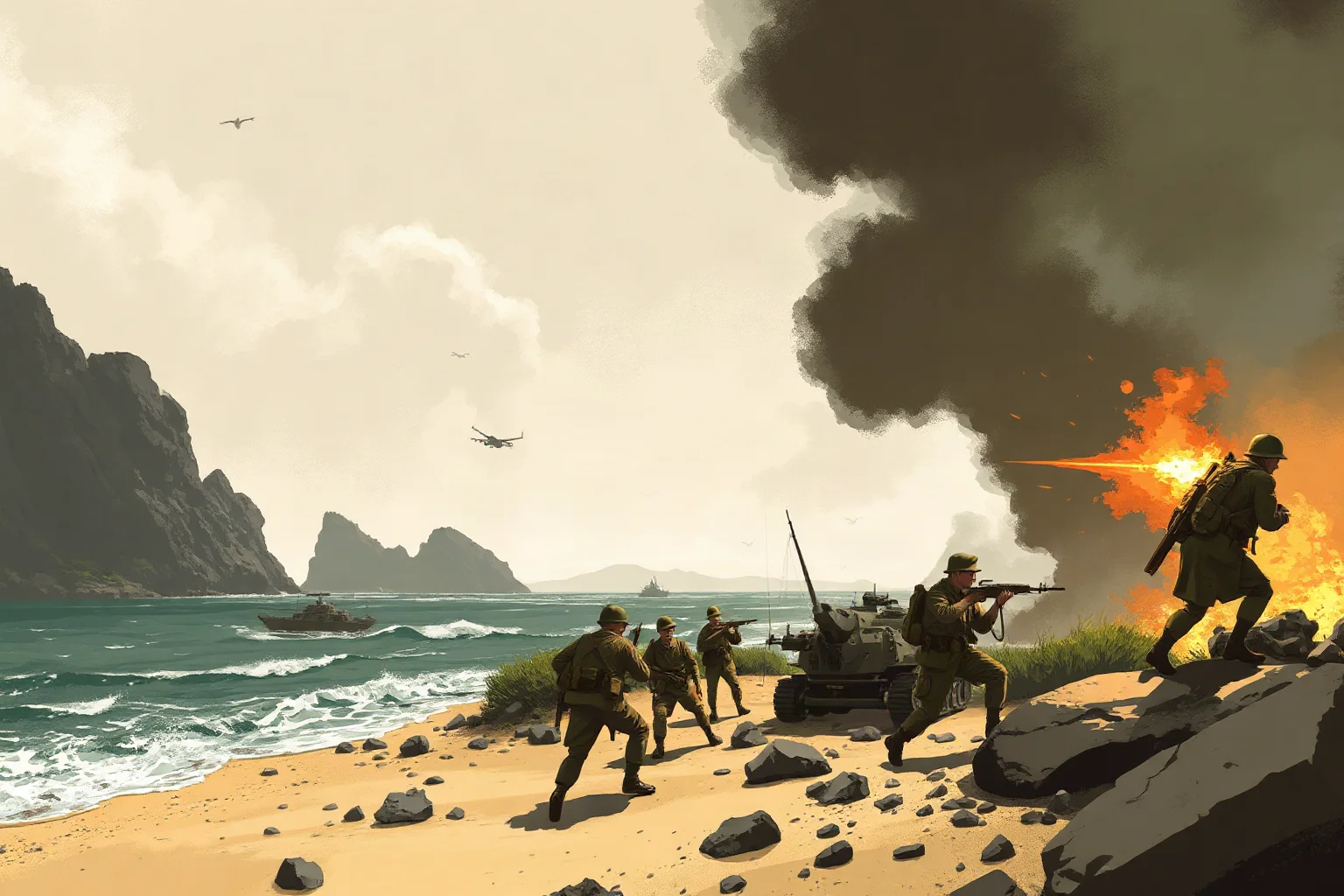
This ambitious Allied operation aimed to seize the Dardanelles Strait, knock the Ottoman Empire out of the war, and open a supply route to Russia. British, French, Australian, New Zealand, and Indian troops landed on the Gallipoli Peninsula, but Ottoman defenders under determined leadership held the high ground throughout.
After roughly eight months of brutal fighting and heavy losses, the Allies withdrew without achieving their goals. Gallipoli remains especially significant in Australian and New Zealand national memory, commemorated every year on ANZAC Day.
6. The Second Battle of Ypres (1915)
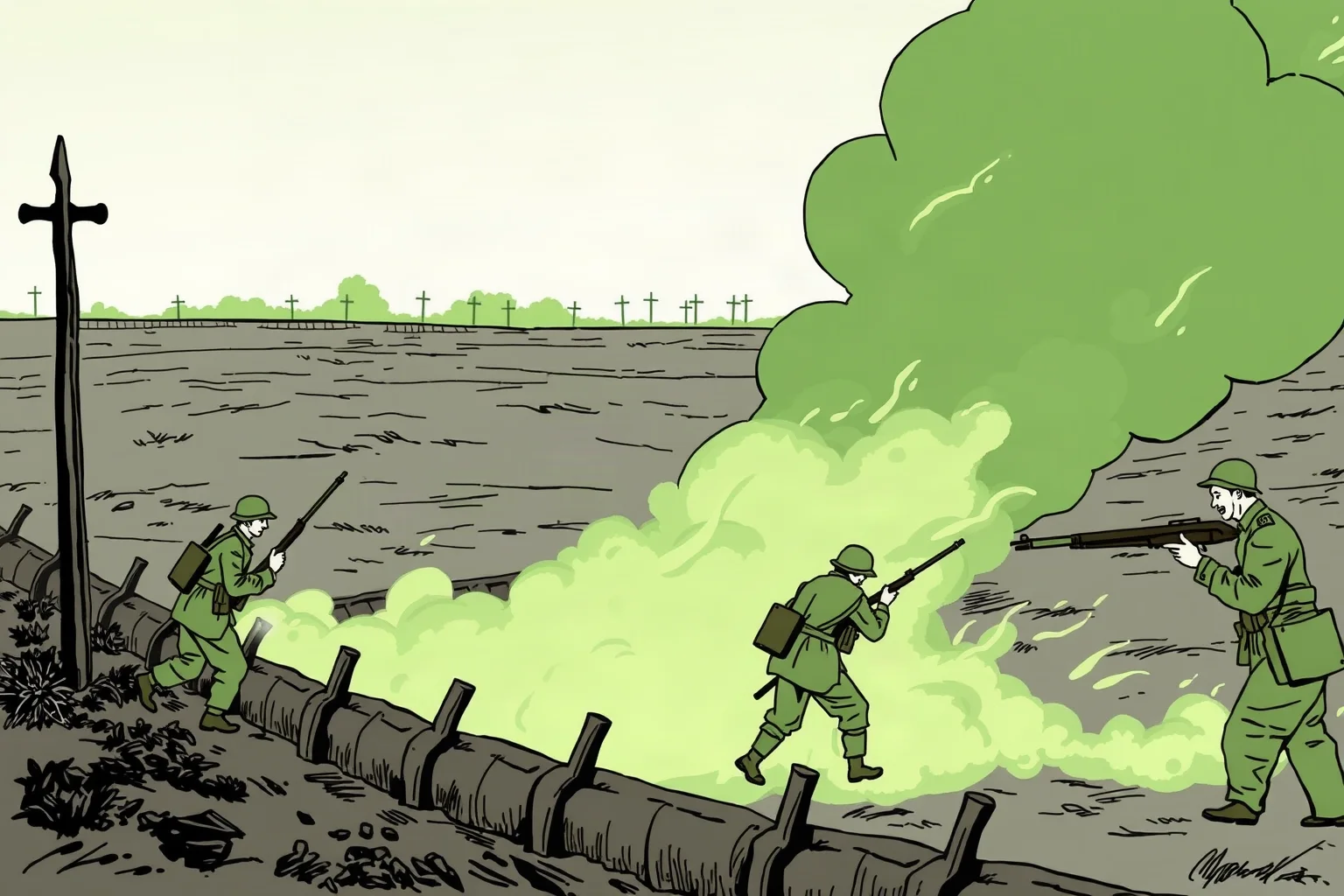
This battle is remembered as the first large-scale use of chlorine gas as a weapon on the Western Front, deployed by German forces against French colonial and Canadian troops. The attack caused panic and heavy casualties, though it did not produce the decisive breakthrough Germany hoped for.
The introduction of chemical weapons marked a grim escalation in the war’s brutality. It also forced both sides to rapidly develop gas masks and countermeasures for the remainder of the conflict.
7. The Battle of Verdun (1916)
Often cited as one of the longest and bloodiest battles of WWI, Verdun lasted roughly ten months in 1916. German commanders reportedly aimed to “bleed France white” by attacking a fortress city of deep symbolic importance to French national pride.
Combined casualties are estimated at around 700,000 men killed, wounded, or missing, though exact figures vary between sources. Verdun became, and remains, a powerful symbol of the war’s senseless scale of sacrifice for the French nation.
8. The Battle of the Somme (1916)
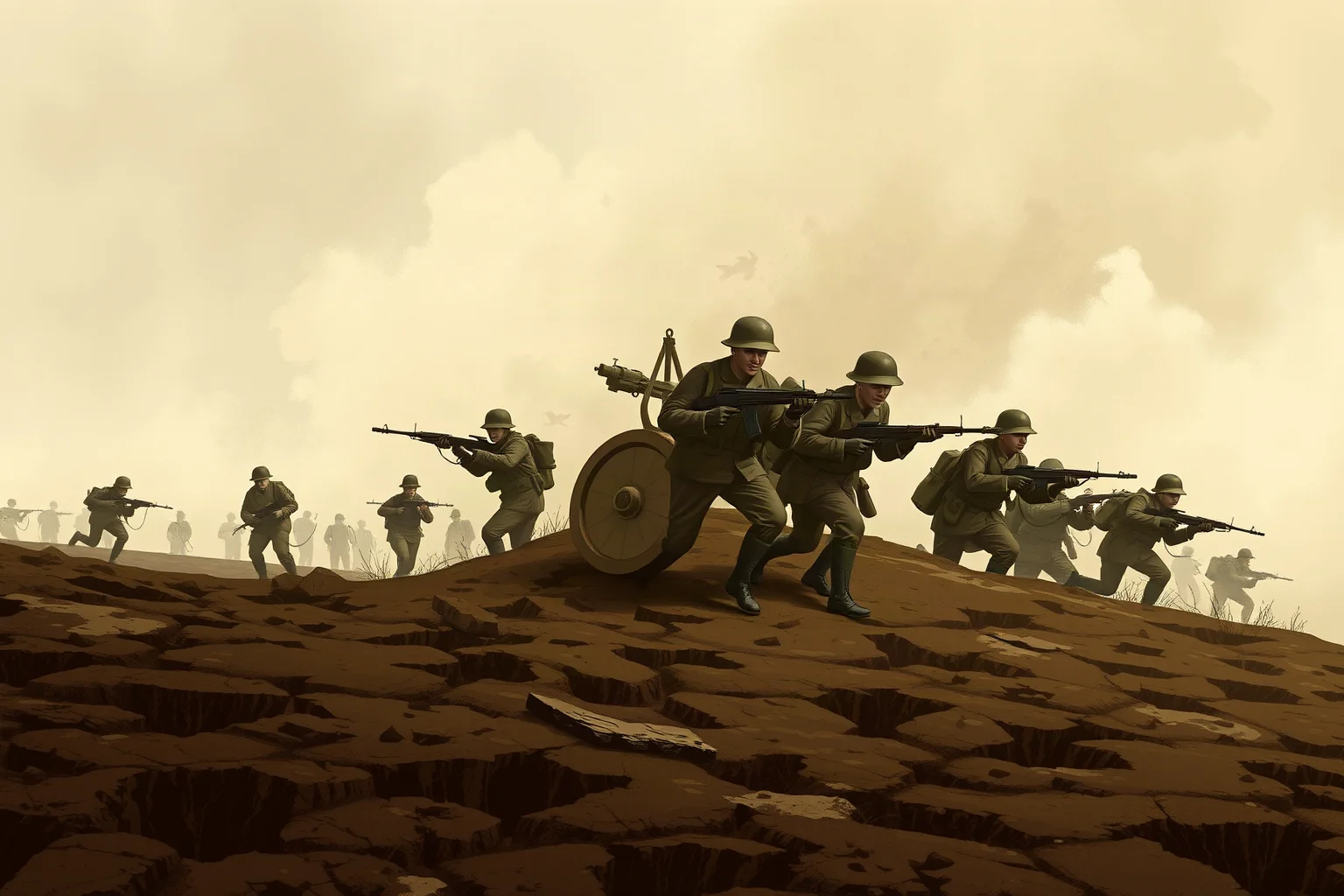
Launched partly to relieve pressure on French forces at Verdun, the Somme is infamous for its first day alone, July 1, 1916, when British forces suffered about 57,000 casualties, including roughly 19,000 dead. It stands as the bloodiest single day in the history of the British Army.
The battle dragged on for nearly five months and resulted in over a million casualties across both sides combined. Territorial gains were minimal relative to the human cost, making the Somme one of the most infamous and worst battles of WWI in popular memory.
9. The Battle of Jutland (1916)
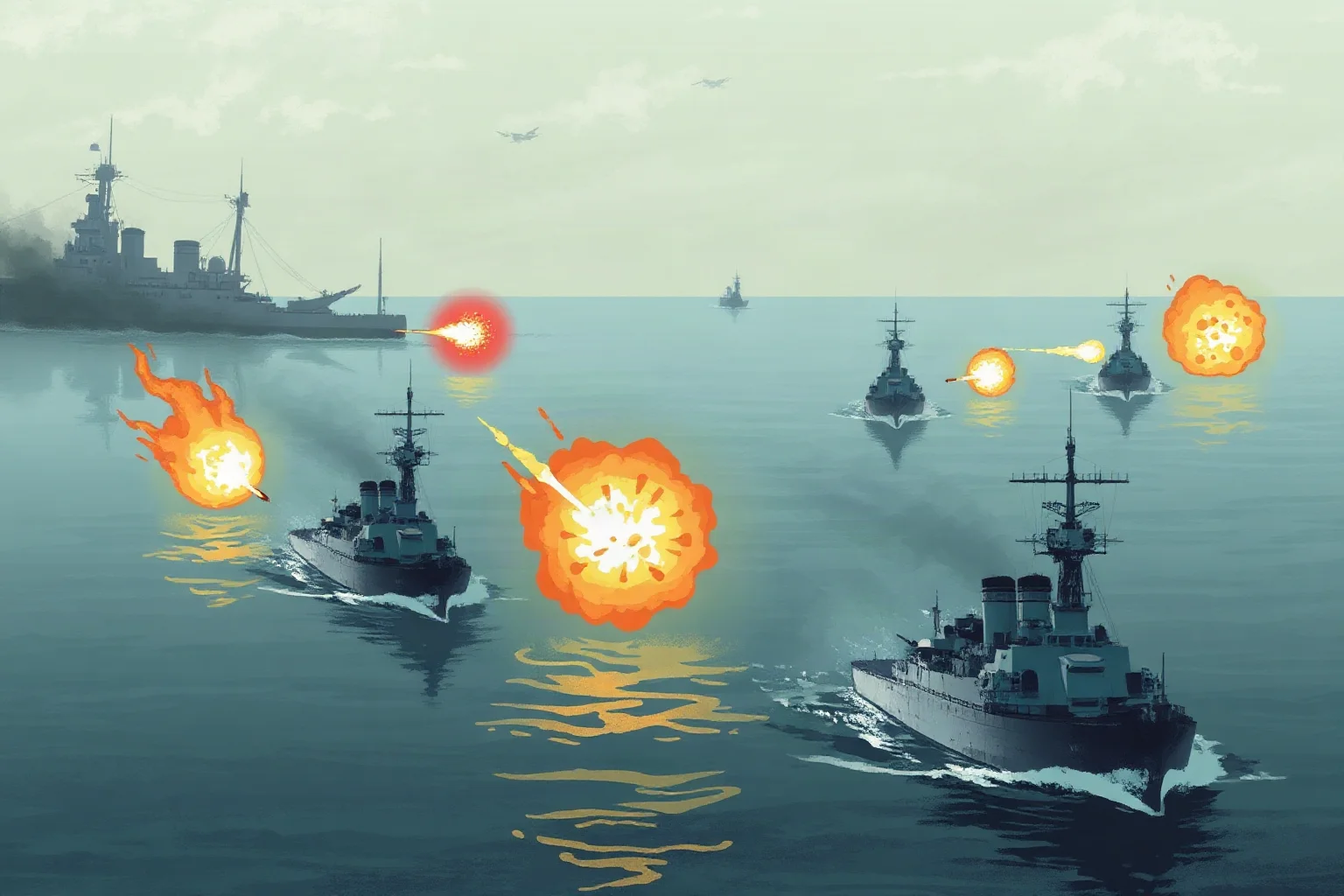
The largest naval battle of World War 1 took place in the North Sea between the British Royal Navy and the German Imperial Navy. Britain lost more ships and sailors, but Germany’s fleet retreated to port and never seriously challenged British naval dominance again for the rest of the war.
Jutland is often described as a tactical draw but a strategic British victory. It confirmed that Britain’s naval blockade of Germany would continue largely unchallenged.
10. The Brusilov Offensive (1916)
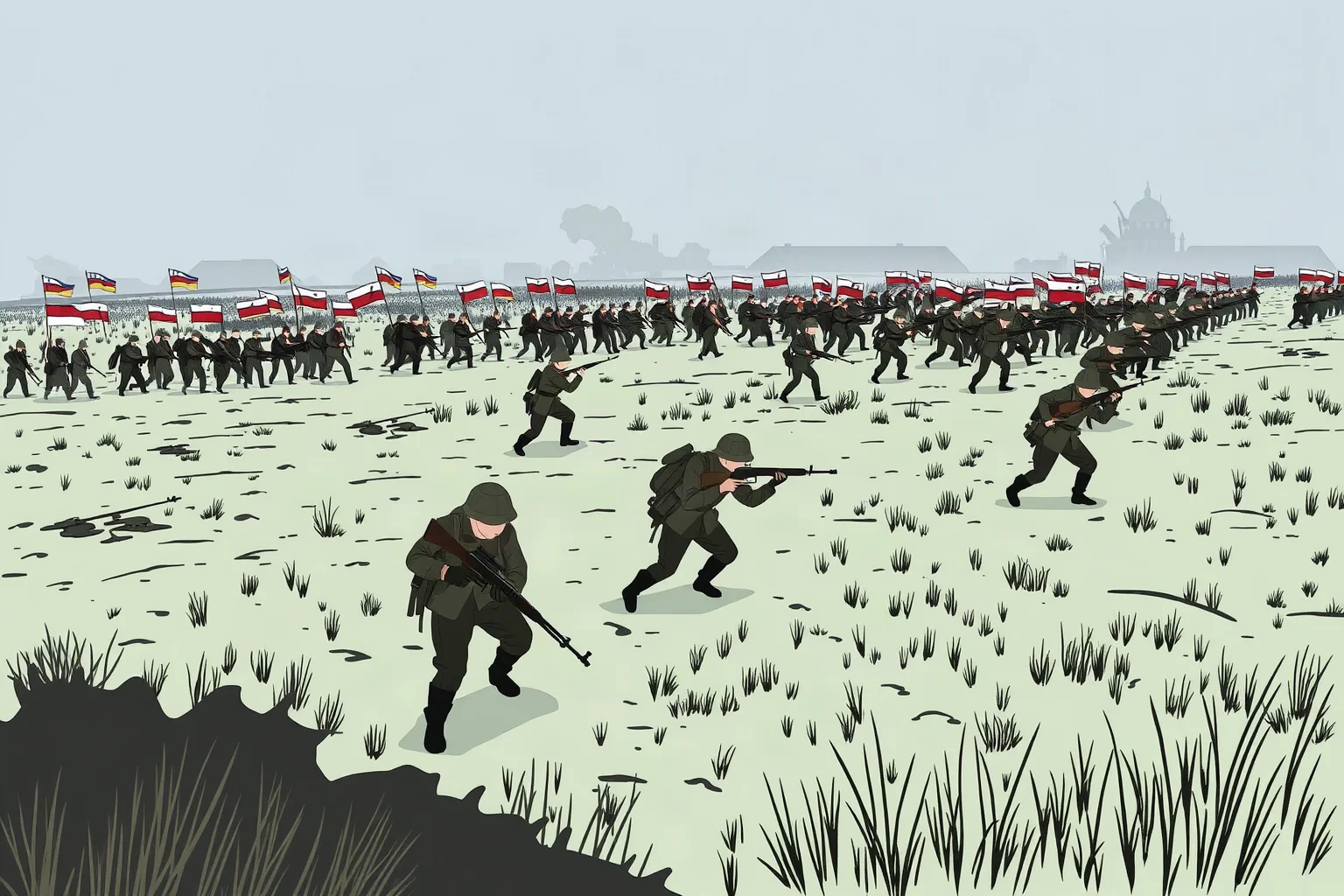
Named after Russian general Aleksei Brusilov, this was one of the most successful Russian operations of the war, inflicting massive casualties on Austro-Hungarian forces. It briefly threatened to knock Austria-Hungary out of the war entirely.
However, the offensive also exhausted Russian manpower and resources at a moment when domestic unrest was rising. Some historians see it as a contributing factor to the instability that led to the Russian Revolution the following year.
11. The Battle of Arras (April 1917)
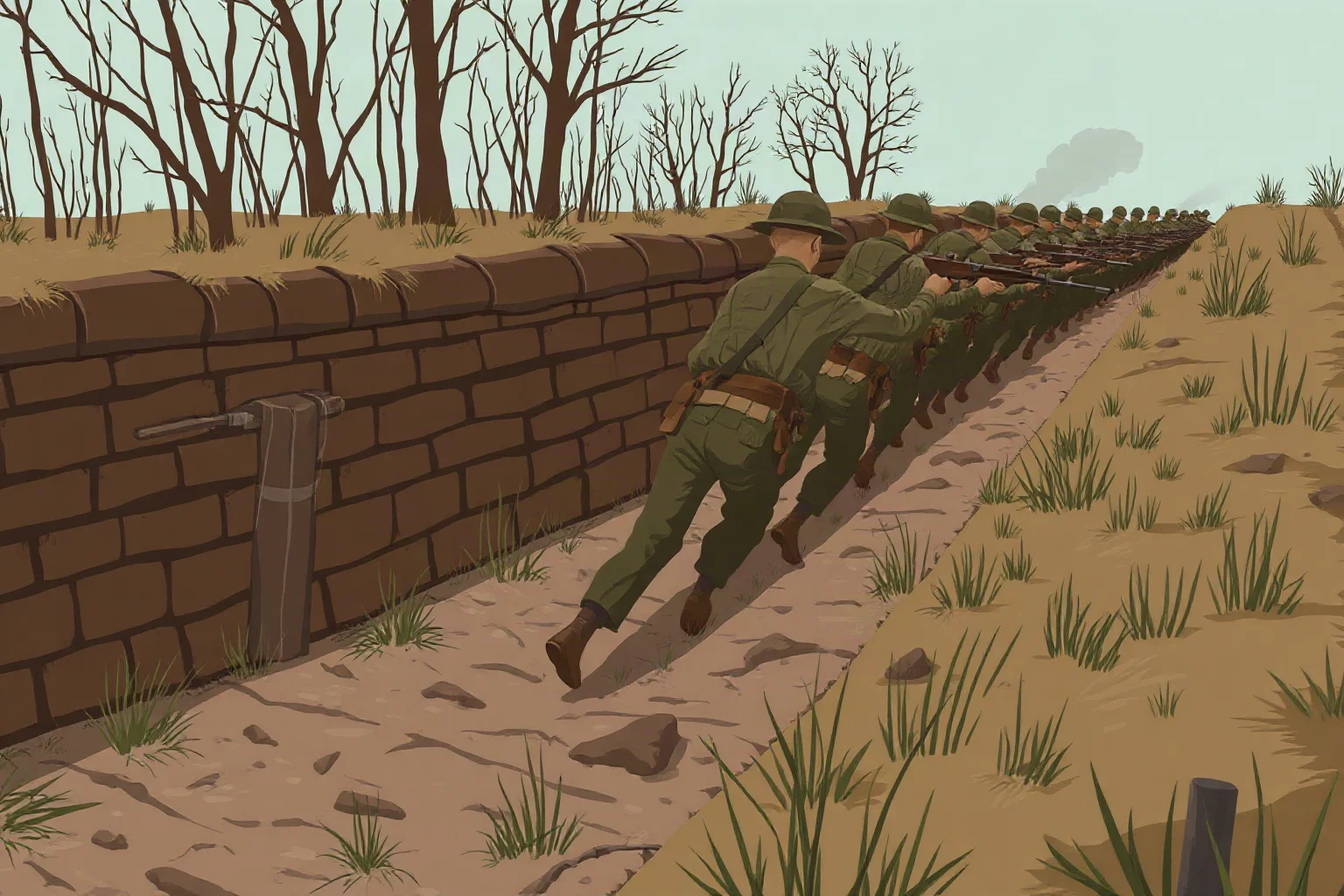
This British-led offensive in northern France achieved some of the fastest territorial advances seen on the Western Front to that point. It included several smaller, intense engagements fought over roughly a month.
While initial gains were promising, the offensive eventually stalled against reinforced German defenses. It remains one of the significant battles of WWI for demonstrating both the potential and the limits of set-piece offensives.
12. The Battle of Vimy Ridge (April 1917)
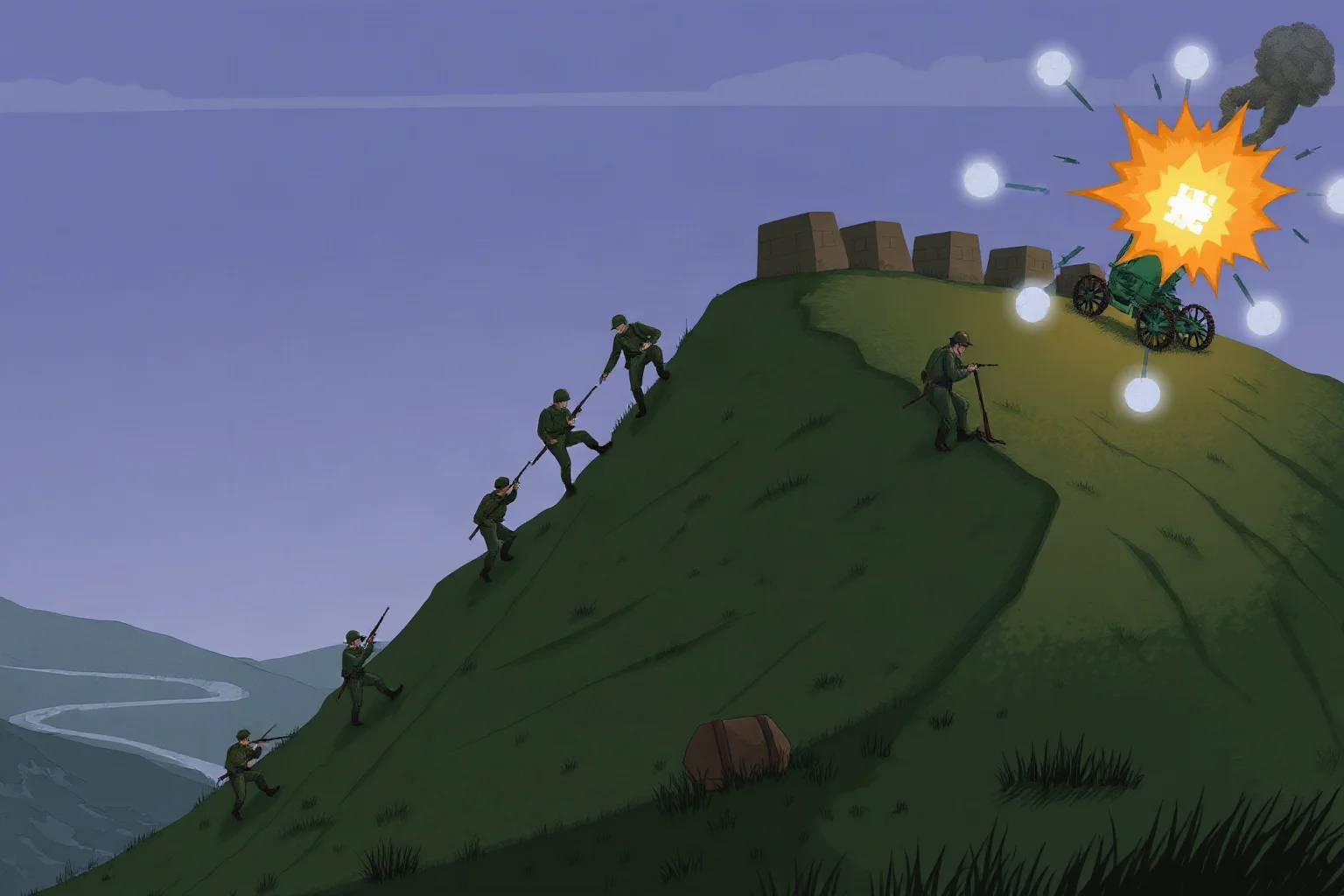
Fought as part of the broader Arras offensive, Vimy Ridge saw the four divisions of the Canadian Corps fight together for the first time, capturing a heavily fortified ridge that previous French and British attempts had failed to take. The victory came at a cost of roughly 10,600 Canadian casualties.
Vimy Ridge is widely regarded as a defining moment in Canadian military history and national identity. It’s frequently cited among the most famous WWI battles associated with a single national contingent.
13. The Battle of Passchendaele (Third Ypres, 1917)
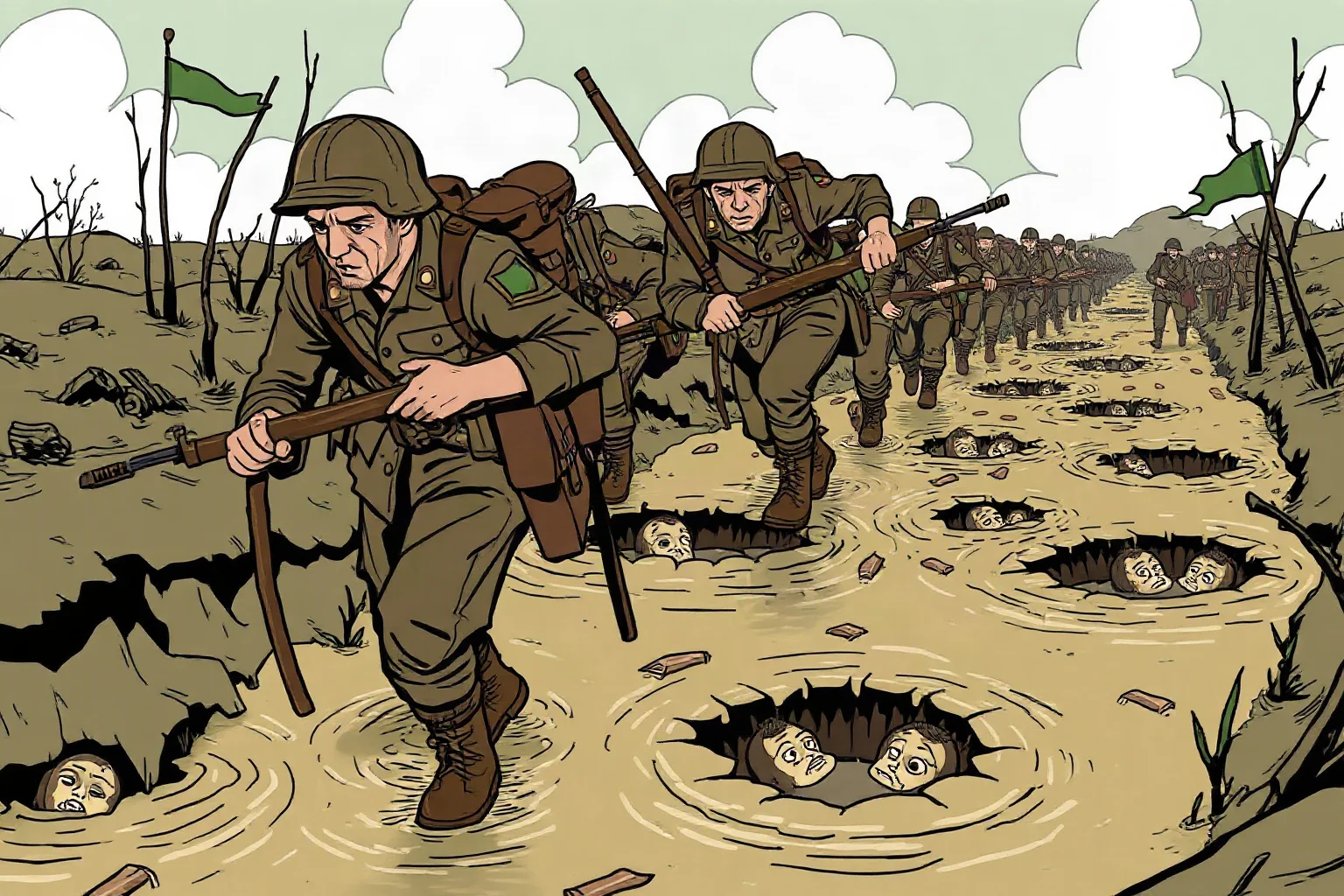
Officially the Third Battle of Ypres, Passchendaele has become shorthand for the mud, misery, and apparent futility of trench warfare. Heavy rains turned the Belgian battlefield into a swamp, and both sides suffered enormous casualties for limited territorial gain.
Estimates of combined casualties run past 400,000, though precise numbers are debated among historians. Passchendaele is frequently named among the worst and most infamous battles of WWI for the sheer misery endured by soldiers on both sides.
14. The Battle of Caporetto (1917)
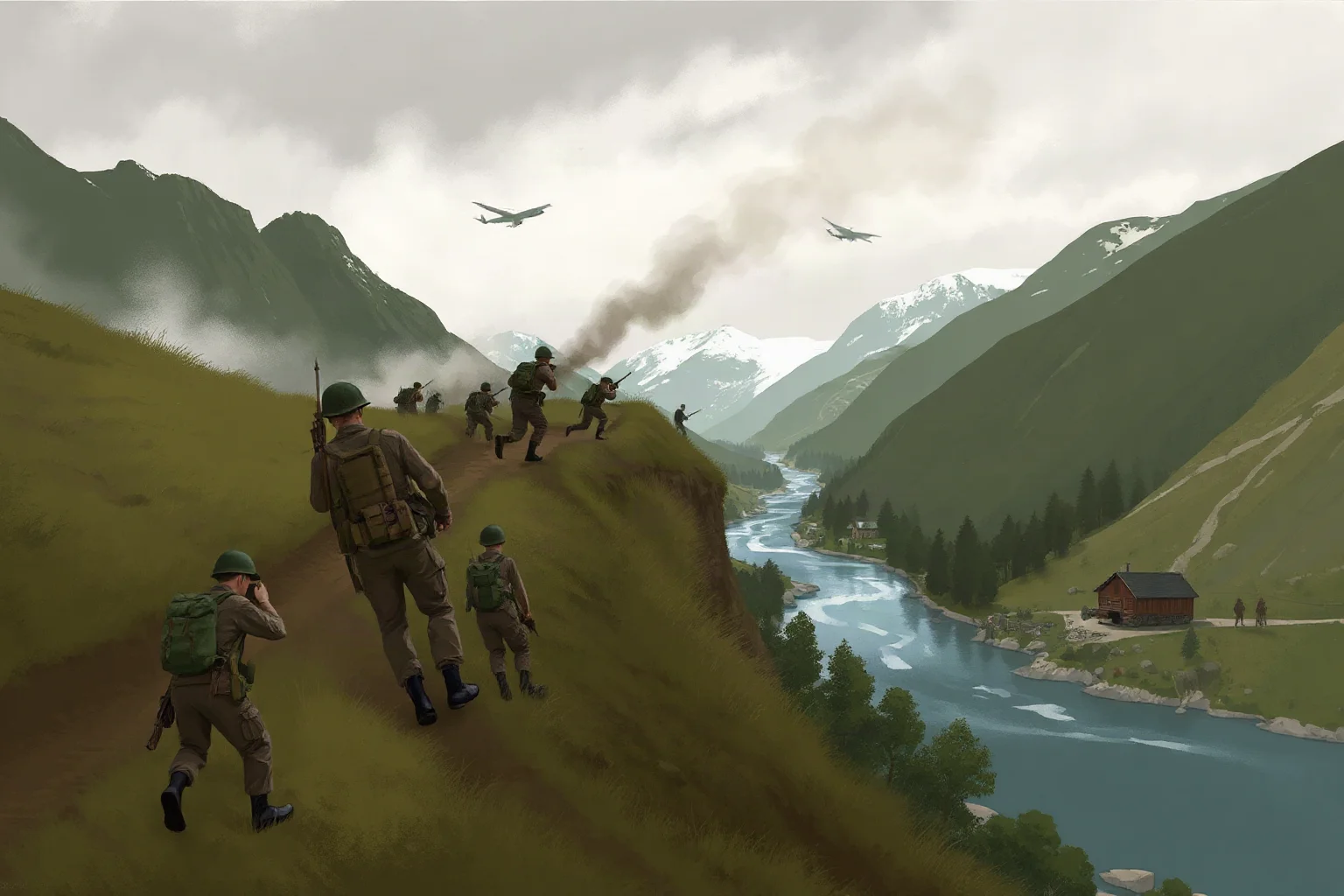
On the Italian Front, Austro-Hungarian forces, reinforced by German troops using new infiltration tactics, shattered Italian lines at Caporetto. The Italian army suffered a catastrophic collapse, retreating dozens of miles before reforming along the Piave River.
The defeat was so severe that it led to a change in Italian military leadership and lent a new phrase, “a Caporetto,” to the Italian language, meaning a total, humiliating rout. It’s a key reminder that WWI battles extended well beyond the Western Front trenches most people picture.
15. The Battle of Cambrai (1917)
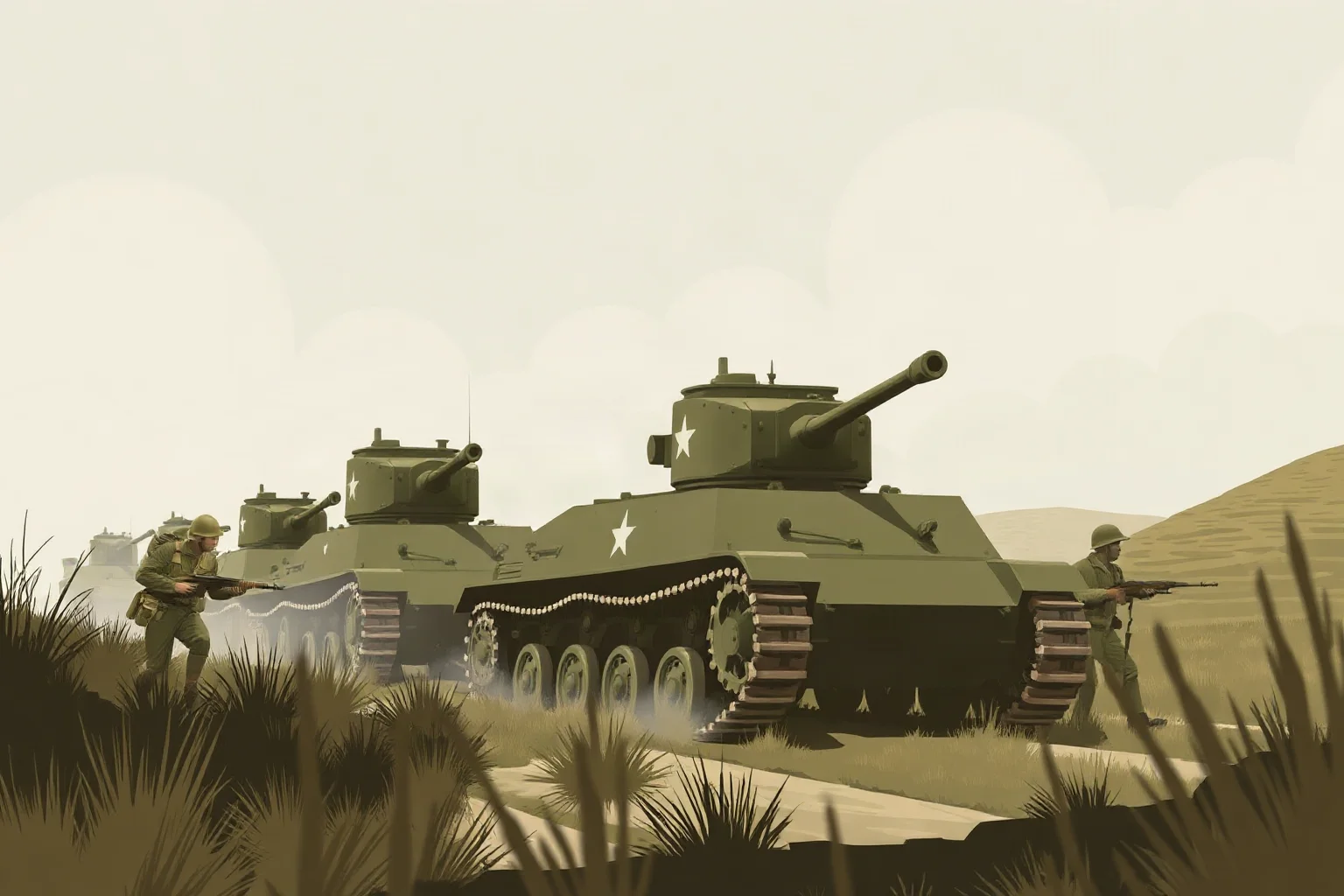
Cambrai is best remembered for the first large-scale use of tanks in a coordinated attack, with British forces deploying several hundred tanks to break through German defenses. The early advance was dramatic and showed the future potential of armored warfare.
German counterattacks eventually recovered most of the lost ground, so the battle’s territorial results were limited. Even so, Cambrai proved that tanks could reshape how future battles, including those in World War 2, would be fought.
16. The German Spring Offensive (1918)
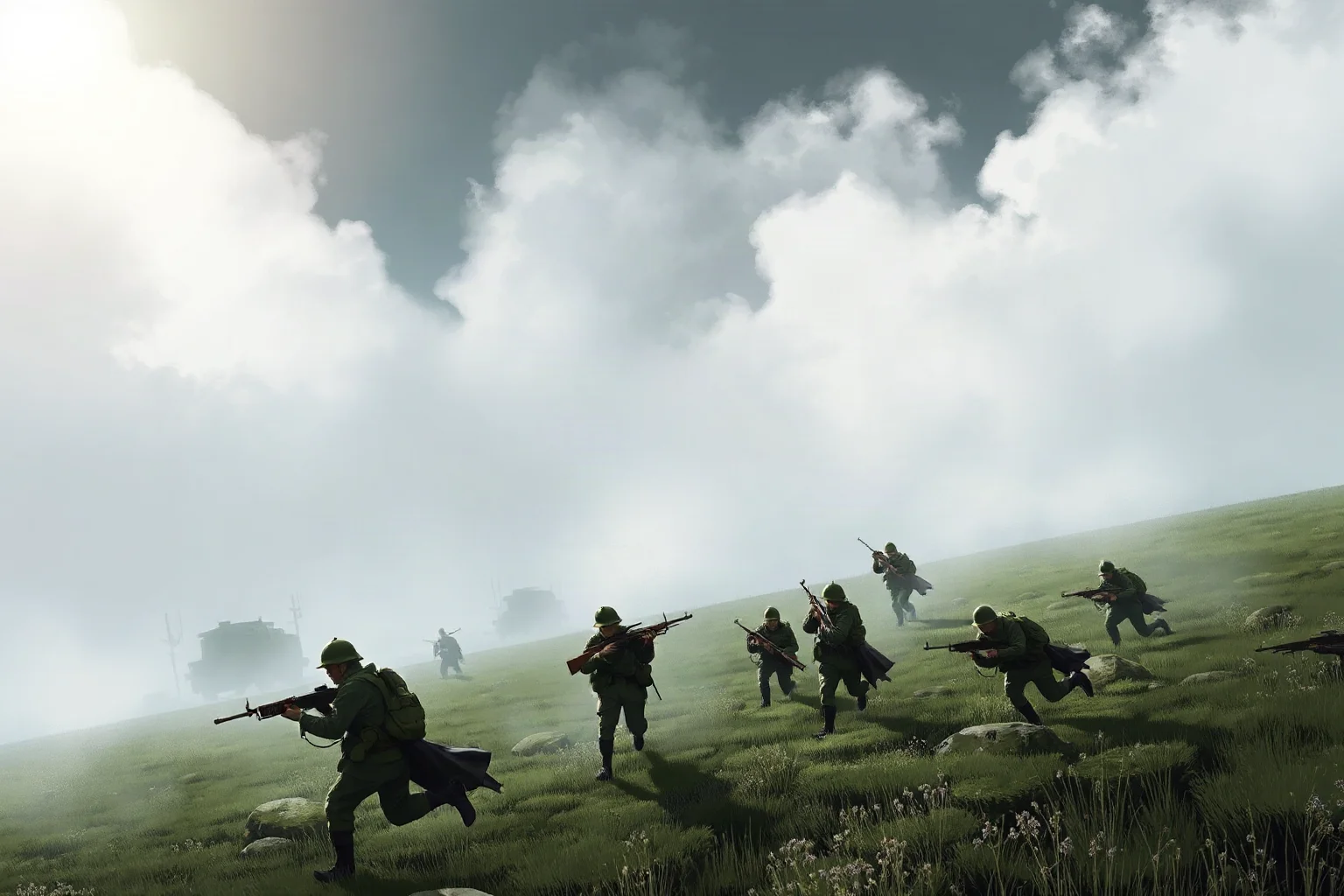
Also known as the Kaiserschlacht, this series of German attacks aimed to win the war before American troops could arrive in large numbers on the Western Front. Using newly freed troops from the Eastern Front after Russia’s exit from the war, Germany achieved its largest territorial gains since 1914.
Despite early success, the offensive overextended German supply lines and exhausted its forces. It ultimately set up the Allied counteroffensives that would end the war within months.
17. The Battle of Cantigny (May 1918)
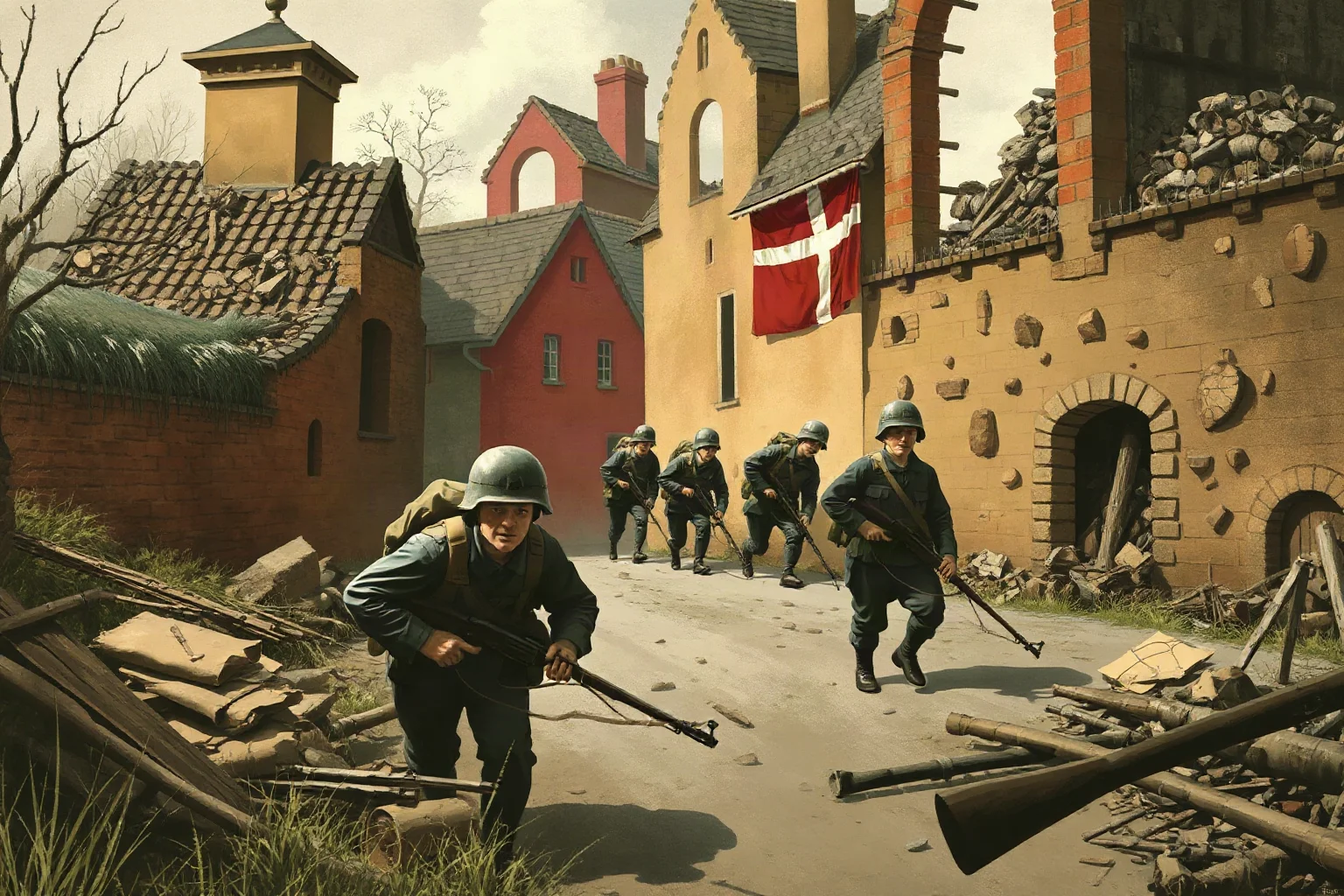
Cantigny was the first major American offensive operation of WWI, fought by the U.S. 1st Division against German forces in northern France. Though small in scale compared to other battles of the war, it proved that American troops could hold their own in modern combat.
For American battles in WWI, Cantigny is an important starting point. It marked the beginning of the United States’ direct combat role after entering the war in April 1917, a turning point that would later be counted among the biggest events in American history.
18. The Battle of Belleau Wood (June 1918)
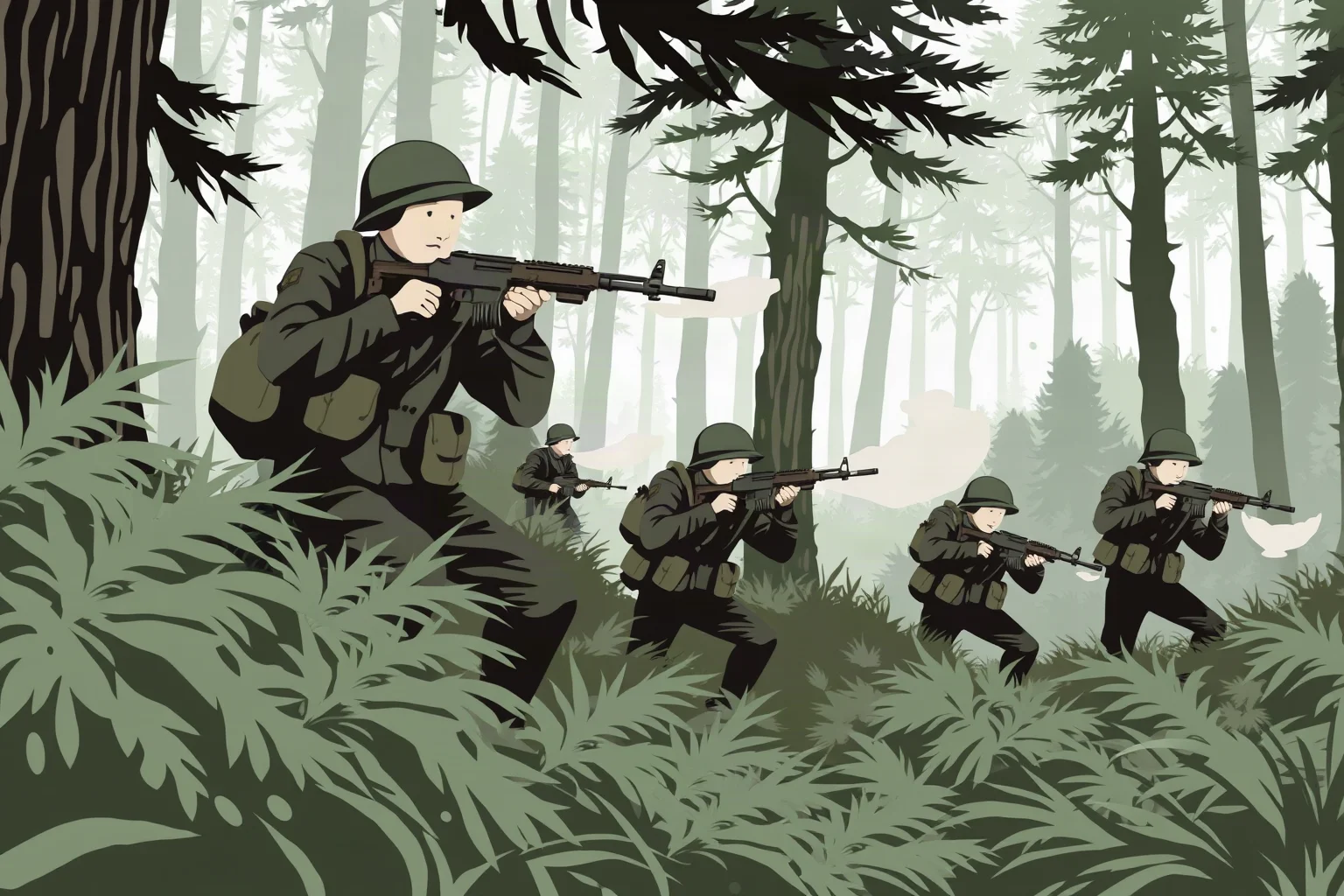
This fierce fight in France, primarily involving U.S. Marines, halted a German advance toward Paris during the Spring Offensive. The battle became legendary in Marine Corps history for its intensity and the heavy casualties suffered on both sides.
Belleau Wood is one of the most cited US battles in WWI, often referenced when discussing America’s growing military role in 1918. It helped convince Allied commanders that fresh American manpower could tip the balance of the war.
19. The Second Battle of the Marne (July–August 1918)
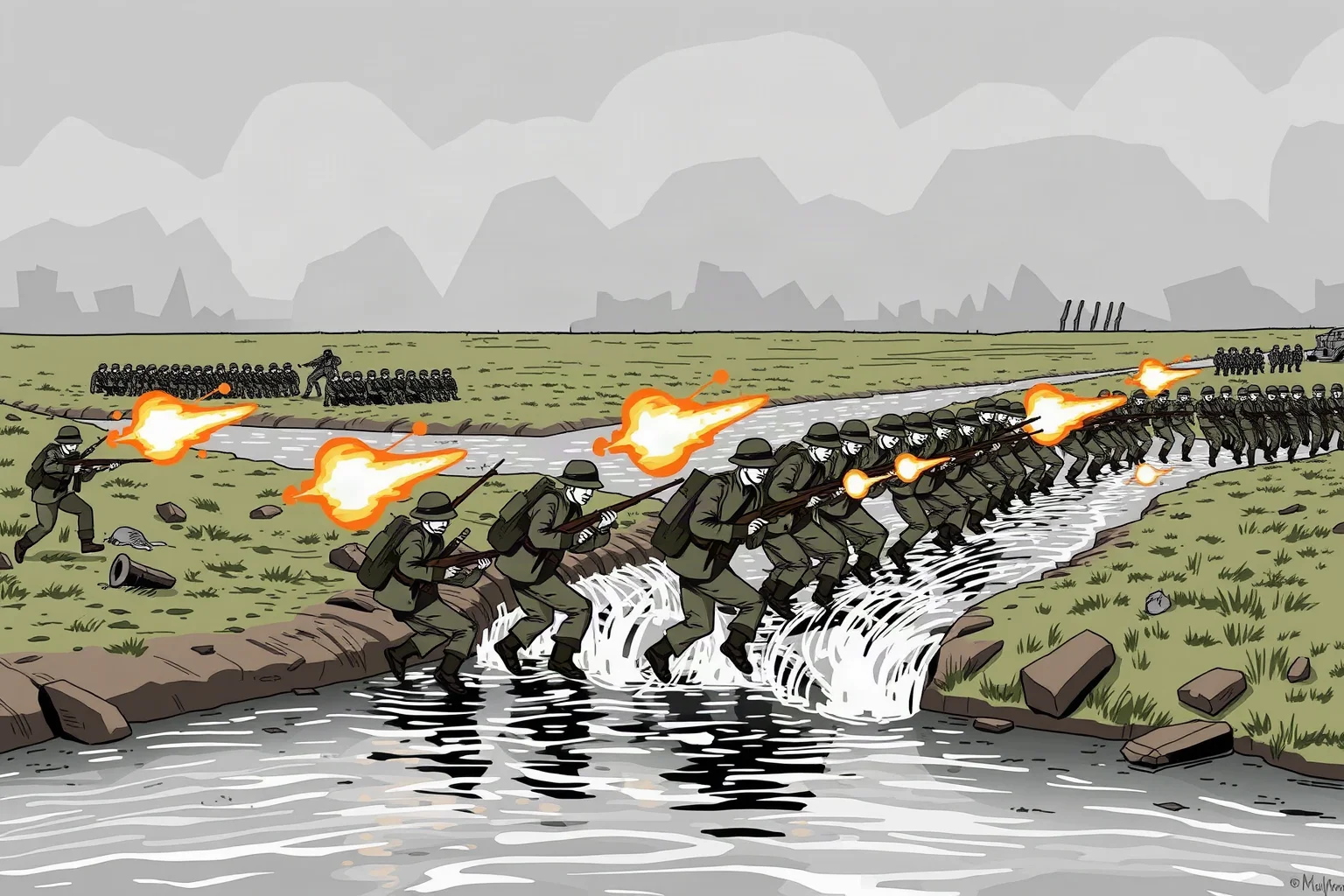
This battle marked the definitive failure of the German Spring Offensive and the beginning of the Allied counteroffensive that would not stop until the armistice. French, British, and American forces combined to push German troops back across the Marne.
It was a genuine turning point, after which German forces were consistently on the defensive for the remainder of the war. Some historians consider it, alongside the Hundred Days Offensive, among the most important battles of WWI’s final phase.
20. The Battle of St. Mihiel (September 1918)
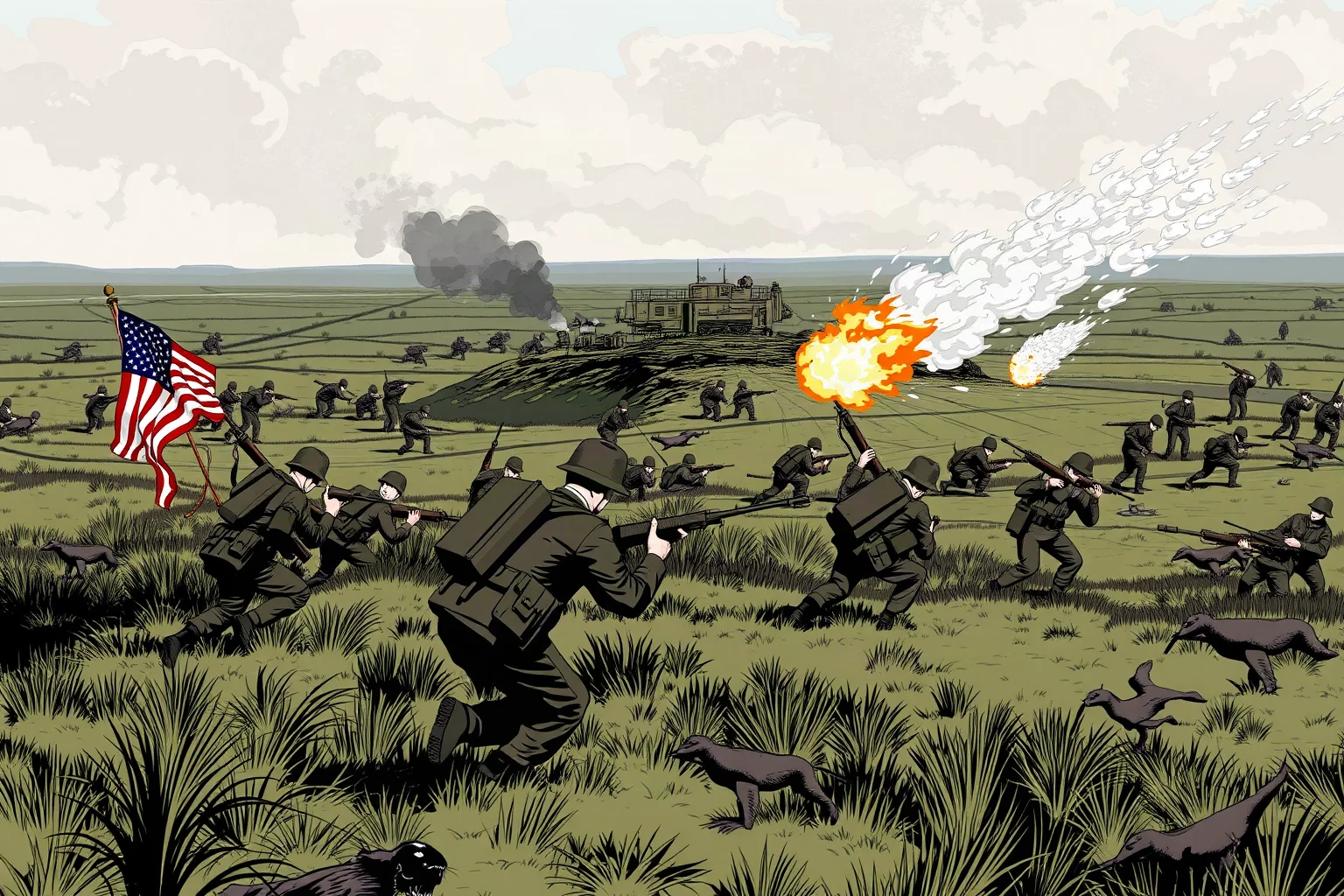
St. Mihiel was the first major operation planned and led primarily by the American Expeditionary Forces under General John J. Pershing. American troops successfully eliminated a German salient that had existed since 1914.
The victory boosted American confidence and demonstrated growing operational independence from British and French command structures. It stands as one of the defining US battles in WWI alongside Belleau Wood and the Meuse-Argonne.
21. The Meuse-Argonne Offensive (September–November 1918)
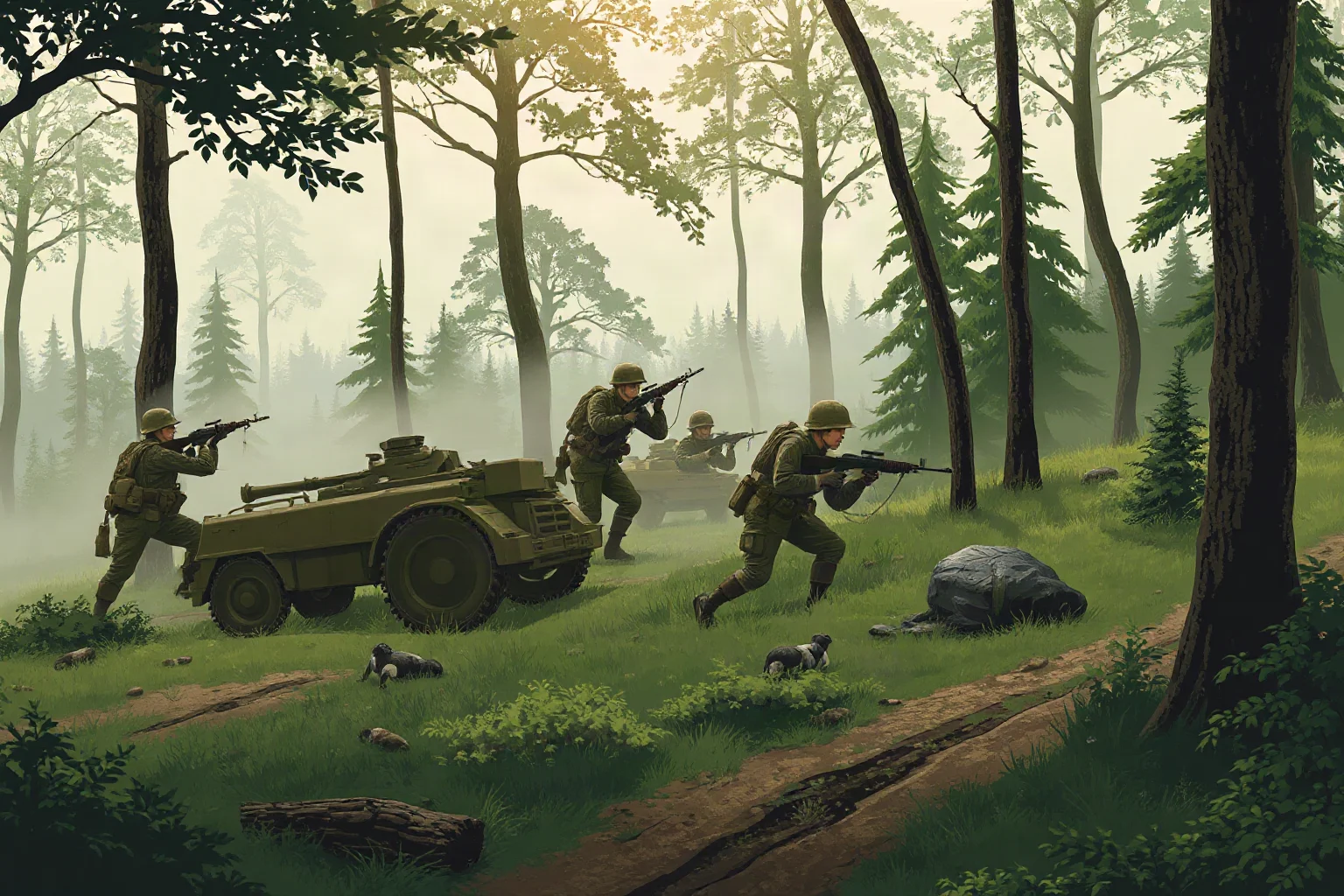
The largest operation in American military history up to that point, the Meuse-Argonne Offensive involved over a million U.S. troops fighting alongside French forces in a difficult, forested terrain in northeastern France. It was part of the broader Allied push that finally broke German resistance.
American casualties were significant, with more than 26,000 killed, making it one of the deadliest battles the United States has ever fought. The offensive continued right up until the armistice took effect on November 11, 1918.
22. The Hundred Days Offensive and the War’s Final Battles (1918)
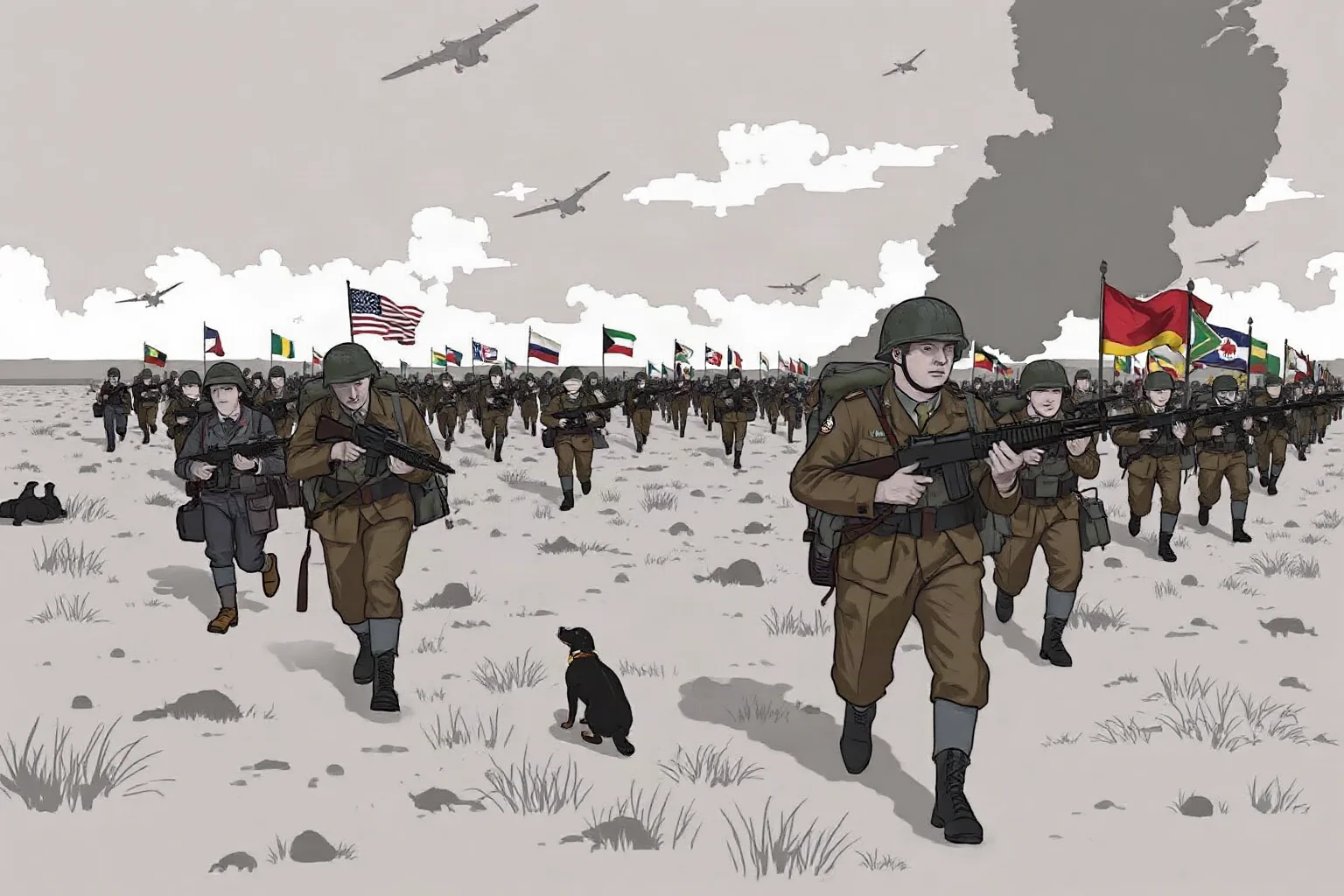
The Hundred Days Offensive was a sustained series of Allied attacks beginning in August 1918 that steadily pushed German forces back along the entire Western Front. It combined British, French, American, Canadian, Australian, and Belgian forces in coordinated advances that finally broke the trench stalemate.
So, what was the final battle of WWI? Fighting continued in various sectors right up until 11 a.m. on November 11, 1918, when the armistice took effect, meaning there wasn’t one single, isolated “final battle” so much as a general collapse of German resistance across many fronts simultaneously. Some of the last shots were fired only minutes before the ceasefire began.
Why These Battles of WWI Still Matter
Looking at this list of WWI battles in order, a clear pattern emerges. The war moved from fast, mobile fighting in 1914, into years of grinding trench stalemate through 1917, and finally into a return to mobile, combined-arms warfare by 1918 that pointed the way toward how future wars would be fought.
These battles also show just how global the conflict truly was. While the Western Front in France and Belgium produced the most famous WWI battles, the Eastern Front, the Italian Front, Gallipoli, and the naval war in the North Sea were all critical to how the war actually unfolded.
Understanding who fought who in WWI, and how these key battles connected to one another, gives a far richer picture than any single battle can provide on its own. The Great War’s battles, taken together, explain not just how the war was won and lost, but why its aftermath reshaped the twentieth century.
Final Thoughts
No single battle decided World War 1 on its own. It was the cumulative weight of Tannenberg, Verdun, the Somme, Passchendaele, the American entry, and the Hundred Days Offensive that finally ground down the Central Powers.
Whether you’re researching for school, family history, or simple curiosity, these 22 battles represent the backbone of any serious overview of WWI. They remain some of the most studied, debated, and remembered military engagements in modern history, ranking among the broader historical events that changed the world far more than most people realize.
Frequently Asked Questions
What were the world war 1 battles that mattered most?
Historians generally point to the First Battle of the Marne, Verdun, the Somme, Passchendaele, and the 1918 Hundred Days Offensive as the world war 1 battles with the greatest impact on the war's outcome. Each marked a turning point, either in strategy, casualties, or momentum toward eventual Allied victory.
When was World War 1 fought?
World War 1 was fought from July 28, 1914, when Austria-Hungary declared war on Serbia, until the armistice took effect on November 11, 1918. The main fighting lasted just over four years, though political and territorial consequences continued for years afterward.
Who fought who in World War 1?
The Allied Powers, including France, the British Empire, Russia (until 1917), Italy, and the United States (from 1917), fought against the Central Powers, made up of Germany, Austria-Hungary, the Ottoman Empire, and Bulgaria. Alliances shifted somewhat over the course of the war, most notably Italy switching sides and Russia exiting after its 1917 revolution.
What was the final battle of WWI?
There wasn't one single final battle; fighting continued across multiple fronts, including the Meuse-Argonne Offensive, right up until the armistice took effect at 11 a.m. on November 11, 1918. German forces were in general retreat across the Western Front during the preceding Hundred Days Offensive.
What was the biggest battle in WWI?
The Battle of the Somme and the Battle of Verdun are usually cited as the biggest WWI battles in terms of combined casualties, each with roughly 700,000 to over a million casualties depending on the source. The Meuse-Argonne Offensive was the largest battle by troop numbers for the United States specifically.
What were the deadliest battles of WWI?
The Somme, Verdun, and Passchendaele are widely regarded as the deadliest battles of WWI due to their extremely high combined casualty counts relative to territorial gains. All three are frequently cited as among the worst and most costly battles in modern military history.
What battles did the US fight in WWI?
The main US battles in WWI included Cantigny, Belleau Wood, the Second Battle of the Marne, the Battle of St. Mihiel, and the Meuse-Argonne Offensive. American forces entered the war in 1917 and played a significant combat role from mid-1918 onward.
What is considered the most famous WWI battle?
The Battle of the Somme is often considered the most famous WWI battle in popular memory, largely due to its catastrophic first-day casualties for British forces. Verdun holds similar significance in French national memory.

Alex Warren
Related Articles