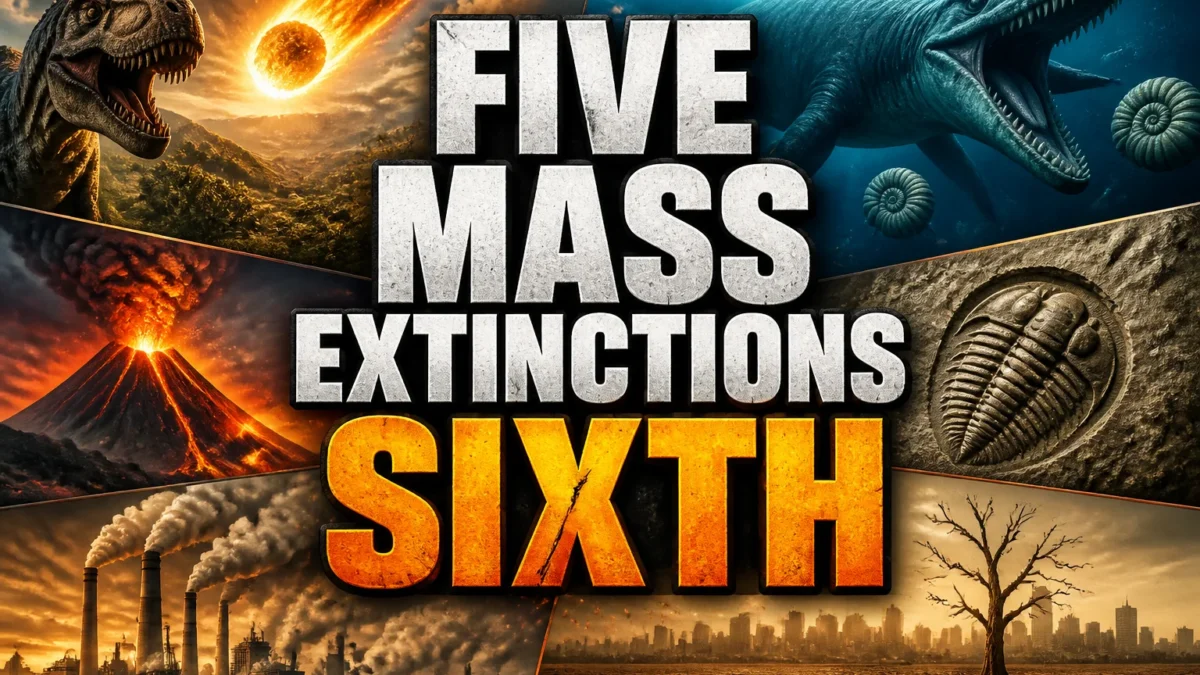
Life on Earth has been shaped by catastrophe as much as by slow, steady evolution. Over the past half-billion years, five mass extinctions have wiped out vast swaths of the planet's species, resetting the course of life each time. Now, many scientists argue that a sixth major extinction is already underway—this one driven not by asteroids or volcanoes, but by us.
This post walks through the five mass extinctions, one by one, then examines the evidence for and against calling the present crisis a true sixth event. Along the way, we'll separate solid science from hype and answer the question that keeps ecologists up at night: are we living through the next great dying?
TL;DR: Earth has endured five mass extinctions over roughly 500 million years, and mounting evidence suggests human activity is driving a sixth.
What Counts as a Mass Extinction?
Not every extinction is a mass extinction. Scientists generally reserve the term for events that eliminate a large share of all species in a geologically short time—often defined as at least 75% of species within a few million years or less. Background extinction, by contrast, is the slow, steady loss of species that happens all the time.
The fossil record gives us the raw material for these judgments, but it's imperfect. Marine fossils are far better preserved than land fossils, so much of what we know about ancient biodiversity comes from the oceans. That bias matters when we compare past events to what's happening today.
Paleontologists often use the "Big Five" as a benchmark. These are the five mass extinctions that stand out in the record for their scale and global reach. Together, they form the backbone of any discussion about a possible sixth.
The Five Mass Extinctions (the Big Five)
1. End-Ordovician Extinction — About 443 Million Years Ago

The first of the five mass extinctions struck near the end of the Ordovician period. At the time, most complex life lived in the seas, and the event wiped out roughly 85% of marine species. Brachiopods, trilobites, and early reef-building organisms were hit especially hard.
The likely culprit was a rapid glaciation tied to the movement of the supercontinent Gondwana toward the South Pole. As ice sheets expanded, sea levels dropped sharply, destroying the shallow marine habitats where most species lived. A second pulse of extinction followed when the ice retreated and oxygen levels in the oceans plunged.
This event is a reminder that climate change—even natural, slow-moving change—can be catastrophic when it happens faster than species can adapt. The Ordovician world had no ice caps at its start; by its end, it had some of the most extensive glaciers in Earth's history.
2. Late Devonian Extinction — About 372 Million Years Ago
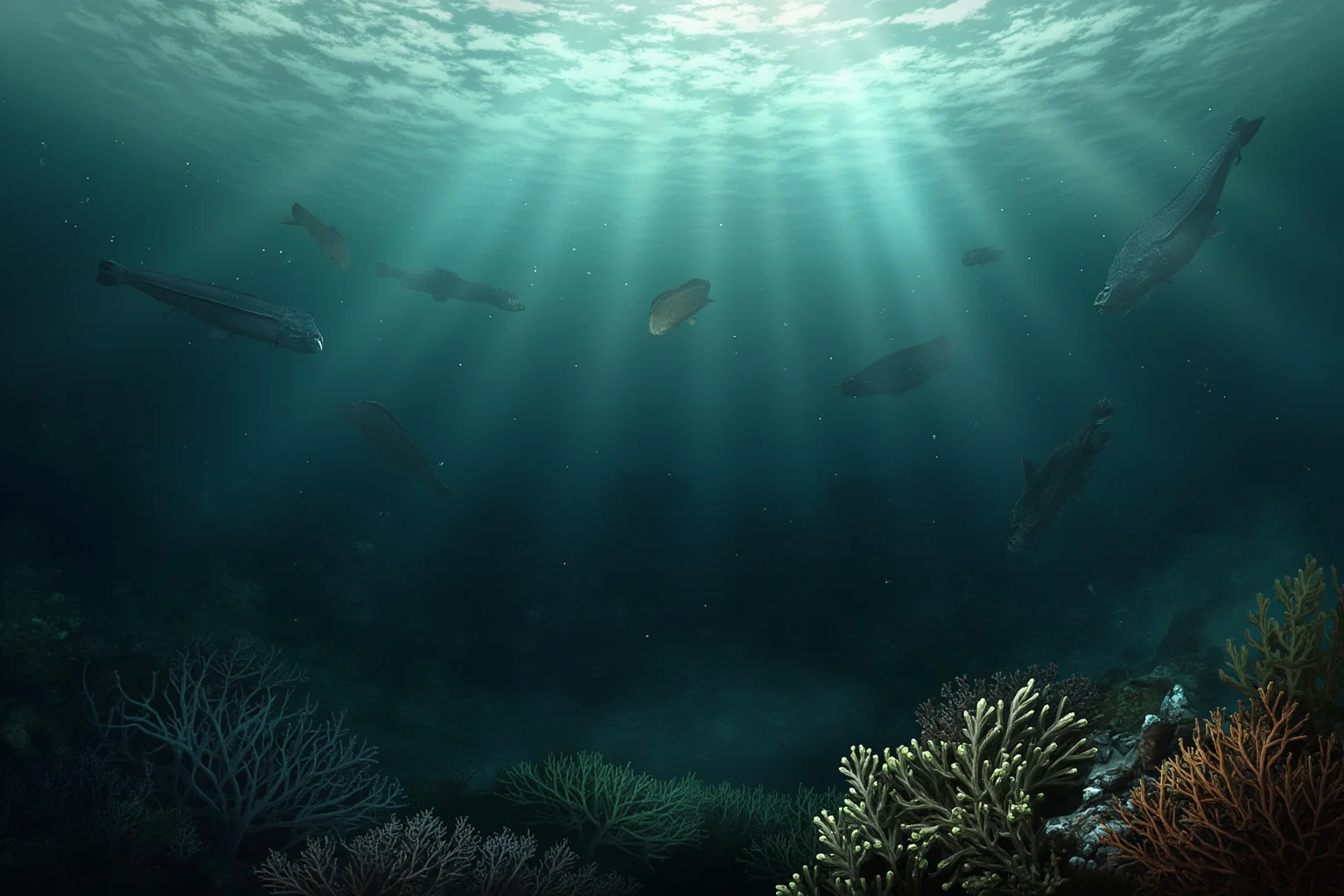
The Late Devonian extinction is sometimes called the "age of fishes" crisis, because it devastated marine life during a period when fish were diversifying rapidly. Estimates suggest around 75% of species disappeared, though the event seems to have unfolded in several pulses over millions of years.
Reef ecosystems collapsed, and many shallow-water invertebrates vanished. The causes remain debated, but leading candidates include widespread ocean anoxia—oxygen-starved waters—and rapid climate shifts. Some researchers also point to volcanic activity and even possible asteroid impacts.
What makes the Devonian puzzling is its drawn-out nature. Unlike a single catastrophic strike, this extinction looks more like a slow-motion environmental breakdown, with ecosystems failing in stages. That pattern may hold uncomfortable parallels for our own time.
3. End-Permian Extinction — About 252 Million Years Ago
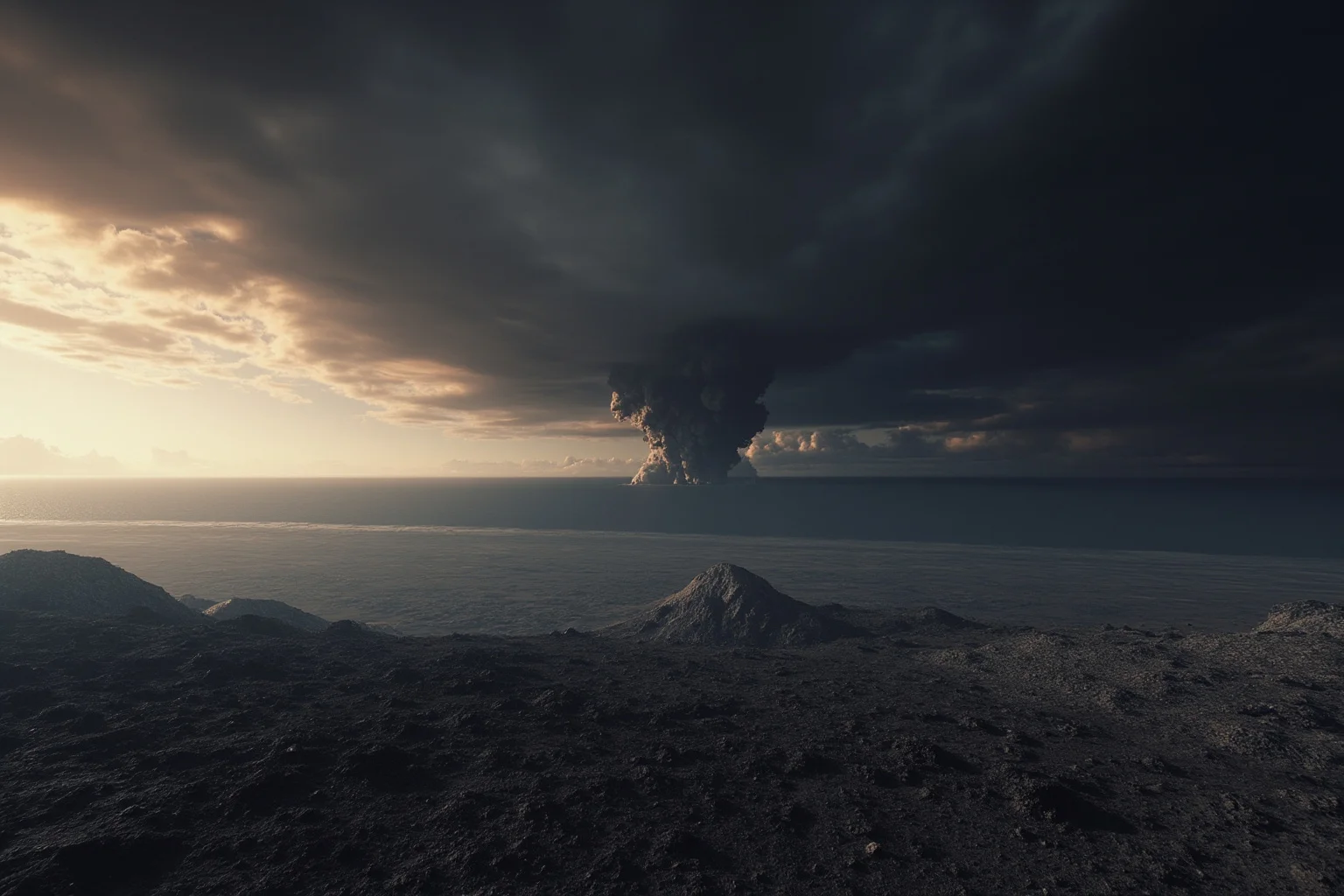
The end-Permian event is the worst of the five mass extinctions by almost any measure. Often called "the Great Dying," it eliminated an estimated 90% of marine species and around 70% of land species. Life came perilously close to being snuffed out entirely.
The leading explanation involves massive volcanic eruptions in what is now Siberia. These eruptions released enormous quantities of greenhouse gases, triggering rapid global warming, ocean acidification, and widespread oxygen loss in the seas. Ecosystems collapsed on land and in water alike.
Recovery took millions of years. When life finally rebounded, it did so with a different cast of characters—setting the stage for the rise of dinosaurs. The Great Dying shows just how thoroughly a runaway greenhouse crisis can reshape the biosphere.
4. End-Triassic Extinction — About 201 Million Years Ago
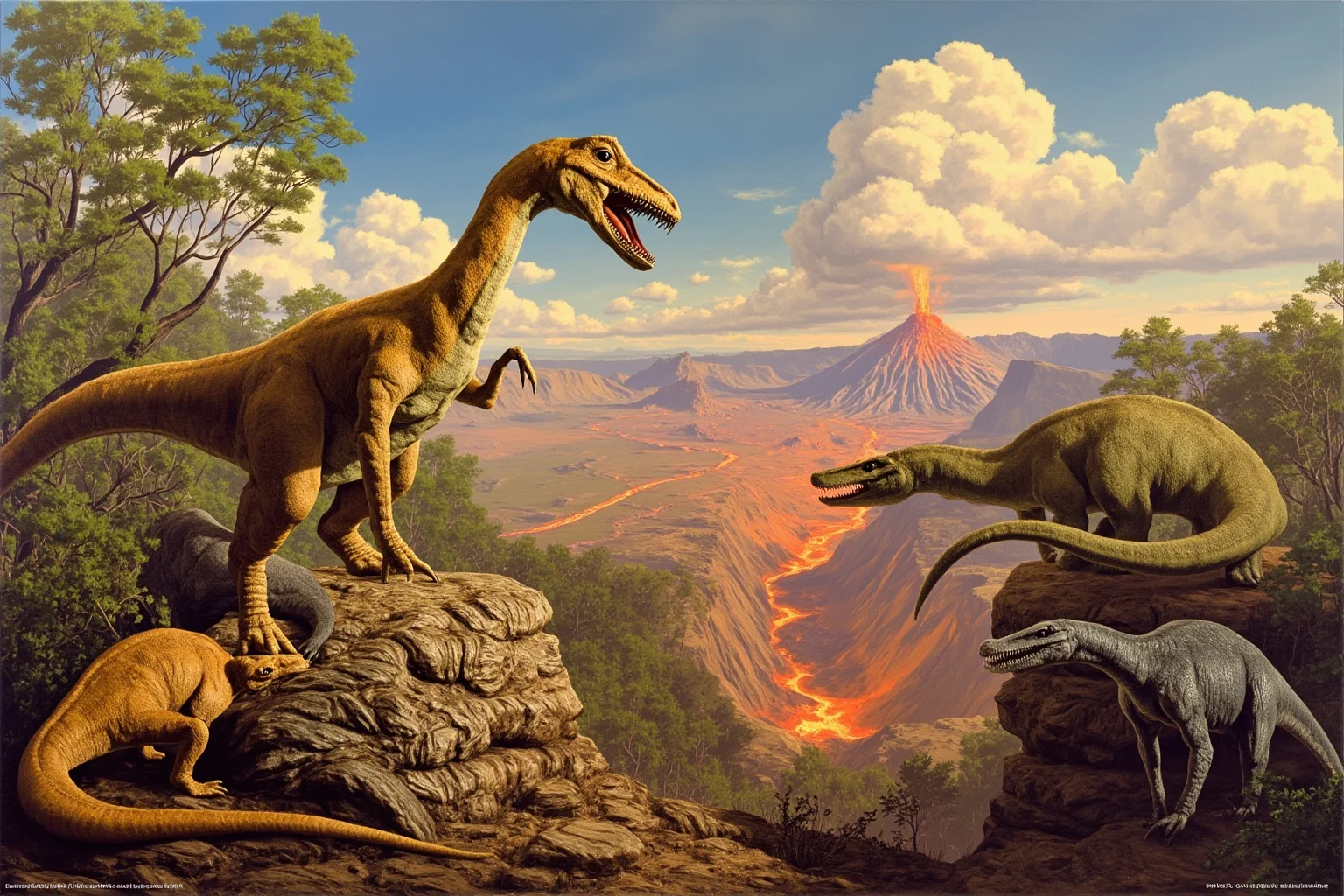
The end-Triassic extinction cleared the way for dinosaurs to dominate the planet. Roughly 80% of species were lost, including many large amphibians and reptiles that had thrived during the Triassic. Reefs again suffered heavily, and marine invertebrates took a major hit.
Once more, volcanic activity is the prime suspect. The breakup of the supercontinent Pangaea unleashed massive eruptions that pumped carbon dioxide into the atmosphere. Global warming and ocean acidification followed, mirroring the end-Permian playbook on a somewhat smaller scale.
With many competitors gone, dinosaurs and early mammals expanded into newly vacant ecological roles. This event is a striking example of how extinction can be a turning point—catastrophe for some, opportunity for others.
5. End-Cretaceous Extinction — About 66 Million Years Ago
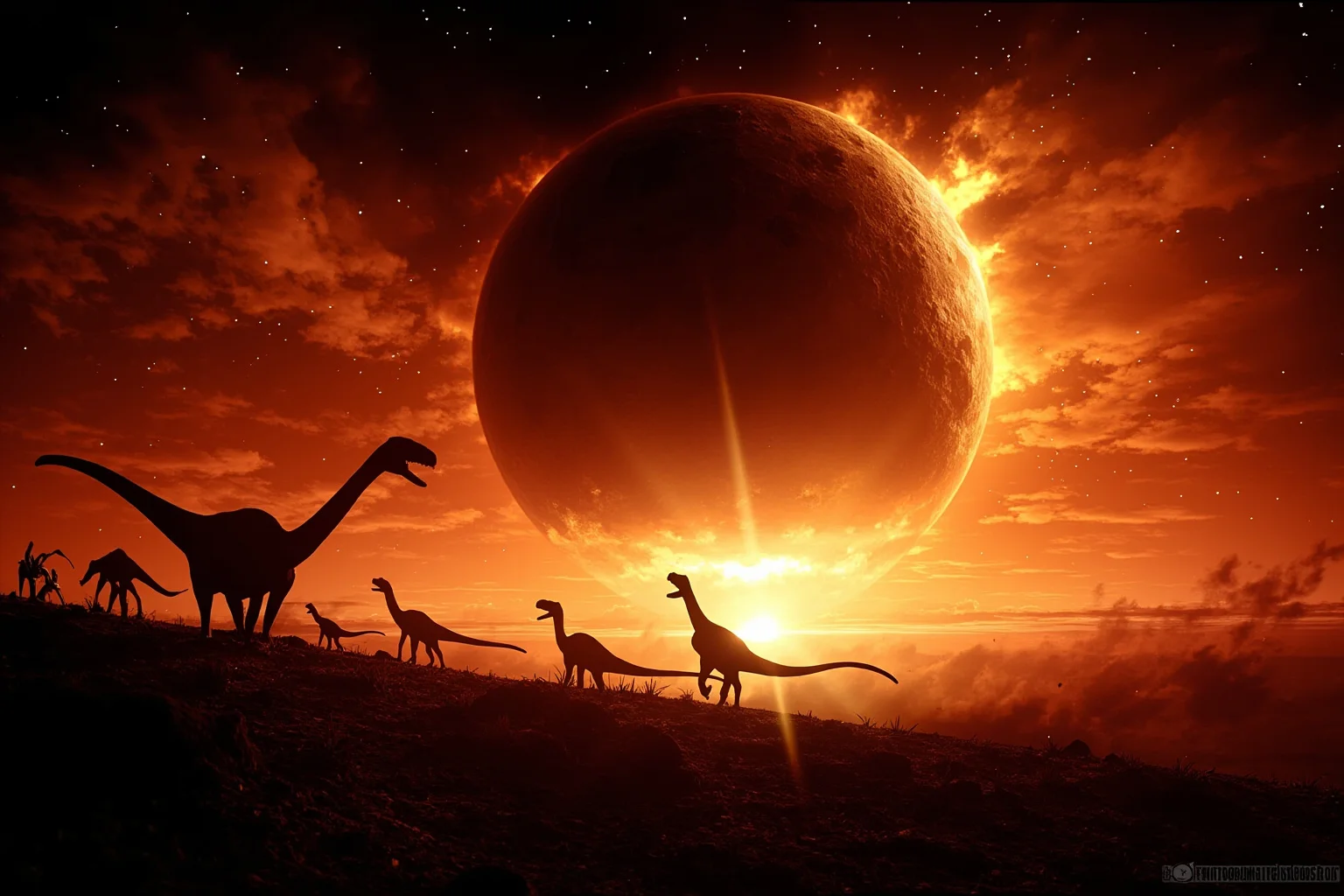
The fifth extinction event is the most famous, because it killed off the non-avian dinosaurs. Roughly 76% of species vanished, including the giant marine reptiles and the ammonites that had ruled the oceans for hundreds of millions of years.
The cause is now widely accepted: a massive asteroid struck near what is now Chicxulub, Mexico. The impact threw debris into the atmosphere, blocking sunlight and collapsing food webs worldwide. Volcanic eruptions in India may have added to the stress on ecosystems already under pressure.
Mammals survived, and their descendants—including us—eventually rose to prominence. The end-Cretaceous extinction is the clearest case of a single, sudden catastrophe triggering a global mass extinction, and it's the one most people picture when they hear the phrase "5th extinction event."
What the Five Mass Extinctions Have in Common
Looking across the Big Five, a few patterns stand out. Most were linked to rapid environmental change—especially warming, ocean acidification, or oxygen loss. In several cases, volcanic activity was the trigger; in one, an asteroid did the job.
Speed matters enormously. When environmental change happens over millions of years, many species can migrate or adapt. When it happens over thousands or even hundreds of years, the options shrink dramatically.
Another common thread is that ecosystems don't fail all at once. Extinctions tend to cascade, with the loss of key species triggering further losses. Reefs, in particular, appear fragile—they collapse in nearly every one of the five mass extinctions.
Are We Entering a Sixth Mass Extinction?
The idea of a "sixth major extinction" gained wide attention in the 1990s and 2000s, as biologists documented accelerating species losses. Some researchers argue we're already in the early stages, while others caution that the comparison to the Big Five is premature.
The strongest evidence comes from extinction rates. Current rates of vertebrate loss appear to be far above the background rate seen in the fossil record, in some estimates by tens to hundreds of times. Habitat destruction, climate change, pollution, overexploitation, and invasive species are the main drivers.
Critics of the sixth-extinction framing point out that the Big Five each removed 75% or more of species, and we're nowhere near that yet. They also note that extinction rate estimates carry large uncertainties, especially for insects and microorganisms. The debate is less about whether a crisis is happening and more about how to label it.
The Evidence for a Sixth Mass Extinction
Several lines of evidence support the sixth-extinction hypothesis. Vertebrate populations have declined sharply in many regions, and a growing number of species are listed as threatened or endangered. Amphibians, in particular, have suffered devastating declines from disease, habitat loss, and climate change.
Insects may be faring even worse, though the data are patchier. Some studies suggest dramatic declines in insect biomass in parts of Europe and North America, though other regions show different trends. Because insects underpin so many food webs, their fate matters enormously.
On the marine side, coral reefs are in serious trouble. Warming oceans have triggered repeated mass bleaching events, and reefs are among the most vulnerable ecosystems on the planet. Given how reefs collapsed in past mass extinctions, their current decline is a warning sign.
The Counterarguments Against a Sixth Mass Extinction
Not all scientists accept the sixth-extinction label. Some argue that the term should be reserved for events of the same magnitude as the Big Five, and that current losses, while serious, don't yet qualify. They worry that overstating the case could undermine scientific credibility.
The fossil record itself complicates comparisons. Extinction rates estimated from modern data and from ancient rocks are calculated differently, making direct comparisons tricky. Some apparent "mass extinctions" in the past may have been more gradual than the term suggests.
There's also the question of timescale. The Big Five unfolded over thousands to millions of years, and we've been measuring modern extinctions for only a few centuries. A fair comparison may require waiting—something conservationists argue we can't afford to do.
How Many Extinction Periods Are There?
People sometimes ask about "6 extinction periods" or "the six mass extinctions," as if a sixth had already been formally confirmed. In the scientific literature, the Big Five remain the standard, and a sixth is proposed but not settled.
That said, some researchers point to earlier events, such as the Great Oxidation Event around 2.4 billion years ago, as extinction-like transitions. Others note smaller but still significant extinction episodes that didn't quite reach mass-extinction scale.
The takeaway is that the number depends on definitions. If you require 75% species loss, there are five clear events. If you loosen the criteria, the count grows—which is why the phrase "five extinctions" is more precise than it might first appear.
What Would a Sixth Mass Extinction Look Like?
If a sixth mass extinction is underway, it won't look like a single dramatic moment. It will look like a steady erosion of biodiversity, with species disappearing region by region until ecosystems lose their resilience. The effects may be gradual and easy to ignore until they aren't.
Some hallmarks are already visible. Species with small ranges and specialized needs tend to go first, much as they did in past events. Large animals—the so-called megafauna—are especially vulnerable, and many are already in decline.
Ecosystems can absorb a surprising amount of stress before they tip. But once key species are lost, the consequences can cascade, affecting food supplies, water quality, and even human health. That's why many scientists treat the sixth extinction as a practical concern, not just an academic one.
Can We Prevent a Sixth Mass Extinction?
Preventing a sixth mass extinction isn't about stopping evolution or freezing the planet in place. It's about reducing the pressures that push species toward extinction faster than they can adapt. Habitat protection, climate action, and sustainable resource use are the core strategies.
Conservation efforts have had real successes, from recovering bald eagles to reviving some whale populations. These wins show that targeted action can work, even if the overall trend remains troubling. Scaling those successes up is the challenge.
The stakes are hard to overstate. The five mass extinctions each reshaped life on Earth for millions of years, and the sixth—if it arrives—would do the same. Whether we're remembered as the cause or the generation that softened the blow depends on choices we're making right now.
The Bottom Line
The five mass extinctions—end-Ordovician, Late Devonian, end-Permian, end-Triassic, and end-Cretaceous—are the benchmarks against which scientists measure biodiversity crises. Each was driven by rapid environmental change, and each left a permanent mark on the tree of life.
Whether we're entering a true sixth major extinction remains debated, but the direction of travel is clear. Extinction rates are elevated, ecosystems are under strain, and the drivers are human in origin. The question isn't whether the Big Five happened—it's what we do with the knowledge that they did.
Frequently Asked Questions
What are the five mass extinctions in order?
The five mass extinctions, often called the Big Five, are the end-Ordovician (about 443 million years ago), the Late Devonian (about 372 million years ago), the end-Permian (about 252 million years ago), the end-Triassic (about 201 million years ago), and the end-Cretaceous (about 66 million years ago). Each eliminated a large share of species and reshaped life on Earth.
Which of the five mass extinctions was the worst?
The end-Permian extinction, often called the Great Dying, was the most severe. It eliminated an estimated 90% of marine species and around 70% of land species, likely driven by massive volcanic eruptions that caused rapid warming, ocean acidification, and oxygen loss.
Are we currently in a sixth mass extinction?
Many scientists argue that a sixth mass extinction is underway or beginning, driven by habitat destruction, climate change, pollution, and other human activities. However, the label remains debated, since current species losses haven't yet reached the 75% threshold used to define the Big Five.
What caused the 5th extinction event?
The 5th extinction event, the end-Cretaceous extinction about 66 million years ago, was primarily caused by a large asteroid impact near Chicxulub, Mexico. The impact blocked sunlight, collapsed food webs, and killed off roughly 76% of species, including the non-avian dinosaurs.
How many extinction periods have there been?
Scientists generally recognize five major mass extinctions, known as the Big Five. Some researchers propose a sixth that may be underway, and a few point to earlier events like the Great Oxidation Event, but the Big Five remain the standard benchmark.
What is the difference between a mass extinction and background extinction?
Background extinction is the slow, ongoing loss of species that happens all the time as part of natural evolutionary turnover. A mass extinction is a much rarer event in which a large share of species—often defined as at least 75%—disappears in a geologically short period.

Alex Warren
Related Articles