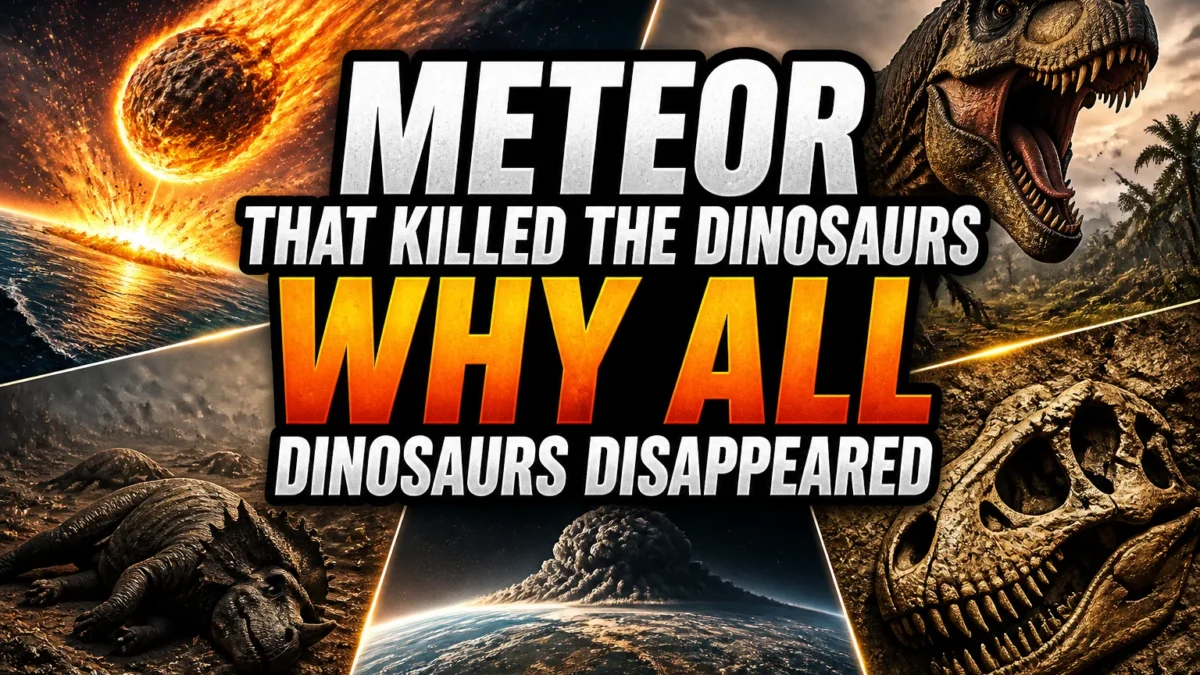
TL;DR: The meteor that killed the dinosaurs struck a single spot in what is now Mexico, but the heat, dust, and climate chaos it unleashed circled the entire planet, dooming dinosaurs everywhere.
Imagine a single rock, roughly the size of a city, slamming into the Gulf of Mexico at tens of thousands of miles per hour. That is the event most scientists connect to the end of the dinosaurs, and it happened at one specific place on the map. So how could one impact point wipe out animals on every continent?
The short answer is that the meteor did not need to hit every dinosaur directly. It only needed to wreck the environment they all depended on, and that environment was global. In this post, we will walk through what actually happened, why one location was enough, and what might have unfolded if the meteor had missed.
What Exactly Hit Earth, and Where?
About 66 million years ago, a large asteroid or comet struck the area near what is now Chicxulub, on the Yucatán Peninsula in Mexico. Scientists generally estimate the object was roughly 10 to 15 kilometers (about 6 to 9 miles) across. It punched into a shallow sea, and the energy released was staggering, far beyond any weapon humans have ever built.
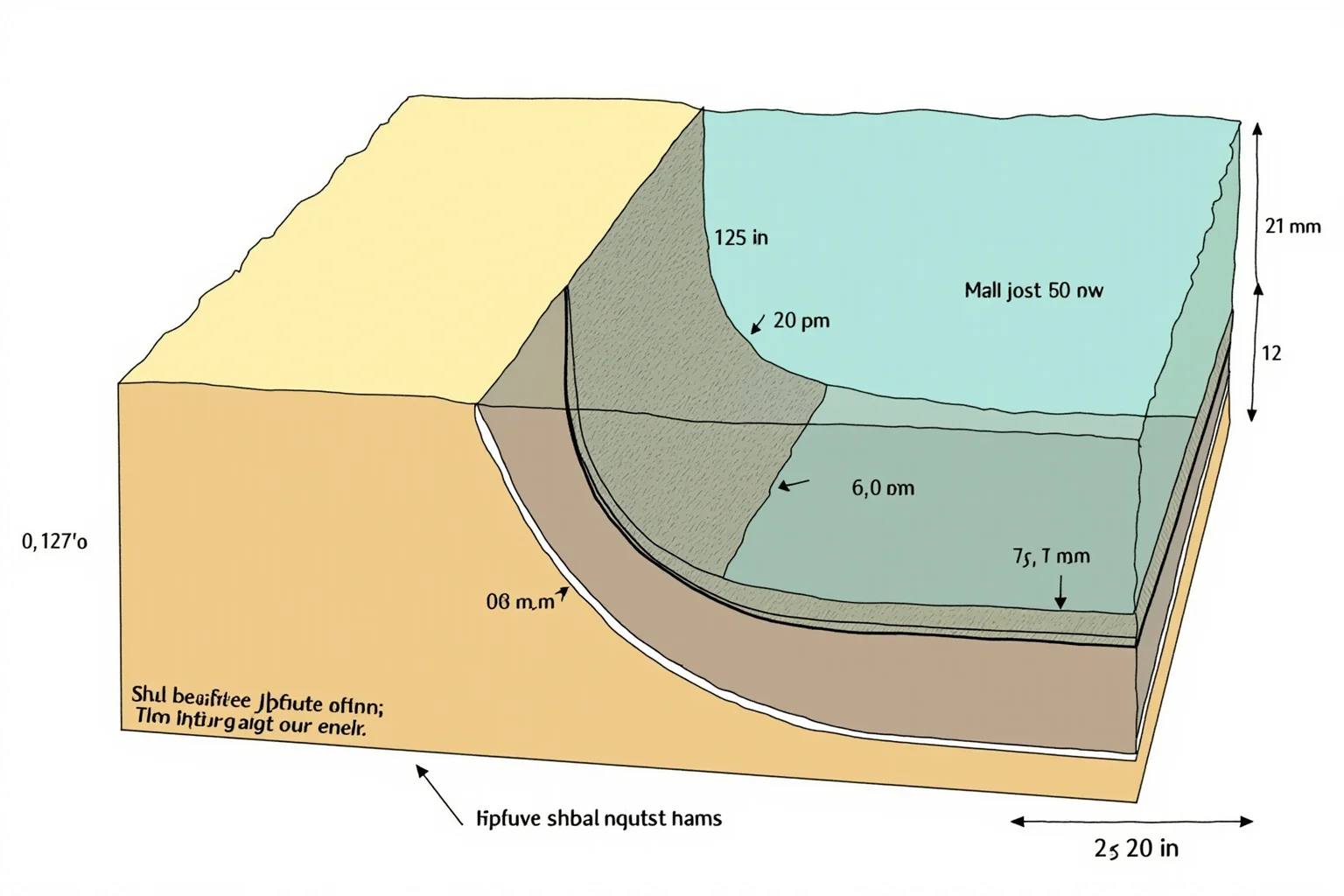
The blast carved out a crater roughly 180 kilometers (about 112 miles) wide, now buried under younger rock and seafloor sediment. This is the meteor crater that killed the dinosaurs, though it is not the kind of neat, visible bowl most people picture. It took decades of drilling, rock sampling, and geophysics to confirm the structure and link it to a global layer of impact debris.
How We Know a Meteor Was Responsible
The evidence for this impact is not a single clue but a stack of independent lines of evidence that all point the same way. Geologists found a thin worldwide layer of clay marking the boundary between the Cretaceous and Paleogene periods, often called the K-Pg boundary. That layer is rich in iridium, an element rare in Earth's crust but common in many asteroids.
Researchers also found shocked quartz and tiny glassy spheres called microtektites in that same layer, worldwide. These form only under extreme impact heat and pressure. By the early 1990s, the buried Chicxulub crater matched the right age and size, tying the whole picture together.
Why One Impact Point Could Affect the Whole Planet
A common misunderstanding is that the meteor killed dinosaurs by crushing them where it landed. In reality, the immediate blast zone was only a small part of the story, and most dinosaurs lived far from Mexico. The real killer was what the impact threw into the sky and how that changed the climate everywhere.
The impact vaporized rock and launched enormous amounts of dust, soot, and sulfur-bearing gases high into the atmosphere. Those particles spread around the globe within days to weeks, carried by winds. Sunlight dimmed, temperatures dropped, and photosynthesis slowed or stopped in many places, which collapsed food chains from the bottom up. This kind of global climate shock is one reason scientists study major historical time periods and eras in context, since even distant events can reshape the planet.
The First Minutes: Heat, Shockwaves, and Tsunamis
Within minutes of the strike, the region around the crater experienced temperatures hot enough to ignite fires and vaporize living things. A massive tsunami raced across the Gulf of Mexico and into the wider ocean basins. Some models suggest waves reached extraordinary heights near the impact, though exact numbers remain debated.
Debris flung upward re-entered the atmosphere as glowing fragments, heating the air worldwide. This "thermal pulse" may have cooked or ignited exposed vegetation far from the crater. Even so, the global die-off took time, unfolding over months and years rather than in a single instant.
The Impact Winter: How Sunlight Disappeared
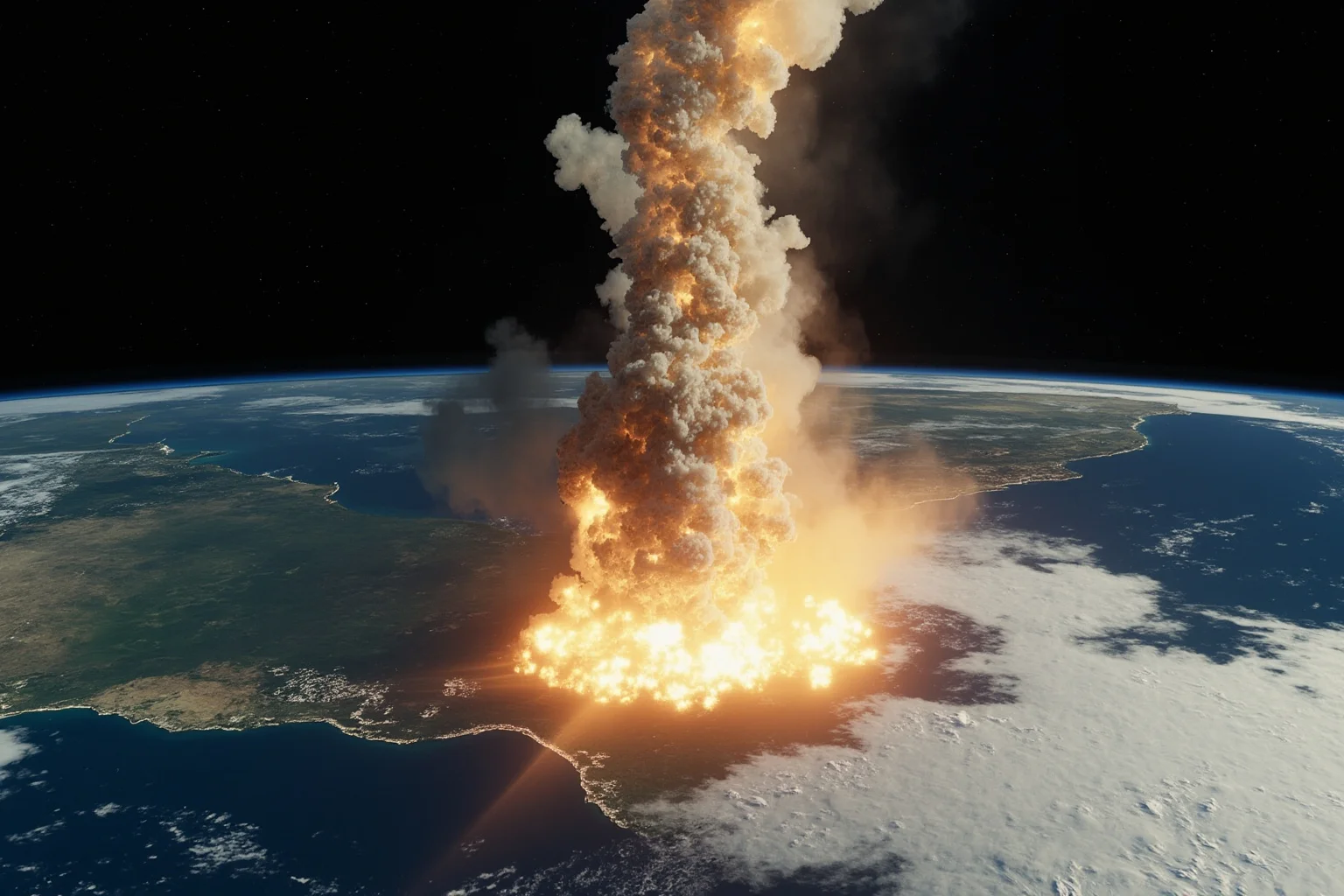
One of the most important consequences was a sharp reduction in sunlight reaching the surface. Dust and sulfate aerosols can linger in the stratosphere for years, reflecting sunlight back to space. This created what scientists call an impact winter, a period of global cooling and darkness.
With less light, plants and microscopic ocean algae struggled to grow. That mattered enormously because these organisms form the base of nearly every food web. When the base fails, the effects ripple upward to plant-eaters, then to the predators that eat them.
Why Food Webs Collapsed Everywhere
Dinosaurs were not a single ecological role; they included giant plant-eaters, small omnivores, and top predators. But most of them depended, directly or indirectly, on living plants and the animals that ate those plants. When plant growth crashed worldwide, those chains snapped in many ecosystems at once.
Marine food webs suffered similarly. Plankton declines starved filter feeders and the creatures that preyed on them. This is why the extinction was not limited to dinosaurs; it hit marine reptiles, ammonites, and many other groups hard.
Not Everything Died: The Survivors Tell the Story
If the impact were simply a global firestorm, we would expect almost nothing to survive. Instead, the pattern of survivors is a crucial clue about what actually happened. Small animals that could burrow, hide, or feed on detritus often made it through, while large specialists did not.
Birds, which are living dinosaurs, survived, likely because many were small, mobile, and able to eat seeds or insects. Mammals also survived, generally as small-bodied generalists. Their survival suggests the crisis was about scarcity and disruption rather than instant global annihilation.
The Meteor Crater That Killed the Dinosaurs: Myths and Clarifications
People often confuse the Chicxulub crater with Arizona's Meteor Crater, a much smaller and younger feature. Arizona's Meteor Crater is about 1.2 kilometers (roughly 0.75 miles) wide and formed around 50,000 years ago, long after the dinosaurs were gone. It is a striking landmark, but it is not the dinosaur killer.
The dinosaur-killing crater is buried and far larger, which is why it is less famous visually. It also sits partly offshore, complicating study. When articles mention the meteor crater that killed the dinosaurs, they mean Chicxulub, not the Arizona site. This kind of mix-up is similar to other persistent false memories, like the Mandela Effect examples people swear by.
Were Dinosaurs Already Struggling Before the Impact?
Some researchers argue that dinosaur diversity was already in decline in some regions before the impact. Others find evidence that dinosaurs remained diverse and dominant right up to the boundary. The debate is genuinely unresolved, and it matters for how we frame the meteor's role.
Even if some groups were stressed, the impact appears to be the decisive blow. The extinction was geologically abrupt, and the timing lines up with the impact layer worldwide. Most scientists therefore treat the meteor as the primary cause, with possible background pressures as contributing factors.
How Fast Did the Extinction Happen?
Estimates suggest the main extinction pulse occurred within years to a few thousand years, which is nearly instantaneous in geological time. Sedimentary records often show a sharp change rather than a slow fade. That abruptness is one reason the impact hypothesis gained traction.
Some studies using fossil abundance and geochemistry suggest the worst phase may have lasted only decades to centuries. Either way, the timescale is short compared with the millions of years dinosaurs had thrived. This helps explain why so many lineages disappeared together.
What If the Meteor That Killed the Dinosaurs Had Missed?
This is a favorite thought experiment, and scientists have modeled it. If the meteor had missed Earth entirely, dinosaurs might well have continued dominating terrestrial ecosystems for millions of years longer. Mammals might have remained relatively small and marginal for far longer than they did.
If the meteor had hit a different location, the outcome could have changed too. A deep-ocean impact might have kicked up different amounts of sulfur and dust, potentially producing a milder or harsher climate shock. The specific target rocks at Chicxulub, rich in sulfur and carbonates, may have made the impact unusually deadly.
Why Location Mattered More Than You Might Think
The Chicxulub strike hit a shallow sea underlain by sulfate-rich rocks and carbonate platforms. Vaporizing those rocks injected huge amounts of sulfur aerosols and carbon dioxide into the atmosphere. Sulfate aerosols are especially effective at cooling the planet by reflecting sunlight.
Had the same object hit deep ocean crust far from such deposits, the chemistry of the ejected material would have differed. That could have altered the severity of the impact winter. So the meteor's location did not just determine who died locally; it helped determine how bad the global climate shock became.
The Difference Between Direct Kill and Indirect Kill
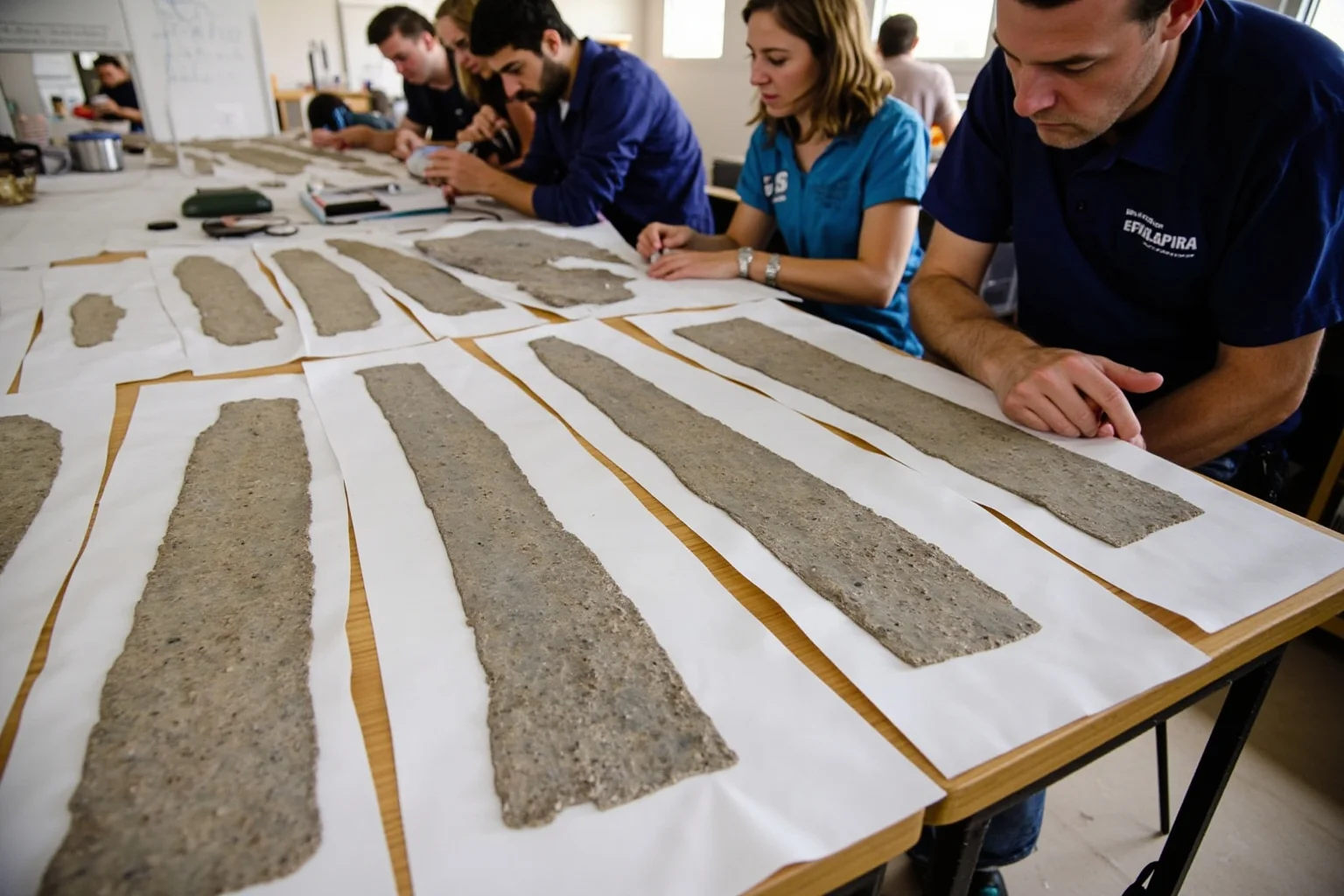
It helps to separate two categories of death. Direct kill includes the blast, heat, and tsunami near the crater, which affected a limited region. Indirect kill includes starvation, cold, and habitat collapse worldwide, which affected the vast majority of species.
Most dinosaurs died indirectly, far from the impact, as ecosystems unraveled. This is the key to the whole puzzle: one location can trigger a global catastrophe if the trigger changes the atmosphere and climate. The meteor was a local event with planetary consequences.
What About Other Mass Extinctions?
The end-Cretaceous extinction was one of the "Big Five" mass extinctions in Earth's history. Others, like the end-Permian event about 252 million years ago, were likely driven mainly by massive volcanic activity and related climate change. These comparisons help scientists understand how different triggers can produce similar global collapse.
In the end-Cretaceous case, the impact coincided with enormous volcanic eruptions in the Deccan Traps region of India. Some researchers argue volcanism contributed to stress before and after the impact. The relative importance of each is still debated, but the impact remains the leading explanation for the final blow.
How Scientists Test the Impact Hypothesis
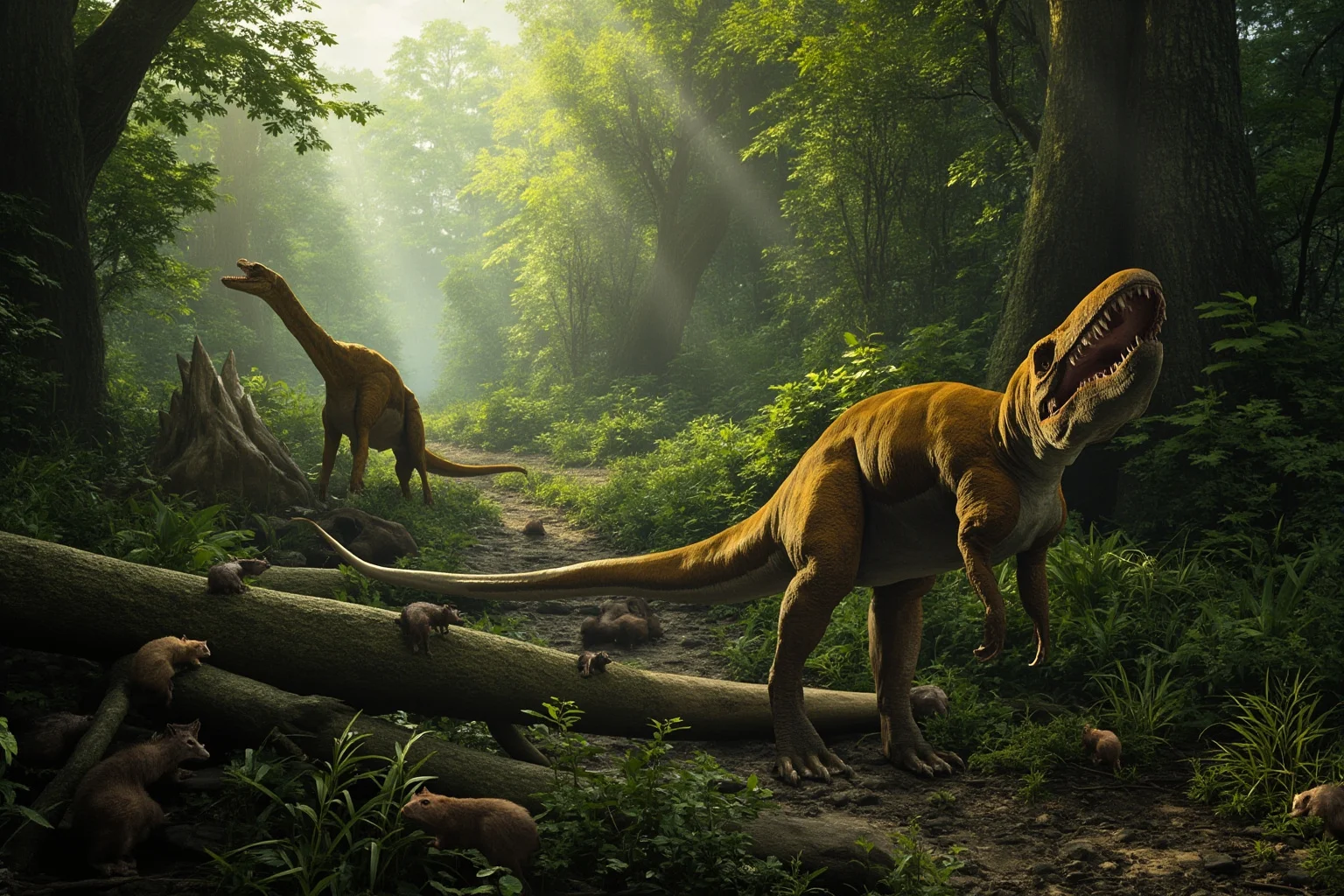
Researchers test the idea by looking for the impact layer on multiple continents and in ocean sediments. They check whether extinction patterns match the timing of that layer. They also use computer models to simulate how dust, soot, and sulfur would spread and affect climate.
Drilling projects into the Chicxulub crater have recovered rock cores that reveal the sequence of events. These cores show melt rock, breccias, and sediments deposited in the aftermath. Together with fossils and geochemistry, they build a case that is strong but still refined by ongoing work.
Common Misconceptions About the Dinosaur Extinction
One myth is that the meteor instantly killed every dinosaur on Earth. In reality, the extinction unfolded over time and varied by region and species. Another myth is that all dinosaurs died at the boundary, when in fact birds are surviving dinosaurs.
A third misconception is that the crater is easy to visit like a typical tourist site. Chicxulub is buried and largely offshore, so it is studied indirectly. Finally, some people assume the extinction was caused only by the impact, ignoring possible volcanic and ecological factors that may have made ecosystems more vulnerable.
Why Birds Are Dinosaurs, and Why That Matters
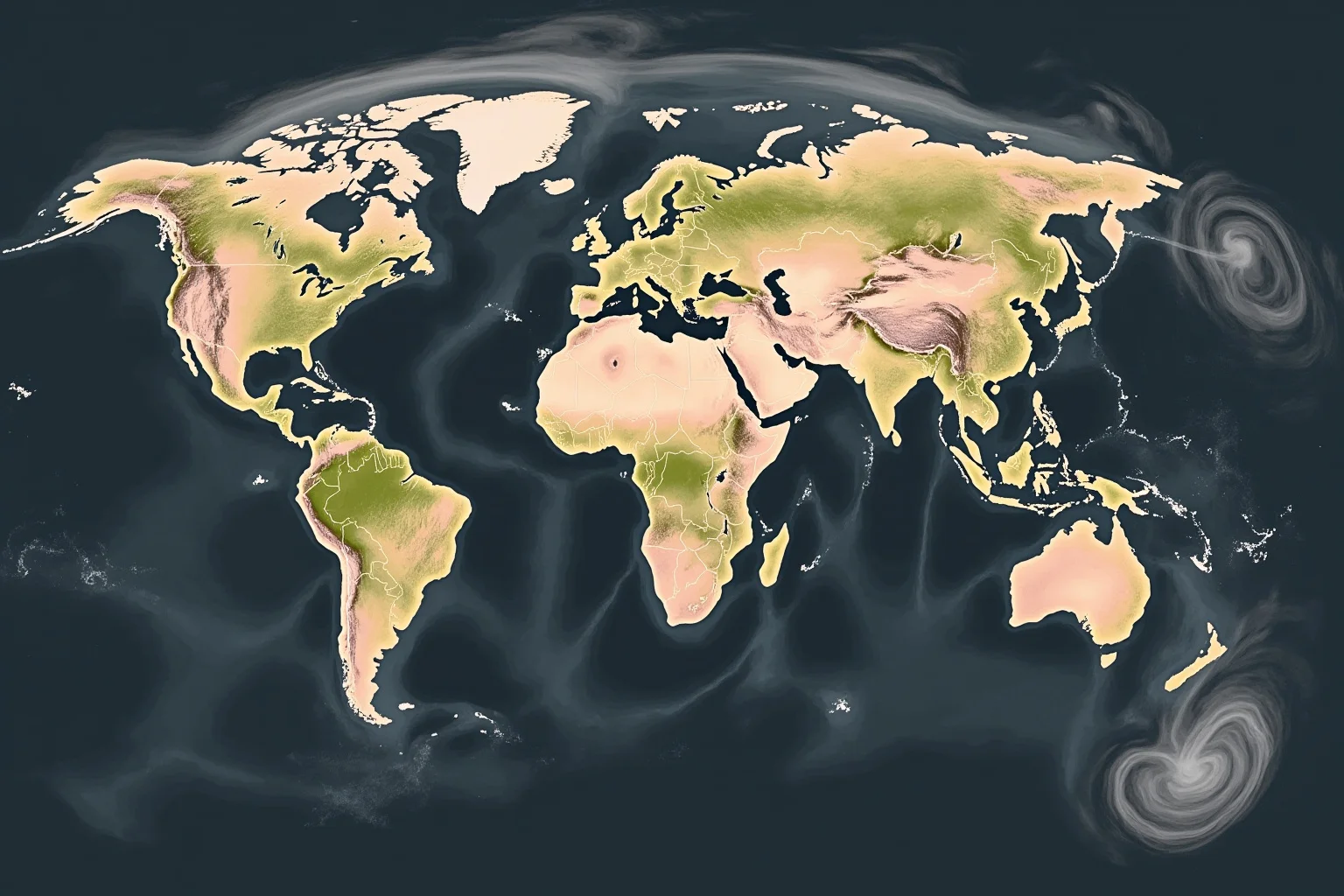
Modern birds are the descendants of a group of dinosaurs called theropods. That means dinosaurs did not fully disappear; one lineage survived and diversified into the thousands of bird species alive today. This is a crucial nuance when we say "all dinosaurs disappeared."
Non-avian dinosaurs, the ones most people picture, did go extinct. But the survival of birds shows that small size, mobility, and flexible diets helped some dinosaur lineages endure the crisis. It also reminds us that extinction is often selective rather than total.
Could Humans Survive a Similar Impact Today?
If a comparable object hit Earth today, the immediate blast would be regional, but the climate effects could be global. Agriculture would likely fail in many areas for years, causing severe food shortages. Modern technology might help some people adapt, but it would not make society immune to a global harvest collapse.
This is why space agencies track near-Earth objects and study potential deflection methods. The goal is to find dangerous objects early enough to nudge them off course. The dinosaur extinction is a reminder that planetary-scale hazards are real, even if rare.
What the Fossil Record Actually Shows
The fossil record shows a sharp drop in non-avian dinosaur fossils at the K-Pg boundary. It also shows the disappearance of many marine groups and a rapid turnover in plant communities. These patterns are consistent with a sudden global disturbance.
However, the record is incomplete, and sampling varies by region. Some areas have better preservation than others, which can bias what we see. Scientists account for this by combining many sites and using statistical methods to estimate true extinction patterns.
Why This Story Still Matters Today
The dinosaur extinction is a case study in how interconnected Earth's systems are. A change in the atmosphere can cascade into food shortages, habitat loss, and extinction across continents. Understanding this helps us think about modern climate and biodiversity challenges.
It also shows how science works: a bold hypothesis, decades of testing, and gradual convergence on a well-supported explanation. The meteor that killed the dinosaurs is now one of the most famous scientific stories, but it earned that status through evidence, not just drama.
Conclusion: One Rock, One Planet, One Global Catastrophe
The meteor that killed the dinosaurs struck a single region, but its effects did not stay there. Dust, soot, and sulfur spread worldwide, dimming sunlight and disrupting food webs on land and in the sea. That is why dinosaurs on every continent disappeared, even though the impact happened in one place.
The story is not just about a rock from space; it is about how fragile complex ecosystems can be when the climate changes fast. And if the meteor that killed the dinosaurs had missed, Earth's history would look very different, possibly with dinosaurs still dominant and mammals still small. Understanding this event helps us appreciate both the power of rare catastrophes and the resilience of life.
Frequently Asked Questions
What was the meteor that killed the dinosaurs, and where did it hit?
The meteor that killed the dinosaurs was a large asteroid or comet, roughly 10 to 15 kilometers (6 to 9 miles) across, that struck near what is now Chicxulub on the Yucatán Peninsula in Mexico about 66 million years ago. The impact created a buried crater about 180 kilometers (112 miles) wide. It is often called the Chicxulub impact.
How could one meteor kill dinosaurs all over the world?
The meteor did not need to hit every dinosaur directly. It launched enormous amounts of dust, soot, and sulfur gases into the atmosphere, which spread globally and blocked sunlight. This caused an impact winter with cooling and darkened skies, collapsing plant growth and food webs worldwide. Most dinosaurs died from starvation and habitat collapse far from the crater.
Is the Arizona Meteor Crater the same as the meteor crater that killed the dinosaurs?
No. Arizona's Meteor Crater is much smaller, about 1.2 kilometers (0.75 miles) wide, and formed around 50,000 years ago, long after the dinosaurs went extinct. The dinosaur-killing crater is Chicxulub, which is far larger and buried partly offshore in Mexico.
Did all dinosaurs really disappear, or did some survive?
All non-avian dinosaurs went extinct, but birds are living dinosaurs that survived the extinction. Birds are descended from a group of dinosaurs called theropods. Their small size, mobility, and flexible diets likely helped them endure the crisis when larger dinosaurs could not.
What if the meteor that killed the dinosaurs had missed Earth?
If the meteor had missed, dinosaurs might have continued to dominate terrestrial ecosystems for millions of years longer, and mammals might have stayed relatively small and marginal. If it had hit a different location, such as deep ocean crust rather than sulfur-rich shallow sea rocks, the climate effects could have been milder or different.
How long did it take for the dinosaurs to go extinct after the impact?
The main extinction pulse appears to have occurred within years to a few thousand years, which is nearly instantaneous in geological time. Some evidence suggests the worst phase may have lasted decades to centuries. Either way, the extinction was geologically abrupt compared with the millions of years dinosaurs had thrived.
Were dinosaurs already declining before the meteor hit?
Some studies suggest certain dinosaur groups may have been declining in some regions before the impact, while others find dinosaurs remained diverse and dominant until the boundary. The debate is unresolved. Most scientists still consider the impact the decisive cause, with possible background pressures as contributing factors.
How do scientists know a meteor caused the extinction?
Scientists found a worldwide layer of clay at the K-Pg boundary that is rich in iridium, an element rare in Earth's crust but common in asteroids. The same layer contains shocked quartz and microtektites, which form only under extreme impact conditions. The buried Chicxulub crater matches the right age and size, tying the evidence together.

Alex Warren
Related Articles