When people picture ancient inventions, they often imagine either crude stone tools or mysterious, almost alien technology. The truth sits somewhere more interesting. Ancient farmers, engineers, and scholars solved real problems with clever ideas, and some of those ideas are still under our feet, on our desks, and in our windows.
This guide walks through 23 inventions of ancient civilizations, from the wheel to the earthquake detector. Along the way we'll bust a few popular myths, flag where dates are uncertain, and be honest about where credit really belongs.
TL;DR: Ancient peoples invented far more than we usually credit them with, but the best stories come from separating documented fact from legend.
Divine Inventions: When Ancient People Credited the Gods
Before we get to the real engineering, it helps to know how ancient people explained their own inventions. In many cultures, a major skill was not the work of a human genius but a gift from a deity. These so-called divine inventions tell us how much people valued technology, even when they could not name the person behind it.
In Egypt, the god Thoth was said to have given humanity writing. In Sumer, the goddess Ninkasi was linked to brewing, and a surviving poem called the Hymn to Ninkasi doubles as a beer recipe. Greek myth credited Prometheus with fire, Athena with the olive tree and the loom, and Hephaestus with metalworking, and Homer even describes golden mechanical helpers built by Hephaestus.
China had its own divine figures, such as Shennong, the legendary "Divine Farmer" said to have taught agriculture. These stories are myths, not history, but they hint at real turning points like farming, writing, and metallurgy. Now let's look at the human-made versions that archaeology can actually document.
Ancient Inventions That Changed Everyday Life
These are the old inventions you probably use or benefit from without thinking about it. Some are older than the cities that made them famous.
1. The Wheel
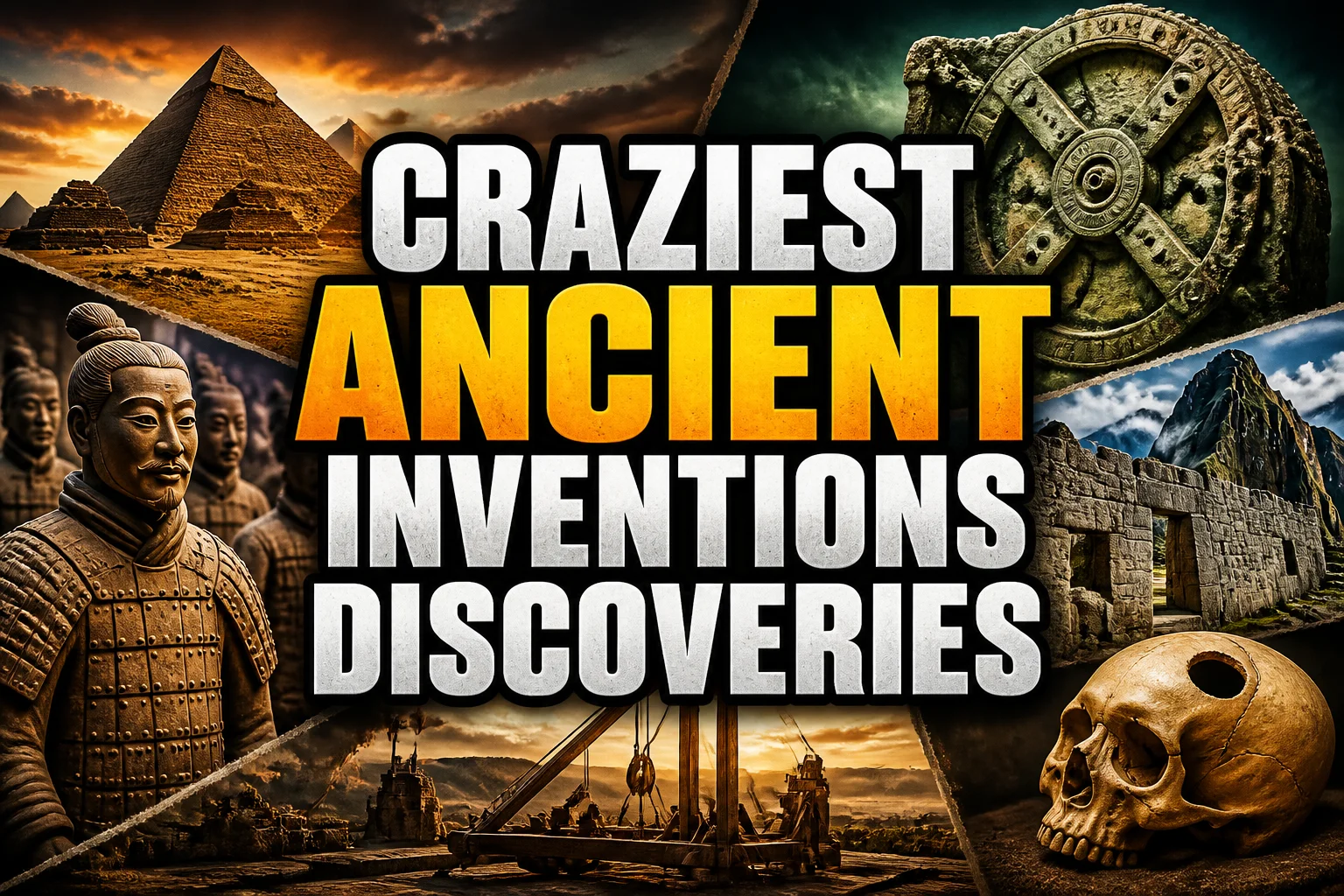
If someone asks for one thing invented before 5 BC, the wheel is the classic answer. Wheeled vehicles appear in the archaeological record around 3500 to 3000 BCE, with evidence from Mesopotamia and Europe, including a well-preserved wooden wheel from the Ljubljana Marshes in Slovenia dated to roughly 3150 BCE. Potter's wheels seem to have appeared around the same era.
No single inventor is known, and the idea may have developed in more than one place. What makes the wheel remarkable is that it needs an axle, a way to fit the two together, and wood-working skill precise enough to make it turn. That is harder than it looks.
2. Writing
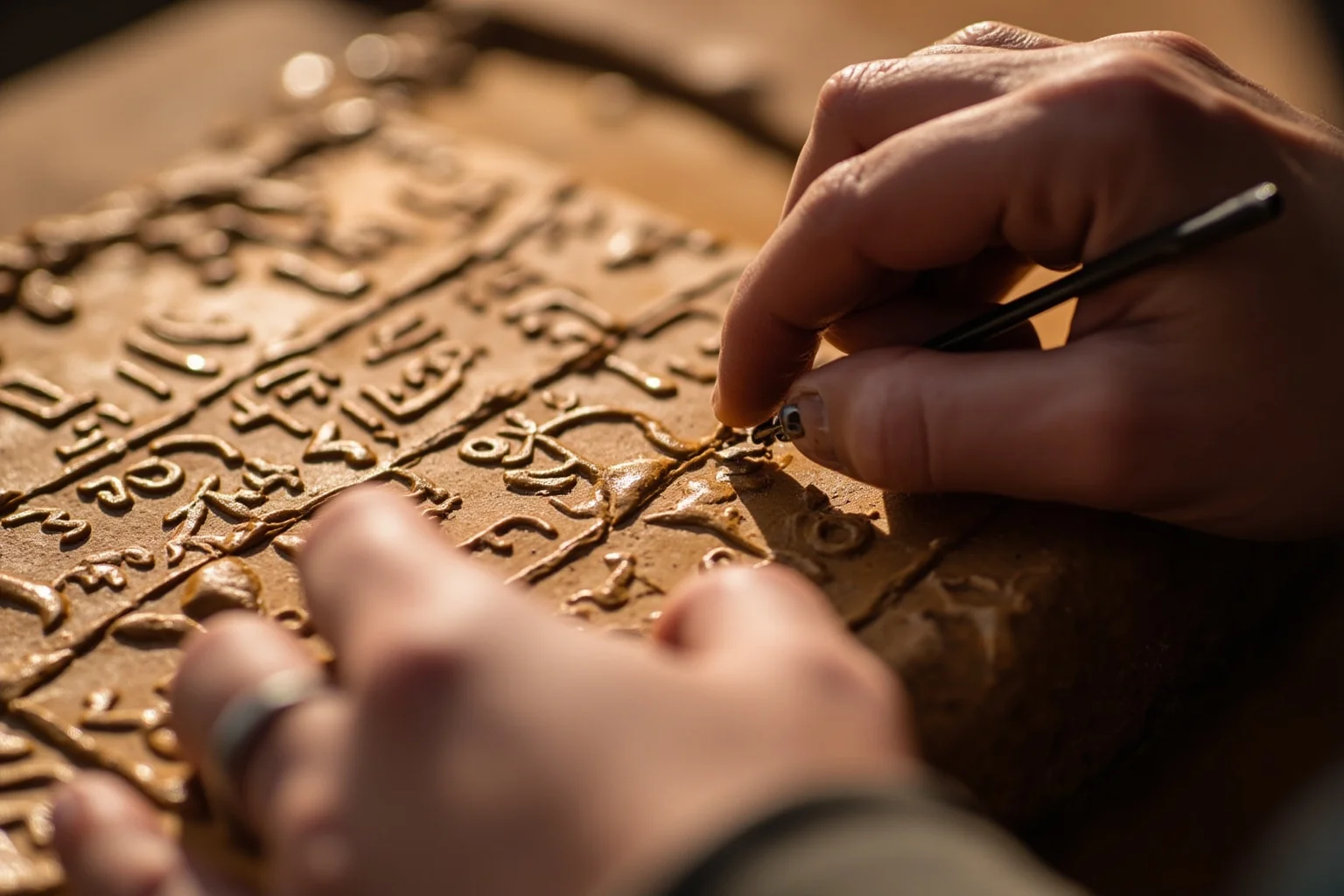
The earliest known writing emerged in Mesopotamia around 3400 to 3200 BCE, when Sumerian record-keepers in Uruk pressed signs into clay to track goods like grain and livestock. Egyptian hieroglyphs appear at roughly the same time. Writing was also invented independently in China and in Mesoamerica.
Contrary to the romantic image, early writing was mostly accounting, not poetry. Literature came later, once the system could record spoken language. It is one of the clearest examples of an ancient invention that changed everything after it.
3. Beer
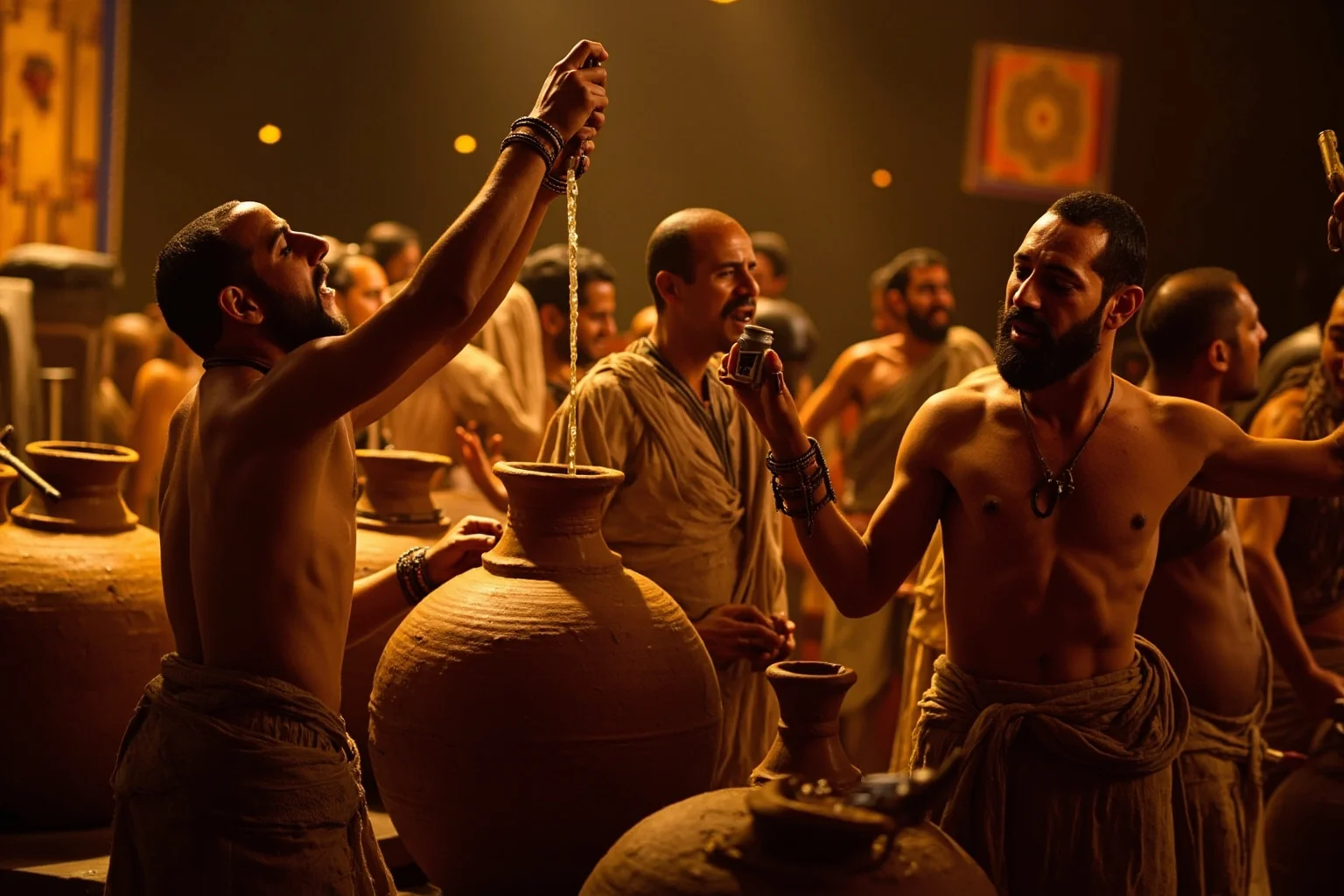
Chemical residues on pottery from Godin Tepe in Iran suggest people were brewing beer by about 3500 to 3100 BCE. Even earlier, residues from a cave in Israel have been interpreted as a possible beer-like brew made by the Natufian people over 13,000 years ago, though that claim is debated.
In Mesopotamia, beer was a staple food and part of daily wages. The Hymn to Ninkasi, from around 1800 BCE, is one of our earliest recipe-like texts. It is a good reminder that "ancient inventions" are not all grand machines.
4. Coins
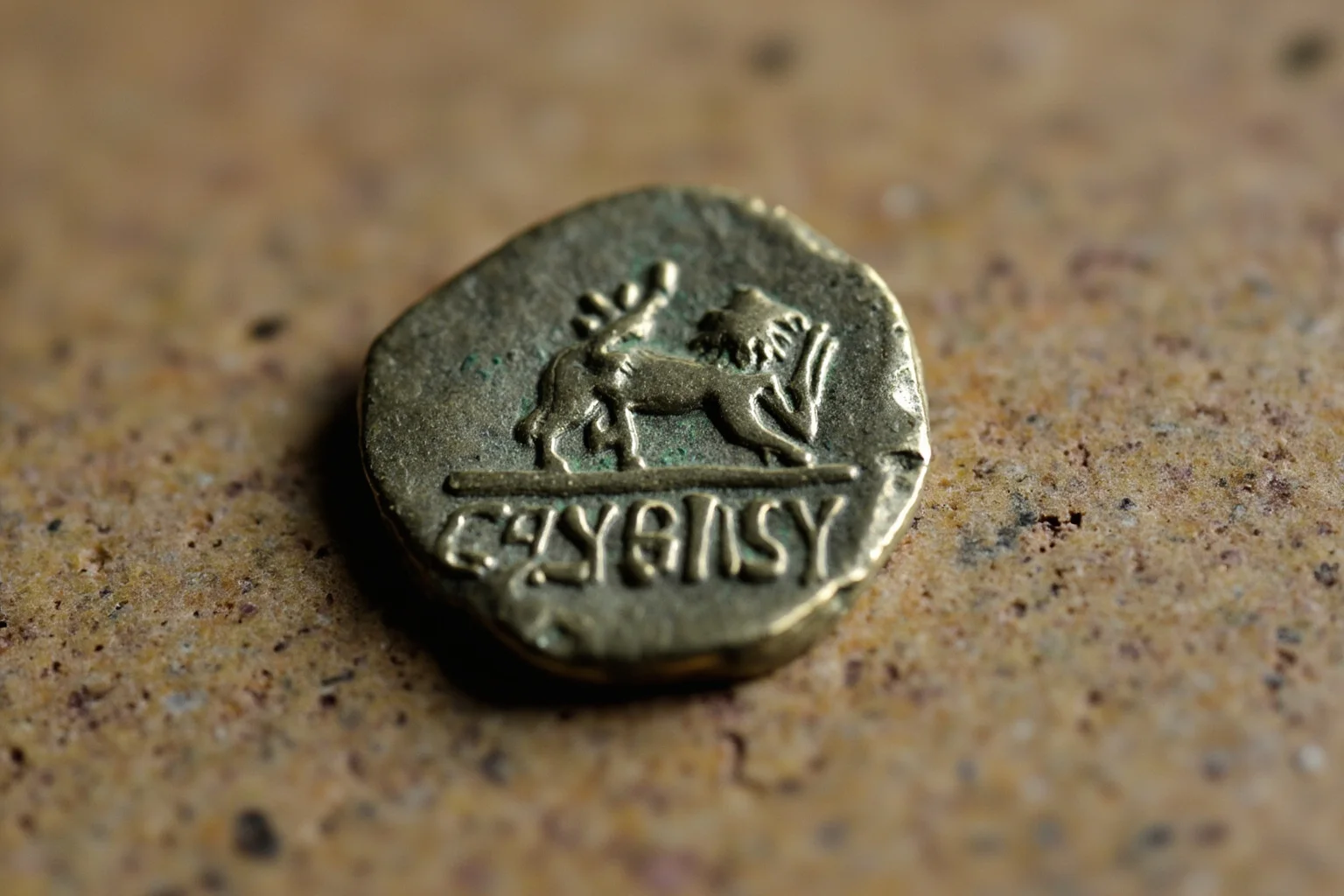
The kingdom of Lydia, in what is now western Turkey, produced some of the earliest known coins around the 7th century BCE. They were made from electrum, a natural gold and silver alloy, and stamped to guarantee weight and value. China developed its own early coinage independently, including bronze spade and knife shapes.
Coins made trade faster because merchants no longer had to weigh metal every time. They also gave rulers a new way to project power, since a stamp carried the authority of the state.
5. Paper
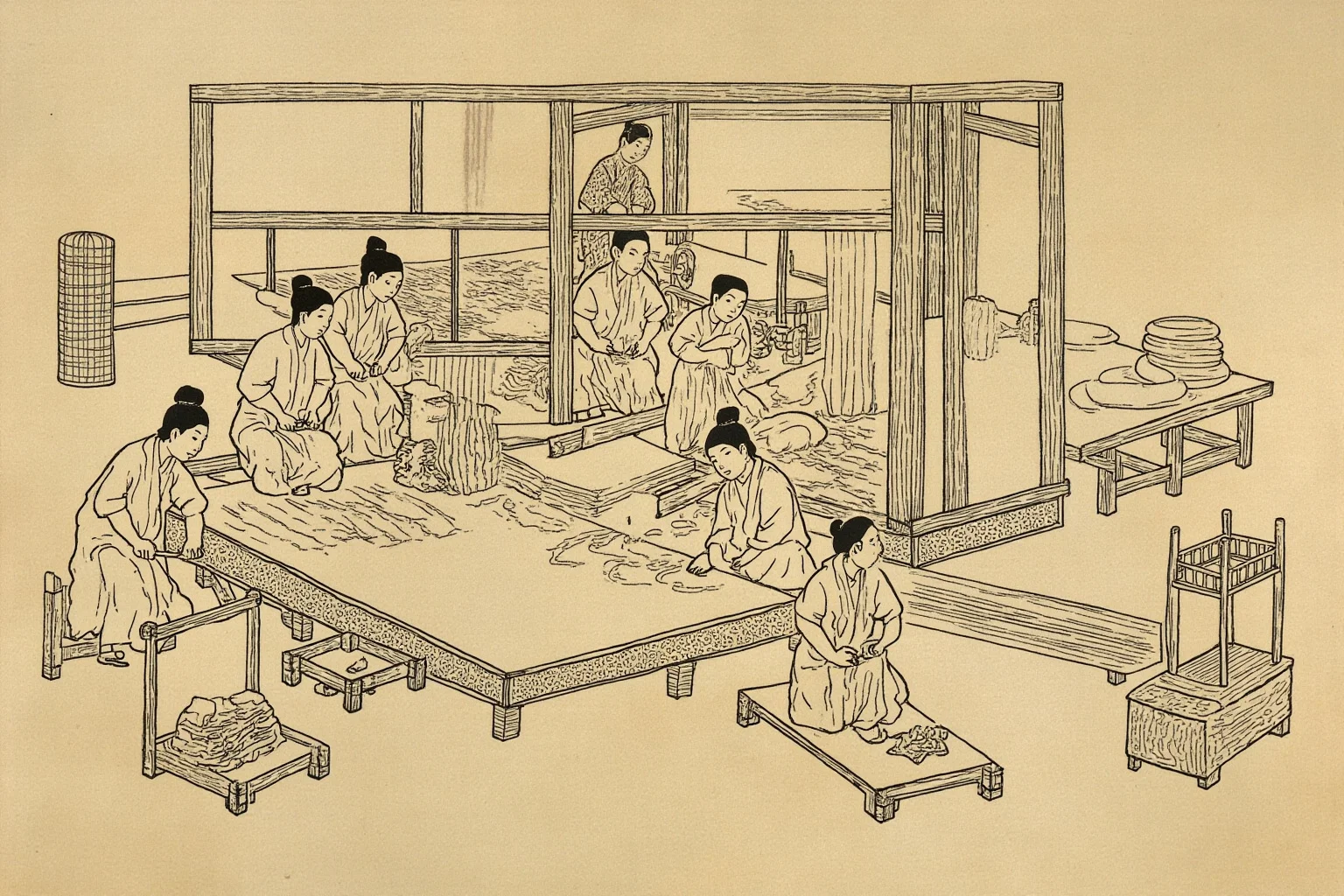
Chinese tradition credits the court official Cai Lun with presenting improved paper to the Han emperor in 105 CE. However, archaeologists have found paper-like fragments from earlier Han contexts, some dating to the 2nd century BCE. This suggests Cai Lun refined and promoted an existing technology rather than creating it from nothing.
The lesson is common across history: the "inventor" in the textbook is often the person who improved or popularized the idea. Paper eventually spread west and replaced costly materials like parchment.
6. Glass
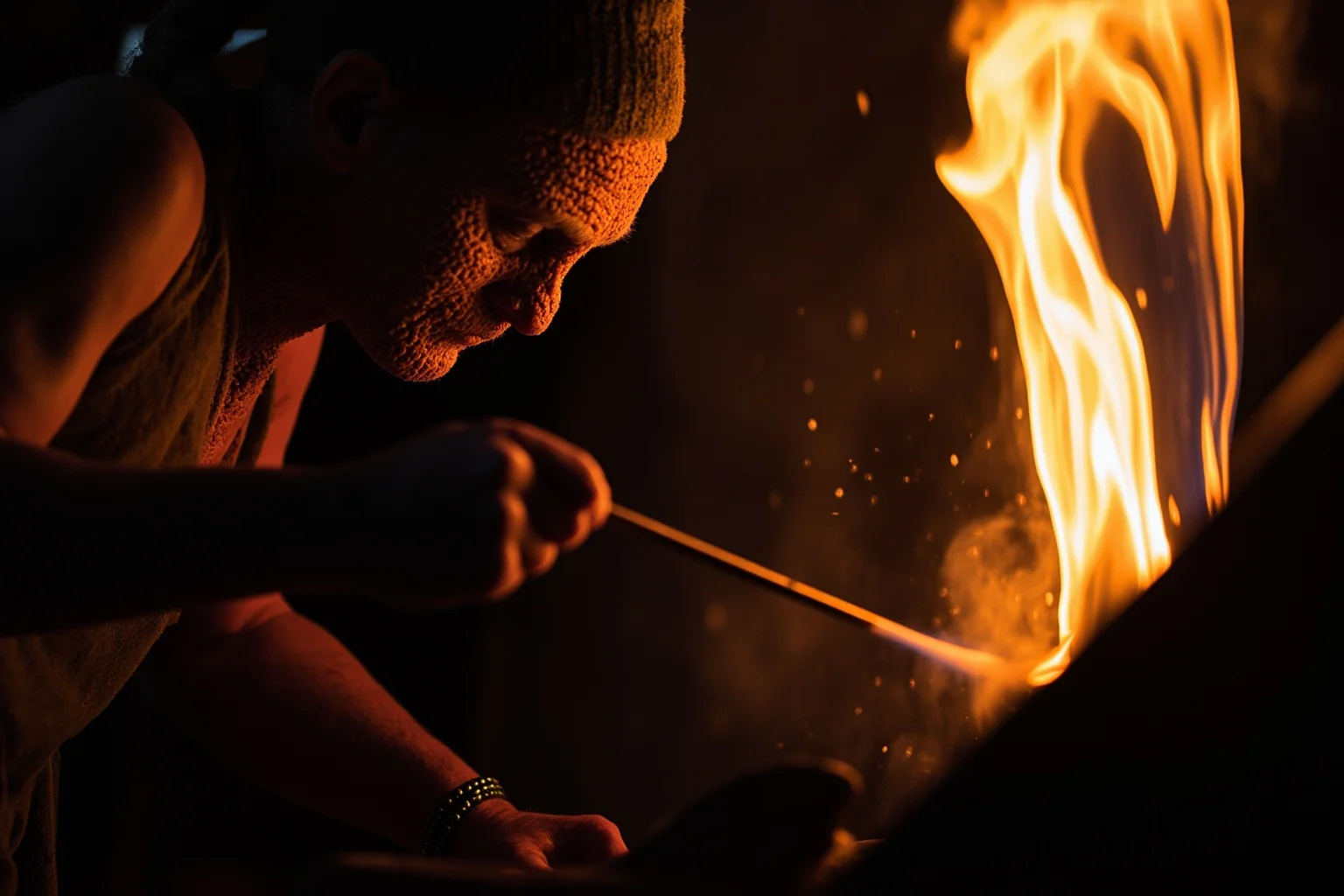
Glass beads appear in the Near East by the third millennium BCE, and glass vessels were being made in Mesopotamia and Egypt by around 1500 BCE. Glassblowing came much later, around the 1st century BCE, probably in the Syro-Palestinian region. It made glass cheap enough for everyday containers.
You may have heard the story, told by the Roman writer Pliny, that Phoenician sailors accidentally discovered glass on a beach. Historians treat that as a legend. Real glassmaking was a deliberate craft with carefully controlled materials.
7. Central Heating (the Hypocaust)
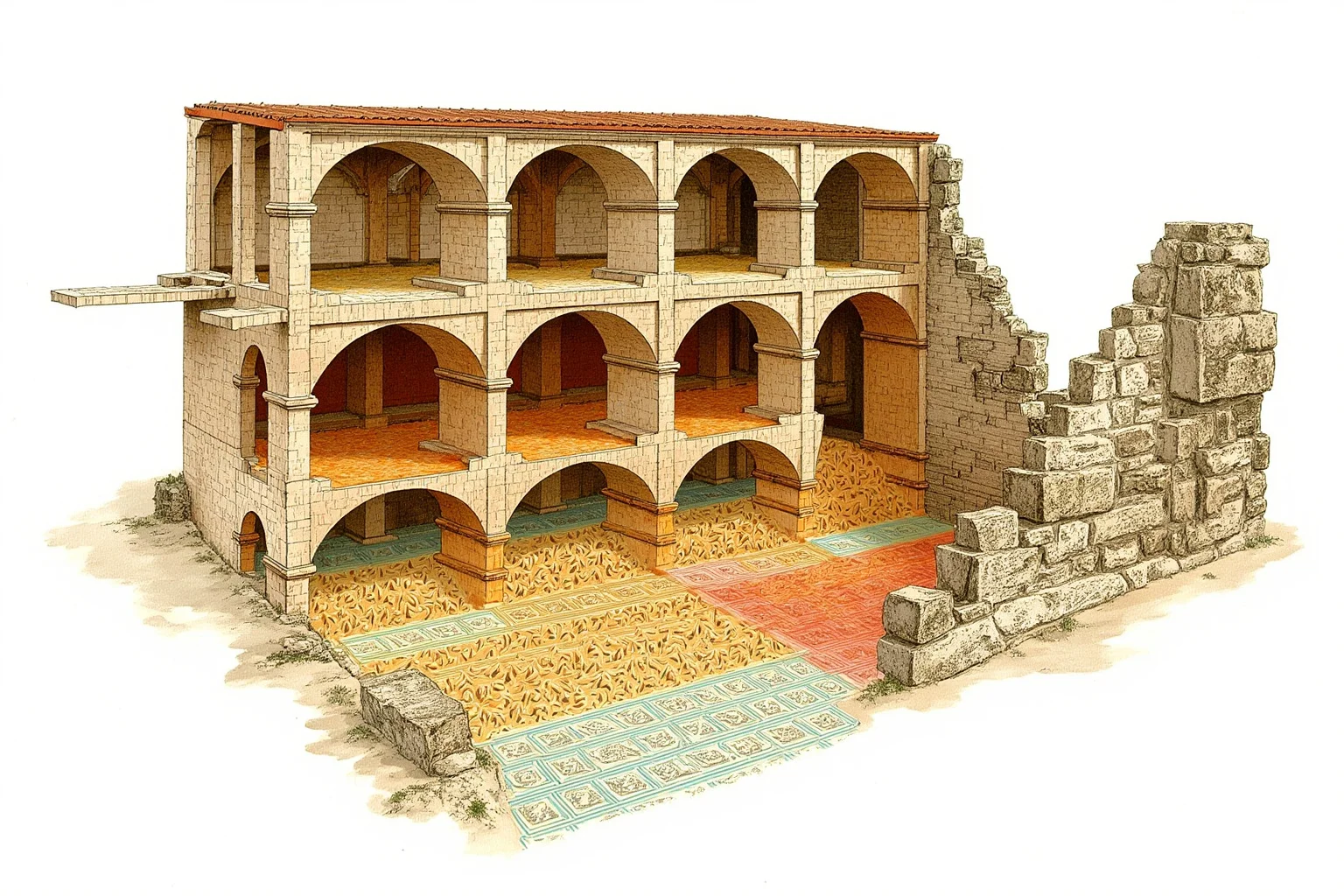
Roman builders are best known for the hypocaust, a system that sent hot air from a furnace through spaces under floors and inside walls. Roman tradition credits Sergius Orata with popularizing it in the early 1st century BCE, though earlier heated floors existed in the Greek world.
Bathhouses and wealthy villas used hypocausts across the Roman Empire, including cold regions like Roman Britain. Slaves or workers had to feed the furnaces, so comfort came at a human cost.
Ancient World Inventions in Engineering and Construction
The inventions of the ancient world were often built on a huge scale. These examples show how ambitious ancient engineers could be.
8. Roman Concrete
Roman concrete combined lime, volcanic ash called pozzolana, and rubble to create a material that could set even underwater. The Pantheon's dome in Rome, completed in the 2nd century CE, is still the largest unreinforced concrete dome in the world.
It's a myth that the recipe is a total mystery, since Roman authors like Vitruvius described the ingredients. A 2023 study suggested that small lime chunks in the mix may help cracks self-heal, though researchers continue to test that idea.
9. Sewers and Drainage in the Indus Valley
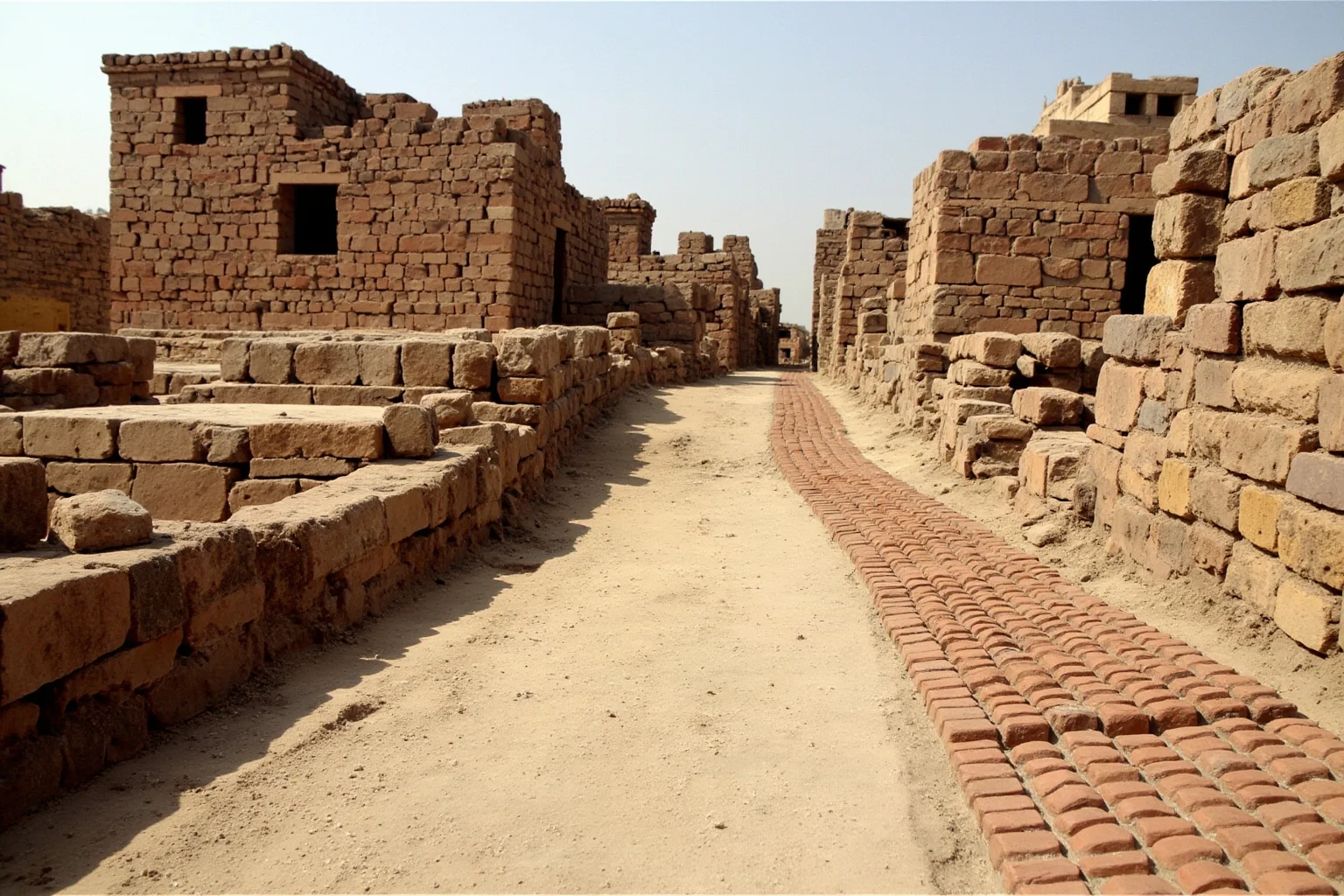
Cities of the Indus Valley civilization, such as Mohenjo-daro and Harappa, were thriving around 2500 BCE. Their streets had covered brick drains, and many houses had bathing areas connected to the drainage network.
This level of planning is impressive for the period. We still cannot read the Indus script, so much about how these systems were managed remains unknown.
10. Qanats and Aqueducts

Qanats are gently sloping underground tunnels that carry groundwater to the surface without pumps. They were developed in ancient Persia and are still used in parts of Iran. Aqueducts moved water over land, and an Assyrian example at Jerwan, built under King Sennacherib around 690 BCE, shows the idea was old well before Rome.
Rome refined the concept at massive scale, beginning with the Aqua Appia in 312 BCE. Much of the Roman system actually ran underground, and the famous arches were only the visible part.
11. The Pharos Lighthouse
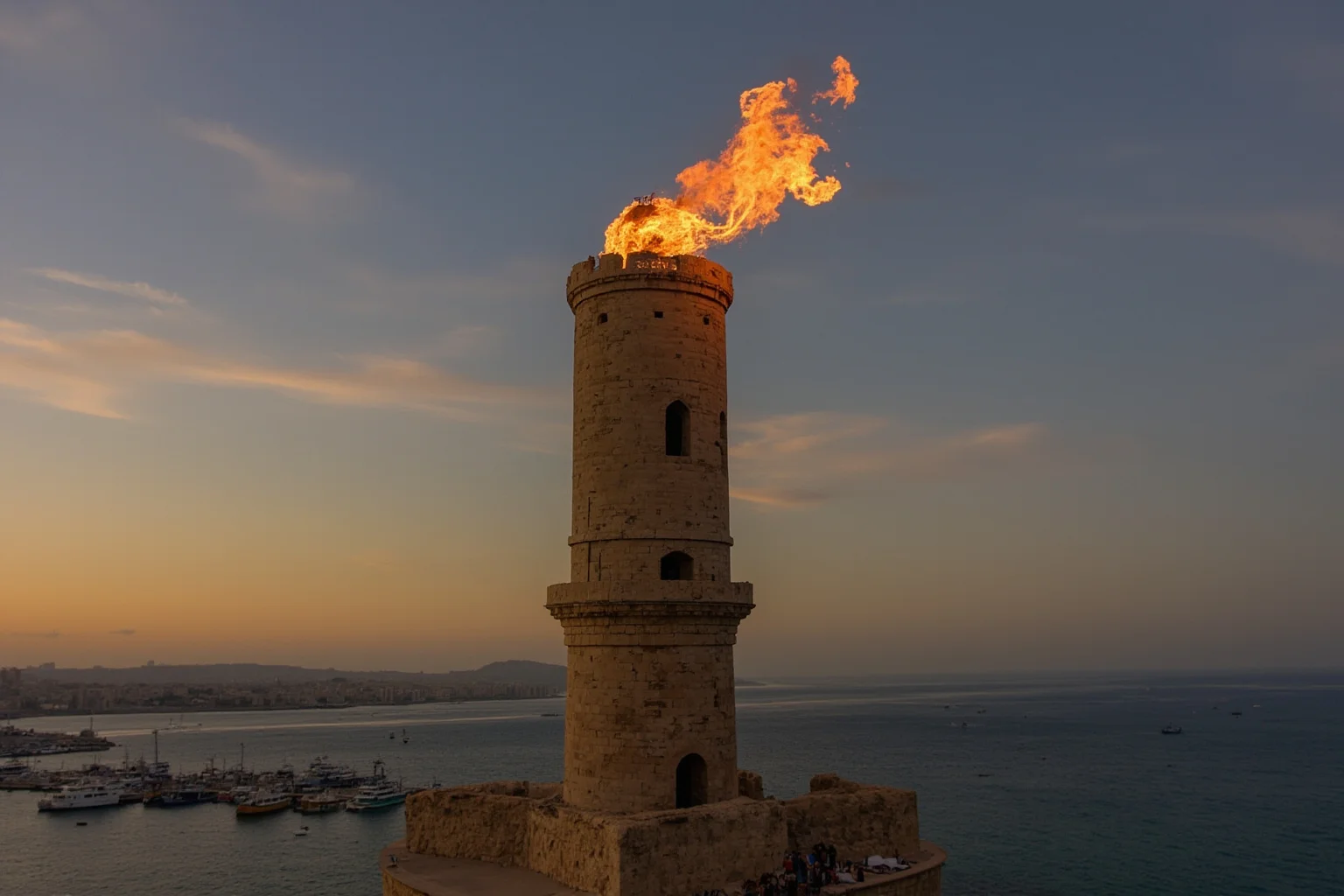
The Pharos of Alexandria was built around 280 BCE under the Ptolemies and was counted among the Seven Wonders of the Ancient World. Ancient descriptions and modern estimates suggest it rose well over 100 meters, although exact figures are uncertain. A fire burned at the top to guide ships into the harbor.
Stories about giant mirrors that burned enemy fleets are legends from later centuries, not documented fact. What is certain is that the tower was so influential that the word for lighthouse in several languages, like French phare, comes from its name.
12. Ice Houses (Yakhchals)

In ancient Persia, builders created yakhchals, large domed structures that stored ice through the summer. Thick insulating walls, underground storage, and in some cases wind-catching towers kept the interior cold. Many surviving examples are from later periods, but the technique has deep roots in the region.
These buildings made it possible to enjoy chilled foods and desserts in a desert climate. It is an elegant example of using physics instead of fuel.
13. The Multi-Tube Seed Drill
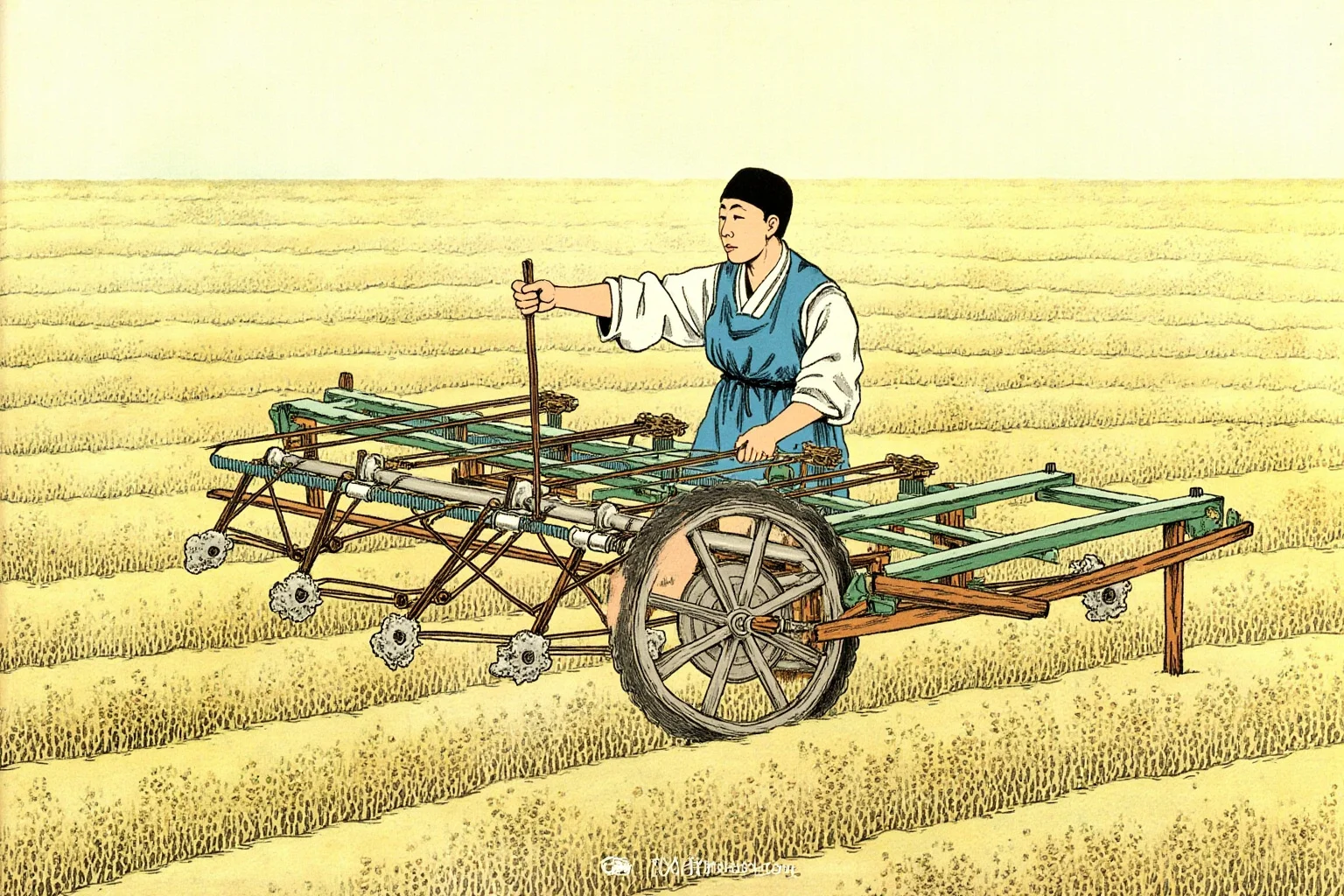
Mesopotamian farmers used seeder plows by around the second millennium BCE, but Han dynasty China is credited with a multi-tube seed drill by the 2nd century BCE. The device planted seeds in even rows instead of scattering them by hand. Tradition links the improvement to an official named Zhao Guo.
Even planting meant better yields and less wasted seed. Europeans would not use similar machines widely until many centuries later.
Ancient History Inventions in Science, Machines, and Medicine
This is where ancient history gets the most surprising. Several of these devices look far ahead of their time, which is exactly why they attract myths.
14. The Water Clock
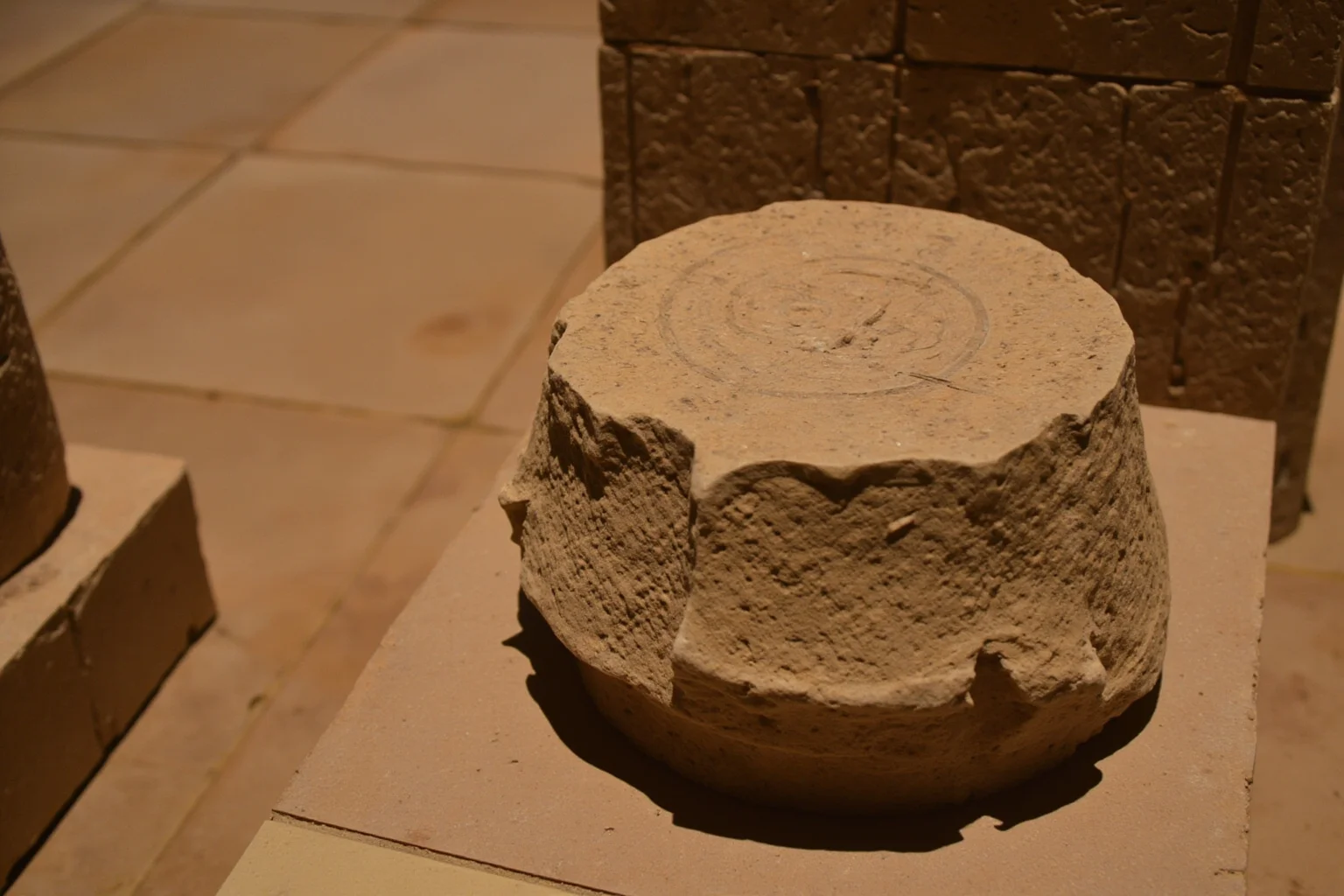
Water clocks, or clepsydrae, measured time by the steady flow of water. One of the oldest surviving examples comes from the Karnak temple in Egypt and dates to around 1400 BCE. Unlike sundials, they worked at night and on cloudy days.
Greek engineers such as Ctesibius, working in the 3rd century BCE, later improved them with floats and gears. Water clocks were used in places like law courts to limit the time a speaker could talk.
15. The Antikythera Mechanism
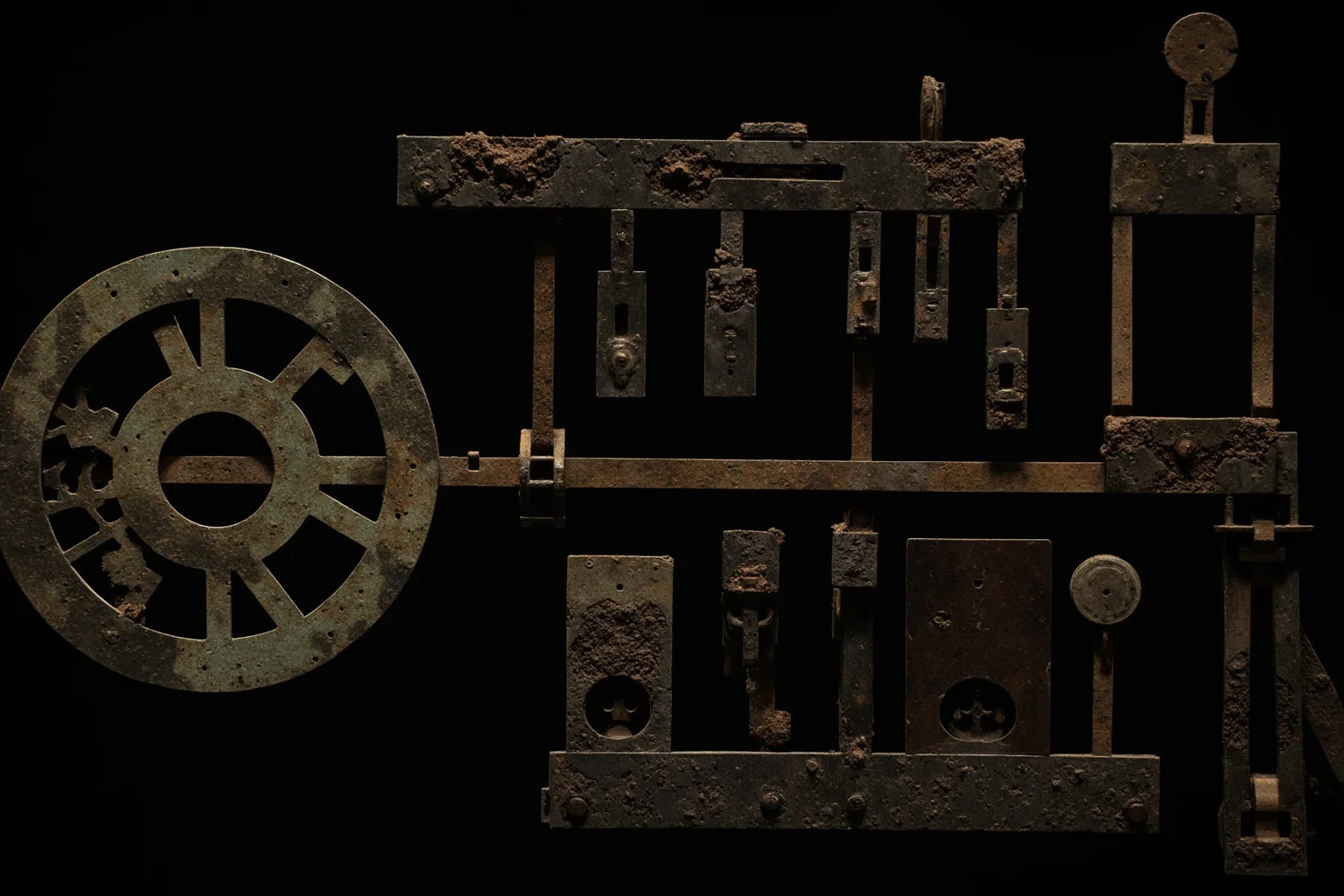
Recovered from a shipwreck near the Greek island of Antikythera in 1901, this bronze artifact dates to roughly the 2nd or 1st century BCE. It used a system of interlocking gears to model astronomical cycles, including the movements of the Sun and Moon, a calendar, and eclipse predictions.
It is often called the first computer, but that is a stretch. A better description is a sophisticated analog astronomical calculator. We still do not know who built it or how common similar devices were.
16. The Archimedes Screw

The Archimedes screw is a spiral inside a tube that lifts water when it is turned. Ancient writers connect it to Archimedes of Syracuse in the 3rd century BCE, though similar devices may have been used earlier in Egypt. It was used for irrigation and for draining mines and ships.
Some scholars have proposed that a version of it watered the legendary Hanging Gardens of Babylon. That is a hypothesis, not a settled fact. Modern versions of the screw are still used in wastewater plants.
17. Hero's Steam Engine and Vending Machine
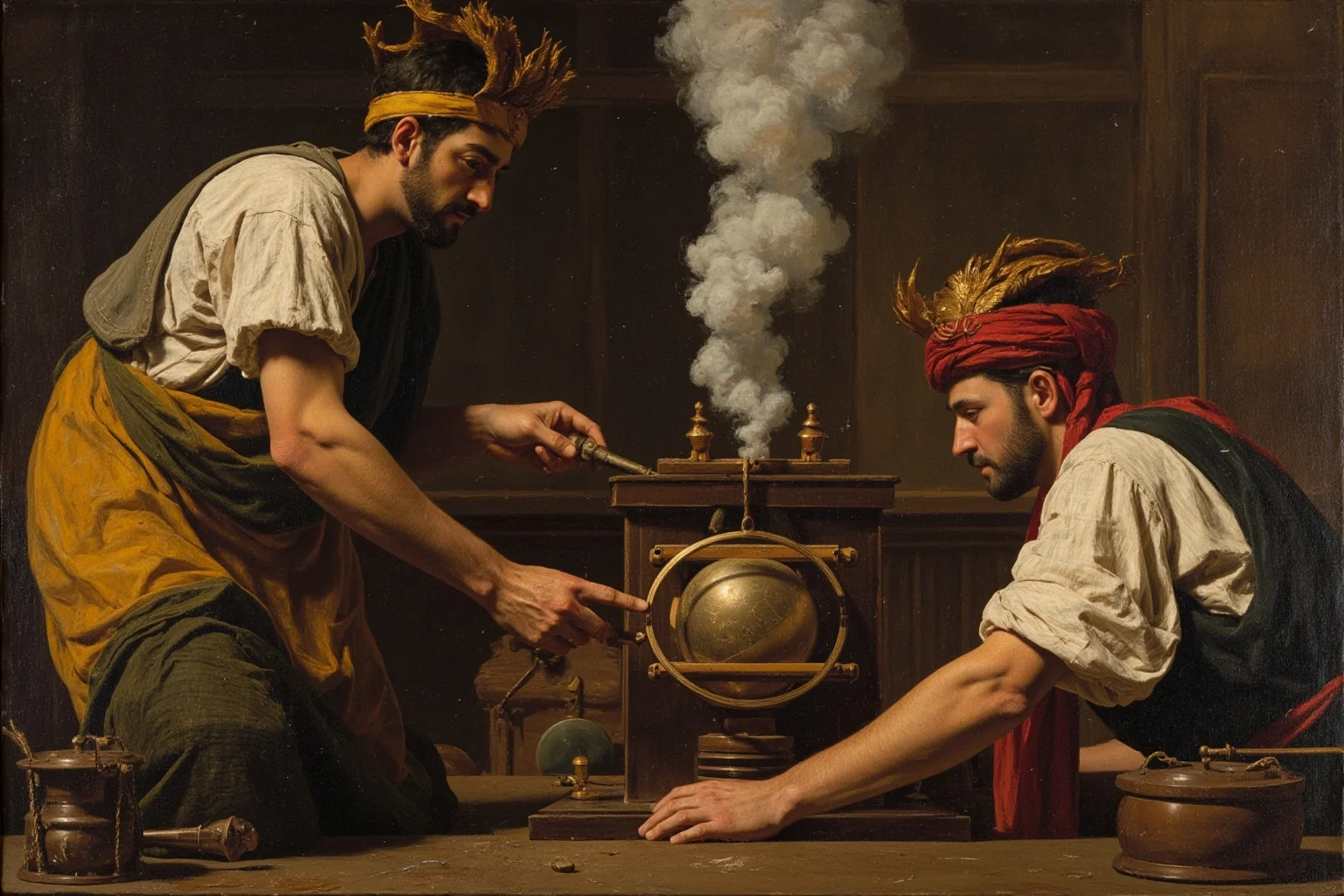
Hero of Alexandria, writing in the 1st century CE, described a steam-powered spinning device called the aeolipile. He also described automatic temple doors and a coin-operated dispenser for holy water. These were clever demonstrations of pneumatics and mechanics.
A common myth is that the Romans could have started an industrial revolution. In reality, the aeolipile did little useful work, and cheap labor reduced the incentive to build machines. The ideas were brilliant, but the economy was not set up to use them.
18. Zhang Heng's Seismoscope
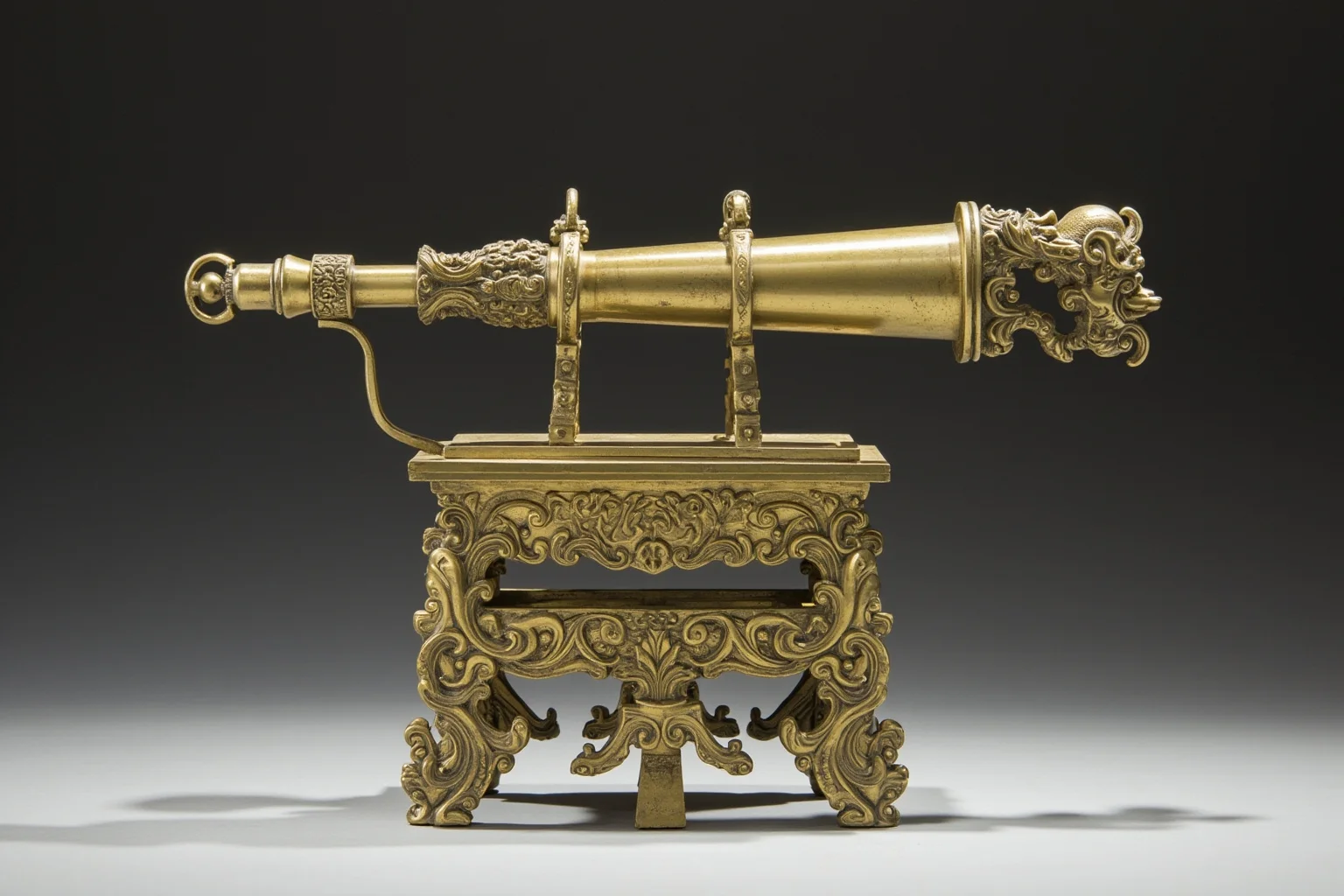
In 132 CE, the Chinese polymath Zhang Heng built a bronze vessel designed to detect earthquakes. According to the historical record, it had dragon heads around the outside, and a ball would drop from one into a toad's mouth to show the direction of a distant tremor.
The Book of the Later Han reports that it detected a quake hundreds of kilometers away. Modern reconstructions have had mixed success, so exactly how it worked is still debated.
19. The Crossbow
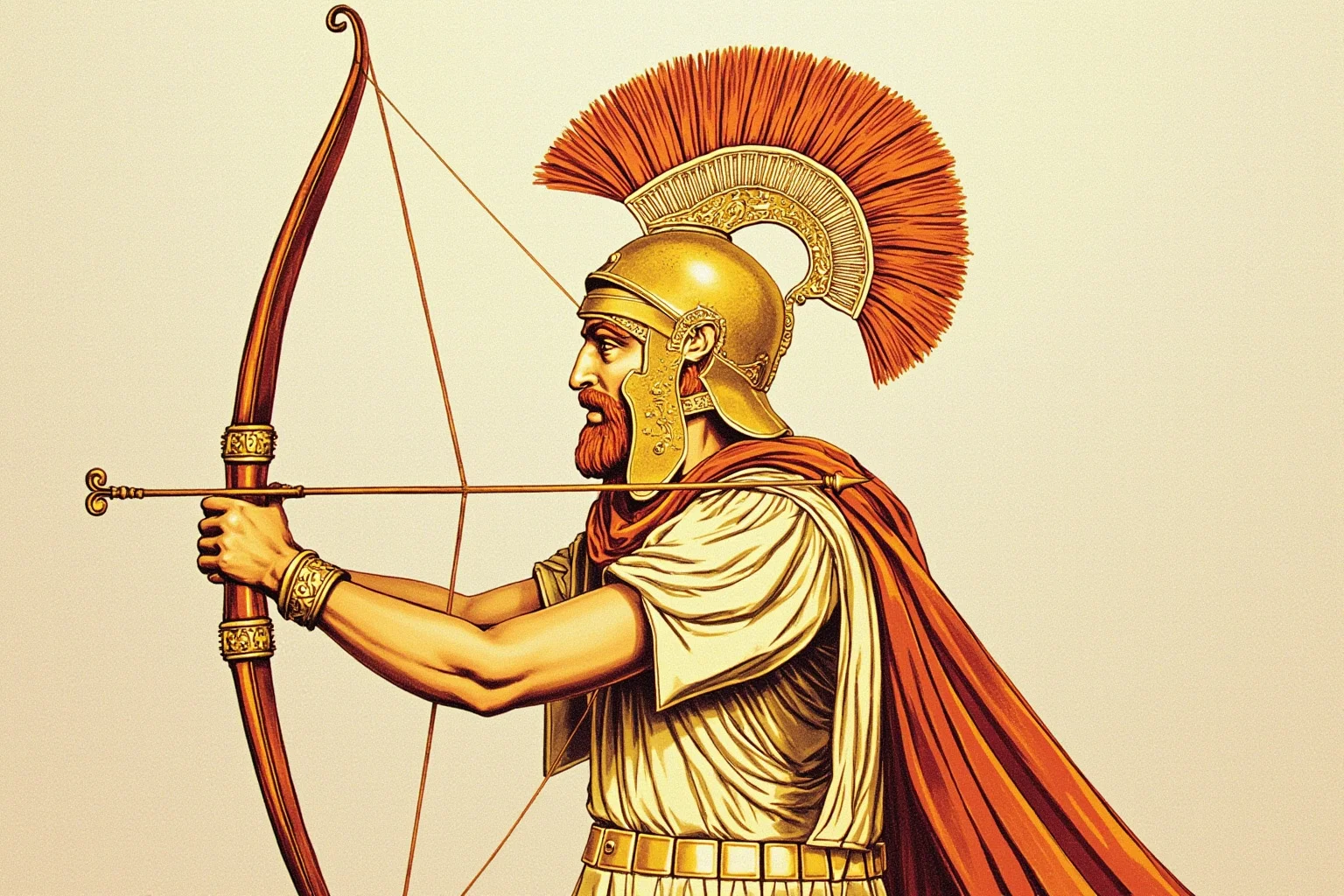
Bronze crossbow trigger mechanisms have been found in China dating to around the 5th century BCE. In the Greek world, the gastraphetes, or "belly bow," is described as being developed in the early 4th century BCE for the ruler Dionysius of Syracuse.
Crossbows let soldiers shoot with a mechanical advantage and required less training than a longbow. They were so influential that mass production in early Chinese states helped build highly organized armies.
20. Zero
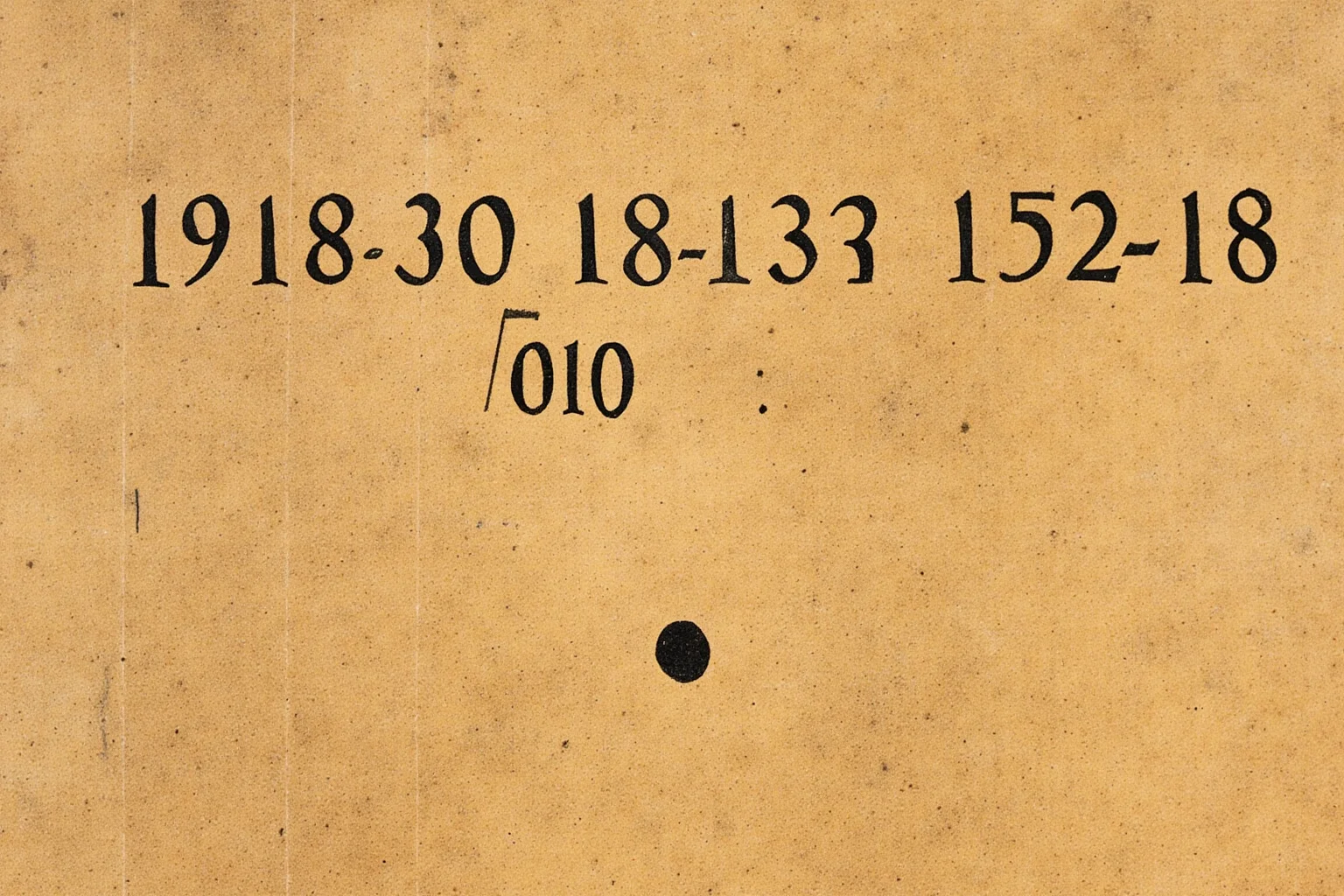
The story of zero is not a single invention but a chain of them. Babylonian scribes used a placeholder symbol in their number system by the late first millennium BCE, and the Maya developed zero independently. In India, a dot symbol appears in the Bakhshali manuscript, parts of which were radiocarbon dated to as early as the 3rd or 4th century CE.
The mathematician Brahmagupta described rules for calculating with zero as a number in 628 CE. It is a great example of how a simple idea can take centuries to mature.
21. Surgery and Medical Tools
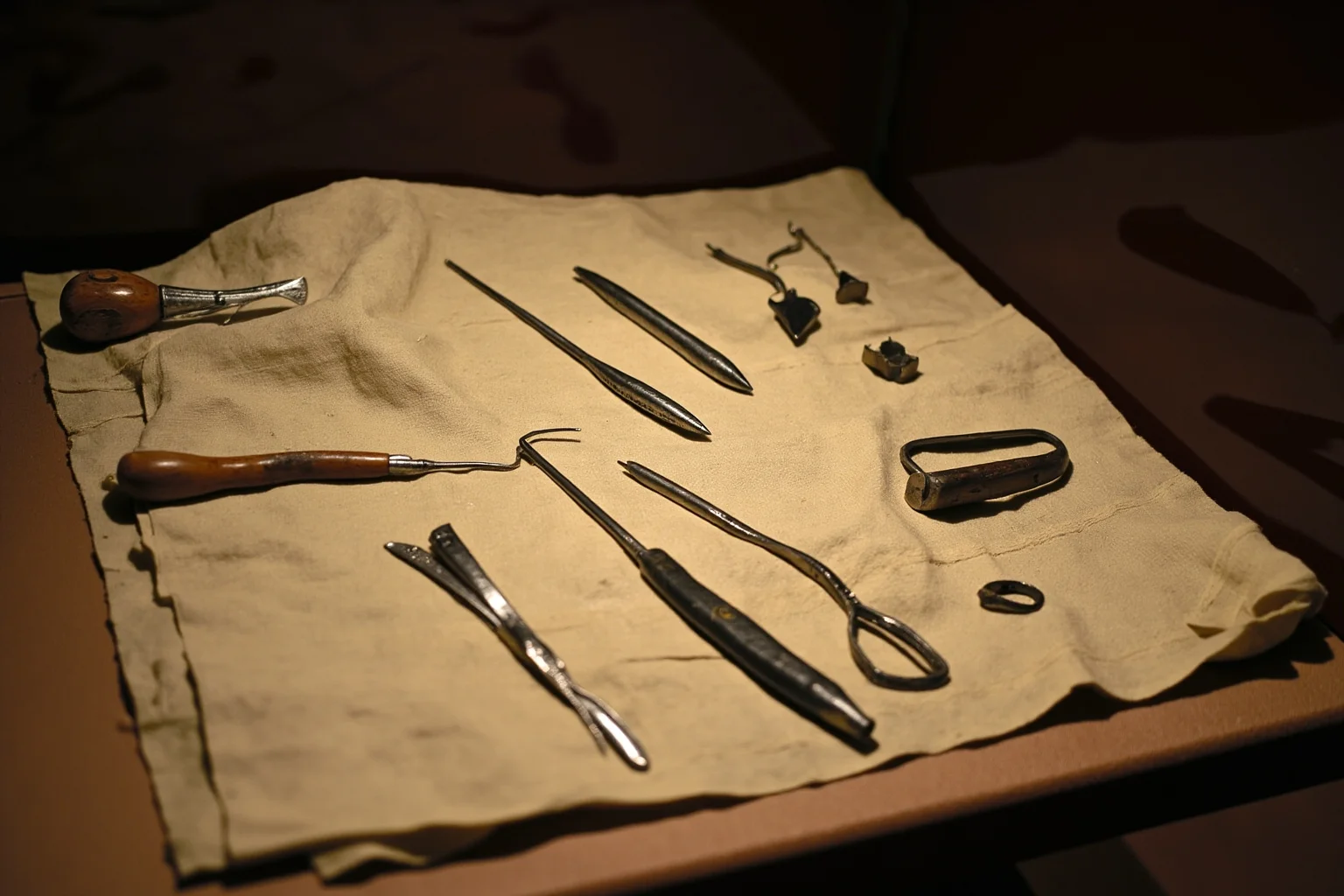
The Edwin Smith Papyrus, from Egypt around 1600 BCE, describes practical treatments for injuries in a surprisingly rational style. The Sushruta Samhita, an Indian medical text compiled over a long and uncertain period, describes surgical techniques including reconstructive procedures on the nose.
Roman sites like Pompeii have produced scalpels, forceps, and specula that look strikingly familiar. Ancient surgery was limited by infection and pain, but the toolkit was more advanced than many people expect.
22. The Lodestone Compass
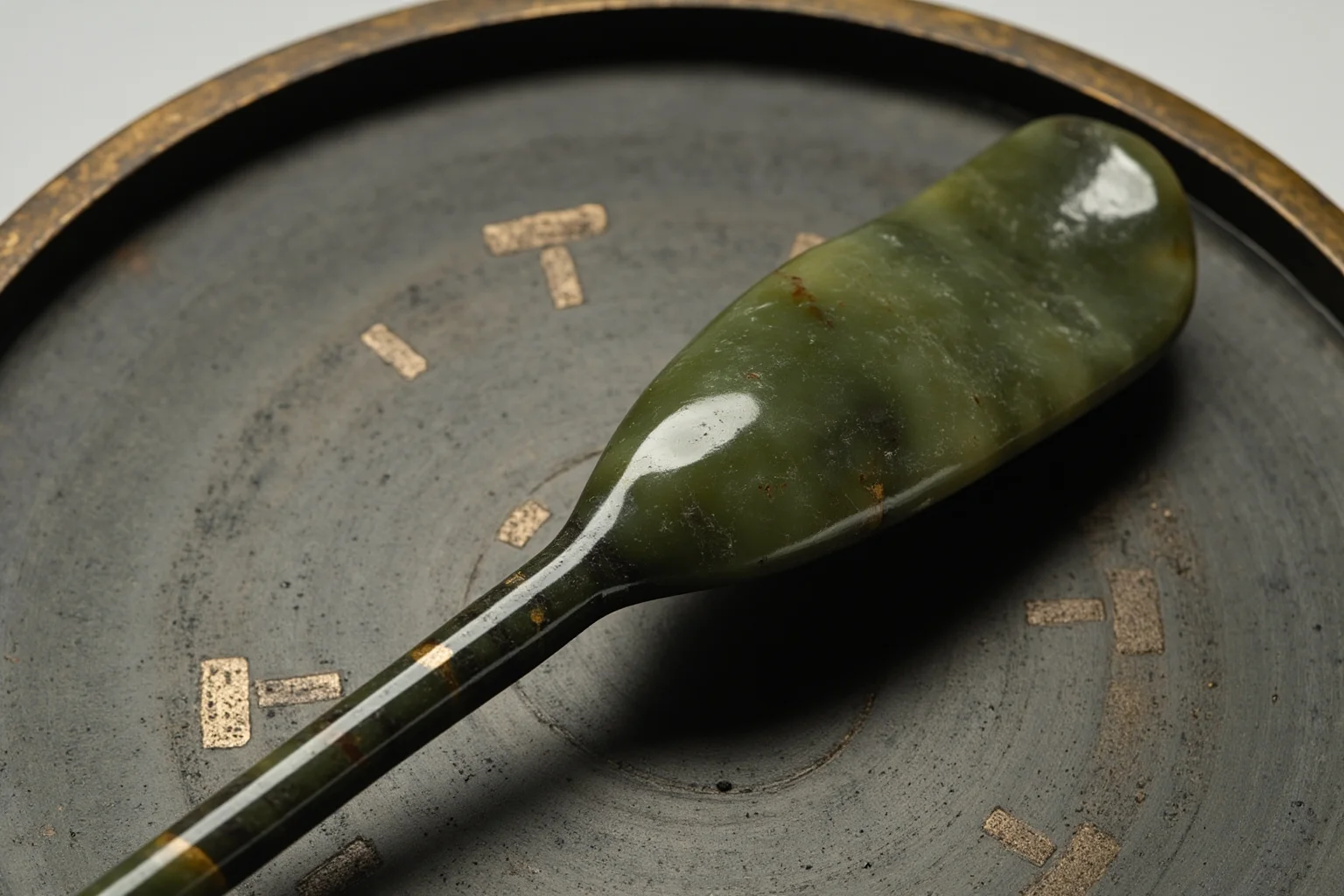
Chinese Han dynasty writers describe lodestone devices, often called south-pointing ladles, that were used for divination and for aligning buildings. Using a magnetized needle for navigation at sea is documented much later, around the 11th and 12th centuries CE.
So the compass is an ancient discovery that became a navigation tool in the medieval period. It is a good example of how a discovery can sit around for centuries before someone finds its most useful application.
23. The Baghdad "Battery"
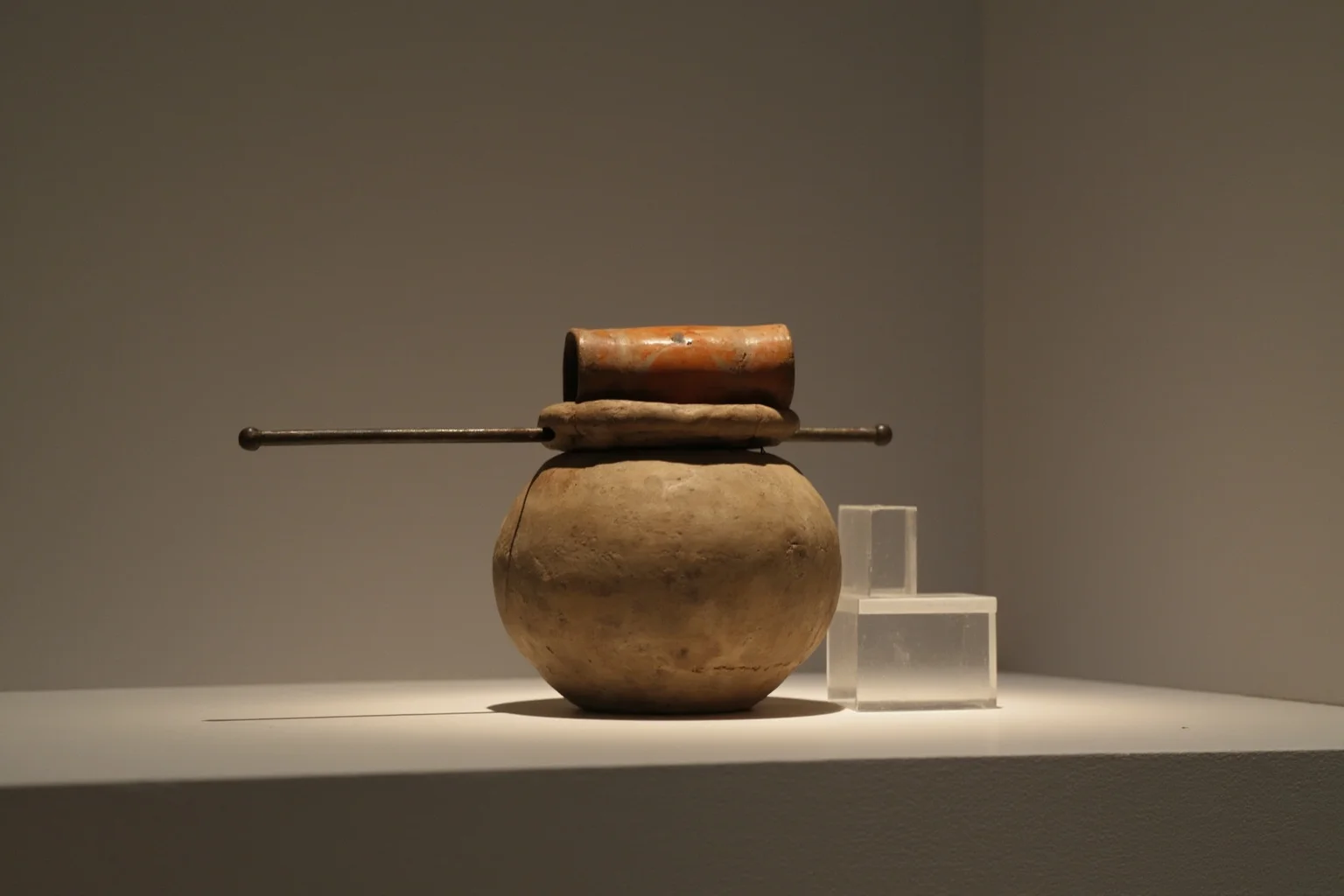
The Baghdad battery is a clay jar containing a copper cylinder and an iron rod, found near Baghdad and usually dated to the Parthian or Sasanian era. Some people claim it was an ancient electric cell used for electroplating.
Most historians are skeptical. There is no evidence of wires, electrical devices, or electroplated objects from the period, and the jar may have simply stored scrolls. It is included here as a myth to be careful with, since a device can only be called an invention if the evidence supports its use.
What These Ancient Inventions Really Teach Us
Looking at great inventions of history, a few patterns appear again and again. Many ideas arose independently in different places, such as writing and zero. Others spread slowly across trade routes, like paper and glass.
The most useful habit when reading about ancient inventions is to ask for evidence. A bronze gear mechanism recovered from a shipwreck is solid evidence, while a story about a fire-mirror or a lost electric battery needs far more support.
The real story is still impressive without exaggeration. Ancient people were just as curious and inventive as we are, and their solutions to water, food, time, and travel are the foundation of the modern world.
Frequently Asked Questions
What are the most important inventions of the ancient world?
Among the inventions of the ancient world, the most influential are usually considered to be writing, the wheel, coinage, paper, concrete, and aqueducts. Each solved a major problem, such as recording information, moving goods, or supplying cities with water. Zero and the mechanical clock-like devices of Greece and China also shaped later science.
What is one thing invented before 5 BC?
The wheel is a classic answer, since wheeled vehicles appear around 3500 to 3000 BCE. Writing, beer brewing, glass, and coinage were also all in use well before 5 BC. No single inventor is known for most of these.
What does “divine inventions” mean in ancient history?
It refers to technologies that ancient cultures credited to gods rather than to human inventors. Examples include Thoth and writing in Egypt, Ninkasi and beer in Sumer, and Prometheus and fire in Greece. These are myths, but they show how highly people valued these skills.
Was the Antikythera mechanism the first computer?
Not exactly. It was an analog device that used bronze gears to model astronomical cycles, so it is better called an ancient astronomical calculator. Its sophistication is real, but calling it a computer overstates what it did.
Did ancient people really have batteries or steam engines?
The Baghdad battery is not accepted by most historians as a true battery, because there is no evidence it was used for electricity. Hero of Alexandria did describe a steam-powered device, the aeolipile, but it was a demonstration and not an industrial machine.
Which ancient civilizations invented the most?
Mesopotamia, Egypt, the Indus Valley, China, Greece, and Rome all made major contributions, and so did the Maya and other cultures in the Americas. Many inventions were developed independently in several places. Credit is often shared or uncertain.

Alex Warren
Related Articles