Ask most people when the baby boom happened and you'll hear a quick answer: after World War II. The full story of baby boom history has more twists than that, and some of them surprise even people who lived through it.
Whether you say baby boomers, boomers, or even type "vboomer" into a search bar, this generation reshaped nearly every American institution it passed through. These 25 baby boomer facts separate what historians actually know from what we only assume.
TL;DR: The U.S. baby boom ran from 1946 to 1964, was driven by delayed families, early marriage, and postwar prosperity, and reshaped schools, suburbs, politics, and the economy for decades.
When Was the Baby Boom? Dates, Numbers, and Surprises
1. The Official Dates Are 1946 to 1964
The U.S. Census Bureau and most demographers define the baby boom as births from 1946 through 1964. So if you're asking when was the baby boom, that 19-year window is the standard answer. Pew Research Center uses the same boundaries for the Baby Boomer generation.
Those dates are a convention, not a natural law. Births started climbing in the early 1940s and stayed historically high into the mid-1960s, so some analysts draw the edges a few years in either direction. The tidy range simply makes it easier to count and compare.
2. Births Were Already Rising Before the Soldiers Came Home
A popular myth says the boom began the moment troops returned in 1945. In reality, U.S. births climbed during the war itself, from roughly 2.6 million in 1940 to about 3.1 million in 1943. Many couples married quickly before deployments, and wartime jobs improved family finances.
Still, the postwar surge was dramatic. Births jumped from about 2.9 million in 1945 to roughly 3.4 million in 1946, the largest one-year leap of the era. Demobilization added fuel to a fire that was already burning.
3. About 76 Million Babies Were Born in the U.S.
The Census Bureau counts roughly 76 million births in the United States between 1946 and 1964. That flood of newborns helped push the national population from about 151 million in 1950 to about 179 million in 1960. Few other decades in American history have added people so quickly without a surge in immigration.
The 1950s baby boom was therefore a nationwide event, not just a suburban one. Rural counties, big cities, and new housing developments all saw rising birth counts. The scale explains why every later stage of life for this group became a national story.
4. The Peak Came in 1957, Not Right After the War
The highest point of the boom arrived about a decade after the war ended. U.S. births peaked at roughly 4.3 million in 1957, when the fertility rate hit about 3.7 children per woman. By comparison, the rate had dipped to just over 2 in the mid-1930s.
Even the baby boom of 1950 was smaller than what followed, with about 3.6 million births that year. Births stayed above 4 million annually from the mid-1950s into 1964. The boom built slowly, held a long plateau, and then faded.
5. The U.S. Wasn't the Only Country With a Baby Boom
Canada, Australia, New Zealand, the United Kingdom, France, and several other countries also saw postwar increases in births. The timing and size varied, which is why historians talk about baby booms in the plural. Each country had its own mix of war losses, housing, and economic recovery.
Japan offers a striking contrast. Its postwar surge was compressed into about three years, roughly 1947 to 1949, and its members are often called the dankai generation. Japan's births then fell sharply, a reminder that the American pattern was not universal.
What Caused the Baby Boom? Six Forces Behind the Surge
6. Families Delayed by Depression and War Caught Up
The first piece of the cause of the baby boom is simple timing. During the Great Depression, many couples postponed marriage and children, and fertility fell to historic lows. World War II then separated millions of couples for years.
But catch-up alone doesn't explain everything. If it were just about timing, family sizes would have returned to normal afterward. Instead, women in the boom years ended up having more children on average than the generation before them.
7. Americans Married Younger Than Ever
In 1956, the median age at first marriage hit record lows of about 22.5 for men and 20.1 for women, according to Census data. Earlier marriage meant more fertile years within marriage and often more children, spaced closer together. It also made marriage nearly universal for the generation.
That pattern is unusual in long-term American history. Before and after the boom, people tended to marry later. The 1950s look "traditional" mostly because we compare them to the decades that came after.
8. Prosperity, the GI Bill, and Cheap Mortgages Helped
The postwar U.S. economy grew strongly, and many families saw rising real incomes. The Servicemen's Readjustment Act of 1944, known as the GI Bill, offered veterans education benefits and low-cost home loans. Federal Housing Administration and Veterans Administration mortgages also made lower down payments possible.
Why did the baby boom happen when it did? Part of the answer is that many young adults felt financially secure enough to start families. Confidence about the future is hard to measure, but demographers consistently point to it.
9. Suburbs Like Levittown Fed the Boom
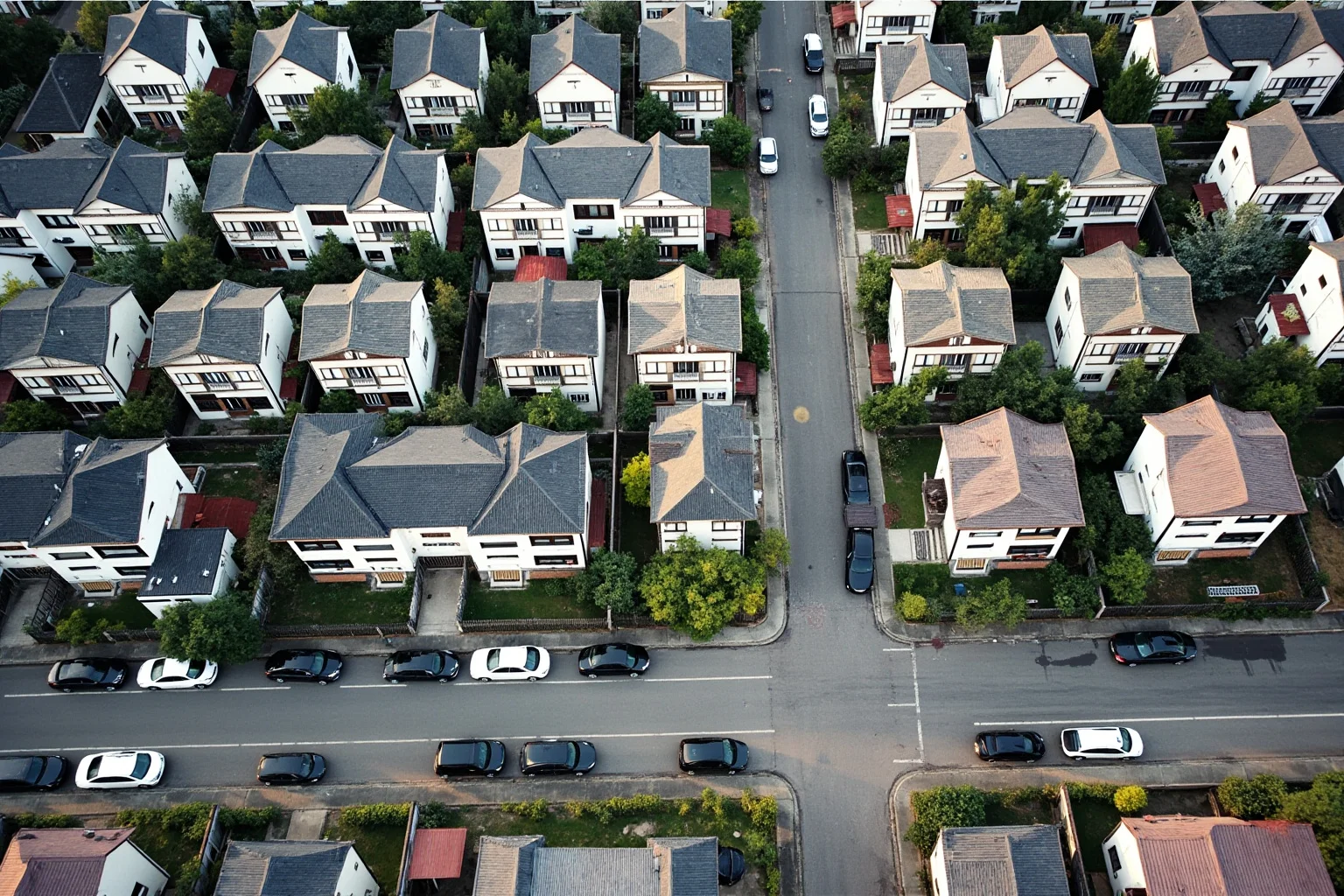
Builders such as William Levitt began mass-producing affordable homes in places like Levittown, New York, starting in 1947. Add the Federal-Aid Highway Act of 1956 and rising car ownership, and families could live farther from city centers. Yards, extra bedrooms, and new schools made large households practical.
Cause and effect ran in both directions. Suburban growth made bigger families easier, and bigger families created demand for more suburbs. The two trends reinforced each other through the 1950s.
10. Family Life Became the Cultural Ideal
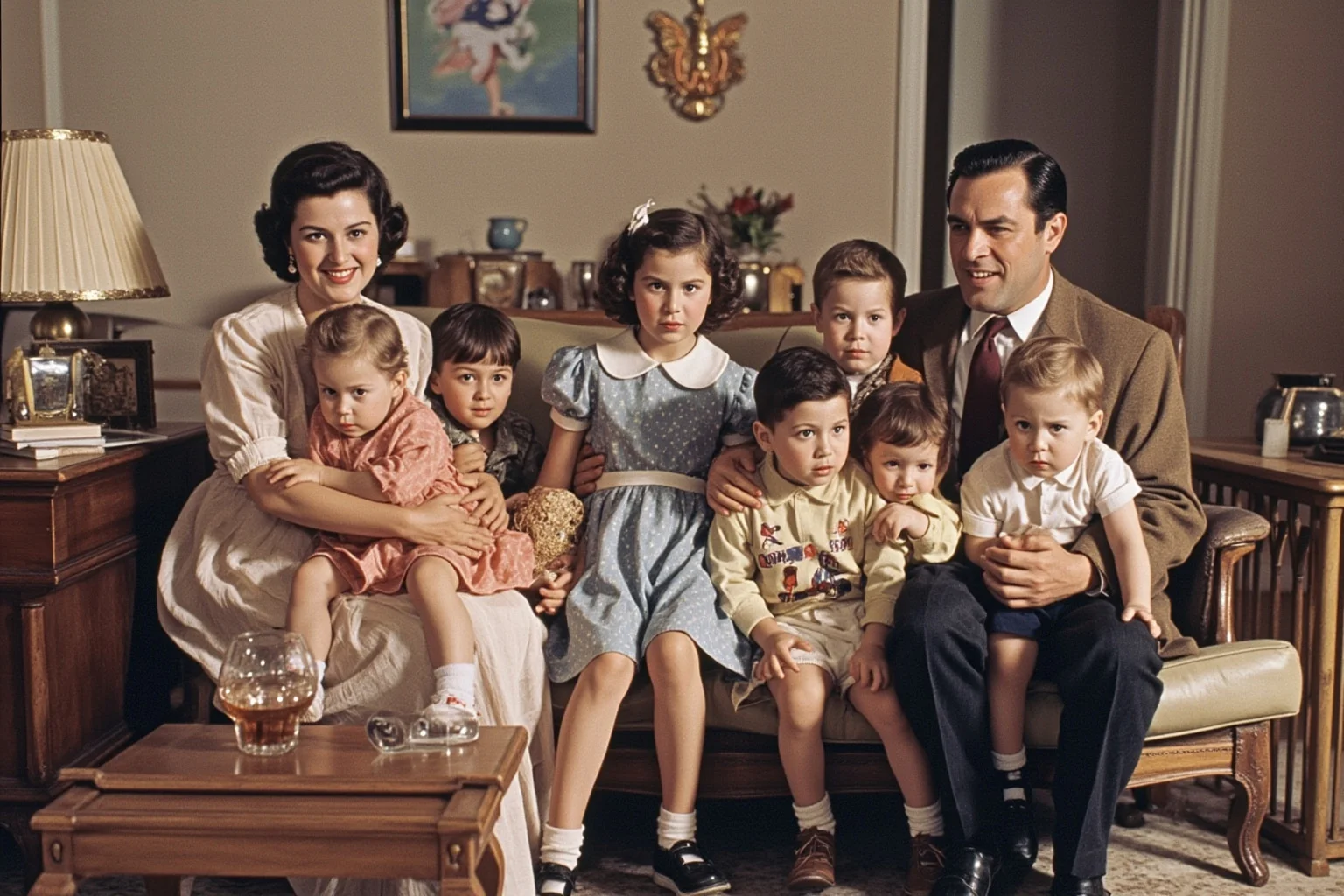
Postwar culture strongly celebrated marriage and parenthood. Childlessness was unusually rare among women of the era, and third and fourth births became more common than in the 1930s. Many historians link this emphasis to Cold War anxieties and a desire for stability after years of upheaval.
That doesn't mean everyone loved the pressure. Social expectations were powerful, and people who didn't follow the script often faced judgment. The boom was partly a story of choices and partly a story of norms.
11. Economists Still Debate the Exact Mix
No single factor explains the cause of the baby boom, and researchers disagree on the weighting. One well-known idea, associated with economist Richard Easterlin, argues that the small Depression-era generation entered a favorable job market, married early, and had larger families. It remains a hypothesis that scholars continue to test and debate.
Other contributors include falling infant mortality, antibiotics, and improved maternal health care. The honest answer to what caused the baby boom is a layered one. Delayed families, money, housing, medicine, and culture all played roles.
Growing Up in the 1950s Baby Boom
12. Hospital Births and Dr. Spock Changed Parenting
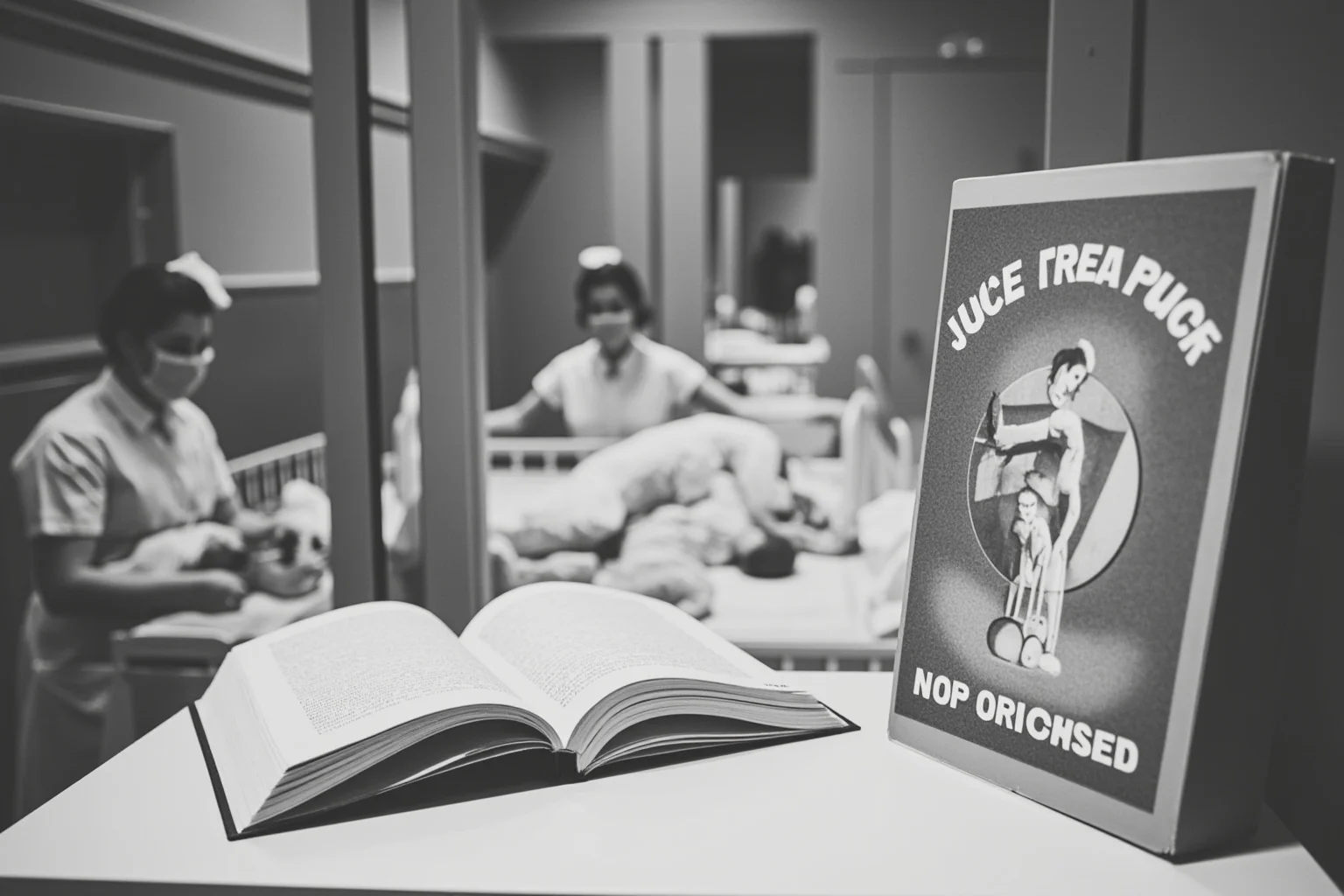
Childbirth moved decisively into hospitals. The share of U.S. births in hospitals rose from roughly half in 1940 to nearly all by 1960. Fathers typically waited outside the delivery room, since their presence there became common only later.
Pediatrician Benjamin Spock published The Common Sense Book of Baby and Child Care in 1946, and it went on to sell tens of millions of copies over the decades. Its famous opening message urged parents to trust their own judgment. Critics later blamed him for "permissiveness," though that reputation oversimplifies what the book actually advised.
13. Schools Were Overwhelmed
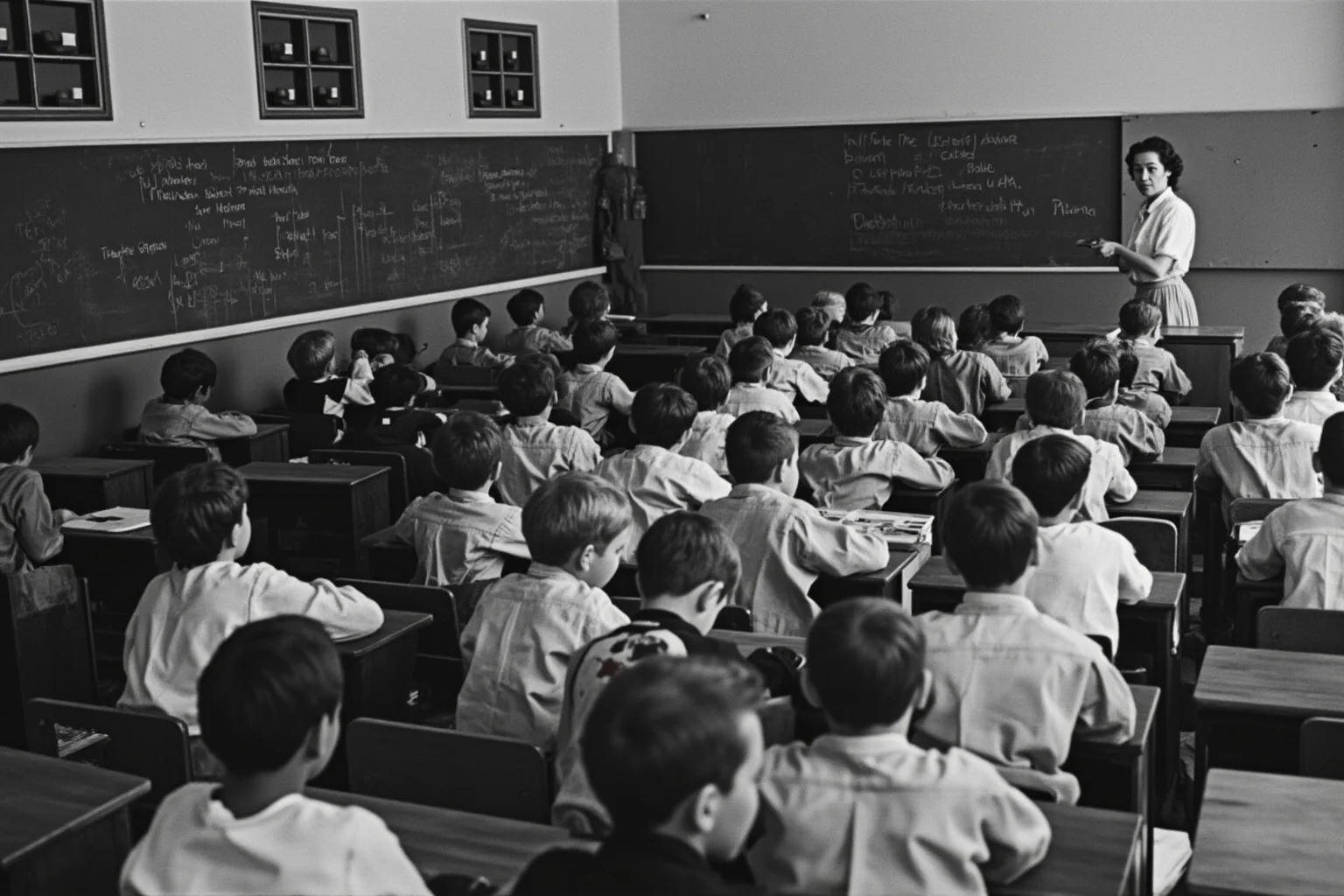
The first boomers entered first grade around 1951 and 1952, and school districts scrambled. Communities across the country built new schools at a rapid pace, and many used split shifts or crowded classrooms to cope. Teacher shortages were a persistent worry.
The pattern repeated at every stage, from high school to college admissions. Later, when enrollment fell in the 1970s, many districts closed buildings they had built a generation earlier. Boomers seemed to leave an institutional wave behind them wherever they went.
14. Polio Was a Real Childhood Fear
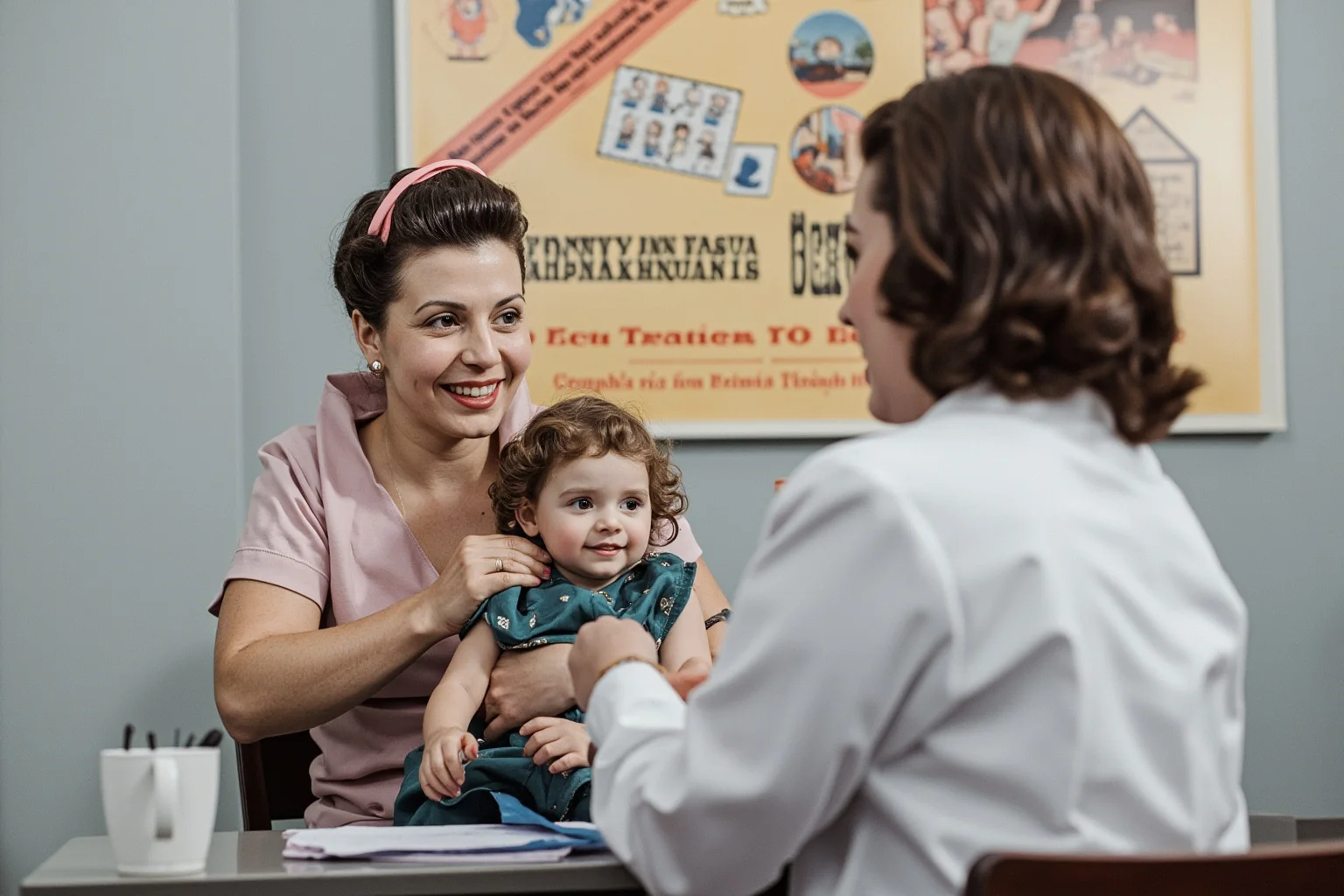
Boomer childhoods carried genuine health anxieties. The United States recorded about 58,000 polio cases in 1952, its worst year of the postwar period, and parents worried about swimming pools and crowds. Jonas Salk's vaccine was announced as effective on April 12, 1955.
Mass vaccination campaigns followed, and polio cases dropped dramatically within a few years. Boomers were among the first Americans to grow up with routine childhood vaccination. It's one of the quieter ways their experience differed from their parents'.
15. Television Raised the First "Kid Market"
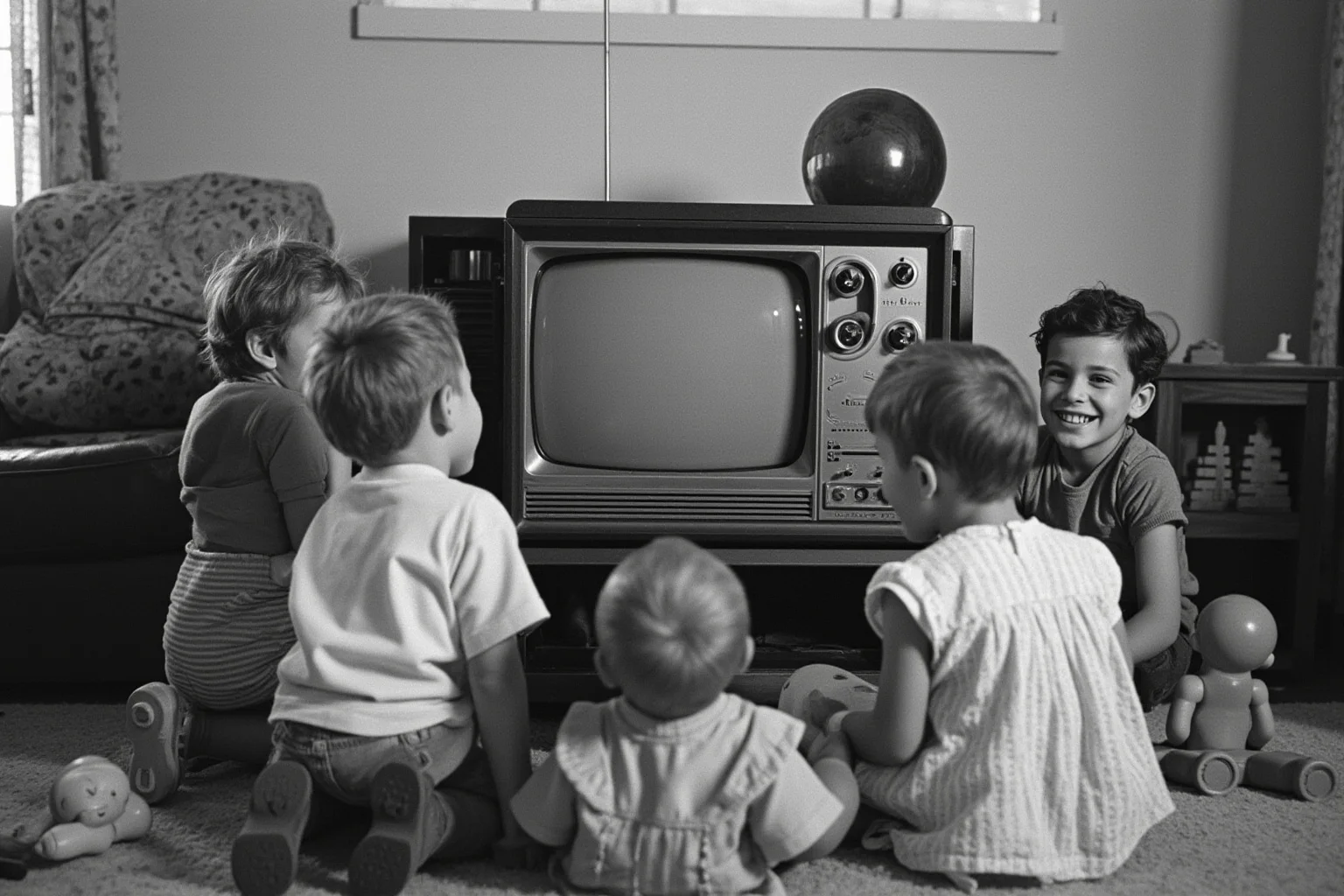
Television spread astonishingly fast. Fewer than one in ten U.S. households had a set in 1950, but roughly nine in ten did by 1960. Shows like Howdy Doody and The Mickey Mouse Club spoke directly to children, and Disneyland opened in 1955.
Advertisers quickly noticed that kids influenced family purchases. Fads like the Hula Hoop in 1958 spread nationwide in months. Marketing to young people became a permanent feature of American commerce.
16. Born in 1952? Fun Facts From a Peak Boom Year
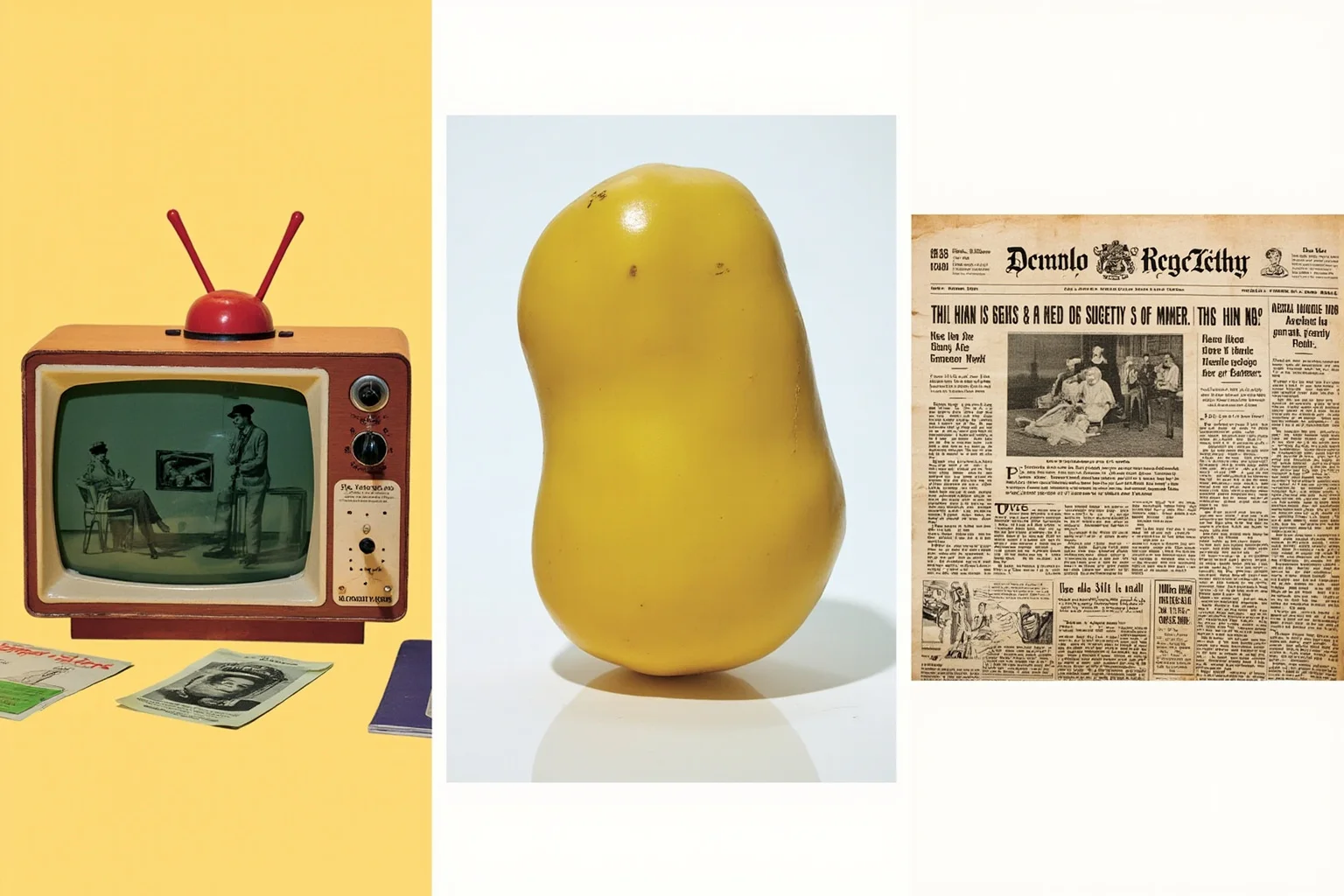
About 3.9 million babies were born in the United States in 1952, and that cohort is now in its early to mid 70s. That year Dwight Eisenhower won the presidency, Today debuted on NBC in January, and Elizabeth II became queen in February. Mr. Potato Head also went on sale and is widely cited as the first toy advertised on television.
It was also the peak polio year noted above, which shaped many family memories. If you're looking for born in 1952 fun facts, those headlines make a great starting point. Local newspapers from your birth month can add personal details.
17. Boomer Baby Names Were Remarkably Repetitive
Social Security Administration data shows that Linda held the top spot for girls in the late 1940s and early 1950s. For boys, names like James, Robert, John, and Michael dominated, with Michael taking the top spot in the mid-1950s. Big cohorts and shared naming traditions meant that classrooms often had several children with the same name.
This is a small detail, but it captures the scale of the boom. When millions of children arrive at once, even the most personal choices cluster into patterns. Name charts remain one of the easiest ways to see the generation's size.
What Effect Did the Baby Boom Have on the US?
18. It Powered a Consumer Economy
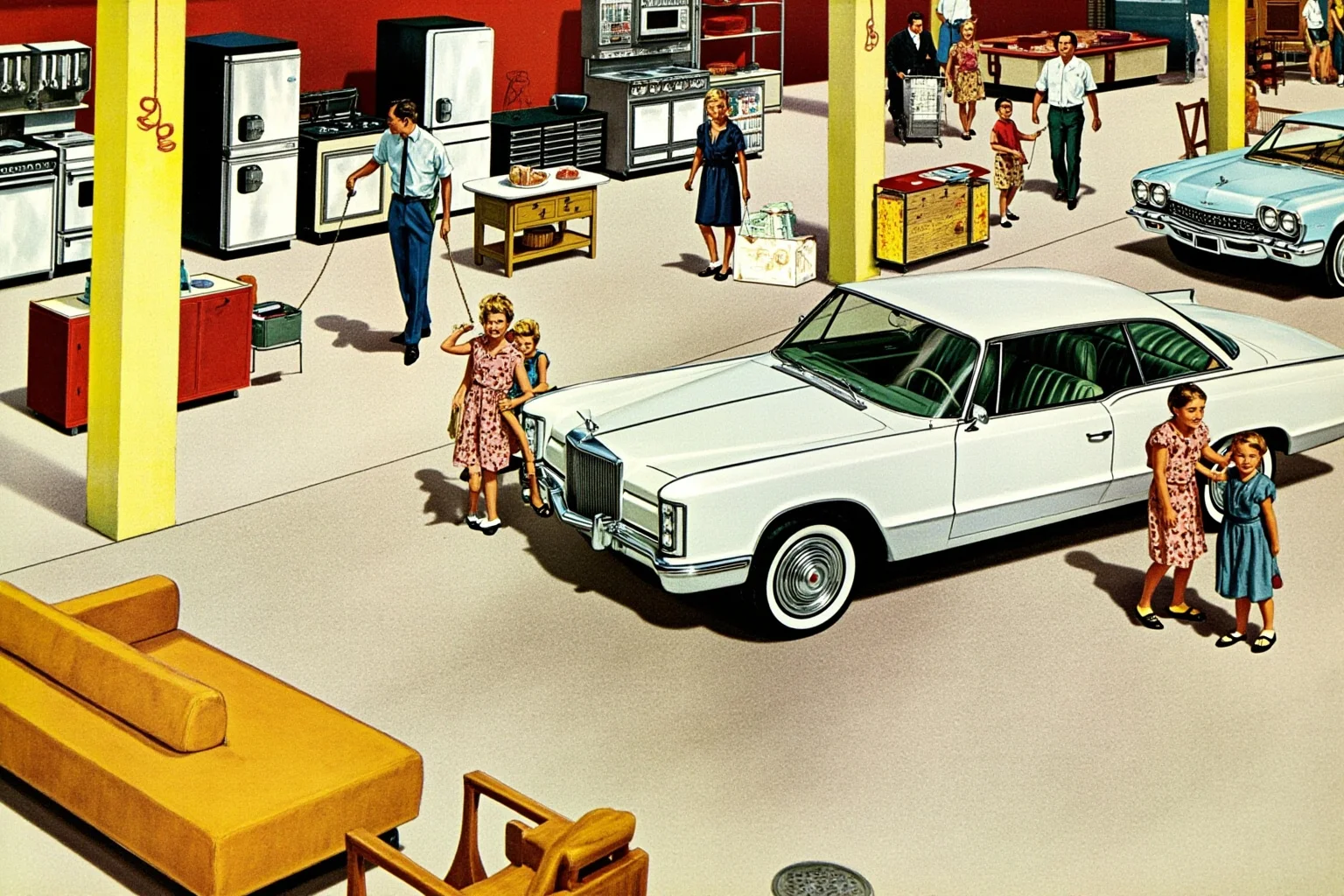
When people ask what effect did this boom have on the US, the economy is the first answer. New households needed homes, furniture, appliances, cars, clothing, and school supplies. Demand from growing families helped sustain postwar growth.
Historians caution against giving the boom all the credit. Prosperity and the boom fed each other, and it's hard to separate them cleanly. What's clear is that the generation's size shaped what businesses built and sold.
19. Youth Culture Became a Force
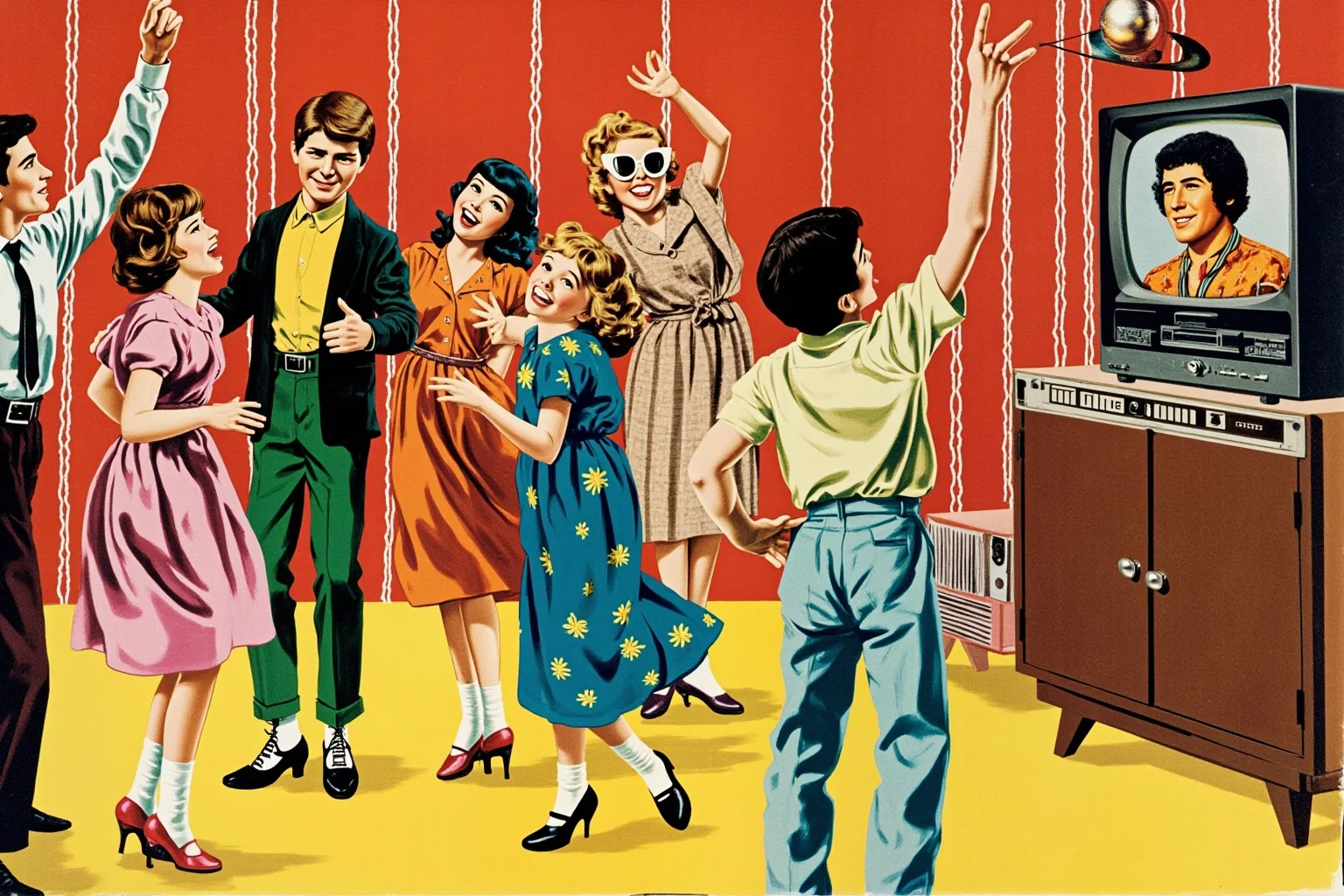
As boomers reached adolescence, teenagers became a recognized consumer and cultural group. Rock and roll, car culture, and fashion aimed at the young expanded rapidly. When the Beatles appeared on The Ed Sullivan Show on February 9, 1964, an estimated 73 million Americans tuned in.
That moment landed just as the oldest boomers turned 18. The generation's numbers made youth taste a major commercial and political factor. Pop culture in the 1960s grew louder partly because the audience was so large.
20. Not Every Boomer Was a Hippie
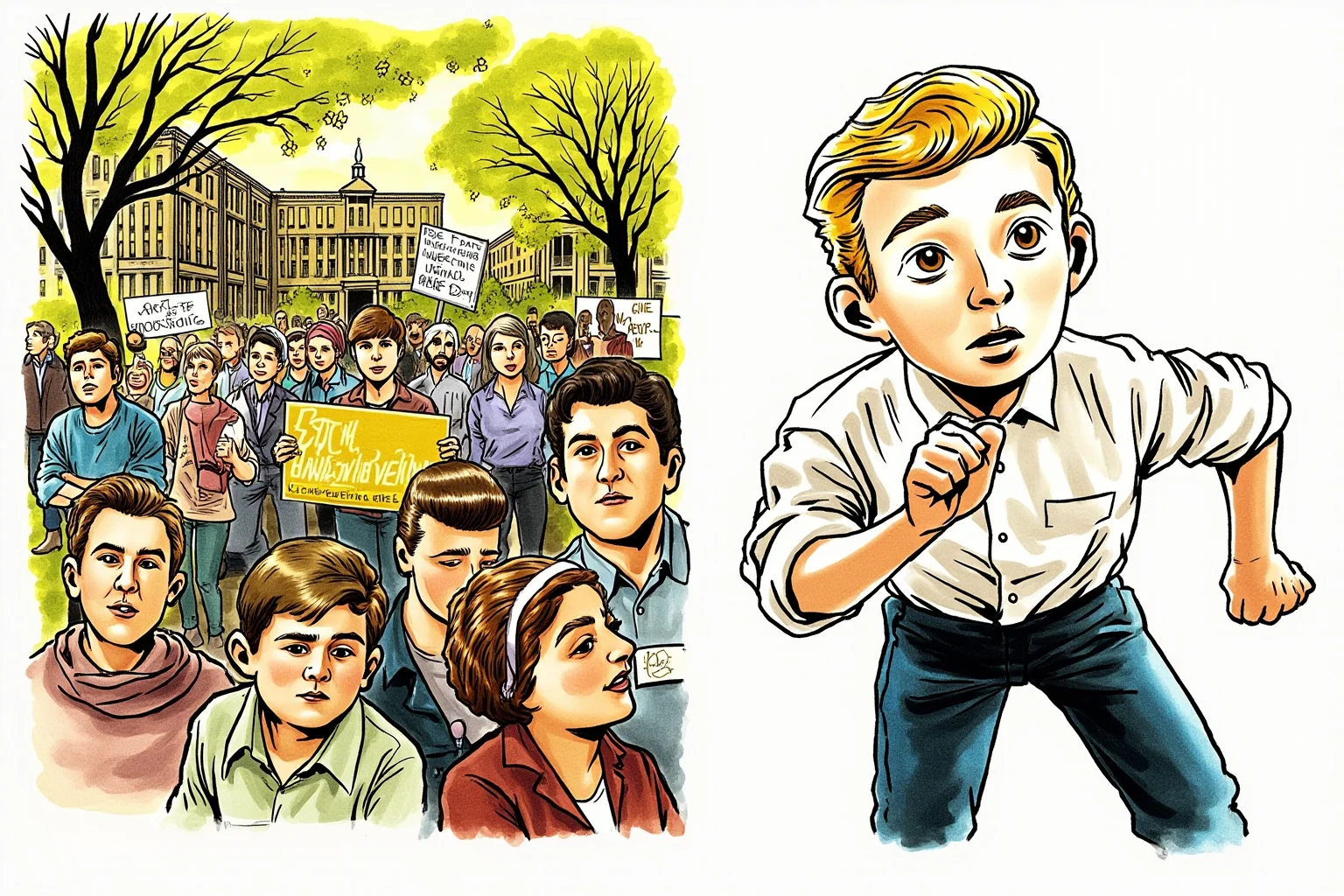
The counterculture and antiwar movements were real and influential. But the stereotype that the whole generation marched and tuned out is a myth. Most boomers were not on campuses, and many held conventional or conservative views.
Polling in the late 1960s often showed that younger Americans were not uniformly against the Vietnam War. Opinions varied by class, education, and region. The loudest voices of a generation rarely represent all of it.
21. The Draft Lottery and the Voting Age
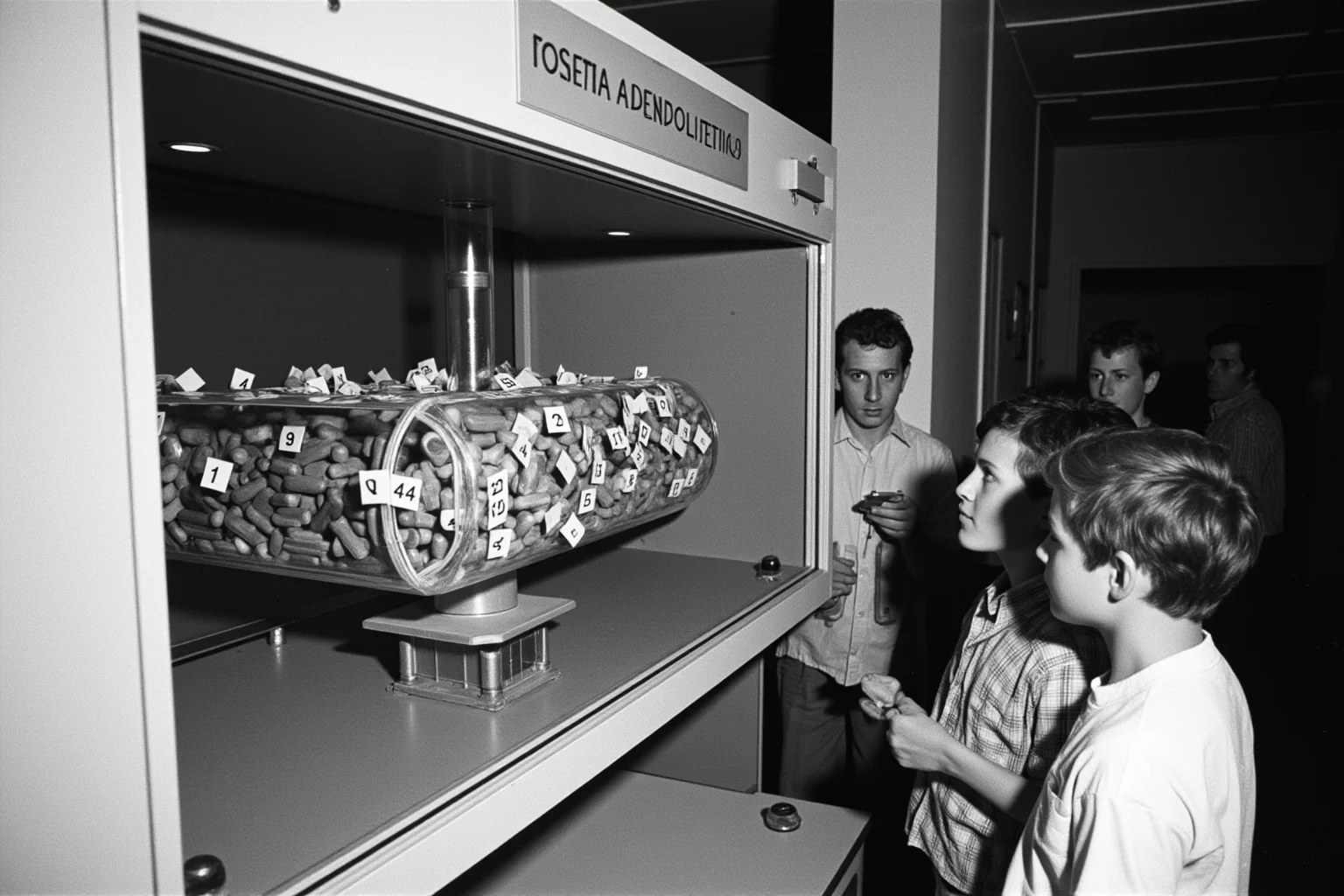
Vietnam made boomer birthdays a matter of national importance. The first draft lottery since World War II was held on December 1, 1969, and it ranked birth dates to set the order of induction. Many young men watched the drawing knowing the results could change their lives.
The argument that people old enough to be drafted should be old enough to vote helped build momentum for change. The 26th Amendment, ratified in 1971, lowered the national voting age to 18. Boomers' sheer numbers made them a political force.
22. The Boom Was Not Equally Shared
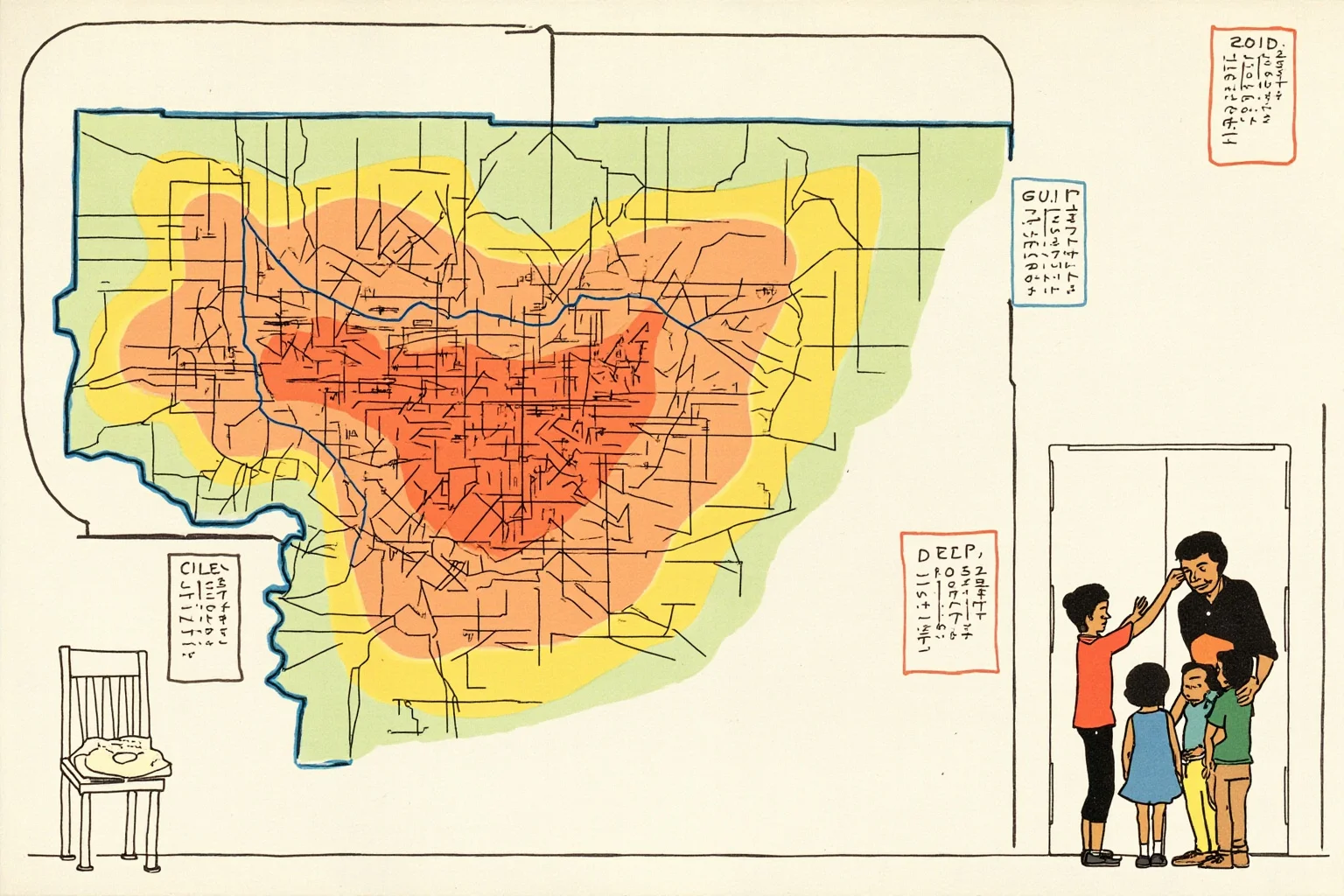
One of the most important baby boomer facts is that opportunity was uneven. Federal lending practices, including redlining, and restrictive covenants limited where many Black families could buy homes. Levittown's early sales contracts excluded non-white buyers.
GI Bill benefits were also harder for many Black veterans to use in practice, according to historians' research. Black families also had children in large numbers during these years, but they faced barriers that shaped wealth for generations. The "golden age" memory looks very different depending on who is remembering.
23. The 1950s Housewife Image Is Only Half the Story
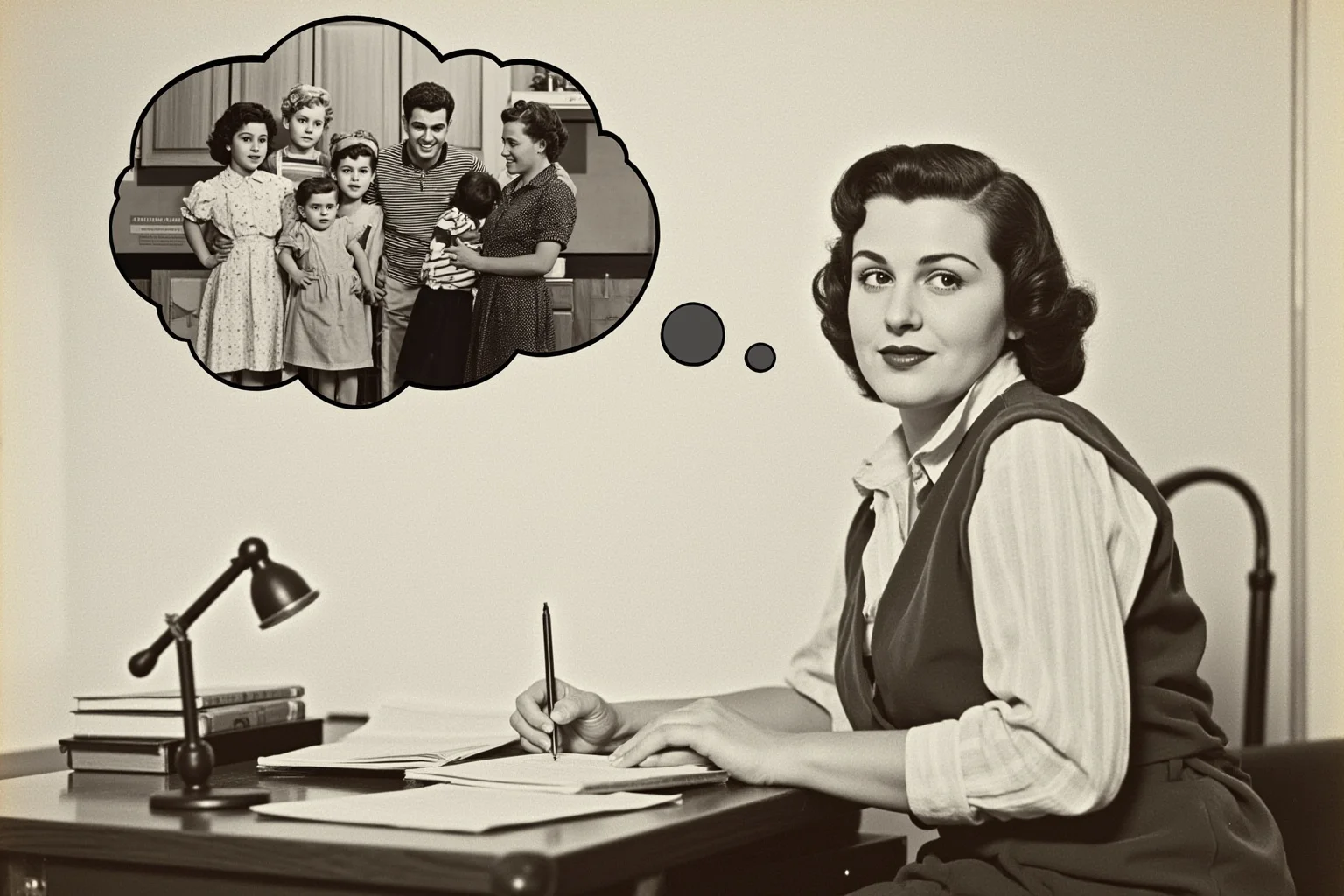
The popular picture of the boom years is a stay-at-home mother in a new suburban kitchen. Many women did leave paid work after marriage or childbirth. Yet women's labor force participation rose across the decade, from roughly a third in 1950 to nearly 40 percent by 1960.
Women were also asking hard questions about this arrangement. Betty Friedan's The Feminine Mystique appeared in 1963 and spoke to many middle-class women's frustrations. The era's reality was more complicated than the sitcom version.
24. The Boom Ended Before the Pill Could Take Credit
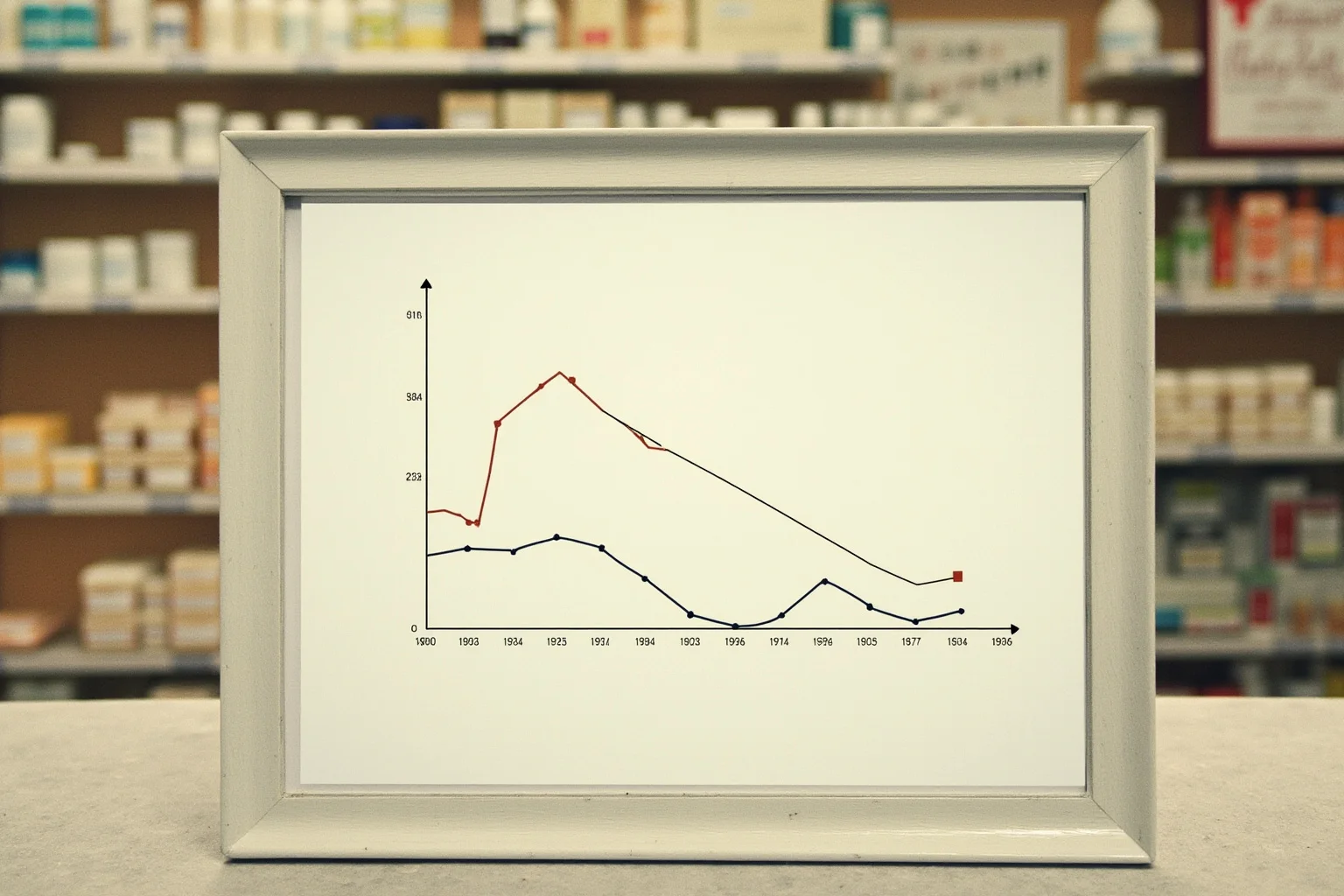
The fertility rate began falling after 1957, several years before the first birth control pill was approved by the FDA in 1960. Wider contraceptive access mattered later, but it did not start the decline. Rising education and employment for women, changing norms, and economic pressures also played roles.
By the mid-1970s, the U.S. fertility rate had dropped below replacement level, and annual births were around 3.1 million. The 1964 end date is therefore a convenient marker, not a sharp break. The shift was gradual and had many causes.
25. An Echo Boom and an Aging Wave Followed

Boomers' children, often called millennials, created an "echo" that pushed U.S. births to a record of about 4.3 million in 2007. Meanwhile, the oldest boomers turned 65 in 2011, and by 2030 all boomers will be over 65. Census estimates from the late 2010s counted more than 70 million boomers still living in the U.S.
This aging has intensified debates about Social Security, Medicare, retirement savings, and caregiving. The shift from traditional pensions toward 401(k)-style plans means boomers' financial situations vary widely. The generation that once strained schools now shapes health care and retirement policy.
Why Baby Boom History Still Matters
The baby boom shows how a demographic wave can reshape everything from classrooms to elections. It also shows how easy it is to flatten a diverse generation into a stereotype. The best baby boom history keeps both the big numbers and the individual stories in view.
If you want to experience the baby boomer generation beyond the statistics, start close to home. Oral-history projects, local archives, and conversations with family members can reveal details no chart can capture. Ask what they remember, and you may learn something no textbook includes.
Frequently Asked Questions
When was the baby boom?
The U.S. baby boom is conventionally dated from 1946 to 1964, the range used by the Census Bureau and Pew Research Center. Births actually began rising in the early 1940s and peaked in 1957 at about 4.3 million. The end date is a convention, since fertility started falling in the late 1950s and declined gradually.
What caused the baby boom?
There was no single cause. Families delayed by the Depression and World War II caught up, Americans married younger, the economy grew, and the GI Bill and federal mortgage programs made homeownership easier. Suburban growth and a culture that celebrated family life also contributed, and scholars still debate how much weight each factor deserves.
Why did the baby boom happen after World War II?
Returning veterans, early marriages, and postwar prosperity all pushed births upward. But births were already rising during the war, so demobilization amplified a trend rather than starting it. Completed family sizes also grew, which means catch-up from delayed births doesn't fully explain the boom.
How many babies were born during the baby boom?
The Census Bureau counts roughly 76 million U.S. births between 1946 and 1964. Annual births peaked at about 4.3 million in 1957. From the mid-1950s into 1964, births stayed above 4 million per year.
What effect did the baby boom have on the US?
It fueled demand for housing, schools, cars, and consumer goods, and it expanded suburbs. Later, the generation's size influenced youth culture, politics, the draft and voting age debates, and now retirement and health care policy. Its effects were not shared equally, since discrimination in housing and lending limited opportunities for many Black families.
Did the baby boom happen in other countries?
Yes. Canada, Australia, New Zealand, the UK, France, and other countries saw postwar increases in births, though timing and size differed. Japan's boom was much shorter, concentrated in roughly 1947 to 1949.

Alex Warren
Related Articles