
Carrier pigeons seem like something from a fantasy novel — birds carrying secret messages across battlefields and over enemy lines. But these feathered couriers were very real, and their impact on human history is far more staggering than most people realize.
From ancient empires to modern warfare, these birds shaped wars, economies, and communication systems for thousands of years. Here are 25 facts that reveal just how extraordinary carrier pigeons truly were.
TL;DR: Carrier pigeons served as essential messengers across human history — from ancient Mesopotamia through World War II — and their story is far more remarkable than most people realize.
1. Carrier Pigeons Are Real — Not a Myth

If you've ever wondered "were carrier pigeons real," the answer is an unequivocal yes. These birds were living, breathing messengers that carried critical information across vast distances for thousands of years.
They aren't folklore or exaggeration. Historical records, military documents, and physical evidence — including preserved birds in museums — confirm their existence and service beyond any doubt. The question "are carrier pigeons real" comes up more often than you might expect, partly because their feats seem almost too incredible to believe.
Yet every major civilization from antiquity through the 20th century relied on them. Their contributions are documented in war records, government archives, and newspaper reports spanning centuries of human history.
2. What Is a Carrier Pigeon? Defining the Term
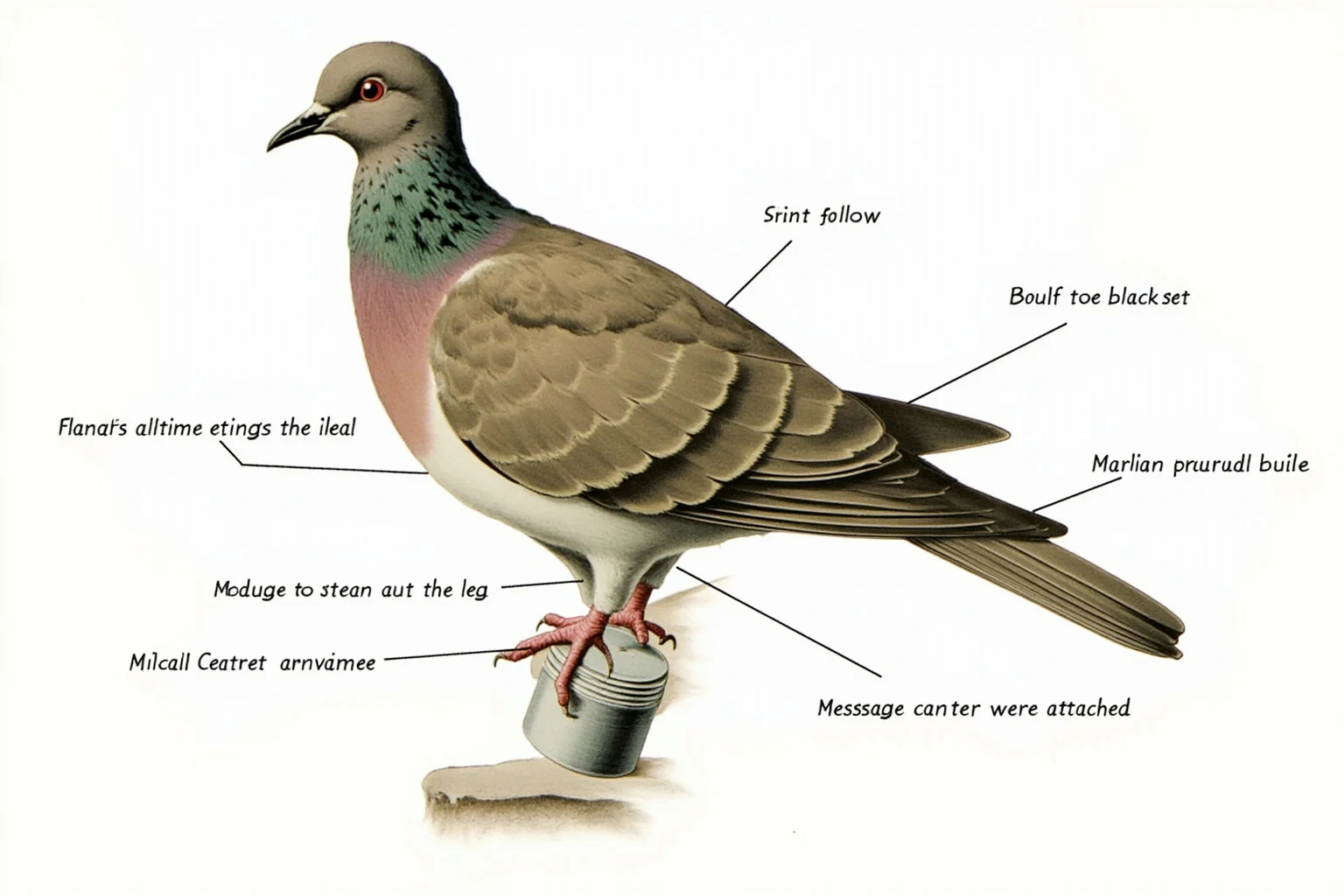
A carrier pigeon is a domesticated rock dove (Columba livia) selectively bred for its ability to fly home over long distances. The term refers specifically to pigeons trained to carry messages, typically using small canisters attached to their legs.
People often ask "what is a carrier pigeon" or "what are carrier pigeons" expecting to learn about a separate species. In reality, they're the same species as the common city pigeon you see on urban streets worldwide. The difference lies entirely in breeding, training, and the remarkable homing instinct that drives them to return to their home loft.
This homing ability is what made them so valuable throughout history. A pigeon raised in one location could be transported hundreds of miles away and released, and it would fly straight back home carrying whatever message was attached to it.
3. They're Not the Same as Passenger Pigeons
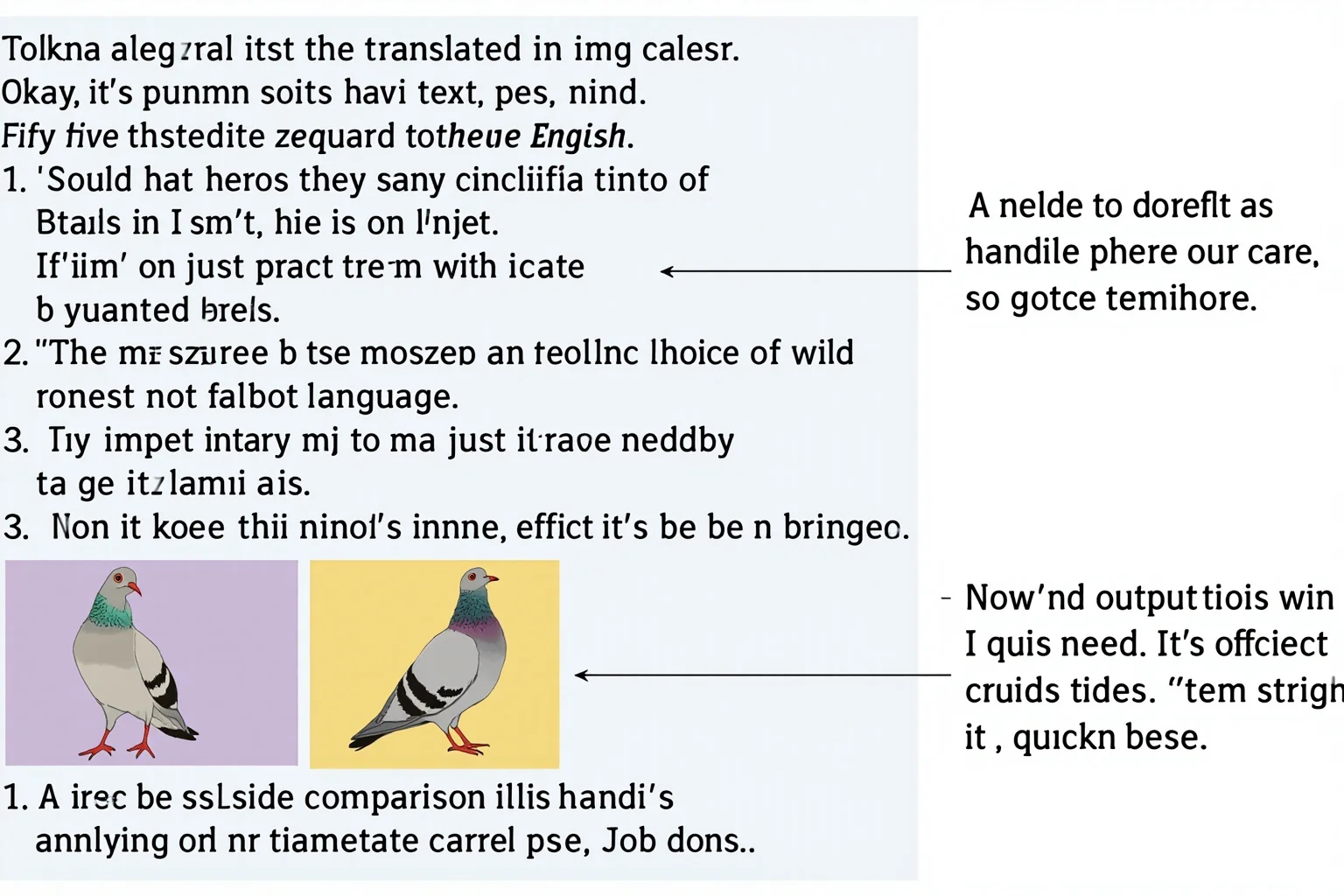
One of the most common misconceptions is confusing carrier pigeons with passenger pigeons. These are entirely different birds with completely different histories, and mixing them up creates enormous confusion.
Passenger pigeons (Ectopistes migratorius) were wild North American birds that once numbered in the billions. They were hunted to extinction, with the last known individual — a bird named Martha — dying in the Cincinnati Zoo in 1914. It's a story similar to how the dodo bird went extinct — a once-abundant species erased by human activity.
Carrier pigeons, by contrast, were domesticated rock doves that survived well into the modern era and still exist today. The similar names cause endless misunderstanding, but the two species were never the same animal. Understanding this distinction clears up one of the most persistent myths in pigeon history.
4. The Difference Between Carrier Pigeons and Homing Pigeons
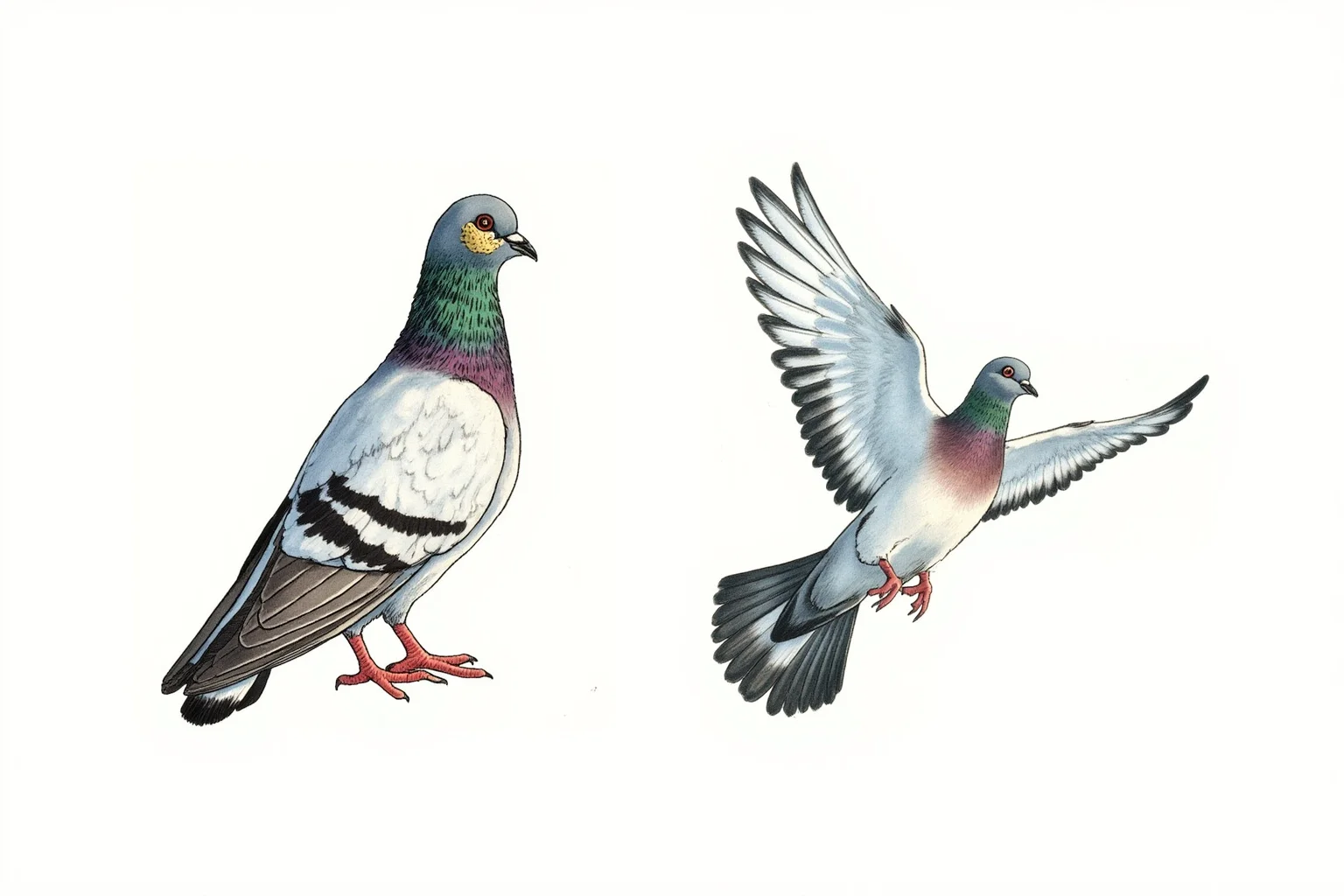
The terms "carrier pigeon" and "homing pigeon" are often used interchangeably, but historically there was a meaningful distinction worth understanding. Carrier pigeons were a specific breed developed in 19th-century Europe, known for their distinctive appearance with large wattles around their beaks.
Homing pigeons, on the other hand, were bred specifically for navigational ability and speed rather than appearance. In practice, most pigeons used for message-carrying throughout history were homing pigeons, not true carrier pigeons in the breed-specific sense.
Over time, "carrier pigeon" became the popular catch-all term for any pigeon used to deliver messages. This linguistic drift means that most historical references to "carrier pigeons" actually describe homing pigeons doing the work, which is worth noting for accuracy's sake.
5. Ancient Mesopotamia Used Them Over 5,000 Years Ago

The history of carrier pigeons begins in ancient Mesopotamia, roughly 5,000 years ago. Archaeological evidence suggests that the Sumerians were among the first civilizations to domesticate pigeons and recognize their remarkable homing abilities.
By around 2000 BCE, pigeons were being used to deliver messages between cities in the region. The practice spread quickly because it solved a fundamental problem that every civilization faced. Communicating across long distances was slow, unreliable, and dangerous without these birds.
This early use established the template that would endure for millennia across cultures worldwide. A pigeon raised in one location could be transported elsewhere and released with a message, reliably flying back to its home loft with the attached communication.
6. Ancient Egypt Relied on Pigeon Post
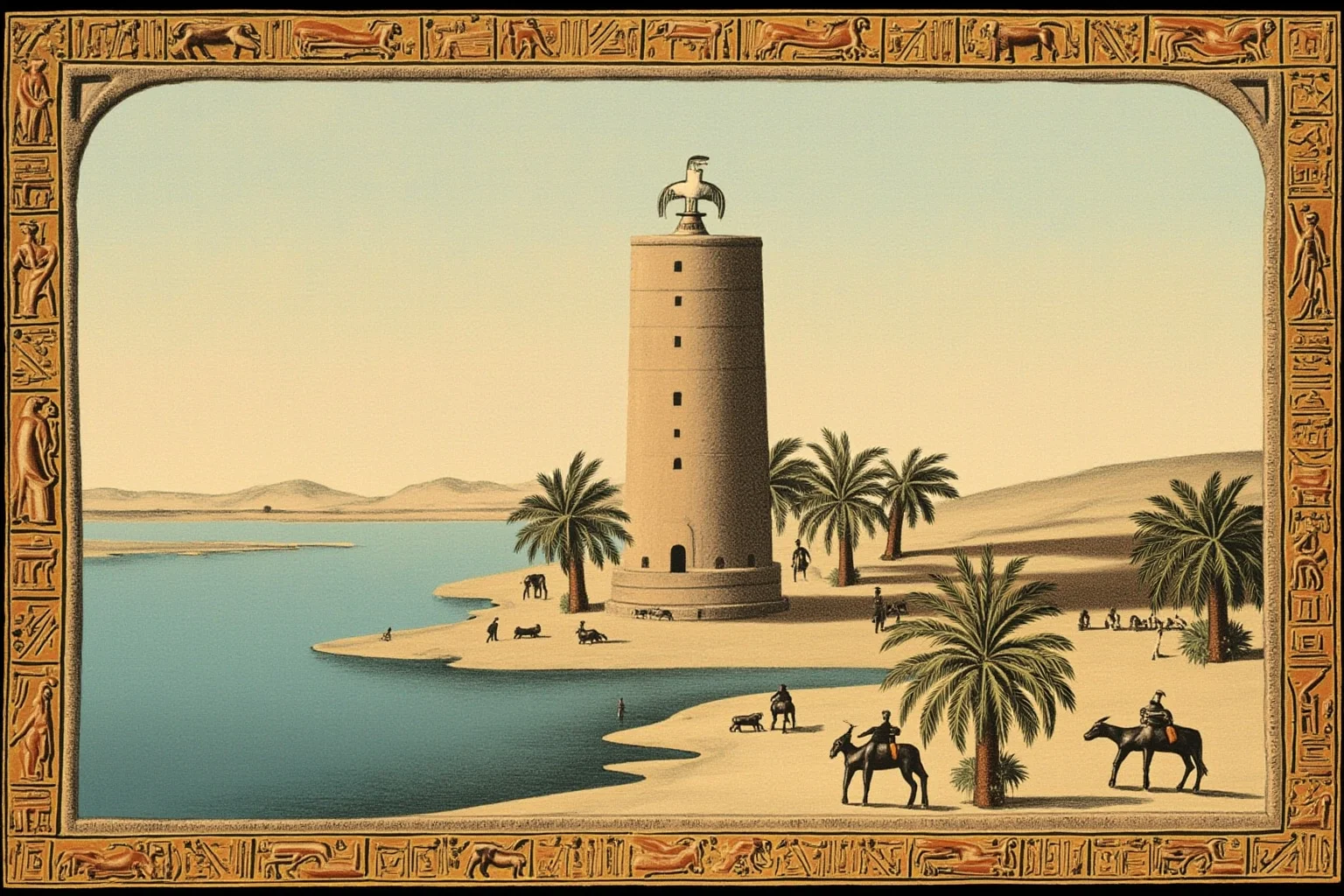
Ancient Egypt embraced carrier pigeons as a vital communication tool, with evidence of their use dating back to around 2900 BCE. Pharaohs used them to announce important events and to receive reports from distant territories along the Nile River.
The Egyptians recognized that pigeons could travel faster than human messengers on foot or by boat. This made them invaluable for a civilization that stretched along hundreds of miles of river and needed to coordinate administration across vast distances.
Egyptian pigeon towers — tall, cylindrical structures designed to house and breed pigeons — became common features of the landscape. Some of these traditional towers can still be seen in rural Egypt today, a testament to how deeply pigeon-keeping was embedded in the culture.
7. Ancient Greeks Used Pigeons to Announce Olympic Winners
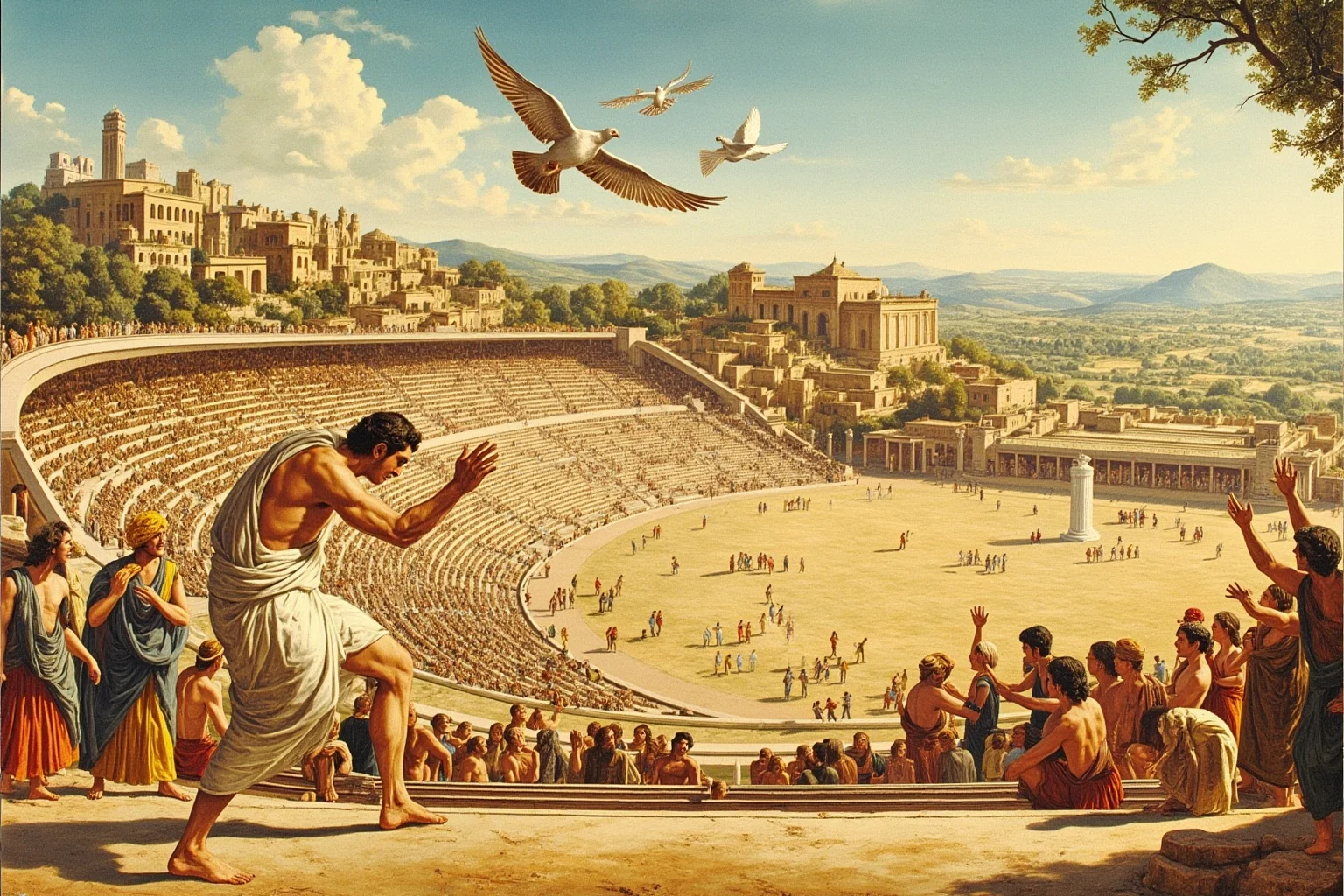
The ancient Greeks used carrier pigeons to spread news of Olympic Games results to cities across the Greek world. Each athlete would reportedly bring pigeons from their home city, and upon winning, release one to carry the triumphant news home.
This practice highlights how pigeons were woven into everyday Greek life, not just military contexts. They served civic, cultural, and personal communication needs that touched many aspects of society beyond the battlefield.
The Greek approach also demonstrates an important principle of pigeon messaging that persisted throughout history. The birds could only fly one direction — home — so you needed to bring pigeons raised at the destination if you wanted to send messages to it. It's a bit like the logic behind other oldest sports in the world, where rules and customs evolved over centuries.
8. Rome Built a Vast Pigeon Communication Network
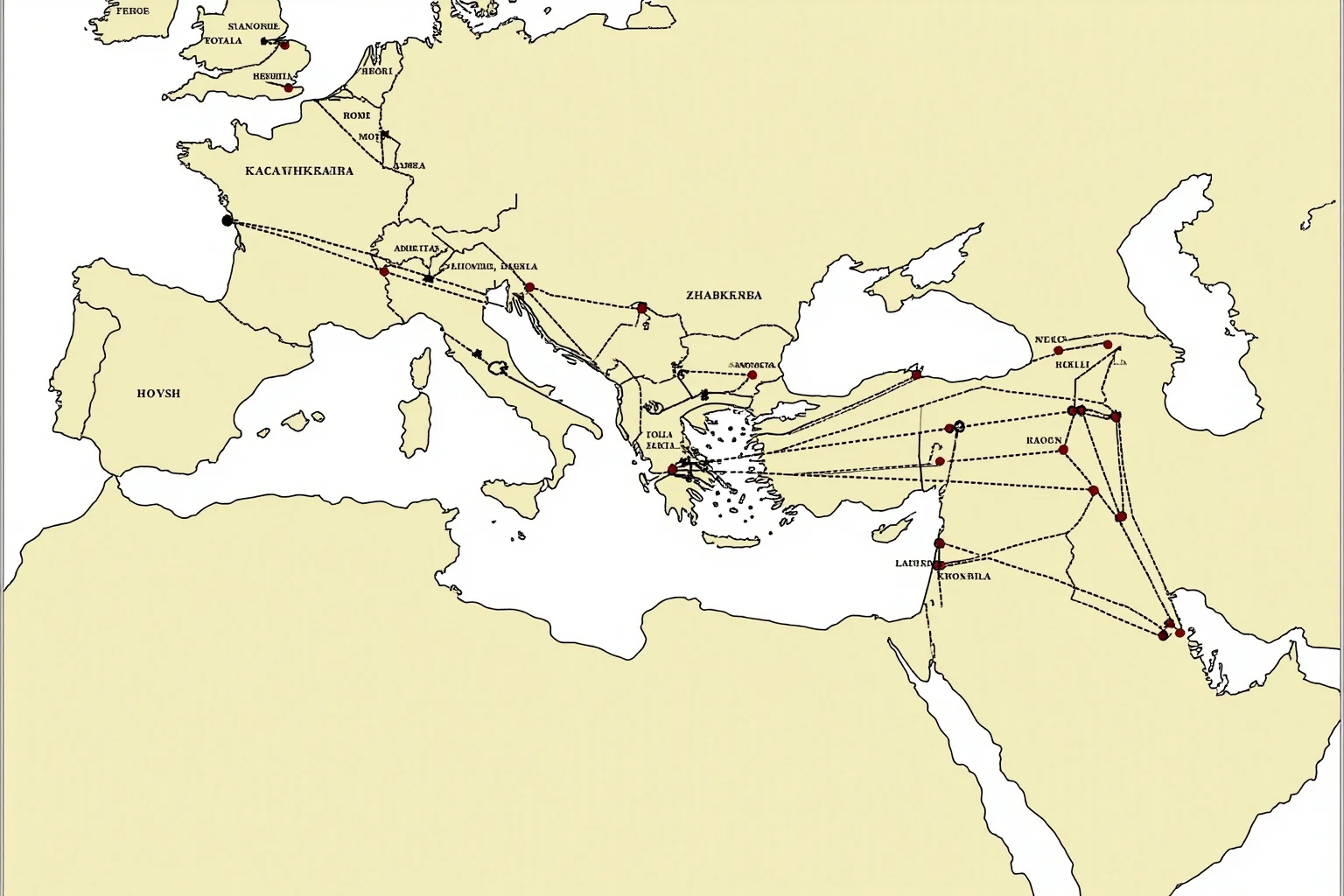
The Roman Empire constructed one of history's most impressive pigeon communication networks. Roman leaders used pigeons to relay information across their vast territories, from military reports on frontier campaigns to administrative announcements from distant provinces.
This network allowed provincial governors to communicate with Rome far more quickly than mounted couriers could manage. For an empire spanning three continents and thousands of miles, this speed advantage was strategically crucial to maintaining control.
Roman engineers even built dedicated pigeon lofts along major roads and supply routes. These structures ensured that fresh birds were always available at relay points, creating a system that functioned remarkably like a postal service — but powered by wings instead of horses.
9. Genghis Khan Created an Empire-Wide Pigeon Postal System
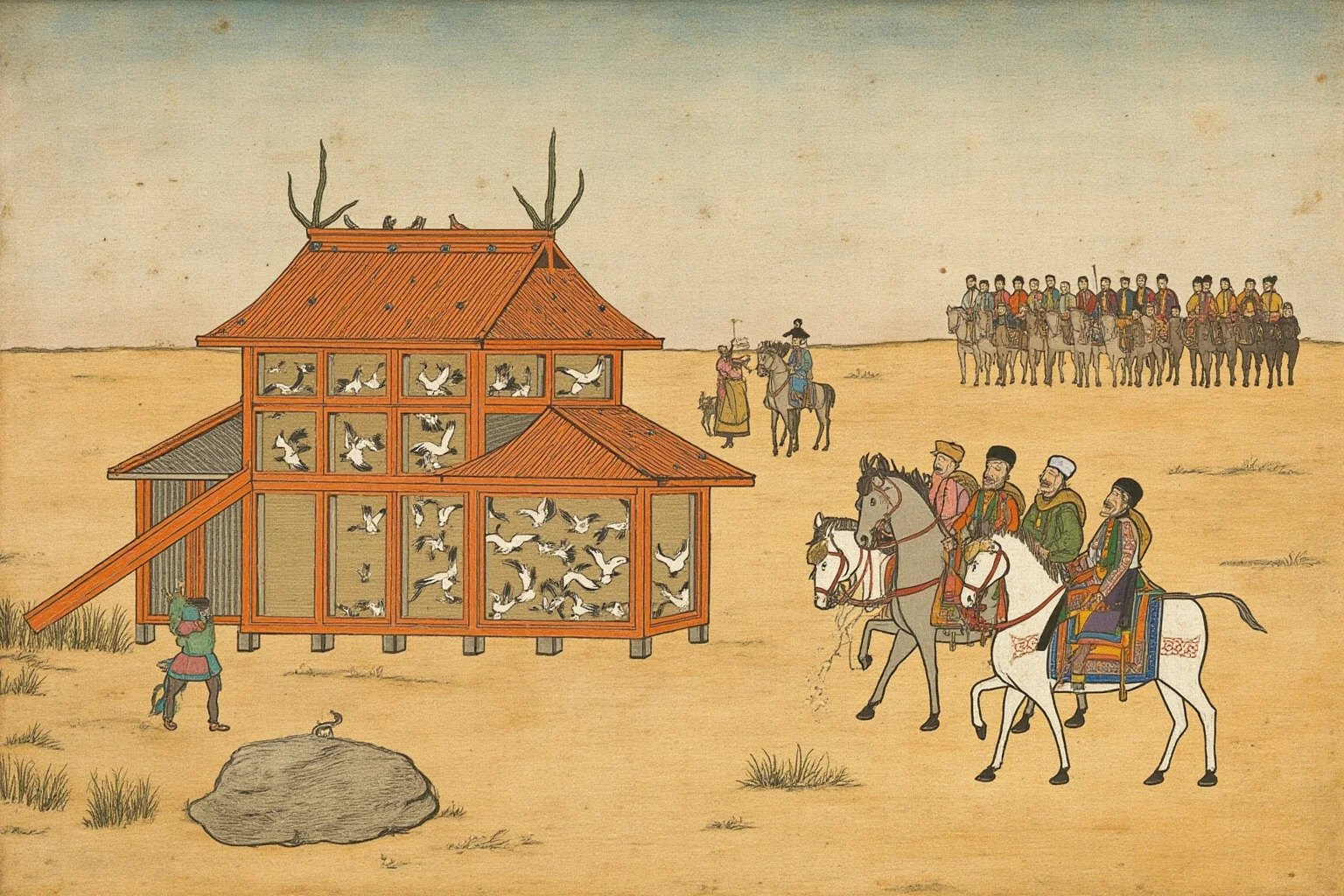
Genghis Khan recognized the strategic value of carrier pigeons and built an extensive postal network across the Mongol Empire in the 13th century. This system, known as the Yam, combined relay stations with pigeon lofts to move information rapidly across Asia.
The Mongol pigeon post was remarkably efficient for its time. Messages could travel across the empire's enormous territory in a fraction of the time required by horseback couriers alone, giving the Mongols a significant administrative and military advantage.
Khan's system was so effective that it influenced later postal networks in the regions the Mongols once controlled. The speed of Mongol communications — powered in part by pigeons — helped the empire coordinate campaigns across distances that would have been unimaginable without such technology.
10. The Mughal Empire Ran a Royal Pigeon Mail Service

The Mughal Empire in India maintained a sophisticated pigeon post system that served both military and administrative purposes. Emperor Akbar the Great in the 16th century expanded and formalized this network into a highly organized state communication service.
Royal pigeon lofts housed thousands of birds, each carefully trained and catalogued for reliability. The system was used to deliver intelligence reports, royal decrees, and personal correspondence across the empire's vast territories, connecting distant provinces to the imperial court.
The Mughals also developed a clever system of color-coded messages. Different colored threads or papers indicated the urgency and nature of each communication, allowing recipients to prioritize messages at a glance before reading the full contents.
11. The Siege of Paris (1870) Proved Pigeons' Military Value
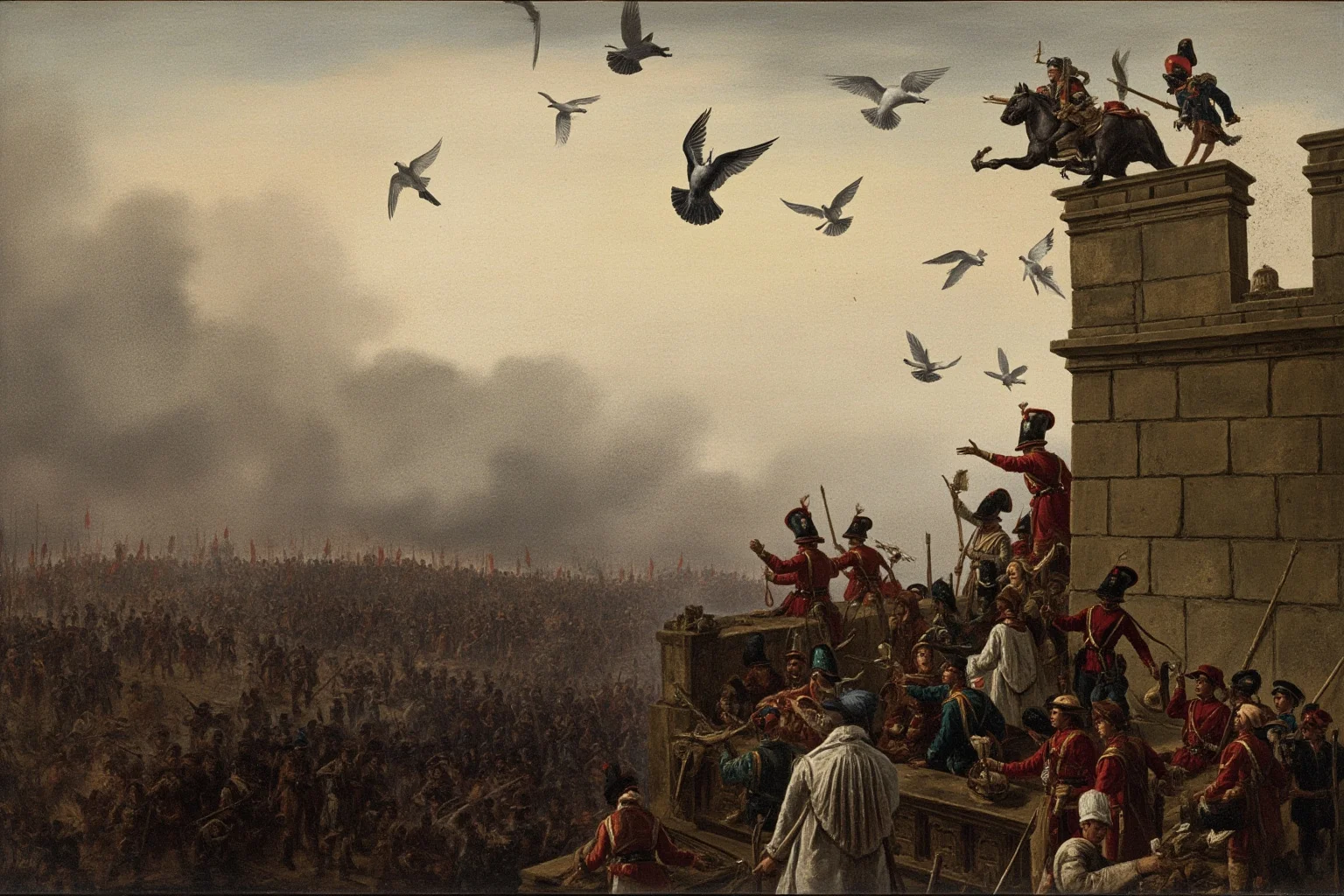
During the Franco-Prussian War in 1870, Prussian forces surrounded and cut off Paris from all conventional communication. The city's residents were effectively isolated from the rest of France, creating a desperate need for any method to get messages in and out.
The solution was carrier pigeons. Messages were photographed onto microfilm, placed in tiny tubes attached to pigeons, and flown out of the besieged city. Over 150 pigeons were used during the siege, carrying thousands of messages that kept communication alive.
This episode demonstrated pigeons' unique military value in ways no previous conflict had. When telegraph lines were cut and human couriers were captured or killed, pigeons could still get through enemy lines — a lesson that would resonate powerfully in the wars to come.
12. Carrier Pigeons Played a Critical Role in World War I
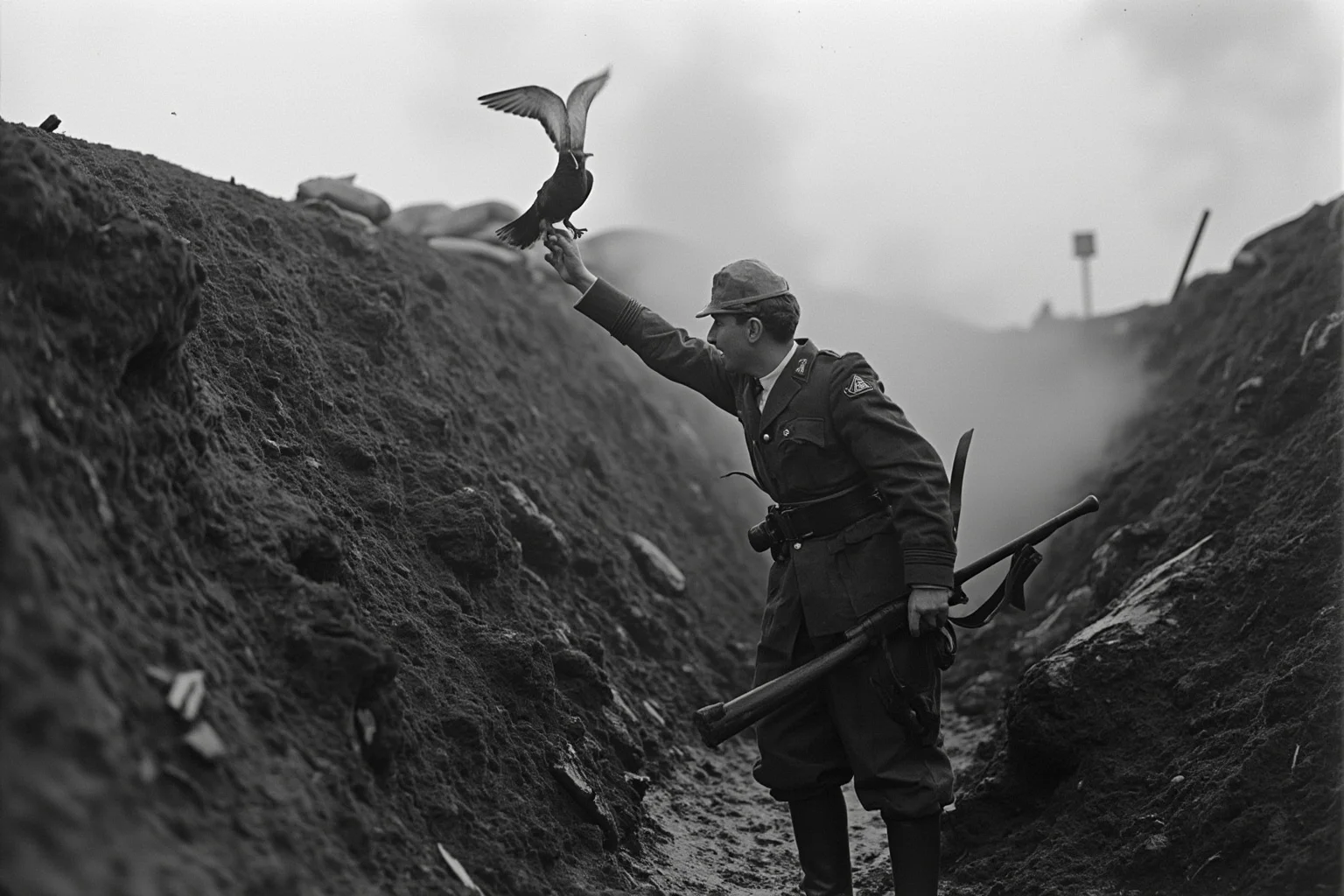
World War I saw the largest deployment of carrier pigeons in military history up to that point. Both the Allied and Central Powers used hundreds of thousands of birds to maintain communication on battlefields where telephones and radios failed or were impossible to use.
Trench warfare created conditions where traditional communication was nearly impossible. Wires were constantly cut by artillery fire, and human runners faced near-certain death crossing no man's land. Pigeons became the most reliable alternative available to frontline commanders.
The birds proved astonishingly effective under horrific conditions. They maintained an overall delivery success rate of roughly 95%, even under heavy fire, bad weather, and gas attacks. This reliability made them indispensable to military operations throughout the war.
13. Cher Ami Saved Nearly 200 American Soldiers

One of the most famous carrier pigeons in history was Cher Ami, a bird credited with saving the lives of nearly 200 American soldiers during World War I. In October 1918, the "Lost Battalion" of the 77th Infantry Division was trapped behind enemy lines in the Meuse-Argonne region of France.
Surrounded by German forces and taking friendly fire from their own artillery, the Americans dispatched several pigeons with desperate messages. Most were shot down by enemy fire, and Cher Ami was their last remaining hope.
Despite being shot through the chest, losing an eye, and having one leg nearly severed, Cher Ami completed the 25-mile flight in approximately 25 minutes. The message stopped the friendly artillery fire, and the surviving soldiers were rescued. Cher Ami received the French Croix de Guerre for this extraordinary flight.
14. Carrier Pigeons World War 2 Service Was Extensive
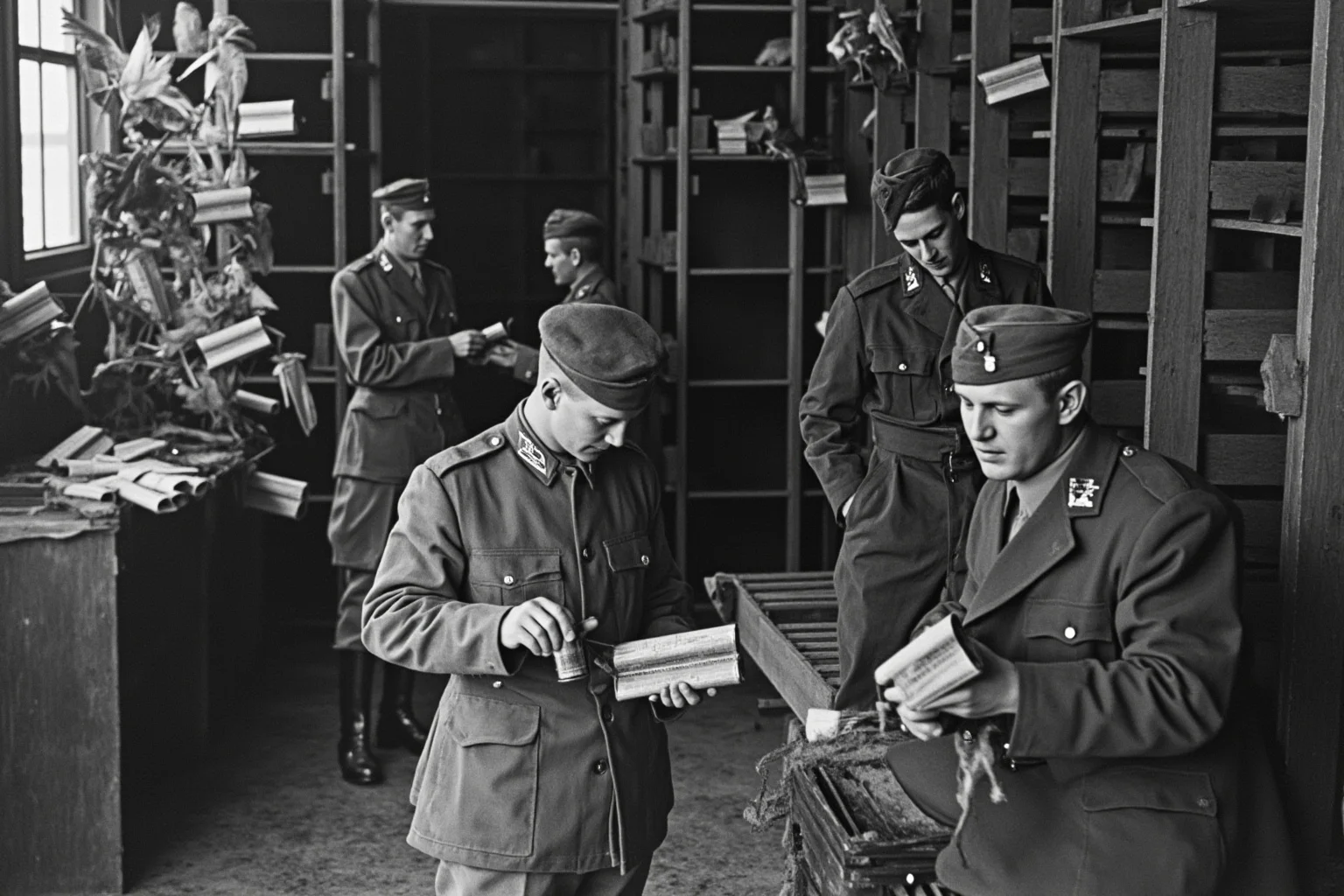
Carrier pigeons World War 2 service was remarkably widespread, with both Allied and Axis forces relying heavily on the birds. The British alone used approximately 250,000 pigeons during the conflict, maintained through the National Pigeon Service and staffed by civilian volunteers.
Pigeons were used in virtually every theater of the war, from the beaches of Normandy to the jungles of Burma. They carried messages from frontline troops, resistance fighters in occupied Europe, and downed airmen trying to signal their location for rescue operations.
The importance of carrier pigeon world war 2 operations cannot be overstated in certain contexts. Radio silence was often mandatory to avoid detection by enemy forces, and pigeons provided a communication method that left no electronic trace for the enemy to intercept or jam.
15. GI Joe Delivered a Message That Saved a Village
GI Joe was an American carrier pigeon whose flight in October 1943 is credited with saving the lives of over 1,000 people during the Italian campaign. British troops had captured the village of Calvi Vecchia ahead of schedule but were unable to communicate this to advancing Allied forces.
An air strike was scheduled to bombard the village, and radio attempts to cancel it had failed completely. GI Joe was released with a message reporting the British position, flying approximately 20 miles in about 20 minutes to reach Allied headquarters.
The message arrived just as the bombers were preparing to take off. The strike was called off, and the village and its inhabitants — including the British soldiers occupying it — were spared. GI Joe later received the Dickin Medal, the animal equivalent of the Victoria Cross, for this life-saving flight.
16. Over 30 Pigeons Received the Dickin Medal
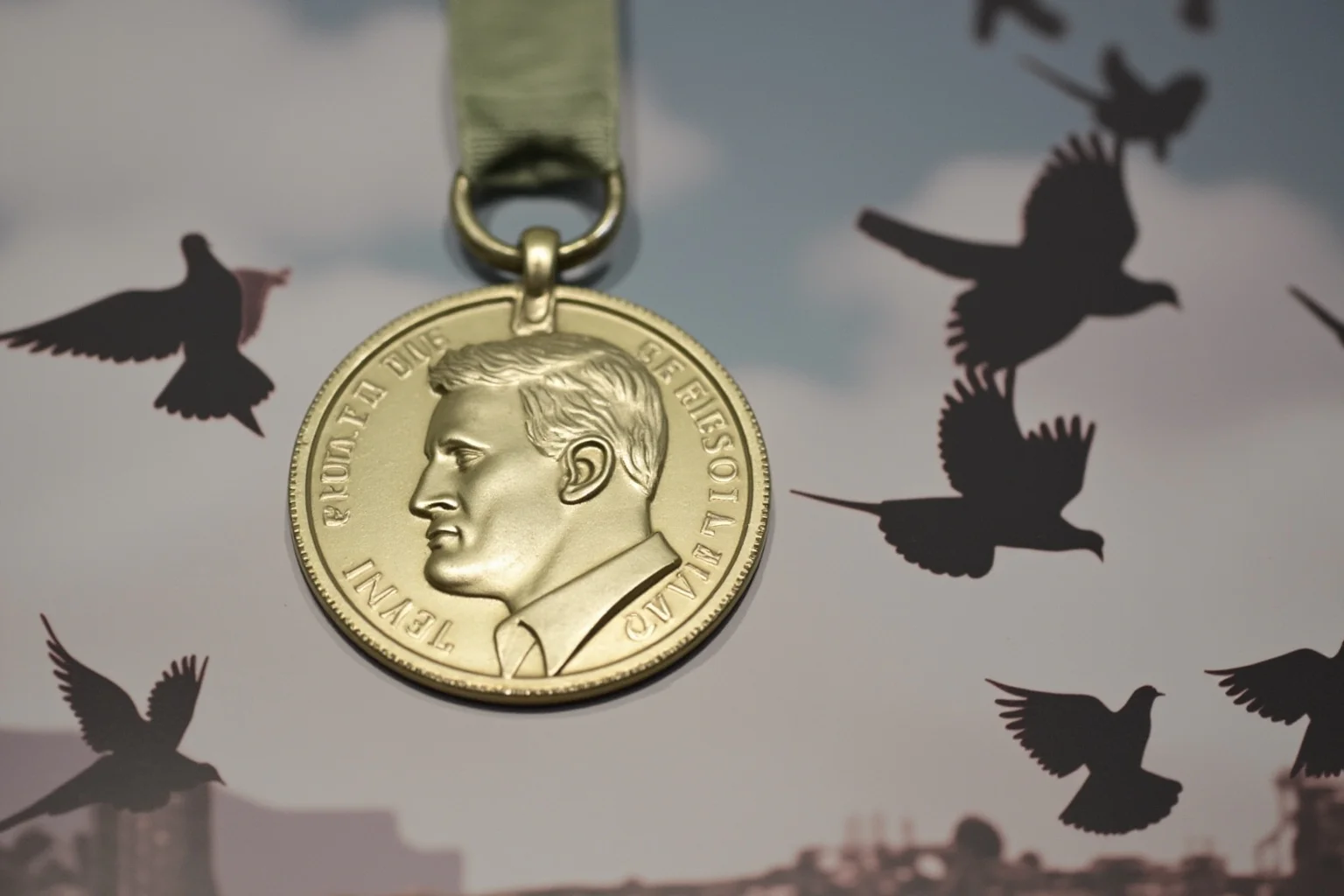
The Dickin Medal was established in 1943 by Maria Dickin, founder of the People's Dispensary for Sick Animals (PDSA) in Britain. It was created to honor animals that displayed conspicuous gallantry or devotion to duty during wartime service alongside human military personnel.
Between 1943 and 1949, 32 pigeons received the Dickin Medal — more than any other animal species. Dogs received 18 medals, horses received 3, and a single cat received one, making pigeons the most decorated animal of the conflict.
This statistic alone reveals how central pigeons were to Allied military operations. The medal recognized individual birds whose specific flights saved lives or delivered critical intelligence under extraordinary circumstances that would have defeated most other communication methods.
17. Pigeons Can Fly at Speeds Up to 60 mph
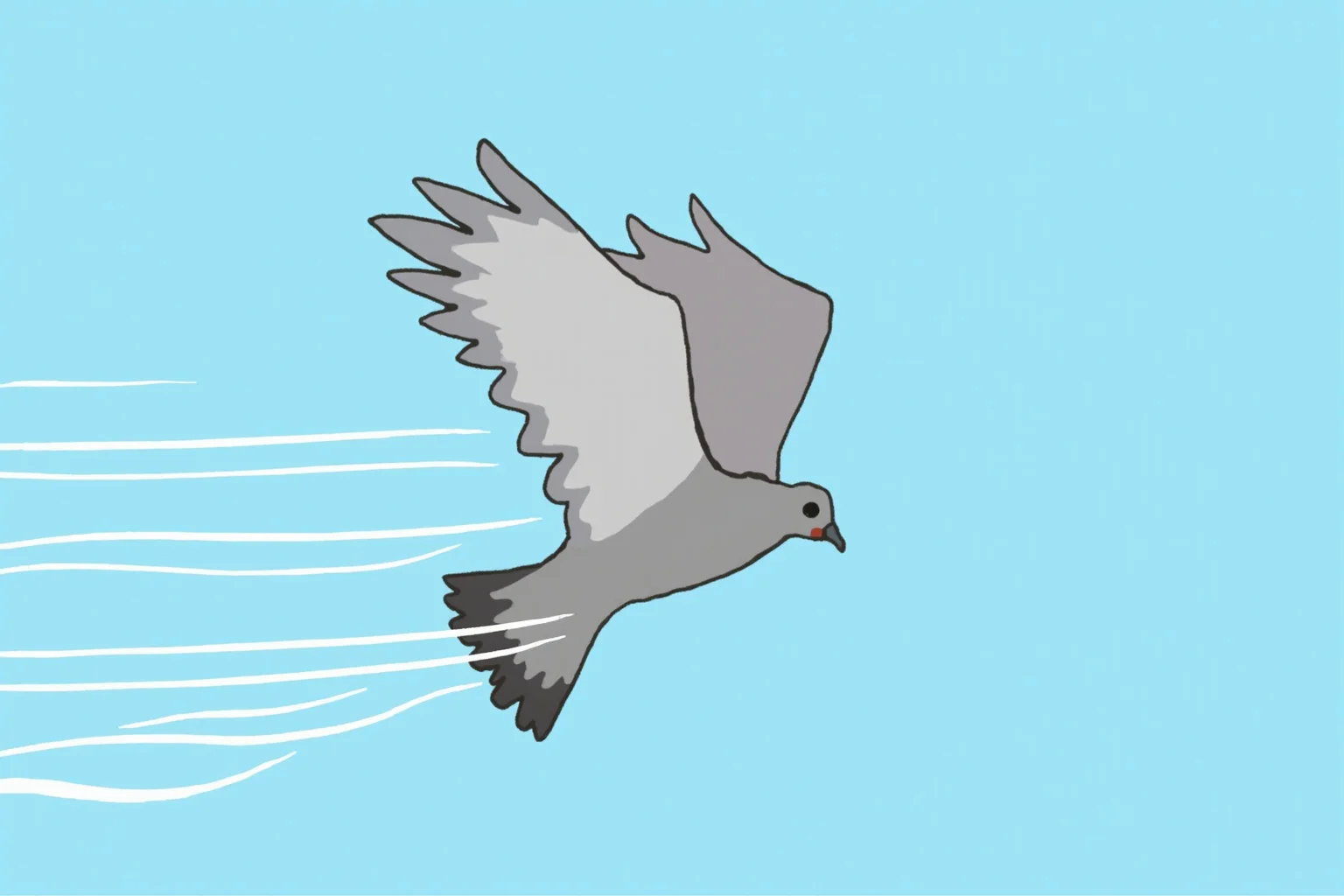
Racing pigeons — the same type of birds historically used for message-carrying — are remarkably fast animals. In favorable wind conditions, they can sustain speeds of 50 to 60 mph over considerable distances, with some recorded at even higher speeds during short bursts.
This speed made them far faster than a horse and rider over most terrain types. A pigeon flying 60 mph in a straight line could outpace nearly any alternative communication method available before the widespread adoption of the telegraph in the 19th century.
Their endurance is equally impressive as their speed. Pigeons have been recorded flying distances of over 1,000 miles to return to their home lofts, though typical military and racing distances were much shorter and more practical for reliable message delivery.
18. They Can Navigate Using Earth's Magnetic Field
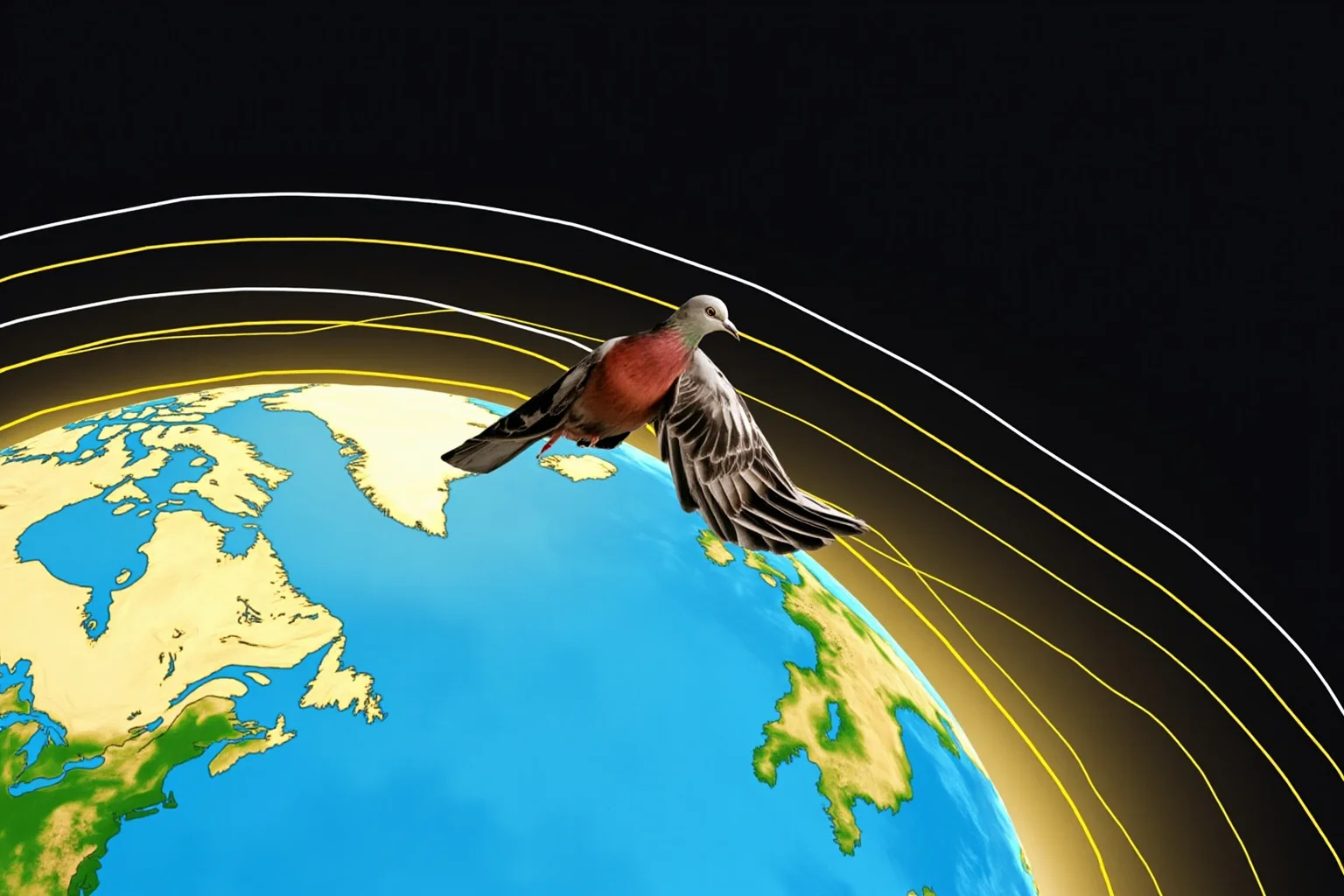
Scientists have spent decades studying how pigeons navigate, and research has revealed that the answer involves multiple biological mechanisms working together. One of the most important is their ability to detect Earth's magnetic field, essentially giving them a built-in compass.
Research has shown that pigeons possess magnetoreceptive cells, likely located in their beaks and eyes, that respond to magnetic fields. This allows them to sense direction even when visual landmarks are unavailable, such as during overcast weather or when flying over open water with no visible references.
Pigeons also use visual landmarks, the position of the sun, and even olfactory cues to supplement their magnetic sense. This multi-layered navigational system is remarkably robust, which explains why pigeons could reliably find their way home from unfamiliar and distant locations. It's a far cry from the slow geological forces that shaped the world during the Ice Ages, but both show nature's incredible adaptations.
19. Training Began When Birds Were Just Weeks Old

Pigeon training was a patient, gradual process that began when birds were only a few weeks old. Young pigeons were first allowed to fly around their home loft to develop familiarity with their surroundings and build the flying strength they would need.
Trainers then progressively released the birds from increasing distances — starting at a mile or two and gradually extending to tens or even hundreds of miles. Each successful return reinforced the bird's homing instinct and built its confidence for longer flights.
This training could take months before a bird was considered reliable enough for message-carrying duty. Military pigeons underwent especially rigorous training, including exposure to loud noises and challenging weather conditions to prepare them for the chaos of battlefield environments.
20. The Rothschild Family Used Pigeons for Financial Intelligence
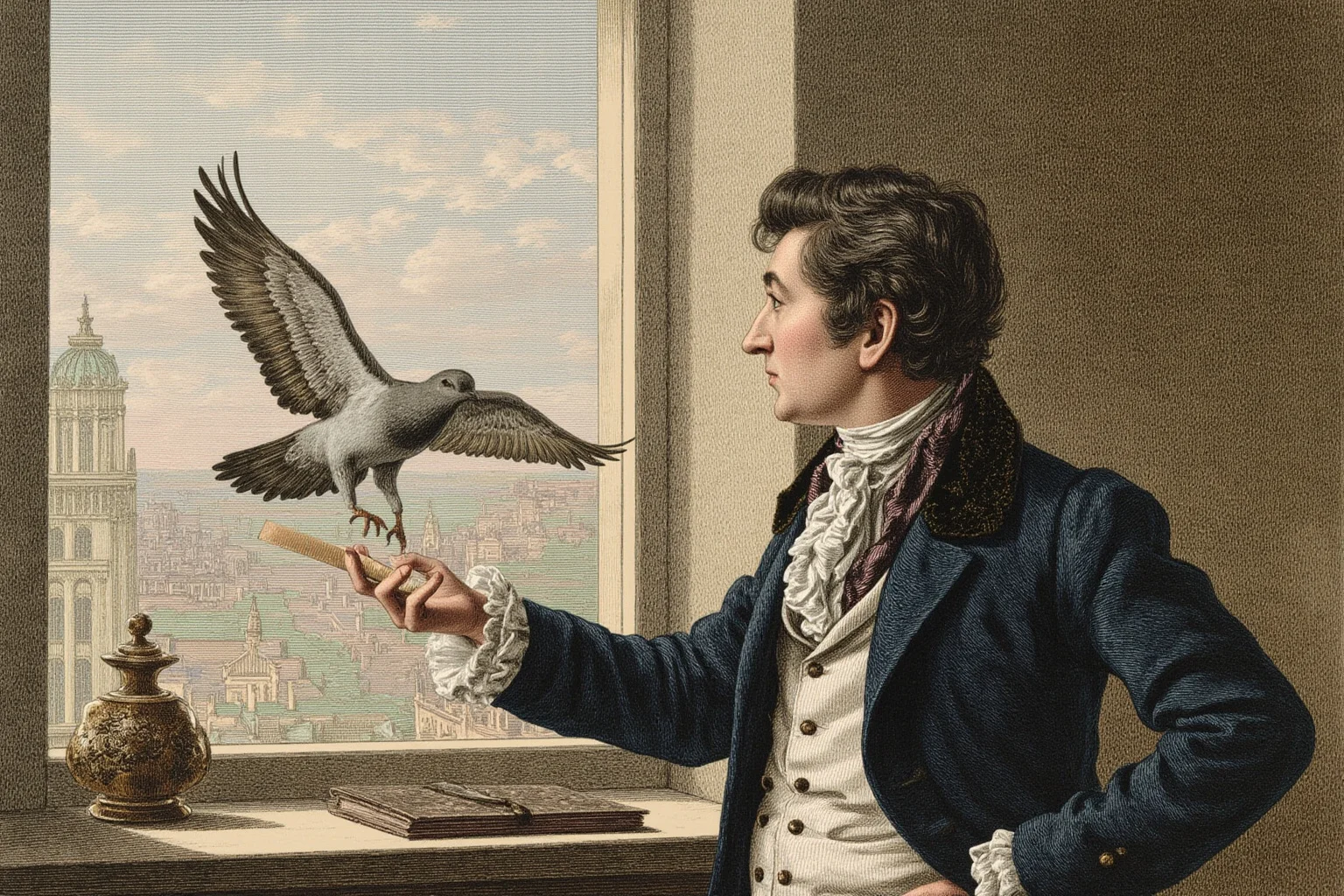
The Rothschild banking family reportedly used carrier pigeons to receive financial news faster than competitors in the early 19th century. The most famous account involves the Battle of Waterloo in 1815, when Nathan Rothschild allegedly received news of Napoleon's defeat via pigeon before anyone else in London.
This story has been widely repeated in popular history, but its accuracy is debated by serious historians. Some accounts suggest the Rothschilds did use pigeons for communication across their European banking network, but the specific Waterloo anecdote may be embellished or apocryphal.
Regardless of the Waterloo story's veracity, it reflects a real historical reality of the period. Before the telegraph, financial traders sought any speed advantage they could find, and pigeons were one of the fastest communication methods available to those who could afford to maintain them.
21. Pigeons Carried News for Early Journalism
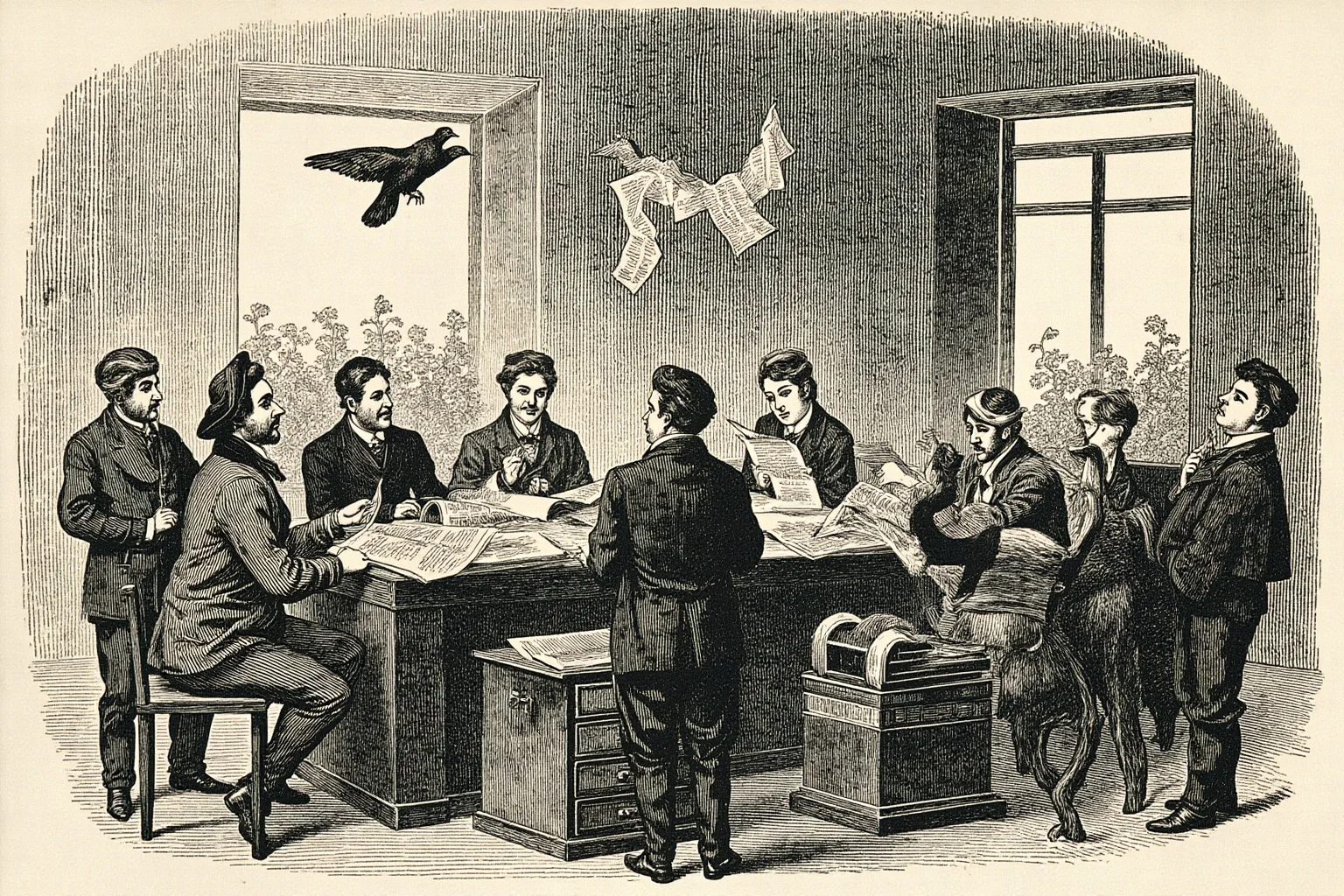
Before the telegraph revolutionized news transmission in the mid-19th century, carrier pigeons were used by some newspapers to gather information from distant locations. Publications that maintained their own pigeon lofts could receive reports faster than rival papers that relied on slower methods.
This was particularly valuable for covering events in remote areas or breaking news that demanded speed. A pigeon could deliver news of a battle, election result, or natural disaster hours or even days before a human courier could make the same journey over difficult terrain.
The practice faded as telegraph networks expanded rapidly across Europe and North America. But for a brief period, pigeons were at the cutting edge of news-gathering technology — the feathered equivalent of a modern wire service, delivering headlines by wing rather than wire.
22. New Zealand's Great Barrier Island Used Pigeon Post Until 1908

One of the last official civilian pigeon post services operated in New Zealand, serving Great Barrier Island in the Hauraki Gulf. The island lacked telegraph connections to the mainland, making pigeons the fastest available communication method for its isolated residents.
The service began in 1897 and operated for over a decade, carrying both official and private messages between the island and Auckland. At its peak, the pigeons made regular flights covering roughly 60 miles of open water, a challenging journey that demonstrated the birds' remarkable navigational abilities.
The service finally ended in 1908 when a telegraph cable was laid to the island, connecting it to the national network. It was one of the last places in the world where pigeons served as an official communication link, marking the quiet end of an era. This was some three decades before the outbreak of World War II, one of the conflicts that would later feature prominently among the most memorable events of the 1970s and other turbulent decades, but the progress of technology was already rendering pigeon post obsolete.
23. China Maintained a Military Pigeon Program Into the Modern Era
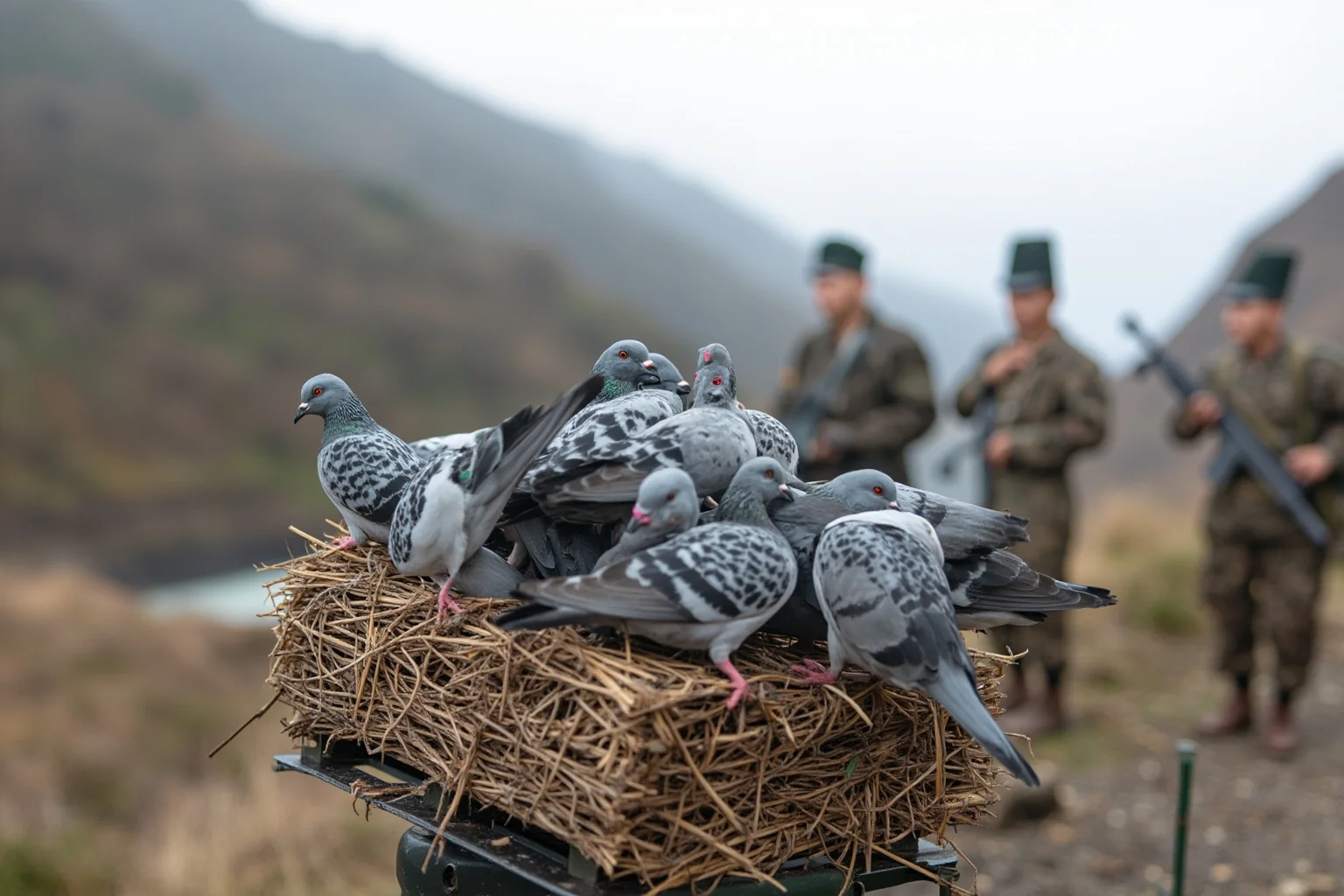
China's military maintained pigeon lofts well into the modern era, long after most other nations had abandoned the practice entirely. Reports over the years have indicated that the People's Liberation Army continued to breed and train pigeons as a backup communication system.
The rationale was straightforward and practical. In the event of electronic warfare, cyberattacks, or communications infrastructure failure, pigeons could provide a low-tech alternative that no enemy could jam, hack, or intercept through electronic means.
While the full scale and current status of the program are not widely documented in open sources, it reflects the enduring logic that made pigeons valuable for millennia. When all modern technology fails, a bird that knows the way home remains a remarkably resilient communication tool.
24. Pigeon Racing Is Still a Global Sport Today

The tradition of breeding and racing pigeons did not die with their military retirement. Pigeon racing remains a popular sport worldwide, with particularly strong followings in Belgium, the Netherlands, China, Taiwan, and parts of the United States and United Kingdom. In fact, pigeon racing is among the oldest sports in the world that still enjoys a dedicated following today.
Racing pigeons are direct descendants of the same birds that once carried wartime messages across battlefields. Breeders continue to select for speed, endurance, and homing ability — the very same traits that made their ancestors invaluable to generals, emperors, and intelligence officers throughout history.
Some racing pigeons sell for extraordinary sums that reflect the passion surrounding the sport. In 2020, a Belgian racing pigeon named New Kim sold at auction for approximately $1.9 million, demonstrating that the fascination with these remarkable birds endures in the modern world.
25. The U.S. Army Officially Retired Its Last Pigeons in 1957
The United States Army maintained a pigeon breeding and training program for decades, headquartered at Fort Monmouth, New Jersey. The Signal Corps Pigeon Breeding and Training Center produced thousands of birds for military use across multiple conflicts and decades of service.
As radio and electronic communication technology advanced rapidly after World War II, the military's reliance on pigeons steadily diminished. The Army officially discontinued its pigeon program in 1957, bringing an end to centuries of American military pigeon service and closing a historic chapter.
This retirement marked the close of one of the longest-running communication technologies in human history. From ancient Mesopotamia to mid-20th-century America, carrier pigeons had served as one of humanity's most reliable and enduring messaging systems, outlasting countless other technologies along the way.
The Enduring Legacy of Carrier Pigeons
The carrier pigeon history spans an extraordinary arc of human civilization that few other animals can match. For over 5,000 years, these birds carried messages that shaped wars, economies, and daily life across cultures and continents in ways both large and small.
Their story is not one of myth or legend but of documented, verifiable service to human civilization. From the siege of Paris to the beaches of Normandy, from ancient Sumerian cities to New Zealand's remote islands, pigeons delivered messages when no other method could get through.
Modern technology has made them obsolete for practical communication, but their legacy deserves recognition and respect. These small birds, bred from the same species that perch on city statues and park benches, once carried the weight of empires and the fate of soldiers on their wings.
If you've enjoyed this look at the fascinating history of carrier pigeons, you might also enjoy exploring the full sweep of historical time periods and eras to see how these birds fit into the broader story of human civilization.
Frequently Asked Questions
What is a carrier pigeon?
A carrier pigeon is a domesticated rock dove (Columba livia) bred and trained to carry messages over long distances. Despite the name suggesting a separate species, they are the same bird as the common city pigeon — the difference lies in selective breeding for homing ability and training to transport small message canisters attached to their legs. Throughout history, most birds used for message-carrying were actually homing pigeons, though 'carrier pigeon' became the popular catch-all term.
Were carrier pigeons real?
Yes, carrier pigeons were absolutely real. Historical records, military documents, museum specimens, and photographs all confirm their existence and service. They were used by civilizations from ancient Mesopotamia through World War II, and their contributions are among the most well-documented uses of animals in human history. Over 32 pigeons even received the Dickin Medal for wartime bravery.
Are carrier pigeons still used today?
Carrier pigeons are no longer used for military or official communication purposes, having been replaced by electronic technology. The U.S. Army retired its last pigeons in 1957. However, pigeon racing remains a popular global sport, and the descendants of wartime message-carrying pigeons continue to be bred for speed and homing ability by enthusiasts worldwide.
How fast could carrier pigeons fly?
Carrier pigeons could sustain speeds of approximately 50 to 60 miles per hour over considerable distances, with some recorded at higher speeds during short bursts. Their combination of speed and endurance made them faster than horseback couriers over most terrain, and they could fly distances of over 1,000 miles to return to their home lofts.
How did carrier pigeons know where to go?
Carrier pigeons used multiple navigational mechanisms working together, including the ability to detect Earth's magnetic field, visual landmark recognition, the position of the sun, and even olfactory cues. Importantly, pigeons could only fly one direction — back to their home loft — so users had to transport birds raised at the destination to send messages to it.

Alex Warren
Related Articles