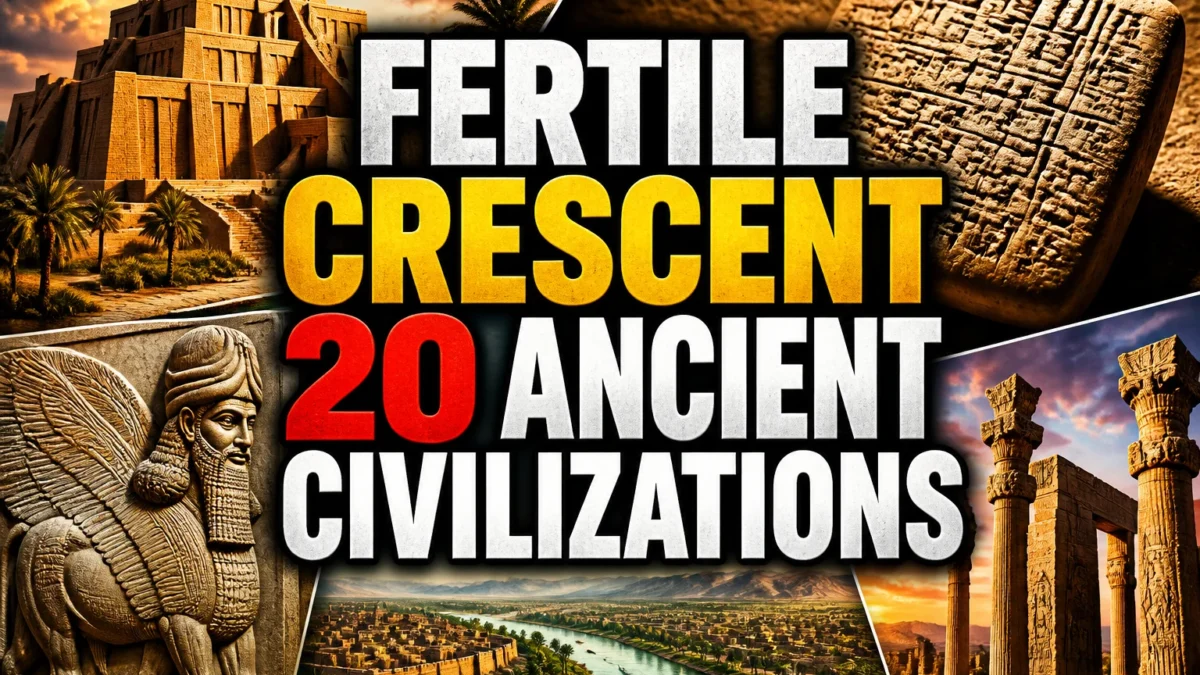
Long before Rome, Greece, or Egypt built their grand reputations, a curved band of land stretching from the Persian Gulf to the eastern Mediterranean hosted the world's first cities, the first writing, and some of the first laws. This region is known today as the Fertile Crescent—a term coined in 1914 by Egyptologist James Henry Breasted to describe the arc of fertile land where settled farming communities took root over 10,000 years ago.
If you've ever wondered where was fertile crescent territory exactly, what civilizations were located in the fertile crescent, or which countries make up the region today, you're in the right place. Below is a myth-busting tour of 20 ancient peoples and powers that called this land home—and the legacies they left behind.
TL;DR: The Fertile Crescent is the arc of land spanning modern Iraq, Syria, Lebanon, Israel, Palestine, Jordan, and parts of Turkey and Iran, where ancient civilizations from Sumer onward invented writing, cities, law, and long-distance trade.
Where Was the Fertile Crescent, and Why Does It Matter?
The Fertile Crescent is an arc-shaped region of the Middle East that curves from the Persian Gulf, up through the valleys of the Tigris and Euphrates rivers, and down along the eastern Mediterranean coast toward modern Israel and Lebanon. Its northern edge pushes into southeastern Turkey, while its eastern arm brushes western Iran. The phrase "fertile cresant"—a common misspelling of "crescent"—still leads many readers here, and it's worth knowing the correct spelling before diving into the history.
What made this land so remarkable was its combination of reliable water, wild game, and—critically—cereal grains and legumes that could be domesticated. The western half of the crescent is sometimes called the Levant, while the eastern half is the land of Mesopotamia, meaning "between the rivers" in Greek. Both halves would go on to host civilizations whose inventions still underpin daily life today.
Fertile Crescent Countries: Then and Now
When historians talk about fertile crescent countries, they generally mean the modern nations that occupy the old arc: Iraq, Syria, Lebanon, Israel, Palestine, and Jordan, with slices of southeastern Turkey and western Iran. Egypt is sometimes included as a neighbor because of its cultural ties, though it sits just outside the crescent proper. If you're asking what are the countries in the fertile crescent, that list is your starting point.
Geographers and archaeologists sometimes draw the boundaries a little differently, so which modern day countries are part of the fertile crescent can vary by source. Some scholars emphasize the alluvial plains of Iraq as the true heartland, while others extend the crescent west across the Sinai into the Nile Delta. Either way, the core geography—rivers, rainfall, and coastal plains—remains the same.
The region's shape also explains why so many fertile crescent civilizations arose along predictable floodplains and trade corridors. Water could be managed with irrigation, and surplus grain could feed non-farming specialists like scribes, priests, and artisans. That combination of food security and specialization is the real engine behind the rise of complex societies.
Is Mesopotamia in the Fertile Crescent?
Yes—the fertile crescent and Mesopotamia overlap heavily, though they aren't identical. Mesopotamia is the land between the Tigris and Euphrates rivers, mostly modern Iraq plus parts of Syria and Turkey, and it forms the eastern and northern heart of the crescent. The crescent, by contrast, is the wider agricultural arc that includes the Levant and the Mediterranean coast.
That distinction helps answer a common question: is Mesopotamia in the fertile crescent? It is, but not every part of the crescent is Mesopotamia. The Levantine coast, for instance, has more in common with Mediterranean trade networks than with the river-fed cities of Sumer and Akkad.
Both terms are modern labels, not ancient ones. No ancient scribe wrote "I live in the Fertile Crescent"—that phrase entered the vocabulary through early 20th-century archaeology. The people who actually lived there identified with their city, their god, their king, or their empire, and often with all four at once.
Where Did the Earliest Civilizations Develop?
Scholars generally agree that where did the earliest civilizations develop is answered largely by the Fertile Crescent, with Sumer in southern Mesopotamia leading the way around 3500 BCE. Cities like Uruk, Ur, and Eridu grew into walled settlements with temples, granaries, and specialized labor. Writing emerged there first as a way to track grain, beer, and temple accounts—practical needs, not poetry.
If you've asked where did early civilizations develop more broadly, the answer includes a few other cradles: the Nile Valley, the Indus Valley, the Yellow River, and later Mesoamerica and the Andes. But the Fertile Crescent is the earliest and one of the most influential. That's why questions about where were the earliest civilizations located so often point back to this single arc of land.
One useful myth to bust: farming didn't appear everywhere at once in a neat line. It developed in multiple places independently, but the Fertile Crescent's wild ancestors of wheat, barley, sheep, and goats gave it a head start. Those domesticates then spread outward, carrying the region's biological and cultural package with them.
20 Ancient Civilizations of the Fertile Crescent
Below are 20 distinct cultures, peoples, and empires whose stories unfolded within the crescent. Some were city-states, some were regional powers, and a few—like the Persians—stretched well beyond it. Together they show how the region became a laboratory for everything from written law to alphabet-based literacy.
1. Sumerians
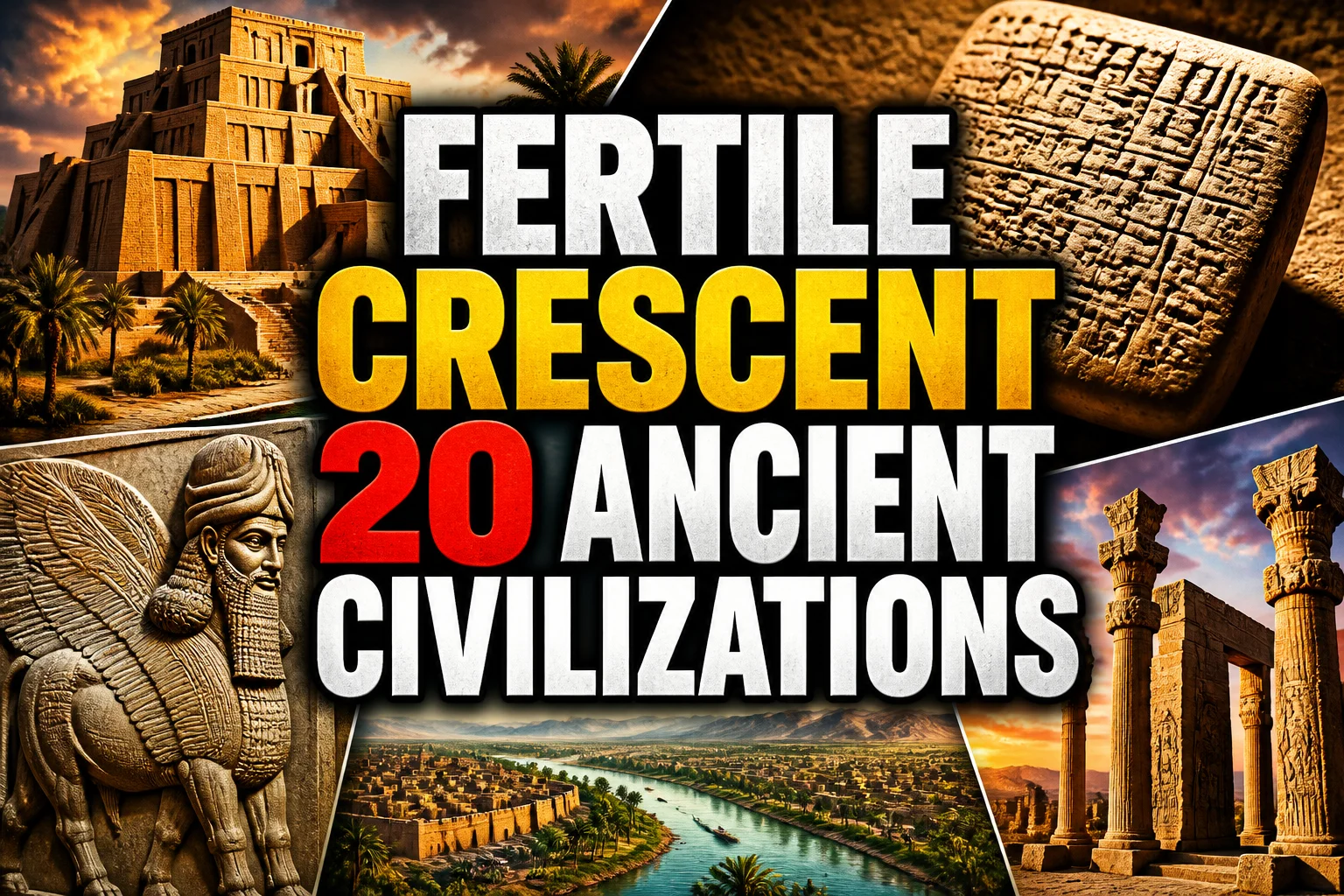
The Sumerians built the world's first true cities in southern Mesopotamia, including Uruk, Ur, and Lagash, starting around 3500 BCE. They invented cuneiform writing, the wheeled cart, and the earliest known schools for scribes. Their fertile crescent sumer heartland is often called the cradle of civilization for good reason.
Sumerian city-states were independent and frequently at war, but they shared a language, a pantheon, and a scribal culture. The Epic of Gilgamesh, the world's earliest surviving epic poem, comes from this tradition. Sumerian influence faded after the rise of Akkad, but its innovations set the template for everything that followed.
2. Akkadians
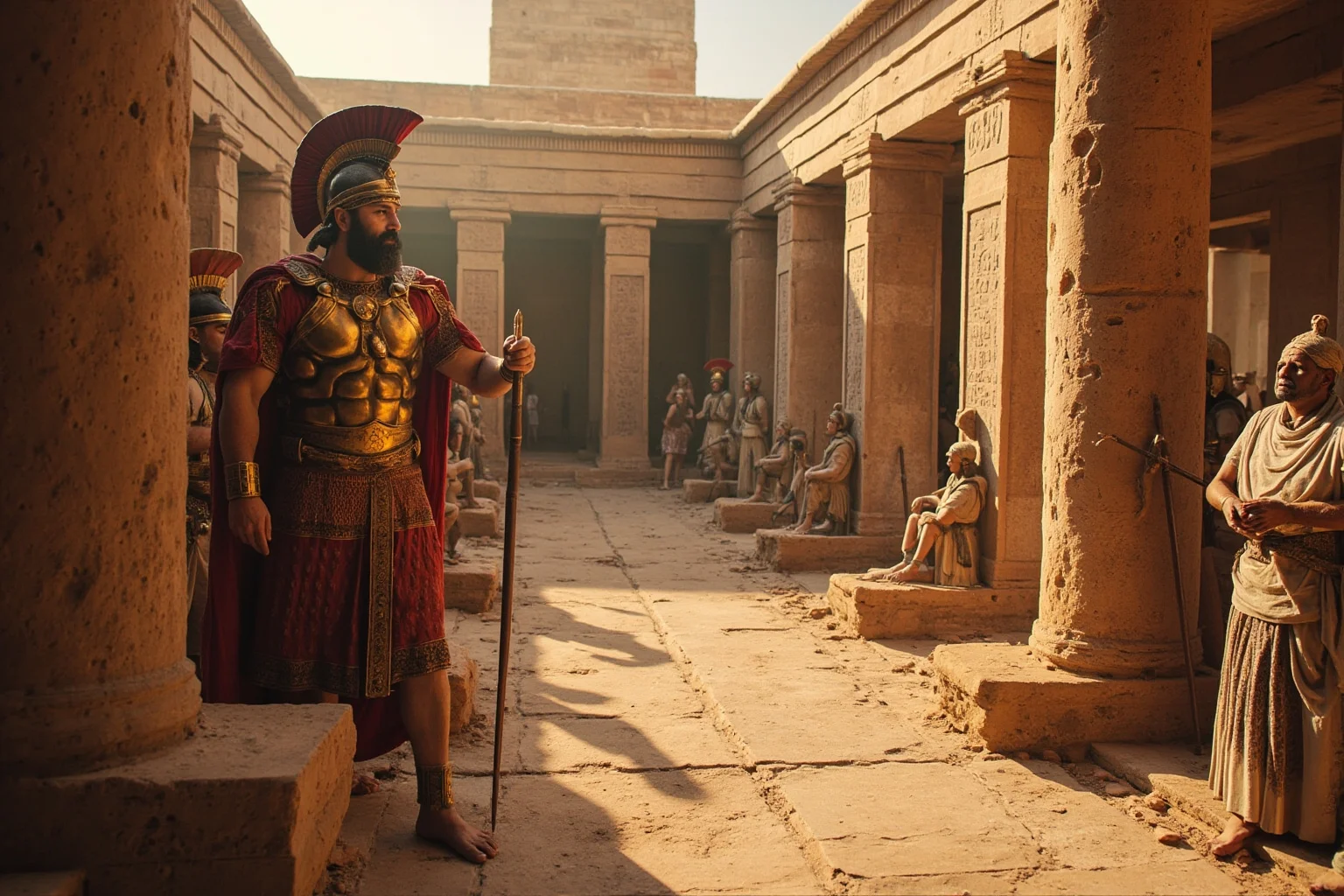
Around 2334 BCE, Sargon of Akkad—a Semitic-speaking ruler—united Mesopotamia into one of history's first true empires. His Akkadian Empire stretched from the Persian Gulf to the Mediterranean coast, making it a genuine fertile crescent empire in scale. Sargon's dynasty also helped spread the Akkadian language across the region.
The Akkadian story is a cautionary one. After Sargon's death, internal revolts and external pressures weakened the state, and it collapsed within a few generations. Still, it proved that a multi-ethnic empire could be governed from a single center—a model later rulers would copy.
3. Babylonians (Old Babylonian Empire)
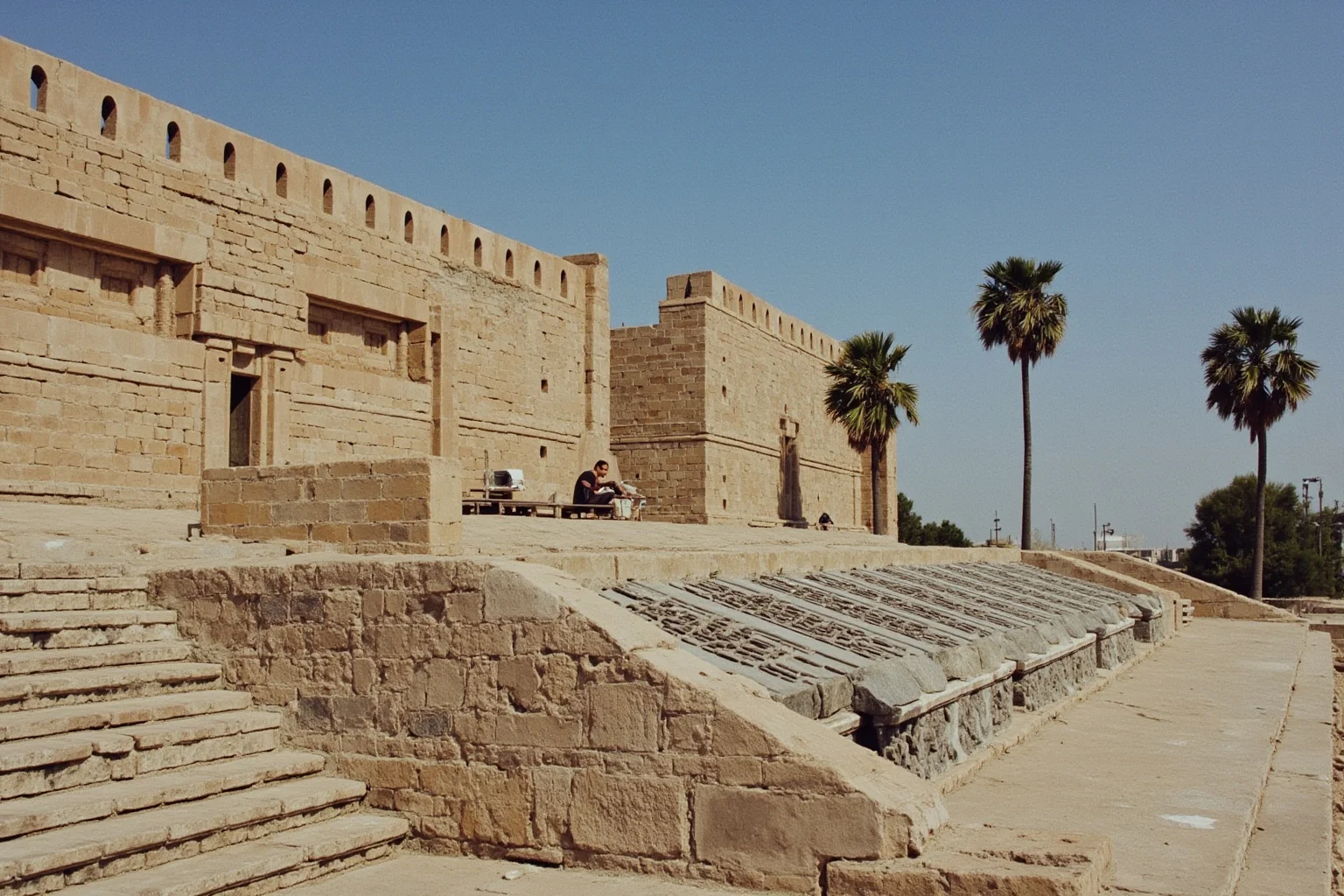
After the fall of Akkad, the city of Babylon rose to prominence under Hammurabi around 1792 BCE. Hammurabi is best known for his law code, which was carved onto a stone stele and displayed publicly. The Code of Hammurabi is one of the earliest and most complete legal documents ever found.
Old Babylonia was also a cultural powerhouse. Its scribes copied and preserved Sumerian literature, and its mathematicians developed early techniques in algebra and geometry. Babylon itself became a byword for grandeur and learning across the ancient Near East.
4. Assyrians
The Assyrians emerged from the northern Mesopotamian city of Assur and eventually built a vast empire stretching from Egypt to Iran. Their military innovations, siege tactics, and efficient administration made them feared and effective. At its height under rulers like Tiglath-Pileser III and Ashurbanipal, Assyria ruled much of the known world.
The Assyrians were also great collectors. Ashurbanipal's library at Nineveh contained thousands of clay tablets, including the Epic of Gilgamesh, and its destruction ironically preserved those tablets for modern scholars. Assyria's fall in 612 BCE left a power vacuum that Babylon and Persia rushed to fill.
5. Neo-Babylonians (Chaldeans)
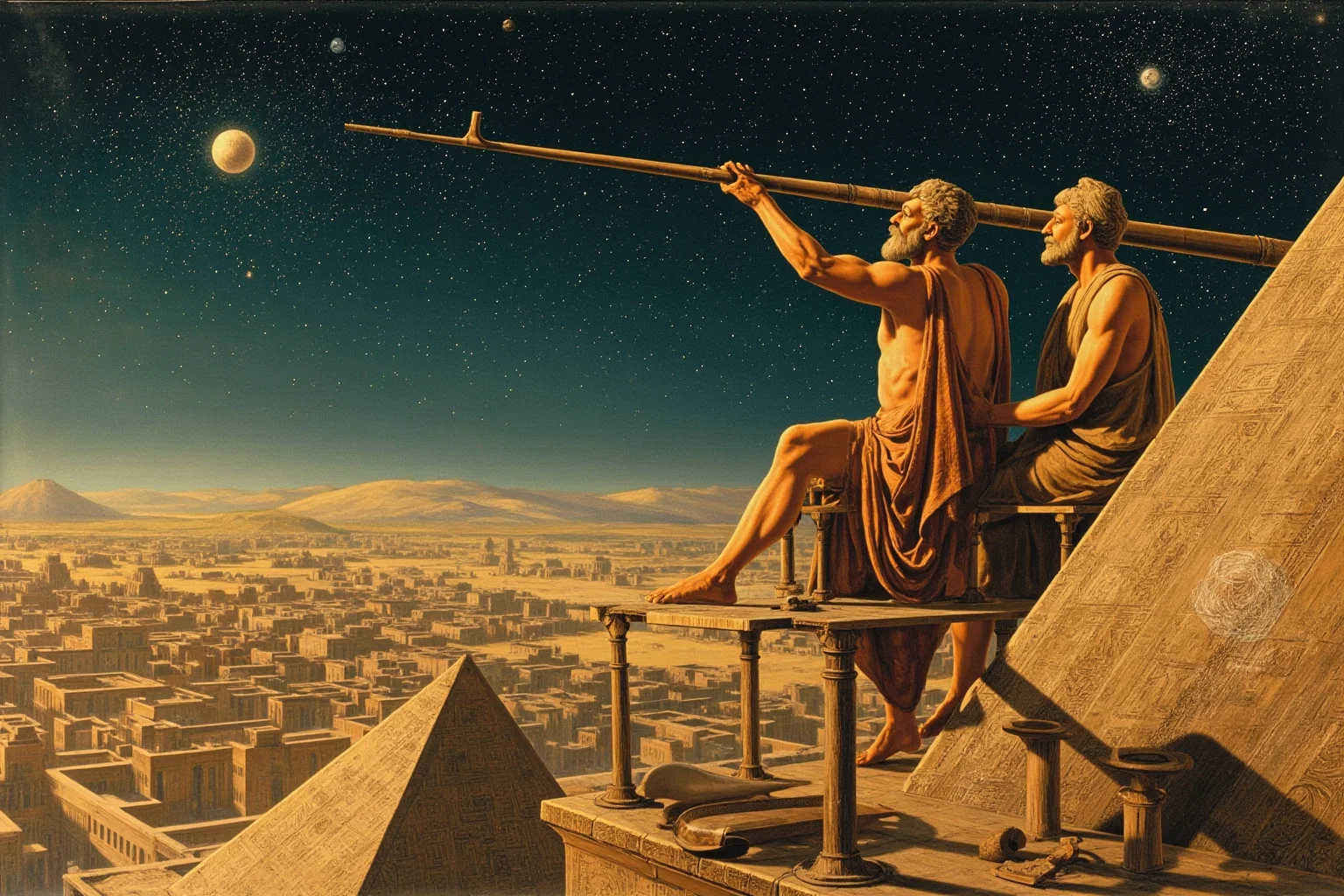
The Neo-Babylonian Empire, often called Chaldean, rose after the Assyrian collapse and reached its peak under Nebuchadnezzar II. This is the Babylon of the famous hanging gardens legend and the city that conquered Jerusalem. Its astronomers made detailed observations of the heavens that influenced later Greek and Islamic science.
The Neo-Babylonians were also engineers and builders on a grand scale, constructing massive walls, temples, and canals. Their empire lasted only about 87 years before falling to the Persians. Even so, their astronomical records remained in use for centuries.
6. Hittites
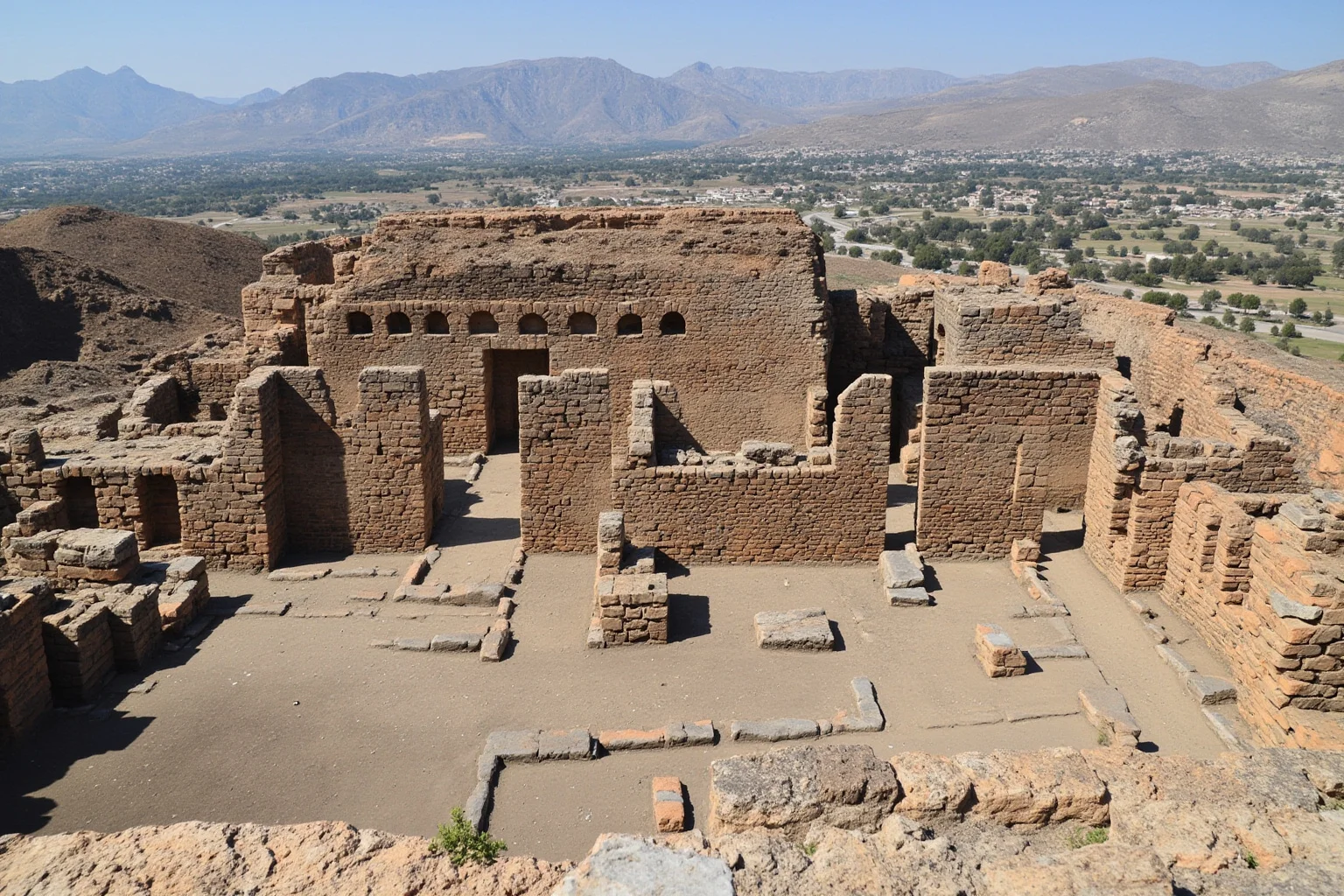
The Hittites established a powerful kingdom in central Anatolia—modern Turkey—and pushed south into the Fertile Crescent. They were among the first to work iron on a large scale, giving them a military edge. Their capital, Hattusa, was a sprawling fortified city with temples and royal archives.
The Hittites are also known for one of history's earliest recorded peace treaties, signed with Egypt after the Battle of Kadesh. Their legal code was surprisingly lenient compared to Assyrian law, focusing more on compensation than harsh punishment. Hittite influence waned after 1200 BCE amid the broader Bronze Age collapse.
7. Elamites
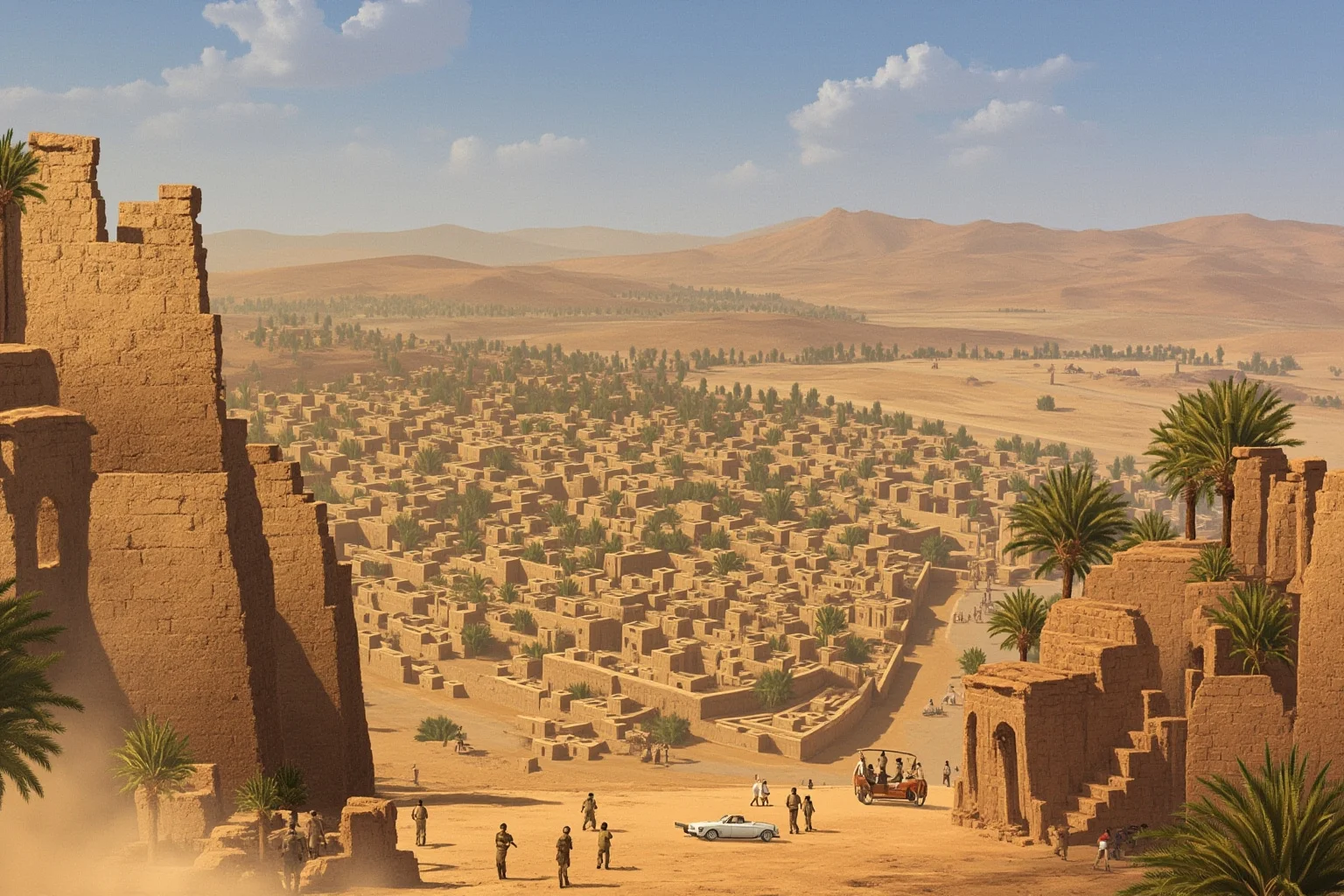
The Elamites occupied what is now southwestern Iran, just east of Mesopotamia, and maintained a distinct language and culture for over two thousand years. Their capital, Susa, became a major administrative center for later Persian rulers. Elamite art and architecture blended Mesopotamian and Iranian traditions.
Elam was sometimes a rival to Mesopotamia and sometimes a partner. Its scribes used their own script alongside cuneiform, and its kings occasionally conquered Babylonian cities. Elamite identity survived until the rise of the Achaemenid Persians, who absorbed much of its territory.
8. Amorites
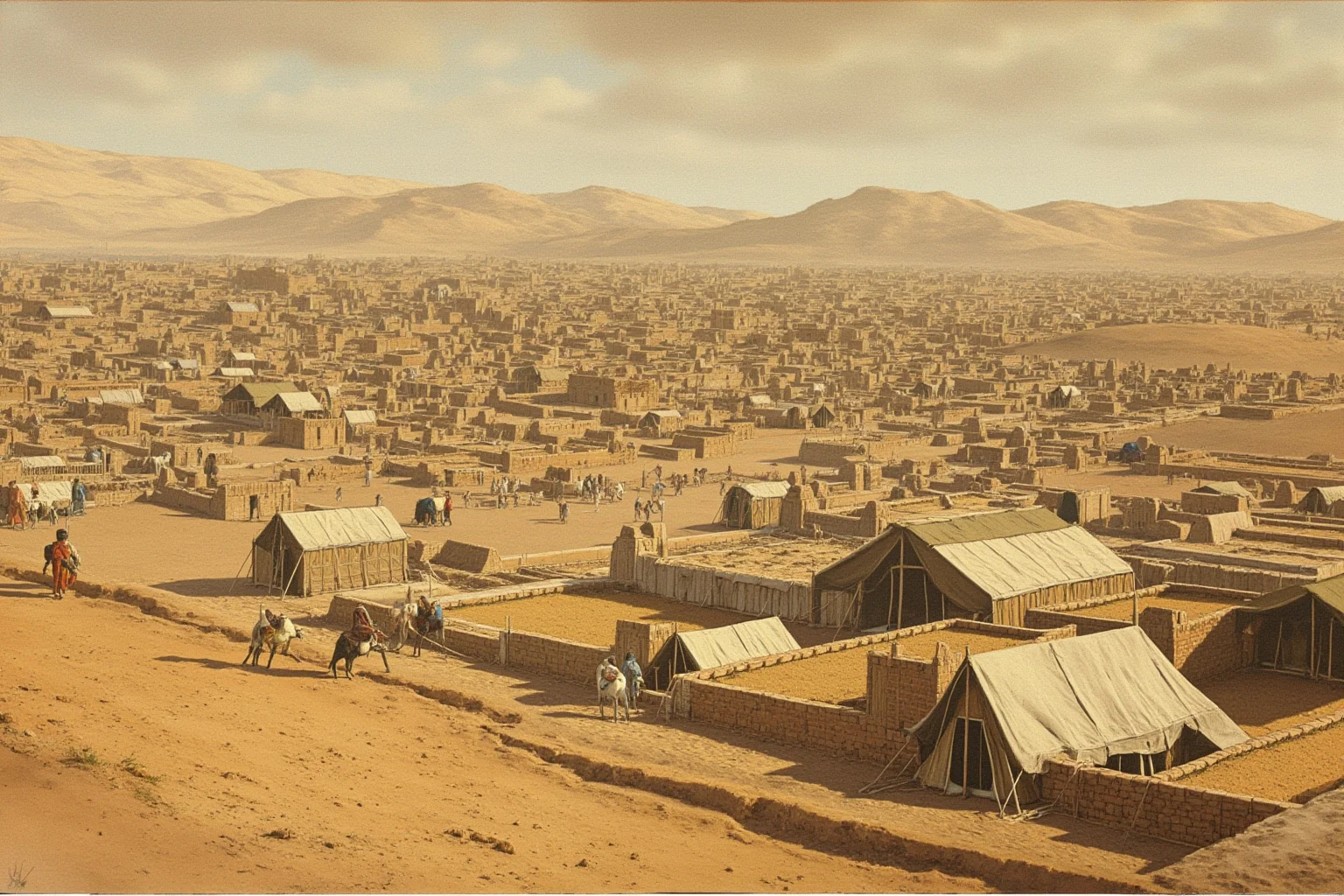
The Amorites were a Semitic-speaking people who moved into Mesopotamia from the west and eventually founded the Old Babylonian dynasty. Hammurabi himself was an Amorite ruler. Their migration and settlement reshaped the political map of the region during the early second millennium BCE.
Amorite culture left lasting marks on law, language, and religion. Many of the great Mesopotamian cities came under Amorite dynasties, which adopted local traditions while adding their own. Over time, the Amorites were absorbed into the broader Babylonian population.
9. Hurrians and Mitanni
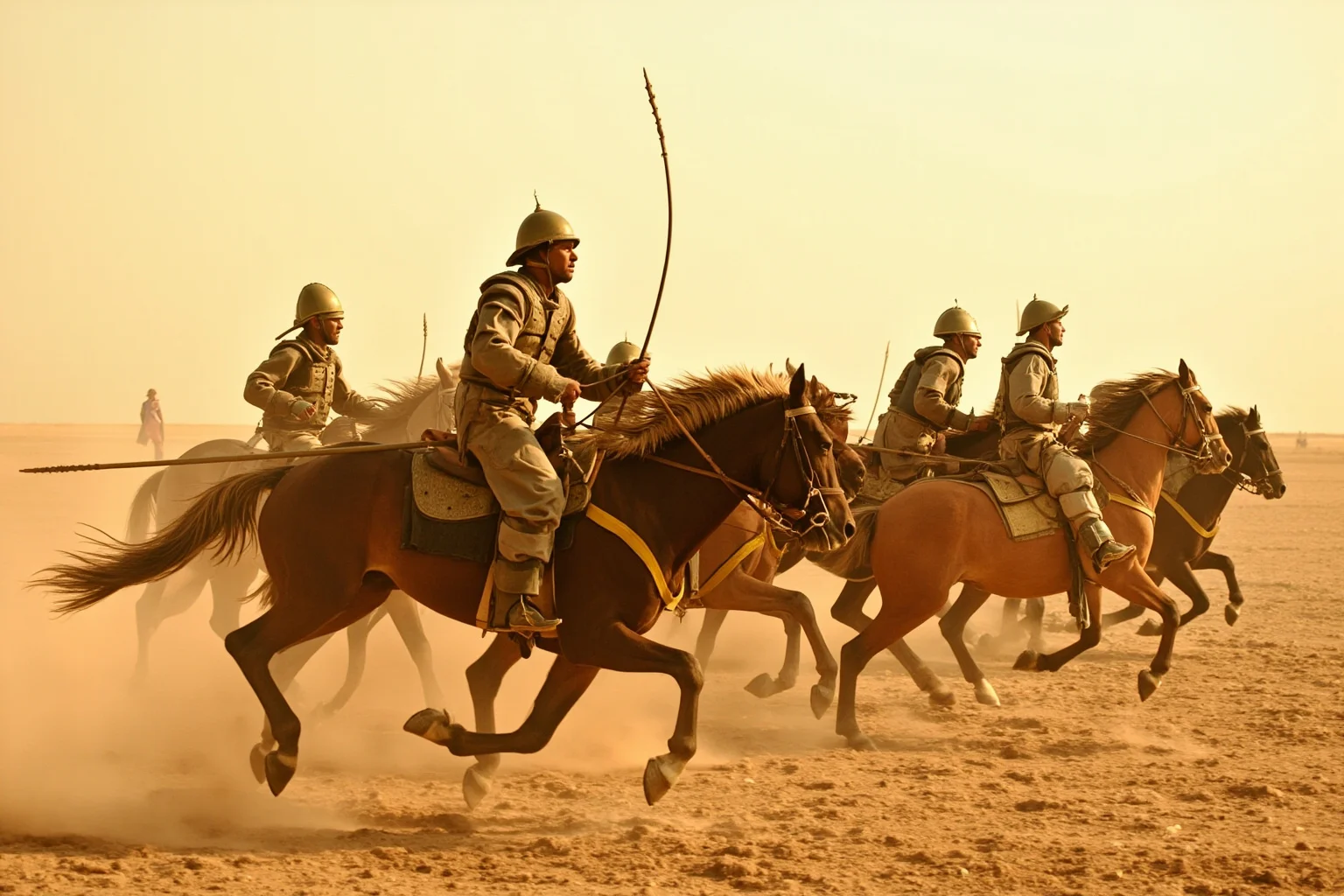
The Hurrians lived in northern Mesopotamia and southeastern Anatolia, where they founded the kingdom of Mitanni around 1500 BCE. Mitanni was a major power that controlled trade routes and even intermarried with Egyptian royalty. Its warriors were famous charioteers, and its culture spread Hurrian language and gods across the region.
Mitanni's decline came at the hands of the Hittites and Assyrians, who carved up its territory. Hurrian religious ideas, however, influenced later Hittite and Mesopotamian traditions. Their legacy also survives in place names and loanwords still studied by linguists today.
10. Kassites

After the Hittites sacked Babylon, the Kassites—a people from the Zagros Mountains—took control and ruled for over four centuries. They adopted Babylonian language, religion, and scribal traditions, becoming enthusiastic patrons of culture. Their long reign brought relative stability to southern Mesopotamia.
Kassite kings rebuilt temples and promoted agriculture, and they maintained diplomatic ties with Egypt and Assyria. Their rule ended when Elamite and Assyrian pressures proved too great. Even so, their period is remembered as a time of cultural continuity rather than disruption.
11. Phoenicians
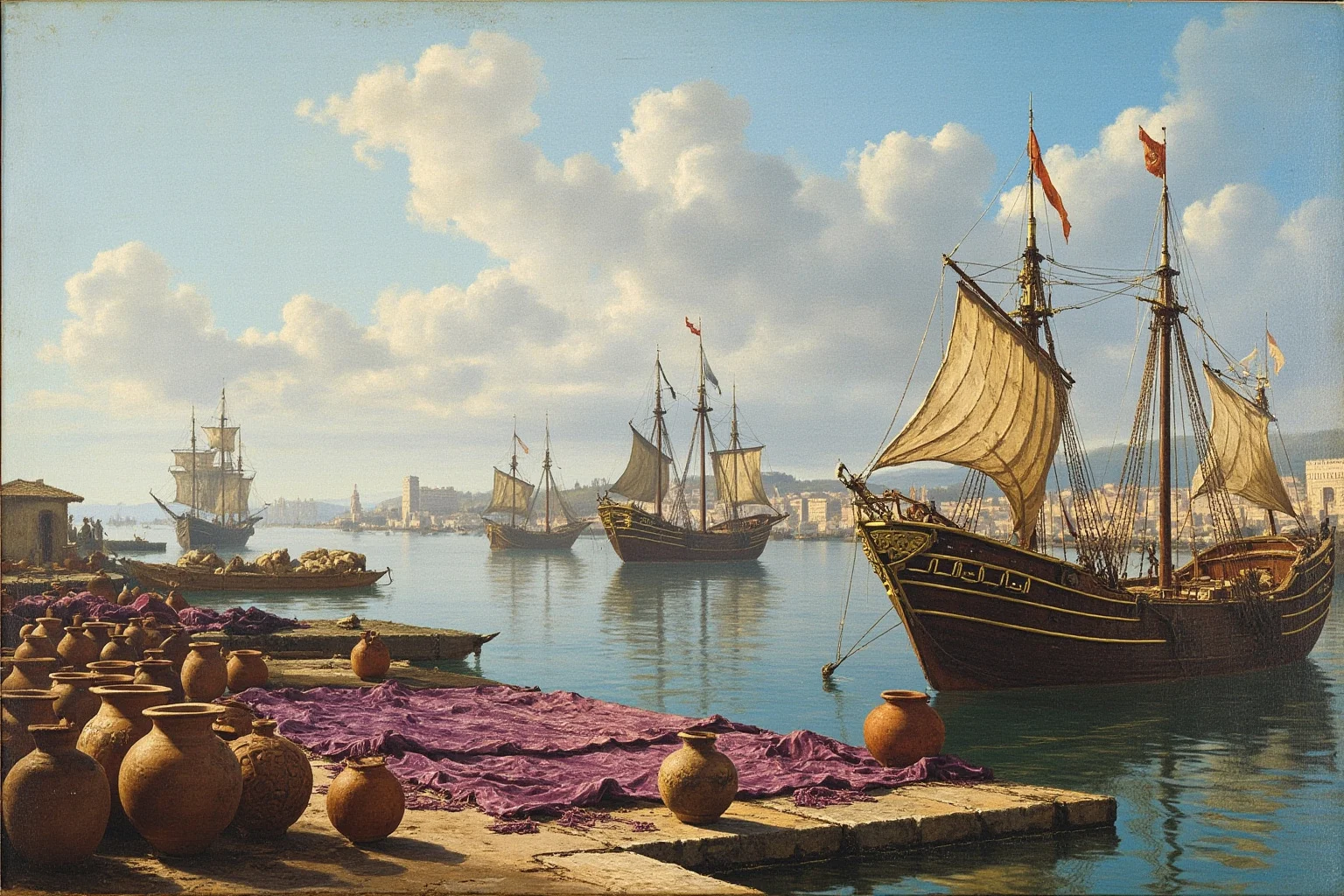
The Phoenicians were a seafaring people based in coastal cities like Tyre, Sidon, and Byblos, in modern Lebanon. They spread across the Mediterranean, founding colonies such as Carthage in North Africa. Their greatest gift to history was the alphabet, which became the ancestor of Greek, Latin, and eventually the scripts we use today.
Phoenician traders carried goods, ideas, and writing wherever they sailed. Their purple dye, made from murex snails, was so prized that it gave the region its Greek name, meaning "land of purple." Although their cities were eventually conquered, their alphabet outlived every empire that ever ruled them.
12. Israelites and Judahites
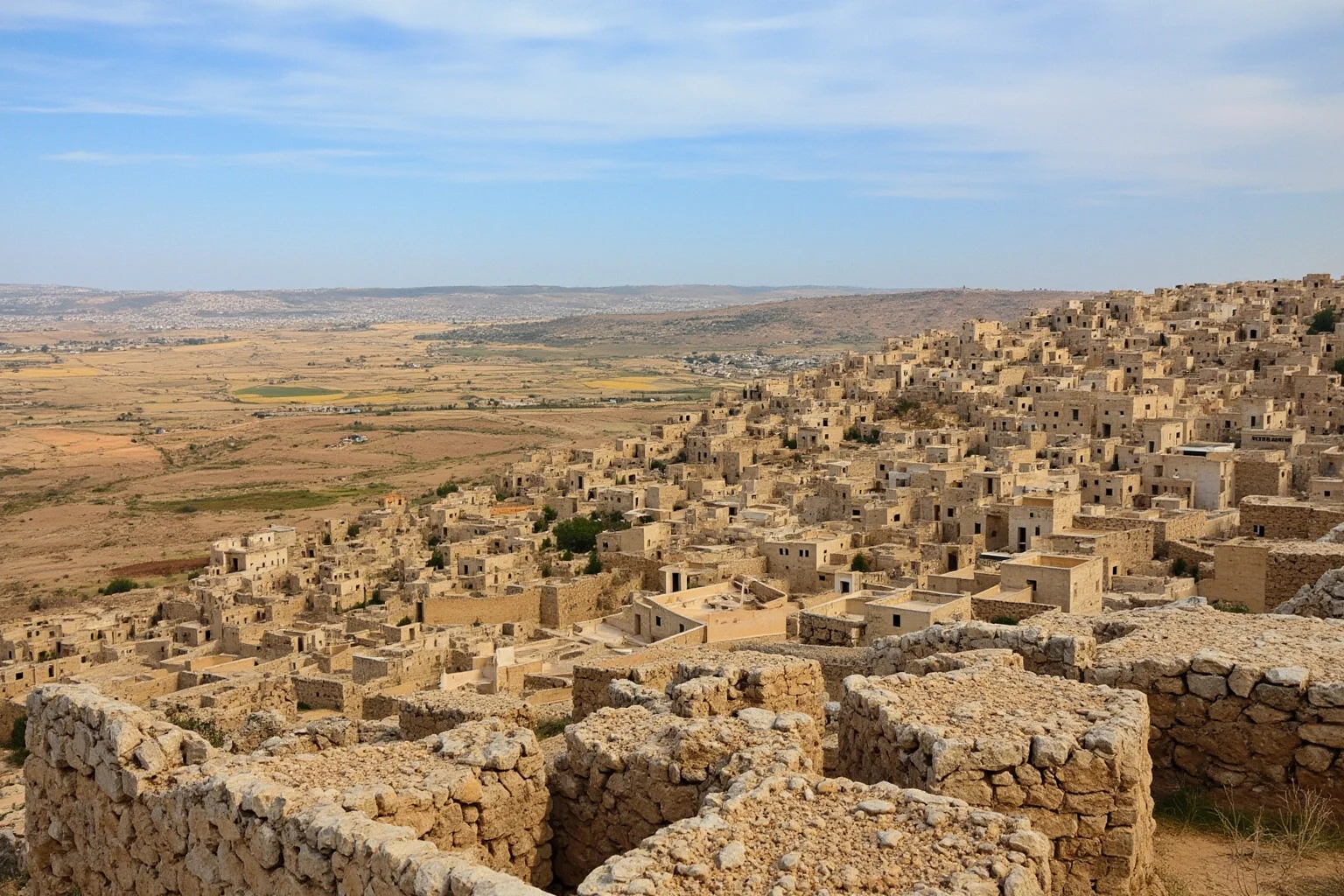
The Israelites and Judahites formed two related kingdoms in the southern Levant, with Jerusalem as the capital of Judah. Their religious and legal traditions became foundational for Judaism, Christianity, and Islam. Archaeological evidence shows they emerged gradually from local Canaanite culture rather than appearing fully formed.
The kingdoms of Israel and Judah were small compared to Assyria or Babylon, but their cultural impact proved enormous. The Hebrew Bible, compiled over centuries, preserves history, law, poetry, and prophecy. After the Babylonian exile, Jewish communities preserved their identity across the ancient world.
13. Canaanites
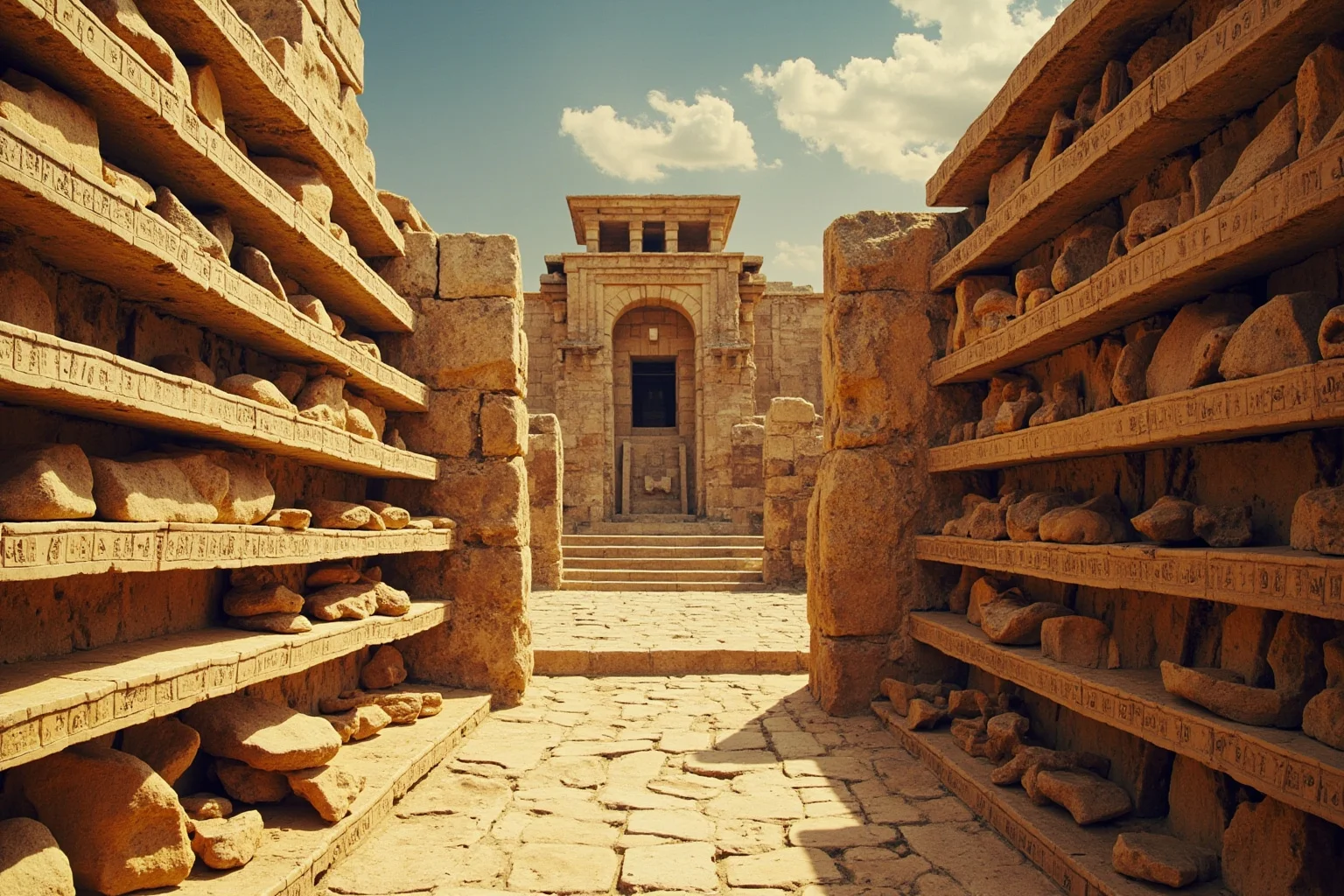
The Canaanites were the indigenous peoples of the Levant before the rise of Israel and Phoenicia. They lived in city-states such as Ugarit, Hazor, and Megiddo, each with its own king and patron deity. Their language, culture, and alphabet deeply influenced their neighbors.
The discovery of Ugarit's archives in the 20th century revealed a rich literary tradition, including epic poems about gods and heroes. Canaanite religion, with its pantheon of Baal, El, and Asherah, shaped later religious imagery across the region. Their story is one of continuity, not disappearance.
14. Arameans
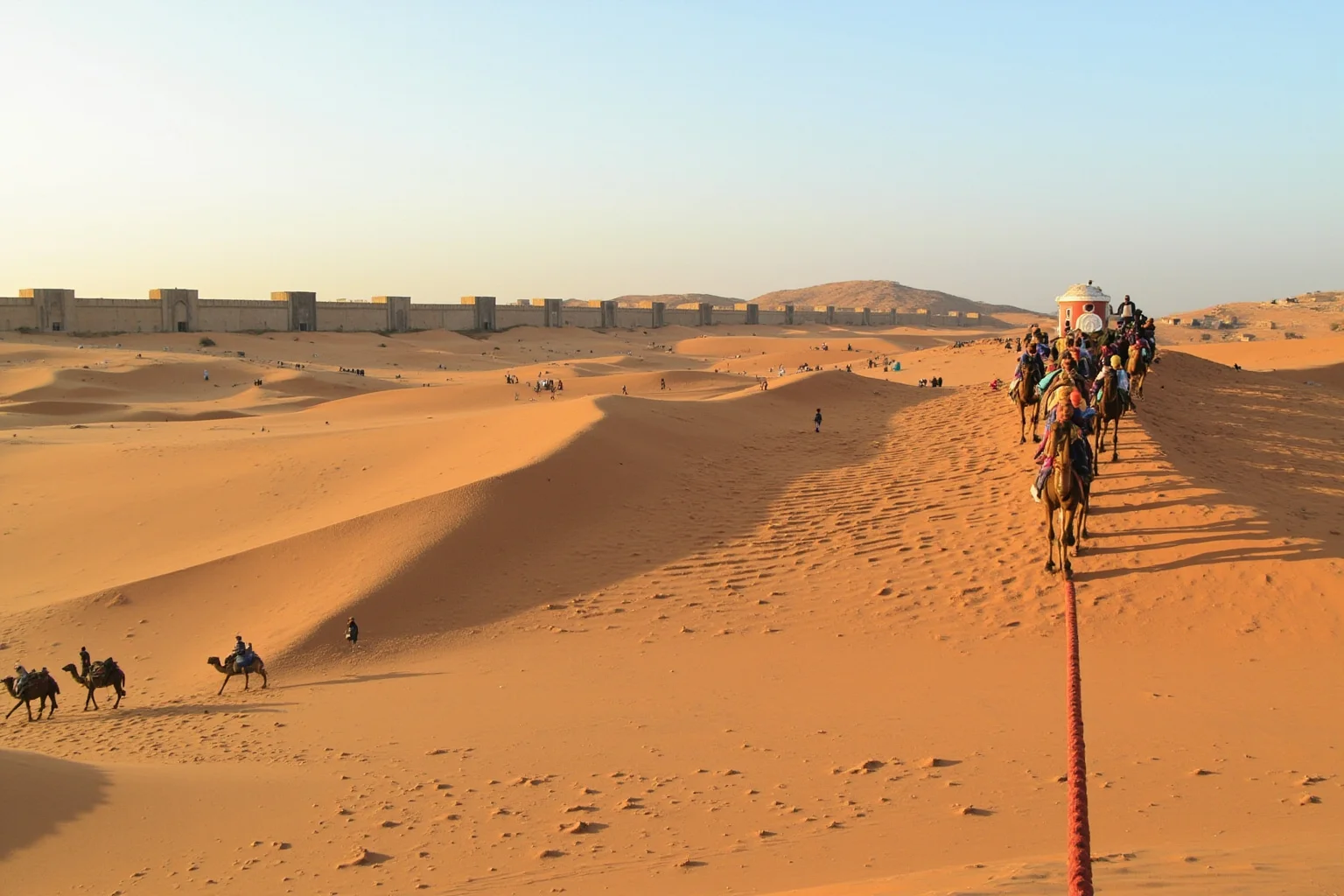
The Arameans were a Semitic people who spread across Syria and northern Mesopotamia during the late Bronze Age collapse. Their language, Aramaic, became a lingua franca across the Near East and was eventually used in parts of the Bible. Aramean kingdoms like Damascus were significant regional powers.
Aramaic's alphabet and script influenced Hebrew, Arabic, and many other writing systems. Even after the Arameans lost political independence, their language dominated trade and administration for centuries. It was likely the everyday language spoken by Jesus of Nazareth.
15. Neo-Hittites (Syro-Hittite States)
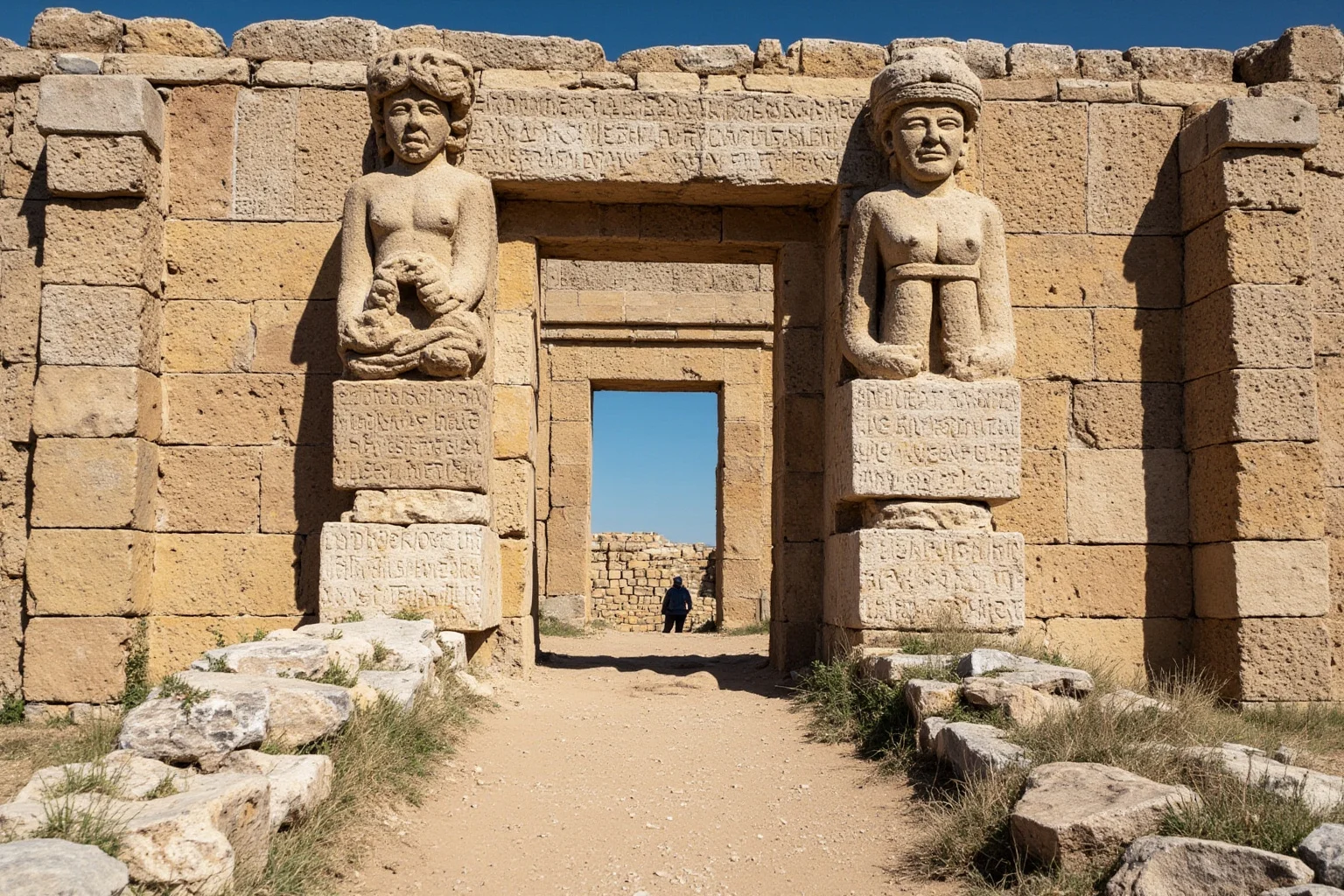
After the Hittite empire fell around 1200 BCE, smaller Neo-Hittite kingdoms emerged in northern Syria and southeastern Turkey. Cities like Carchemish and Sam'al continued Hittite traditions in art, language, and governance. They served as cultural bridges between Anatolia and Mesopotamia.
These states were eventually absorbed by the Assyrian Empire, but their artistic styles survived in Assyrian palaces. Their bilingual inscriptions have helped scholars decipher ancient languages. They represent a fascinating case of cultural persistence after political collapse.
16. Urartians
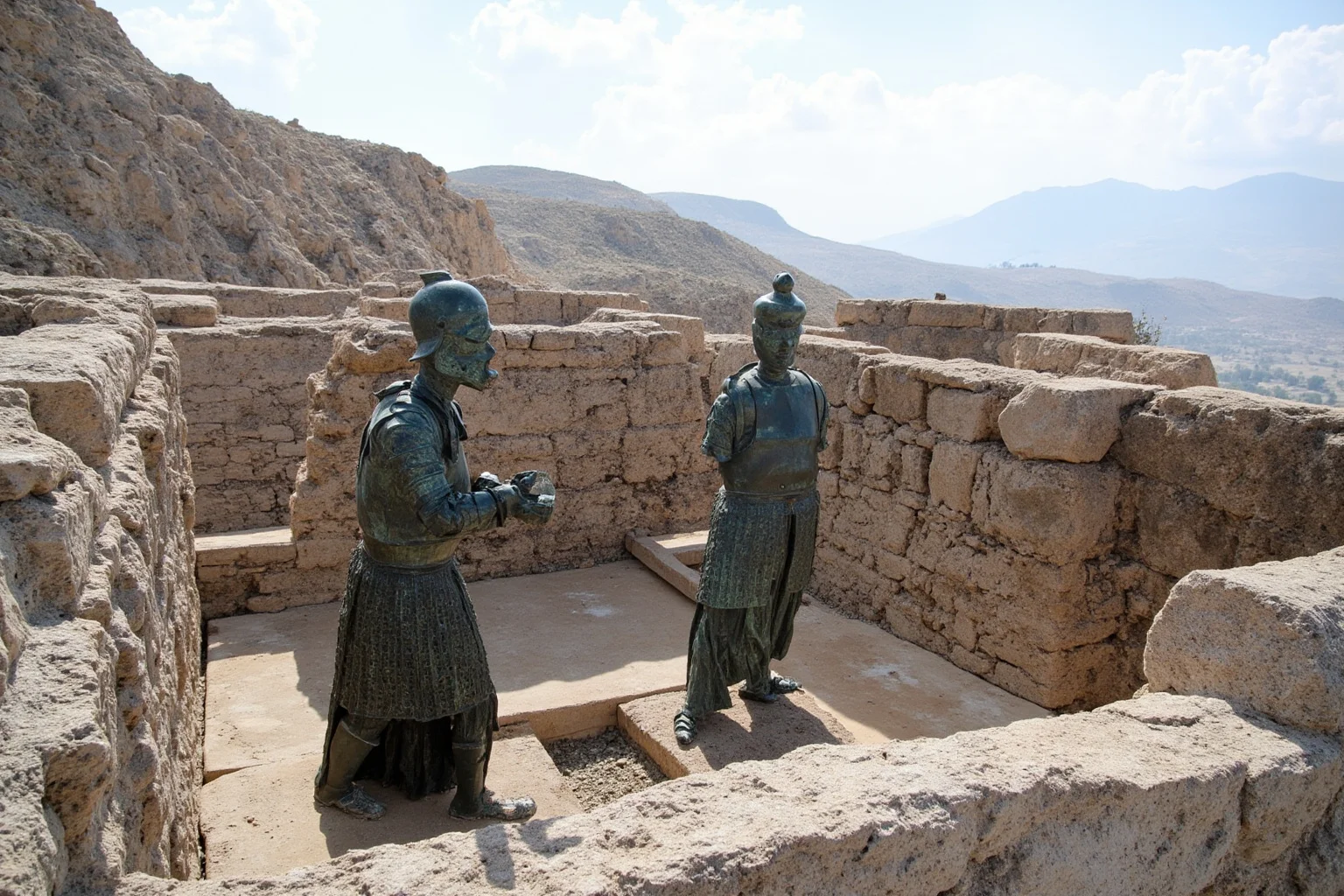
The kingdom of Urartu flourished in the mountainous region around Lake Van in eastern Anatolia between the 9th and 6th centuries BCE. Its people built impressive fortresses, canals, and temples, and they rivaled Assyria for control of the north. Urartian metalwork and engineering were highly advanced.
Urartu eventually fell to invasions by Scythians and Medes, but its legacy influenced later Armenian culture. Its cuneiform inscriptions provide valuable records of its kings and campaigns. The kingdom is a reminder that the Fertile Crescent's edges were just as dynamic as its center.
17. Medes
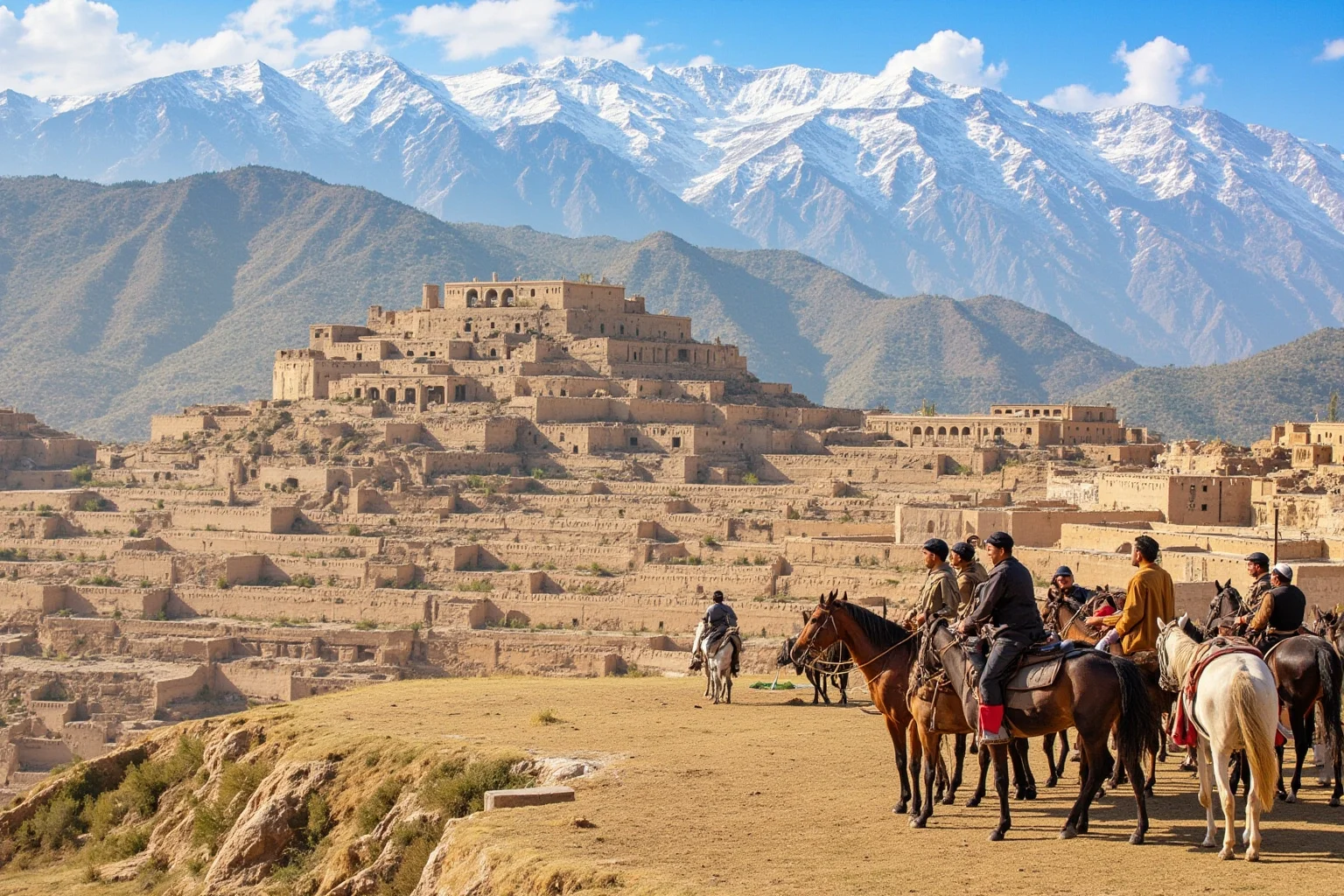
The Medes were an Iranian people who helped destroy the Assyrian Empire in 612 BCE and then ruled much of Iran and northern Mesopotamia. They were eventually overshadowed by their Persian cousins, but they laid groundwork for the Achaemenid Empire. Greek historians like Herodotus wrote about their kings and customs.
Median influence can be seen in Persian administrative practices and in the spread of Iranian languages. Their capital, Ecbatana, became a summer residence for later Persian kings. The Medes are a key link between the ancient Near East and the rise of Persia.
18. Persians (Achaemenid Empire)
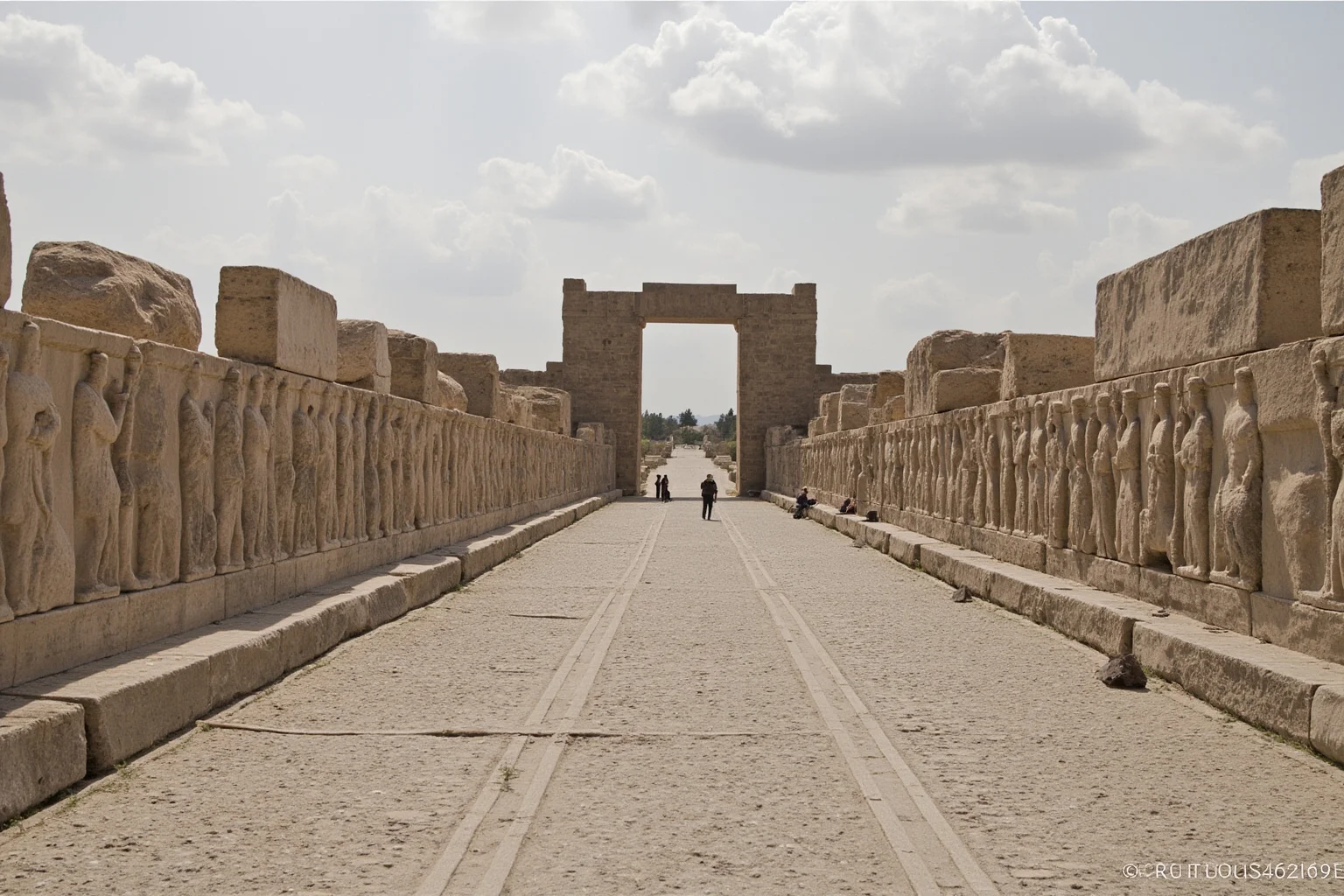
The Achaemenid Persians, founded by Cyrus the Great around 550 BCE, built the largest empire the world had yet seen, stretching from Greece to India. They ruled the Fertile Crescent for two centuries and were generally tolerant of local religions and customs. Their administrative innovations, including satrapies and a royal road, unified a vast territory.
Persian rule ended with Alexander the Great's conquest in 330 BCE, but its cultural impact endured. Zoroastrianism, the Persian state religion, influenced later Jewish, Christian, and Islamic thought. The empire's model of governance shaped how later rulers thought about diversity and tolerance.
19. Seleucids
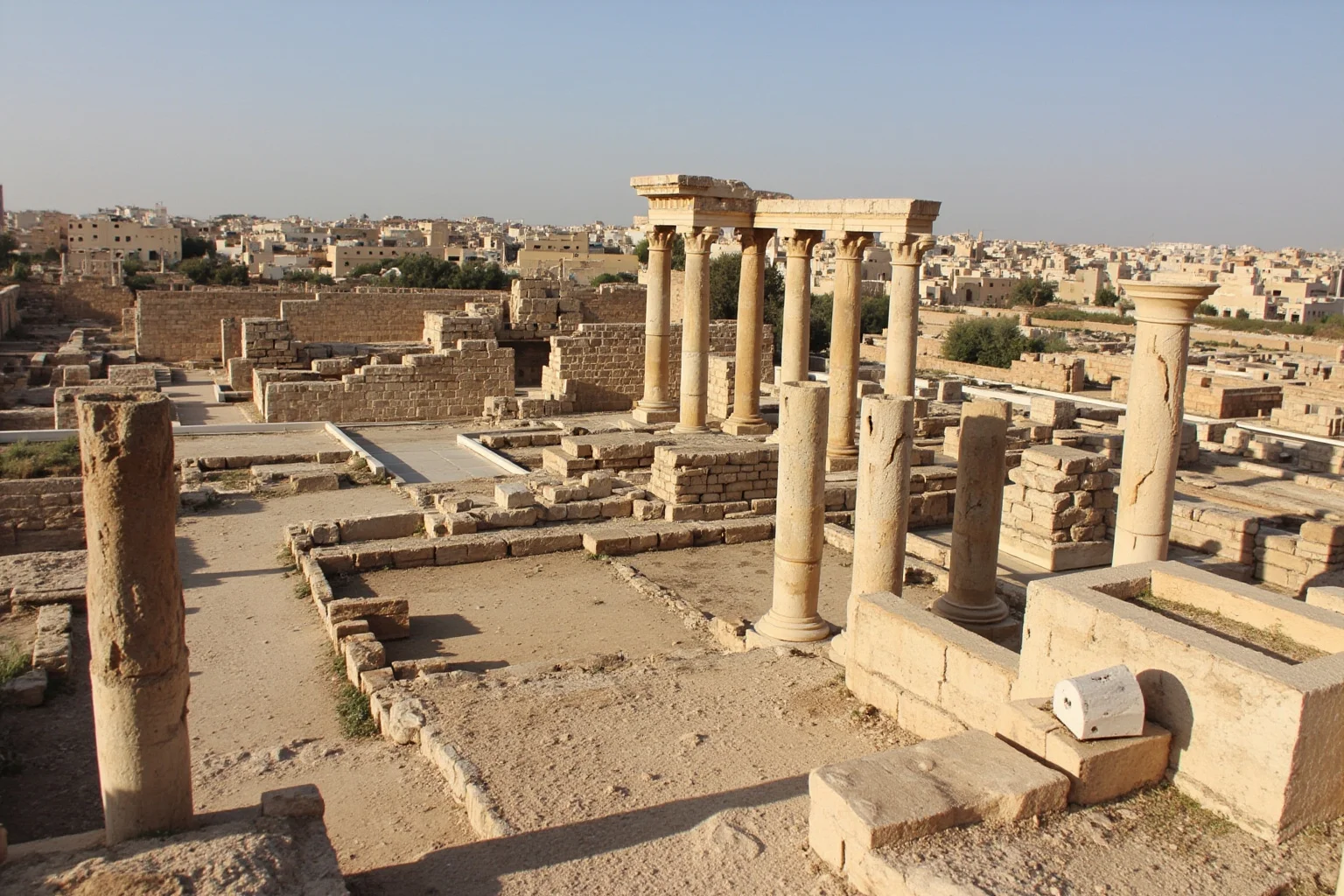
After Alexander died, his general Seleucus took control of the eastern Mediterranean and Mesopotamia, founding the Seleucid Empire. Greek cities and culture spread across the Fertile Crescent, creating a hybrid Hellenistic civilization. Seleucid kings ruled from Antioch in Syria and later from other centers.
The Seleucids eventually lost territory to Rome in the west and to the Parthians in the east. Their reign left a lasting Greek cultural imprint on the region, visible in art, language, and city planning. Many of their foundations became important cities in later periods.
20. Parthians and Sassanians
The Parthians, an Iranian dynasty, took control of Mesopotamia and Iran from the Seleucids and ruled until 224 CE. They were succeeded by the Sassanians, who revived Persian culture and Zoroastrianism as state religion. Both empires controlled the Fertile Crescent for centuries and clashed repeatedly with Rome.
Sassanian art, architecture, and administrative practices influenced the Islamic caliphates that followed. Their capital, Ctesiphon, was one of the largest cities in the world at its height. The Fertile Crescent remained a contested and culturally rich region until the Arab conquests of the 7th century.
Frequently Asked About the Fertile Crescent
One question people often ask is which civilization was not developed in the fertile crescent. The most common answer is ancient Egypt, which developed along the Nile and is usually treated as a neighboring but distinct civilization. Other examples include the Indus Valley Civilization in South Asia and the Yellow River civilizations in China. These developed independently, though they sometimes traded with the Near East.
Another frequent query is about cities and where they were located. For instance, Ur was in Sumer, Nineveh in Assyria, Babylon in Babylonia, and Ugarit in Canaan. Knowing these mappings helps clarify how the region's political geography shifted over millennia. The fertile crescent example of city-state competition is one of its defining features.
The Fertile Crescent Today
So what is the fertile crescent like today? The region remains home to millions of people and several modern nations, though its landscape has changed dramatically. Dams, irrigation projects, and urban growth have altered the rivers that once made the land so fertile. Conflict and climate change have also taken a toll on agriculture and heritage sites.
Iraq, Syria, Lebanon, Israel, Palestine, Jordan, Turkey, and Iran still share the geography of the ancient crescent. Archaeological digs continue to uncover new evidence about the civilizations described above. Museums around the world hold their artifacts, and scholars are still deciphering cuneiform tablets that offer fresh insights.
The Fertile Crescent's legacy is not just in ruins and museums. Writing, law, cities, trade, and the alphabet all trace back to this arc of land. Understanding where the earliest civilizations developed helps us see how much of our modern world began in a relatively small, fertile strip of the ancient Near East.
Conclusion
The Fertile Crescent was never a single country or empire—it was a stage on which dozens of cultures played their parts. From the Sumerians' first cities to the Persians' vast administration, each civilization added something that echoed through later history. If you remember one thing, let it be that the foundations of society as we know it were laid here, in the land between and beyond the rivers.
Frequently Asked Questions
Where was the Fertile Crescent located?
The Fertile Crescent was located in the Middle East, forming an arc from the Persian Gulf through the Tigris and Euphrates river valleys and down the eastern Mediterranean coast. In ancient times, this covered parts of modern Iraq, Syria, Lebanon, Israel, Palestine, Jordan, southeastern Turkey, and western Iran.
What countries are in the Fertile Crescent today?
The modern countries in the Fertile Crescent are generally listed as Iraq, Syria, Lebanon, Israel, Palestine, and Jordan, with portions of southeastern Turkey and western Iran. Egypt is sometimes included as a neighboring region due to cultural ties.
What civilizations were located in the Fertile Crescent?
Civilizations of the Fertile Crescent include the Sumerians, Akkadians, Babylonians, Assyrians, Neo-Babylonians, Hittites, Elamites, Amorites, Hurrians and Mitanni, Kassites, Phoenicians, Israelites and Judahites, Canaanites, Arameans, Neo-Hittites, Urartians, Medes, Persians, Seleucids, and Parthians and Sassanians.
Is Mesopotamia in the Fertile Crescent?
Yes, Mesopotamia is the eastern heart of the Fertile Crescent. The term Mesopotamia refers specifically to the land between the Tigris and Euphrates rivers, while the Fertile Crescent is the broader agricultural arc that also includes the Levant and Mediterranean coast.
Which civilization was not developed in the Fertile Crescent?
Ancient Egypt is the most commonly cited example of a civilization that developed outside the Fertile Crescent, along the Nile River. Other examples include the Indus Valley Civilization in South Asia and the early Chinese civilizations along the Yellow River.
What is the Fertile Crescent like today?
Today the Fertile Crescent is home to several modern nations, with landscapes shaped by dams, irrigation, urban growth, and conflict. Many archaeological sites remain, and scholars continue to study the region's ancient heritage through excavations and cuneiform texts.

Alex Warren
Related Articles