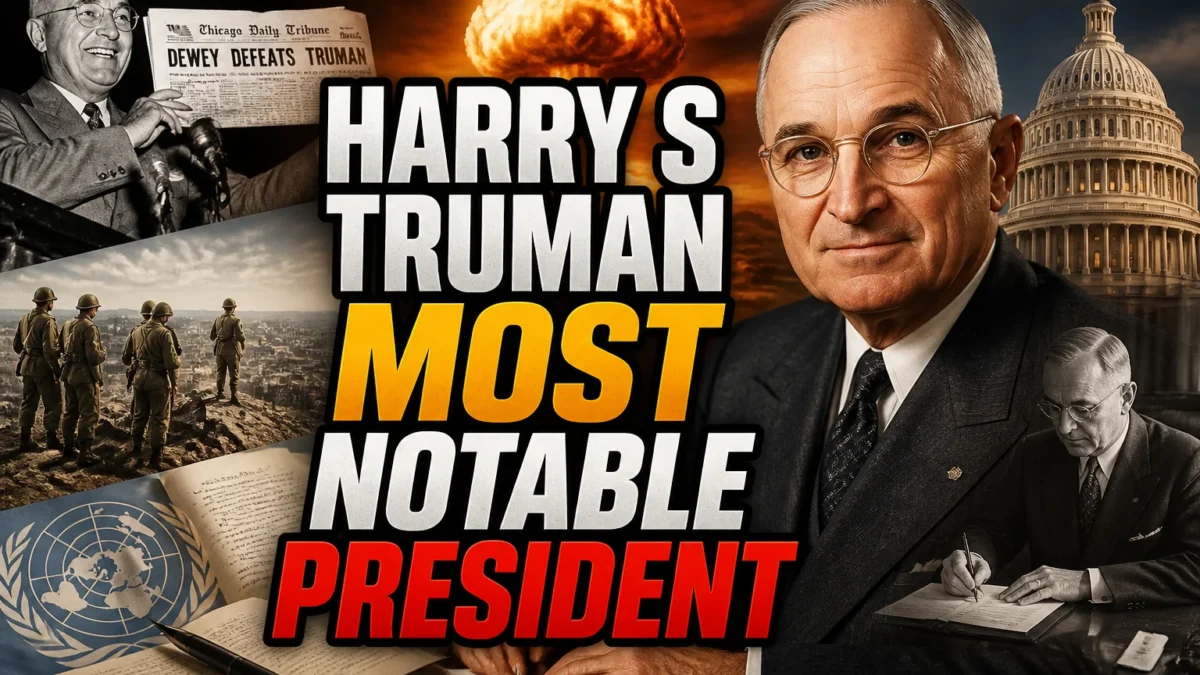
Harry S. Truman took office in April 1945 with almost no preparation for the presidency. Within months, he faced the end of World War II, the dawn of the nuclear age, and the opening moves of the Cold War. Few leaders in American history inherited so much uncertainty so quickly.
Truman's story is also a story about reputation. He left office in 1953 with low approval ratings, yet historians now consistently rank him among the near-great presidents. Understanding what he accomplished, and where he fell short, explains why his legacy keeps growing.
TL;DR: Harry S. Truman's presidency reshaped the postwar world through the Truman Doctrine, the Marshall Plan, NATO, and civil rights action, which is why historians now rank him among America's most consequential leaders.
What Was Harry Truman Known For? The Short Answer
Ask what Harry Truman was known for, and most people mention the atomic bomb or the famous "The Buck Stops Here" sign on his desk. Both are accurate, but they only scratch the surface of a presidency that touched nearly every major issue of the mid-20th century.
Truman is known for ending World War II, launching the containment policy against Soviet expansion, and integrating the U.S. military. He is also remembered for firing General Douglas MacArthur, recognizing Israel, and winning one of the most surprising elections in American history in 1948.
His importance comes from timing as much as talent. He was the president who had to convert a wartime economy and wartime alliances into a peacetime order that could survive the nuclear age.
Was Harry Truman a Good President? How Historians Judge Him
The question "was Harry Truman a good president" has no simple answer, and honest historians do not pretend otherwise. Modern rankings, including those from C-SPAN surveys of historians, typically place Truman in the top ten, often around sixth or seventh. That is a remarkable reversal from his final years in office, when his approval rating sank into the twenties.
Scholars credit him for decisive leadership during crises and for building institutions that outlasted his administration. They fault him for the internment-era racial attitudes he carried into office, for early struggles with economic reconversion, and for the human cost of some Cold War decisions. The verdict is not that he was flawless, but that he consistently made consequential choices under enormous pressure.
It is worth noting that Truman himself never claimed greatness. He described the presidency as a place where decisions come to you whether you want them or not, and he approached the job as a duty rather than a prize.
Harry S. Truman's Accomplishments as President: A Closer Look
Truman's major accomplishments fall into a few broad categories: ending the war, containing Soviet power, rebuilding Europe, and expanding the role of the federal government at home. Each category contains decisions that still shape American life.
Below are the achievements that historians most often cite when explaining why Harry S. Truman was important. Together they show a president who set the boundaries of the postwar world.
1. He Made the Decision to Use Atomic Weapons Against Japan
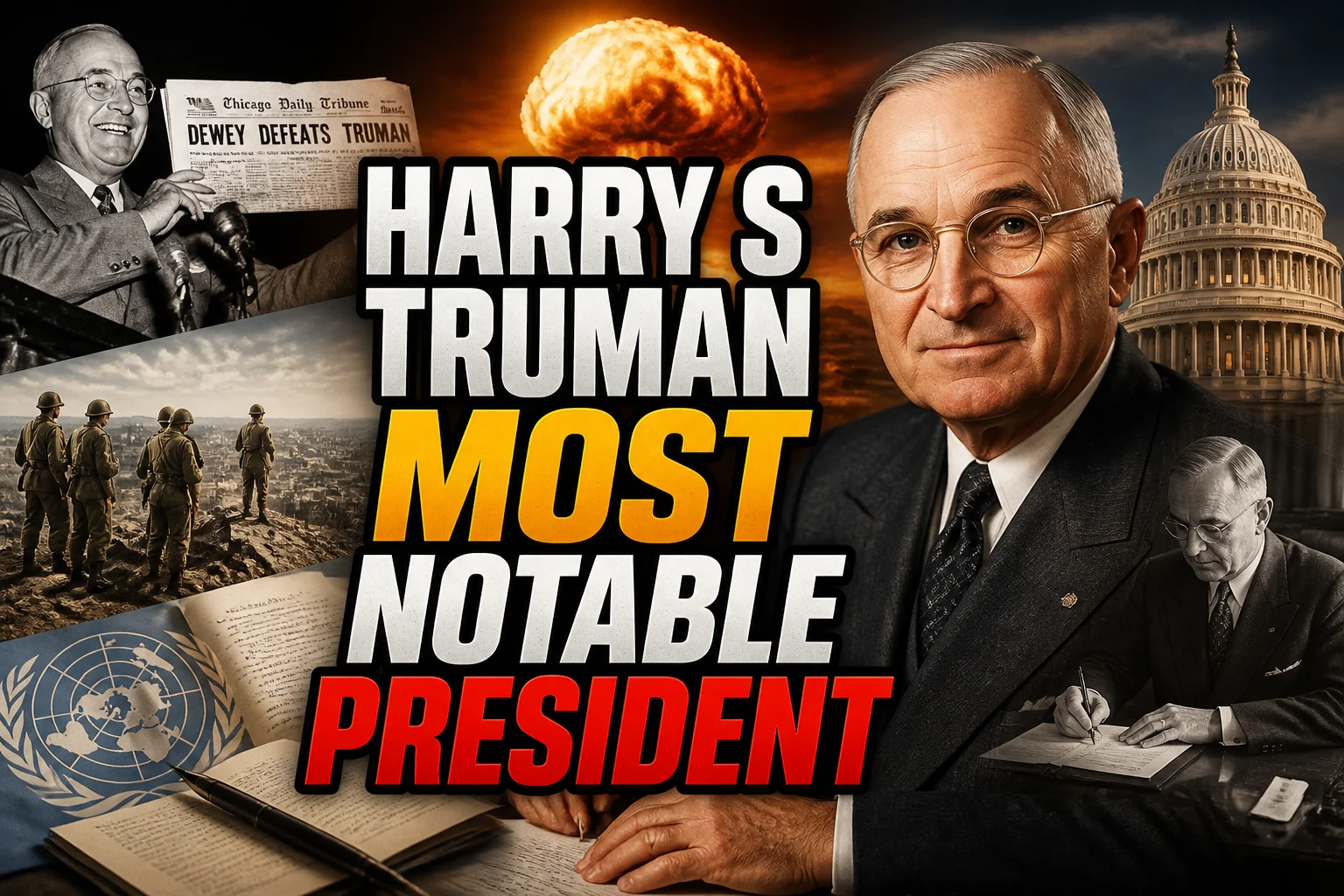
In August 1945, Truman authorized the bombings of Hiroshima and Nagasaki, the only use of nuclear weapons in warfare. He inherited the Manhattan Project from Franklin Roosevelt and made the final call after being advised that an invasion of Japan could cost hundreds of thousands of American casualties.
Historians continue to debate whether the bombings were necessary or whether alternatives might have ended the war. What is not disputed is the consequence: Japan surrendered within days, and the world entered a nuclear era that Truman then had to manage.
2. He Oversaw the End of World War II and the Occupation of Japan
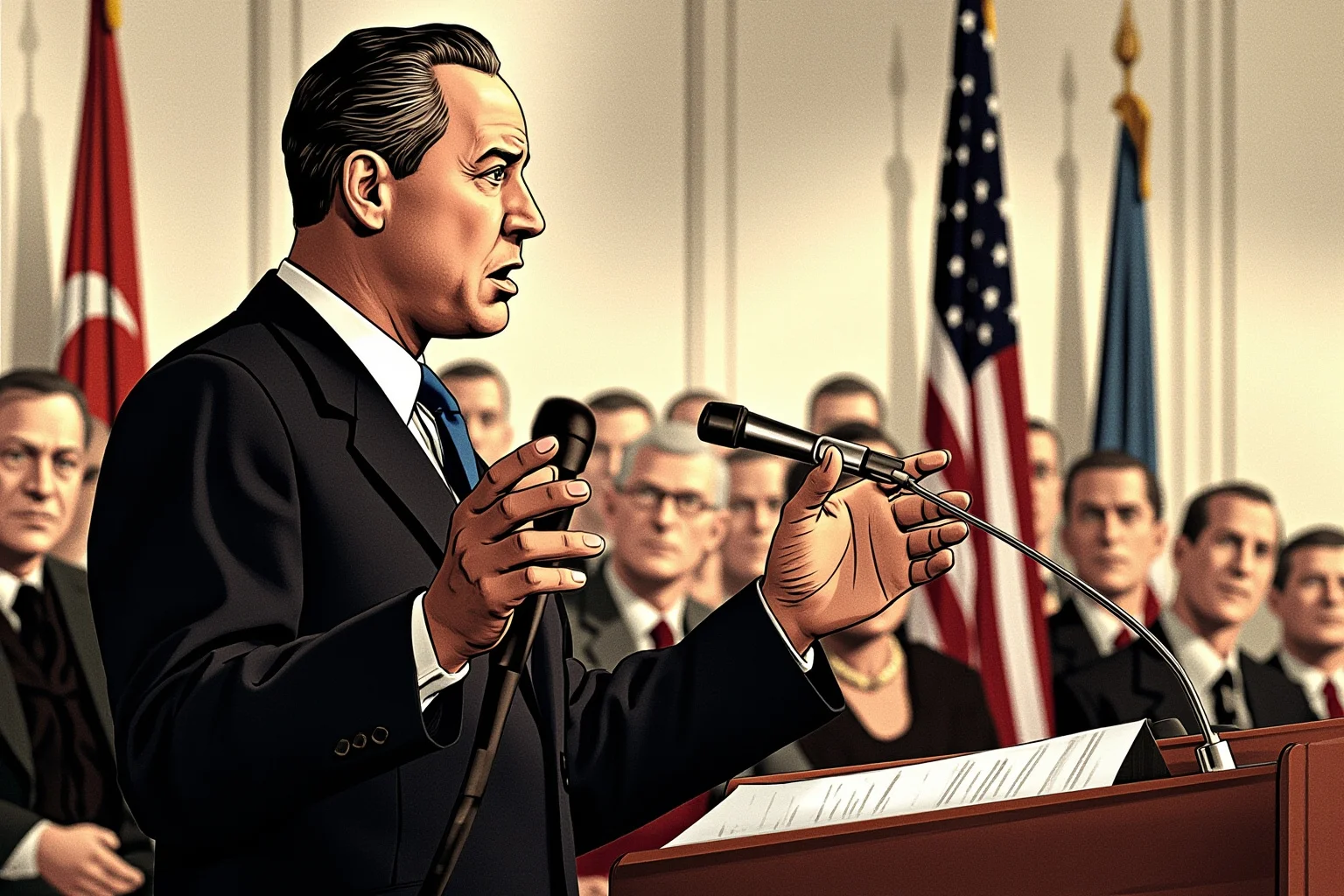
Truman guided the Allied victory in Europe and the Pacific to completion, then supervised the occupation and reconstruction of Japan and Germany. Under his administration, Japan adopted a new constitution that renounced war and established democratic institutions.
This occupation is one of the clearest examples of Truman's significance. A defeated enemy became a stable democratic ally within a generation, largely because of the framework his administration helped build.
3. He Created the Truman Doctrine
In 1947, Truman asked Congress to support free peoples resisting armed subjugation, initially in Greece and Turkey. This became known as the Truman Doctrine, the first formal declaration of the containment policy that defined American foreign policy for four decades.
The doctrine was not a single law or program. It was a framework, and it committed the United States to a global role it had avoided since its founding.
4. He Launched the Marshall Plan
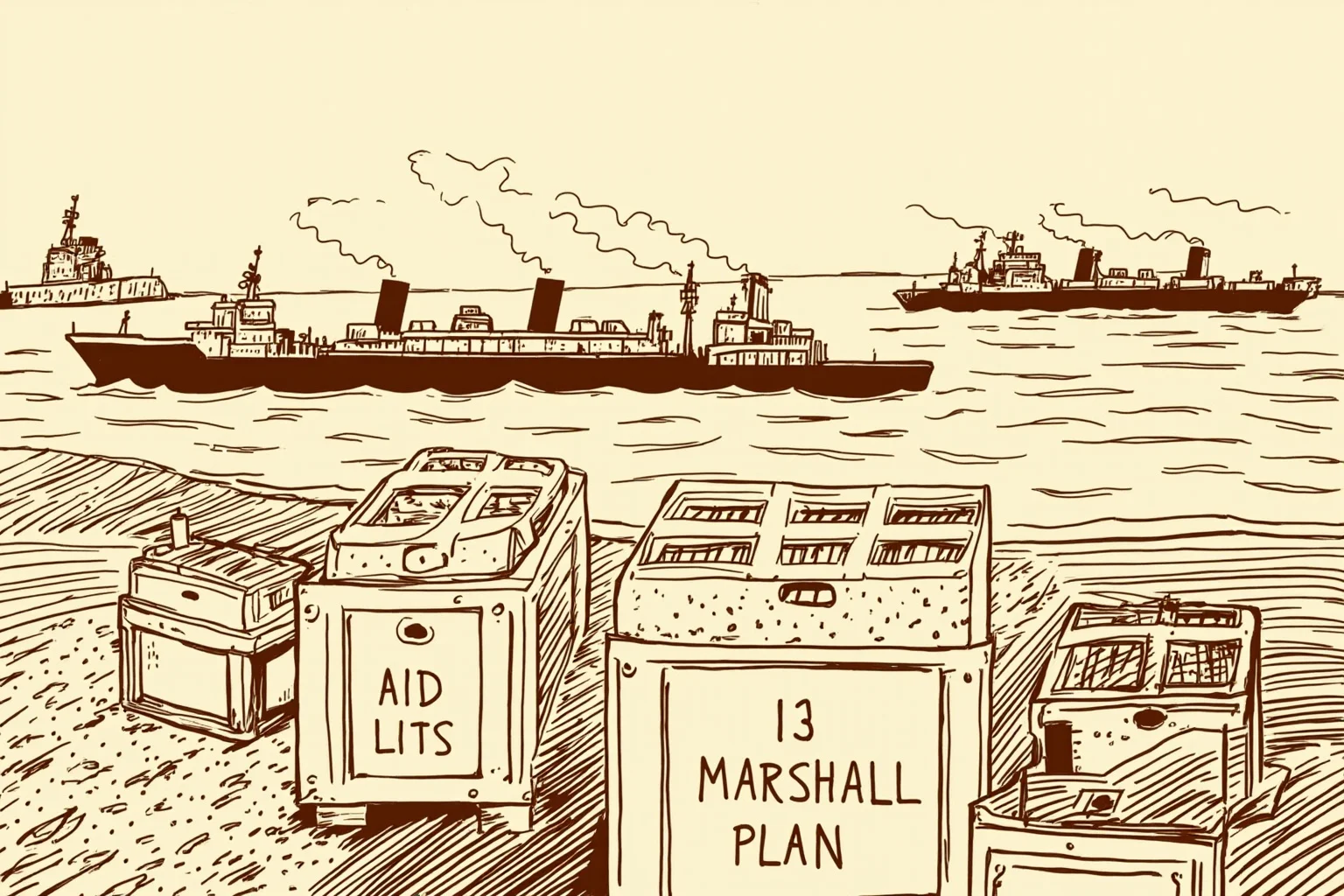
Also in 1947, Secretary of State George Marshall proposed a massive program of economic aid to rebuild Western Europe. Truman championed it through Congress, and over four years the United States sent roughly $13 billion in assistance.
The Marshall Plan is widely considered one of the most successful foreign policy initiatives in American history. It stabilized economies, weakened the appeal of communist parties in Western Europe, and created durable alliances.
5. He Helped Found NATO
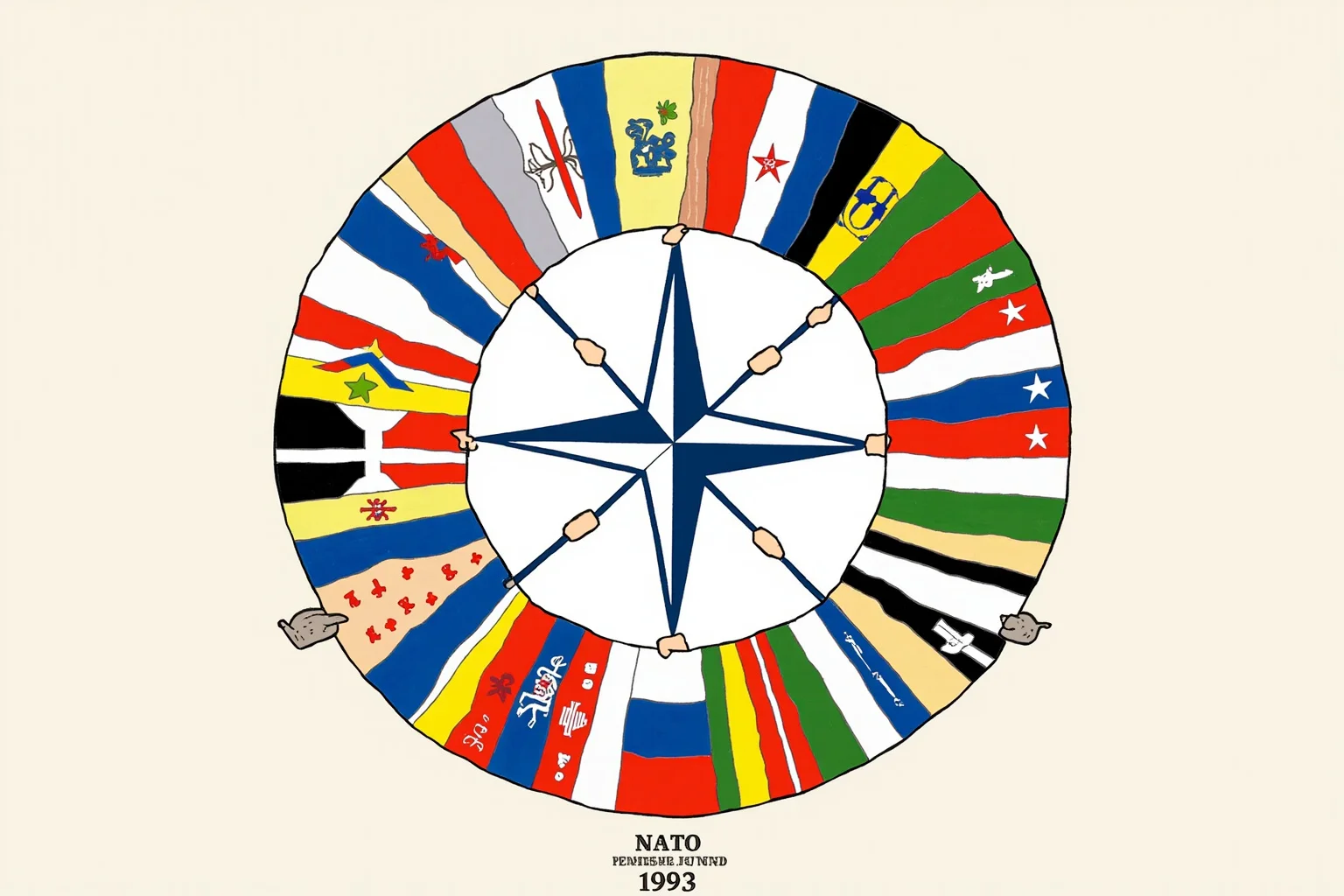
In 1949, Truman signed the North Atlantic Treaty, creating a collective defense alliance among the United States, Canada, and Western European nations. For the first time, the United States joined a permanent peacetime military alliance.
NATO became the backbone of Western security during the Cold War and remains central to transatlantic relations today. Its creation is a direct measure of Truman's lasting impact.
6. He Ordered the Berlin Airlift
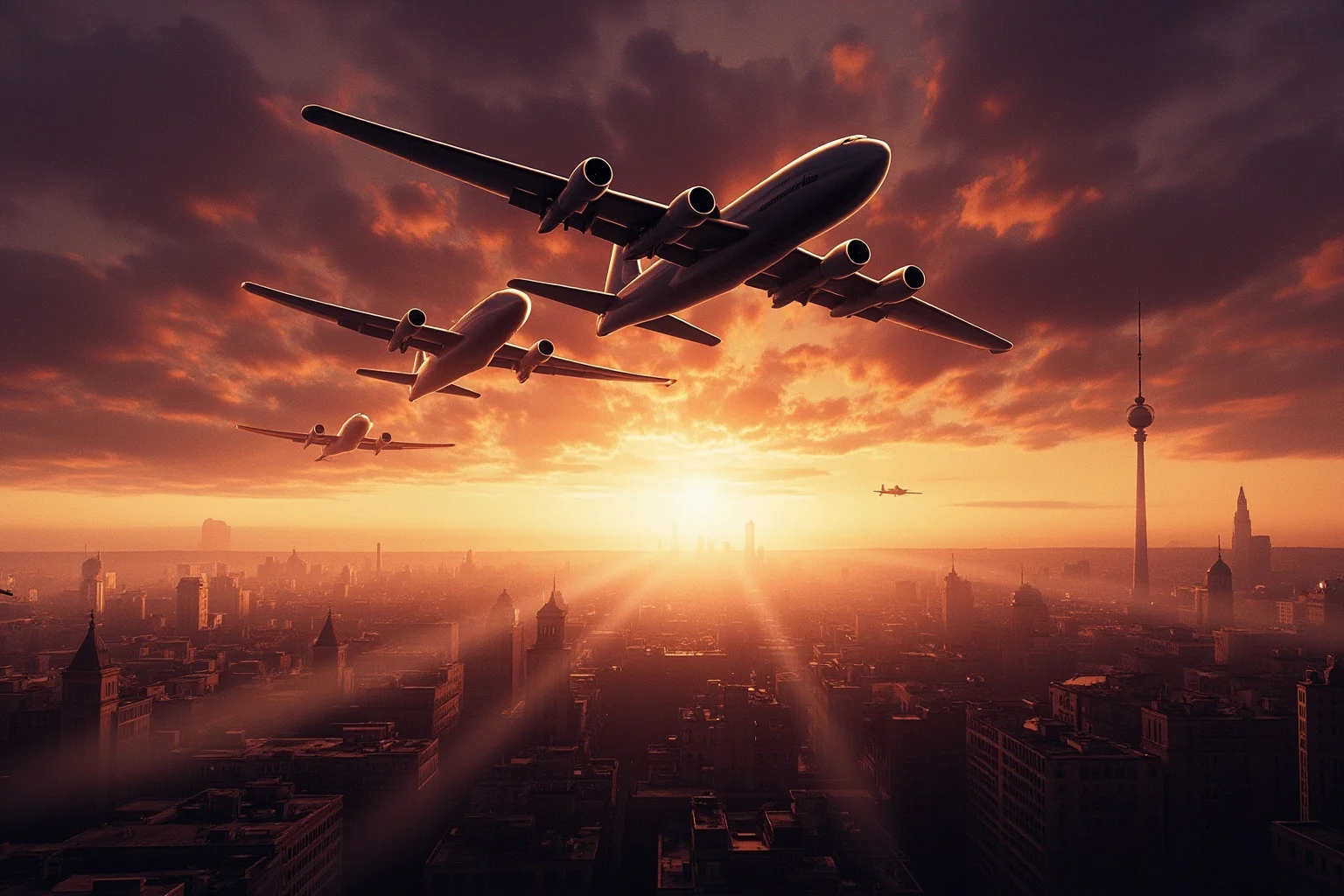
When the Soviet Union blockaded West Berlin in 1948, Truman chose to supply the city by air rather than abandon it or force a military confrontation. For nearly a year, American and British planes delivered food, fuel, and supplies to more than two million residents.
The airlift succeeded, the blockade was lifted, and West Berlin survived as a symbol of Western resolve. It was a model of how Truman preferred to fight the Cold War: firmly, but without triggering a hot war.
7. He Desegregated the U.S. Military
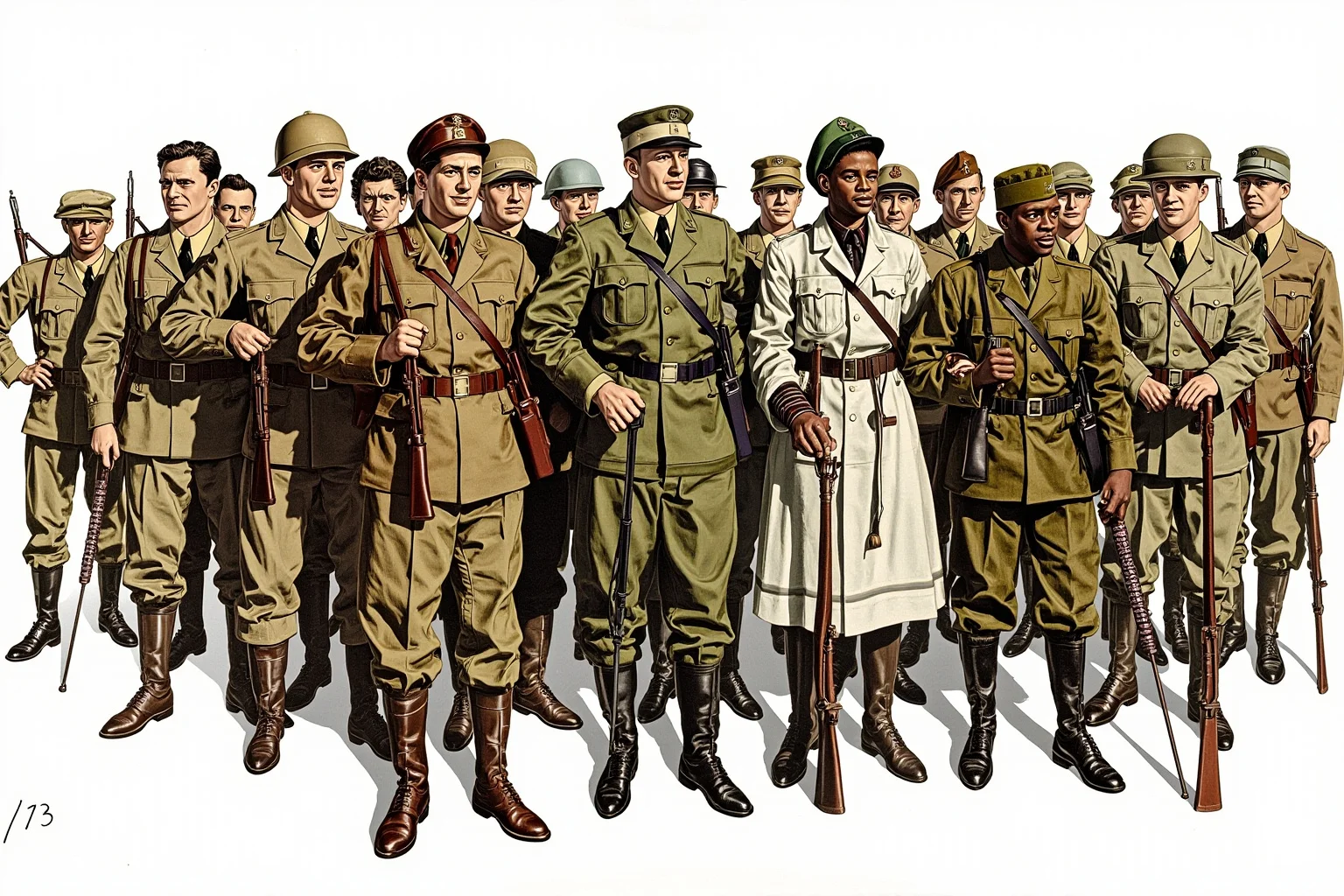
In 1948, Truman issued Executive Order 9981, which called for equality of treatment and opportunity in the armed forces regardless of race. This ended formal racial segregation in the military and marked a major early victory for the civil rights movement.
Truman's record on race was mixed, and he grew up in a segregated Missouri and used offensive language in private. Still, he took a step no president had taken before, and he did it in an election year when it cost him votes.
8. He Recognized the State of Israel

In 1948, just eleven minutes after Israel declared independence, Truman granted de facto recognition. He acted against the advice of many State Department officials and amid intense pressure from both sides.
The decision shaped American foreign policy in the Middle East for generations. Whether one views it as wise or not, its significance is impossible to overstate.
9. He Won the 1948 Election Against All Odds
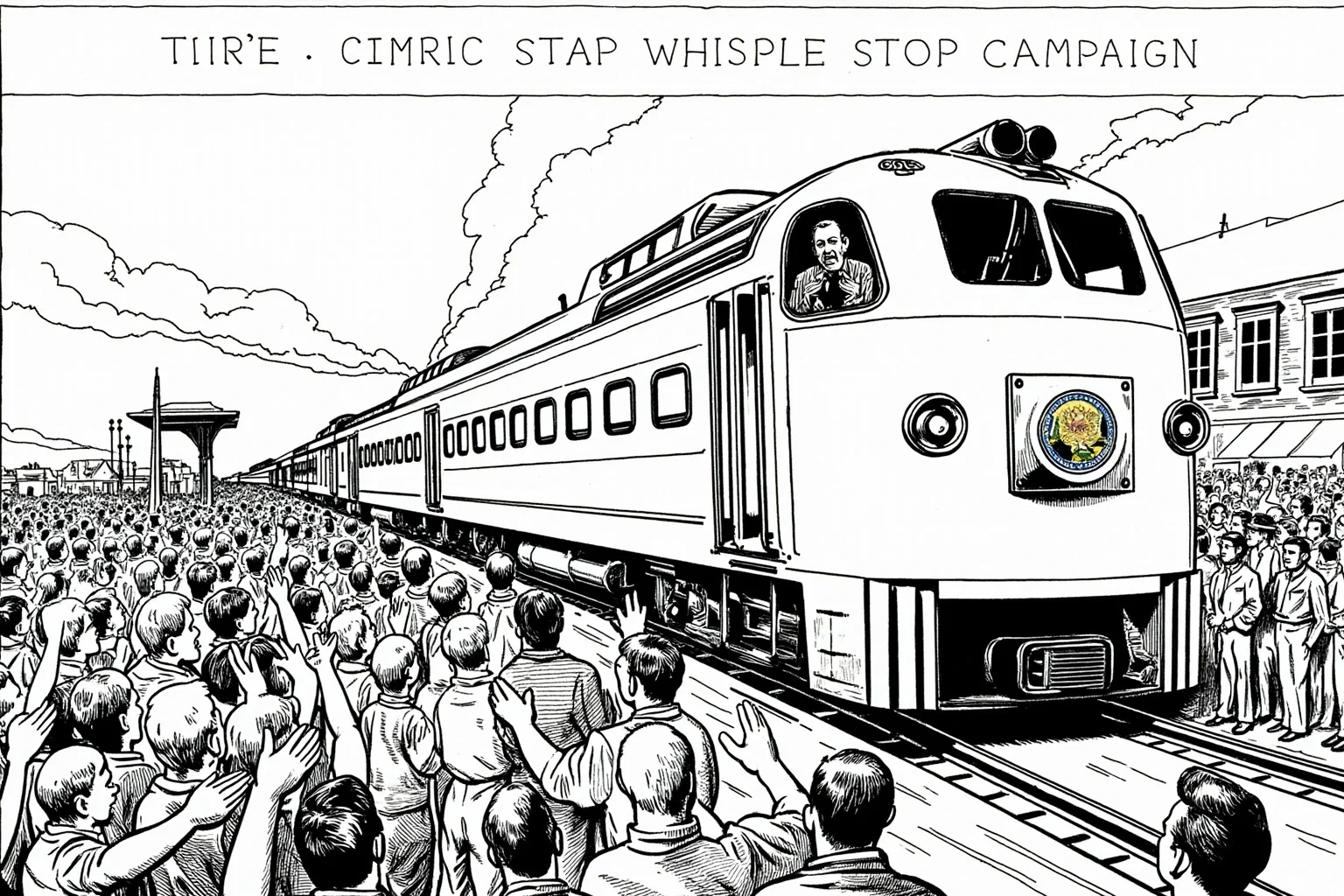
Every major poll and nearly every newspaper predicted Truman would lose to Thomas Dewey in 1948. Truman ran a whistle-stop campaign, attacked the "do-nothing Congress," and won 303 electoral votes.
The famous photograph of Truman holding up the Chicago Tribune headline reading "Dewey Defeats Truman" became an enduring image. The upset is still studied as a case in polling error and underestimated candidates.
10. He Proposed the Fair Deal
After the New Deal, Truman proposed an ambitious domestic agenda he called the Fair Deal. It included national health insurance, federal aid to education, civil rights legislation, and higher minimum wage protections.
Congress blocked much of it, but parts became law, including an increase in the minimum wage and expansion of Social Security. The Fair Deal set the agenda that later presidents would eventually enact.
11. He Integrated the Federal Civil Service
Beyond the military, Truman pushed to end discrimination in federal employment. His administration established fair employment practices and created committees to investigate racial discrimination in hiring.
These steps did not end discrimination, but they made the federal government a participant in the fight rather than a bystander. They also laid groundwork for later executive action on civil rights.
12. He Fired General Douglas MacArthur
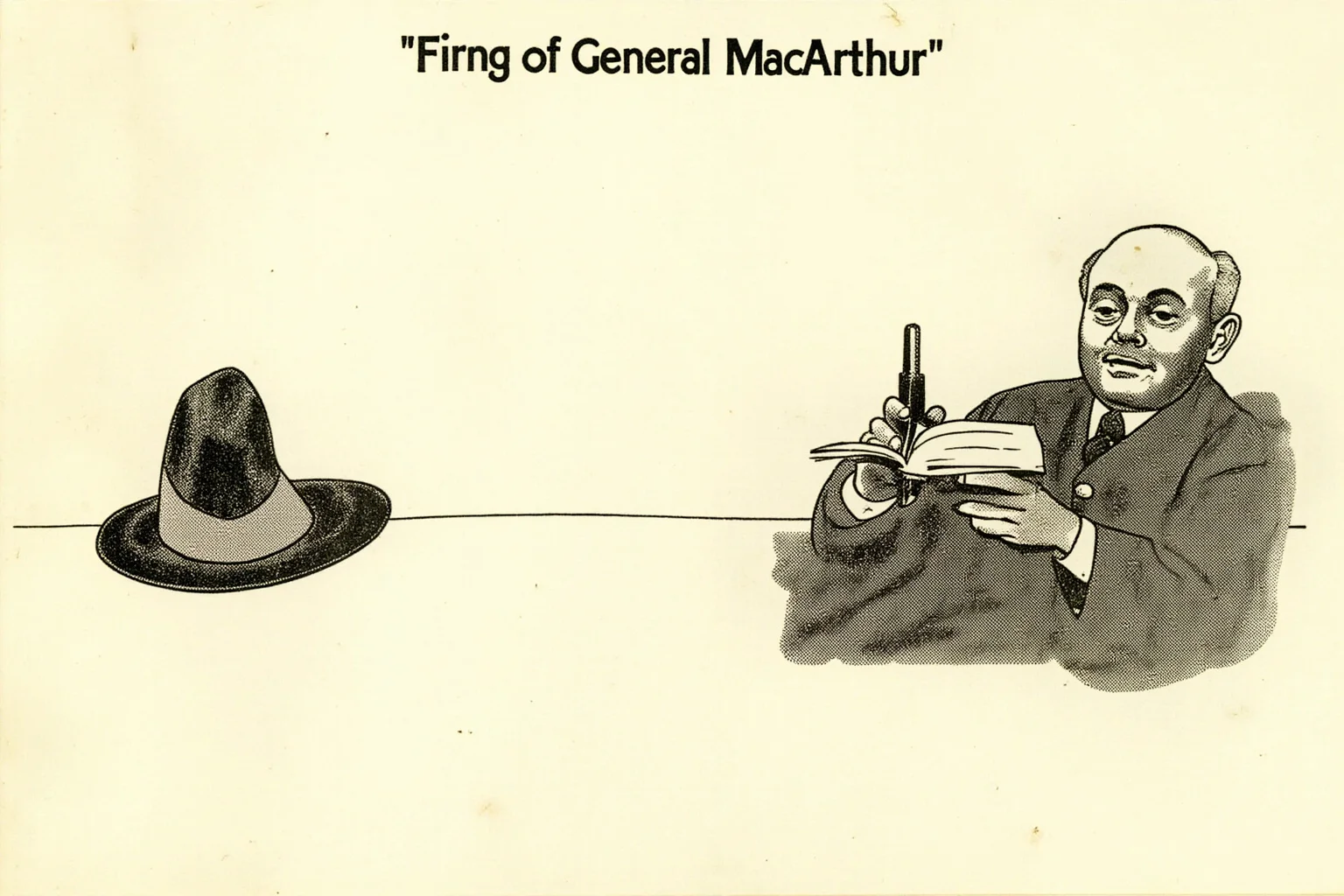
In 1951, Truman relieved General Douglas MacArthur of command in Korea after MacArthur publicly disagreed with administration policy and sought to expand the war into China. The decision was enormously unpopular at the time.
Truman believed that civilian control of the military was non-negotiable, and he acted on that principle. Most historians now regard the firing as a necessary defense of constitutional authority.
13. He Committed the U.S. to Defend South Korea
When North Korea invaded South Korea in 1950, Truman ordered American forces to intervene under a United Nations mandate. The Korean War ended in a stalemate, but it preserved South Korea's independence.
South Korea later became one of the world's leading economies and democracies. Truman's decision, controversial at the time, is now often cited as a defining moment of containment.
14. He Established the CIA and the National Security Council
The National Security Act of 1947 reorganized the American military and intelligence apparatus. It created the Central Intelligence Agency, the National Security Council, and the Department of the Air Force.
These institutions became permanent features of American governance. Their creation reflects how thoroughly Truman reshaped the structure of national security.
15. He Managed the Postwar Economic Transition
When the war ended, many economists feared a return to the Great Depression. Truman managed the shift from wartime production to consumer goods, dealt with inflation and labor strikes, and avoided a postwar collapse.
The transition was rocky, and his approval ratings suffered. Still, the economy stabilized and entered a long period of growth during the following decade.
16. He Signed the National Security Act and Unified the Armed Forces
The same 1947 law that created the CIA also unified the Army, Navy, and newly independent Air Force under a single Department of Defense. This ended decades of interservice rivalry and duplication.
Truman had pushed for unification since his Senate days, where his wartime investigating committee had exposed waste. The reform made the American military more coordinated at the start of the Cold War.
17. He Expanded Social Security
The Social Security Amendments of 1950 significantly increased benefits and extended coverage to millions of additional workers, including many self-employed and farm workers. This expansion strengthened the program's role in American life.
Truman's domestic legacy is often overshadowed by foreign policy, but his Social Security expansion affected ordinary Americans directly. It helped cement the program as a foundational part of the social safety net.
18. He Advanced the United Nations
Truman strongly supported the new United Nations and hosted its founding conference in San Francisco in 1945. He pushed for American participation in a way that his predecessor had only begun to secure.
He also supported the Marshall Plan through European institutions and used the UN to authorize action in Korea. His administration treated international cooperation as a tool of American power rather than a threat to it.
19. He Helped Create the State of West Germany
Truman's administration supported the merger of the Western occupation zones of Germany and their integration into Western Europe. This led to the founding of West Germany in 1949 and its inclusion in NATO.
Turning a former enemy into a democratic ally was a central achievement of the postwar years. It also required Truman to resist calls to permanently weaken Germany.
20. He Set the Precedent for Presidential Accountability
Truman was known for taking responsibility, symbolized by the "The Buck Stops Here" sign he kept on his desk. He accepted blame for decisions that went wrong and refused to hide behind advisers.
This approach shaped expectations for the modern presidency. It is one reason he remains a model for leaders who value decisiveness over popularity.
What Was Harry S. Truman Famous For Beyond Politics?
Truman's fame extends beyond his official acts. He was the last American president without a college degree, having worked as a farmer, bank clerk, and haberdasher before entering politics. That background gave him a plainspoken style that many Americans found relatable.
He was also famous for his honesty and his habit of walking through Washington without heavy security. His daughter Margaret's singing career and his sharp correspondence are part of his public image as well.
His famous comeback in 1948 and the "Dewey Defeats Truman" photograph turned him into a cultural symbol of underestimated underdogs. Few presidents have a single image so tightly associated with their story.
Why Was Harry Truman Important? The Significance of His Presidency
Truman's significance lies in the sheer number of permanent institutions and policies he set in motion. The CIA, NATO, the Truman Doctrine, the Marshall Plan, and the desegregated military all trace back to his administration.
He also established the tone of American Cold War leadership. He chose containment over rollback, alliances over isolation, and civilian control over military autonomy, and those choices defined the next forty years.
His presidency is a case study in how leadership during a crisis can outweigh popularity during a term. Truman was not a beloved president in 1953, but the policies he defended proved durable.
Harry Truman's Legacy: Why He Keeps Rising in Rankings
Truman's legacy has grown steadily since he left office. The institutions he built proved resilient, and the decisions he made in the late 1940s became the consensus of both parties during the Cold War.
His reputation also benefits from contrast. Later presidents faced scandals and wars that made Truman's plain dealing look admirable, and his warnings about the dangers of concentrated power aged well.
At the same time, his legacy includes real controversy. The atomic bombings, the Korean War stalemate, and the limits of his civil rights record remain subjects of serious debate among historians.
Was Harry S. Truman a Good President? The Final Verdict
Most modern scholars answer yes, with qualifications. Truman faced challenges that would have tested any leader, and he made decisions that shaped the world for decades, often without a clear roadmap.
His greatest strength was decisiveness combined with a willingness to accept responsibility. His greatest weaknesses included a sometimes rigid worldview and a domestic record that fell short of his own proposals.
If the question is whether he was notable, the answer is unambiguous. Truman's presidency is a hinge point in American history, and understanding it is essential to understanding the country and the world it helped build after 1945.
Frequently Asked Questions
Was Harry Truman a good president?
Most modern historians consider Truman a successful president, typically ranking him in the top ten. They credit his leadership on containment, the Marshall Plan, NATO, and military desegregation, while acknowledging controversies such as the atomic bombings and the Korean War stalemate. His low approval ratings at the time he left office have since been revised upward by scholars.
What was Harry Truman known for?
Truman is best known for authorizing the atomic bombings of Japan, creating the Truman Doctrine and containment policy, launching the Marshall Plan, helping found NATO, desegregating the U.S. military, and winning the 1948 election against all predictions. He is also remembered for the "The Buck Stops Here" sign on his desk.
What were Harry S. Truman’s major accomplishments as president?
His major accomplishments include ending World War II, overseeing the occupation of Japan and Germany, creating the Truman Doctrine, implementing the Marshall Plan, founding NATO, ordering the Berlin Airlift, desegregating the armed forces, recognizing Israel, establishing the CIA and National Security Council, and expanding Social Security.
Why was Harry Truman important?
Truman was important because he defined the American response to the early Cold War. He built the institutions and alliances that shaped global politics for decades, including NATO and the CIA, and he committed the United States to containing Soviet expansion through policies like the Truman Doctrine and the Marshall Plan.
What is Harry Truman’s legacy today?
Truman's legacy includes the containment framework, the NATO alliance, a desegregated military, and a strengthened Social Security system. His reputation has risen steadily since the 1950s, and he is now widely regarded as one of the most consequential presidents of the 20th century.
Was Harry S. Truman a good president compared to others?
In rankings such as the C-SPAN presidential surveys, Truman usually places in the top ten, often around sixth or seventh. He is generally grouped with presidents considered near-great, behind figures like Lincoln and Washington but ahead of many more recent presidents.

Alex Warren
Related Articles