The 1940s were a decade defined by profound contrast. World War II dominated the first half, rationing shaped daily life, and families were often separated by oceans and battlefields. Yet out of that hardship came an intense focus on home, stability, and the next generation. When the war ended, a baby boom began, and parents poured their hopes into the names they chose.
Names from the 40's carry a distinctive blend of tradition and optimism. Some honored family members serving overseas, while others reflected the glamour of the silver screen. This list explores the names that defined the decade, digging into the cultural forces that made them so beloved. You might be surprised by which classics actually peaked in this era and which ones have faded almost entirely from use.
TL;DR: The 1940s produced a naming style rooted in steadfast tradition, wartime hope, and Hollywood glamour — with James, Mary, Robert, and Linda leading the charge.
Why 1940s Names Still Feel So Familiar
The names parents adored in the 1940s have a staying power that few other decades can match. That is because this era did not invent a bold new naming style so much as perfect an older one. The sounds were sturdy, the nicknames were reliable, and the gender lines were rarely blurred.
Social Security Administration records from the decade show a remarkable concentration at the top of the charts. A relatively small number of names accounted for a huge share of all births. Parents wanted names that felt safe, established, and respectable in a world that felt anything but.
That does not mean the decade was boring, however. The war brought new names into the spotlight through newsreels, songs, and the soldiers themselves. Hollywood then took over in the late 1940s, pushing a softer, more romantic set of names for the next wave of babies.
20. Carol
Carol was a beloved choice for baby girls throughout the 1940s, peaking in popularity during the early part of the decade. The name has roots in the Old French word for a joyful song or dance, which made it feel bright and musical. During the war years, the connection to Christmas carols gave it an extra layer of warmth and comfort.
The name also benefited from the era's love of short, cheerful names for women. Carol felt modern without being strange, friendly without being fussy. It slid easily into the workplace and the home alike.
Its popularity faded quickly after the 1960s, which makes Carol feel deeply tied to this specific moment in history. A Carol born in 1945 would have shared her name with thousands of other girls her age. That shared experience is part of what makes the name so evocative of the decade.
19. Donald
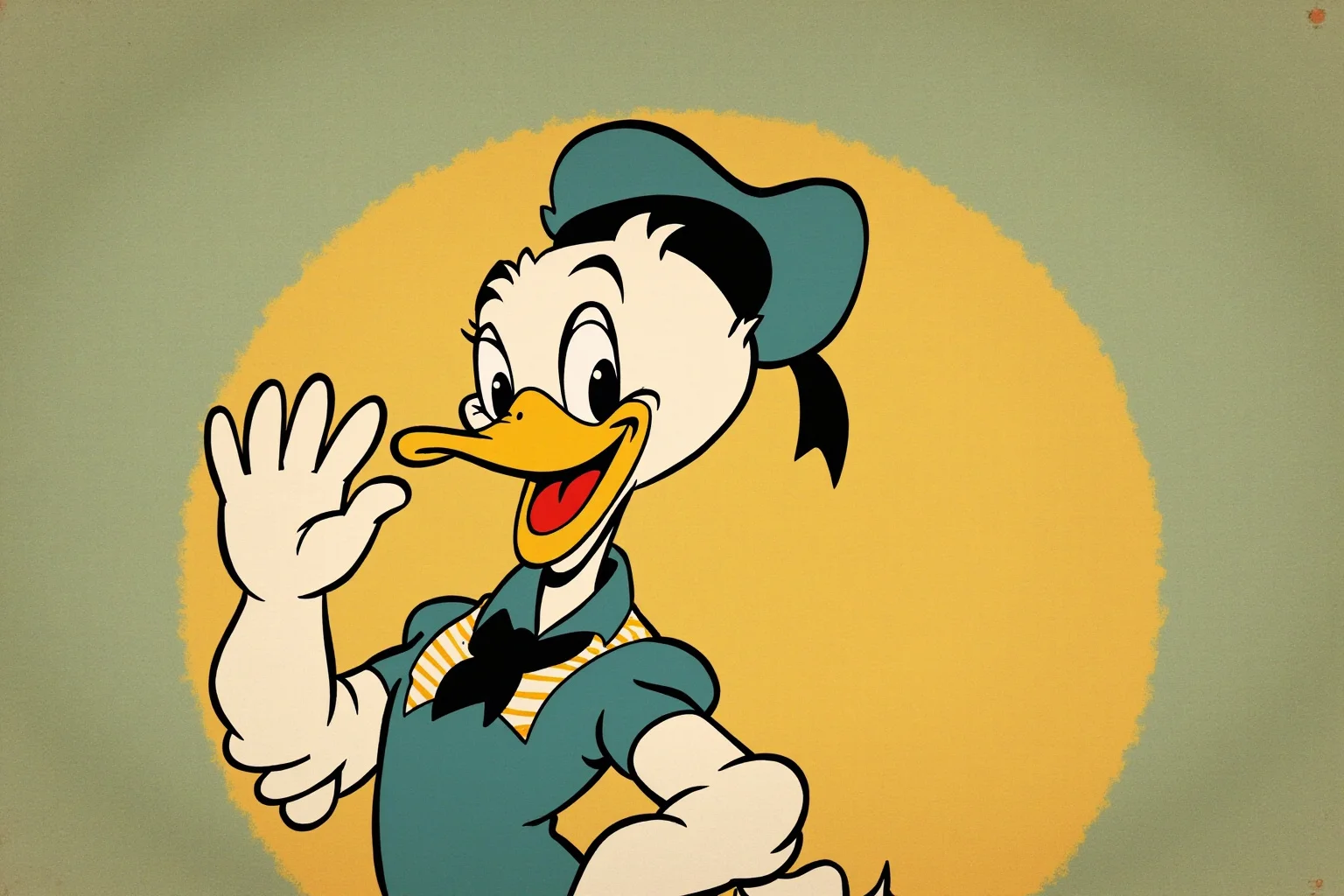
Donald was already a solid favorite before the 1940s began, but the decade cemented its place in American naming history. The name has Scottish origins and means "world ruler," a meaning that fit the era's desire for strong, capable sons. Parents in the 1940s would not have known the future political associations the name would develop; to them, it simply sounded dependable.
One surprising cultural factor helped keep Donald in circulation: a certain cartoon duck. Disney's Donald Duck had become a massive star by the 1940s, appearing in wartime propaganda shorts and morale-boosting cartoons. That association made the name feel playful and patriotic at the same time.
Donald remained a top-20 name for American boys throughout the decade. Its peak came slightly later, but the 1940s were the years when it truly became a generational marker. Millions of boys born in this era would carry the name into classrooms, factories, and boardrooms for decades to come.
18. Shirley
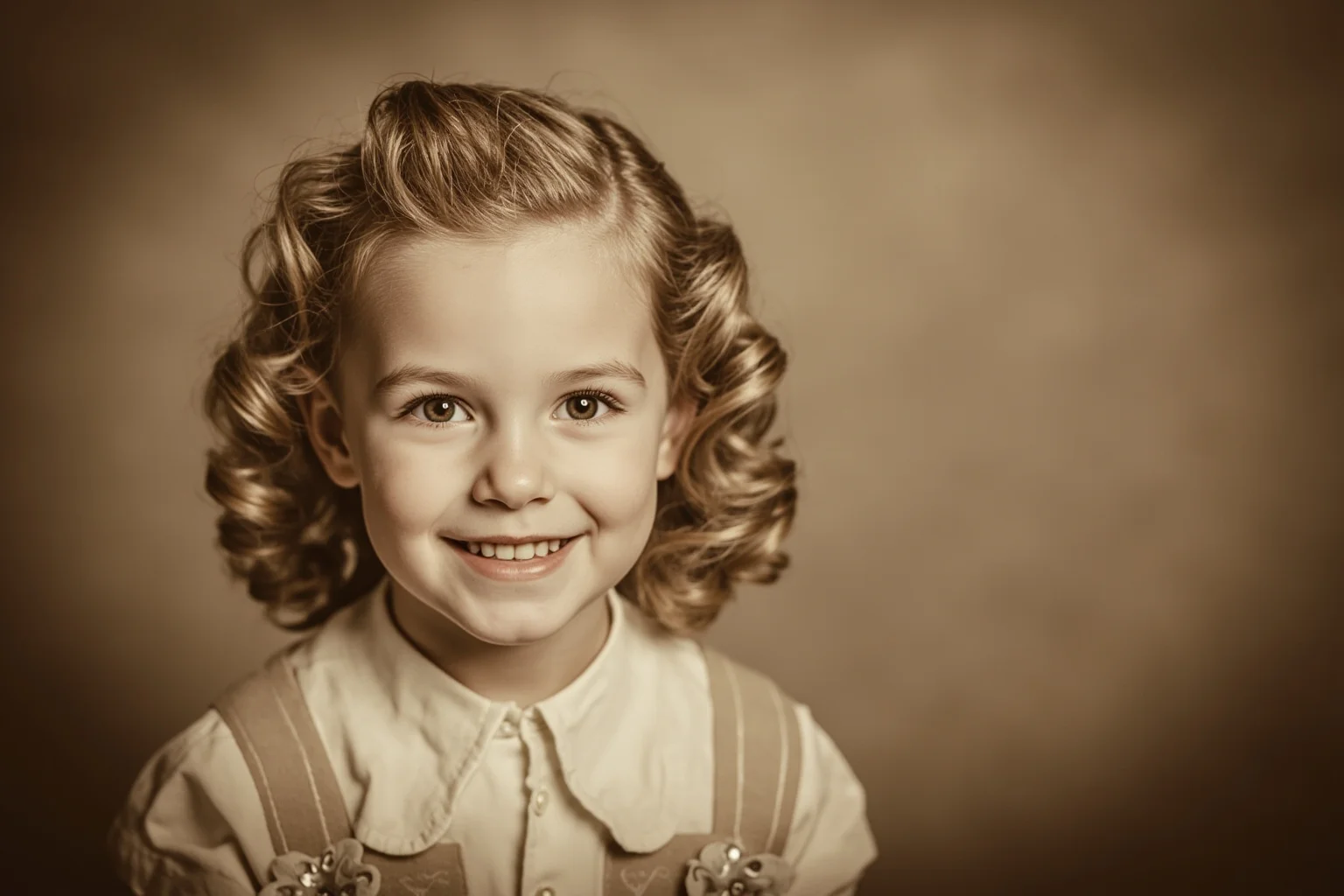
Shirley had already enjoyed a spectacular run in the 1930s, thanks largely to child star Shirley Temple. The 1940s kept that momentum going, though the name began a slow decline as the decade progressed. Even so, it remained one of the most recognizable girls' names from the 40's.
The name originated as an English place name meaning "bright clearing" or "shire meadow." That pastoral imagery felt worlds away from the bombed-out cities of wartime Europe. For American parents, Shirley offered a sense of peace and wholesomeness during a frightening time.
Shirley Temple herself continued to be a major box office draw in the early 1940s, transitioning from child star to teenager. Her image was everywhere, from magazine covers to product endorsements. The name's association with her sunny persona kept it popular long after the actress herself had grown up.
By the end of the decade, Shirley was beginning to feel slightly dated. Parents increasingly turned to fresher, softer names for their daughters. Still, for anyone born in the early 1940s, Shirley was one of the most common and beloved names a girl could receive.
17. Richard
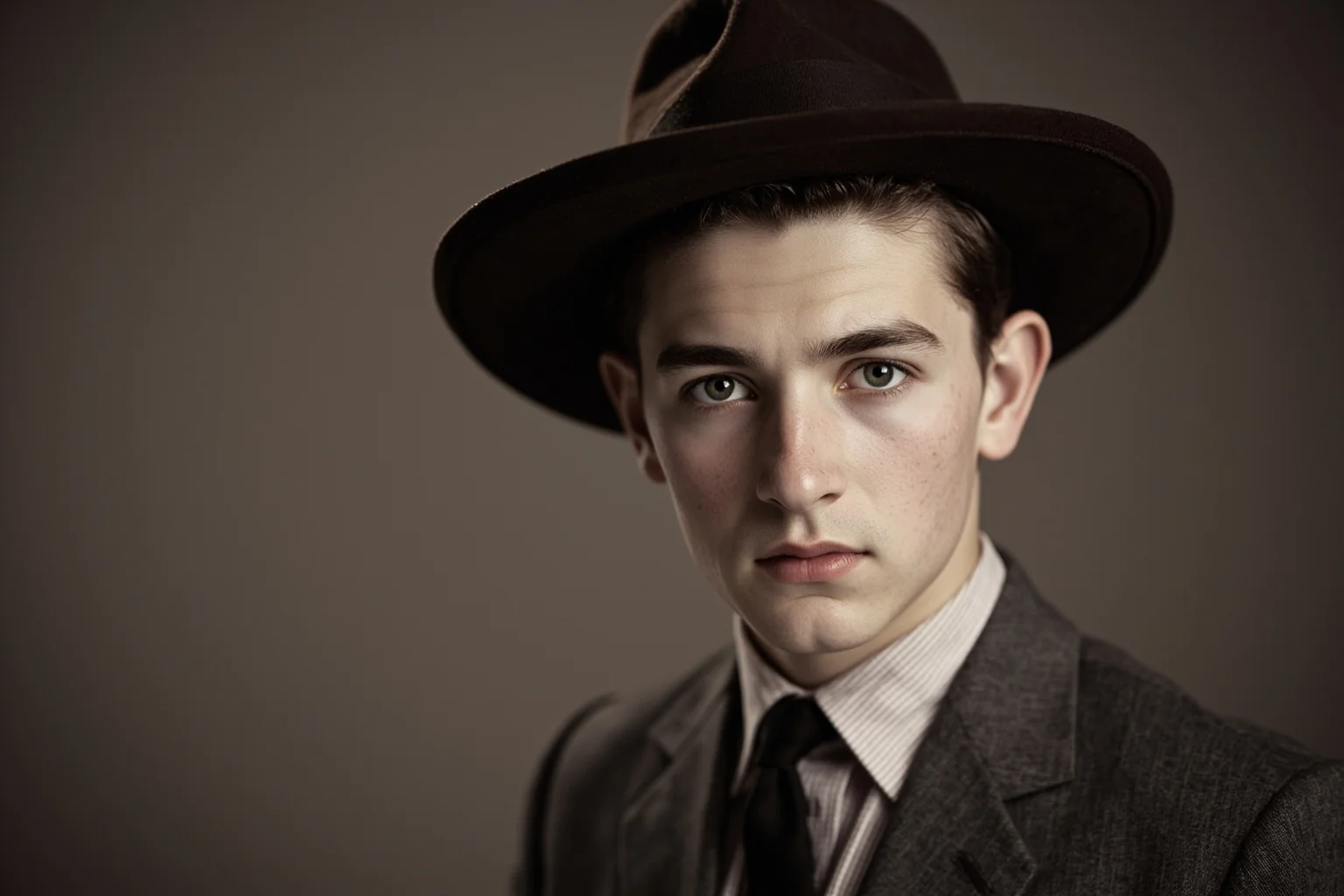
Richard was a powerhouse name for boys throughout the 1940s, consistently ranking near the very top of the charts. The name comes from Old German roots meaning "brave ruler" or "strong in rule." That martial meaning resonated deeply during the war years, when parents wanted sons who would grow up strong and protected.
The name's long royal history in England also gave it an air of dignity. Three English kings had borne the name, and its literary and historical weight was well known. For American parents, Richard felt both aristocratic and approachable.
The nickname Dick was common during this era and carried none of the crude connotations it would develop later. A boy named Richard in the 1940s was likely called Dick by his friends and family from a young age. The full name, however, remained the preferred choice on birth certificates.
Richard's popularity spanned the entire decade, from the darkest days of the war to the prosperity of the late 1940s. Its steady presence in the top ten makes it one of the defining boys' names of the era. Millions of men named Richard would later shape the mid-century American workforce and culture.
16. Betty
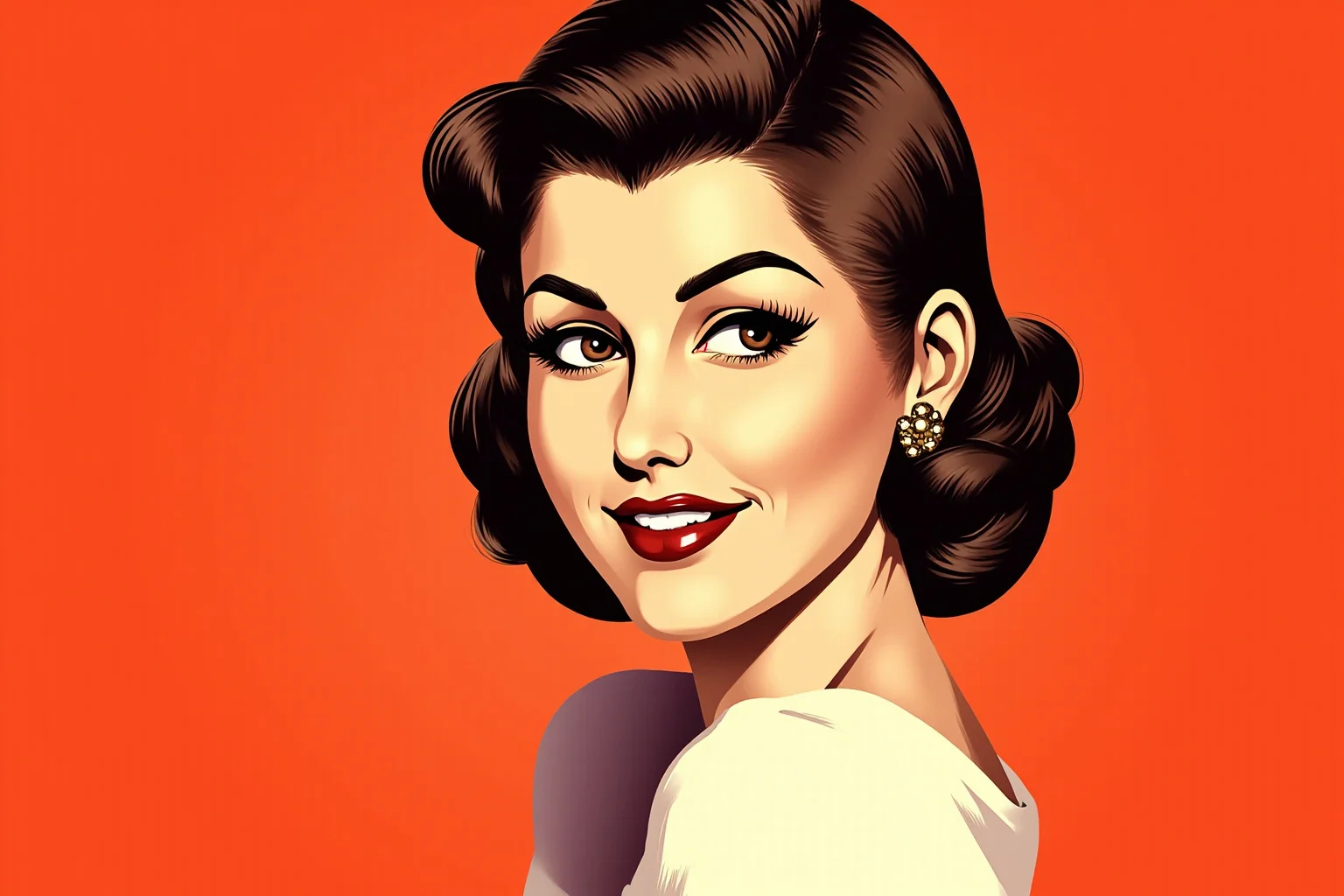
Betty was everywhere in the 1940s. Originally a diminutive of Elizabeth, Betty had become a standalone name in its own right by this decade. It was friendly, bright, and endlessly cheerful — exactly the qualities a weary nation wanted to embrace.
The name owed much of its fame to the pin-up girls and actresses of the era. Betty Grable, with her famous legs and million-dollar smile, was the most popular pin-up of World War II. Soldiers carried her photo into battle, and countless babies were named in her honor when the war ended.
Betty also worked as an all-American girl-next-door name. It appeared in popular songs, advertisements, and radio programs throughout the decade. A girl named Betty in the 1940s would have felt her name everywhere she turned.
The name's decline came later, as parents began returning to the full Elizabeth or moving on to newer short forms. But in the 1940s, Betty stood on its own as one of the most beloved names a daughter could receive. Its peppy, optimistic sound perfectly captured the decade's hopes for the future.
15. Ronald
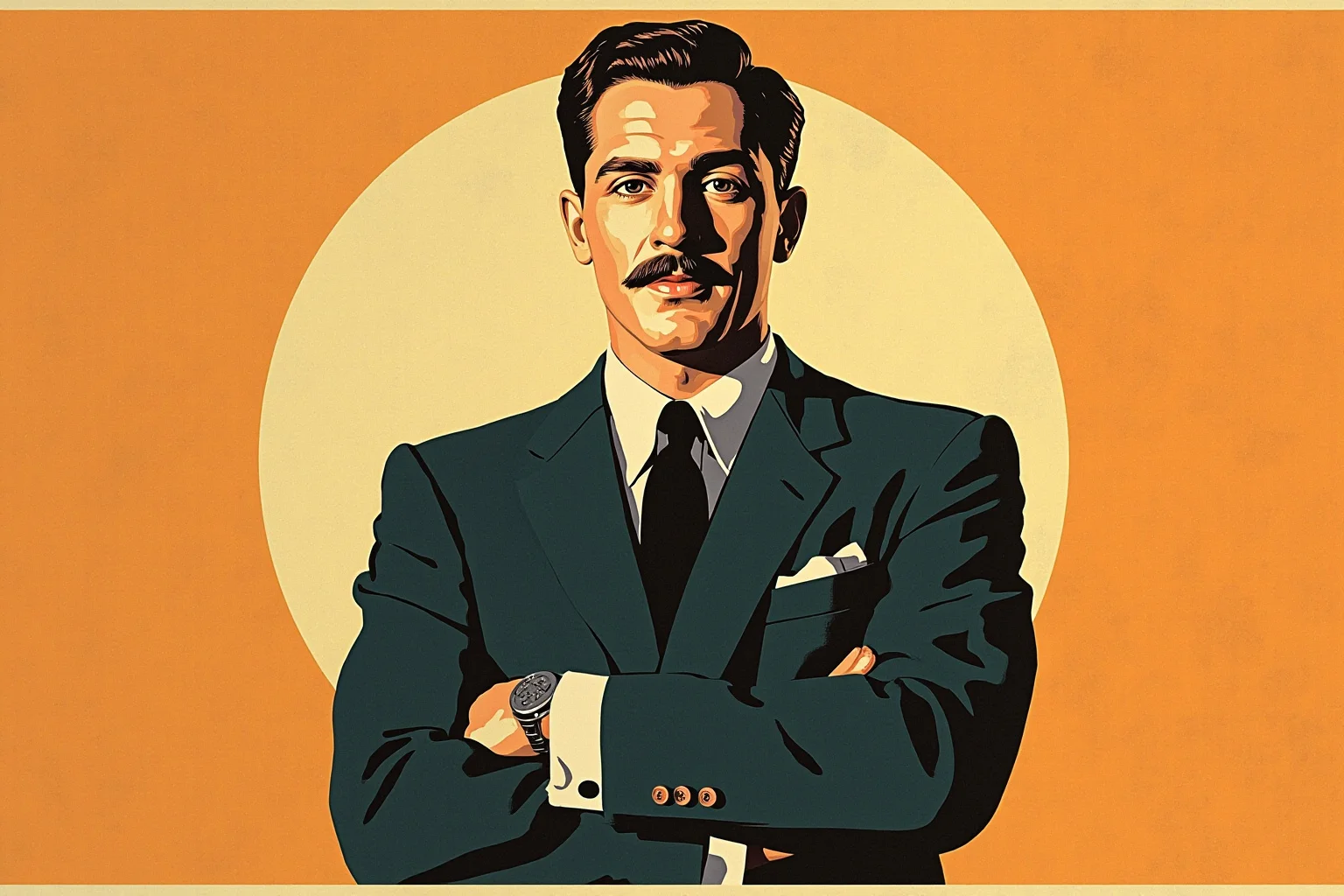
Ronald enjoyed a strong run in the 1940s, particularly in the middle years of the decade. The name has Old Norse origins, meaning "ruler's counselor" or "mighty ruler." Its solid, masculine sound fit perfectly with the era's preference for strong, traditional boys' names.
One actor helped push the name into the spotlight. Ronald Reagan was building his Hollywood career during this period, appearing in films like "Kings Row" and "Knute Rockne, All American." While he was not yet a political figure, his handsome, all-American image made the name feel fresh and appealing.
The nickname Ronnie was especially popular during the 1940s. It softened the formal edge of the full name and gave it a boyish charm. Parents loved that Ronald could grow with a child, from playful Ronnie to dignified Ronald.
Ronald's popularity began to fade by the 1960s, which makes it feel very much like a product of the mid-century years. For anyone born in the 1940s, though, it was a common and well-liked choice. The name's steady presence in the top 20 throughout the decade is a testament to its broad appeal.
14. Dorothy
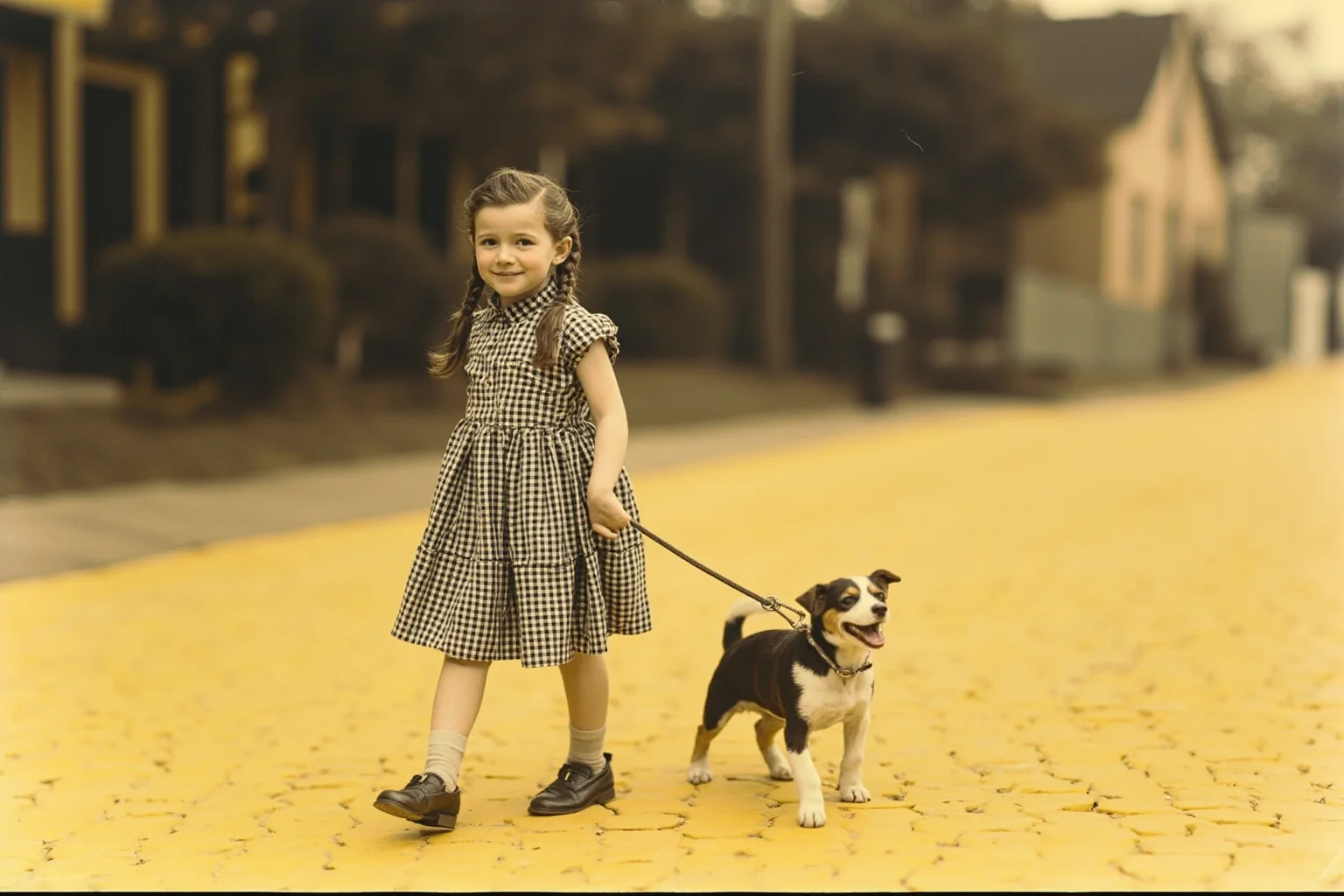
Dorothy had been a favorite since the early 1900s, but the 1940s kept it firmly in the spotlight. The name comes from the Greek words meaning "gift of God," a meaning that gave it a special resonance during the war years. Parents wanted their daughters to feel like precious gifts in a time of loss.
The 1939 film "The Wizard of Oz" gave Dorothy an enormous boost just as the decade began. Judy Garland's portrayal of Dorothy Gale made the name feel brave, kind, and quintessentially American. The film's famous song "Over the Rainbow" became an anthem of hope for a nation entering the war.
Dorothy was also a deeply traditional name with strong religious and literary roots. It appeared in Shakespeare and in the New Testament. That combination of cultural weight and cinematic charm kept it in the top 20 for the entire decade.
The name's popularity had actually peaked earlier in the century, but the 1940s represented a long, graceful plateau. Thousands of girls born during this era would carry the name proudly into adulthood. Dorothy remains one of the most recognizable names from the 40's today.
13. Charles
Charles was a perennial favorite for boys in the 1940s, a name that never seemed to go out of style. Its roots reach back to the Germanic word for "free man," a meaning that carried special weight during a war fought for freedom. Parents saw the name as a statement of values as much as a label.
The name's royal associations were also impossible to ignore. Kings of England, France, and Spain had borne the name, and its regal history was well known. For American parents, Charles offered a touch of old-world dignity without feeling foreign.
The nickname Charlie was warm and approachable, while Chuck gave it a more casual, mid-century feel. A boy named Charles in the 1940s could move easily between formal and informal settings. That versatility was a big part of the name's enduring appeal.
Charles remained firmly in the top ten throughout the decade. Its steady popularity across all regions and social classes made it one of the most democratic names of the era. Millions of men named Charles would go on to define the post-war generation.
12. Helen
Helen was a name with ancient roots that still felt completely modern in the 1940s. The name is famously tied to Helen of Troy, whose beauty launched a thousand ships. That classical connection gave the name a timeless, mythic quality that parents found irresistible.
The name means "torch" or "shining light" in Greek. During the dark days of World War II, that luminous meaning felt especially poignant. Parents wanted daughters who would bring light into a world overshadowed by conflict.
Helen had been a top-ten name since the late 1800s, and the 1940s represented its final decade of true dominance. It was a name that worked for everyone, from first ladies to factory workers. The simplicity of its two syllables and the elegance of its sound made it universally appealing.
The name's decline began in the 1950s as parents turned to softer, more elaborate names. But for girls born in the 1940s, Helen was one of the most common and cherished choices. It remains a beautiful reminder of the era's love for classical, dignified names.
11. Margaret

Margaret was a regal name that dominated the 1940s charts for girls. Its Greek root means "pearl," a symbol of purity and preciousness that resonated deeply with mid-century parents. The name felt substantial, virtuous, and enduring.
Princess Margaret of the United Kingdom gave the name an extra boost of glamour during this era. The younger sister of Queen Elizabeth II was a constant presence in newsreels and magazines. Her youth and style made the name feel both royal and relatable.
The name's many nicknames gave parents incredible flexibility. A Margaret could be a Peggy, a Maggie, a Marge, or a Meg, depending on her personality and era. That adaptability helped the name appeal to families from every background.
Margaret remained a top-ten name for the entire decade, a remarkable achievement in such a competitive era. Its blend of religious significance, royal glamour, and friendly nicknames made it nearly perfect. Girls named Margaret in the 1940s grew up with a name that could be as formal or as casual as they chose.
10. Thomas
Thomas was a steadfast boys' name that parents in the 1940s returned to again and again. The name has Aramaic origins and means "twin," though its religious associations far outweighed its literal meaning. Thomas the Apostle gave the name a deep Christian resonance that mattered to many families.
The name also had a strong working-class credibility. Thomas felt like the name of a dependable neighbor, a loyal friend, a man you could count on. During the war, that everyman quality was exactly what parents wanted for their sons.
Tommy was the dominant nickname of the era, giving the name a boyish energy that softened its formal edge. A boy named Thomas in the 1940s could be Tommy on the playground and Thomas in the classroom. That range was a major selling point.
Thomas never reached the very top of the charts, but it was never far from it either. Its consistency across the decade made it one of the most reliable choices in American naming. Men named Thomas would go on to fill every profession imaginable in the post-war world.
9. Patricia
Patricia was the quintessential feminine form of a masculine name, and the 1940s loved it. The name comes from the Latin word for "noble" or "patrician," giving it an air of quiet sophistication. Parents saw it as a way to give their daughters dignity and grace.
The name's popularity had been building for decades, and the 1940s saw it reach its absolute peak. Patricia ranked among the top five girls' names for most of the decade. It was modern without being strange, traditional without being stuffy.
Patsy was the most common nickname, giving the name a friendly, down-to-earth quality. A girl named Patricia could be elegant Patricia at a formal event and playful Patsy at home. That versatility made the name appealing to families of every background.
Patricia's popularity began to fade in the 1960s as newer, softer names took over. But for women born in the 1940s, it was one of the most common names in any classroom or workplace. Its noble meaning and pleasant sound made it a defining choice of the decade.
8. John
John was the ultimate boys' name of the 1940s, and it was not even close. The name's biblical roots and centuries of use gave it an unmatched sense of permanence. In a decade defined by upheaval, John represented everything stable and unchanging.
The name means "God is gracious," a meaning that carried deep significance for religious families. John was the name of a beloved apostle, a Baptist, and countless saints. Its spiritual weight was impossible to ignore.
John also worked as a plain, honest, all-American name. It belonged to presidents, soldiers, farmers, and factory workers alike. There was no pretense in John, and that straightforward quality was exactly what the 1940s demanded.
The name's dominance was so complete that it topped the charts for the entire decade. No other boys' name came close to matching its numbers. Men named John would go on to define the Baby Boom generation in every field of American life.
7. Nancy
Nancy was a name that rose to prominence in the 1930s and hit its peak in the 1940s. Originally a diminutive of Anne, it had become a standalone name with a charm all its own. Its cheerful, bouncy sound made it feel youthful and energetic.
The name's popularity was boosted by Nancy Drew, the plucky teenage detective who debuted in 1930. By the 1940s, the book series was a massive success, and the character's intelligence and independence made the name aspirational. Parents wanted daughters who were clever and capable, just like Nancy Drew.
Nancy also appeared in popular songs of the era, most notably Frank Sinatra's "Nancy (With the Laughing Face)." The song, written for Sinatra's daughter, captured the affectionate, personal quality of the name. It felt like a name for someone who would bring joy to everyone around her.
Nancy remained a top-ten name for the entire decade. Its blend of girl-next-door charm and subtle glamour made it nearly irresistible. Women named Nancy would go on to fill the offices, classrooms, and homes of mid-century America.
6. William
William was a name with royal roots and working-class appeal, a combination that made it a 1940s favorite. The name means "resolute protector," a meaning that fit the wartime era perfectly. Parents wanted sons who would grow up to defend their families and their country.
The name's long history in English royalty gave it a sense of tradition and authority. At the same time, its common nicknames — Bill, Billy, Will — kept it grounded and friendly. A William could be anything from a prince to a plumber, and that versatility was a huge advantage.
William had been popular for centuries, and the 1940s continued that legacy without interruption. It ranked in the top five for the entire decade. Its steady presence across every region and social class made it one of the most democratic names in American history.
The name's popularity was so enduring that it barely registered the cultural shifts happening around it. While other names rose and fell, William simply continued. For parents in the 1940s, it was a safe, strong, and honorable choice.
5. Barbara

Barbara was one of the most successful girls' names of the 1940s, peaking in the middle years of the decade. The name comes from the Greek word for "foreign" or "strange," though no one in the 1940s would have thought of it that way. By then, Barbara felt completely familiar and all-American.
The name had a crisp, efficient sound that matched the decade's practical spirit. It was also associated with Saint Barbara, the patron saint of artillerymen and miners. That religious and military connection gave the name a special resonance during the war years.
Barb and Babs were the common nicknames, giving the name a casual, friendly dimension. A girl named Barbara could be serious and professional or relaxed and playful depending on the setting. That flexibility helped the name appeal to a wide range of families.
Barbara's peak came right in the middle of the 1940s, making it one of the most era-defining names on this list. Its popularity faded quickly after the 1950s, which makes it feel frozen in time. For anyone born in the mid-1940s, Barbara was an incredibly common and beloved choice.
4. Robert
Robert was a giant among 1940s boys' names, spending much of the decade in the top spot. The name has Germanic roots meaning "bright fame," a meaning that suggested glory and honor. Parents wanted sons who would make a name for themselves in the world.
The name's many nicknames — Bob, Bobby, Rob — gave it incredible flexibility. A Robert could be a serious businessman, a friendly neighbor, or a playful child, all with the same name. That adaptability was a major reason for its enduring popularity.
Robert also had strong military associations. General Robert E. Lee, though a Confederate figure, was still a well-known historical namesake. More positively, the name felt strong and commanding, qualities that mattered during wartime.
Robert's dominance was so complete that it rivaled John for the top spot throughout the decade. Millions of boys born in the 1940s would carry the name into every corner of American life. It remains one of the most successful boys' names in modern history.
3. Linda
Linda was the breakout star of the 1940s, a name that rocketed from relative obscurity to the very top of the charts. The name comes from the Spanish and Portuguese word for "beautiful," though its origins are sometimes traced to the Germanic element meaning "soft" or "tender." That gentle, pretty meaning was exactly what post-war parents wanted.
The name's rise was meteoric. It entered the top ten in the early 1940s and claimed the number one spot by 1947. No other girls' name of the decade experienced such a dramatic surge in popularity.
Linda's success was partly driven by popular culture. The 1947 song "Linda" by Ray Noble, written for the daughter of a music publisher, became a major hit. The song's sweet, romantic lyrics captured the name's appeal perfectly.
Linda also benefited from the post-war desire for fresh, pretty, feminine names. After years of hardship, parents wanted names that felt soft and hopeful. Linda delivered that in two simple, musical syllables.
The name's dominance continued into the 1950s, but its roots were firmly in the 1940s. For girls born in the second half of the decade, Linda was the single most popular name in the country. It remains the defining girls' name of the era.
2. Mary
Mary was the eternal girls' name, and the 1940s proved its staying power once again. The name's biblical origins and centuries of use made it the most traditional choice imaginable. In a decade of uncertainty, Mary offered complete security.
The name means "beloved" or "wished-for child," a meaning that resonated deeply with parents. Every child born during the war was especially precious, and Mary captured that feeling perfectly. The name's connection to the Virgin Mary added a layer of religious significance for Catholic families.
Mary was so popular that it topped the girls' charts for the entire decade. No other name came close to matching its numbers. It was the default choice for parents who wanted a name that would never go out of style.
Mary also spawned countless variations and compound names. Mary Ann, Mary Jane, Mary Lou, and Mary Ellen were all common during the 1940s. That versatility allowed parents to personalize the name while keeping its traditional core.
The name's dominance was so complete that it became almost invisible. It was simply the name every girl seemed to have, the baseline against which all other names were measured. For anyone born in the 1940s, Mary was the most common and beloved name a daughter could receive.
1. James
James was the undisputed king of 1940s boys' names, and arguably the defining name of the entire decade. The name has Hebrew origins and means "supplanter," though its religious associations mattered far more than its literal meaning. James was the name of two apostles, giving it deep Christian roots.
The name's royal history in England and Scotland added to its prestige. King James I of England had commissioned the famous Bible translation that bore his name. For American parents, James felt both sacred and authoritative.
Jim and Jimmy were the common nicknames, giving the name a warm, approachable quality. A James could be a dignified leader or a friendly next-door neighbor. That range was a huge part of its appeal.
James topped the boys' charts for the entire decade, fending off challenges from Robert and John year after year. Its consistency was remarkable in an era of rapid cultural change. The name simply never wavered.
The name's dominance extended beyond the United States to other English-speaking countries. James was a global favorite, a name that worked in every context and every social class. For boys born in the 1940s, it was the single most popular name in the country.
James remains popular today, a testament to its incredible staying power. But its 1940s peak was something special. The decade produced millions of men named James, a generation of Jims and Jimmys who would go on to shape the post-war world.
The War's Quiet Influence on Naming
The Second World War shaped every aspect of 1940s life, including the names parents chose. Soldiers' names appeared more frequently in birth announcements as families honored fathers, brothers, and sons serving overseas. Names with strong, protective meanings saw renewed interest during the conflict.
The war also introduced Americans to new places and cultures. Names from Italy, France, and the Pacific entered the public consciousness through news reports and returning veterans. Most of these remained rare, but they planted seeds for the more diverse naming landscape of later decades.
The end of the war brought a surge of optimism that was reflected in naming trends. Softer, prettier names for girls began to rise, led by Linda's spectacular ascent. Parents wanted names that felt hopeful, not hardened.
The baby boom that followed the war created an unprecedented demand for names. With so many children being born, parents had to be more creative or more committed to the classics. The result was a decade that cemented the popularity of names like James, Mary, Robert, and Linda for generations.
Hollywood's Role in 1940s Baby Names
Hollywood was the great tastemaker of the 1940s, and its influence on baby names was profound. Movie stars' names appeared on birth certificates across the country as parents sought a touch of glamour for their children. Actresses like Betty Grable and Shirley Temple inspired thousands of namesakes.
Male stars had a similar effect. Names like Ronald and Donald got a boost from actors and public figures who embodied the era's ideal of masculine charm. The silver screen offered an escape from wartime anxiety, and parents brought that escape home in the form of baby names.
The rise of radio and popular music added another layer of influence. Hit songs like "Linda" and "Nancy (With the Laughing Face)" pushed those names up the charts. A single hit record could introduce a name to millions of Americans overnight.
This celebrity influence marked a shift in how names spread through the culture. Before mass media, names moved slowly through families and local communities. In the 1940s, a hit movie or song could make a name famous from coast to coast in a matter of weeks.
Why Some 1940s Names Faded Away
Not every popular 1940s name survived into the modern era. Names like Barbara, Patricia, and Carol peaked during the decade and then began a long decline. Their fall tells us something about how naming tastes evolve.
One factor was the generational cycle of names. As the Baby Boomers grew up, they associated these names with their parents' generation. By the 1960s and 1970s, young parents wanted names that felt fresh, not familiar.
The rise of more diverse naming styles also played a role. The 1960s brought an explosion of creative, nature-inspired, and ethnic names that pushed the old standards aside. A name like Barbara suddenly felt conventional in an era that prized individuality.
Some names faded because they were too tied to a specific cultural moment. Carol's connection to Christmas carols and Betty's connection to pin-up culture made them feel dated once those associations lost their power. Names with strong era-specific meanings often struggle to outlive their moment.
Other names, like James, Mary, and William, had roots deep enough to survive any trend. Their biblical, royal, and historical weight protected them from the whims of fashion. The names that faded were often the ones that had risen quickly without that deep foundation.
What 1940s Names Tell Us About the Era
The names parents adored in the 1940s are a window into the decade's values and anxieties. The preference for traditional, established names reflected a desire for stability in an unstable world. Parents wanted their children to feel grounded and secure.
The popularity of names with strong meanings — "resolute protector," "brave ruler," "bright fame" — spoke to the wartime context. These were not just pretty sounds; they were statements of hope and intention. Parents were naming their children for the world they wanted to build, not the world they were living through.
The rise of softer girls' names in the late 1940s captured the post-war shift toward domesticity and optimism. After years of sacrifice, Americans wanted comfort, beauty, and joy. Names like Linda and Nancy delivered exactly that.
The decade's naming patterns also reflect the growing power of mass media. Hollywood, radio, and popular music were creating a shared national culture in a way that had never been possible before. A hit song or movie could shape the names of an entire generation.
Above all, the names of the 1940s reveal a nation that believed in the future. Even in the darkest days of the war, parents chose names that expressed hope, faith, and love. That optimism is the true legacy of the names parents adored in the 1940s.
The Lasting Legacy of 1940s Names
The names of the 1940s did not stay in the 1940s. They grew up, went to work, raised families, and eventually became the grandparents and great-grandparents of today. Their names remain woven into the fabric of American life.
Some of these names have made a comeback in recent years. Vintage names like Margaret, Charles, and William have found new life with modern parents who appreciate their classic sound. The cycle of naming fashion has come back around.
Other names, like Linda and Barbara, remain firmly associated with the mid-century years. They are time capsules, instantly evoking the fashions, music, and culture of the 1940s. That specificity gives them a different kind of value.
For anyone researching family history or exploring names from the 40's, these names offer a tangible connection to the past. They tell the story of a generation that endured hardship and built the modern world. The names parents chose reveal what they valued most: family, faith, stability, and hope.
The 1940s were not the flashiest decade for baby names, but they were one of the most meaningful. The names that topped the charts were chosen with care and intention by parents who wanted the best for their children. That love is the real story behind every name on this list.
Frequently Asked Questions
What were the most popular names from the 40’s?
The most popular names from the 40's were James, Robert, John, and William for boys, and Mary, Linda, Barbara, and Patricia for girls. James and Mary held the top spots for most of the decade, with Linda rising dramatically in the late 1940s to become the number one girls' name by 1947.
Why did certain names become popular in the 1940s?
Names became popular in the 1940s for several reasons. Traditional biblical and royal names like James, Mary, and William offered stability during wartime. Hollywood stars and hit songs influenced names like Betty, Nancy, and Linda. The post-war baby boom also encouraged parents to choose names that felt hopeful and optimistic.
Are 1940s baby names still used today?
Yes, many 1940s baby names are still used today. Classic names like James, William, Charles, and Margaret have remained consistently popular or made comebacks. However, era-specific names like Linda, Barbara, and Carol peaked in the 1940s and are less common for babies born today.
What were common nicknames for 1940s names?
Common nicknames for 1940s names included Jim or Jimmy for James, Bob or Bobby for Robert, Bill or Billy for William, Dick for Richard, and Ronnie for Ronald. For girls, Betty was a nickname for Elizabeth, Patsy for Patricia, and Peggy or Maggie for Margaret.

Alex Warren
Related Articles