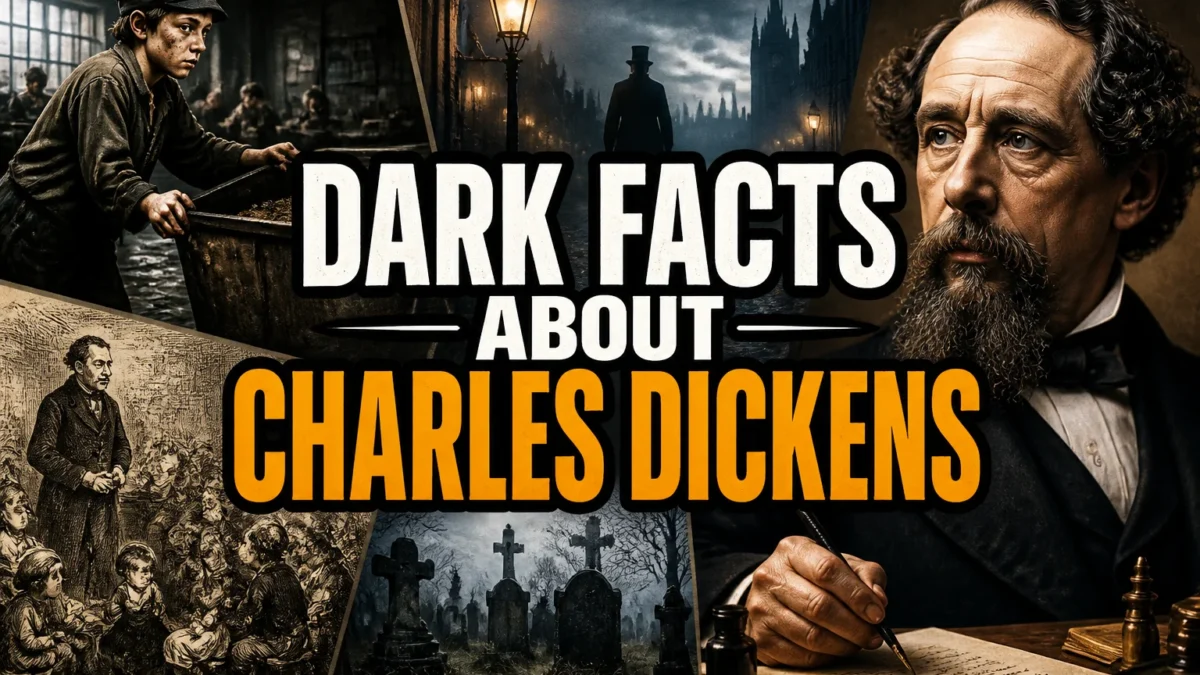
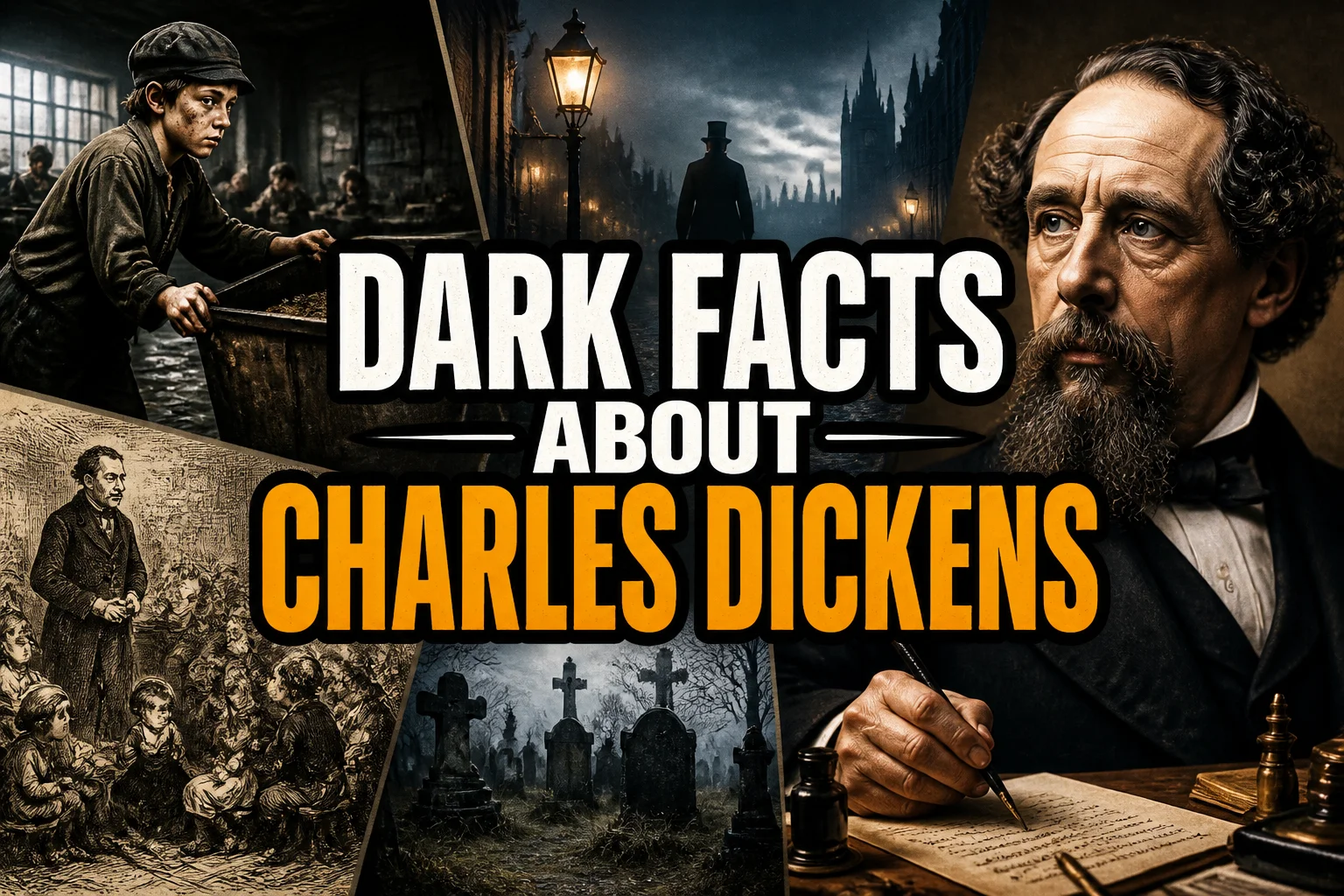
Charles Dickens is remembered as the jovial Victorian novelist who gave the world Oliver Twist, A Christmas Carol, and David Copperfield. His name conjures images of cozy Christmases, lovable rogues, and tear-jerking redemption arcs. Yet behind the public persona lay a man haunted by poverty, grief, scandal, and a body that gave out far too young.
This post pulls back the curtain on the darker chapters of Dickens's life. We will explore how he really died, what his childhood was actually like, why his father went to prison, and whether the wealth he accumulated ever brought him peace.
TL;DR: Charles Dickens died of a stroke at 58 after years of punishing overwork, having clawed his way from childhood poverty and a father's imprisonment to vast wealth — but the trauma of his early years never truly left him.
1. His Father Was Sent to Debtors' Prison When Dickens Was Only 12
The defining wound of Dickens's childhood arrived in February 1824, when his father, John Dickens, was arrested for debt. John owed a baker named James Kerr roughly £40 — a sum that was modest but unpayable for a family living far beyond its means. The law of the time allowed creditors to have debtors imprisoned until the money was repaid, and John was taken to the Marshalsea Prison in Southwark.
Charles, still a boy, was suddenly the effective head of the household. His mother and younger siblings eventually moved into the Marshalsea with John, as was common practice for debtor families. Charles, however, was lodged separately in a small room in Camden Town and sent out to earn money.
This experience answered the question many readers still ask today: why did Charles Dickens father go to prison? The simple answer is unpaid debt, but the emotional answer is more complicated. John Dickens was warm, sociable, and utterly irresponsible with money, and his son never forgave the shame of it.
2. The Blacking Warehouse Broke Something in Him
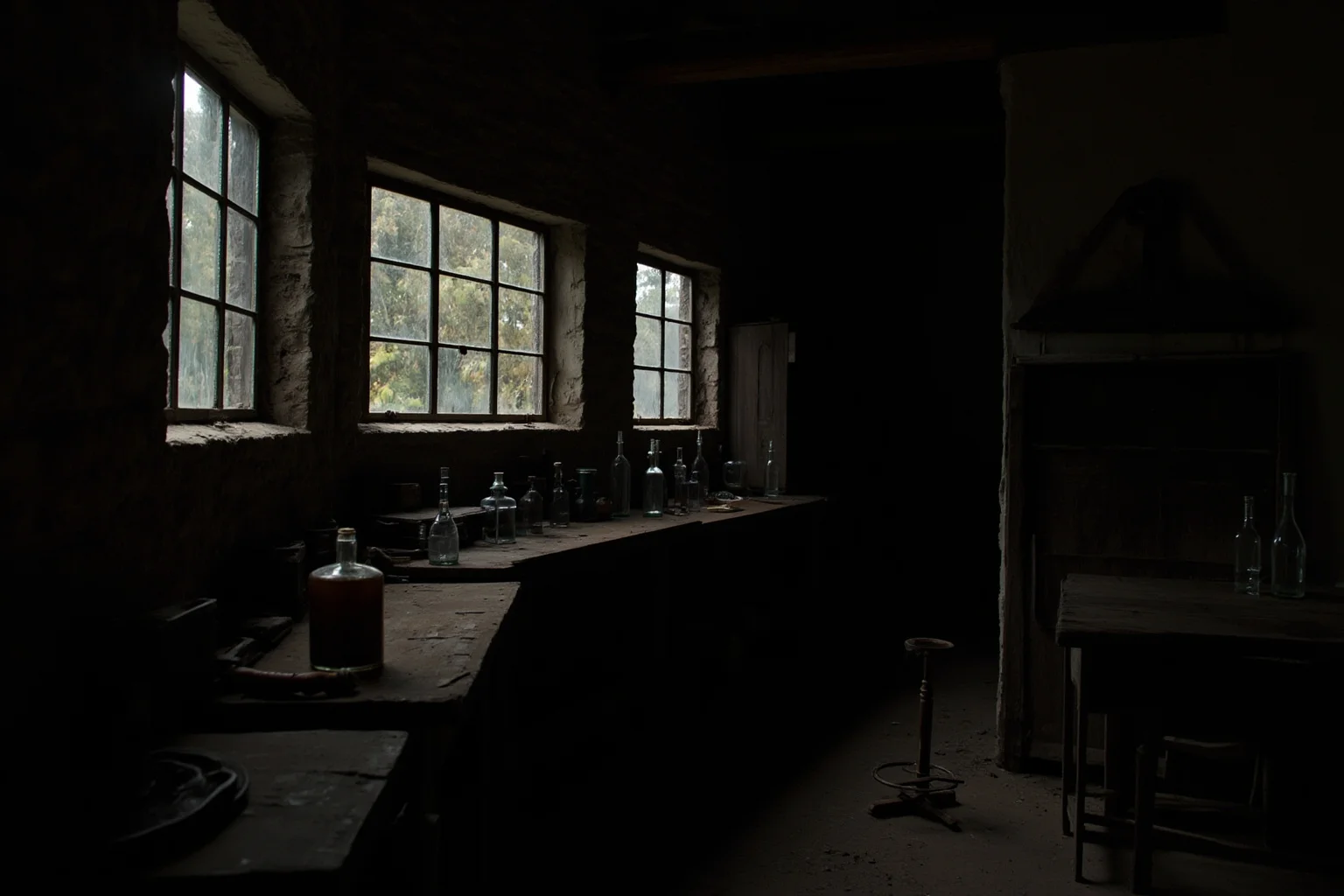
While his father sat in prison, twelve-year-old Charles was put to work at Warren's Blacking Warehouse near the Thames. For ten hours a day, he pasted labels onto pots of shoe polish in a rat-infested, crumbling building. He earned six shillings a week.
The work was not merely hard; it was humiliating. Dickens later wrote that no words could express the secret agony of his soul as he sank into that companionship of common men and boys. He felt abandoned by his family and certain that his dreams of becoming a gentleman were dead.
Even after his father was released and Charles returned to school, the damage was done. He never spoke openly about the blacking warehouse until he dictated a fragment of autobiography decades later, and even then he could not finish it without pain.
3. His Mother Wanted Him to Stay in the Factory
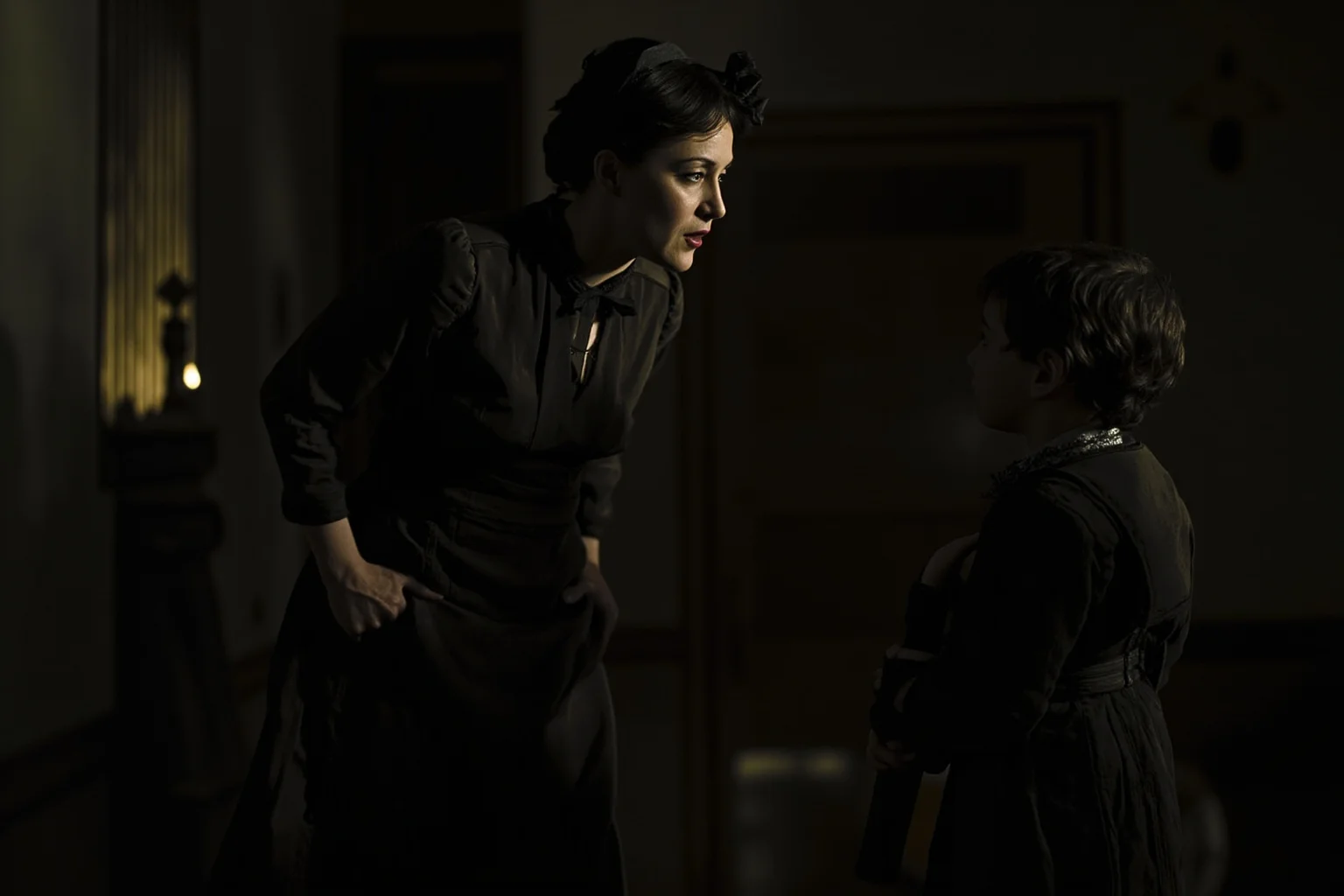
When John Dickens was released from the Marshalsea after a few months, the family's finances briefly stabilized. Charles expected to be rescued from the blacking warehouse immediately. Instead, his mother, Elizabeth, arranged for him to continue working there.
This decision cut deeper than the prison sentence itself. Dickens later wrote that he never afterwards forgot, never shall forget, never can forget, that his mother was warm for his being sent back. The resentment festered for the rest of his life.
Historians caution that Elizabeth Dickens may have been trying to protect the family's fragile income rather than punish her son. But for Charles, the betrayal was absolute. It colored his portrayal of mothers throughout his fiction, many of whom are cold, neglectful, or absent.
4. He Was Forced to Pawn the Family's Belongings
During the worst months of the family crisis, young Charles was sent again and again to the pawnbroker. He carried books, furniture, and even clothes to raise money for food. The humiliation of those trips stayed with him.
The pawnshop became a recurring symbol in his novels. In The Old Curiosity Shop, the shop itself is a place of melancholy decline. In Sketches by Boz, pawnbrokers appear as witnesses to human desperation. Dickens knew the inside of those establishments not from research but from bitter personal experience.
What was Charles Dickens childhood like in practical terms? It was a childhood spent watching the family's possessions disappear one by one, sold to strangers to keep hunger at bay. That image never left him.
5. He Received Almost No Formal Education as a Young Boy
Dickens's schooling was sporadic at best. Before his father's imprisonment, he attended a dame school in Chatham and later a school run by a harsh master. After the blacking warehouse episode, he spent about three years at Wellington House Academy in London, where the headmaster was known for caning boys savagely.
He never attended university. Everything he knew about literature, history, and law came from voracious independent reading and from his time as a court reporter and parliamentary shorthand writer. His lack of formal education made him an outsider among literary elites, a chip on his shoulder he carried even at the height of his fame.
Yet that outsider status also fueled his work. He wrote for the millions of Victorians who, like him, had been told they did not belong in the world of books.
6. He Worked Obsessively — and It Destroyed His Health
From his teenage years onward, Dickens worked at a pace that stunned his contemporaries. He wrote novels in monthly installments, edited magazines, managed theatrical productions, gave public readings, and walked ten or fifteen miles a night through London streets. Rest was, for him, a form of weakness.
By his late forties, the strain was visible. He suffered from facial pain, insomnia, and episodes of paralysis in his left side. His doctors warned him to slow down. He ignored them.
The punishing American reading tour of 1867–68 made matters dramatically worse. He traveled by train across vast distances, often sleeping poorly, eating badly, and performing emotionally exhausting scenes from his novels night after night. Friends watched him age visibly during those months.
7. He Collapsed During His Farewell Reading Tour

In April 1869, while on a farewell reading tour of Britain, Dickens collapsed during a performance in Preston. He had been reading the murder of Nancy from Oliver Twist, a scene he performed with terrifying intensity. His pulse became erratic, and he experienced numbness and difficulty speaking.
His doctor, Frank Beard, examined him and found clear evidence of a mild stroke or a transient ischemic attack. Beard ordered him to cancel the remaining readings immediately. Dickens resisted, then reluctantly agreed.
The collapse was not an isolated event. It was the culmination of years of vascular damage, overwork, and a refusal to acknowledge his own limits. Even then, he continued to write and edit from his home at Gad's Hill Place.
8. He Died at Home After a Full Day of Work
On June 8, 1870, Charles Dickens spent the day working on his unfinished novel, The Mystery of Edwin Drood, in the Swiss chalet in his garden at Gad's Hill Place. He had dinner with his sister-in-law Georgina Hogarth and seemed in reasonable spirits, though tired.
At around 6 p.m., he collapsed at the dinner table. He was carried to a sofa, where he lay unconscious through the night. He never regained consciousness and died the following day, June 9, 1870, at the age of 58.
This is the direct answer to the question so many readers search for: Charles Dickens how did he die? He suffered a cerebral hemorrhage, commonly called a stroke, and slipped away without pain or farewell. His death was sudden, quiet, and profoundly shocking to a public that believed him indestructible.
9. The Official Cause of Death Was a Stroke
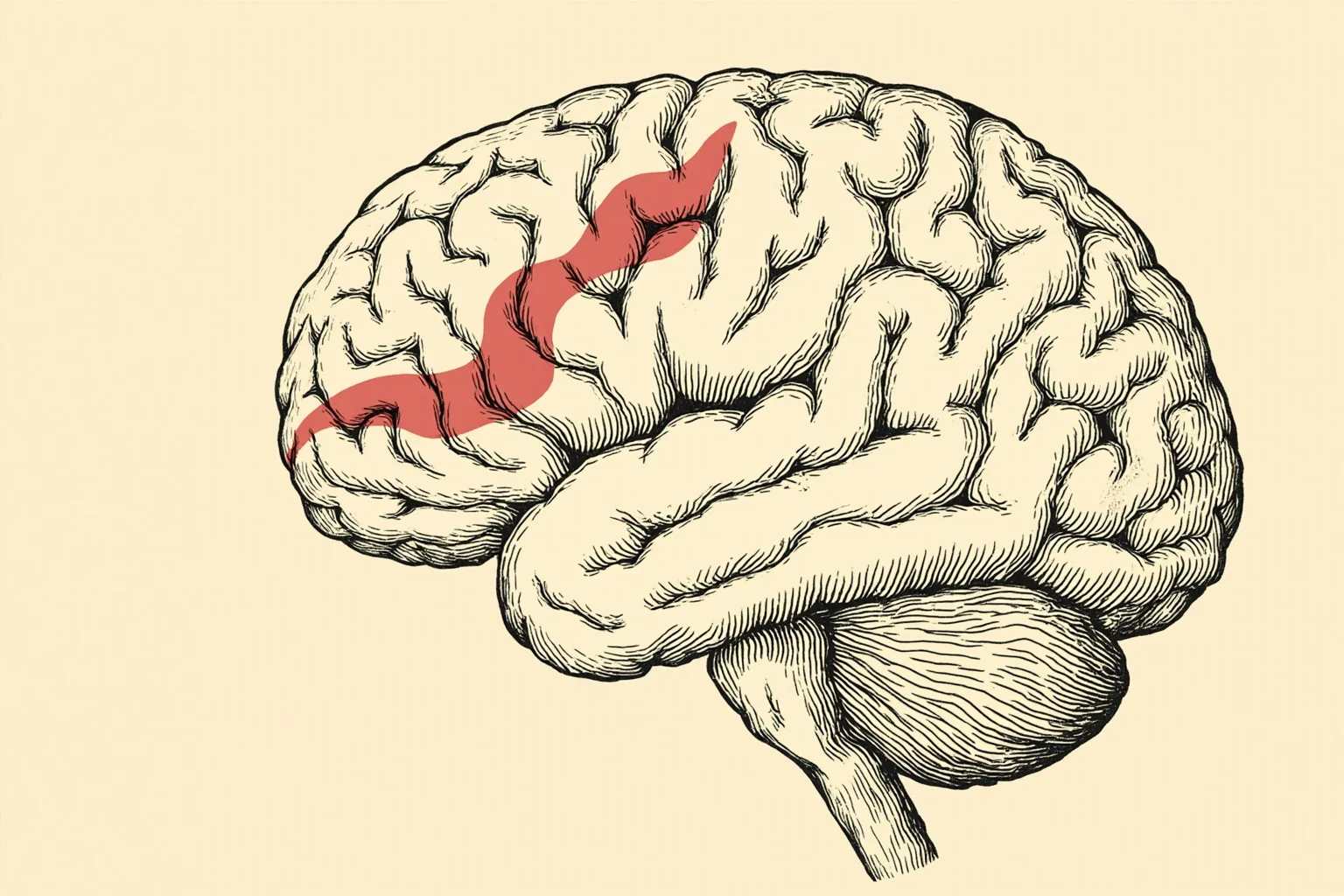
The medical language of the time recorded the Charles Dickens cause of death as apoplexy, the Victorian term for a stroke or cerebral hemorrhage. Modern physicians reviewing his symptoms believe he suffered a rupture of a blood vessel in the brain, likely linked to years of untreated high blood pressure.
His final years had been marked by repeated warnings: the collapse at Preston, pain in his left leg, episodes of dizziness. The exact vascular event that killed him cannot be diagnosed with certainty from historical records, but the pattern is consistent with progressive cardiovascular disease.
What caused Charles Dickens death was not a single dramatic illness but a lifetime of stress, overwork, sleeplessness, and the emotional intensity he poured into his performances. His body simply could not sustain the pace his mind demanded.
10. He Died Deep in Debt — or So the Rumors Said
One persistent Victorian rumor claimed that Dickens died penniless. The truth is more nuanced. At his death, his estate was valued at around £80,000, a very substantial sum for the era. He was by no means poor.
However, his finances were more complicated than the public imagined. He supported a large extended family, maintained two households after his separation from his wife, and had made some unwise investments. He was rich on paper but often cash-poor in practice.
Was Charles Dickens wealthy at the end of his life? Yes, in terms of assets and earning power. But wealth did not mean financial serenity. He worried about money constantly, a habit formed in childhood that no amount of success could break.
11. His Net Worth Was Enormous by Victorian Standards
Estimates of Charles Dickens net worth at his death vary, but most historians place his estate at between £80,000 and £93,000. Adjusted for inflation and economic change, that figure equates to several million pounds in modern terms. He was one of the best-paid writers of his era.
His income came from multiple streams: serialized novels, book sales, magazine editing, public readings, and investments. The reading tours alone earned him thousands of pounds, far more than most Victorian professionals made in a lifetime.
Yet the question of whether Charles Dickens was wealthy cannot be answered with numbers alone. He certainly achieved financial success beyond his childhood dreams. But he never felt secure, and the fear of returning to poverty drove him to work until it killed him.
12. He Left His Wife for a Much Younger Actress
In 1857, Dickens met Ellen Ternan, an actress eighteen years his junior, while working on an amateur theatrical production. The following year, he separated from his wife Catherine, with whom he had ten children. The split was bitter, public, and scandalous.
Dickens published a defensive statement in his own magazine, Household Words, denying rumors and blaming the estrangement on incompatibility. He forbade his children from seeing their mother freely and cut Catherine out of his social life almost entirely.
The affair with Ternan remained secret for decades. Dickens burned letters, used false names when traveling with her, and reportedly considered a train accident they survived in 1865 a narrow escape from exposure. The relationship was the great unspoken scandal of his later years.
13. He Was Involved in a Fatal Train Crash
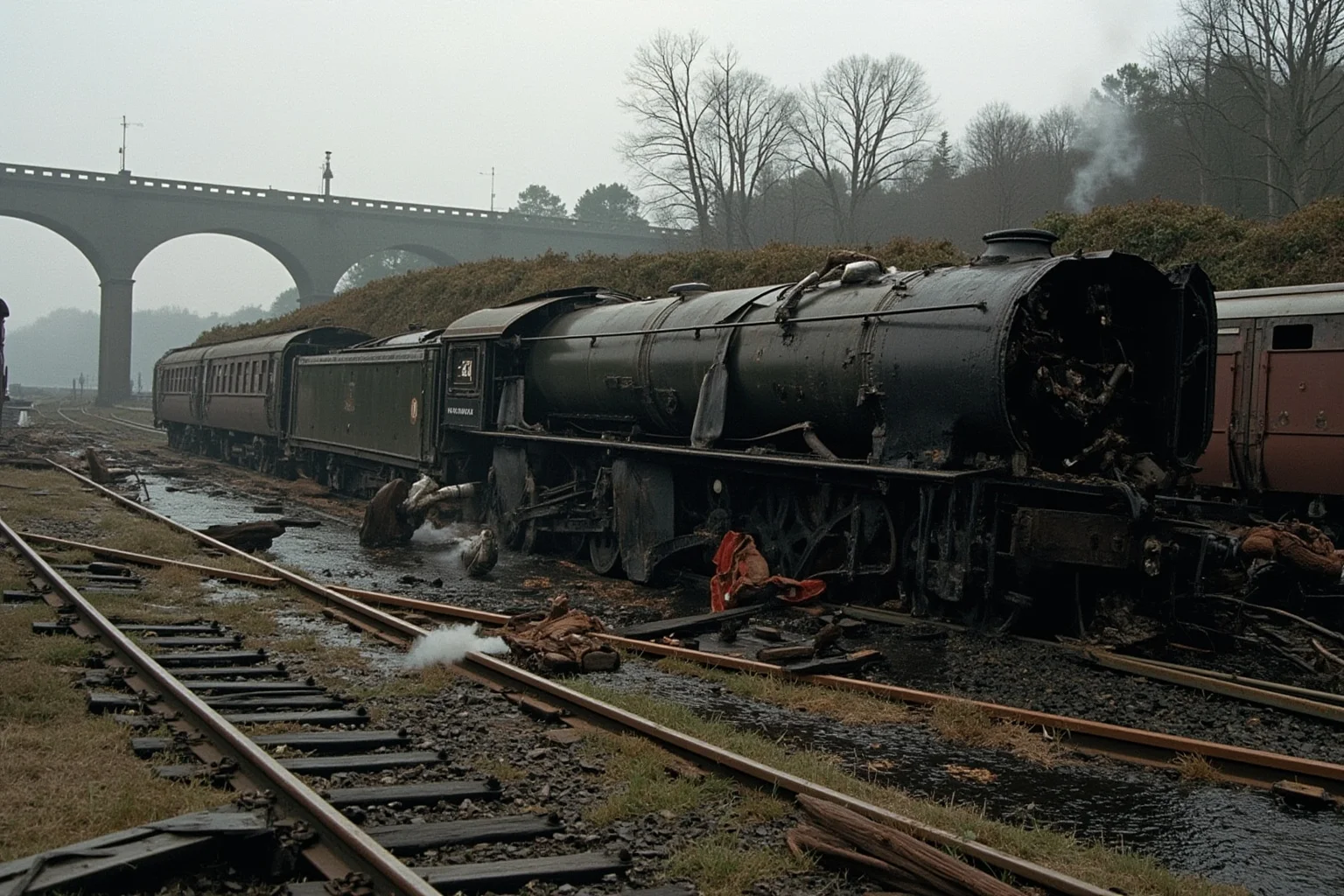
On June 9, 1865 — exactly five years before his death — Dickens was traveling with Ellen Ternan and her mother on a train from Folkestone to London. Near Staplehurst in Kent, the train derailed while crossing a viaduct under repair. Ten people died and dozens were injured.
Dickens's carriage was the only first-class coach that did not plunge into the river below. He climbed out, helped tend the wounded, and gave water and brandy to the dying. He also retrieved the manuscript of Our Mutual Friend from the wreckage.
The accident left him deeply shaken. He suffered from nervous symptoms for years afterward and avoided rail travel when possible. Some historians believe the trauma of Staplehurst accelerated the decline in his health.
14. He Was Obsessed with the Dead and the Macabre
Dickens had a lifelong fascination with death, murder, and the darker corners of Victorian London. He visited the Paris morgue repeatedly, attended public hangings, and wrote extensively about corpses, graveyards, and ghosts. His fiction is saturated with the macabre.
This obsession was not mere entertainment. Dickens saw death as the great equalizer, the force that stripped away class and pretense. His depictions of pauper funerals and neglected graves were also social criticism, aimed at a society that buried its poor in mass pits without ceremony. In his later years, he spoke often of death and planned his own funeral in detail, insisting on an unmarked grave and no public monument. His wishes were only partly honored.
15. He Planned a Private Funeral — and Got a Public Frenzy Instead
Dickens left explicit instructions that he be buried quietly in a small churchyard near his home in Kent. He wanted no public ceremony, no grand monument, no outpouring of national grief. His family initially planned to honor those wishes.
Public pressure changed everything. Within days of his death, the nation demanded that Dickens be buried in Westminster Abbey, the resting place of kings and poets. The Dean of Westminster agreed, and on June 14, 1870, Dickens was interred in Poets' Corner.
The funeral itself was private, with only a small group of mourners. But the grave was left open for days so that thousands of Victorians could file past and pay their respects. Even in death, Dickens could not escape the public gaze he had both courted and resented.
16. His Grave Was Left Open for Days as Crowds Filed Past
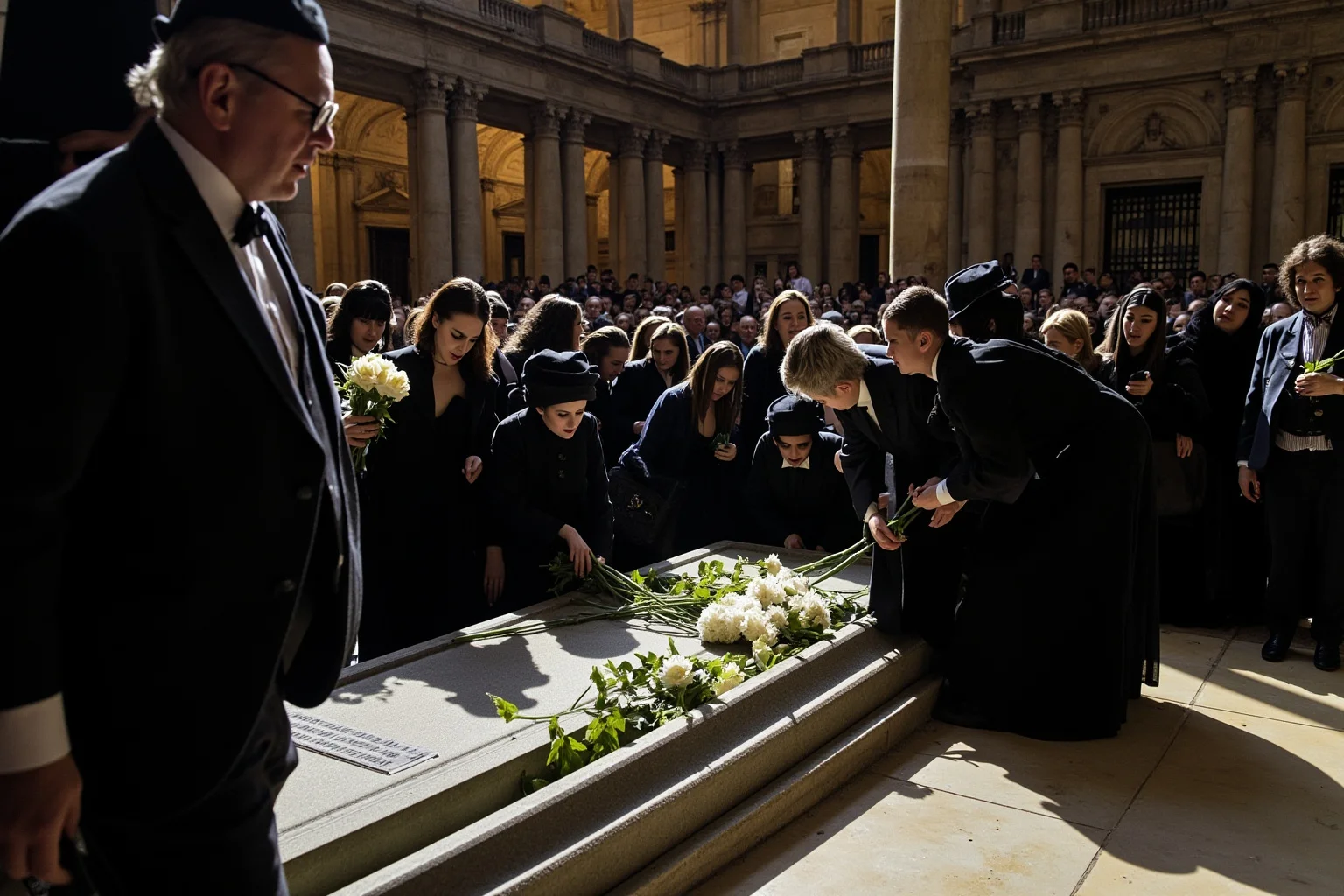
The scene at Westminster Abbey in the days after Dickens's burial was extraordinary. Thousands of mourners, from aristocrats to costermongers, queued to look into the open grave. They threw flowers, notes, and personal tokens into the pit.
The sheer scale of the mourning revealed how deeply Dickens had penetrated the Victorian imagination. He was not merely a novelist; he was a national institution. Yet the man who lay in that grave had spent his final years craving solitude and rest.
His grave remains one of the most visited in Poets' Corner. The simple inscription reads only "Charles Dickens," a name that needed no further explanation.
17. He Suffered from Severe Depression
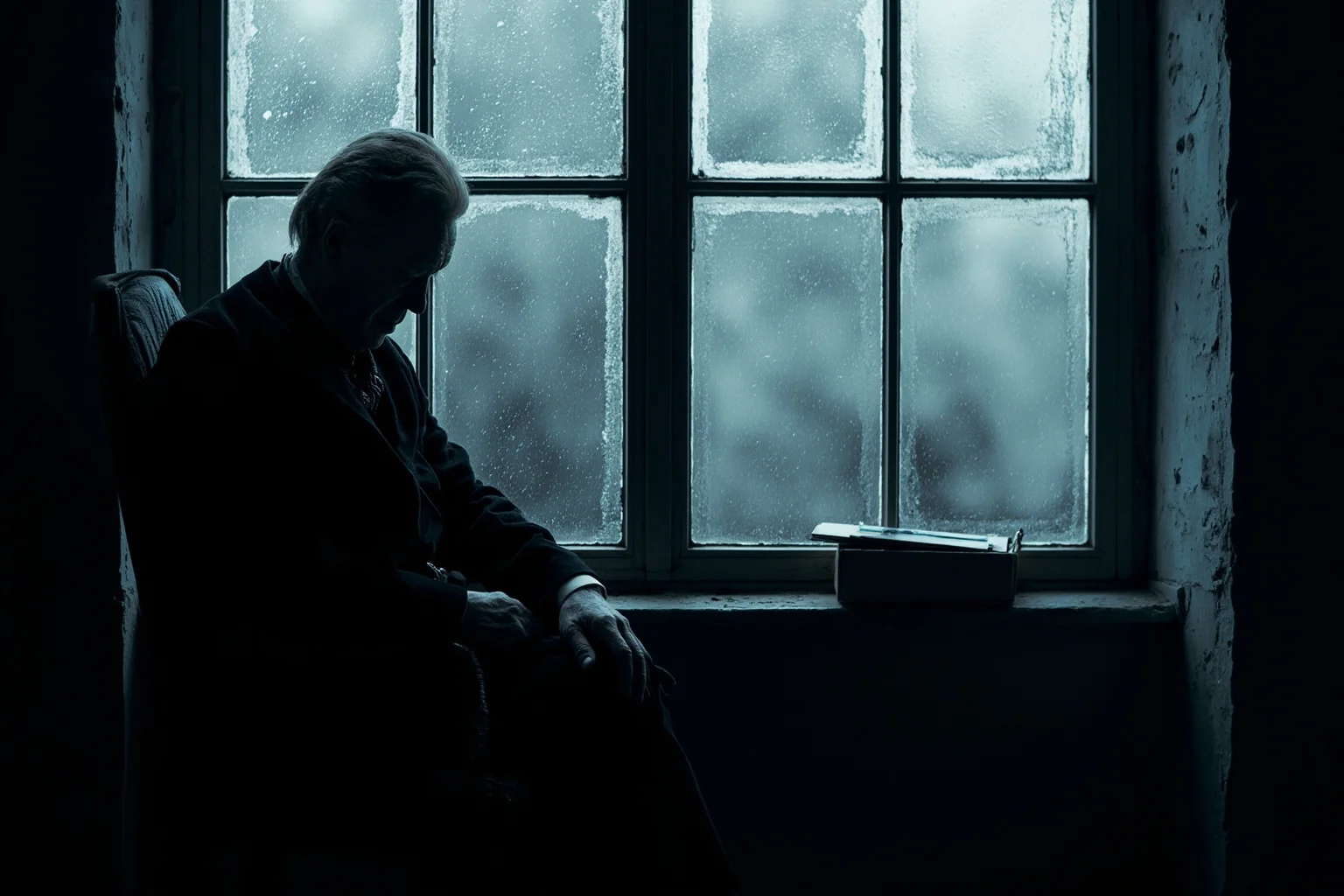
Throughout his life, Dickens experienced episodes of what contemporaries called melancholy and what modern readers would recognize as depression. He described periods of profound lowness, restlessness, and despair, particularly in midlife.
The causes were many: childhood trauma, marital collapse, overwork, and the relentless pressure of his own ambition. He medicated himself with punishing physical activity, travel, and ceaseless work, none of which addressed the underlying pain.
His fiction often explores mental suffering with startling accuracy. Characters like Sydney Carton in A Tale of Two Cities and Arthur Clennam in Little Dorrit embody the despair Dickens knew firsthand. He wrote about depression because he lived it.
18. He Was a Terrible Father to Some of His Children
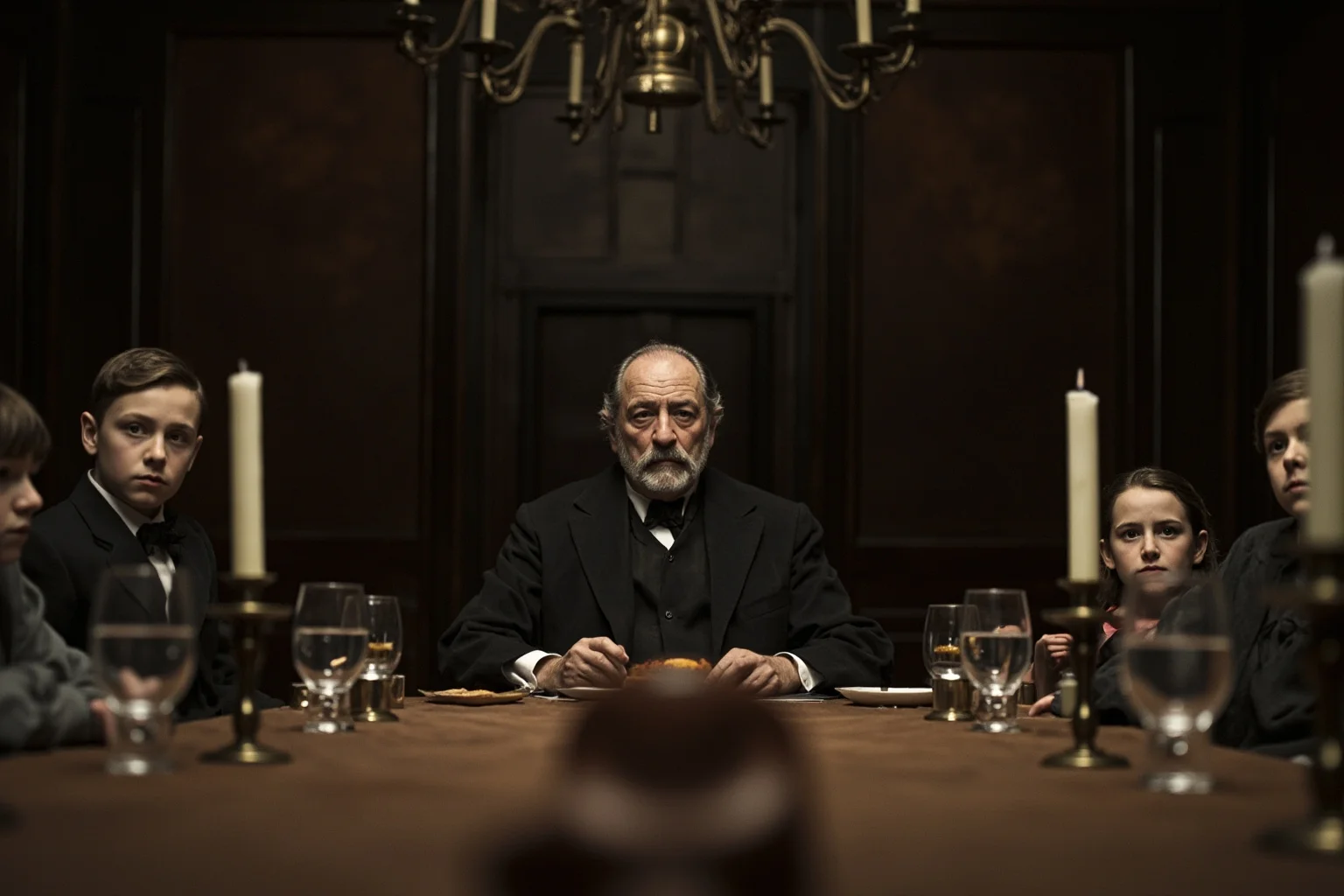
Dickens adored children in the abstract and wrote about them with unmatched tenderness. In practice, he was often a cold, controlling, and disappointed father to his own ten children. He expected them to be industrious, dutiful, and useful, and he punished failure harshly.
Several of his sons disappointed him by failing to thrive in careers he chose for them. He packed them off to the colonies — Australia and India — and wrote scathingly about their shortcomings in letters. His daughter Kate later said that her father did not understand children, only the idea of children.
The irony is sharp. The man who created Tiny Tim and Oliver Twist, the great champions of vulnerable children, struggled to show warmth to his own offspring. The blacking warehouse had taught him that love was conditional and that idleness led to ruin.
19. He Kept His Childhood Poverty a Secret for Decades
For most of his adult life, Dickens told no one about the blacking warehouse or his father's imprisonment. His own children did not know until after his death. The secret was revealed only through a fragment of autobiography he wrote in the 1840s and shared with his friend and first biographer, John Forster.
Forster published the fragment after Dickens died, shocking the public. The revelation transformed how readers understood the novels. The scenes of child labor in Oliver Twist and David Copperfield were not imaginative flights; they were thinly veiled autobiography.
The secrecy itself was a form of shame. Dickens had built his identity as a gentleman and a success, and the boy in the blacking warehouse threatened that identity every day. He could not speak of the past because he could not bear to relive it.
20. His Unfinished Novel Remains a Mystery
At his death, Dickens was halfway through The Mystery of Edwin Drood, a dark tale of obsession, opium, and possible murder. The novel's central mystery — what happened to Edwin Drood — has never been solved, because Dickens took the answer to his grave.
For 150 years, writers, scholars, and amateur detectives have proposed endings. Was Drood murdered by his uncle, John Jasper? Did he survive and return in disguise? The unfinished book has inspired sequels, stage adaptations, and even a Broadway musical.
The incompleteness of Edwin Drood is a fitting final fact about Dickens. He left the world mid-sentence, with a story unfinished and a mystery unresolved. The man who controlled every plot, every character, every twist, could not control his own ending.
21. The Public Readings Literally Wore Him Out
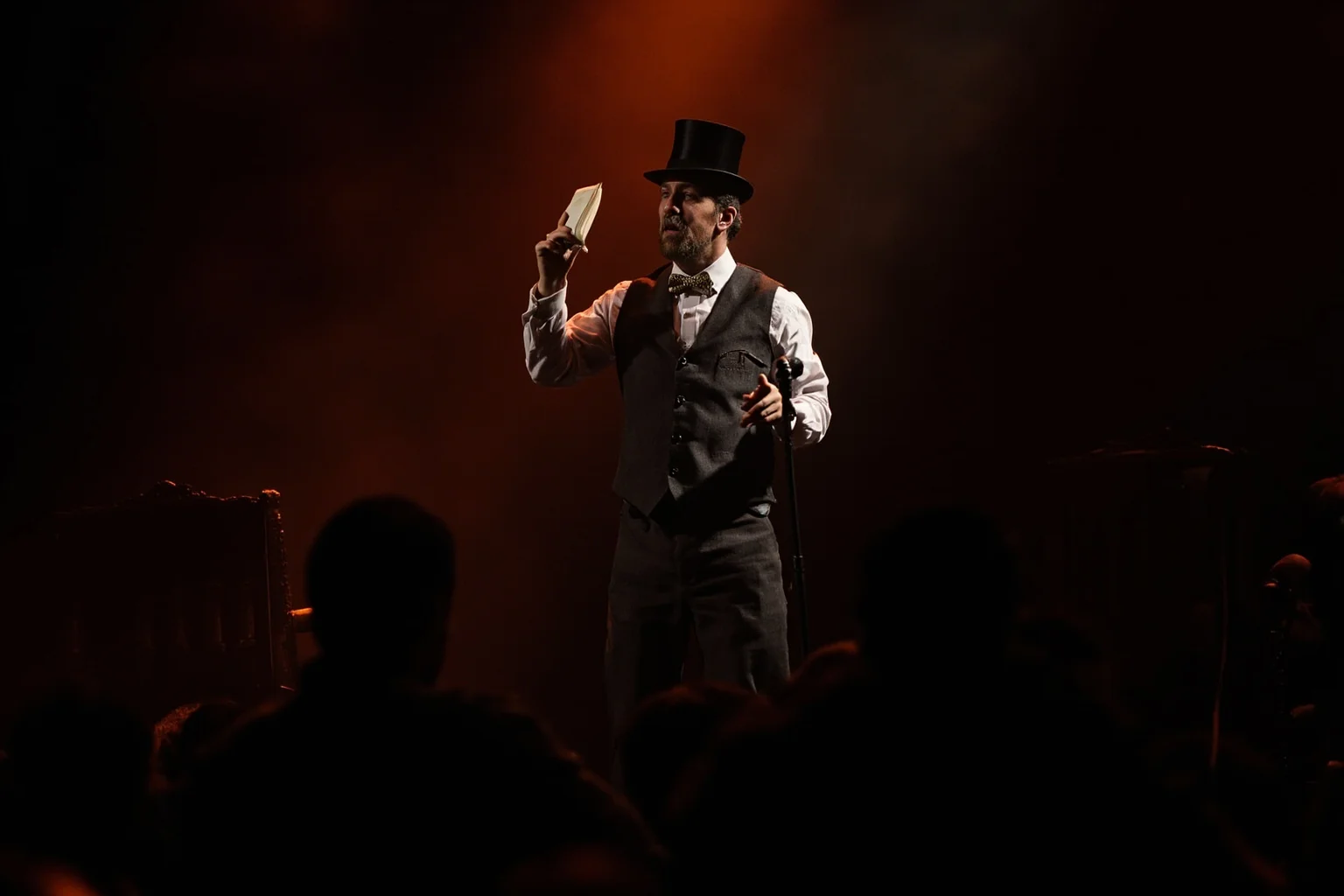
Modern readers often underestimate the physical toll of Dickens's public readings. He did not simply read aloud; he performed, acting out every character, weeping, shouting, and contorting his face. Audiences were mesmerized, and Dickens was exhausted.
The murder of Nancy scene from Oliver Twist was particularly punishing. He performed it dozens of times despite warnings from his doctor, and his pulse would race dangerously during and after each performance. Friends described him as looking like a man emerging from a fight.
Those readings earned him enormous sums and fed his ego, but they also drained his body. The collapse at Preston was the inevitable result of a man treating his nervous system as a machine that could run forever.
22. He Had a Strained Relationship with His Mother Until Her Death
Dickens never fully reconciled with his mother, Elizabeth. The wound from the blacking warehouse episode festered for decades. Even as an adult, he kept her at a distance emotionally and rarely spoke of her with warmth.
She died in 1863, and Dickens's letters from that period are notably restrained. He handled her funeral arrangements dutifully but without visible grief. The contrast with his public persona — the sentimental champion of family feeling — is striking.
Some biographers argue that Dickens's portrayal of cold mothers in his fiction, from Mrs. Clennam in Little Dorrit to Miss Havisham in Great Expectations, draws directly from his feelings about Elizabeth. The boy who felt abandoned never stopped punishing the woman who failed to rescue him.
23. He Was Haunted by the Fear of Falling Back into Poverty
For all his wealth and fame, Dickens never escaped the terror of financial ruin. He hoarded money, drove hard bargains with publishers, and worked himself to exhaustion in part because he believed that stopping meant sliding back into the Marshalsea's shadow.
This fear was not irrational. The Victorian economy was volatile, and Dickens had seen how quickly a family could fall from comfort to destitution. He had lived that fall once and was determined never to live it again.
The tragedy is that the fear itself became a kind of prison. The boy who watched his father taken away for debt grew into a man who could never rest, never spend freely, never enjoy the security he had earned. The blacking warehouse cast a shadow over his entire life.
Charles Dickens Died as He Lived: Exhausted and Unfinished
Charles Dickens's death at 58 was not a surprise to those who knew him well. His doctors had warned him, his friends had pleaded with him, and his own body had sent unmistakable signals. He ignored them all, driven by a compulsion to work that bordered on self-destruction.
The question of what did Charles Dickens die of has a simple medical answer: a stroke. But the deeper answer lies in a childhood spent in a blacking warehouse, a father's imprisonment, a lifetime of shame, and an adulthood spent running from poverty at full sprint. The work that made him immortal also killed him.
His legacy endures, not because he was a happy man, but because he transformed his darkness into art. The pain of his childhood became Oliver Twist's workhouse. The shame of the pawnshop became the melancholy of The Old Curiosity Shop. The fear of ruin became the moral engine of A Christmas Carol.
Dickens gave the world its most beloved Christmas story and its most haunting portraits of poverty. He did so by refusing to look away from the darkness in his own life. That is the final dark fact about Charles Dickens: the light in his fiction was forged in the shadow of his suffering.
Frequently Asked Questions
Charles Dickens: how did he die?
Charles Dickens died of a cerebral hemorrhage, commonly called a stroke, on June 9, 1870, at his home in Gad's Hill Place, Kent. He collapsed at dinner the previous evening after a full day of work on his unfinished novel The Mystery of Edwin Drood and never regained consciousness.
What was the official Charles Dickens cause of death?
The official cause recorded at the time was apoplexy, the Victorian term for a stroke or cerebral hemorrhage. Modern physicians believe Dickens suffered a ruptured blood vessel in the brain, likely related to years of untreated high blood pressure and extreme overwork.
Was Charles Dickens wealthy when he died?
Yes, Dickens was wealthy by Victorian standards. His estate was valued at roughly £80,000 to £93,000, equivalent to several million pounds today. He earned substantial sums from novels, magazine editing, and public readings, though he worried about money constantly due to his childhood poverty.
What was Charles Dickens’s net worth at death?
Historical estimates place Charles Dickens's net worth at death between £80,000 and £93,000. That sum made him one of the best-paid writers of his era, with income from serialized novels, book sales, editing, public readings, and investments.
What did Charles Dickens die of?
Dickens died of a stroke, medically described as a cerebral hemorrhage. The fatal event followed years of declining health, including an earlier collapse during a reading tour in 1869, and was almost certainly worsened by decades of punishing work and sleeplessness.
What was Charles Dickens’s childhood like?
Dickens's childhood was marked by financial instability and trauma. When he was 12, his father was imprisoned for debt, and Dickens was sent to work in a blacking warehouse pasting labels onto shoe polish pots. The experience of poverty, shame, and abandonment shaped his fiction for the rest of his life.
Why did Charles Dickens’s father go to prison?
John Dickens was sent to the Marshalsea debtors' prison in 1824 because he owed roughly £40 to a baker and could not pay. Debt imprisonment was common in Victorian England, and the entire family, except young Charles, eventually joined John in the prison.
What caused Charles Dickens’s death?
Charles Dickens's death was caused by a stroke, or cerebral hemorrhage, on June 9, 1870. Contributing factors included years of extreme overwork, punishing public reading tours, high blood pressure, the trauma of a train crash in 1865, and a refusal to rest despite repeated medical warnings.

Alex Warren
Related Articles