
Royal marriages have always been about power, land, and legacy as much as love. For most of history, a king taking multiple wives or keeping concubines was not scandalous. It was often expected, especially in cultures where producing heirs mattered above everything else.
Yet the image of the endlessly marrying monarch is not universal. Some kings shocked their courts by remaining faithful to a single queen, sometimes against enormous political pressure. This post separates the legendary polygamists from the rare monogamists, while answering the question people search most often: who has the most wives in the world?
TL;DR: History's most married kings include rulers like King Sobhuza II and Emperor Mswati II, while a surprising number of famous kings — from Henry VI to Ferdinand of Austria — stayed devoted to one woman despite dynastic pressure.
Why Kings Married More Than Once
In medieval and early modern Europe, royal marriage was diplomacy by another name. A king could gain a province, end a war, or secure a vital alliance with one wedding. When a queen died young in childbirth, which was common, the king was expected to remarry quickly.
An heir was the first duty of any monarch. A king without a son risked civil war, invasion, or the collapse of his dynasty. So remarriage after a queen's death was not disloyalty in the eyes of the court. It was statecraft.
In polygamous societies, the logic was even more direct. The more wives and concubines a king had, the more sons he could place on thrones, lead armies, or govern provinces. Royal fertility was a form of political strength.
Who Has the Most Wives in the World?
When people ask who has the most wives in the world, they are usually thinking of historical rulers rather than living people. The answer depends on whether you count only formally recognized wives or include concubines, who often held a lower status but lived in the royal household.
By the strictest count of formal wives, the record is usually given to King Sobhuza II of Swaziland, now Eswatini. He married dozens of women over his long reign and had hundreds of children. His grandfather, King Mswati II, is also frequently cited in discussions of which king had the most wives.
If concubines are included, the numbers shift dramatically. Chinese emperors and Ottoman sultans sometimes kept thousands of women in the palace, though most were servants or attendants rather than wives in any legal sense.
What Is the Wife of a King Called?
In most European traditions, the wife of a king is called a queen consort. The word consort means she holds the title through marriage, not through ruling in her own right. A queen regnant, by contrast, is a woman who rules as monarch herself, like Elizabeth I or Victoria.
In polygamous systems, the terminology changes. A first wife or senior wife might hold a special title, while later wives are called junior wives or simply wives of lower rank. Concubines are not wives at all, though their children could sometimes inherit.
Kings Famous for Having Many Wives
The rulers below are the names that come up most often when people search for what king had the most wives. Their stories show how differently cultures approached royal marriage.
1. King Sobhuza II of Swaziland

Sobhuza II ruled Swaziland from 1921 until 1982, one of the longest reigns in recorded history. Over those decades he married a very large number of wives, often to strengthen political ties with different clans. Estimates of his children run into the hundreds.
His marriages were partly a political system. In Swazi tradition, a king's many marriages bound the nation together by connecting the royal house to families across the country. Sobhuza is therefore the most common answer to who has the most wives in the world when only formal wives are counted.
2. King Mswati II of Swaziland
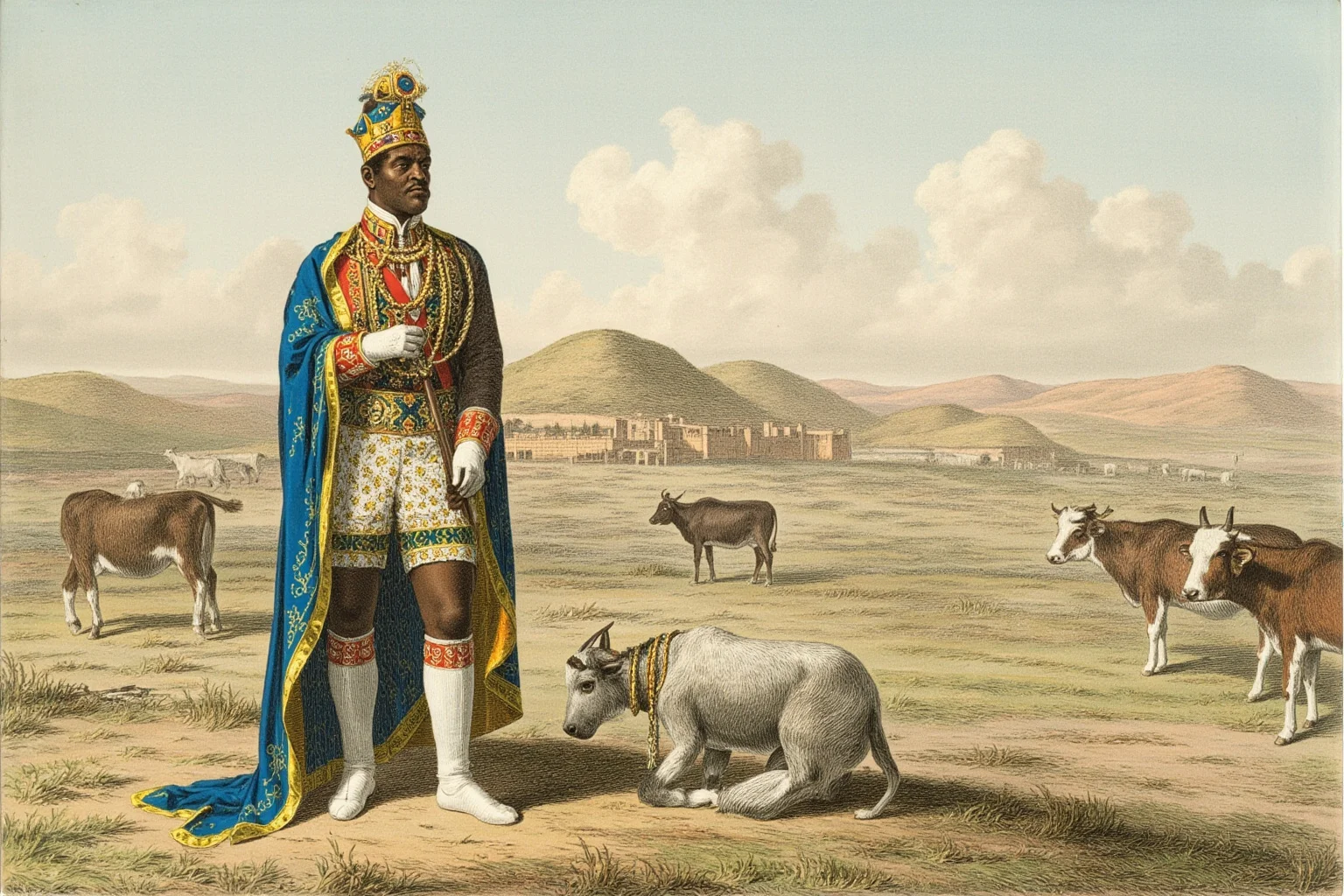
Mswati II, who ruled in the nineteenth century, was the grandfather of Sobhuza II and is often named when people ask which king had the most wives. He expanded Swazi territory and used marriage alliances to consolidate power. His name is the source of the country's modern name, Eswatini.
Like his grandson, Mswati II married on a scale that seems extraordinary today. The exact number of his wives is not recorded with modern precision, but oral tradition and colonial records agree that he had a very large household. He is one of the strongest candidates for who had the most wives in history.
3. Genghis Khan

Genghis Khan founded the Mongol Empire in the early thirteenth century and took many wives and consorts from conquered peoples. Marrying the daughters of defeated khans was a way of binding new territories to his rule. His principal wife, Börte, held the highest rank.
Genetic studies have suggested that a significant portion of men in parts of Asia may descend from Genghis Khan or his close male relatives. That does not mean he personally fathered all of them, but it reflects how widely the Mongol elite spread their lineage. He remains a famous answer to who has the most wives in world history.
4. Emperor Mansa Musa of Mali
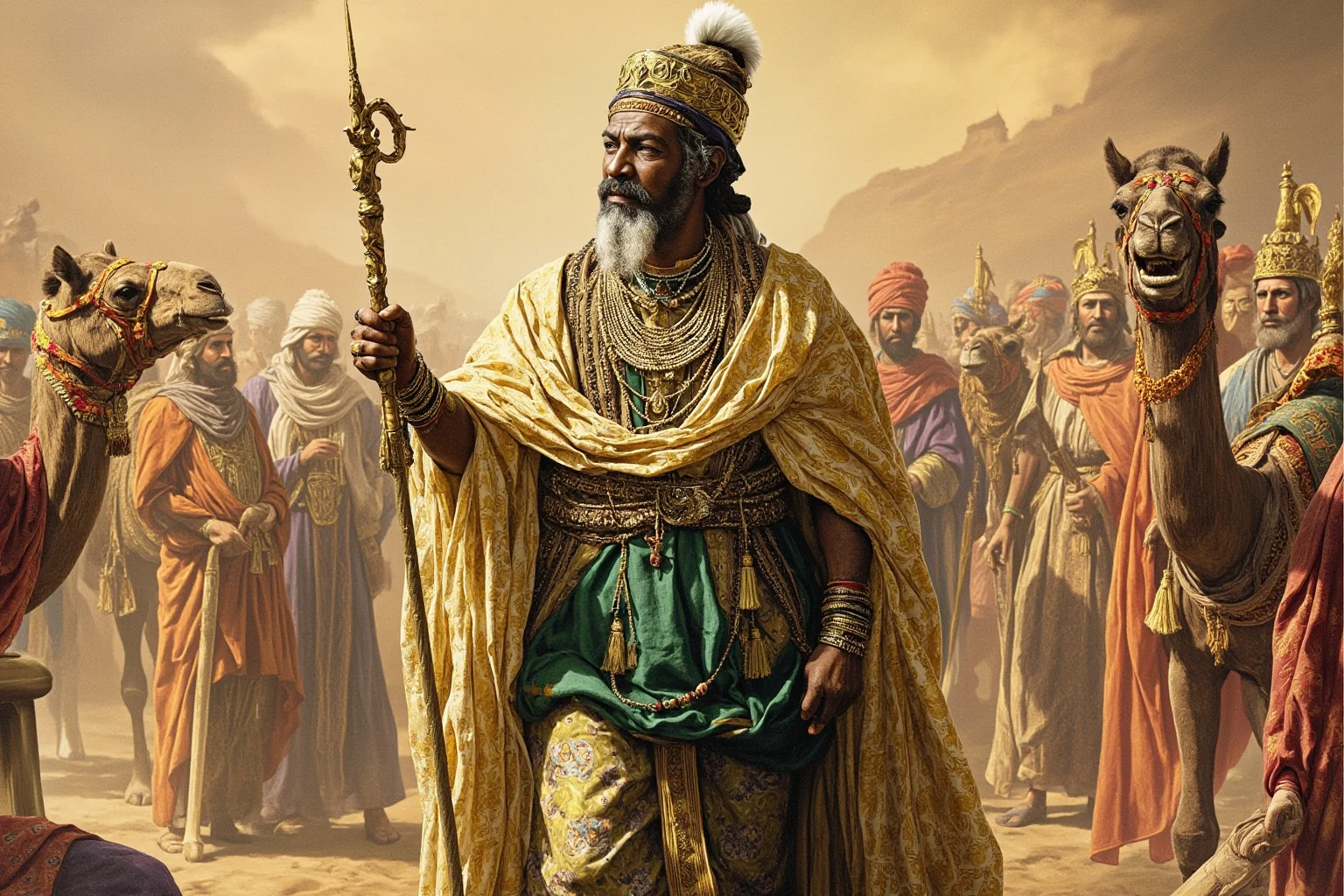
Mansa Musa, the fourteenth-century ruler of the Mali Empire, is best known for his legendary wealth and his pilgrimage to Mecca. He was a Muslim ruler, and Islamic law permitted up to four wives, though royal practice in Mali was often more expansive. His household was famously large.
Mansa Musa traveled with a vast entourage that included family members, officials, and servants. The size of his household fed his reputation as the richest man in history. While he is not usually the top answer to who had the most wives in history, his court was certainly among the most extravagant.
5. King Henry VIII of England

Henry VIII is the most famous Western example of a king with multiple wives, though he had them one at a time, not simultaneously. He married six women, and two of those marriages ended in annulment and two in execution. His desperate search for a male heir reshaped English religion.
Henry's case is unusual because he broke with the Catholic Church to end his first marriage. That decision led to the English Reformation and the creation of the Church of England. So his multiple marriages changed world history in ways no other king's did.
6. King Mongkut of Siam
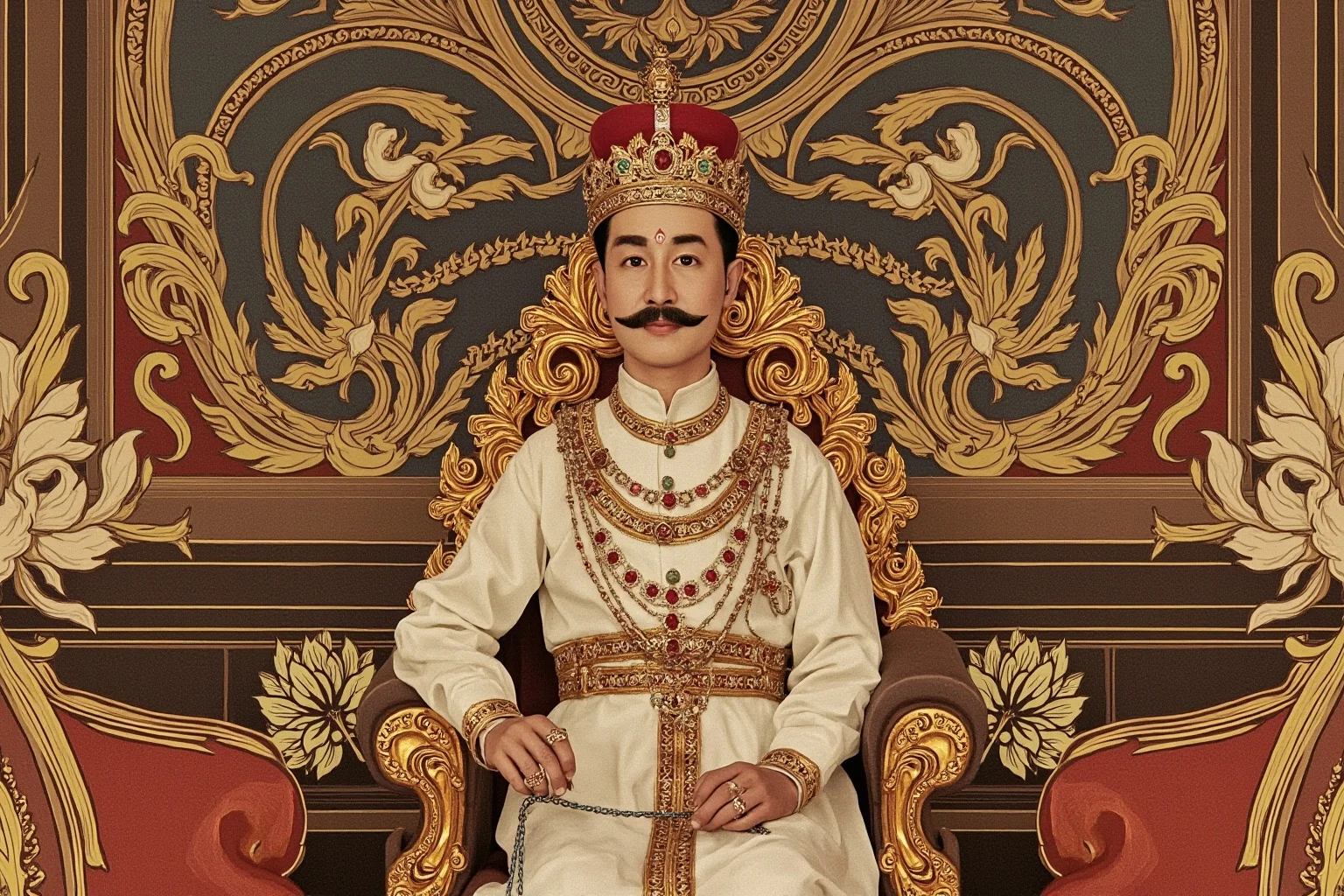
King Mongkut, who ruled Siam, now Thailand, from 1851 to 1868, is known to Western audiences from The King and I. He had dozens of wives and concubines and fathered more than eighty children. His court was structured around a large royal household.
Mongkut was also a serious scholar and reformer. He studied Western science, learned English, and opened Siam to trade with Europe. His many marriages were part of the traditional Siamese system of royal alliances.
7. Emperor Jahangir of the Mughal Empire
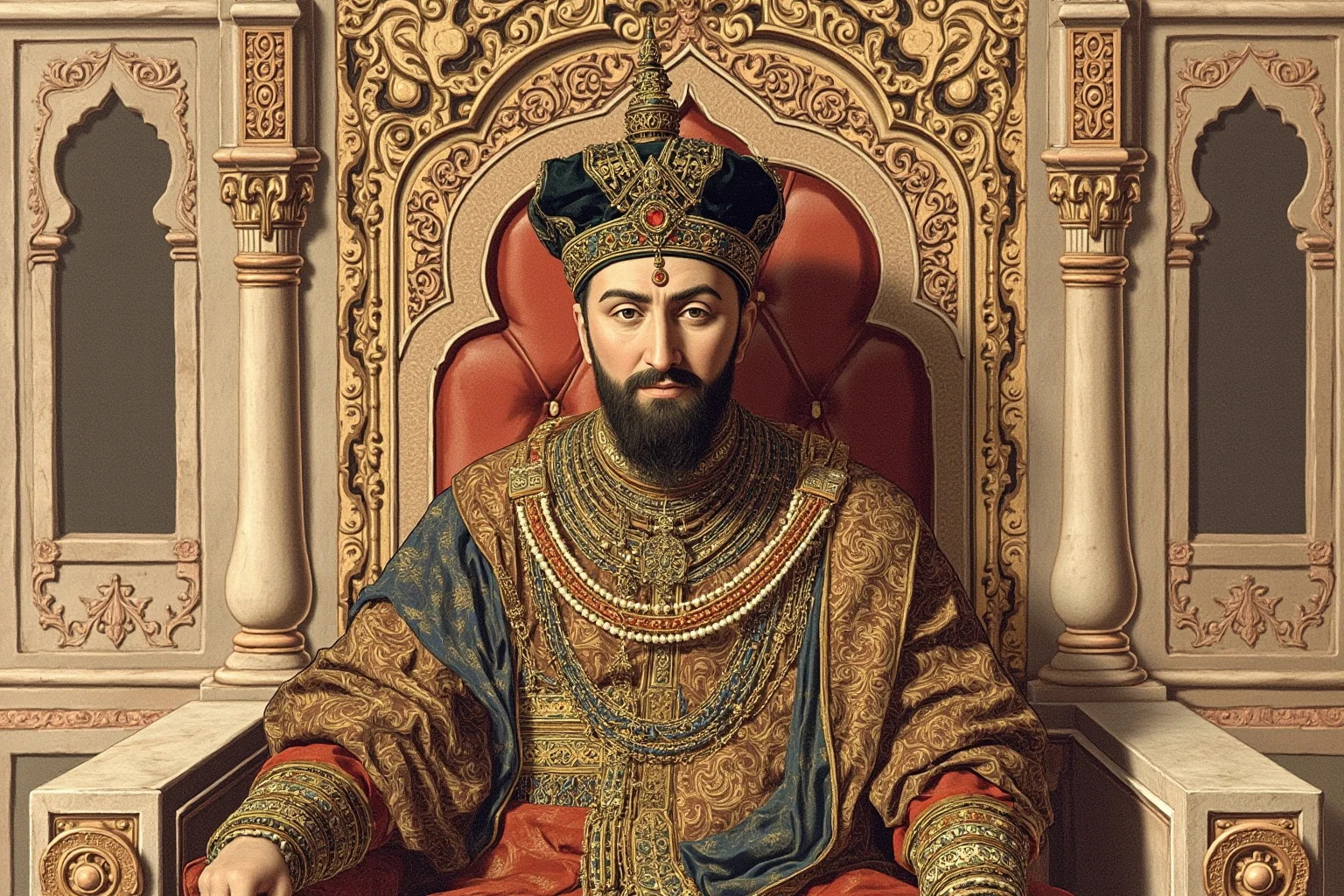
Jahangir, the fourth Mughal emperor, ruled India from 1605 to 1627. He married multiple times and kept a large harem, as was customary for Mughal rulers. His most famous wife, Nur Jahan, became one of the most powerful women in Indian history.
Nur Jahan effectively co-ruled with Jahangir, issuing orders and even having coins minted in her name. Her rise shows that within a polygamous system, one wife could still achieve extraordinary influence. Jahangir's court is a key example when people ask what emperor had the most concubines.
8. Emperor Akbar of the Mughal Empire
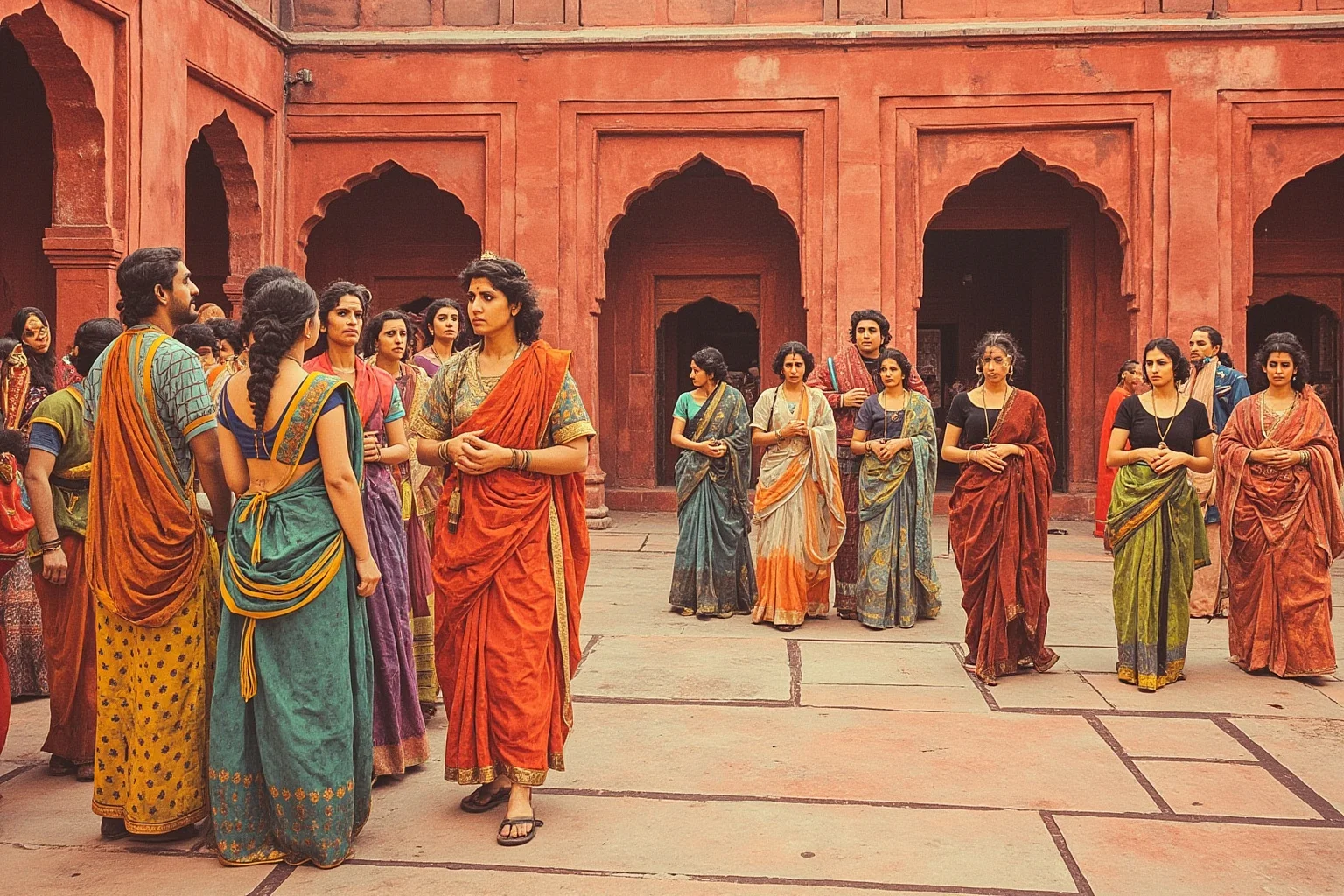
Akbar, Jahangir's father, ruled from 1556 to 1605 and built one of the largest empires in Indian history. He married many women, often to seal alliances with Rajput and other regional powers. His marriages were explicitly political tools of empire.
Akbar's policy of marrying princesses from different faiths and regions helped him rule a diverse empire. He even allowed his Hindu wives to practice their religion within the palace. This pragmatic approach made his many marriages a cornerstone of Mughal statecraft.
9. Emperor Qianlong of China
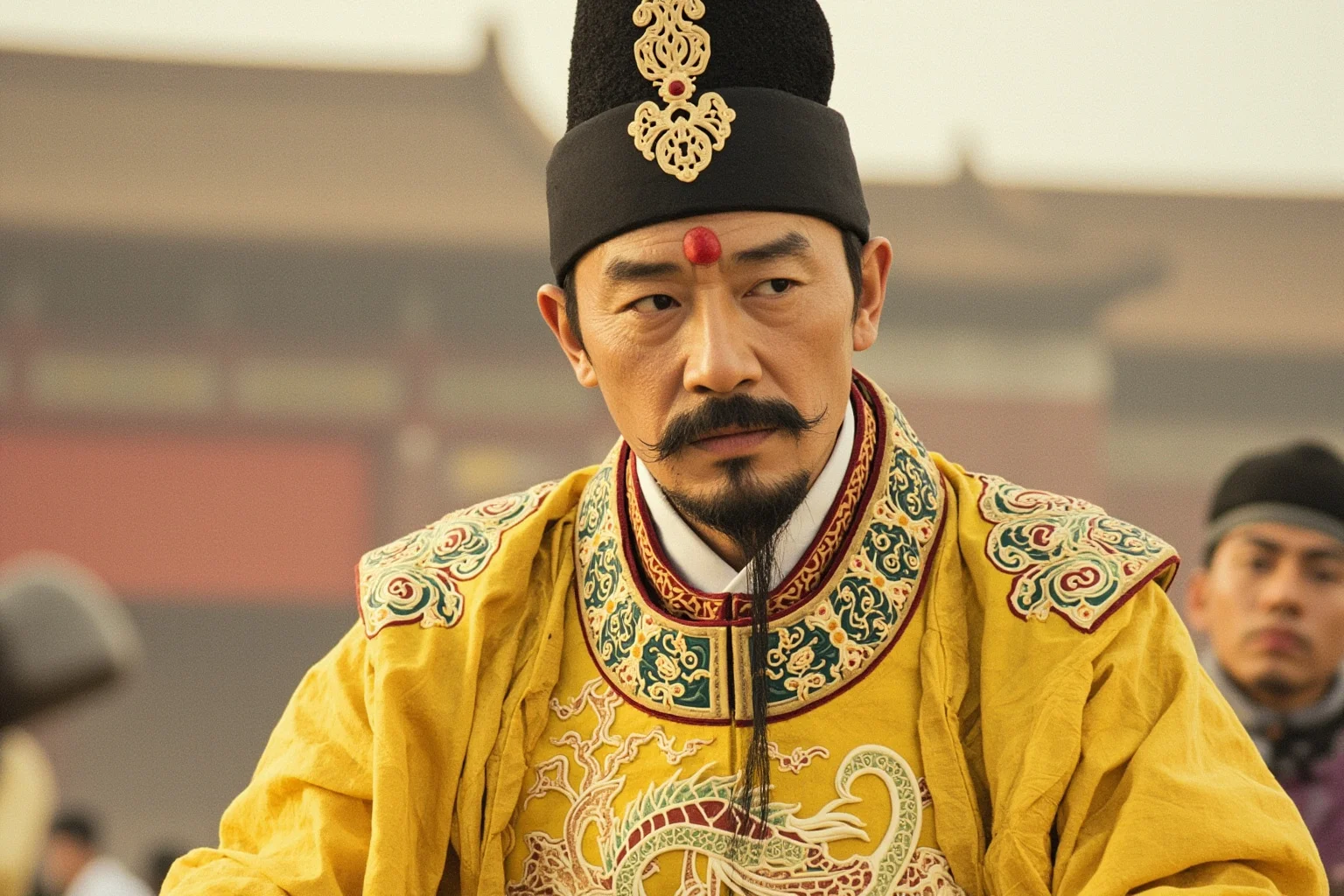
Qianlong, who ruled China from 1735 to 1796, presided over the Qing dynasty at its height. He had a large number of consorts, concubines, and attendants in the Forbidden City. The imperial harem was a highly structured institution with strict ranks.
When people ask what emperor had the most concubines, Chinese rulers like Qianlong are often the first examples given. The Qing court kept detailed records of consorts and their children. However, most women in the palace were not wives in the Western sense, which makes direct comparisons difficult.
10. Emperor Taizong of Tang
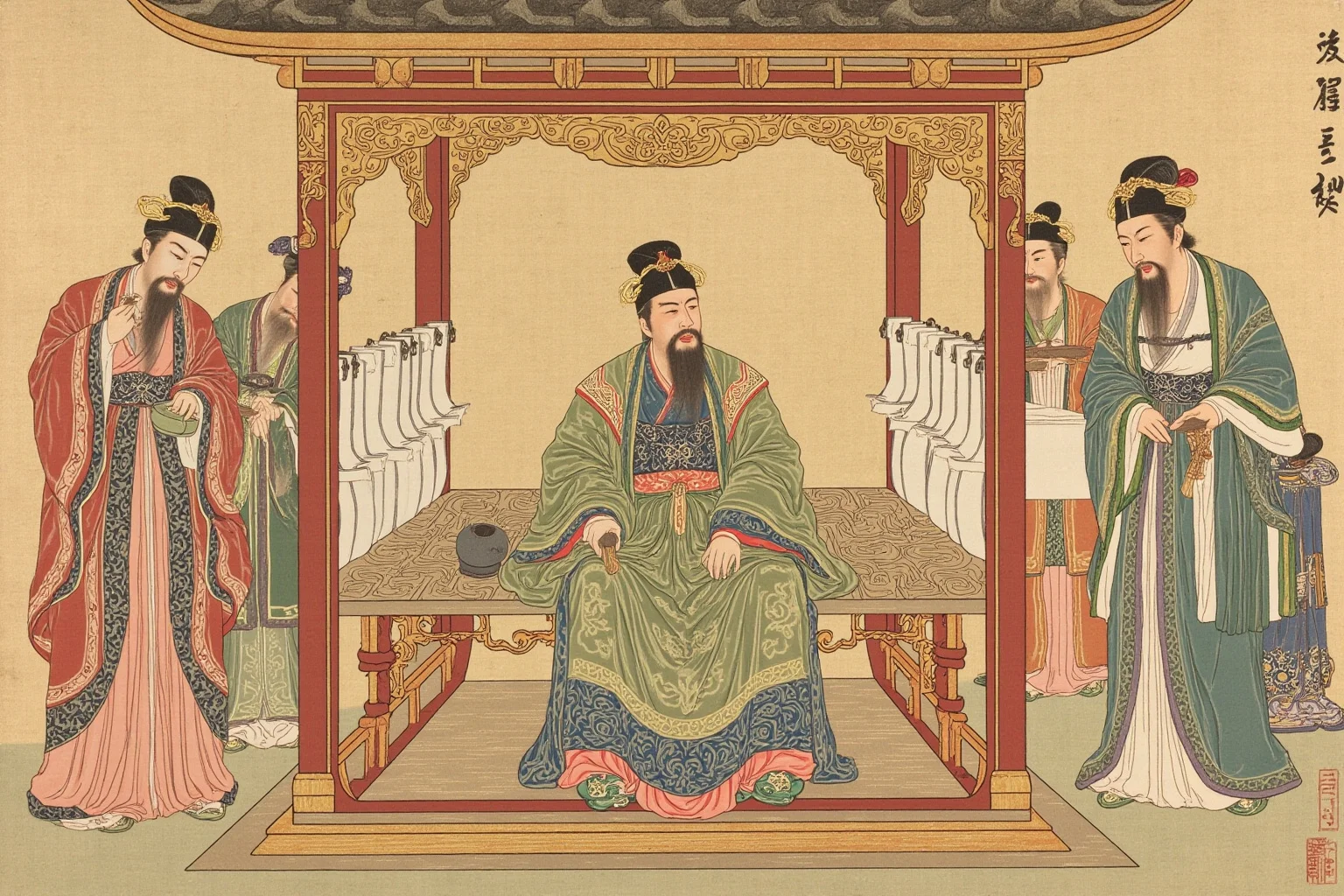
Taizong, one of the greatest emperors in Chinese history, ruled from 626 to 649. He had numerous consorts and concubines, as was standard for a Tang emperor. His most famous consort, Wu Zetian, later became the only woman to rule China as emperor in her own right.
Taizong's palace included women of many ranks, from empress to minor concubines. The sheer scale of the Tang imperial household is a reminder that emperor and concubine systems operated on a different scale than European royal marriage. His court is often cited in discussions of king concubines.
11. King Solomon of Israel
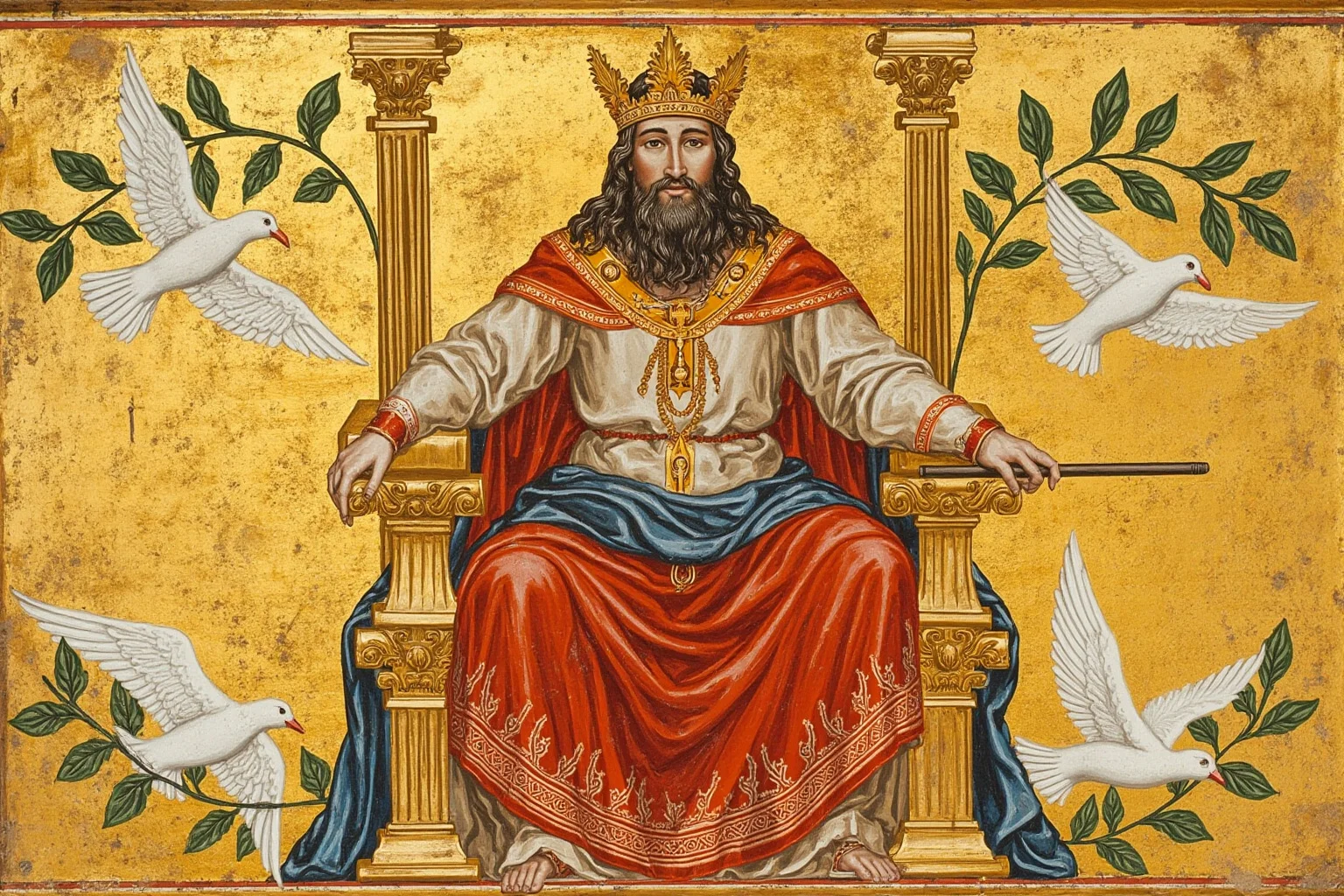
According to the Hebrew Bible, King Solomon had seven hundred wives and three hundred concubines. Those numbers are likely symbolic, meant to convey his immense wealth and his drift from religious devotion. Historians treat the figure as legendary rather than literal.
Solomon is the classic answer in Western culture to who has the most wives. His marriages were said to bring foreign gods into Israel, which biblical writers saw as the source of his downfall. The story is a moral tale as much as a historical record.
12. Pharaoh Ramesses II of Egypt
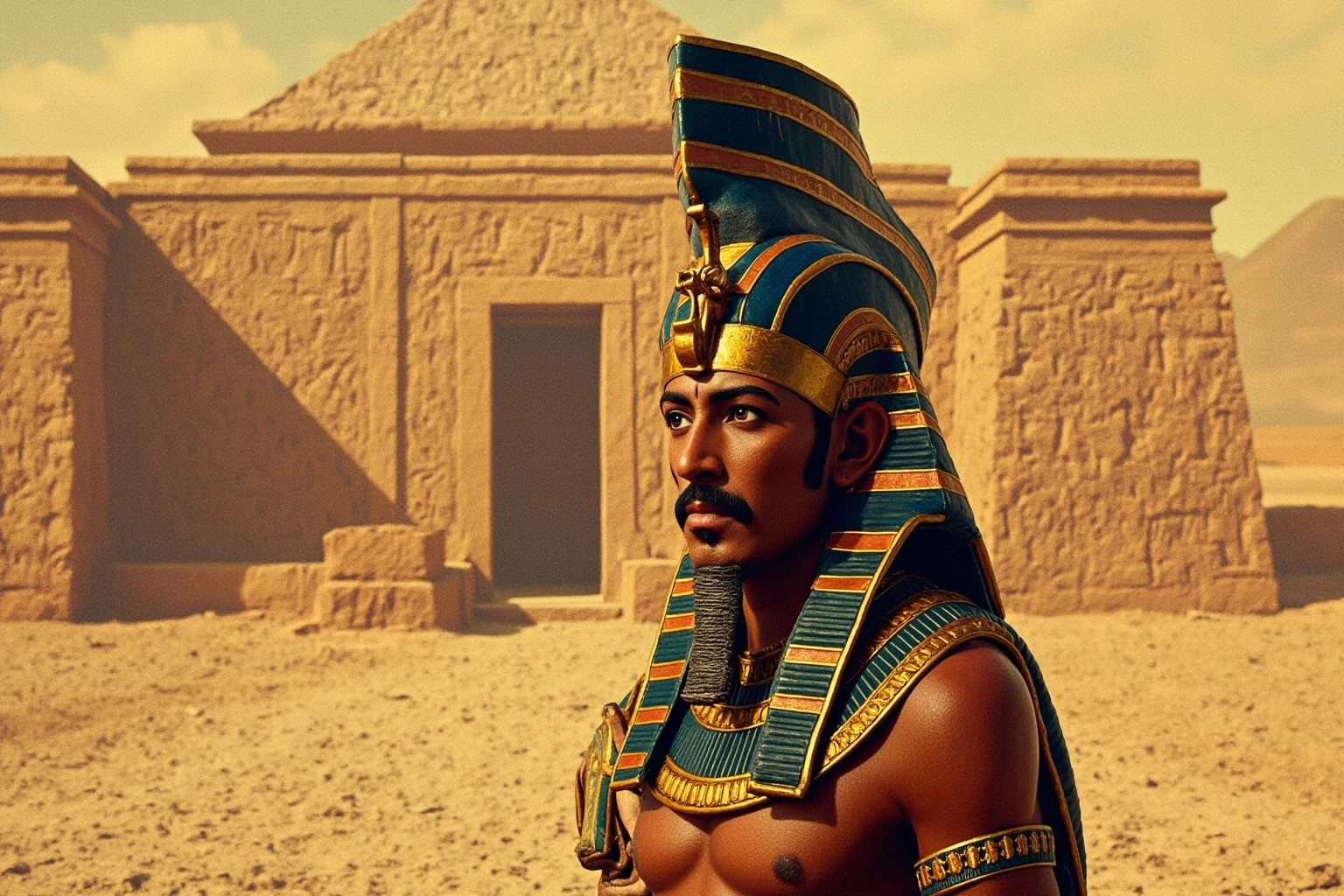
Ramesses II, who ruled Egypt for over sixty years in the thirteenth century BCE, had a large number of wives and concubines. He fathered more than a hundred children, many of whom he outlived. His principal wife, Nefertari, was honored with one of the most beautiful tombs in Egypt.
Ramesses used marriage to secure peace, most famously with the Hittites after the Battle of Kadesh. He married a Hittite princess to seal a treaty between the two empires. His enormous family was a sign of Egypt's stability and his own longevity.
13. Sultan Suleiman the Magnificent
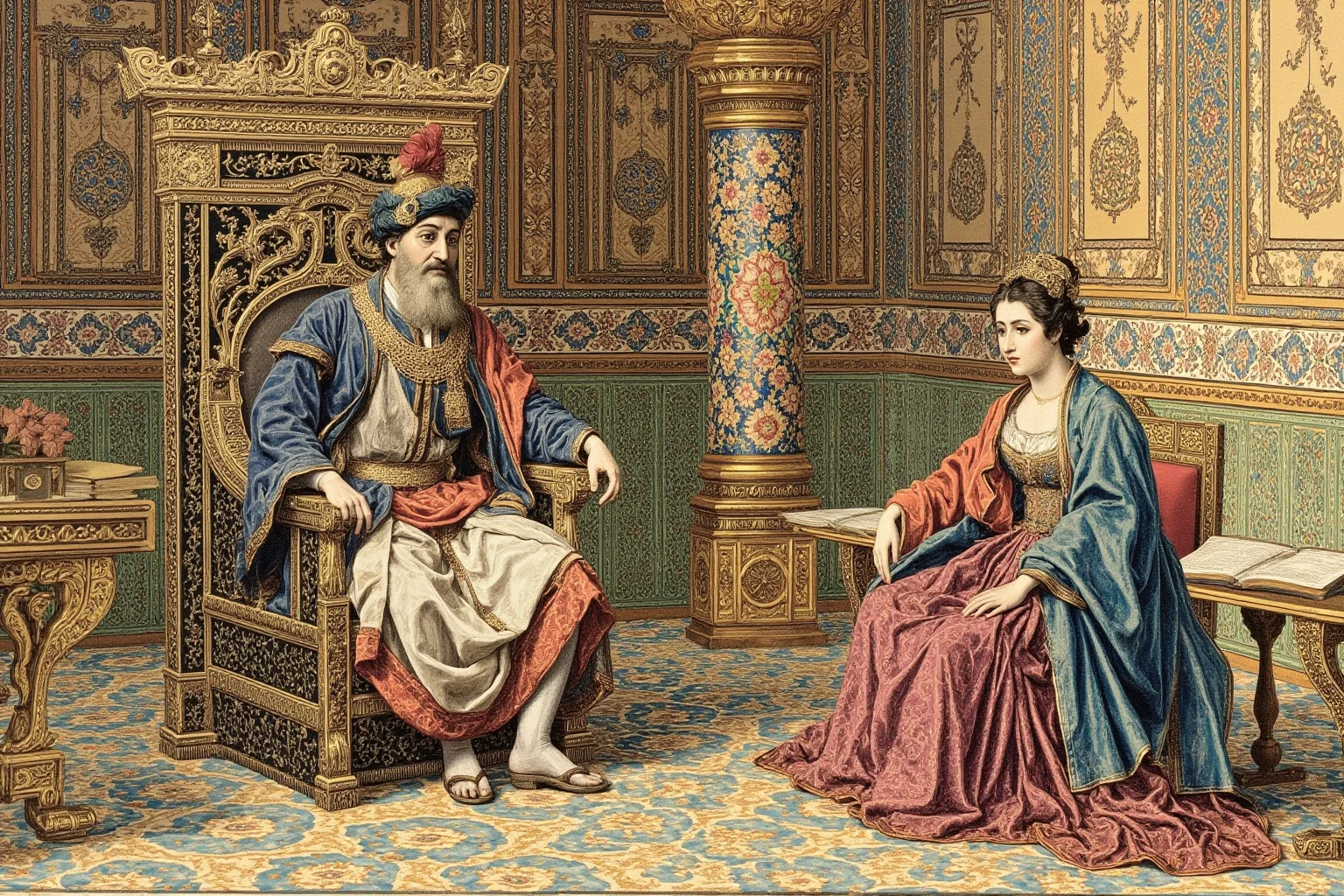
Suleiman ruled the Ottoman Empire from 1520 to 1566, its golden age. Ottoman sultans did not usually marry formally; they kept concubines, and one favorite often rose to prominence. Suleiman broke tradition by legally marrying his concubine Hurrem, known in the West as Roxelana.
Suleiman's marriage to Hurrem was a genuine love match that scandalized the court. She became one of the most powerful women in Ottoman history. His story is a reminder that even in a system built on concubinage, a single relationship could dominate.
14. Emperor Augustus of Rome
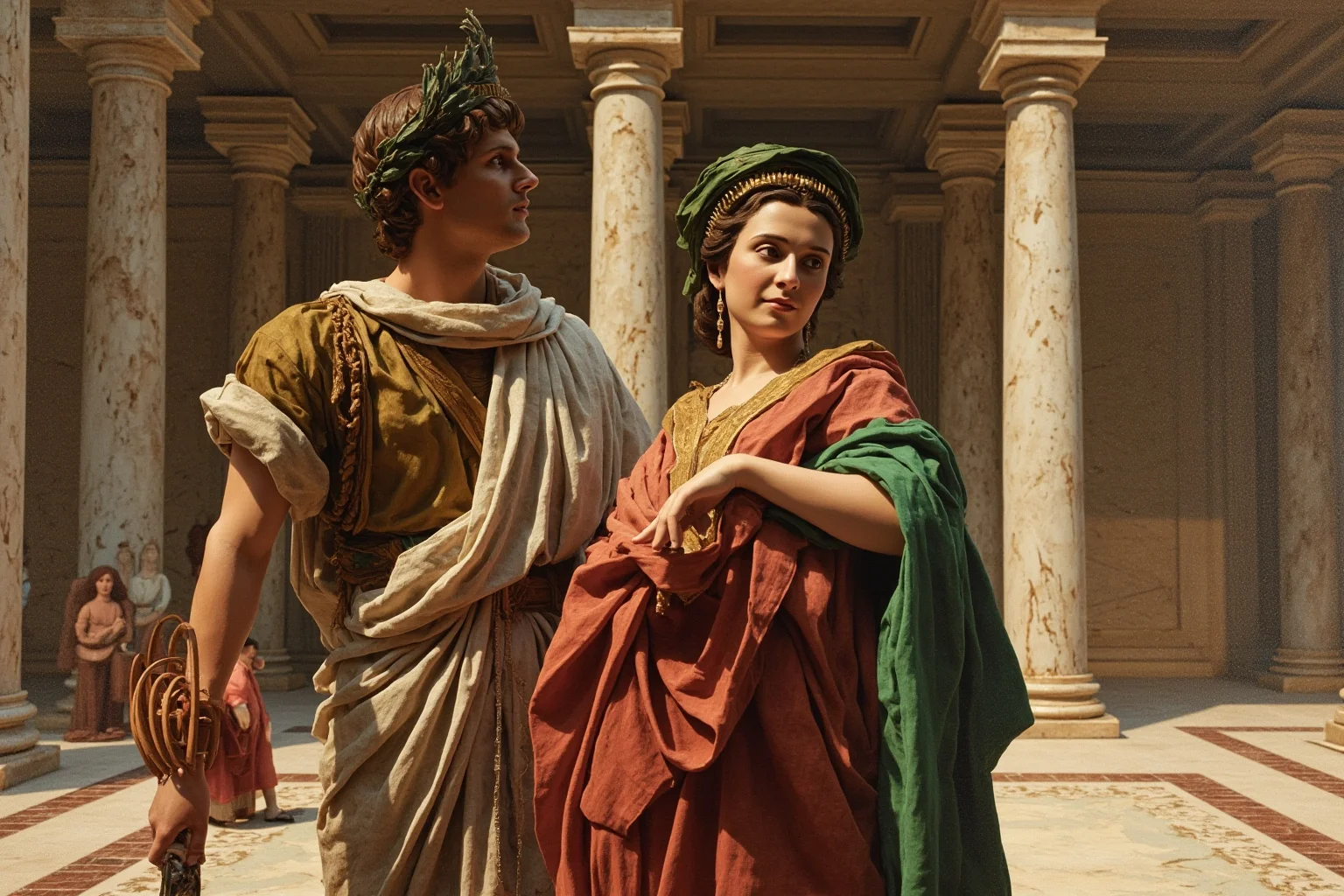
Augustus, the first Roman emperor, married three times, but his third marriage to Livia lasted over fifty years. Livia was his political partner and one of the most influential women in Roman history. Augustus was not a polygamist, but his earlier marriages were clearly political.
Roman emperors were generally monogamous, though they could divorce and remarry freely. Concubinage existed in Rome but was less formalized than in Eastern courts. Augustus is included here because his story shows how even monogamous rulers used marriage as a political tool.
Kings Who Stayed True to One Woman
Against the backdrop of royal polygamy and serial remarriage, some kings stood out for their fidelity. The ten kings below are remembered, rightly or wrongly, as men who stayed true to one woman.
15. King Henry VI of England
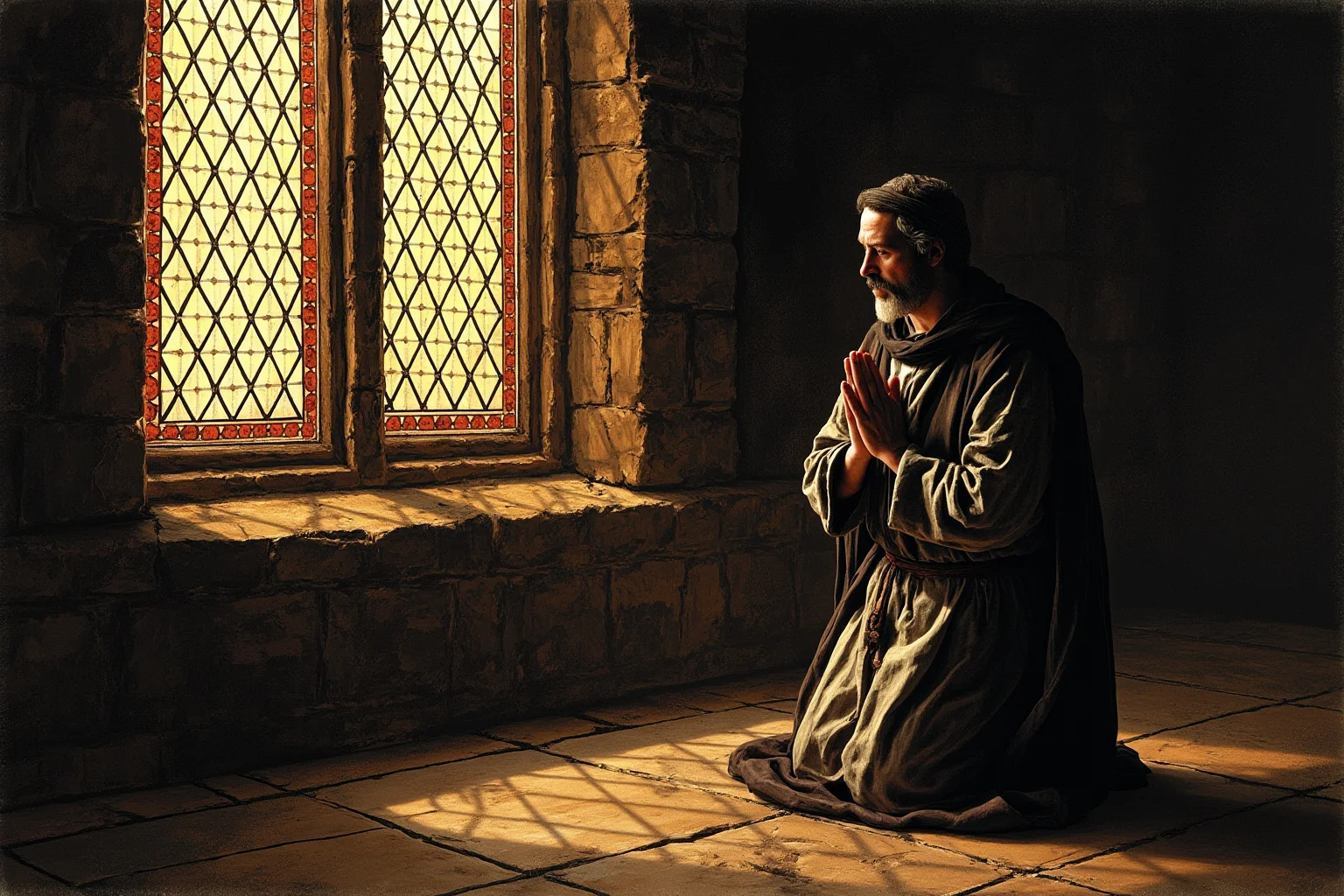
Henry VI, who ruled England in the fifteenth century, was married to Margaret of Anjou for twenty-five years and is not known to have taken a mistress. That was extremely unusual for a medieval king. His court was famously pious and austere compared to his predecessors.
Henry's fidelity may have reflected his deeply religious nature rather than passion. He was a gentle, scholarly man ill-suited to the brutal politics of the Wars of the Roses. His loyalty to Margaret was one of the few constants in a chaotic reign.
16. King Ferdinand II of Aragon
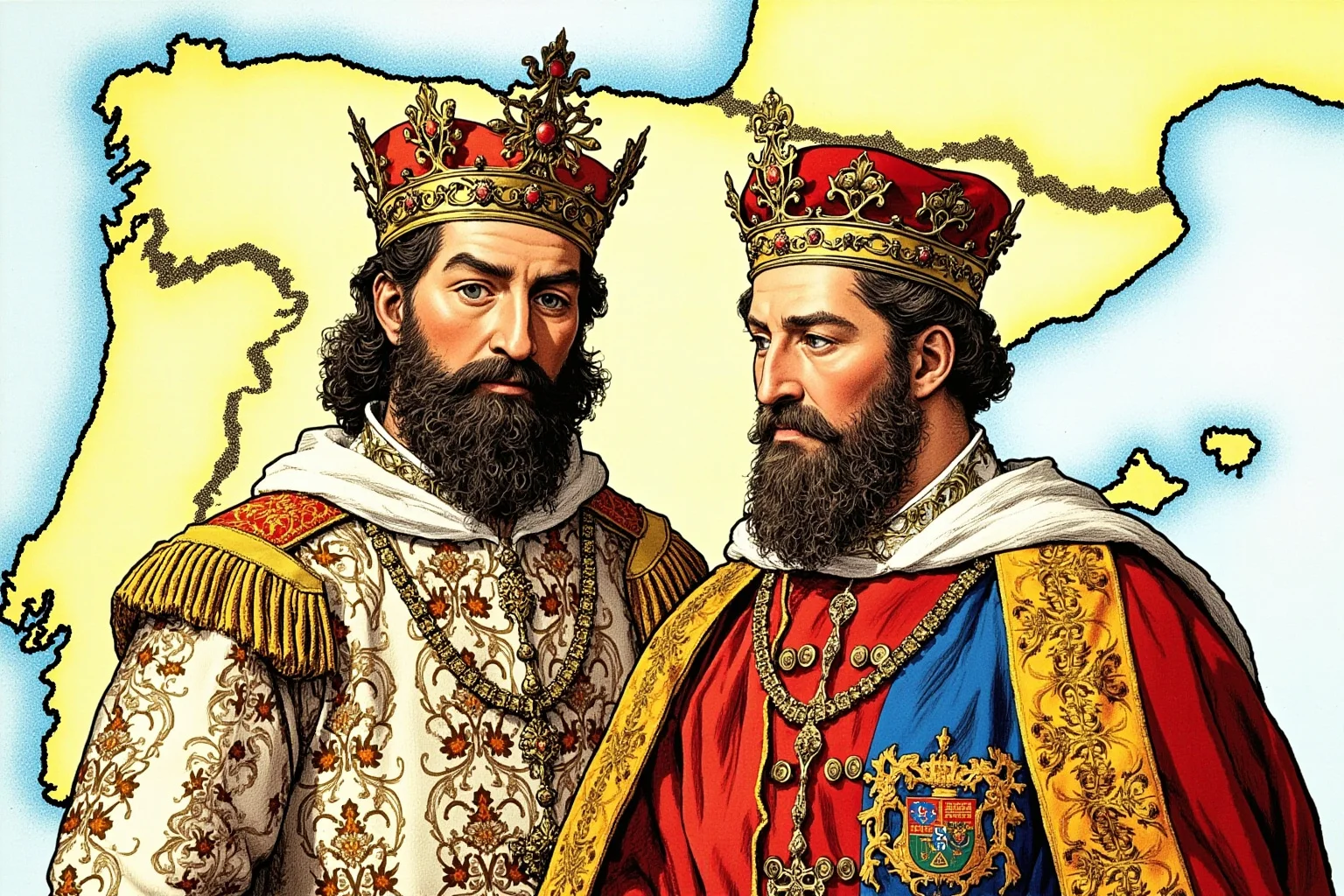
Ferdinand of Aragon, who with Isabella of Castile unified Spain, was married to Isabella for thirty-five years. Their marriage was a political alliance that became a genuine partnership. They ruled their kingdoms jointly and are buried together in Granada.
Ferdinand did remarry after Isabella's death, but during her lifetime he was famously devoted to her. Their partnership financed Columbus and completed the Reconquista. In an age of royal mistresses, Ferdinand's loyalty to Isabella was notable.
17. King Louis IX of France
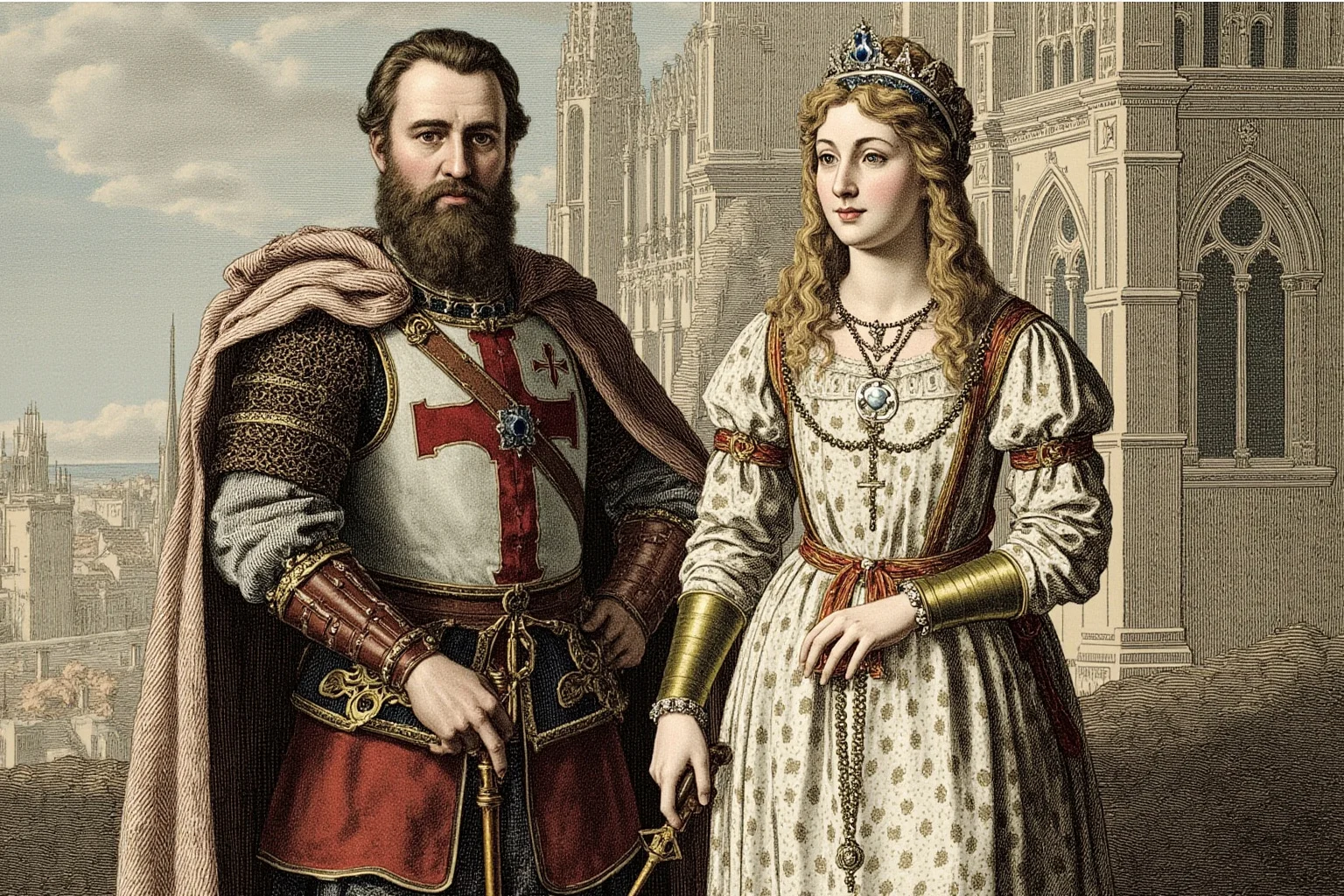
Louis IX, later canonized as Saint Louis, married Margaret of Provence in 1234 and remained devoted to her until his death in 1270. He is not known to have taken any mistresses, which was almost unheard of for a French king. His piety shaped every aspect of his rule.
Louis and Margaret had eleven children together. He trusted her with the regency of France during his first crusade. His reputation for marital fidelity was part of his broader image as the ideal Christian king.
18. King Edward I of England
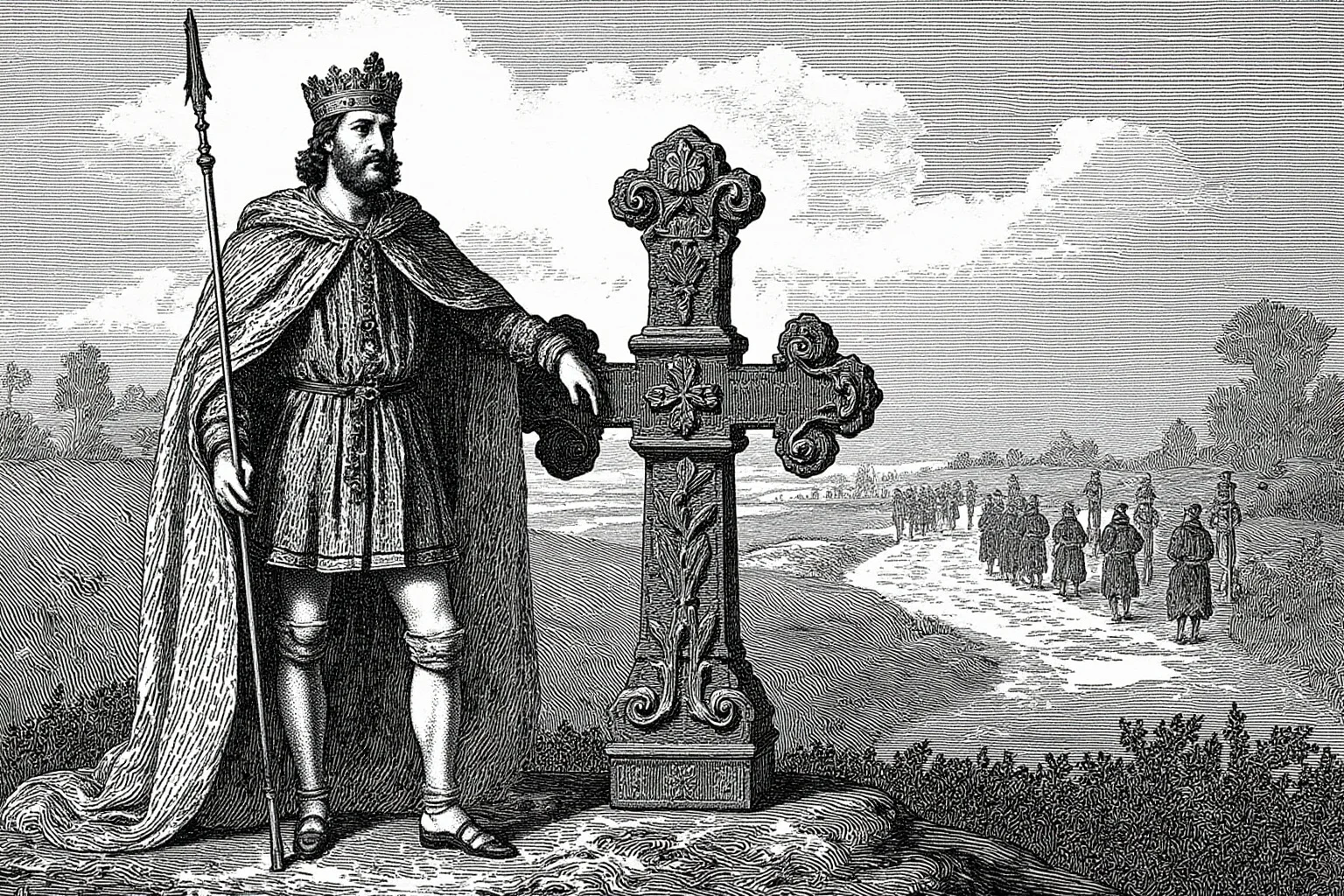
Edward I, the Hammer of the Scots, was married to Eleanor of Castile for thirty-six years. Their marriage produced sixteen children and was, by all accounts, a genuine love match. When Eleanor died in 1290, Edward was devastated.
He ordered the construction of twelve elaborate stone crosses marking the route of her funeral procession. The Eleanor Crosses are still famous today. Edward did remarry late in life, but his devotion to Eleanor defined his reign.
19. King Christian IV of Denmark
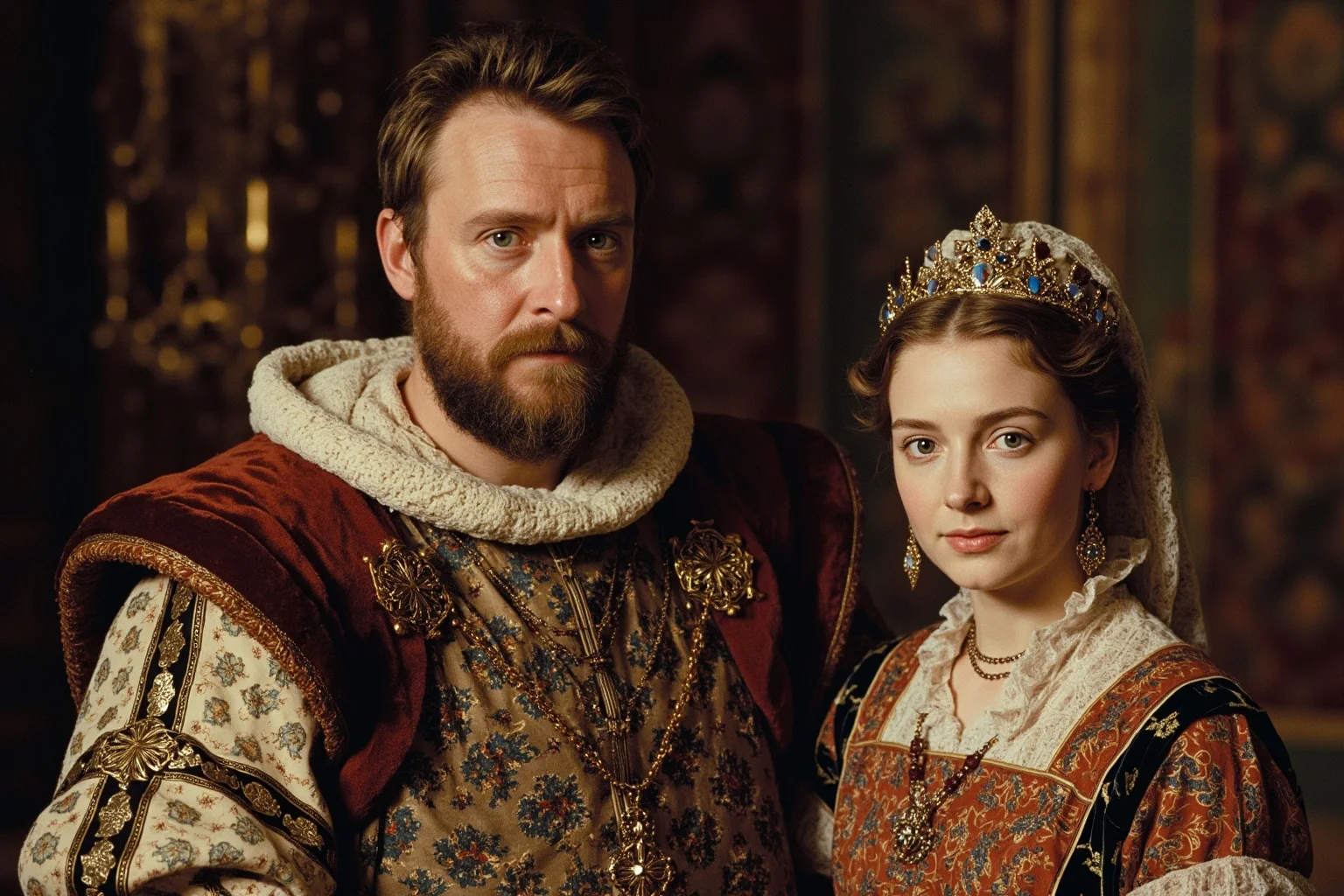
Christian IV ruled Denmark and Norway for nearly sixty years and is remembered as one of Scandinavia's great builder-kings. His first marriage to Anne Catherine of Brandenburg lasted from 1597 until her death in 1612. He mourned her deeply and did not remarry for three years.
Christian later married again and had a long relationship with a noblewoman, so he was not perfectly monogamous. But his first marriage was a strong and loyal partnership. He is included here as a nuanced example rather than a perfect one.
20. King George III of Britain
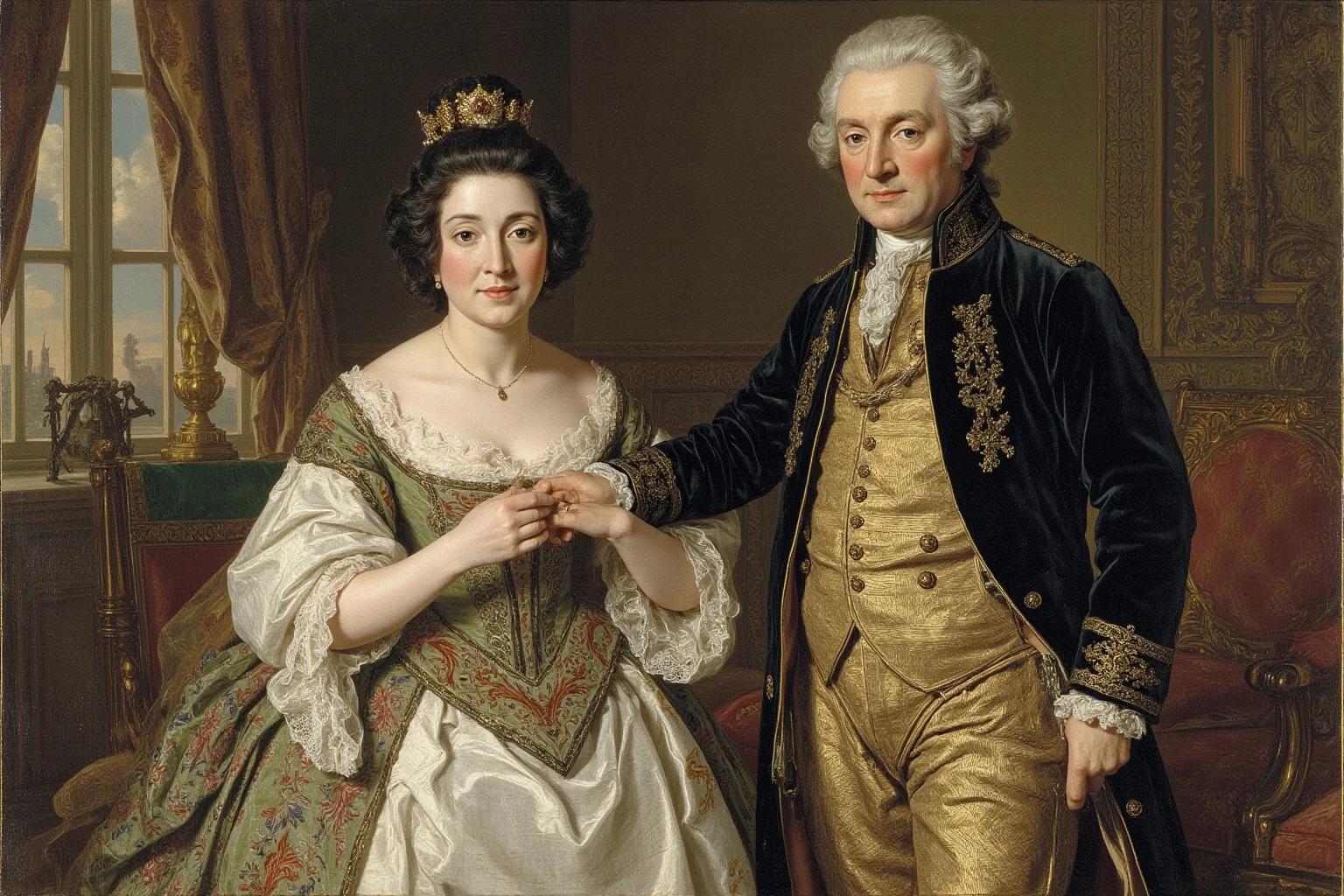
George III, the king who lost America and later suffered from mental illness, was famously devoted to his wife, Charlotte of Mecklenburg-Strelitz. They married in 1761 and had fifteen children together. George never took a mistress, which was extraordinary for a British monarch.
His fidelity was the subject of admiration and some mockery at court. George and Charlotte genuinely enjoyed each other's company and lived a quiet, domestic life. Their marriage is one of the most famously faithful in royal history.
21. King Albert I of Belgium
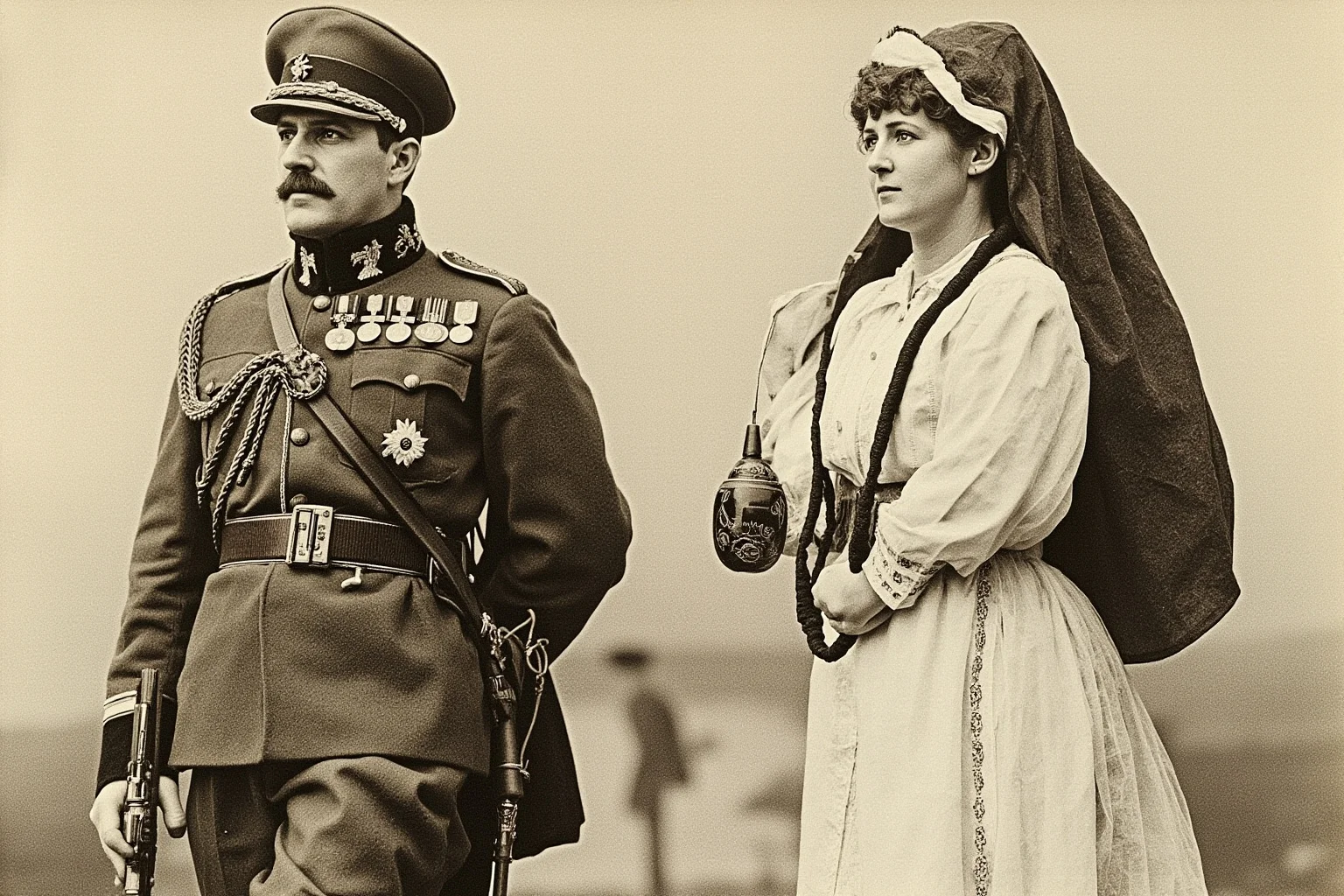
Albert I ruled Belgium during the First World War and became a national hero for his resistance to the German invasion. He married Elisabeth of Bavaria in 1900 and remained devoted to her until his death in a climbing accident in 1934. Their marriage was a true partnership.
Elisabeth worked as a nurse during the war and was deeply involved in Belgian cultural life. Albert's reputation for integrity and loyalty extended to his family life. He is one of the most beloved monarchs in Belgian history.
22. King Bhumibol Adulyadej of Thailand
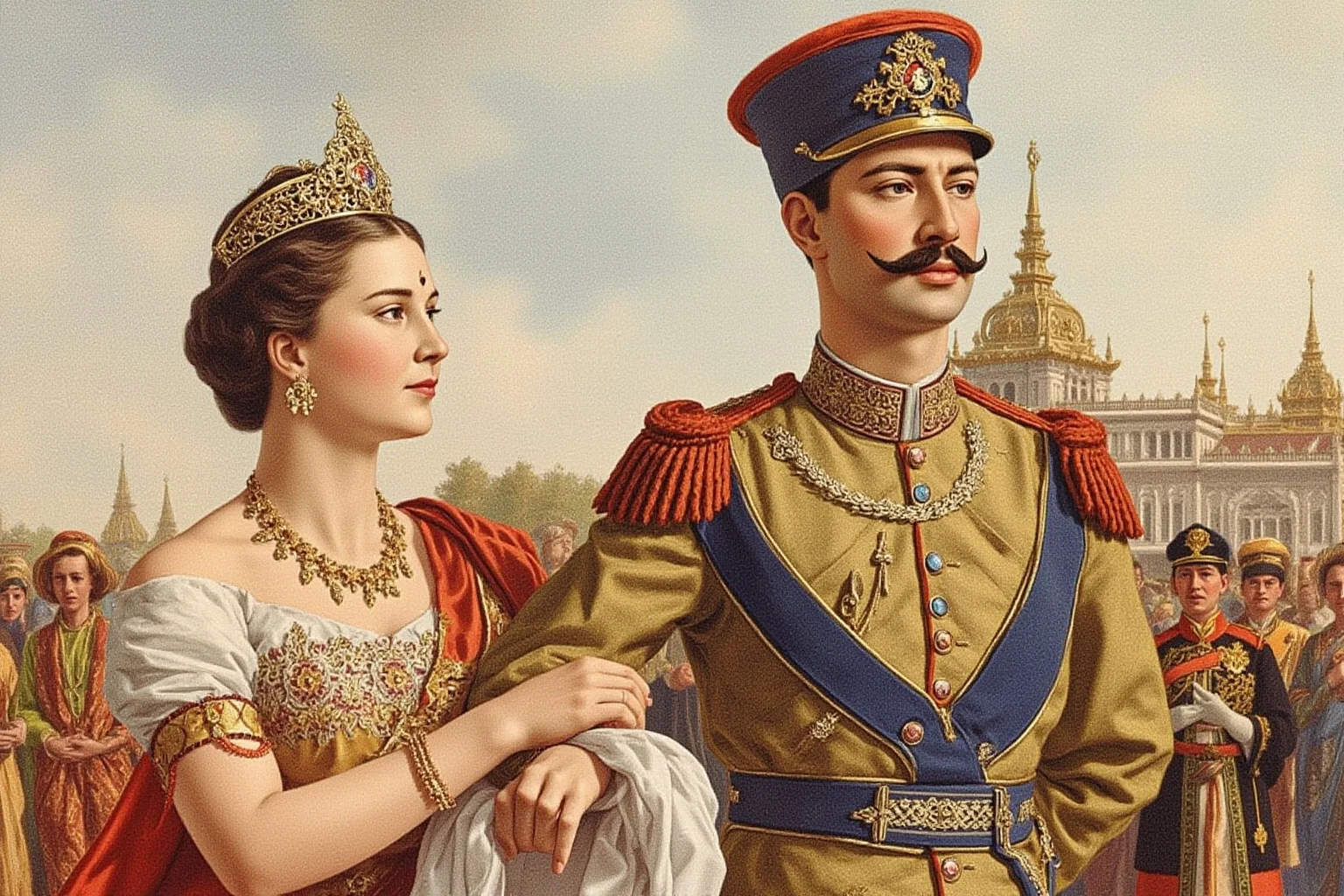
Bhumibol, who ruled Thailand from 1946 until 2016, was one of the longest-reigning monarchs in history. He married Sirikit Kitiyakara in 1950 and remained married to her for sixty-six years. Their marriage was a central part of his public image.
Thai kings historically had multiple wives, but Bhumibol chose monogamy. His devotion to Sirikit was widely admired and helped modernize the image of the Thai monarchy. He is a rare modern example of a king who stayed true to one woman.
23. King Hussein of Jordan
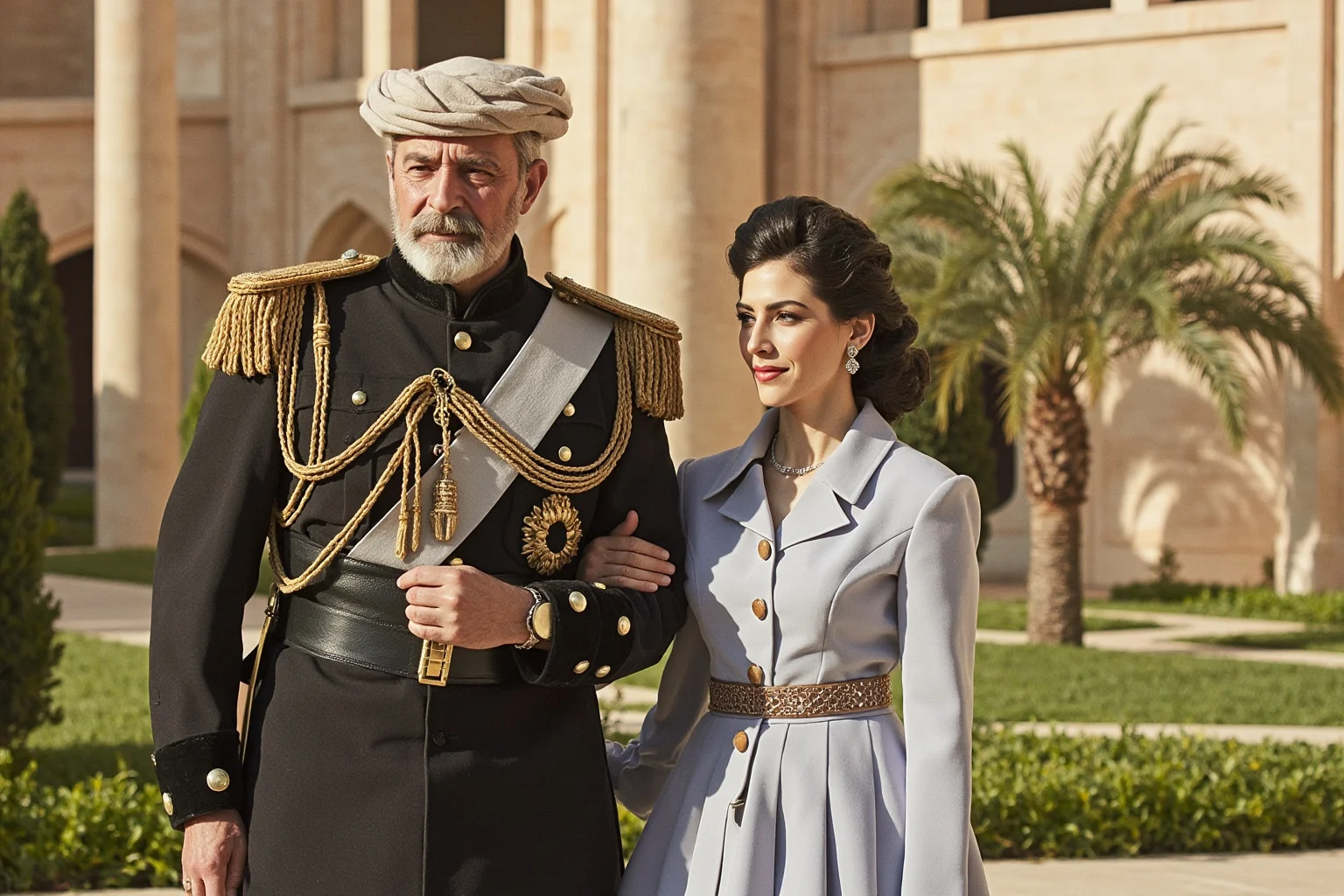
Hussein ruled Jordan from 1952 to 1999 and married four times, so he cannot be called monogamous. However, his final marriage to Queen Noor lasted over twenty years and was by all accounts a deep partnership. He is included here as a caution against simple categories.
Hussein's earlier marriages ended in divorce, which is different from the polygamy of earlier kings. His relationship with Noor showed that even a king with multiple marriages could find lasting fidelity late in life. The story of royal marriage is rarely simple.
24. King William III of England
William III, who ruled England jointly with Mary II, was married only to Mary and is not known to have taken mistresses. Their marriage began as a political arrangement to unite Protestant powers against France. It grew into a genuine partnership of equals.
William and Mary ruled jointly, which was unprecedented in English history. When Mary died of smallpox in 1694, William was heartbroken and never remarried. His grief was so intense that even political enemies noted it.
The Role of Concubines in Royal Courts
The line between wife and concubine varied widely across cultures. In China, the imperial harem had formal ranks, and a concubine's son could inherit the throne. In Europe, a royal mistress had no legal status, though her influence could be enormous.
When people ask what emperor had the most concubines, the answer usually lies in China or the Ottoman Empire. These courts institutionalized concubinage to a degree unknown in Europe. Understanding this distinction is key to comparing royal households across history.
King Concubines Across Cultures
The phrase king concubines points to a universal truth: powerful men throughout history have maintained households beyond their formal wives. In Africa, Asia, and the Middle East, these systems were often legally recognized. In Europe, they existed informally through mistresses.
The difference matters for historical accuracy. A Chinese emperor's concubines were part of a formal system with rules, ranks, and records. A French king's mistresses were unofficial, though often more publicly visible. Both systems shaped dynastic politics in profound ways.
How Many Wives Did He Have? Counting Royal Marriages
The question how many wives did he have is harder to answer than it sounds. Records from the ancient and medieval worlds are often incomplete. Oral traditions may exaggerate numbers to emphasize a king's power or fertility.
Modern historians treat very large numbers with caution. The biblical figure of Solomon's seven hundred wives is understood as symbolic. Even Sobhuza II's exact number of wives is debated, though everyone agrees it was very large.
The safest answer to who has the most wives is King Sobhuza II of Swaziland, with dozens of formal wives. If concubines are included, Chinese and Ottoman emperors may have had larger households. But those women were not wives in the legal sense.
Why Monogamous Kings Were So Rare
For most of history, kings faced enormous pressure to produce heirs and secure alliances. A king who stayed with one wife risked leaving his dynasty vulnerable if she died young or failed to produce a son. Monogamy was a luxury that few rulers could afford.
The kings who chose it usually had strong personal reasons. Deep religious faith, genuine love, or political circumstances sometimes made fidelity possible. These kings often became symbols of virtue precisely because they were so unusual.
What Makes a Marriage Historic?
Royal marriages are remembered for their political consequences, their drama, or their genuine love. Henry VIII's six wives changed the religious map of Europe. Ferdinand and Isabella's marriage created modern Spain. George III's fidelity gave Britain a model of domestic virtue.
Some of these marriages were happy, and some were not. What unites them is their impact on history. A king's choice of wife, or wives, shaped borders, religions, and dynasties for centuries.
The Legacy of Royal Polygamy
Royal polygamy left a lasting mark on the world. It created vast royal families, like those of Sobhuza II and Ramesses II. It produced succession crises when too many sons competed for one throne. And it shaped religious and legal systems.
In some cultures, royal polygamy continues today. The current king of Eswatini, Mswati III, has multiple wives, as his predecessors did. The practice is a living link to the ancient politics of royal marriage.
Closing Thoughts
The question of who has the most wives in the world leads to a deeper story about power, family, and survival. Kings married to secure thrones, end wars, and continue their bloodlines. Fidelity to one woman was often a radical act against the logic of dynasty.
The ten kings who stayed true to one woman remind us that love and loyalty could exist even in the most political of institutions. Their marriages were not always perfect, but they stood out in a world built on strategic alliance. In the end, the history of royal marriage is the history of how power and intimacy have always been intertwined.
Frequently Asked Questions
Who has the most wives in the world?
King Sobhuza II of Swaziland (now Eswatini) is the most commonly cited answer. He married dozens of women during his long reign from 1921 to 1982 and had hundreds of children. If concubines are included rather than formal wives only, some Chinese emperors and Ottoman sultans had much larger households.
Which king had the most wives?
By the strictest count of formal wives, King Sobhuza II of Swaziland is usually named as the king with the most wives. His grandfather, King Mswati II, is also frequently cited. King Solomon of Israel is the traditional Western answer, but his seven hundred wives are considered symbolic rather than historical.
What emperor had the most concubines?
Chinese emperors such as Qianlong and Taizong of Tang are often cited, with imperial harems numbering in the thousands. However, most women in these harems were attendants or low-ranking consorts, not concubines in the formal sense. Ottoman sultans also kept very large households of concubines.
What is the wife of a king called?
In European tradition, the wife of a king is called a queen consort. She holds the title through marriage rather than ruling in her own right. A queen regnant is a woman who rules as monarch herself, such as Elizabeth I or Victoria.
How many wives did Henry VIII have?
Henry VIII had six wives, but one at a time, not simultaneously. They were Catherine of Aragon, Anne Boleyn, Jane Seymour, Anne of Cleves, Catherine Howard, and Catherine Parr. His search for a male heir led to the English Reformation.

Alex Warren
Related Articles