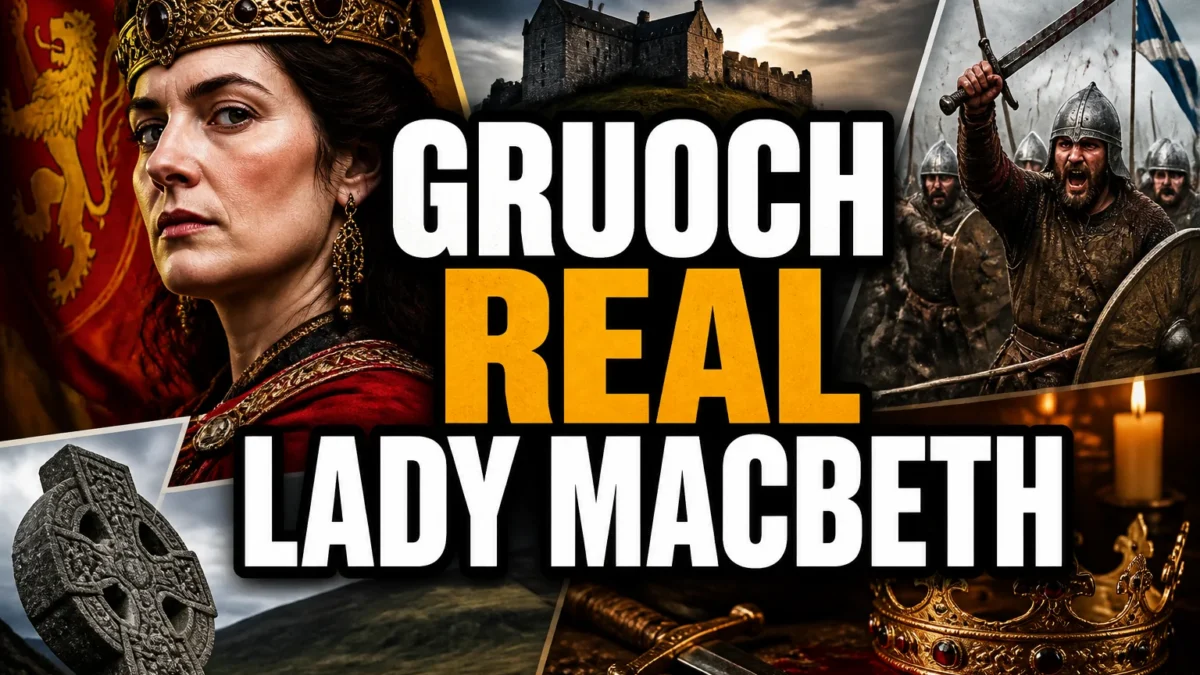
If your only knowledge of Lady Macbeth comes from Shakespeare, you might picture a scheming, sleepwalking queen who pushes her husband into murder. The real woman behind that famous character was named Gruoch, and her story is far more complex than the play suggests. She lived through a violent and turbulent period in Scottish history, and she had a royal lineage that mattered just as much as her husband's ambition.
Shakespeare transformed Gruoch into one of literature's most memorable villains, but the historical record tells a different story. In fact, we know very little about her personality, her motivations, or even her appearance. What we do know reveals a woman caught up in a genuine power struggle for the Scottish throne.
TL;DR: Gruoch, wife of Macbeth, was a real Scottish noblewoman with royal blood whose life and marriage became the loose inspiration for Shakespeare's fictional Lady Macbeth.
Who Was Gruoch? Separating Fact from Fiction
Gruoch was a real historical figure who lived in Scotland during the 11th century. She was a noblewoman of royal descent, connected to the line of Scottish kings. Her name appears in a few surviving medieval sources, including genealogies that trace the ancestry of later Scottish rulers.
When people ask "what was Lady Macbeth's first name," the answer is that Shakespeare never gave her one. He simply called her Lady Macbeth. Historians, however, connect the character to Gruoch, the historical wife of Macbeth, based on the known facts of Macbeth's life and marriage.
The Historical Sources for Gruoch
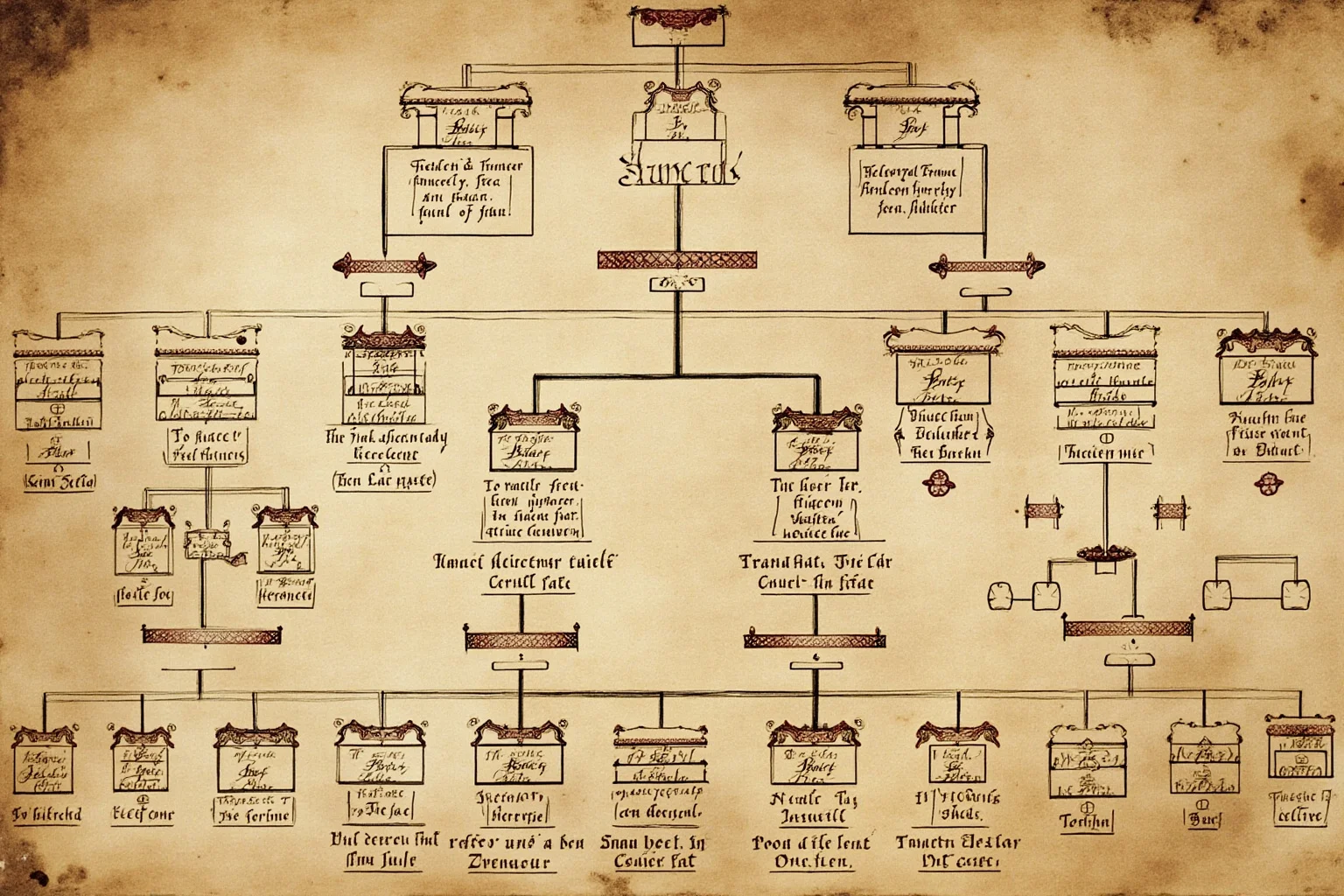
The main evidence for Gruoch's existence comes from medieval Scottish genealogies and king lists. These documents were not written as biographies, so they contain frustratingly little detail about her life. They do confirm, however, that Macbeth married a woman named Gruoch who was the daughter of Boite, a son of King Kenneth III.
This royal connection is significant. It means Gruoch was not merely the wife of Macbeth, but a descendant of a rival branch of the Scottish royal family. Her bloodline gave Macbeth a claim to the throne that went beyond his own ancestry.
Gruoch's Royal Lineage and Family Background
To understand Gruoch, you need to understand the complicated world of 11th-century Scottish politics. The Scottish crown did not pass automatically from father to son. Instead, different branches of the same royal family competed for power, often through violence and murder.
Gruoch was the daughter of Boite mac Cináeda, who was the son of King Kenneth III. Kenneth III had ruled Scotland until he was killed in battle in 1005 by his cousin, Malcolm II. This family feud would shape Gruoch's entire life and eventually lead to her marriage to Macbeth.
A Family Marked by Violence
Gruoch's family suffered greatly in this power struggle. Her father Boite appears to have been killed by Malcolm II around 1033, likely to eliminate a rival claimant to the throne. Her brother was also reportedly killed on Malcolm's orders. These deaths left Gruoch as one of the last surviving members of her branch of the royal family.
This background information about Lady Macbeth's real-life counterpart is crucial. It suggests that Gruoch grew up in an atmosphere of danger and political violence. Any claims about her personal feelings remain speculative, but the historical context shows that her family had every reason to resent Malcolm II and his line.
Gruoch's First Marriage and Her Son Lulach
Before she married Macbeth, Gruoch was married to another man named Gille Coemgáin. He was the Mormaer, or ruler, of Moray, a powerful region in northern Scotland. Gille Coemgáin was also involved in the royal power struggles of the period.
Gruoch and Gille Coemgáin had at least one child together, a son named Lulach. This son would later become king of Scotland for a brief period. Lulach's existence is important because it shows that Gruoch was already connected to Moray's power structure before Macbeth entered the picture.
The Death of Gille Coemgáin
Gille Coemgáin was killed in 1032, burned to death along with 50 of his men. The sources do not definitively state who was responsible, but many historians believe Macbeth was involved. Macbeth was also connected to Moray, and he may have seen Gille Coemgáin as a rival.
After Gille Coemgáin's death, Macbeth became Mormaer of Moray and married Gruoch. He also took responsibility for her son Lulach. This pattern of marriage to a predecessor's widow was common in medieval societies, as it helped legitimize the new ruler's claim to power.
Why Macbeth Married Gruoch
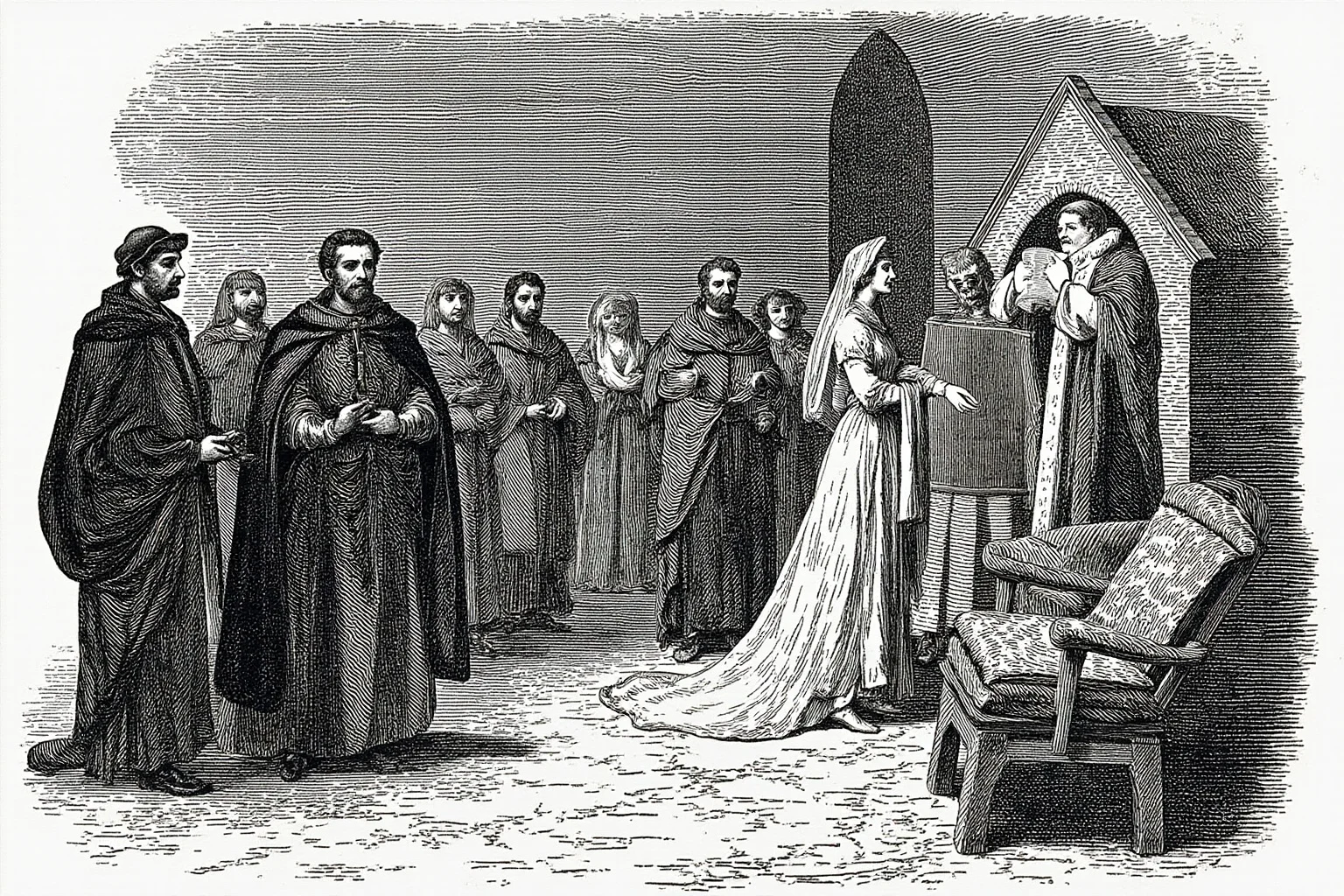
Macbeth's marriage to Gruoch was almost certainly a political move. By marrying the widow of the previous Mormaer of Moray and a descendant of Kenneth III, Macbeth strengthened his own position significantly. He gained control of Moray and connected himself to a legitimate royal bloodline.
For Gruoch, the marriage may have offered protection and a chance to maintain her status. As a widow with a young son, she would have been vulnerable in a violent political world. Marrying the new powerful ruler of Moray secured her position and potentially her son's future.
A Strategic Alliance
This was a classic medieval dynastic marriage. Both parties gained something valuable. Macbeth gained legitimacy and territory, while Gruoch gained security and a powerful husband who could protect her son's interests.
There is no historical evidence to suggest that Gruoch manipulated Macbeth into murder, as Shakespeare's character does. The real marriage appears to have been a pragmatic political alliance, typical of the era.
Who Was the Real Macbeth?
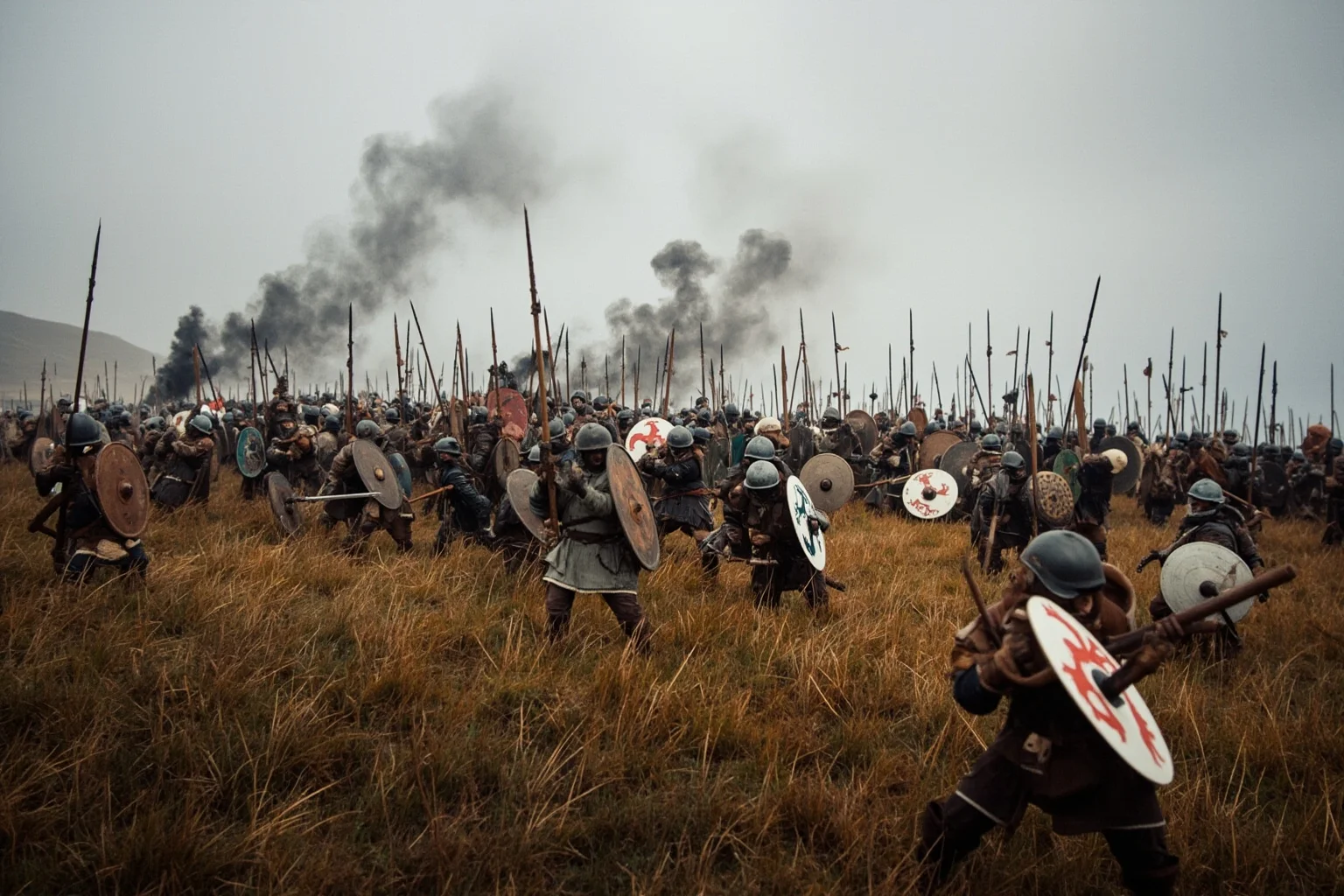
To answer the question "who is the real Macbeth," you have to set aside almost everything Shakespeare wrote. The real Macbeth, or Mac Bethad mac Findlaích, was a powerful Scottish nobleman who ruled Moray and eventually became King of Scotland. He was not the scheming murderer of the play.
Macbeth was born around 1005, the son of Findláech, Mormaer of Moray. His father was killed in 1020, possibly by relatives, and Macbeth eventually took control of Moray. By the time he married Gruoch, he was already a significant political figure in northern Scotland.
Macbeth's Path to the Throne
Macbeth became king of Scotland in 1040 after defeating and killing King Duncan I in battle. This was not the secret murder of a sleeping king portrayed in Shakespeare's play. It was a legitimate, if bloody, power struggle between rival claimants to the throne.
Duncan I was actually a young and ineffective king who had suffered military defeats. He invaded Moray, perhaps trying to assert control over Macbeth's territory. Macbeth defeated him in battle near Elgin, and Duncan died from his wounds or was killed in the aftermath.
Macbeth's Reign: A Surprisingly Stable Period
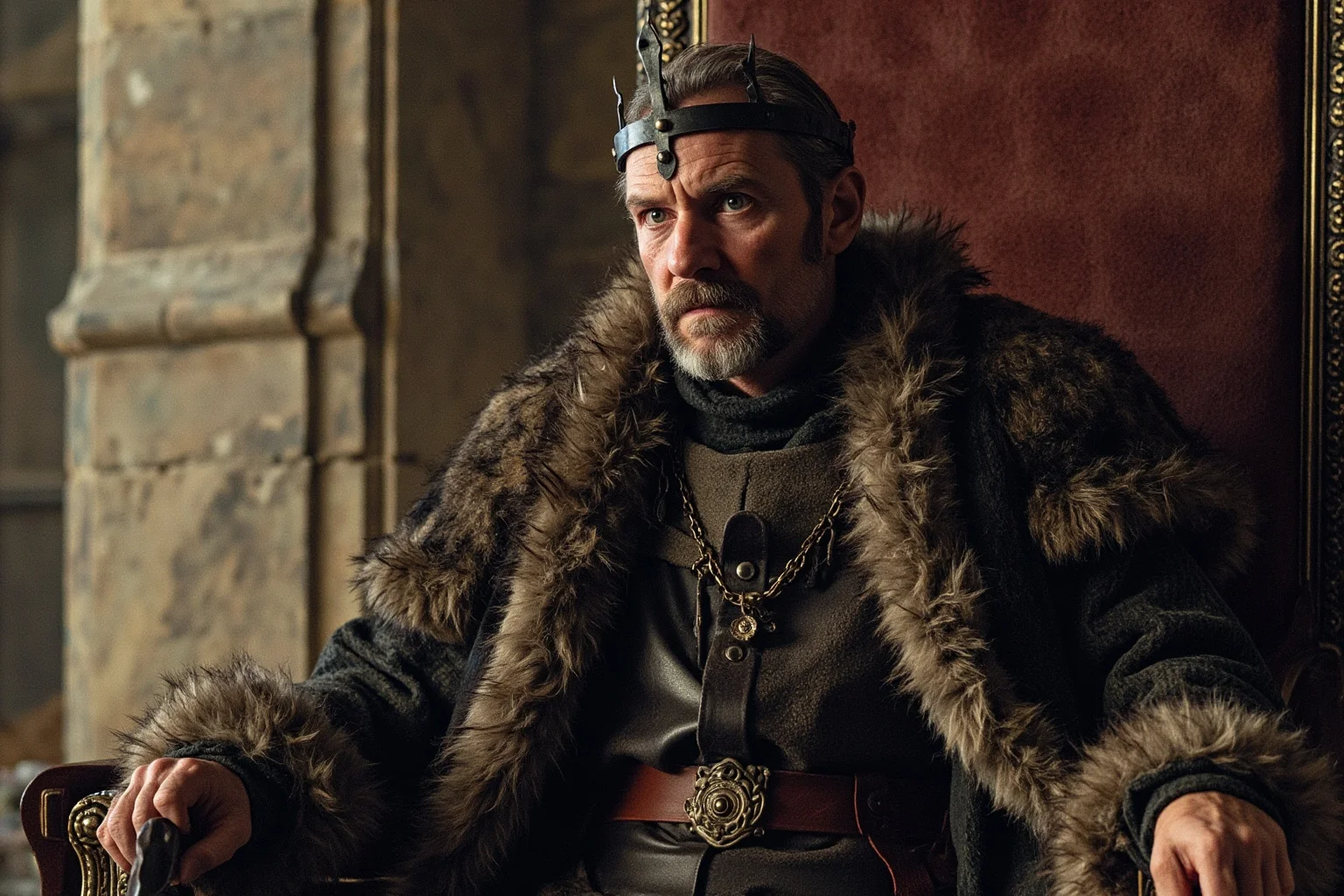
Contrary to Shakespeare's portrayal of a tyrannical usurper, the historical Macbeth appears to have been a reasonably effective king. He ruled Scotland for 17 years, from 1040 to 1057. This is a long reign by the standards of 11th-century Scotland, where kings often died violently within a few years.
Macbeth's reign was stable enough that he felt secure leaving Scotland in 1050 to make a pilgrimage to Rome. This is a remarkable detail. A king who had recently seized power through murder, as Shakespeare suggests, would hardly have risked leaving his kingdom for months to travel abroad.
Gruoch as Queen
During Macbeth's reign, Gruoch would have served as queen of Scotland. Unfortunately, the historical sources tell us almost nothing about her role or activities. She appears only in genealogical records, not in accounts of political events.
We can reasonably assume that she fulfilled the expected duties of a medieval queen, which included managing the royal household and possibly acting as a diplomatic presence. But any specific claims about her influence or personality are purely speculative.
The End of Macbeth's Reign
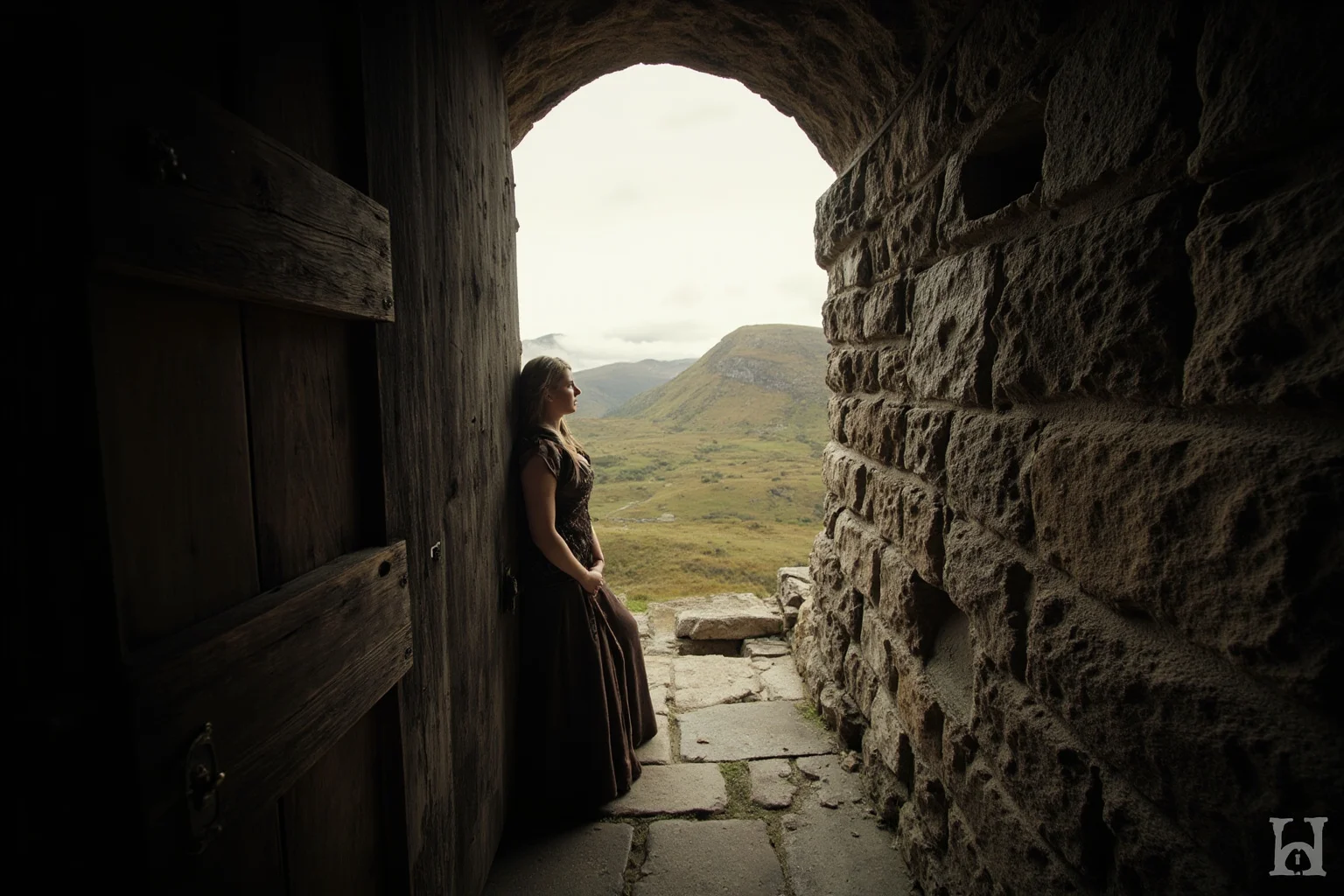
Macbeth's rule ended in 1057 when he was defeated and killed by Malcolm, the son of Duncan I. Malcolm had spent years in exile in England, gathering support to reclaim his father's throne. He invaded Scotland with English backing and finally defeated Macbeth at the Battle of Lumphanan.
Even after Macbeth's death, his stepson Lulach, Gruoch's son from her first marriage, briefly held the throne. Lulach was proclaimed king by Macbeth's supporters, but he was killed within months by Malcolm's forces. With Lulach's death, Gruoch's line lost its hold on the Scottish crown permanently.
What Happened to Gruoch?
We simply do not know what happened to Gruoch after Macbeth's death. She disappears from the historical record entirely. She may have died before Macbeth, or she may have survived him and lived out her remaining years in obscurity.
The lack of information about her fate is typical of the period. Medieval chroniclers focused on kings and battles, not on the lives of queens, especially queens whose husbands had been defeated. Gruoch's story simply ends with no clear conclusion.
Why Shakespeare Changed the Story

Shakespeare wrote Macbeth around 1606, more than 500 years after the historical events. He was not writing history. He was writing a play for King James I, who was a descendant of Banquo, a figure Shakespeare portrayed as noble and loyal.
Shakespeare used historical sources that were already distorted. He relied heavily on Holinshed's Chronicles, a 16th-century history that mixed fact with legend. Holinshed's account already contained many of the elements Shakespeare would later dramatize, including the witches and the murder of Duncan.
The Creation of Lady Macbeth
Shakespeare took the bare historical fact of Macbeth's marriage to Gruoch and transformed it into one of the most compelling relationships in literature. He gave Lady Macbeth no first name, no backstory, and no independent identity beyond her role in pushing her husband toward murder.
The character of Lady Macbeth reflects Renaissance anxieties about powerful women and the dangers of ambition. She is a fictional creation, designed to serve the play's themes. The real Gruoch was almost certainly nothing like this invented character.
The Name Gruoch: Meaning and Pronunciation
The name Gruoch is unusual and has attracted curiosity from historians and Shakespeare fans alike. It likely comes from a Gaelic word, though its exact meaning is uncertain. Some scholars suggest it may relate to words meaning "fierce" or "bloody," but this is not firmly established.
The pronunciation of Gruoch is also debated. The most common modern rendering is "GROO-ock" or "GROO-och," with the "ch" pronounced as in the Scottish word "loch." The exact medieval pronunciation cannot be known with certainty.
Lady Macbeth's Name in the Play
Shakespeare never reveals Lady Macbeth's first name in the play. She is simply "Lady Macbeth" or "Macbeth's wife." This anonymity has frustrated readers for centuries and led many to search for the historical woman behind the character.
The answer to "what was Lady Macbeth's first name" is therefore twofold. In the play, she has no first name. In history, the wife of Macbeth was named Gruoch. Shakespeare either did not know her name or chose not to use it.
Gruoch in Modern Popular Culture
Gruoch has become a figure of fascination for modern writers and historians. Several novels have been written about her, attempting to reconstruct her life and give her a voice that history denied her. These works often portray her as a survivor of trauma rather than a villain.
Susan Fraser King's novel Lady Macbeth and Gloria Carreño's Gruoch are examples of fiction that reimagine the historical figure. These works are speculative, but they reflect a growing interest in recovering the stories of women from medieval history.
The Appeal of the Real Gruoch
The real Gruoch appeals to modern audiences precisely because we know so little about her. She is a blank canvas onto which writers can project different interpretations. Was she a victim, a survivor, a political player, or something else entirely?
The truth is that we will probably never know. The historical record is simply too thin. But the mystery itself is compelling, and it reminds us how much of medieval history, especially the history of women, has been lost.
The Historical Context: Scotland in the 11th Century
To understand Gruoch's world, it helps to understand the broader context of 11th-century Scotland. This was a decentralized kingdom where local rulers like the Mormaers of Moray held significant power. The king was often just the most powerful among several competing warlords.
The succession system, known as tanistry, meant that any adult male of the royal family could claim the throne. This led to constant competition, murder, and warfare. Gruoch's family was deeply involved in this system, and she suffered its consequences directly.
The Role of Women
Women in this society had limited formal power, but they played important roles in dynastic politics. Marriage alliances were crucial for building and maintaining power. Women like Gruoch were valuable because of their bloodlines, which could legitimize a husband's claim to rule.
Beyond this political role, we know very little about the daily lives of noblewomen in 11th-century Scotland. They managed households, bore children, and sometimes acted as political intermediaries. But the sources rarely mention them by name.
The Legacy of Gruoch
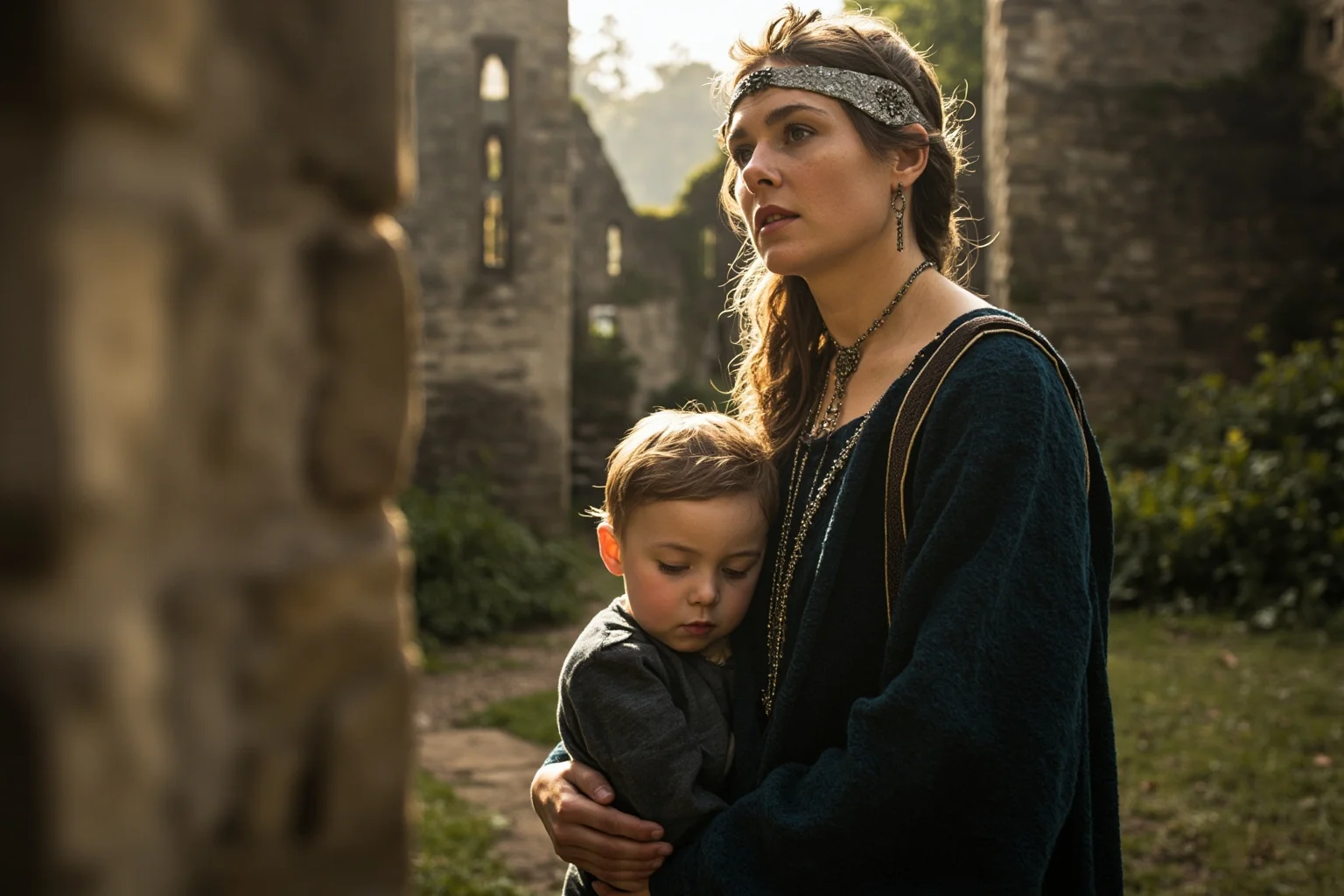
Gruoch's most significant legacy is her son Lulach, who briefly became king of Scotland after Macbeth's death. Through Lulach, Gruoch's bloodline continued, though it eventually lost the throne permanently to the line of Malcolm III.
Lulach is remembered in Scottish history as "Lulach the Simple" or "Lulach the Foolish," unflattering nicknames that may reflect the propaganda of his victorious rivals. His brief reign lasted only a few months before he was killed.
A Lineage That Survived
Despite the defeat of her family, Gruoch's lineage did not disappear entirely. Through her son's descendants, her bloodline continued in the Scottish nobility. Later Scottish and even some European royal families could trace their ancestry back to her.
This is a significant point. Gruoch was not merely a footnote. She was the ancestress of a line of nobles whose descendants would play important roles in Scottish history for centuries.
What We Can and Cannot Know About Gruoch

Honesty is essential when discussing historical figures like Gruoch. The surviving evidence is extremely limited, and much of what has been written about her is speculation. We must be careful not to present guesswork as fact.
We can know with reasonable confidence that Gruoch existed, that she was the daughter of Boite, that she married Gille Coemgáin and then Macbeth, and that she had a son named Lulach. Beyond these basic facts, almost everything else is inference or imagination.
The Danger of Retroactive Storytelling
It is tempting to read Shakespeare's character back into the historical record, but this is a mistake. There is no evidence that Gruoch urged Macbeth to murder Duncan. There is no evidence that she was ambitious, ruthless, or manipulative. Those qualities belong to the fictional character, not the historical woman.
The real Gruoch deserves to be understood on her own terms, as far as the evidence allows. She was a noblewoman of royal blood who lived through extraordinary political upheaval. That is a remarkable enough story without adding fictional villainy.
How Historians Reconstruct Gruoch's Life
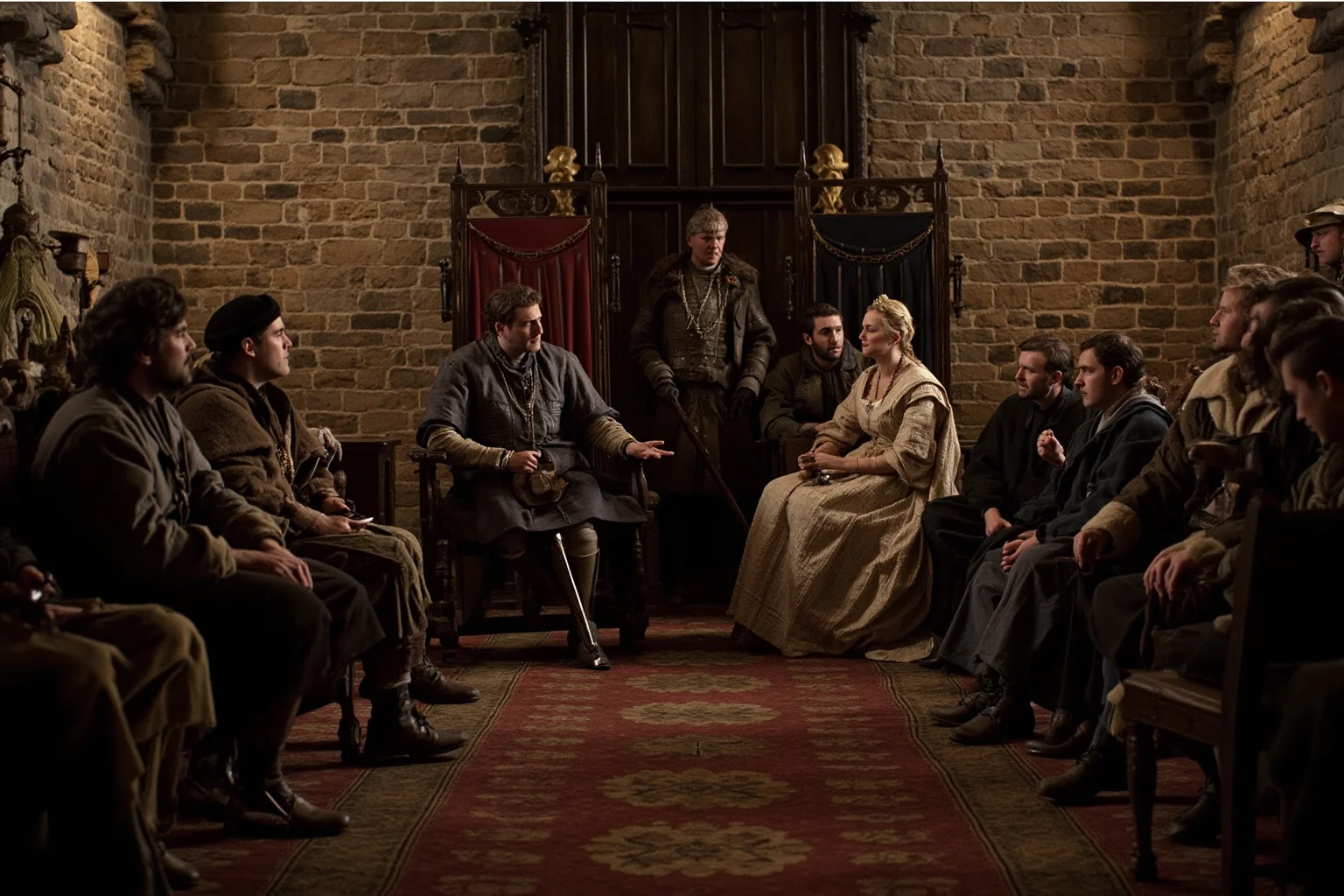
Historians piece together figures like Gruoch from fragments of evidence. Medieval genealogies, king lists, and chronicles provide the basic framework. Archaeological evidence and broader studies of medieval Scottish society help fill in the context.
This process is painstaking and often frustrating. For every fact that can be established, there are dozens of questions that cannot be answered. What did Gruoch look like? What was her personality? How did she feel about her marriages? We simply do not know.
The Importance of Context
Without direct evidence about Gruoch's life, historians rely on context. We know how medieval noblewomen lived, what their roles were, and what their limitations were. This contextual knowledge allows us to make reasonable inferences, as long as we are clear about what is inference and what is fact.
The result is a picture that is necessarily incomplete. Gruoch emerges from the sources as a shadowy figure, important for her bloodline and her marriages, but almost entirely unknown as a person.
Comparing the Real Gruoch to Shakespeare's Lady Macbeth
The contrast between the historical Gruoch and Shakespeare's Lady Macbeth is stark. The fictional character is one of the most vivid and memorable villains in all of literature. She is ambitious, manipulative, and ultimately consumed by guilt.
The historical Gruoch is almost a blank. We have no evidence of her personality at all. She may have been ambitious, or she may have been a passive figure caught up in events beyond her control. We simply cannot say.
What Shakespeare Got Right
Shakespeare did get a few things right. Macbeth was a real king of Scotland who came to power after killing Duncan. Gruoch was his real wife. The broad outlines of the political situation are recognizable, even if the details are wildly distorted.
But Shakespeare was writing drama, not history. His goal was to create compelling characters and explore universal themes of ambition, guilt, and fate. The real people behind the story were merely raw material for his imagination.
The Enduring Mystery of Gruoch
Gruoch remains one of the most intriguing mysteries of medieval Scottish history. She is famous by proxy, known to millions through Shakespeare's play, yet almost completely unknown as a historical person. This paradox is part of her enduring appeal.
The search for the real Gruoch is really a search for the real Lady Macbeth. We want to know who the woman behind the character was, what she was like, and what her life was truly like. The historical record offers only tantalizing fragments.
Why She Matters
Gruoch matters because she represents the countless women of medieval history whose stories have been lost. She was a queen of Scotland, the wife of one king and the mother of another, yet we know almost nothing about her. Her obscurity is a reminder of how much history has forgotten.
At the same time, her connection to one of literature's greatest characters gives her a kind of immortality. As long as people read or watch Macbeth, they will wonder about the real woman behind Lady Macbeth. Gruoch's name may be obscure, but her legacy is secure.
Visiting the Places Connected to Gruoch

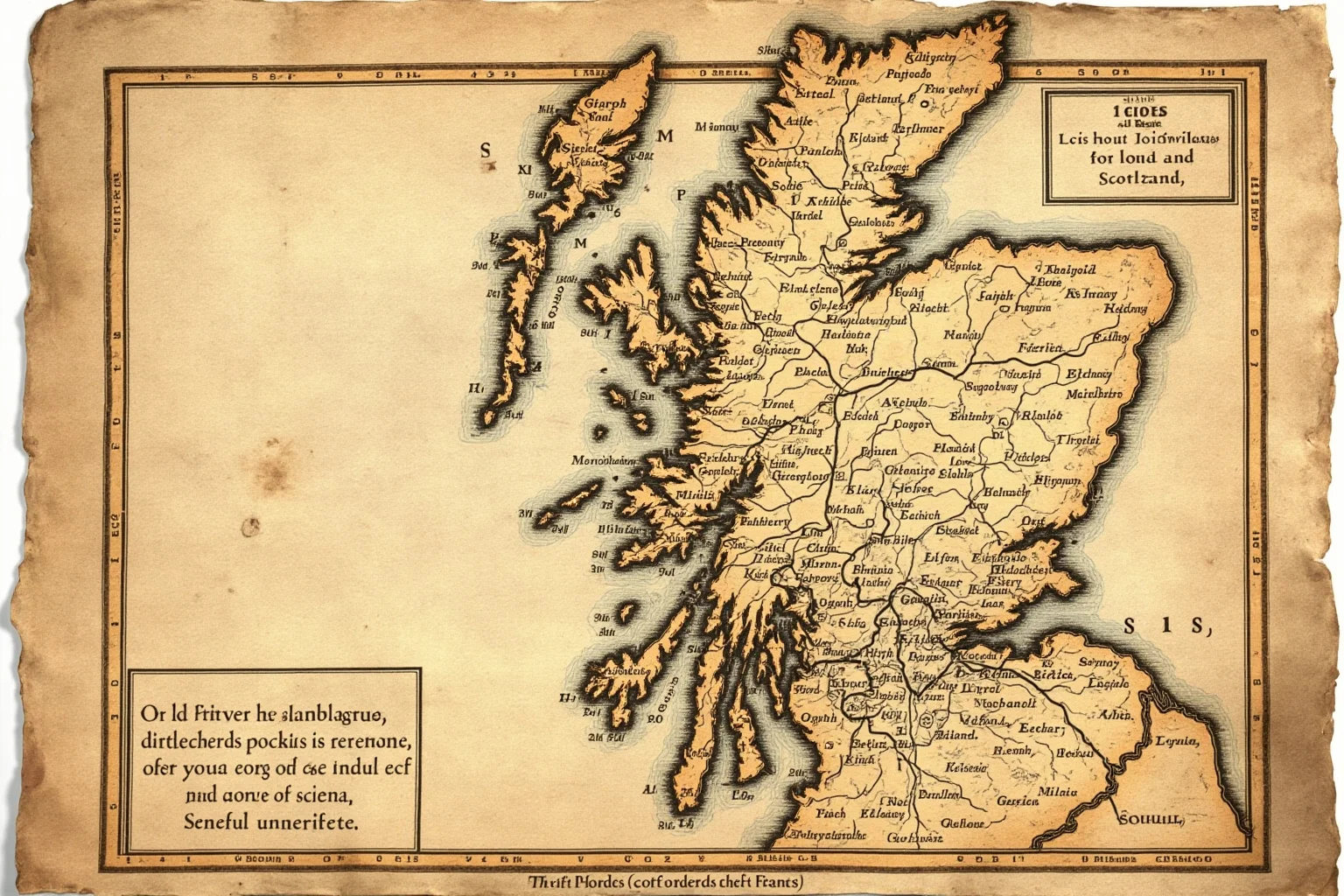
For those interested in the real Gruoch, there are several places in Scotland connected to her story. Moray, in northern Scotland, was the center of Macbeth's power and probably Gruoch's home for much of her life. The region is rich in medieval history.
Glamis Castle, though much later in its current form, is associated with Macbeth in popular imagination. However, the historical Macbeth had no connection to Glamis, which was not built until centuries after his death. The association comes entirely from Shakespeare's play.
Following the Historical Trail
The best way to explore Gruoch's world is to visit the landscapes of Moray and Aberdeenshire. Places like Lumphanan, where Macbeth was killed, and the areas around Elgin and Forres, where Macbeth held power, offer a tangible connection to the 11th-century past.
These sites do not have elaborate visitor centers dedicated to Gruoch, but they allow you to imagine the world she inhabited. The rugged landscapes and ancient sites of northern Scotland evoke the world of medieval power struggles and dynastic ambition.
The Importance of Questioning Shakespeare
Shakespeare's Macbeth is a masterpiece, but it is not history. Understanding the difference is essential for anyone interested in the real Gruoch. The play's version of events has become so dominant that it has overshadowed the historical record entirely.
This is not to diminish Shakespeare's achievement. He created characters and a story that have resonated for centuries. But the real Gruoch deserves to be remembered as more than a fictional villain's inspiration.
A More Nuanced View
The real story of Gruoch and Macbeth is more complicated and more interesting than the play suggests. It is a story of political violence, dynastic ambition, and survival in a brutal era. It is a story without clear heroes or villains, just people trying to navigate an unforgiving world.
By looking beyond Shakespeare, we can begin to appreciate the real Gruoch. She was not a monster or a schemer. She was a woman of royal blood who lived through extraordinary times and whose story has been almost entirely lost to history.
Why Gruoch's Story Still Resonates Today
In an age of renewed interest in women's history, Gruoch has found a new audience. Historians and writers are increasingly interested in recovering the stories of women who have been marginalized or forgotten. Gruoch is a perfect example of this phenomenon.
Her story reminds us that history is not just about kings and battles. It is also about the women who married those kings, bore their children, and navigated the dangerous world of medieval politics. Their stories matter, even when they are hard to recover.
The Search Continues
The search for the real Gruoch is ongoing. New research, new interpretations, and new archaeological discoveries may one day shed more light on her life. Until then, she remains a tantalizing mystery at the heart of one of history's most famous stories.
For anyone interested in Scottish history, Shakespeare, or the lives of medieval women, Gruoch is a figure worth knowing. She may be obscure, but she is far from insignificant. The real Lady Macbeth deserves to be remembered.
The Final Word on Gruoch
Gruoch, wife of Macbeth, was a real woman whose life intersected with some of the most dramatic events in Scottish history. She was born into a royal family torn apart by violence, married twice to powerful men, and became queen of Scotland. Her son briefly held the throne before her family's power was destroyed.
We will probably never know what she looked like, what she believed, or how she felt about the events of her life. But we can know that she existed, that she mattered, and that her story is worth telling. The real Gruoch was not Shakespeare's Lady Macbeth. She was something far more interesting: a real woman living through real history.
Frequently Asked Questions
What is the background information about Lady Macbeth?
Lady Macbeth is a fictional character in Shakespeare's play Macbeth, written around 1606. Shakespeare based her loosely on Gruoch, the historical wife of Macbeth, but invented her personality, motivations, and actions. The real Gruoch was a Scottish noblewoman of royal descent who married Macbeth after the death of her first husband, Gille Coemgáin. Unlike the play's character, there is no historical evidence that she urged her husband to murder King Duncan or that she was particularly ambitious or ruthless.
What was Lady Macbeth’s first name?
In Shakespeare's play, Lady Macbeth has no first name. She is referred to only as Lady Macbeth. Historically, the wife of the real Macbeth was named Gruoch, and she is the figure Shakespeare loosely based the character on.
Who was the real Macbeth?
The real Macbeth, or Mac Bethad mac Findlaích, was a Scottish nobleman who ruled Moray and became King of Scotland in 1040 after defeating King Duncan I in battle. He ruled for 17 years, a relatively long and stable reign by medieval Scottish standards, before being killed by Malcolm, Duncan's son, in 1057.
Did Gruoch have any children?
Yes. Gruoch had at least one son, Lulach, from her first marriage to Gille Coemgáin, the Mormaer of Moray. Lulach briefly became King of Scotland after Macbeth's death in 1057, but was killed within months by Malcolm III's forces.
Why did Macbeth marry Gruoch?
Macbeth's marriage to Gruoch was almost certainly a political move. She was the widow of the previous ruler of Moray and a descendant of King Kenneth III, giving Macbeth legitimacy and strengthening his claim to power. He also took responsibility for her son Lulach.
How is the real Gruoch different from Shakespeare’s Lady Macbeth?
The real Gruoch is almost entirely unknown as a person. There is no historical evidence that she was ambitious, manipulative, or involved in any murder plot. Shakespeare invented those qualities for dramatic effect. The real Gruoch appears to have been a noblewoman of royal blood who navigated the violent politics of 11th-century Scotland, but her personality and actions remain a mystery.

Alex Warren
Related Articles