Modern conversations about paganism often start from a mental image: one ancient religion, one set of pagan beliefs, maybe a few mysterious rituals under a full moon. The historical record is far more interesting and much less tidy. Ancient paganism was a sprawling family of local traditions, and modern Paganism is a newer movement with its own separate story.
This post looks at what historians can actually support. It will bust a few myths, avoid the usual cartoon version of the past, and treat both ancient and modern pagans fairly.
TL;DR: Paganism has never been a single religion; ancient pagan beliefs were diverse, practical, and local, while modern Paganism is a newer movement built partly from those old fragments.
Ancient Pagan Beliefs: Core Patterns and Caveats
Because ancient paganism varied so much, the safest statements are broad patterns rather than universal rules. The items below describe tendencies across Greek, Roman, Germanic, Celtic, Egyptian, and other traditions. Even these patterns had local exceptions, which is part of the point.
1. Paganism was not one religion, but a family of local traditions
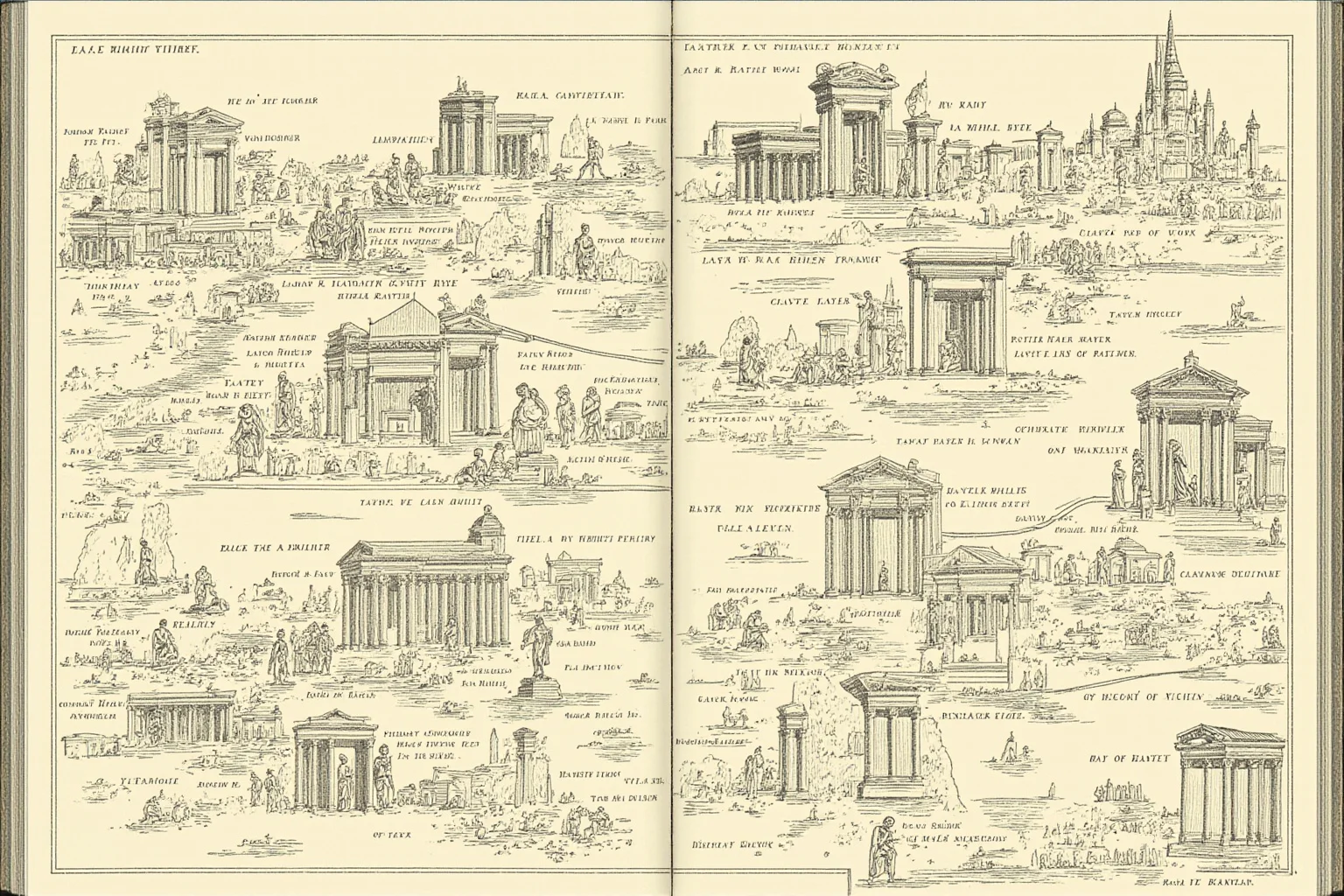
Modern people often ask what 'the pagans' believed, as if that were a single question. In the ancient Mediterranean and Europe, religion was organized around cities, regions, tribes, and households. A Greek Athenian, a Norse farmer, and a Roman soldier would not have recognized one shared creed.
Many communities worshipped overlapping gods, but names, myths, and rituals shifted from place to place. The Roman Jupiter shared traits with Greek Zeus, yet his worship in Rome looked different from Zeus’s worship in Olympia. Local traditions were the default setting.
2. Pagan beliefs were usually polytheistic, but flexible
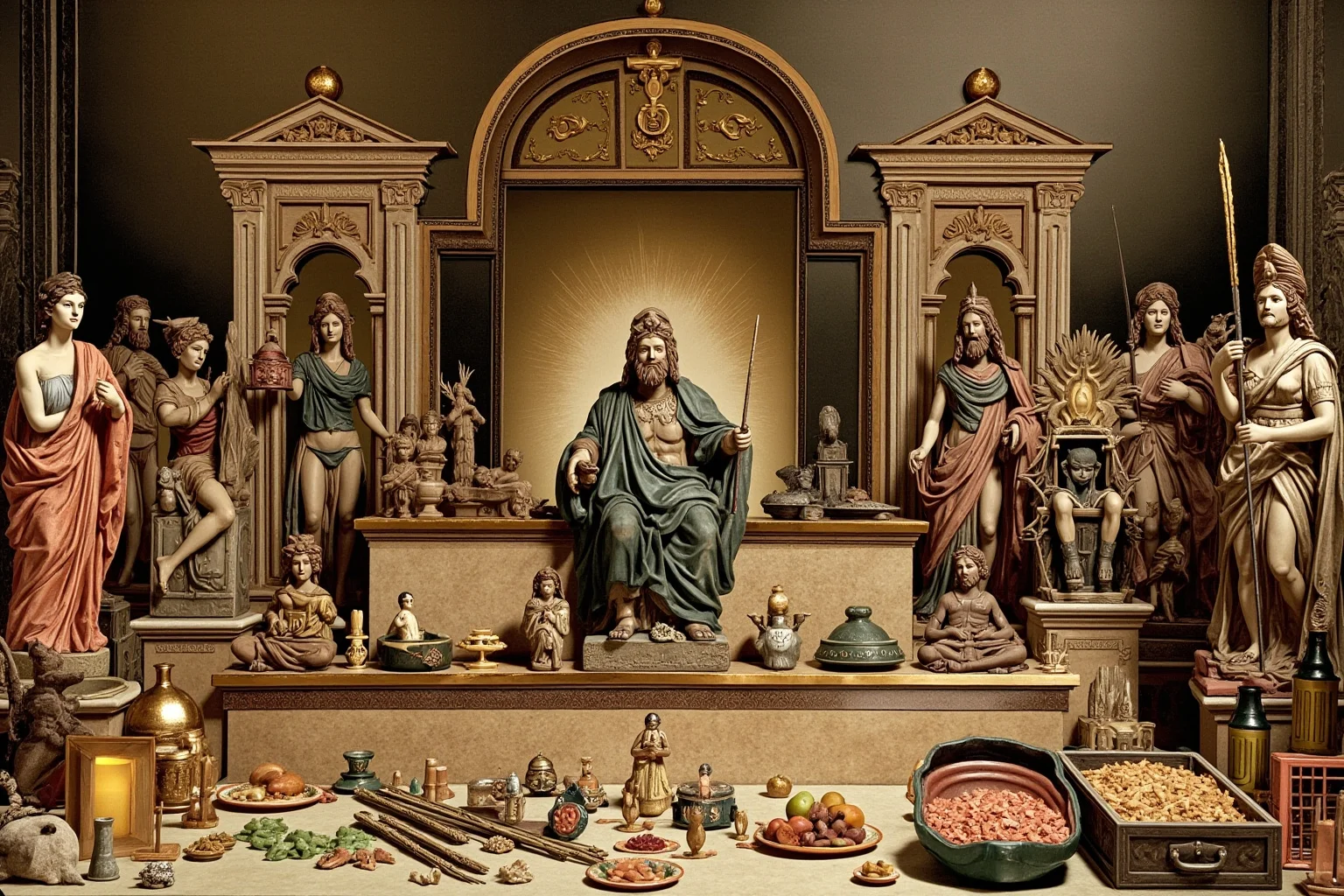
Most ancient pagan belief systems acknowledged many gods, spirits, and divine powers. Polytheism allowed a world full of distinct forces: love, war, the sea, the harvest, and the hearth. Worshippers could address whichever god seemed relevant to a particular problem.
Polytheism did not always mean equal devotion to every deity. People often devoted themselves especially to one god while still accepting others, a pattern scholars call henotheism. That flexibility was one of paganism’s great strengths.
Some philosophical traditions, such as Stoicism or Neoplatonism, imagined a unified divine order behind the many gods. This meant a person could be a pious participant in civic rites and hold highly abstract ideas at the same time. Ancient religion rarely forced a choice between those levels.
3. Practice mattered more than private belief
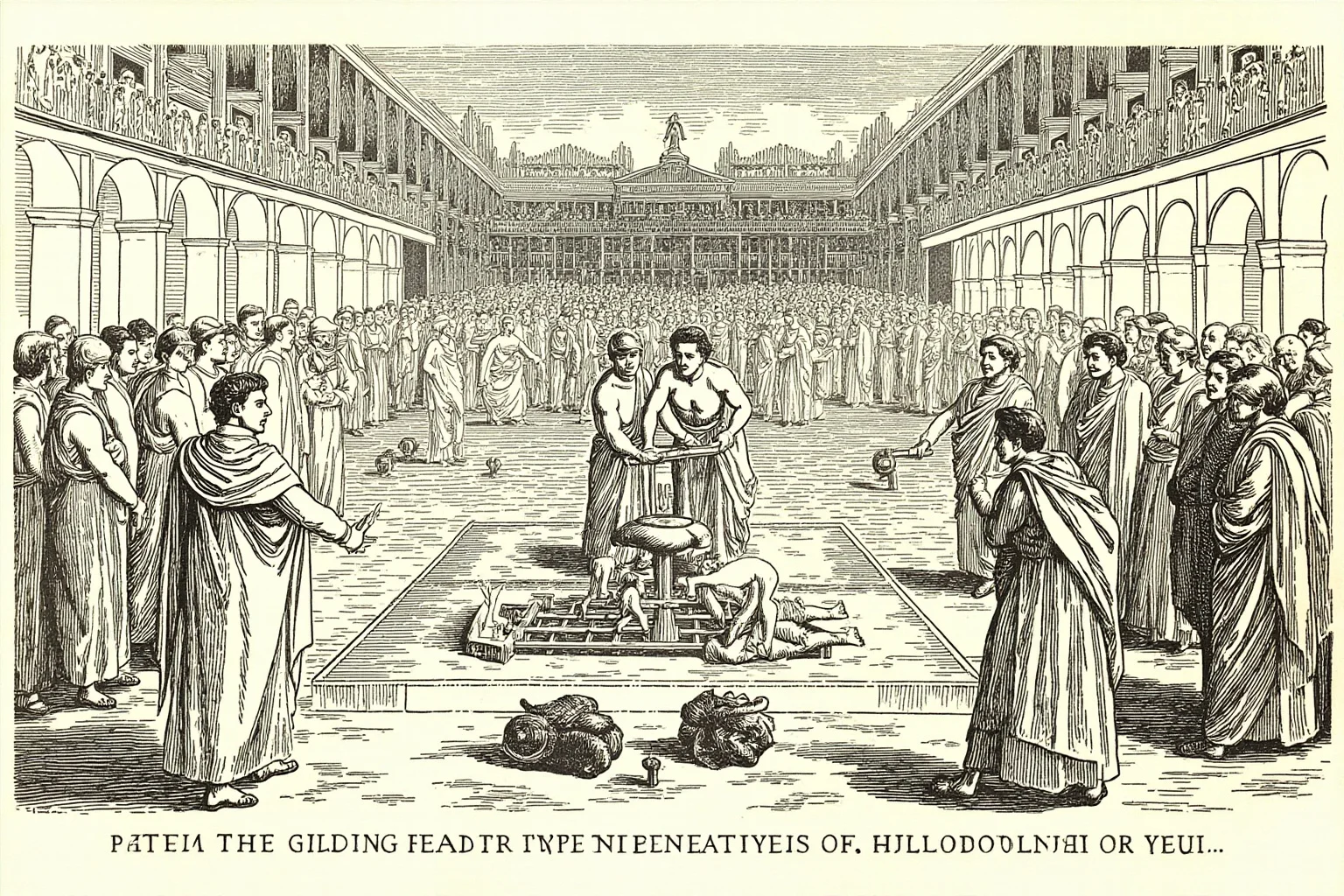
Ancient pagan beliefs were not usually organized around doctrine. Most traditions emphasized correct action—prayers, offerings, festivals, and rituals—rather than a fixed set of private opinions. Modern observers sometimes miss this because they expect religion to work like a creed.
Scholars describe this style as orthopraxy, or 'right practice', as opposed to orthodoxy, or 'right belief'. Performing the proper sacrifice on the proper day mattered more than explaining precisely why. That does not mean belief was absent, only that ritual carried the community’s religious life.
Ancient writers could tell different myths about the same god without seeing them as contradictions. Ritual coherence mattered more than a single narrative.
4. Worship was woven into city and community life
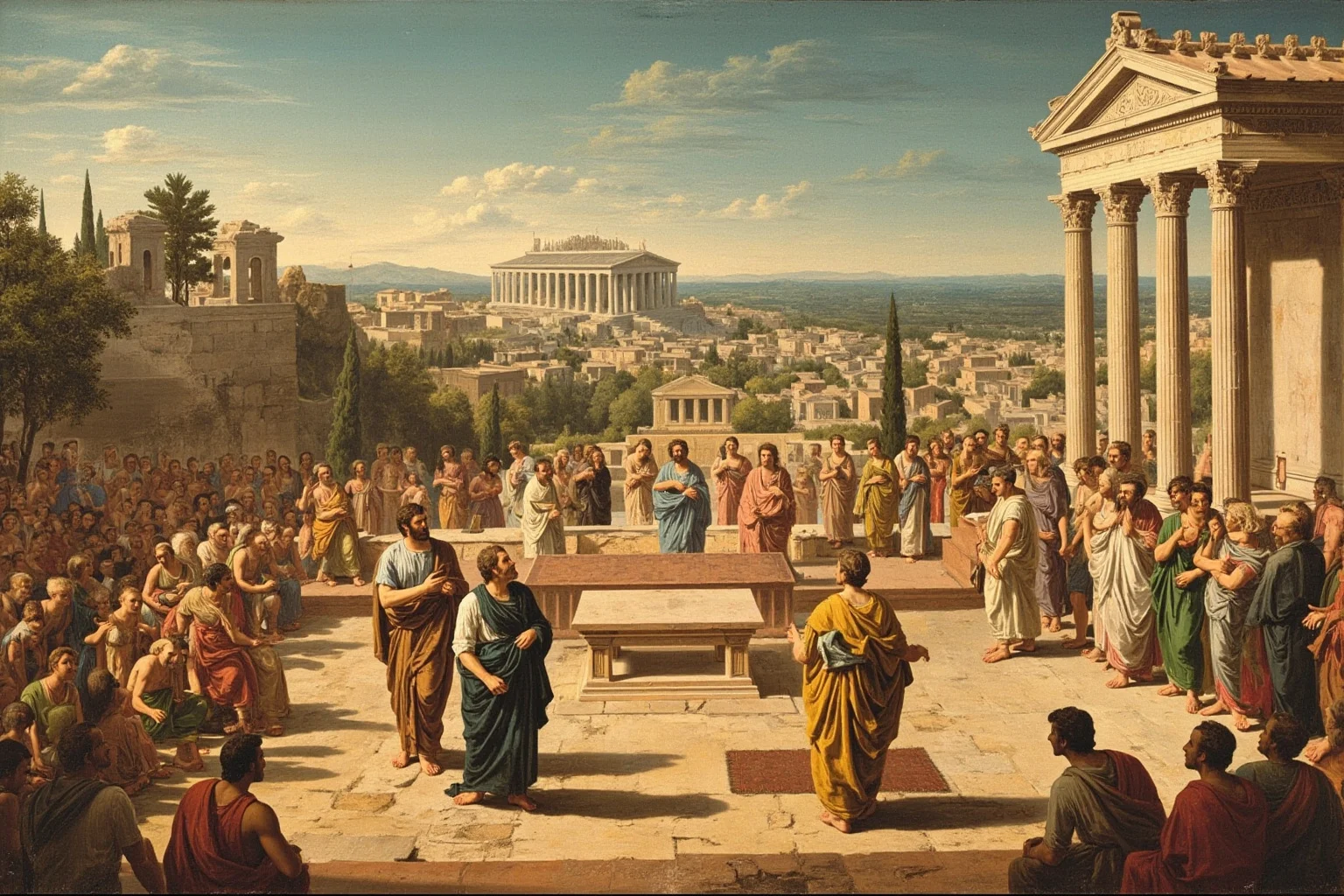
In many ancient societies, there was no clear line between religion and politics. Festivals, assemblies, and military campaigns often began with religious rites. Civic identity and divine protection were closely linked.
The Greek polis, for example, maintained public cults and temples as part of its political identity. To neglect the city’s gods was to threaten the whole community, not just one person’s soul. Religion belonged to the public sphere far more than to private conscience.
This public role also meant that religious calendars shaped the year. Market days, assemblies, and legal business could pause for festivals, so civic time itself had a sacred rhythm.
5. Household and domestic worship mattered as much as grand temples
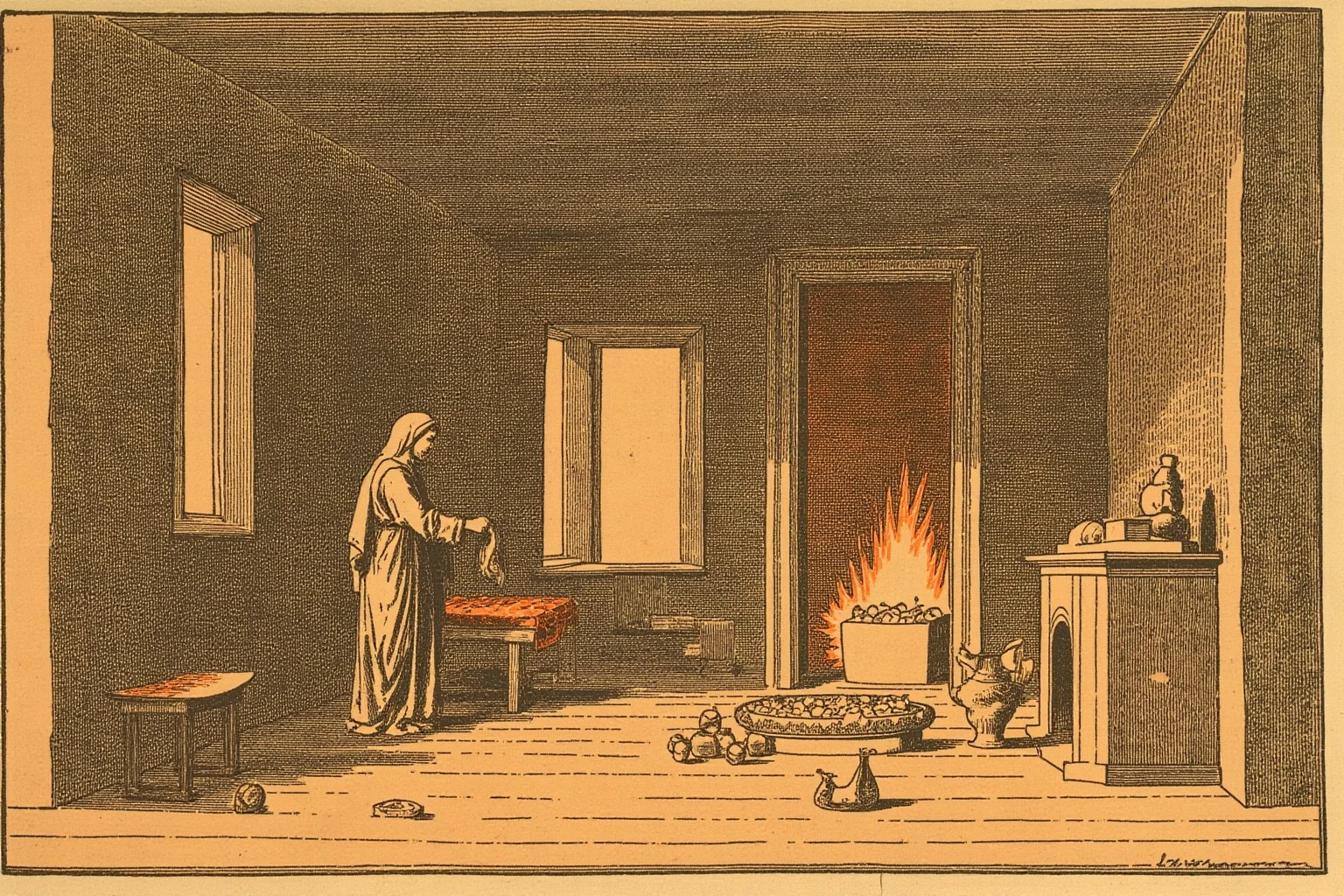
Temples and priests dominate the popular image of paganism, but most daily religion happened at home. Roman families honored household spirits called Lares and Penates, and women often tended the hearth cult. The home was its own sacred space.
Household worship included small offerings of food, incense, or wine at a family shrine. Such acts were simple, regular, and deeply personal. They remind us that pagan religious life was not limited to dramatic public ceremonies.
Many pre-Christian European households kept similar domestic rituals, each with its own local flavor. The variety of those practices is harder to reconstruct than the grand temples, but archaeology continues to reveal it.
6. Nature was sacred, but not in one simple way
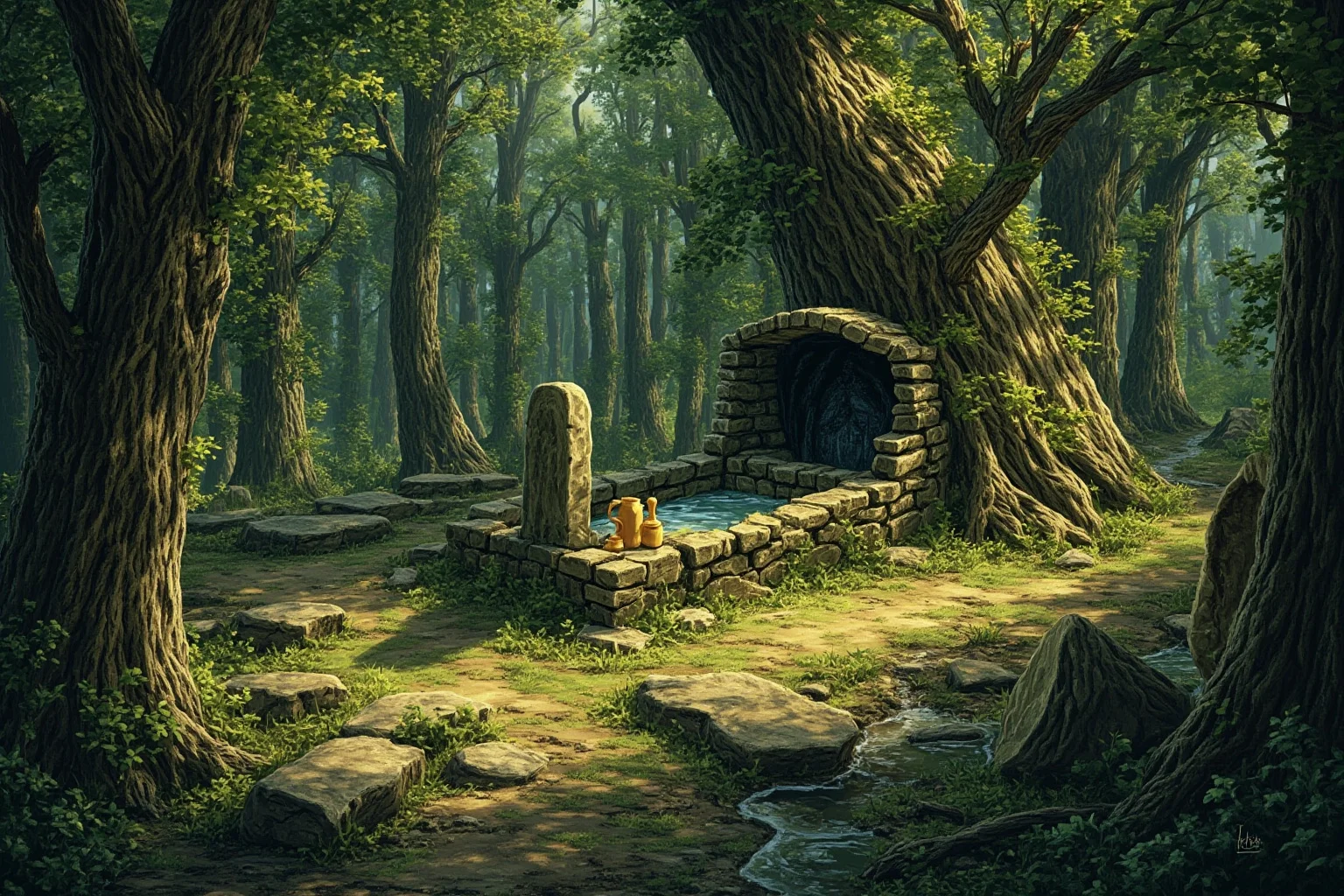
Modern people often assume that all pagan beliefs centered on 'nature worship'. Ancient sources do mention sacred groves, springs, mountains, and rivers, but these were not usually seen as divine in themselves. They were places where gods were present or active.
Some traditions imagined spirits in natural features, which modern scholars might call animism. Others focused on gods who controlled natural forces, such as storm or fertility. The relationship between religion and nature was real, but it varied widely.
That variety challenges the modern idea that paganism was a single green religion. It also helps explain why early Christian writers could condemn outdoor shrines as superstition.
How Ancient Pagans Worshipped
Ancient worship was practical, public, and often hands-on. The next five facts look at the rituals, divination, and personal religious options that scholars know from archaeology and texts.
7. Sacrifice was a central ritual, but not usually about cruelty
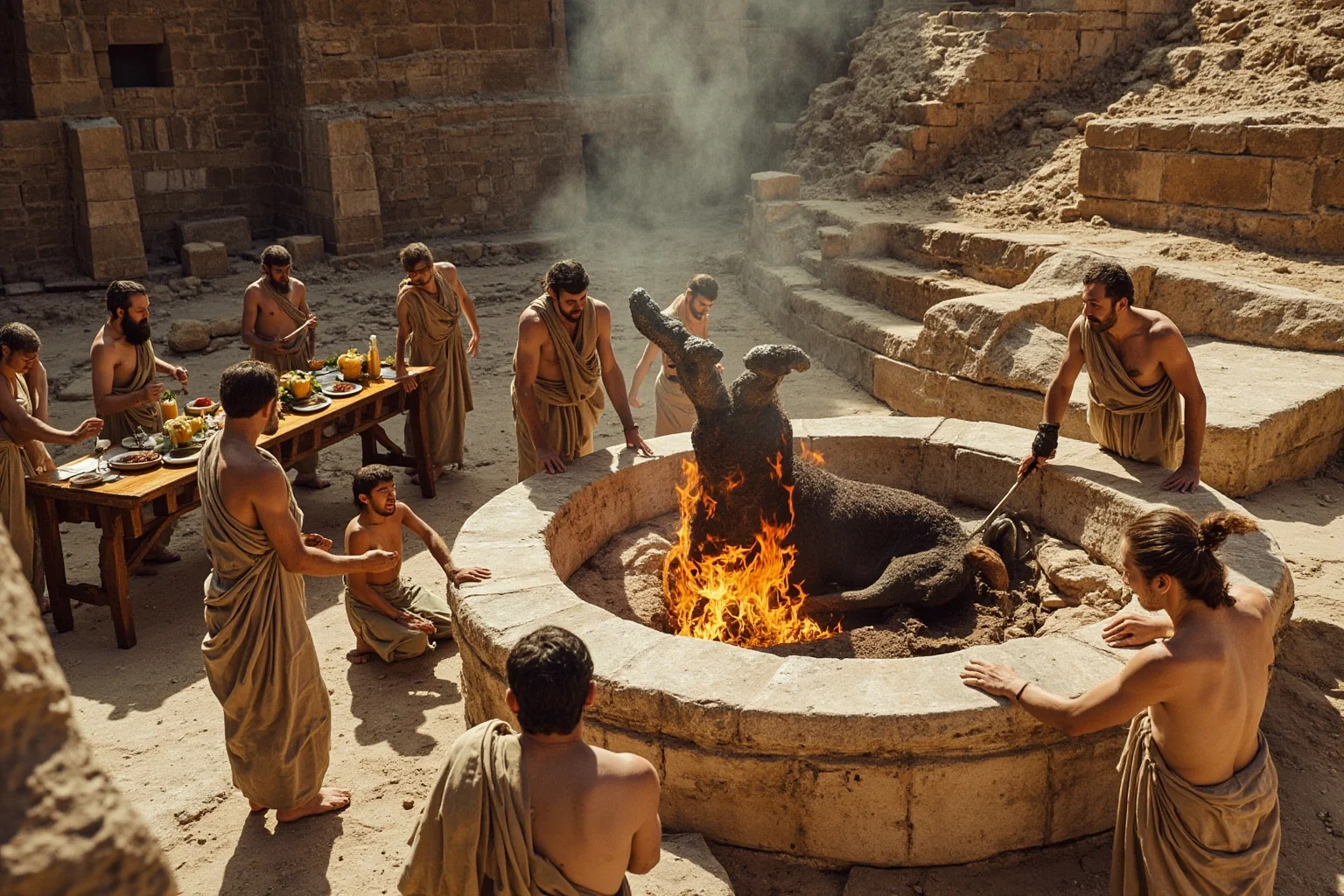
Animal sacrifice occurs throughout ancient sources, but its purpose was often orderly and communal. The animal was shared between gods and worshippers, with portions burned or offered and the rest cooked for a feast. Sacrifice was a way to maintain good relations with the divine.
Greek and Roman ritual had strict procedures for selecting, preparing, and butchering animals. The emphasis fell on correct performance and shared benefit, not on blood for its own sake. Modern revulsion can make this practice hard to understand, but it was central to ancient civic religion.
Not all offerings were animals. Grain, wine, incense, and small cakes also played a regular role in daily worship.
8. Divination and oracles were mainstream, not fringe magic
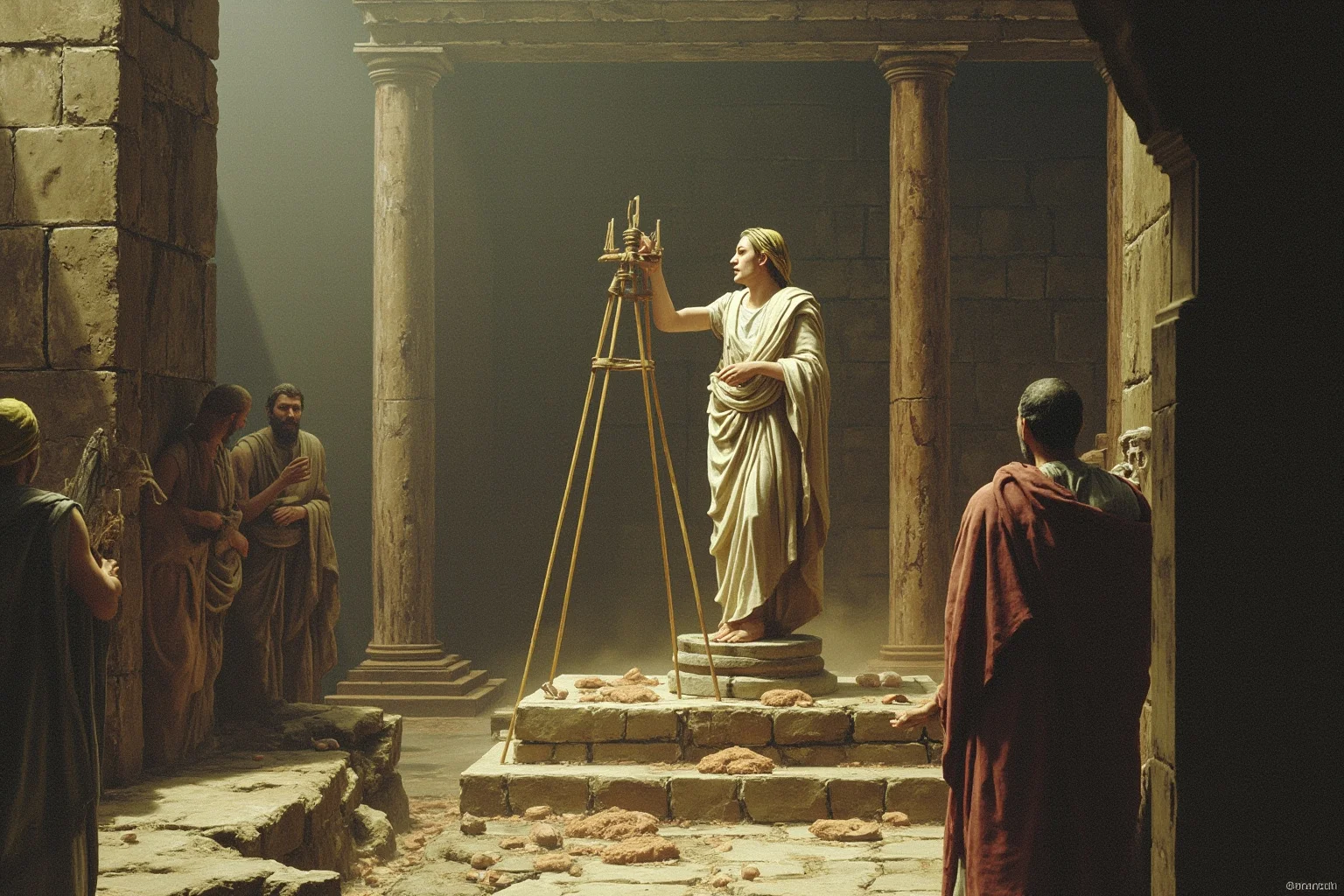
Ancient people wanted to know the will of the gods, and they developed many formal methods for asking. At Delphi, a priestess known as the Pythia gave responses that Greek cities and individuals treated with great seriousness. Roman authorities watched the flight of birds or consulted entrails before major decisions.
Divination was not secret occultism; it was considered public technology for managing risk. Signs could confirm a political appointment, a military campaign, or a marriage. This was one of the most normal parts of ancient pagan religion.
Healing sanctuaries also used dream incubation, where a worshipper slept in a sacred space hoping for divine guidance. Such practices blur the modern boundary between religion, medicine, and counseling.
9. Mystery cults offered a more personal religious route
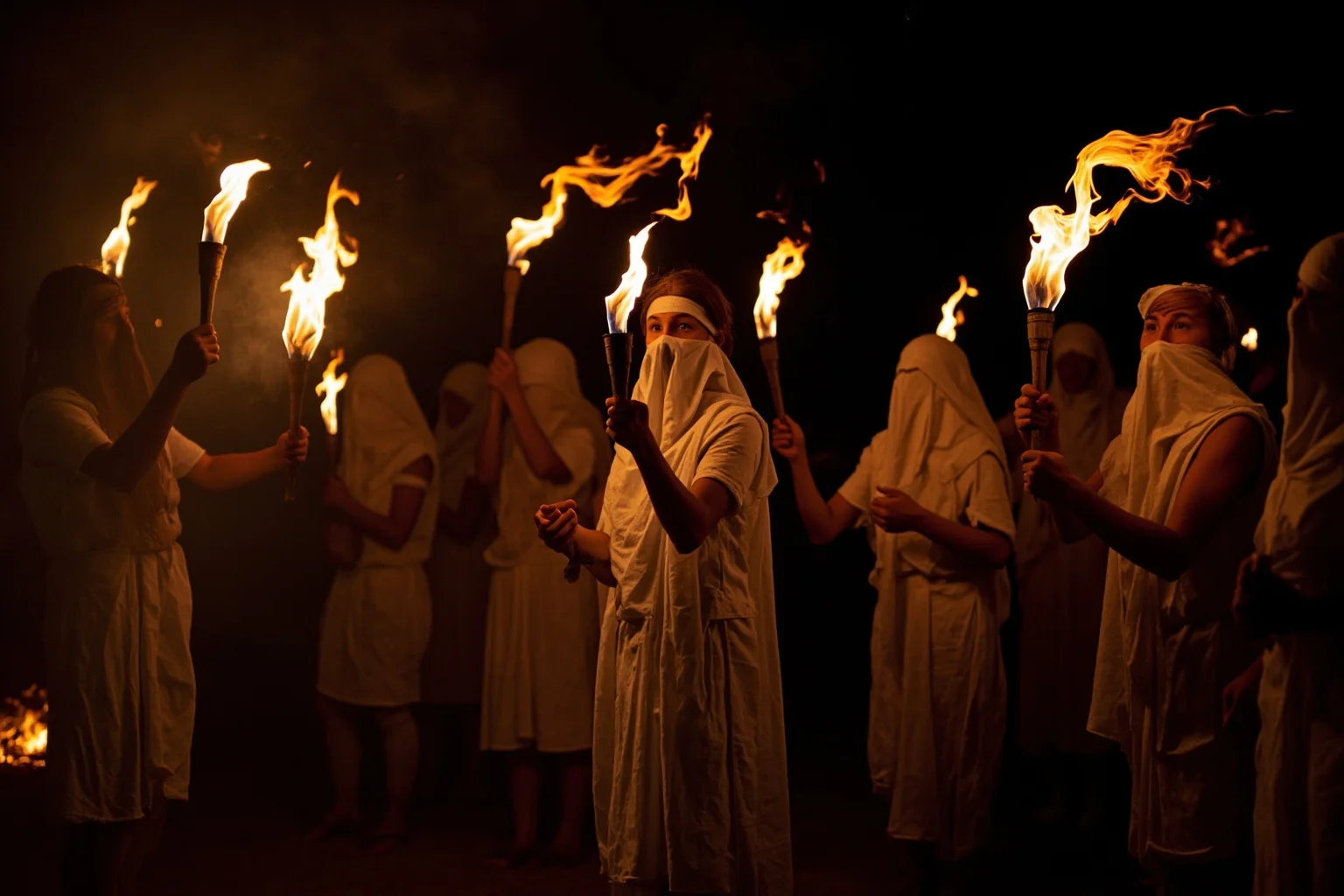
Not everyone found civic religion emotionally satisfying. Mystery cults, such as the Eleusinian Mysteries near Athens or the cults of Isis and Mithras, promised initiation and a closer bond with a deity. Initiates often swore secrecy, so our knowledge of their rituals remains incomplete.
These groups did not usually replace traditional religion; they supplemented it. A person could participate in city festivals and still join a mystery cult for personal hope and community. The popularity of mystery cults shows that ancient paganism had intimate, experiential dimensions.
Scholars treat modern descriptions of what happened inside these cults with caution. Many popular details come from late or hostile sources, not from initiate testimony.
10. Afterlife beliefs varied enormously
There was no single pagan teaching about what happened after death. Greek tradition often imagined a shadowy underworld, while some Romans honored the spirits of the dead as Manes and treated them as part of the family's ongoing life. Expectations could be bleak, hopeful, or simply practical.
Some mystery cults promised a better fate for initiates, though the details remain obscure. Norse traditions contain different images: Valhalla for some warriors, Hel as a more general realm of the dead, and other possible destinations. These pictures never formed one tidy doctrine.
Proper burial and ongoing remembrance often mattered as much as the afterlife’s location. Tending the dead was a living duty, not just a theological claim.
11. Emperor worship blended politics and piety
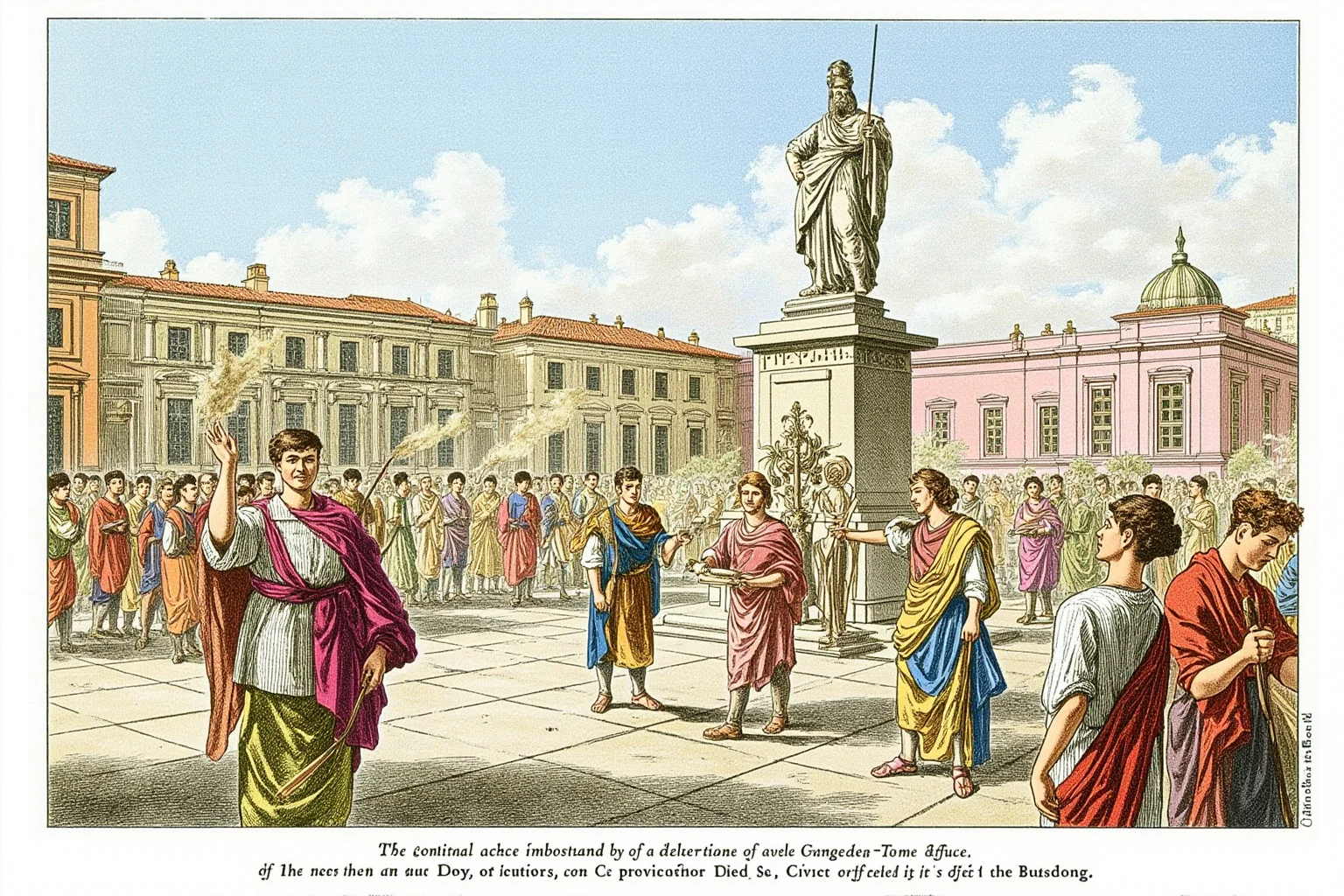
In the Roman Empire, the imperial cult honored the emperor as a focus of loyalty and divine favor. In the eastern provinces, living emperors might receive divine honors, while in Rome they were usually deified after death, though the practice shifted over time. Scholars still debate how literally people understood this worship.
Participating in the imperial cult was often a civic duty, not just a theological statement. Christians later faced suspicion when they refused to take part. This conflict was as much about social belonging as about belief.
Calling emperor worship 'mere politics' would misread ancient religion, where politics and piety were inseparable.
How Paganism Changed Over Time
Paganism was never static. The next facts trace how the label hardened, how religious change happened, and why 'paganism' is a modern category as much as an ancient one.
12. The word 'pagan' began as an outsider's label
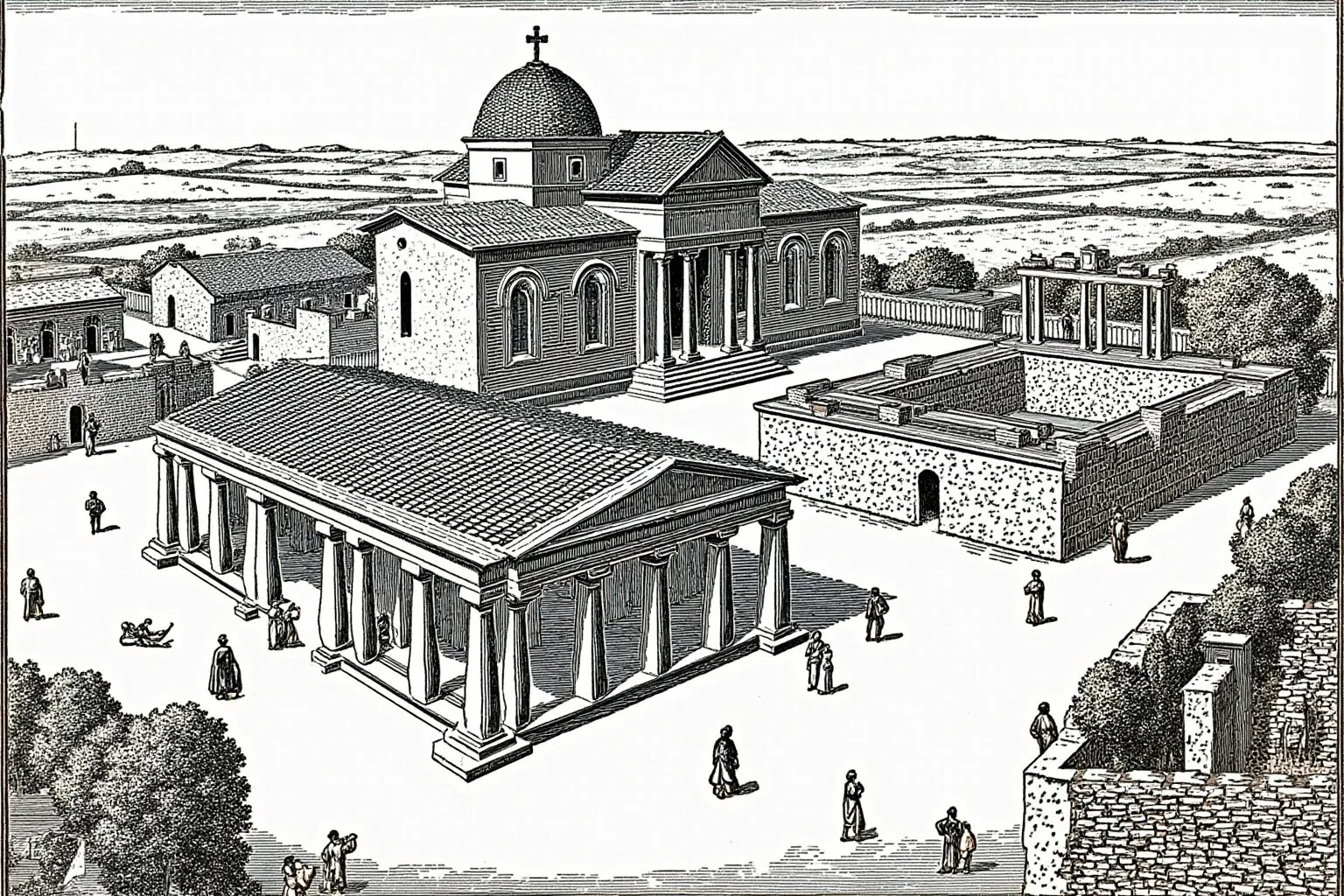
The Latin word paganus probably meant something like 'rural dweller' or 'civilian', not originally a follower of many gods. By the fourth century CE, Christians sometimes used paganus for those who kept older Roman religious practices. The label was not necessarily one those people chose for themselves.
Scholars still debate exactly why and how fast the term took on its religious meaning. One common explanation is that Christianity spread first in cities, leaving old rites stronger in the countryside. Whatever the exact path, 'pagan' was a way of marking an outsider.
Ancient Greeks and Romans had no umbrella word that meant 'all non-monotheists'. The category emerged from a later, mostly Christian perspective.
13. Paganism and Christianity coexisted for centuries
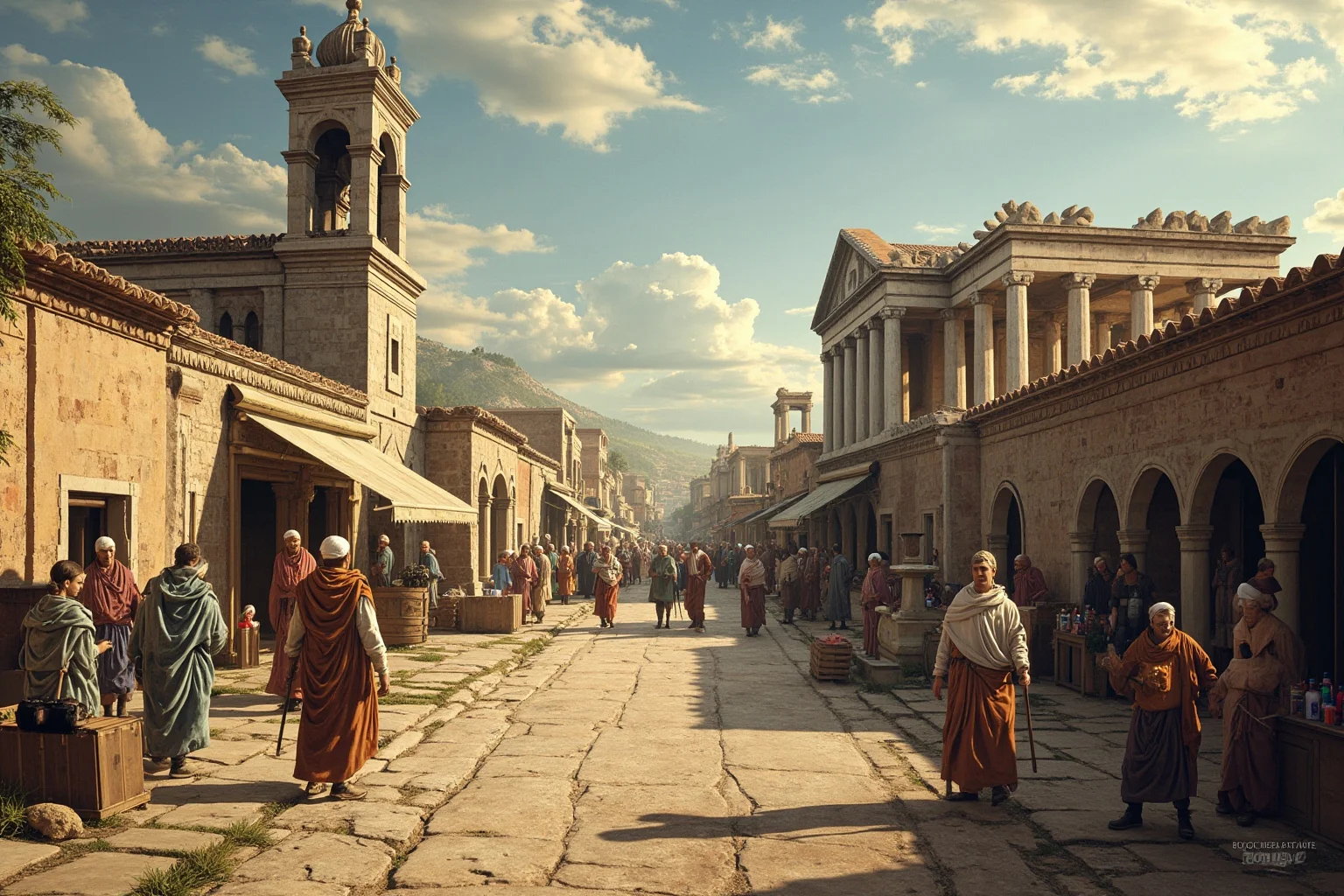
Popular stories of sudden conversion overlook long periods of coexistence. Christian and non-Christian neighbors often shared families, marketplaces, and civic life. Religious identity could be fluid, especially in the third and fourth centuries.
Some people adopted Christian language while keeping older customs; others moved back and forth between traditions. Temples and churches could stand in the same city for generations. Religious change was slower and messier than simple narratives suggest.
Archaeology sometimes shows old offerings continuing at spring sites even after nearby churches were built. Such local evidence helps historians avoid a clean story of victory and defeat.
14. Late Roman law made public pagan worship illegal over time
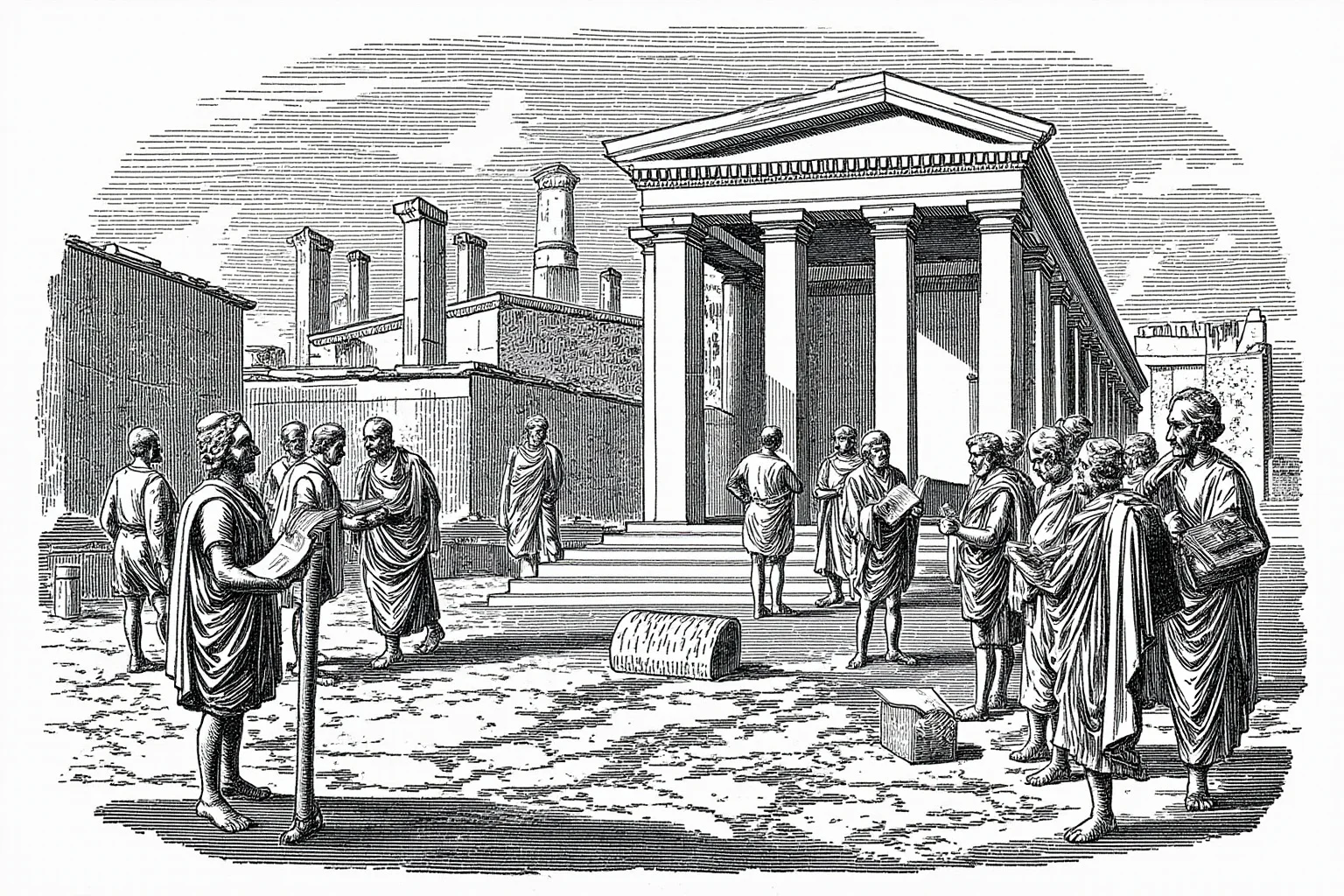
After Constantine, emperors issued a series of laws restricting sacrifice, closing temples, or confiscating temple property. The emperor Theodosius I is often associated with the harsher measures in the late fourth century. Enforcement, however, was uneven across the empire.
Some temples were destroyed by zealous officials or mobs, while others were converted into churches or simply abandoned. In rural areas, old practices sometimes continued quietly for decades or even centuries. The legal end of public paganism was not the immediate end of every custom.
Some Christian emperors still allowed certain traditional festivals for a time, especially where public order depended on them. The process was not a single dramatic moment but a long, uneven transformation.
15. The idea of a single 'paganism' is a later simplification
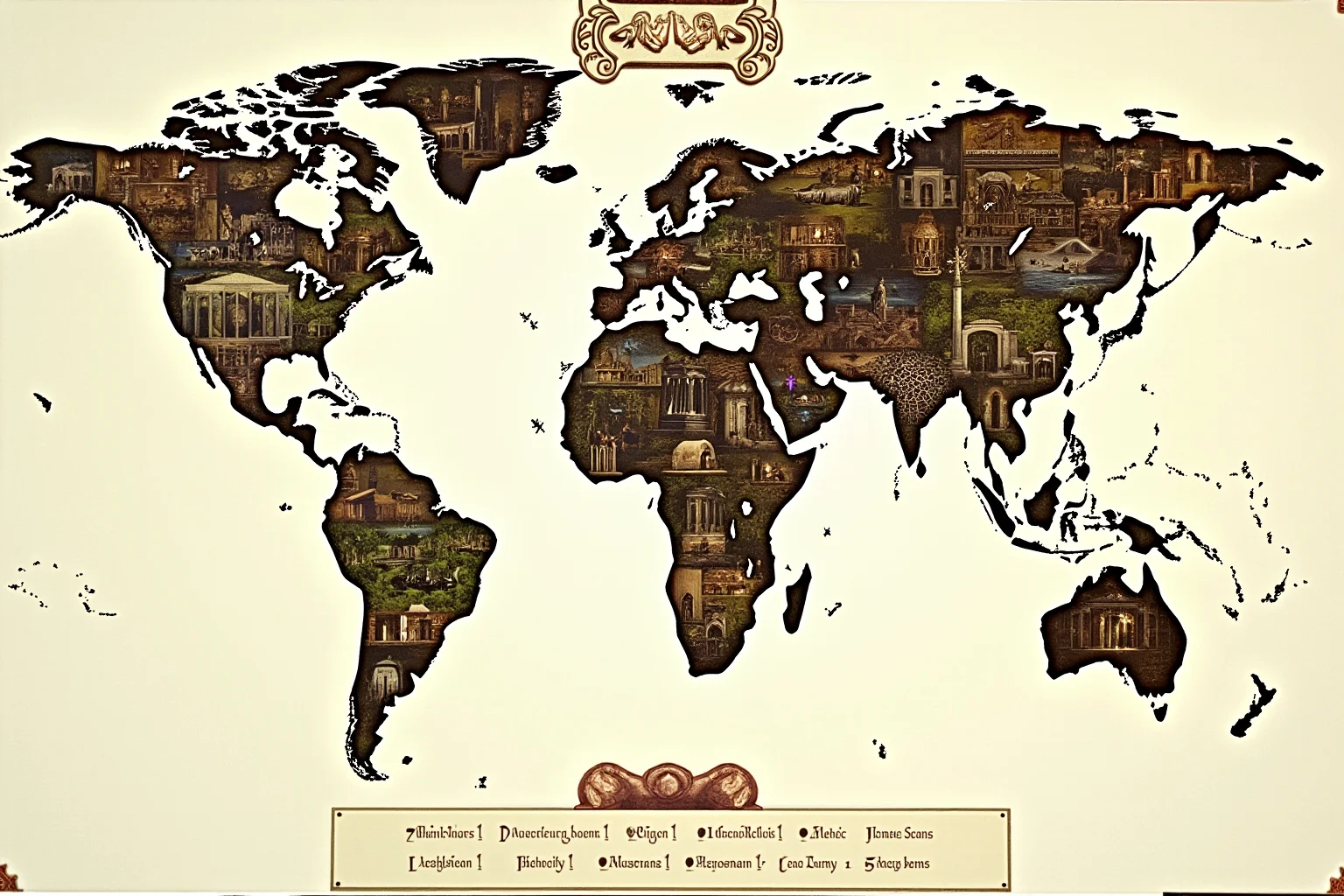
Ancient Greek, Roman, Egyptian, Germanic, Celtic, and Slavic traditions did not think of themselves as one religion. The category lumping them together came mostly from monotheistic outsiders, especially Christian and later scholarly writers. Treating 'paganism' as one faith can distort the evidence.
Even within one empire, religious language and local gods differed widely. A temple to Isis in Roman Britain was not the same as a cult of Odin in Scandinavia. Historians therefore prefer to study specific traditions in their own contexts.
Generalizations can still be useful, but they need to stay humble. The past is usually more local and more complicated than the label suggests.
16. Modern Paganism is a 20th-century movement, not an unbroken ancient lineage
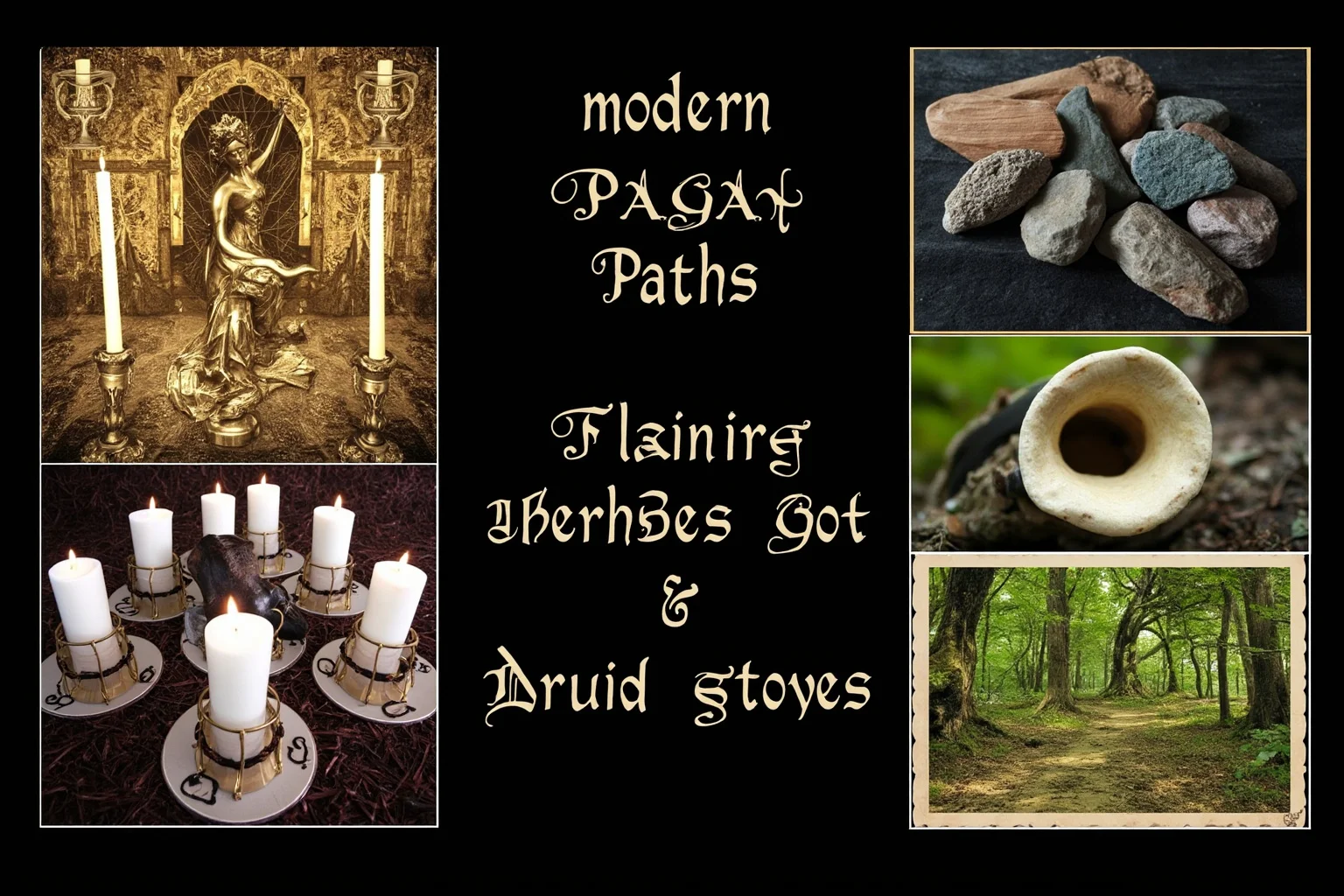
Modern Paganism, often capitalized to distinguish it from ancient paganism, emerged mainly in the twentieth century. Movements such as Wicca, Druidry, and various forms of Heathenry draw on older ideas, but they are new religious creations. Claims of direct, unbroken descent from ancient priestesses or witches are not supported by historical evidence.
This does not make modern Paganism less meaningful to its practitioners. Religions often revive and reinterpret older material for new circumstances. The key point is honesty about the historical gap.
Early modern folklore, Romanticism, and esoteric movements also shaped the modern revival. Understanding those influences gives a clearer picture than any ancient lineage claim.
Modern Pagan Beliefs and Movements
Modern Paganism is a family of new religious movements that often celebrates nature, ritual, and polytheism. It is diverse enough that broad statements need careful wording.
17. Modern pagan beliefs are highly diverse
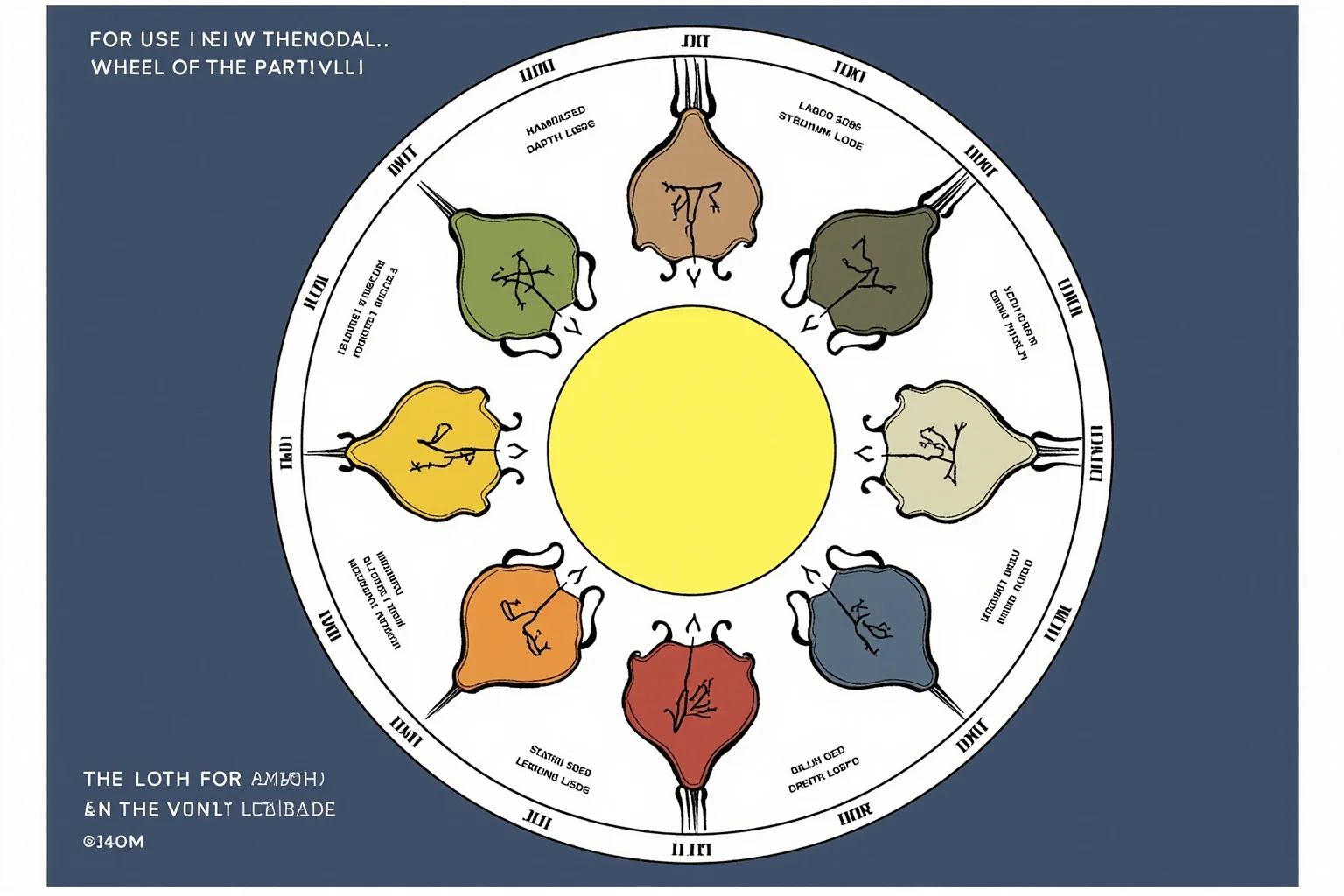
Modern Pagans may be polytheists, pantheists, animists, duotheists, or nontheistic humanists. Some focus on a Goddess and God pair; others honor many gods, ancestors, or spirits of place. There is no universal set of pagan beliefs even within modern Paganism.
Traditions differ on ethics, ritual structure, and the nature of deity. Wicca, for example, often includes a moral guideline called the Wiccan Rede, while other Pagan paths do not use it at all. Asking 'what do Pagans believe?' almost always requires asking 'which Pagans?'
Scholars sometimes speak of Paganisms in the plural to capture this variety. That plural word is a useful reminder that the movement has no central authority.
18. The Wheel of the Year is part historical, part modern

The eight sabbats of the modern Wheel of the Year are widely used in Wicca and related paths. Some, like the solstices and equinoxes, reflect ancient practice; others combine or reinterpret seasonal customs from different cultures. The full eight-fold wheel is a modern framework.
That framework was popularized in the mid-twentieth century and should not be mistaken for a single ancient calendar. It is an example of how modern Pagans build new structures from old materials. Historians treat it as a modern ritual calendar that uses historical inspiration.
Festivals such as Samhain, Imbolc, Beltane, and Lughnasadh have roots in Celtic traditions, but their modern timing and meaning are not copies of an unchanging ancient calendar. The wheel is a creative synthesis, not a recovered artifact.
19. Pagans do not share one sacred text
Unlike religions organized around a single scripture, paganism—ancient or modern—has no universal holy book. Ancient people had myths, hymns, and ritual manuals, but these were local and varied. No council fixed a single pagan canon.
Modern Pagans may draw inspiration from texts such as the Poetic Edda, Greek hymns, or modern ritual books. A Wiccan, a Heathen, and a Hellenic polytheist will not regard the same sources as authoritative in the same way. This absence of a shared text is central to the movement’s pluralism.
Some traditions treat specific texts as important, but that authority is usually bounded by community and practice. The idea of a single 'Pagan Bible' would contradict the movement’s diversity.
20. 'Heathen' has a similar history and modern reclamation
The word 'heathen' developed from a Germanic root linked to dwelling in wild or open land, and medieval Christian writers used it for non-Christians. Like 'pagan', it began as a boundary-drawing label rather than a way the described people named themselves. Its meaning hardened through Christian usage.
Today some modern Pagans, especially in Norse and Germanic traditions, reclaim 'Heathen' as a positive identity. Heathenry is a distinct modern movement with its own emphasis on ancestor veneration and Germanic gods. The reclamation shows how labels can change meaning over time.
Both 'pagan' and 'heathen' are examples of how vocabulary can carry power. Names that once separated insiders from outsiders can be reclaimed as markers of community.
Why These Facts Matter
Understanding pagan beliefs requires resisting the urge to turn a huge, varied past into one story. Ancient pagans were neither cartoon villains nor romantic nature mystics. They were real people negotiating their world through ritual, myth, and community.
That nuance matters for how we read history and for how we treat modern religious movements. Modern Paganism deserves to be understood on its own terms, without confusing it with a fabricated unbroken lineage. Accurate history and respectful understanding can coexist.
Frequently Asked Questions
What is paganism in simple terms?
Paganism is an umbrella term for many pre-Christian religious traditions of Europe, the Mediterranean, and beyond, as well as modern movements inspired by them. It is not one single religion with one set of beliefs.
What are common pagan beliefs?
Ancient pagan beliefs varied widely, but many traditions were polytheistic, valued ritual practice, and tied worship to local communities and nature. Modern Pagan beliefs are even more diverse, ranging from polytheism to pantheism and nontheistic forms.
Is paganism the same as Wicca?
No. Wicca is one modern Pagan religion that developed in the mid-twentieth century. Paganism is a much broader category that includes many other modern paths, such as Druidry and Heathenry, as well as historical traditions.
Did ancient pagans worship nature?
Many ancient traditions treated natural places as sacred, but that did not mean they worshipped nature as a single thing. More often, they honored gods or spirits connected with specific natural forces or locations.
Is modern Paganism a direct continuation of ancient religions?
There is no solid historical evidence for an unbroken, secret Pagan lineage from antiquity to now. Modern Paganism draws on old myths and customs, but it is a new religious movement that developed mainly in the twentieth century.

Alex Warren
Related Articles