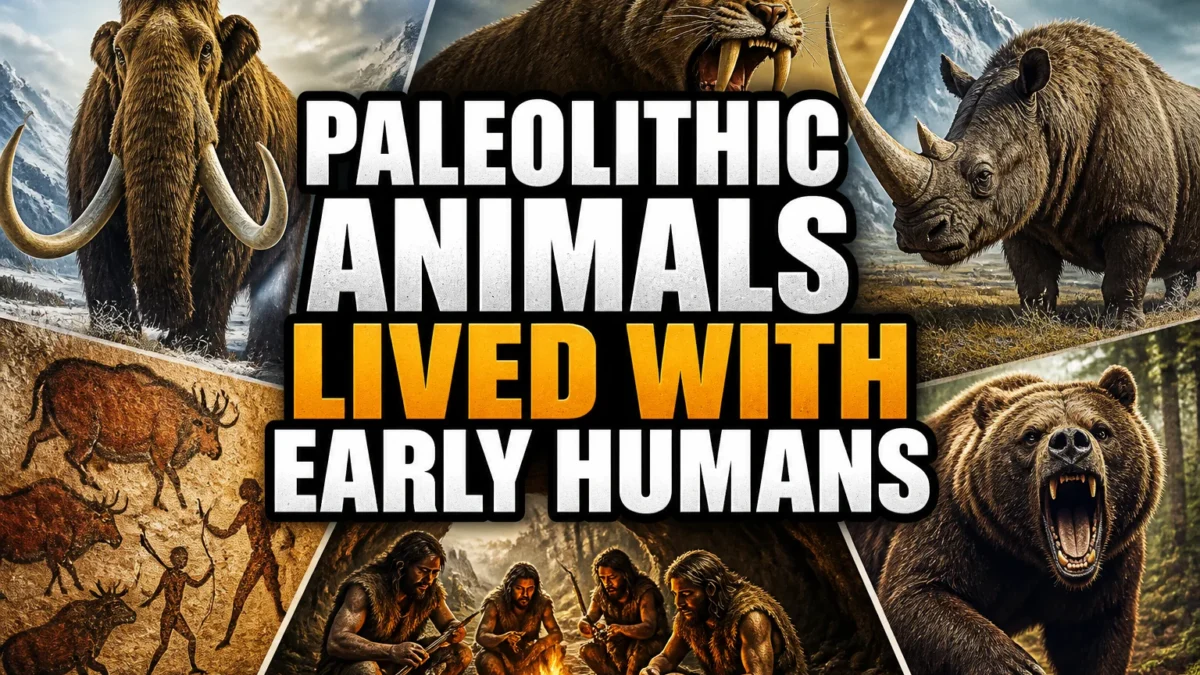
The Paleolithic era was not a frozen, empty wasteland. It was a living mosaic of grasslands, forests, steppes, and tundra crowded with animals that early humans knew by sight, sound, and smell. Some of those creatures are extinct today, while others still walk the earth in nearly the same form.
When people search for palaeolithic animals, they often expect dinosaurs or fantasy monsters. The real story is more interesting. These were species that lived during the human story, not before it.
TL;DR: The Paleolithic world was full of real, often surprising animals—from woolly mammoths to Arctic foxes—that ancient humans hunted, feared, and sometimes outlasted.
What Is the Paleolithic Era?
The Paleolithic, also called the Old Stone Age, runs from roughly 2.6 million years ago to around 11,700 years ago. It begins with the first stone tools and ends as the last glacial period gave way to the warmer Holocene. That is an immense stretch of time.
Not every animal lived in every part of the Paleolithic, and not all of them met every human population. Some species, such as woolly mammoths, are animals in the Paleolithic era that people hunted in Eurasia and North America. Others, like the giant ground sloth, lived in South America and were encountered by humans relatively late.
The key is not to flatten millions of years into one scene. Instead, think of changing animal communities alongside changing human groups.
How We Know These Animals Existed
Most of what we know comes from bones, teeth, and antlers found in the same layers as stone tools. Some rare specimens were preserved in permafrost with skin, hair, and stomach contents intact. Cave art also records details that bones alone cannot show.
At many Paleolithic campsites, researchers find cut-marked animal bones near hearths. That tells us which species people were eating or processing. Indirect clues like gnaw marks from hyenas or cats help reconstruct who else was around.
Still, the record is uneven. Soft-bodied animals and small species are underrepresented. New discoveries can change how we see palaeolithic animals, so the picture is always evolving.
22 Animals From the Paleolithic Era That Lived Alongside Early Humans
1. Woolly Mammoth
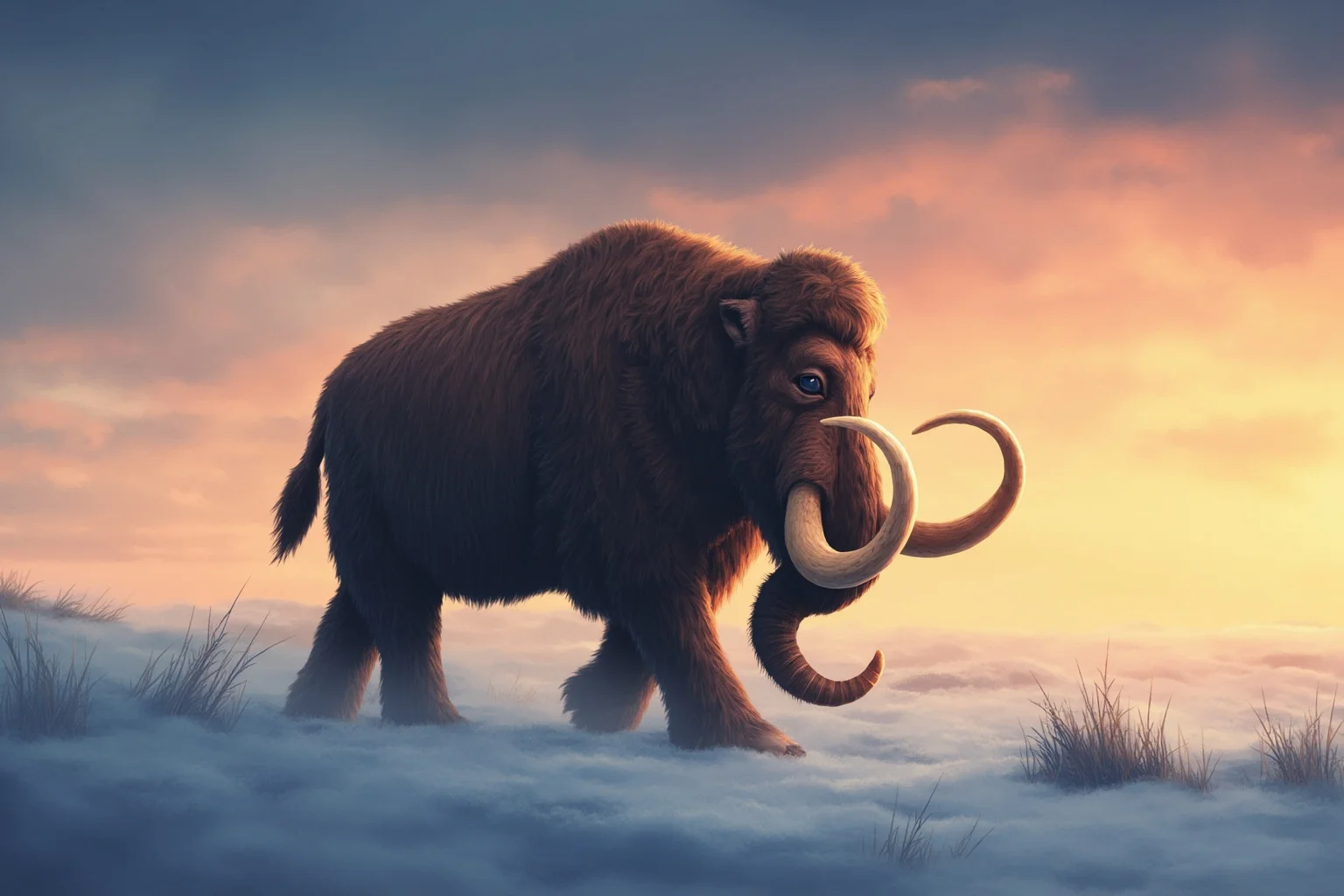
The woolly mammoth is the poster animal of the Ice Age. It lived on cold steppe grasslands across northern Eurasia and North America, not on bare glaciers. Its thick coat, small ears, and curved tusks were adaptations to severe cold.
Paleolithic people made tools, figures, and even huts from mammoth bones and ivory. Some sites show repeated mammoth hunting or scavenging, but humans were likely one pressure among many. Most woolly mammoths disappeared around 10,000 years ago, though a dwarf population survived on Wrangel Island until about 4,000 years ago.
2. Woolly Rhinoceros
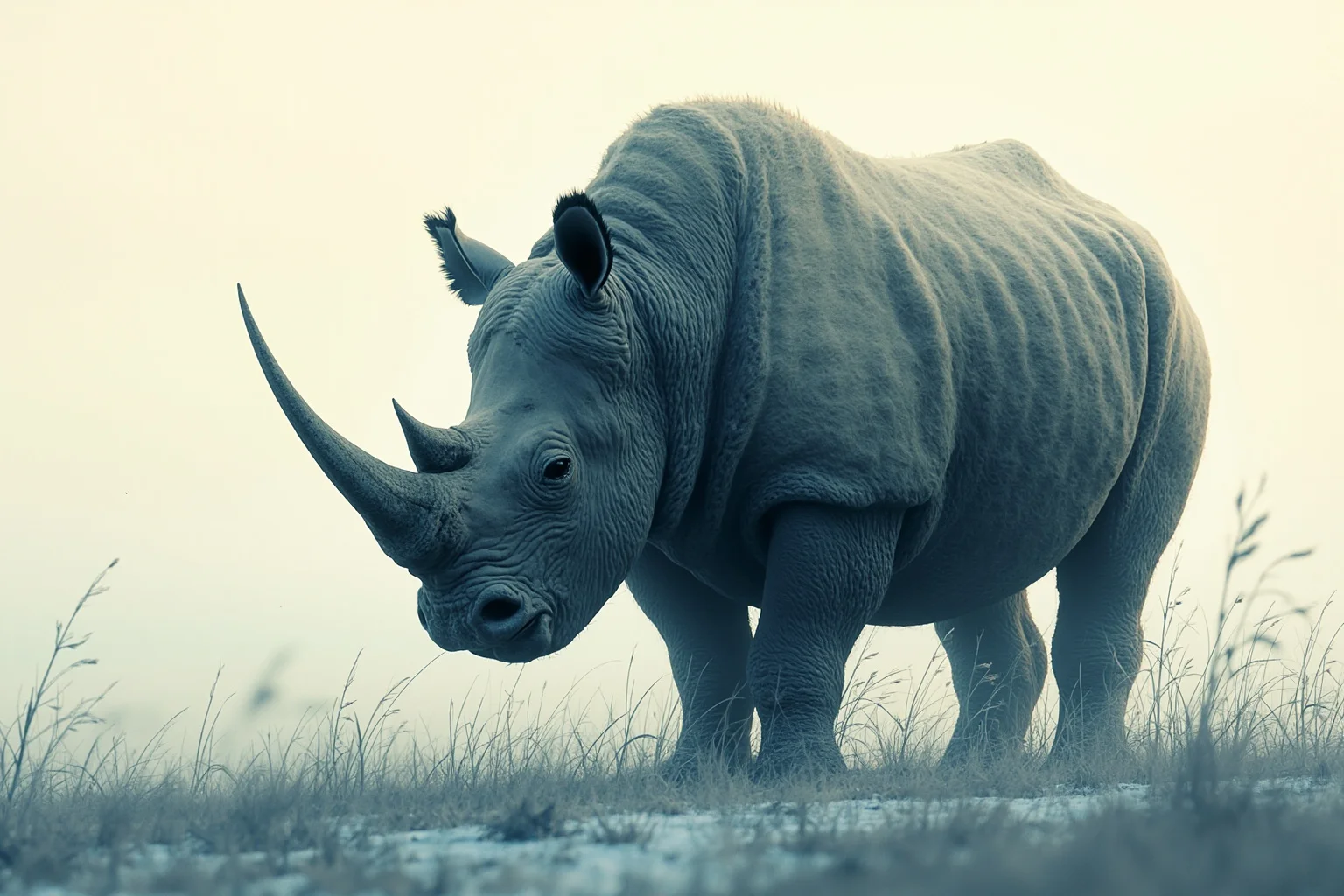
The woolly rhinoceros was a bulky, two-horned herbivore built for cold grasslands. Its long front horn and thick, shaggy fur are visible in cave art and preserved carcasses from Siberia. It was widespread across Europe and northern Asia.
Bones and stone-tool cut marks show that Paleolithic humans sometimes butchered these animals. The species declined as the mammoth steppe shrank, disappearing around 10,000 years ago. It was a real Ice Age neighbor, not a mythical unicorn.
3. Cave Lion
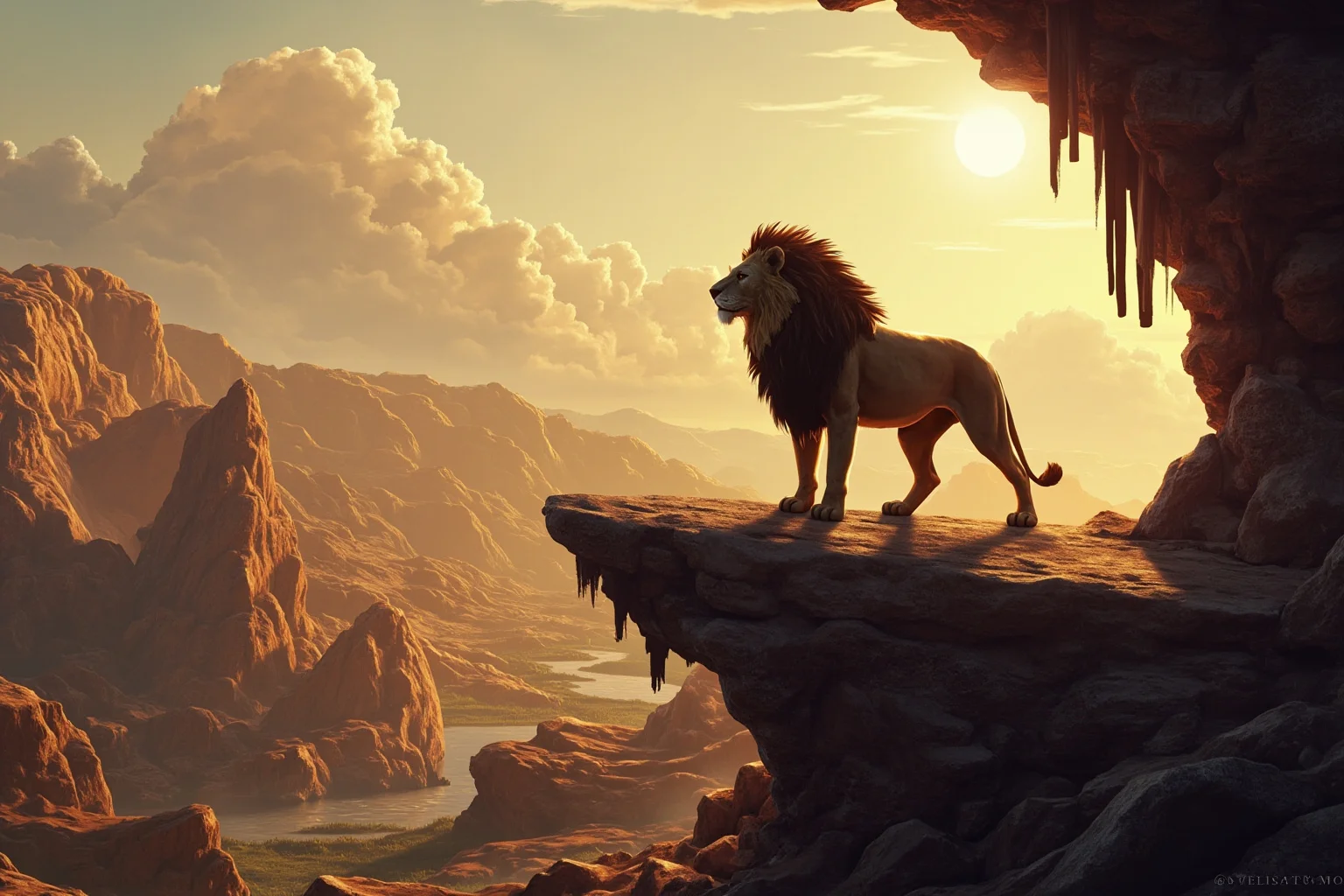
The cave lion was one of the largest cats ever to exist. It roamed open landscapes across Eurasia and into Beringia, and it appears in striking Paleolithic cave paintings. Despite the name, it was closely related to modern lions but likely larger.
Early humans would have competed with cave lions for prey and shelter. The cats hunted large herbivores such as bison, deer, and young mammoths. Cave lions vanish from the fossil record around 13,000 years ago, during the end of the last glacial period.
4. Cave Bear
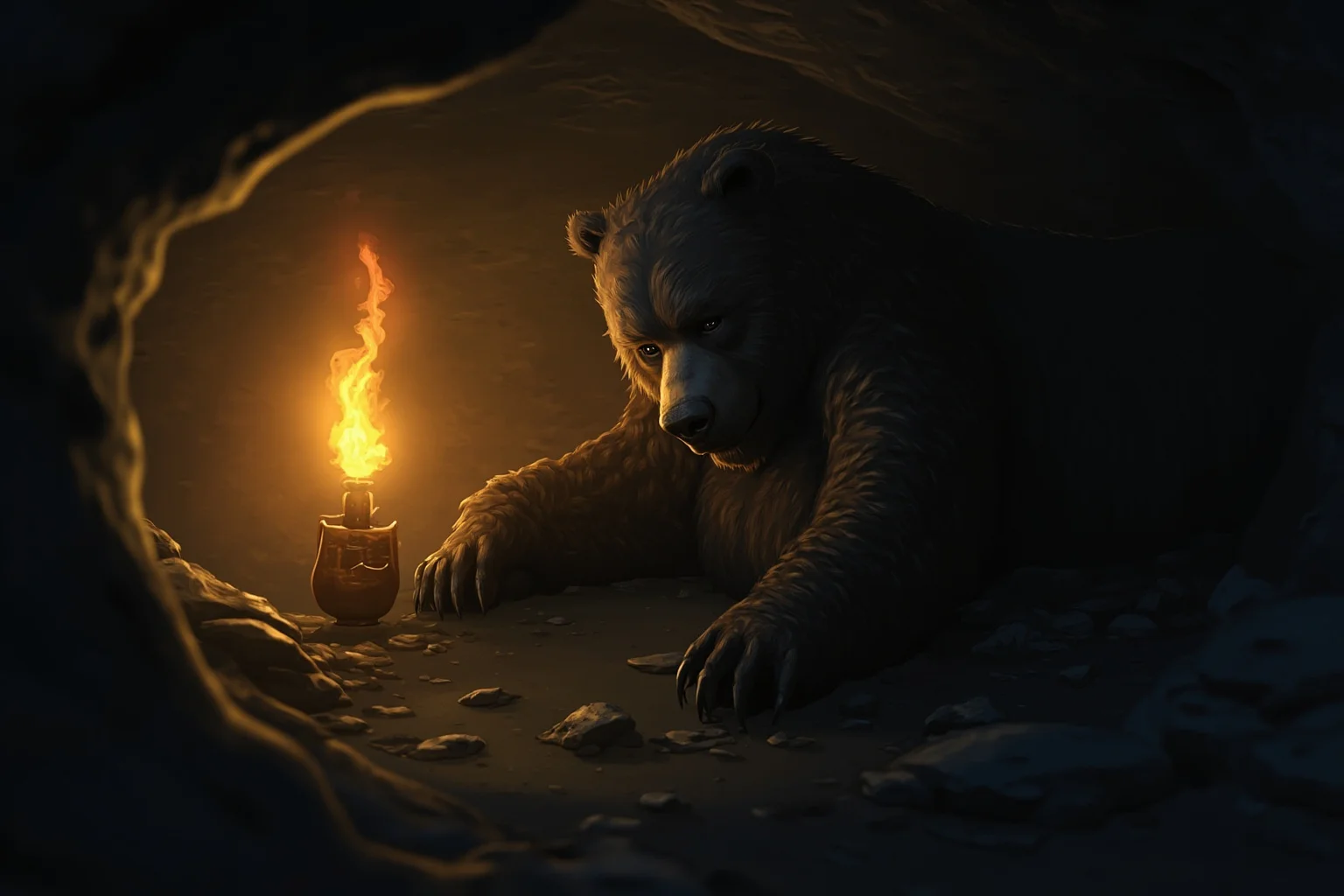
The cave bear was a massive bear that used caves for hibernation across Europe and western Asia. Its bones are found in deep cave chambers, sometimes alongside stone tools and human fossils. The name can mislead, since not every cave bear lived exclusively in caves.
Isotope studies suggest cave bears were mostly vegetarian, with a diet heavy in plants. They were not the savage man-killers of legend. Their extinction around 24,000 to 28,000 years ago may have come from climate change and shrinking habitat, not constant human hunting.
5. Cave Hyena
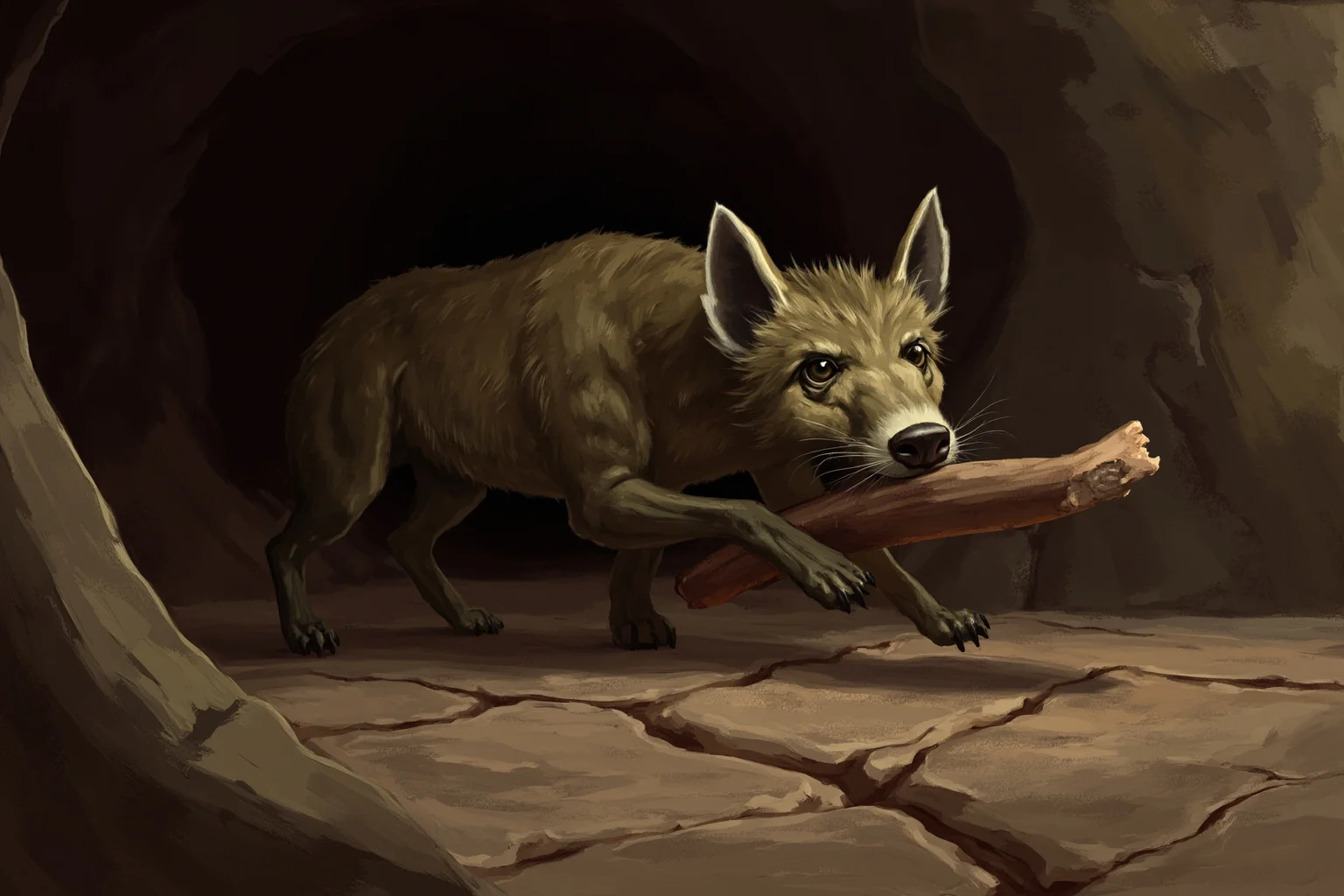
The cave hyena was a cold-adapted relative of the spotted hyena. It left dense bone accumulations in caves, showing that it was an active carnivore and bone collector. Evidence suggests it scavenged and hunted prey like woolly rhinoceros, bison, and wild horses.
Early humans and cave hyenas competed for similar resources and used some of the same caves at different times. Its remains show up in many European Paleolithic sites. The cave hyena faded from Europe as prey populations changed toward the end of the Pleistocene.
6. Steppe Bison
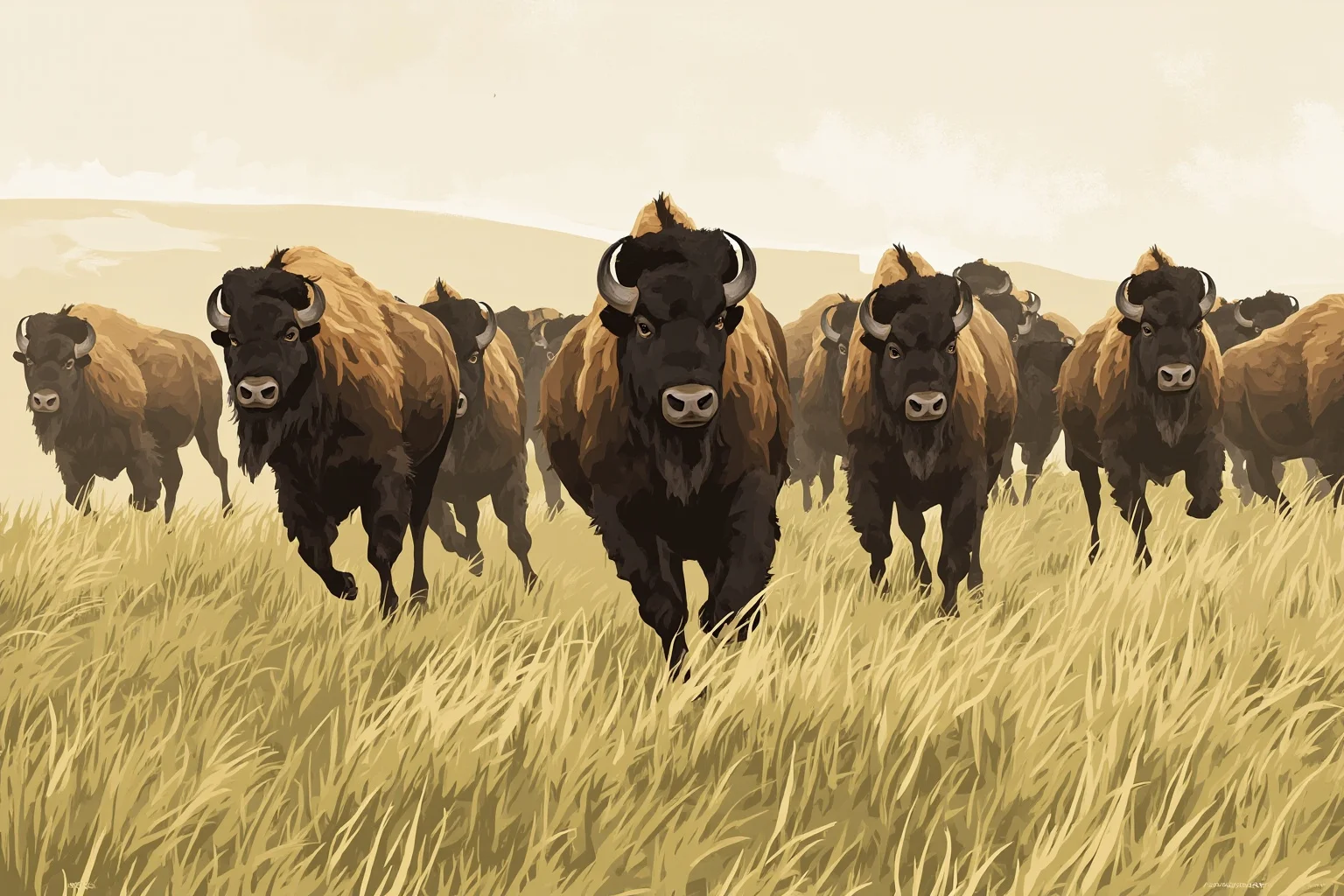
The steppe bison was one of the most common large herbivores on the mammoth steppe. Cave painters captured its powerful shoulder hump and inward-curving horns with remarkable accuracy. It lived in huge herds across Europe, Asia, and North America.
Steppe bison were important prey for Paleolithic hunters, and their bones are abundant at archaeological sites. The species is the ancestor of modern bison, including the American bison. It declined as the grassy steppe ecosystem broke apart at the end of the Ice Age.
7. Aurochs
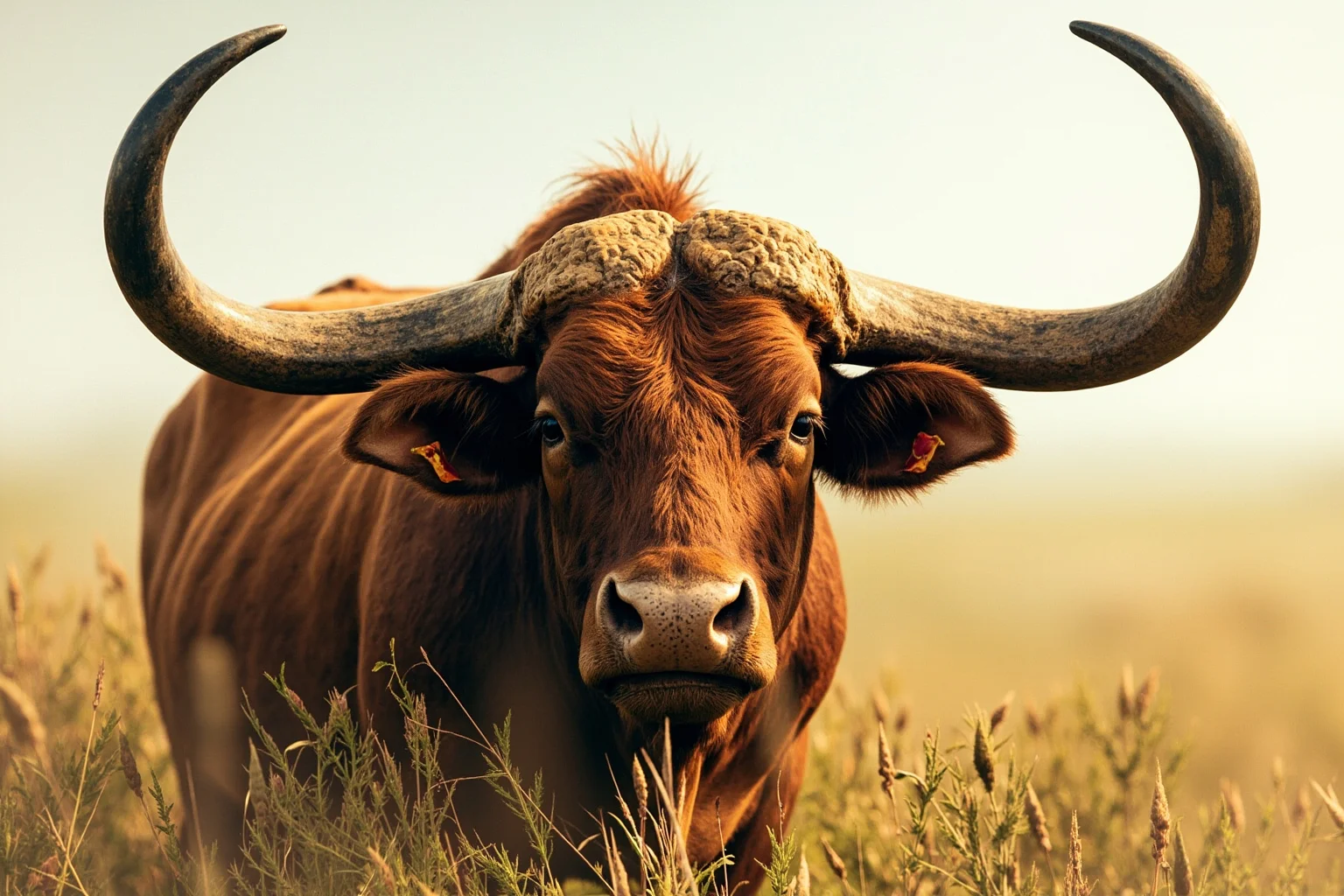
The aurochs was the wild ancestor of domestic cattle. It was larger and more aggressive than most modern cows, with sweeping horns and a strong shoulder profile. Aurochs lived across much of Eurasia and North Africa during the Paleolithic.
Paleolithic artists painted aurochs at famous sites such as Lascaux. The species remained wild for thousands of years after the Paleolithic ended, but the last known aurochs died in Poland in 1627. Its genes survive indirectly in many cattle breeds today.
8. Wild Horse
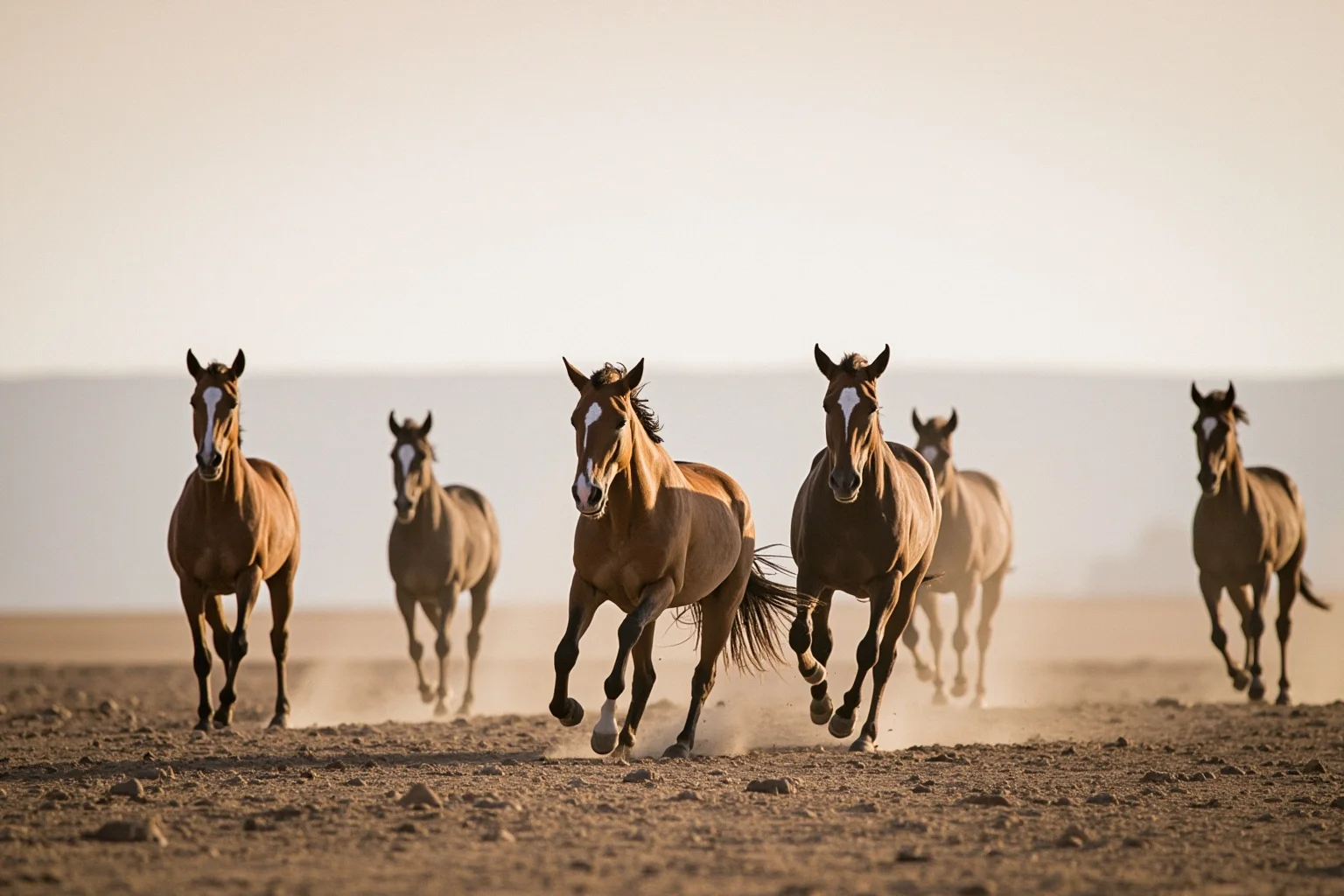
Wild horses were a common sight on the steppes and grasslands of Paleolithic Europe and Asia. They appear frequently in cave art as lively, small-headed animals. Paleolithic people were skilled horse hunters, as many bone-rich campsites show.
These wild horses were not simply domestic horses waiting to happen. They were a distinct, free-ranging species shaped by the Ice Age. Some populations were later domesticated, but in the Paleolithic they were prey, not pets.
9. Irish Elk
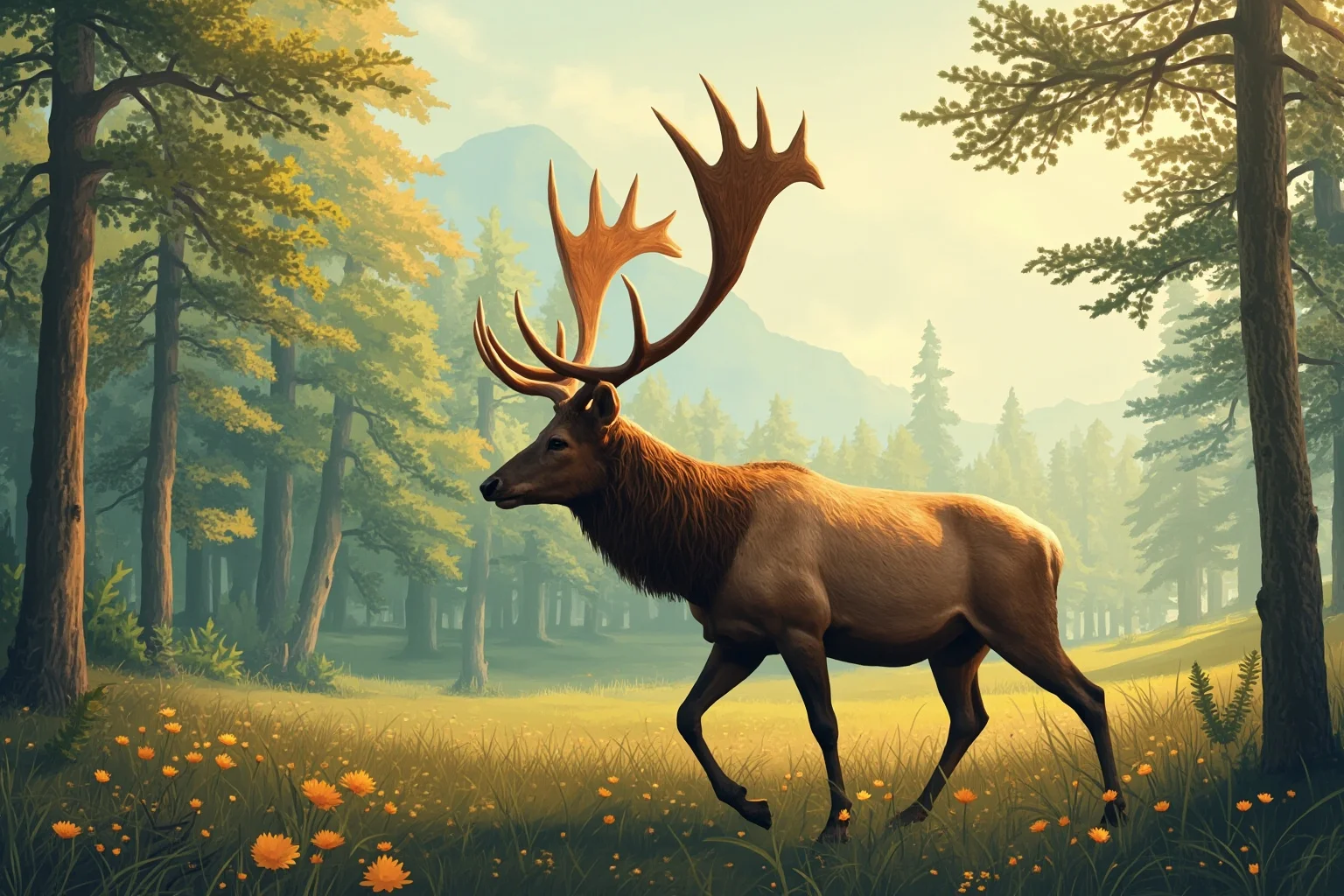
The so-called Irish elk was neither exclusively Irish nor a true elk. Its scientific name is Megaloceros giganteus, and it carried the largest antlers of any known deer. Those antlers could span more than 3 meters across.
Irish elk lived across Eurasia and survived into the early Holocene in parts of Siberia. The idea that its antlers alone doomed it is too simple. Climate and habitat change likely played major roles in its decline.
10. Saiga Antelope
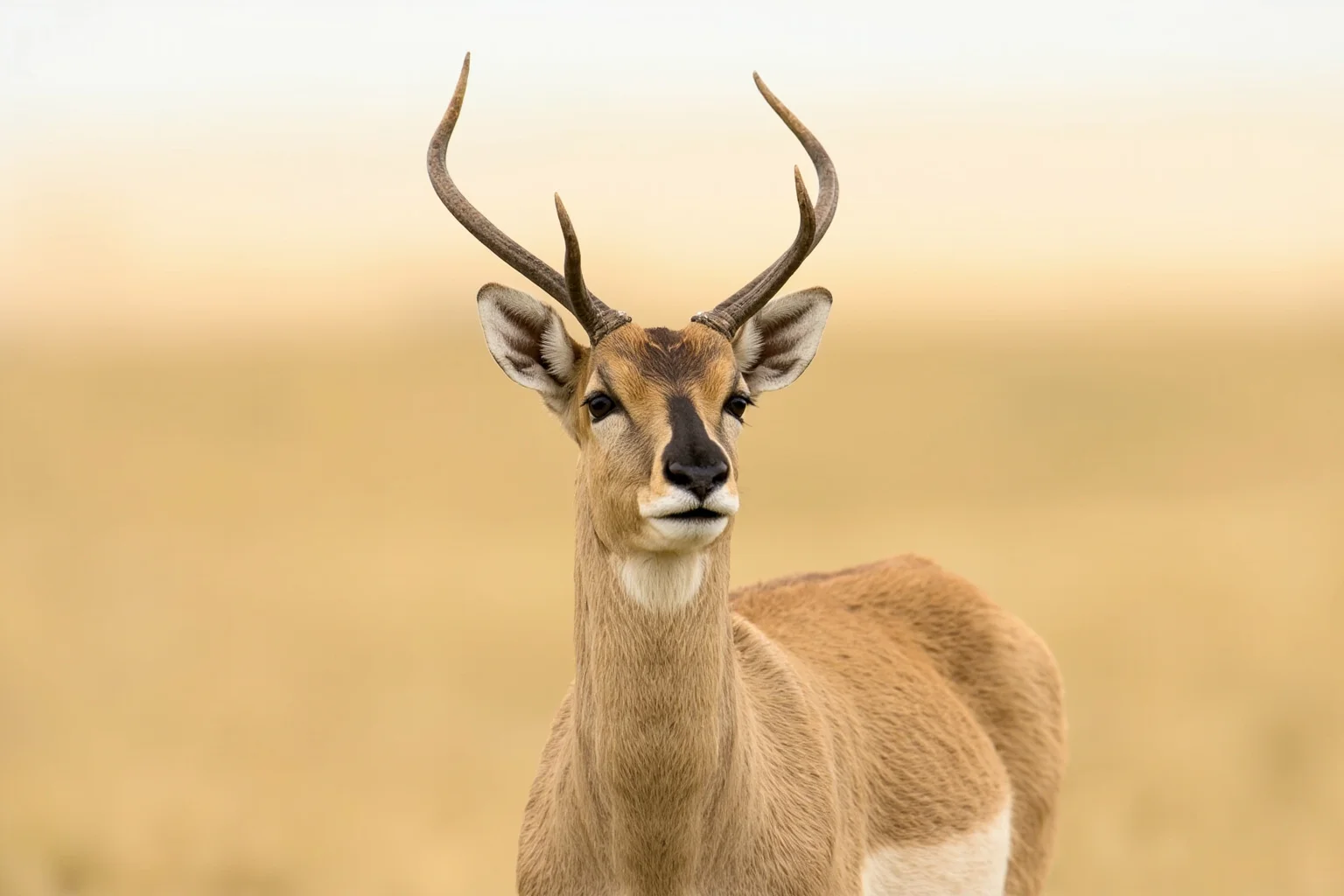
The saiga antelope has a strange, bulbous nose that warms cold winter air. It was widespread across the Eurasian mammoth steppe during the Paleolithic. Its remains appear at many human campsites between western Europe and Siberia.
Saigas still survive today in Central Asia, but they are critically endangered. They are living proof that not all animals in the Paleolithic era went extinct. The species has survived dramatic climate shifts, though today it faces poaching and habitat loss.
11. Reindeer
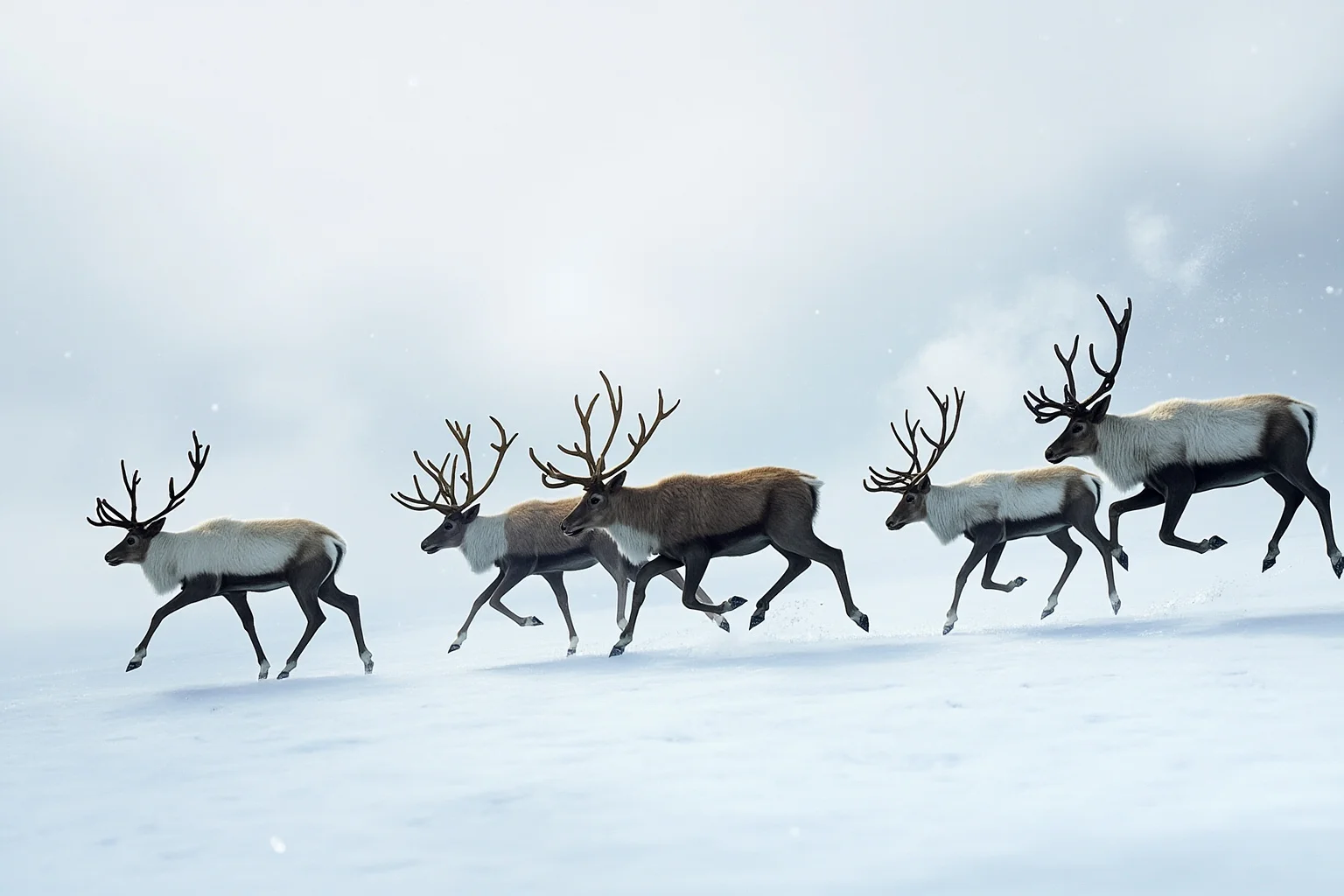
Reindeer may feel ordinary, but they were crucial to Paleolithic people in Europe. Their bones dominate many Upper Paleolithic campsites, suggesting seasonal hunting of migrating herds. Reindeer provided meat, hides, antler, and sinew.
Unlike many Ice Age animals, reindeer are still with us. They survived because they are highly adapted to cold northern conditions. Their story shows that Paleolithic fauna was not only about extinction.
12. Musk Ox
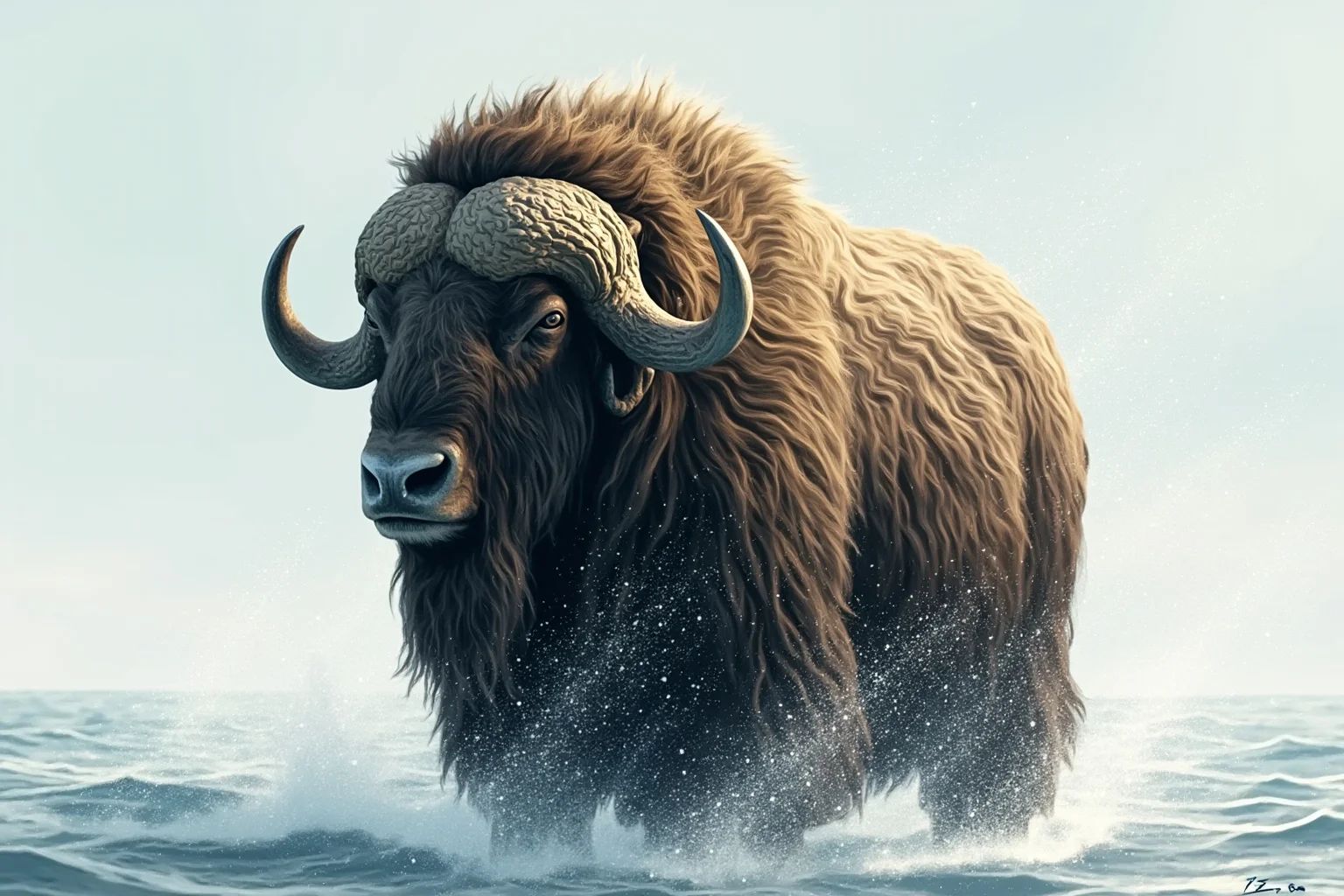
The musk ox is another survivor from the Ice Age steppe. Its thick, shaggy coat and defensive herding behavior helped it endure brutal winters. Musk oxen lived alongside mammoths, woolly rhinos, and steppe bison.
Today they remain in Arctic regions of North America and Greenland. Paleolithic hunters in some regions used their meat and warm hides. The musk ox is a living relic of the Pleistocene landscape.
13. Dire Wolf
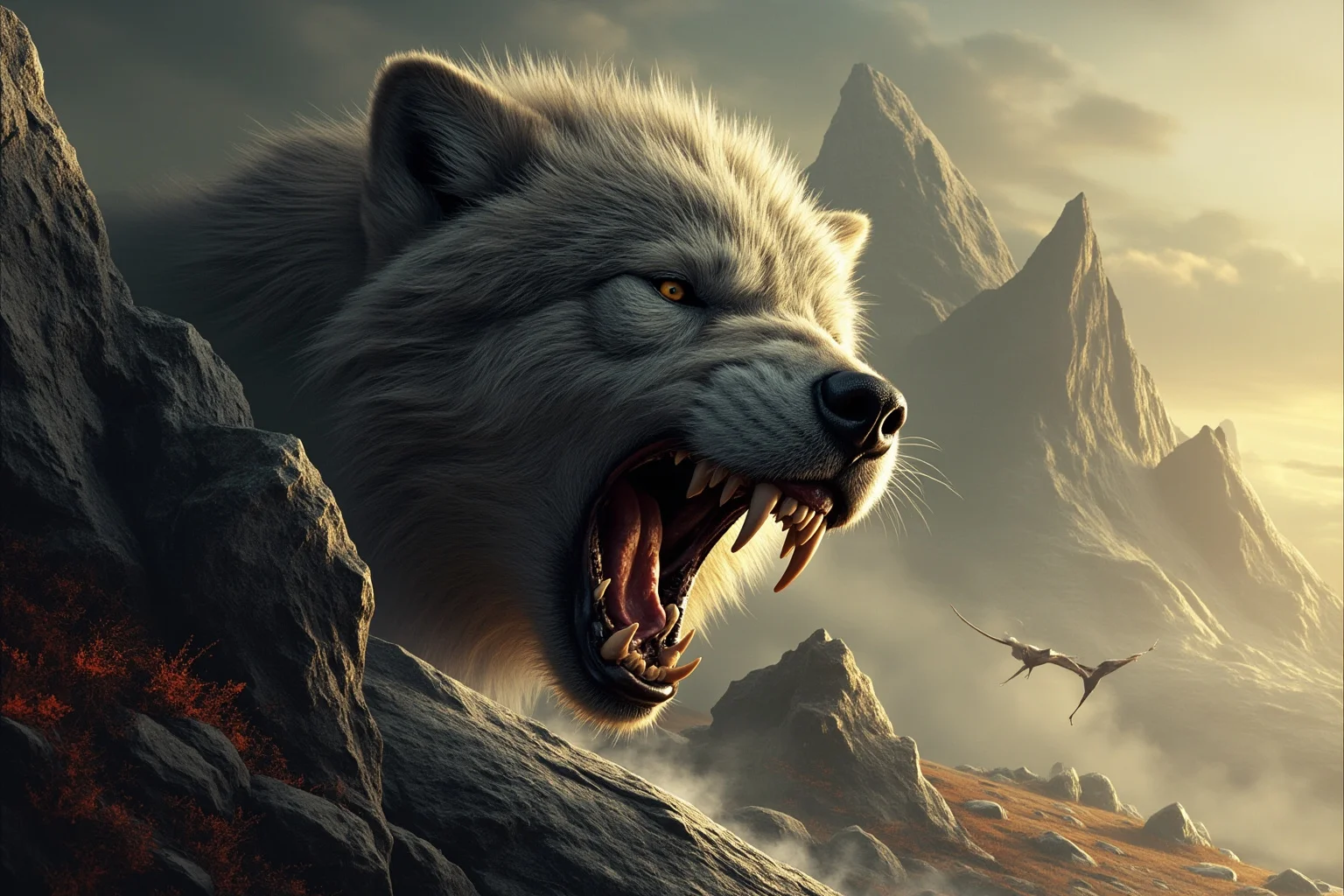
The dire wolf was a real canid that lived in North and South America. It was not an oversized movie monster but a robust, heavy-jawed hunter. Thousands of dire wolf fossils have been found at sites like Rancho La Brea.
Dire wolves overlapped with early humans in the Americas toward the end of the Paleolithic. They competed with other carnivores such as saber-toothed cats. The species disappeared around 9,500 years ago as large prey declined.
14. Smilodon
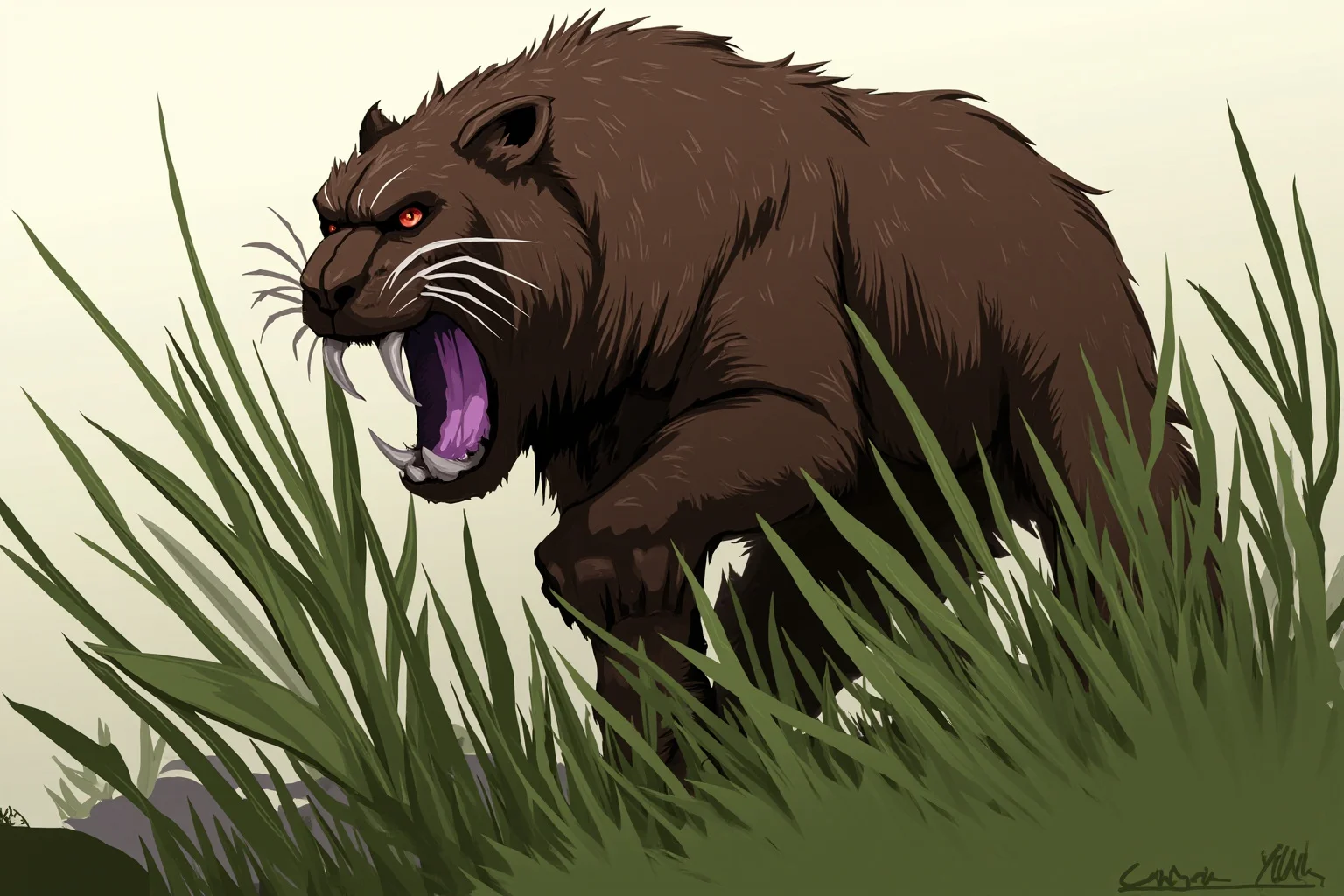
Smilodon is often called a saber-toothed tiger, but it was not a tiger. This American cat had long, blade-like canine teeth and powerful forelimbs. It likely ambushed large herbivores such as bison, horses, and ground sloths.
Smilodon shared late Paleolithic landscapes with early human migrants in the Americas. Cut marks on some remains suggest rare human interaction, but its extinction was probably tied to ecosystem changes. It vanished around 10,000 years ago.
15. American Mastodon
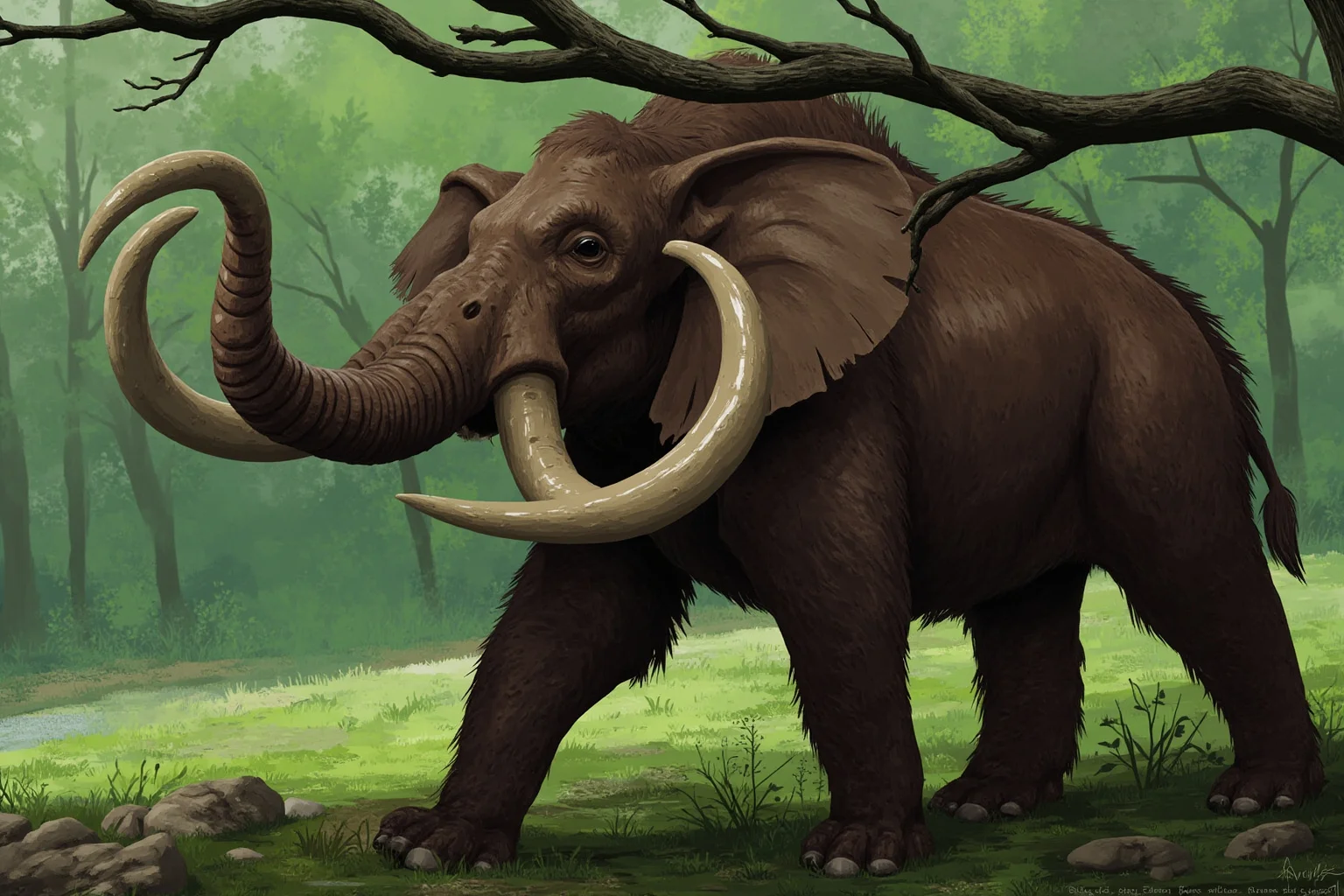
The American mastodon was a distant cousin of mammoths and modern elephants. It had differently shaped teeth built for browsing trees and shrubs. The animal lived across North and Central America during the Pleistocene.
Early humans reached North America while mastodons still lived there. Several sites show possible butchered mastodon bones, though dating is debated. The mastodon died out around 10,000 to 11,000 years ago as its forest habitats shifted.
16. Giant Ground Sloth
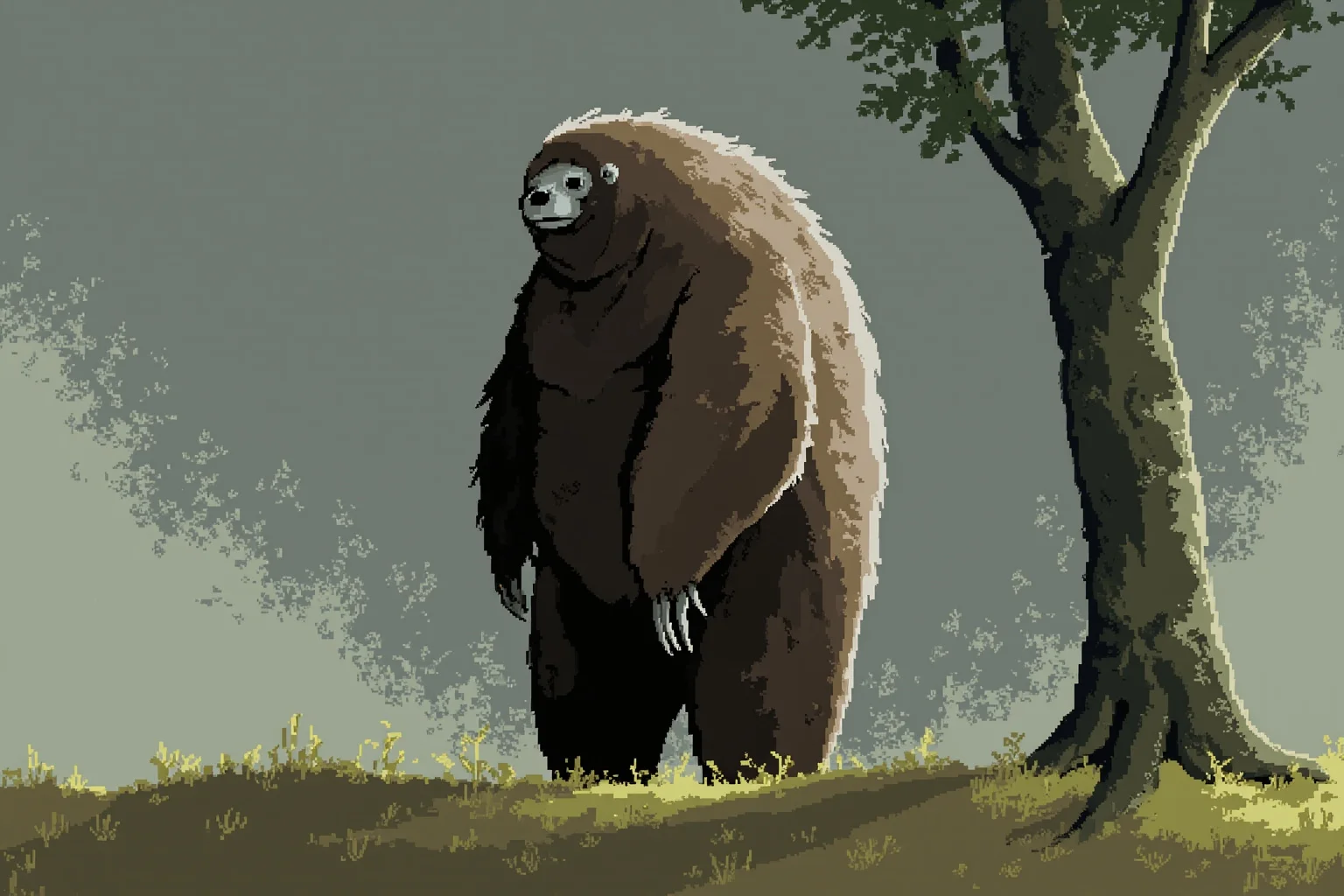
The giant ground sloth, Megatherium, was one of the largest land mammals in Ice Age South America. It could grow to the size of a modern elephant and likely walked on the sides of its feet. Unlike tree sloths, it lived on the ground.
Humans reached South America while ground sloths were still present. Some bones bear possible cut marks, but the details of hunting are debated. The giant ground sloth disappeared near the end of the Pleistocene.
17. Glyptodon
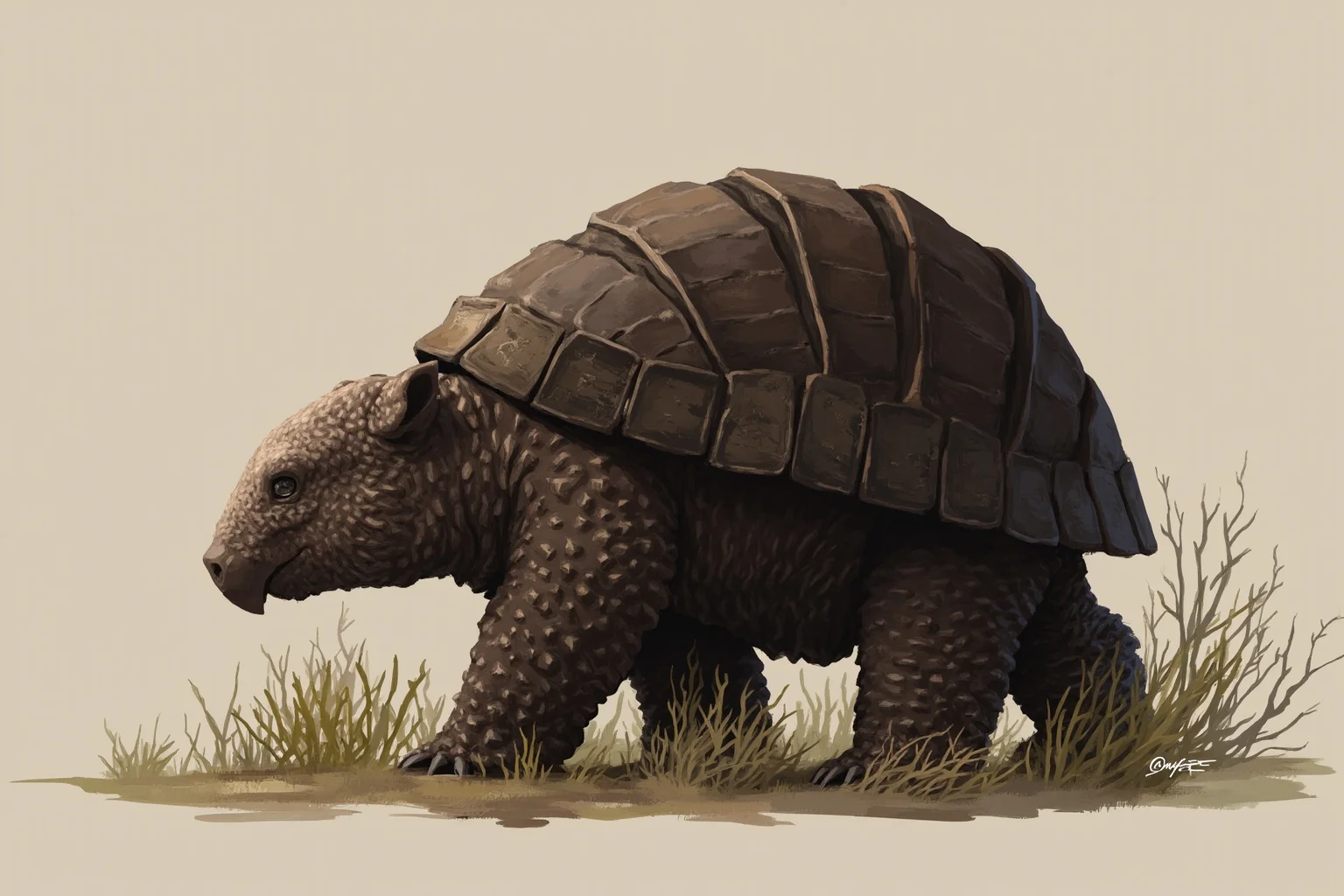
Glyptodon looked like a car-sized armadillo with a rounded shell. It lived in South America and parts of southern North America. Its bony armor gave it protection from predators, though not always from changing environments.
Early humans may have used glyptodon shells for shelter or stored goods. Evidence for that is limited and still studied. Glyptodon became extinct around 10,000 years ago as climates and ecosystems shifted.
18. Arctic Fox
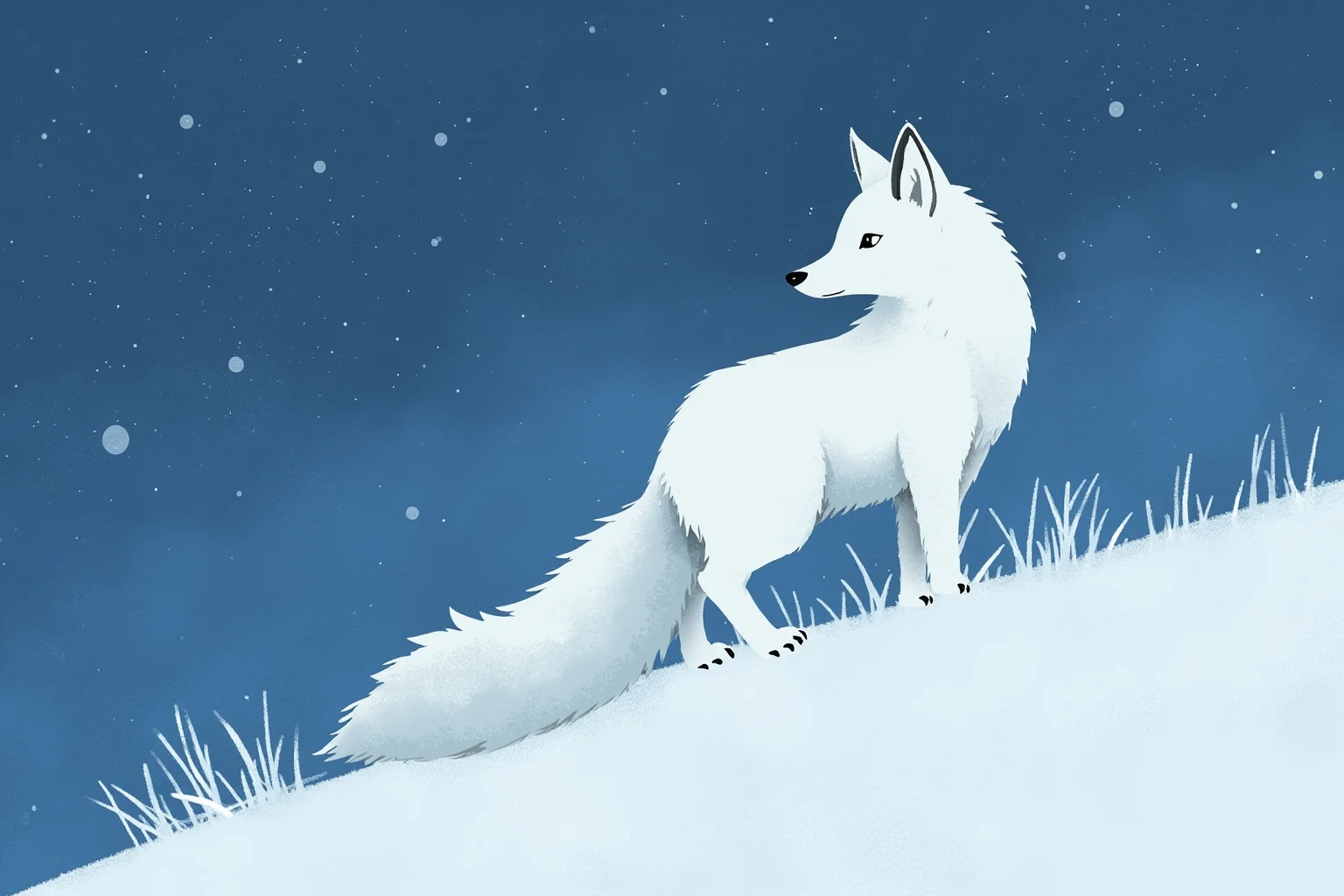
The Arctic fox is a small carnivore that lived across Ice Age Europe, Asia, and North America. Its remains show up in Paleolithic caves far south of today's Arctic fox range. Its thick fur and compact body made it a cold-weather specialist.
Unlike the mammoth, the Arctic fox never disappeared. It lasted through the end of the Ice Age because its small size and flexible diet helped it adapt. Today it remains a living link to the Paleolithic tundra.
19. Red Deer
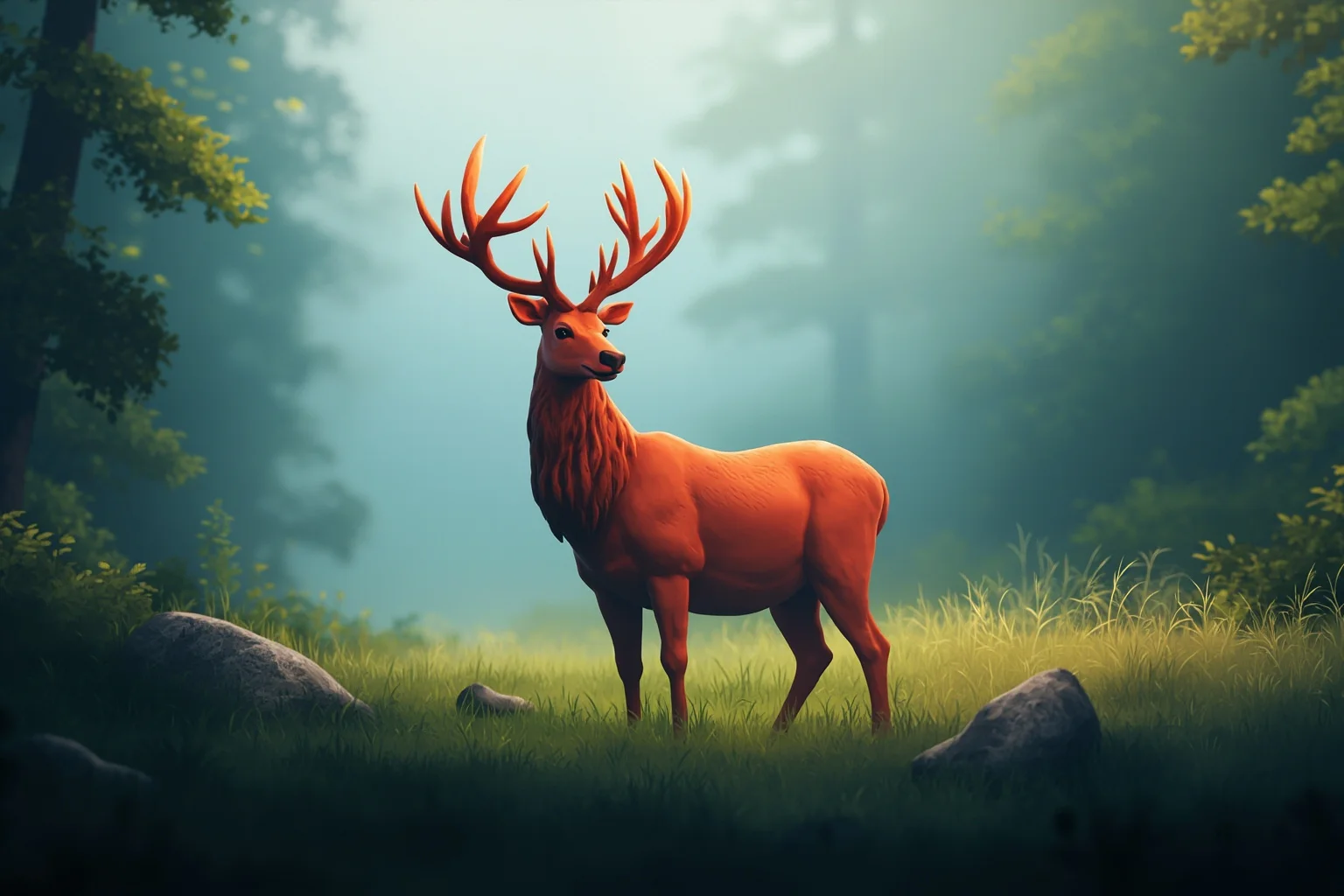
Red deer roamed much of Europe, Asia, and North Africa during the Paleolithic. They appear in ancient cave art and in many human campsites. Their antlers were used to make tools and spear points.
Red deer are still widespread today, though their modern range is altered. They show that some Paleolithic animals adapted well to the warmer Holocene. Their long coexistence with humans makes them easy to overlook but historically important.
20. Eurasian Lynx
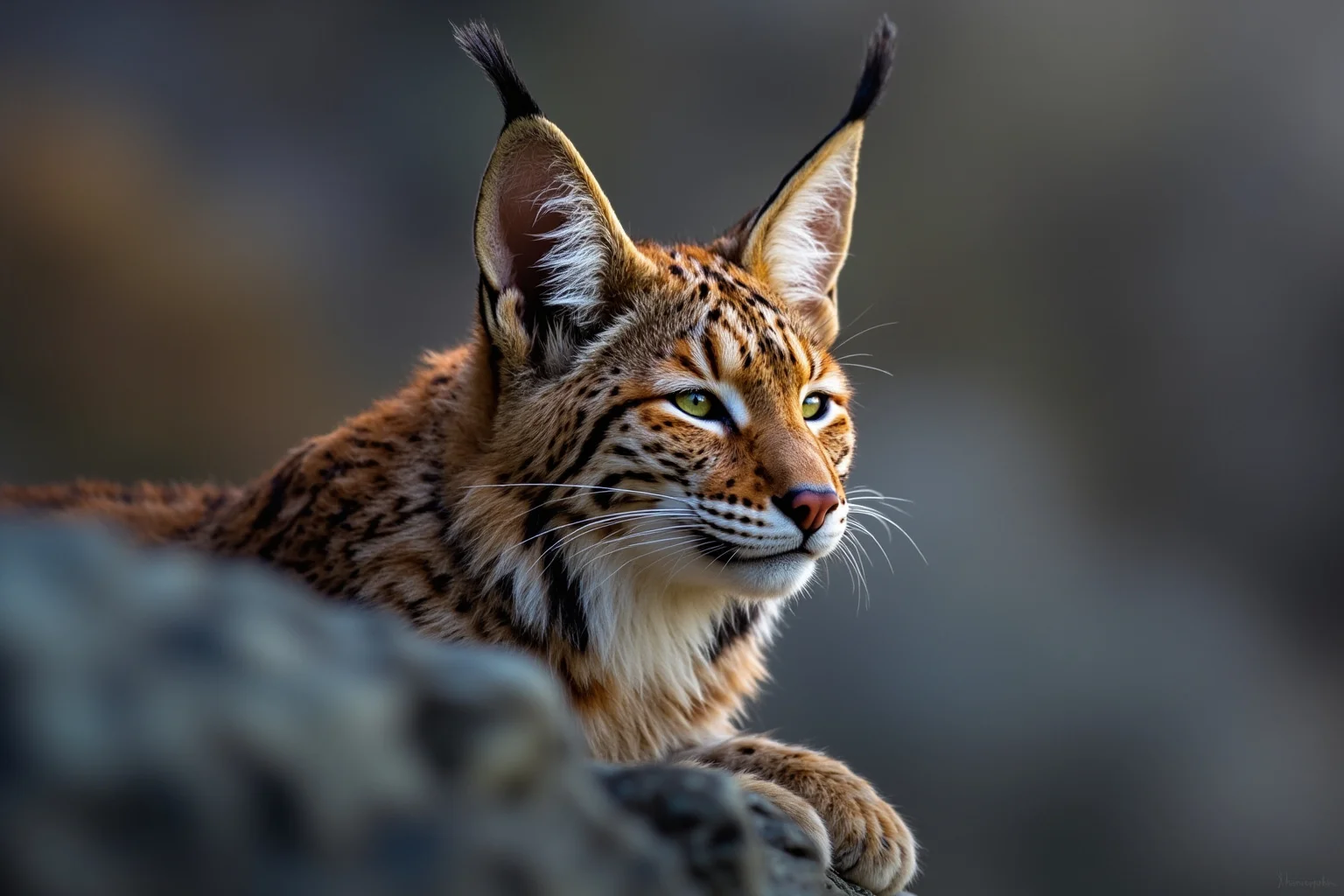
The Eurasian lynx was a medium-sized cat that lived across Europe, Asia, and parts of the Middle East during the Paleolithic and still survives today. Its remains appear in some cave sites, although it was never as common around human camps as red deer or reindeer. Lynx likely hunted hares, small deer, and birds.
Early humans probably saw lynx as occasional competitors for small game. Their spotted coats and tufted ears would have made them easy to recognize. Few Paleolithic images of lynx exist, making their bones the main evidence of their presence.
21. Straight-Tusked Elephant
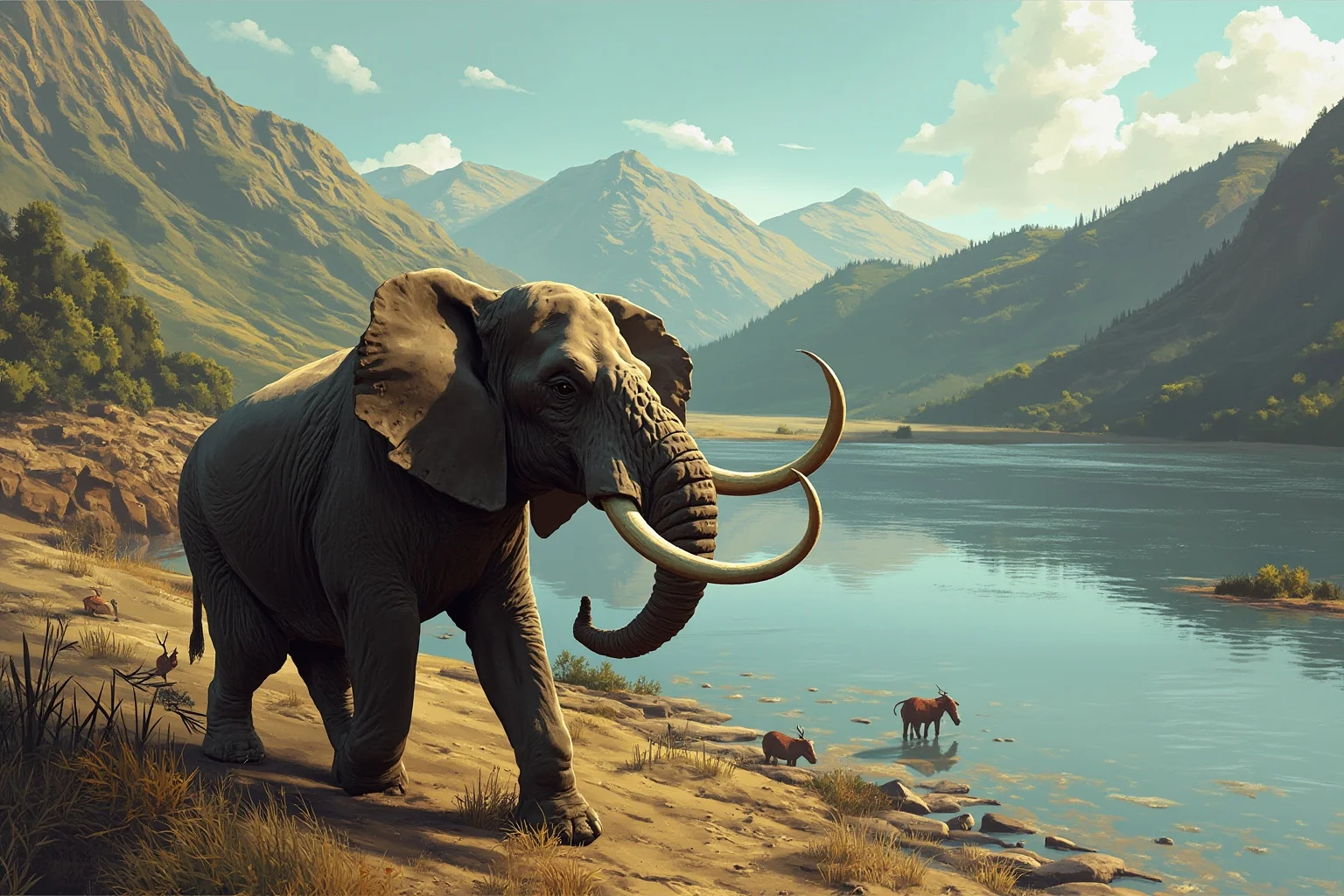
The straight-tusked elephant was one of the largest land mammals of Pleistocene Europe and western Asia. It stood taller than a modern African elephant and had long, relatively straight tusks. This forest and woodland species lived during warm interglacial phases.
Early hominins and later Paleolithic people would have seen it near rivers and forest edges. Some sites contain elephant bones with possible cut marks, suggesting butchery of carcasses. The species disappeared as the last glacial cycle reshaped its habitat.
22. Hippopotamus
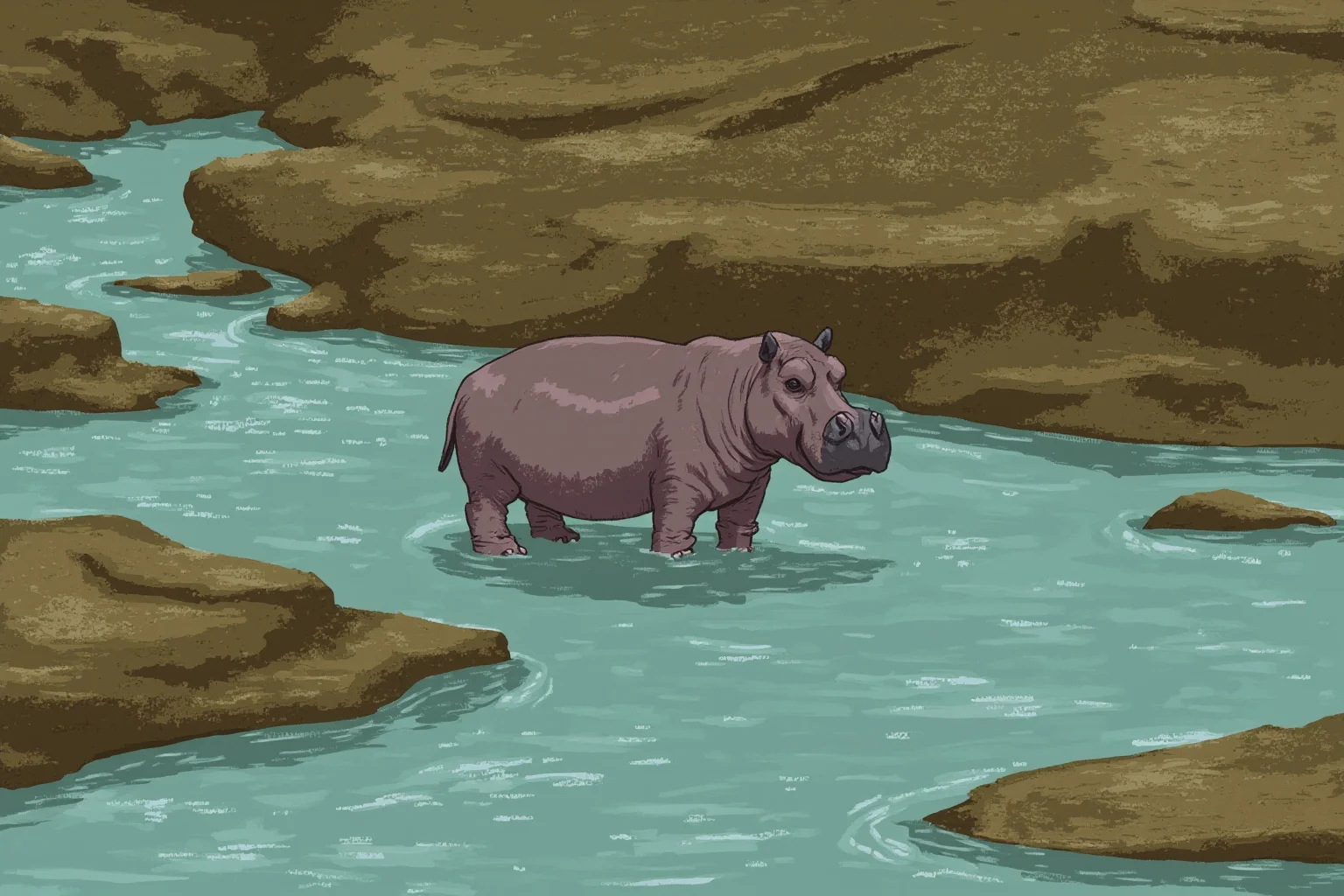
The hippopotamus is a survivor from the African Paleolithic landscape. In warm phases, it also lived in European rivers and wetlands. It was a large, amphibious herbivore that early humans in Africa would have encountered often.
Hippo bones appear at Paleolithic and earlier hominin sites in Africa. They were dangerous animals, but their meat and fat were valuable when people could scavenge or hunt one. Hippos still exist today in sub-Saharan Africa, though their ancient range was often wider.
Why Paleolithic Animals Still Matter
These animals are not just museum curiosities. They reveal how ancient humans lived, what they ate, what they feared, and how they responded to climate change. The bones and images left behind are firsthand records of a shared world.
Many people assume every animal from the Paleolithic era died in a dramatic extinction. The truth is messier. Some species vanished, others survived, and a few were transformed by domestication long after the period ended; the line between past and present is not clean.
Studying palaeolithic animals also offers a warning. Large mammals are often sensitive to rapid environmental shifts and human pressure. The end of the Ice Age shows that when ecosystems change quickly, even the most formidable animals can disappear.
Frequently Asked Questions
What animals were common in the Paleolithic era?
Common animals included woolly mammoths, woolly rhinoceroses, cave lions, steppe bison, wild horses, reindeer, and red deer. In the Americas, people also encountered mastodons, giant ground sloths, and saber-toothed cats. Many smaller survivors like Arctic foxes and musk oxen were present too.
What are the most famous animals from the Paleolithic era?
The most famous animals from the Paleolithic era are the woolly mammoth, woolly rhinoceros, cave lion, cave bear, and saber-toothed cat. These species dominate cave art, museum displays, and popular culture. They were real Ice Age animals that lived alongside early humans.
Did humans coexist with dinosaurs in the Paleolithic?
No. Dinosaurs, except for birds, died out about 66 million years ago. The Paleolithic began around 2.6 million years ago, long after non-avian dinosaurs were gone. The animals humans encountered were mammals, birds, reptiles, and fish.
Are all animals from the Paleolithic era extinct?
No. Many animals from the Paleolithic era are still alive, including reindeer, red deer, musk oxen, saiga antelope, Arctic foxes, and wild horses in some forms. Extinction hit many large mammals, especially at the end of the Pleistocene, but numerous species adapted and survived.

Alex Warren
Related Articles