

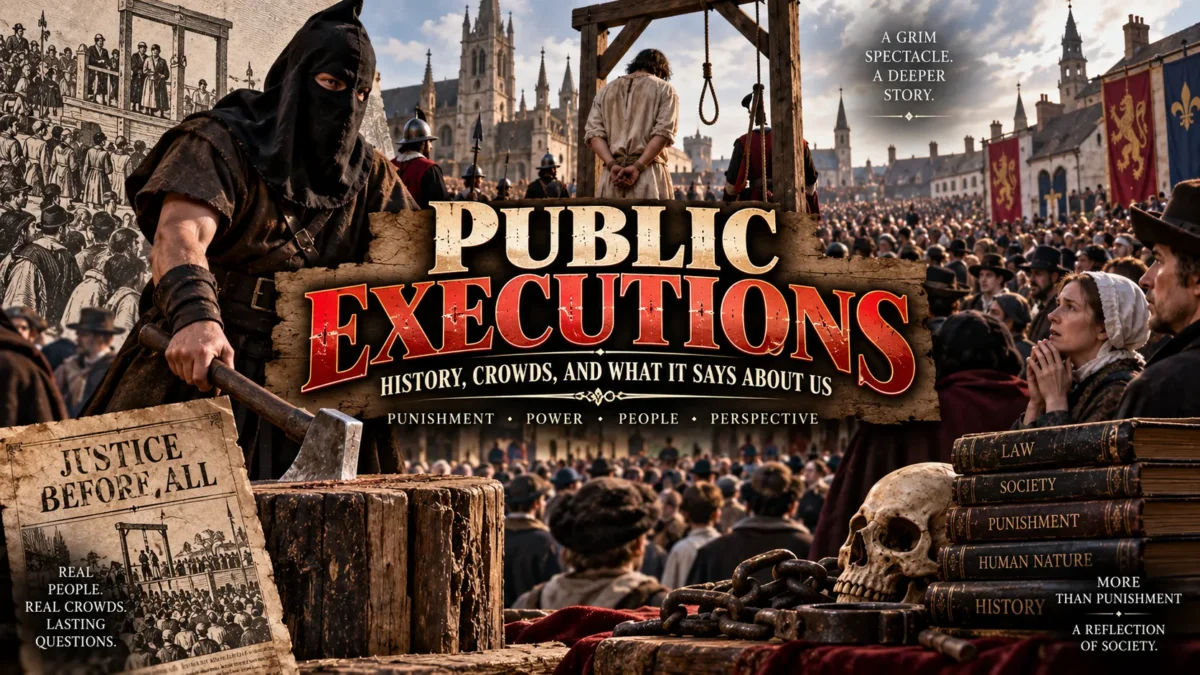
For most of human history, if you wanted to see the biggest event in town, you didn’t go to a festival or a market day. You went to the gallows.
Public executions drew bigger crowds than almost any other gathering available to ordinary people, and that fact alone tells us something uncomfortable about crowds, power, and human nature.
This post walks through the real history of public execution, the strange rituals that grew up around it, and why most of the world eventually moved the practice behind closed doors.
TL;DR: Public executions were once mass entertainment as much as punishment, and the slow shift away from them says as much about changing ideas of justice and human psychology as it does about the death penalty itself.
What “Public Execution” and “Publicly Executed” Actually Mean
At its simplest, a public execution is a death sentence carried out in front of an audience, usually in a town square, marketplace, or another location chosen precisely because people would gather there.
The phrase “publicly executed” simply describes a person whose sentence was carried out openly, in view of witnesses, rather than privately within a prison.
The key word is visibility. Governments didn’t just tolerate crowds at executions, they often depended on them, because the entire point was for as many people as possible to watch and remember.
That single idea, that punishment works best as a public spectacle, shaped centuries of law, ritual, and crowd behavior. It’s worth keeping in mind as we go through the list below.
1. Ancient Rome Turned Death Into Arena Entertainment

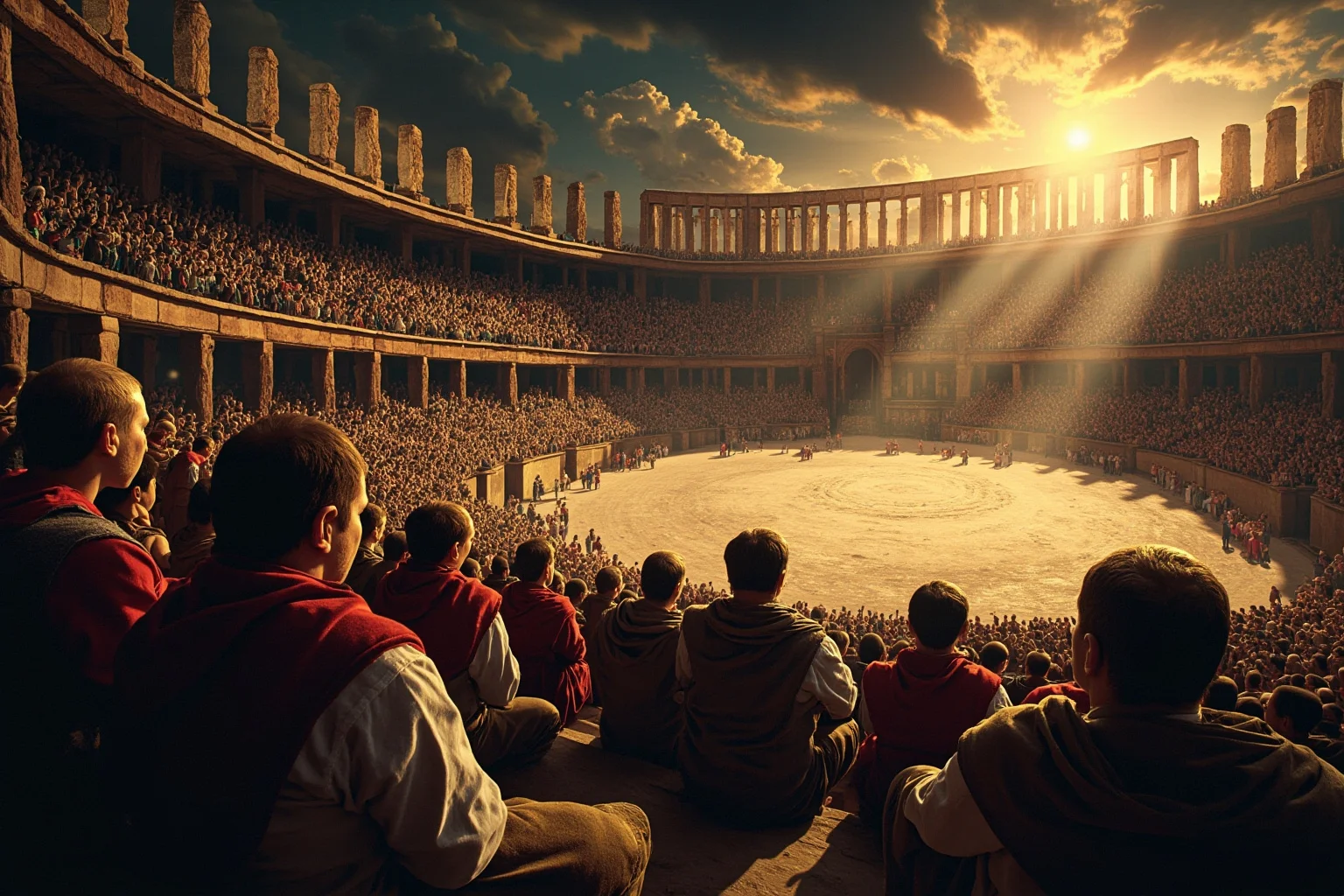
Rome didn’t invent execution, but it perfected the idea of execution as entertainment. Condemned criminals were sometimes killed in the arena as part of the same shows that featured gladiators and animal hunts, a practice historians refer to as damnatio ad bestias.
These deaths were staged for maximum visibility, often woven into mythological reenactments for dramatic effect. The Colosseum crowd wasn’t a side effect of Roman justice, it was central to it.
2. Medieval and Early Modern Europe Made Execution Days Public Holidays
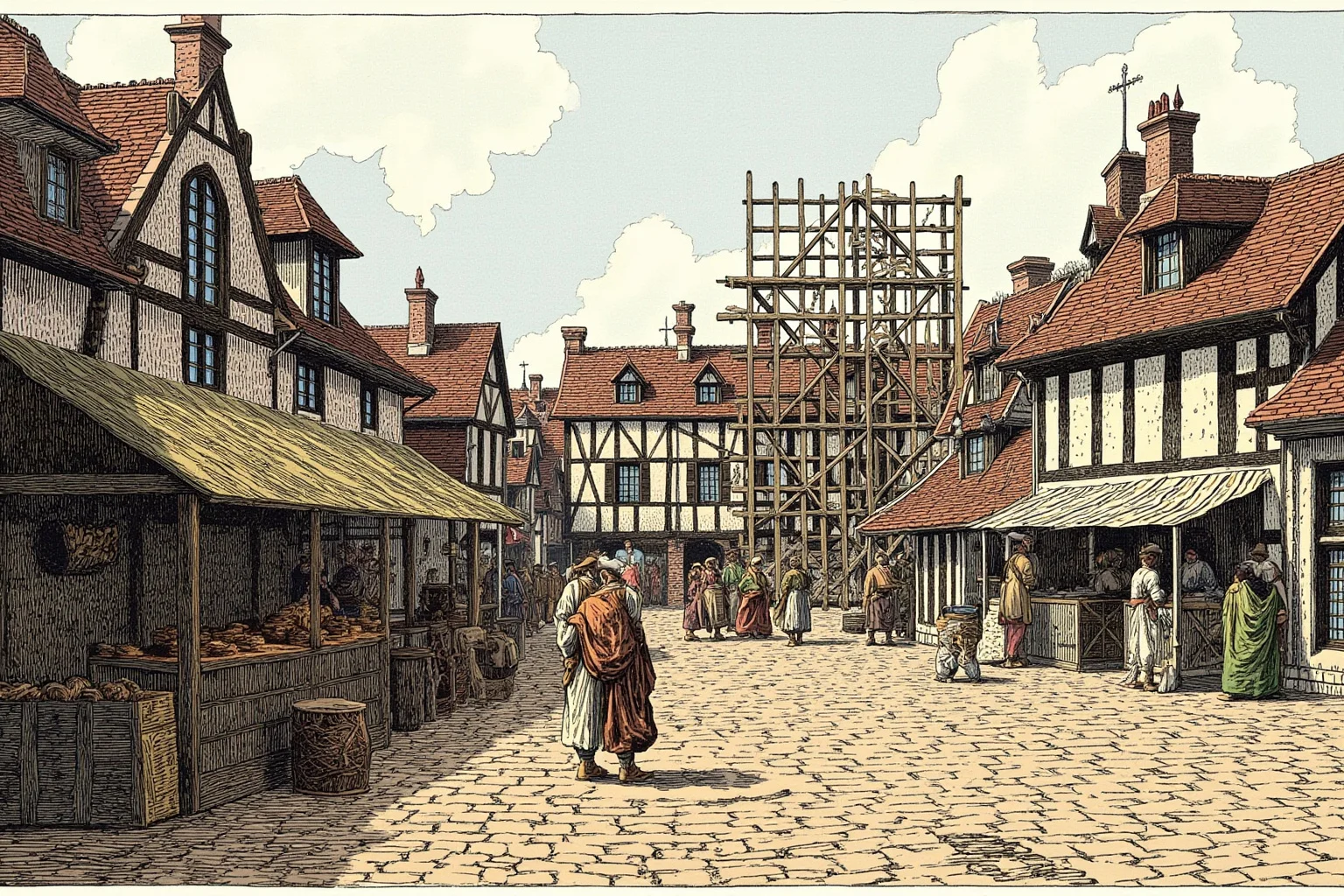
By the medieval period, hanging days had become recurring civic events in many European towns. Markets, food stalls, and even makeshift grandstands sprang up around the gallows on execution mornings.
In London, the Tyburn gallows became so associated with these gatherings that the phrase “Tyburn Fair” was used to describe the carnival atmosphere. Historical accounts describe crowds that, on notable occasions, may have reached into the tens of thousands, though exact figures from this era are difficult to verify precisely.
3. England’s “Bloody Code” Kept the Gallows Busy
Between the late 1600s and early 1800s, English law expanded to cover more than 200 capital offenses, a body of statutes historians now call the “Bloody Code.” Crimes as minor as stealing a handkerchief or poaching a rabbit could technically carry a death sentence.
This meant public hangings weren’t rare, dramatic occasions reserved for murderers. They were a routine, almost weekly feature of urban life in cities like London.
4. The 1645 Witch Trial Hangings Remain One of England’s Deadliest Days
During the mid-1640s, England experienced one of its most intense waves of witch-hunting, driven largely by the self-styled “Witch-Finder General,” Matthew Hopkins. His campaign swept through East Anglia and resulted in dozens of trials and executions over a short span.
According to historical accounts, a particularly large mass hanging tied to this campaign took place in 1645, with reports citing roughly 18 individuals executed in a single event, most of them women accused of witchcraft, often alongside claims that they kept animal familiars as companions. Historians note that exact figures vary slightly between sources, but this period is widely regarded as one of the deadliest witch-hunting episodes in English history.
5. Crowds Could Number in the Tens of Thousands
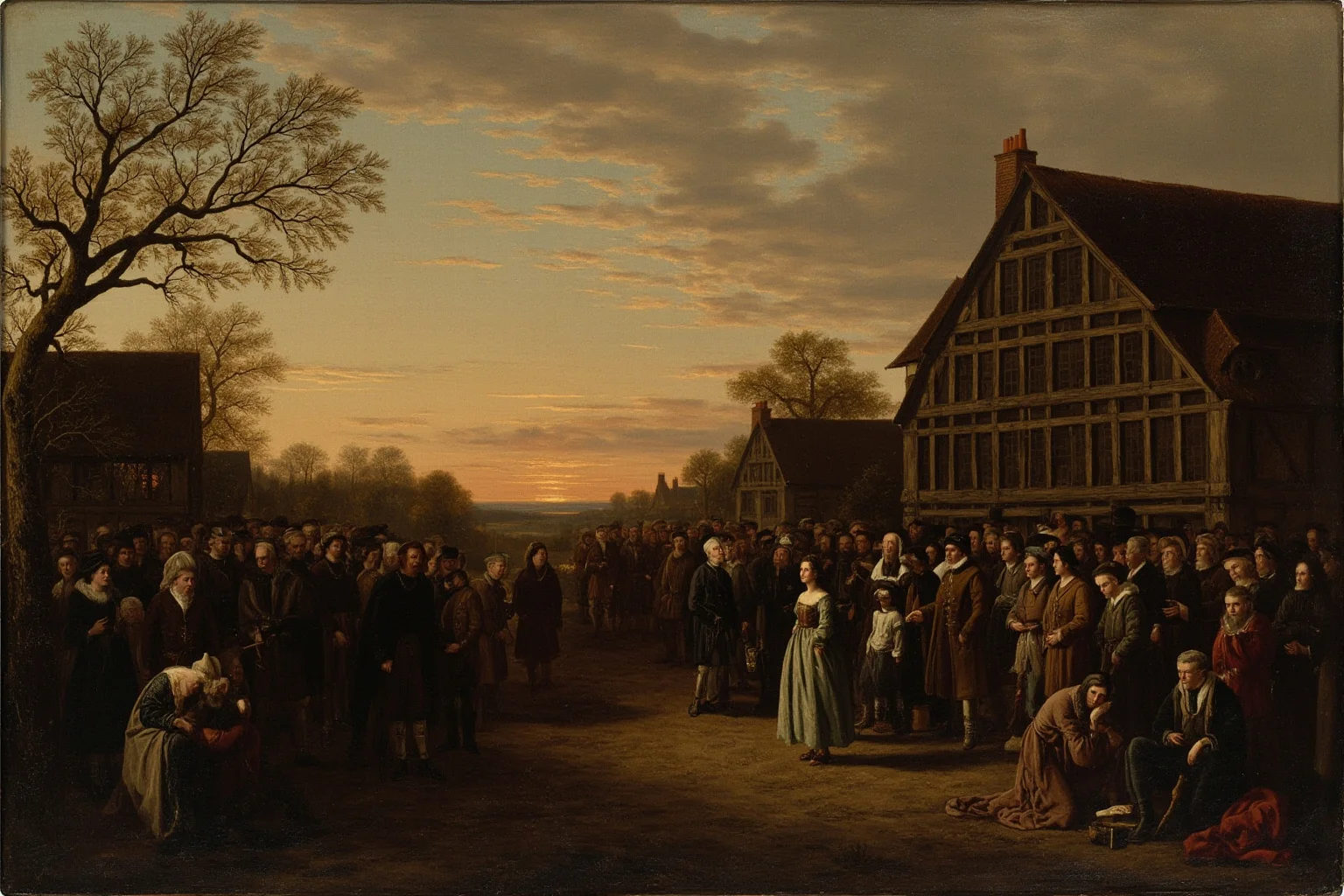
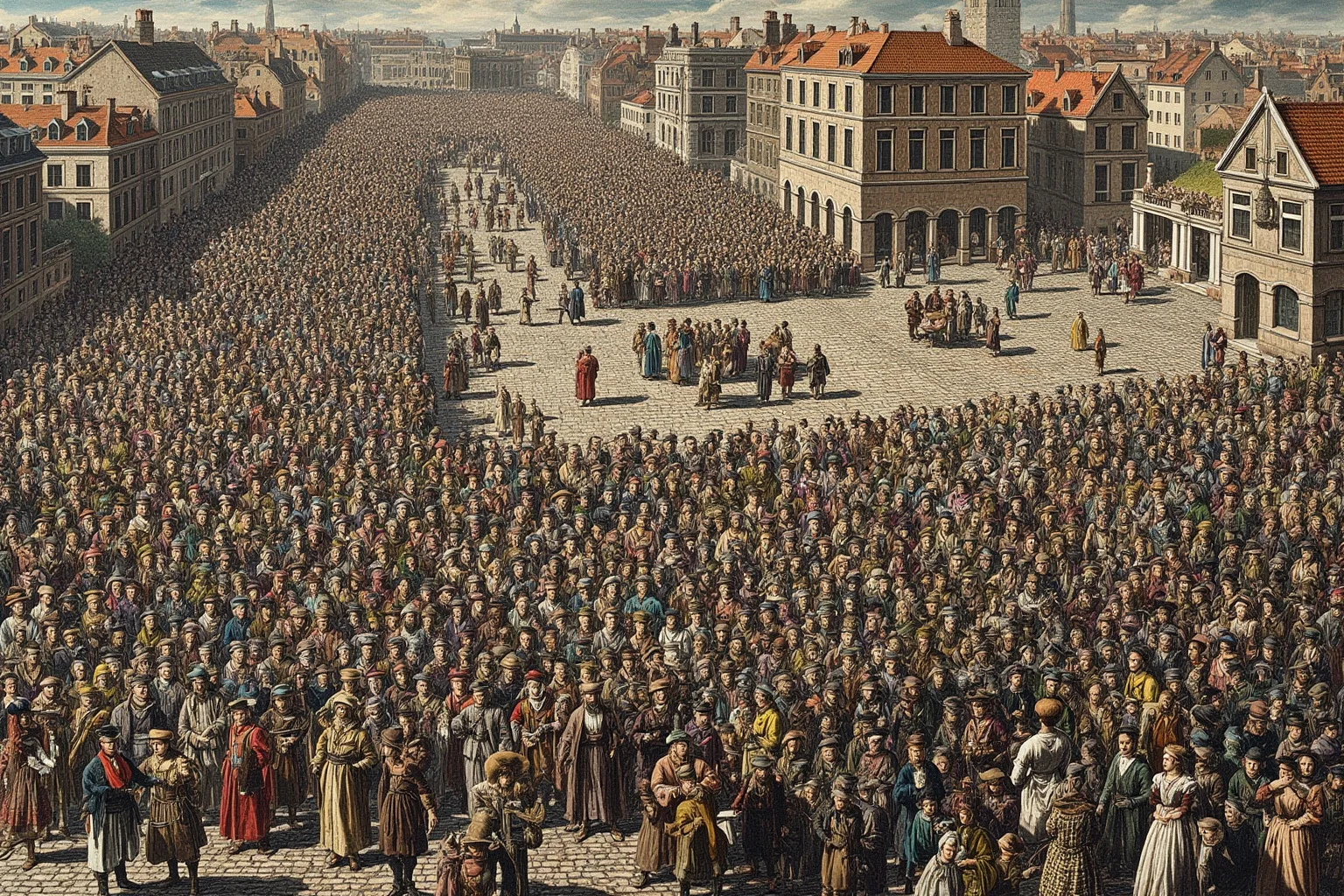
When a particularly notorious criminal was scheduled to die, execution crowds could dwarf almost any other public gathering of the era. Contemporary writers occasionally described crowds so large that surrounding streets became impassable.
These weren’t unruly mobs by accident. Authorities often relied on the size of the crowd to reinforce the deterrent message, treating a full house as proof the punishment was working as intended.
6. Vendors Turned Hangings Into Street Fairs
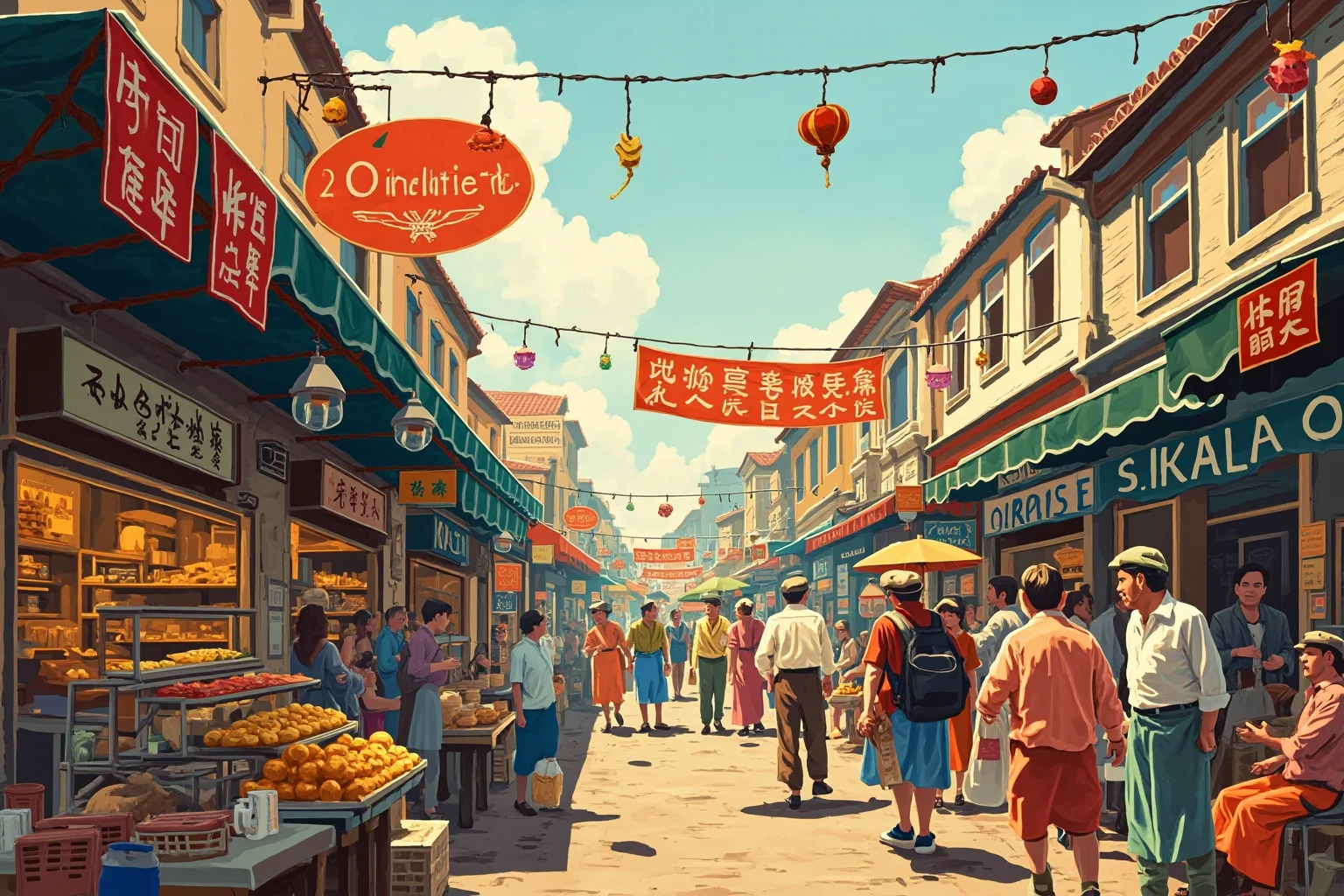
Wherever large crowds gathered, commerce followed. Food sellers, pamphlet hawkers, and even performers set up around execution sites, turning what was meant to be a solemn punishment into something closer to a market day.
This commercial layer is part of why historians describe many public hangings as having a festival-like atmosphere, uncomfortable as that may sound to modern readers. The event was grim, but the surrounding scene was often anything but somber.
7. The Gallows Speech Was Part of the Show
In many public execution traditions, especially in Britain and its colonies, the condemned was expected to deliver a final speech before death. These speeches often included a confession, a religious statement, or a warning to onlookers to avoid a similar fate.
Crowds anticipated these moments the way audiences anticipate a dramatic climax. Printers even competed to publish the “true and final words” of famous condemned prisoners, whether or not those words were entirely accurate.
8. Executioners Became Celebrities in Their Own Right
Skilled executioners sometimes developed public reputations, admired for efficiency or feared for cruelty depending on how a hanging or beheading went. A clean, quick death was seen as a mark of professional skill, while a botched one could turn the executioner into a target of public anger.
Some executioners held their post for decades and became minor local celebrities. Their presence at the scaffold was itself part of the spectacle audiences came to see.
9. Methods Depended on Your Class and Crime
Not all condemned people died the same way, and the method itself carried social meaning. Beheading was often reserved for nobility, considered a swifter and more “honorable” death, while hanging was the common method for ordinary criminals.
Treason, in particular, could carry especially severe and theatrical punishments in earlier centuries. The choice of method was rarely random. It was a public statement about the condemned person’s crime and status.
10. Burning at the Stake Targeted Women Differently Than Men
Under English law, a woman who killed her husband could historically be charged with “petty treason” rather than ordinary murder, a distinction that in earlier centuries could carry a sentence of burning rather than hanging. This particular punishment remained on the books in England until it was formally abolished in the late 18th century.
This distinction reveals how public execution wasn’t purely about the crime committed. It was also about reinforcing social hierarchies, including the expected obedience of wives to husbands.
11. Broadsides and Ballads Spread the Story Before Social Media Existed
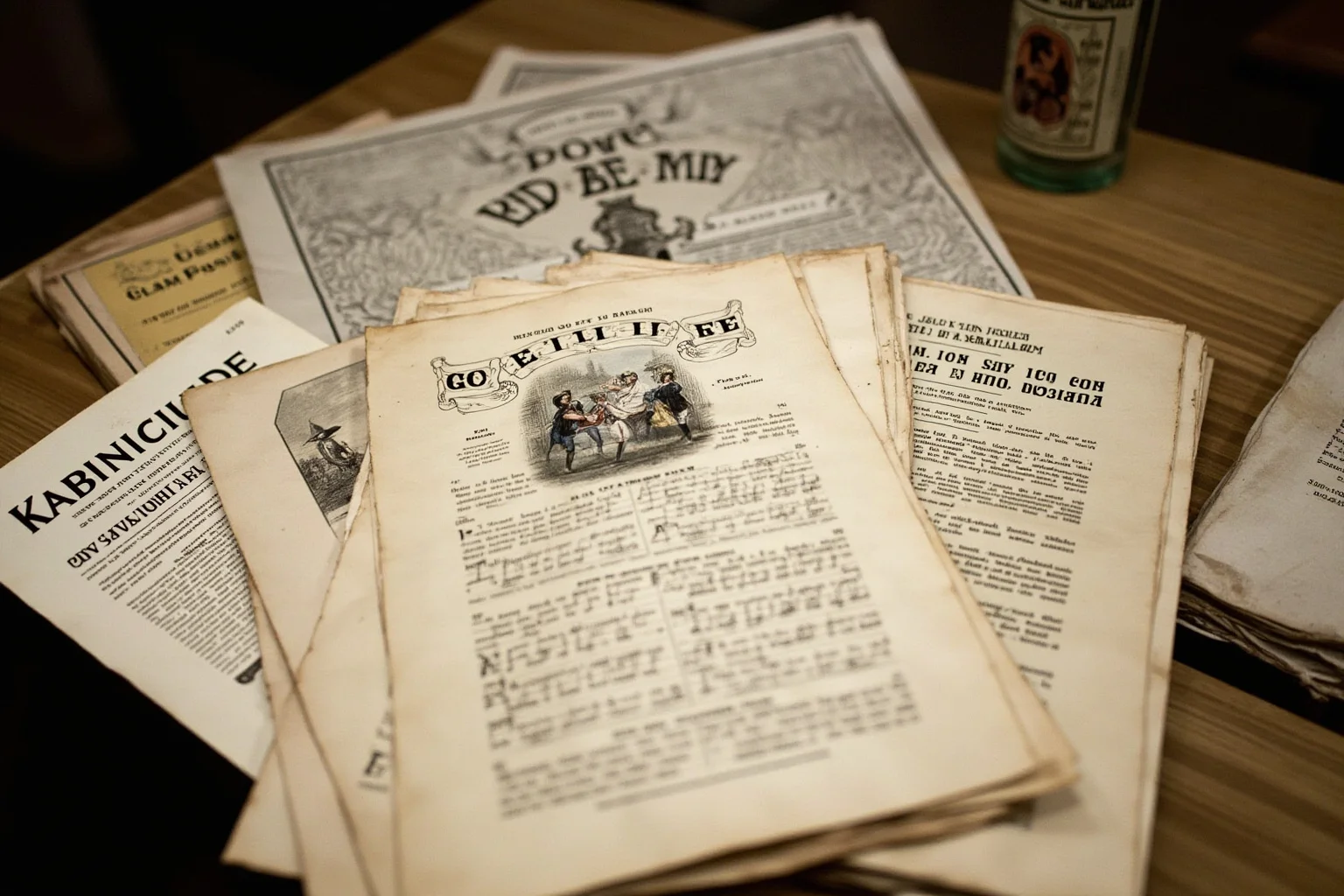
Long before newspapers were common, cheap printed sheets called broadsides circulated stories, confessions, and ballads about famous executions. These were sold at the scaffold itself and in the days following.
They served the same function viral news stories serve today: spreading dramatic, moralized versions of events far beyond anyone who actually witnessed them. Some ballads outlived the memory of the crime itself.
12. The Murder Act of 1752 Added a Public Dissection to the Punishment
In Britain, the Murder Act of 1752 allowed judges to sentence convicted murderers to public dissection after death, in addition to hanging. The idea was to add an extra layer of disgrace, since dissection was widely viewed as a violation of the body and an obstacle to a proper burial.
This law reflects just how far authorities were willing to go to make execution feel like a complete, memorable deterrent. Death alone wasn’t always considered punishment enough.
13. Souvenir Hunters Wanted a Piece of the Body or the Rope
Historical accounts describe crowds occasionally rushing the scaffold after a hanging to grab fragments of rope, clothing, or splinters of wood, believed by some to carry good luck or medicinal properties. This behavior has been documented in accounts of English public hangings across several centuries.
It’s a strange but telling detail. Even in death, the condemned became an object people wanted a physical piece of, almost like a modern souvenir from a major event.
14. Children Were Often Brought Along as a Moral Lesson

Families frequently brought children to public hangings, viewing it as an educational moment rather than something to shield young people from. The reasoning at the time was straightforward: seeing the consequences of crime firsthand was thought to instill obedience and moral discipline.
Modern readers often find this detail jarring. But it underscores how normalized public execution once was as a fixture of ordinary community life, not a hidden or shameful event.
15. The French Revolution Made the Guillotine a Public Ritual
During the French Revolution, the guillotine became one of history’s most infamous execution tools, used publicly and often repeatedly in the same locations, such as the Place de la Révolution in Paris. Crowds gathered daily during the most intense periods of the Terror to watch sentences carried out against aristocrats and political enemies alike.
The guillotine was actually promoted at the time as a more humane, egalitarian method of death, since it applied the same swift execution to nobility and commoners alike. Its public use nonetheless became one of the most vivid symbols of revolutionary violence in European history.
16. America’s Frontier Hangings Drew Massive Crowds Too
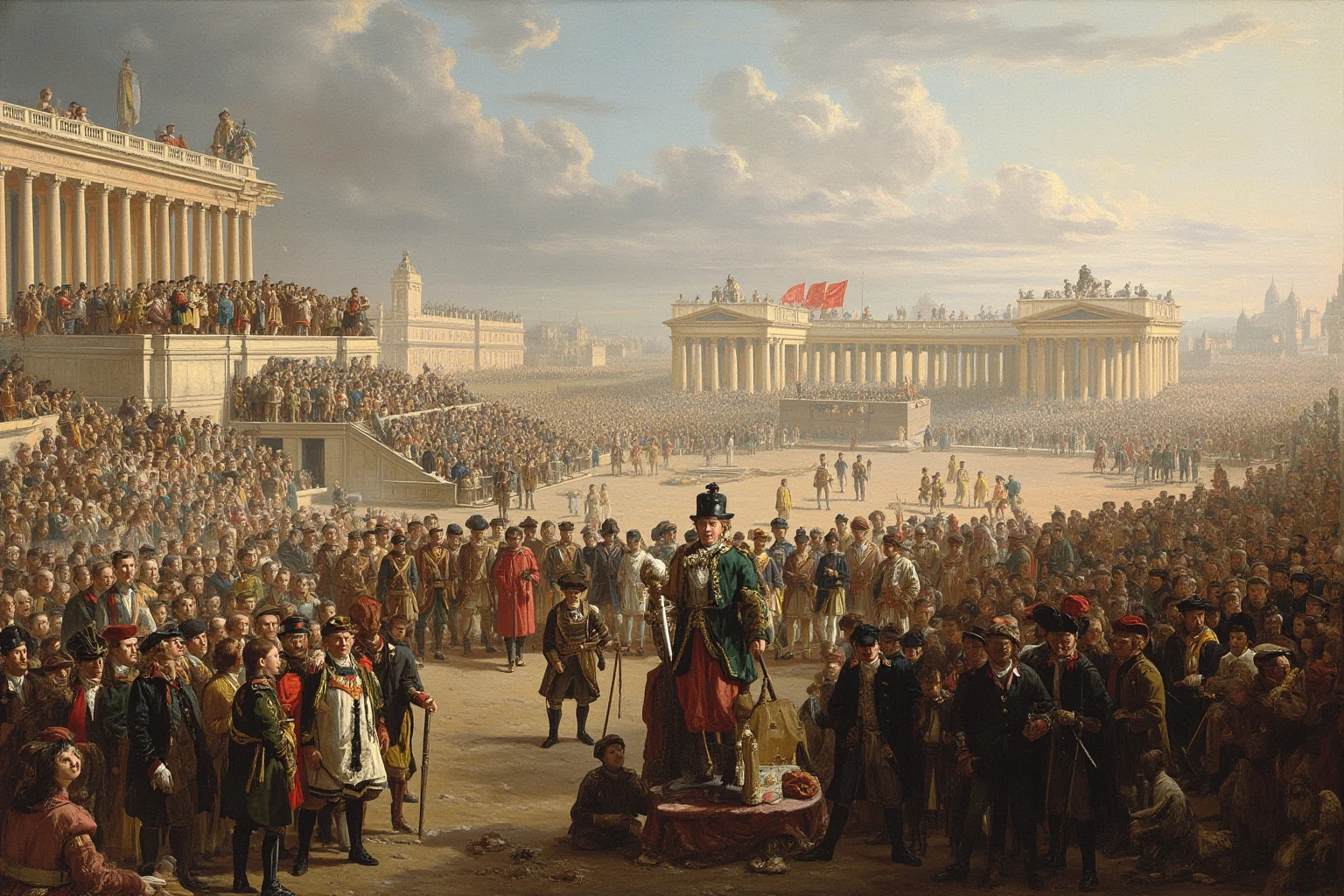
Public hangings weren’t just a European tradition. In 19th-century America, particularly in frontier towns, public hangings of notorious outlaws could draw crowds from surrounding counties, sometimes numbering in the thousands.
Newspapers of the era covered these events extensively, occasionally selling tickets or reserved viewing spots for a fee. The line between justice and entertainment was often just as blurred in the American West as it had been in Europe.
17. Britain’s Last Public Hanging Happened in 1868
On May 26, 1868, Michael Barrett was hanged outside Newgate Prison in London for his role in the Clerkenwell bombing, an event that killed several bystanders. His execution is generally recognized as the last public hanging in Britain.
Shortly afterward, Britain passed the Capital Punishment Amendment Act of 1868, moving all future executions behind prison walls. Public appetite for the spectacle hadn’t necessarily faded, but official attitudes toward it clearly had.
18. France’s Last Public Execution Was Accidentally Filmed
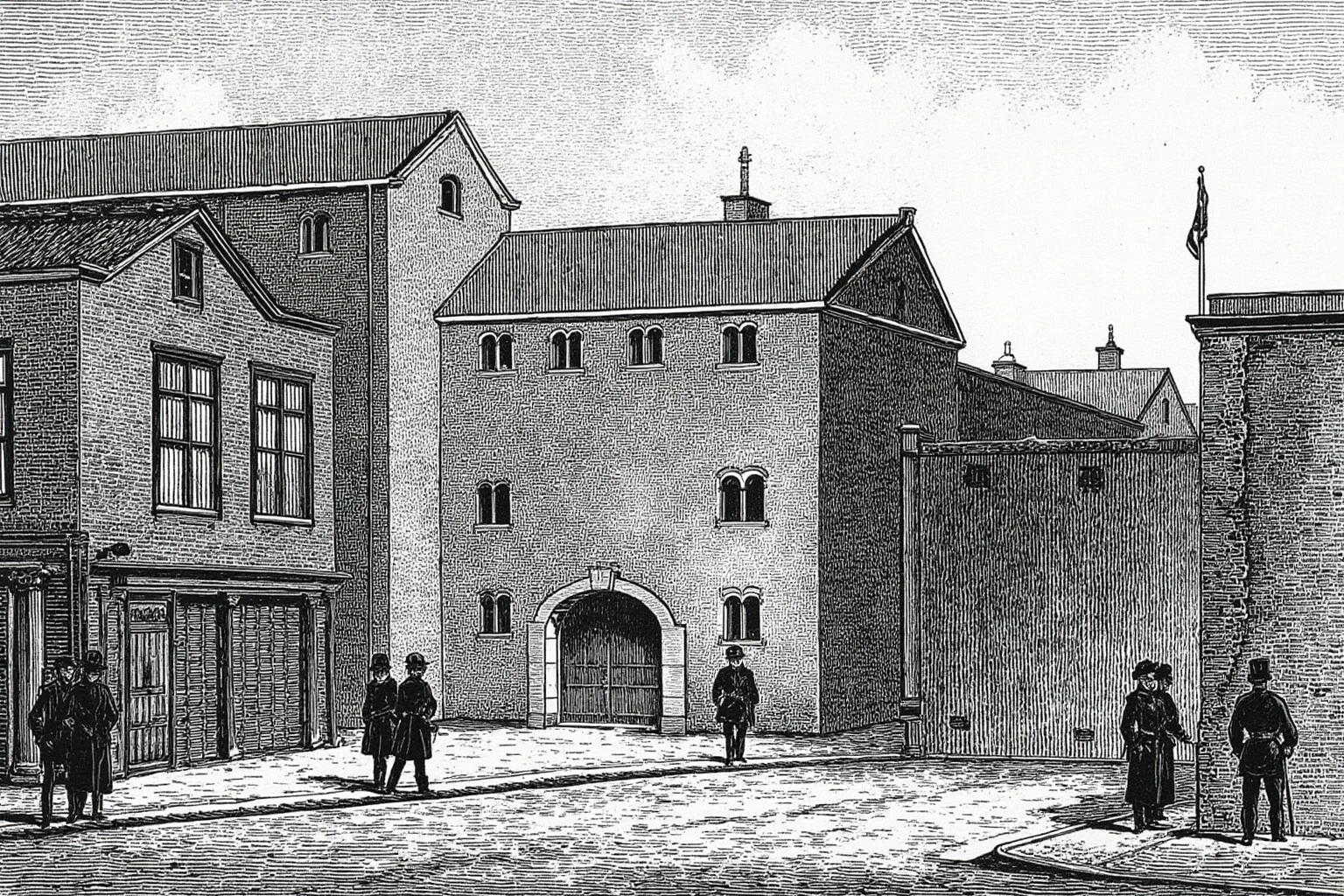
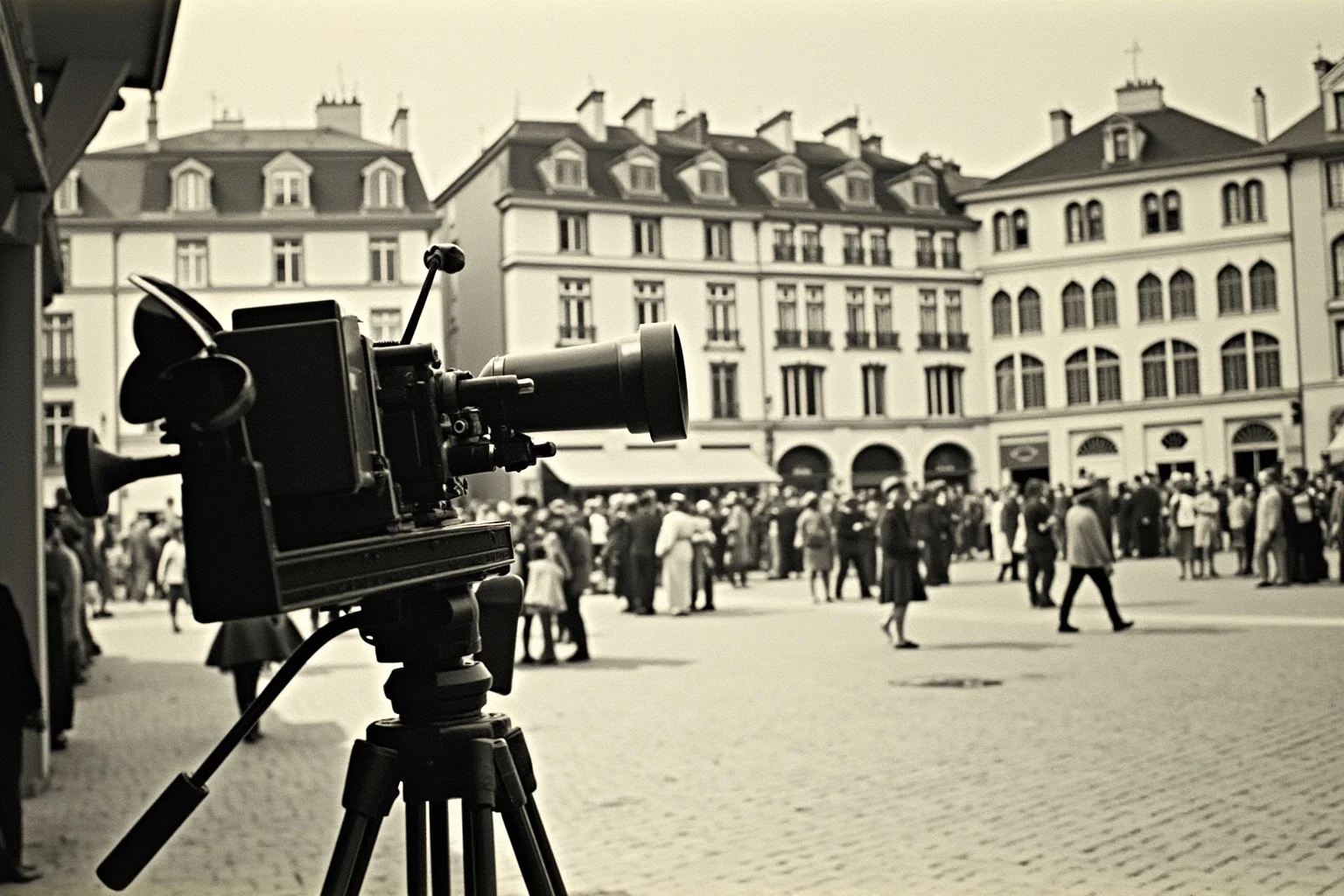
France’s final public execution took place in 1939, when Eugen Weidmann was guillotined outside a prison in Versailles. Crowds reportedly behaved so disorderly, and the event was captured on film in a way authorities hadn’t intended, generating public backlash over how undignified the scene appeared.
France subsequently ended public executions, continuing capital punishment privately until abolishing the death penalty entirely in 1981. The Weidmann case is often cited as the moment the spectacle finally became too embarrassing for the state to continue endorsing.
19. America’s Last Public Execution Took Place in Kentucky in 1936
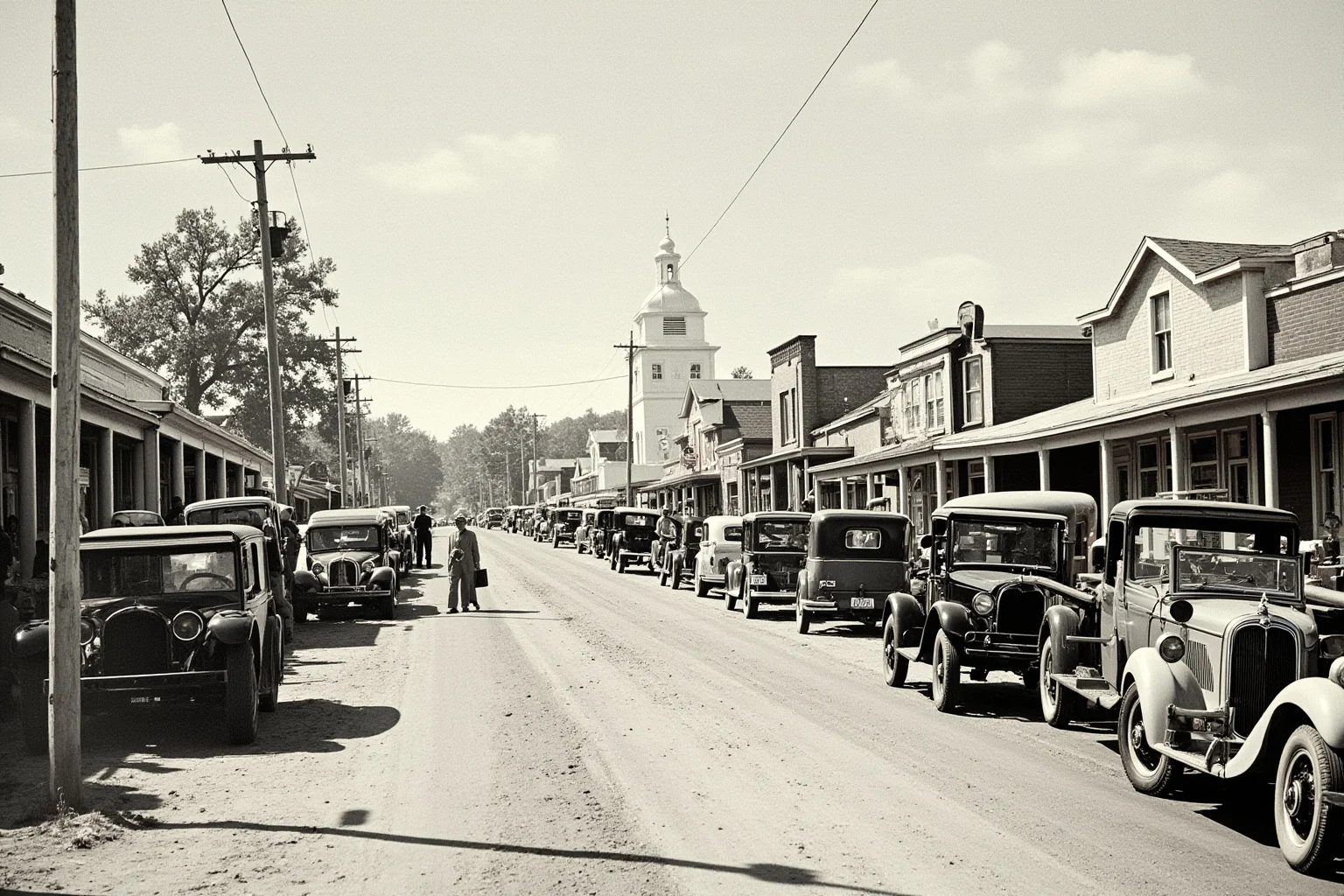
On August 14, 1936, Rainey Bethea was hanged in Owensboro, Kentucky, in what is widely regarded as the last public execution carried out in the United States. Estimates of the crowd size vary across historical accounts, but reports describe thousands of spectators gathering for the event.
Media coverage of the chaotic, carnival-like atmosphere surrounding the hanging drew national criticism. It’s frequently pointed to as a turning point in American attitudes toward execution as public spectacle.
20. Why Governments Eventually Moved Executions Behind Walls
By the late 19th and early 20th centuries, many governments began shifting executions out of public view entirely, citing concerns about crowd behavior, public order, and the dignity of the process. Officials increasingly worried that instead of instilling moral lessons, executions were simply providing grim entertainment.
This shift wasn’t purely humanitarian. It also reflected changing ideas about state authority, favoring quiet, bureaucratic control over dramatic public demonstrations of power.
21. Are Public Executions Still a Thing Today?
Yes, though they are far rarer and increasingly condemned internationally. Human rights organizations, including Amnesty International, have documented public executions continuing in a small number of countries, including Saudi Arabia, Iran, and North Korea, though exact practices and frequency are difficult to verify independently given limited transparency in these regions.
Most nations that retain capital punishment now carry it out privately, typically within prison facilities and with restricted witness lists. The public execution, as a mass civic event, has largely disappeared from the modern world, though it hasn’t vanished entirely.
What The Crowds Tell Us About Us
Looking back at centuries of public execution history, one pattern stands out. Crowds didn’t just tolerate these events, they actively sought them out, treated them as social occasions, and built entire economies of vendors, pamphlets, and souvenirs around them.
That’s not necessarily proof that people are naturally cruel. Psychologists and historians have offered other explanations, including the human tendency to seek reassurance about moral order, curiosity about mortality, and the simple pull of shared communal experience, even a grim one.
What changed wasn’t really human nature. What changed was official policy, media coverage, and social norms around what counted as acceptable public behavior. The fascination with crime, punishment, and justice hasn’t gone away, it has simply moved from the town square to true crime podcasts, courtroom broadcasts, and endless online debate.
Understanding this history isn’t about judging the past from a place of comfortable distance. It’s a reminder that the line between justice and spectacle has always been thinner than most societies would like to admit.
Frequently Asked Questions
What happened in the 1645 executions of 18 individuals?
This refers to a mass hanging tied to Matthew Hopkins' witch-hunting campaign in England during 1645, in which historical accounts describe roughly 18 people, mostly women accused of witchcraft, being executed in a single event. It's considered one of the deadliest episodes of England's witch trials, though some historical sources vary slightly on the exact number and date.
Are public executions still a thing today?
Yes, though they're now rare and widely condemned internationally. Human rights groups such as Amnesty International report that a small number of countries, including Saudi Arabia, Iran, and North Korea, have carried out public executions in recent years, though most nations that retain capital punishment now perform it privately.
What does ‘publicly executed’ actually mean?
Being publicly executed means a person's death sentence was carried out in an open, visible setting in front of witnesses, such as a town square or outside a prison, rather than privately inside a correctional facility. The goal historically was deterrence through visibility, ensuring as many people as possible saw the punishment.
When did public executions stop in Britain and the United States?
Britain's last public hanging took place in 1868, after which executions moved behind prison walls under the Capital Punishment Amendment Act. In the United States, the last public execution is generally recognized as Rainey Bethea's hanging in Owensboro, Kentucky, in 1936.
Why did public hangings attract such large crowds?
Public hangings combined entertainment, moral instruction, and community gathering into one event, often accompanied by vendors, pamphlets, and souvenir sellers. Historians point to curiosity about mortality, social bonding, and reassurance about moral order as key psychological drivers behind the crowds.
Is public execution history the same as capital punishment history?
Not exactly. Capital punishment history covers the death penalty broadly, including private and modern methods, while public execution history specifically focuses on executions carried out openly before crowds as a deliberate deterrent and spectacle.

Alex Warren
Related Articles





