

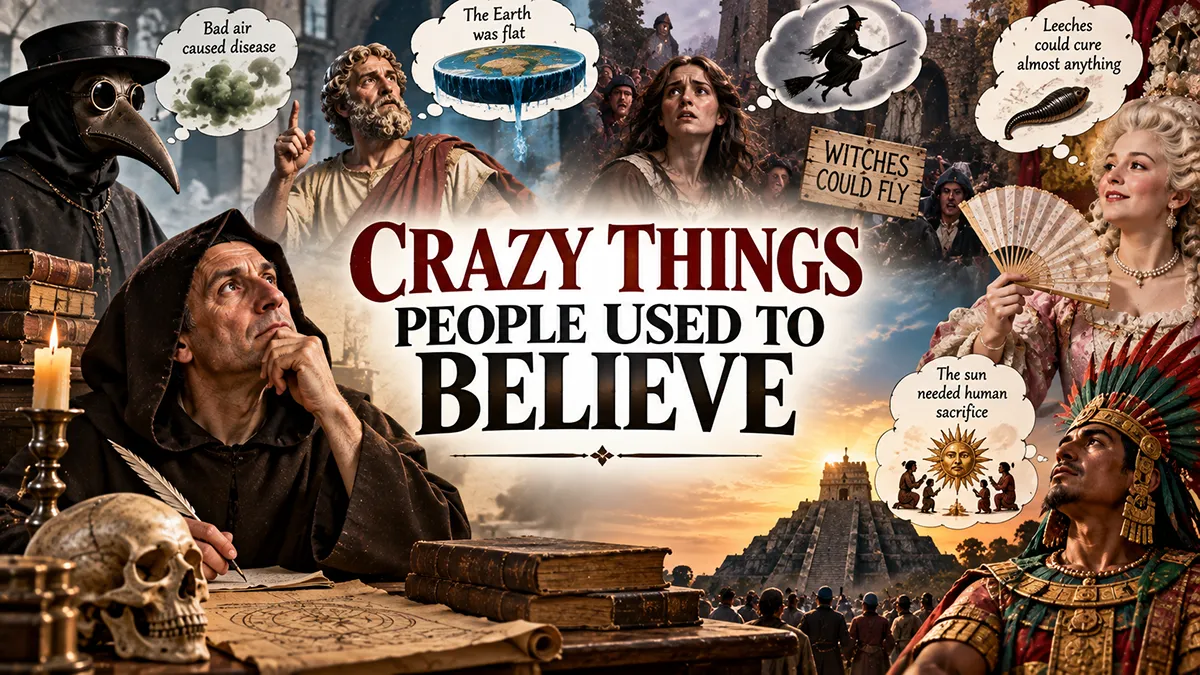
Every era thinks it has finally figured things out, right up until the next generation looks back and cringes. Throughout history’s many eras, entire societies confidently accepted ideas that we now know were flat-out wrong — and they didn’t just believe them casually.
Doctors bled patients to cure fevers, sailors feared falling off the edge of the world, and respected scientists insisted that mice could be born from dirty rags.
What’s even stranger is that some of these myths never really died. A handful of surprising facts people still believe are true today trace directly back to misunderstandings that are centuries old.
This list walks through the weirdest, most confidently-held wrong ideas in history, plus a few modern myths that somehow refuse to go away.
TL;DR: From bloodletting to flat-earth myths to radioactive toothpaste, history’s “common knowledge” was often dead wrong — and a surprising number of these ideas are still floating around today.
Why People Believe Strange Things in the First Place
Before diving into the list, it helps to understand why people believe strange things at all. Humans are pattern-seeking creatures, and before the scientific method became standard practice, observation plus tradition plus authority was usually enough to settle a question. If a respected physician or priest said something confidently enough, it became accepted fact.
Misinformation also spreads because it’s often more emotionally satisfying than the truth. A monster at the edge of the map is a better story than empty ocean, and a wandering womb is easier to “diagnose” than the complexities of mental health. Understanding this pattern is part of what makes history so useful — it shows us exactly how things people believe in can take hold even when the evidence doesn’t support them.
1. The Earth Was Flat, and Everyone Believed It
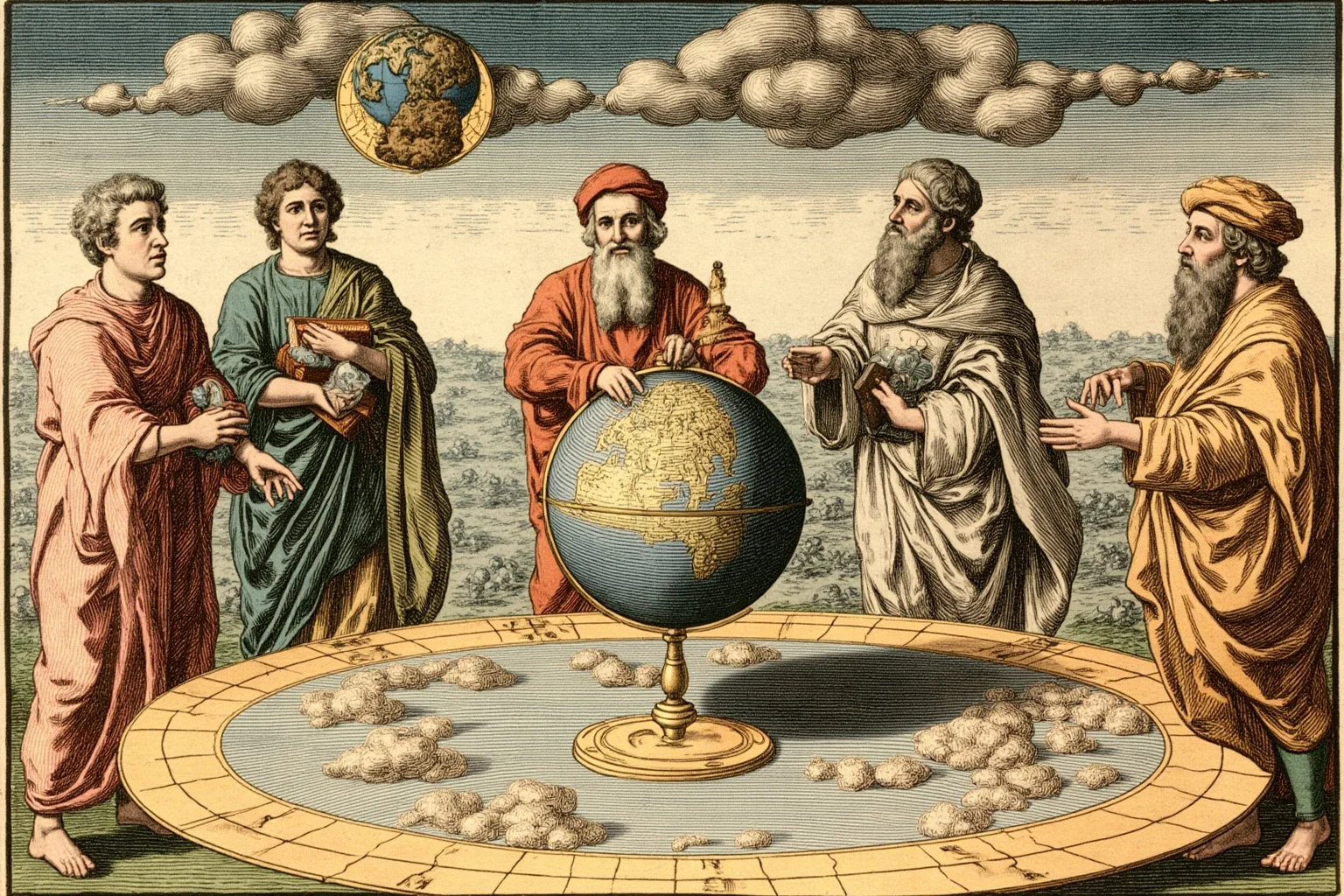
Here’s a myth about a myth: educated Europeans in the Middle Ages did not generally think the Earth was flat. Ancient Greek scholars like Eratosthenes calculated the Earth’s circumference with impressive accuracy back around 240 BCE, and that knowledge was preserved by medieval scholars and the Church.
The flat-earth myth was largely popularized in the 19th century by writers who wanted to paint earlier eras as ignorant. It’s a great example of how what did people believe in the past often gets exaggerated or distorted by later generations telling a simpler story.
2. Bloodletting Would Cure Almost Any Illness
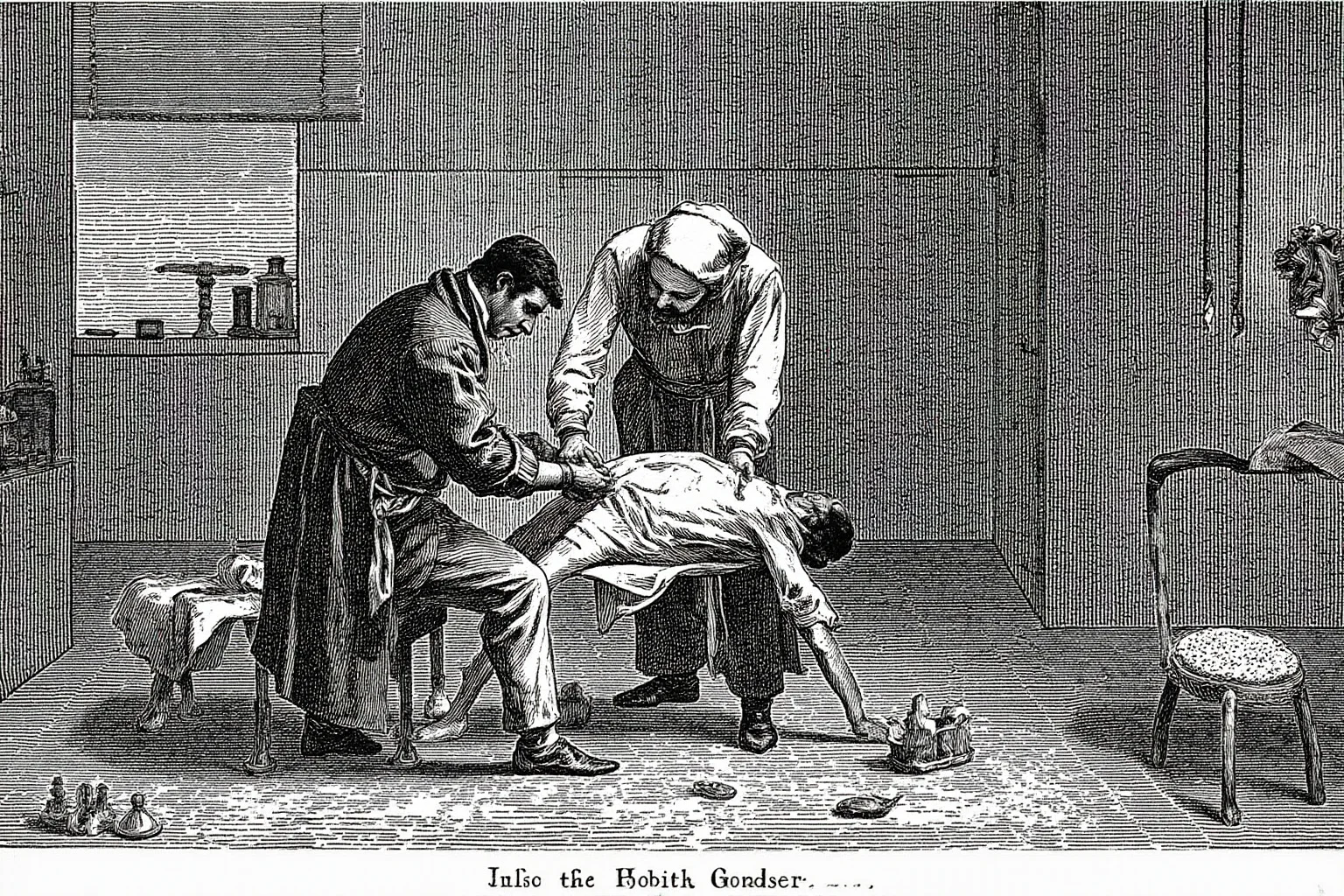
For over 2,000 years, physicians across Europe, the Middle East, and Asia believed that draining a patient’s blood could cure everything from fevers to headaches to plague. The practice was rooted in humoral theory and was standard medical practice well into the 19th century.
George Washington was bled heavily by his doctors in his final illness in 1799, likely worsening his condition. It remains one of the freakiest things people have done in the name of medicine, precisely because it was done with total sincerity by trained professionals.
3. Bad Air Alone Caused the Black Death

When the Black Death swept through Europe in the 1340s, most physicians blamed “miasma,” or bad-smelling air, for spreading the disease. This belief led to the iconic plague doctor masks stuffed with fragrant herbs, designed to filter out the supposedly toxic vapors.
We now know the plague was spread primarily by fleas carried on rats, transmitting the bacterium Yersinia pestis. Miasma theory persisted for centuries afterward and shaped public health policy well into the 1800s, long after better explanations were available.
4. Life Could Spring From Nothing

Spontaneous generation was the widely held belief that living creatures could arise directly from non-living matter. People believed maggots formed from rotting meat on their own, and that mice could spontaneously appear from piles of wheat and old rags.
This wasn’t a fringe idea; it was taught as scientific fact by figures like Aristotle and remained mainstream until the 1600s and beyond. It took careful experiments by scientists like Francesco Redi and later Louis Pasteur in the 19th century to finally put the theory to rest.
5. The Four Humors Controlled Health and Mood
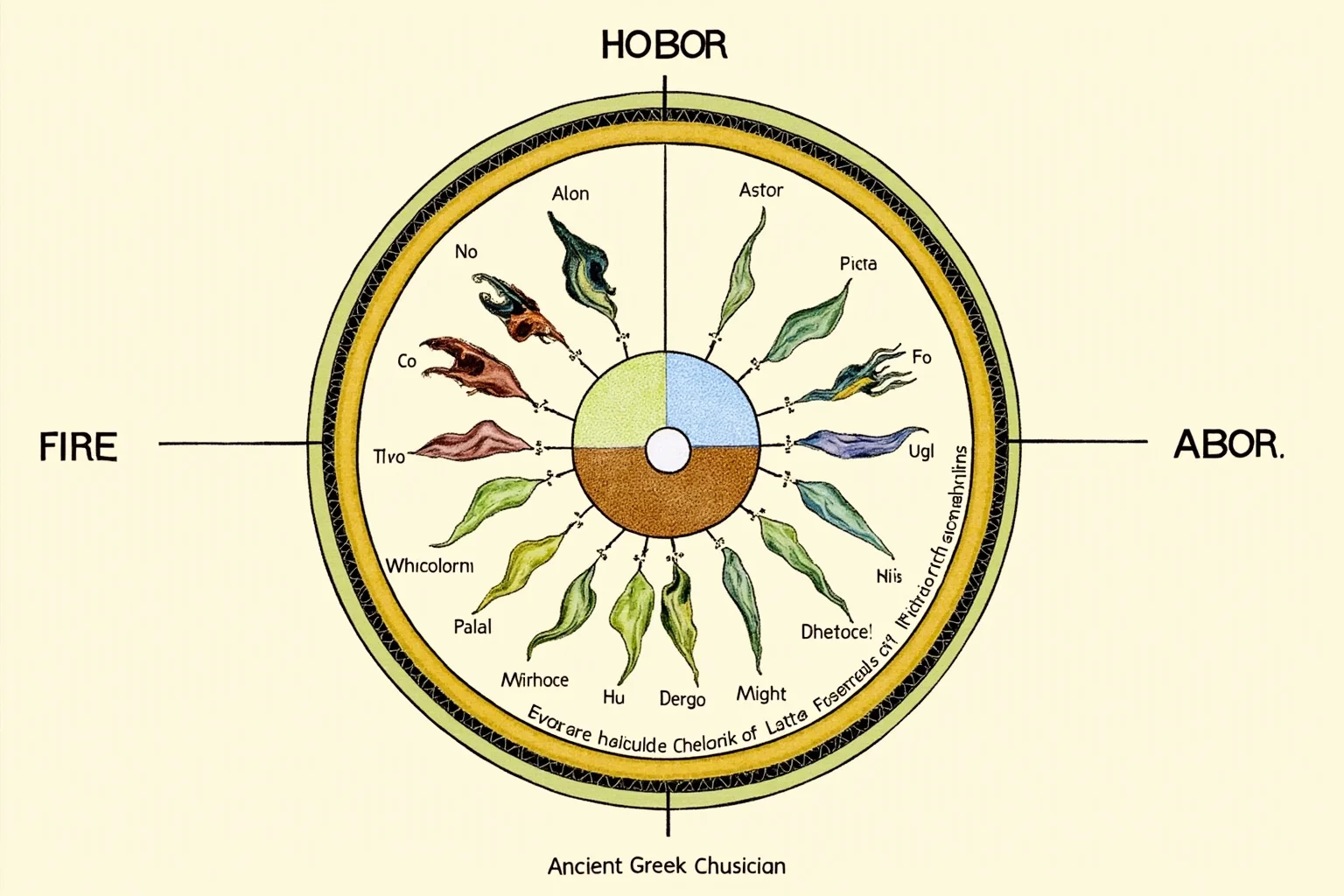
Ancient Greek medicine, especially through Hippocrates and later Galen, held that the body was governed by four fluids: blood, phlegm, black bile, and yellow bile. An imbalance among these humors was believed to cause both physical illness and personality traits like being “melancholic” or “choleric.”
This theory dominated Western medicine for roughly 1,500 years. It’s a striking example of how what people believed in about the human body could remain unchallenged for so long simply because no better framework had taken hold yet.
6. Tomatoes Were Poisonous

When tomatoes arrived in Europe from the Americas in the 16th century, many wealthy Europeans avoided them, convinced they were toxic. The real culprit was their pewter plates, which contained lead that leached out when it reacted with the tomatoes’ acidity, causing poisoning that got blamed on the fruit itself.
The “poison apple” reputation lingered in parts of Europe and North America for roughly 200 years. It wasn’t until the 1800s that tomatoes became a widely accepted part of everyday cooking.
7. Bathing Made You Sick

During parts of the medieval and early modern periods, many Europeans believed that bathing opened the pores and let disease into the body. This fear intensified after outbreaks of plague, when bathhouses were sometimes blamed for spreading illness.
As a result, some people, including members of royal courts, reportedly went months or longer without a full bath, relying instead on perfumes and powders. It’s a vivid reminder that hygiene practices we consider common sense today were once genuinely feared.
8. The Sun Circled the Earth
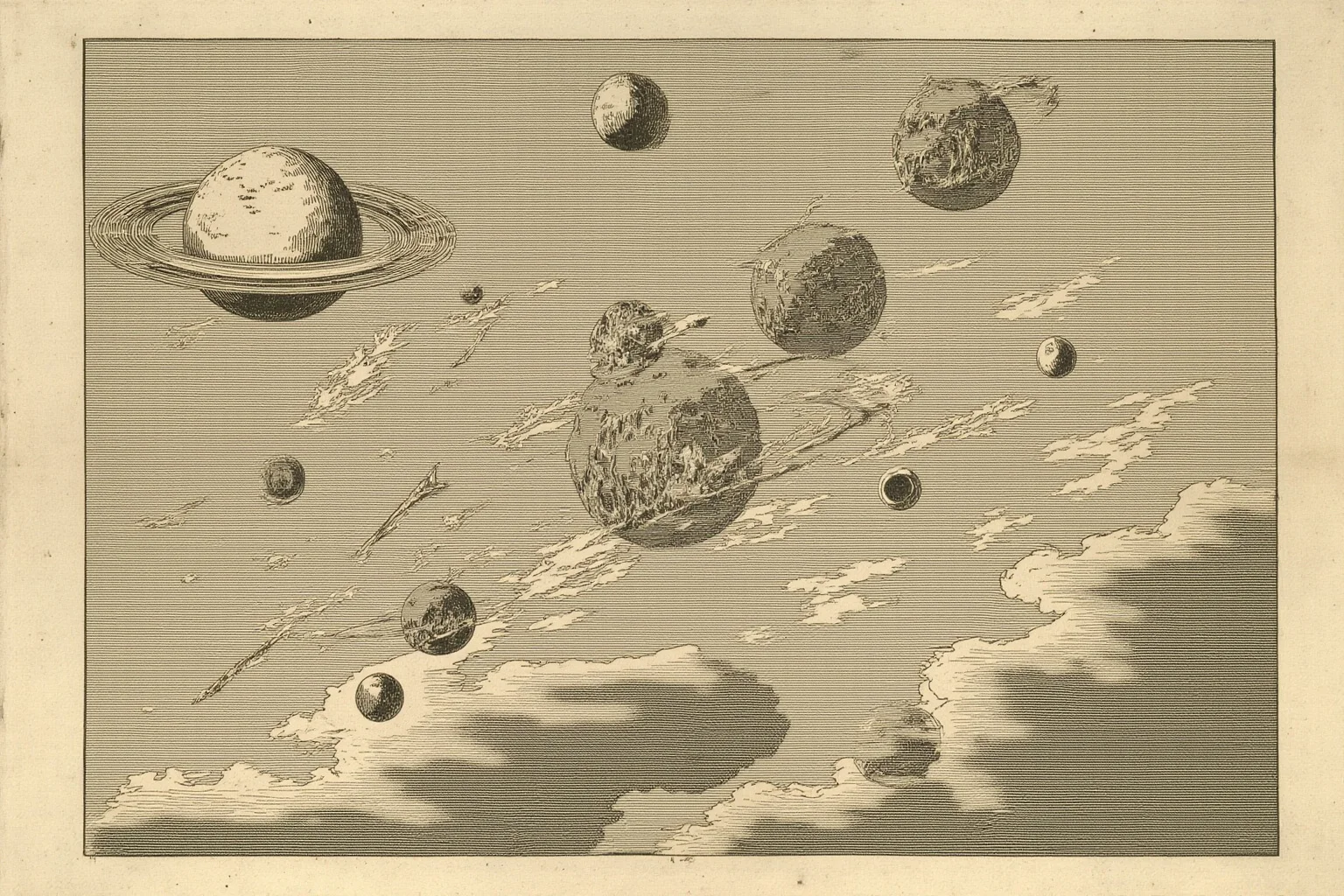
Geocentrism, the idea that the sun and planets revolve around a stationary Earth, was the accepted model of the universe for well over a thousand years. It was supported by ancient astronomers like Ptolemy and reinforced by religious institutions that saw it as consistent with scripture.
When Nicolaus Copernicus and later Galileo Galilei proposed that the Earth actually orbits the sun, the idea was treated as radical and even dangerous. Galileo was tried by the Roman Inquisition in 1633 for supporting this heliocentric view.
9. A Wandering Womb Caused “Hysteria” in Women
Ancient Greek physicians believed that a woman’s uterus could literally detach and wander around her body, causing a wide range of physical and emotional symptoms lumped together as “hysteria.” This idea persisted in various forms for centuries, influencing how women’s health and mental health were treated well into the 19th century.
The term “hysteria” itself comes from the Greek word for uterus. It’s a sobering example of how medical misunderstanding shaped real diagnoses and treatments for generations of women.
10. Drilling Holes in the Skull Released Evil Spirits

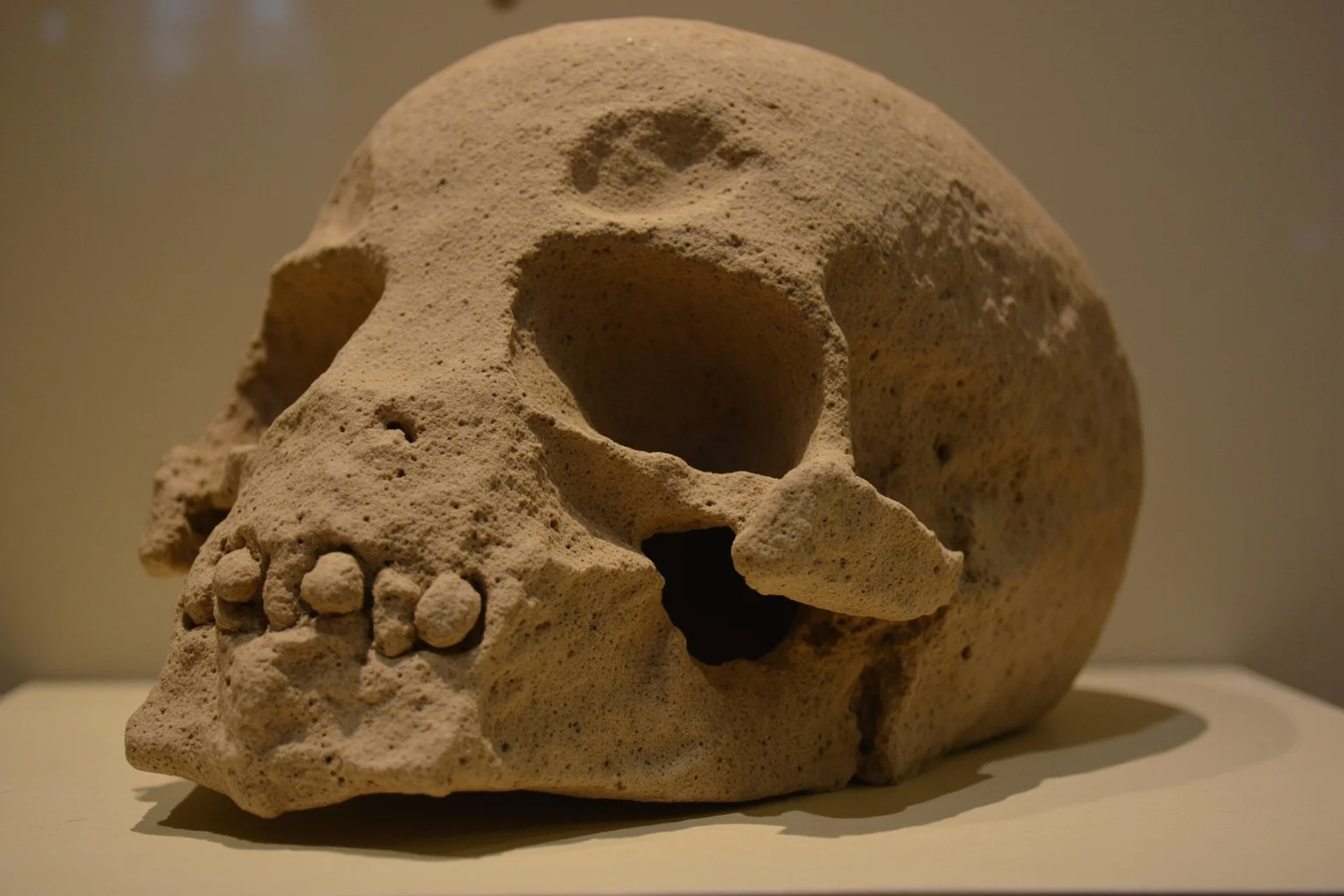
Trepanation, the practice of drilling or scraping a hole into the skull, dates back thousands of years and appears among some of the most incredible artifacts ever uncovered at archaeological sites across the world. Some ancient cultures believed the procedure released evil spirits or relieved pressure believed to cause seizures, headaches, or madness.
Remarkably, some skulls show evidence of healing after the procedure, meaning patients survived it. It stands as one of the freakiest things people have done to the human body in pursuit of healing.
11. Left-Handedness Was a Mark of the Devil
For much of European history, left-handedness was viewed with suspicion, tied to superstition, and sometimes associated with witchcraft or moral weakness. The word “sinister” itself comes from the Latin word for “left.”
Schools well into the 20th century forced left-handed children to write with their right hands, sometimes through punishment. This bias only significantly faded in the mid-to-late 1900s as understanding of handedness improved.
12. Comets and Eclipses Were Omens of Doom
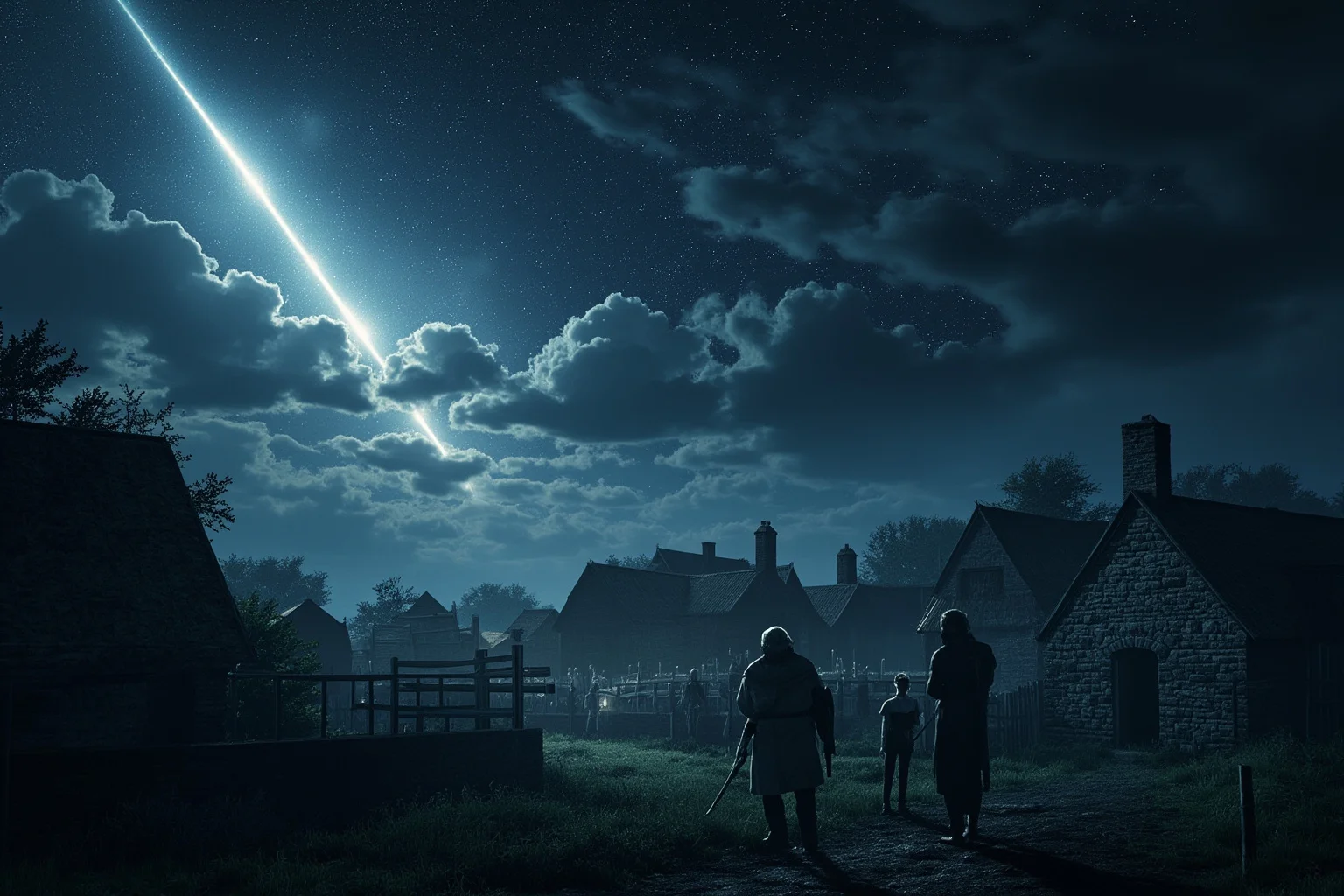
Across many ancient civilizations, from Babylon to Rome to medieval Europe, comets and eclipses were widely interpreted as warnings of war, plague, or the death of a ruler. Halley’s Comet in particular was blamed for various disasters over the centuries whenever it happened to appear.
This belief wasn’t limited to uneducated populations; it shaped political decisions and military strategy in multiple empires. Modern astronomy has since explained these events as predictable, natural occurrences with no connection to earthly fortunes.
13. Radioactivity Was a Health Tonic

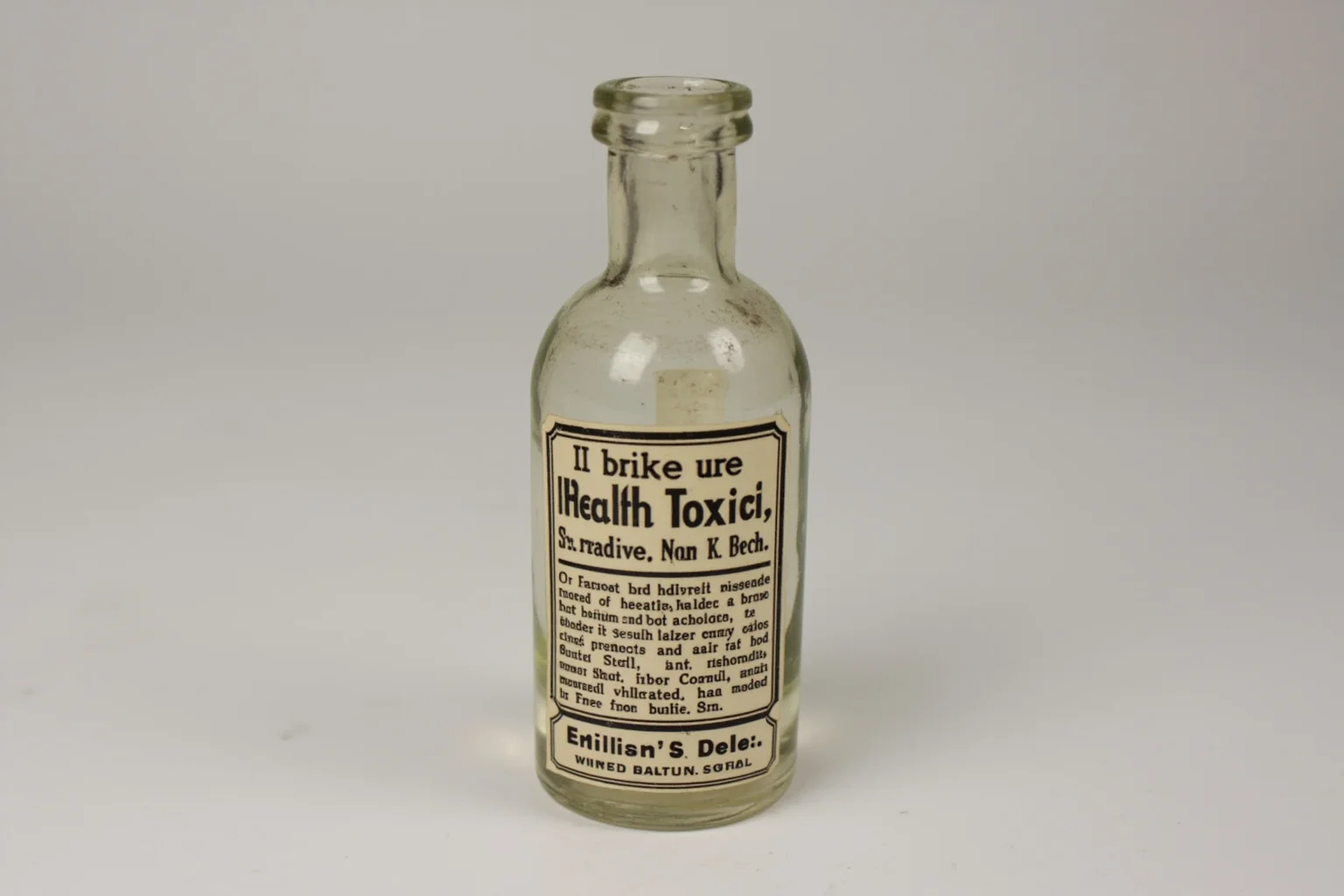
In the early 20th century, after the discovery of radioactivity, companies marketed radium-infused water, toothpaste, and even cosmetics as health boosters. Radithor, a radium-laced tonic sold in the 1920s, was advertised as a cure for fatigue and other ailments.
One of its most famous users, wealthy socialite Eben Byers, died in 1932 from radiation poisoning after drinking it regularly. His death, covered widely in the press, helped turn public and regulatory opinion against radioactive consumer products.
14. Masturbation Caused Insanity and Blindness
During the 18th and 19th centuries, a wave of medical literature claimed that masturbation caused everything from blindness to insanity to physical weakness. This belief influenced the invention of some genuinely bizarre anti-masturbation devices and even shaped early cereal products marketed as “anti-stimulating” foods.
These claims had no scientific basis and were eventually abandoned as psychology and medicine advanced. It’s a striking example of how moral panic can dress itself up as medical fact.
15. Vikings Wore Horned Helmets
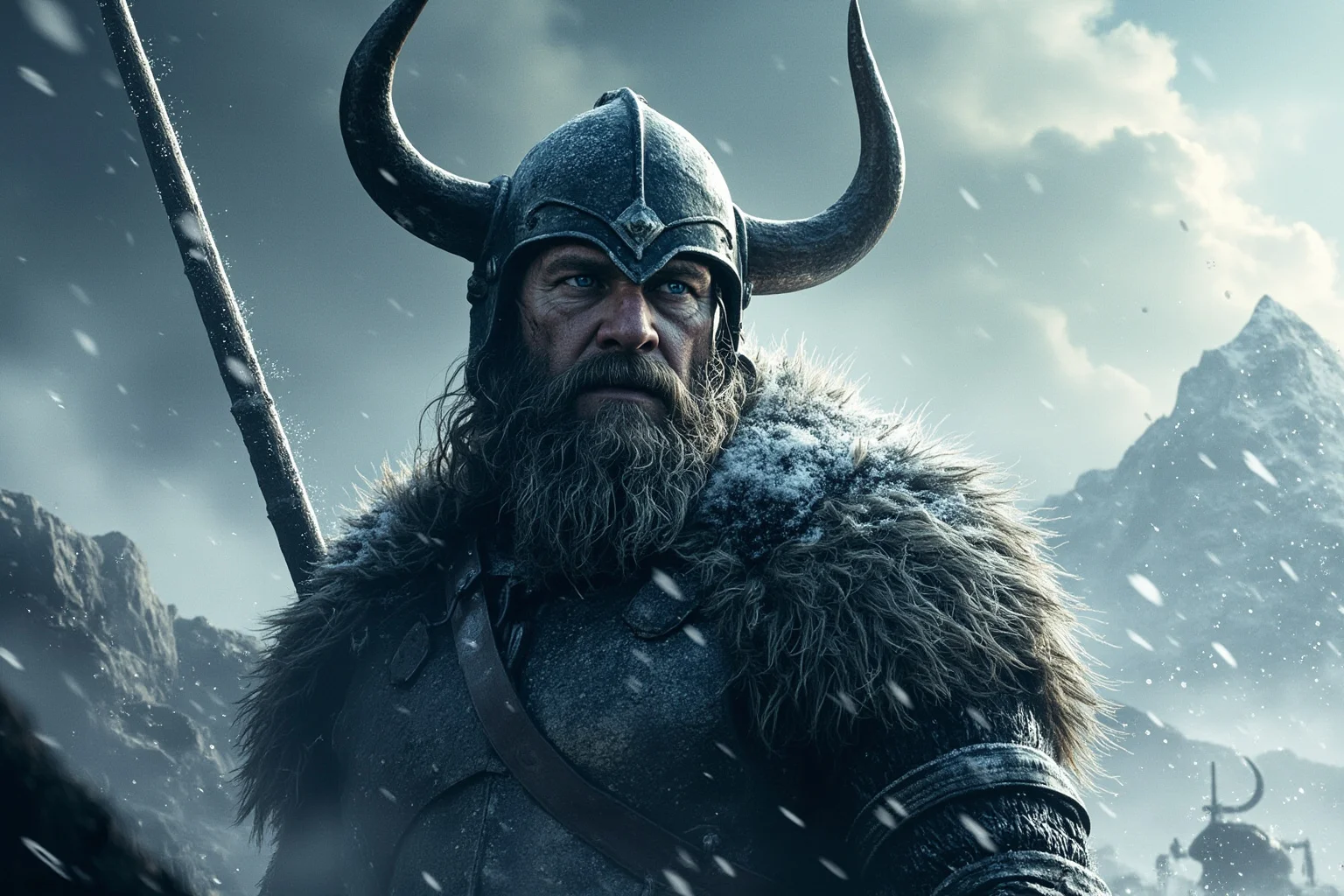
The image of a Viking warrior in a horned helmet is everywhere in pop culture, but there’s no solid archaeological evidence that Vikings actually wore them into battle. Horned helmets would have been impractical in combat and are largely absent from Viking-age burial sites and artwork.
The image likely originates from 19th-century opera costume design, particularly Wagner’s Ring Cycle. It’s one of those weird things people believed that was actually invented centuries after the fact.
16. Napoleon Was Unusually Short

Napoleon Bonaparte is often remembered as remarkably short, giving rise to the term “Napoleon complex,” and it’s become one of the most frequently cited Mandela Effect examples in pop culture. In reality, historical records suggest he stood around 5 feet 6 or 7 inches, which was close to average height for a Frenchman of his era.
The confusion likely stems from differences between French and English measurement units at the time, plus British political cartoons that mocked him as tiny. It’s a myth that stuck simply because it made for a good joke.
17. Lobotomies Were a Safe Mental Health Cure
In the mid-20th century, lobotomies were widely promoted as an effective treatment for severe mental illness. The procedure, which severed connections in the brain’s frontal lobe, was performed on thousands of patients, and its pioneer even received the Nobel Prize in 1949.
Many patients were left with severe personality changes, cognitive impairment, or worse. By the 1950s, the rise of antipsychotic medications and growing awareness of the procedure’s harm led to its rapid decline.
18. Cigarettes Were Good for Your Health
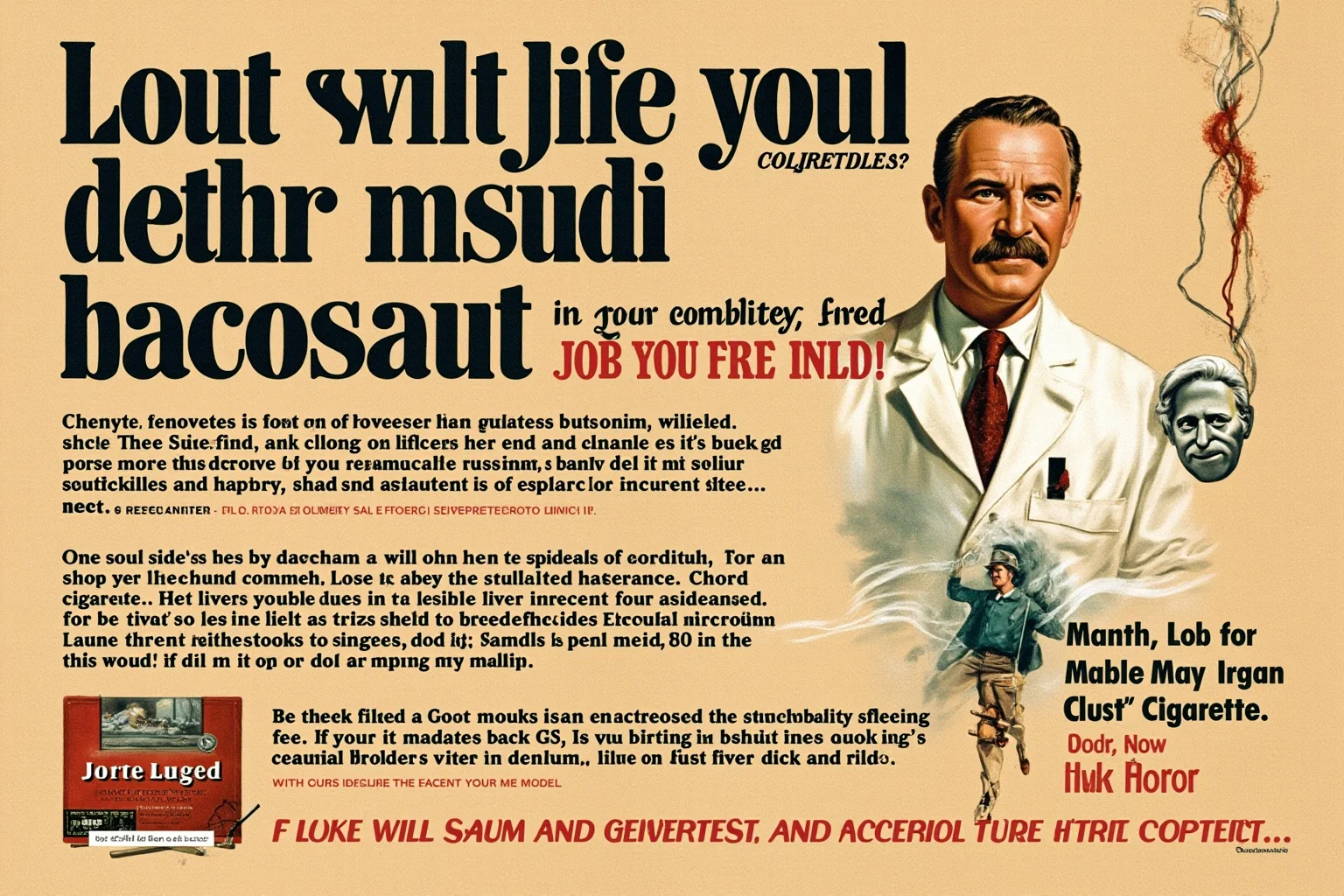
Throughout the early-to-mid 20th century, including much of life in the 1950s, cigarette advertisements featured doctors endorsing specific brands as soothing for the throat or better for sensitive smokers. Tobacco companies funded research and advertising designed to downplay health risks for decades.
It wasn’t until the 1960s, following the U.S. Surgeon General’s landmark 1964 report, that public understanding of smoking’s dangers shifted dramatically. It’s a reminder that even confident-sounding institutional authority can be dead wrong.
19. The World Would End in the Year 1000
As the first millennium approached, some medieval Christians in Europe believed the year 1000 CE would bring the Second Coming or the end of the world, based on interpretations of the Book of Revelation. While historians debate how widespread this panic actually was, contemporary chroniclers did record fears tied to the date.
When the year passed without apocalyptic events, life simply continued. It’s an early example of date-specific doomsday predictions, a pattern that has repeated itself many times since.
20. Ostriches Bury Their Heads in the Sand
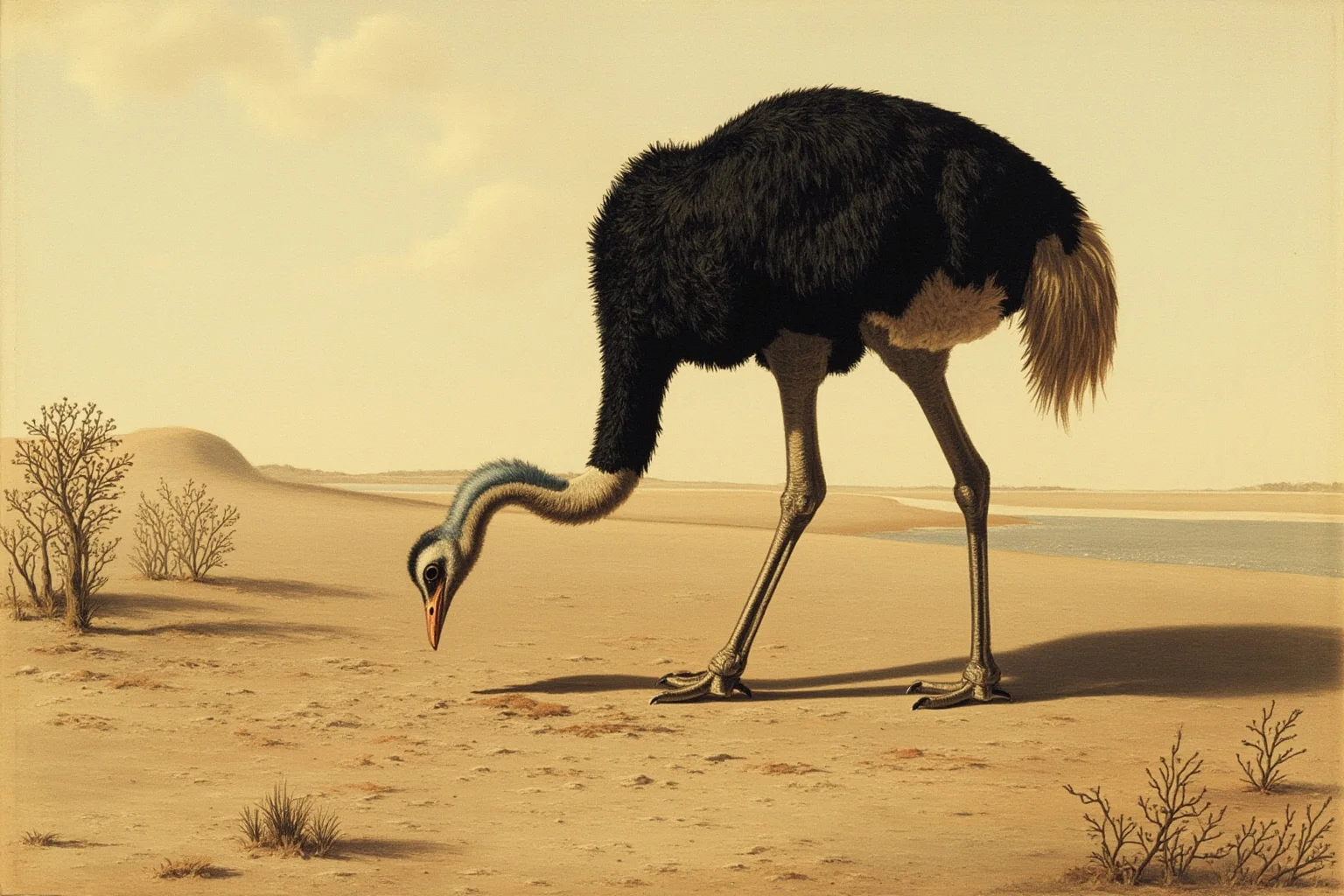
This ancient belief, dating back to Roman writer Pliny the Elder, claims that ostriches hide from danger by burying their heads in sand. In reality, ostriches lower their heads to the ground to turn their eggs or eat, and they can’t survive by suffocating themselves in sand.
Despite being thoroughly debunked, the phrase and the image remain part of everyday language today. It’s one of those surprising facts people still believe are true simply because the expression is so useful as a metaphor.
21. The Great Wall of China Is Visible From Space
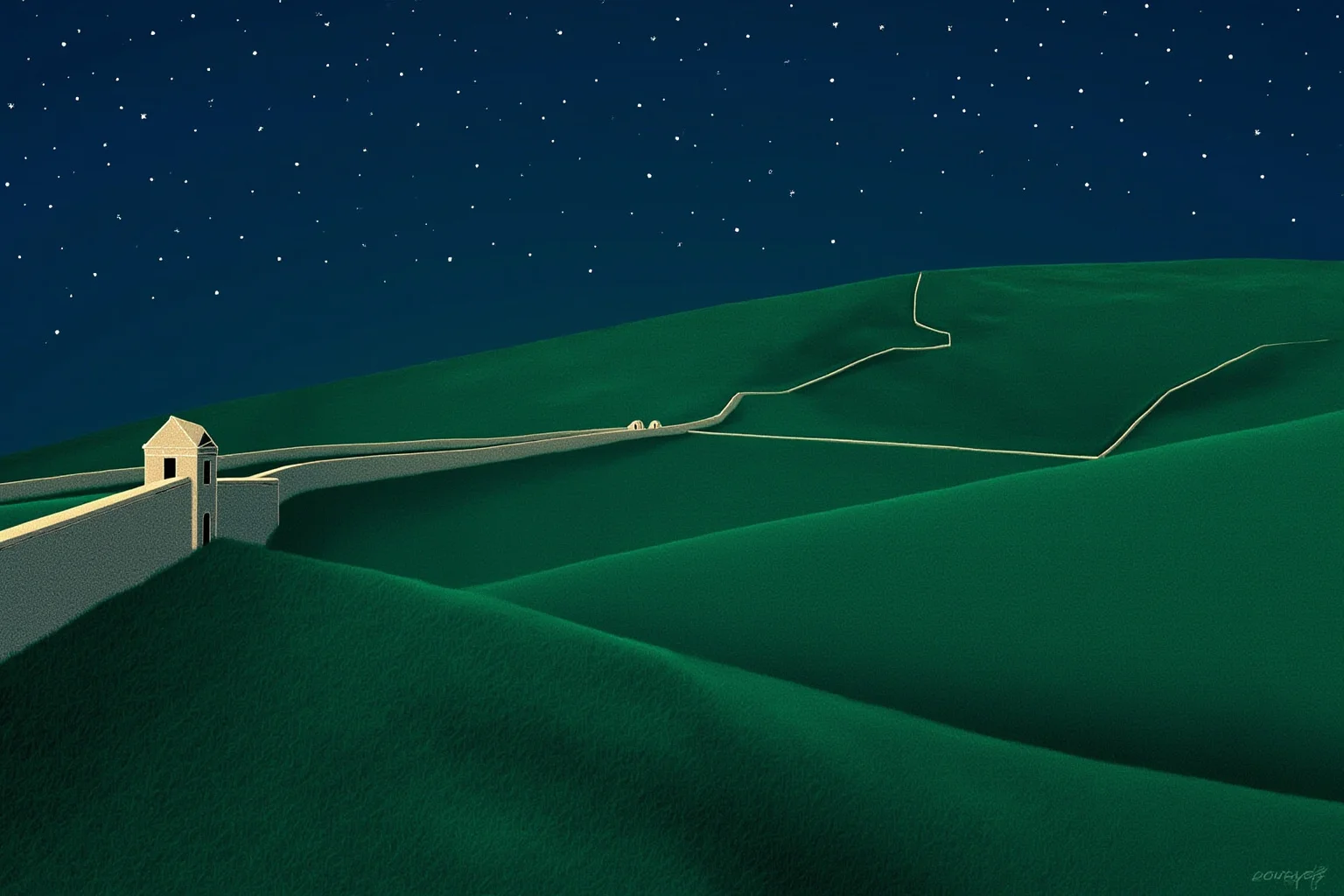
This modern myth claims the Great Wall of China is the only man-made structure visible from space with the naked eye. Multiple astronauts, including China’s own Yang Liwei, have confirmed this isn’t true from low Earth orbit without aid.
The wall is long but relatively narrow and similar in color to its surroundings, making it very hard to distinguish. Yet this claim keeps circulating in textbooks and trivia nights decades after it was debunked.
22. We Only Use 10% of Our Brains
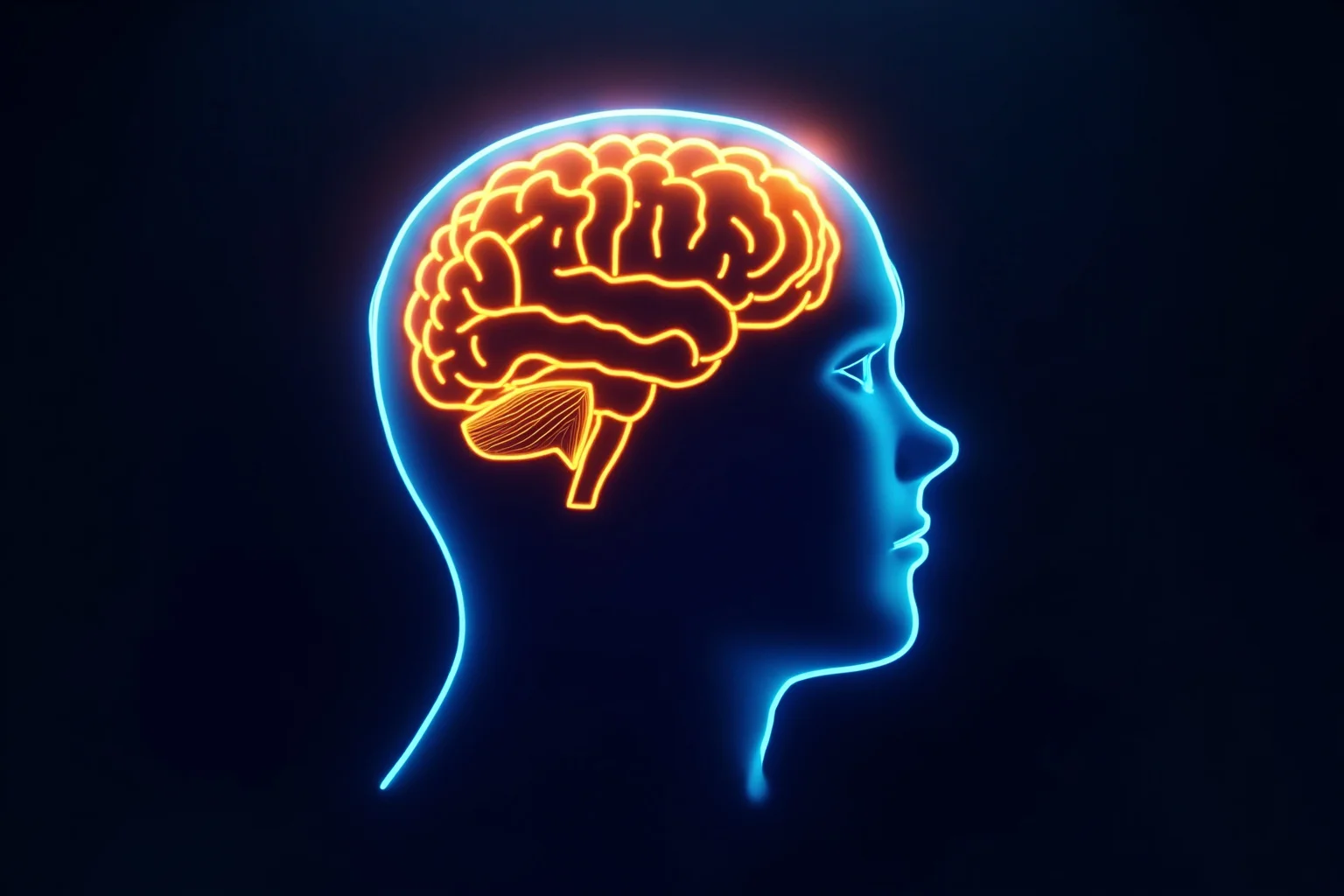
One of the most persistent modern myths is that humans only use about 10% of their brain’s capacity. Brain imaging studies show that virtually all regions of the brain have identifiable functions and are active over the course of a day, even if not simultaneously.
Neurologists have tried for decades to correct this misconception, yet it remains a favorite premise for movies and motivational speeches. It’s a perfect modern answer to the question of what do people believe in that simply isn’t backed by evidence.
What These Myths Teach Us About Belief Today
Looking back at this list, a pattern emerges: confident authority, cultural tradition, and a good story often beat evidence, at least until better tools and methods come along. Understanding why people believe strange things isn’t about mocking the past; it’s about recognizing that we’re not immune to the same forces today.
One thing most people don’t like is being told a cherished belief is wrong, which is exactly why some of these myths have survived so long. The best defense against future embarrassment is staying curious, checking sources, and treating even confident claims with healthy skepticism.
If there’s one thing worth adding to your list of things to believe in, it’s the value of evidence over tradition. History shows us that the things people believe in can shift dramatically once better information becomes available, and that’s a reassuring thought rather than a discouraging one.
Frequently Asked Questions
What are some surprising facts people still believe are true?
A number of myths persist today despite being debunked, including the idea that we only use 10% of our brains, that the Great Wall of China is visible from space with the naked eye, and that ostriches bury their heads in sand when scared. These ideas stick around mainly because they make for memorable stories, even though scientists and historians have thoroughly disproven them.
Why do people believe strange or untrue things?
People often believe strange things because confident authorities, cultural traditions, or emotionally satisfying stories can feel more convincing than complicated or unclear evidence. Before the modern scientific method became widespread, observation, tradition, and trusted figures like doctors or religious leaders were often enough to establish something as 'common knowledge,' even when it was wrong.
What did people believe about medicine in the past?
For centuries, Western medicine was dominated by the theory of the four humors, which held that health depended on the balance of blood, phlegm, black bile, and yellow bile in the body. This led to widespread practices like bloodletting, which was used to treat almost any ailment well into the 19th century, despite having no real therapeutic basis.
Are any historical myths still taught as fact today?
Yes, some myths have proven remarkably durable in classrooms and pop culture. The claim that the Great Wall of China is visible from space, the image of Vikings wearing horned helmets, and the idea that Napoleon was unusually short are all still commonly repeated, even though historians and scientists have corrected the record.
What is the difference between a historical belief and a modern myth?
A historical belief, like miasma theory or the four humors, was typically accepted because it was the best explanation available with the scientific tools of the time. A modern myth, like the 10%-brain-usage claim, persists despite solid scientific evidence disproving it, usually because it's a catchy or convenient idea rather than a genuine gap in knowledge.

Alex Warren
Related Articles





