

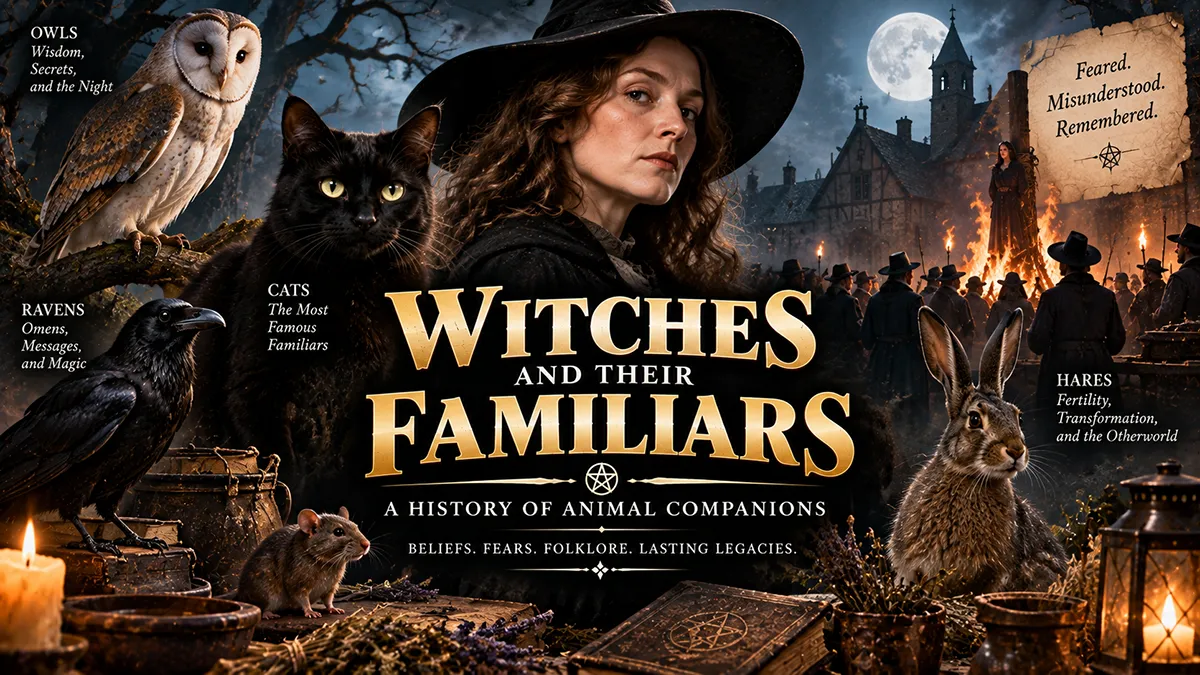
When most people picture a witch, they picture a black cat curled at her feet or an owl perched on her windowsill. That mental image isn’t an invention of Halloween decorations or Hollywood — it comes from centuries of real folklore, courtroom testimony, and popular belief about creatures known as familiars.
But what was a witch’s familiar, really, and how much of what we “know” is myth versus documented history? The truth is stranger, more regionally specific, and more legally consequential than most modern retellings suggest.
TL;DR: Familiars were spirits believed to serve witches in animal form — a belief that was especially powerful in English and Scottish witch trials and helped send real people to the gallows.
Below, we walk through 22 facts that trace the familiar spirit from medieval folklore through the witch trials and into today’s pop culture, separating documented history from embellishment along the way.
1. What Is a Familiar Spirit, Exactly?
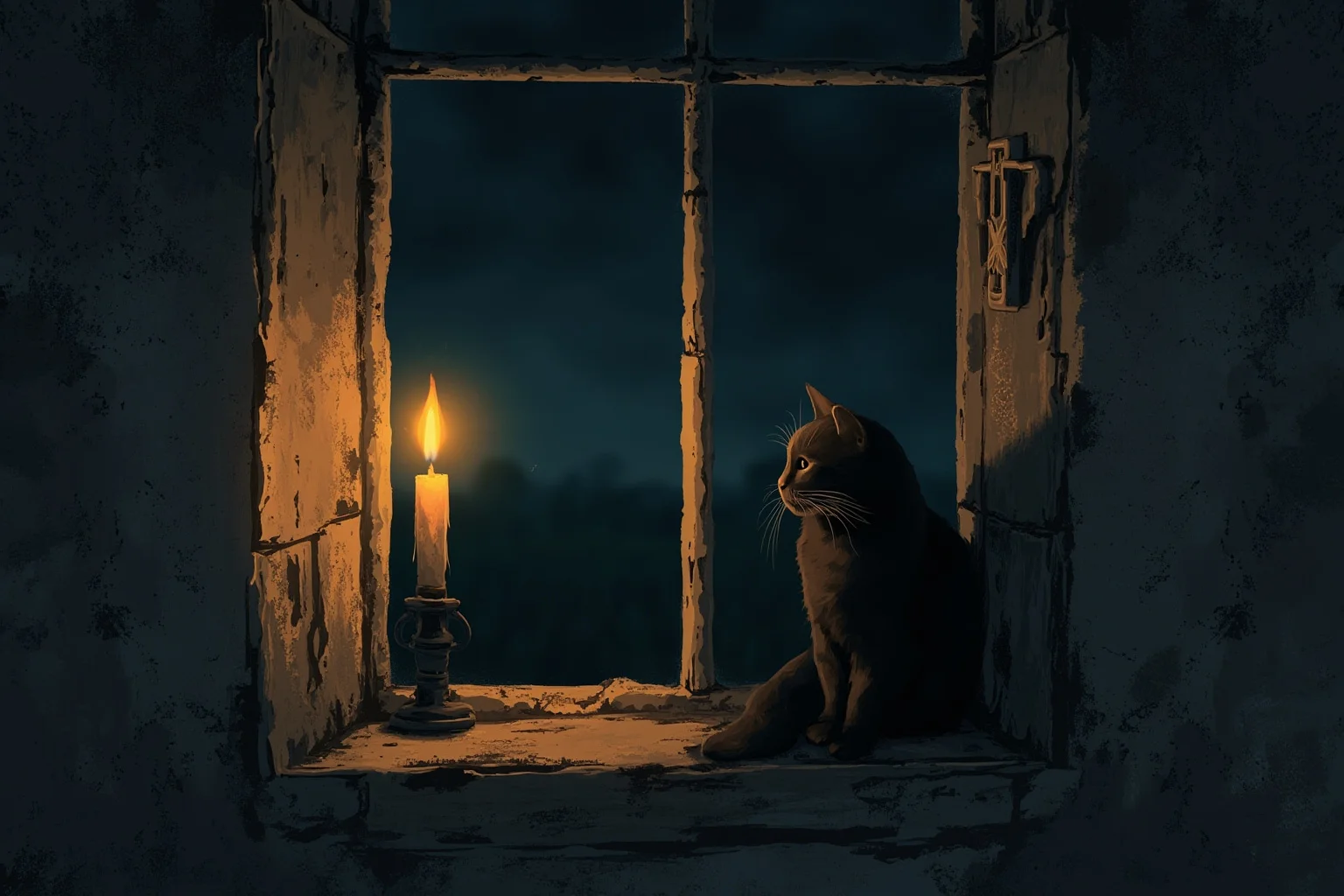
A familiar spirit, in the context of European and especially British witchcraft belief, was thought to be a supernatural entity that took animal form to serve a witch. Unlike a pet, a familiar was believed to be intelligent, sometimes able to speak, and capable of carrying out a witch’s wishes, including causing harm to enemies.
The term covered everything from cats and dogs to toads, birds, and even insects. What mattered wasn’t the species so much as the belief that an otherworldly intelligence was operating inside an ordinary-looking creature.
2. The Word “Familiar” Has a Surprisingly Ordinary Root

The familiar origin of the word itself is less mysterious than the concept it describes. “Familiar” comes from the Latin familiaris, meaning “of the household” or “domestic,” the same root that gives us “family.”
By the 16th century, English writers were using “familiar spirit” to describe a spirit attached to a particular household or person, much like a servant. The domestic framing mattered: familiars were imagined as intimate, everyday presences, not distant demons summoned in dramatic rituals.
3. Familiars Were Mostly a British Phenomenon
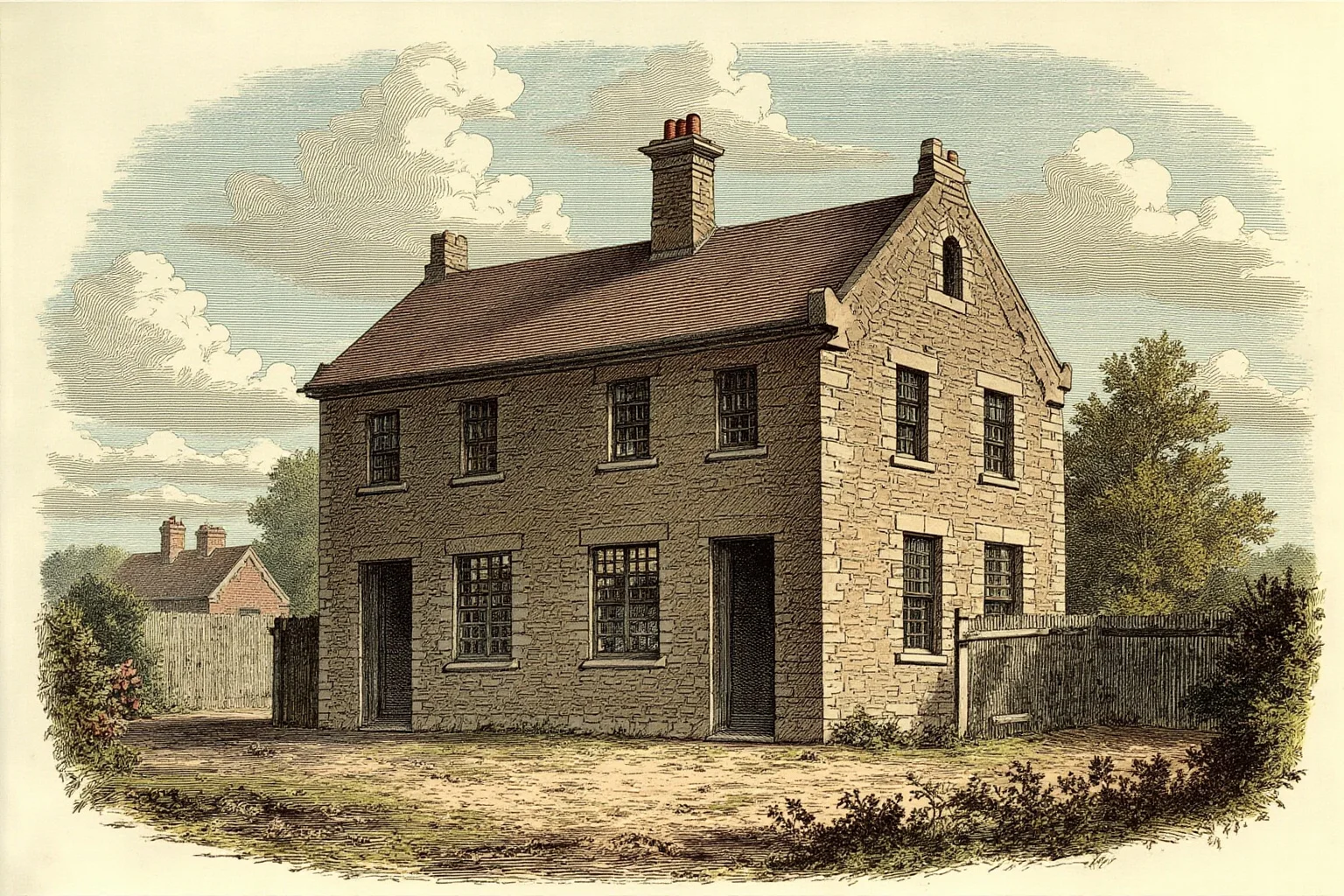
One of the most important and least-known facts about witches and familiars is that the belief was especially concentrated in England and Scotland, far more than in continental Europe. Trial records from Essex, Lancashire, and the Scottish Lowlands are full of familiar testimony, while French, German, and Italian witch trials rarely mention animal companions at all.
Historians generally attribute this to differences in legal tradition and folk belief. English law required evidence of a maleficium (an act of harm), and a familiar offered a convenient, tangible-seeming form of proof that something uncanny was at work.
4. The First English Trial to Feature a Familiar: Elizabeth Francis and Sathan
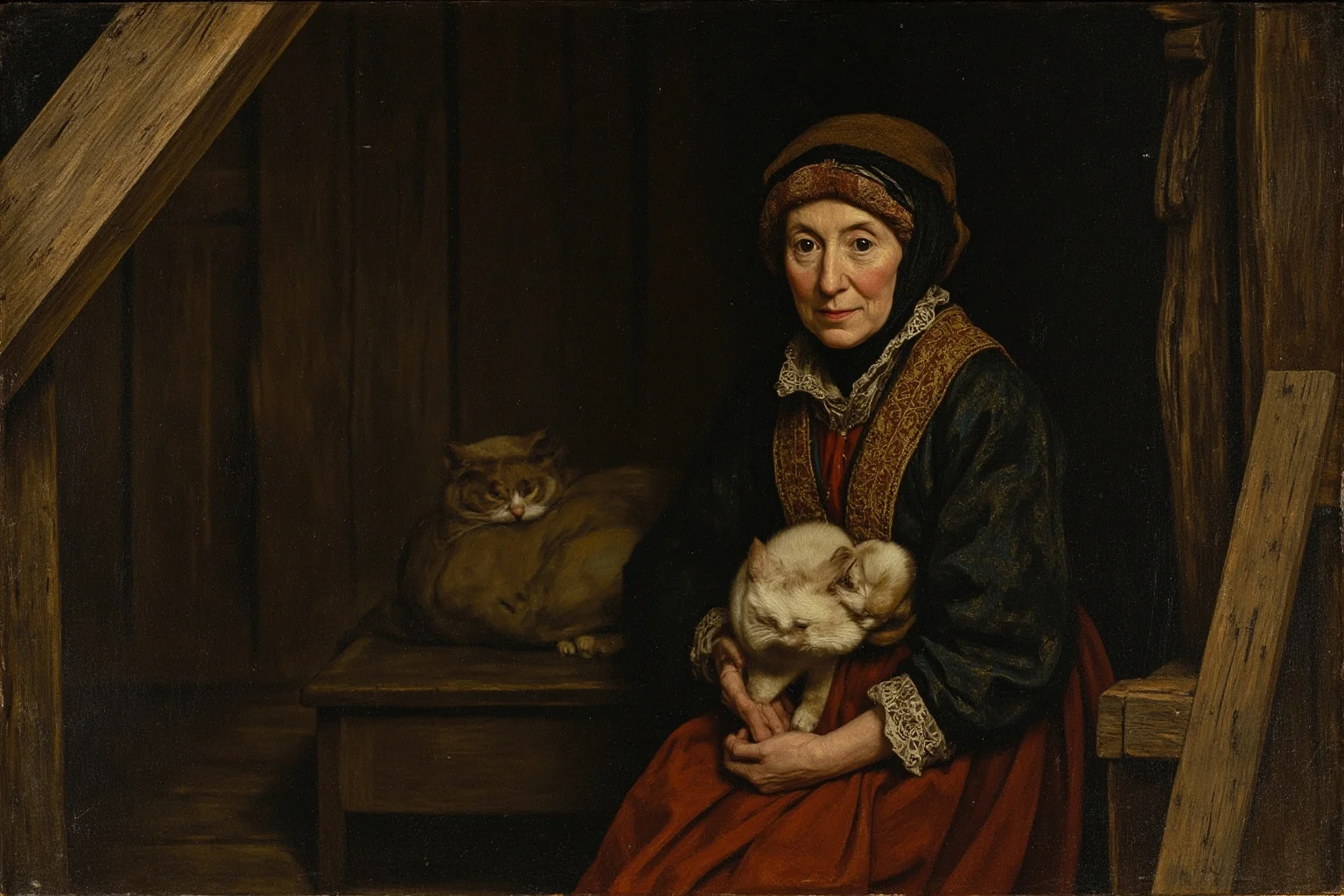
One of the earliest and most influential English cases involving a familiar was the 1566 Chelmsford witch trial in Essex. Elizabeth Francis confessed that she had been given a white spotted cat named Sathan by her grandmother, who allegedly taught her to feed the animal with her own blood in exchange for favors.
This case is often cited by historians as the template that shaped decades of subsequent English familiar testimony. The idea of a named animal, fed on blood, and passed down through generations became a recurring theme in later trials.
5. Cats Were the Classic Familiar — But Not for the Reason You Think
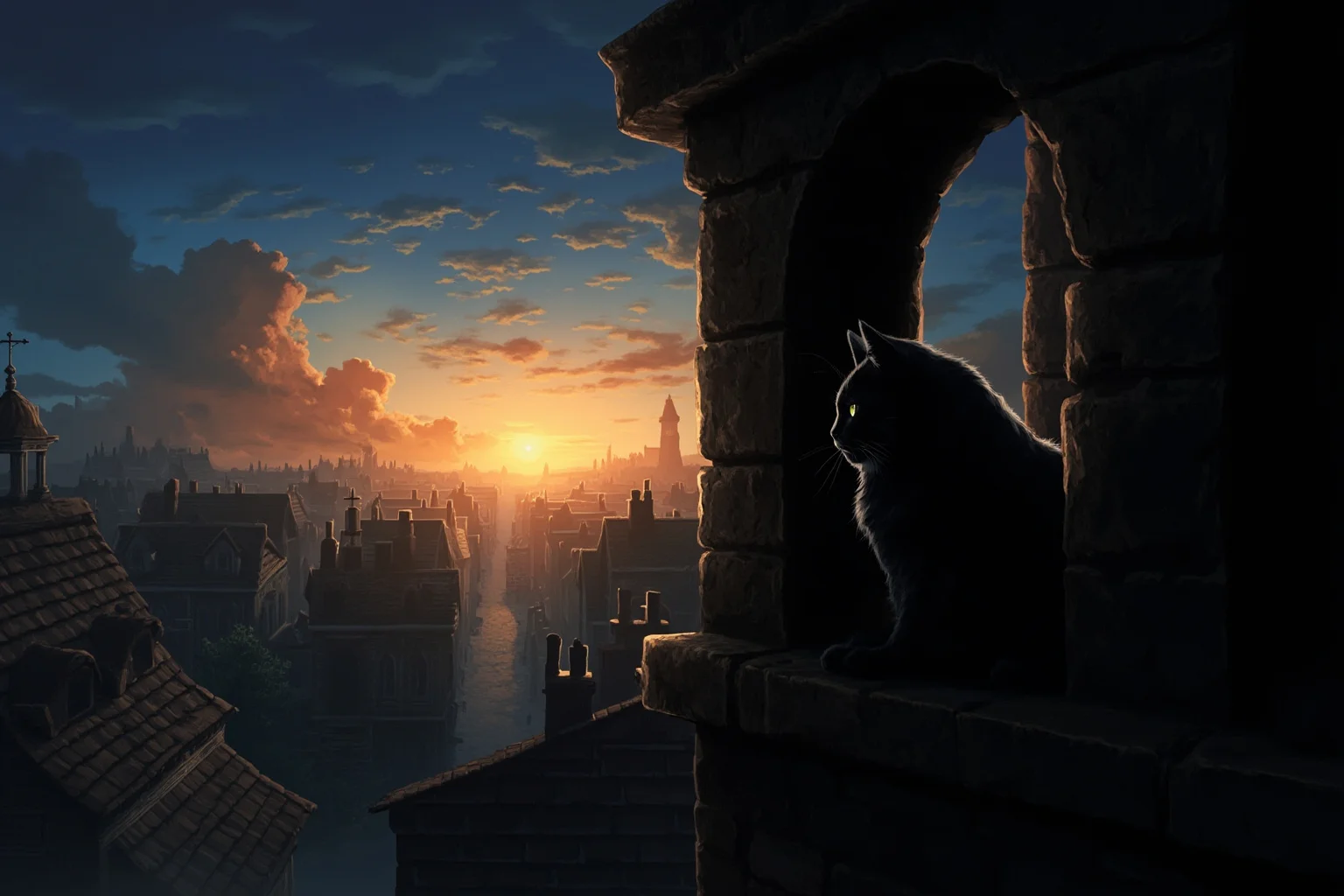
Cats appear constantly in familiar testimony, and it’s tempting to assume this was just about their nighttime habits or independent nature. In reality, cats were already linked to suspicion in medieval Europe partly because of earlier associations between cats and heresy, and because they were common, unremarkable animals that lived close to people.
An animal that was already a normal part of village life made an unsettling accusation more believable to neighbors and juries alike. A cat behaving oddly, or simply being present at the scene of a dispute, could become “evidence.”
6. Toads and Frogs Carried Serious Occult Weight
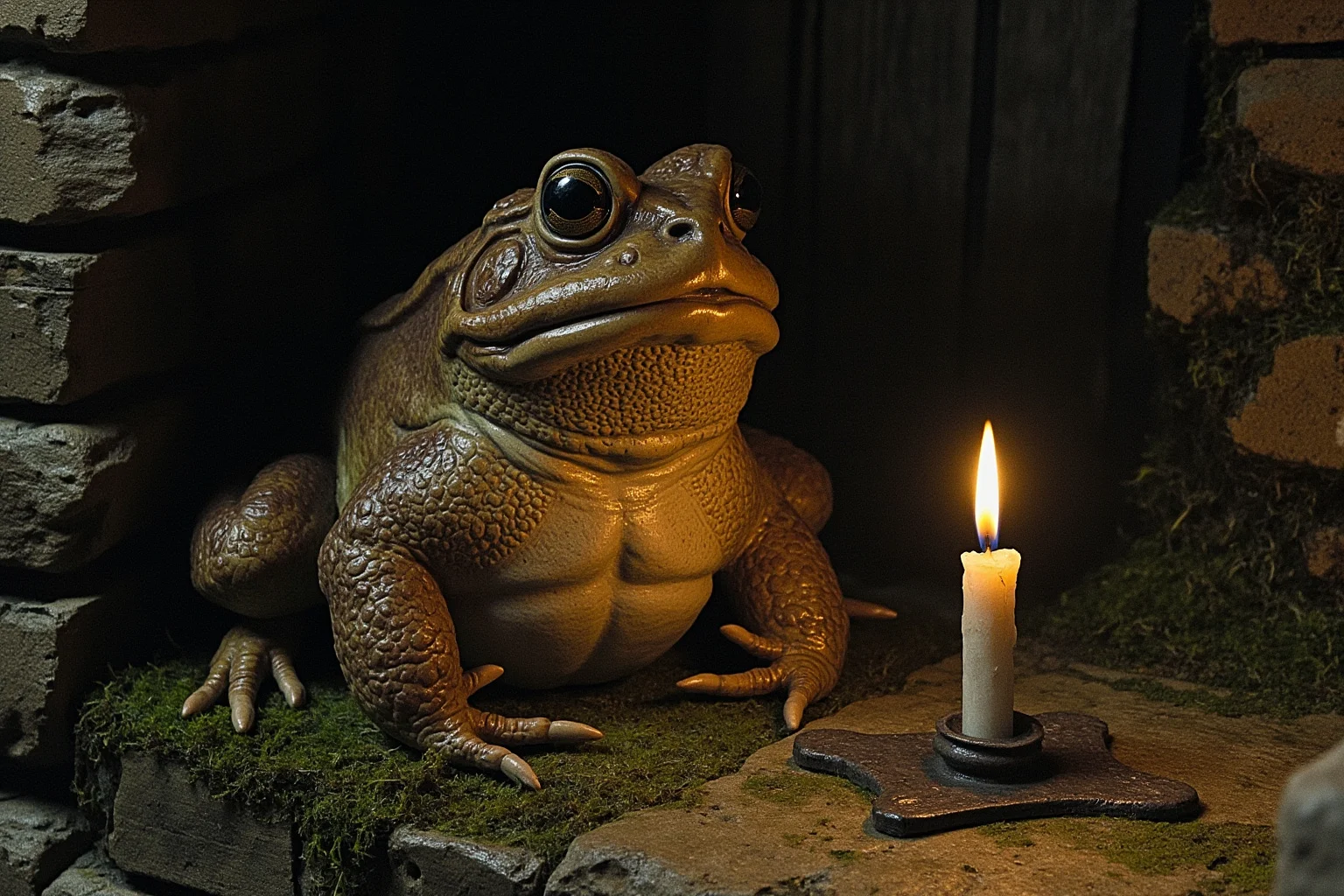
Toads turn up again and again in English and Scottish trial records, often described as unnaturally large, oddly colored, or capable of speech. Their association with poison, damp hidden places, and folk medicine made them feel inherently uncanny to early modern observers.
In some confessions, toads were said to be kept and fed inside the home, sometimes in boxes or pots, reinforcing the idea of the familiar as a hidden domestic secret. This is part of why “witch’s animal” folklore so often features amphibians alongside the more famous cat.
7. Dogs Turn Up Again and Again in the Trial Records
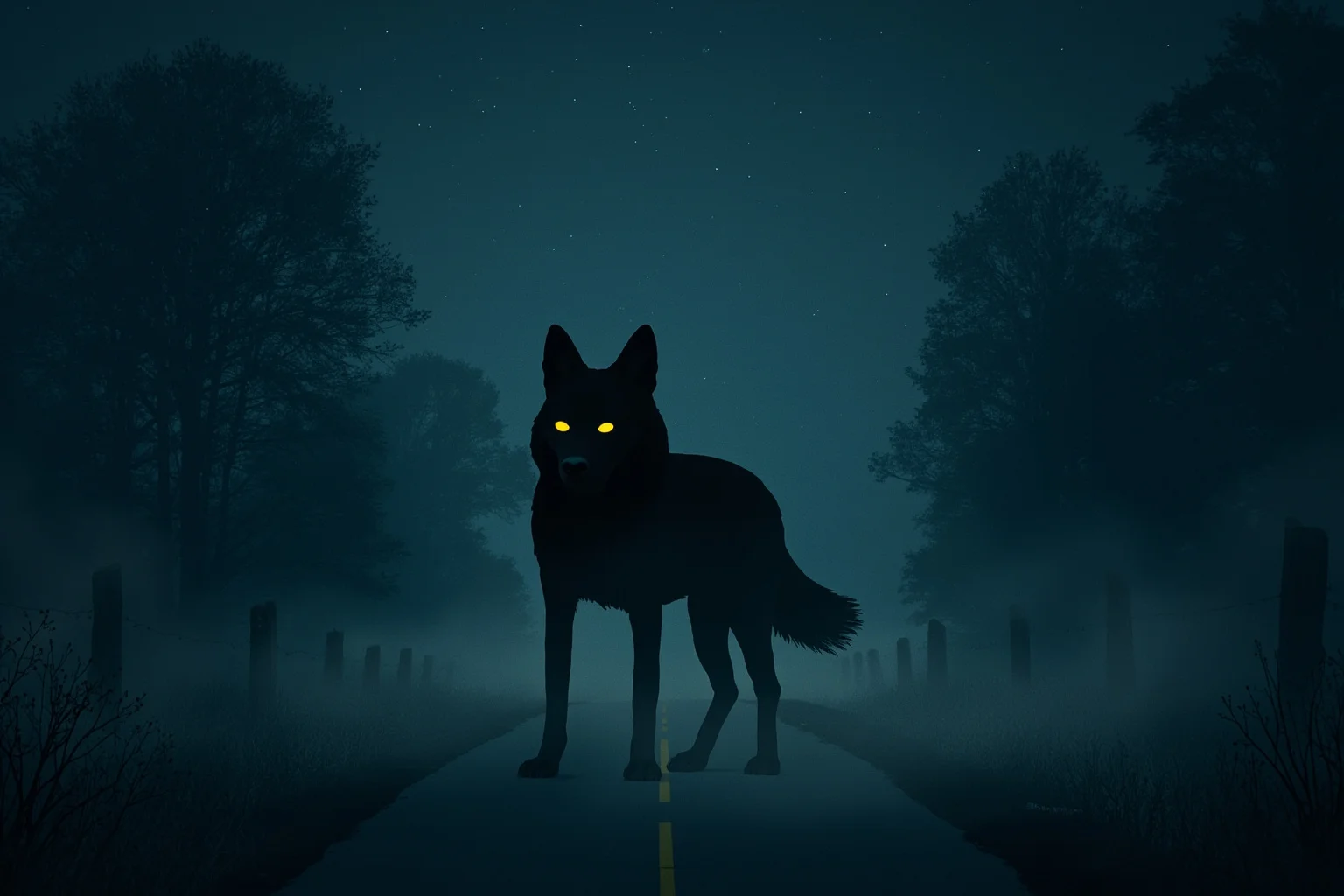
Dogs were another surprisingly common familiar animal, sometimes described as large, black, and possessing glowing or otherwise unnatural eyes. This description overlaps heavily with older British folklore about spectral black dogs said to haunt roads and churchyards.
It’s likely that pre-existing black dog legends fed directly into witch trial testimony, giving accusers and confessors a shared cultural image to draw from. The blending of older folklore with newer legal accusations is a recurring pattern throughout this history.
8. Birds Like Ravens and Owls Symbolized Something Darker
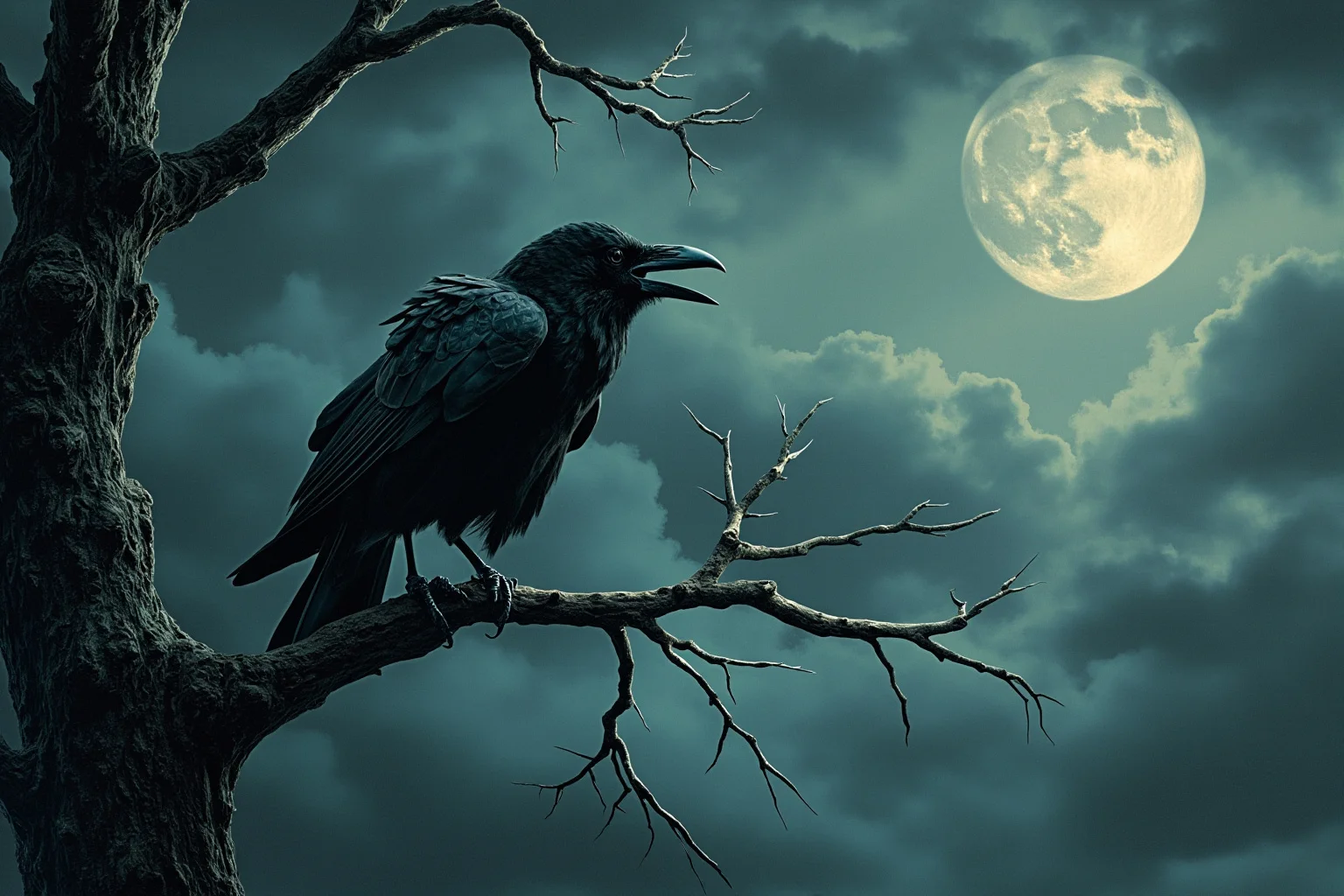
Birds associated with death, night, or scavenging — ravens, crows, owls, and magpies — were frequently named as familiars in both English and Scottish cases. Their unsettling calls and nocturnal habits made them easy to cast as messengers between the human and spirit worlds.
Some confessions described these birds as able to fly out and cause harm at a distance, reflecting a broader fear that witchcraft could act invisibly across space. This made bird familiars especially frightening to accusers who couldn’t otherwise explain sudden illness or misfortune.
9. Rats, Mice, and Other Small Creatures
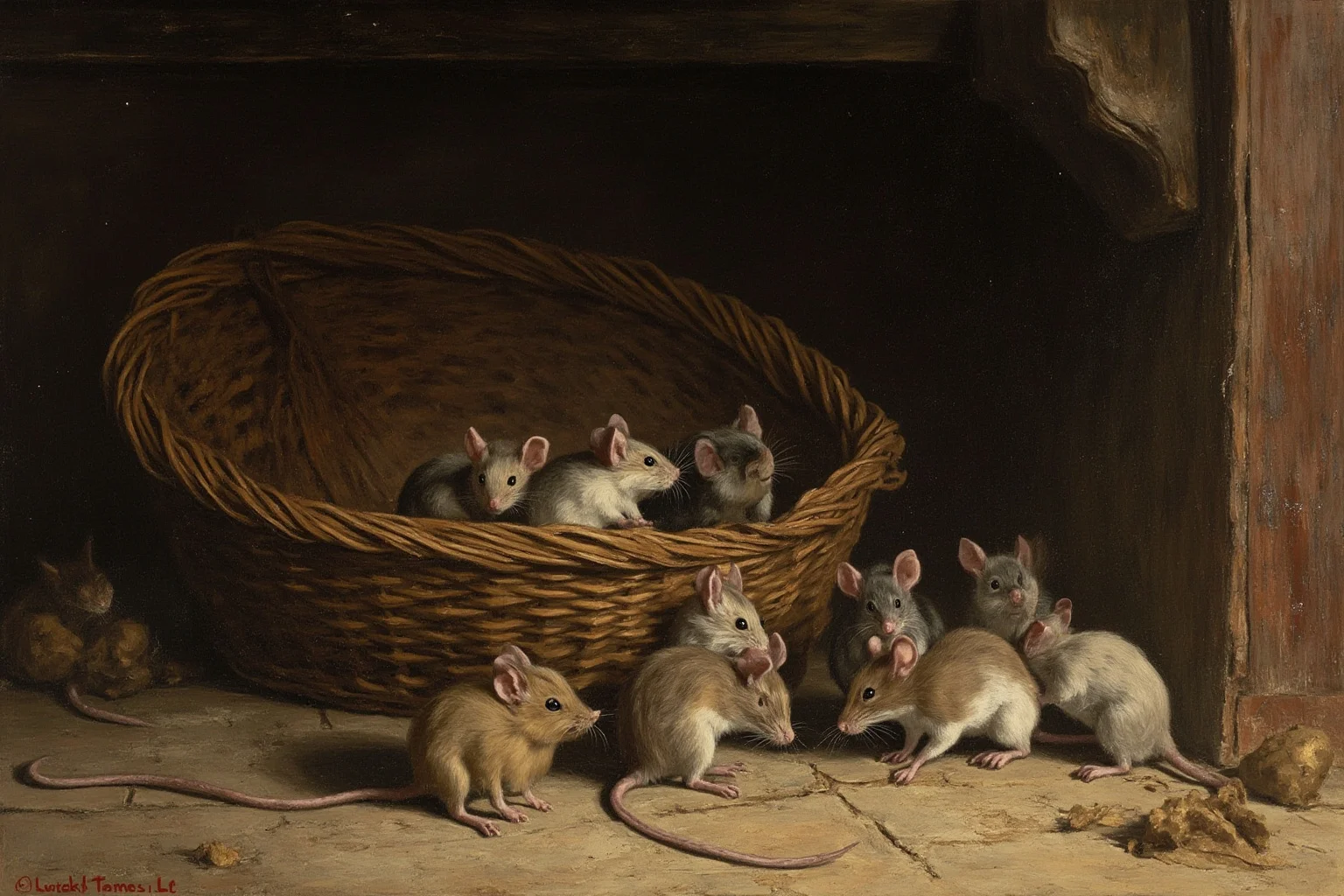
Smaller, less dramatic animals like rats, mice, ferrets, and weasels also appear throughout the record, sometimes in far greater numbers than a single cat or dog. Some confessions describe multiple small familiars living together, each supposedly assigned to a different task or victim.
This multiplicity is notable because it shows familiars weren’t always imagined as a single loyal companion. In several trial confessions, the accused described what amounted to a small household staff of spirits, each with its own name and purpose.
10. Some Familiars Were Downright Bizarre
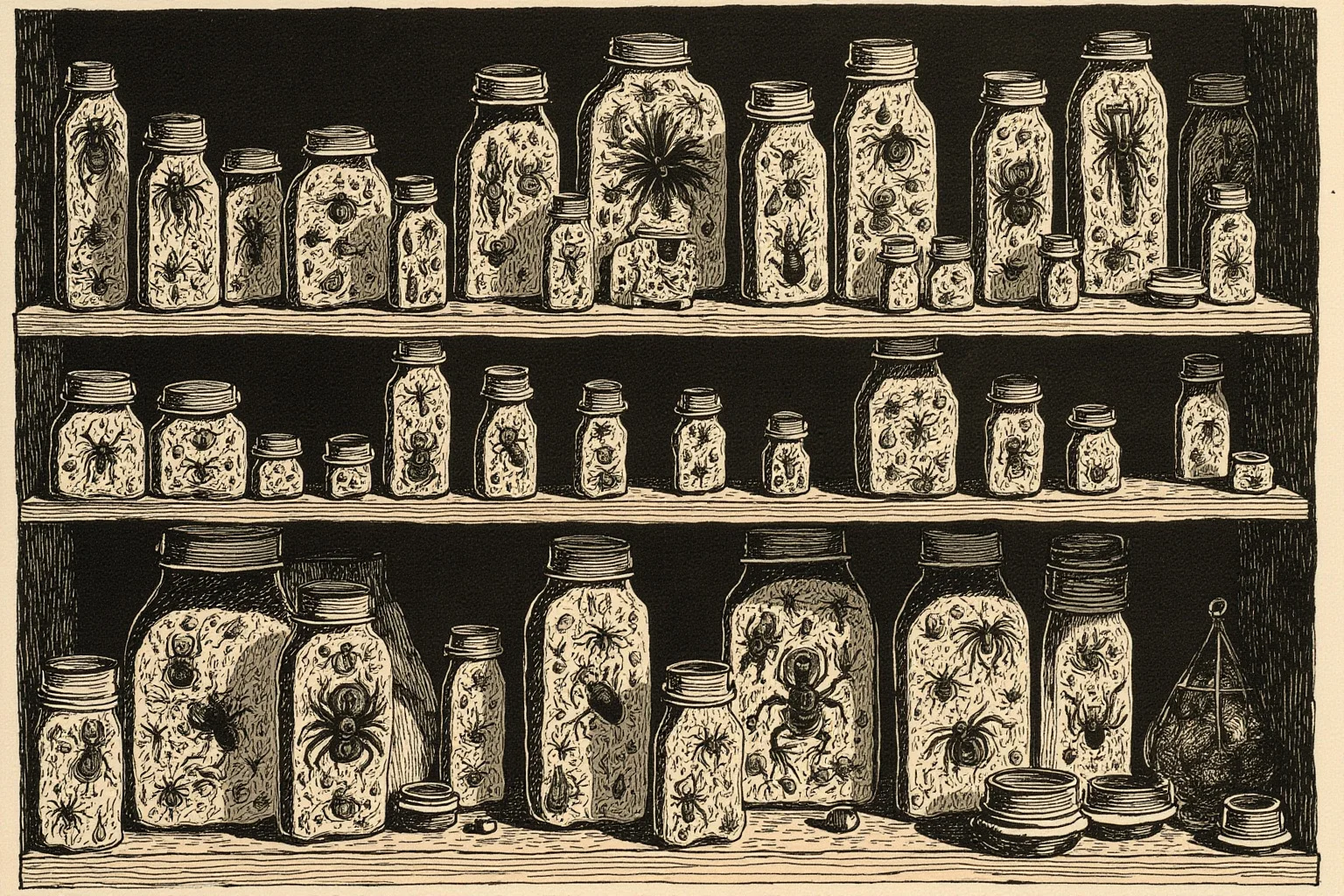
Not every familiar fit the neat cat-toad-dog pattern. Trial records occasionally mention unusual candidates, including insects, and in a few unverifiable but widely repeated accounts, creatures that don’t correspond to any real animal at all.
These stranger entries are a useful reminder that familiar testimony often came from confessions extracted under pressure, fear, or leading questioning, rather than sober observation. The variety says as much about imagination and coercion as it does about actual animals.
11. How a Witch Supposedly Got Her Familiar
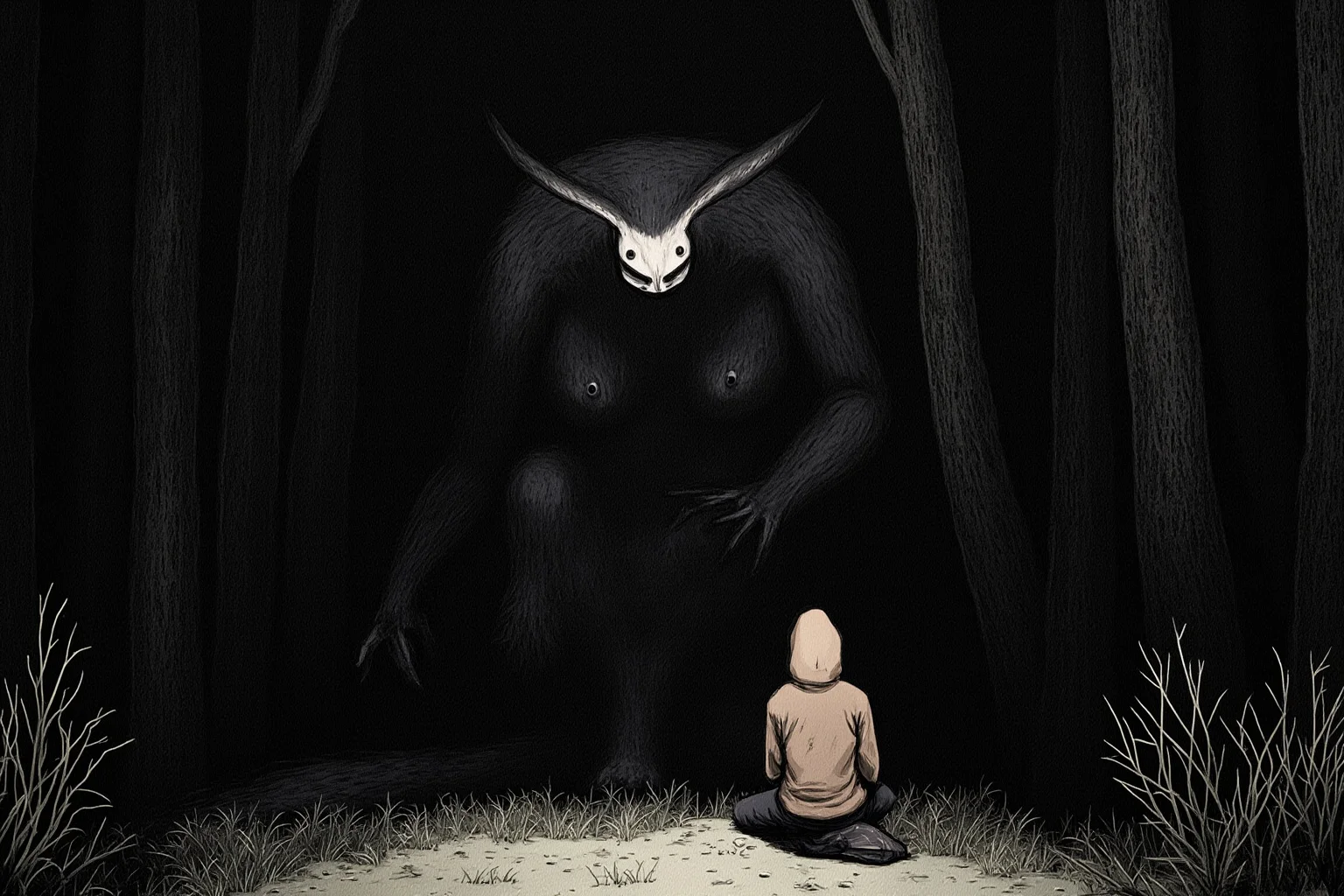
According to trial confessions, familiars were said to arrive in several ways: as a gift from the Devil himself, inherited from a relative already believed to be a witch, or discovered as a stray animal that behaved strangely. The inheritance pattern, as seen with Elizabeth Francis, suggests trial narratives often followed family lines of suspicion rather than genuinely new encounters.
Once acquired, the familiar was believed to require regular “feeding,” often described as sucking blood from a special mark on the witch’s body. This detail became one of the most legally significant parts of the whole belief system.
12. The “Witch’s Mark” Was Used as Physical “Proof”
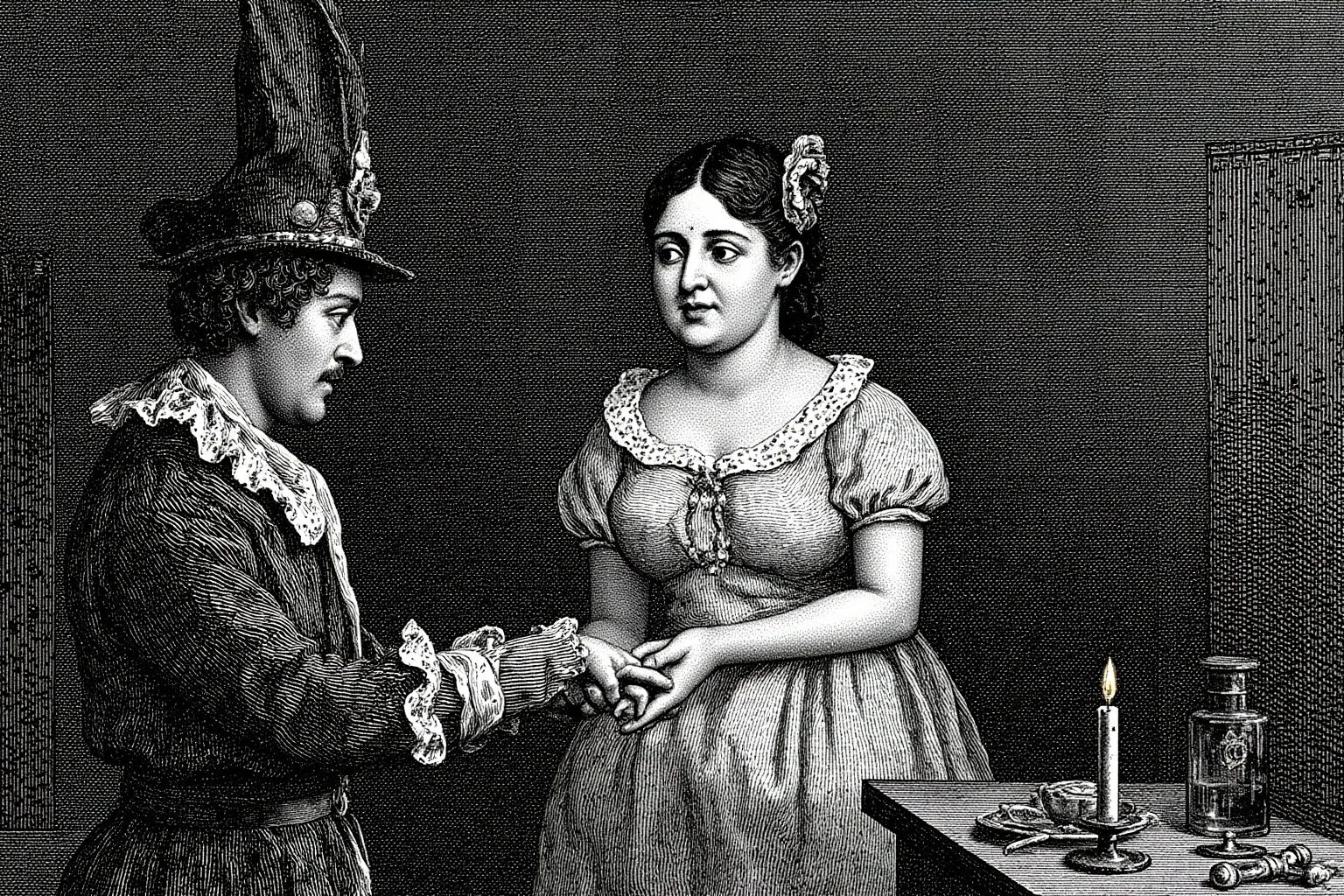
Examiners searched the bodies of accused witches for an unusual mole, blemish, or extra nipple-like growth, believed to be the spot where a familiar fed. This so-called witch’s mark or witch’s teat turned an abstract accusation into something a jury could supposedly see and touch.
Modern medical understanding recognizes these marks as ordinary skin features like moles, skin tags, or scars, which existed on the accused for entirely mundane reasons. At the time, however, this “evidence” carried enormous and often fatal weight in court.
13. Matthew Hopkins Turned Familiars Into a Prosecution Tool
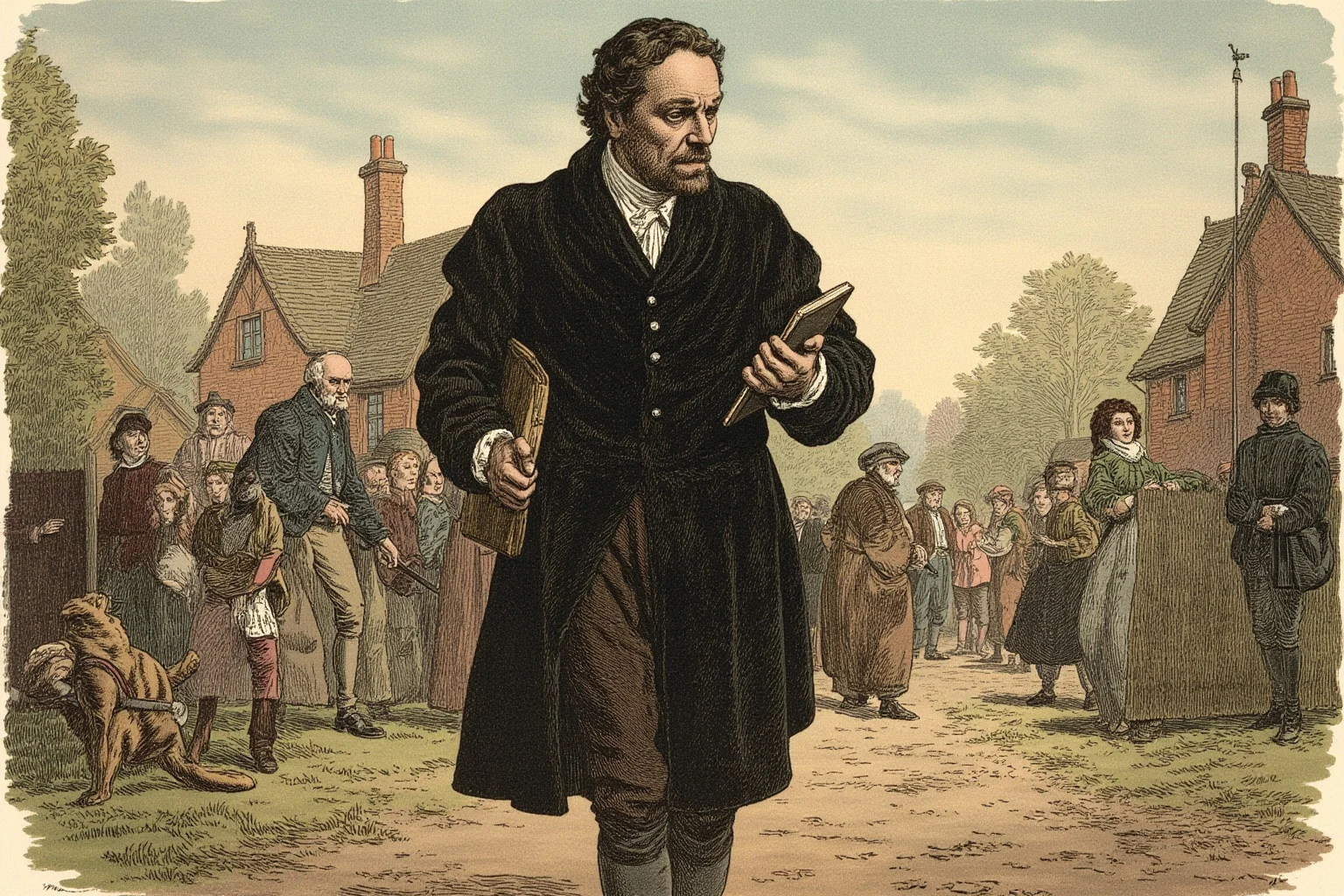
Matthew Hopkins, who styled himself the “Witch-Finder General” during the English Civil War period of the 1640s, built much of his prosecution method around familiar testimony. He and his associates traveled through East Anglia, questioning suspects and searching for marks, often extracting confessions naming specific familiar spirits.
Hopkins’s campaign led to a significant spike in witch trial convictions in a short span of years. His methods, later criticized even by contemporaries, show how the belief in familiars could be weaponized for profit and power rather than genuine spiritual concern.
14. Named Familiars from the Hopkins Trials
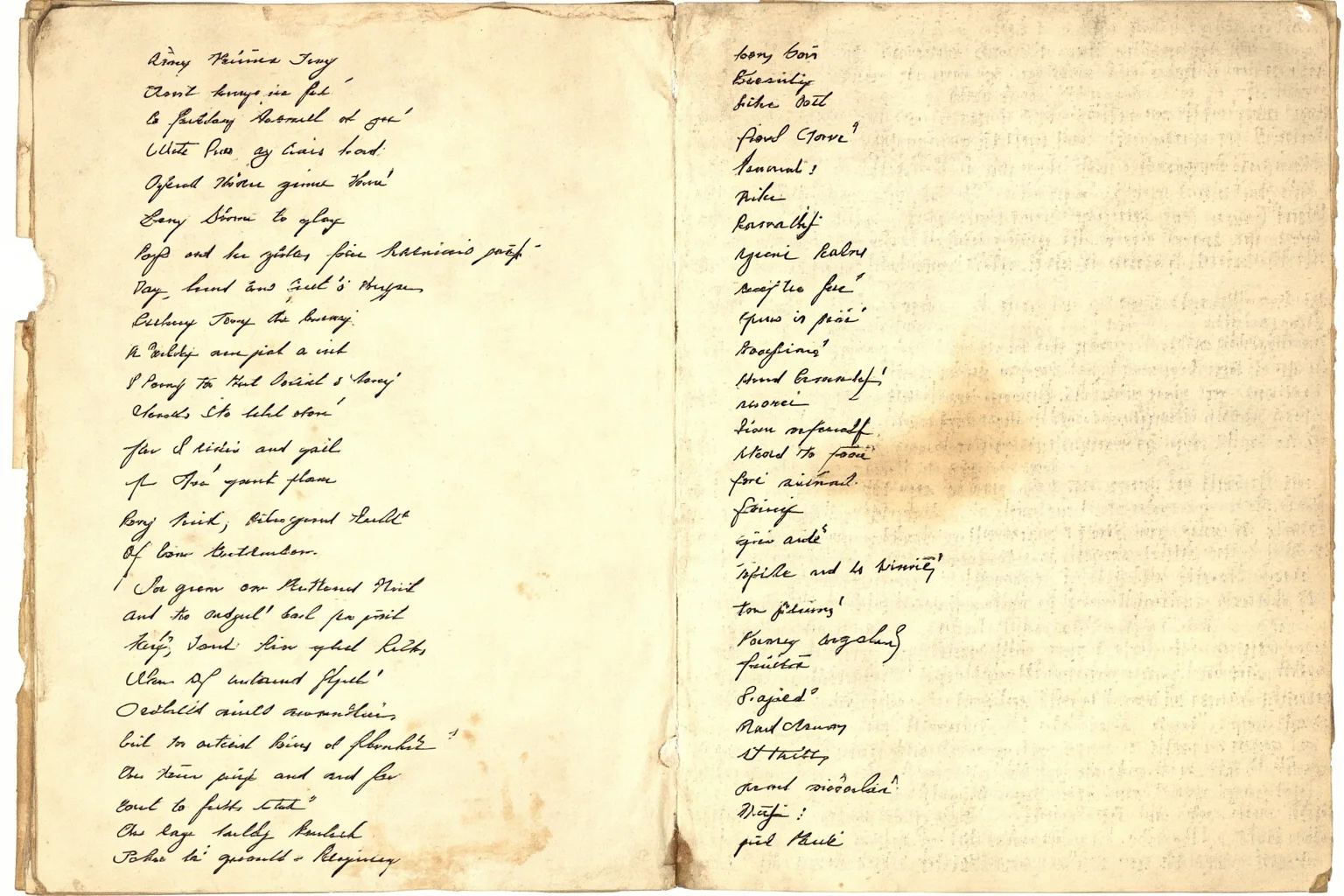
Some of the most famous names of witches’ familiars come directly from Hopkins-era confessions. Names like Vinegar Tom, Grizzel Greedigut, and Newes were recorded as familiars belonging to suspects examined during his campaign.
These specific, almost comically ordinary names are part of what makes the historical record so unsettling. They read like descriptions of real pets, which is precisely how neighbors and accusers may have understood them at the time.
15. The Pendle Witch Trials and Their Familiars
The 1612 Pendle witch trials in Lancashire, one of the best-documented witch trials in English history, also featured extensive familiar testimony. Several of the accused, including members of the Device family, described spirits appearing as dogs or other animals offering to help them harm rivals.
The surviving trial pamphlet, written by court clerk Thomas Potts, gives modern historians unusually detailed insight into how familiar belief operated within a real community. It remains one of the richest primary sources on this topic.
16. Isobel Gowdie’s Elaborate Confession in Scotland
In 1662, a Scottish woman named Isobel Gowdie gave one of the most detailed and imaginative witchcraft confessions on record, reportedly without torture. Her testimony included vivid descriptions of meetings with the Devil and spirits, contributing significantly to later understandings of Scottish familiar and fairy belief.
Historians remain divided on how much of her confession reflects genuine folk belief versus invention or psychological distress. Either way, it’s one of the most studied confessions in the history of familiar spirits.
17. Familiars Weren’t Always Evil — Cunning Folk Had Them Too
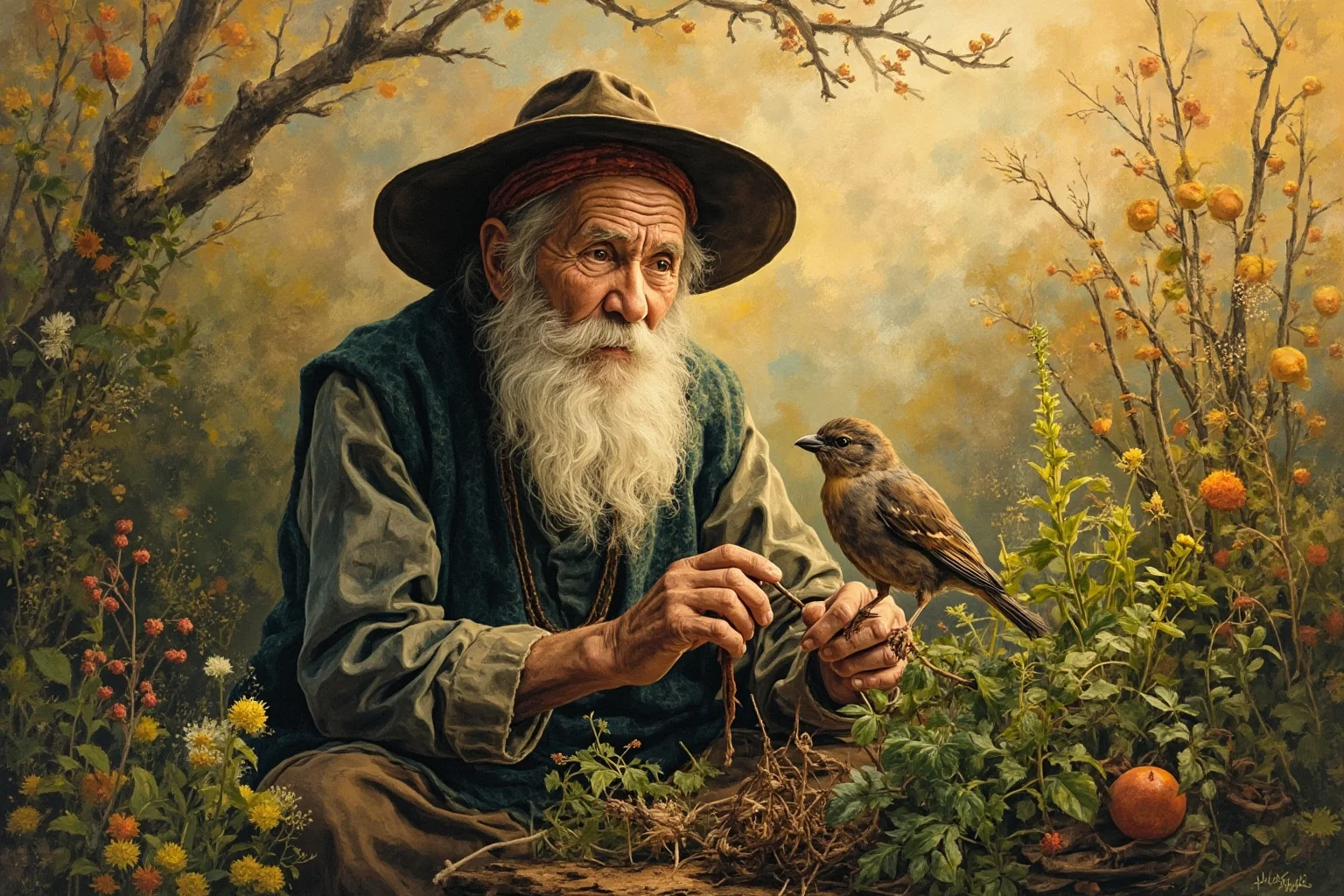
Not every person believed to have a familiar was accused of malicious witchcraft. Cunning folk, village healers and fortune-tellers who practiced a kind of folk magic, sometimes claimed to work with helpful spirits or familiars to diagnose illness or locate lost items.
This distinction is important because it shows familiars weren’t inherently sinister in folk belief. It was often the legal and religious framing of witchcraft trials that recast these companion spirits as demonic tools.
18. Fairy Familiars Predate the Witch Trials
Before the witch trial era, British and Scottish folklore already included beliefs in fairy familiars, spirits from fairy tradition who attached themselves to certain individuals. Some accused witches, including Isobel Gowdie, described their spirits in language closer to fairy lore than demonic pact theology.
This overlap suggests that familiar belief didn’t emerge fully formed from Christian demonology. It likely grew out of older, pre-existing folk traditions that were gradually reinterpreted through a more explicitly religious, and increasingly criminal, lens.
19. Familiars vs. Imps vs. Demons: What’s the Difference?
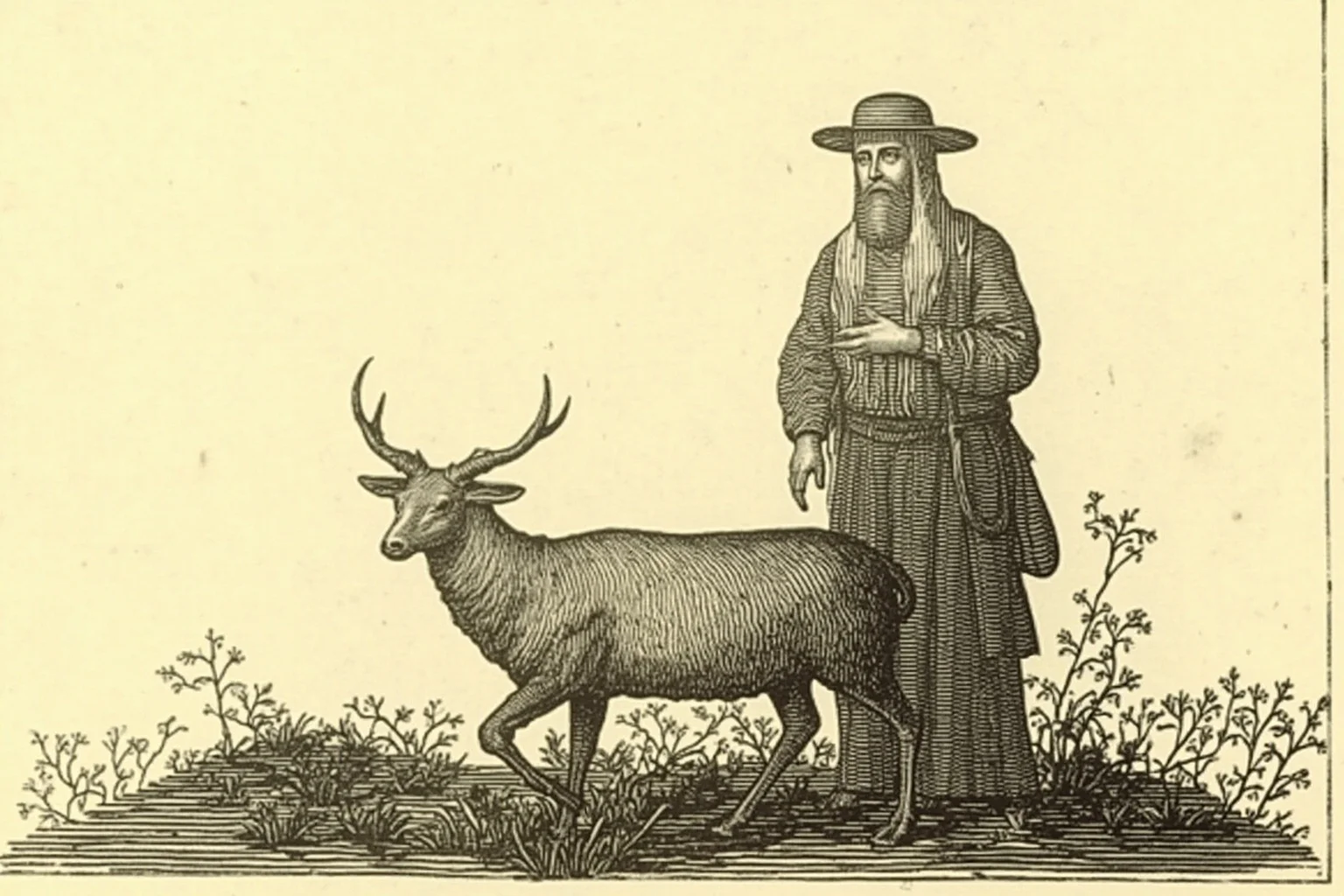
Trial documents often use “familiar,” “imp,” and “demon” somewhat interchangeably, but there were subtle distinctions in how people understood them. An imp was typically a minor, mischievous spirit, a familiar was that spirit specifically bound to serve an individual witch, and a demon carried heavier theological weight as a servant of the Devil himself.
In practice, English courts cared less about precise categorization and more about proving a supernatural helper existed at all. The blurred terminology reflects how folk belief and formal theology mixed together rather messily in real trials.
20. Continental Europe Focused on the Devil’s Pact, Not Animal Companions
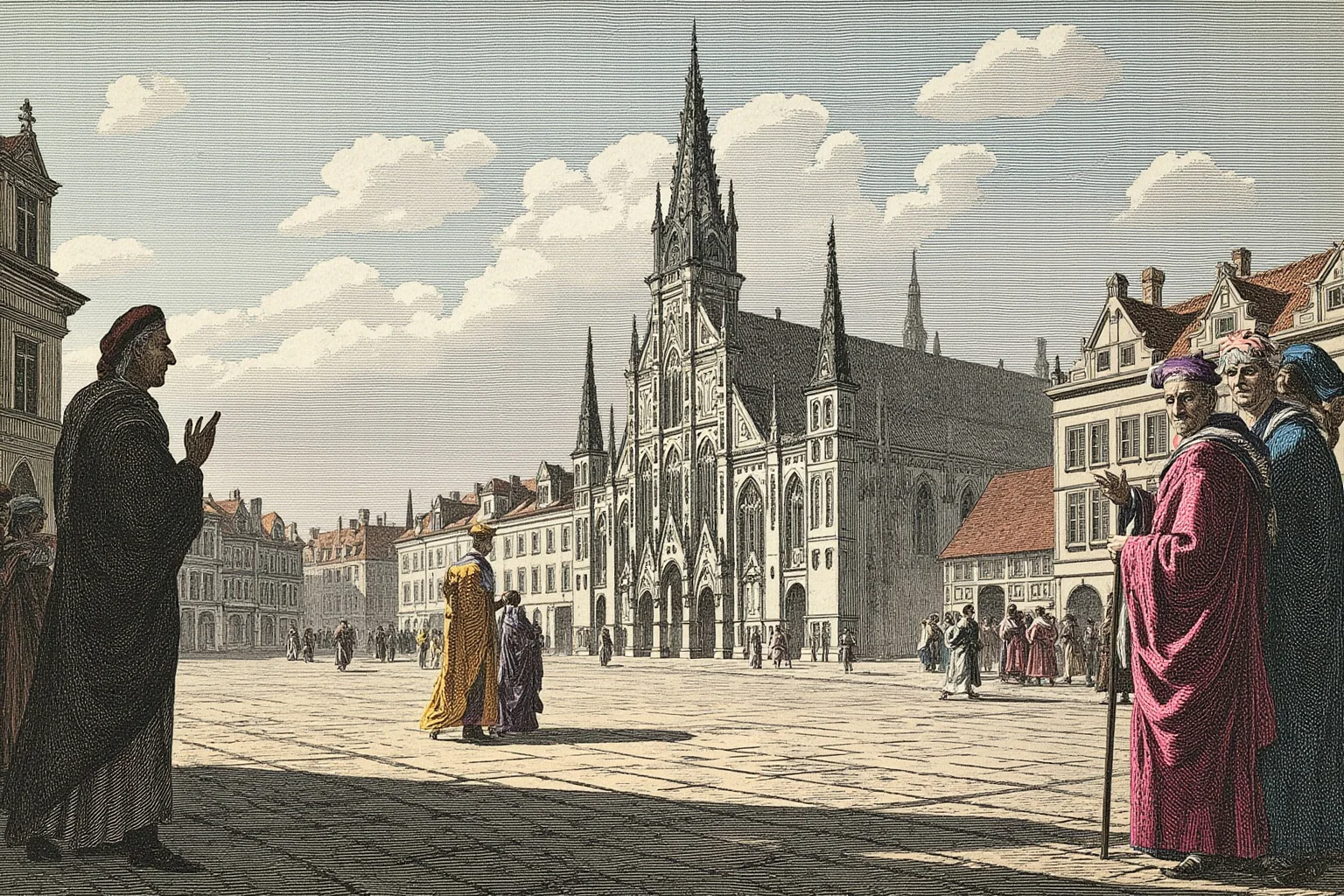
While English and Scottish trials emphasized familiars, witch trials across much of continental Europe focused more heavily on the idea of a formal pact with the Devil, often involving the Sabbat, a supposed gathering of witches. Animal companions appear far less frequently in French, German, or Spanish trial records.
This difference highlights that “familiars witchcraft” belief wasn’t a universal feature of the European witch craze. It was shaped by specific regional legal systems, folklore, and religious emphasis, especially in Britain.
21. The Witchcraft Act of 1735 Effectively Ended Familiar Prosecutions

England’s witch trials didn’t end all at once, but the legal foundation for prosecuting familiars collapsed with the Witchcraft Act of 1735. This law shifted the crime from actual witchcraft to fraudulently claiming magical powers, reflecting the Enlightenment-era shift away from treating witchcraft as a literal, provable offense.
After this point, familiar testimony largely moved out of courtrooms and into folklore, literature, and popular storytelling, where it has remained ever since. The legal danger disappeared, but the imagery stuck around.
22. Familiars Live On in Modern Pop Culture
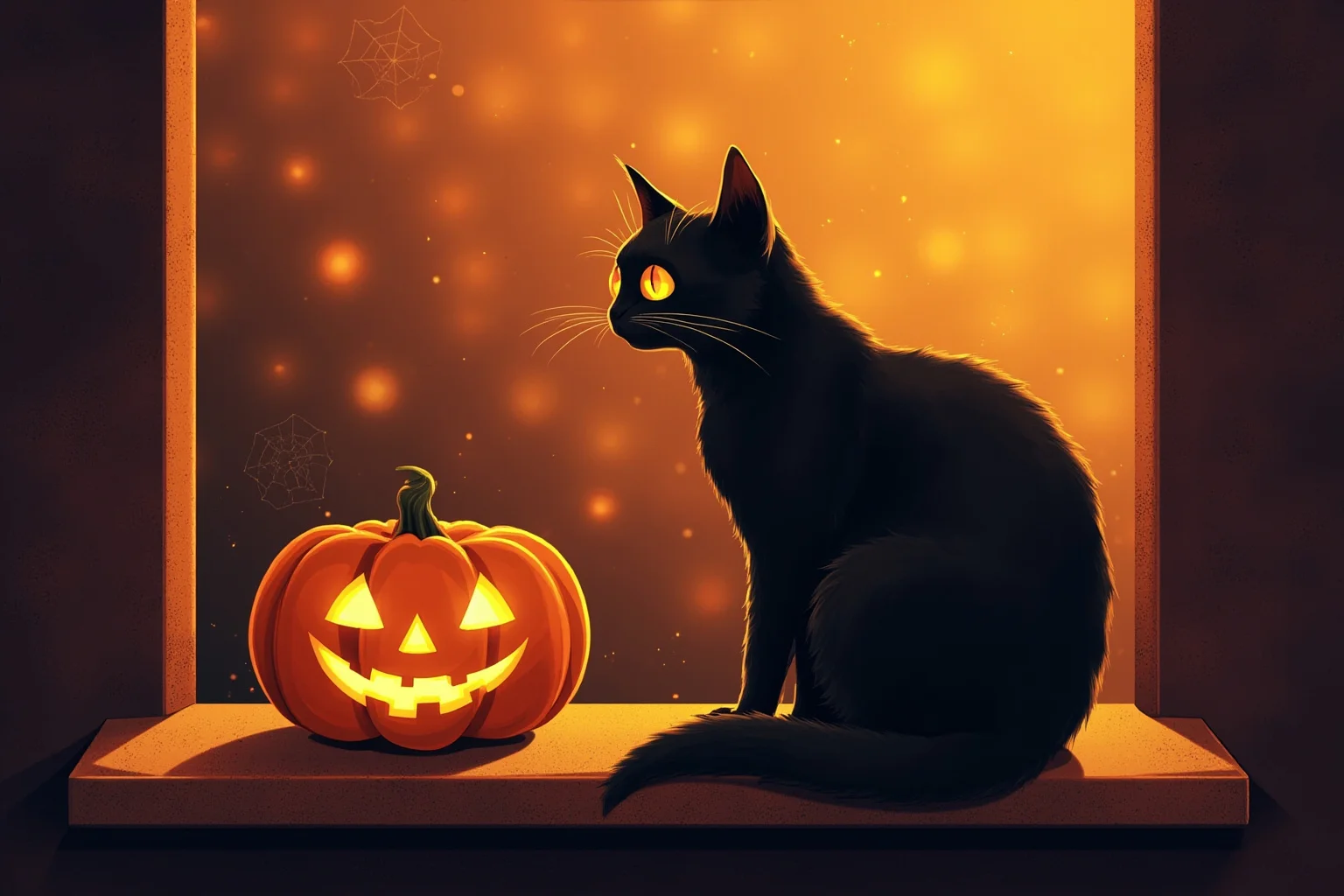
Today’s familiar spirit shows up everywhere from Salem the cat in Sabrina the Teenage Witch to Hedwig the owl in the Harry Potter series, and countless Halloween decorations featuring black cats and toads. These modern versions are almost always affectionate and helpful, a striking contrast to the fearful, legally dangerous belief that once put real people’s lives at risk.
Understanding that history adds a layer of weight to what’s now often treated as playful seasonal imagery. The witch’s animal companion started as a serious, sometimes deadly accusation long before it became a costume accessory.
The Enduring Legacy of the Witch’s Familiar
The story of familiars is really a story about how ordinary animals became caught up in extraordinary fear, legal machinery, and shifting folk belief. Cats, toads, dogs, and birds didn’t change; the way people interpreted them did, shaped by religion, law, regional culture, and sometimes outright coercion.
Looking back at this history isn’t just a Halloween curiosity. It’s a reminder of how quickly ordinary details of daily life, a pet, a mole on the skin, a neighbor’s odd habits, can be reframed as sinister evidence when fear and legal pressure take hold.
Frequently Asked Questions
What was a witch’s familiar?
A witch's familiar was a spirit believed to serve a witch, typically appearing in the form of an ordinary animal such as a cat, toad, dog, or bird. In English and Scottish witch trials, familiars were treated as evidence of a supernatural pact and often featured heavily in confessions and prosecutions from the 1500s through the 1600s.
What is a familiar spirit in witchcraft?
A familiar spirit is a supernatural entity said to take animal form and act as a companion or helper to a witch, sometimes carrying out magical tasks or causing harm on the witch's behalf. The concept blended older folk beliefs about fairies and household spirits with later Christian ideas about demons and pacts with the Devil.
What animals were most commonly witches’ familiars?
Cats and toads are the most famous, but historical trial records also describe dogs, ravens, owls, mice, rats, ferrets, and other small animals as familiars. The specific animal mattered less than the belief that an unusual intelligence or spirit was operating inside it.
Were witches’ familiars real?
There is no credible evidence that supernatural familiars existed; historians view them as a folklore and legal concept rather than a documented reality. The animals themselves were real pets or wildlife, but the belief that they housed spirits or demons reflects the fears and legal pressures of the witch trial era rather than verified fact.
What’s the difference between a familiar and a demon or imp?
In practice the terms overlapped, but a familiar was generally understood as a spirit bound to serve one particular person, an imp was a minor mischievous spirit, and a demon carried heavier theological weight as a servant of the Devil. English witch trial records often used these words loosely rather than with strict definitions.
Did every witch trial in Europe involve familiars?
No. Familiars were especially prominent in English and Scottish witch trials, while continental European trials in places like France and Germany focused more on the idea of a formal pact with the Devil and gatherings known as Sabbats, with far fewer references to animal companions.

Alex Warren
Related Articles





