

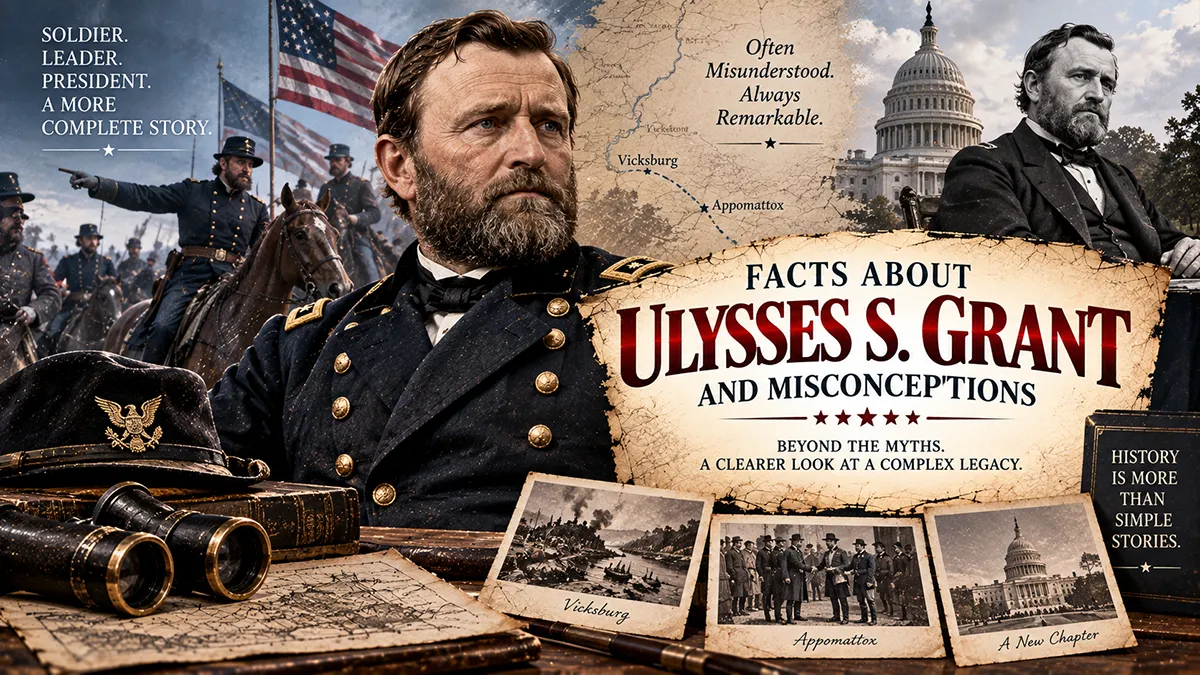
Ulysses S. Grant is one of those historical figures everyone thinks they know. He was the quiet general who beat Robert E. Lee, the president stuck between Lincoln’s shadow and Gilded Age scandal, and the guy whose middle initial doesn’t actually stand for anything. But dig past the textbook summary, and Grant’s real story is stranger, funnier, and more admirable than most people realize.
This guide rounds up the best facts about Ulysses S. Grant, from his awkward path to West Point to his globe-trotting retirement, and then tackles ten misconceptions that have followed him for over a century. Whether you’re here for fun facts, homework help, or a genuine myth-busting deep dive, you’ll find it below.
TL;DR: Ulysses S. Grant rose from failed farmer to Civil War hero and two-term president, and while history has stuck him with a fake middle name and an unfair reputation, the real man was sharper, kinder, and more consequential than the myths suggest.
Facts About Ulysses S. Grant
These are the core facts about Ulysses S. Grant worth knowing, covering his early life, military career, presidency, and personal quirks. Consider this your quick-reference list of Ulysses S. Grant fun facts and interesting details, all verified against the historical record.
1. He wasn’t born Ulysses S. Grant at all
Grant’s birth name was Hiram Ulysses Grant, born on April 27, 1822, in Point Pleasant, Ohio. He never went by Hiram, preferring Ulysses from childhood, which set the stage for the confusion that followed him for life.
2. The famous “S” doesn’t officially stand for anything
When Congressman Thomas Hamer submitted Grant’s nomination to West Point, he mistakenly listed him as “Ulysses S. Grant,” apparently assuming his middle name matched his mother’s maiden name, Simpson. Grant had no actual middle name, so the “S” is essentially a clerical accident that stuck for the rest of his life.
3. He tried to correct the mistake and failed
When Grant arrived at West Point, he attempted to explain the error, but the academy refused to change its paperwork. Rather than fight a losing battle with military bureaucracy, he simply adopted “Ulysses S. Grant” as his legal identity from that point forward.
4. His famous nickname came from his initials
Because his adjusted initials read “U.S.,” fellow cadets began joking that they stood for “Uncle Sam.” The nickname stuck, was shortened to “Sam,” and followed him throughout his West Point years and early military career.
5. He was a mediocre student, except in math and horses
Grant graduated 21st out of 39 cadets in his class, hardly a standout academic record. He excelled in only two areas: mathematics and horsemanship, and the latter made him one of the finest riders ever to pass through West Point.
6. He set a horse-jumping record that stood for decades

According to West Point tradition, Grant set a high-jump record on horseback during a cadet exhibition that reportedly stood unbroken for roughly 25 years. Horses remained one of his lifelong passions, long after he traded the saddle for a general’s desk.
7. He fell in love with his roommate’s sister
Grant met Julia Dent through his West Point roommate, her brother Frederick. The two married in 1848, and by all accounts theirs was a genuinely affectionate, lifelong partnership, unusual for the often-formal marriages of the era.
8. He was a business failure before the war
After resigning from the peacetime army in 1854, Grant tried farming, real estate, and bill collecting, and failed at nearly all of it. At one especially low point, he reportedly sold firewood on the streets of St. Louis and worked as a clerk in his father’s leather goods store just to support his family.
9. The Civil War rescued his career almost overnight
When the Civil War broke out in 1861, Grant was a struggling clerk in Galena, Illinois. Within four years he had risen to command all Union armies, one of the most dramatic personal turnarounds in American history.
10. His early victories saved the Union’s morale
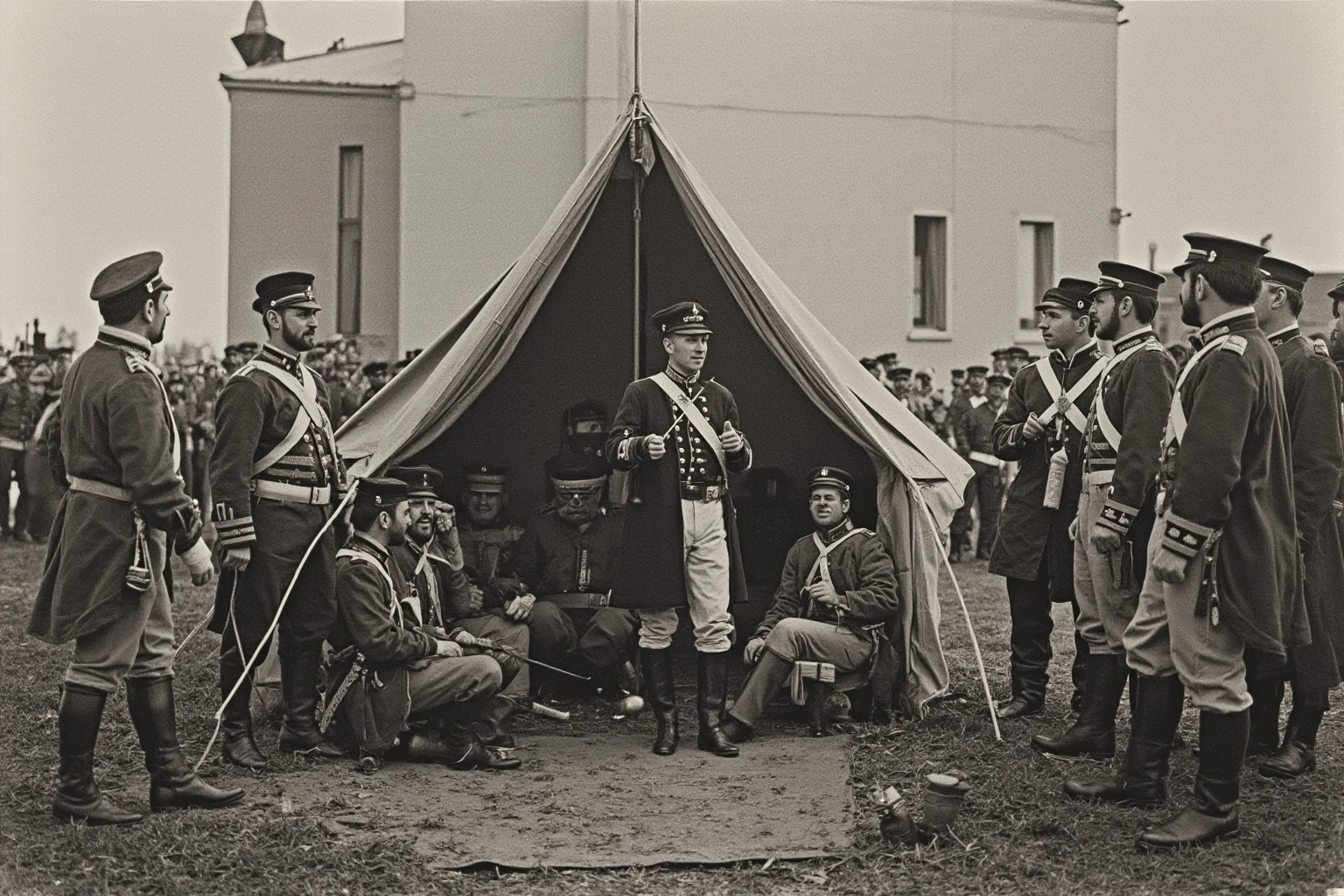
Grant’s capture of Fort Henry and Fort Donelson in 1862 gave the Union its first major victories of the war. His demand for “unconditional surrender” at Donelson also gave rise to a popular new meaning for his initials: “Unconditional Surrender” Grant.
11. The Vicksburg Campaign was his masterpiece
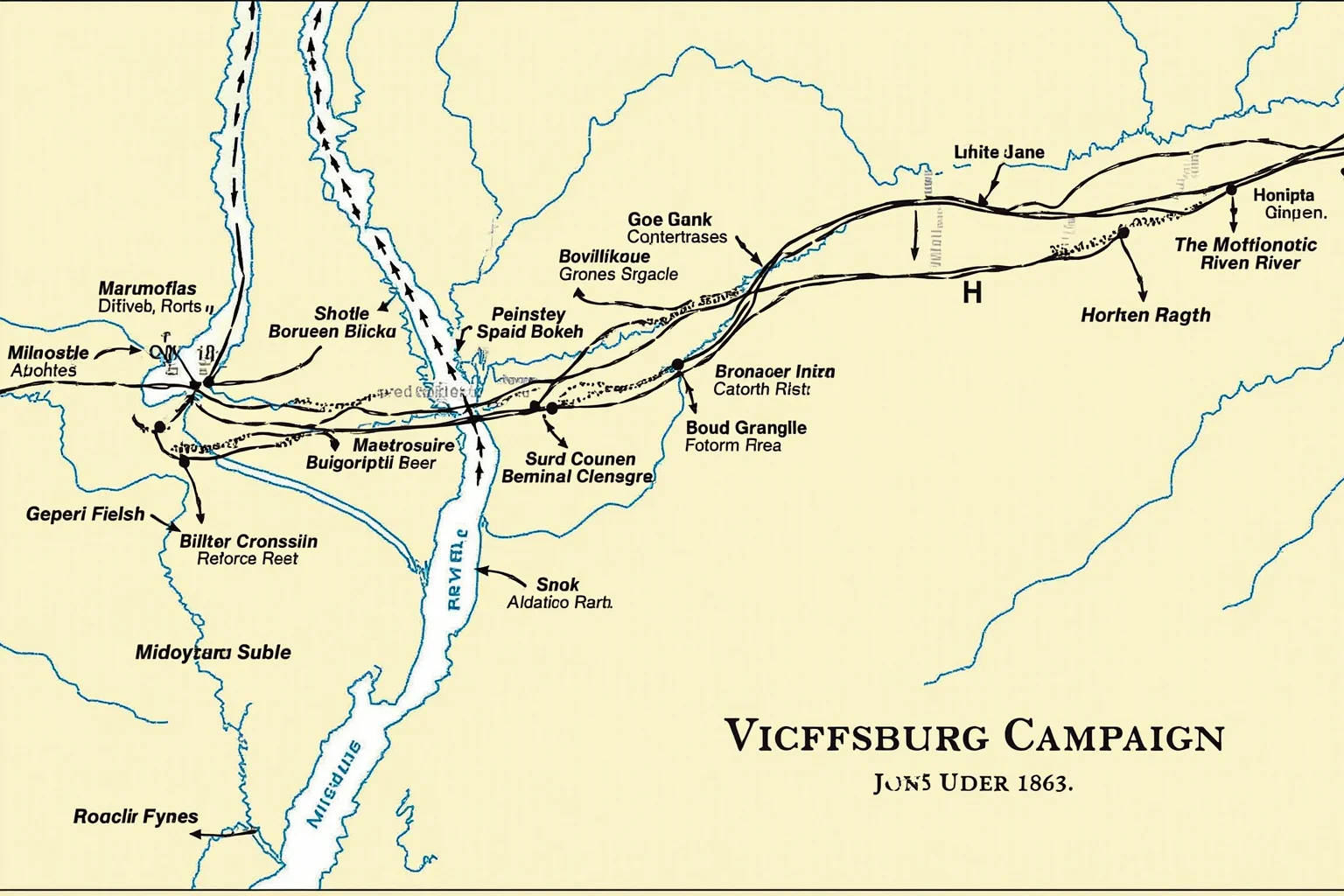
Grant’s 1863 campaign to capture Vicksburg, Mississippi, split the Confederacy in two by giving the Union full control of the Mississippi River. Military historians still study the campaign as one of the most skillfully executed of the entire war.
12. He accepted Lee’s surrender at Appomattox
On April 9, 1865, Grant met Robert E. Lee at Appomattox Court House to negotiate the surrender of the Army of Northern Virginia. This meeting effectively ended the Civil War, and it’s the moment most people associate with Grant even today.
13. He became the first four-star general since Washington
In 1866, Congress created the rank of General of the Army specifically to honor Grant, making him the first officer to hold a four-star rank since George Washington. It reflected just how central he had become to Union victory.
14. He became president almost by popular demand
Grant won the presidency in 1868 largely on the strength of his war record, running with the slogan “Let us have peace.” At 46, he became one of the youngest presidents up to that point in American history.
15. He was the first president since Andrew Jackson to serve two full terms
Grant served from 1869 to 1877, completing two full terms without interruption. Between Jackson and Grant, no president had managed to serve two complete terms, making this a notable, if underappreciated, presidential fact.
16. He fought the Ku Klux Klan aggressively
Grant’s administration pushed through the Enforcement Acts and used federal troops to dismantle the Ku Klux Klan in the early 1870s. He also signed the Civil Rights Act of 1875, one of the strongest civil rights laws passed before the 20th century.
17. He signed the law creating the first national park
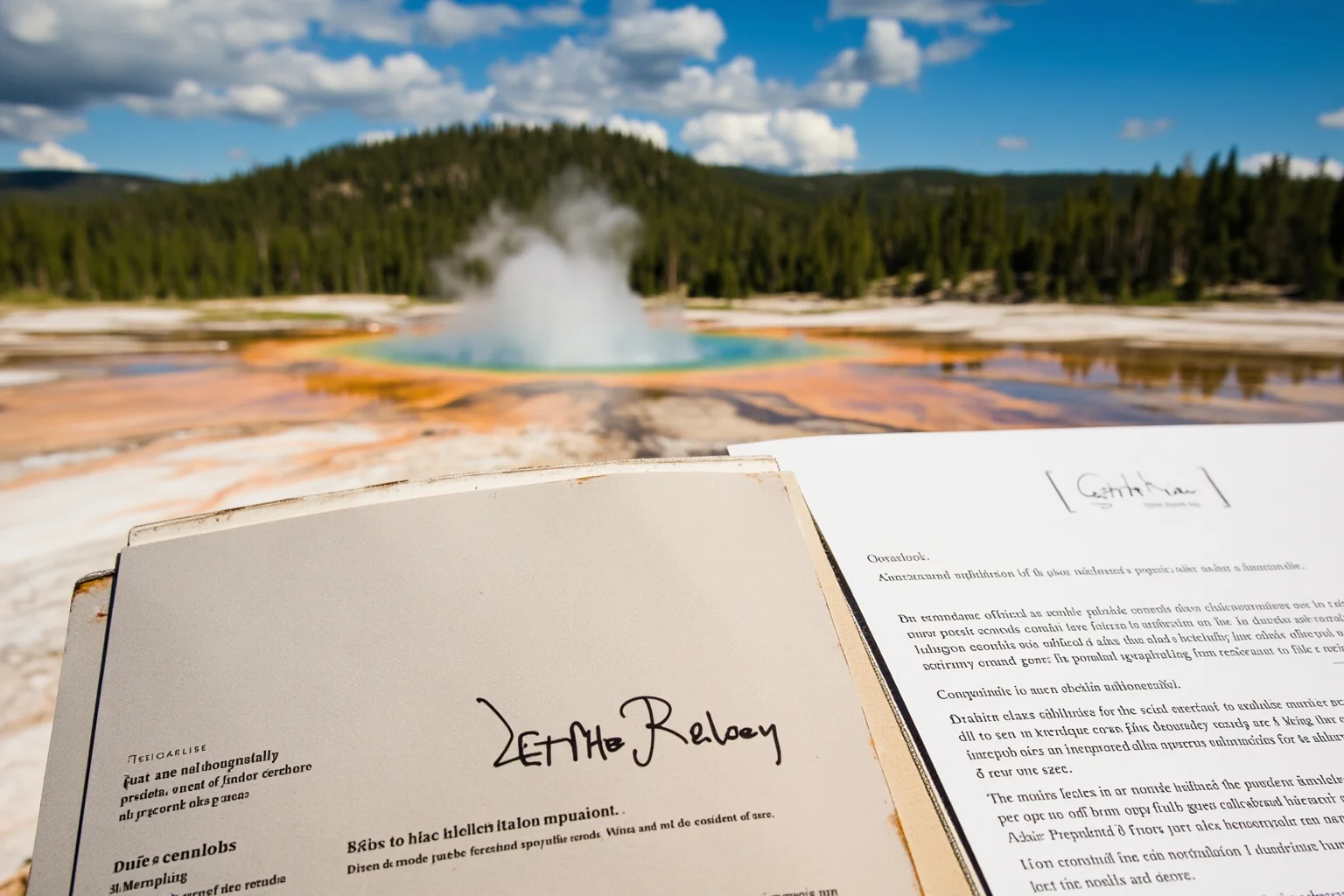
In 1872, Grant signed the act establishing Yellowstone as the world’s first national park. It’s one of his most lasting and least controversial legacies, and it rarely makes the list when people discuss his presidency.
18. He loved cigars, but the stories may be exaggerated
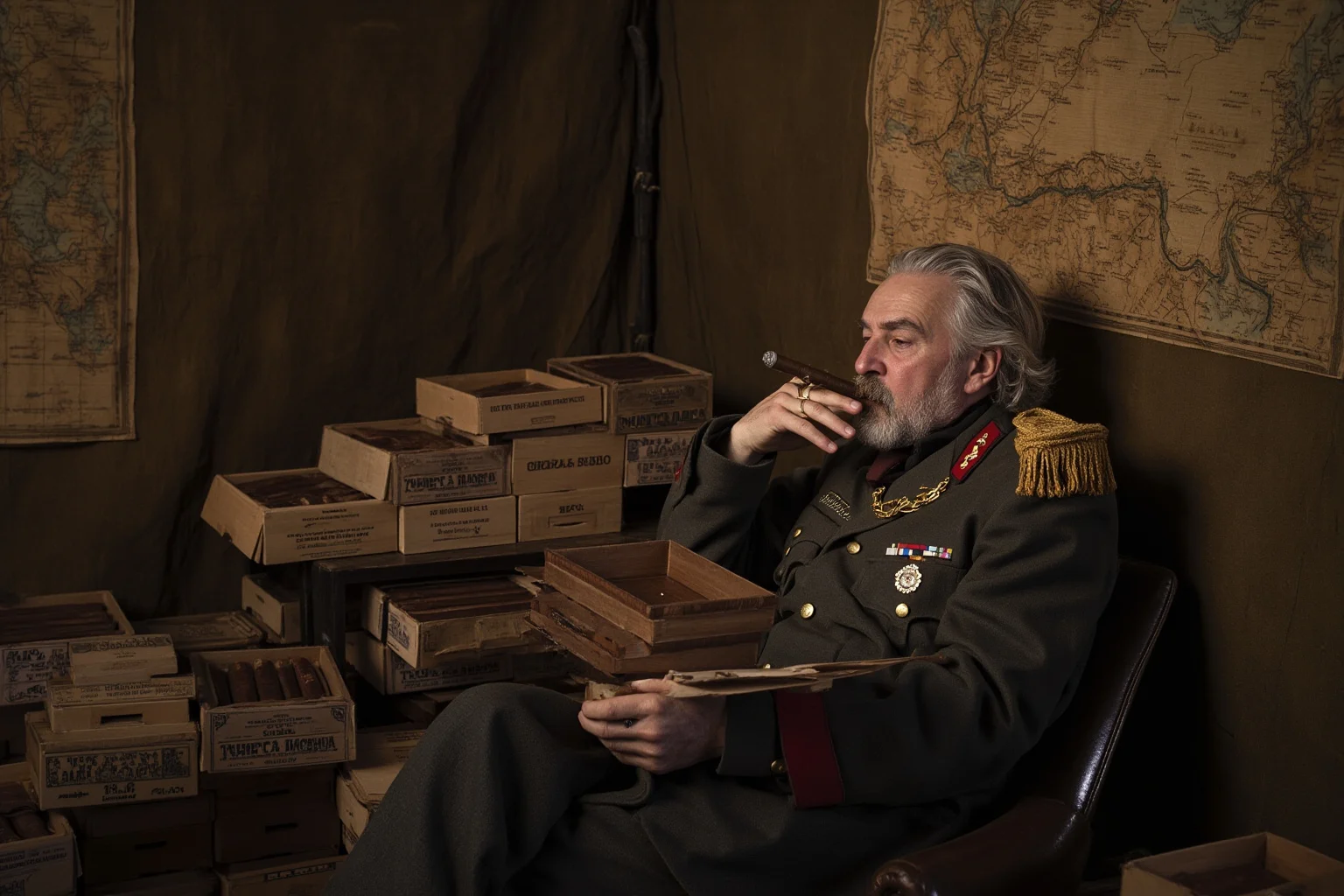
Grant was a heavy cigar smoker, reportedly consuming many a day at points during the war, partly thanks to admirers who sent him boxes after his early victories. That habit almost certainly contributed to the throat cancer that eventually killed him.
19. He lost his fortune to a Ponzi scheme

After his presidency, Grant invested in a firm called Grant & Ward, run by his son and a swindler named Ferdinand Ward. The firm collapsed in 1884 in what amounted to an early Ponzi scheme, leaving Grant personally bankrupt in his final years.
20. He raced against death to finish his memoirs
Dying of throat cancer and nearly broke, Grant spent his final months writing “Personal Memoirs of Ulysses S. Grant,” encouraged and published by Mark Twain. The book was a critical and commercial success, securing his family’s financial future just after his death in 1885.
10 Common Misconceptions About Ulysses S. Grant
Grant’s reputation has been shaped as much by rumor and Gilded Age gossip as by fact. Here are the biggest misconceptions about Ulysses S. Grant, and what the historical record actually shows.
21. Misconception: Grant was a hopeless drunk
This is probably the most persistent myth about Grant, and it’s more complicated than either side usually admits. There is credible evidence he struggled with alcohol at points, particularly during lonely, low-stakes postings early in his career, and rival generals and political enemies happily amplified the rumors.
However, contemporaries who worked closely with him during his major campaigns, including staff officers who saw him daily, described him as disciplined and clear-headed when it counted. The “drunken general” caricature was largely a political weapon used by critics, not an accurate summary of his wartime leadership.
22. Misconception: The “S” in his name stands for Simpson
Many people confidently state that the S stands for Simpson, his mother’s maiden name, and it’s an understandable guess given how the mix-up originated. But Grant’s actual birth name was Hiram Ulysses Grant, with no middle name at all.
The congressman who nominated him to West Point simply assumed Simpson was his middle name and wrote it down incorrectly. Grant never legally added Simpson as a middle name; the “S” that appears in “Ulysses S. Grant” is, technically, an abbreviation for nothing.
23. Misconception: Grant was a reckless “butcher” general
Critics, especially in the early 20th century, painted Grant as a crude commander who won through overwhelming numbers and heavy casualties rather than skill. This narrative was heavily promoted by Lost Cause historians who wanted to elevate Robert E. Lee at Grant’s expense.
Modern military historians largely reject this framing. Grant’s campaigns at Vicksburg and his overall strategy of coordinated, simultaneous pressure across multiple fronts are now widely recognized as sophisticated and ahead of their time.
24. Misconception: Grant’s presidency was defined by personal corruption
Grant’s two terms were undeniably marked by major scandals, including the Whiskey Ring and Crédit Mobilier affairs, which involved people close to his administration. This has led many to assume Grant himself was corrupt.
In reality, no credible evidence has ever tied Grant personally to financial wrongdoing while in office. His flaw was excessive loyalty; he trusted friends and appointees who abused that trust, and he was often slow to act once wrongdoing came to light.
25. Misconception: Grant was harsh or vindictive toward the defeated Confederacy
Given his reputation as a relentless wartime commander, people sometimes assume Grant treated Lee and the defeated South harshly at Appomattox. The opposite is true.
Grant offered generous surrender terms, allowing Confederate soldiers to keep their horses and return home without prosecution for treason. He later intervened to prevent Lee’s arrest, a gesture that reflected his broader belief that reconciliation mattered more than humiliation.
26. Misconception: Grant was pro-slavery or a lifelong slaveholder
Grant’s father-in-law’s family owned enslaved people, and for a period Grant himself held one enslaved man, William Jones, given to him by his father-in-law. This fact is sometimes stretched into a claim that Grant was a major slaveholder or committed defender of slavery.
Grant freed Jones in 1859, before the war even began, at a time when doing so cost him needed labor on his struggling farm. As president, he became one of the most consistent defenders of Black civil rights of any 19th-century American leader.
27. Misconception: Grant was unintelligent or uneducated
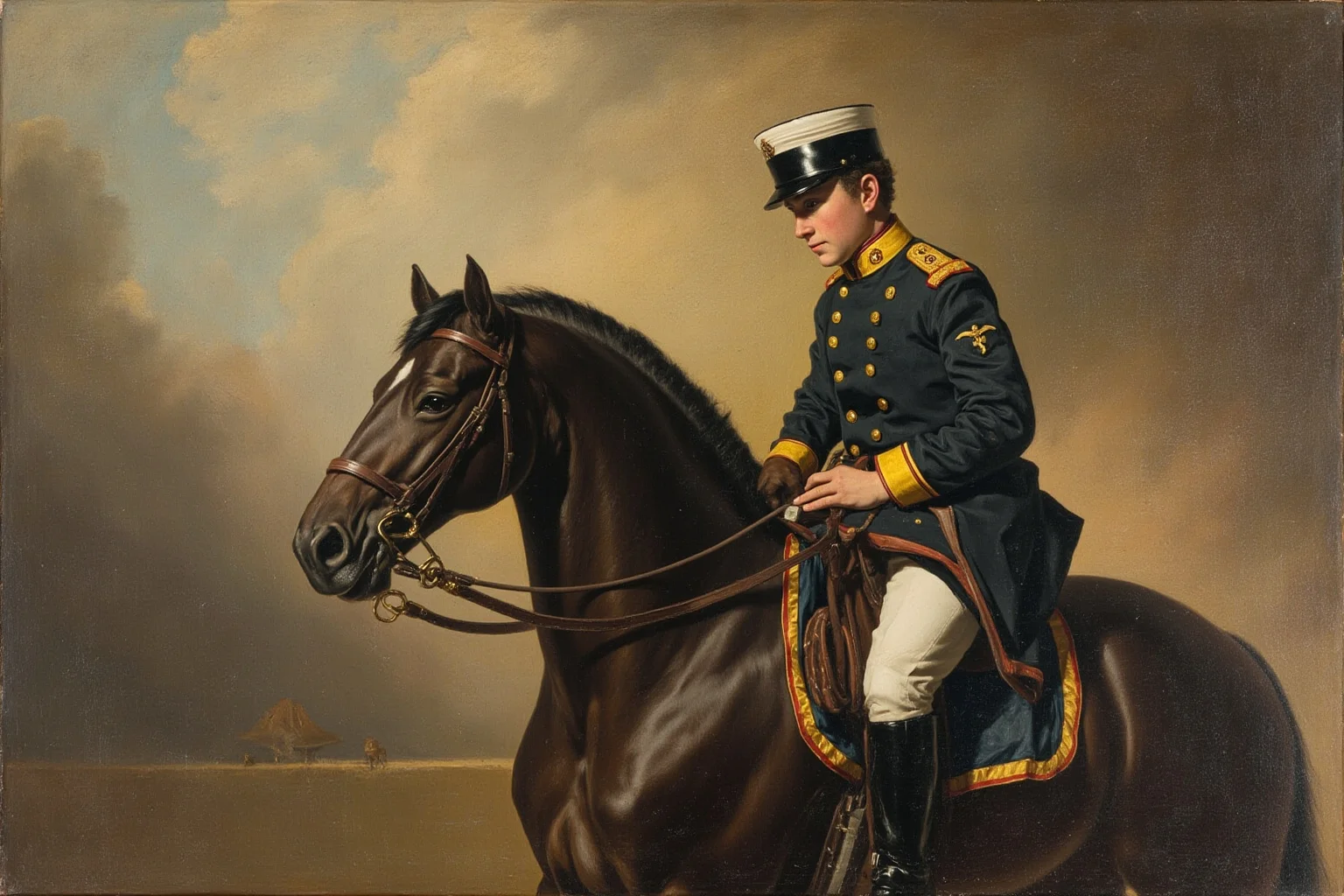
Because Grant graduated in the middle of his West Point class and struggled in business, some assume he simply wasn’t very bright. This overlooks his genuine talents in mathematics, engineering, and horsemanship at the academy.
It also ignores the strategic and organizational brilliance he showed as a general, coordinating armies across multiple theaters at a scale no American commander had managed before. Business failure and military genius, it turns out, aren’t mutually exclusive.
28. Misconception: Grant ran unopposed for president
Grant’s popularity as a war hero leads some to assume his elections were formalities. In reality, he faced real opponents both times he ran.
In 1868, he defeated Democrat Horatio Seymour, and in 1872, he defeated journalist and reformer Horace Greeley, who was backed by a coalition of Democrats and disaffected Republicans. Both races involved genuine campaigning and real political stakes, even though Grant won comfortably each time.
29. Misconception: His memoirs were a vanity project, not a serious historical source
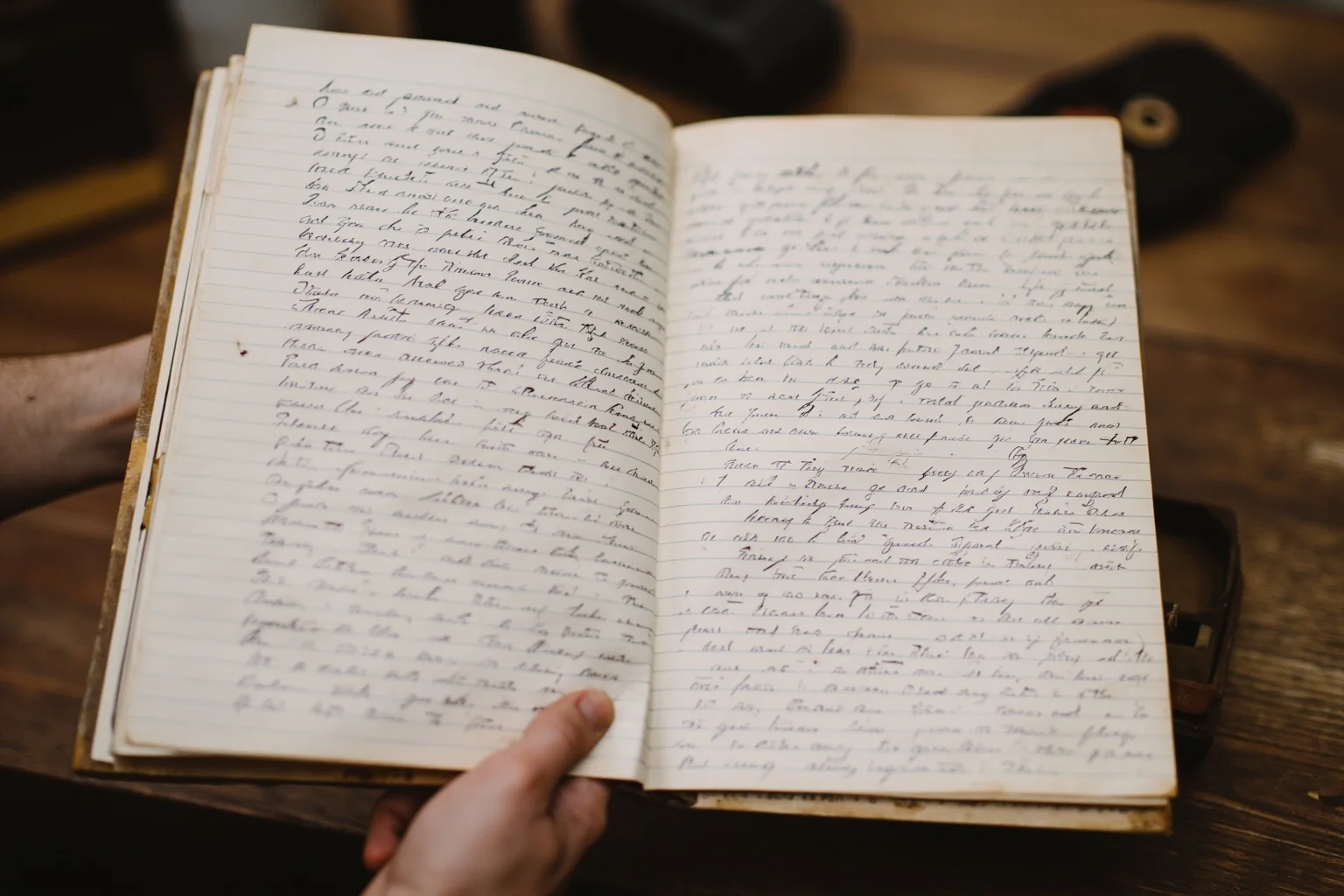
Because Grant wrote his memoirs while dying and deeply in debt, some assume the book was a rushed cash grab with little historical value. Historians actually consider “Personal Memoirs of Ulysses S. Grant” one of the finest military memoirs ever written by an American general.
Mark Twain, who published the book, praised its clarity and honesty, and modern scholars still cite it as a remarkably candid and well-organized primary source on the Civil War. It was written for financial survival, but that urgency produced discipline, not sloppiness.
30. Misconception: Grant’s Native American policy was simply genocidal by design
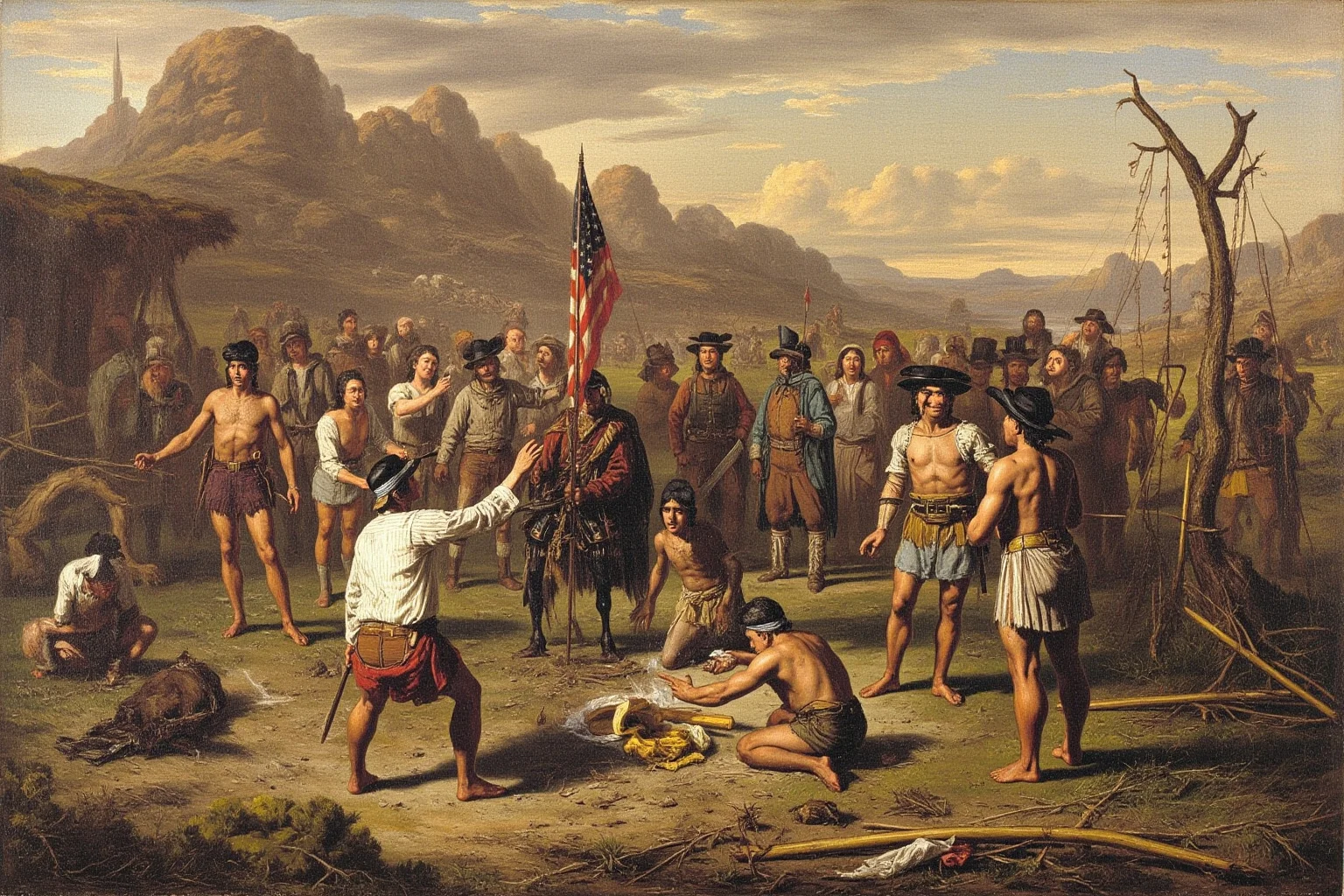
Grant’s record on Native American policy is genuinely mixed and deserves honest scrutiny rather than a simple label in either direction. His “Peace Policy” aimed to reduce corruption in the reservation system and involved religious groups in administering tribal affairs, a genuine attempt at reform by the standards of the time.
At the same time, his administration presided over violent conflicts, including the Great Sioux War, and continued forced relocation policies that caused immense suffering. Reducing this record to either “reformer” or “villain” flattens a complicated and often contradictory chapter of his presidency.
Why Ulysses S. Grant Still Matters
So why was Ulysses S. Grant important, and what is he best known for? Most people would answer with Appomattox, and that’s fair; ending the Civil War as the Union’s top general is arguably the single most consequential achievement of his life.
But Grant’s importance doesn’t stop there. As president, he used federal power to crush the first wave of the Ku Klux Klan, signed meaningful civil rights legislation, and protected the fragile gains of Reconstruction longer than most of his contemporaries would have dared. He also established the country’s first national park, a decision that quietly shaped how Americans relate to public land to this day.
Grant’s personality also deserves more credit than it usually gets. Contemporaries described him as modest, plainspoken, fiercely loyal to friends, and almost unshakably calm under pressure, character traits that served him far better on a battlefield than in a political backroom. He wasn’t flashy, and he rarely sought the spotlight, which is partly why his reputation suffered more than his actual record deserved.
Final Thoughts on the Man Behind the Myths
Ulysses S. Grant’s life resists easy summary, which is exactly why the myths took hold so easily. It’s simpler to remember him as a drunk butcher-general or a hapless bystander to corruption than to grapple with a man who failed at nearly everything before the war, then became one of the most capable military and political leaders of his century.
The real Grant was flawed, occasionally too trusting, and undeniably human. He was also brave, principled on civil rights when it mattered most, and honest enough to spend his dying months working to protect the people he loved rather than his own legacy.
That combination, more than any single battle or scandal, is why historians keep revisiting his story more than a century later.
Frequently Asked Questions
What are the best Ulysses S. Grant fun facts?
Some favorite Ulysses S. Grant fun facts include that his birth name was Hiram Ulysses Grant, his famous middle initial "S" doesn't officially stand for anything, he set a horse-jumping record at West Point, and he wrote his acclaimed memoirs while dying of throat cancer to secure his family's finances.
What did the S in Ulysses S. Grant stand for?
Officially, nothing. A congressman mistakenly listed Grant's middle initial as "S" when nominating him to West Point, likely assuming his mother's maiden name, Simpson, was his middle name. Grant's actual birth name was Hiram Ulysses Grant, with no middle name at all, and the error simply became permanent.
Why was Ulysses S. Grant important?
Grant was important because he led Union forces to victory in the Civil War, accepted Robert E. Lee's surrender at Appomattox in 1865, and later served two terms as president where he fought the Ku Klux Klan, signed civil rights legislation, and established Yellowstone as the first national park.
What is Ulysses S. Grant best known for?
Ulysses S. Grant is best known for commanding Union armies to victory in the Civil War and for accepting General Robert E. Lee's surrender at Appomattox Court House in April 1865, which effectively ended the war.
What was Ulysses S. Grant’s personality like?
Contemporaries described Grant as modest, quiet, loyal to friends and staff, and remarkably calm under pressure. He avoided self-promotion, which made him an effective battlefield commander but sometimes left him vulnerable to political operators who took advantage of his trust while he was president.
Who ran against President Grant in his elections?
In 1868, Grant defeated Democrat Horatio Seymour. In 1872, he defeated journalist and reformer Horace Greeley, who ran with backing from Democrats and disaffected Republicans opposed to Grant's administration.
What were Ulysses S. Grant’s hobbies?
Grant was a lifelong horseman and skilled rider from his West Point days onward, and he was also known for smoking cigars heavily, particularly during the war. He enjoyed farming and outdoor life, even though his own farming ventures before the war were largely unsuccessful.
Was there real controversy surrounding Ulysses S. Grant?
Yes, several scandals, including the Whiskey Ring and Crédit Mobilier affairs, occurred during his presidency and involved people in his administration. No solid evidence has ever tied Grant personally to corruption, but his excessive loyalty to friends and appointees left his reputation damaged for decades.

Alex Warren
Related Articles





