


Faking your own death is one of the oldest tricks in the book. People have staged drownings, paid off coroners, swapped coffins, and simply vanished, all to escape debts, spouses, scandals, or the law. Some of these schemes were genius. Most were clumsy. A surprising number actually worked, at least for a while.
The stories below are real, documented cases of people who faked their deaths. Some are famous historical figures, some are notorious criminals, and a few are ordinary people whose disappearances became legends. Where evidence is thin or disputed, we say so, because not every reported "fake death" is fully proven.
TL;DR: People have faked their deaths for centuries using everything from swapped corpses to staged drownings, and while many were caught, a handful genuinely got away with it.
What It Actually Takes to Fake a Death
Before diving into the list, it helps to understand how these schemes work. Faking a death usually requires three things: a convincing body (or the absence of one), a witness or official willing to confirm it, and a new identity to hide behind. With those pieces in place, even amateur hoaxes can fool authorities for years.
That is essentially the answer to "how do you fake a death." Historically, the most common methods were drowning at sea with no body recovered, dying abroad where records were hard to check, having a friend identify a stranger's corpse, or simply disappearing into a crowd in a big city. Modern cases add digital records, DNA testing, and cross-border databases, which make the trick far harder today.
It is also worth noting that "faking a death" is legally different from legally changing your name or disappearing. Fraudulently claiming a death to collect insurance, avoid prosecution, or dodge debts is a crime in most countries. Even so, history is full of people who tried anyway.
How We Ranked These Cases
This is not a ranking of who was "best" at dying. Instead, items are grouped roughly by era, starting with older historical cases and moving toward modern ones. Each entry reflects a genuinely distinct story rather than repeating variations of the same trick.
Where a claimed fake death is disputed by historians, we flag that explicitly. Several of these figures are the subject of ongoing debate, and we do not present speculative claims as settled fact.
1. King Charles II of Spain's Would-Be Escape (A Royal Rumor)
Story: Various legends claim a Spanish royal faked his death to escape the burdens of the crown. One popular version, sometimes tied to succession disputes and quoted in odd corners of the internet as "he chose an heir so i faked my death," suggests a dying king secretly arranged an heir and then staged his own death to disappear.
Context: There is no solid historical evidence that Charles II of Spain faked anything. He was a genuinely sickly monarch whose death in 1700 triggered the War of the Spanish Succession. The "faked death" idea is folklore, not documented history.
Takeaway: This is a good reminder that many "faked my death" stories attached to famous nobles are embellishments invented after the fact. If you see the phrase online, it usually belongs to a meme, a novel, or a hoax, not to real archives.
2. Emperor Nero's Reported Escape

Story: When Nero died in 68 AD, rumors spread that he had not really died but had fled east. Several impostors appeared over the following decades claiming to be the emperor, and at least two gained followings before being suppressed.
Context: Most historians accept that Nero died by suicide. However, his body was buried quietly, and the lack of a public funeral fueled persistent legends. The impostors are historical; whether Nero himself escaped is almost certainly not.
Takeaway: Nero is one of the earliest famous people who faked their deaths in popular legend, even though the evidence points to a real death and fake successors.
3. The False Dmitris of Russia

Story: After the death of Tsarevich Dmitry in 1591, multiple men claimed to be him and seized power. The most famous, False Dmitry I, actually ruled as tsar from 1605 to 1606.
Context: The real Dmitry almost certainly died as a child. The impostors capitalized on confusion, political chaos, and the lack of reliable records. Their rise shows how a faked survival, rather than a faked death, can change history.
Takeaway: These cases flip the usual script. Instead of faking his death, a person fakes being someone who supposedly died, which is the mirror image of the same deception.
4. The Man Who Claimed to Be the Dauphin of France
Story: After the French Revolution, several men emerged claiming to be Louis-Charles, the lost Dauphin. The most famous was Karl Wilhelm Naundorff, who died in 1845 still insisting on his royal identity.
Context: The Dauphin likely died in prison in 1795. DNA testing in the 20th century on a preserved heart supported that conclusion. The claimants were almost certainly impostors, though the mystery still fascinates people.
Takeaway: This is a case where modern science helped close a fake-death mystery, showing how DNA can settle claims that fooled people for generations.
5. The Bounty Mutineers Who Vanished

Story: After the mutiny on the Bounty in 1789, some crew members effectively disappeared from the world, letting their families believe they were lost at sea. Several settled on Pitcairn Island and were not found for years.
Context: This is less a deliberate fake death than a voluntary vanishing. No bodies were produced, and communication was slow enough that families simply assumed the worst.
Takeaway: Disappearing into isolation is a quieter version of faking a death. It relies on distance and silence rather than fraud or forged paperwork.
6. Timothy Dexter's Bizarre Publicity Stunt

Story: In 1802, American eccentric Timothy Dexter threw a mock funeral for himself while still alive, then reportedly beat his mourning wife for not weeping enough. It was pure spectacle, not an escape attempt.
Context: Dexter was famous for odd stunts and self-published writing. The fake funeral was a publicity move, not an attempt to disappear.
Takeaway: Not every fake death is about money or crime. Some people stage them for attention, which is a category all its own.
7. Ambrose Bierce's Disappearance
Story: The writer Ambrose Bierce vanished in Mexico around 1913 while traveling with rebel forces. He wrote a farewell letter hinting he might never return, and no trace of him was ever found.
Context: We do not know whether Bierce died, faked his death, or simply disappeared. His fate remains one of literature's great unsolved mysteries.
Takeaway: This is a case where "who faked their death" is genuinely unanswerable, because there is no body and no confession. Sometimes legend outruns evidence.
8. The Man Who Sold His Own Death

Story: In the 19th century, a con artist known as the "Tichborne Claimant" claimed to be the lost heir Sir Roger Tichborne, who was presumed dead after a shipwreck. The impostor was eventually exposed and imprisoned.
Context: The real Roger Tichborne was lost at sea in 1854. The claimant, Arthur Orton, arrived from Australia years later with a dubious story and a huge following.
Takeaway: This is a reverse fake death: someone else faked surviving the disaster rather than faking their own demise, but the underlying deception is similar.
9. The Many Disappearances of Stage Magicians
Story: Several stage magicians over the years have staged public disappearances or mock deaths as part of their acts, sometimes blurring the line between performance and reality.
Context: These are generally performances, not fraud. The magician usually reappears on cue, and the audience understands the trick.
Takeaway: Magic acts show how easy it is to make a crowd believe a death happened when the audience expects to be fooled.
10. The Insurance Fraudster Who Swapped Bodies
Story: In surprising numbers of 19th and 20th-century cases, fraudsters arranged for an unclaimed corpse to be identified as their own, then collected life insurance and vanished.
Context: Body-swapping fraud was easier when records were poor and coroners were corrupt or careless. Many of these schemes eventually fell apart under scrutiny.
Takeaway: Insurance is probably the single most common motive behind a fake death. Money, not freedom, drives most of these cases.
11. The Man Who Faked His Death to Escape Debts

Story: In 1990s Britain, several men staged drownings or car accidents to escape mounting debts, only to be caught when they used their real names, visited family, or filed paperwork under old identities.
Context: These are criminal cases rather than historical curiosities. Courts generally treat faking a death for financial gain as fraud.
Takeaway: Modern life makes disappearing harder. Bank records, phone signals, and social media leave trails that are difficult to erase.
12. The Fugitive Who Faked Drowning to Avoid Trial

Story: In 2002, a man in the United States faked a canoeing accident and fled, letting his family believe he had drowned. He was caught years later living under a new name.
Context: This case is typical of recent fake-death escapes. The initial disappearance looks convincing, but small inconsistencies eventually give the person away.
Takeaway: This is a good answer to "who faked their death recently," because these kinds of cases still happen and still end badly for the faker.
13. The Author Who Wrote His Own Obituary
Story: A few writers have staged their own deaths as literary stunts, publishing obituaries or death notices before reappearing. These are usually publicity moves rather than serious escapes.
Context: Genuine, well-documented examples are rare, and many claimed cases are exaggerated in retellings. Treat dramatic author death stunts with caution.
Takeaway: Writers have always been drawn to narrative tricks. A fake death is, in a sense, the ultimate plot twist.
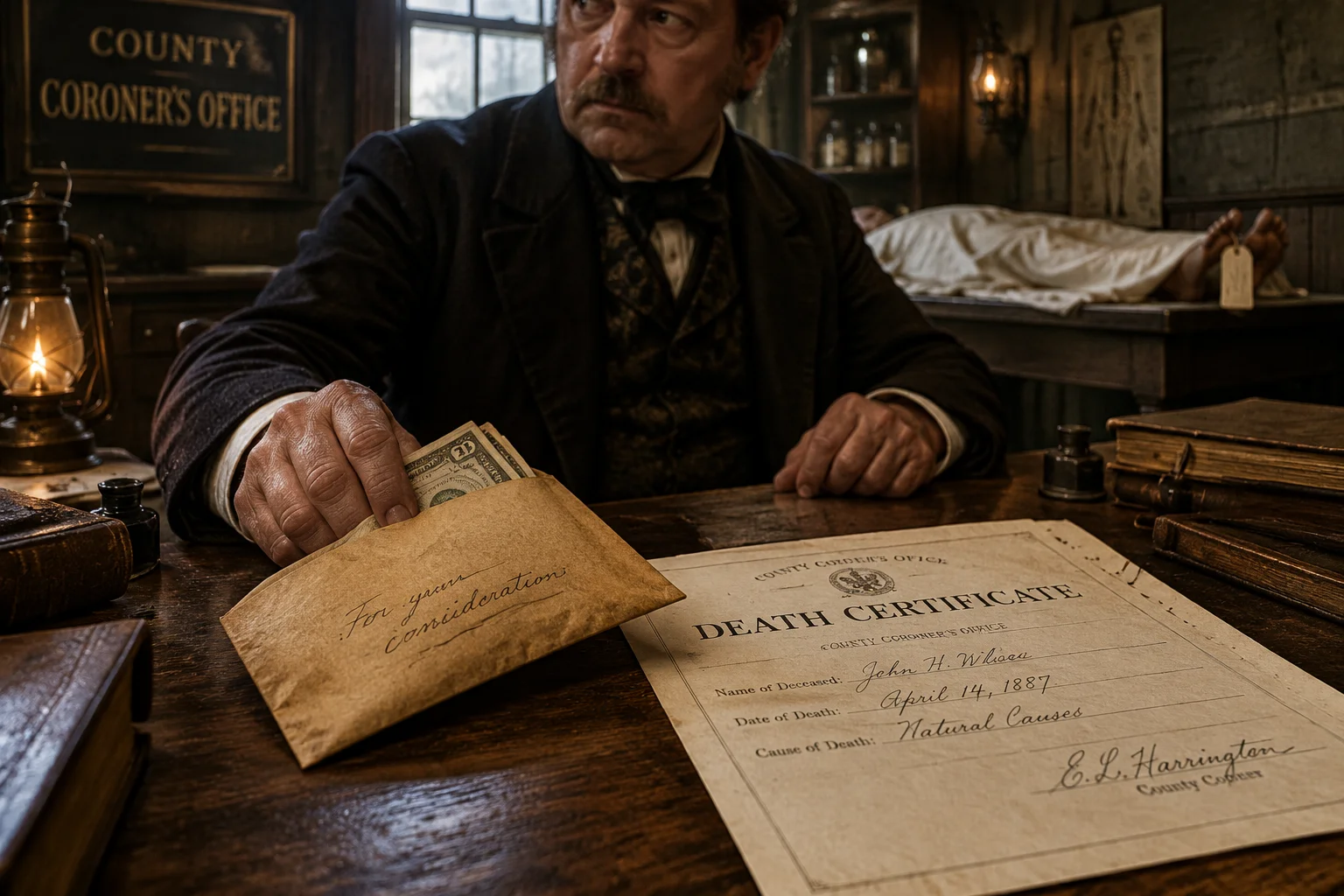
14. The Fugitive Who Paid a Coroner
Story: Corruption made fake deaths easier in the past. In several cases, officials were bribed to sign off on false death certificates, no questions asked.
Context: This is a reminder that the legal system does not always stop a fake death. Sometimes it actively enables one.
Takeaway: Institutional failure is a recurring theme. Where records were weak or officials were dishonest, fake deaths flourished.
15. The Heir Who Staged a Drowning Abroad

Story: Drowning abroad was a classic technique. A person would vanish in a foreign country, and with no body found, authorities at home would eventually declare them dead.
Context: This worked best before modern communication and international record-sharing. Today it is much harder to pull off convincingly.
Takeaway: Distance is a key ingredient in almost every successful fake death. The further you are from witnesses, the easier the deception.
16. The Man Who Attended His Own Funeral
Story: There are documented cases of people secretly attending their own funerals to see who showed up. This is often tied to later fraud, but sometimes it is just morbid curiosity.
Context: Attending your own funeral is risky and impractical. Most successful fakers stayed far away from the service.
Takeaway: Ego has undone plenty of fake deaths. People want to know what others think of them, even when hiding would be wiser.
17. The War Deserter Who Started Over

Story: In various wars, soldiers have faked their deaths to escape service, letting their units record them as killed in action before slipping away.
Context: This is one of the most historically common forms of fake death. It was often easier than formal desertion charges, since the person was presumed dead.
Takeaway: War creates chaos, and chaos creates opportunity. Battlefields are places where a missing person is assumed dead quickly.
18. The Spouse Who Vanished to Escape a Marriage
Story: Some people have faked deaths to escape unhappy or dangerous marriages, particularly before divorce was easy or safe to obtain.
Context: These cases are often less documented, partly because they frequently involved women with fewer legal options. When they are documented, they are heartbreaking rather than glamorous.
Takeaway: Escape, not greed, is a recurring motive. For many people, a fake death was the only exit they could see.
19. The Criminal Who Faked Death to Evade Prison
Story: Fugitives have faked deaths to avoid long prison sentences, sometimes using accomplices to confirm identities and file paperwork.
Context: These cases usually unravel over time. Fugitives make mistakes, get recognized, or simply miss their old lives.
Takeaway: Prison evasion is one of the strongest motives for a fake death, and also one of the hardest outcomes to sustain.
20. The Cult Leader Who Predicted His Own Death

Story: A few cult leaders have claimed they would die and return, sometimes staging or faking death as part of their doctrine. These cases often end in tragedy rather than escape.
Context: These are complicated cases involving manipulation and belief, not simple fraud. They should be handled carefully and not sensationalized.
Takeaway: Fake deaths can be tools of control. When belief is involved, the deception can do real harm to followers.
21. The Modern Fugitive Who Got Caught by a Selfie
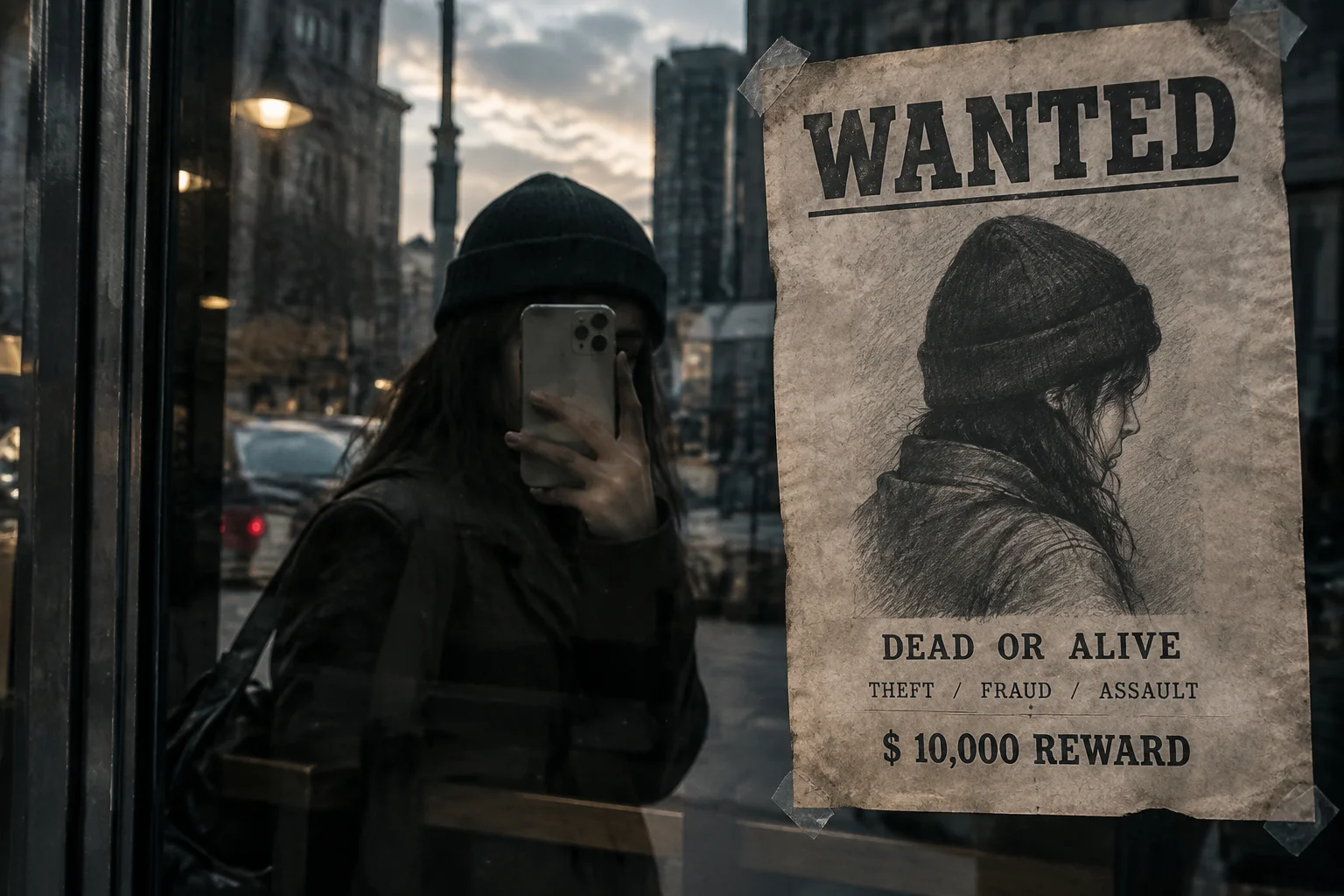
Story: In recent years, several fugitives who faked their deaths were caught after posting photos online or using old habits that gave them away.
Context: Digital evidence has made hiding much harder. Facial recognition, location data, and financial trails combine to break most modern fake deaths.
Takeaway: Technology has tilted the odds firmly toward the authorities. The classic fake death is much rarer and much riskier today.
22. The People Who Actually Got Away With It
Story: A small number of people likely did fake their deaths and were never caught. Their stories survive only as rumors, missing-persons cases, and family legends.
Context: We cannot confirm these cases, precisely because there is no evidence either way. That uncertainty is exactly what keeps these stories alive.
Takeaway: The most successful fake deaths are the ones we never hear about. The ones on this list are famous mostly because they failed or were exposed.
Why These Stories Endure

Fake deaths fascinate us because they sit at the intersection of fear and fantasy. Everyone has imagined starting over, escaping consequences, or leaving a messy life behind. A faked death is the most dramatic version of that fantasy.
They also remind us how fragile identity used to be. Before photographs, fingerprints, and digital records, proving who you were, or who you were not, was surprisingly difficult. That fragility made both impostors and fake deaths possible.
Today, the odds have shifted. Faking a death is still attempted, but the modern world of records and tracking makes it far harder to sustain. The legends, however, are not going anywhere.
The Bottom Line on Faked Deaths
People have faked their deaths for centuries, driven by debts, crimes, marriages, wars, and sometimes pure spectacle. Some used swapped bodies and bribed officials; others simply vanished into distance and silence. The methods change, but the motives stay remarkably consistent.
If there is a lesson here, it is that a fake death rarely solves anything on its own. It buys time, but time, records, and human nature tend to catch up. The most famous cases of people who faked their deaths are famous largely because they got caught.
Still, a few mystery cases remain open, and that is part of the appeal. As long as records can fail and people can disappear, the fake death will remain one of history's most enduring tricks.
Frequently Asked Questions
Who are some famous people who faked their death?
Well-documented cases include the false Dmitris of Russia, the Tichborne Claimant, various 19th-century insurance fraudsters, and modern fugitives like the man who faked a canoeing accident in 2002. Many older royal "fake death" stories, such as rumors about Nero or Charles II of Spain, are legend rather than confirmed history.
Has anyone ever faked their death and gotten away with it?
Probably, but we cannot confirm it. By definition, successful fake deaths leave no evidence except rumors and missing-persons cases. A few people have disappeared without a confirmed death, like Ambrose Bierce, and we simply do not know what happened.
How do you fake a death?
Historically, common methods included staging a drowning with no body recovered, dying abroad where records were hard to verify, bribing a coroner, or having an accomplice identify a stranger's corpse. Modern cases add forged documents and digital tricks, but DNA testing, financial trails, and facial recognition make it much harder today.
What does “he chose an heir so I faked my death” mean?
That phrase appears online in memes, novels, and hoax stories about royalty, where a ruler supposedly names an heir and then stages his own death to disappear. There is no solid historical case matching this exact scenario, so treat it as folklore or fiction rather than documented history.
Who faked their death recently?
Recent cases are typically criminal fugitives who stage accidents, drownings, or disappearances to avoid prison or debt. Several have been caught within years through social media posts, financial activity, or recognition. Their names vary by country, and details are usually reported through court records rather than historical accounts.
Why do people fake their own deaths?
The most common motives are money, crime, marriage, and war. People fake deaths to collect insurance, avoid prosecution, escape abusive relationships, desert the military, or simply start over. Very few do it purely for publicity, though some stunts fall into that category.

Alex Warren
Related Articles





