

Human beings have been separating each other from their money through clever lies for as long as money has existed. Some of the biggest scams in history involved a single silver-tongued con man working a crowd, while others were engineered by trusted institutions, respected executives, or even governments.
What ties them together is a simple recipe: a believable story, a desperate desire to believe it, and a con artist patient enough to let the trap close slowly.
This list walks through some of the biggest frauds in history, spanning nearly 300 years and several continents. It includes stock market bubbles, Ponzi schemes, corporate accounting frauds, scientific hoaxes, and outright cons. Along the way, we’ll separate the well-documented facts from the myths that have grown up around some of these famous scams.
TL;DR: From 18th-century stock bubbles to 21st-century crypto collapses, the biggest scams in history all rely on the same trick — a convincing story that makes people stop asking questions.
TL;DR: Fast Facts on History’s Biggest Frauds
Before diving into the full list, here’s the shape of the story. The biggest scams in history tend to fall into a few recurring categories: speculative bubbles, Ponzi and pyramid schemes, corporate accounting fraud, and outright con games or hoaxes.
Many of the largest frauds in history, measured in today’s dollars, are surprisingly recent — think Madoff, Enron, and FTX. But some of the oldest cons, like the South Sea Bubble and John Law’s Mississippi Company, still rank among the biggest financial disasters ever recorded relative to the size of their economies at the time.
1. The South Sea Bubble (1720)
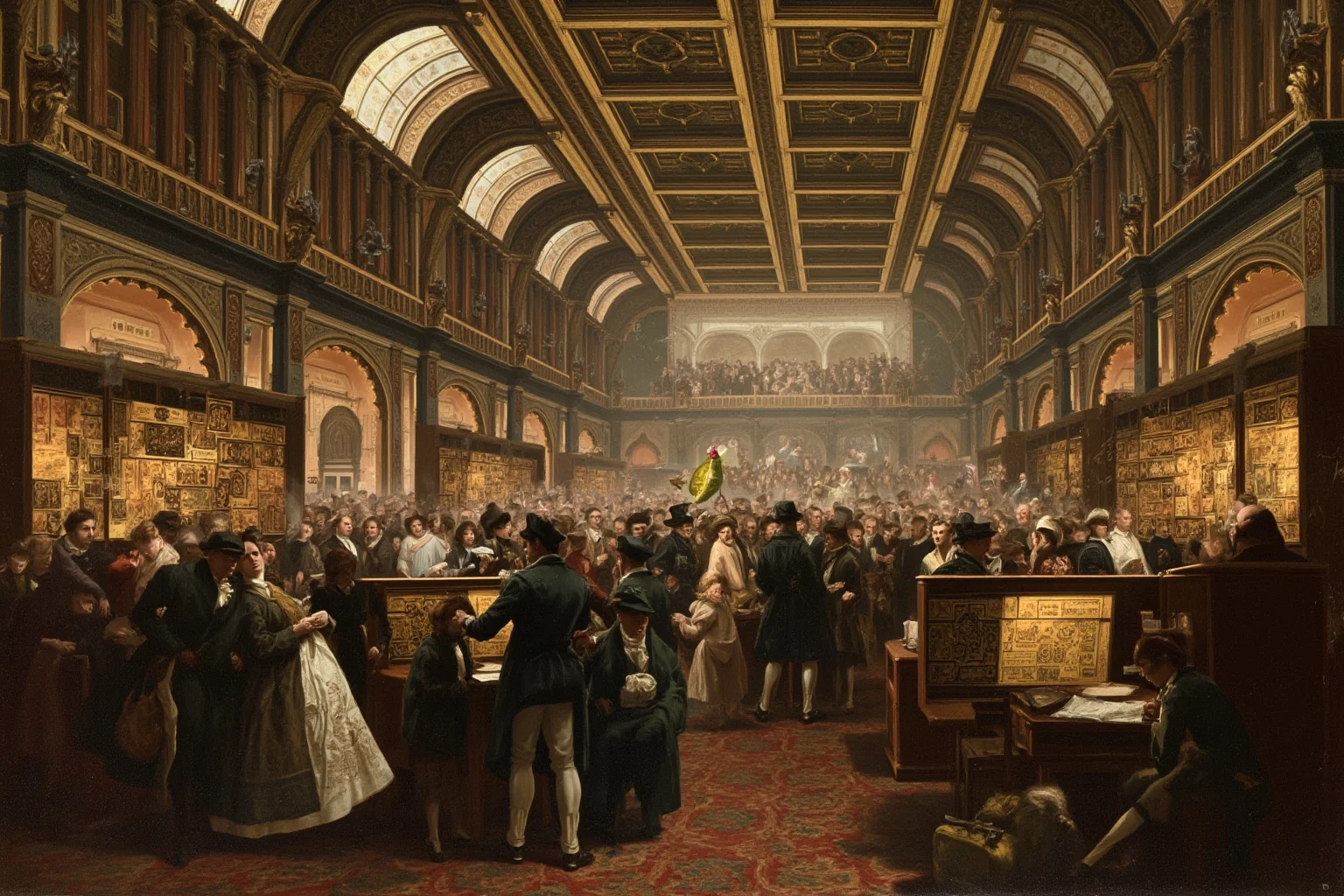
The South Sea Company was a British trading firm granted a monopoly on trade with South America. It had almost no real business to speak of, but that didn’t stop investors from bidding its stock price up more than tenfold in a matter of months during 1720.
Company directors spread rumors of fantastic profits and even bribed members of Parliament to keep the hype going. When the bubble burst, thousands of investors, including scientist Sir Isaac Newton, lost enormous sums. It remains one of the earliest and biggest frauds in history involving a publicly traded company.
2. John Law’s Mississippi Company (1720)
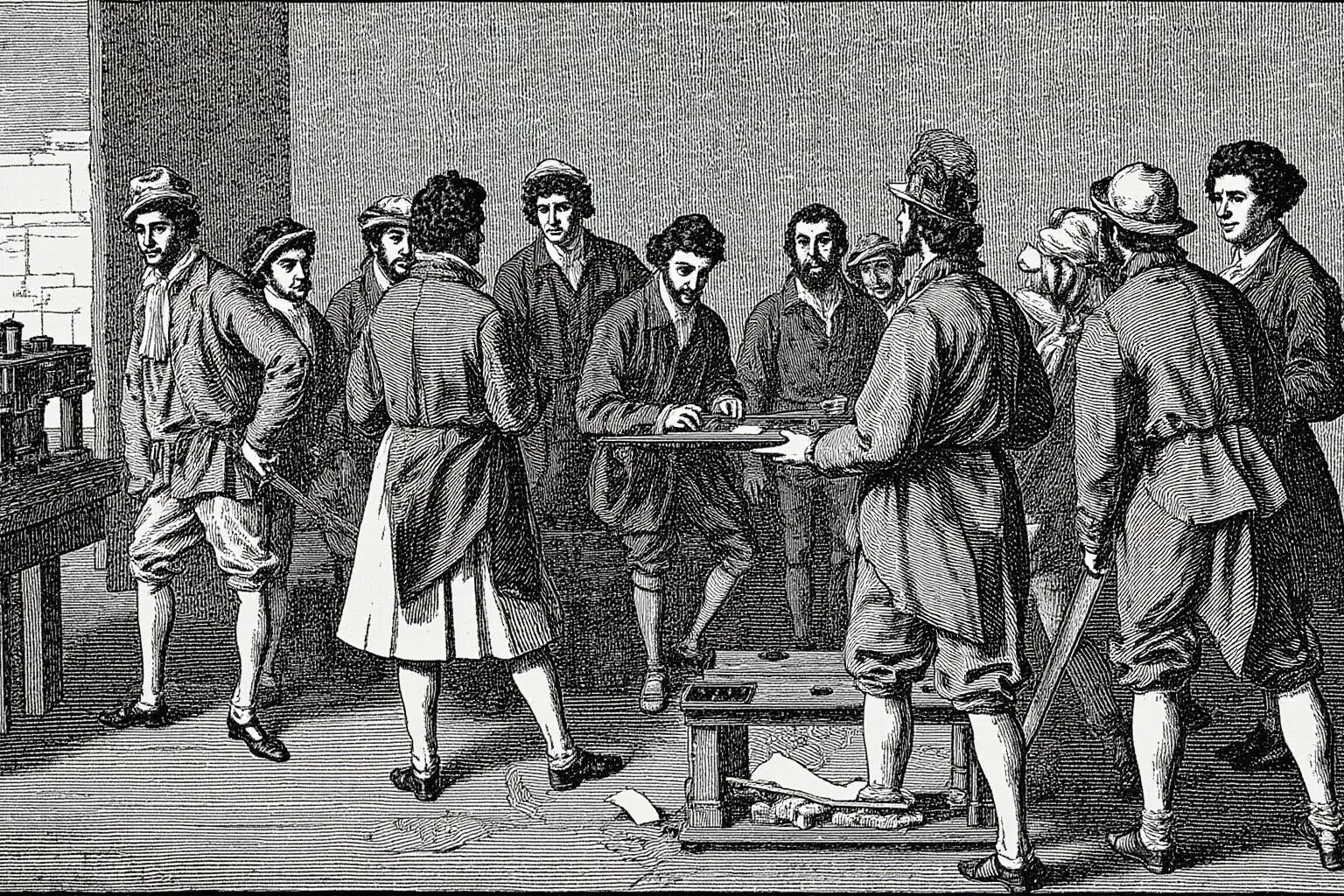
Across the English Channel, Scottish financier John Law was running a strikingly similar scheme in France at almost exactly the same time. Law convinced the French government to let his Mississippi Company monopolize trade with French Louisiana, then flooded the country with paper money backed by wildly inflated stock.
The scheme briefly made Law the most powerful financier in Europe before it collapsed in 1720, wiping out the savings of ordinary French citizens and even destabilizing the French monarchy’s finances. Economic historians often cite it as one of the largest frauds in history relative to the size of the national economy it wrecked.
3. Charles Ponzi and the Original Ponzi Scheme (1920)
Italian immigrant Charles Ponzi promised Boston investors 50% returns in 45 days by claiming he could profit from international postal reply coupons. In reality, he simply paid earlier investors with money from newer ones, a structure that now bears his name.
Ponzi took in roughly $15 million in a matter of months in 1920, an enormous sum at the time. When the scheme collapsed, he became the namesake for what is still one of the most famous scams in the world, copied in some form by nearly every fraudster on this list.
4. Victor Lustig and the Eiffel Tower Con
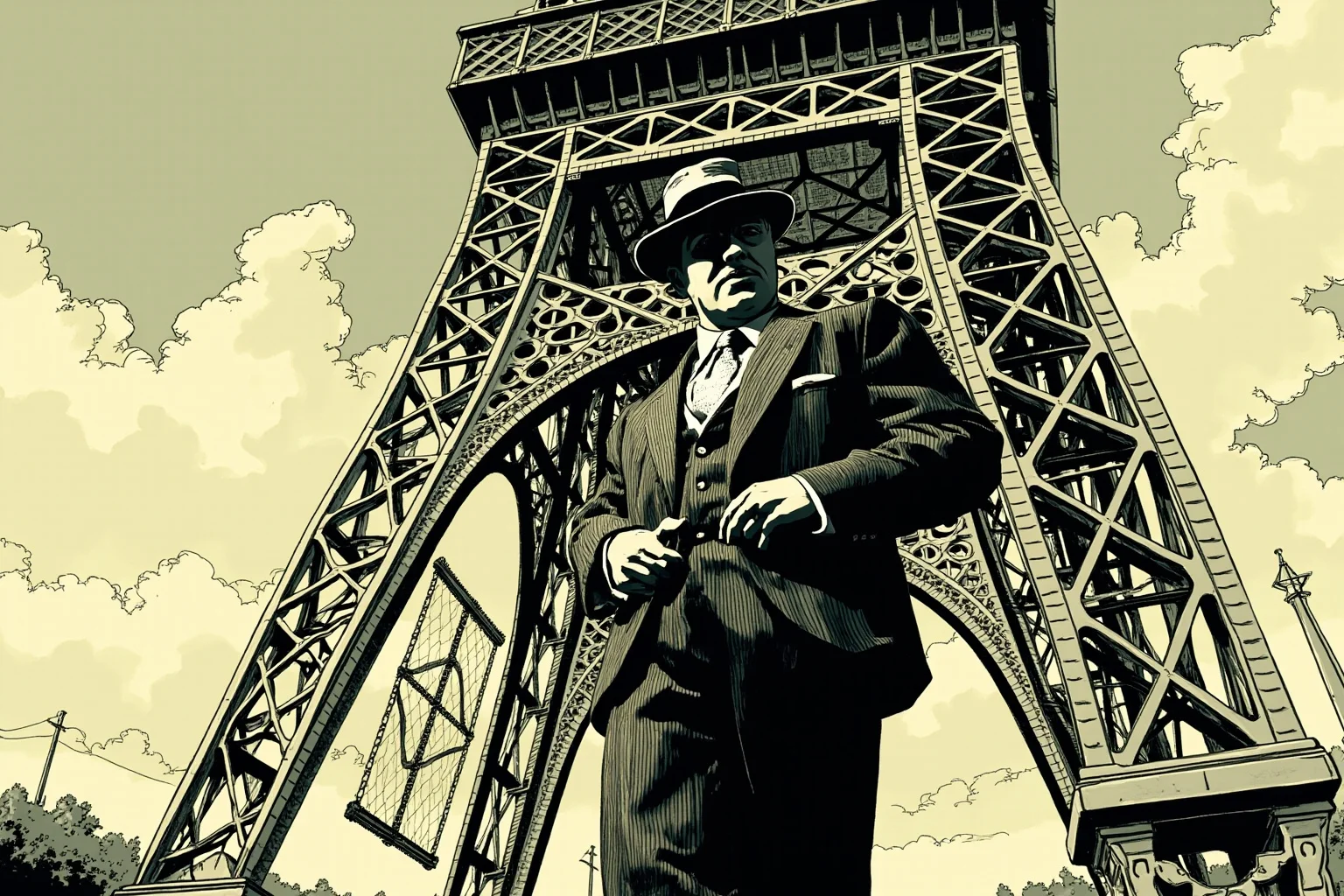
Victor Lustig was a career con man who, in 1925, posed as a French government official and convinced scrap metal dealers that the Eiffel Tower was being sold for scrap. He accepted a secret bribe from the “winning” bidder and vanished before anyone realized there was no real sale.
Remarkably, Lustig returned to Paris and pulled the same con a second time. He’s frequently cited as one of history’s biggest fraudsters, partly because of his sheer audacity rather than the size of the money involved.
5. The Great Salad Oil Swindle (1963)

Commodities trader Tino De Angelis borrowed massive sums against warehouse tanks he claimed were full of valuable soybean oil. In reality, most of the tanks were filled with water, with only a thin layer of oil floating on top to fool inspectors.
When the fraud unraveled in 1963, it dragged down American Express’s warehousing subsidiary and rattled Wall Street. It’s a classic example of frauds in real life that relied on physical deception rather than complex paperwork.
6. The Teapot Dome Scandal (1920s)

This is frequently ranked among the biggest frauds in US history, and it’s a political one. US Interior Secretary Albert Fall secretly leased Navy petroleum reserves at Teapot Dome, Wyoming to private oil companies in exchange for personal bribes.
The scandal, which came to light in the early 1920s, badly damaged public trust in the Harding administration and led to Fall becoming the first former cabinet member imprisoned for actions taken while in office. It stood as America’s biggest political corruption scandal until Watergate decades later.
7. The Great Diamond Hoax of 1872
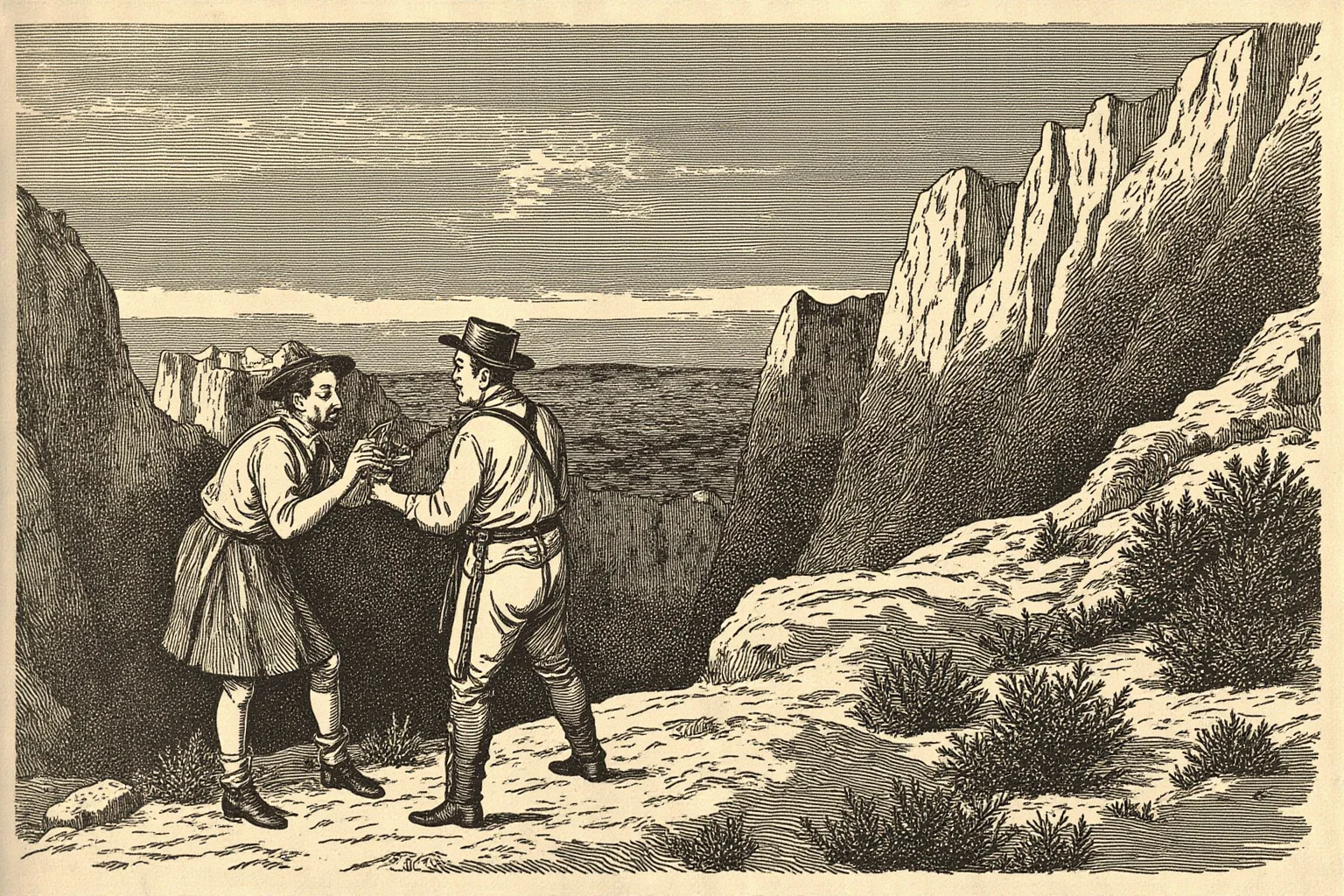
Two prospectors convinced wealthy investors, including associates of banking titan J.P. Morgan, that they had discovered a diamond field in the American West. They had actually salted the site with real but low-value gems bought in London and Amsterdam.
Investors poured in roughly $600,000, a fortune in 1872 dollars, before geologist Clarence King exposed the site as fraudulent. It’s remembered as one of the biggest scams in the world involving natural resources.
8. The Piltdown Man Hoax (1912)
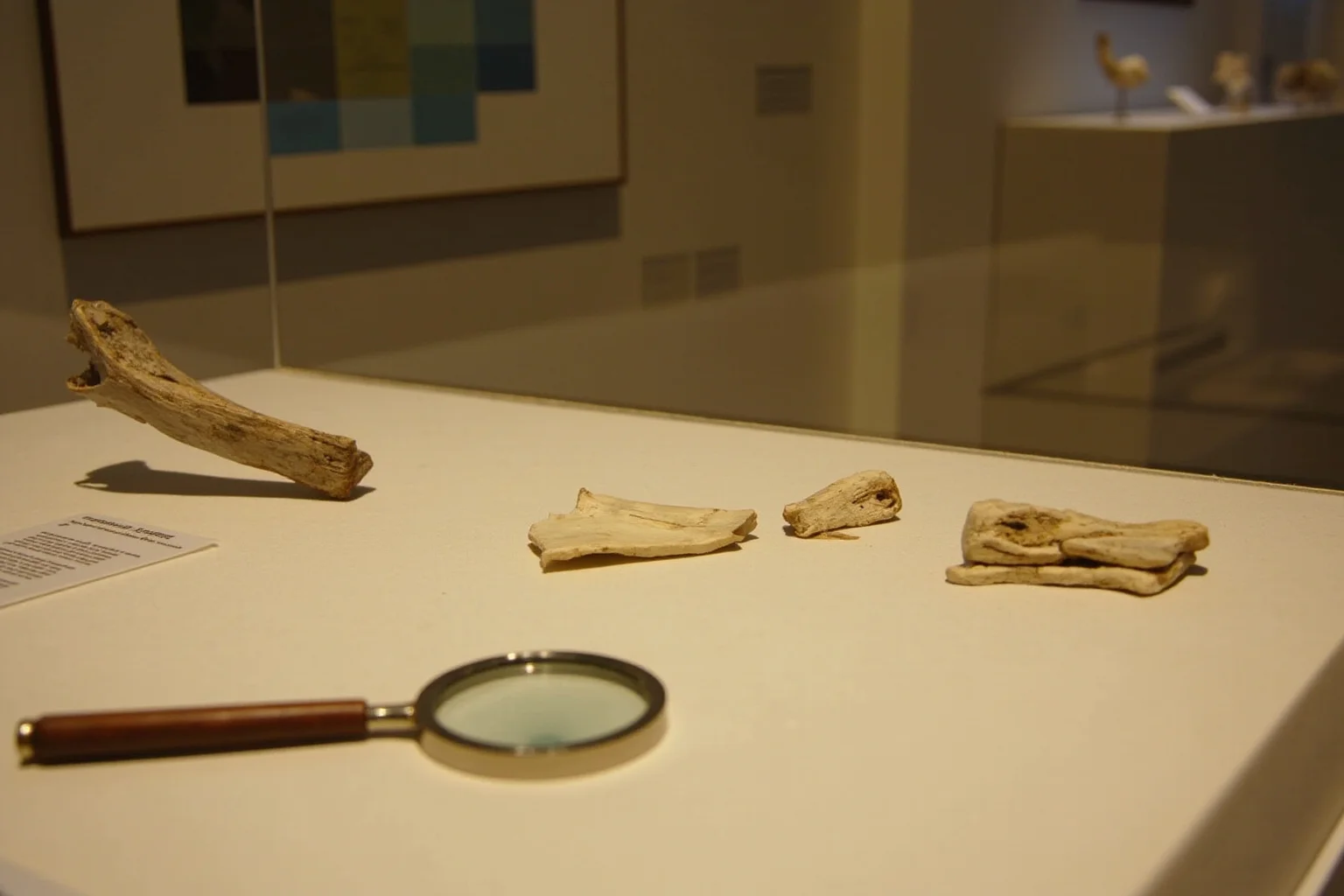
Not every entry on this list is about money. In 1912, bone fragments presented as a missing evolutionary link between apes and humans were unveiled in England to great scientific fanfare.
It took until 1953 for scientists to definitively prove the “Piltdown Man” was a forgery, combining a human skull with an orangutan jaw, deliberately stained to look ancient. It remains one of the most famous frauds in scientific history and a lasting lesson in the danger of wanting a discovery to be true.
9. The Hitler Diaries Hoax (1983)

In 1983, German magazine Stern paid millions of dollars for what it believed were dozens of Adolf Hitler‘s personal diaries. Forensic testing quickly revealed the paper, ink, and bindings were modern, and forger Konrad Kujau was eventually convicted of fraud.
Several respected historians had initially vouched for the diaries’ authenticity, which made the embarrassment even worse. It’s a sobering example of how even experts can be fooled by a good enough forgery.
10. ZZZZ Best and Barry Minkow (1980s)

Barry Minkow founded a carpet-cleaning company, ZZZZ Best, as a teenager and turned it into a Wall Street darling by fabricating an entire fake restoration-contracting business, complete with staged job sites. The company reached a stock market valuation of over $200 million before investigators discovered the contracts didn’t exist.
Minkow was convicted and served time in prison, though he later became a pastor, and, in a strange twist, was later convicted again for a separate securities fraud. His case is often taught in business schools as a textbook example of famous frauds built on fabricated paperwork.
11. Charles Keating and the Savings and Loan Crisis
Charles Keating ran Lincoln Savings and Loan, using depositors’ insured funds to make risky real estate investments while misleading regulators and investors about the institution’s health. When Lincoln collapsed in 1989, it cost taxpayers over $3 billion and became a symbol of the broader US savings and loan crisis.
Keating was convicted of fraud, though some charges were later overturned on appeal. His case remains one of the biggest frauds in US history in terms of the direct cost to the public purse.
12. Bernie Madoff’s Ponzi Scheme

Bernie Madoff ran what is widely considered the biggest Ponzi scheme in history, defrauding investors of roughly $65 billion in claimed value over several decades through his investment advisory business. He fabricated account statements showing steady, suspiciously consistent returns, all while simply funneling new investor money to pay off earlier clients.
The scheme finally collapsed during the 2008 financial crisis when clients tried to withdraw funds faster than new money was coming in. Madoff was sentenced to 150 years in prison and died in custody in 2021, and his name is now shorthand for the biggest scam of all time in many people’s minds.
13. The Enron Scandal (2001)

Enron was once the seventh-largest company in the United States, but much of its reported profit was fiction, hidden through complex off-the-books partnerships designed to conceal debt. When the truth emerged in 2001, the company collapsed within weeks, wiping out thousands of jobs and employee retirement accounts.
Enron’s auditor, Arthur Andersen, was also destroyed in the fallout after being convicted of obstruction of justice. It remains one of the biggest corporate frauds in history and a major reason for the Sarbanes-Oxley financial reforms that followed.
14. The WorldCom Accounting Fraud (2002)

Telecommunications giant WorldCom inflated its assets by roughly $11 billion by improperly classifying everyday operating expenses as long-term capital investments. This made the struggling company look profitable when it was actually losing money, fooling investors and analysts for years.
When internal auditors uncovered the scheme in 2002, it triggered what was then the largest bankruptcy in US history. CEO Bernard Ebbers was convicted and sentenced to 25 years in prison.
15. The Bre-X Gold Mining Fraud (1997)
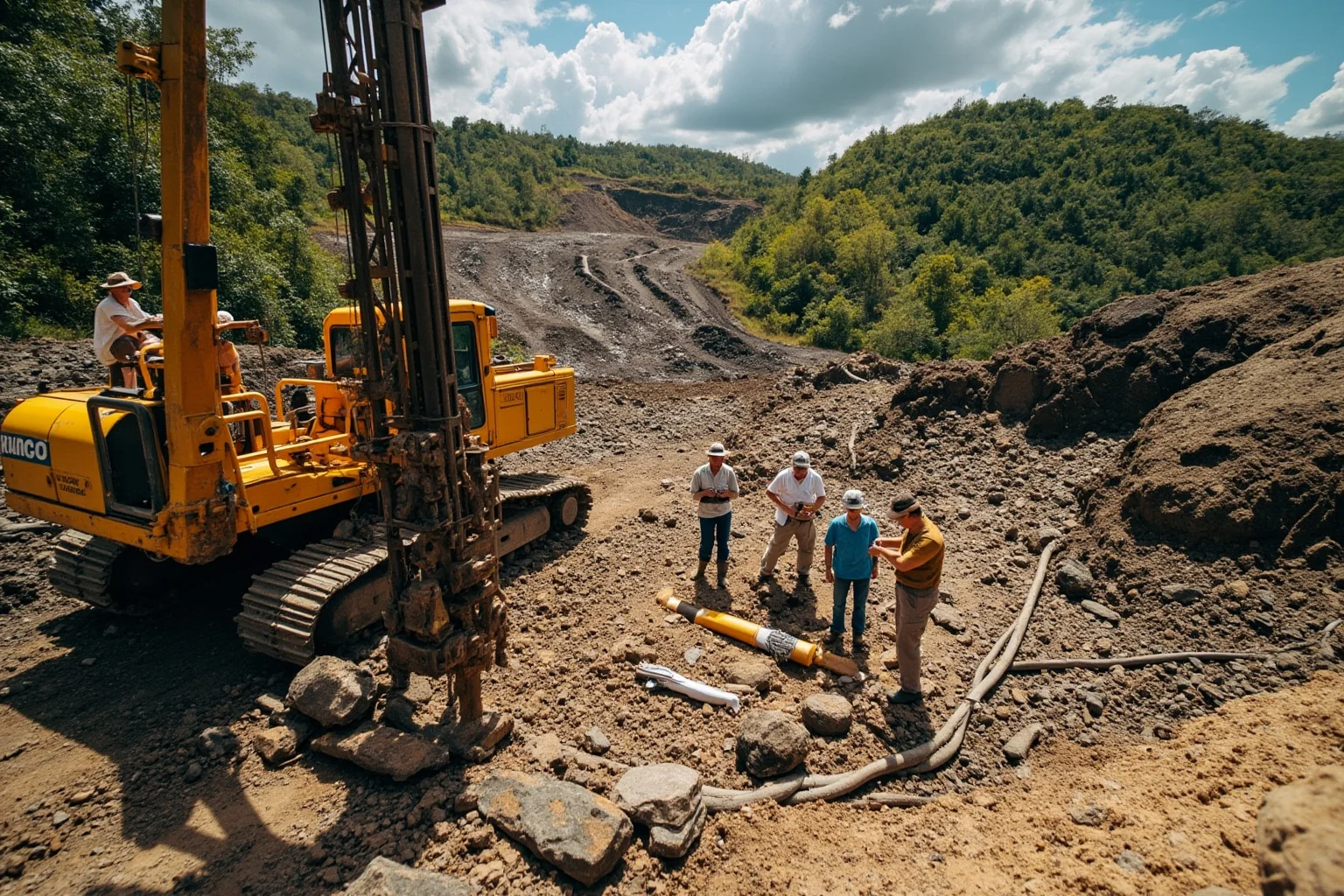
Canadian mining company Bre-X claimed to have discovered one of the largest gold deposits ever found, in the jungles of Borneo, sending its stock price soaring and its market value past $4 billion. The core samples used to justify these claims turned out to be fraudulently salted with gold dust.
The company’s chief geologist died in a suspicious fall from a helicopter shortly before the fraud was exposed in 1997, and the case was never fully resolved. It remains one of the biggest scams in the world of mining and remains a cautionary tale for resource investors.
16. Allen Stanford’s Ponzi Scheme

Texas financier Allen Stanford built an offshore banking empire around certificates of deposit that promised unusually high, steady returns through his Antigua-based bank. Like Madoff, he was actually using new depositor money to pay earlier investors rather than generating real returns.
When the scheme collapsed in 2009, it had defrauded investors of an estimated $7 billion. Stanford was convicted on multiple fraud counts and sentenced to 110 years in prison.
17. The Parmalat Scandal (2003)

Italian dairy giant Parmalat collapsed in 2003 after revealing a roughly $8 billion hole in its accounts, hidden for years through fake bank documents and offshore shell companies. The company had claimed to hold a large cash account at Bank of America that turned out not to exist at all.
Founder Calisto Tanzi was eventually convicted of fraud, and the scandal became known across Europe as “Europe’s Enron.” It remains one of the largest frauds in history outside the United States.
18. The Satyam Scandal (2009)

Indian IT services company Satyam Computer Services was one of the country’s largest firms until its chairman, Ramalinga Raju, confessed in 2009 to inflating cash balances and profits by more than $1 billion over several years. The confession stunned investors and briefly threatened confidence in India’s entire outsourcing industry.
Raju was convicted of fraud and sentenced to prison, though the case took years to work through India’s courts. Satyam is often cited alongside Enron as one of the biggest corporate frauds in history.
19. Theranos and Elizabeth Holmes

Theranos promised to revolutionize medicine with a device that could run hundreds of accurate lab tests from a single drop of blood, attracting hundreds of millions in investment and a $9 billion valuation at its peak. Investigative reporting later revealed the technology never worked reliably, and the company had been using conventional machines while misleading investors, regulators, and patients.
Founder Elizabeth Holmes was convicted of fraud in 2022 and sentenced to more than 11 years in prison. Theranos is now one of the most cited modern examples of frauds in real life within the tech and health care industries.
20. The Wirecard Scandal (2020)

German payments company Wirecard was once considered a rising star of European fintech, until it collapsed in 2020 after admitting that roughly $2 billion supposedly held in trustee accounts simply did not exist. Auditors had signed off on the company’s books for years despite mounting warning signs from journalists and short sellers.
Former CEO Markus Braun was later convicted of fraud, while another top executive remains a fugitive. The scandal badly damaged confidence in German financial regulation.
21. FTX and Sam Bankman-Fried (2022)

FTX was once one of the world’s largest cryptocurrency exchanges, valued at $32 billion, before it collapsed almost overnight in November 2022. Founder Sam Bankman-Fried was found to have secretly funneled billions of dollars in customer funds to his affiliated trading firm, Alameda Research, to cover risky bets and lavish spending.
Bankman-Fried was convicted on multiple counts of fraud and conspiracy in 2023 and sentenced to 25 years in prison. FTX’s collapse is widely regarded as one of the biggest scams of the 21st century so far and a major setback for the crypto industry’s credibility.
22. The MMM Ponzi Scheme (Russia, 1990s)

In post-Soviet Russia, businessman Sergei Mavrodi built MMM into a nationwide Ponzi scheme that promised ordinary citizens returns of over 1,000% per year, drawing in millions of everyday investors. Some estimates suggest MMM defrauded investors out of hundreds of millions of dollars before it collapsed in 1994, wiping out the savings of countless working-class families.
Mavrodi was eventually imprisoned, but he later launched new versions of the same scheme, including an international relaunch in the 2010s. MMM is a stark reminder that some of the biggest scams in history repeat themselves once memories fade.
What These Scams Have in Common
Looking across three centuries of famous scams and frauds, a few patterns keep resurfacing. Almost all of them rely on a trusted-seeming authority figure, whether that’s a government official, a charismatic CEO, or a scientist with the right credentials.
Most also exploit a mix of greed and fear of missing out, offering returns or discoveries that seem too good to pass up. And nearly every one relied on complexity, whether financial, technical, or scientific, that made it hard for outsiders to check the claims for themselves.
Why These Frauds Are Still Worth Studying
Understanding the biggest frauds in history isn’t just an academic exercise. The same psychological triggers, urgency, exclusivity, and unearned trust, still power today’s cryptocurrency scams, romance fraud, and get-rich-quick investment pitches.
Regulators have gotten better at spotting some warning signs, which is part of why modern schemes increasingly target cross-border and unregulated markets like crypto. But as FTX and Wirecard show, sufficiently confident fraudsters can still slip through even well-established financial systems.
Final Thoughts
From 18th-century stock bubbles to 21st-century crypto exchanges, the biggest scams in history all share a familiar shape: a compelling story, a trusted messenger, and investors who stopped asking hard questions at exactly the wrong moment. Some of these frauds were driven by pure greed, others by desperation to keep an unsustainable lie alive for one more year.
What they all prove is that the tools of deception change with the times, moving from paper stock certificates to laboratory equipment to blockchain wallets, but human psychology barely changes at all. Staying skeptical of guaranteed returns and too-good-to-be-true stories remains the best defense against becoming the next chapter in this long history.
Frequently Asked Questions
What are the biggest scams in history?
Some of the biggest scams in history include the South Sea Bubble and John Law's Mississippi Company in 1720, Charles Ponzi's original 1920 scheme, Bernie Madoff's roughly $65 billion Ponzi scheme, the Enron and WorldCom accounting frauds, and more recent cases like Theranos and the FTX crypto collapse. Together they span nearly 300 years and include stock bubbles, corporate fraud, and outright cons.
What is considered the biggest fraud in history?
By dollar value of losses, Bernie Madoff's Ponzi scheme is often called the biggest fraud in history, defrauding investors of roughly $65 billion in claimed account value over several decades. Measured relative to the size of the economy at the time, some historians argue 18th-century bubbles like the South Sea Bubble or John Law's Mississippi Company were comparably devastating.
What is the biggest fraud in US history?
Bernie Madoff's Ponzi scheme is widely regarded as the biggest fraud in US history in terms of scale, though the Enron and WorldCom corporate accounting scandals of the early 2000s and the Teapot Dome political corruption scandal of the 1920s are also frequently cited among the largest frauds in US history.
Who is considered the biggest scammer in the world?
Bernie Madoff is commonly cited as the biggest scammer in the world because of the sheer scale of his Ponzi scheme, which ran for decades and defrauded investors of tens of billions of dollars. Other names frequently mentioned in this conversation include Charles Ponzi, for whom the scheme is named, and Elizabeth Holmes of Theranos for more recent corporate fraud.
What are some famous types of scams?
Common names of scams include Ponzi schemes, pyramid schemes, pump-and-dump stock frauds, advance-fee scams like the classic Nigerian prince email, salted mine or salted asset frauds, and accounting frauds where companies fabricate profits. Many of the biggest frauds in history are variations on these same basic structures, just adapted to new industries and technologies.
Are stock market bubbles like tulip mania considered scams?
Not exactly. Events like Dutch tulip mania in the 1630s were largely driven by genuine speculative excitement rather than deliberate deception, so historians usually classify them as market bubbles rather than frauds. True scams, like the South Sea Bubble, typically involved company insiders knowingly making false claims to inflate a stock's price.
How can I protect myself from scams today?
Be skeptical of any investment or opportunity promising unusually high, guaranteed returns with little risk, since that pattern shows up in nearly every one of history's biggest scams. It also helps to independently verify claims through regulators or trusted third parties rather than relying solely on the word of the person offering the deal.

Alex Warren
Related Articles





