

Picture being handed a crown before you can talk, walk, or even remember your own name. Throughout history, dozens of children — some barely out of the cradle — found themselves seated on thrones, carrying titles they were far too young to understand.
From medieval England to imperial China, the question of who was the youngest king or queen in history turns out to be more complicated, and more fascinating, than most people expect.
In this guide, we’re ranking the youngest monarchs ever recorded, separating verified historical fact from centuries-old legend.
Along the way we’ll answer some of the most commonly asked questions, including who was the youngest king of England, who holds the record for youngest queen in history, and which modern monarch once held a Guinness World Record for taking a throne as a toddler.
TL;DR: Mary, Queen of Scots became queen at just six days old and Henry VI became England’s youngest king at eight months, but both are edged out by legendary claims and by modern record-holders once regencies and coronations enter the picture.
What Actually Counts as a “Youngest” Monarch?
Before diving into the list, it helps to untangle three different moments in a monarch’s life. There’s the date they technically became king or queen (usually the moment a predecessor died), the date they were formally crowned (often years later), and the date they actually began ruling in their own right rather than through a regent.
Most “youngest king ever” claims refer to the first moment: the instant the crown legally passed to them, even if they were asleep in a cradle at the time. That’s the standard we’ll use for most of this list, while flagging cases where coronation age or regency status changes the picture.
It’s also worth noting that many of these claims come from court records, chronicles, and later histories that aren’t always perfectly reliable. We’ve tried to stick to reigns that are well documented, while calling out the handful of stories that drift into legend.
1. Shapur II of Persia (Reportedly Crowned Before Birth, 309 CE)
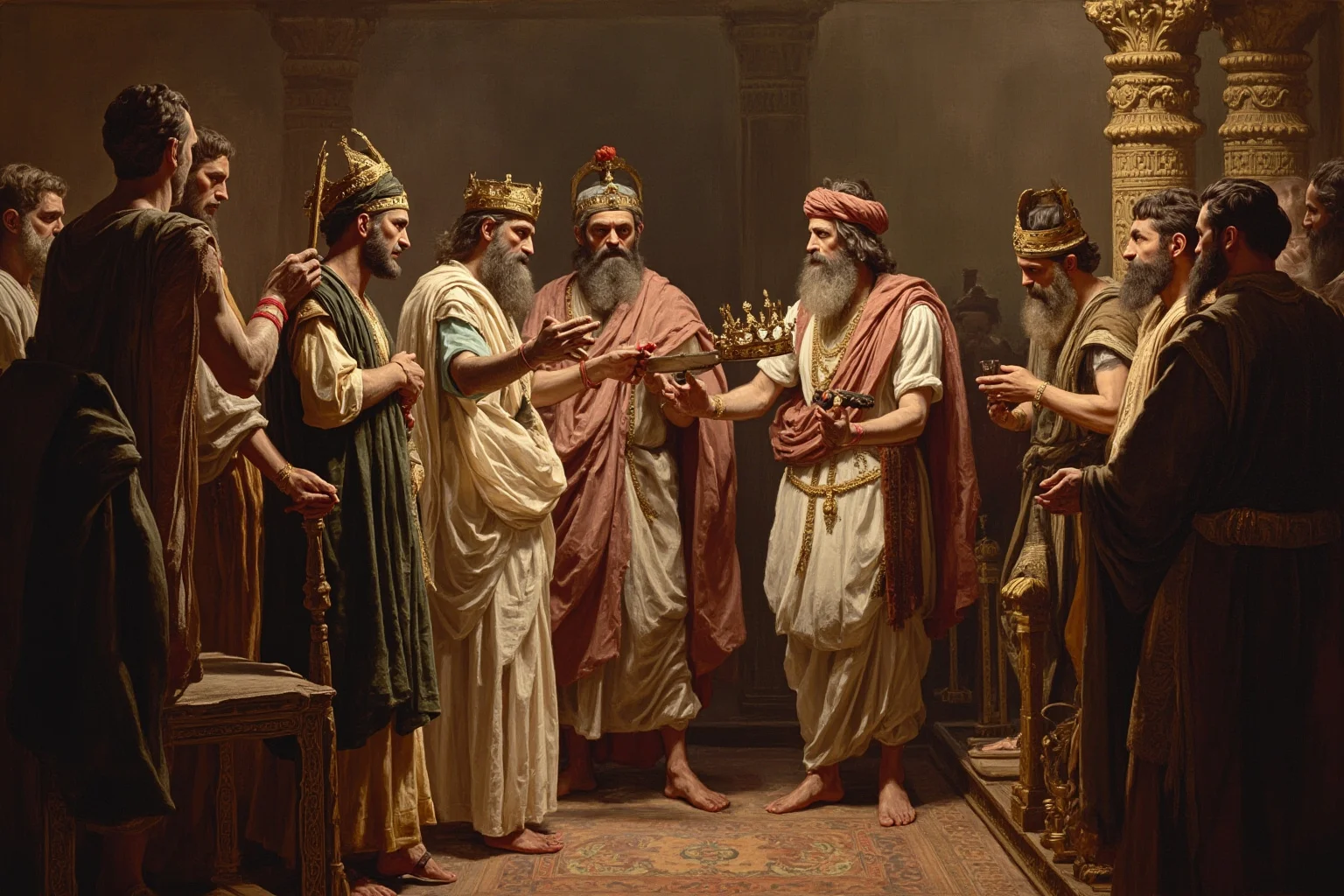
If you want the most extreme “youngest king ever” claim in recorded history, Sassanid Persia offers a genuine contender — with a big asterisk. According to later Persian tradition, Shapur II was declared king while still in his mother’s womb, with the royal crown supposedly placed on her pregnant belly.
Most historians treat this story as dynastic legend rather than verified fact, likely created to legitimize his rule after a succession crisis. It’s a great reminder that “youngest king in history” claims often blur the line between recorded event and political storytelling.
2. Alfonso XIII of Spain (King From Birth, 1886)
Unlike Shapur II’s legend, Alfonso XIII’s case is thoroughly documented. His father, Alfonso XII, died in November 1885 while the queen was still pregnant.
When Alfonso XIII was born on May 17, 1886, he became King of Spain at the exact moment of his birth. He’s one of the clearest, best-verified examples of a monarch who was, quite literally, born a king.
3. Mary, Queen of Scots (Queen at Six Days Old, 1542)
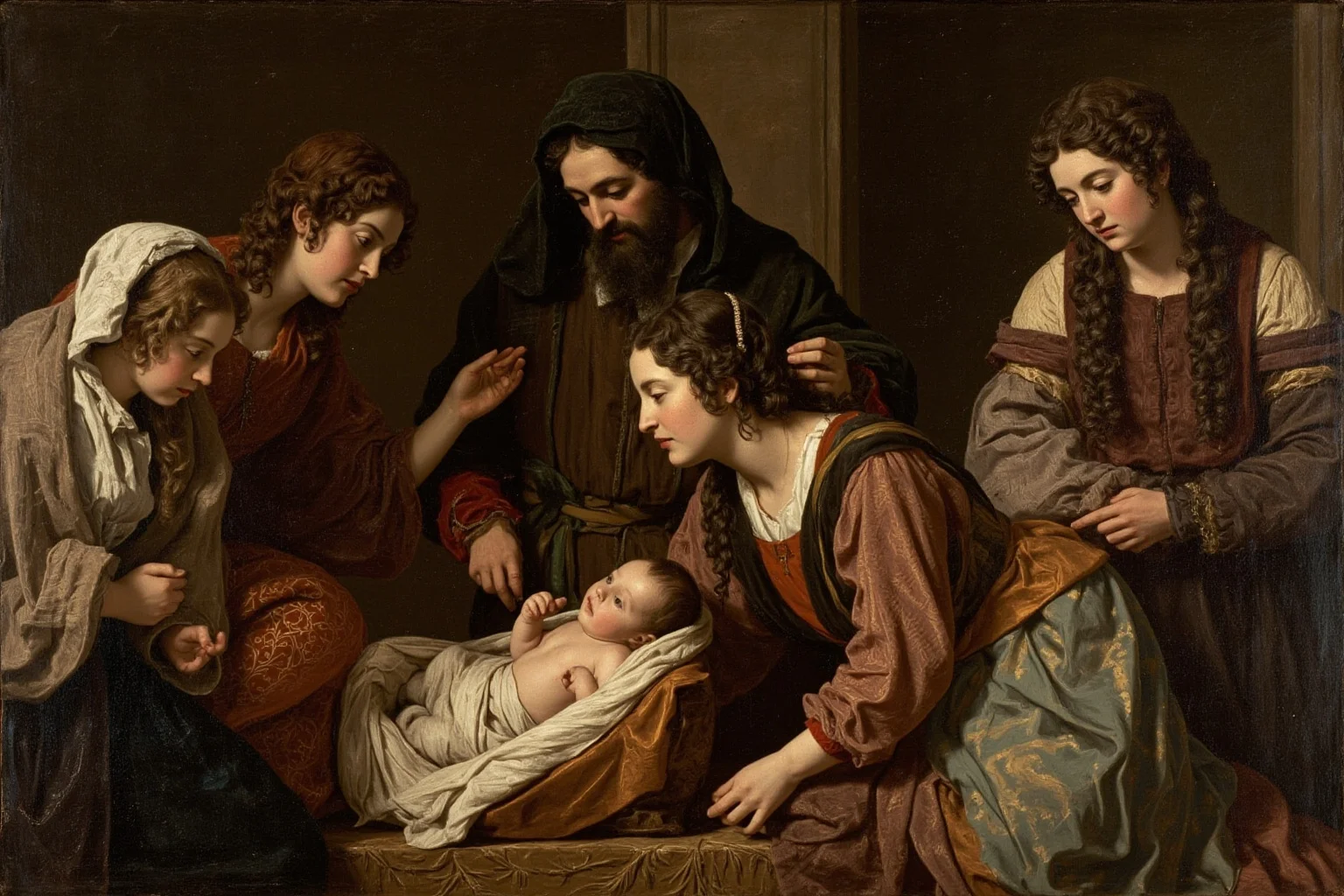
Mary is very often the answer to “who was the youngest queen in history,” and for good reason — she’s also frequently counted among history’s most powerful women for her extraordinary and turbulent life. She was born on December 8, 1542, and her father, King James V of Scotland, died just six days later on December 14.
That made Mary Queen of Scots before she was even a week old, though she wasn’t formally crowned until September 1543. Her extraordinary life later took her to France, back to Scotland, and eventually to imprisonment and execution in England in 1587.
4. Ivan VI of Russia (Emperor at Two Months, 1740)
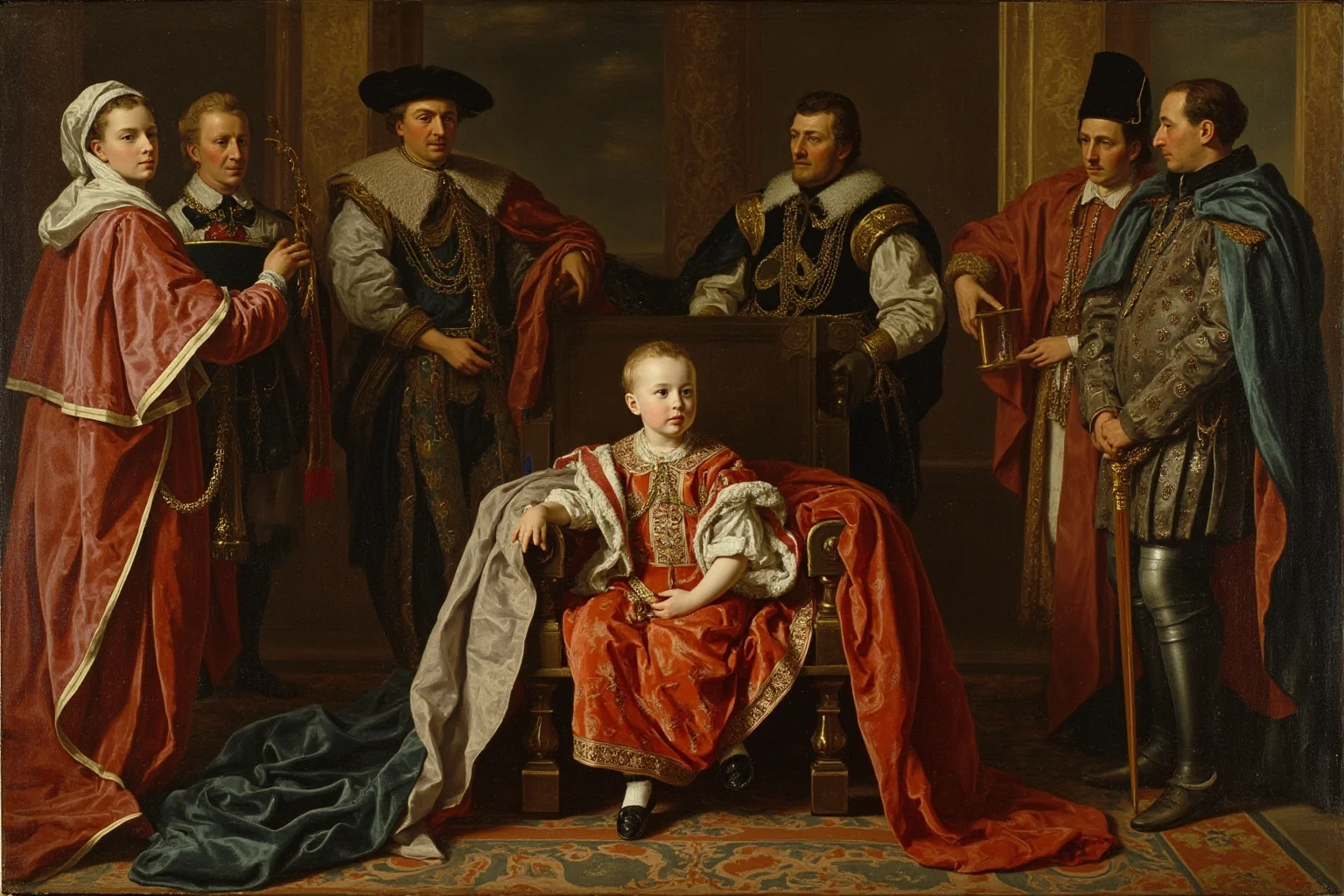
Ivan VI became Emperor of Russia in October 1740 at not quite two months old, after Empress Anna named him her successor. His reign, unsurprisingly, was run entirely by regents and advisors.
It didn’t last long — a palace coup deposed him at just over a year old. He spent the rest of his short, tragic life imprisoned, and was killed in 1764 at age 23 during an attempted rescue.
5. Sobhuza II of Swaziland, Now Eswatini (King in Infancy, 1899)
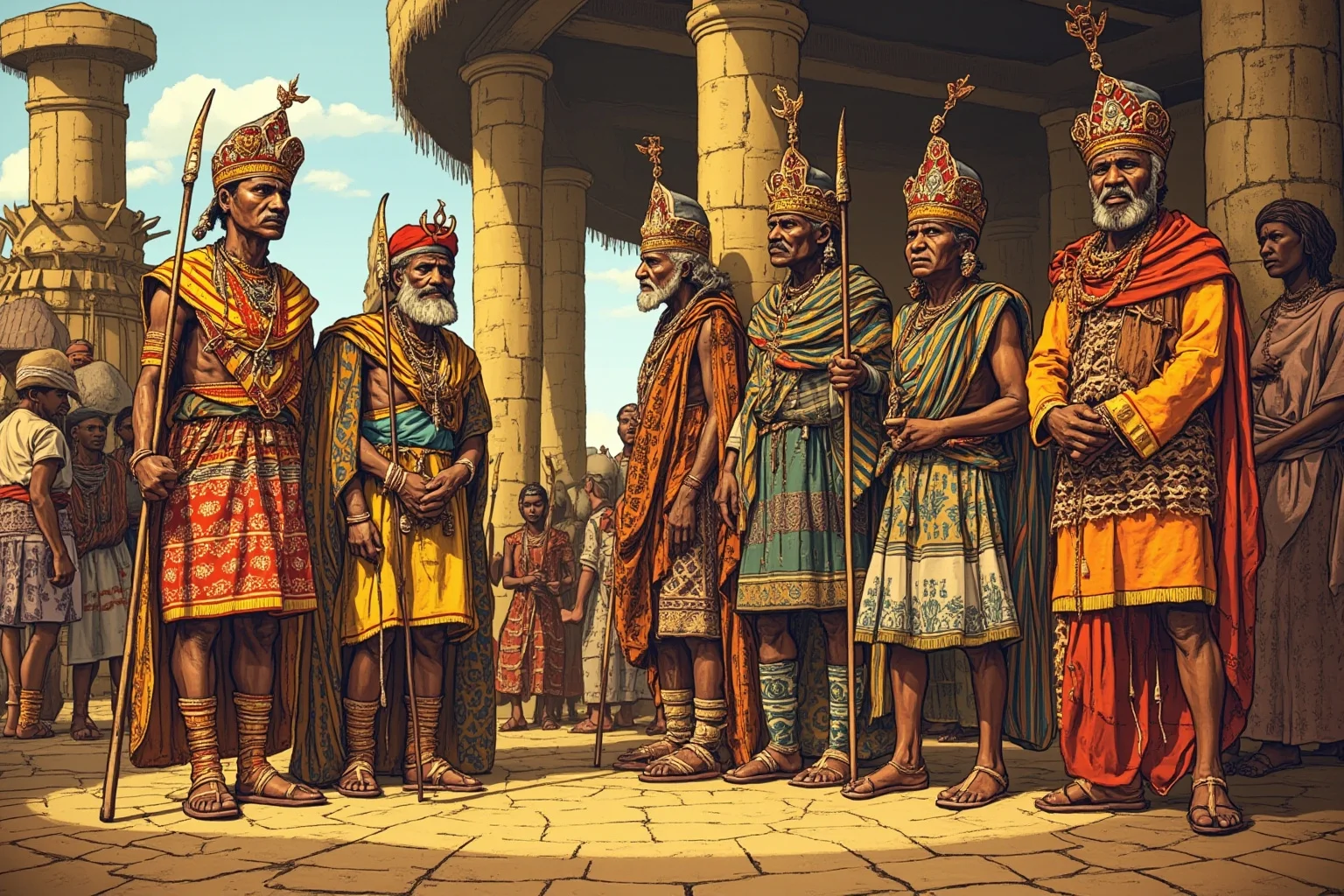
Sobhuza II became Ngwenyama (King) of Swaziland around four to five months of age in December 1899, after the sudden death of his father, King Bhunu. A regency council, led by his grandmother, governed on his behalf for years.
What makes Sobhuza II remarkable isn’t just how young he began — it’s how long he continued. He reigned for more than 82 years, one of the longest confirmed monarchical reigns in world history.
6. Henry VI of England (King at Eight Months, 1422)
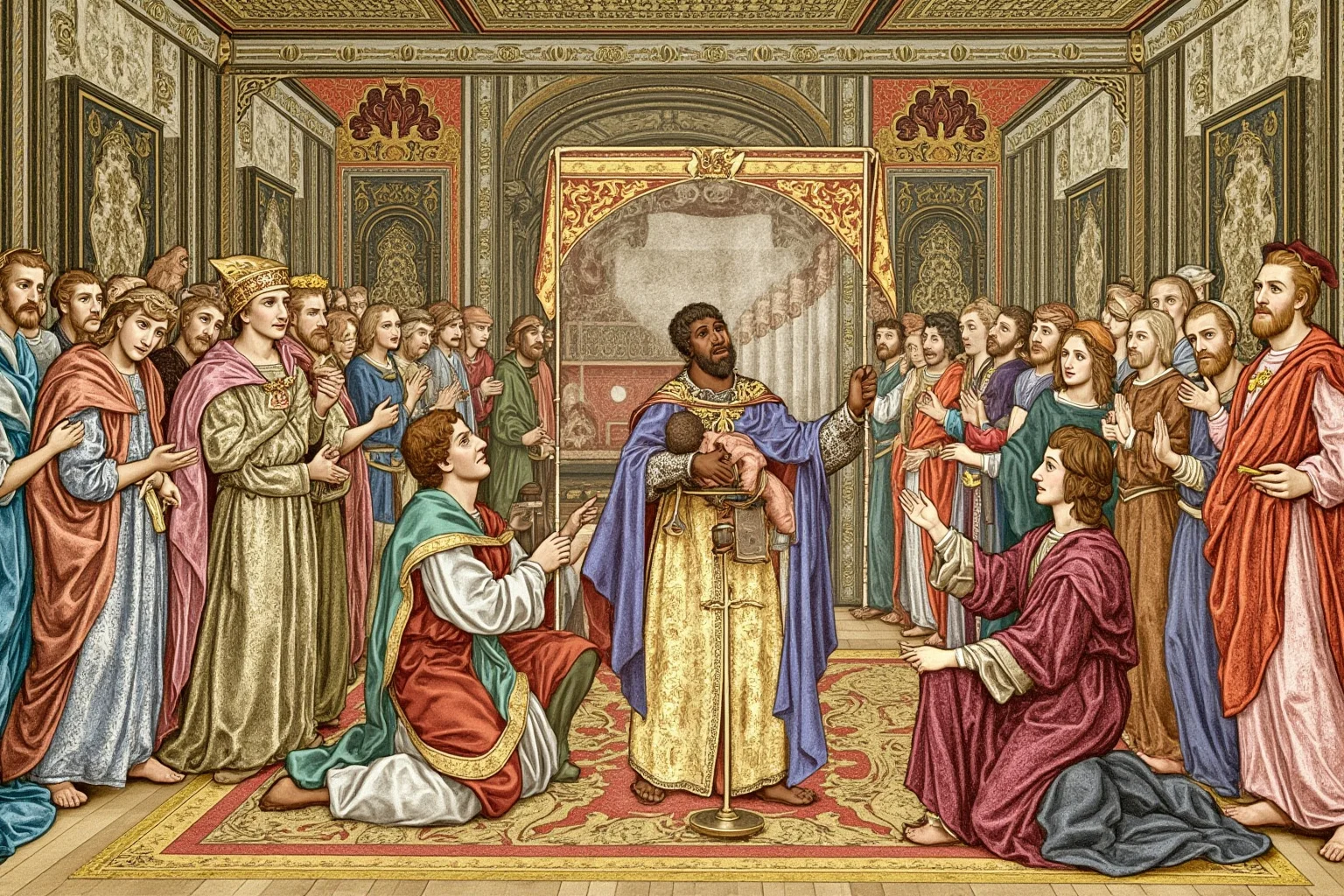
This is the definitive answer to “who was the youngest king of England.” Henry VI was born in December 1421, and when his father, Henry V, died suddenly in August 1422, the infant Henry inherited the English throne at just eight months old.
Under the Treaty of Troyes, he was also proclaimed King of France as a small child, though that claim was never fully realized. Henry VI’s later reign was marked by mental illness and civil war, but his claim to the title of youngest king in England’s history still stands.
7. James VI of Scotland (King at 13 Months, 1567)
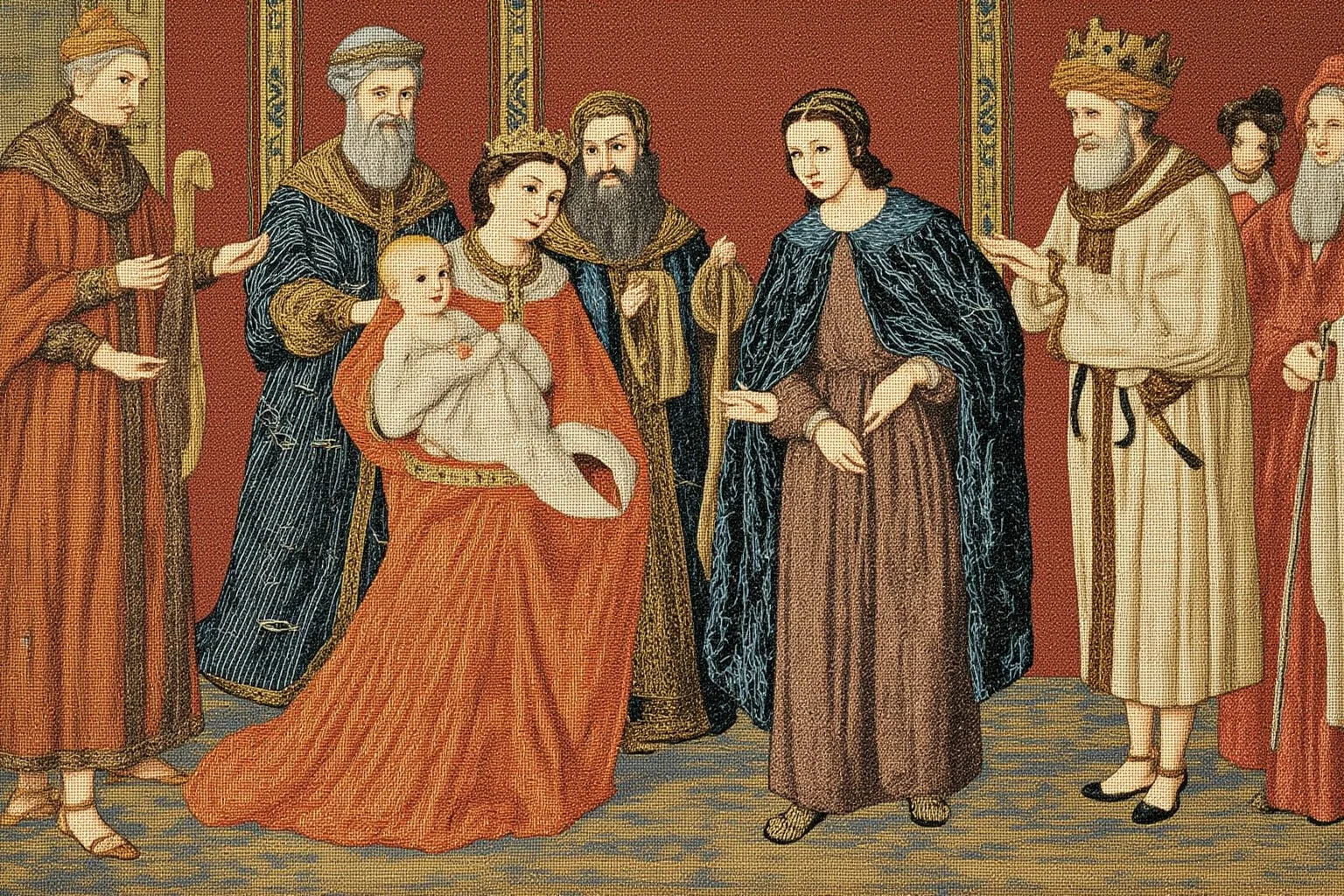
James VI became King of Scots in July 1567 at just over a year old, after his mother, Mary, Queen of Scots, was forced to abdicate. He was raised by regents in a kingdom torn apart by religious and political conflict.
James later inherited the English throne too, becoming James I of England in 1603 and uniting the two crowns. Few monarchs experienced quite as turbulent a childhood on the throne as he did.
8. Emperor Antoku of Japan (Emperor at About Age Two, 1180)
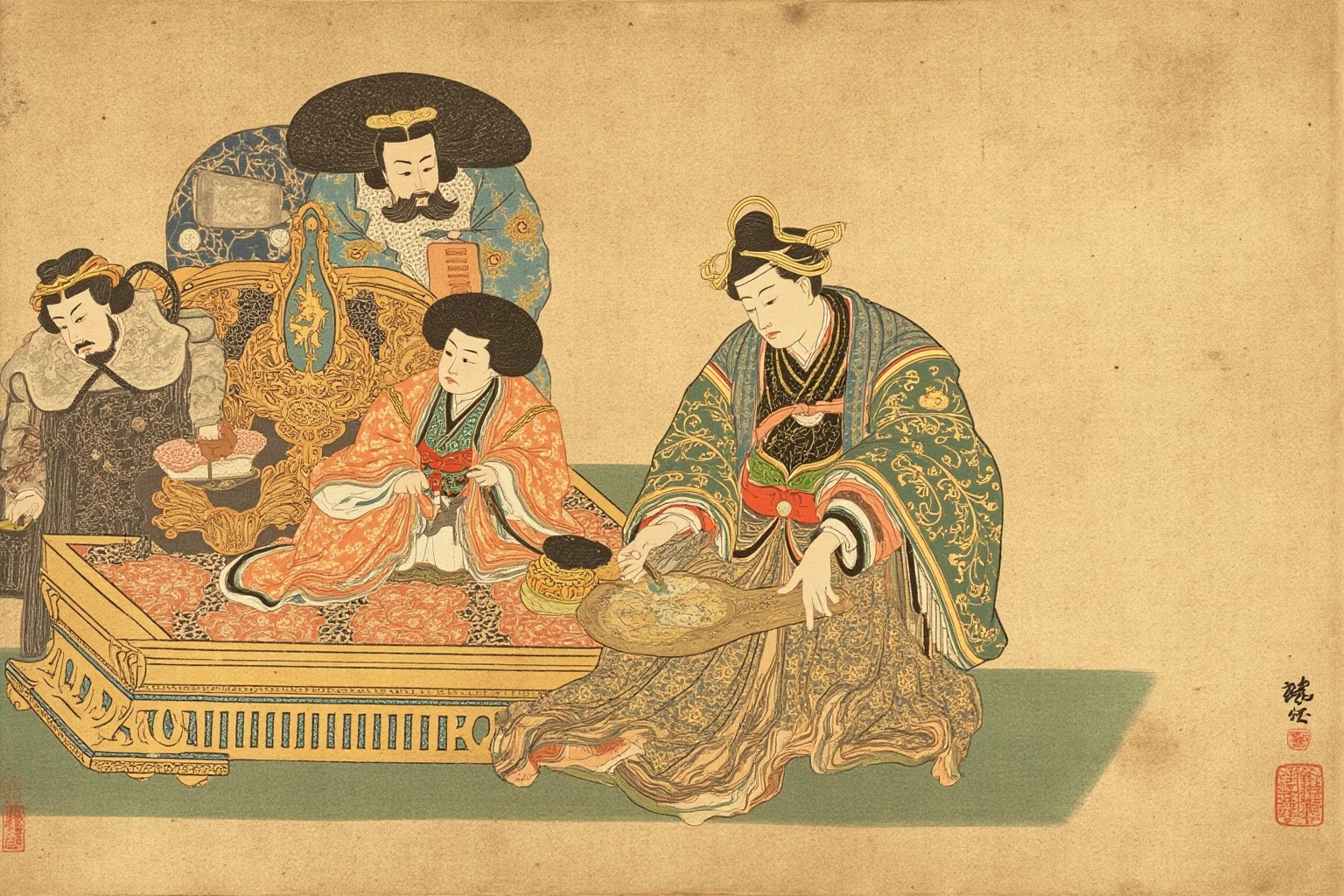
Emperor Antoku became Japan’s emperor in 1180 while still a toddler, installed by his powerful grandfather’s clan during a period of fierce civil war. His reign was almost entirely symbolic, controlled by rival factions fighting for power.
His story ends in tragedy: at around age six or seven, during the naval Battle of Dan-no-ura in 1185, he died at sea alongside his grandmother as their side’s fleet was defeated. He remains one of history’s youngest monarchs to die during his own reign.
9. Puyi, the Last Emperor of China (Emperor at Age Two, 1908)
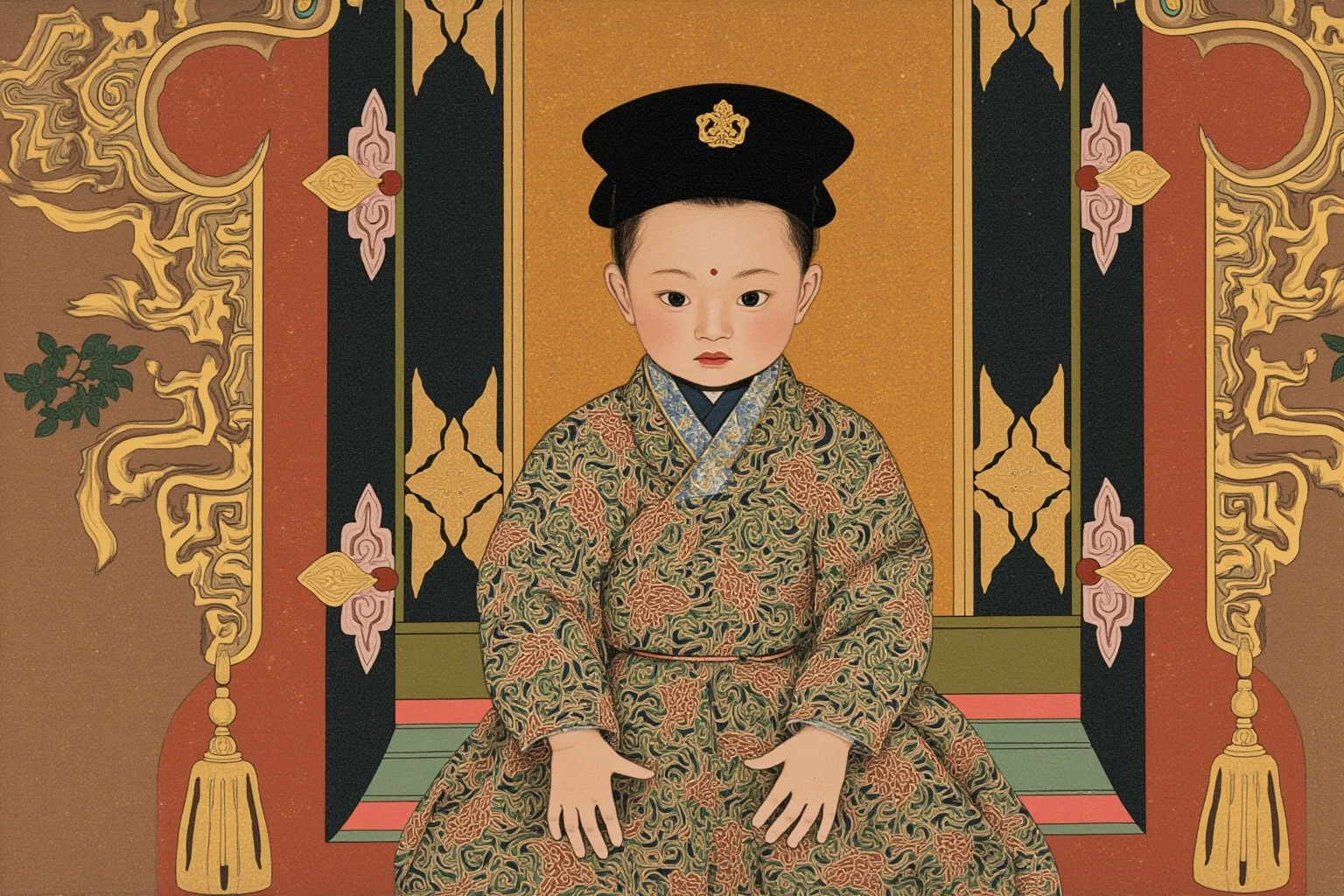
Puyi became the Xuantong Emperor of China in December 1908 at only two years old, following the death of the Guangxu Emperor. He is famously known as “the Last Emperor” because the Qing dynasty, and imperial China itself, collapsed during his reign.
He formally abdicated in 1912 at age six amid the Xinhai Revolution. Puyi later had an extraordinary second act as the puppet emperor of Japanese-controlled Manchukuo before eventually living out his final years as a private citizen in Communist China.
10. King Oyo of Toro, Uganda (World’s Youngest King, 1995)
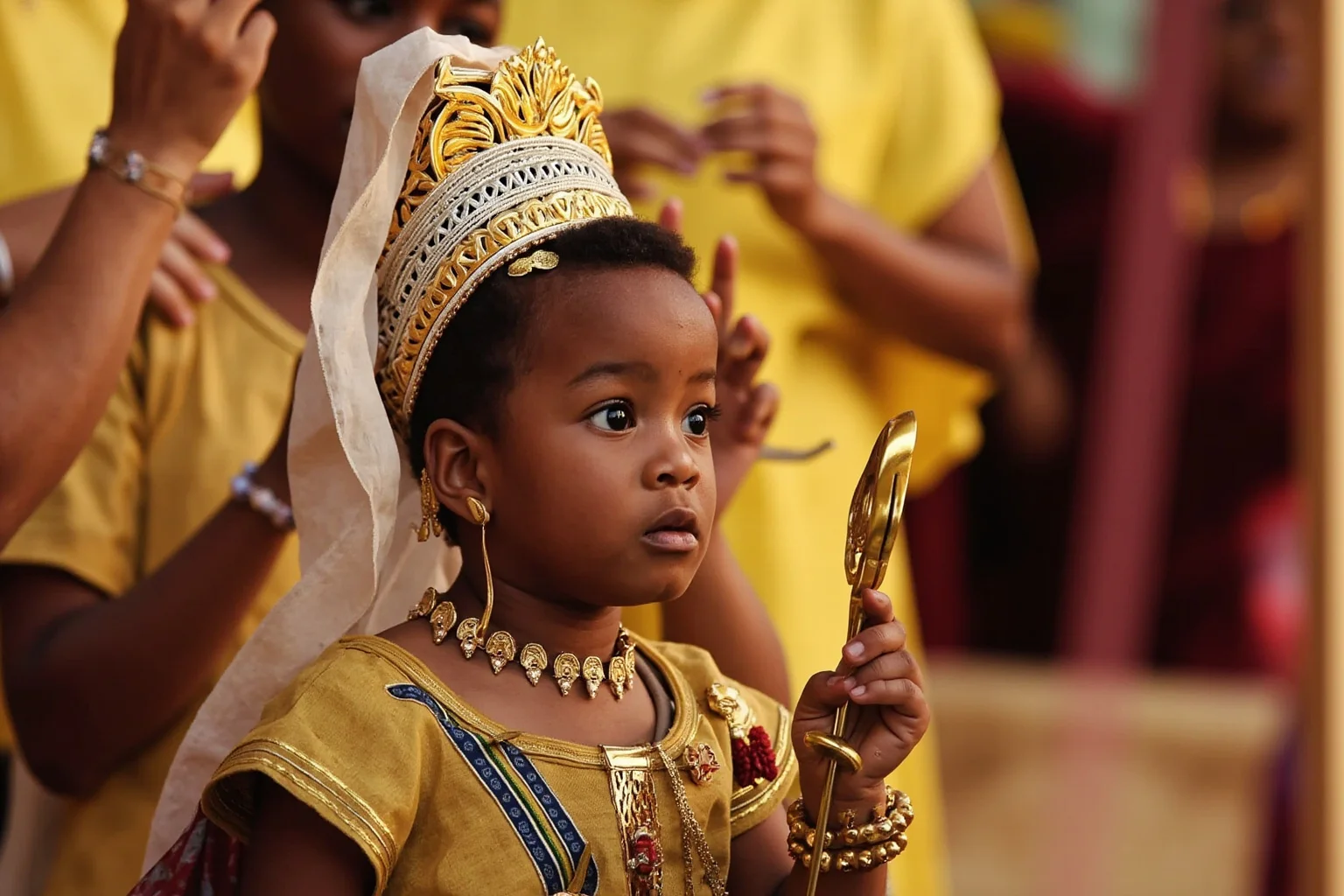
For anyone searching “world’s youngest king” in a modern context, King Oyo Nyimba Kabamba Iguru Rukidi IV is usually the answer. He became King, or Omukama, of the Toro Kingdom in western Uganda in 1995 at just three years old, after his father’s death.
He was recognized at the time by Guinness World Records as the youngest reigning monarch on earth. A regency structure supported him through childhood as he grew into his ceremonial and cultural role within Uganda’s kingdom system.
11. Faisal II of Iraq (King at Age Three, 1939)
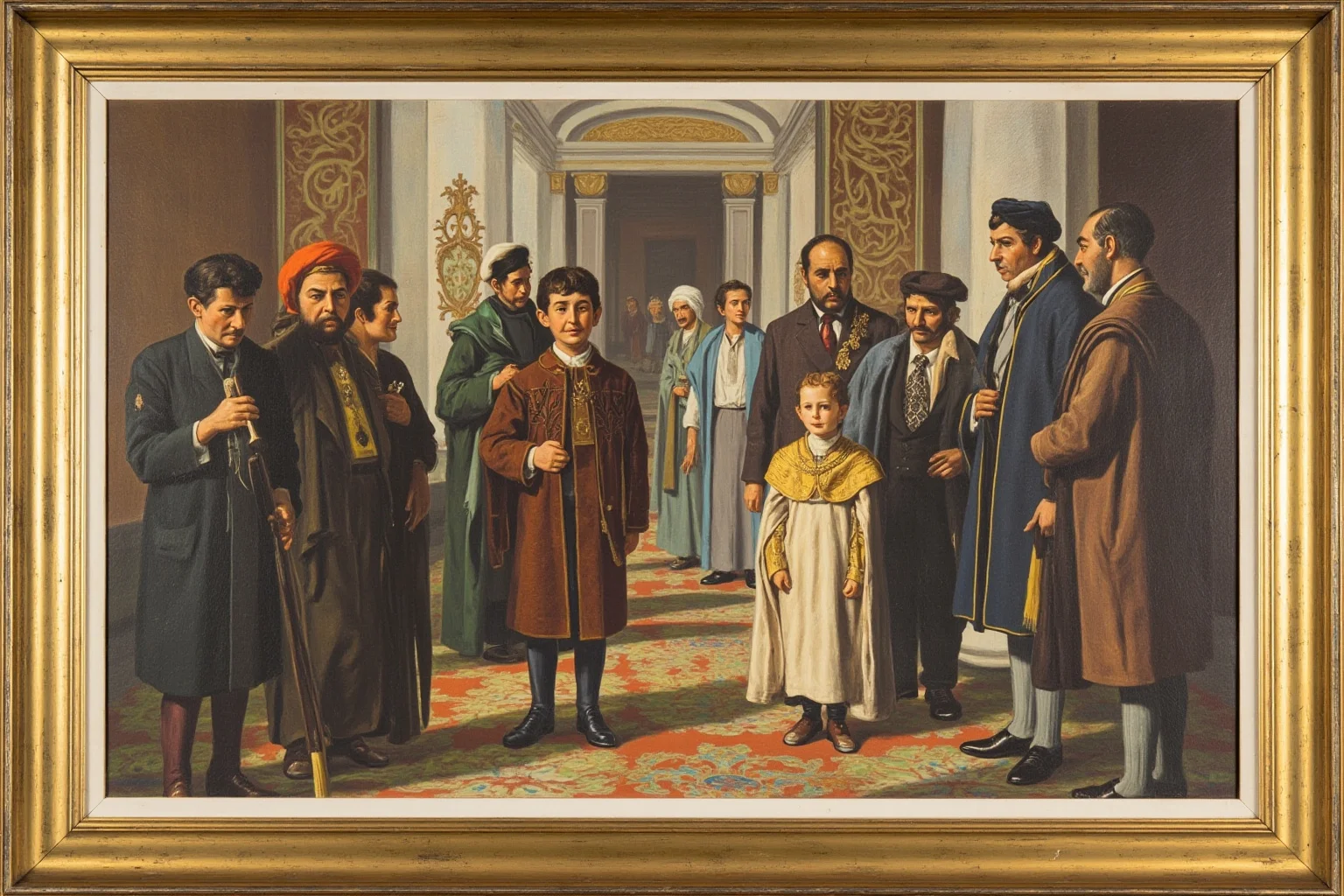
Faisal II became King of Iraq in April 1939 at three years old, after his father, King Ghazi, died in a car accident under circumstances that remain debated by historians. A regent, his uncle Prince Abd al-Ilah, governed on his behalf for over a decade.
Faisal II eventually took full royal authority as a young man, but his reign — and the Iraqi monarchy itself — ended violently in the 1958 coup that overthrew and killed the royal family.
12. Isabella II of Spain (Queen at Age Three, 1833)
Isabella II became Queen of Spain in September 1833 at three years old, following the death of her father, King Ferdinand VII. Her succession was immediately contested by her uncle, sparking the long and bloody Carlist Wars over the Spanish throne.
Isabella eventually ruled in her own right as an adult, though her reign remained politically turbulent until she was deposed in 1868.
13. Louis XIV of France (King at Age Four, 1643)
Louis XIV, later known as the Sun King and remembered today as one of history’s most recognized historical figures, became King of France in May 1643 at four years and eight months old, after his father, Louis XIII, died. His mother and chief minister governed as regents through his childhood.
What’s most remarkable about Louis XIV isn’t just his young start — it’s the length of what followed. His 72-year reign is among the longest verified reigns of any monarch in recorded European history.
14. Christina of Sweden (Queen at Age Six, 1632)
Christina became Queen of Sweden in November 1632 at six years old, after her father, King Gustavus Adolphus, was killed in battle during the Thirty Years’ War. She was formally crowned in 1650 once she came of age.
Christina went on to become one of history’s smartest people, famous for her patronage of scholars and, eventually, her dramatic abdication in 1654.
15. Simeon II of Bulgaria (Tsar at Age Six, 1943)
Simeon II became Tsar of Bulgaria in August 1943 at just six years old, after his father, Boris III, died suddenly and suspiciously. A regency council ruled during his short reign, which ended when Bulgaria’s monarchy was abolished in 1946.
Simeon’s story doesn’t end with exile, though. Decades later, he became one of the only former child monarchs in history to return home and serve as an elected head of government, becoming Bulgaria’s prime minister from 2001 to 2005.
16. Michael I of Romania (King at Age Five, 1927)
Michael I first became King of Romania in 1927 at just five years old, after the death of his grandfather, King Ferdinand I. A regency council ruled in his name, but the arrangement didn’t last.
In 1930 his father, Carol II, returned from exile and reclaimed the throne for himself. Michael became king again a decade later, in 1940, this time at nineteen, after Carol was forced to abdicate.
17. Edward VI of England (King at Age Nine, 1547)
Edward VI became King of England in January 1547 at nine years old, following the death of his father, Henry VIII. He’s frequently — and mistakenly — assumed to be England’s youngest king, but that title actually belongs to Henry VI, who was crowned centuries earlier at only eight months old.
Edward’s short reign was guided by a council of regents and marked by major religious reform. He died at just fifteen, having never ruled as an adult.
18. Tutankhamun of Egypt (Pharaoh at About Age Nine, c. 1332 BCE)
Tutankhamun became pharaoh of Egypt around 1332 BCE at approximately nine years old, following the death of his predecessor during a turbulent period of religious upheaval, and he’s often mentioned alongside the greatest rulers in ancient history despite his youth. Powerful advisors effectively ran the kingdom during his early reign.
He’s far better known today for his richly furnished tomb, discovered in 1922, than for his actual rule. Tutankhamun died around age eighteen or nineteen, making him both one of history’s youngest kings and one of its youngest to die on the throne.
19. Rama VIII, Ananda Mahidol of Thailand (King at Age Nine, 1935)
Ananda Mahidol became King of Siam, later Thailand, in March 1935 at nine years old, after his uncle, King Prajadhipok, abdicated. He spent much of his childhood and education abroad in Switzerland while regents managed affairs at home.
His life ended under mysterious circumstances in 1946, when he was found dead of a gunshot wound at just twenty years old — a case that remains debated by historians to this day.
20. Wilhelmina of the Netherlands (Queen at Age Ten, 1890)
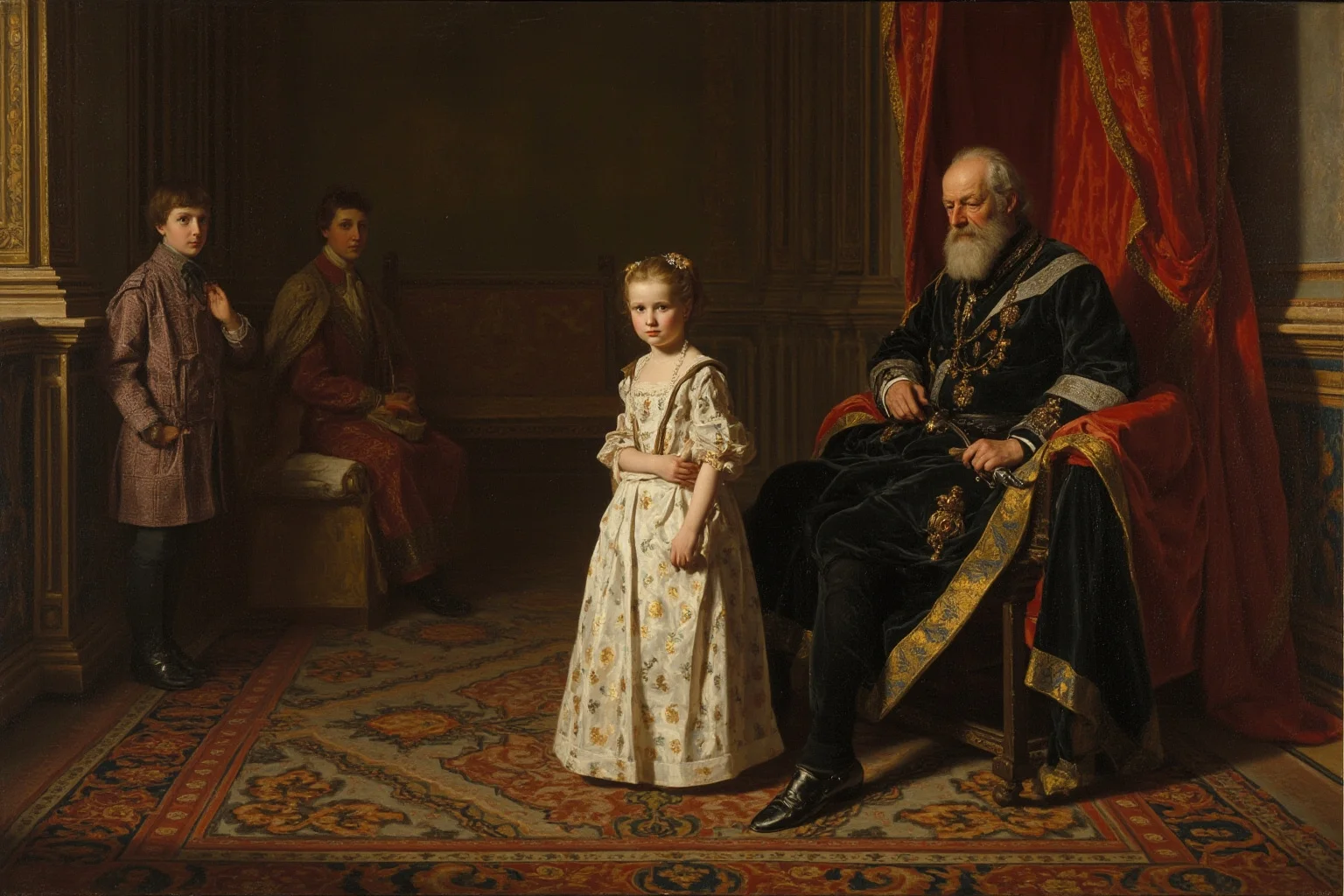
Wilhelmina became Queen of the Netherlands in November 1890 at ten years old, after her father, King William III, died. Her mother served as regent until Wilhelmina came of age.
She went on to reign for fifty-eight years, including through both World Wars, before abdicating in 1948 in favor of her daughter — a reign defined far more by resilience than by her young start.
21. Peter II of Yugoslavia (King at Age Eleven, 1934)
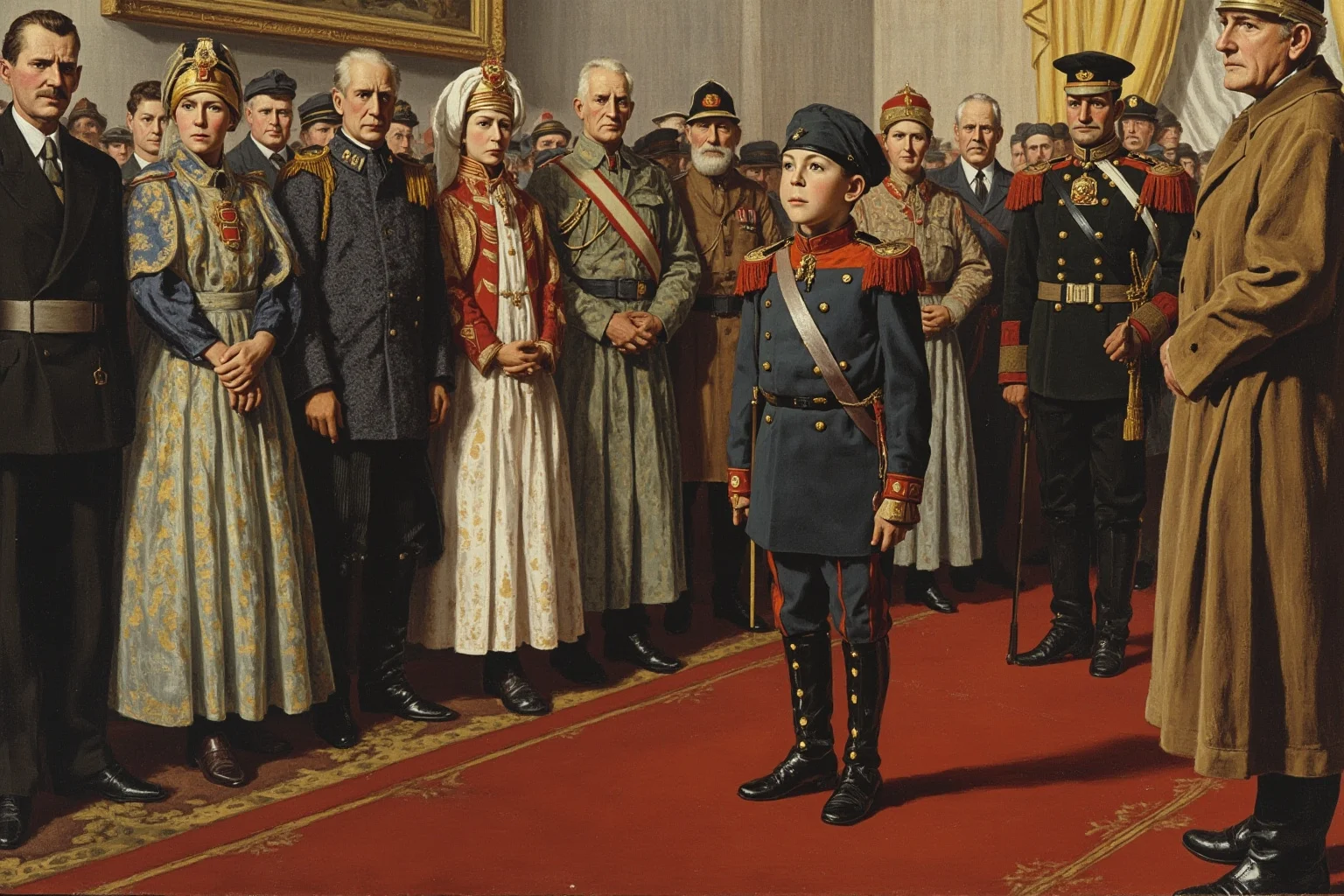
Peter II became King of Yugoslavia in October 1934 at eleven years old, after his father, Alexander I, was assassinated in Marseille, France. A regency governed the kingdom through his adolescence.
He became the last King of Yugoslavia, forced into exile during the Second World War, and the monarchy was formally abolished in 1945. He never returned to rule.
22. Lady Jane Grey: The Shortest-Reigning Monarch in English History
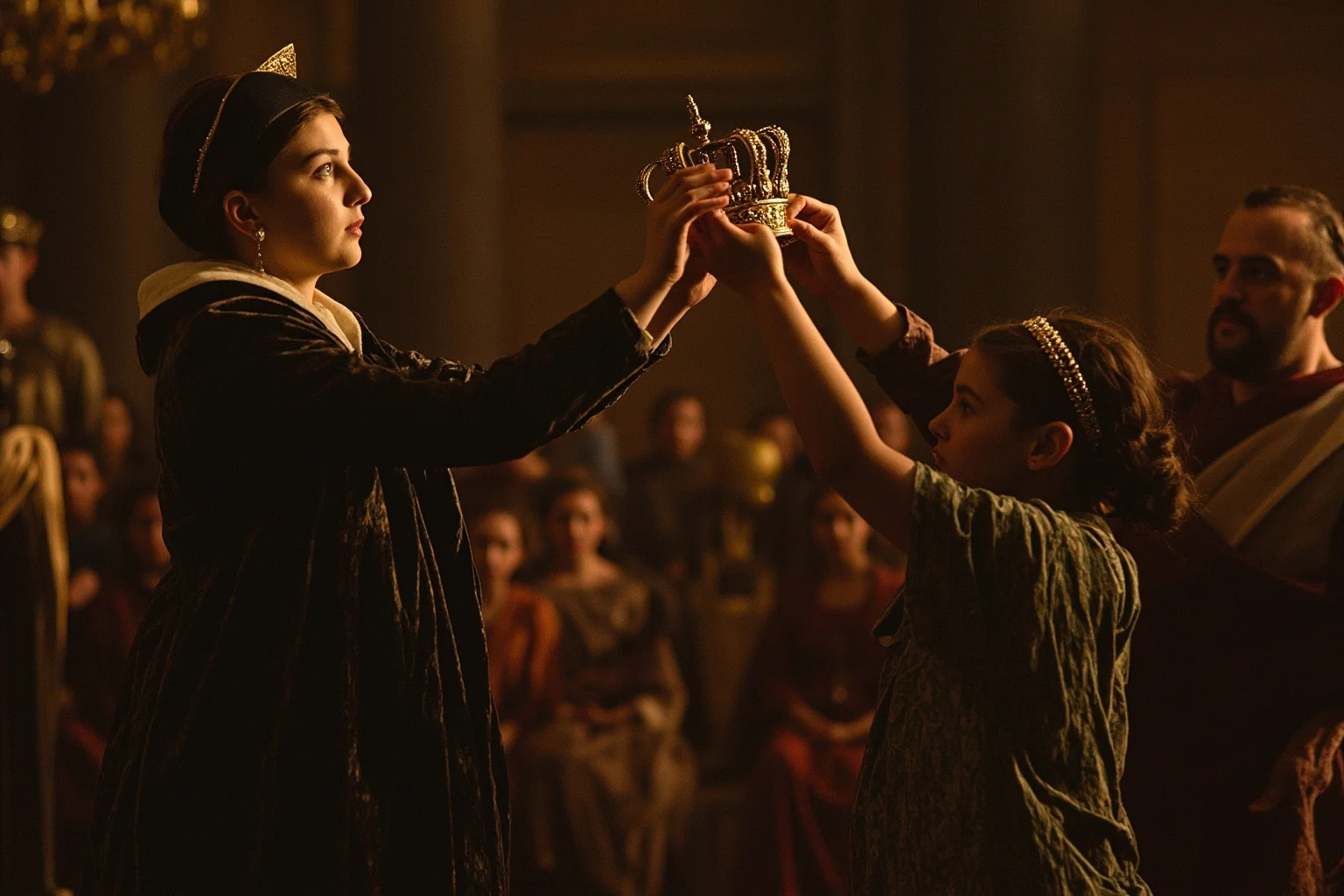
Lady Jane Grey wasn’t a child when she took the throne — she was around sixteen — so she doesn’t belong on a strict “youngest” list. But her name comes up constantly in searches about England’s shortest-reigning monarchs, so it’s worth setting the record straight here.
Jane reigned for only nine days in July 1553, proclaimed queen after the death of Edward VI in a failed attempt to keep the crown Protestant. Her claim was quickly overturned by Mary I, and Jane was executed the following year, making her reign one of the briefest, and most tragic, in British history.
Who Was the Youngest King of England? Setting the Record Straight
With so many names in play, it’s worth answering this specific question plainly. The youngest king in England’s history was Henry VI, who became king at just eight months old in August 1422.
Edward VI is the name people often guess instead, since he was also a child king, but he was already nine years old when he inherited the throne in 1547. Henry VI’s claim to the title of youngest king England has ever crowned remains unmatched in the historical record.
Why Were So Many Monarchs Crowned as Children?
Looking at this list, a clear pattern emerges: hereditary succession doesn’t wait for convenience. If a king or queen died unexpectedly, their heir became the new monarch immediately, regardless of age, because the throne could not sit empty.
That’s why regency councils became such a standard feature of monarchies worldwide. Trusted relatives, nobles, or advisors would govern in the child’s name until they were old enough to rule directly, though this arrangement often created its own political dangers.
Child monarchies were frequently unstable specifically because of this gap in real authority. Ambitious regents, rival claimants, and foreign powers often saw a young or infant ruler as an opportunity, which is part of why so many of the reigns above were marked by coups, wars, or early depositions.
Final Thoughts on History’s Youngest Crowns
What this list really shows is that “youngest king” or “youngest queen” is rarely a simple trivia answer. It depends on whether you’re measuring from birth, from a formal coronation, or from the moment a monarch actually began ruling on their own.
Still, a few names consistently rise to the top of any honest accounting: Mary, Queen of Scots for queens, Henry VI for England specifically, and Alfonso XIII for a monarch whose entire life began under a crown. Legendary claims like Shapur II’s remind us to stay curious but skeptical, while modern examples like King Oyo show that the phenomenon of the child monarch hasn’t entirely disappeared from the world.
Frequently Asked Questions
Who was the youngest king in history?
It depends on how you define it. Legend claims the Persian king Shapur II was declared ruler before he was even born in 309 CE, though most historians treat that as dynastic storytelling rather than verified fact. Among well-documented cases, Alfonso XIII of Spain became king at the literal moment of his birth in 1886, making him one of the clearest verified examples of a monarch who was a king from day one.
Who was the youngest queen in history?
Mary, Queen of Scots is generally considered the youngest queen in history. She became queen at just six days old in December 1542, after her father, King James V of Scotland, died unexpectedly, though she wasn't formally crowned until she was nine months old.
Who was the youngest king of England?
Henry VI holds that title. He became King of England in August 1422 at only eight months old, following the sudden death of his father, Henry V. Edward VI is often mistakenly guessed instead, but he was already nine years old when he became king in 1547.
What is the world’s youngest king today, or in modern history?
In modern history, King Oyo of the Toro Kingdom in Uganda is the most commonly cited example. He became king in 1995 at just three years old and was recognized at the time by Guinness World Records as the youngest reigning monarch in the world.
Who was the shortest-reigning monarch in UK history?
Lady Jane Grey is usually named as the shortest-reigning monarch in English history, holding the throne for only nine days in July 1553 before being deposed by Mary I. Her legitimacy as a genuine monarch has long been debated by historians, since she was never crowned and her claim was quickly overturned.
Was Mary, Queen of Scots really queen as a baby?
Yes. Mary became Queen of Scots at six days old in December 1542, immediately upon her father's death, though a regency council governed Scotland on her behalf throughout her infancy and childhood.

Alex Warren
Related Articles





