Most Americans know the basics: December 7, 1941, a surprise attack on a Hawaiian naval base, and a date that pulled the United States into World War II. But the full story is far stranger, messier, and more human than the version in textbooks. Below are 23 attack on Pearl Harbor interesting facts — including several myths that deserve to be retired.
TL;DR: The real history of Pearl Harbor is full of missed warnings, lucky breaks, and quiet heroism that the standard textbook version leaves out.
1. The Attack Lasted Only About 110 Minutes
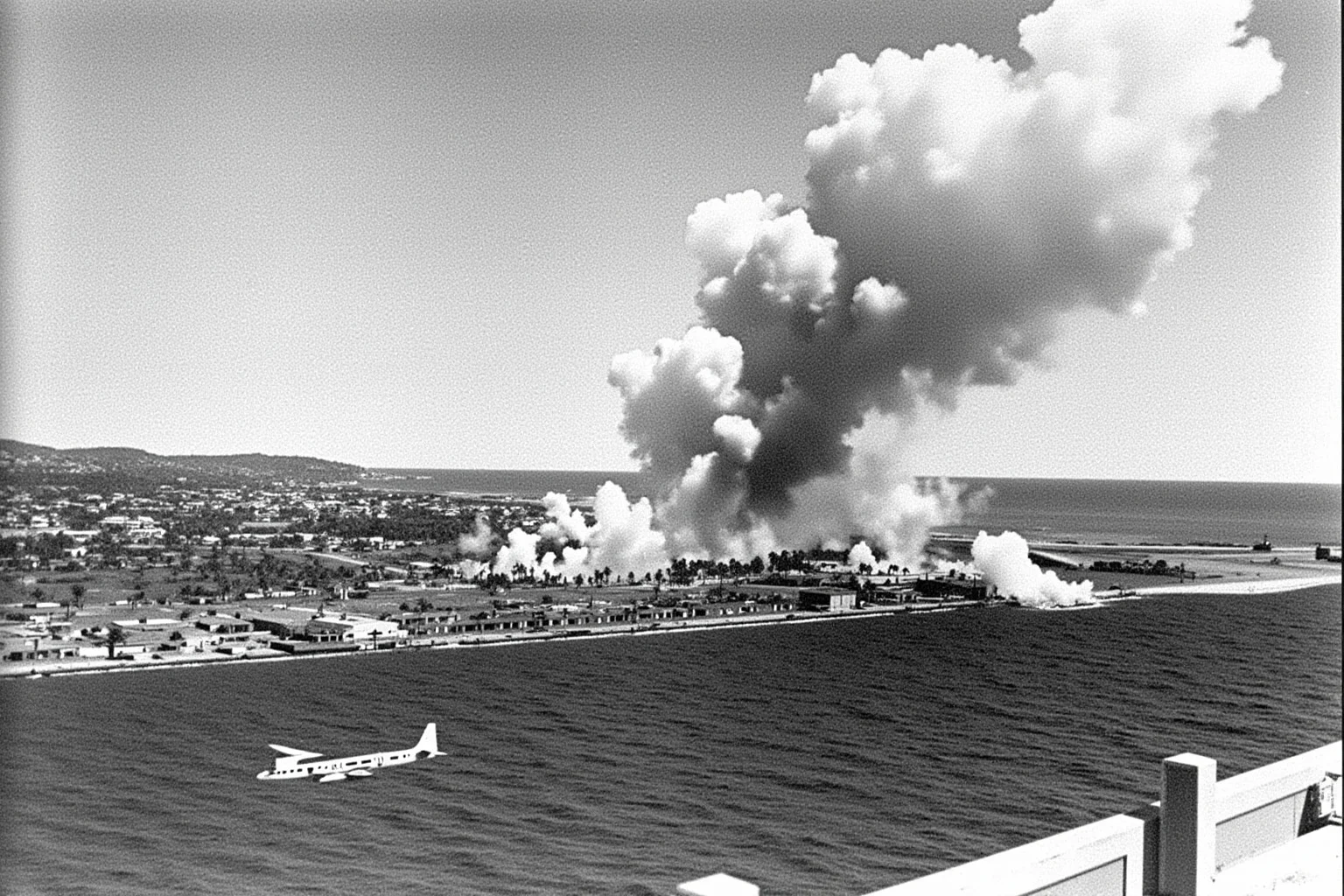
From the first bomb at 7:55 a.m. to the last Japanese plane pulling away around 9:45 a.m., the main assault lasted roughly 110 minutes. That's shorter than a typical Hollywood movie about it.
In that time, Japan launched two waves of aircraft — 183 planes in the first, 167 in the second. The speed and coordination remain one of the most studied military operations in history.
2. Radar Operators Actually Detected the First Wave
Two U.S. Army radar operators, Joseph Lockard and George Elliott, spotted a large blip on their screen at 7:02 a.m. They phoned it in.
Their report was dismissed by a junior officer who assumed it was a flight of B-17 bombers due in from California. This is the origin of the famous question, "Did America know about Pearl Harbor?" The honest answer: the technology saw it, but the interpretation failed.
3. The Word "Surprise" Is Complicated
Historians generally agree the attack achieved tactical surprise. But the U.S. had broken some Japanese diplomatic codes and knew war was likely imminent.
What leaders did not know was where or exactly when the first blow would land. That gap between "war is coming" and "it's coming here, today" is where most conspiracy theories live.
4. A Warning Was Sent — but Arrived Too Late
On the morning of the attack, General George Marshall sent a warning message to Hawaii. Because of atmospheric conditions, the telegram was routed through commercial channels instead of military ones.
A motorcycle messenger was still carrying the decoded warning to Pearl Harbor when the bombs began falling. It's one of the most poignant near-misses in American military history.
5. The USS Arizona Is Still Leaking Oil
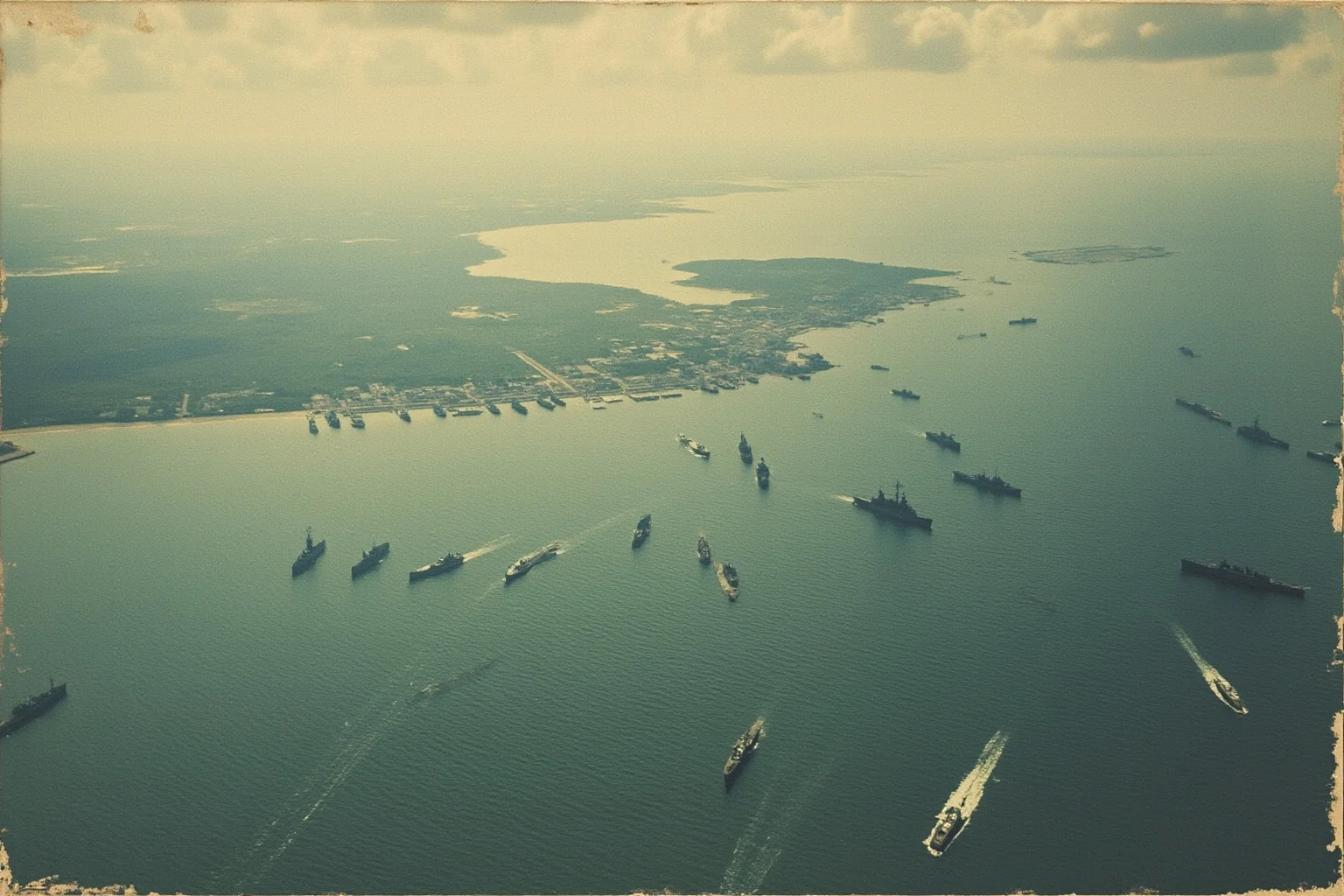
The USS Arizona sank in about nine minutes after a bomb detonated its forward magazine, killing 1,177 sailors and Marines. The wreck remains in the harbor as a memorial.
To this day, small amounts of oil still seep from the hull — often called "the tears of the Arizona." Survivors have described watching the droplets rise for decades.
6. The Arizona's Band Was Playing When the Bombs Hit
The ship's band had just finished playing "The Star-Spangled Banner" for the morning colors ceremony. Most of the band members were still on deck when the attack began.
Only a few survived. The story is a reminder that many of the casualties were young men going about an ordinary Sunday routine.
7. The Japanese Aimed for Battleships — and Missed the Carriers
Japan's primary targets were the U.S. battleship fleet. The three Pacific Fleet aircraft carriers — Enterprise, Lexington, and Saratoga — were all at sea that morning.
That absence turned out to be one of the most consequential accidents of the war. Carriers, not battleships, would decide the Pacific campaign.
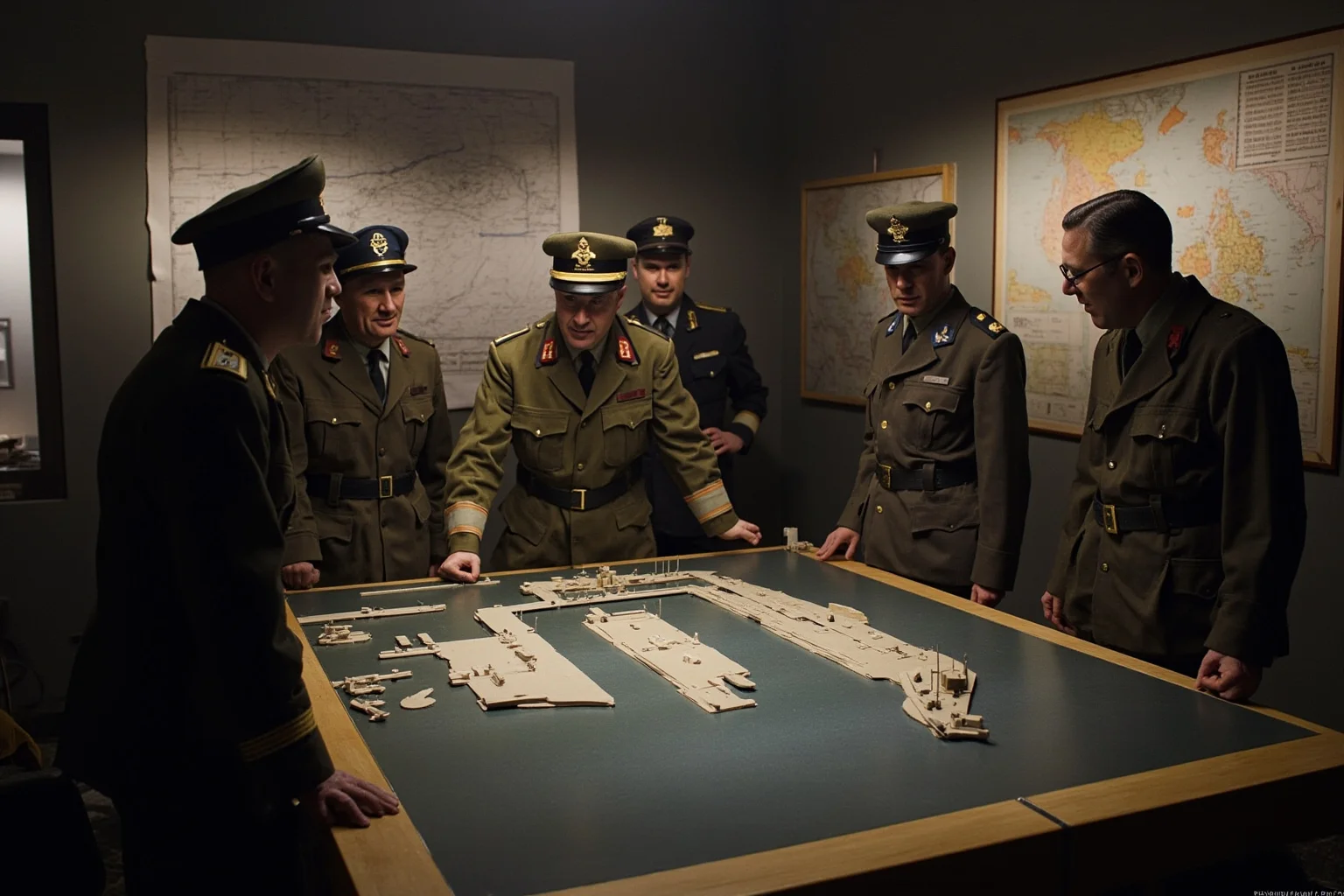
8. The Attack Was Planned With Maps and Models
Japanese planners, including Admiral Isoroku Yamamoto, studied the harbor obsessively. They built scale models of the anchorage and rehearsed the attack in shallow bays in Japan.
Yamamoto reportedly warned that Japan could "run wild" for six months to a year, but he had no confidence in a longer war. His caution proved accurate.
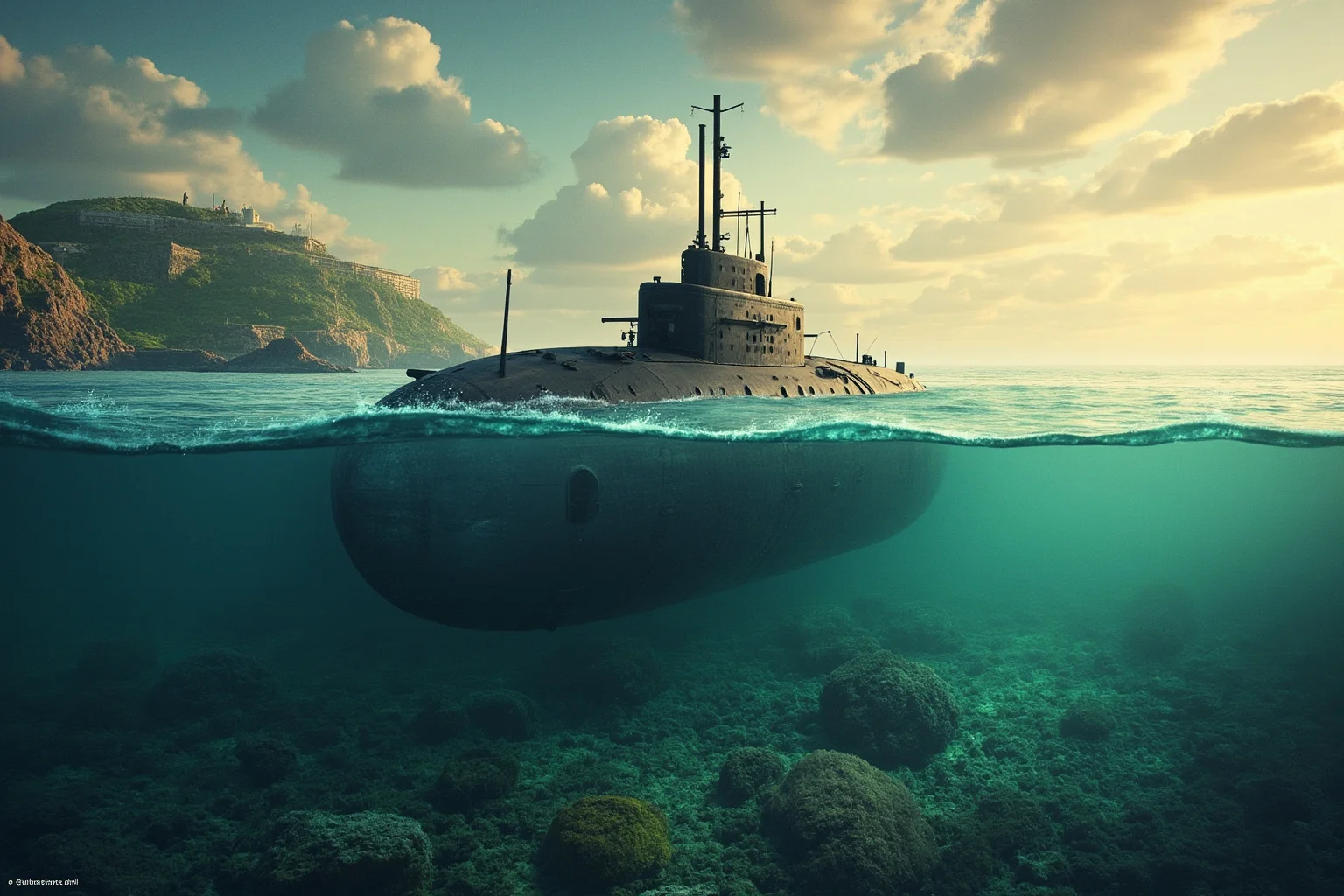
9. A U.S. Ship Captured a Japanese Midget Submarine
Before the air attack, the destroyer USS Ward spotted and fired on a Japanese midget submarine near the harbor entrance. The Ward sank it and reported the contact.
The report was passed up the chain but not treated as an imminent threat. It was, in fact, the opening shot of the battle.
10. One Midget Submarine Ran Aground and Its Crew Was Captured
A second midget sub ran aground on a reef. One crew member drowned; the other, Kazuo Sakamaki, was captured.
Sakamaki became the first Japanese prisoner of war held by the United States. He reportedly asked to be killed rather than captured, and later became a pacifist.
11. The Attack Killed More Than 2,400 People
Total American deaths were 2,403, including 68 civilians. Another 1,178 were wounded. The numbers are often recited, but the civilian toll surprises people.
Many of those civilians were killed by falling anti-aircraft shells landing in Honolulu neighborhoods. Friendly fire was part of the tragedy.
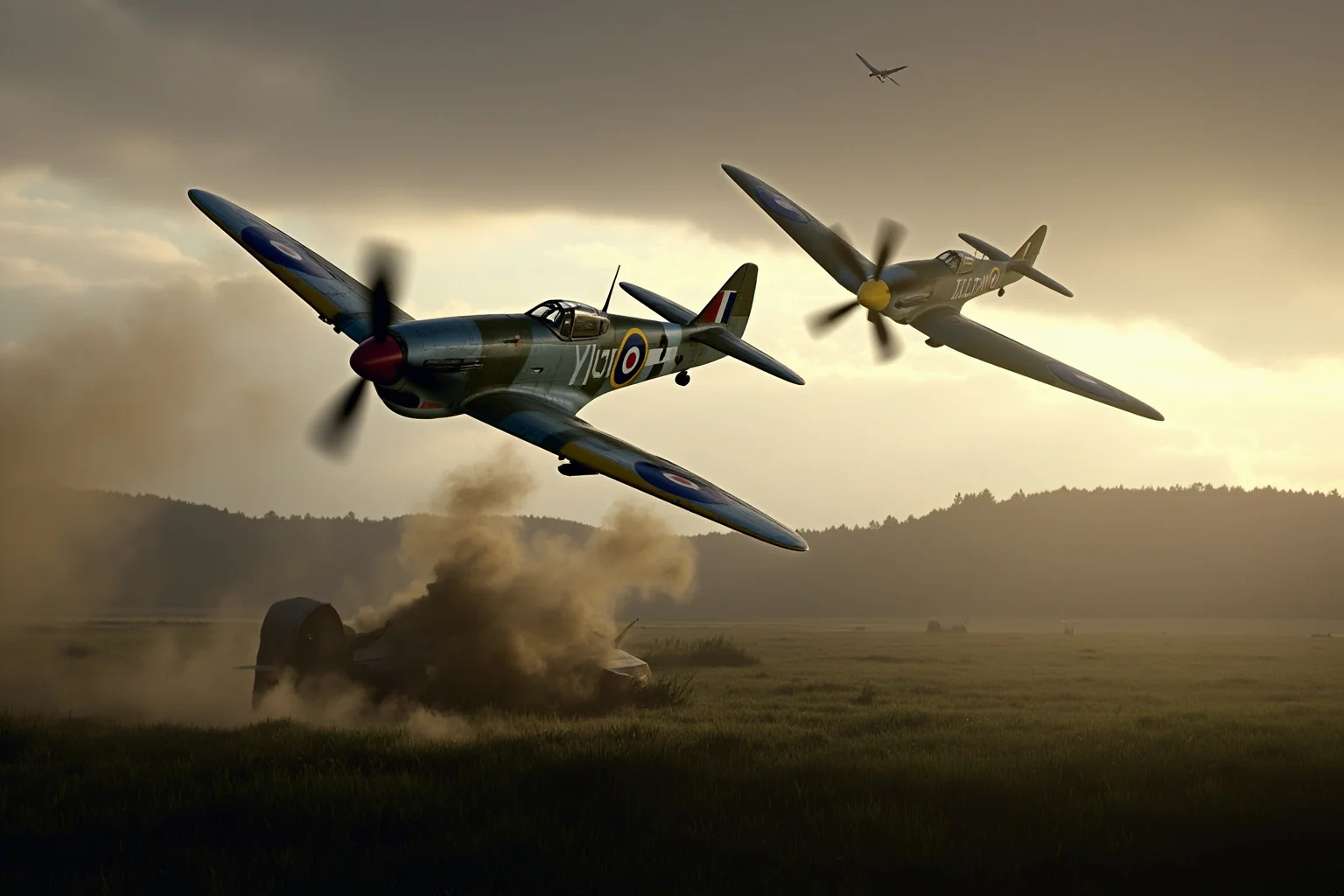
12. Several Planes Got Airborne During the Attack
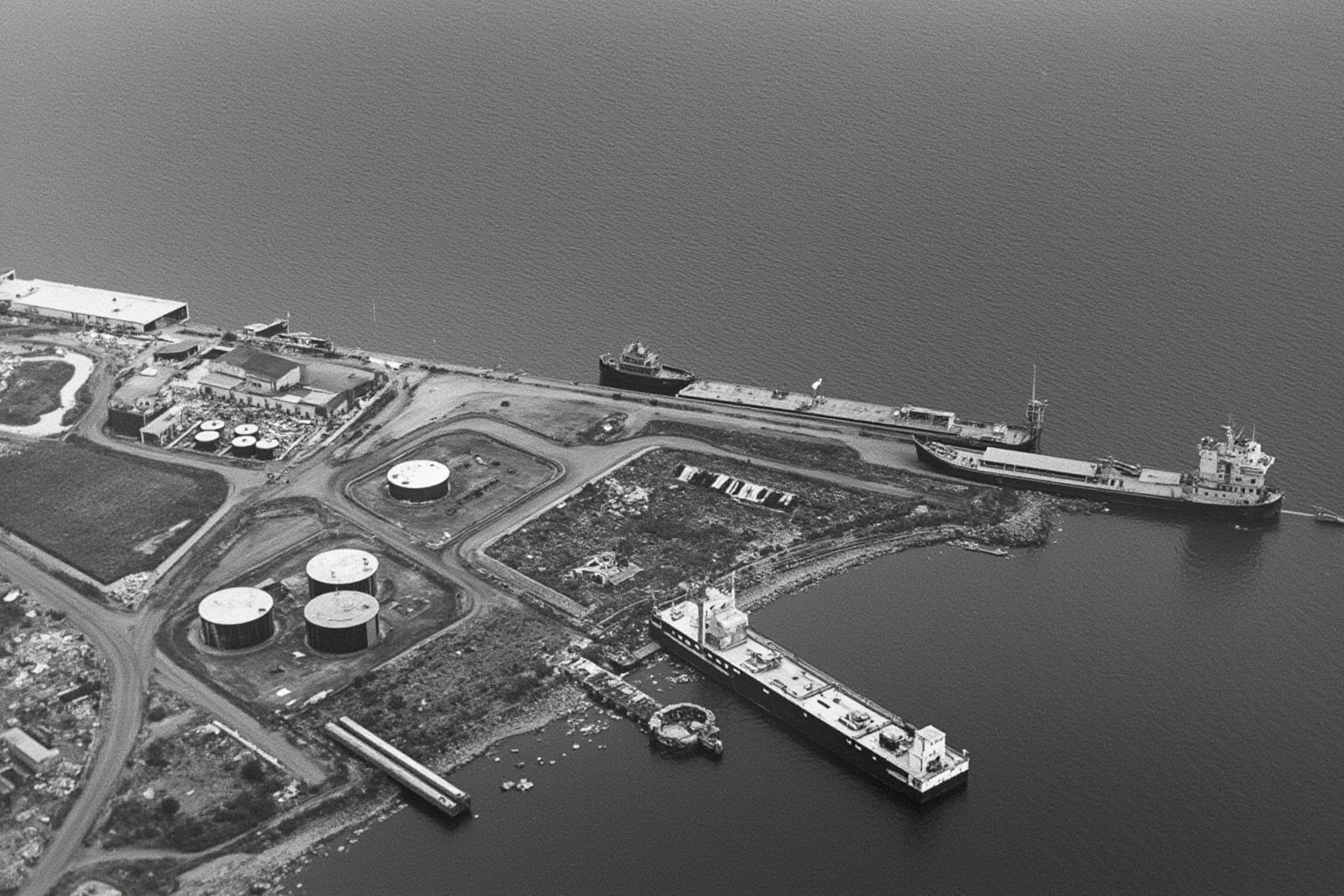
A handful of U.S. pilots managed to take off from Haleiwa Field and elsewhere during the raid. They engaged Japanese aircraft with limited success.
Second Lieutenant George Welch and Kenneth Taylor were credited with multiple kills. Their scramble is one of the few offensive responses of the day.
13. The Japanese Lost Far Fewer Aircraft Than Expected
Japan lost 29 aircraft and five midget submarines, plus 64 dead. By contrast, the U.S. lost or damaged nearly the entire battleship line.
The lopsided casualty ratio is why the attack is often called a tactical masterpiece — even though it was a strategic disaster for Japan.
14. The Fuel Depots and Dry Docks Survived
Japan's planners debated a third wave targeting fuel storage, repair facilities, and submarine bases. Admiral Chuichi Nagumo chose to withdraw.
Those untouched facilities allowed the U.S. to recover far faster than Japan anticipated. Many historians consider this the single biggest Japanese mistake of the day.
15. The Attack Missed the Submarine Base and Headquarters
The Pacific Fleet submarine force and the fleet headquarters at Pearl Harbor were largely spared. Submarines would go on to cripple Japanese shipping throughout the war.
Had the attack targeted them, the U.S. response in the Pacific might have been delayed by months.
16. A False Radio Report Spread Panic on the Mainland
Within hours, rumors swept the mainland — including reports of Japanese planes over California. Blackouts were ordered in cities far from Hawaii.
Some of these rumors were pure panic; others were exploited by officials to push preparedness measures. It shows how fast information and misinformation moved even in 1941.
17. The U.S. Declared War the Next Day
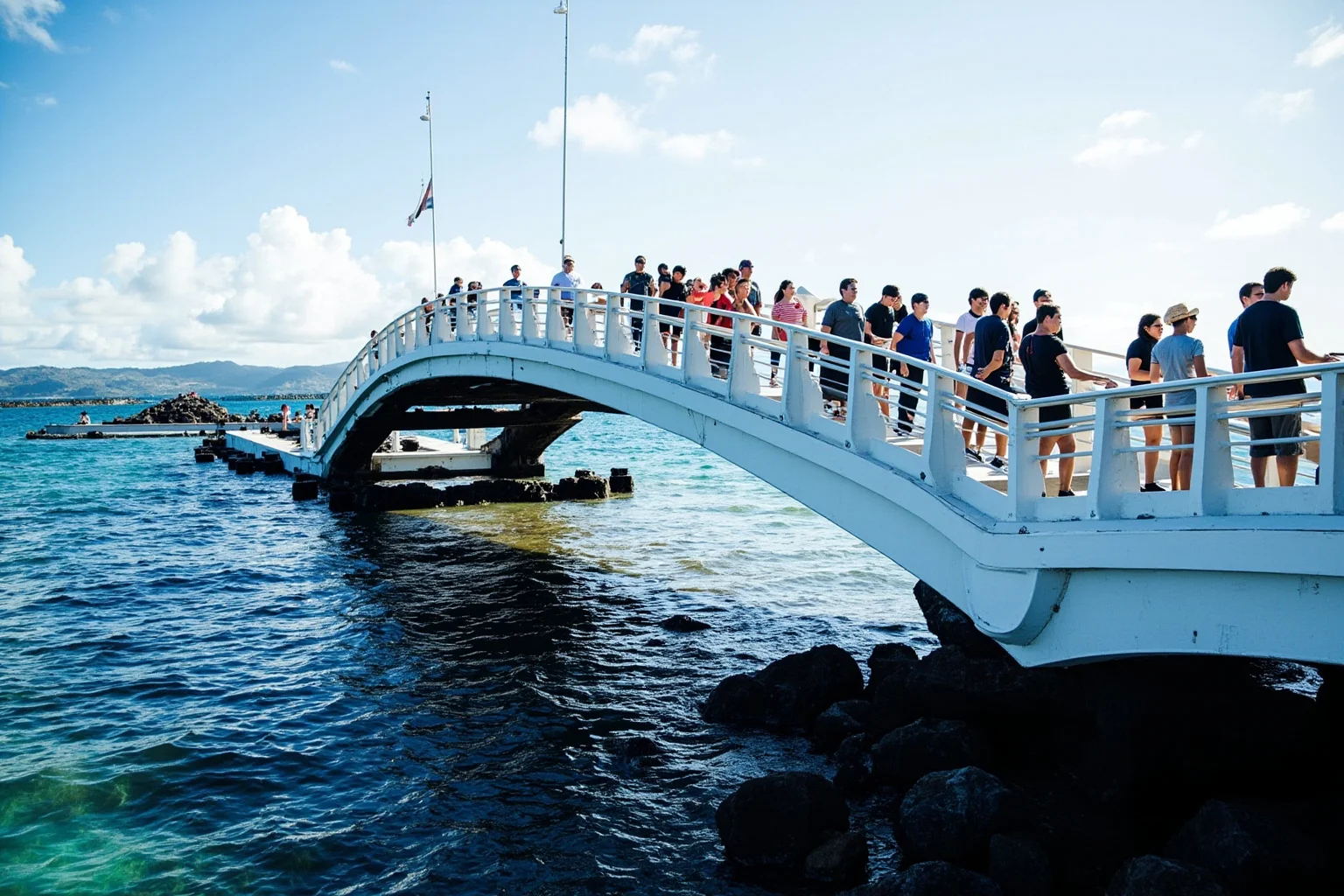
President Franklin D. Roosevelt addressed Congress on December 8, calling December 7 "a date which will live in infamy." Congress declared war on Japan in less than an hour.
Germany and Italy declared war on the U.S. days later, formally expanding the conflict into a true world war.
18. Japanese Americans Suffered Immediate Consequences
Within hours, Japanese American communities faced suspicion, curfews, and eventually mass incarceration under Executive Order 9066. Roughly 120,000 people of Japanese descent were affected.
Many were U.S. citizens. The policy is now widely recognized as a grave injustice, and Congress formally apologized in 1988.
19. The Wreckage Became a Tourist Site Almost Immediately
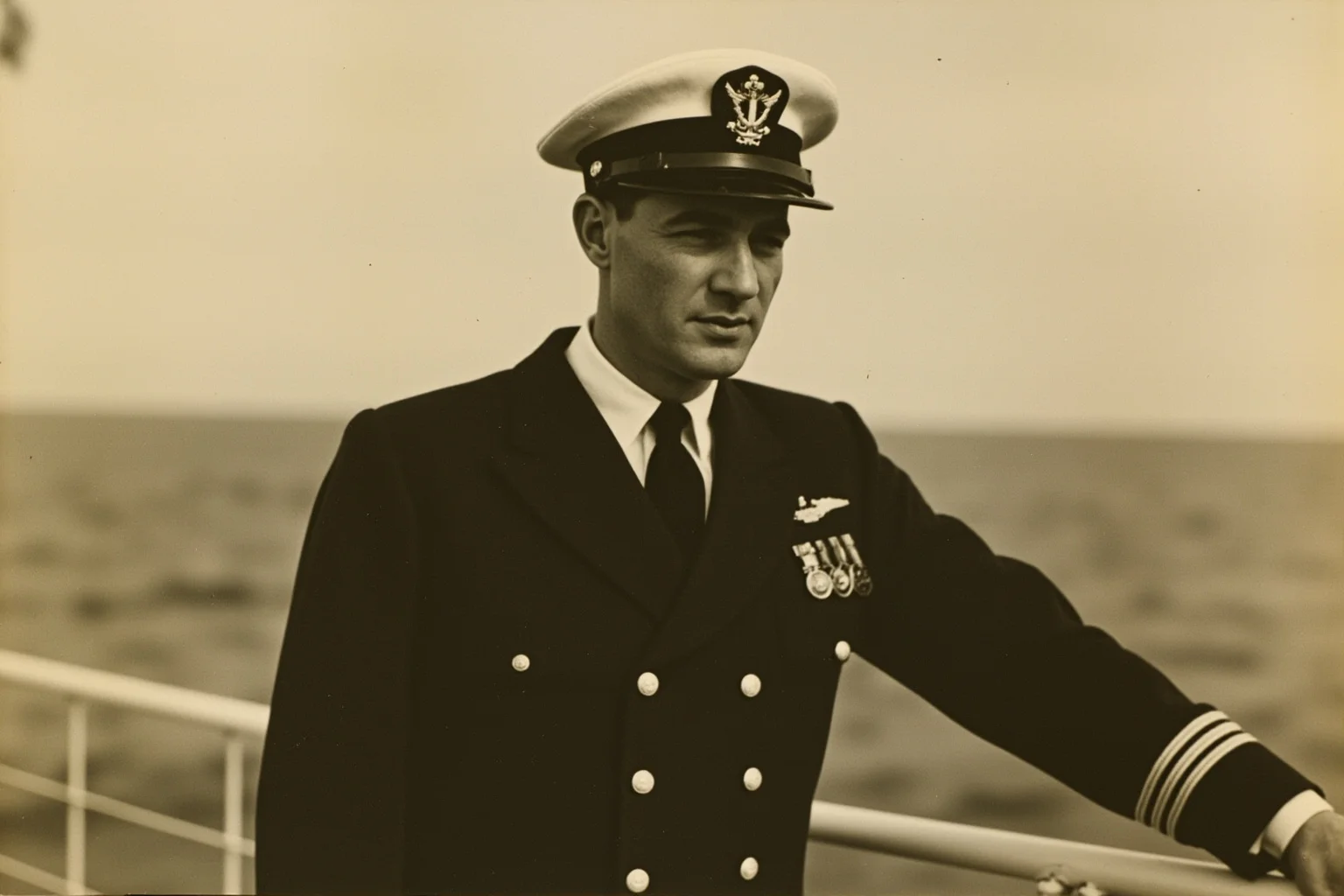
Almost as soon as the smoke cleared, visitors wanted to see the damage. Boat tours of the harbor began within weeks.
The USS Arizona Memorial, dedicated in 1962, now receives more than a million visitors a year. It straddles the sunken hull without touching it.
20. A Pearl Harbor Survivor Became a Famous Actor
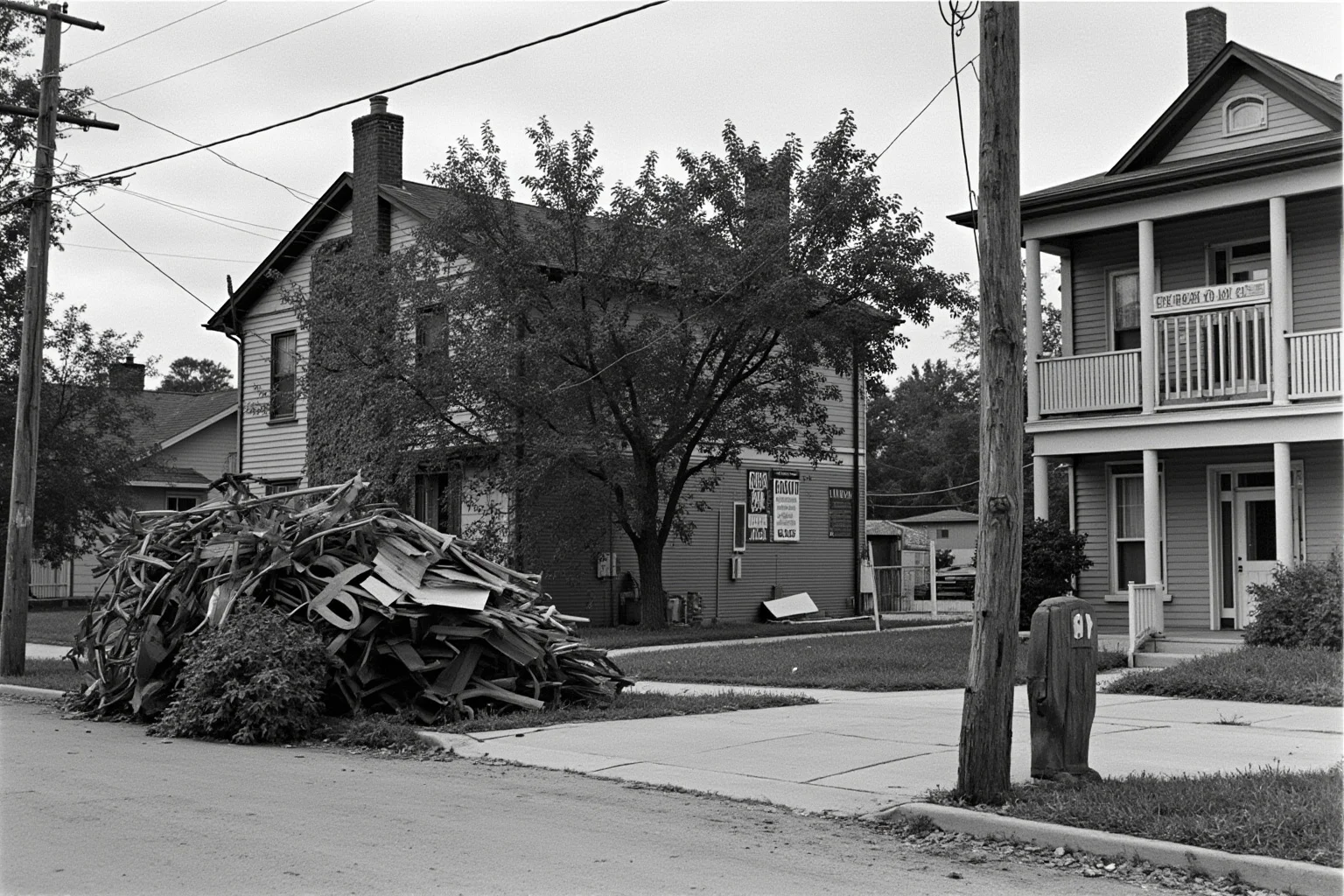
Jason Robards, who won two Academy Awards, was a Navy petty officer aboard the USS Honolulu during the attack. He rarely discussed it publicly.
Other survivors went on to long careers in business, science, and public service. Their postwar lives are part of the story too.
21. The Attack Changed How America Remembers War
Before Pearl Harbor, isolationism was a powerful force in U.S. politics. After it, the country mobilized on a scale never seen before.
Victory gardens, scrap drives, and war bonds became part of daily life. Pearl Harbor didn't just start a war effort — it reshaped American identity.
22. "Pearl Harbour" Facts Get Confused Online
If you search for interesting facts about Pearl Harbour with the British spelling, you'll find many of the same stories. But you'll also find myths: that FDR knew and let it happen, that all ships were destroyed, that the harbor was undefended.
Historians have thoroughly examined these claims. Evidence shows warnings were missed and misread, not deliberately ignored.
23. The Last Survivors Are Still Sharing Their Stories
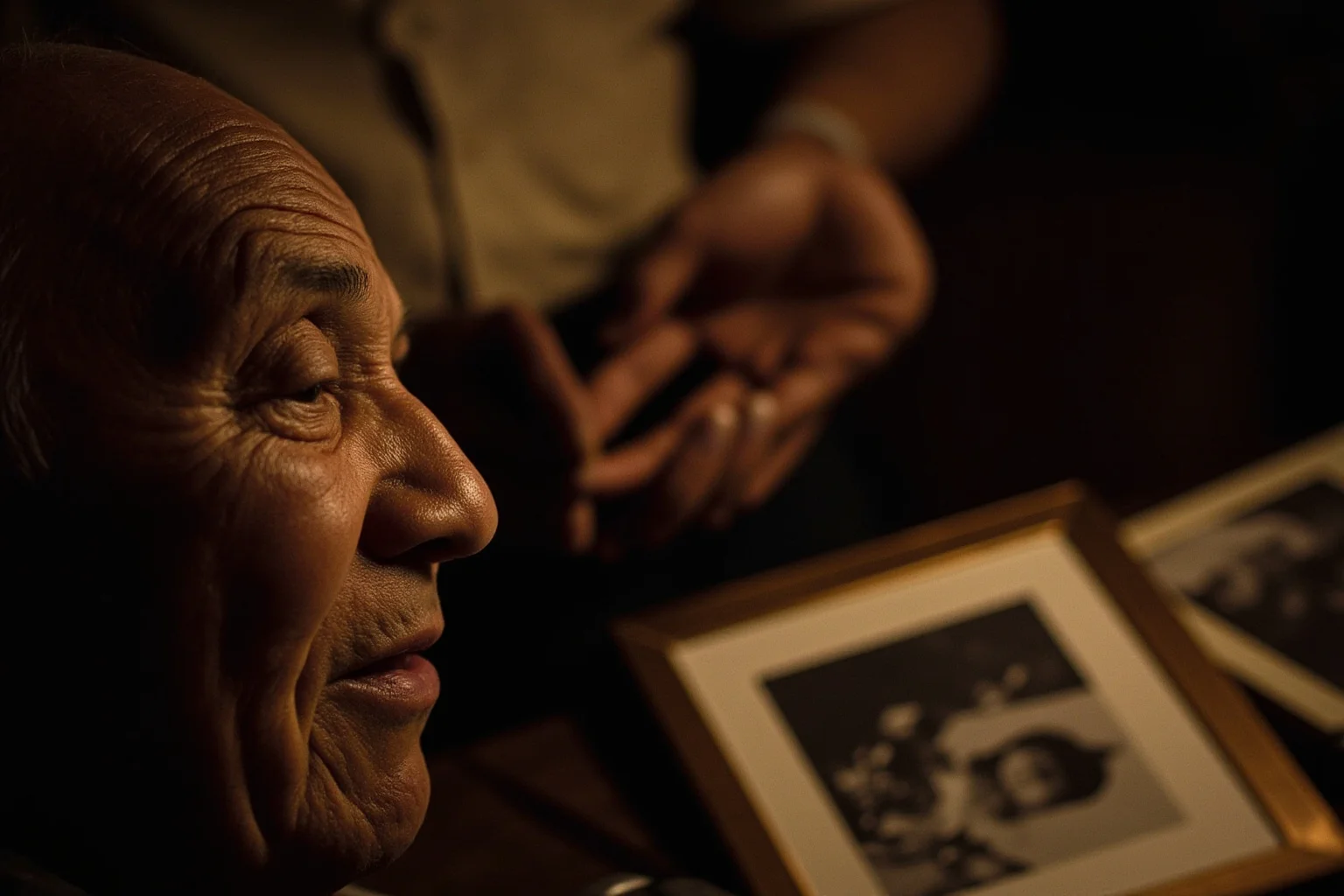
For decades, survivors returned to Hawaii for commemoration ceremonies. Their numbers have dwindled, and the youngest are now in their late nineties.
Oral history projects and the National Park Service have recorded hundreds of their accounts. These testimonies are now among the most important sources we have.
Why These Facts Still Matter
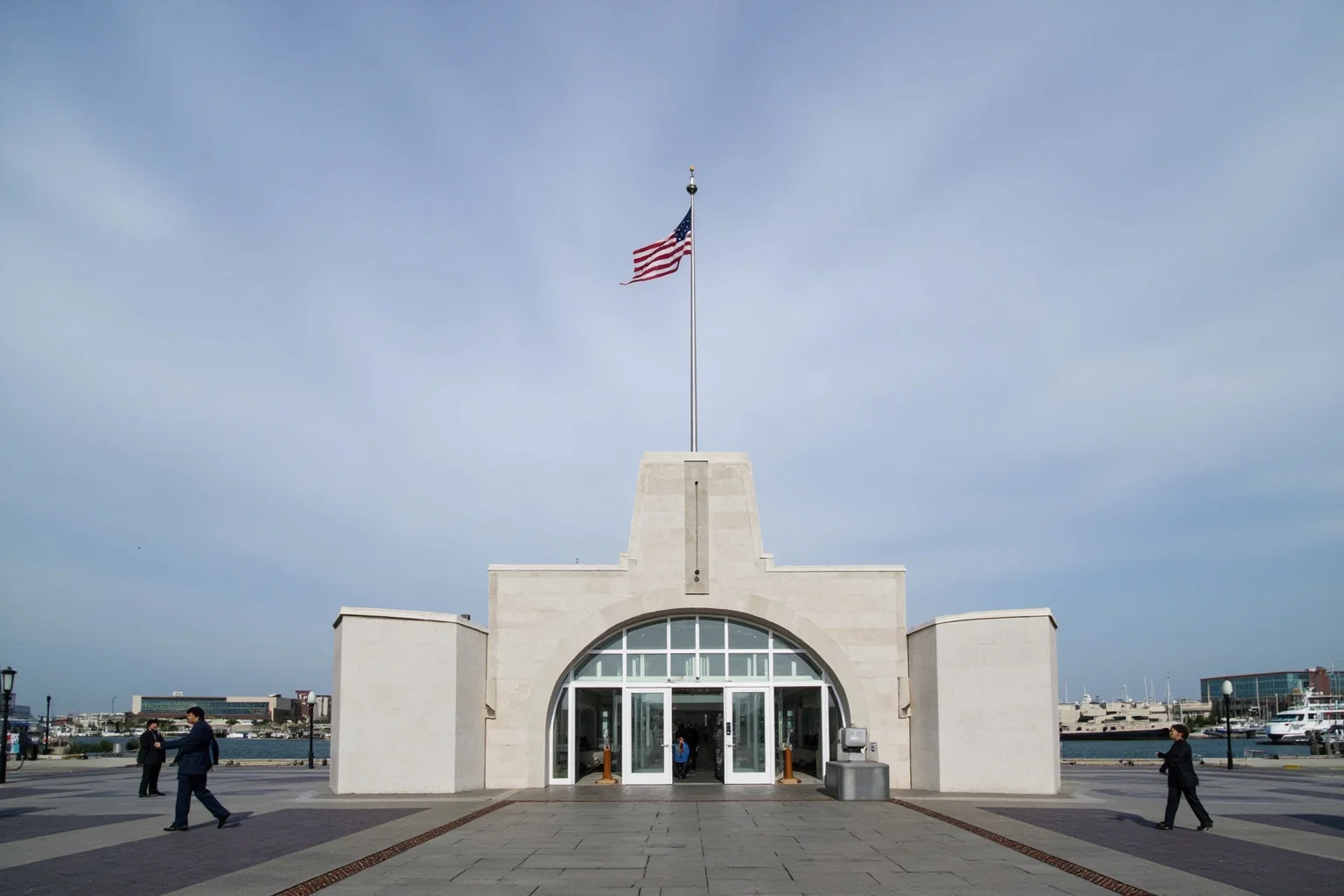
Pearl Harbor is often reduced to a single date and a single speech. But the attack was a chain of human decisions — some brilliant, some tragic, many ordinary.
Understanding the missed radar signals, the lucky carriers at sea, and the quiet heroism of that morning makes the history richer. It also makes it harder to flatten into propaganda or conspiracy.
The next time someone asks whether America knew about Pearl Harbor, you can give the honest answer: not enough, not in time, and not in the way the myths suggest. That's a more interesting story anyway.
How to Learn More
The USS Arizona Memorial and the Pearl Harbor National Memorial in Hawaii offer exhibits, ranger talks, and survivor testimonies. The National WWII Museum in New Orleans also has extensive collections.
Books by historians like Gordon Prange and Craig Nelson provide deeply researched accounts. For primary sources, the Naval History and Heritage Command maintains free archives online.
Whatever you read next, keep one thing in mind: the people who lived through December 7, 1941, were not characters in a legend. They were ordinary Americans on an ordinary Sunday morning, and that is exactly what makes their story worth remembering.
Frequently Asked Questions
What are some attack on Pearl Harbor interesting facts most people don’t know?
A few standout attack on Pearl Harbor interesting facts: radar operators detected the incoming Japanese planes at 7:02 a.m. but were told to ignore the blip; the USS Arizona is still leaking small amounts of oil today; and the three U.S. Pacific Fleet aircraft carriers were all at sea during the attack, which proved decisive for the war's outcome.
Did America know about Pearl Harbor before the attack?
The U.S. had broken some Japanese diplomatic codes and knew war was likely, but did not know the attack would target Pearl Harbor on December 7. Radar operators detected the first wave, and a warning telegram was sent, but it arrived too late. Historians reject the claim that President Roosevelt deliberately allowed the attack.
How long did the attack on Pearl Harbor last?
The main attack lasted roughly 110 minutes, from about 7:55 a.m. to 9:45 a.m. on December 7, 1941. Japan launched two waves of aircraft — 183 planes in the first wave and 167 in the second.
How many people died at Pearl Harbor?
A total of 2,403 Americans were killed, including 68 civilians, and 1,178 were wounded. The USS Arizona alone lost 1,177 sailors and Marines, the single largest loss of life on any U.S. warship in the attack.
Why didn’t Japan attack the fuel depots and dry docks?
Admiral Chuichi Nagumo chose to withdraw after two waves rather than launch a third strike against fuel storage and repair facilities. Many historians consider this the biggest Japanese mistake of the day, because those untouched facilities let the U.S. recover faster than Japan expected.
What are some fun facts about Pearl Harbor for students?
Fun facts about Pearl Harbor include that the USS Arizona's band had just finished playing the national anthem when the attack began, that a Japanese midget submarine ran aground and its crew member became the first Japanese POW held by the U.S., and that actor Jason Robards was a Navy officer aboard the USS Honolulu during the attack.

Alex Warren
Related Articles