

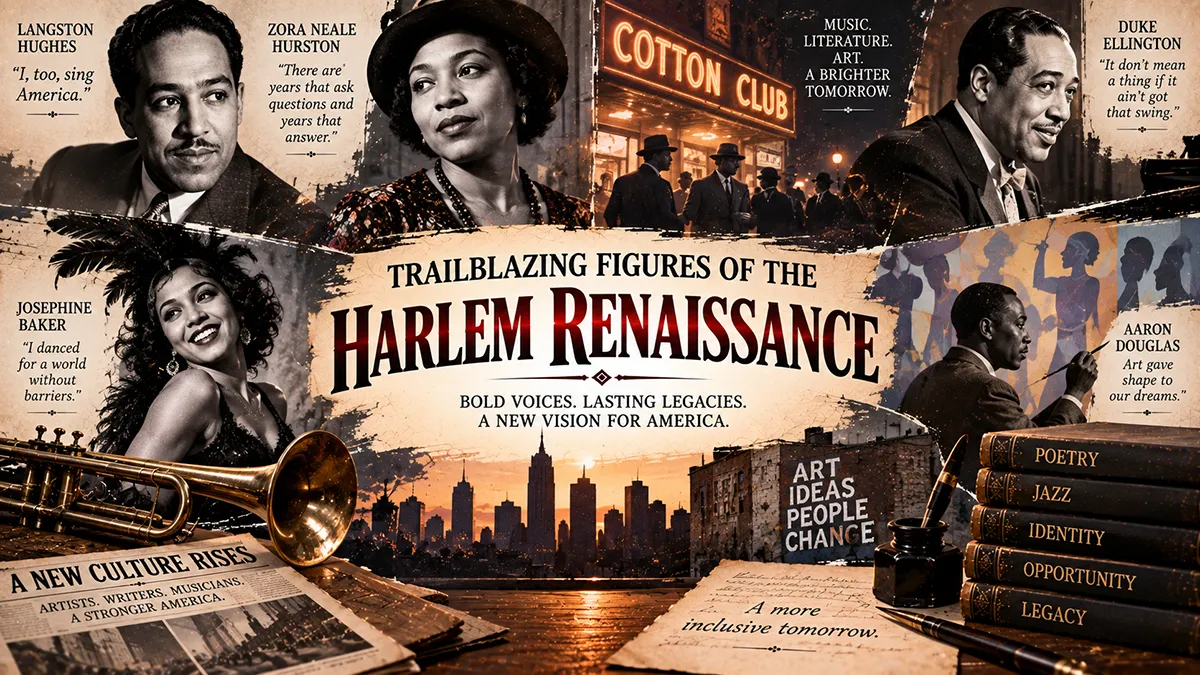
Walk down Lenox Avenue in 1925 and you might have passed a poet scribbling verses in a smoke-filled rent party, a sculptor hauling wet clay up a brownstone stoop, and a bandleader tuning up for a set that would help redefine American music.
That’s the Harlem Renaissance in a sentence: a roughly two-decade explosion of Black literature, art, music, and political thought centered in Harlem, New York, that reshaped American culture from the ground up. Its people—not just its poems and paintings—are the reason we’re still talking about it a century later.
This guide walks through the key figures of the Harlem Renaissance, from famous writers and poets to the musicians, actors, artists, and political leaders who built the movement alongside them.
Along the way, we’ll gently bust a few myths, because the real story of who started it and who led it is more layered—and more interesting—than any single name suggests.
TL;DR: The Harlem Renaissance (roughly 1918–1937) was powered by a wide network of Black writers, poets, musicians, artists, and activists—including Langston Hughes, Zora Neale Hurston, Duke Ellington, and W.E.B. Du Bois—rather than any one founder or leader.
What Was the Harlem Renaissance? A Quick Primer
The Harlem Renaissance was a flowering of African American cultural, intellectual, and artistic life centered in the Harlem neighborhood of Manhattan.
It grew out of the Great Migration, as hundreds of thousands of Black Americans moved from the rural South to Northern cities in search of opportunity and safety from Jim Crow violence.
Harlem became a magnet for Black writers, musicians, and thinkers who found in the neighborhood a rare concentration of Black-owned businesses, churches, and community institutions.
Most historians date the movement from around 1918, just after World War I, to the mid-to-late 1930s, when the Great Depression drained the funding and audiences that had sustained it.
Some scholars narrow the years of the Harlem Renaissance to the 1920s alone, while others stretch the frame into 1937. There’s no single official start or end date, which is itself a useful reminder that cultural movements rarely begin and end on a clean calendar.
You may also see the era called the New Negro Movement, which is essentially another name for the Harlem Renaissance used more often by scholars and by people of the era themselves.
That name comes directly from philosopher Alain Locke’s influential 1925 anthology, “The New Negro,” which gathered fiction, poetry, essays, and art from dozens of Black contributors under one cover.
Who Started the Harlem Renaissance? Busting the “One Founder” Myth
It’s tempting to want a single answer to who started the Harlem Renaissance, but the honest answer is that no one person did. The movement emerged from overlapping forces: the Great Migration bringing new voices to New York, W. E. B. Du Bois and the NAACP’s magazine The Crisis publishing Black writers for years beforehand, and a new generation of college-educated Black artists eager to define themselves on their own terms.
That said, a few names get cited more than others when people ask who was involved in the Harlem Renaissance at the ground level. Alain Locke is frequently called the “father of the Harlem Renaissance” because his “New Negro” anthology gave the movement its name, its manifesto, and its first major showcase of talent.
Charles S. Johnson, editor of Opportunity magazine, is also credited with helping launch the movement by organizing a 1924 dinner that introduced young Black writers to influential white publishers.
As for who was the leader of the Harlem Renaissance, that title is even harder to pin down, because the movement was intentionally decentralized.
Writers, musicians, and visual artists worked in parallel scenes, often supporting each other through magazines, salons, and clubs rather than following one central figure. Below, you’ll meet the key figures of the Harlem Renaissance across every field who collectively shaped it.
Key Figures of the Harlem Renaissance
This list covers famous people of the Harlem Renaissance across literature, politics, music, theater, and visual art. It isn’t a strict ranking—these figures worked in overlapping, often collaborative circles—but it’s organized by field to make the different kinds of contributions easier to see.
Writers and Poets Who Defined the Movement
Writers from the Harlem Renaissance produced some of the era’s most enduring work, and poets in the Harlem Renaissance in particular gave the movement its most quoted lines. Here are eight of the most important literary figures.
1. Alain Locke
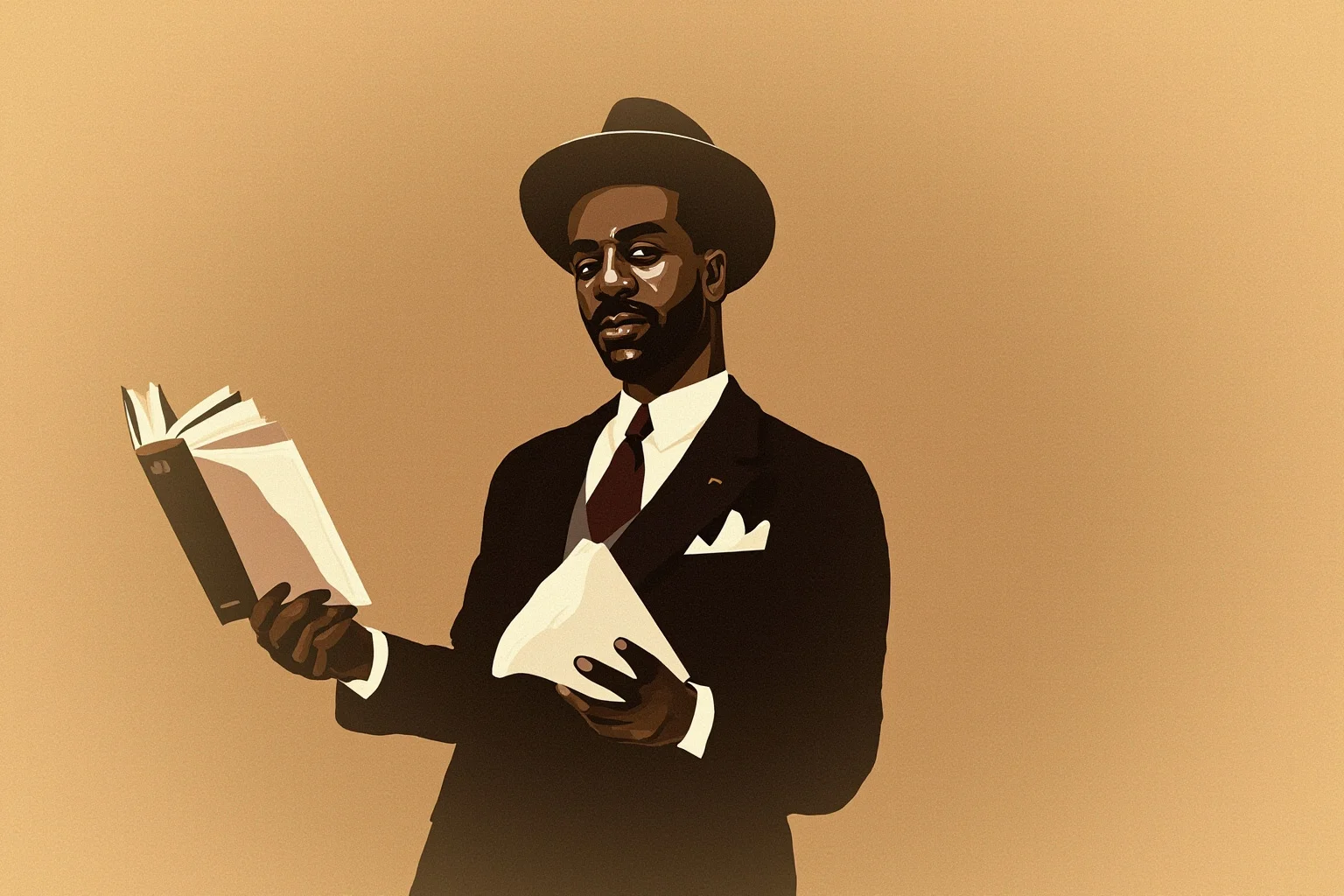
Alain Locke was a Howard University philosophy professor and the first Black Rhodes Scholar, and he’s often described as the intellectual architect of the movement. His 1925 anthology “The New Negro” collected work from dozens of Black writers and artists and gave the era both its alternate name and its guiding philosophy of racial pride and self-definition.
Locke didn’t write much of the movement’s poetry or fiction himself, but he championed the writers who did. That curatorial role is exactly why he’s so often called, with reasonable justification, the father of the Harlem Renaissance.
2. Langston Hughes
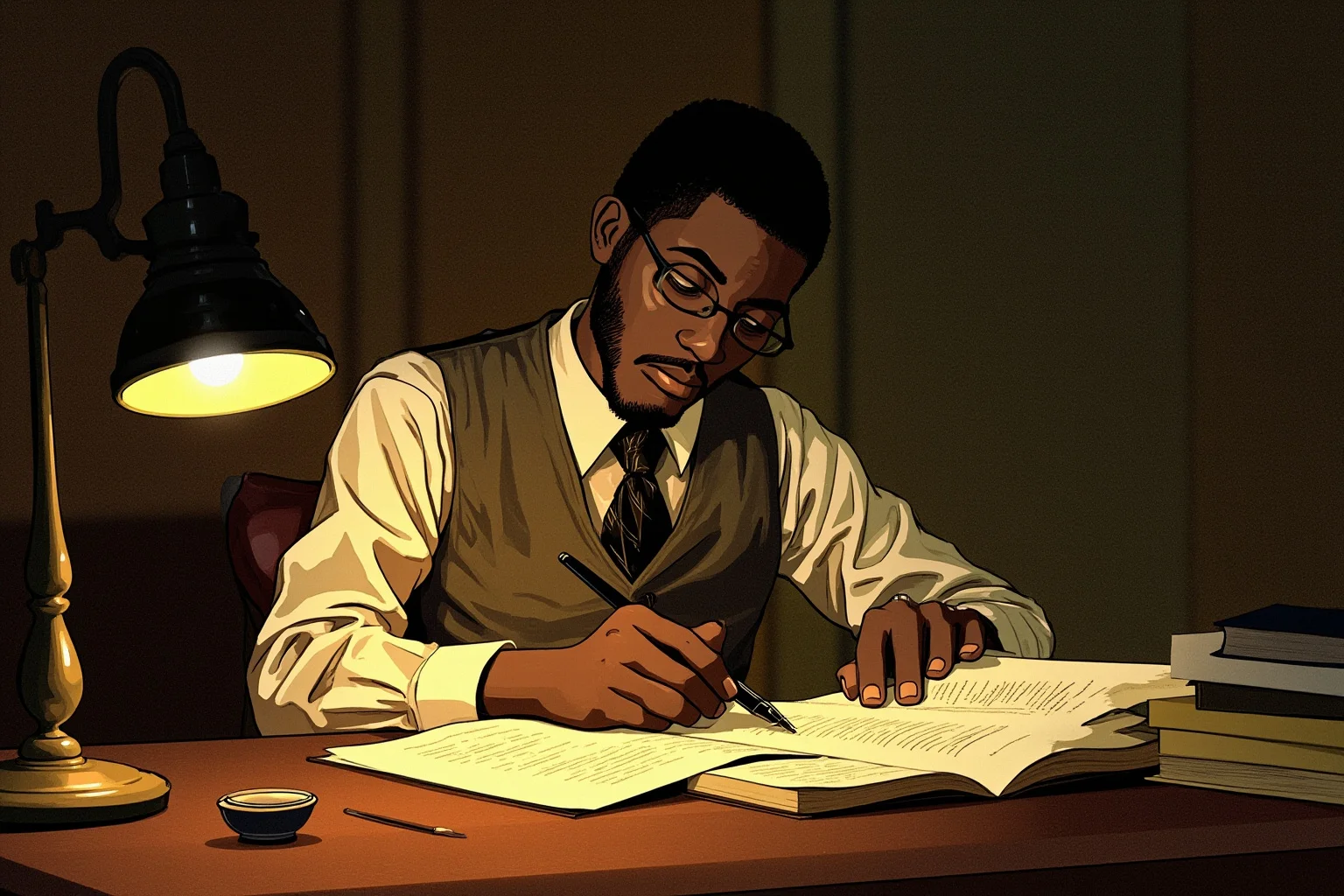
Langston Hughes is probably the most famous Harlem Renaissance writer, known for blending the rhythms of jazz and blues into poems like “The Weary Blues” and “I, Too.” His work insisted on the dignity and ordinary humanity of Black life, famously closing “I, Too” with the line, “I, too, am America.”
Hughes is sometimes named as the first important writer of the Harlem Renaissance, though that honor is genuinely contested. His breakout collection came in 1926, after earlier sparks from writers like Claude McKay and Jean Toomer, which is a good reminder that “firsts” in cultural history are rarely as tidy as textbooks suggest.
3. Zora Neale Hurston
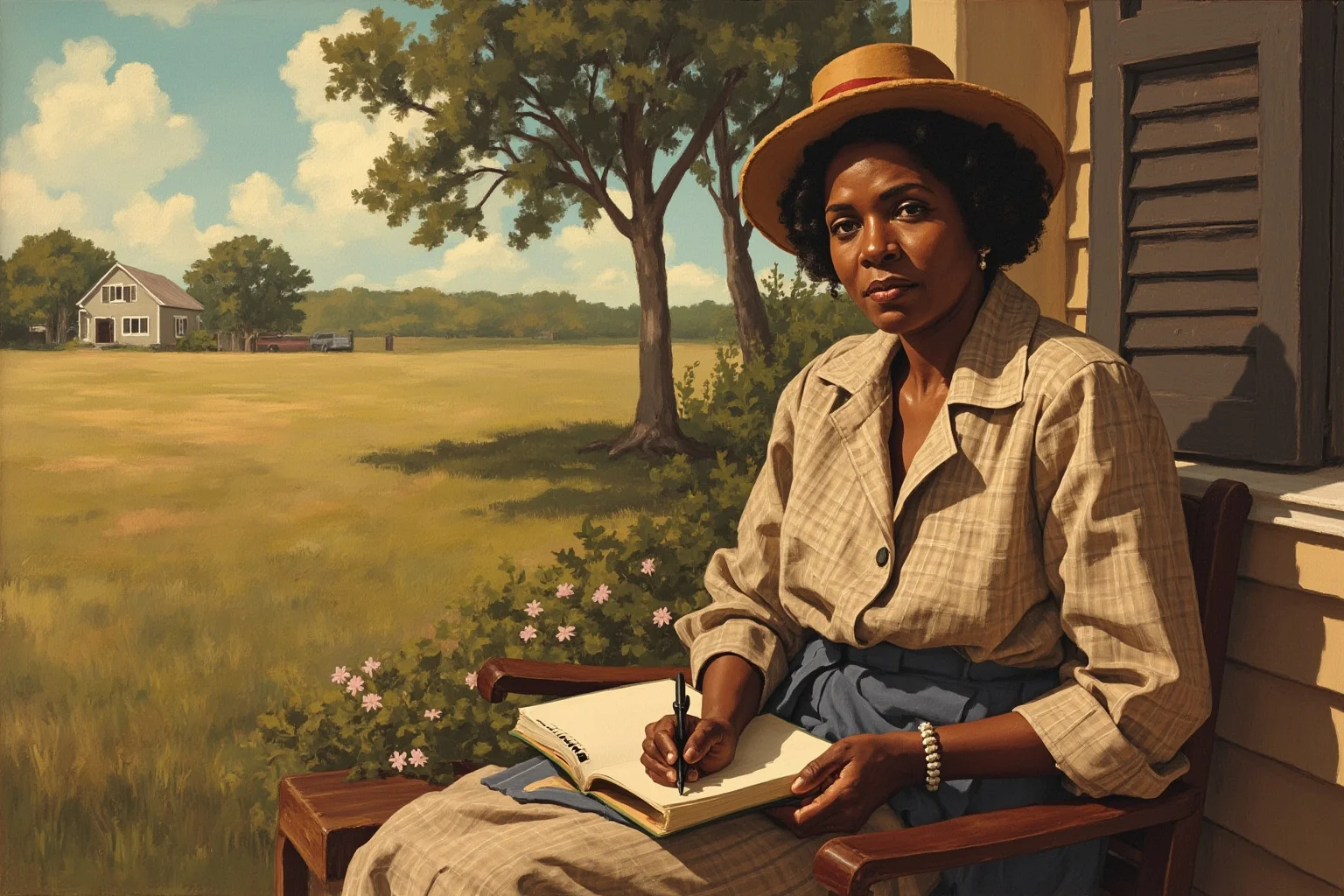
Zora Neale Hurston was a novelist, folklorist, and anthropologist trained at Barnard College, and she brought rural Black Southern life to the page with unmatched voice and humor. Her 1937 novel “Their Eyes Were Watching God” is now considered a cornerstone of American literature, even though it received mixed reviews at the time.
Hurston also traveled the South collecting folklore, songs, and oral histories, treating everyday Black speech and storytelling as serious cultural material. That fieldwork made her as much a scholar of Black culture as a novelist of it.
4. Claude McKay
Claude McKay was a Jamaican-born poet whose 1919 sonnet “If We Must Die” is frequently cited as one of the earliest sparks of the Harlem Renaissance, written in response to that summer’s wave of racist violence known as the Red Summer. Because it predates Locke’s 1925 anthology, some scholars point to McKay, not Hughes, as the first important writer of the movement.
McKay later wrote the novel “Home to Harlem” (1928), a bestseller that captured the neighborhood’s nightlife with a rawness that unsettled some of his more buttoned-up contemporaries. His restless, international life—he lived in Jamaica, London, Harlem, and Marseille—also reflected the global reach of Black artistic networks in this era.
5. Countee Cullen
Countee Cullen was a Harlem-raised poet who studied at NYU and Harvard and became one of the movement’s most celebrated young voices with his 1925 collection “Color.” His formal, classically influenced verse stood in deliberate contrast to Hughes’s jazz-inflected style, showing that Harlem Renaissance poetry was never a single unified style.
Cullen briefly married Nina Yolande Du Bois, daughter of W. E. B. Du Bois, in a wedding that was itself a major Harlem social event. His career illustrates how tightly the movement’s literary and political circles overlapped.
6. Jean Toomer
Jean Toomer’s 1923 book “Cane” mixed poetry and prose to portray Black life in the rural South and urban North, and many scholars consider it one of the true opening works of the Harlem Renaissance. Its experimental structure influenced writers who came after him, even though Toomer himself drifted away from Harlem’s literary scene not long after its publication.
Toomer’s complicated relationship with racial identity—he later resisted being labeled a “Negro writer” at all—makes him a useful reminder that the movement’s figures didn’t always agree on what the movement was even for.
7. Nella Larsen
Nella Larsen wrote two sharp, psychologically probing novels, “Quicksand” (1928) and “Passing” (1929), that explored racial identity, class, and the practice of racial “passing” with unusual candor. Her work is less celebratory than some of her peers’ and more interested in the anxieties simmering beneath Harlem’s cultural boom.
Larsen worked as a librarian and nurse alongside her writing, and her relatively small body of published fiction has only grown in critical reputation over time. She’s a key example of the women writers whose contributions were historically underappreciated compared to their male peers.
8. Wallace Thurman
Wallace Thurman co-founded the short-lived but influential magazine Fire!! in 1926 alongside Hughes, Hurston, and artist Aaron Douglas, aiming to showcase edgier, less “respectable” Black art than older publications allowed. Only one issue was ever printed, but it became a landmark statement of artistic independence.
Thurman’s 1929 novel “The Blacker the Berry” tackled colorism within Black communities with a bluntness that was rare for its time. His willingness to criticize the movement from within makes him one of its more interesting internal voices.
Thinkers, Political Leaders, and Patrons
The Harlem Renaissance wasn’t only an artistic movement; it was also shaped by editors, organizers, and patrons whose institutions made the art possible. These figures answer the common question of who was involved in the Harlem Renaissance beyond the page and the stage.
9. W. E. B. Du Bois
W. E. B. Du Bois co-founded the NAACP in 1909 and edited its magazine, The Crisis, which published early work by many Harlem Renaissance writers years before the movement had a name. His concept of the “Talented Tenth”—the idea that a college-educated Black elite could lead broader racial progress—shaped much of the movement’s early self-image.
Du Bois was also a sharp critic of the movement’s direction at times, worrying that some younger writers focused too much on Harlem’s grittier nightlife rather than racial uplift. That tension between artistic freedom and political messaging ran through the entire era.
10. James Weldon Johnson
James Weldon Johnson was a writer, diplomat, and NAACP executive secretary who, along with his brother, wrote “Lift Ev’ry Voice and Sing” in 1900, a song later adopted as the NAACP’s official song and often called the Black National Anthem. His 1912 novel “The Autobiography of an Ex-Colored Man” anticipated many of the racial themes later Harlem Renaissance writers explored.
As an NAACP leader, Johnson also worked to connect younger Harlem writers with publishers and patrons, using his organizational clout in service of the arts. He’s a good example of how activism and literature were rarely separate tracks in this period.
11. Marcus Garvey
Marcus Garvey was a Jamaican-born political leader who founded the Universal Negro Improvement Association (UNIA) and preached Black pride, self-reliance, and pan-African unity from his Harlem headquarters. His organization’s motto, “One God! One Aim! One Destiny!,” and rallying language urging Black Americans to see themselves as capable of greatness made him one of the era’s most electrifying public speakers.
Garvey’s politics and his relationship to the artistic Harlem Renaissance were often at odds with figures like Du Bois, and historians still debate how closely his movement should be considered part of the Renaissance proper. Still, he’s consistently listed among the Harlem Renaissance’s political leaders because his ideas about Black self-determination echoed through the era’s art and rhetoric.
12. Charles S. Johnson
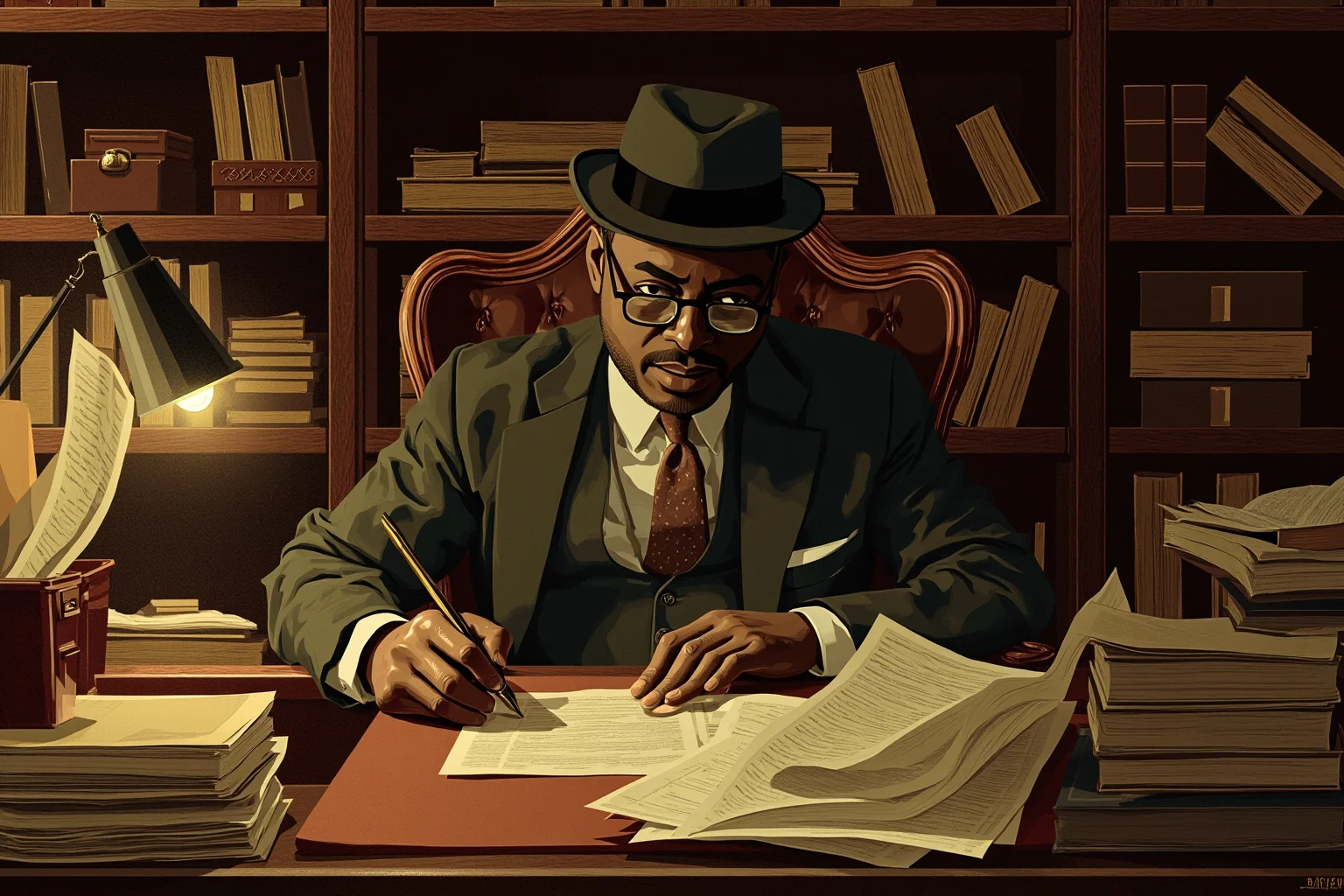
Charles S. Johnson was a sociologist who edited Opportunity: Journal of Negro Life, a magazine published by the National Urban League that became one of the movement’s key literary showcases. He organized the famous 1924 Civic Club dinner in New York that introduced young Black writers to white editors and publishers, an event many historians point to as an unofficial launch party for the Renaissance.
Johnson’s magazine ran literary contests that gave early exposure to writers like Hughes and Hurston. His work behind the scenes made him one of the movement’s most effective, if less flashy, key figures.
13. A’Lelia Walker
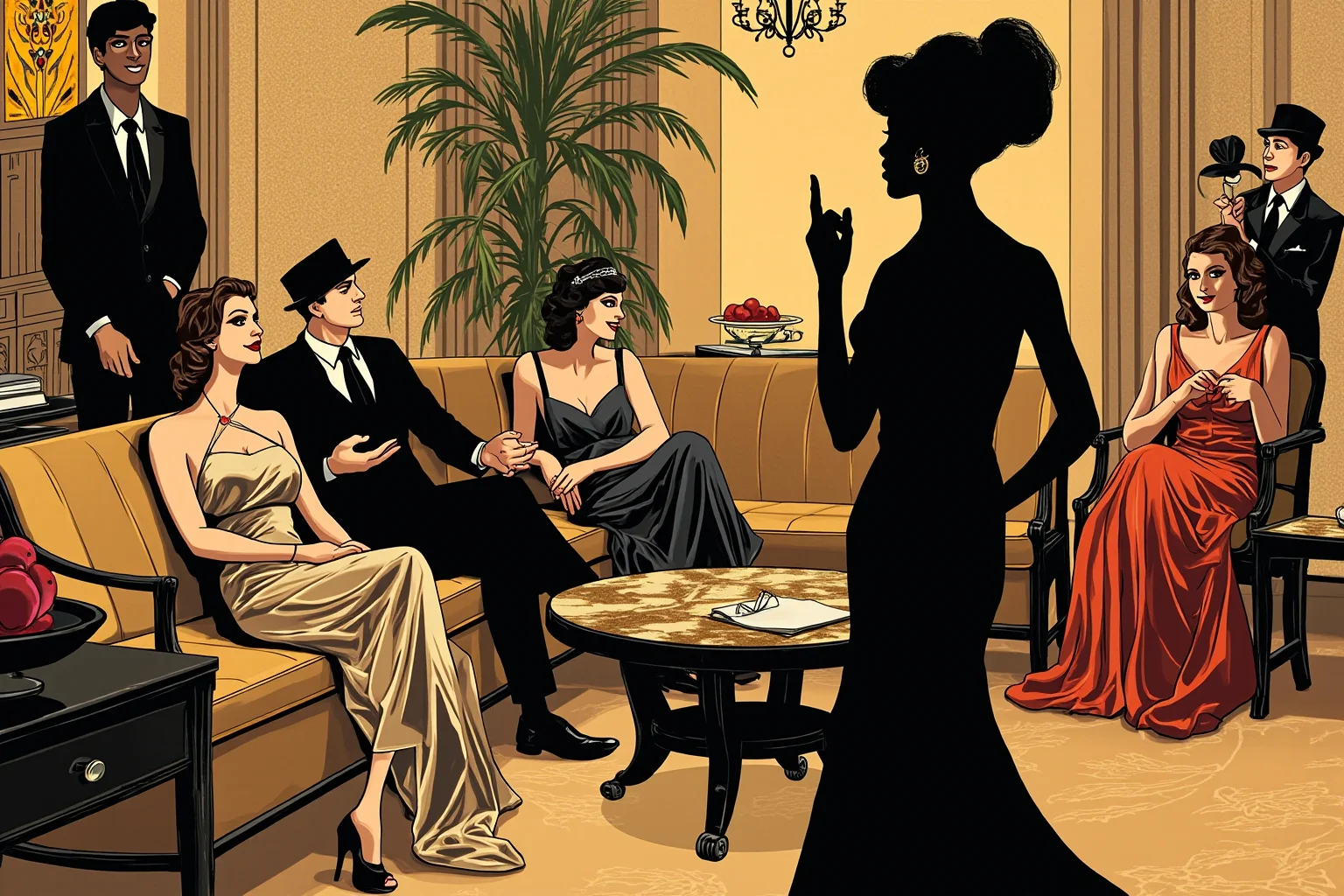
A’Lelia Walker was the daughter of Madam C. J. Walker, the hair-care entrepreneur often described as America’s first self-made female millionaire, and she used her inherited wealth to become one of Harlem’s great arts patrons. Her townhouse salon, nicknamed “The Dark Tower,” hosted gatherings that mixed writers, musicians, and socialites from across the Renaissance’s overlapping scenes.
Langston Hughes later called her the “joy goddess” of Harlem’s 1920s social life, a nod to how central her parties were to the era’s creative networking. Patrons like Walker remind us that the Harlem Renaissance ran on real money and real hospitality, not just talent.
14. Arturo Alfonso Schomburg
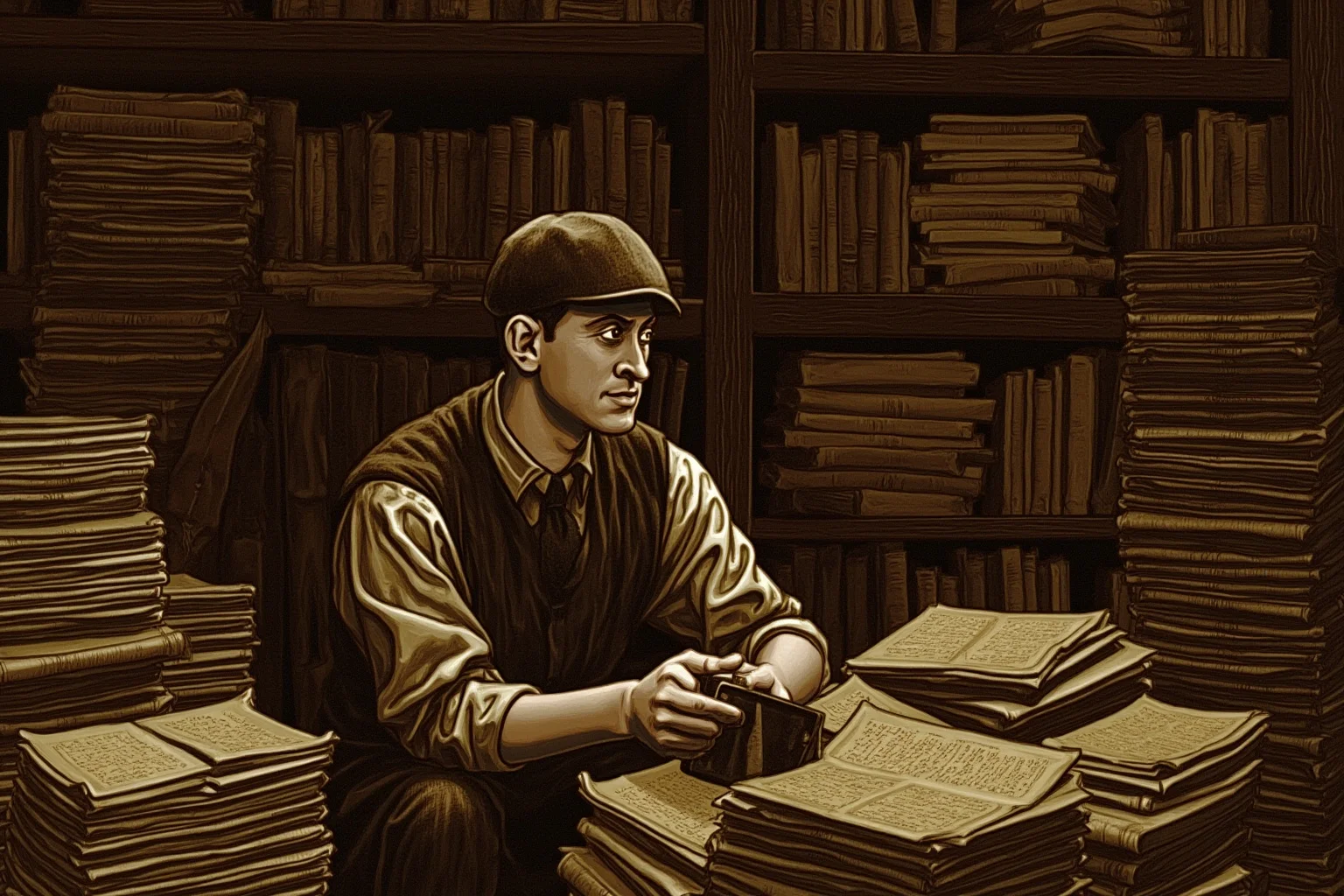
Arturo Alfonso Schomburg was a Puerto Rican-born bibliophile and historian who spent decades collecting books, manuscripts, and art documenting the African diaspora. His personal collection became the foundation of what is now the Schomburg Center for Research in Black Culture, part of the New York Public Library.
Schomburg believed deeply that Black Americans needed access to their own documented history to counter racist narratives, and his archive became an essential resource for Harlem Renaissance writers researching their own heritage. His work is a quieter but foundational piece of the movement’s intellectual infrastructure.
Musicians and Performers Who Set the Rhythm
Ask someone to name famous musicians in the Harlem Renaissance and jazz almost always comes up first. Harlem’s clubs, ballrooms, and theaters became laboratories for sounds that would define American popular music for the rest of the century.
15. Duke Ellington
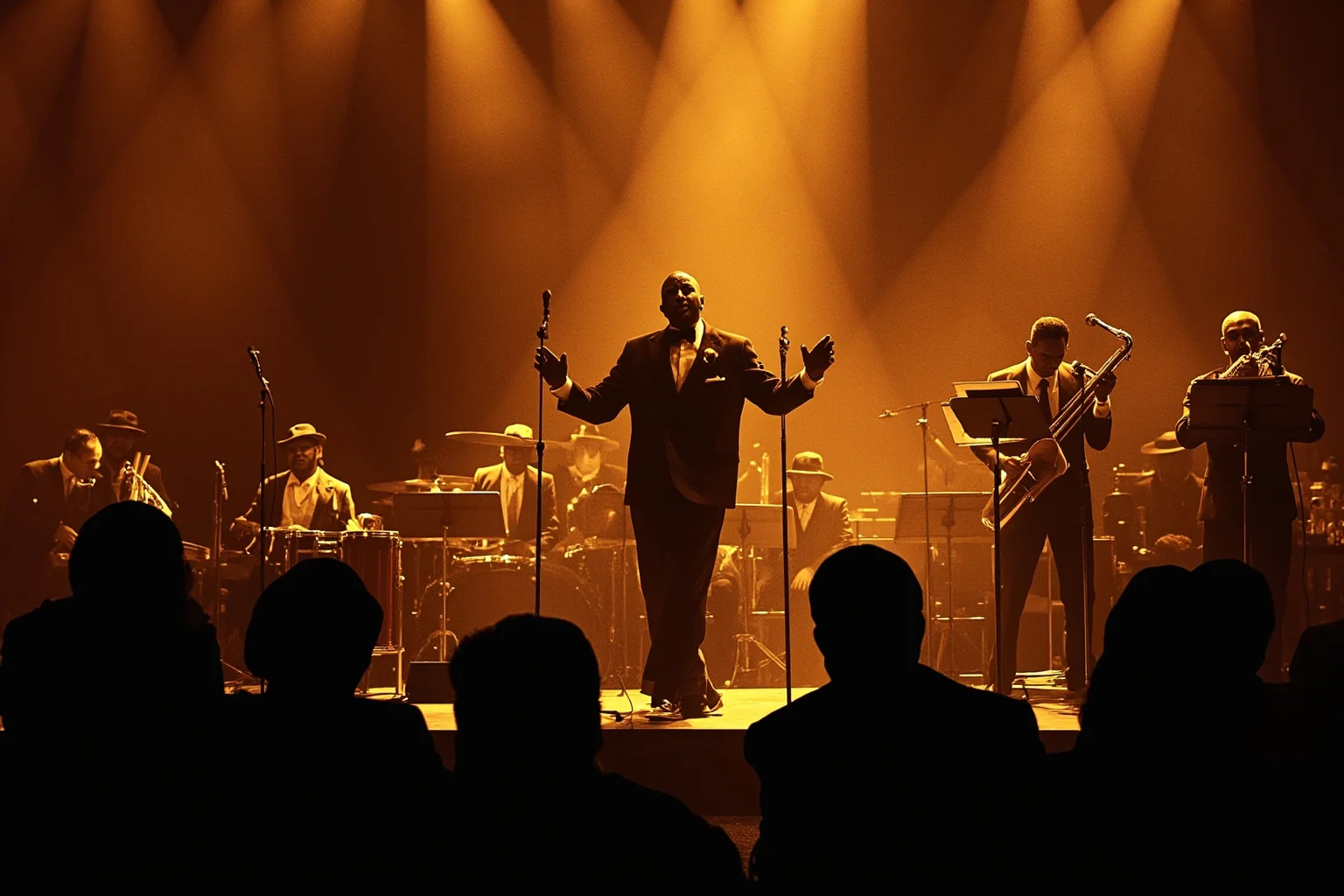
Duke Ellington led the house band at the Cotton Club through much of the late 1920s, turning nightly radio broadcasts from the club into a national introduction to his sophisticated big-band sound. Songs like “Mood Indigo” showed that jazz could be both popular entertainment and serious composition.
Ellington’s decades-long career extended well beyond the Harlem Renaissance itself, but his formative years in Harlem’s club scene are essential to the movement’s musical legacy. He’s one of the clearest examples of Harlem jazz reaching a mainstream American audience.
16. Louis Armstrong
Louis Armstrong wasn’t a Harlem native, but his stint playing cornet in Fletcher Henderson’s New York orchestra in the mid-1920s helped spread his innovative, improvisation-heavy style to East Coast audiences. His charisma and technical brilliance influenced virtually every jazz musician who followed him.
Armstrong later became one of the most recognized American musicians of the 20th century, and his time in Harlem’s band scene was a key stepping stone in that rise. He’s a reminder that the Harlem Renaissance’s influence radiated well beyond the neighborhood’s borders.
17. Bessie Smith
Bessie Smith, known as the “Empress of the Blues,” became one of the best-selling recording artists of the 1920s with her powerful, emotionally direct vocal style. Her recordings for Columbia Records brought blues music, rooted in the rural South, to national audiences during the Renaissance’s peak years.
Smith’s success also demonstrated the commercial power of Black women performers at a time when opportunities for Black artists in mainstream entertainment were still severely limited. Her influence can be heard in generations of singers who followed.
18. Cab Calloway
Cab Calloway became one of Harlem’s most electric bandleaders, famous for his scat singing and the call-and-response hit “Minnie the Moocher,” first recorded in 1931. His energetic stage presence at the Cotton Club made him one of the era’s most recognizable performers.
Calloway’s flamboyant style bridged jazz music and theatrical showmanship, and his career carried the spirit of Harlem’s nightclub scene into film and later Broadway. He remained a beloved performer for decades after the Renaissance itself had faded.
19. Fletcher Henderson
Fletcher Henderson was a pioneering bandleader and arranger whose orchestra is often credited with helping invent the big-band jazz format that would dominate the following decade. His arrangements balanced tight ensemble playing with room for star soloists like Louis Armstrong.
Henderson’s influence was more structural than flashy, but musicians and historians alike consider his orchestra one of the most important incubators of the era’s jazz talent. His work shaped how jazz bands would be organized for years to come.
20. Florence Mills
Florence Mills was a singer and dancer who became a star of Black Broadway revues, including the groundbreaking 1921 musical “Shuffle Along,” which helped open Broadway doors to Black performers. Her later show “Dixie to Broadway” cemented her as one of the most beloved entertainers of the decade.
Mills died unexpectedly in 1927 at just 31 years old, and her funeral drew enormous crowds through the streets of Harlem, a testament to how deeply she was loved. Her brief career is a poignant example of the talent the Renaissance produced and, sometimes, lost too soon.
21. Josephine Baker
Josephine Baker got her start as a chorus dancer in “Shuffle Along” before moving to Paris, where she became an international sensation known for her daring performances at the Folies Bergère. Her success overseas highlighted how some Black American performers found more freedom and acclaim abroad than at home.
Baker’s later life included work with the French Resistance during World War II and civil rights activism back in the United States. Her career is a striking example of the Harlem Renaissance’s reach extending well beyond New York City.
Actors Who Brought Harlem to the Stage
Actors in the Harlem Renaissance had far fewer opportunities than musicians or writers, given how segregated American theater and film remained, but a handful of performers broke through with lasting impact.
22. Paul Robeson
Paul Robeson was a singer, actor, and former All-American college football player who became one of the most respected Black performers of his generation, starring in Eugene O’Neill’s play “The Emperor Jones” and later in the musical “Show Boat,” where his rendition of “Ol’ Man River” became iconic. He also held a law degree from Columbia University, though racism in the legal profession pushed him toward the stage instead.
Robeson’s activism, including his support for labor rights and his criticism of American racism, eventually led to him being blacklisted during the Cold War era. His career shows how closely artistic achievement and political risk were intertwined for Black public figures of this period.
23. Rose McClendon
Rose McClendon was one of Broadway’s leading Black actresses in the late 1920s, praised for her performance in the 1927 play “Porgy,” which later inspired the opera “Porgy and Bess.” She also co-founded a Black theater company aimed at giving Black actors more consistent, dignified opportunities on stage.
McClendon’s influence extended into mentorship and theater organizing, helping lay groundwork for Black theater companies that followed. Her career remains a key reference point for anyone researching actors of the Harlem Renaissance.
Visual Artists Who Painted a New Vision
Visual artists translated the Renaissance’s ideas about Black identity and pride into bold new imagery, often drawing on African art traditions in ways that felt radical for American galleries at the time.
24. Aaron Douglas
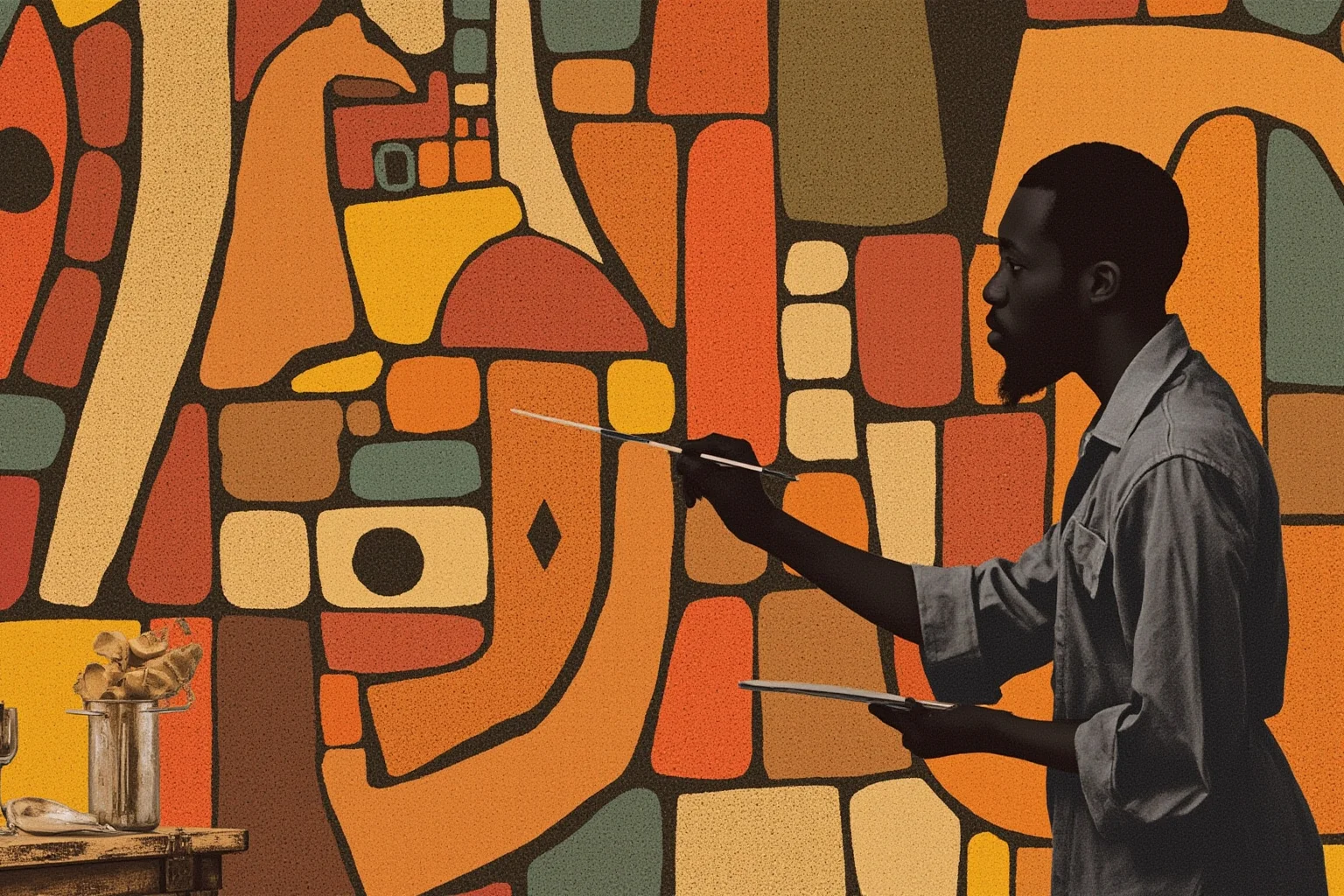
Aaron Douglas is often called the “father of Black American art” for his geometric, silhouette-based illustrations that appeared in The Crisis, Opportunity, and Alain Locke’s “The New Negro” anthology. His style deliberately drew on African art motifs to assert a visual identity independent of European artistic traditions.
Douglas also painted large-scale murals, including work depicting African American history and progress, that brought the movement’s themes into public, monumental spaces. His visual language became one of the most recognizable artistic signatures of the era.
25. Augusta Savage
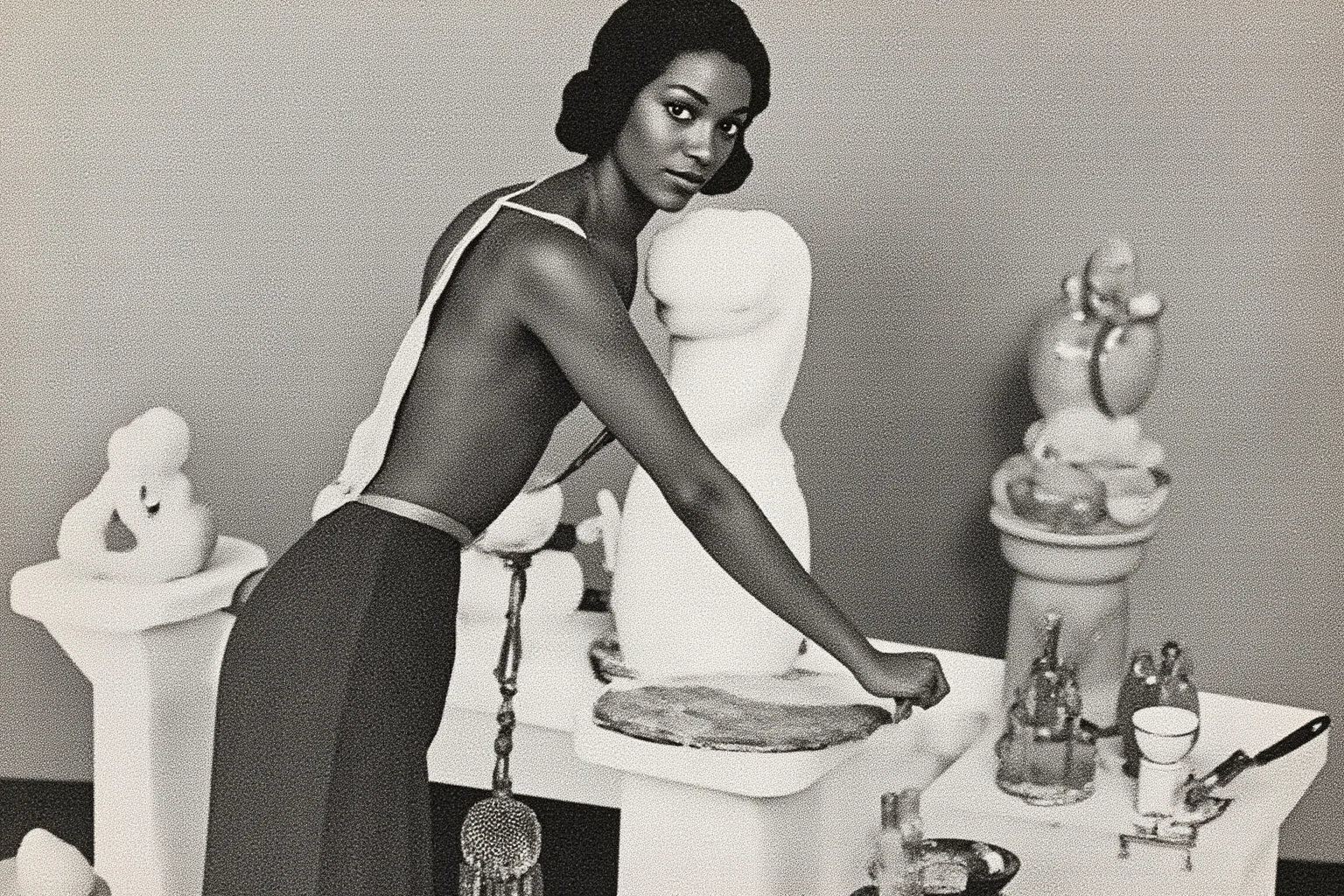
Augusta Savage was a sculptor whose talent was evident early, though she faced blunt racial discrimination, including being denied a fellowship to study in France in 1923 because of her race. She pushed forward anyway, eventually creating celebrated works like “Gamin” and a large sculpture called “The Harp” for the 1939 World’s Fair.
Savage also opened an art school in Harlem, training a generation of younger Black artists and treating arts education as its own form of activism. Her dual legacy as both artist and mentor makes her one of the movement’s most quietly influential figures.
Harlem Renaissance Slogans, Quotes, and Symbols
A few phrases and images became genuine shorthand for the movement’s ideals, functioning almost like informal Harlem Renaissance slogans even though the era never had an official marketing campaign. “The New Negro,” popularized by Locke’s anthology, captured the idea of a generation refusing older, demeaning stereotypes and defining Black identity on its own terms.
Du Bois’s “Talented Tenth” concept, first articulated in a 1903 essay, became a recurring touchstone for debates about who should lead racial progress and how. Marcus Garvey’s UNIA adopted the motto “One God! One Aim! One Destiny!,” and Garvey is widely remembered for urging followers to see themselves as capable of greatness, a message that echoed through much of the era’s art even outside his own movement.
Among quotes from the Harlem Renaissance, Langston Hughes’s closing line from his poem “I, Too”—”I, too, am America”—remains one of the most quoted statements of the era’s defiant optimism. Zora Neale Hurston’s reflection on her own resilience, often quoted as beginning “I love myself when I am laughing,” continues to circulate widely as a statement of Black joy and self-possession.
As for symbols of the Harlem Renaissance, look to Aaron Douglas’s angular, African-inspired silhouettes, the image of the rising sun used to suggest racial rebirth, and Harlem itself, especially its jazz clubs and the 135th Street library branch that became the Schomburg Center. Together, these symbols reinforced a shared visual and verbal language of pride, renewal, and self-definition.
Characteristics and Accomplishments Worth Remembering
Several characteristics of the Harlem Renaissance set it apart from earlier periods of Black American art. There was a deliberate embrace of Black identity and history as subject matter, a willingness to experiment across genres, and close collaboration between writers, musicians, and visual artists who often knew each other personally.
Good examples of the Harlem Renaissance’s output include Hughes’s jazz poetry, Hurston’s folklore-infused fiction, Douglas’s geometric illustrations, and Ellington’s big-band compositions, all produced within roughly the same fifteen-year window. A major accomplishment of the Harlem Renaissance was proving, to skeptical mainstream publishers, critics, and audiences, that Black artists could produce work recognized as serious American literature, art, and music rather than being confined to caricature or novelty.
Here are a few fun facts about the Harlem Renaissance worth knowing. Many now-legendary works were first published in magazines rather than books, since The Crisis, Opportunity, and the short-lived Fire!! gave young writers their earliest paying audiences. Rent parties, where Harlem residents charged small admission fees to cover their rent while musicians played live, doubled as informal concert venues that helped launch several performers’ careers. And the famous Cotton Club, despite showcasing Black performers like Duke Ellington and Cab Calloway, initially enforced a whites-only audience policy, a contradiction that says a lot about the era’s uneasy racial dynamics even at its cultural peak.
Famous Harlem Residents Beyond the Renaissance Era
Harlem’s reputation as a home for celebrated Black talent didn’t start or stop with the Renaissance. The neighborhood has continued to be associated with notable residents and cultural figures across music, politics, and entertainment in the decades since.
When people search for famous people from Harlem or celebrities from Harlem today, they’re often thinking of this longer, ongoing story rather than the 1920s specifically. That said, the Harlem Renaissance remains the foundational chapter, the moment when the neighborhood first became internationally synonymous with Black artistic achievement.
The Legacy These Figures Left Behind
The Harlem Renaissance didn’t end with a single dramatic event; it faded gradually as the Great Depression drained patronage and many key figures moved on to new chapters of their careers. But the groundwork it laid—in publishing, jazz, theater, and visual art—shaped virtually every later movement in African American culture, from the Civil Rights era’s cultural expression to hip-hop’s roots in Black musical innovation.
What makes the people of the Harlem Renaissance so compelling isn’t just their individual talent, but how they built institutions, magazines, salons, and schools that supported each other. That collaborative spirit, as much as any single masterpiece, is the real accomplishment worth remembering.
Frequently Asked Questions
Who are some famous people of the Harlem Renaissance?
Famous people of the Harlem Renaissance span several fields: writers and poets like Langston Hughes, Zora Neale Hurston, Claude McKay, and Countee Cullen; musicians like Duke Ellington, Bessie Smith, and Louis Armstrong; leaders and patrons like W. E. B. Du Bois, Alain Locke, and A'Lelia Walker; and artists like Aaron Douglas and Augusta Savage. The movement's strength came from this wide network working across disciplines rather than from any single star.
What is another name for the Harlem Renaissance?
The Harlem Renaissance is also commonly called the New Negro Movement, a name taken from Alain Locke's influential 1925 anthology, "The New Negro," which showcased Black writers and artists redefining Black identity on their own terms.
Who started the Harlem Renaissance, and who is considered its father?
There was no single founder; the movement grew out of the Great Migration, earlier publications like The Crisis, and a rising generation of Black artists in 1920s Harlem. Alain Locke is most often called the "father of the Harlem Renaissance" because his 1925 anthology gave the movement its name and its first major collective showcase.
What years did the Harlem Renaissance span?
Most historians date the Harlem Renaissance from roughly 1918, following World War I, through the mid-to-late 1930s, when the Great Depression cut into the funding and audiences that had sustained it. Some narrower definitions focus specifically on the 1920s.
Who was the first important writer of the Harlem Renaissance?
This is genuinely debated. Claude McKay's 1919 poem "If We Must Die" and Jean Toomer's 1923 book "Cane" are both cited as early landmark works, while Langston Hughes's 1926 collection "The Weary Blues" is sometimes credited with bringing the movement to wider national attention.
Who was the leader of the Harlem Renaissance?
The Harlem Renaissance didn't have one designated leader; it was a decentralized movement with influential figures in different roles, including Alain Locke as its philosophical champion, Charles S. Johnson and W. E. B. Du Bois as editors and organizers, and countless writers, musicians, and artists driving the creative work itself.
What was a major accomplishment of the Harlem Renaissance?
A major accomplishment of the Harlem Renaissance was demonstrating to mainstream American publishers, critics, and audiences that Black writers, musicians, and artists could produce work recognized as serious literature, music, and art, rather than being dismissed or stereotyped. This shift opened doors for generations of Black artists that followed.
What are some fun facts about the Harlem Renaissance?
Many landmark works first appeared in magazines like The Crisis, Opportunity, and the short-lived Fire!! before reaching book form. Rent parties, where residents charged admission to cover their rent while musicians performed, doubled as informal music venues, and the famous Cotton Club featured Black performers while enforcing a whites-only audience policy for much of its early run.

Alex Warren
Related Articles





