Introduction: The Laws That Built Our World (And the Ones We Ignored)
When we think about how laws change history, we usually picture dramatic moments: a king signing a decree, a parliament passing a bill, a crowd cheering in the streets. But the real story is messier. Some of the most important legal codes in human history were radical on paper and ignored in practice — sometimes for centuries.
That gap between what a law says and what people actually do is where civilization gets interesting. In this post, we'll look at 10 laws that shaped the course of history, why they mattered, and why so many of them were quietly ignored by the very people who were supposed to follow them.
TL;DR: Some of history's most transformative laws — from Hammurabi's Code to the Geneva Conventions — were widely ignored in practice, yet still reshaped how civilizations think about justice, power, and human rights.
Why Ignored Laws Still Matter
A law doesn't have to be obeyed to change the world. Sometimes the mere act of writing it down creates a new standard that future generations eventually adopt. Other times, a law is ignored so thoroughly that it exposes a society's deepest hypocrisies.
Historians often point out that the gap between legal text and lived reality is one of the richest sources of insight into any civilization. When we ask how laws changed history, we're really asking how people responded when their rulers told them what to do — and what happened when they didn't listen.
With that in mind, here are 10 laws that changed civilization, ranked roughly by how much they reshaped the world — and how thoroughly they were ignored.
1. Hammurabi's Code (c. 1750 BCE)
The Code of Hammurabi is one of the earliest known written legal systems, carved onto a basalt stele in ancient Babylon. It established the principle that justice should be public, written, and consistent — a radical departure from the arbitrary rule of kings. It's often cited as the first attempt to codify 10 basic laws for a country.
But Hammurabi's Code was deeply unequal. Penalties depended on social class, and the famous "eye for an eye" principle applied mainly to free citizens. Slaves and women received different (usually harsher) treatment. In practice, many disputes were still settled by local custom or the whims of officials.
Still, its influence is enormous. The idea that law should be written down for all to see echoes through the Ten Commandments, Roman law, and modern legal codes. It's a foundational entry in any list of laws that can be changed — and laws that changed everything.
2. The Twelve Tables of Rome (c. 450 BCE)
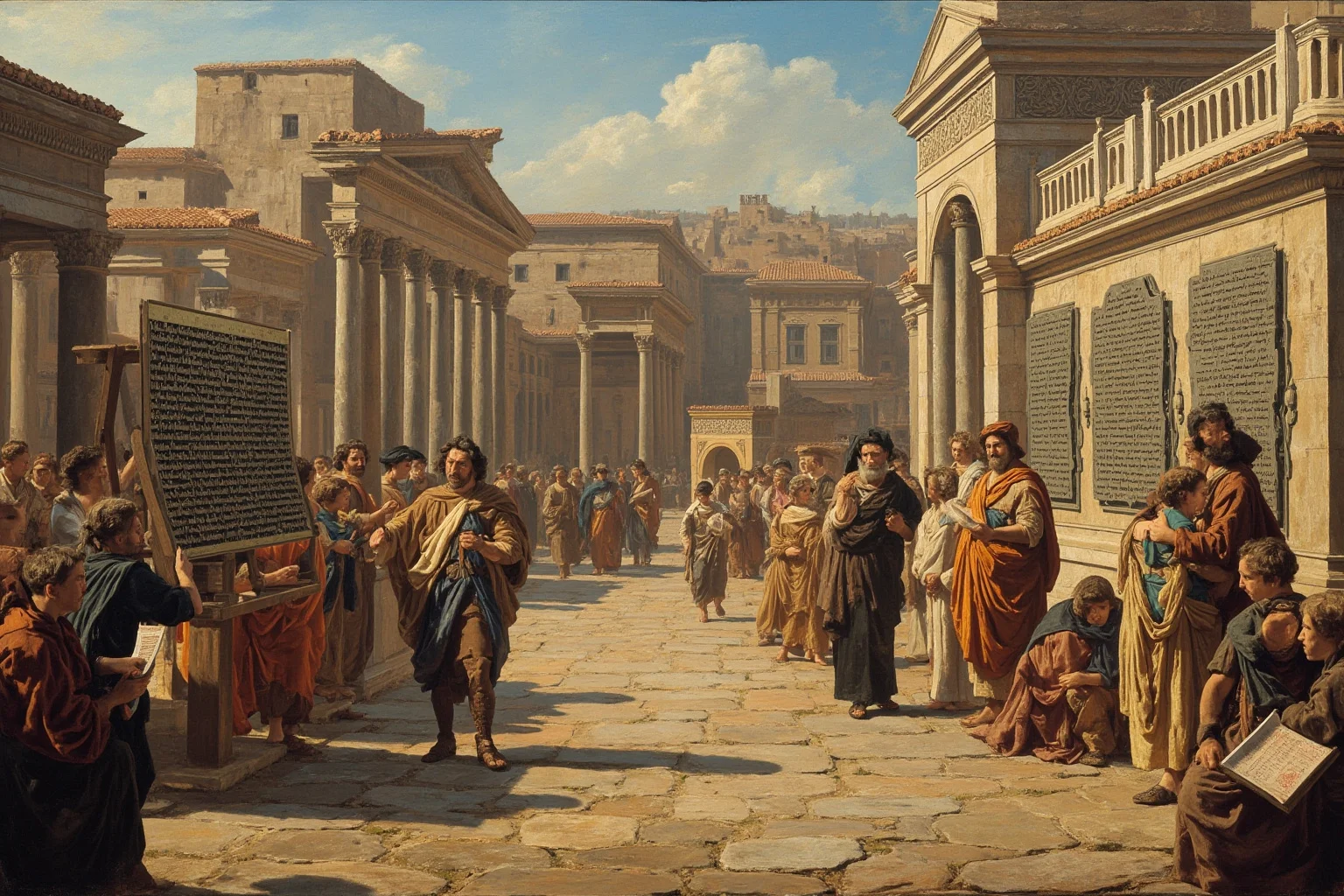
Roman plebeians were frustrated that laws were kept secret by patrician priests. The Twelve Tables were a response: Rome's first written law code, displayed publicly in the Forum. It was a landmark in the struggle for legal transparency.
But the Tables were also brutal and archaic. They prescribed harsh penalties for minor offenses and enshrined the power of fathers over their families. Many provisions became obsolete within a generation, and Roman jurists later built entirely new legal systems around them.
Yet the principle remained: law should be knowable. That principle would eventually influence the entire Western legal tradition, from Justinian's Code to the U.S. Constitution.
3. The Edict of Milan (313 CE)

The Edict of Milan, issued by emperors Constantine and Licinius, granted religious tolerance throughout the Roman Empire. It was a turning point in the history of religious freedom — at least officially.
In reality, tolerance was uneven. Constantine himself favored Christianity, and within decades, the empire began privileging Christian institutions over pagan ones. By the end of the 4th century, pagan temples were being closed and traditional practices outlawed.
So the Edict changed history not by being perfectly enforced, but by setting a precedent that religious coercion was wrong. That idea would resurface in the Enlightenment and in modern human rights documents.
4. Magna Carta (1215)
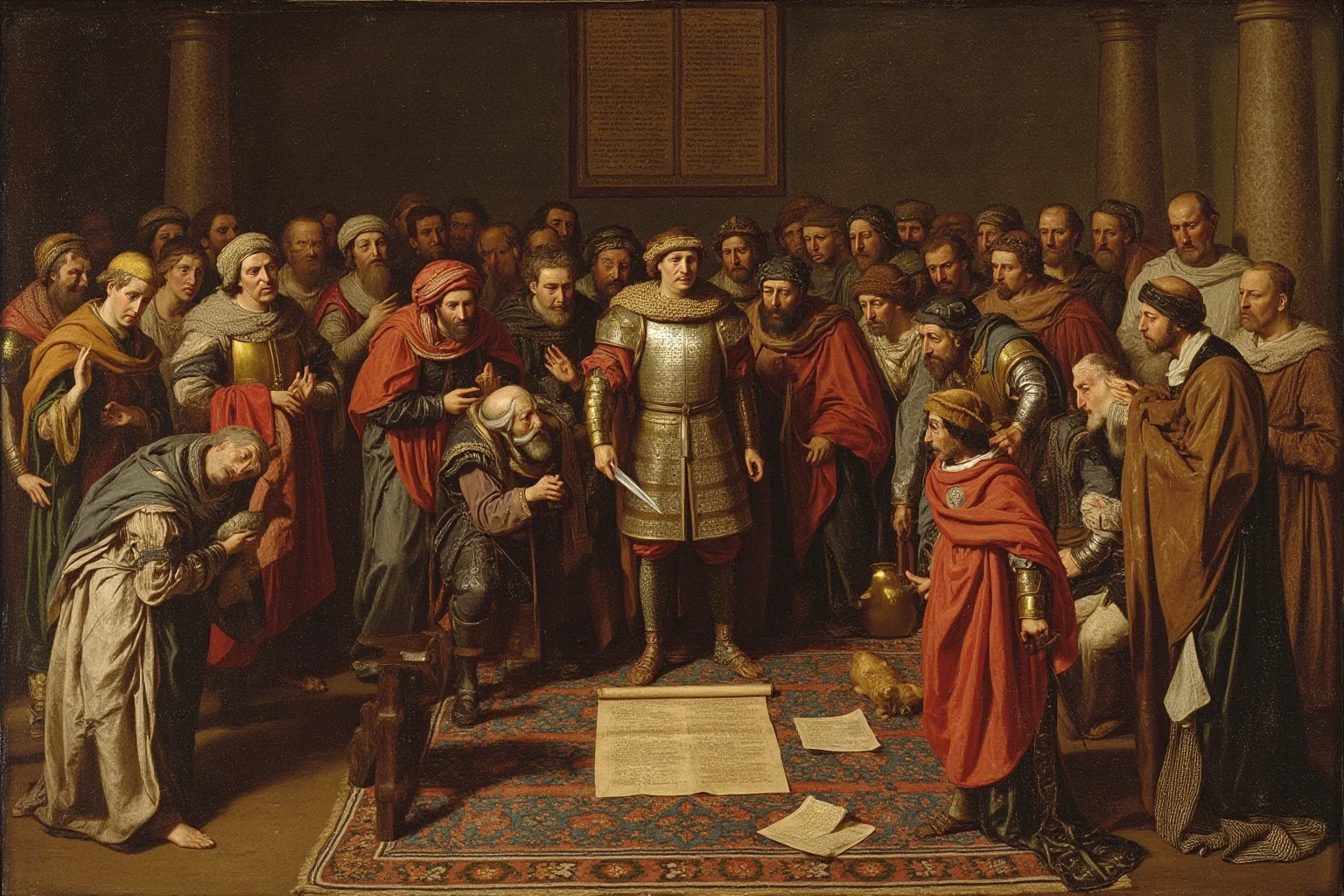
Magna Carta is one of the most famous legal documents in history. Forced on King John by rebellious barons, it limited royal power and asserted that even the king was subject to the law. Clause 39 — often cited as the ancestor of due process — promised that no free man would be imprisoned without lawful judgment.
But Magna Carta was a peace treaty between elites, not a declaration of universal rights. Most of its clauses addressed feudal grievances, and it was annulled by the Pope within months. It was reissued several times, but its protections applied mainly to a small class of free men.
Its real power came later. English jurists in the 17th century reinterpreted it as a cornerstone of liberty, and it inspired constitutional texts around the world. It's a perfect example of a law that was ignored in its own time yet changed civilization centuries later.
5. The Peace of Westphalia (1648)
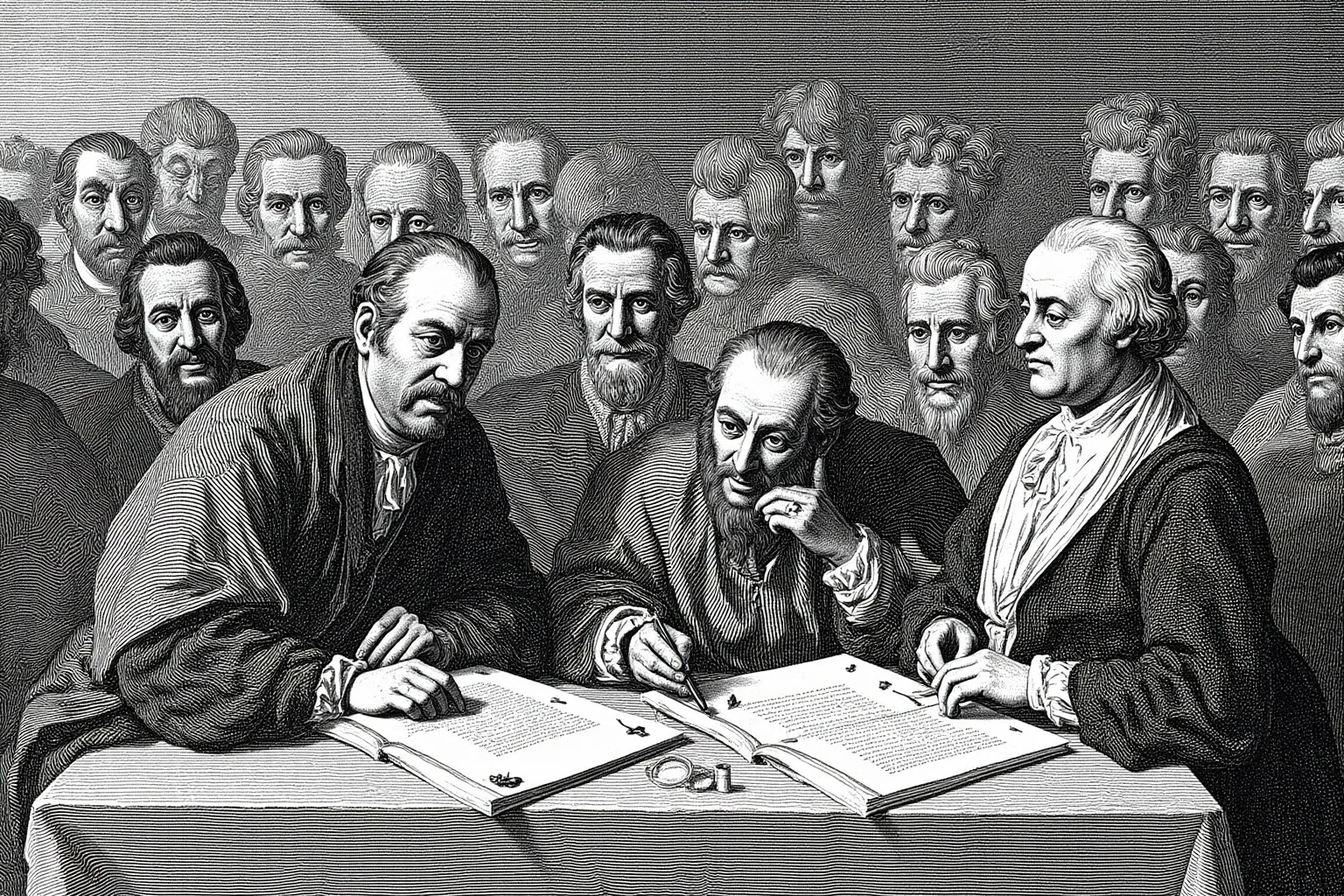
The Peace of Westphalia ended the Thirty Years' War and established the modern concept of state sovereignty. It's often credited with creating the idea that each nation has the right to govern its own affairs without outside interference.
In practice, the treaties were messy compromises. They didn't end religious conflict entirely, and powerful states continued to intervene in weaker neighbors' affairs. The principle of sovereignty was honored more in rhetoric than in reality.
Yet the Westphalian model became the dominant framework for international relations. It shaped everything from the League of Nations to the United Nations — and it remains a touchstone in debates about intervention and self-determination.
6. The U.S. Constitution and Bill of Rights (1787–1791)
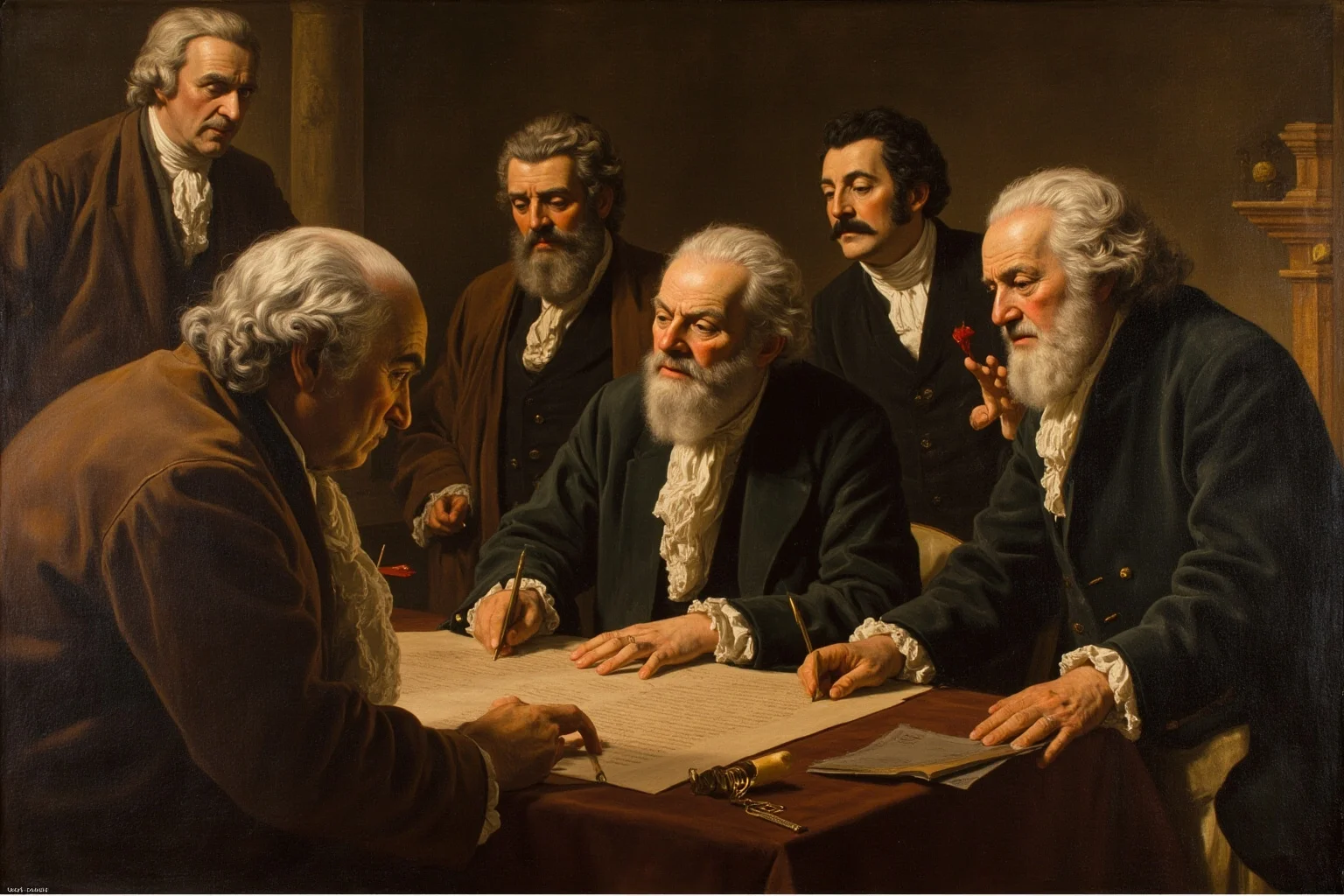
The U.S. Constitution is arguably the most influential legal document of the modern era. It created a system of separated powers, checks and balances, and a written bill of rights. It's a frequent reference point for anyone listing 10 laws of the United States.
But the original Constitution protected slavery and excluded women, enslaved people, and many others from political participation. Even the Bill of Rights applied only to the federal government at first; states could — and did — restrict speech and religion. Enforcement was uneven for generations.
Still, the document created a framework that later amendments and court decisions could expand. The First Amendment, the 14th Amendment, and the Voting Rights Act all built on its foundation. It's a law that changed history by creating a language of rights that outgrew its own limitations.
7. The French Declaration of the Rights of Man (1789)

In the midst of the French Revolution, the National Assembly adopted the Declaration of the Rights of Man and of the Citizen. It proclaimed that men are born free and equal in rights, and that sovereignty resides in the nation. It was a direct challenge to monarchy and aristocracy.
But the Declaration's promises were not extended to women or enslaved people in the colonies. Olympe de Gouges wrote a Declaration of the Rights of Woman in response, and was executed for her trouble. Revolutionary France also descended into the Terror, where due process was routinely ignored.
Even so, the Declaration became a template for later human rights documents. Its language echoes in the Universal Declaration of Human Rights and in constitutions across Europe, Latin America, and Africa.
8. The Geneva Conventions (1864, 1949)

The Geneva Conventions established rules for the humane treatment of wounded soldiers, prisoners of war, and civilians. They are among the most widely ratified treaties in history, and they form the backbone of international humanitarian law.
Yet violations have been widespread. World War I, World War II, and countless conflicts since have seen deliberate attacks on civilians, torture of prisoners, and denial of medical care. The conventions are often ignored precisely when they matter most.
Still, they have changed how wars are fought — or at least how they are justified. Governments now feel compelled to deny violations, which itself is a sign that the norms have taken hold. The Geneva Conventions are a powerful case of law shaping civilization even in the breach.
9. The Universal Declaration of Human Rights (1948)
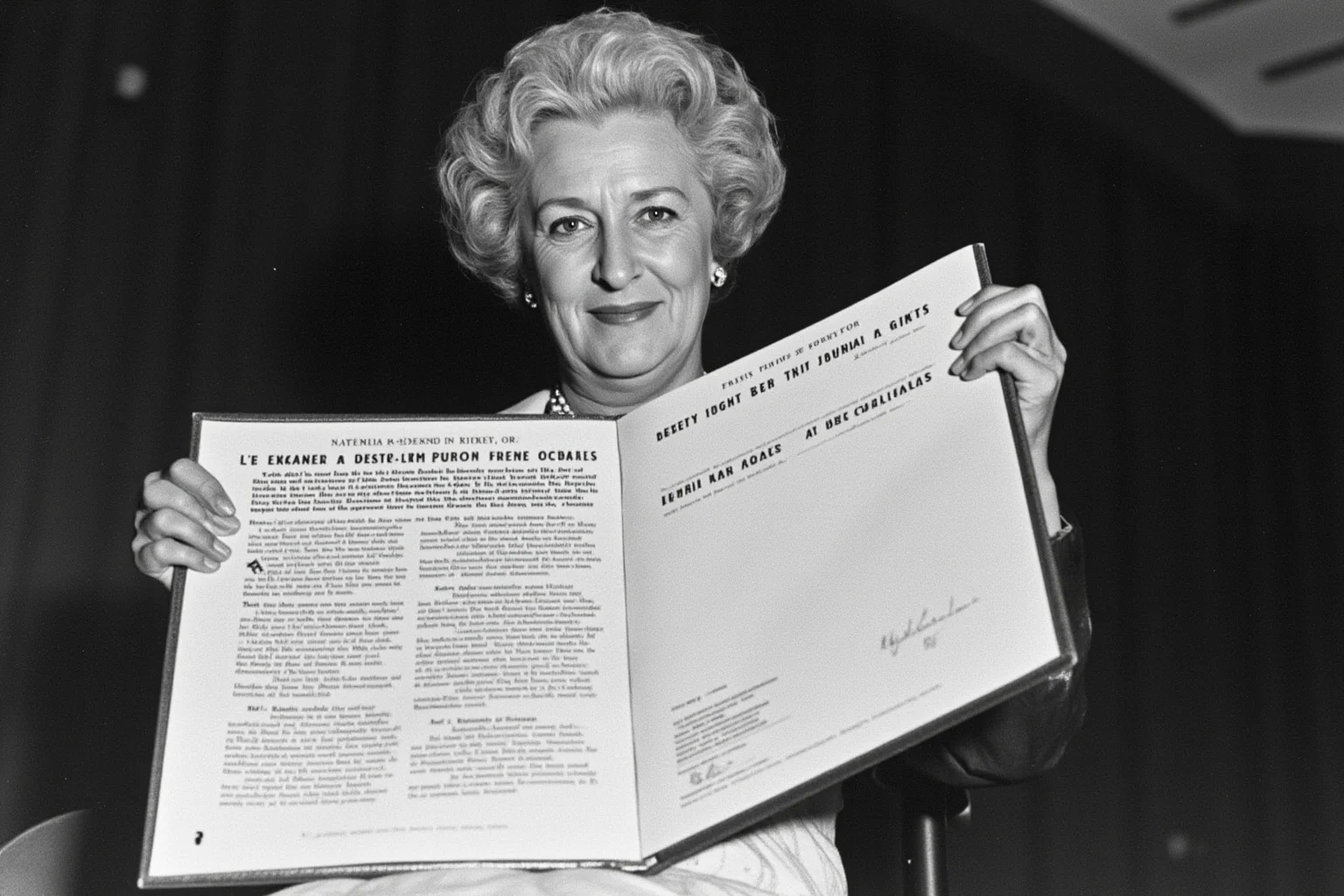
Drafted in the aftermath of World War II and the Holocaust, the Universal Declaration of Human Rights (UDHR) was the first global statement that all human beings have inherent rights. It was a radical idea: that sovereignty is not a shield for abusing one's own citizens.
The UDHR is not a treaty and is not legally binding. Many countries that voted for it have violated its principles repeatedly. During the decades-long movement to codify international human rights law, enforcement remained the hardest problem.
Yet the UDHR has been translated into hundreds of languages and has inspired countless national laws and constitutions. It's a prime example of a law that should exist — and does, at least on paper. Its moral authority has shaped how we talk about justice around the world.
10. The Montreal Protocol (1987)
The Montreal Protocol is a rare success story: a global treaty that actually worked. It phased out ozone-depleting chemicals like CFCs, and the ozone layer is now recovering. It's often cited as proof that international cooperation can solve environmental problems.
But even here, compliance was uneven. Some countries lagged, and illegal trade in CFCs continued for years. Developing nations needed financial and technical support to transition, which took time.
Still, the protocol is a beacon. It showed that countries can agree on binding targets and meet them. It's a model for later climate agreements, and a reminder that laws can change civilization when the incentives align.
Why Some Laws Are Ignored — and Why That Matters
Laws are ignored for many reasons: they conflict with powerful interests, they lack enforcement, or they simply demand more than people are willing to give. Sometimes the gap between law and practice is a sign of hypocrisy; other times it's a sign of progress in the making.
Historians have long noted that legal ideals often precede social change. The abolition of slavery, women's suffrage, and civil rights all began as laws that were widely violated before they were widely obeyed. The 10 laws that should exist are often the ones that already do — but haven't been fully realized.
Understanding this gap helps us think more clearly about today's debates. When we ask what laws affect everyday life, we're also asking which laws we actually live by — and which ones we only pretend to.
Frequently Asked Questions
What are the 10 laws that should exist in every country?
Different societies have different needs, but common proposals include universal access to clean water, free basic education, legal protection for children, freedom of expression, equal treatment under the law, a minimum wage tied to the cost of living, environmental protection, the right to a fair trial, protection for indigenous cultures, and a universal right to healthcare. Many of these already exist in some form — the challenge is enforcement.
What are 10 basic laws for a country to function?
A functioning country typically needs laws covering constitutional governance, criminal justice, property rights, contracts, taxation, family law, labor rights, environmental protection, public health, and national defense. These form the skeleton of a legal system. Without them, chaos tends to follow.
How did laws change history?
Laws have changed history by establishing new norms, protecting vulnerable groups, and creating expectations that outlast their own enforcement. Even ignored laws can shift public opinion and inspire later movements. The abolition of slavery, for example, began with legal arguments that were unpopular for decades.
Can laws be changed?
Yes — most laws can be changed, though the process varies. Some require a simple majority in a legislature; others need constitutional amendments, referendums, or supreme court rulings. Change is often slow and contested, but it happens. The history of law is a history of revision.
What are 10 laws of the United States that changed history?
The Bill of Rights, the 13th Amendment (abolishing slavery), the 14th Amendment (equal protection), the 15th Amendment (voting rights for Black men), the 19th Amendment (women's suffrage), the Civil Rights Act of 1964, the Voting Rights Act of 1965, the Social Security Act of 1935, the Clean Air Act, and the Americans with Disabilities Act are among the most transformative.
Which laws affect everyday life the most?
Traffic laws, tax codes, employment regulations, consumer protection rules, and local zoning ordinances probably affect your daily life more than any constitutional clause. They shape where you live, how you work, and what you can buy. They're the unsung workhorses of the legal system.
Conclusion: The Law Is a Living Thing
Laws don't change civilization by being perfect. They change it by being written, debated, ignored, and eventually — sometimes — embraced. The 10 laws we've explored here were all radical in their time, and all were imperfect in practice.
That's not a reason to dismiss them. It's a reason to study them. The gap between what a law says and what people do is where history happens. And the laws that should exist are often already on the books, waiting for us to take them seriously.
So the next time you read about a law that seems too idealistic to work, remember: some of the most important laws in history were ignored for centuries before they changed the world. The question isn't whether a law is followed today. It's whether it points toward a better tomorrow.
Frequently Asked Questions
What are the 10 laws that should exist in every country?
Different societies have different needs, but common proposals include universal access to clean water, free basic education, legal protection for children, freedom of expression, equal treatment under the law, a minimum wage tied to the cost of living, environmental protection, the right to a fair trial, protection for indigenous cultures, and a universal right to healthcare. Many of these already exist in some form — the challenge is enforcement.
What are 10 basic laws for a country to function?
A functioning country typically needs laws covering constitutional governance, criminal justice, property rights, contracts, taxation, family law, labor rights, environmental protection, public health, and national defense. These form the skeleton of a legal system. Without them, chaos tends to follow.
How did laws change history?
Laws have changed history by establishing new norms, protecting vulnerable groups, and creating expectations that outlast their own enforcement. Even ignored laws can shift public opinion and inspire later movements. The abolition of slavery, for example, began with legal arguments that were unpopular for decades.
Can laws be changed?
Yes — most laws can be changed, though the process varies. Some require a simple majority in a legislature; others need constitutional amendments, referendums, or supreme court rulings. Change is often slow and contested, but it happens. The history of law is a history of revision.
What are 10 laws of the United States that changed history?
The Bill of Rights, the 13th Amendment (abolishing slavery), the 14th Amendment (equal protection), the 15th Amendment (voting rights for Black men), the 19th Amendment (women's suffrage), the Civil Rights Act of 1964, the Voting Rights Act of 1965, the Social Security Act of 1935, the Clean Air Act, and the Americans with Disabilities Act are among the most transformative.
Which laws affect everyday life the most?
Traffic laws, tax codes, employment regulations, consumer protection rules, and local zoning ordinances probably affect your daily life more than any constitutional clause. They shape where you live, how you work, and what you can buy. They're the unsung workhorses of the legal system.

Alex Warren
Related Articles