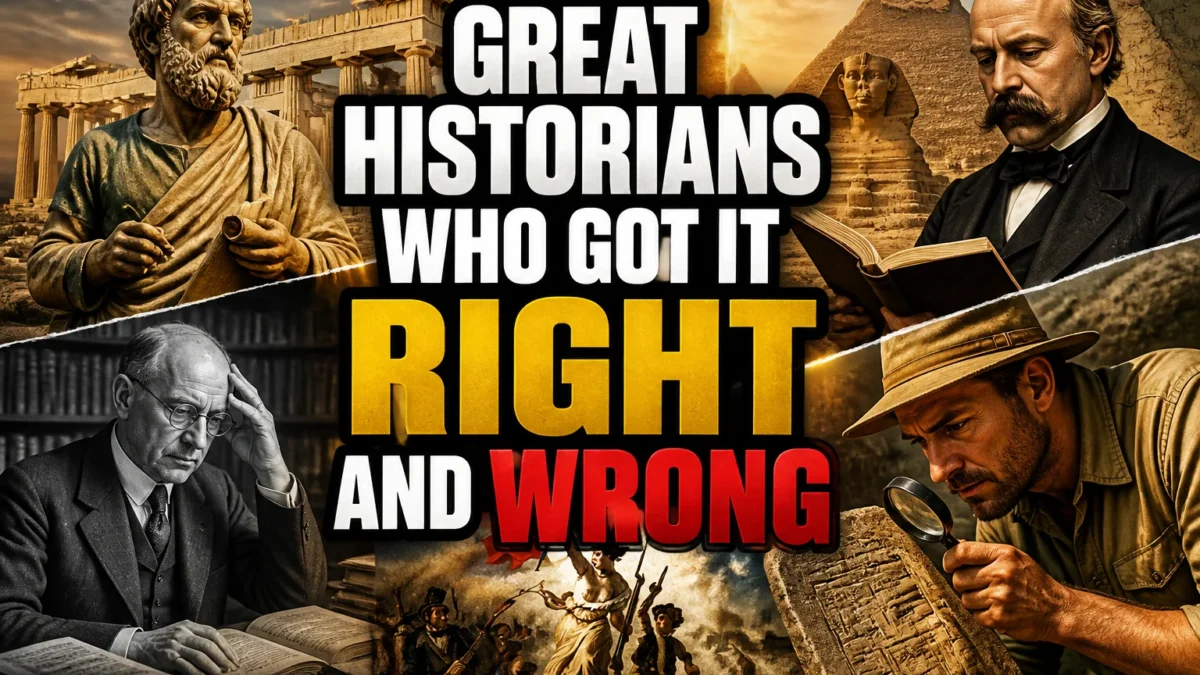
History loves a tidy story, but the people who write it are rarely as settled as the events they describe. Some of the best historians earned their fame by checking evidence, questioning official narratives, and being willing to revise their views. Others became famous for exactly the opposite reason: they built sweeping claims on thin evidence, and later researchers tore those claims apart.
The gap between a great historian and a history snob is not always about style. It usually comes down to method, evidence, and the willingness to say “we cannot know” when the record runs out.
TL;DR: The most important historians followed the evidence even when it was inconvenient, while several famously wrong historians ignored evidence entirely and left behind ideas that still confuse readers today.
Why the Scorecard Matters
Historians are not simply storytellers. They are interpreters of incomplete, contradictory, and often damaged material. Being right about one period does not make someone right about another, and being wrong about a grand theory can still leave useful smaller insights behind. The names below are split into two groups, but the real lesson is about how historical knowledge gets tested over time.
The historians who got it right tend to share a few habits. They cite primary sources, they distinguish evidence from speculation, and they accept that later discoveries may force revision. The historians who got it entirely wrong often did the reverse: they started with a conclusion and searched for evidence to decorate it.
A history snob might dismiss Herodotus as a gossip, but archaeological digs have repeatedly shown that many of his “unlikely” details were grounded in real local traditions. That distinction matters because dismissing all old sources is just as lazy as trusting them all.
The Historians Who Got It Right
1. Herodotus: The Father of History, Rehabilitated by Archaeology

Herodotus has been called the father of history and the father of lies in almost the same breath. Ancient critics mocked his travel stories, and for centuries readers treated many of his details as tall tales. Modern archaeologists have quietly vindicated him on a surprising number of points.
He recorded that Scythians used cannabis in sweat tents, a practice later supported by excavated evidence around the Altai mountains. His description of Egyptian embalming, Persian courier roads, and even the city of Barce in Libya matched later discoveries. He still included fables and secondhand rumors, but he usually labeled them as such.
2. Thucydides: The Hard-Nosed Analyst of Power
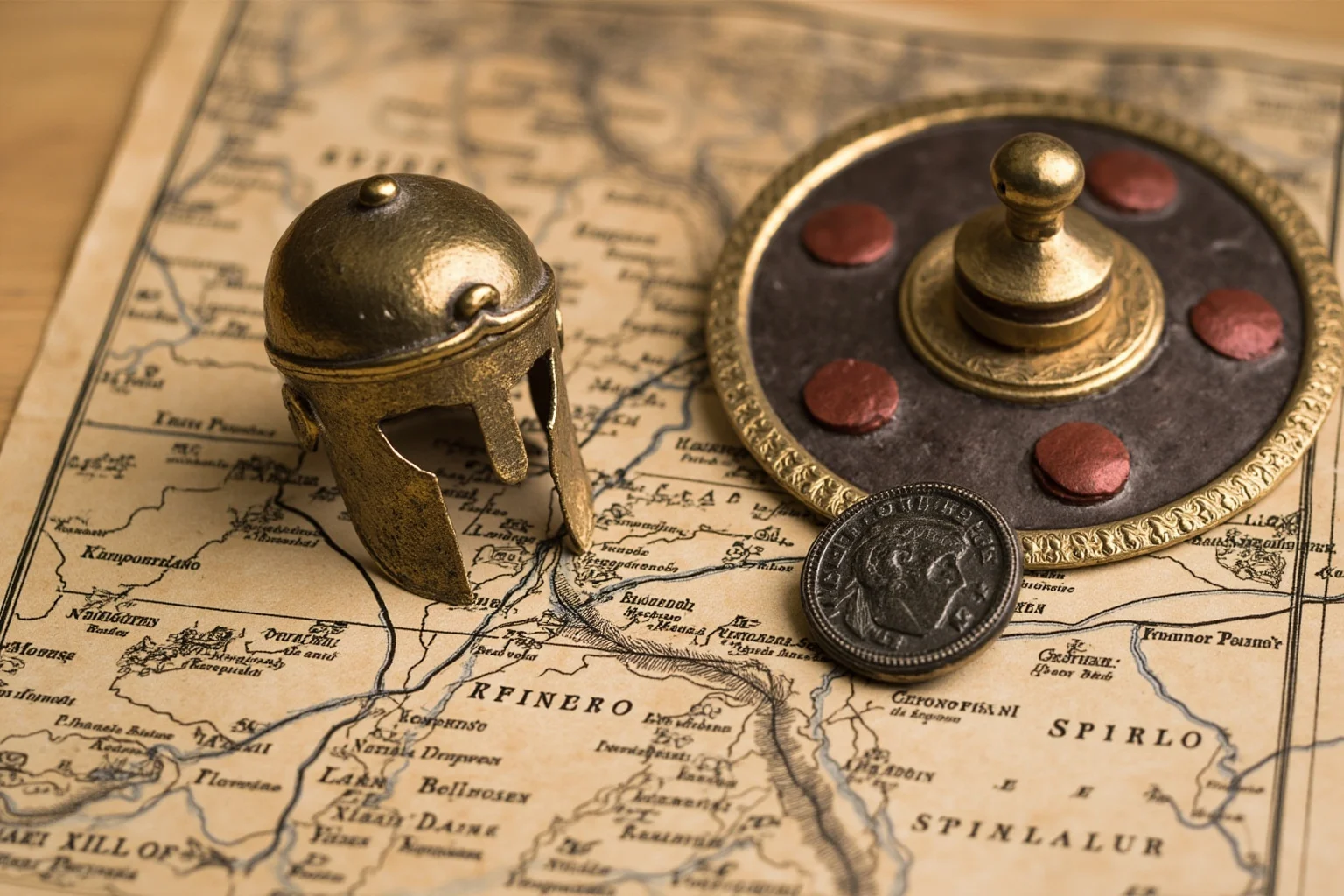
Thucydides wrote about the Peloponnesian War between Athens and Sparta from the perspective of a participant and an exile. He rejected divine explanations and tried to reconstruct speeches and decisions from direct testimony or careful inference. His opening claim that the war would be great and worth recording proved accurate.
Later political thinkers have returned to his Melian Dialogue for its bleak account of power and morality. Although modern historians treat his speeches as reconstructions rather than transcripts, his core narrative remains the essential starting point for the period. That durability places him among the greatest historians of antiquity.
3. Ibn Khaldun: The Medieval Pioneer of Social History
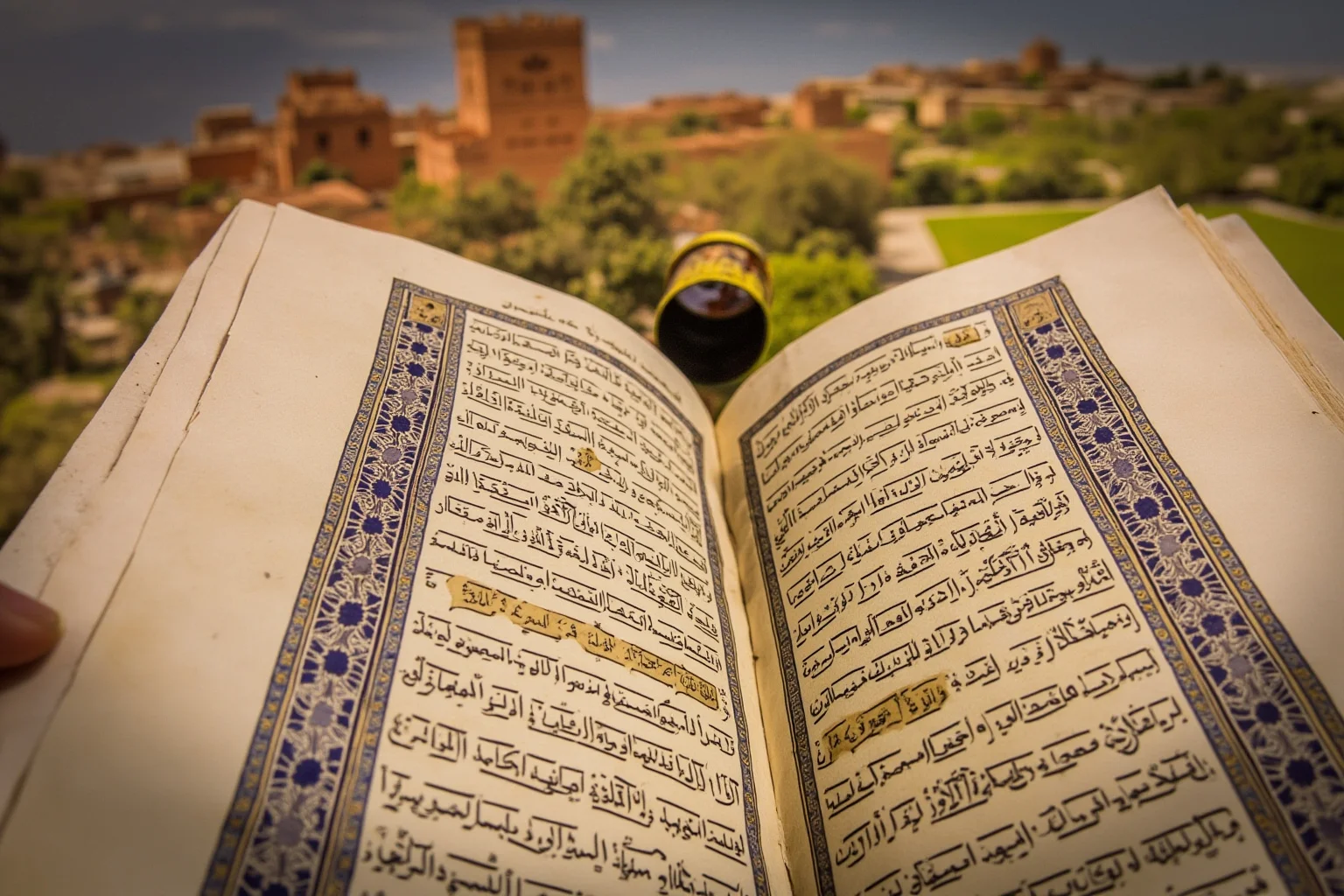
Ibn Khaldun wrote the Muqaddimah in the fourteenth century as an introduction to a larger history, but the introduction became the thing people remember. He argued that group solidarity, or asabiyyah, helps explain the rise and fall of dynasties. That focus on social and economic conditions made him a forerunner of modern sociology.
He also warned that historians must understand the nature of society before they can judge the truth of reports. Many of his observations about taxation, urban growth, and nomadic conquest still hold up. For that reason he appears on nearly every serious list of important historians.
4. Leopold von Ranke: The Archivist Who Raised the Bar
Leopold von Ranke helped turn history into a professional discipline in the nineteenth century. He insisted on going back to archives, letters, and diplomatic records instead of repeating the polished narratives of earlier writers. His famous phrase about showing the past “as it actually happened” is now debated, but the archival habit survived.
Ranke's empirical approach influenced history departments across Europe and the Americas. Later scholars criticized his focus on states and elites, and they rightly noted that no historian can simply let documents speak for themselves. Even so, his demand for primary-source verification made him one of the best historians in terms of method.
5. Marc Bloch: The Historian Who Expanded the Evidence
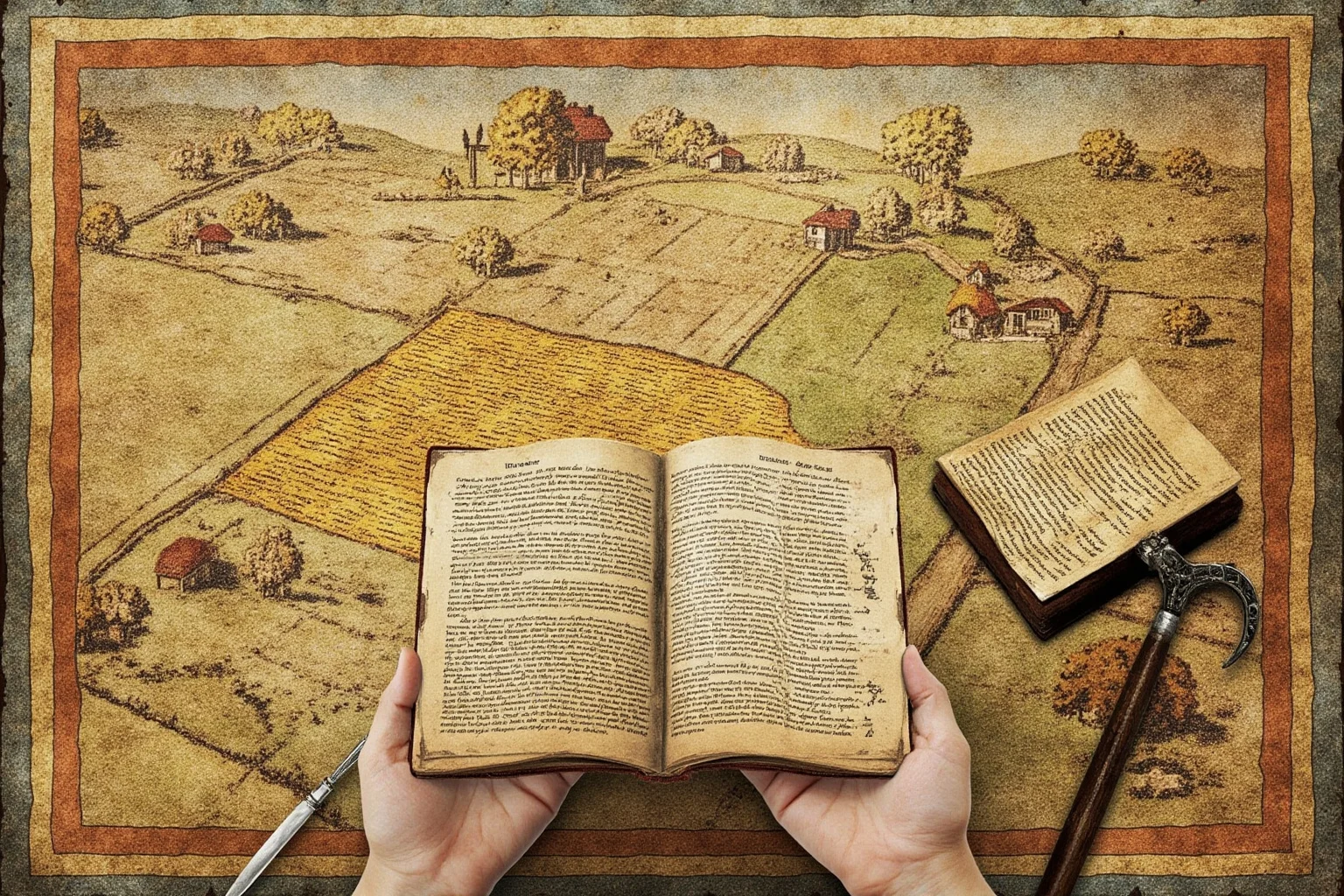
Marc Bloch co-founded the Annales school and pushed historians to ask broader questions about rural life, collective memory, and mentalities. He treated landscapes, place names, tools, and legal customs as historical evidence, not just chronicles and charters. That widened what a popular historian could legitimately study.
His book The Historian's Craft, written during World War II, is still read as a reflection on how historical knowledge is made. Bloch was killed by the Gestapo in 1944, but his methodological influence shaped several generations of important historians. His emphasis on comparative history remains a practical tool.
6. Fernand Braudel: The Historian of Slow Time
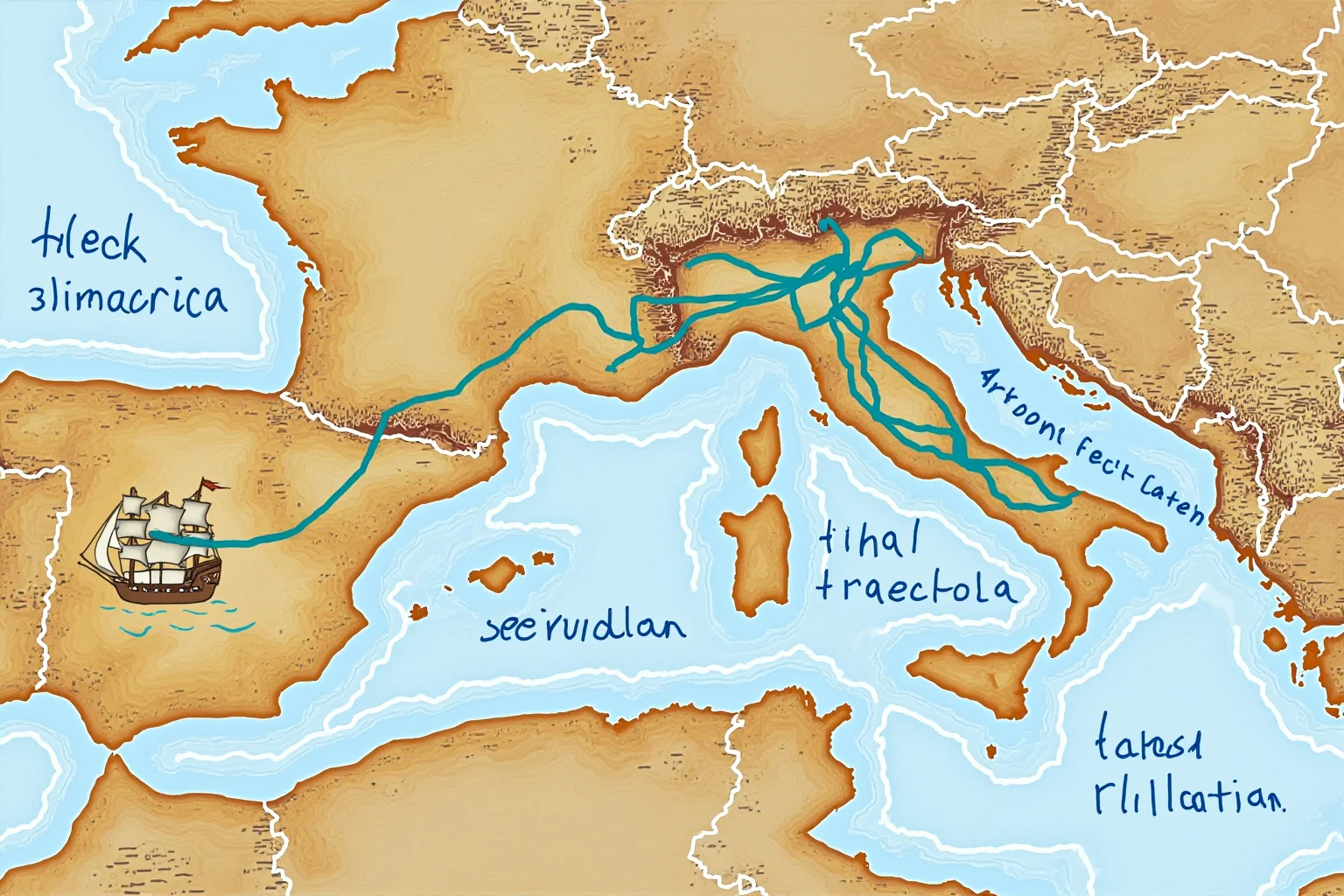
Fernand Braudel transformed Mediterranean history by organizing it into three layers of time: geography, social structures, and events. His work on the Mediterranean in the age of Philip II showed how climate, trade routes, and the sea itself shaped human choices. That approach made him a major figure in twentieth-century historiography.
Critics sometimes say he paid less attention to individual agency and politics. Still, his insistence that long-term structures matter more than dramatic episodes has influenced environmental, global, and economic history. Many historians famous for longue durée thinking build directly on his work.
7. Edward Gibbon: The Grand Narrative That Still Frames Rome's Fall
Edward Gibbon's The History of the Decline and Fall of the Roman Empire was an Enlightenment bestseller and a landmark in narrative history. He argued that internal decay, civic virtue, and Christianity's rise combined with external pressure to weaken the empire. Many of his specific claims about Christianity were too harsh, but the basic multicausal picture remains alive.
Gibbon used footnotes aggressively, which was unusual for his time, and he often let a witty footnote do the work of a modern literature review. Later archaeologists and late-antique scholars corrected his dates, sources, and tone. Even so, his central questions about why complex states decline still guide readable history.
8. Barbara Tuchman: The Popular Historian Who Took Craft Seriously
Barbara Tuchman is often named among historians famous for bringing serious history to a wide audience. She won acclaim for books such as The Guns of August, which told the opening of World War I through vivid detail and careful use of contemporary sources. She was not an academic by training, but she respected the archive.
Tuchman also warned against judging the past with too much hindsight. Some scholars noted that her narrative could flatten complexity into lesson, yet her books remain widely read. Her career showed that a popular historian can be taken seriously without dumbing down the evidence.
9. E.H. Carr: The Pragmatist Who Wrote What Is History?

E.H. Carr's short book What Is History? asked whether historians simply gather facts or actively select and interpret them. He argued that facts become historical facts only when a historian chooses to make them matter. That idea made the book a flashpoint in debates about objectivity.
Carr was also a serious historian of Soviet Russia, and his multi-volume work on the revolution drew both respect and criticism. His main contribution was to remind readers that history is a dialogue between the present and the past. Many best historians now accept a version of that point, even when they reject his political conclusions.
10. John Hope Franklin: Rewriting the Record on Black America
John Hope Franklin's From Slavery to Freedom, first published in 1947, helped make African American history a central part of the American story. He combined rigorous archival work with a clear moral commitment to recovering lives that earlier white-dominated scholarship had ignored. The book went through many editions and trained generations of students.
Franklin also worked as a researcher on Brown v. Board of Education, helping document the history of segregation. His influence stretches across universities, public history, and popular understanding. He belongs among the most important historians of the twentieth century because he changed what the field thought it had to study.
The Historians Who Got It Entirely Wrong
Being wrong is not a permanent identity, and some of these writers produced useful questions even when their central answers collapsed. But their famous claims were corrected so thoroughly that they now serve as cautionary tales.
11. Margaret Murray: The Witch-Cult That Wasn't There
Margaret Murray was a respected Egyptologist when she proposed that persecuted witches in early modern Europe were followers of an ancient pagan fertility religion. Her books, especially The Witch-Cult in Western Europe, influenced novels, films, and early Wiccan self-understanding. The problem is that historians of witchcraft almost unanimously reject the witch-cult thesis.
Scholars now say trial confessions were often produced by torture, leading questions, and local grudges, not by a hidden religious network. Murray selectively read sources and ignored the coercive context of the witch trials. Her idea remains one of the most famous examples of a grand historical pattern built on confirmation bias.
12. Immanuel Velikovsky: The Catastrophist Who Skipped the Evidence

Immanuel Velikovsky argued in Worlds in Collision that ancient myths and biblical events recorded real planetary catastrophes. He claimed Venus was ejected from Jupiter and passed close to Earth, causing floods, plagues, and the sun standing still. Mainstream scientists and historians rejected the book because it contradicted physics, geology, and chronology.
Velikovsky's defenders praised him for connecting archaeology, myth, and astronomy, but the actual evidence never supported the mechanism. Later scholarship showed that his chronology forced Egyptian and Near Eastern records into impossible alignments. He is a reminder that interdisciplinary ambition does not automatically produce reliable history.
13. Gavin Menzies: The Chinese Fleets That Did Not Reach America
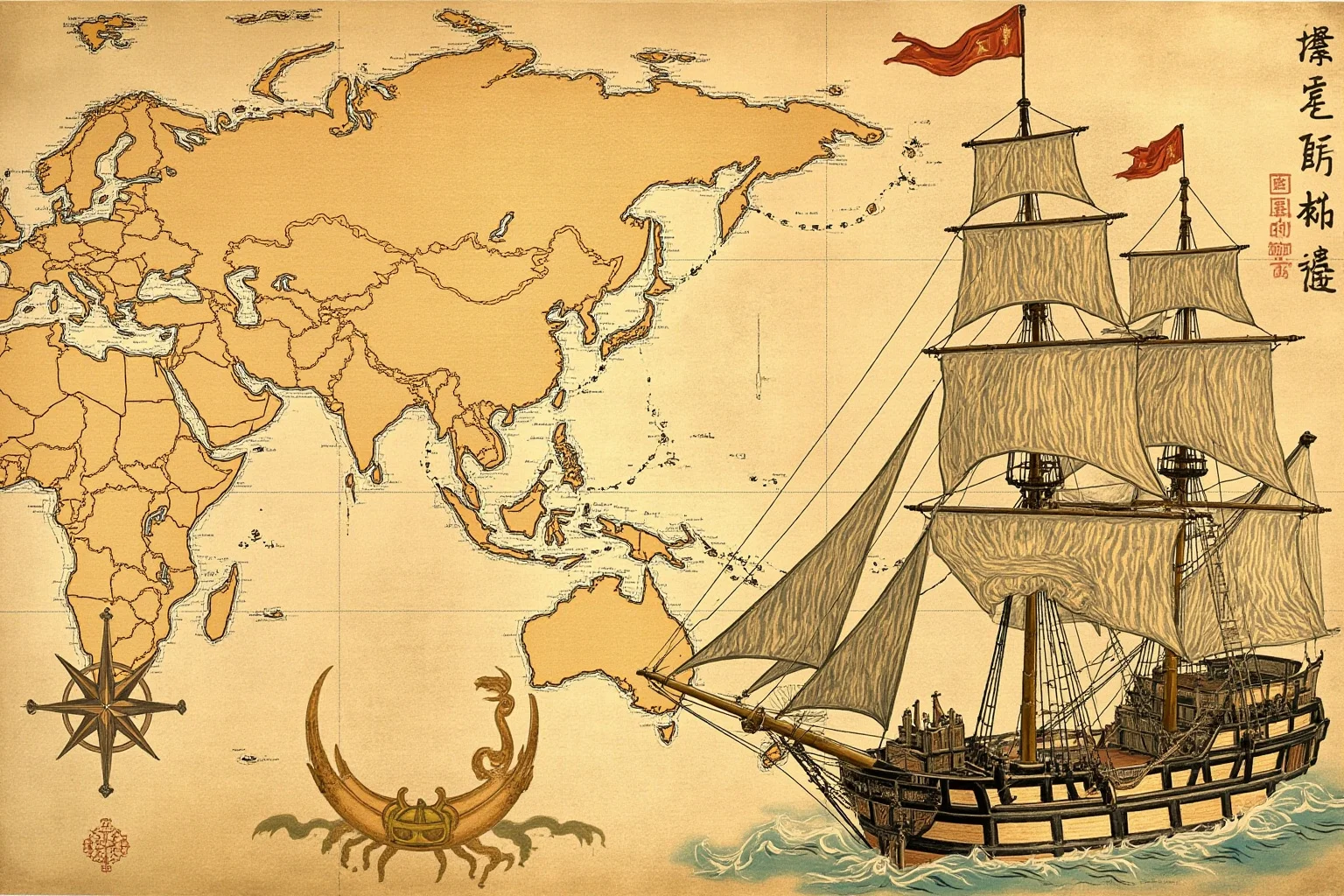
Gavin Menzies became a bestselling author with 1421: The Year China Discovered America. He claimed Chinese admiral Zheng He's fleets visited the Americas, Antarctica, and Australia decades before European explorers. Professional historians of maritime Asia responded that the evidence was thin, misread, and sometimes invented.
The Ming records show Zheng He's voyages were impressive, but they do not place his ships in the New World. Menzies's use of maps, shipwrecks, and DNA was repeatedly criticized by specialists as unwarranted leaps. His work is a clear case of a popular historian building a thrilling story where the sources do not go.
14. David Irving: The Historian Whose Distortion Was Exposed in Court
David Irving wrote extensively on Nazi Germany and for a time received attention as a provocative military historian. In a 2000 British libel trial, however, a judge found that he had repeatedly manipulated documents, misrepresented evidence, and expressed sympathy for Hitler. The court concluded that he was an active Holocaust denier and antisemite.
The case became a landmark in the study of Holocaust memory and the limits of free historical interpretation. It also showed how a researcher with archival access can still fail the basic test of honest quotation. Irving remains one of the clearest modern examples of a historian who got the central story entirely wrong.
15. Alfred Rosenberg: The Ideologue Who Built a Racial Fantasy
Alfred Rosenberg's The Myth of the Twentieth Century tried to turn racial pseudoscience and anti-Christian nationalism into a philosophy of history. He presented civilizations as products of racial struggle and glorified a fabricated Nordic past. The book sold well among Nazis, but its historical claims were rejected by serious scholars even at the time.
Rosenberg was later convicted at Nuremberg and executed for crimes against humanity. His historical writing matters mainly as evidence of how ideology can corrupt research. It is not a source for understanding the ancient world, but it is a source for understanding how destructive myths are manufactured.
16. Ignatius Donnelly: The Congressman Who Put Atlantis Everywhere
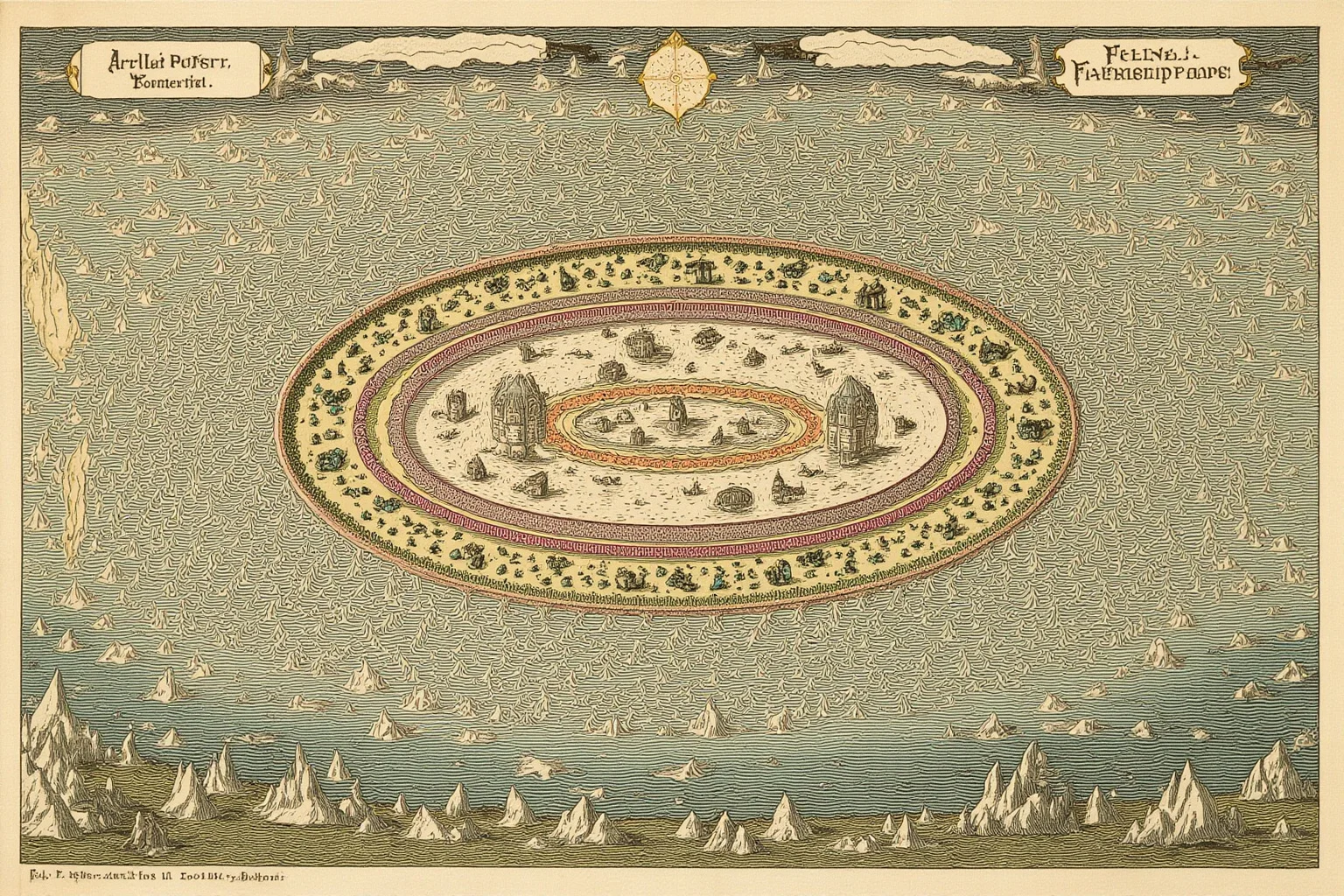
Ignatius Donnelly was a nineteenth-century politician and writer whose book Atlantis: The Antediluvian World argued that a lost island civilization explained Egyptian, Greek, and American achievements. He linked Plato's story to floods, pyramids, and myths across continents. Archaeologists later showed that pyramids and flood stories arose independently in many places.
Donnelly's work helped popularize the Atlantis craze that still thrives in fringe archaeology and pop history. His method was to collect superficial similarities and ignore cultural context, dating, and lack of material evidence. That makes him a durable example of how an exciting thesis can outrun verification.
17. Erich von Däniken: The Ancient Aliens Best Seller
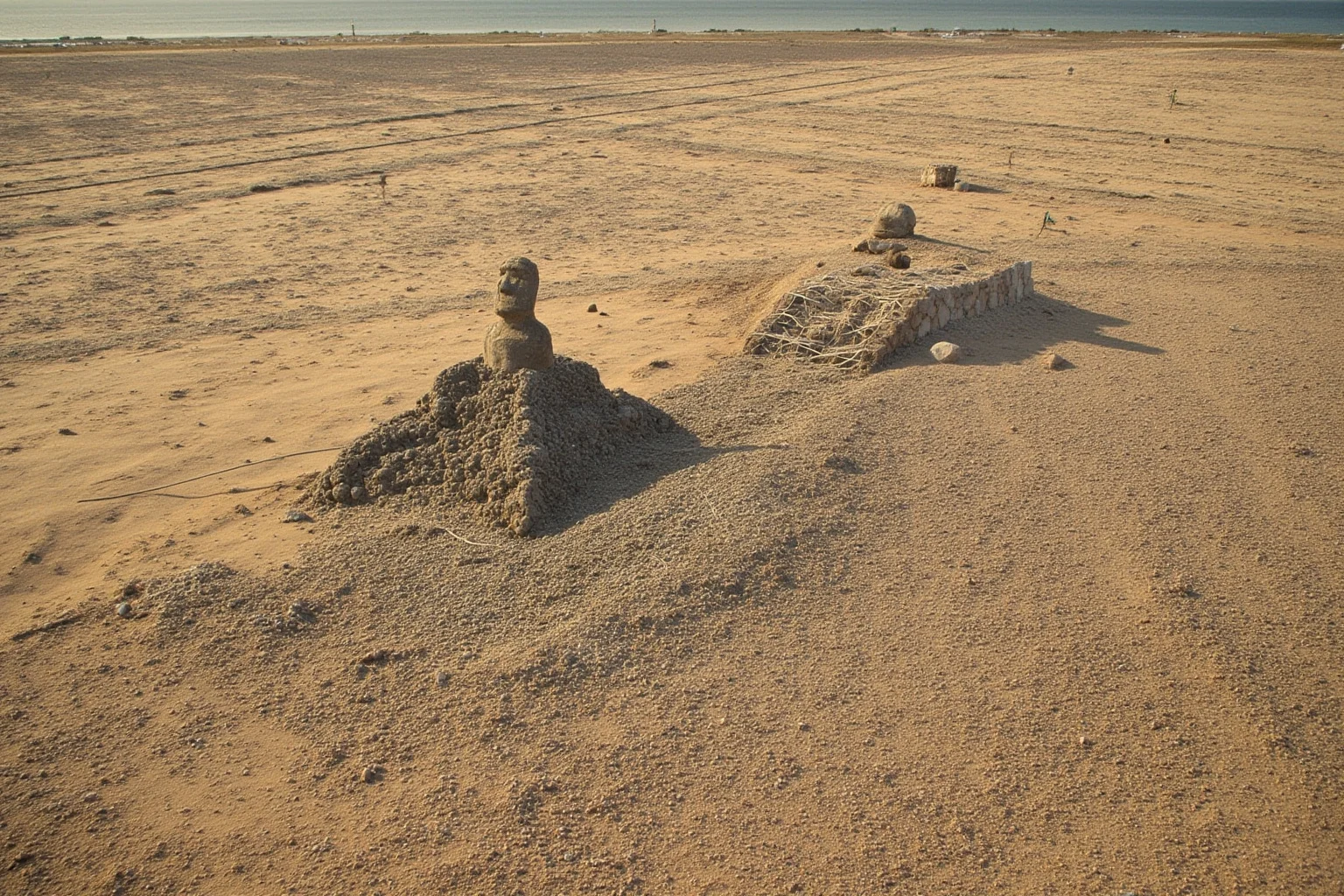
Erich von Däniken's Chariots of the Gods? argued that ancient monuments such as the pyramids, Nazca Lines, and Easter Island statues were built with help from extraterrestrials. The book sold tens of millions of copies and launched a media franchise. Historians, archaeologists, and engineers have repeatedly shown that the sites can be explained with known technologies and local labor.
His method was to treat an ancient achievement as mysterious whenever it seemed too impressive for its time. That assumption ignores abundant evidence of ramps, quarry marks, ropes, and experimentation. As a popular writer he shaped how many people imagine the past, but as history his central claim remains entirely unsupported.
18. Ctesias of Cnidus: The Ancient Court Historian Who Invented Marvels
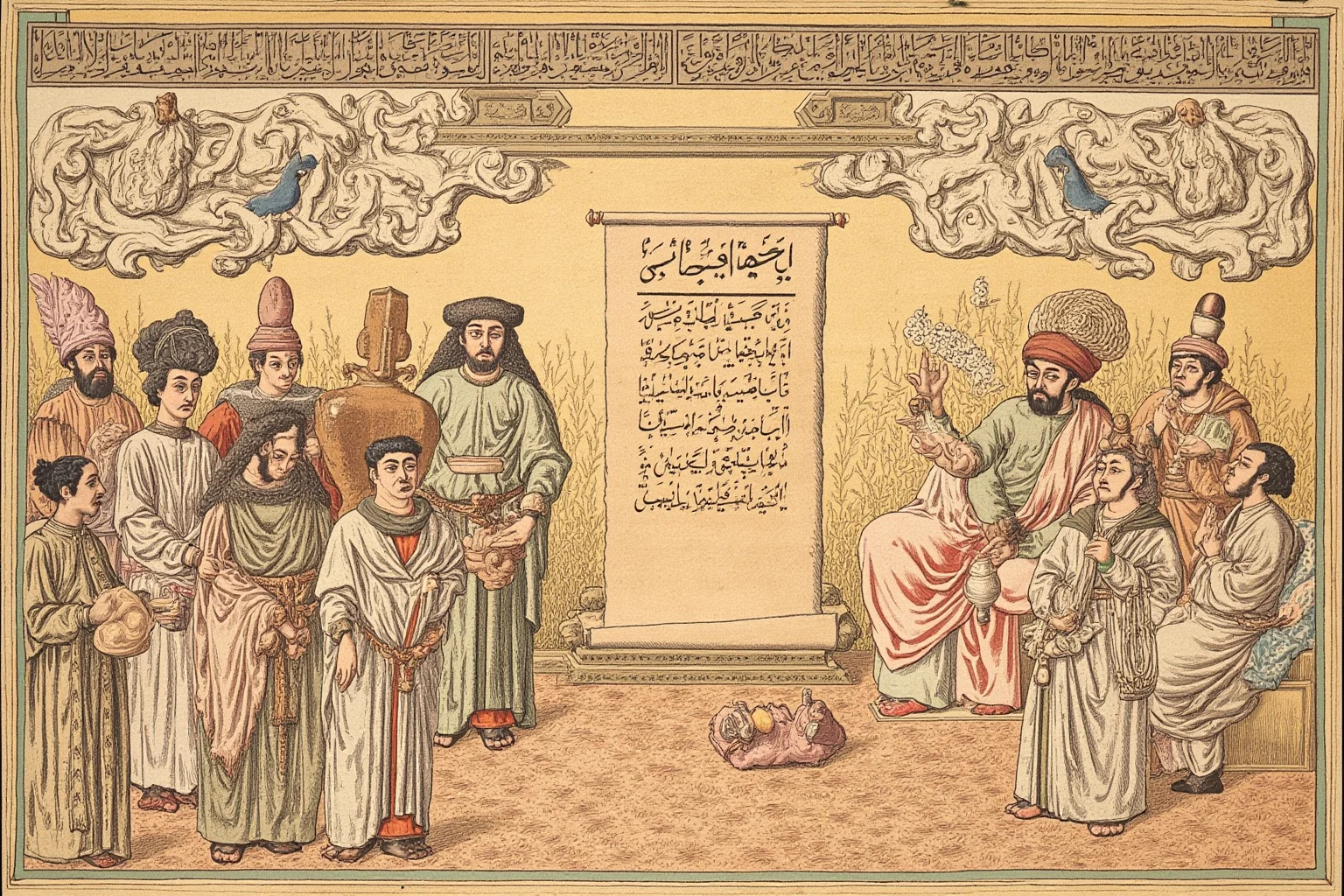
Ctesias served as a physician at the Persian court in the fourth century BCE and wrote a detailed history of Persia and India. He claimed to use Persian records, but ancient readers already complained that his books were full of exaggerations and fantastical creatures. Modern scholars treat his Persica as a mixture of court gossip, literary invention, and a few genuine observations.
His descriptions of India included dog-headed men, giant worms, and impossible distances. Those stories made him popular in antiquity, but historians now prefer other sources for the Achaemenid empire. Ctesias shows that the problem of the unreliable narrator is as old as history itself.
19. James Frazer: The Golden Bough and the Danger of Armchair Patterns
James George Frazer's The Golden Bough assembled myths, rituals, and folk customs from around the world to explain the evolution of human thought. He argued that societies moved from magic to religion to science. The book influenced literature and early anthropology, but its evidence was often secondhand and stripped of local context.
Later anthropologists showed that the same ritual can mean different things in different places, so Frazer's grand comparisons were often misleading. The work remains readable, but its central evolutionary scheme is no longer accepted. It is a classic case of a famous historical pattern that collapsed under better fieldwork.
20. Arthur de Gobineau: The Racial Theory of History That Failed
Arthur de Gobineau wrote Essay on the Inequality of the Human Races in the nineteenth century, arguing that race determined the fate of civilizations and that racial mixing caused decline. His ideas were later taken up by pseudo-scientific racists and Nazi ideologues. Modern genetics and history reject the idea that human populations fall into fixed racial categories that explain cultural rise and fall.
Gobineau presented speculation as historical law, and he projected nineteenth-century anxieties onto the ancient world. Serious historians now study him as a source for the history of racism, not as a guide to the past. His example shows why the best historians treat race as a changing social idea, not a permanent engine of history.
What This Split Actually Teaches
The best historians are not the ones who never make mistakes. They are the ones who make their reasoning visible, stay close to sources, and leave enough room for later correction. The historians who got it entirely wrong often produced confident, readable, and even beloved books, which is why their errors still circulate.
That does not mean ordinary readers must become professional skeptics. It means we should ask a few simple questions: What is the evidence? Does the author quote it fairly? What do specialists in the period think? A history snob may ask those questions to gatekeep; a curious reader asks them to learn.
No historian gets everything right, and no archive answers every question. The healthier goal is not to find a perfect authority but to build a habit of checking claims against multiple sources. The past is messy enough without adding modern myth-making to it.
Frequently Asked Questions
Who are considered the best historians of all time?
Lists often include Herodotus, Thucydides, Ibn Khaldun, Leopold von Ranke, Marc Bloch, Fernand Braudel, Edward Gibbon, Barbara Tuchman, E.H. Carr, and John Hope Franklin. They earned their place through archival rigor, methodological influence, or durable interpretations.
What separates important historians from popular historians?
Important historians usually change how the field works by introducing new methods, sources, or questions. Popular historians may reach a wide audience through narrative skill, but the best popular historians still respect evidence and acknowledge uncertainty.
Which famous historians got major claims entirely wrong?
Examples include Margaret Murray, Immanuel Velikovsky, Gavin Menzies, David Irving, Alfred Rosenberg, Ignatius Donnelly, Erich von Däniken, Ctesias of Cnidus, James Frazer, and Arthur de Gobineau. Their central theses were rejected after closer scrutiny of evidence.
Why do some historians become famous despite weak evidence?
Confident storytelling, dramatic claims, and confirmation bias can make weak history attractive. A grand theory that confirms what readers already want to believe often spreads faster than careful, qualified scholarship.
Is skepticism about famous historians just being a history snob?
Not necessarily. A history snob may use skepticism to gatekeep or dismiss all older work. Healthy skepticism asks whether sources are cited fairly, whether specialists agree, and whether the author acknowledges uncertainty.

Alex Warren
Related Articles