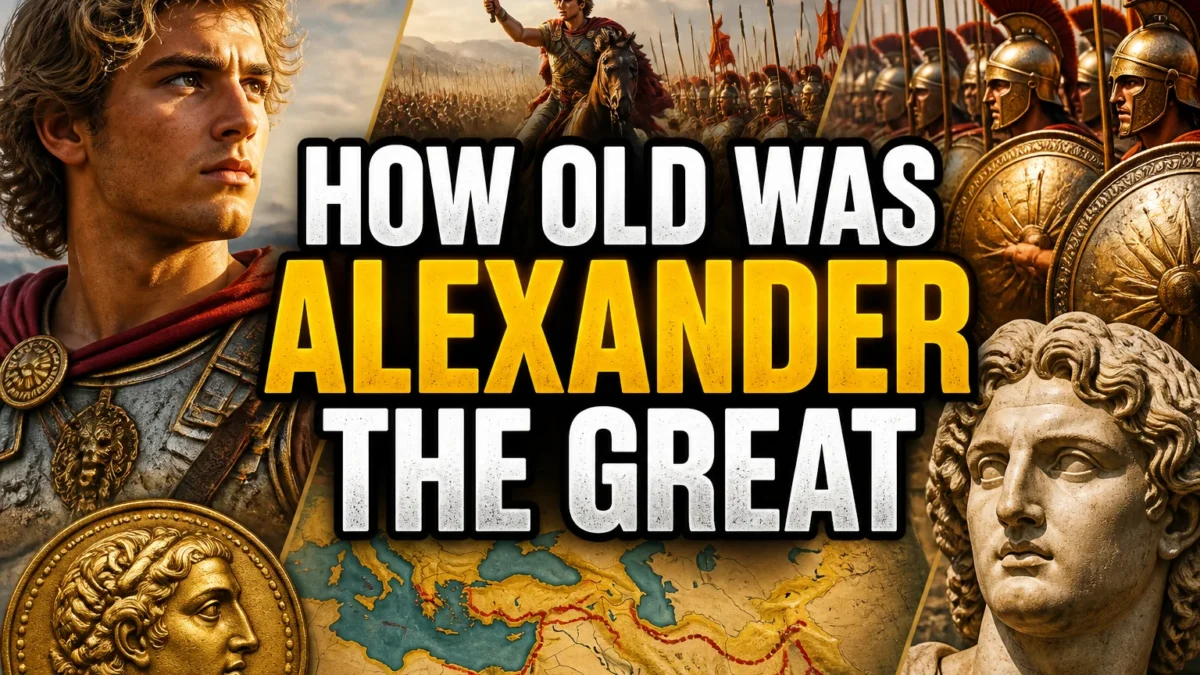
Most people picture Alexander the Great as a battle-hardened man in his thirties, riding at the head of an unstoppable army. The truth is far stranger: he was still a teenager when he won his first major battle, and he became king of Macedonia at just 20 years old. His entire empire-building career unfolded before he turned 33.
The story of how old Alexander the Great was at each stage of his rise is one of history's most astonishing timelines. This post walks through that timeline, separating documented fact from later legend, so you can see exactly how a boy from Macedonia reshaped the ancient world.
TL;DR: Alexander the Great became regent at 16, king at 20, and had conquered the Persian Empire by 25 — all before dying at 32.
The Short Answer: How Old Was Alexander the Great at Key Moments?
When people search for how old Alexander the Great was, they usually want a quick reference point. The most important number is 20 — that is how old Alexander was when he became king of Macedonia in 336 BCE. He was born in July 356 BCE and died in June 323 BCE, just shy of his 33rd birthday.
But the fuller answer involves several milestones. He was 16 when he first served as regent, 18 when he led cavalry at the Battle of Chaeronea, 20 when he took the throne, and 25 when he effectively completed the conquest of the Persian Empire. Each of those ages would be remarkable on its own; together they form a timeline that feels almost unbelievable.
Alexander the Great Childhood: Born Into a Pressure Cooker
Alexander was born in Pella, the capital of the Kingdom of Macedon, in 356 BCE. His father was King Philip II, a brilliant military reformer who was in the middle of transforming Macedon from a backwater into the dominant power in Greece. His mother was Olympias, a princess from Epirus with a reputation for fierce ambition and deep religious devotion.
Alexander the Great's childhood was not a quiet one. Court life in Pella was famously turbulent, full of political marriages, rival factions, and occasional violence. Philip had multiple wives, which meant Alexander's position as heir was never entirely secure, even though he was clearly the favored son.
1. The Legend of His Birth and the Burning Temple
Later ancient sources claimed that Alexander's birth was accompanied by dramatic omens. The most famous story holds that the Temple of Artemis at Ephesus burned down on the very night he was born, supposedly because the goddess was too busy attending his birth to protect her own shrine.
Modern historians treat this as a romantic invention, written long after Alexander's death. But the story does tell us something real: by the time these legends were recorded, Alexander's birth was already seen as a world-changing event. That is how thoroughly his reputation dominated the ancient imagination.
2. A Royal Education Under Leonidas and Lysimachus
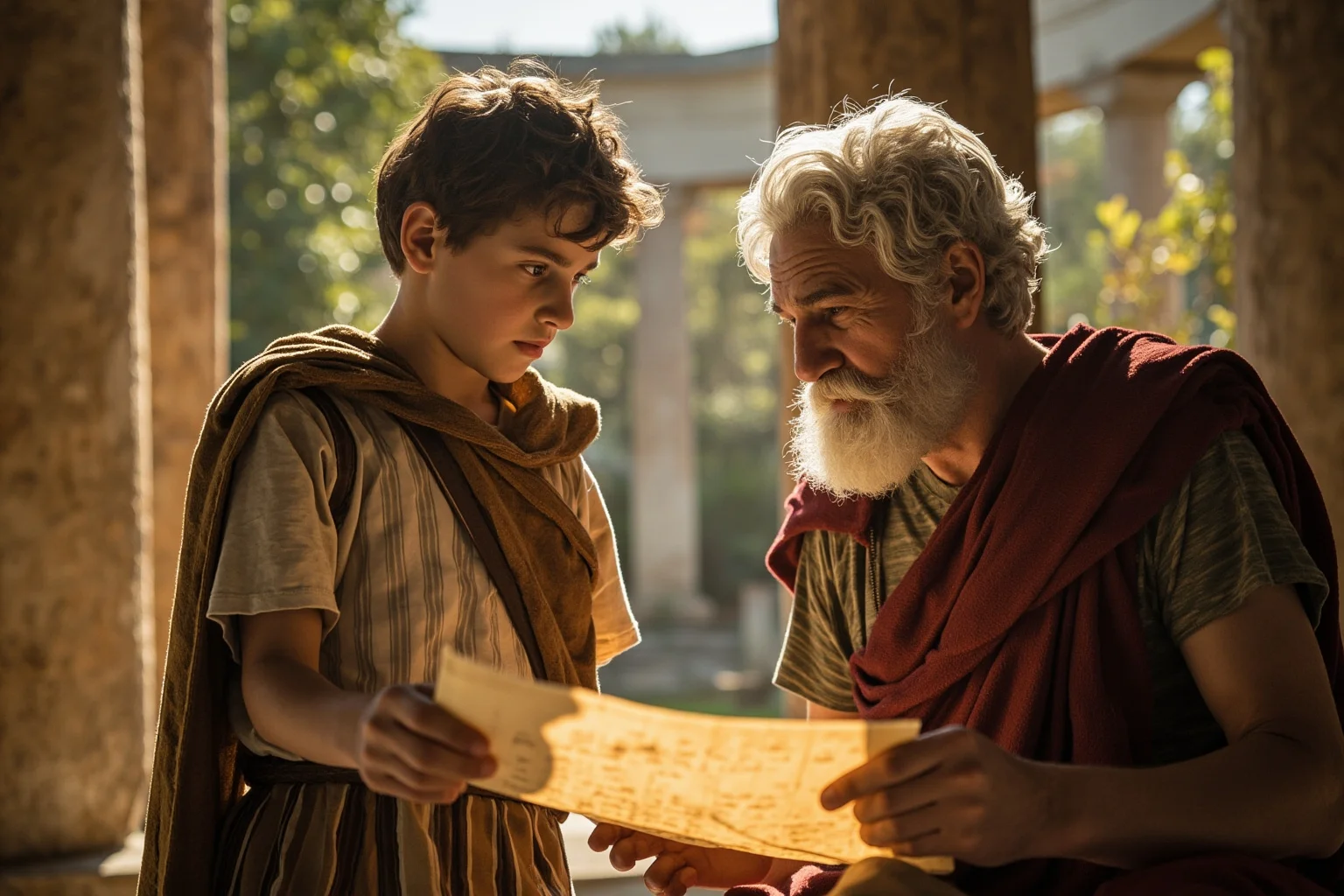
Alexander's early education was supervised by Leonidas, a strict relative of Olympias, who imposed a famously spartan routine. He was also tutored by Lysimachus of Acarnania, who reportedly nicknamed the boy Achilles — a flattering comparison that stuck with Alexander for life.
These early lessons covered basic literacy, music, and physical training. But the curriculum was only part of the point. Philip was deliberately shaping a future king, one who could command respect from hardened Macedonian soldiers and hold his own in Greek intellectual circles.
3. Aristotle as His Private Tutor
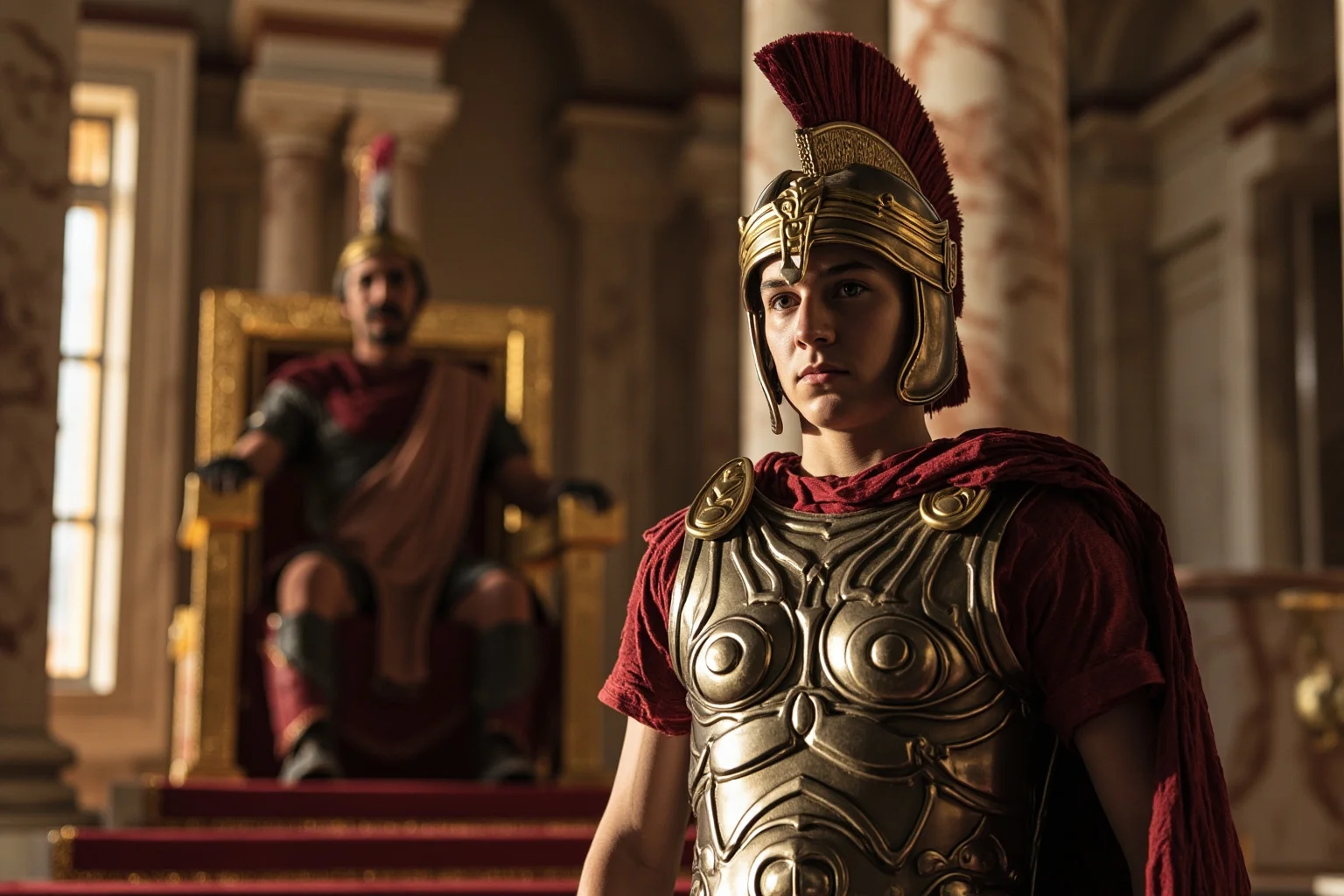
When Alexander was around 13 years old, Philip made one of the most consequential hiring decisions in history. He brought the philosopher Aristotle to Mieza, a rural retreat, to tutor Alexander and a small group of noble companions. Aristotle's presence placed Alexander in a lineage that connects him to the 25 most renowned historical philosophers of all time, whose ideas still shape how we think today.
For roughly three years, Aristotle taught Alexander ethics, politics, medicine, and literature. The young prince developed a lifelong love of Homer's Iliad, reportedly keeping a copy under his pillow. While Aristotle's philosophical influence on Alexander's later policies is debated, the education clearly sharpened a mind that would soon have to manage an empire.
The Teenage Alexander: First Taste of Command
Philip did not wait for Alexander to reach adulthood before testing him. Macedonian royal culture valued demonstrated competence over age, and Alexander was given real responsibilities shockingly early. This early exposure to command helps explain how a 20-year-old could step onto the throne and immediately launch an invasion.
4. Regent of Macedon at Age 16
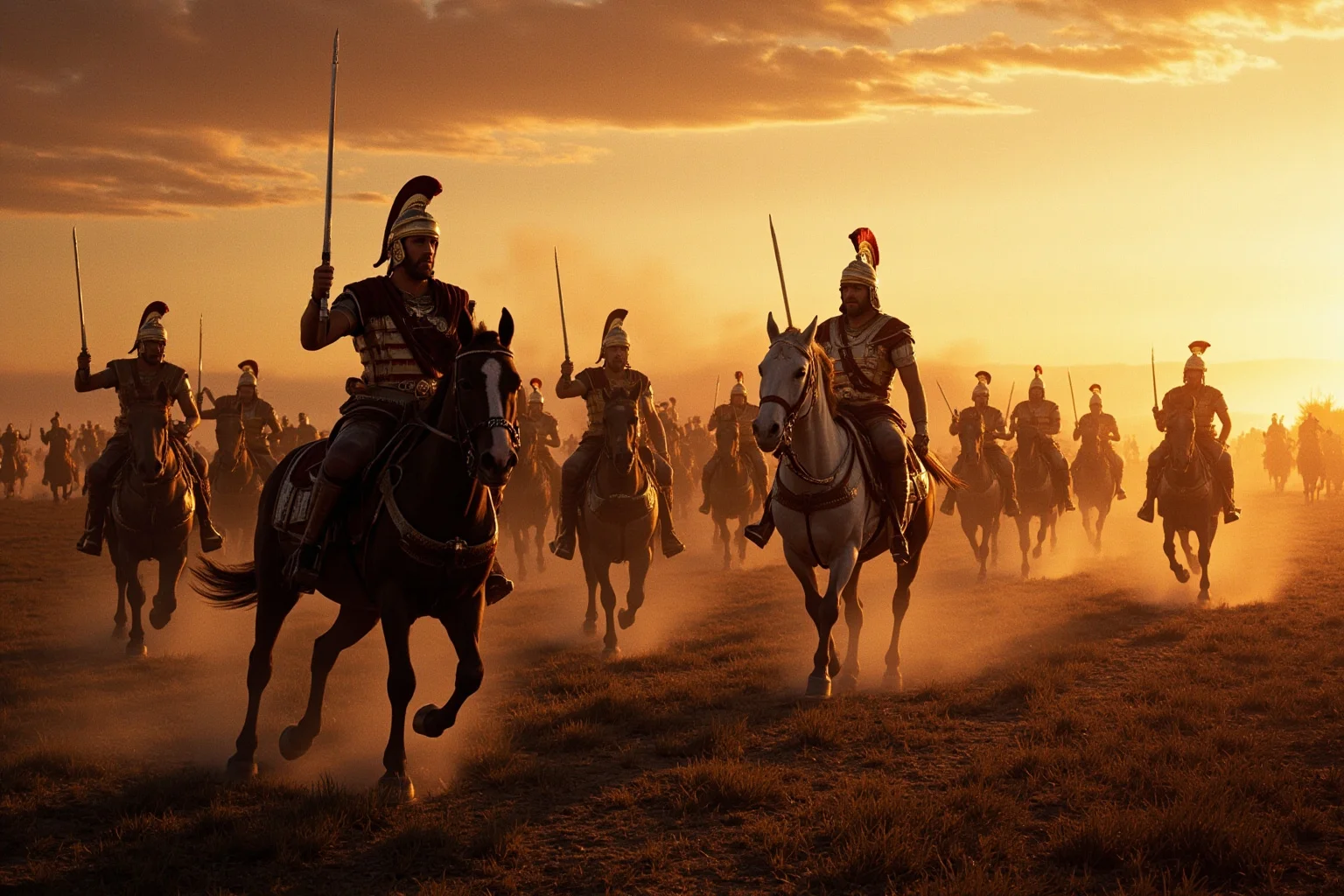
In 340 BCE, when Alexander was 16 years old, Philip left him in charge of Macedon as regent while the king campaigned against the Greek city of Byzantium. This was not a ceremonial title. Alexander had real authority to govern, manage the court, and respond to threats.
During this period, a Thracian tribe called the Maedi rose in revolt. Alexander crushed the rebellion, drove the Maedi out of their territory, and founded a new city there called Alexandropolis. He was 16, and he had already won his first military campaign and named a city after himself.
5. Leading the Cavalry at Chaeronea at Age 18
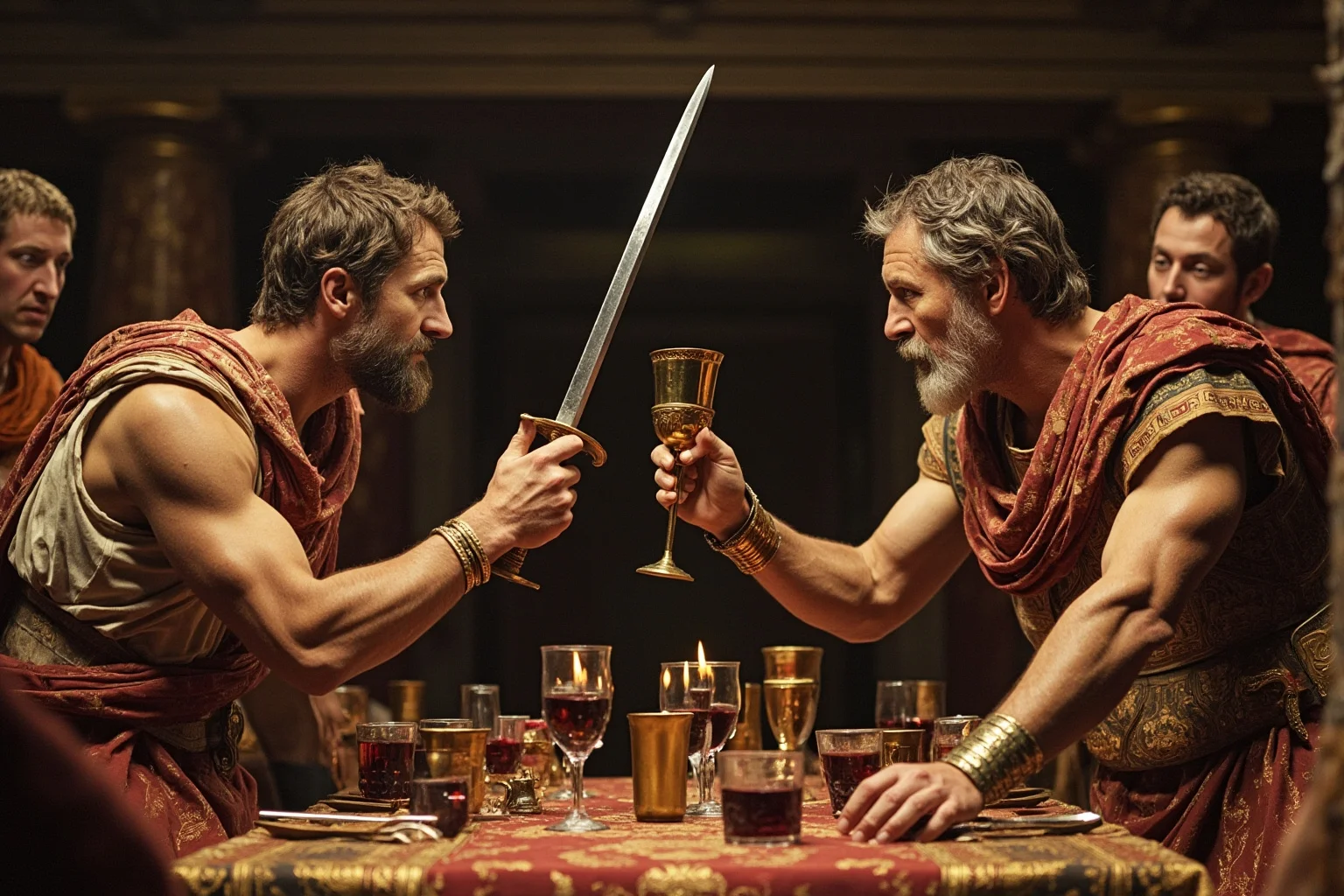
Two years later, in 338 BCE, Alexander fought alongside his father at the Battle of Chaeronea. This was the decisive clash that ended Greek resistance to Macedonian domination. Philip placed the 18-year-old Alexander in command of the Companion Cavalry on the left wing.
Ancient sources credit Alexander with leading the charge that broke the elite Sacred Band of Thebes. While the exact details are debated, there is no doubt that he fought in a position of real responsibility. Chaeronea showed that Alexander could perform under the most intense pressure imaginable.
6. A Broken Family and a Temporary Exile
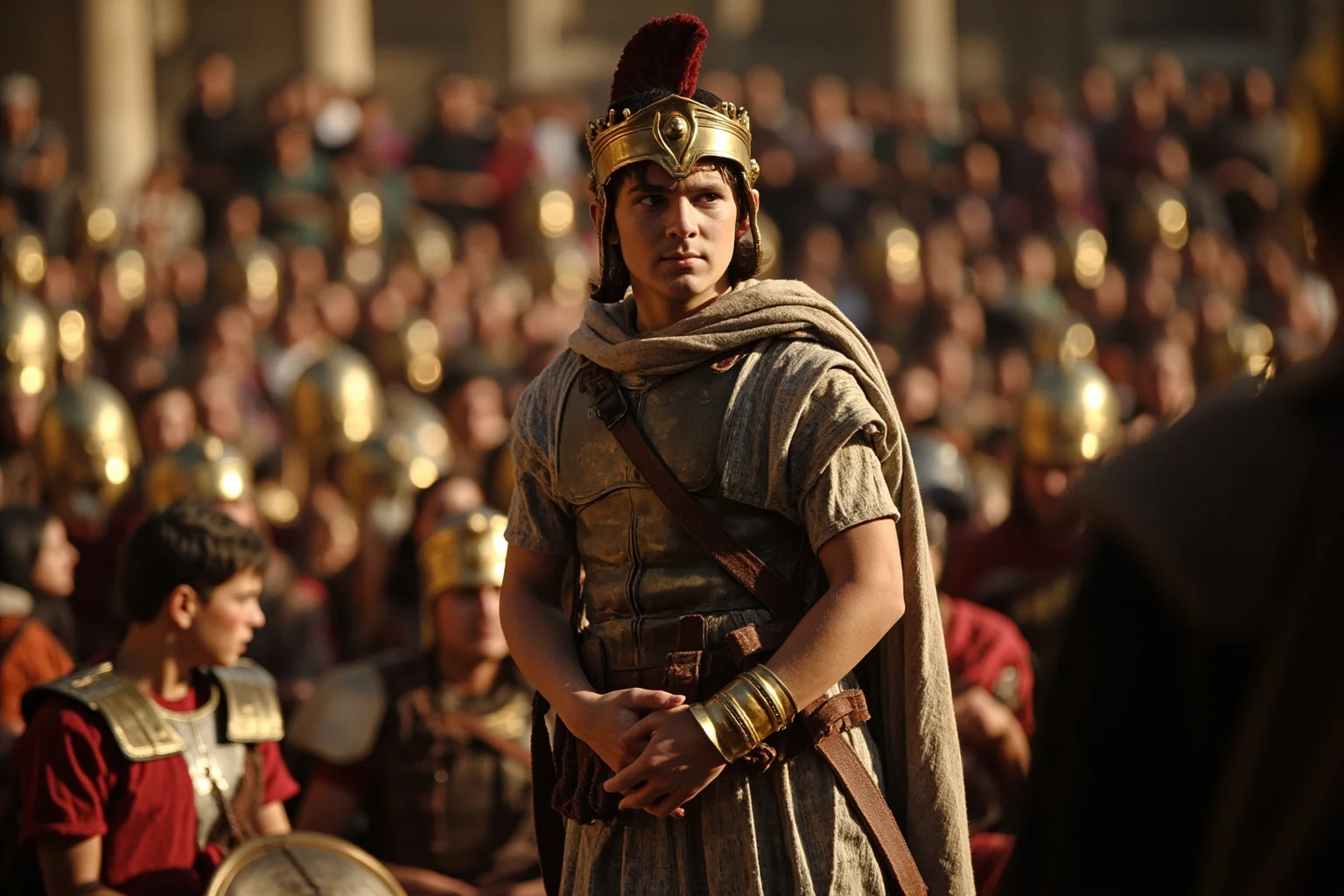
The years just before Alexander took the throne were chaotic. Philip married a Macedonian noblewoman named Cleopatra Eurydice, which threatened Alexander's status as heir. At a wedding banquet, a drunken argument escalated until father and son drew weapons on each other.
Alexander and Olympias fled Macedon and went into exile in Epirus. The rift was eventually patched up, but it was a volatile few months. Alexander's return to court left him in an awkward position: reconciled with his father, but surrounded by factions that had chosen sides during the crisis.
How Old Was Alexander When He Became King of Macedonia?
The answer to this frequently searched question is definitive: Alexander was 20 years old when he became king of Macedonia in 336 BCE. His father Philip was assassinated that summer by a disgruntled bodyguard named Pausanias, during a public festival in the theater at Aegae.
The circumstances of Philip's murder remain genuinely mysterious. Some ancient sources hinted that Olympias or even Alexander himself may have been involved, but most modern historians view this as unproven speculation. What is certain is that Alexander moved quickly to secure the throne.
7. Securing the Throne Within Days
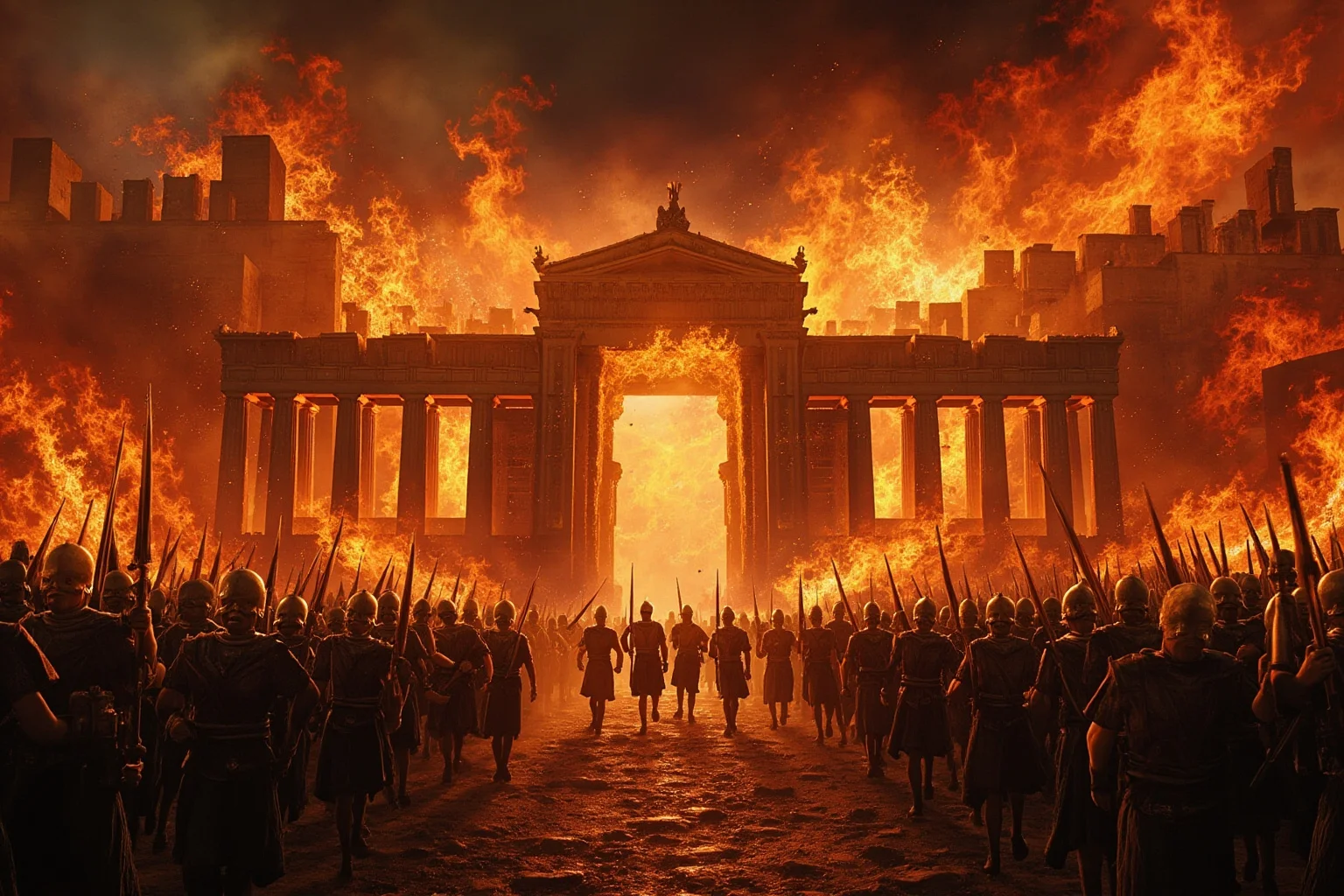
Alexander was proclaimed king by the Macedonian army assembly almost immediately after Philip's death. He then moved ruthlessly to eliminate potential rivals, including several members of his own extended family. It was a brutal beginning, but it was also standard practice in Macedonian succession politics.
Any doubts about whether a 20-year-old could hold the throne were answered quickly. Within months, Alexander had marched south into Greece to reassert Macedonian control over city-states that saw Philip's death as an opportunity to revolt.
8. The Destruction of Thebes as a Warning
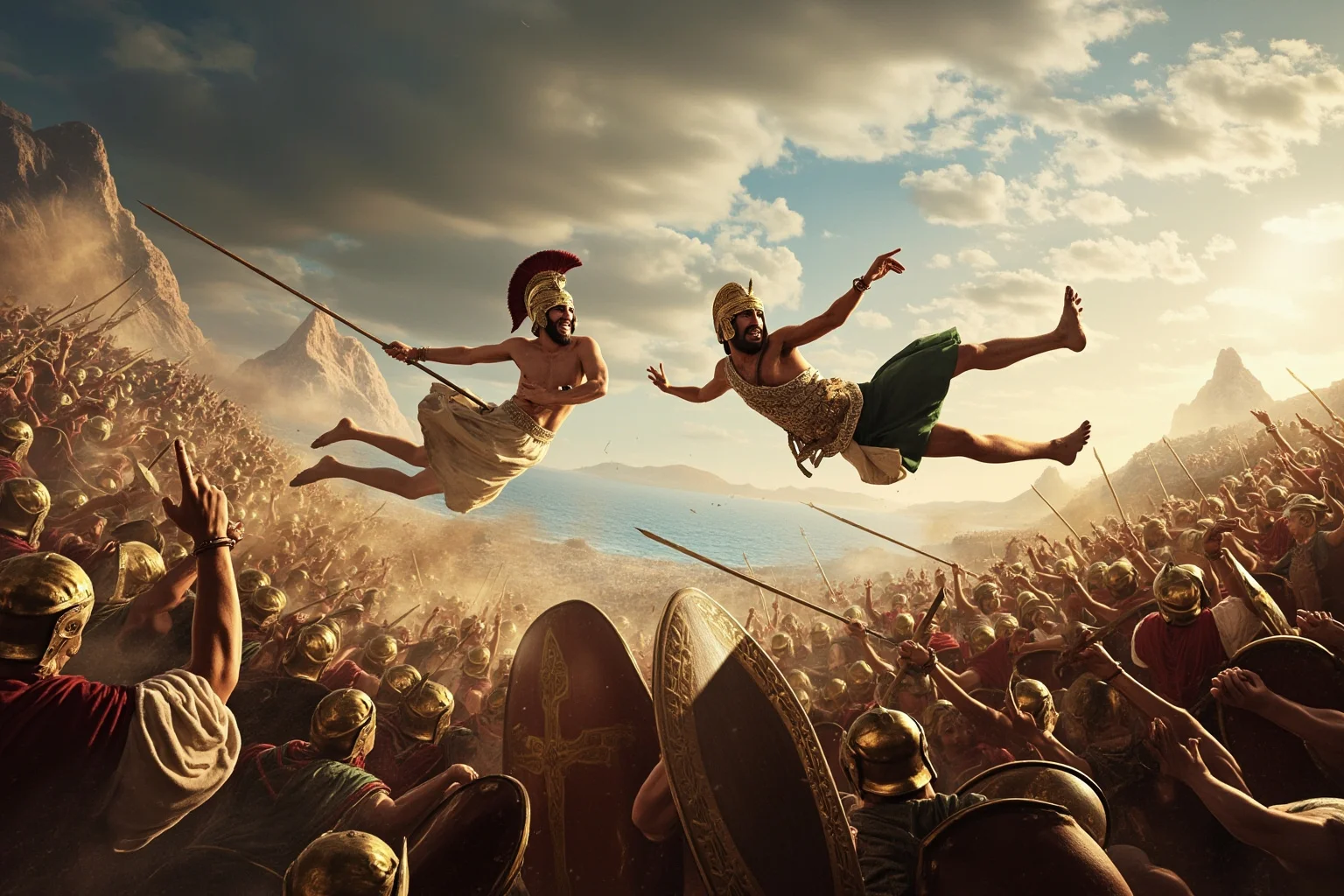
When Thebes rebelled in 335 BCE, Alexander moved faster than anyone expected. He marched his army over 240 miles in just two weeks, stormed the city, and razed it to the ground. Roughly 6,000 Thebans were killed and 30,000 survivors were sold into slavery.
The destruction of Thebes shocked the Greek world into submission. It was an extraordinarily harsh act for a 21-year-old king, but it achieved its purpose. No other major Greek city openly challenged Alexander for the rest of his reign.
Conquering the Persian Empire in His Early Twenties
Alexander crossed into Asia in 334 BCE, when he was 22 years old. He would never return to Macedon. The next decade of his life was a continuous military campaign that took him from the Hellespont to the Indus River, covering over 10,000 miles of marching.
Many people ask at what age did Alexander the Great conquer the world, and the answer depends on how you define "the world." He never conquered the entire known world, but he did conquer the largest empire that had existed up to that point, and he completed that conquest by age 25.
9. The Battle of the Granicus at Age 22
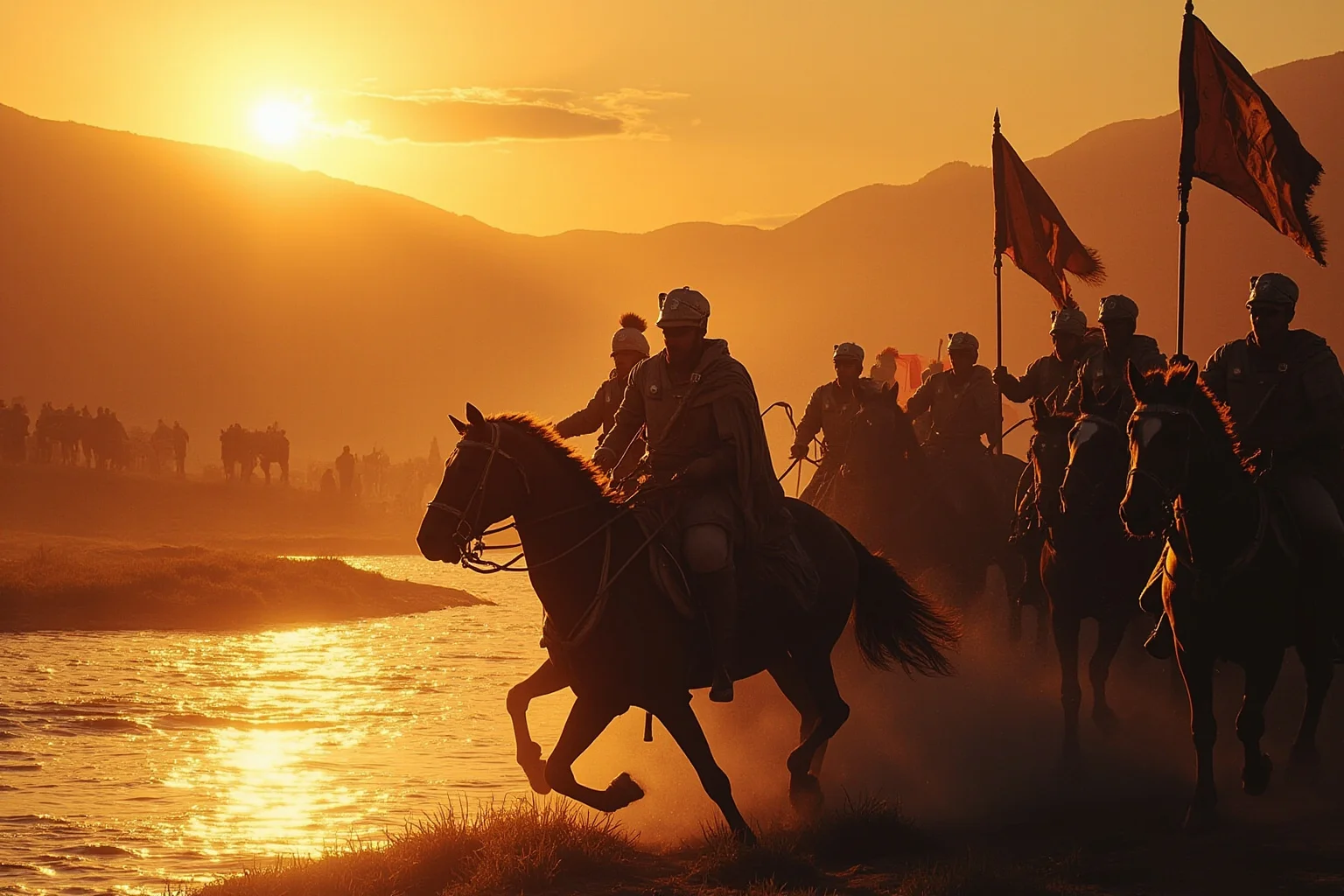
Alexander's first major battle against the Persians came in 334 BCE at the Granicus River in modern Turkey. He was 22 years old. The battle nearly killed him when he was surrounded and attacked by Persian cavalry, but he survived and won a decisive victory.
The Granicus opened Asia Minor to Alexander's army. Over the next year, he liberated the Greek cities of the region and secured his supply lines. It was a promising start, but the main Persian army had not yet engaged him in full force.
10. The Gordian Knot and a Clever Solution
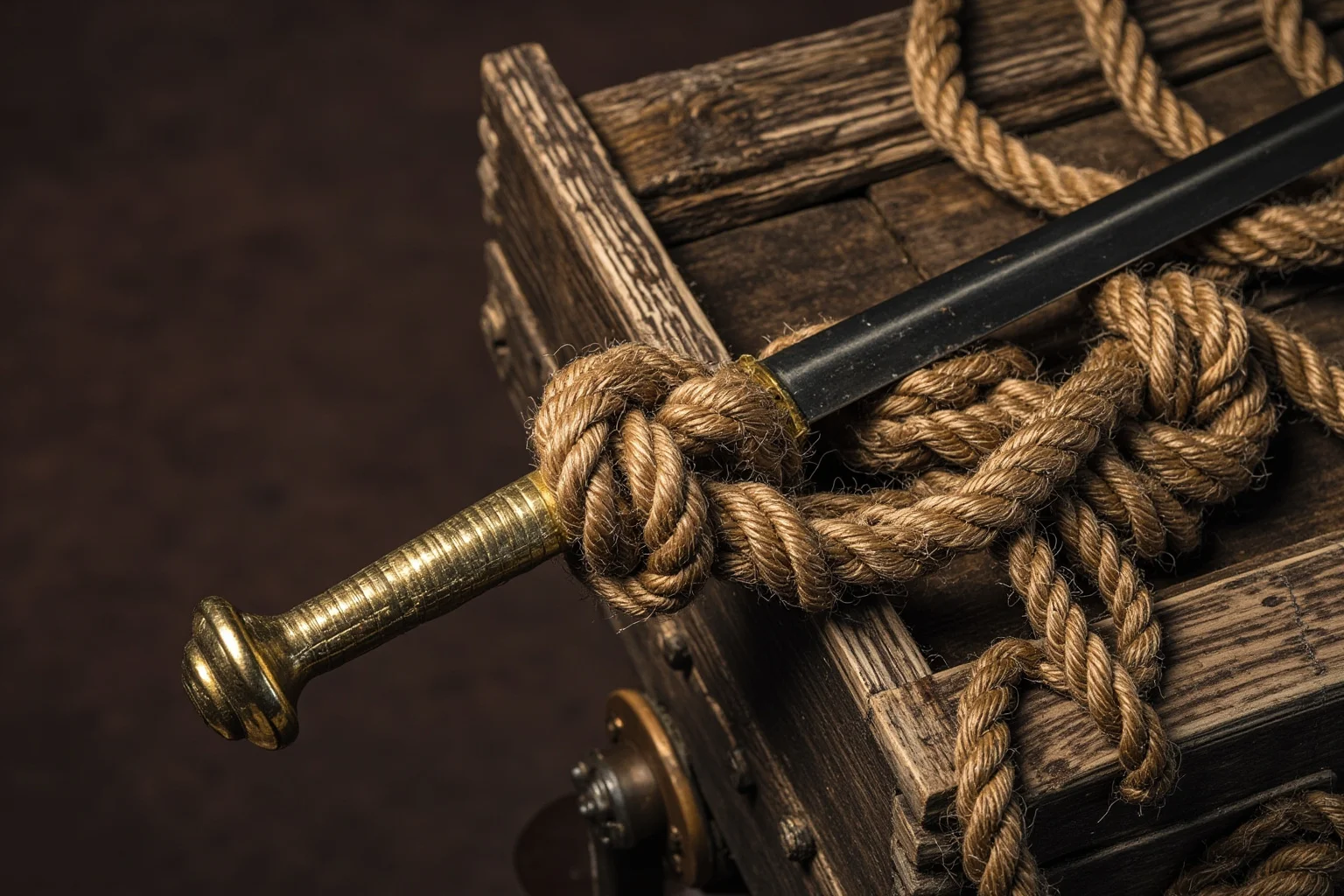
At Gordium in 333 BCE, Alexander encountered the legendary Gordian Knot. According to prophecy, whoever untied the knot would rule Asia. The knot was famously complex, with no visible ends, and most people could not even figure out where to begin.
Alexander's solution became legendary: he either cut the knot with his sword or pulled out the central pin, depending on which ancient source you read. Either way, the story became a symbol of his willingness to solve problems by unconventional means. It was exactly the kind of story that built his mystique.
11. The Battle of Issus at Age 23
Later in 333 BCE, Alexander faced the Persian Great King Darius III himself at the Battle of Issus. Alexander was 23 years old. Despite being heavily outnumbered, he won a crushing victory by leading a direct cavalry charge at Darius's position in the center of the Persian line.
Darius fled the battlefield, leaving behind his family, his royal tent, and his treasury. The victory gave Alexander control of the eastern Mediterranean coast and opened the way to Egypt. It also established a pattern: Alexander would personally lead the decisive charge, while Darius repeatedly fled when the fighting got close.
12. The Siege of Tyre: Seven Months of Engineering
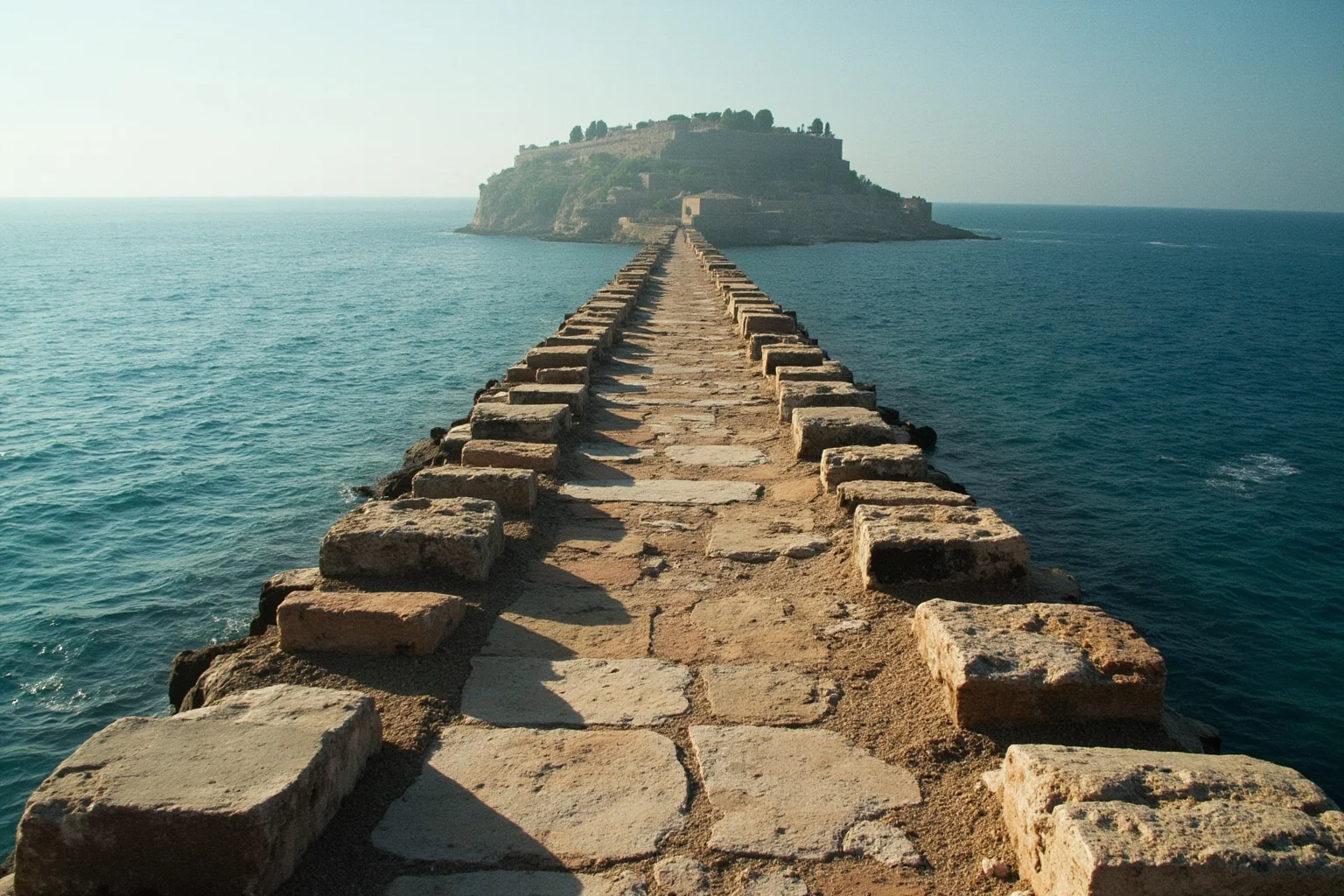
The island city of Tyre presented one of Alexander's greatest challenges. The city was protected by massive walls and surrounded by the sea, and its defenders refused to surrender. Rather than bypass it, Alexander built a causeway from the mainland to the island, a massive engineering project that took seven months.
The siege of Tyre dragged on from January to July 332 BCE, when Alexander was 23. When the city finally fell, Alexander's anger at the long resistance led to brutal reprisals. Thousands were killed, and thousands more were sold into slavery. The fall of Tyre eliminated the last major naval base available to the Persians.
13. Crowned Pharaoh in Egypt at Age 24
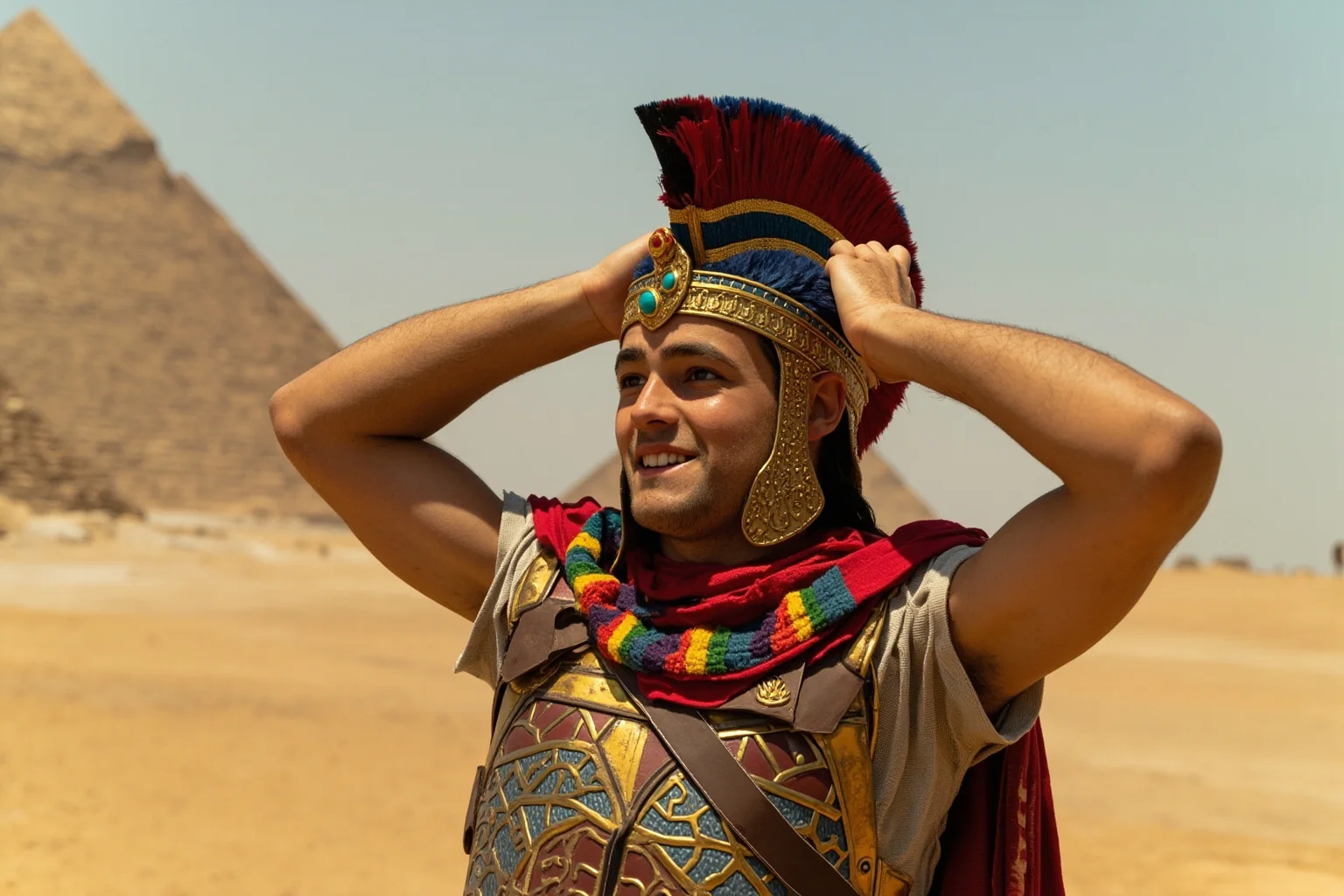
In late 332 BCE, Alexander entered Egypt without a fight. The Egyptians had long resented Persian rule, and they welcomed Alexander as a liberator. He was crowned pharaoh at Memphis, adopting the traditional titles and religious duties of an Egyptian king.
While in Egypt, Alexander visited the oracle of Amun at the Siwa Oasis, a journey across the desert that nearly killed him. The oracle reportedly confirmed that Alexander was the son of Zeus-Ammon, which he took as divine validation of his rule. He also founded the city of Alexandria, which would become one of the greatest cities of the ancient world.
14. The Battle of Gaugamela at Age 25
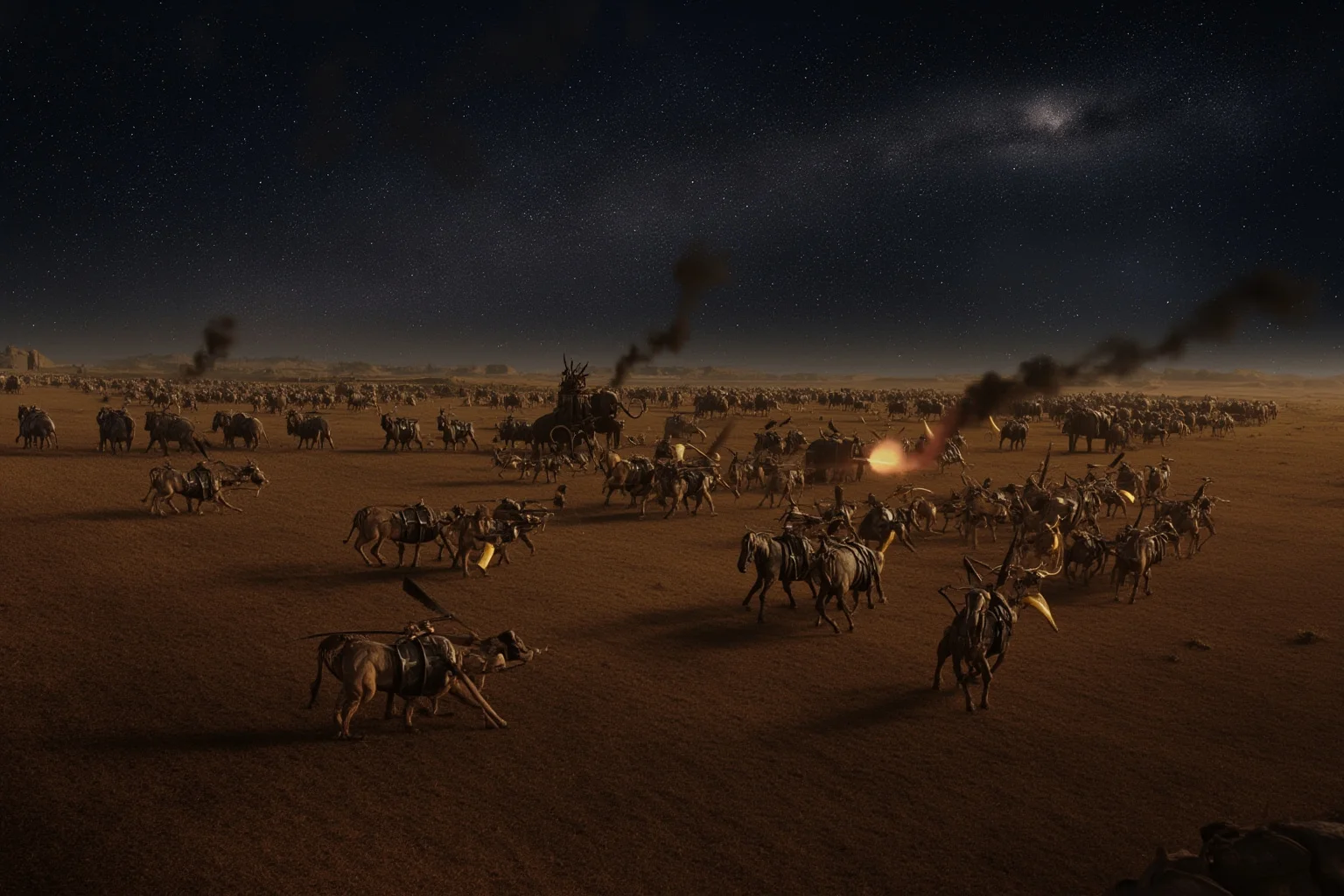
The decisive battle of Alexander's Persian campaign came on October 1, 331 BCE, at Gaugamela in modern Iraq. Alexander was 25 years old. Darius had assembled a massive army, including war elephants and scythed chariots, on carefully prepared flat ground that favored his larger forces.
Alexander won anyway, using a tactical feint to open a gap in the Persian line and then charging straight through it toward Darius. Once again, Darius fled, and the Persian army collapsed. The battle effectively ended the Achaemenid Persian Empire, though it took Alexander another year to capture its remaining capitals.
15. King of Kings at Age 25
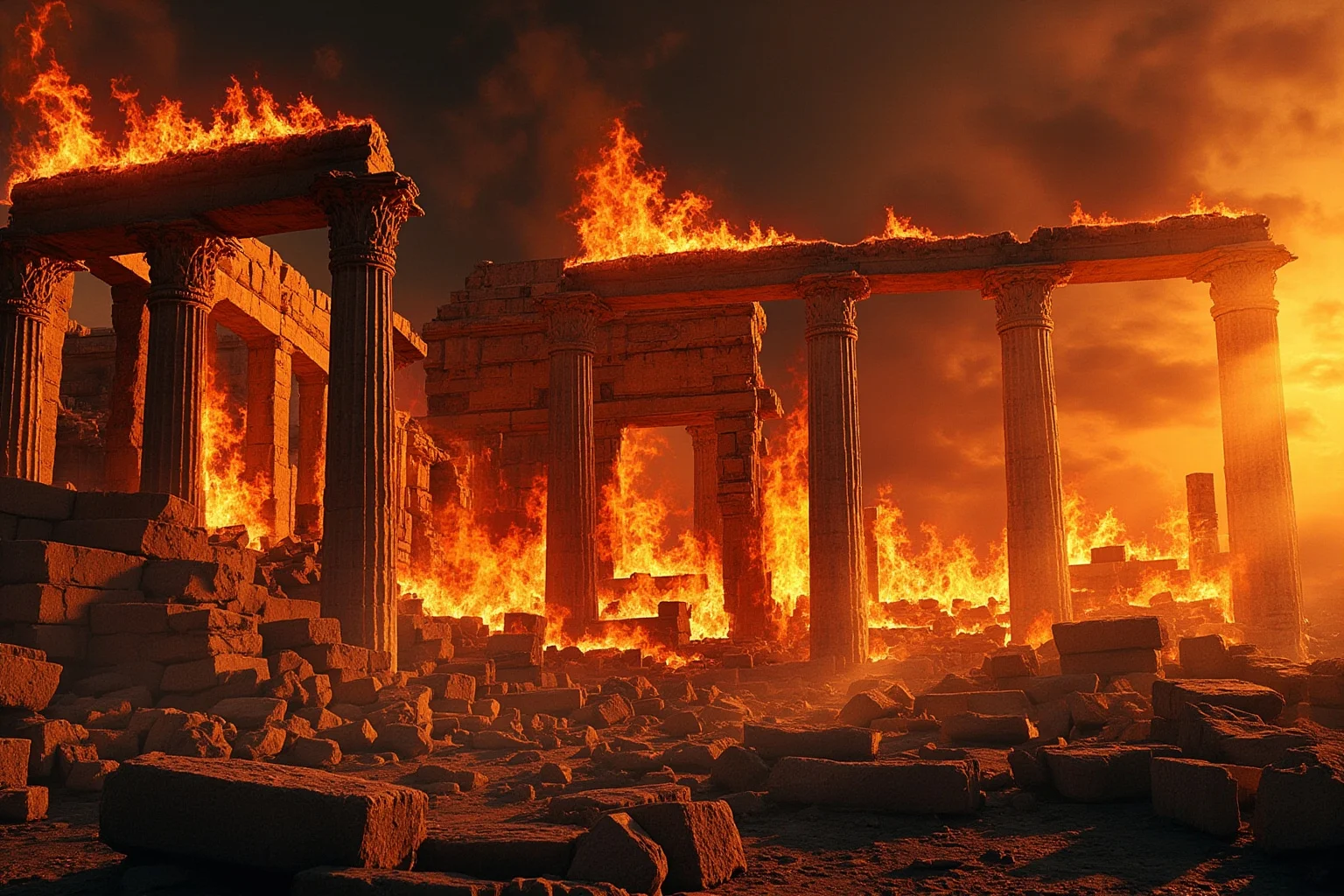
After Gaugamela, Alexander marched on Babylon, Susa, and Persepolis, the great capitals of the Persian Empire. Each city surrendered without a fight. At Persepolis, Alexander allowed his army to loot and burn the ceremonial capital, an act that ancient sources interpreted as revenge for the Persian burning of Athens in 480 BCE.
By the end of 330 BCE, Alexander had formally taken the title Great King and was hunting Darius across the eastern provinces. Darius was eventually murdered by his own satraps, and Alexander gave him a royal burial. He was 25 years old and ruled the largest empire the world had ever seen.
Alexander's Later Campaigns and the Limits of Conquest
Alexander did not stop after conquering Persia. He spent the next several years pushing deeper into Central Asia and then into the Indian subcontinent. These campaigns were harder, more brutal, and less glorious than the conquest of Persia, and they tested the loyalty of his army.
16. The Campaign in Bactria and Sogdia
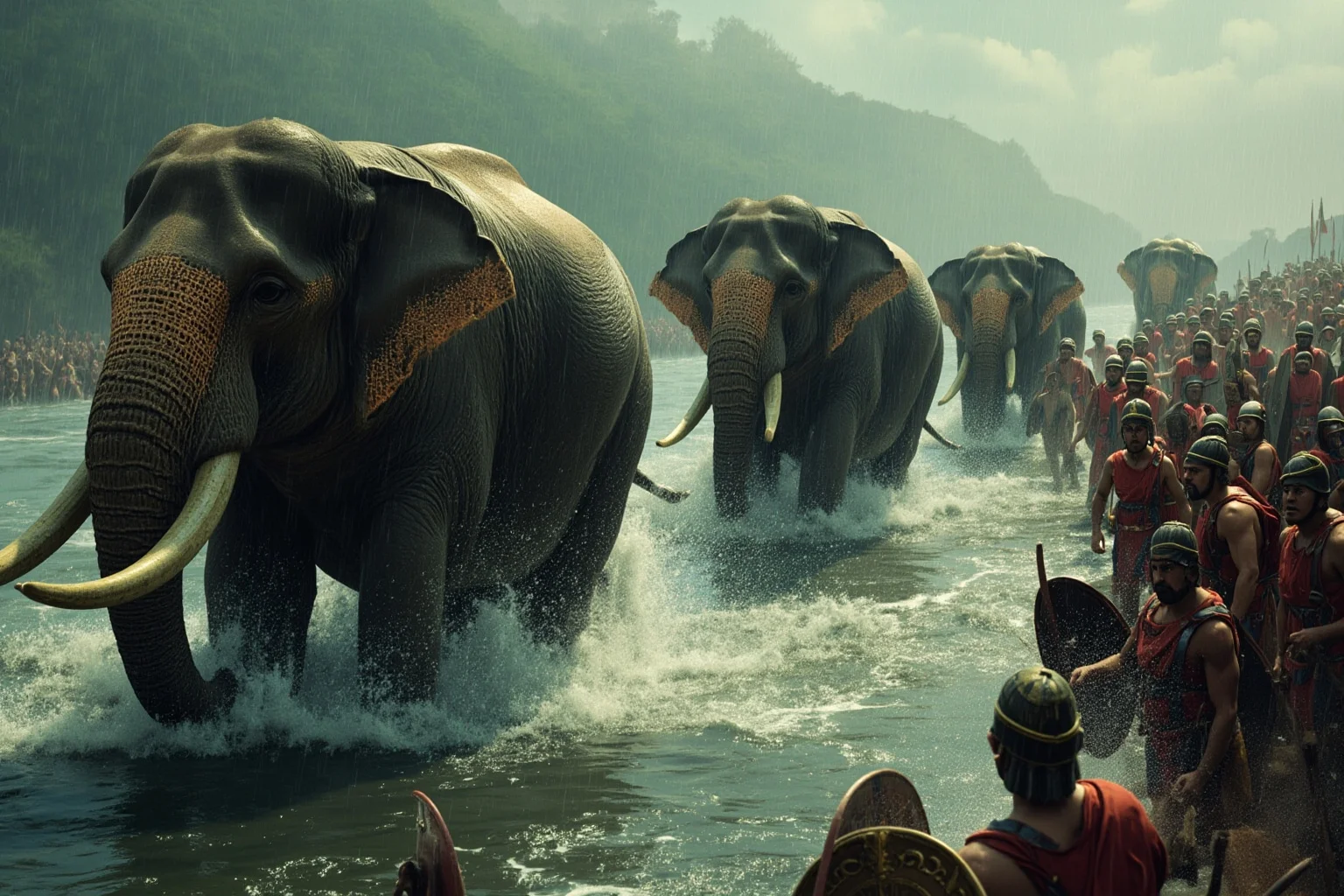
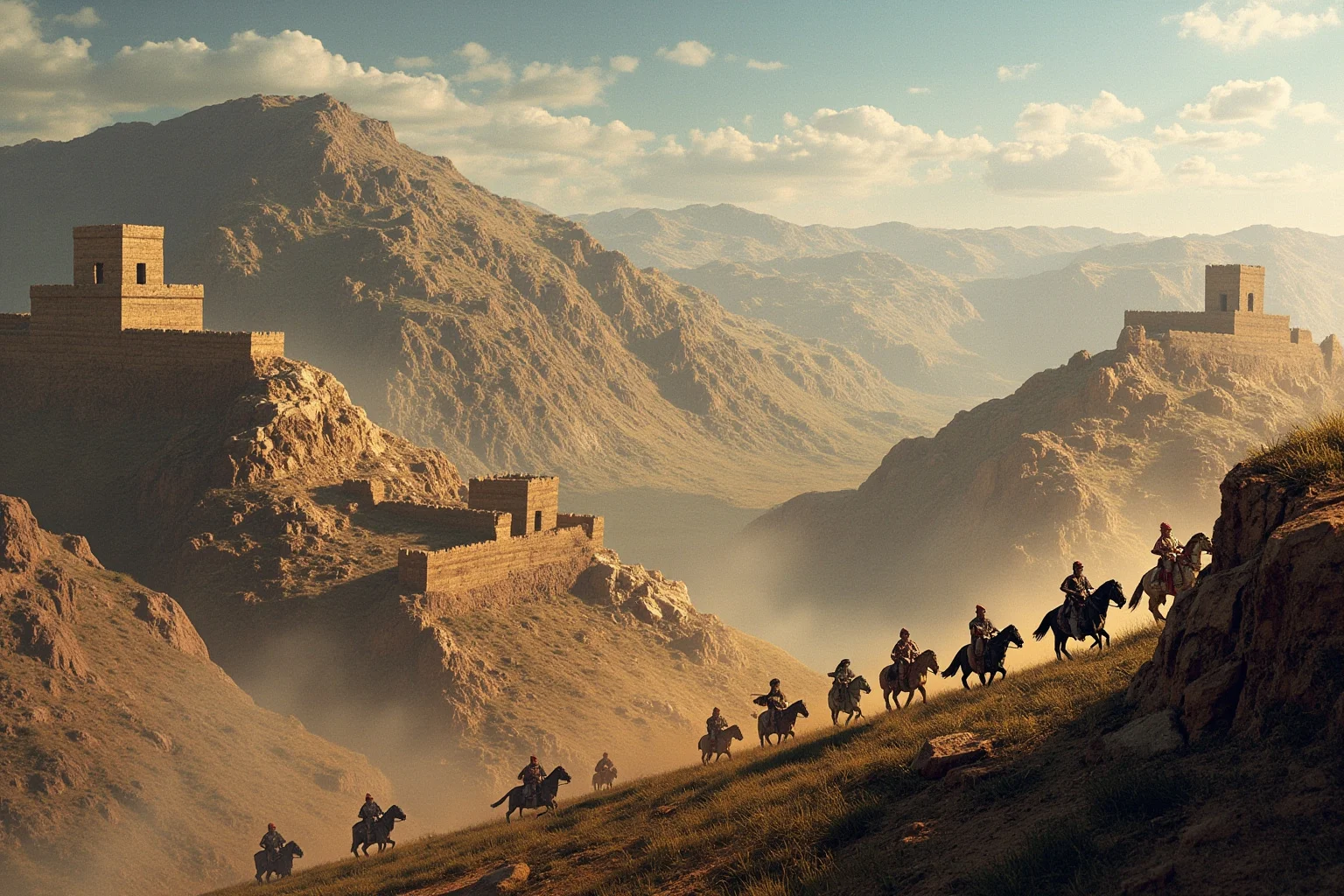
From 329 to 327 BCE, Alexander fought a grinding guerrilla war in the mountainous regions of Bactria and Sogdia, in modern Afghanistan and Uzbekistan. The fighting was unlike anything he had faced before, full of ambushes, sieges of mountain fortresses, and shifting local alliances.
During this campaign, Alexander married Roxana, the daughter of a Bactrian nobleman. The marriage had political benefits, helping to pacify a restive region, but it also marked a turning point in Alexander's style of rule. He began adopting more Persian customs, which alienated some of his Macedonian veterans.
17. The Battle of the Hydaspes at Age 30
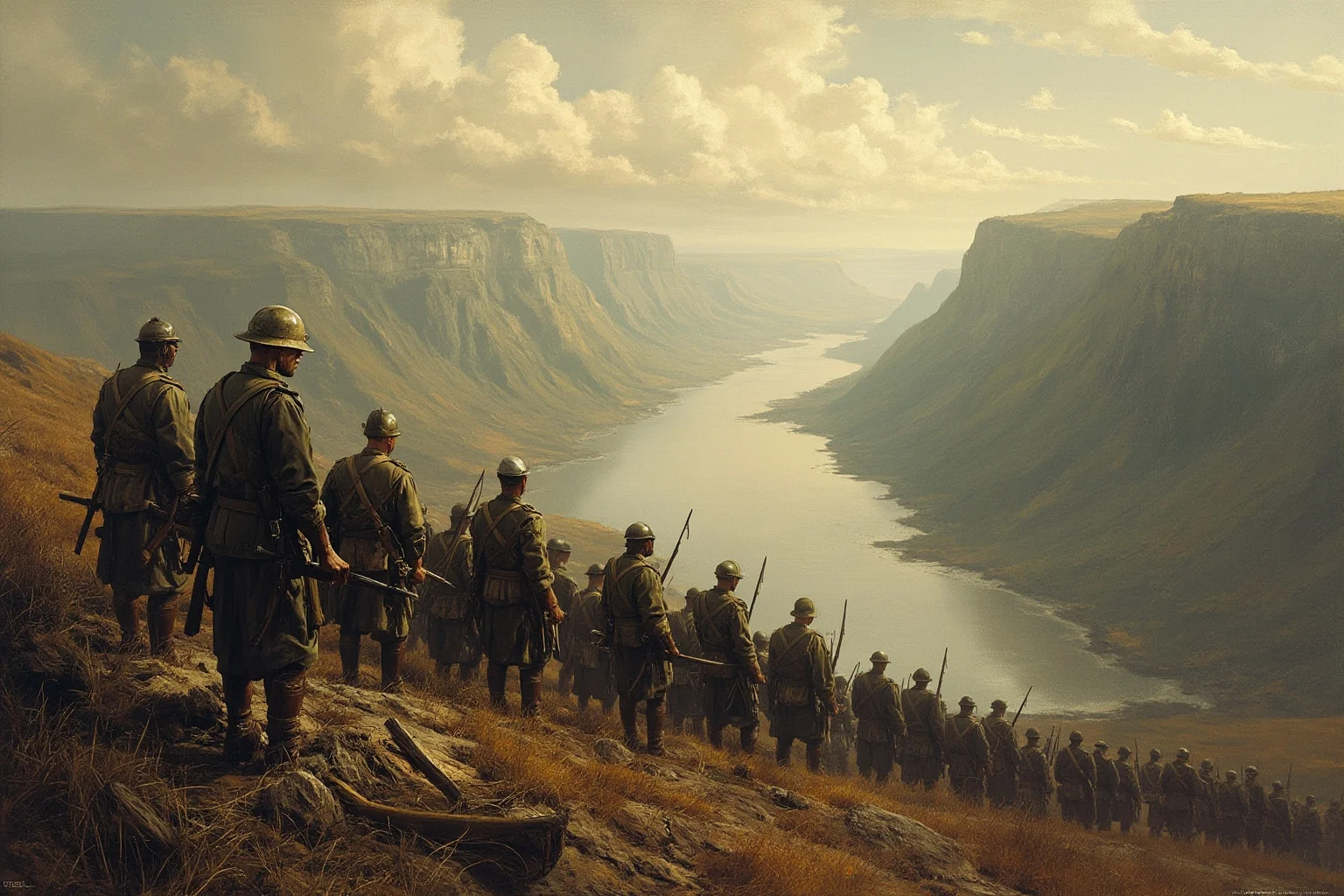
In 326 BCE, Alexander invaded the Punjab and faced King Porus at the Battle of the Hydaspes River. He was 30 years old. The battle was fought in monsoon conditions against an army that included war elephants, and it was one of the hardest-fought victories of Alexander's career.
Alexander was reportedly impressed by Porus's bravery and allowed him to continue ruling as a client king. The battle demonstrated Alexander's willingness to incorporate conquered rulers into his administration. But it also marked the effective end of his eastward expansion.
18. The Mutiny at the Hyphasis and the Long March Home

After the Hydaspes, Alexander wanted to push further east into the Ganges valley. But his army had reached its breaking point. After eight years of continuous campaigning, thousands of miles from home, the soldiers refused to march any further.
Alexander was furious, but he had no choice. He turned the army south along the Indus River, fighting several brutal campaigns against the Malli and other tribes. During one siege, he was shot in the chest with an arrow and nearly died. He was 30 years old, and the wound would affect his health for the rest of his life.
19. The Grueling March Through the Gedrosian Desert
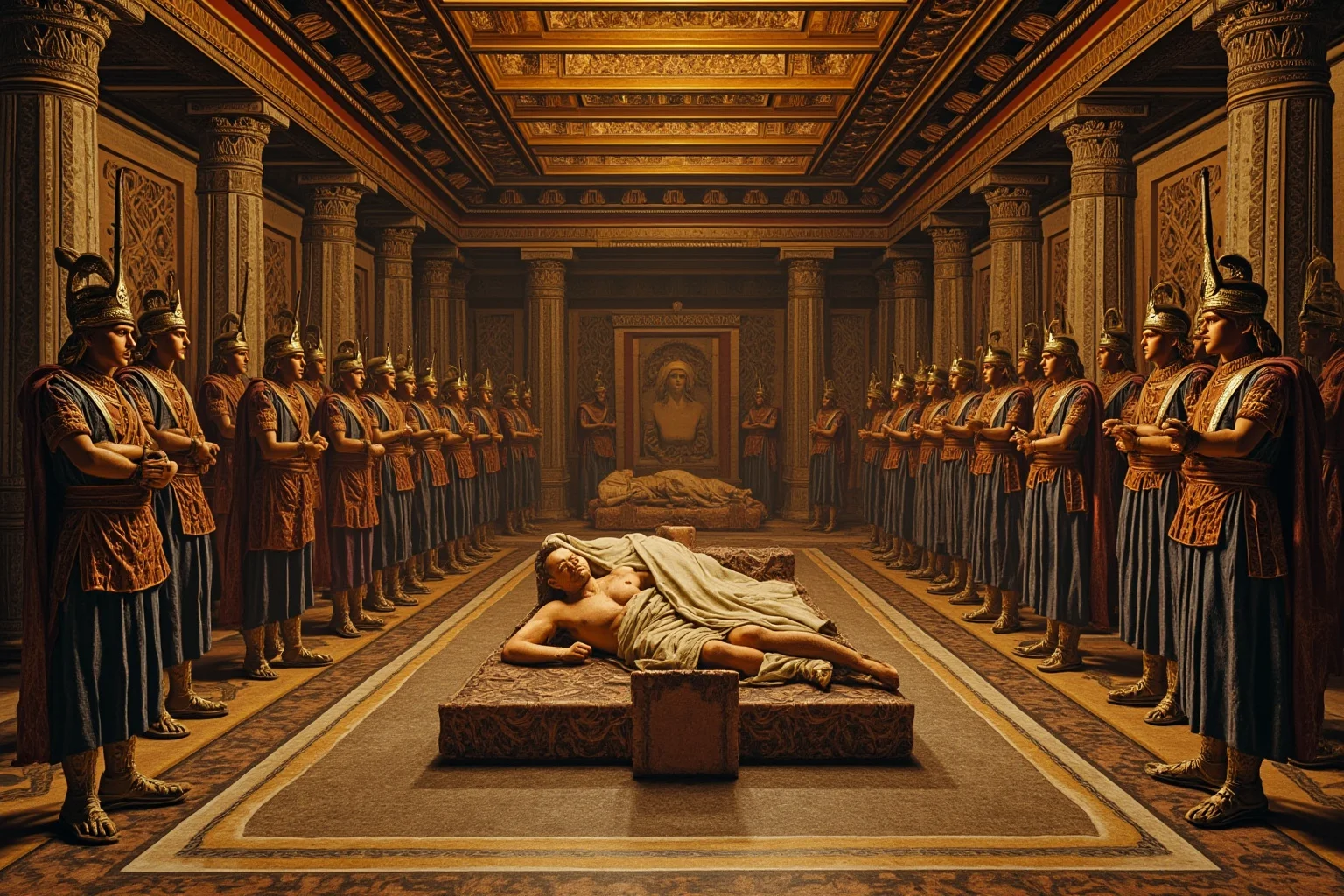
The return journey through the Gedrosian Desert in 325 BCE was one of the greatest disasters of Alexander's career. He chose to march a large portion of his army through one of the harshest deserts in the world, possibly to punish his men for the mutiny or to outdo earlier conquerors who had failed in the attempt.
Thousands of soldiers, camp followers, and animals died of heat, thirst, and exhaustion. Ancient historians describe a nightmare landscape of shifting sand and dying men. The march remains one of the most debated decisions of Alexander's life, and it severely damaged his reputation with his own troops.
20. Death in Babylon at Age 32
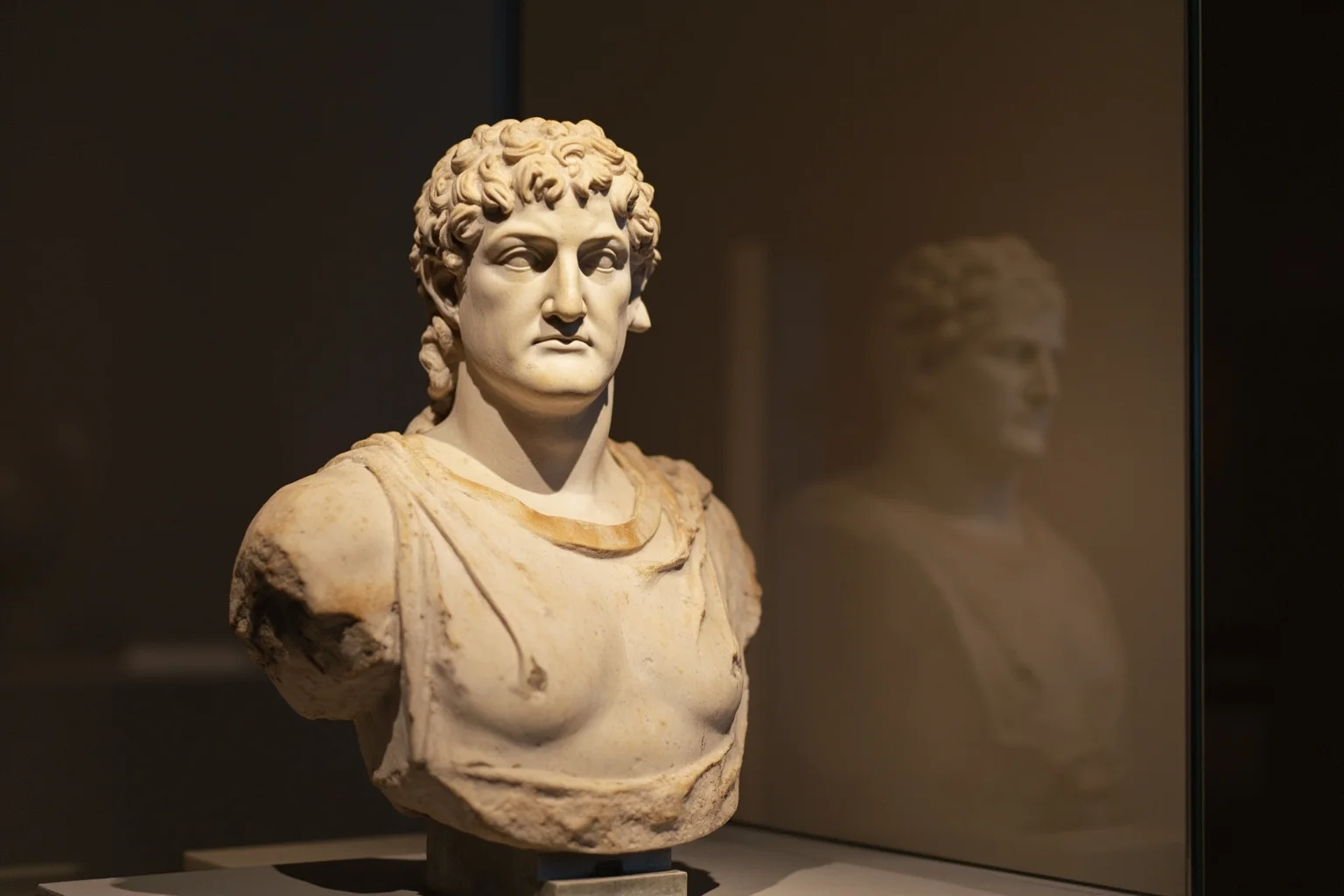
Alexander returned to Babylon in 323 BCE, where he planned new campaigns, possibly targeting Arabia. But in June of that year, he fell ill after a series of banquets and never recovered. He died in the palace of Nebuchadnezzar II on June 10 or 11, 323 BCE.
He was 32 years old. The cause of death remains unknown; ancient sources blamed poison, but modern historians have suggested typhoid fever, malaria, or complications from his earlier wounds. What is certain is that he died without naming a clear successor, which plunged his empire into decades of civil war.
How Old Would Alexander the Great Be Today?
Some readers wonder how old would Alexander the Great be today if he had somehow lived through the centuries. If Alexander had been born on July 20, 356 BCE, he would be 2,380 years old in 2025. The calculation is straightforward: 356 plus 2025 equals 2,381, minus one because there is no year zero.
Of course, the question is a playful one, since no human being lives that long. But it highlights something important: Alexander lived closer to the building of the pyramids than to our own time. His world was ancient even by the standards of the Roman Empire that would later idolize him.
Why Alexander's Age Still Matters
Alexander's youth is not just a trivia fact; it is central to understanding his story. His entire empire-building career happened before most people today have even settled into their careers. That speed created both his strengths and his weaknesses.
His energy, boldness, and willingness to take risks were the qualities of a young man who believed he had nothing to lose. But that same youth also led to impatience, reckless decisions, and a growing sense of invincibility. The Gedrosian march, the heavy drinking, and the refusal to plan for succession all look like the mistakes of someone who had never learned that he could lose.
The Lasting Legacy of a Short Life
Alexander died at 32, but his impact stretched across centuries. His conquests spread Greek culture across three continents, creating the Hellenistic world that would shape Rome, Christianity, and eventually Western civilization. Cities named Alexandria still exist today, from Egypt to Afghanistan.
His story also became a template for future conquerors, from Julius Caesar to Napoleon. Caesar reportedly wept when he compared his own accomplishments at age 33 to Alexander's. That story may be apocryphal, but it captures the impossible standard Alexander set.
What We Can Learn From Alexander's Timeline
Alexander's life is a reminder that extraordinary achievements do not require a long life, but they do require extraordinary circumstances, preparation, and luck. He was born into a kingdom that his father had already strengthened, educated by the greatest mind of his age, and given command experience as a teenager.
He also benefited from timing. The Persian Empire he faced was in decline, and the army he inherited was the most advanced fighting force of its era. None of this diminishes his genuine brilliance as a general, but it does mean his story cannot be reduced to a simple tale of youthful genius. Like other young rulers such as the boy king Tutankhamun, Alexander's youth was both an advantage and a source of instability.
Conclusion: The Numbers Behind the Legend
How old was Alexander the Great? He was 16 when he first ruled as regent, 18 when he charged at Chaeronea, 20 when he became king of Macedonia, 25 when he conquered Persia, and 32 when he died in Babylon. Those numbers are the skeleton of one of history's most remarkable lives.
Understanding that timeline makes the legend more impressive, not less. Alexander did not build his empire slowly over a long career. He did it in a single decade, as a young man racing against a clock he could not see.
Frequently Asked Questions
How old was Alexander the Great when he became king of Macedonia?
Alexander the Great was 20 years old when he became king of Macedonia in 336 BCE, following the assassination of his father, King Philip II.
How old was Alexander the Great when he died?
Alexander the Great died in Babylon in June 323 BCE at the age of 32, just a month short of his 33rd birthday.
At what age did Alexander the Great conquer the world?
Alexander conquered the Persian Empire — the largest empire known at the time — by the age of 25. He never conquered the entire known world, but his empire stretched from Greece to India.
How old was Alexander the Great when he fought his first battle?
Alexander fought his first major battle at Chaeronea in 338 BCE, when he was 18 years old. He commanded the Companion Cavalry and helped secure a decisive victory for his father, Philip II.
How old would Alexander the Great be today?
Alexander the Great was born in July 356 BCE, so he would be approximately 2,380 years old in 2025. Of course, this is a playful calculation since no one lives that long.
What was Alexander the Great’s childhood like?
Alexander's childhood was shaped by his father Philip II's military campaigns and a turbulent royal court. He was educated by Aristotle from age 13 and received his first military command as regent of Macedon at just 16 years old.

Alex Warren
Related Articles