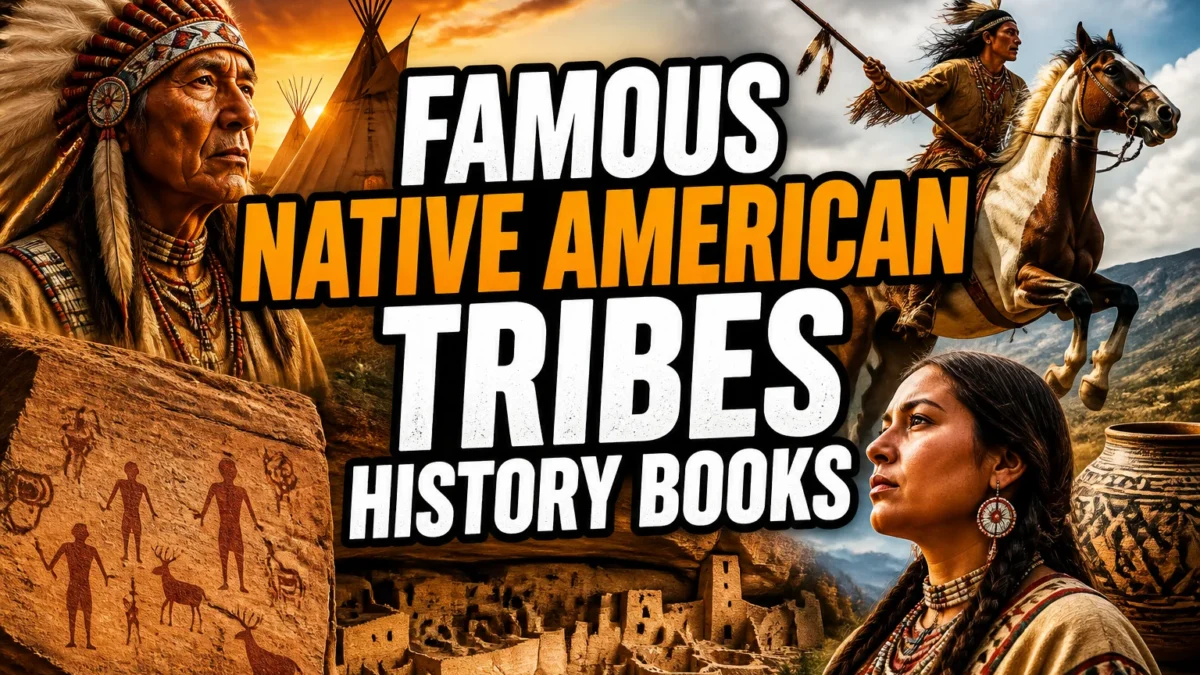
Most people can name only a few famous Native American tribes, and those names usually come from old movies, casual sports references, or school lessons that compress centuries into a paragraph. The full picture is much larger: hundreds of distinct nations built sophisticated governments, trade networks, and food systems long before European contact. This guide highlights twenty-one historic tribes whose histories deserve a regular place in classrooms and serious history books.
These popular Native American tribes are not the only important nations, and the tribes of Native America were never a single culture. Every entry below offers a starting point for understanding a specific people, their homeland, and their role in regional history. Where names or dates are contested, the text keeps the conversation grounded instead of repeating old myths.
TL;DR: These 21 famous native tribes shaped North American history through governance, trade, agriculture, and resistance, but they still represent only a small sample of Native America.
Why This List Avoids a Simple Ranking
Lists of the 10 most famous Native American tribes tend to repeat the same names: Cherokee, Navajo, Sioux, Apache, Iroquois, Choctaw, Creek, Seminole, Cheyenne, and Comanche. That repetition is not wrong, but it flattens a diverse continent into a tiny sample. A better approach is to view famous tribes as entry points, not as the only nations that matter.
No single article can cover all tribes of Native American history. The United States alone recognizes 574 tribes, and many more exist in Canada, Mexico, and Central America. The twenty-one historic tribes included here were selected because their political, military, cultural, or diplomatic roles shaped entire regions.
Older textbooks sometimes call these groups famous Indian tribes, a label rooted in a colonial misnomer. Most Native nations prefer their own names or broad terms such as Indigenous, Native American, or American Indian, depending on context. This post uses common names for clarity and adds self-designations where they are widely documented.
1. Cherokee
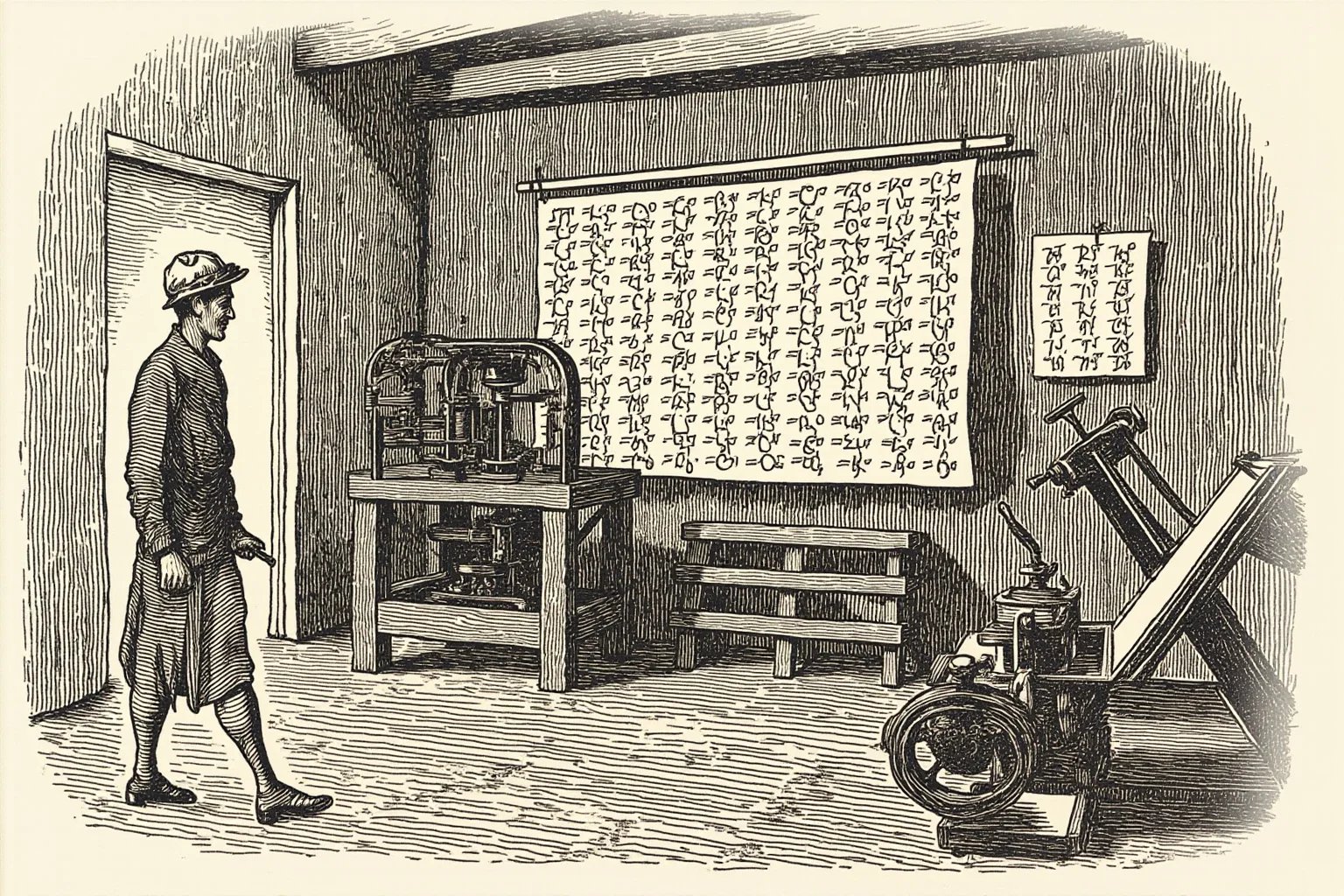
The Cherokee are an Iroquoian-speaking nation whose historic homeland centered in the southern Appalachian Mountains. They developed one of the most structured constitutional governments among Native nations in the early 1800s and adopted a written syllabary created by Sequoyah in 1821. That writing system helped make Cherokee one of the most literate Indigenous societies of the era.
Despite legal victories and treaty agreements, the Cherokee were forced from their homeland during the Trail of Tears in 1838 and 1839. Today, three federally recognized Cherokee governments exist: the Cherokee Nation, the United Keetoowah Band, and the Eastern Band of Cherokee Indians. Their persistence makes them among the most known Native American tribes in the United States.
2. Navajo
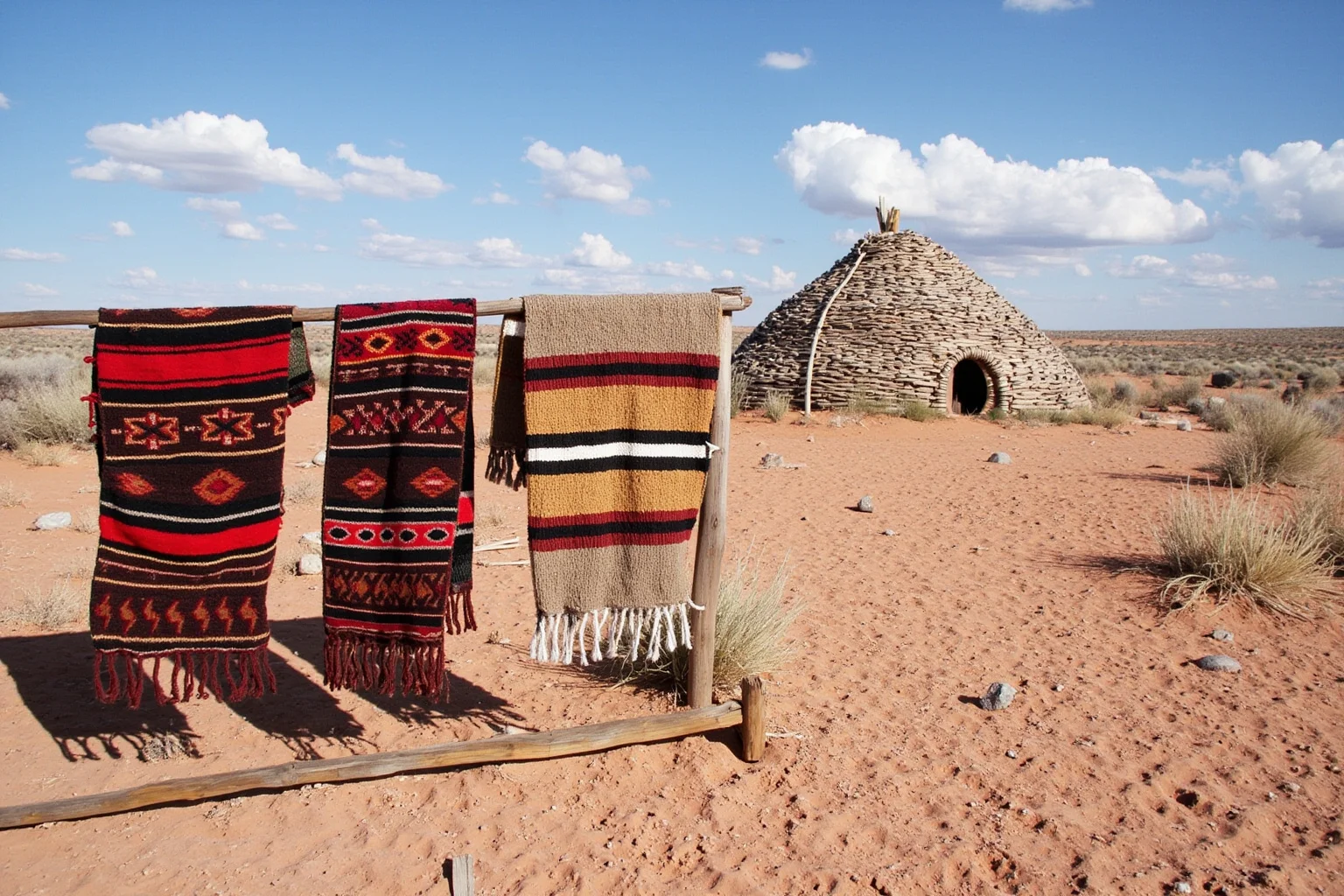
The Navajo, who call themselves Diné, have a homeland in the Four Corners region of the Southwest. They are the largest federally recognized tribe in the United States by enrollment, with the Navajo Nation spanning parts of Arizona, New Mexico, and Utah. Their history includes long traditions of weaving, silversmithing, and sheep herding.
During the Civil War era, the U.S. Army forced thousands of Navajo people on the Long Walk to Bosque Redondo, an internment camp in eastern New Mexico. The Treaty of 1868 allowed them to return to a reduced portion of their homeland. Navajo code talkers later played a critical role in World War II by transmitting messages in their language.
3. Lakota
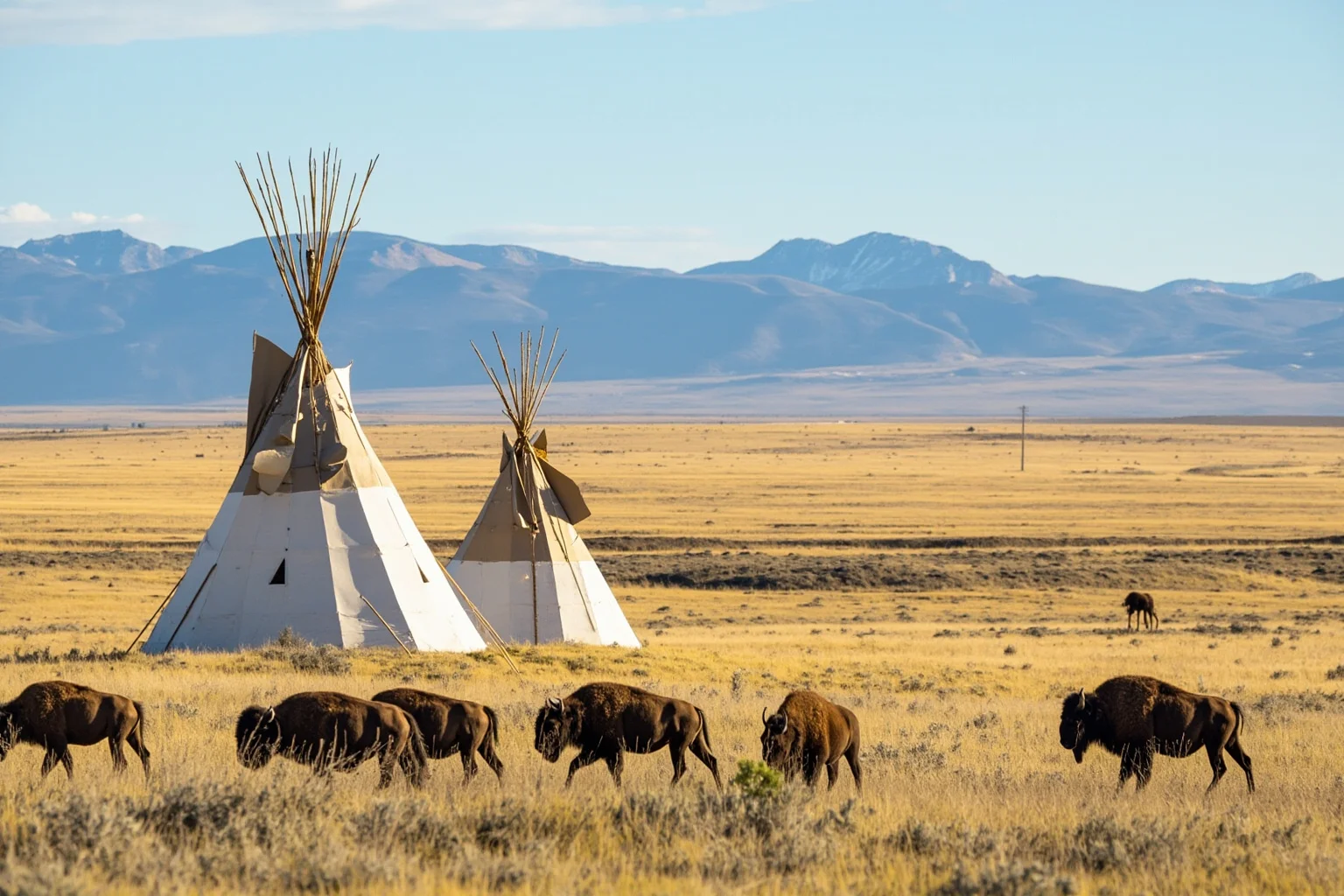
The Lakota are the westernmost division of a larger alliance often called the Sioux or Oceti Sakowin, the Seven Council Fires. Their historic Plains homeland included the Black Hills of South Dakota and surrounding buffalo ranges. Lakota governance, winter counts, and warrior societies remain central to their cultural identity.
Lakota leaders such as Sitting Bull and Crazy Horse are widely remembered for the defeat of George Armstrong Custer at the Battle of the Little Bighorn in 1876. The U.S. response and the later Wounded Knee Massacre of 1890 brought devastating consequences. The Lakota still maintain treaty claims to the Black Hills under the Fort Laramie Treaty of 1868.
4. Apache
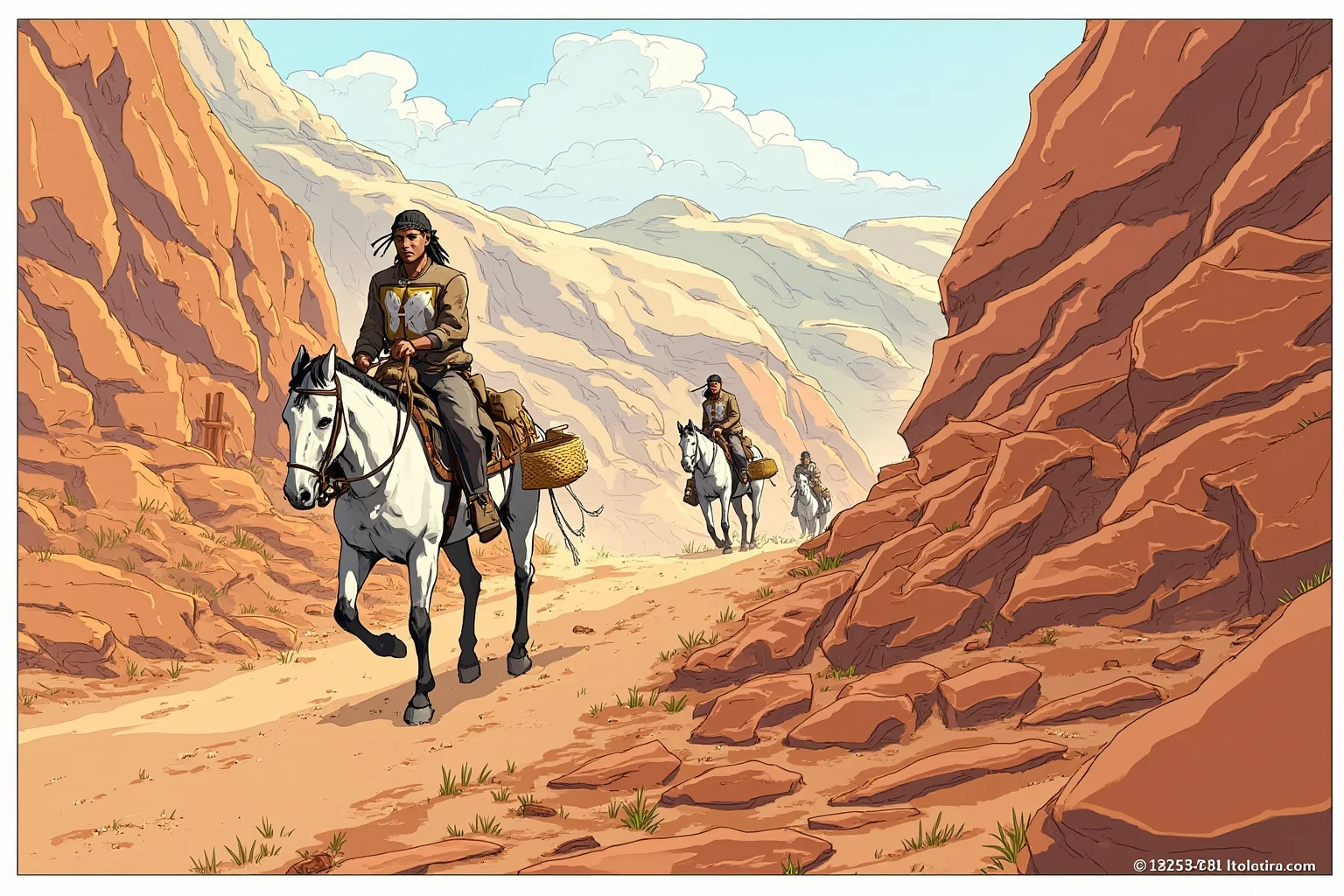
Apache is an umbrella term for several Athabaskan-speaking groups of the Southwest and Southern Plains, including the Chiricahua, Mescalero, Jicarilla, and Western Apache. They were skilled at desert survival, raiding, and mobile warfare, which made them formidable opponents of Spanish, Mexican, and American forces. Their territory stretched across present-day Arizona, New Mexico, Texas, and northern Mexico.
Leaders such as Cochise and Geronimo became famous for resisting U.S. reservation confinement in the late 1800s. That resistance came at a heavy cost, including forced removal and imprisonment far from home. Today, several Apache nations continue to live in Arizona and New Mexico.
5. Haudenosaunee (Iroquois Confederacy)
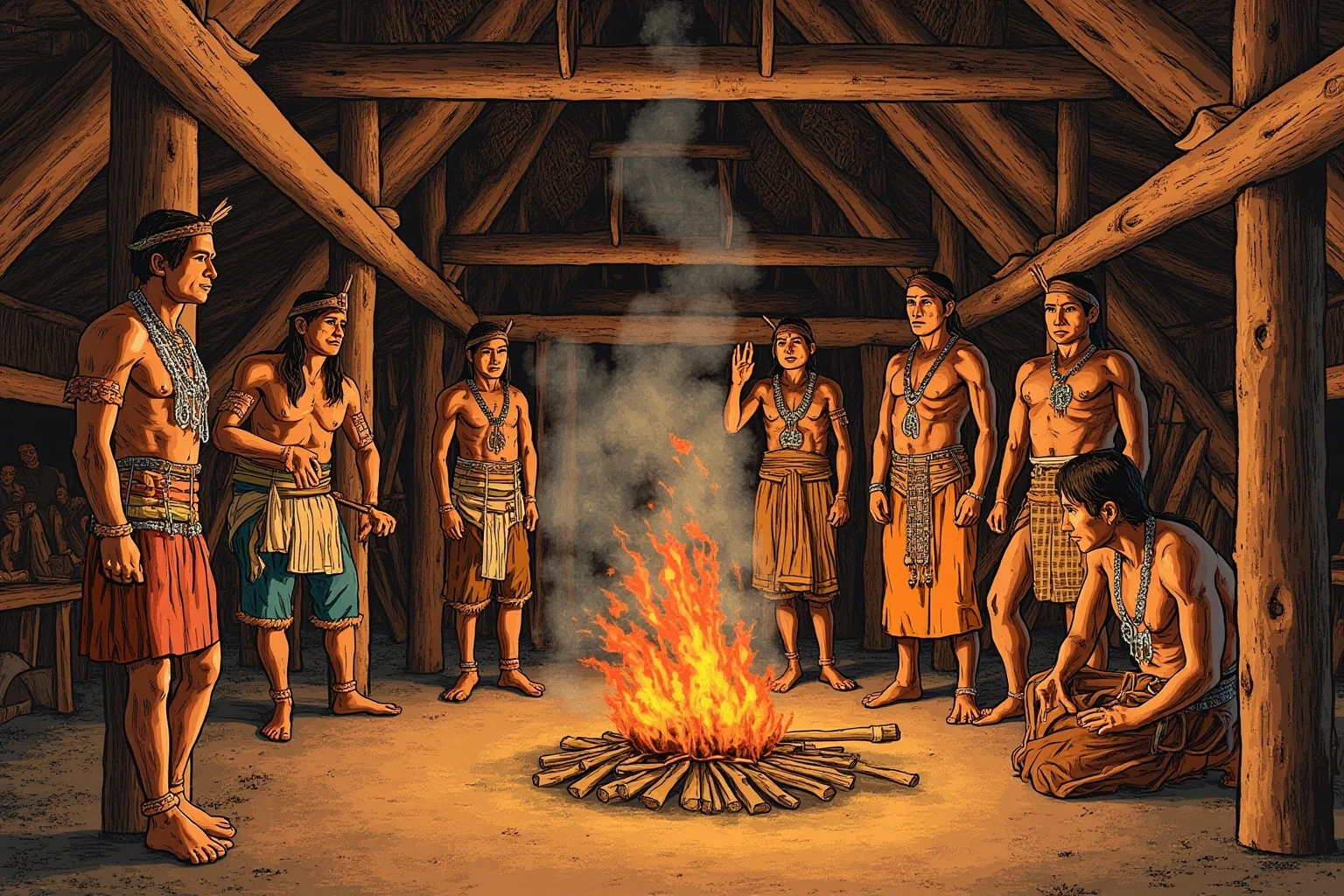
The Haudenosaunee, often called the Iroquois Confederacy, is one of the most studied political alliances in Native history. It traditionally united the Mohawk, Oneida, Onondaga, Cayuga, and Seneca nations, with the Tuscarora joining later in the 1700s. The confederacy's Great Law of Peace is sometimes discussed as an influence on early American federalism, though that claim is debated.
Women held significant political authority, particularly through clan mothers who selected leaders. The confederacy played a central role in colonial diplomacy and the fur trade between British, French, and Dutch powers. Today, Haudenosaunee governments remain active in New York, Ontario, Quebec, and Wisconsin.
6. Choctaw
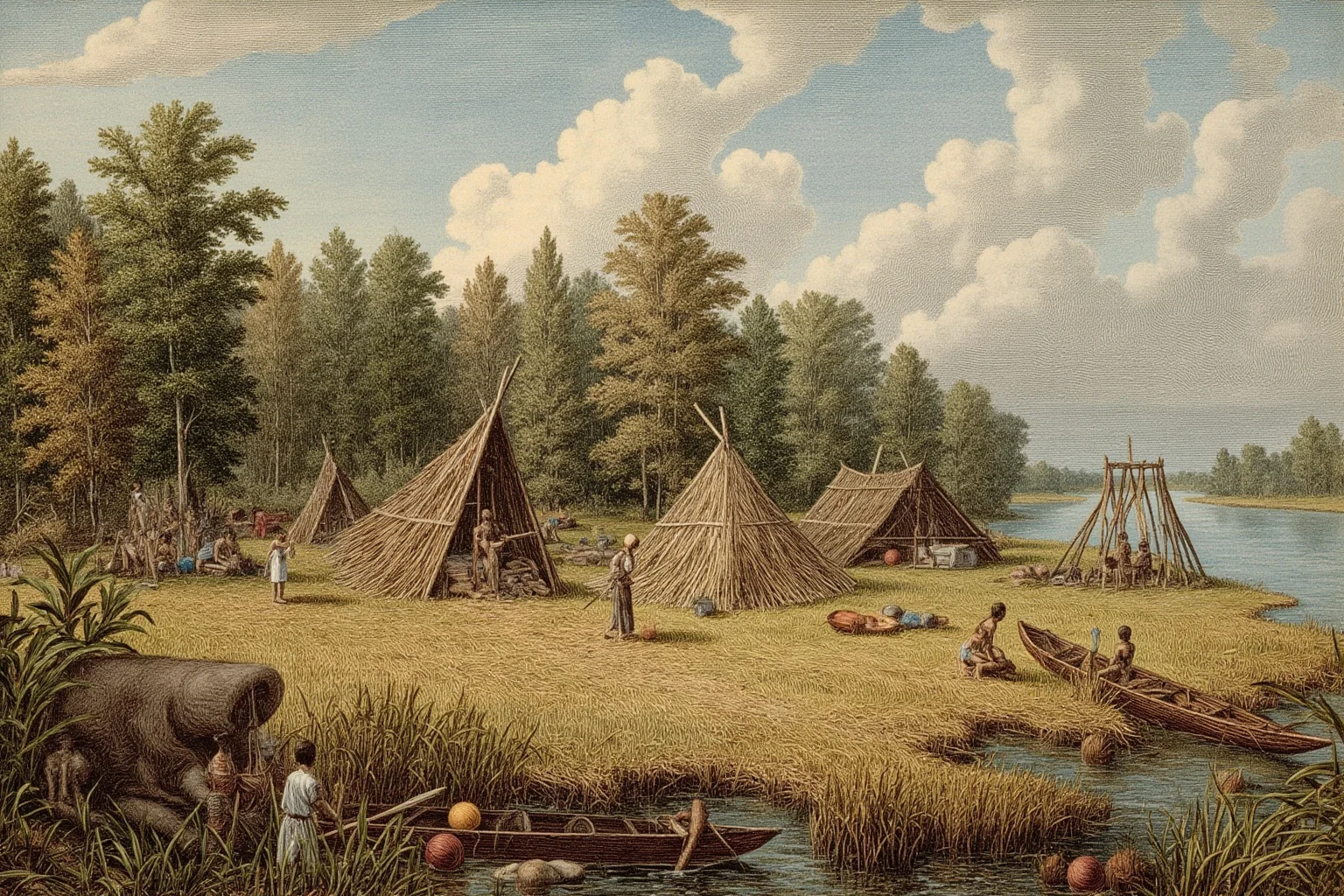
The Choctaw are a Muskogean-speaking nation from what is now Mississippi, Alabama, and Louisiana. They built large farming towns, maintained extensive trade networks, and played a central role in early U.S. treaty diplomacy. Their traditional stickball game and clan system remain culturally important.
Under the Indian Removal Act of 1830, most Choctaw were forced west to Indian Territory in a journey often called the Choctaw Trail of Tears. Some families remained in Mississippi and became the Mississippi Band of Choctaw Indians. During World War I, Choctaw soldiers used their language as an early code, a precursor to the better-known code talkers.
7. Chickasaw
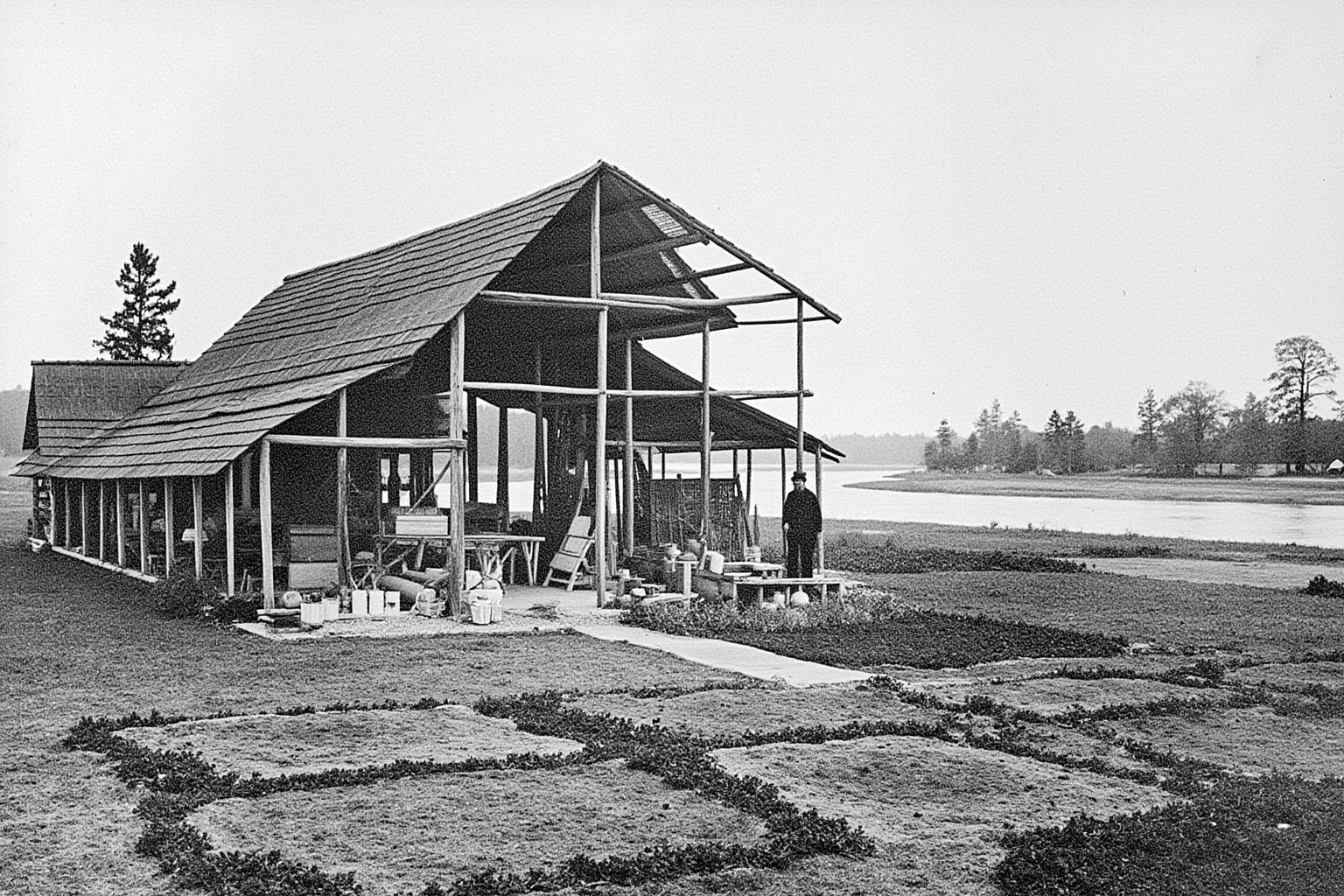
The Chickasaw are a Muskogean-speaking people whose homeland centered in northern Mississippi, western Tennessee, and parts of Kentucky and Alabama. They adopted a centralized political system and were known as tough defenders of their territory during the colonial era. Their diplomacy balanced French, Spanish, and British interests along the Mississippi River.
Like other Southeastern nations, the Chickasaw were forced to move west during the removal era. In Indian Territory, they rebuilt their government and economy, eventually becoming part of present-day Oklahoma. The Chickasaw Nation remains a major political and cultural force.
8. Muscogee (Creek)
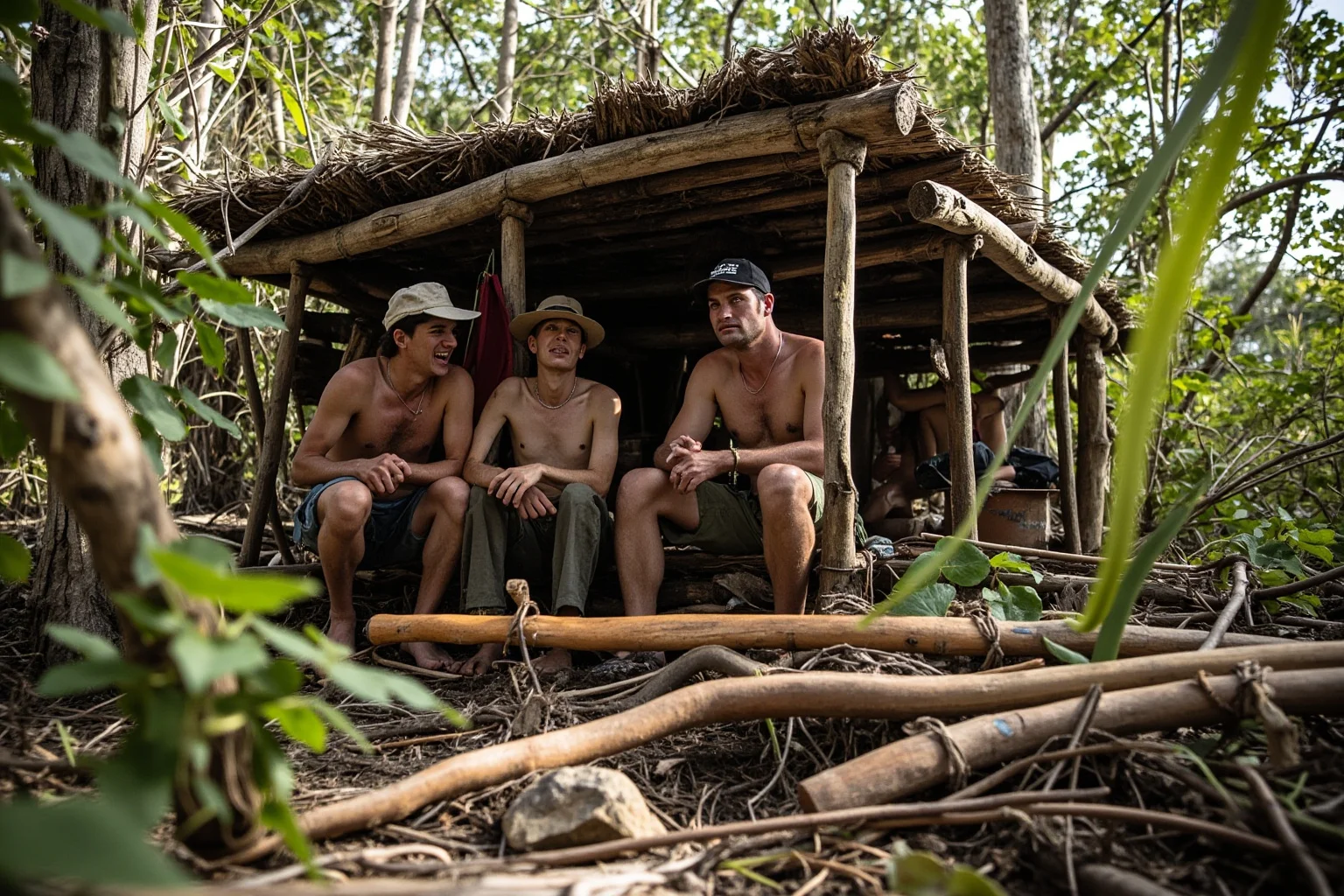
The Muscogee, often called the Creek, are a confederacy of towns in present-day Georgia and Alabama. Their town-based political system included a council house and a ceremonial square, with separate roles for different clans and civic leaders. The name 'Creek' came from English settlers describing their river towns.
During the early 1800s, internal tensions and U.S. pressure led to the Creek War and eventual forced removal to Indian Territory. Many Muscogee rebuilt their national council in Oklahoma. Today, the Muscogee (Creek) Nation is one of the largest federally recognized tribes in the United States.
9. Seminole
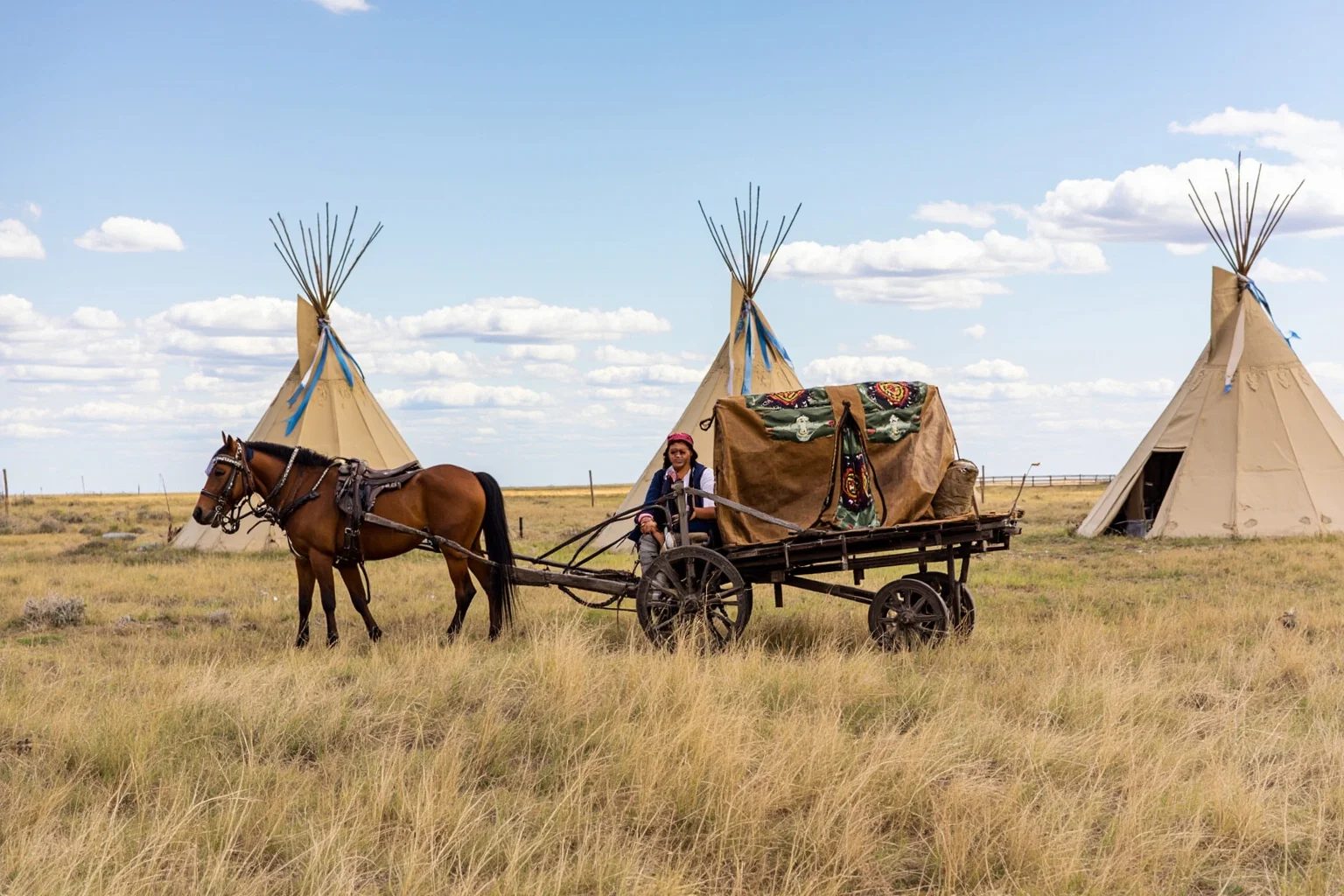
The Seminole formed in Florida from Creek and other Southeastern peoples, along with communities of African descent who sought freedom from slavery. They built towns in the Everglades and developed a distinct identity through resistance and cultural blending. The name comes from a Spanish term, though its precise origin is debated.
The U.S. fought three Seminole Wars in the 1800s, and many Seminole people were eventually removed to Oklahoma. Some never surrendered and remained in Florida, where their descendants formed the Seminole Tribe of Florida and the Miccosukee Tribe of Indians of Florida. That history of resistance is central to Seminole identity.
10. Cheyenne
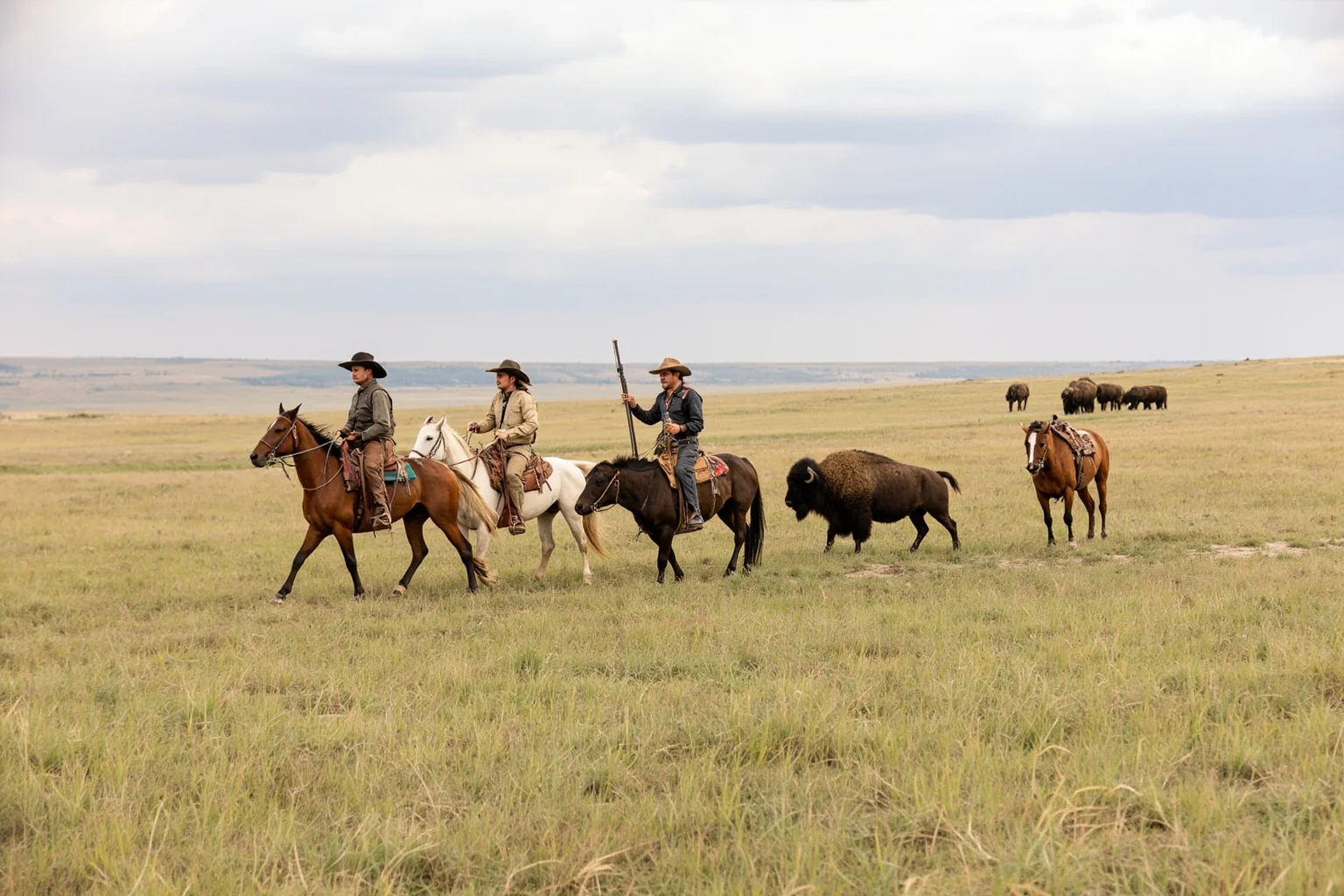
The Cheyenne are an Algonquian-speaking nation that migrated from the Great Lakes region onto the Plains. They became part of a powerful horse culture, with organized warrior societies and annual ceremonies such as the Sun Dance. The Northern and Southern Cheyenne later developed distinct reservation histories.
U.S. forces attacked a peaceful Cheyenne and Arapaho camp at Sand Creek in 1864, an event now widely recognized as a massacre. Cheyenne warriors also fought at the Battle of the Little Bighorn in 1876. Today, the Northern Cheyenne reside in Montana and the Southern Cheyenne in Oklahoma.
11. Comanche
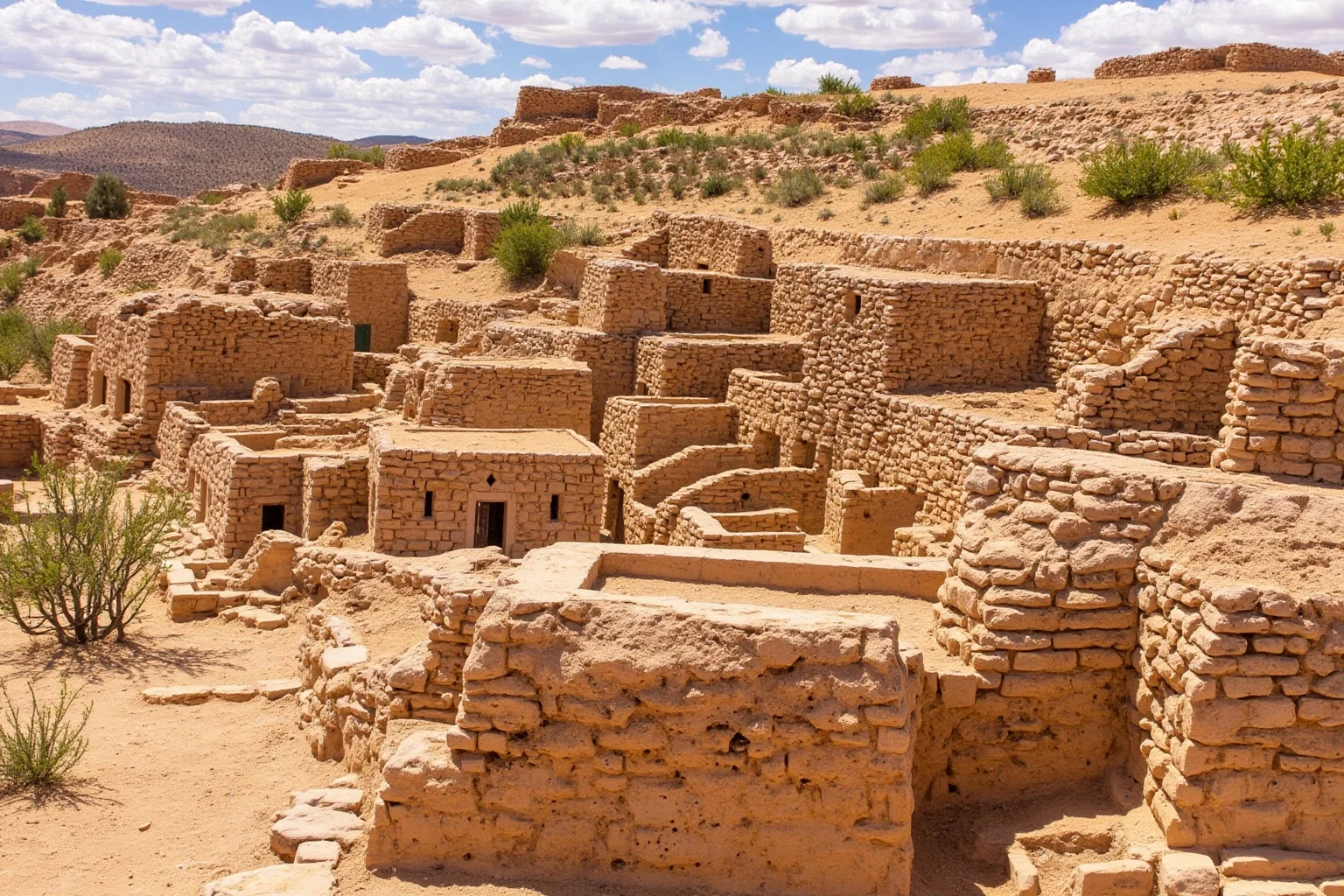
The Comanche separated from other Numic-speaking peoples and moved onto the Southern Plains, where horses transformed their economy. They built a vast trading and raiding network across present-day Texas, New Mexico, Oklahoma, and Kansas, a region sometimes called Comanchería. At their height, they were among the most powerful mounted societies in North America.
Comanche power declined after the U.S. military campaign known as the Red River War and the Medicine Lodge Treaty of 1867. Quanah Parker became a prominent leader during the transition to reservation life. The Comanche Nation remains headquartered in Lawton, Oklahoma.
12. Hopi
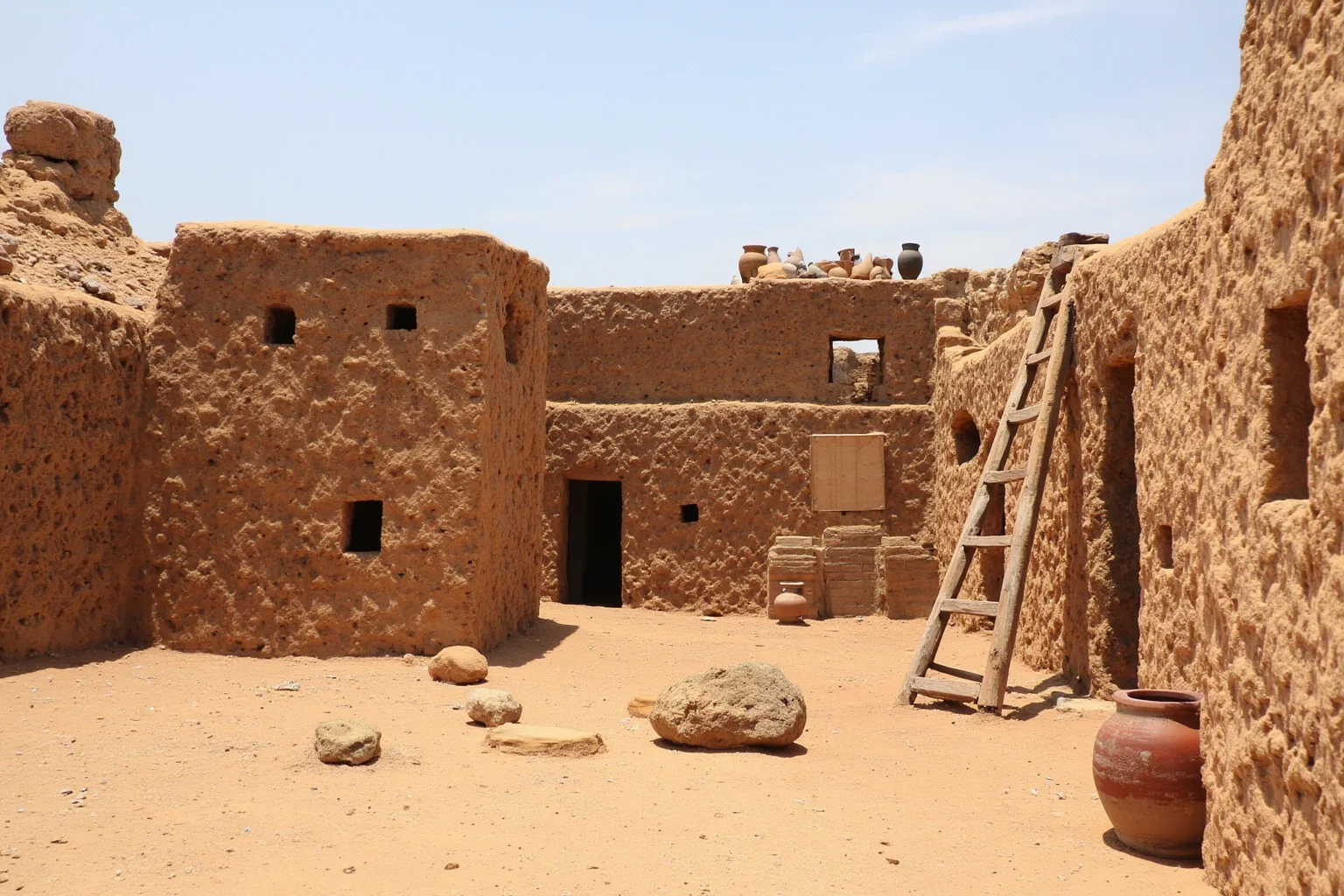
The Hopi are a Puebloan people whose villages sit on high mesas in northeastern Arizona. They are known for dry farming corn, beans, and squash in an arid environment, as well as for elaborate katsina traditions and a matrilineal clan system. Oraibi is often described as one of the oldest continuously inhabited communities in North America, though exact dates are debated by scholars.
Hopi society is organized around village autonomy, clan obligations, and a ceremonial calendar tied to agriculture. They resisted Spanish missionization and later U.S. assimilation policies while maintaining a strong cultural core. The Hopi Tribe remains sovereign within its reservation in Arizona.
13. Pueblo Peoples
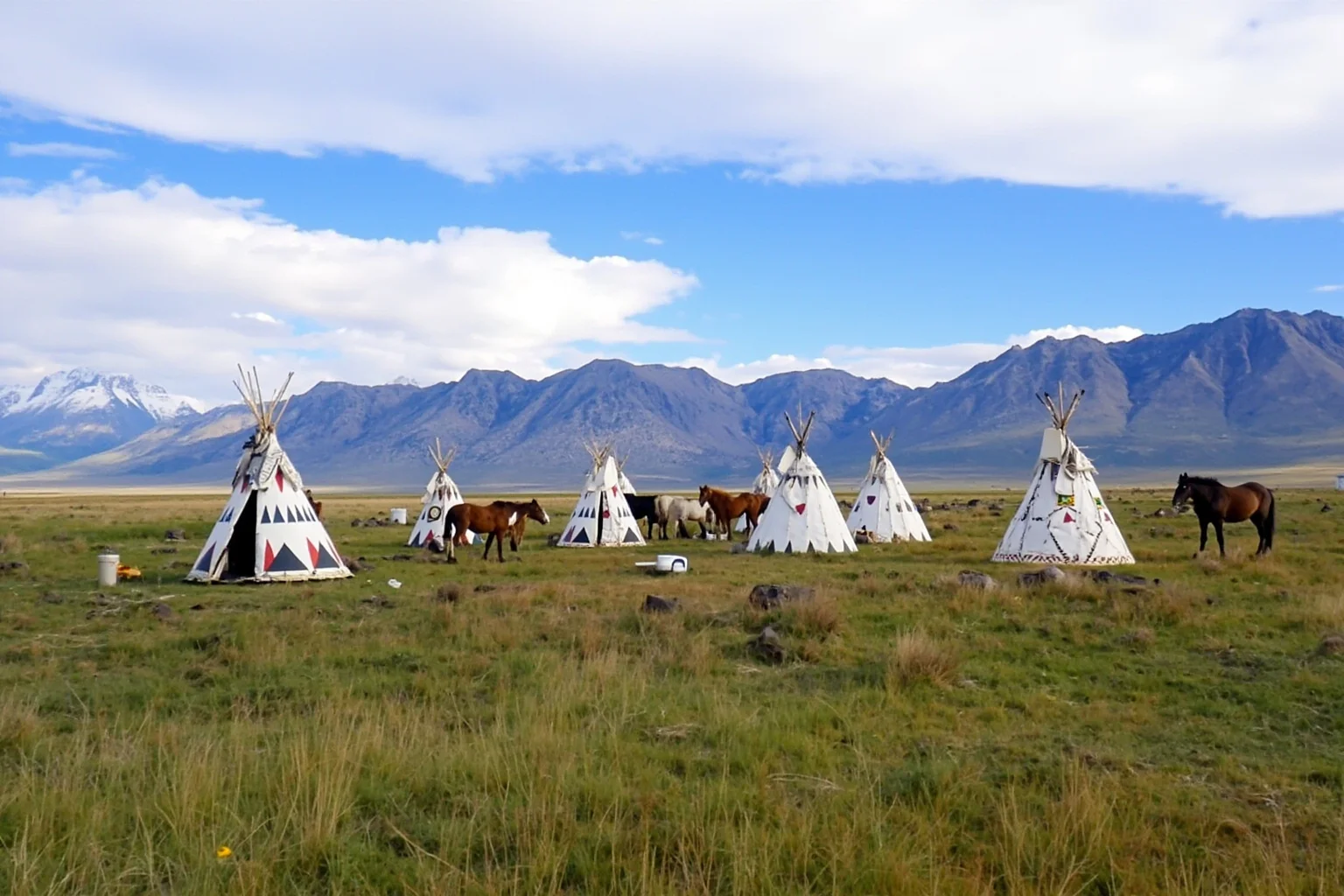
Pueblo peoples include multiple distinct language groups and communities in the Rio Grande Valley and western New Mexico, such as the Zuni, Keres, and Tanoan speakers. They are heirs to a long Southwest agricultural tradition, with multistory adobe and stone villages that impressed early Spanish colonizers. The term 'Pueblo' comes from Spanish for town.
In 1680, Pueblo leaders coordinated one of the most successful Indigenous uprisings against Spanish rule in North America, known as the Pueblo Revolt. Po'pay of Ohkay Owingeh helped organize the rebellion, which expelled Spanish settlers for more than a decade. Today, numerous Pueblo communities maintain distinct governments, languages, and ceremonial traditions.
14. Blackfeet
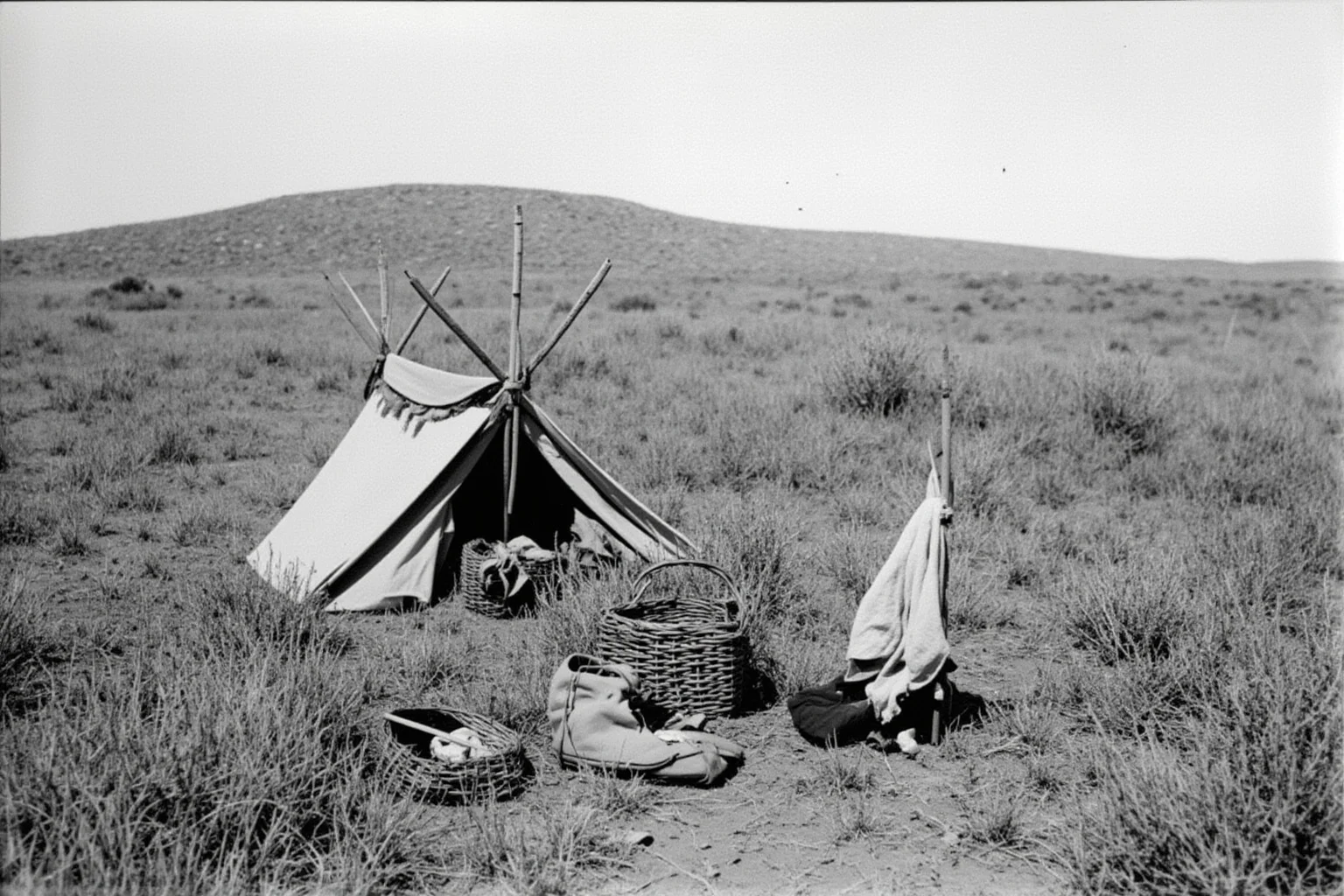
The Blackfeet, or Niitsitapi, are an alliance of Siksika, Kainai, and Piikani peoples whose homeland runs along the Rocky Mountain front from present-day Montana into Canada. They built a buffalo-hunting economy and traded widely across the northern Plains. Their painted tipis and horse culture are emblematic of the region.
The U.S. and Canadian governments divided Blackfeet territory with colonial borders and treaties in the 1800s. Starvation and disease brought severe losses, but the Blackfeet Nation in Montana and the Siksika, Kainai, and Piikani nations in Canada survived. They continue to exercise treaty rights on both sides of the border.
15. Shoshone
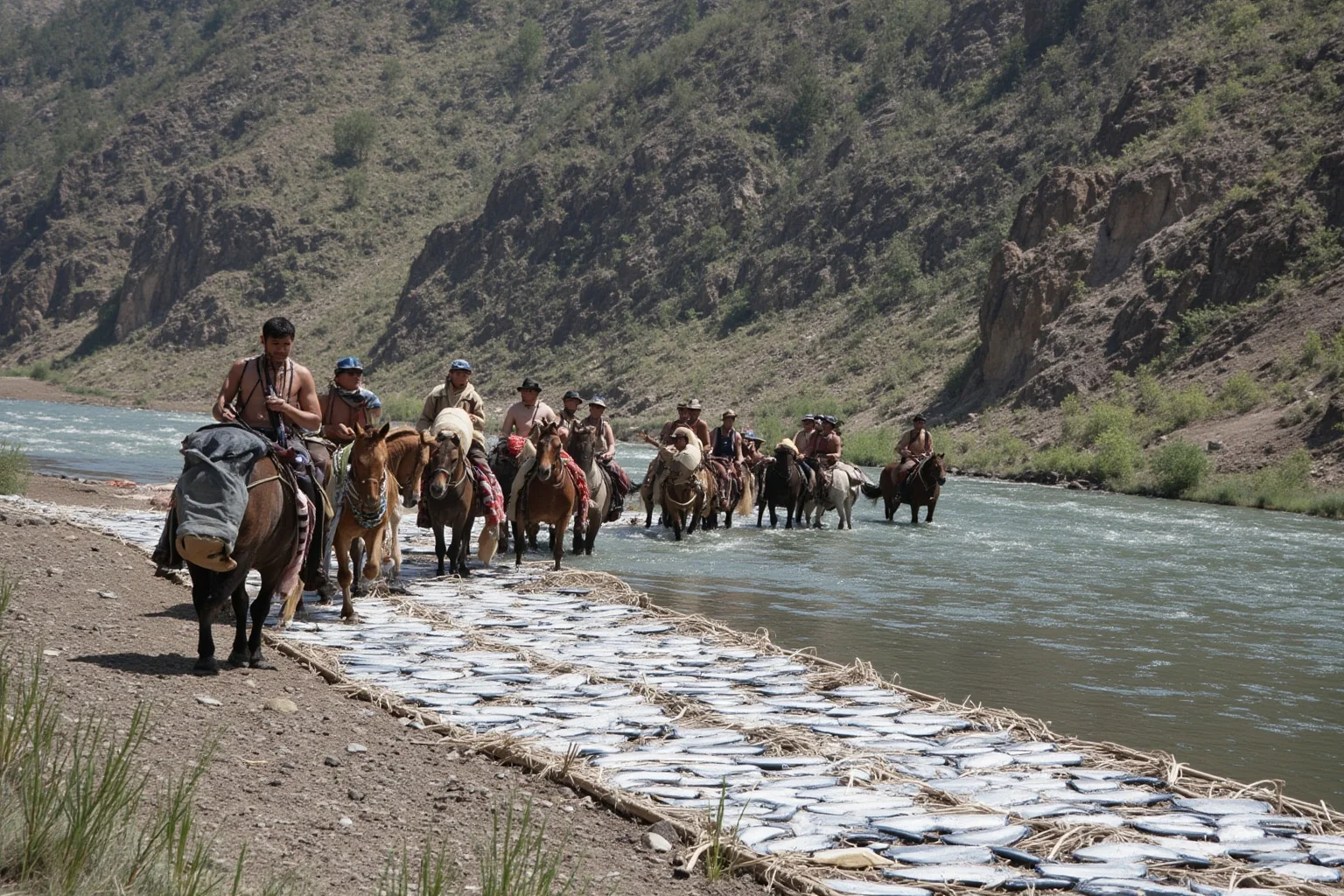
The Shoshone are a Numic-speaking people of the Great Basin, Rocky Mountains, and parts of the Plains. Different bands adapted to varied environments, from salmon fishing in the northwest to bison hunting on the eastern edge. Sacagawea, a Northern Shoshone woman, accompanied the Lewis and Clark expedition as an interpreter and contributed geographic knowledge.
Western Shoshone communities later fought legal battles over land rights under the Treaty of Ruby Valley. Eastern Shoshone people share the Wind River Reservation with the Northern Arapaho. These varied histories show how broad categories can hide real tribal diversity.
16. Nez Perce
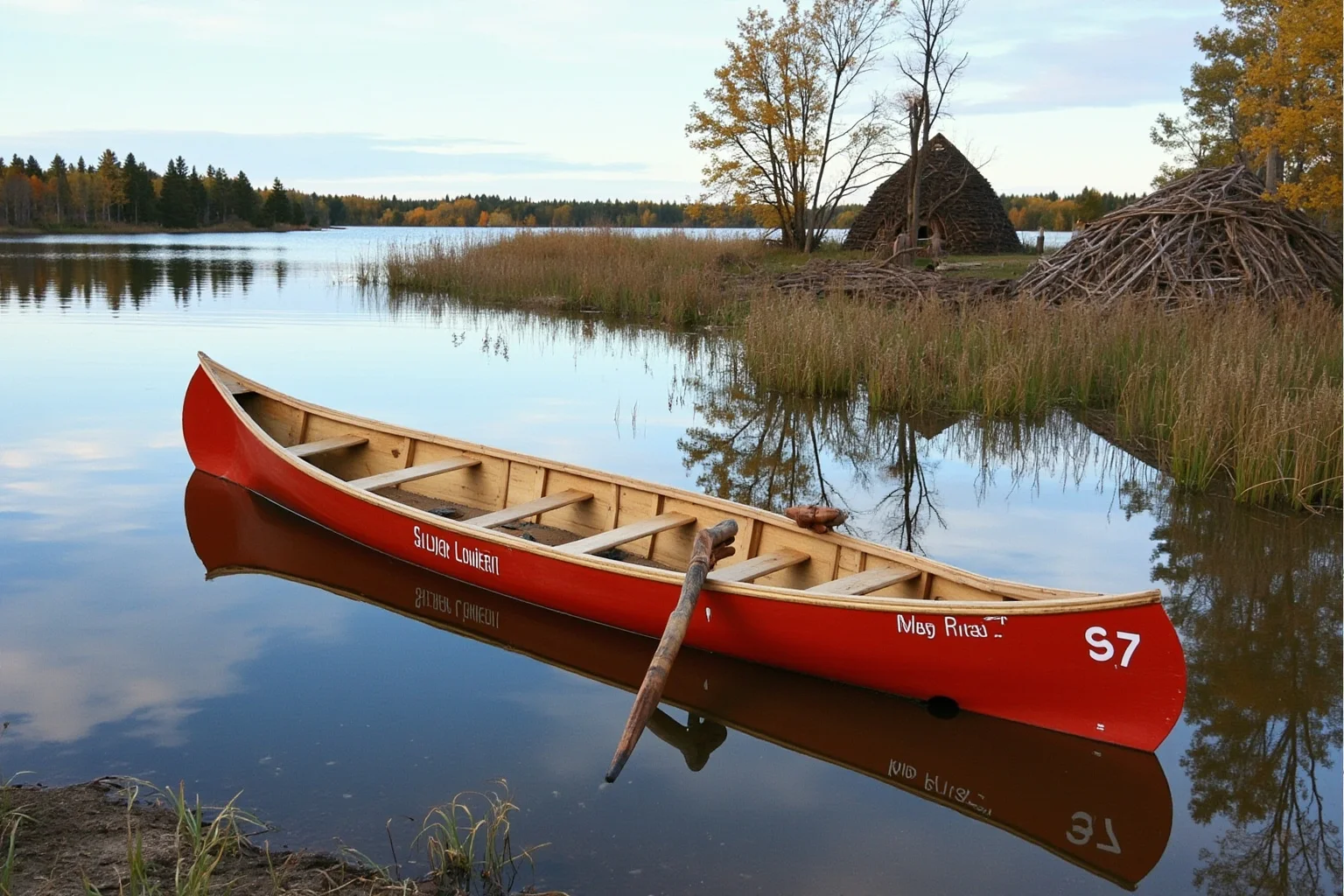
The Nez Perce, or Nimiipuu, are a Plateau people from the Columbia Plateau and river valleys of present-day Idaho, Oregon, and Washington. Their economy centered on salmon fishing, root gathering, and horse breeding, and they became known for developing the Appaloosa horse. Long before U.S. settlement, they managed fisheries and trade networks across the region.
In 1877, after the U.S. government reduced their reservation, several bands fled toward Canada in a long fighting retreat. Chief Joseph's surrender speech is widely quoted, though the actual decisions involved many leaders. Today, the Nez Perce Tribe is based in Idaho and remains active in salmon recovery.
17. Ojibwe
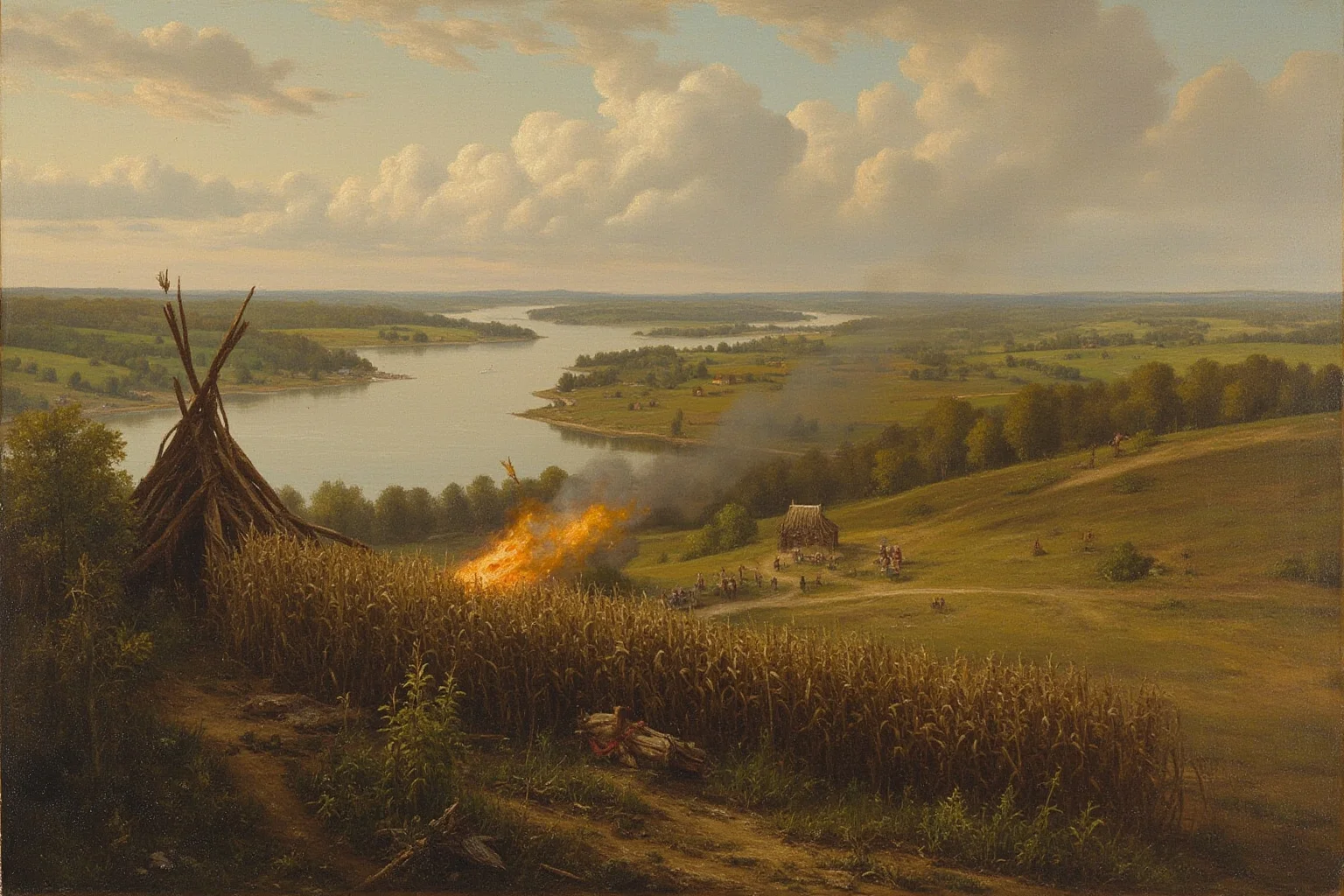
The Ojibwe, also called Chippewa or Anishinaabe, are among the largest Indigenous nations north of Mexico. Their homeland spans the Great Lakes, from present-day Michigan and Wisconsin into Ontario and Minnesota. They built a canoe-centered economy around wild rice, maple sugar, fishing, and the fur trade.
Ojibwe communities preserved their language and ceremonies through centuries of treaty pressure and boarding schools. They fought for treaty-guaranteed hunting and fishing rights, with important legal victories in the twentieth century. Today, Ojibwe nations are spread across both the United States and Canada.
18. Shawnee
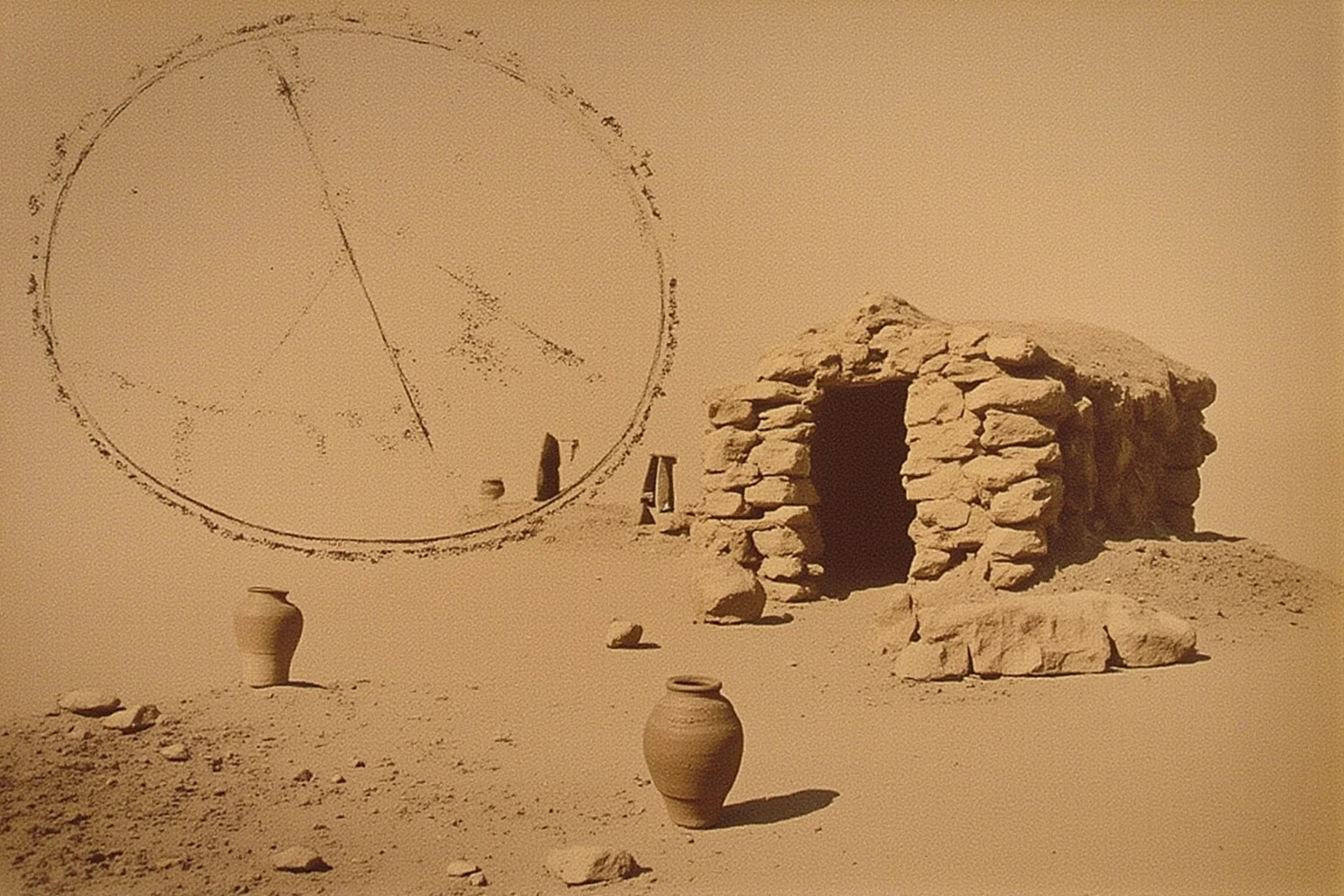
The Shawnee are an Algonquian-speaking people whose homeland centered in the Ohio River Valley, a region of intense colonial competition. They migrated frequently under pressure from European settlement and played a central role in the struggle for the Old Northwest. Shawnee towns were known for their councils, clan system, and military organization.
Tecumseh and his brother Tenskwatawa built a pan-tribal resistance movement in the early 1800s to stop American expansion. After Tecumseh's death in 1813, the Shawnee were eventually removed to Indian Territory. Today, there are three federally recognized Shawnee tribes in Oklahoma.
19. Pawnee
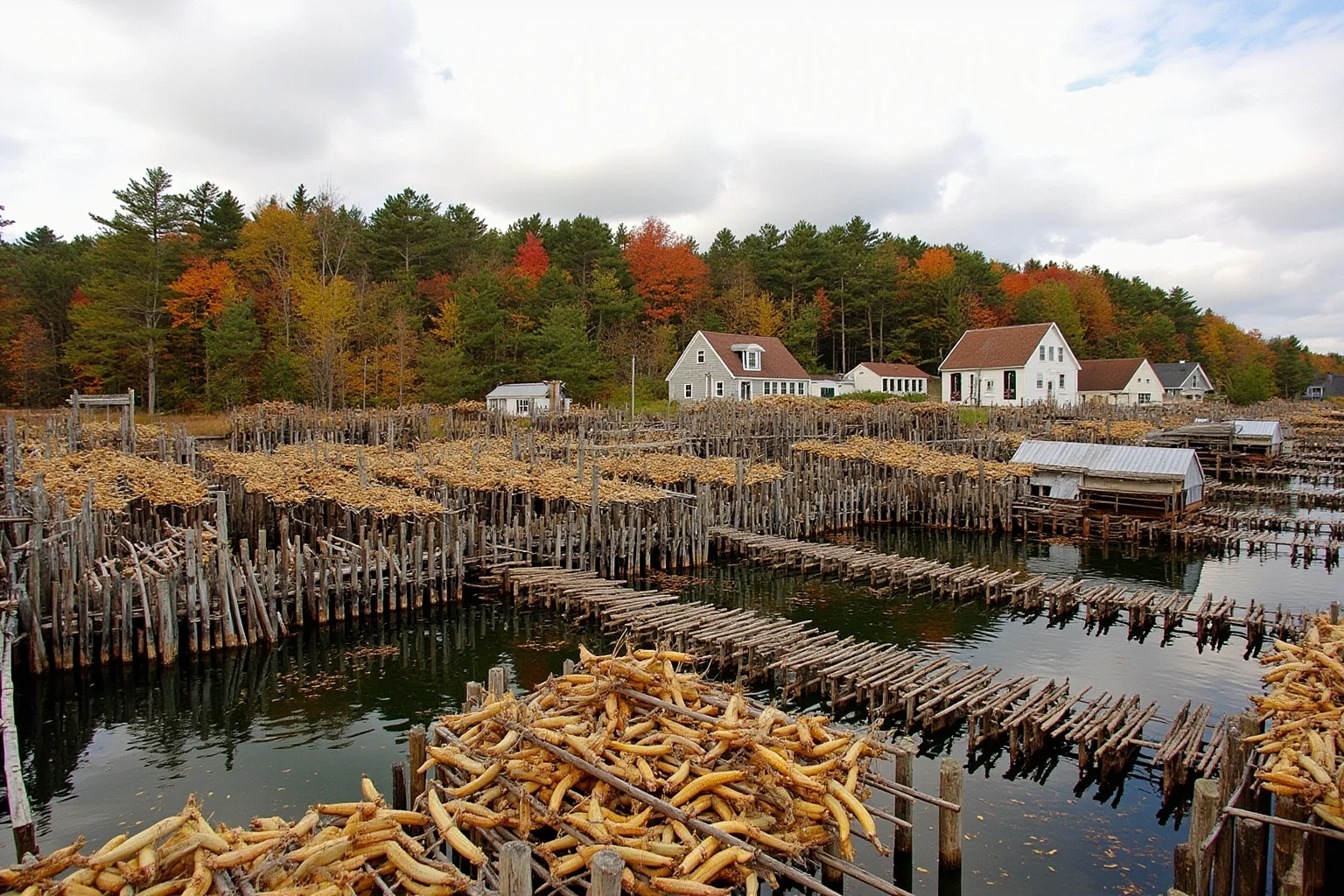
The Pawnee are a Caddoan-speaking nation of the central Plains, historically based in present-day Nebraska and Kansas. They lived in large earth lodges and combined bison hunting with an agricultural economy based on corn, beans, and squash. Pawnee astronomy and ceremonial traditions were closely tied to the stars.
By the late 1800s, disease, warfare, and U.S. pressure had reduced the Pawnee population and forced removal to Indian Territory, now Oklahoma. Some Pawnee men served as scouts for the U.S. Army, a role that brought both opportunity and controversy. The Pawnee Nation continues to preserve its language and ceremonial calendar.
20. Wampanoag
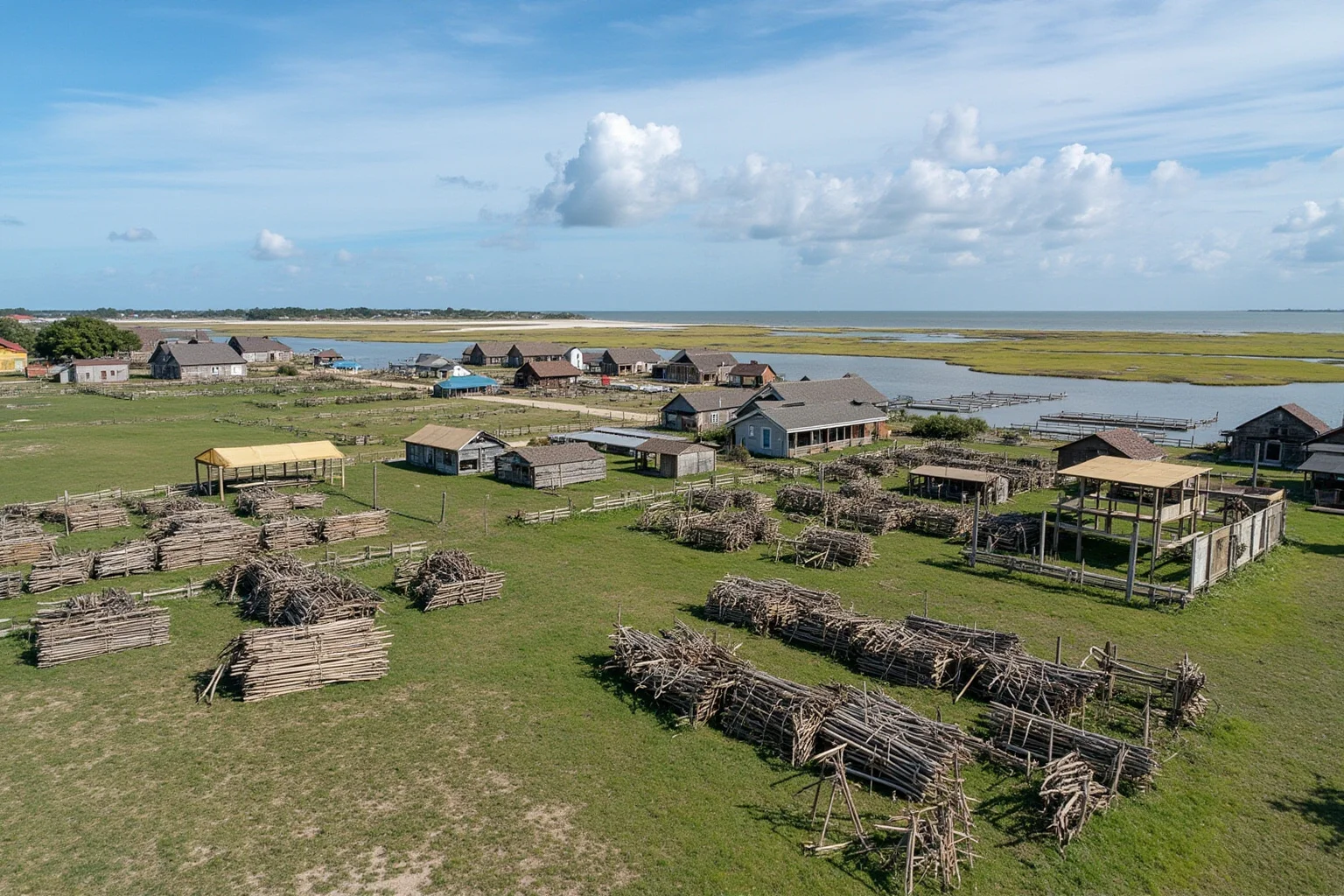
The Wampanoag are an Algonquian-speaking people whose homeland includes present-day Massachusetts and Rhode Island. They lived in coastal villages, grew corn, fished, and hunted before English colonists arrived at Plymouth in 1620. The Wampanoag leader Ousamequin, often called Massasoit, negotiated an early alliance with the colonists.
That alliance unraveled as English settlement expanded, leading to King Philip's War in 1675, a devastating conflict named for Wampanoag leader Metacom. Many Wampanoag were killed, enslaved, or forced into servitude, but the nation survived. Today, the Mashpee Wampanoag Tribe and the Wampanoag Tribe of Gay Head (Aquinnah) maintain federal recognition.
21. Powhatan
The Powhatan were a paramount chiefdom of Algonquian-speaking communities in tidewater Virginia. Under Wahunsenacawh, often called Chief Powhatan, they controlled a network of towns and tributary communities around the Chesapeake Bay. They were among the first Native nations to face sustained English settlement at Jamestown after 1607.
Pocahontas, his daughter, became a historical figure through her captivity, marriage, and travel to England, though her story is often heavily mythologized. Wars, disease, and land loss gradually broke up the paramount chiefdom. Surviving Powhatan-descendant communities in Virginia continue to assert their history.
The Bigger Lesson Behind Famous Native American Tribes
These famous tribes appear in survey courses because their actions changed borders, alliances, and economies across North America. Yet their stories are often told only through war, disease, or removal. The deeper history includes diplomacy, engineering, art, law, and continuous cultural adaptation.
Remembering these nations only as historical tribes can make them seem like people of the past. In reality, each entry has living descendants and modern governments today. The most responsible way to learn is to treat them as contemporary nations with deep historical roots.
Frequently Asked Questions
What are the most famous Native American tribes?
The most famous Native American tribes in popular history include the Cherokee, Navajo, Lakota (Sioux), Apache, Haudenosaunee (Iroquois), Choctaw, Chickasaw, Muscogee (Creek), Seminole, Cheyenne, Comanche, Hopi, Pueblo peoples, Blackfeet, Shoshone, Nez Perce, Ojibwe, Shawnee, Pawnee, Wampanoag, and Powhatan. This is not a ranking; these nations are especially prominent in historical records, regional politics, and contemporary treaty relationships.
How many Native American tribes are there in the United States?
There are 574 federally recognized tribes in the United States alone. There are also state-recognized tribes and many Indigenous communities without federal recognition, so the total number of distinct historic tribes is larger.
Why do some famous Indian tribes have English names?
Many names such as Creek, Sioux, or Blackfeet were applied by European colonizers or traders. Native nations often have their own names, such as Muscogee, Oceti Sakowin, or Niitsitapi, and many prefer those terms today.
What is the difference between a tribe and a nation?
In everyday writing, the words tribe and nation are often used interchangeably, but sovereignty is the key issue. These groups governed themselves before European contact and many maintain government-to-government relationships with the United States and Canada today.

Alex Warren
Related Articles