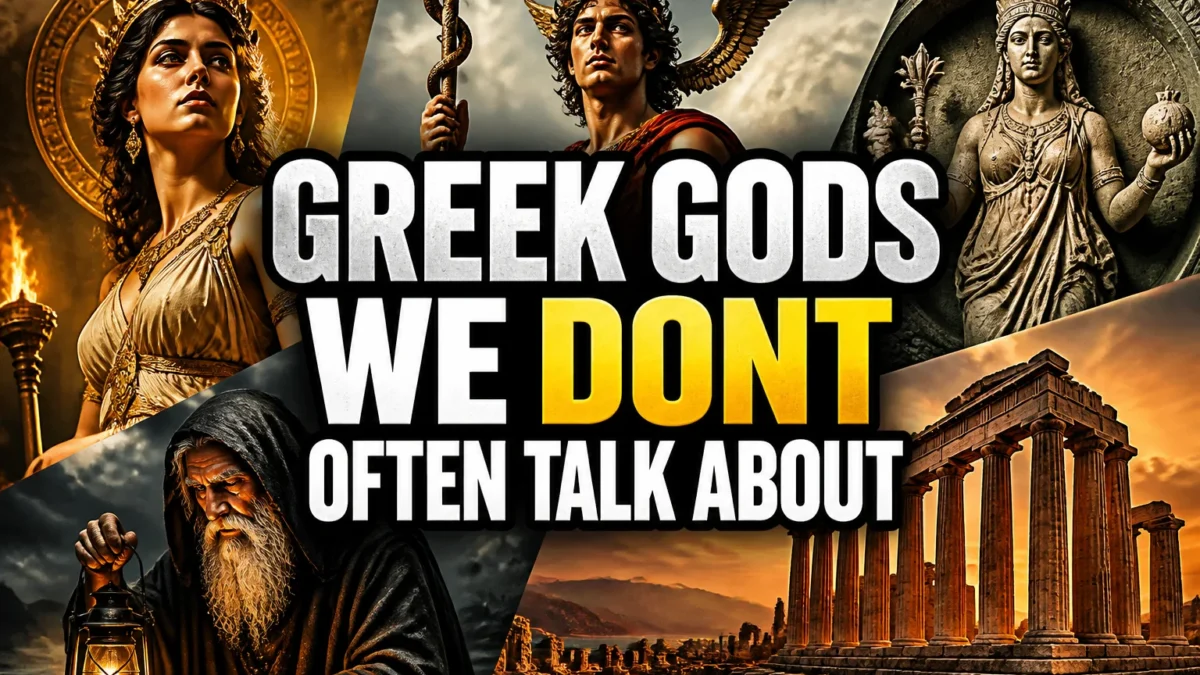
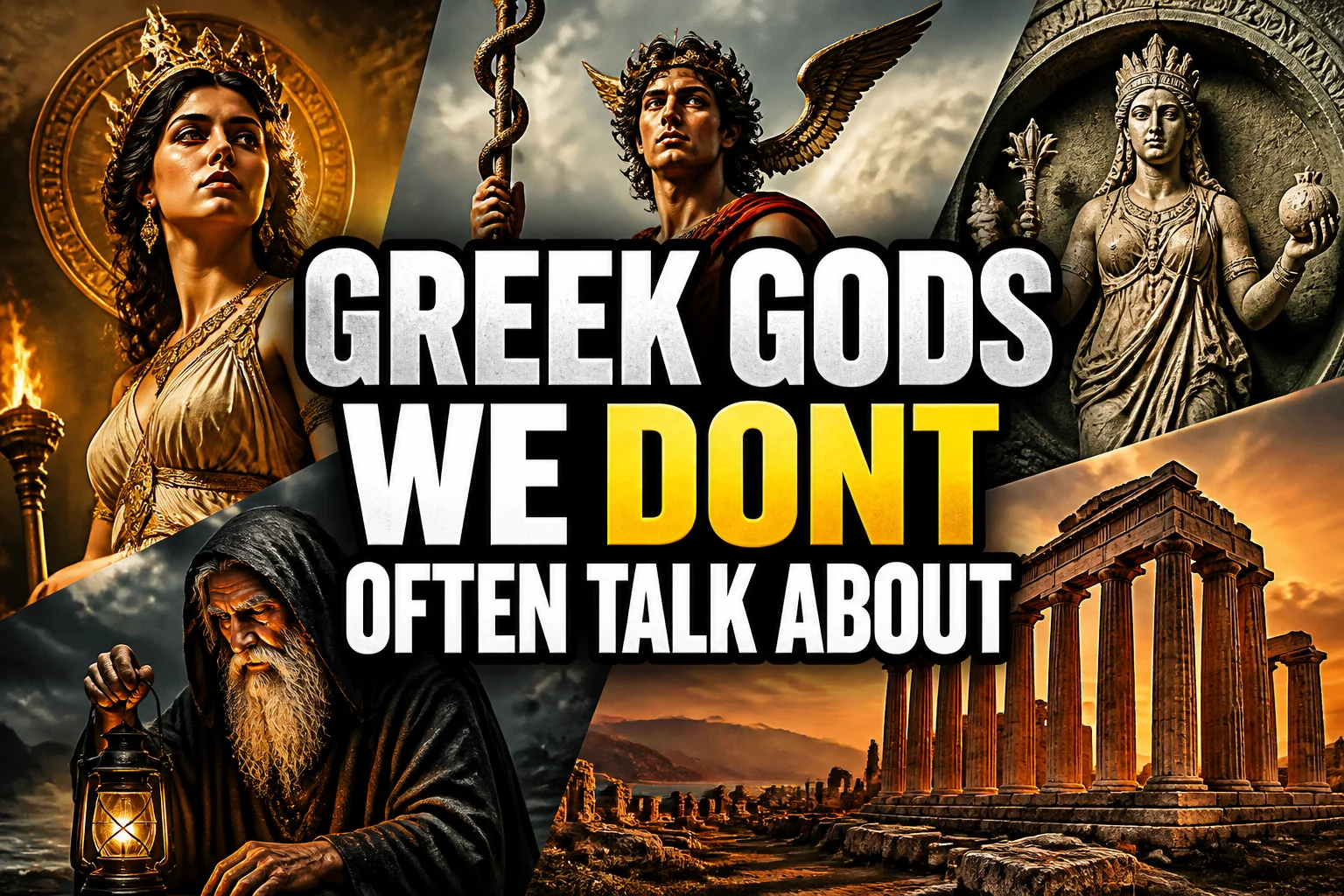
Ask someone to name the Greek gods and you will usually hear the same twelve Olympians, perhaps with Hades or Hecate squeezed in at the edges. Greek religion, however, was never a neat family drama starring only twelve deities.
Ancient Greece was a patchwork of local cults, mystery traditions, and practical prayers performed in fields, harbors, and homes. If you have ever searched for a nonet of Greek mythology, you already know that the real cast is far larger than any neat group of nine.
TL;DR: The Greek pantheon included dozens of overlooked gods and personifications who once governed birth, wealth, rumor, mercy, battle cries, and beekeeping in ordinary ancient life.
Why the usual lineup misses most of the gods
Modern retellings tend to favor the Olympians because their stories are dramatic and easy to adapt for books, films, and games. Ancient worship, however, was local and situational rather than built around one standard list.
A farmer might pray to Aristaeus for healthy bees while a woman in labor called on Eileithyia, and neither moment required Zeus to appear. These specialized figures were often closer to daily life than the high gods of epic poetry.
Some of the entries below were full cult recipients with sanctuaries and festivals. Others were personifications—figures such as Geras or Apate—who turn up in poetry to give a face to shared human experiences. The twenty examples that follow are a sample, not a ranked top twenty.
How to tell a cult god from a poetic personification
Not every name in Hesiod or Homer was a temple deity with a festival. Some figures are better described as personifications, gods who existed mainly in poetic language to explain emotions or natural rhythms.
In ancient practice, the line could blur. Eleos had an altar in Athens even though she also sounds like an abstract virtue. That flexibility is one reason the Greek pantheon feels so crowded.
For each entry below, notice whether the evidence points to cult activity or to literary use. Both kinds of evidence matter, but they tell different stories about how a god was actually encountered.
Worship often leaves physical remains such as altars, inscriptions, or sanctuary walls. Poetry, by contrast, gives us narrative and personality but not always proof of public ritual.
1. Eileithyia, the Midwife of Olympus
Eileithyia governed childbirth and labor pains, the most dangerous passage in many ancient women's lives. She was not a late literary invention: a cave sanctuary at Amnisos on Crete was linked with her for centuries, and some scholars read her name in Linear B tablets from Knossos.
In epic tradition, her presence or absence could decide whether a birth proceeded at all. The Homeric Hymn to Apollo describes how Leto suffered through a long labor when Eileithyia was kept away by Hera. Despite that importance, she often appears only as a helper in the background of stories about more famous gods.
2. Plutus, the Blind God of Wealth
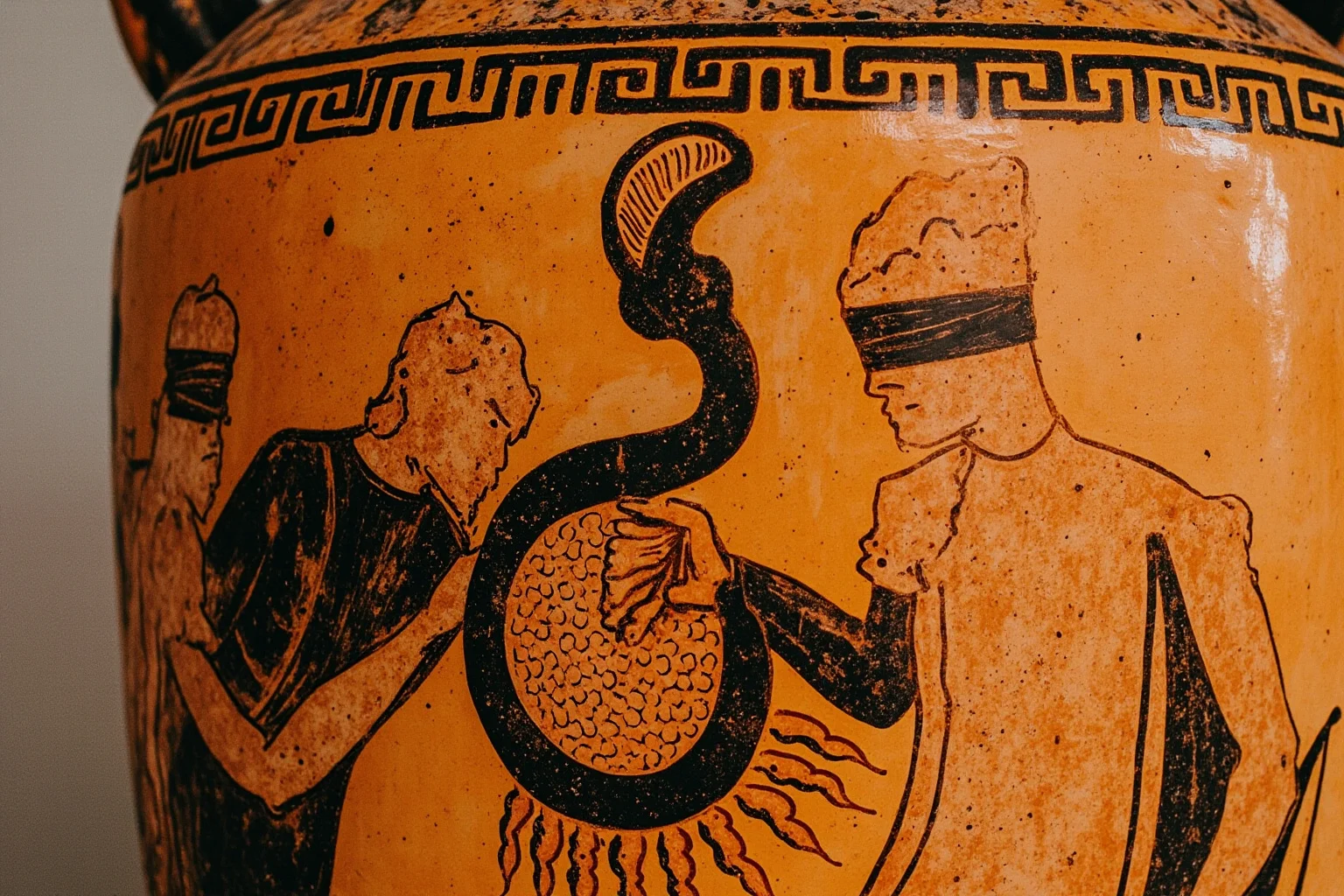
Plutus was the god of agricultural abundance and, in later usage, monetary wealth. Hesiod names him as the son of Demeter and the hero Iasion, and Aristophanes wrote an entire comedy around the idea that Zeus blinded him.
That blindness explained, in comic terms, why wealth so often fails to land on deserving people. His link with the Eleusinian Mysteries and the earth's fertility gave him a more serious religious role than the comedy alone suggests. Plutus could represent prosperity as a communal blessing rather than private greed.
3. Ananke, the Force of Necessity

In Orphic tradition, Ananke was not just the word for necessity but a primordial power, often paired with the serpentine time figure Chronos. Together they were said to have set the first cosmic elements in motion and brought order out of chaos.
Modern writers sometimes treat her as a goddess of inevitable fate, but the evidence mainly comes from Orphic hymns and related philosophical texts. She reminds us that Greek religion included speculative cosmologies, not only stories about Olympus. However, her cult was never as popular as the familiar civic gods.
4. Phanes, the First-Born Light
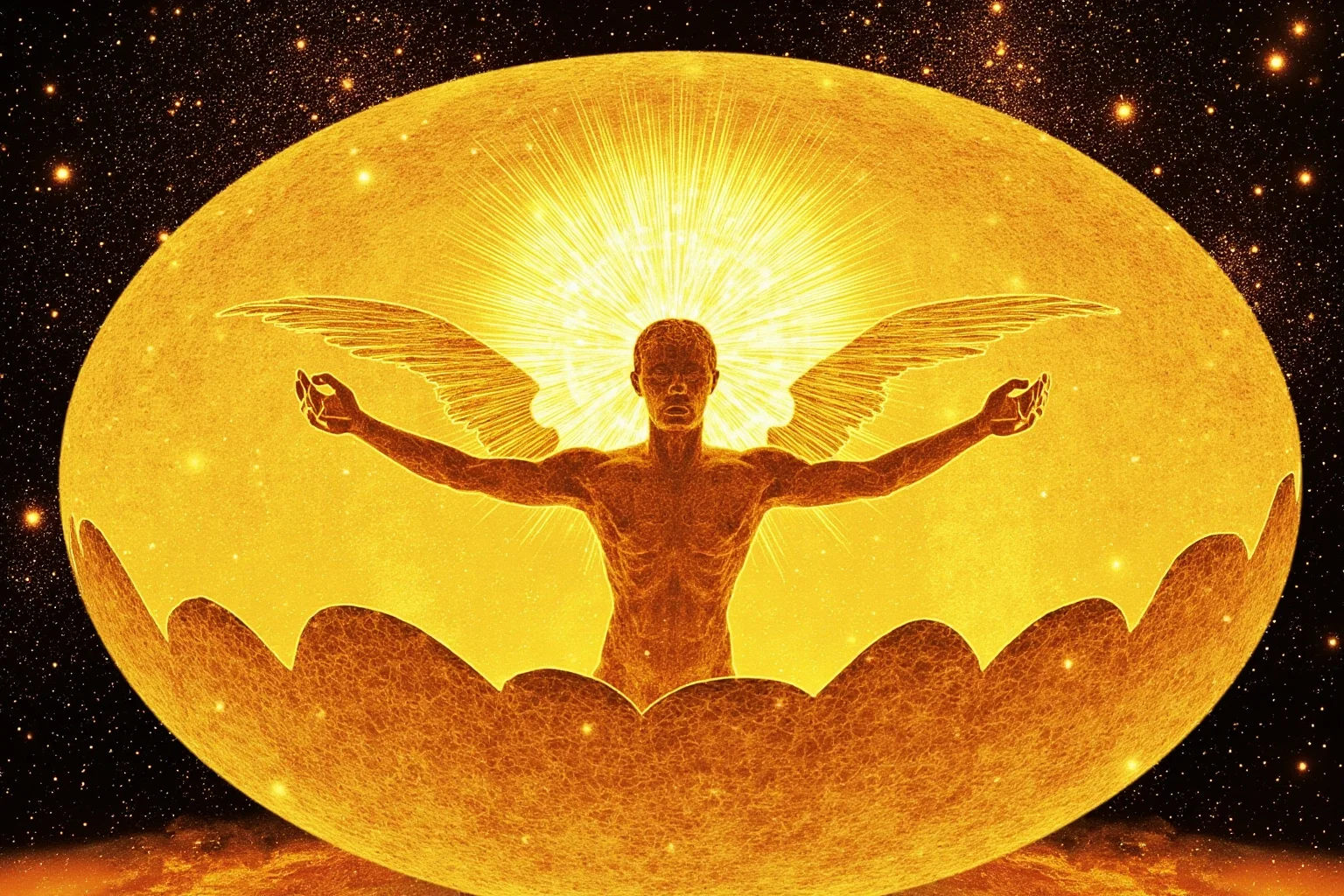
Phanes appears in Orphic cosmogony as a radiant, golden-winged being who emerged from the world egg. Orphic sources call him the first-born, and he was linked with the creation of gods, humans, and the cosmos itself.
He was not a standard Olympian and never had a widespread public cult in the way Demeter or Apollo did. His importance lies in the mystical tradition, where he represented the dazzling origin of everything. That makes him a favorite for readers interested in the more esoteric side of Greek religion.
5. Hemera, the Personification of Day

Hemera was the divine personification of daytime, and in Hesiod's genealogy she is a daughter of Nyx and Erebus. Each morning she was imagined to emerge from the dark house of night and bring light back to the world.
She is easy to miss because she rarely has a plot or conflict of her own. Her presence in myth often marks the rhythm of time, a force that poets could make visible even without a temple festival. Day itself, for the Greeks, could be a goddess.
6. Aether, the Upper Air

Aether was the personification of the bright upper air that the gods breathed, distinct from the ordinary air close to the earth. In Hesiod's genealogy he is another child of Nyx and Erebus, and some traditions pair him with Hemera.
Later thinkers borrowed his name for the upper heavens, but in popular religion he remained mostly a poetic figure rather than a god of widespread cult. His presence shows how the Greeks divided the world into divine domains with minute precision. It also helps explain why so many cosmic deities existed beyond the famous twelve.
7. Momus, the God Nobody Invited to the Party
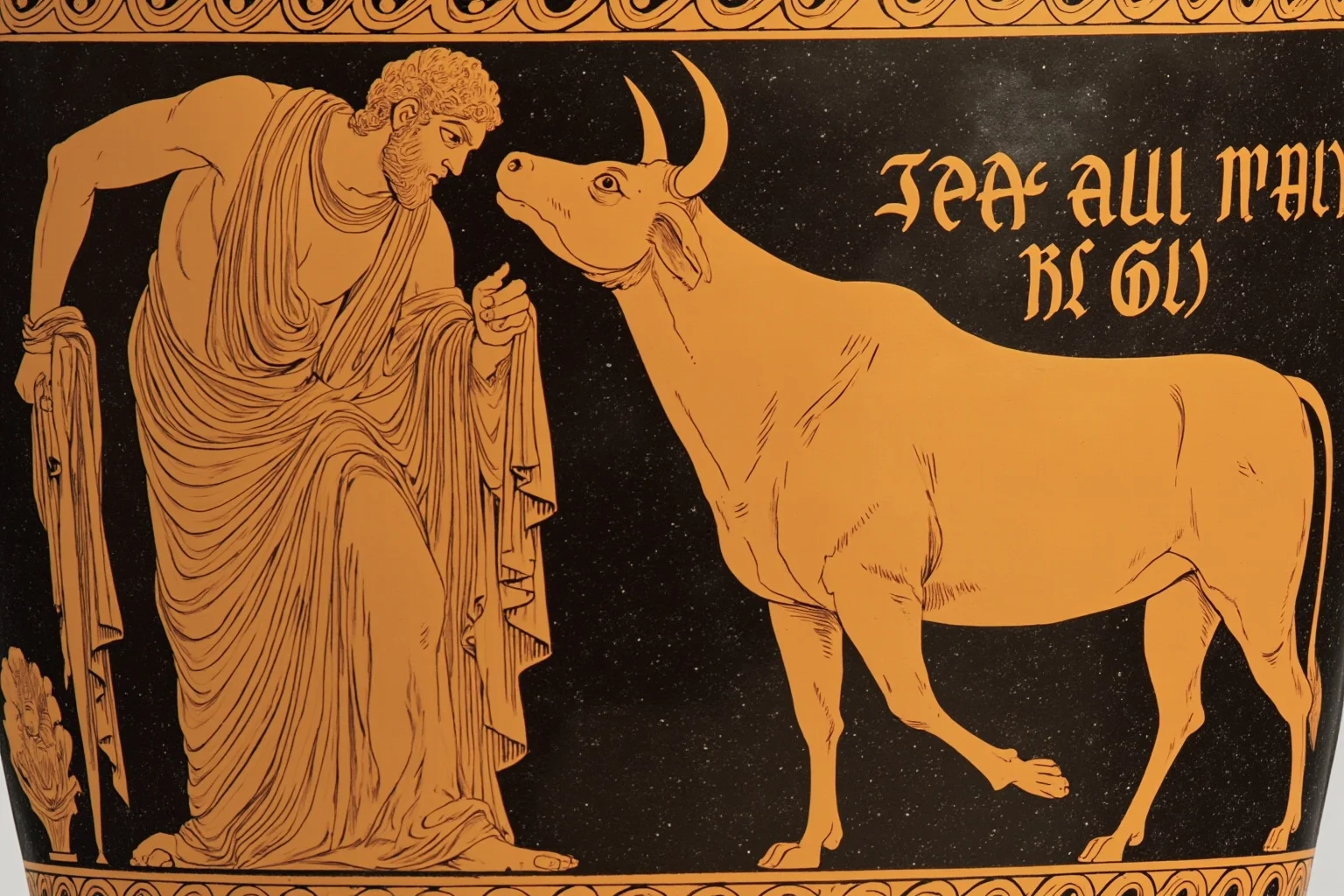
Momus embodied mockery, blame, and sarcastic criticism. Later literary anecdotes made him the god who found flaws in everyone's creations, from a bull's horns to a human's chest.
In some tellings he was thrown out of Olympus for his constant fault-finding, which made him a cautionary figure rather than a noble one. He is less a moral force than an explanation for the embarrassing inner critic that even the gods supposedly feared. That combination of humor and critique kept his name alive among ancient writers.
8. Geras, the Face of Old Age
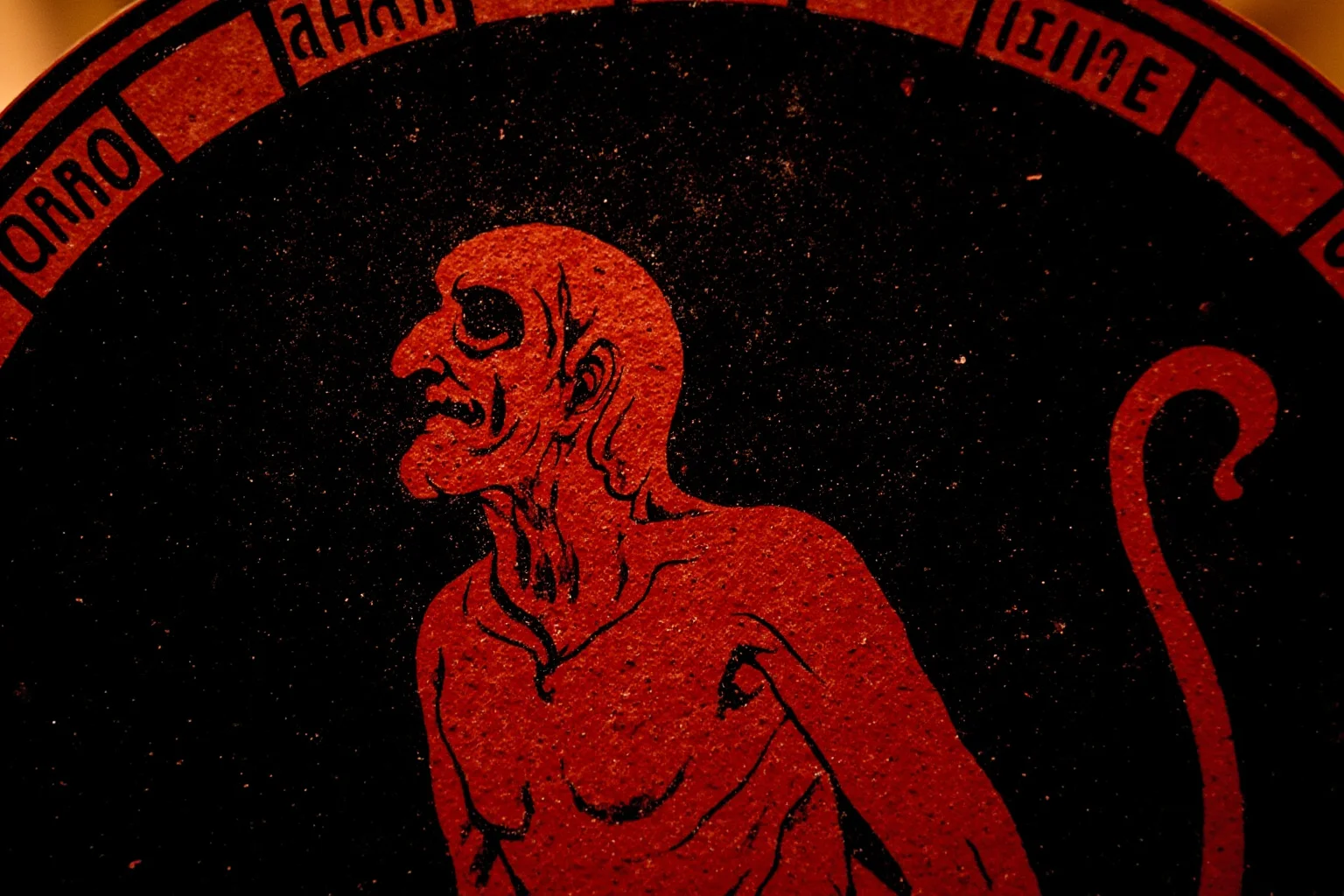
Geras personified old age, especially its physical weariness and slow decline. Hesiod lists him among the children of Nyx, and Greek vase painting often shows him as a shrunken old man leaning on a stick.
Unlike Hebe, the youthful cup-bearer, Geras represented the inevitable aging that myth treated as part of the human condition. He was not evil in a moral sense, but he was rarely welcomed. Ancient artists sometimes used him to show the cost of a long life.
9. Oizys, the Weight of Misery

Oizys was the personification of misery, distress, and anxiety. In Hesiod she is another child of Nyx, born without a father, which places her among the darker powers of the Greek emotional world.
She never developed a large cult, but naming her gave ancient poets a way to describe suffering as an external force pressing on human life. That is a pattern in Greek religion: emotions were often imagined as beings with their own existence and parentage. Oizys is thus obscure not because she was unimportant, but because she was painful to personify.
10. Apate, the Spirit of Deceit
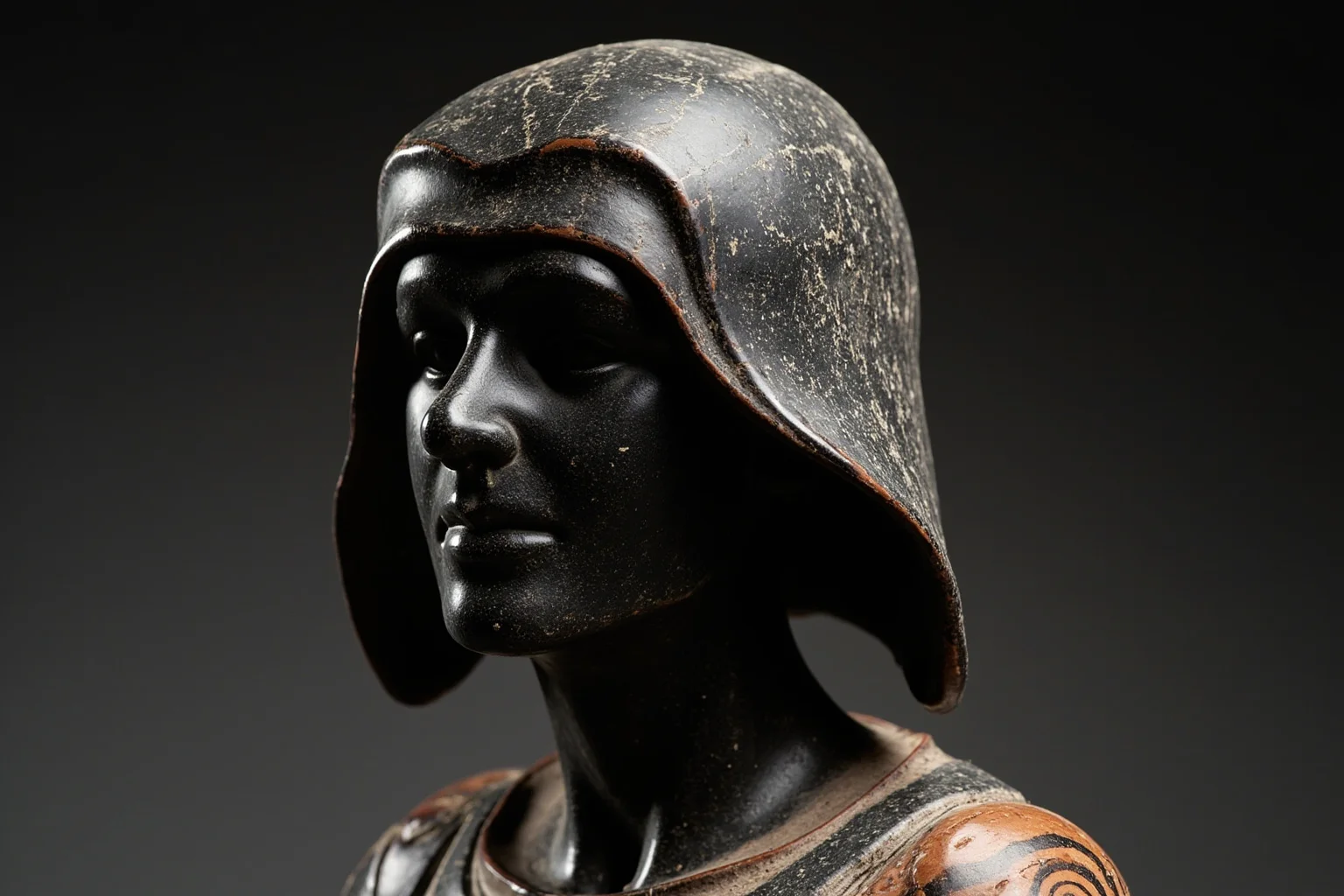
Apate personified deception, fraud, and trickery. Hesiod counts her among the children of Nyx, and later tradition sometimes links her with dangerous feminine figures of divine punishment.
Because she is so shadowy, modern audiences rarely meet her outside scholarly texts or lists of night-born spirits. She matters because the Greeks did not simply say that deceit happened; they gave it a face, a lineage, and a place in the world. Her obscurity is a reminder of how many minor divinities survive only as names and fragments.
11. Eleos, the Rare Altar of Mercy
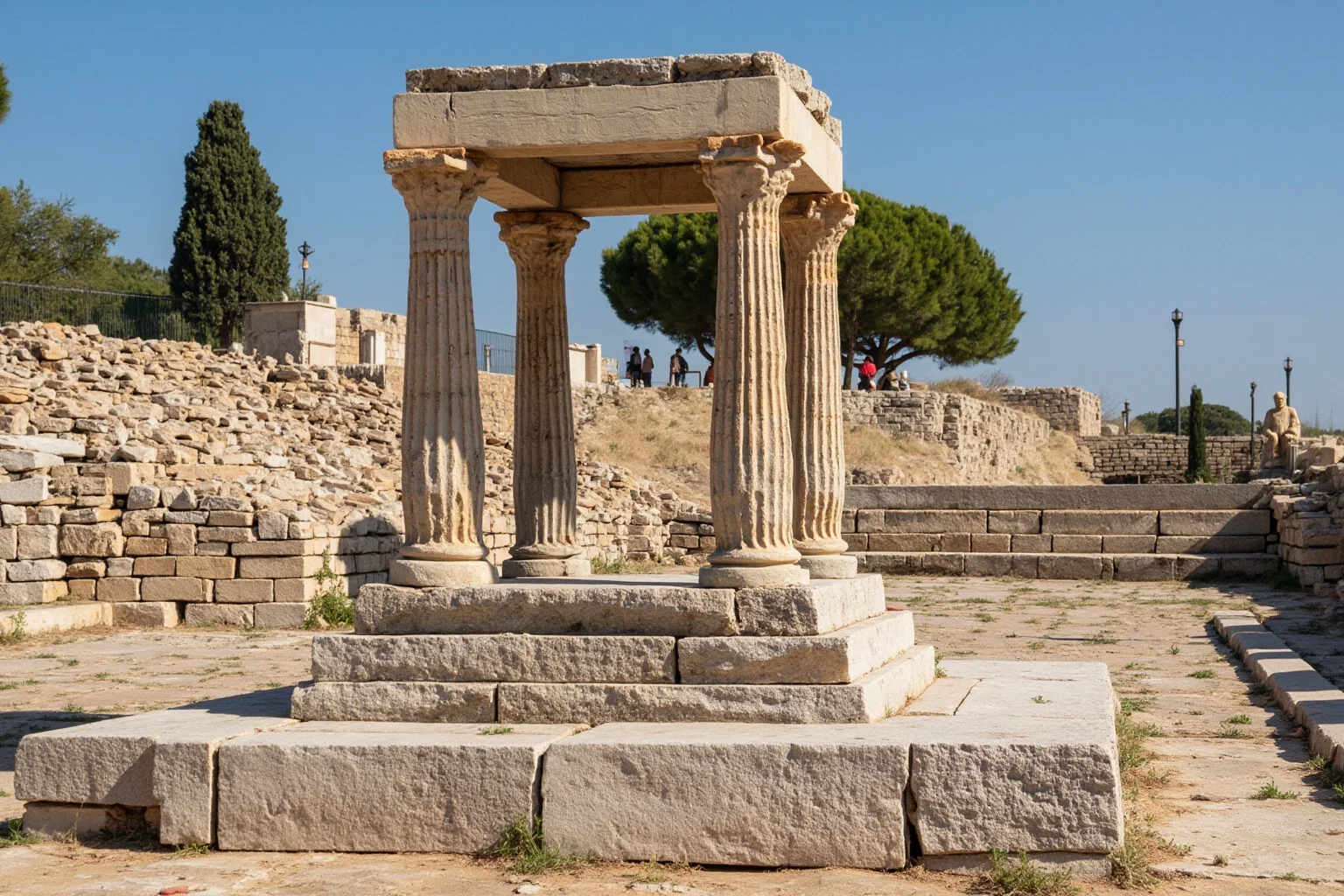
Eleos was the personification of mercy and compassion. Ancient writers mention an altar to Eleos in Athens, and the idea that Athens offered refuge there became part of the city's identity.
This is a good example of a deity whose importance was civic and ethical rather than mythological. Eleos had no dramatic adventures, but an altar dedicated to compassion is historically revealing. It tells us that mercy could be treated as a public virtue, not only a private feeling.
12. Pheme, the Goddess of Rumor

Pheme personified fame, rumor, and public speech. In Greek sources she begins as a figure of report or renown, and later poets gave her a vast city of whispering voices.
She is an ancient reminder that information could be viewed as a divine force with its own momentum. In an age of viral news, Pheme's ambiguity—glory one moment, slander the next—feels strikingly modern. Her Roman counterpart Fama became an even grander symbol of how quickly stories travel and transform.
13. Alala, the Scream Before Battle
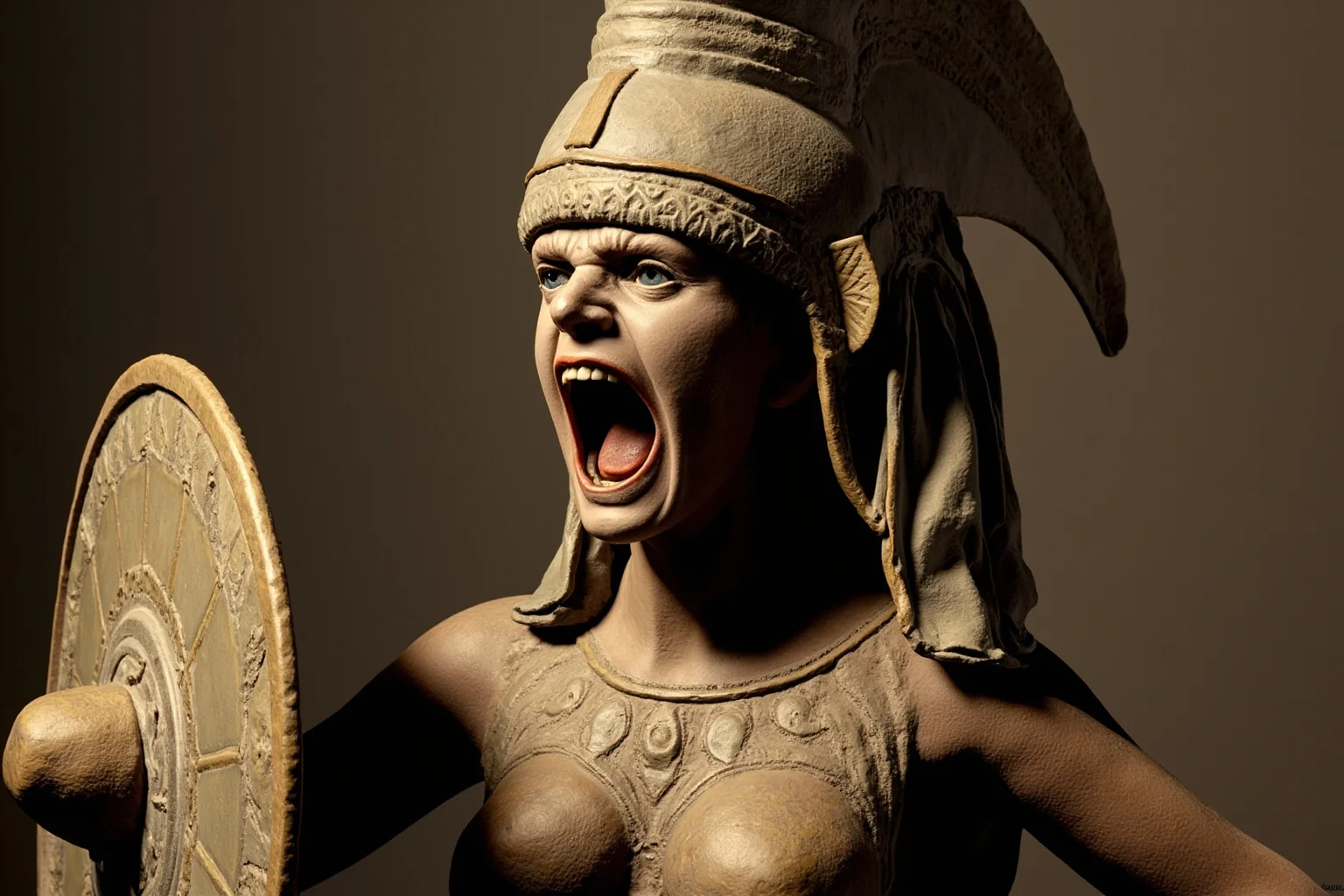
Alala was the personification of the war cry, the piercing shout soldiers raised before a charge. Pindar uses her name to describe the cry of battle itself, and the name may have been invoked as a sound as much as a goddess.
She never became a major Olympian figure, but that is exactly the point: Greek religion could turn even a shout into a sacred force. In a warrior culture, the right voice at the right moment was thought to matter. Her name survives mainly as a curiosity, but it once belonged to the sound of collective courage.
14. Homonoia, the Goddess of Getting Along
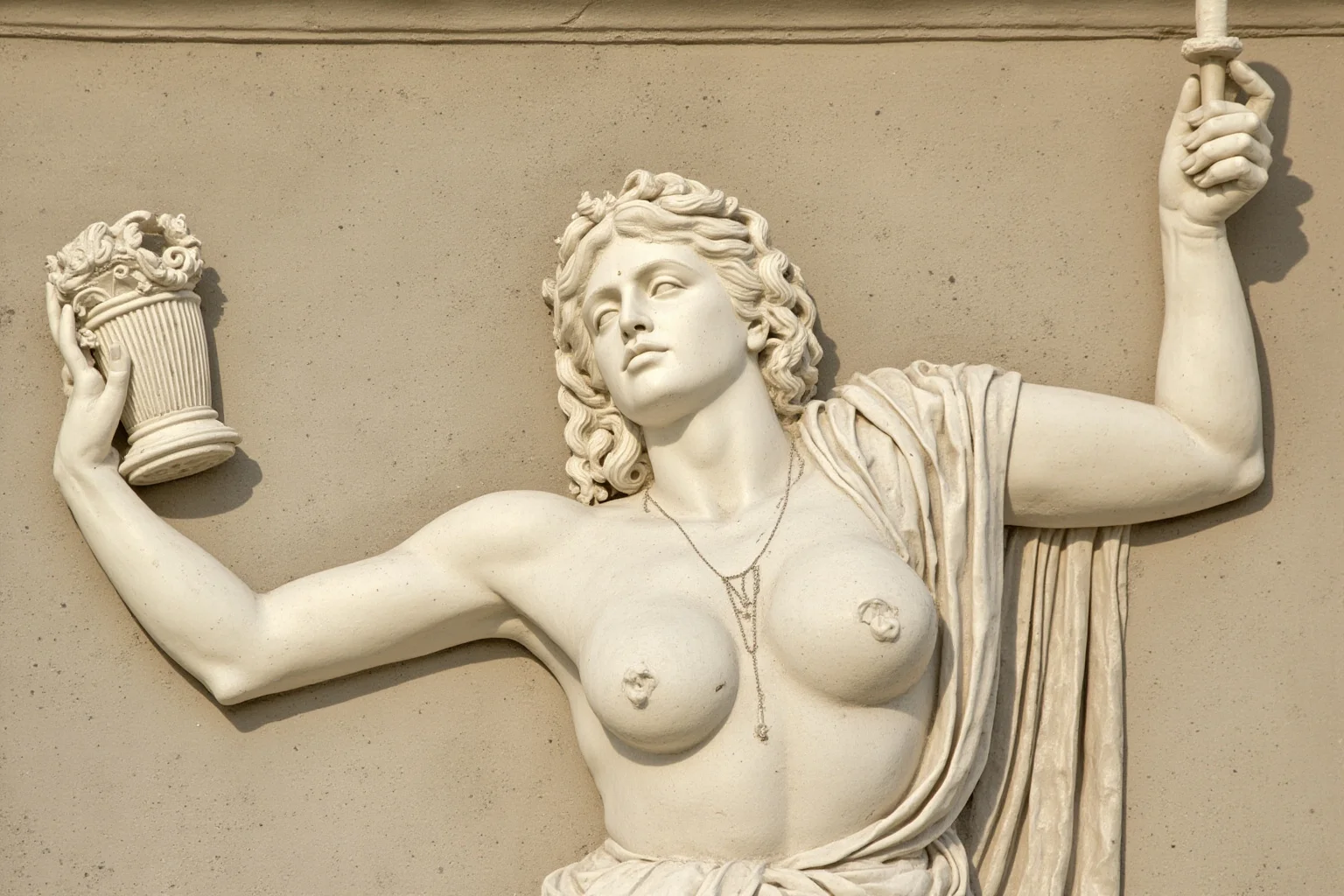
Homonoia personified concord, unity, and political agreement. In fourth-century Athens, after years of fractious politics, altars and honors were dedicated to Homonoia as a hope for public harmony.
She is a useful counter to the battle-happy image of Greek myth. City-states actually promoted ideals of agreement, and a goddess could embody the collective wish to avoid civil conflict. Her cult shows that Greek religion was often about social survival, not just heroic glory.
15. Pasithea, the Calm at the End of the Day
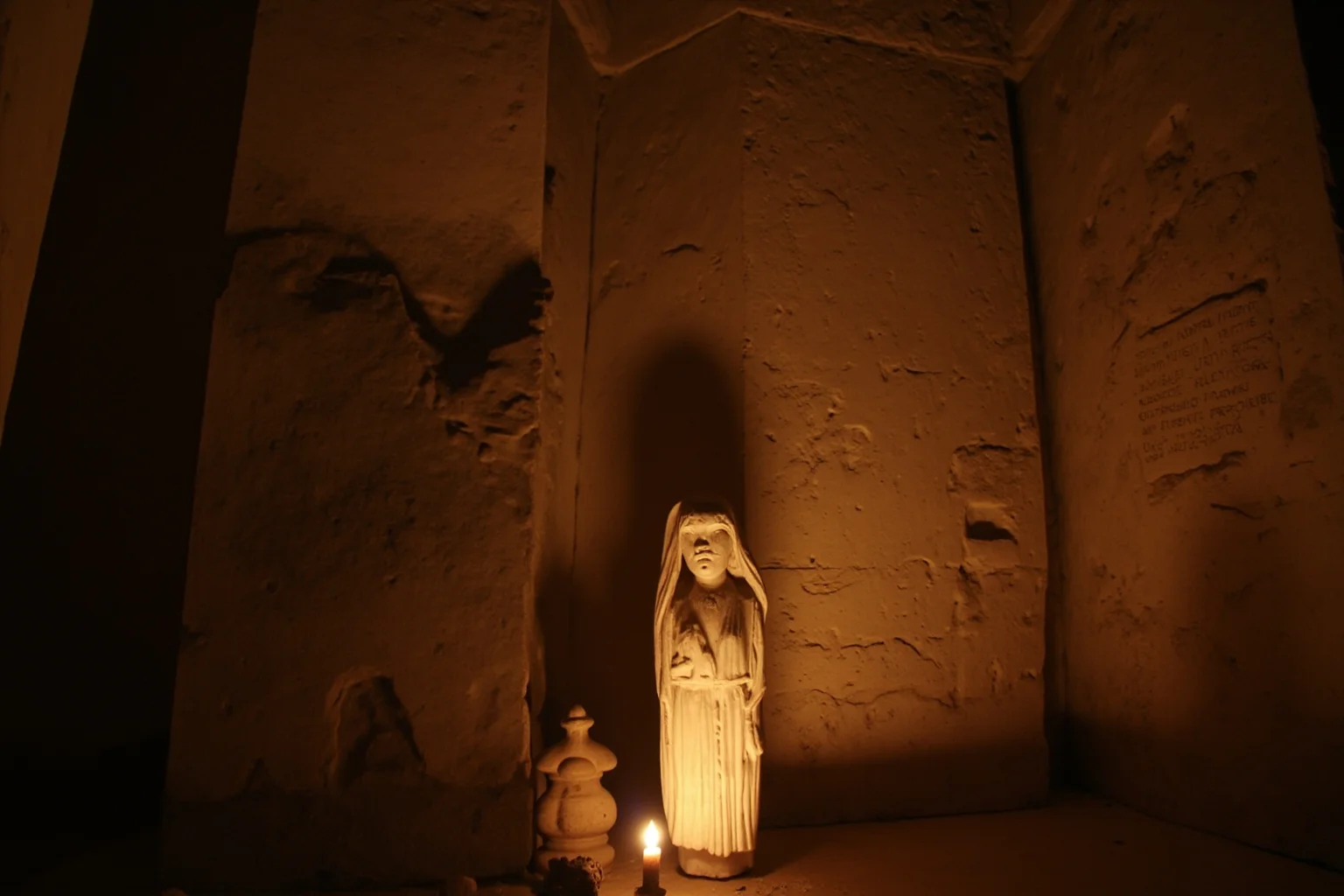
Pasithea was the goddess of relaxation and rest. In the Iliad, Hera offers Pasithea to Hypnos as a bride when she needs the god of sleep to help her distract Zeus.
Her name is easy to overlook, but she represents the gentle boundary between wakefulness and sleep. In a pantheon of war, childbirth, and storms, Pasithea embodied the quiet that ancient people also recognized as divine. She may have been one of the Charites, which placed her among figures of grace and charm.
16. Despoina, the Secret Name of Arcadia
Despoina was an Arcadian mystery goddess whose true name was said to be too sacred to reveal. The traveler Pausanias describes her sanctuary at Lycosura and reports that she was born to Demeter and Poseidon.
Her cult was old and local, wrapped in secrecy in ways that still puzzle historians. Despoina's case is a powerful warning that we have lost more Greek religious knowledge than modern handbooks admit. Some names were intentionally kept quiet, which means the full pantheon can never be reconstructed with certainty.
17. Britomartis, the Huntress of the Nets
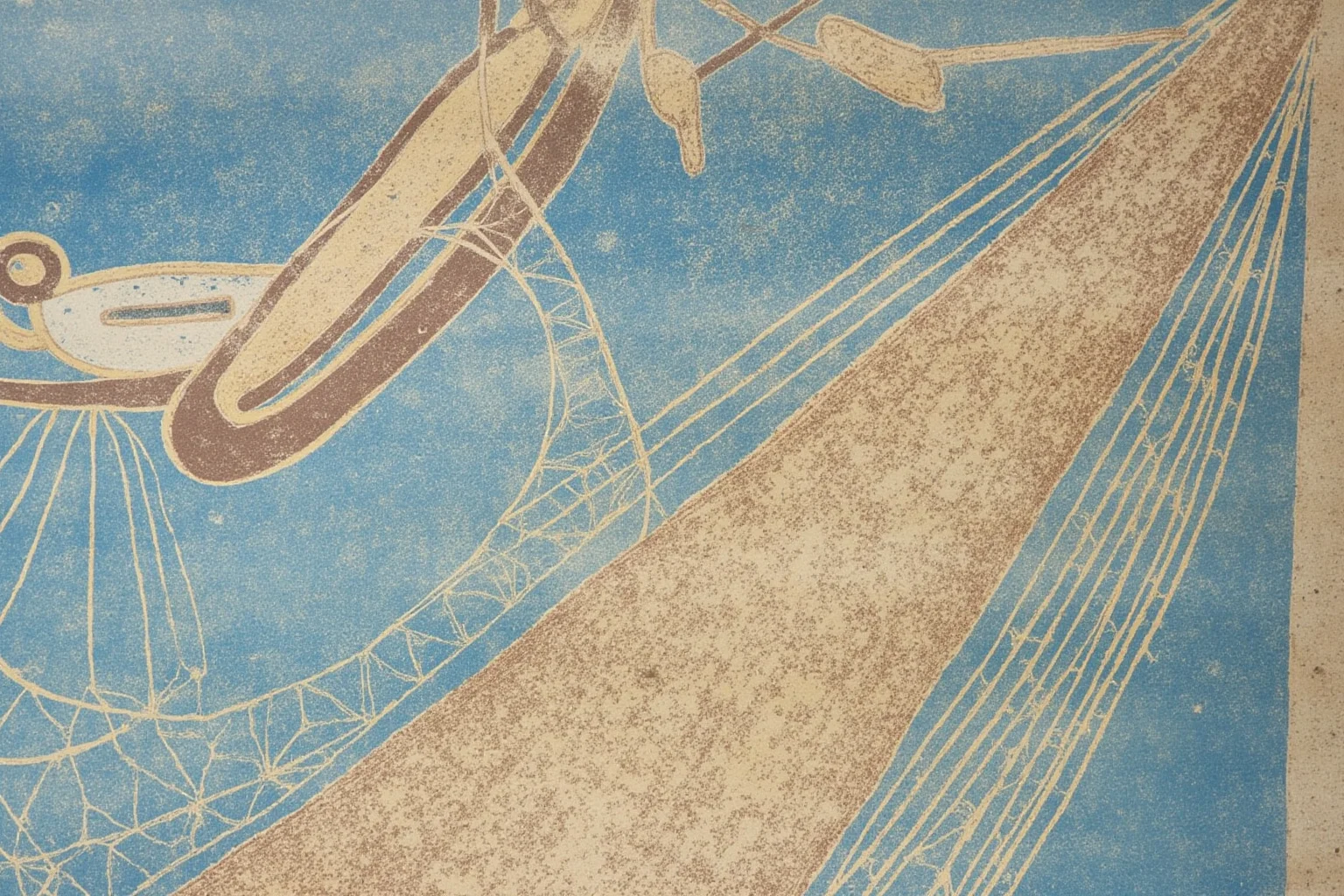
Britomartis, also called Dictynna, was a Cretan goddess of hunting, fishing nets, and mountain wilderness. One tradition says she leapt into the sea to escape Minos and was caught in fishermen's nets, which may explain her association with nets.
She was later linked with Artemis, which helped her worship spread beyond Crete. Her name survives in inscriptions and place names, a sign of a local cult that never fully entered the Olympian mainstream. That local staying power is exactly what makes her worth knowing today.
18. Aristaeus, the Beekeeper of the Mountains
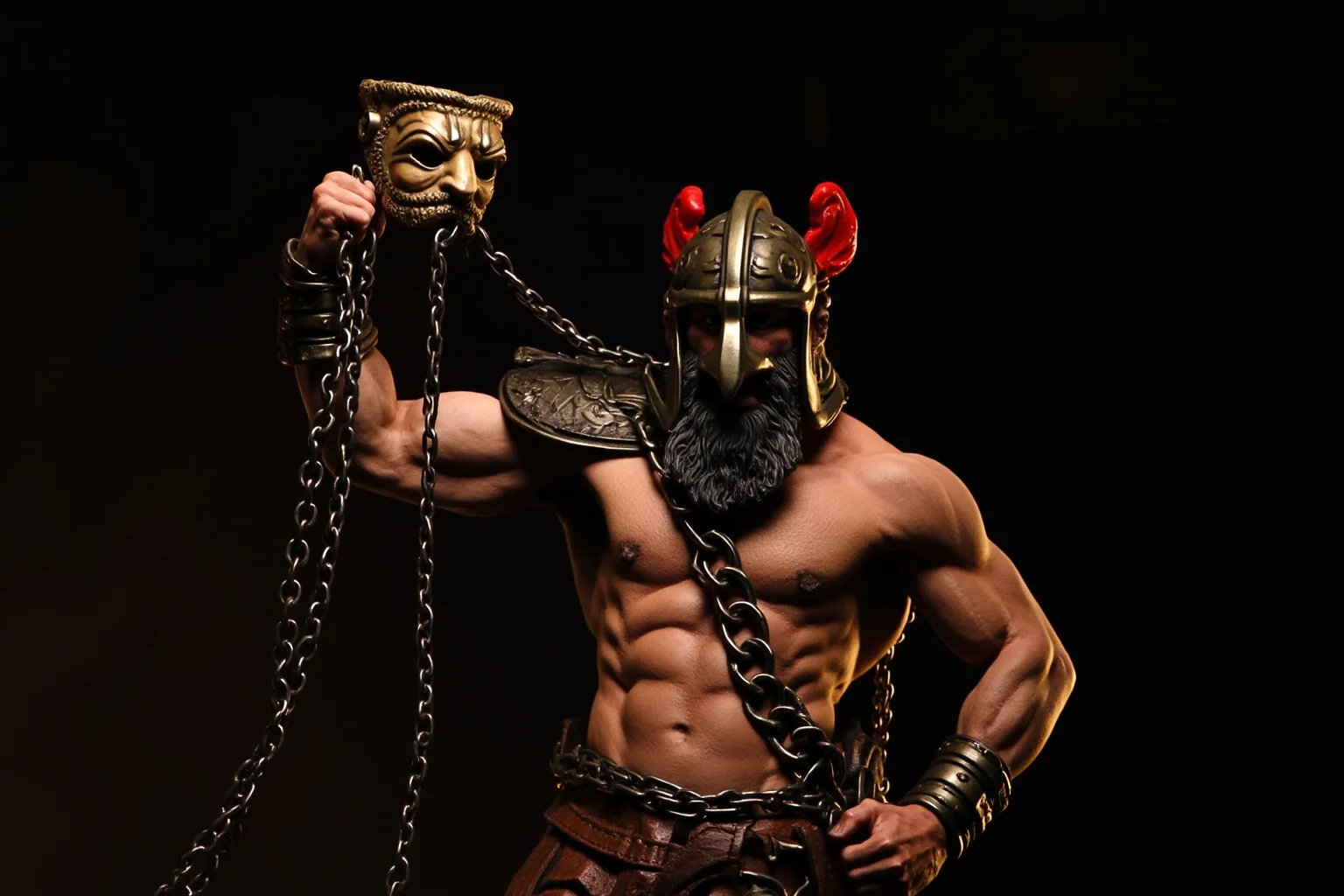
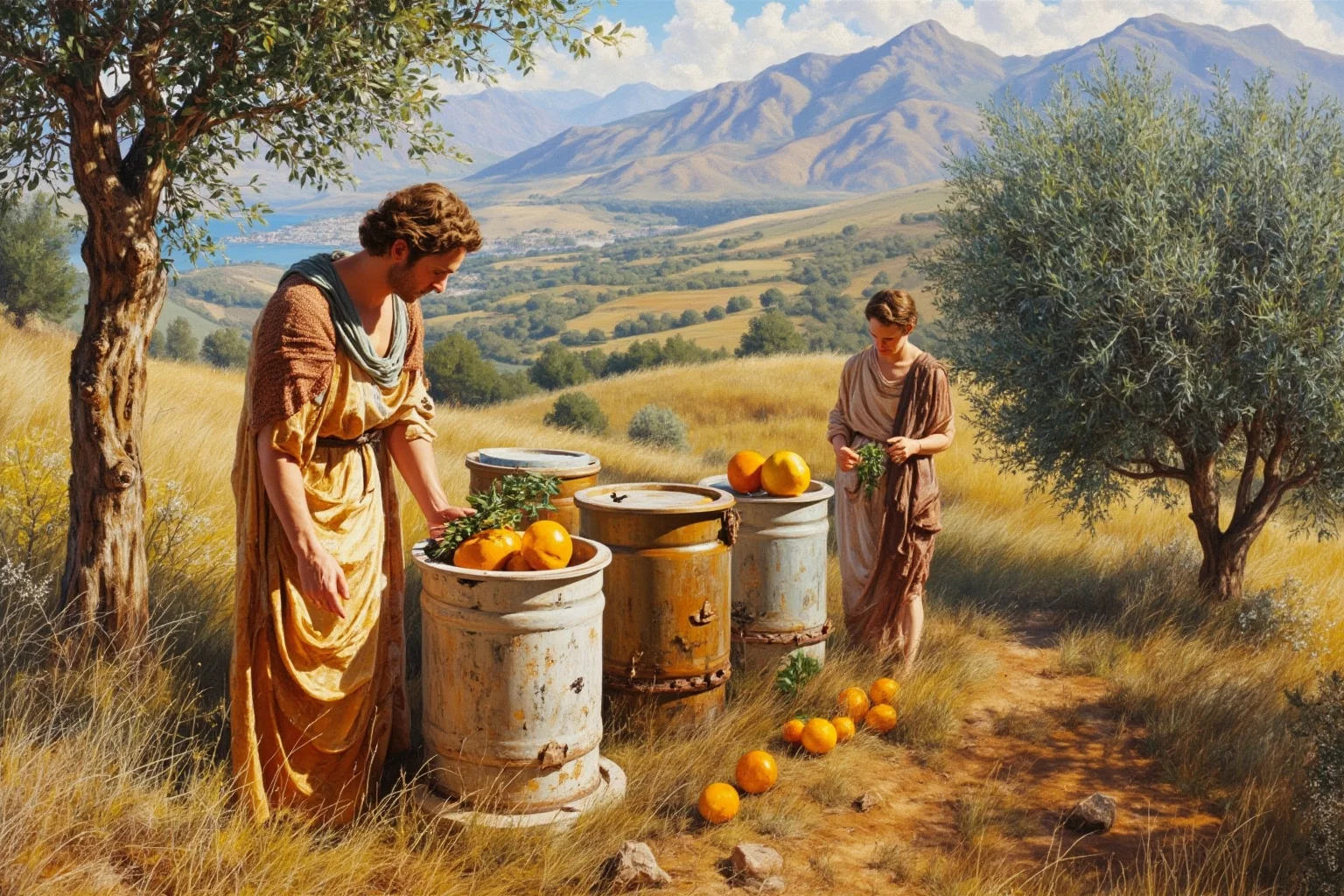
Aristaeus was a rustic god credited with teaching beekeeping, cheese-making, and olive cultivation. Ancient sources say he was the son of Apollo and the nymph Cyrene, and myths place him in Ceos, Libya, and the mountains of Arcadia.
Unlike the cosmic figures of epic, Aristaeus represented the knowledge that kept farms and flocks alive. He bridged wild nature and human skill, a role that made him a natural patron of practical agriculture. His obscurity in modern lists reveals how little attention we pay to the everyday work of ancient life.
19. Kratos, the Personification of Strength
Kratos personified strength, power, and domination. In Hesiod he is a child of the Titan Pallas and Styx, and in Aeschylus's Prometheus Bound he is the enforcer who helps bind Prometheus at Zeus's command.
Ancient audiences understood Kratos as a force of authority, not automatically a hero. His modern fame through video games has borrowed his name while reshaping his character into something far more sympathetic. The ancient figure was colder and more coercive, a voice of order imposed by force.
20. Bia, the Force That Binds
Bia personified force, bodily might, and compulsion, and she appears beside Kratos in the opening of Aeschylus's Prometheus Bound. Hesiod says she and her siblings dwell with Zeus because Styx brought them to his side during the Titan conflict.
Bia's obscurity comes from the fact that she is often a principle rather than a personality with adventures. Along with Kratos, she shows how the Greeks gave divine names to the raw powers that uphold order. Her name is simply the Greek word for force, and she had little personality beyond that abstract role.
Why forgotten gods matter today
These names do more than fill out a family tree. They show that ancient people experienced life through many small sacred pressures, not just through a few famous stories.
When we recover them, we recover the texture of daily religion: the anxiety of childbirth, the hope for a good harvest, the fear of rumor, and the need for civic peace. That texture is often missing from streamlined modern myth books.
The next time a retelling treats Greek myth as a tidy soap opera, remember that the full divine world was closer to a crowded local marketplace of powers. Each town, harbor, and household had its own urgent divine neighbor.
The Pantheon Was Never Just Twelve
The Greek divine world was enormous because ancient people did not expect one story to cover every need. A fisherman in Crete, a mother in Attica, and a farmer in Arcadia each had local figures whose names might never appear in an epic.
When you go looking for a nonet of Greek mythology, you quickly discover that nine is far too small a number. The figures above are not a complete catalog; they are a sample of a far larger religious map that modern retellings often flatten into a single family tree.
Minor is a modern label. For the communities who invoked them, these gods could be the most important deity in the room.
Frequently Asked Questions
What is a nonet of greek mythology?
A nonet is traditionally a group of nine. In Greek mythology there is no single official set called the nonet, but readers often use the phrase when they are looking for a small collection of overlooked gods. The historical record actually gives us far more than nine minor deities, so any list of nine is a modern selection rather than an ancient grouping.
Are these minor gods still worshiped today?
Most ancient Greek cults ended long ago, but some modern Hellenic polytheist groups honor a wide range of Greek deities, including many of the figures on this list. There is no continuous unbroken line of worship for most of these specialized gods from antiquity to the present.
Why do we only hear about the twelve Olympians?
The twelve Olympians dominate modern retellings because their myths are dramatic, well-preserved, and easy to adapt. Ancient worship was more local and practical, so dozens of specialized gods were important in specific communities without ever becoming famous in epic poetry.
What is the difference between a god and a personification in Greek mythology?
A cult god usually had a sanctuary, festival, and prayers directed to them. A personification, like Geras or Oizys, often appears in poetry to give a face to an experience or emotion. The line between the two can blur, and some personifications also received altars or offerings.

Alex Warren
Related Articles