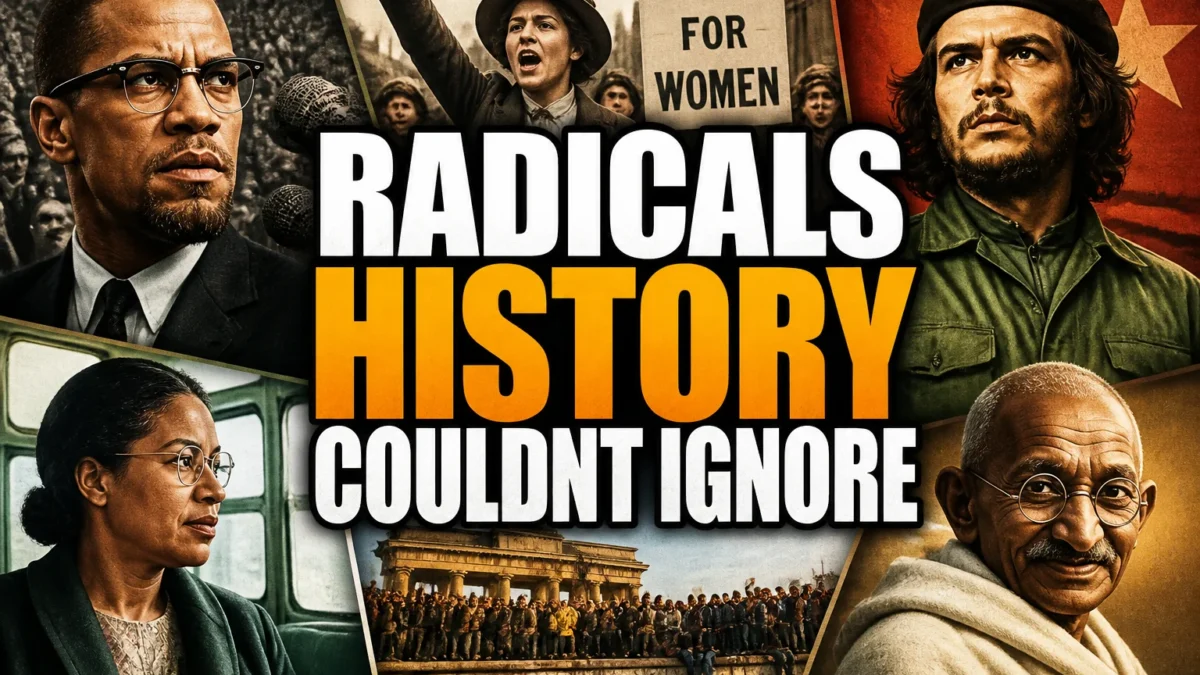
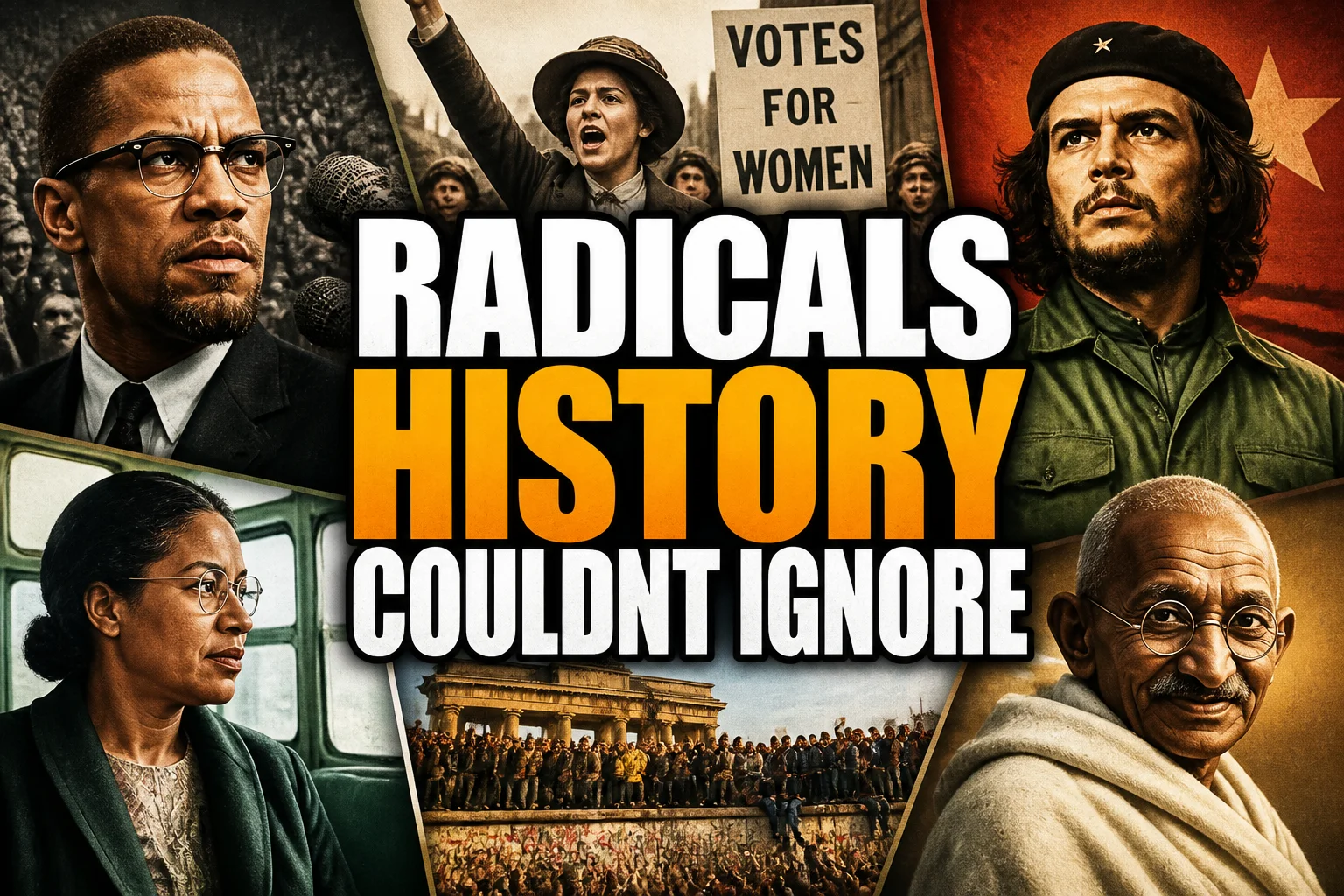
History textbooks often flatten radicals into footnotes, warning labels, or brief paragraphs next to a mugshot. But the radicals in history are rarely one-dimensional troublemakers. Many began as outsiders and ended up shifting the legal, moral, and political ground beneath their own societies.
The people below span centuries and continents, but this list is not exhaustive. It includes religious dissenters, abolitionists, labor organizers, suffragists, and anti-colonial thinkers. What they share is not a single ideology but a demand that the world change at the root.
TL;DR: Radicals in history were not just rebels; they forced societies to confront buried contradictions, and many of their extreme ideas eventually became common sense.
What Are Radicals in History?
When people ask what are radicals in history, they are usually asking about people who sought fundamental change in politics, religion, economics, or social life. The word radical comes from the Latin radix, meaning root. Radicals wanted to address problems at the root rather than trim the branches.
A radical definition US history often points to abolitionists, labor organizers, suffrage campaigners, and civil rights activists. In their own day, these figures were frequently described as dangerous, unrealistic, or unpatriotic. Later, many of their demands were absorbed into law and mainstream values.
Radicalism is also context-dependent. A nonviolent campaigner in one era could be called an extremist, while an armed revolutionary in another could become a national hero. Studying radicals means asking why certain ideas frightened an establishment and whose interests that fear protected.
Ancient and Early Modern Roots
The ancient and early modern world produced radicals who challenged slavery, empire, religious authority, and the limits of knowledge. They rarely won in their lifetimes. Their stories set a pattern for later movements.
1. Spartacus (c. 103–71 BCE)
Spartacus was a Thracian gladiator who led a massive slave uprising against the Roman Republic between 73 and 71 BCE. His army of enslaved people and poor laborers defeated several Roman forces before being overwhelmed. Rome crucified thousands of his followers along the Appian Way as a brutal warning.
Spartacus lost in military terms, but his rebellion exposed the fragility of Rome's slave economy. Later generations turned him into a symbol of resistance against oppression, even when the historical details were thin. That symbolic afterlife is a classic pattern for radicals in history.
2. Jesus of Nazareth (c. 4 BCE – c. 30/33 CE)
Jesus was a Galilean Jewish teacher whose public ministry challenged religious and social hierarchies in first-century Judea. He taught a message of radical compassion, criticized wealthy elites, and overturned tables in the Jerusalem Temple. Roman authorities executed him by crucifixion around 30 or 33 CE.
His movement did not disappear with his death. Followers spread his teachings across the Mediterranean, and a small Jewish reform movement grew into Christianity. Whether studied as a religious figure or a social critic, Jesus is one of the most consequential radicals in history.
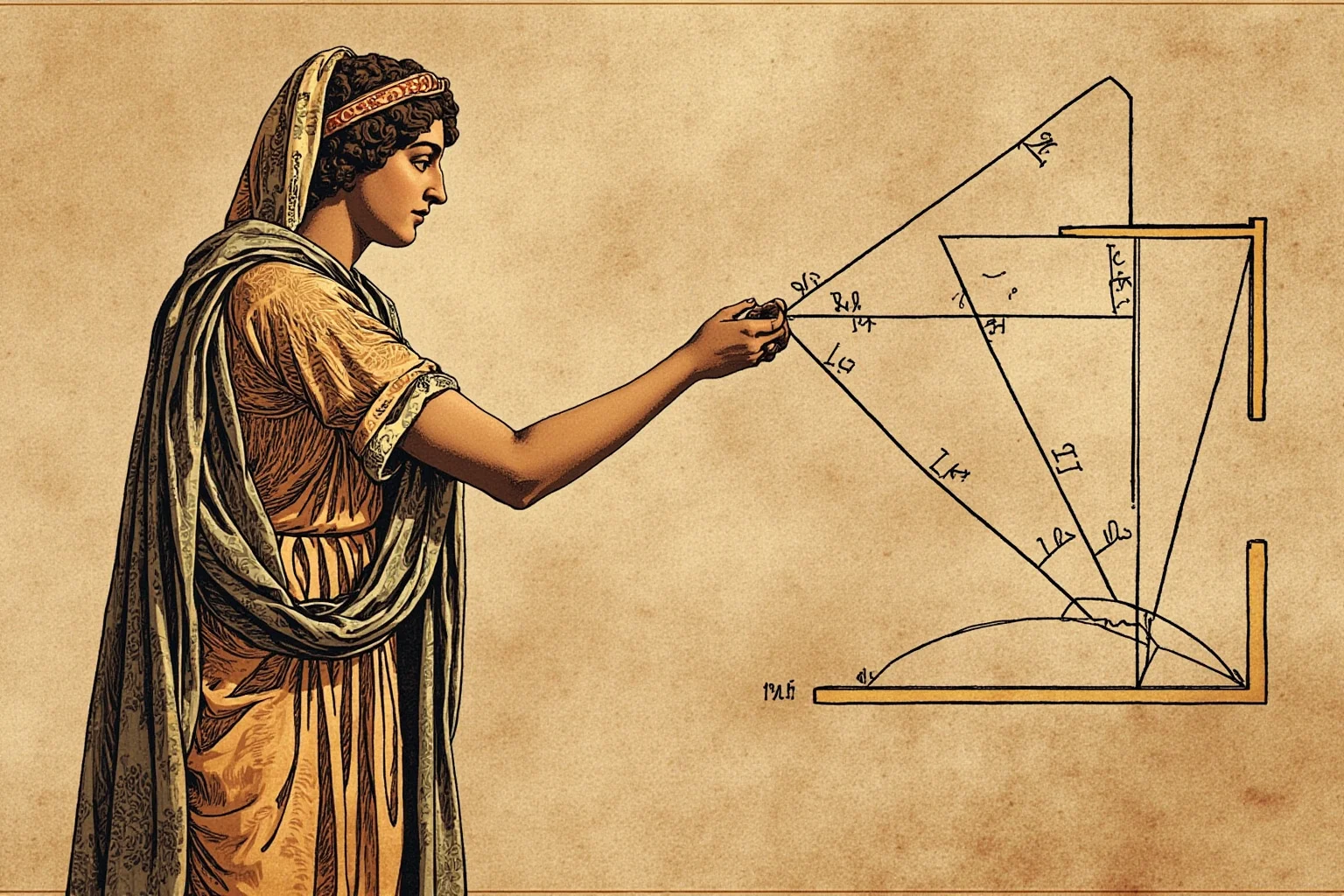
3. Hypatia of Alexandria (c. 360–415 CE)
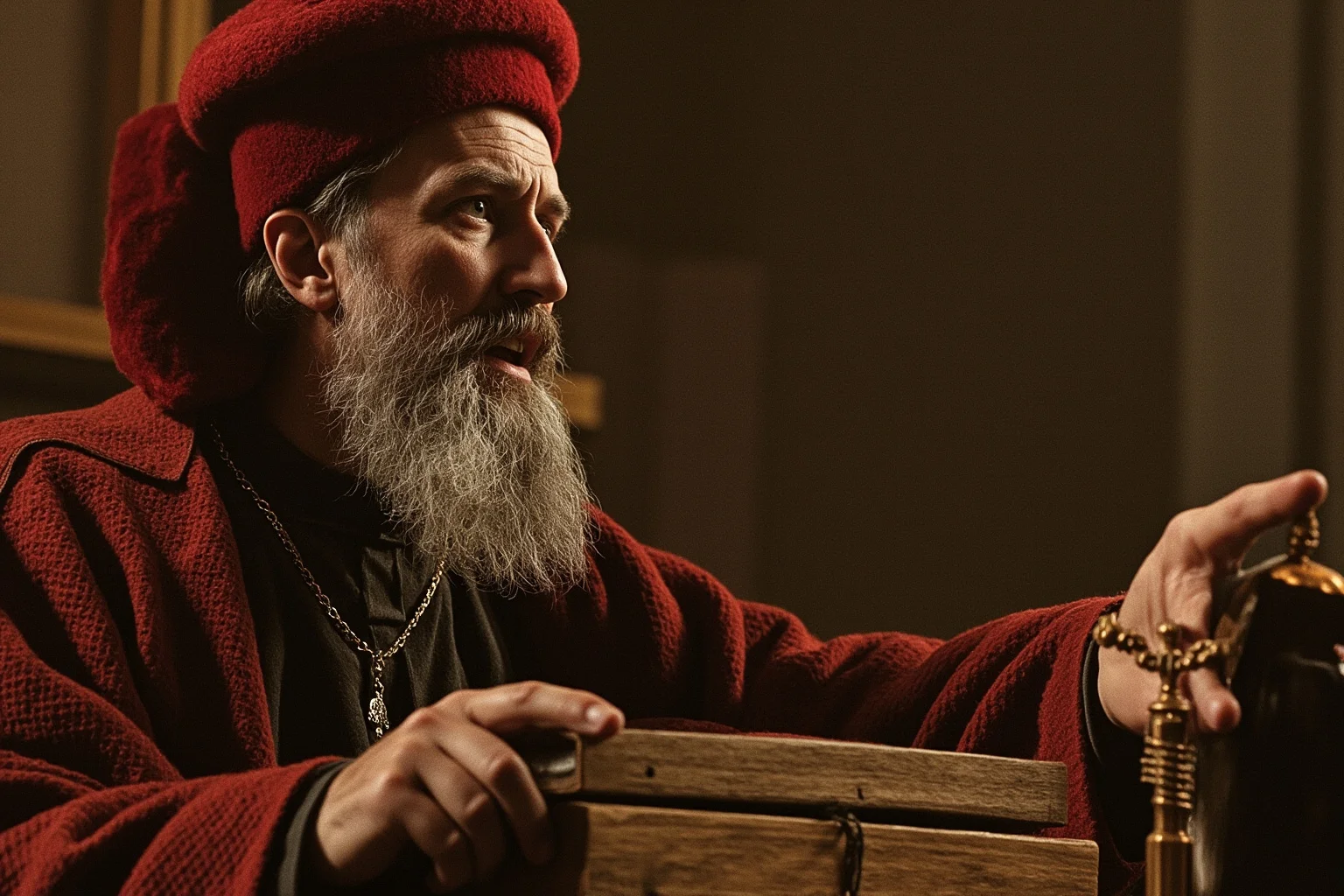
Hypatia was a mathematician, astronomer, and Neoplatonic philosopher in late Roman Alexandria. She taught publicly and advised civic leaders, which made her an unusual female intellectual authority in a male-dominated society. Her prominence placed her in the middle of a political and religious power struggle.
In 415 CE, a Christian mob killed Hypatia, and her death became a symbol of the conflict between classical learning and rising sectarian violence. The historical record is limited, so many details of her life remain debated. Still, her legacy as a boundary-breaking scholar endures.
4. Jan Hus (c. 1369–1415)
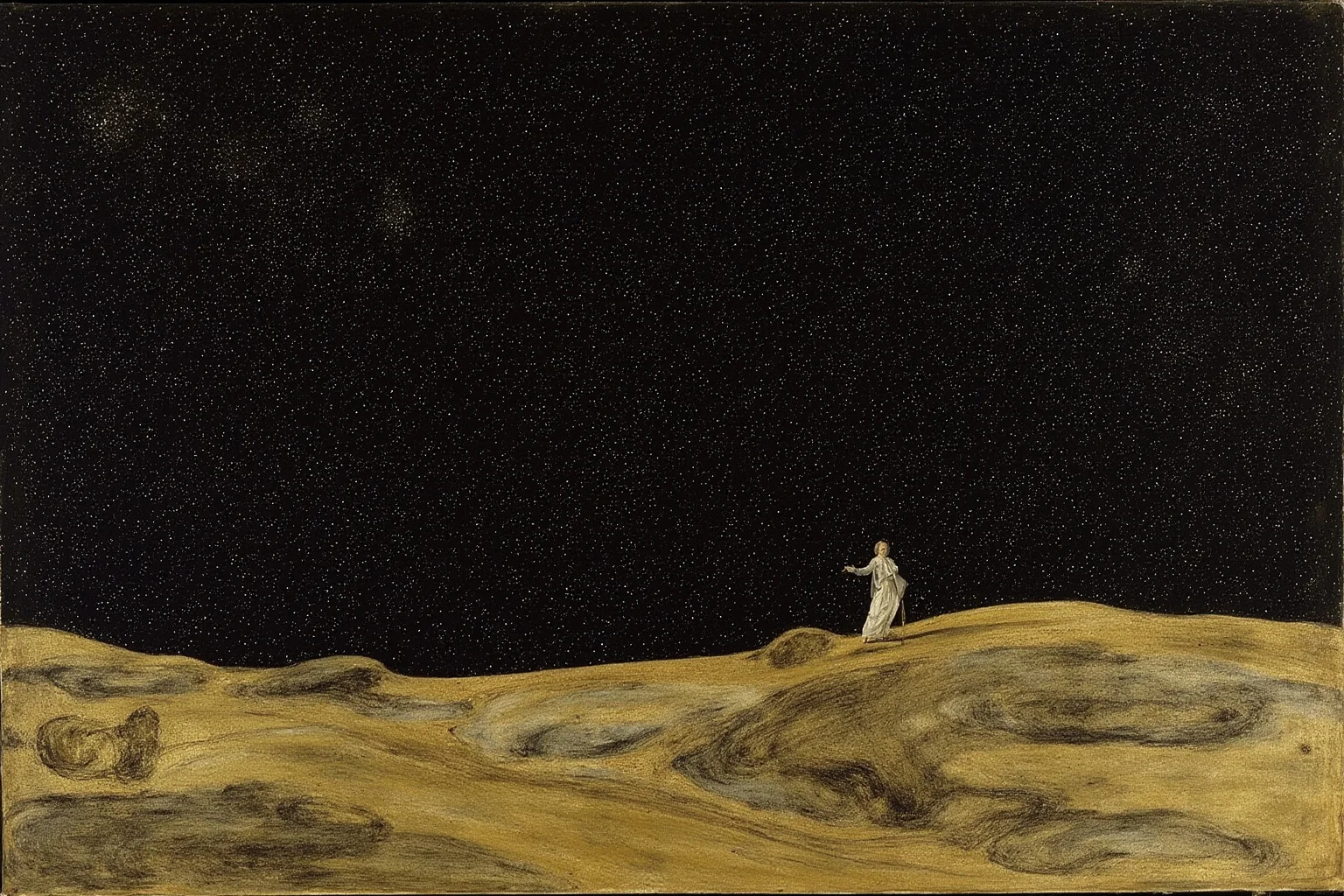
Jan Hus was a Bohemian priest and scholar who criticized church corruption and argued that scripture should be accessible to ordinary believers. He preached in Czech and challenged papal authority more than a century before Martin Luther. The Council of Constance condemned him as a heretic.
Hus was burned at the stake in 1415, but his followers, known as the Hussites, launched a broad reform movement. His ideas helped shape later Protestant challenges to church hierarchy. Radicals often fail in the short term while seeding larger movements.
5. Giordano Bruno (1548–1600)
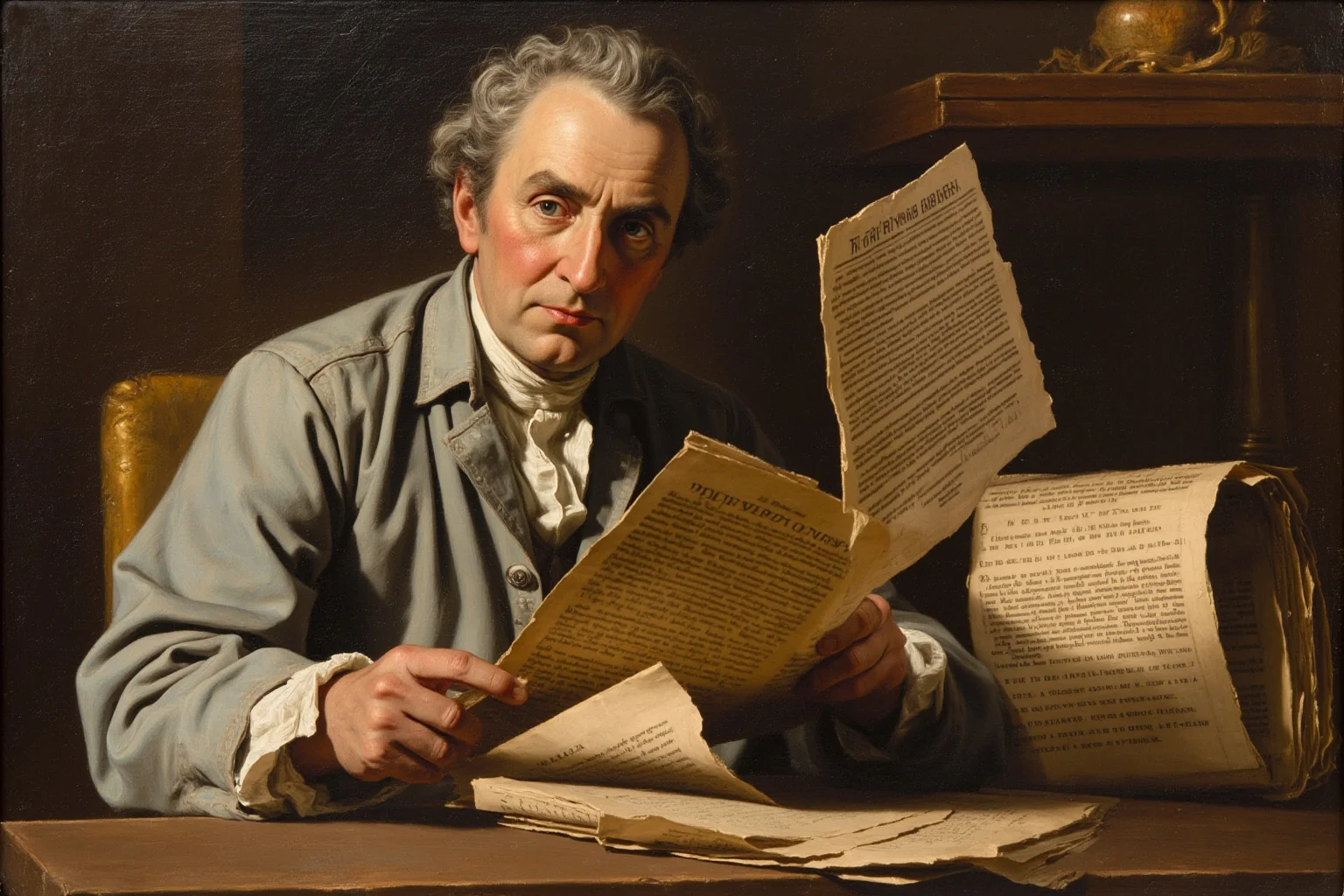
Giordano Bruno was an Italian philosopher and former Dominican friar who proposed an infinite universe with many worlds. He also questioned core Catholic doctrines, including the Trinity and the virgin birth. The Roman Inquisition imprisoned him for years before his trial.
In 1600, Bruno was burned for heresy in Rome. His cosmological ideas were speculative and mixed with mysticism, so he should not be read as a modern scientist in a simple sense. He nonetheless became a symbol of free thought and the risks of challenging intellectual orthodoxy.
Revolution, Abolition, and Suffrage
This group pushed the age of revolutions to ask who deserved citizenship. Their debates about slavery, women, and empire reshaped the modern world. Some worked inside political systems, while others turned to direct action.
6. Thomas Paine (1737–1809)
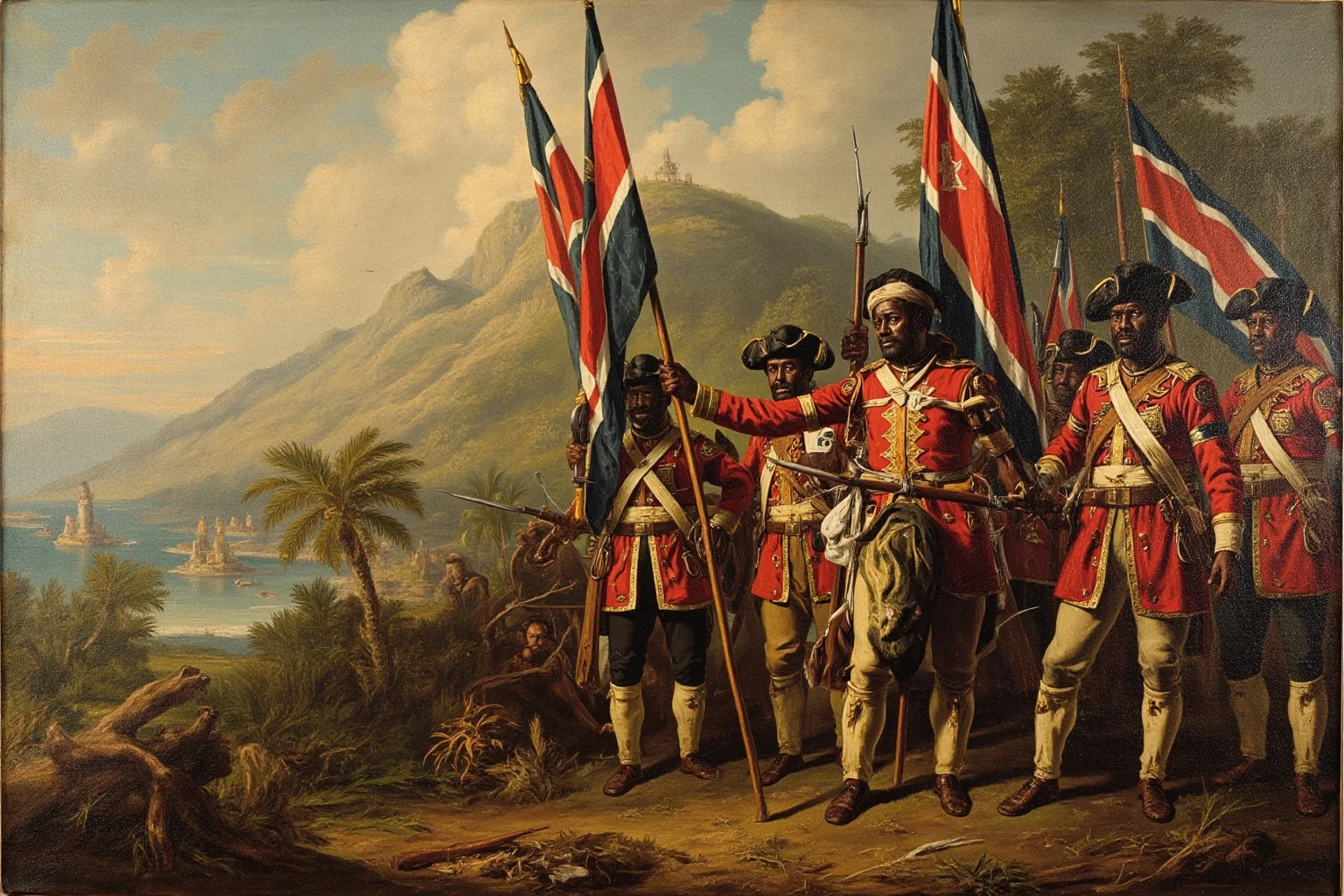
Thomas Paine was an English-born writer whose pamphlet Common Sense, published in 1776, helped convince many American colonists to support independence. He attacked monarchy and aristocracy in plain, punchy language. Later, The Rights of Man defended the French Revolution against conservative critics.
Paine also wrote The Age of Reason, a critique of organized religion that made him deeply unpopular. He spent his final years in obscurity, but his arguments shaped republican and democratic movements. His career shows how a radical writer can shape a revolution and then be cast aside by it.
7. Toussaint Louverture (1743–1803)
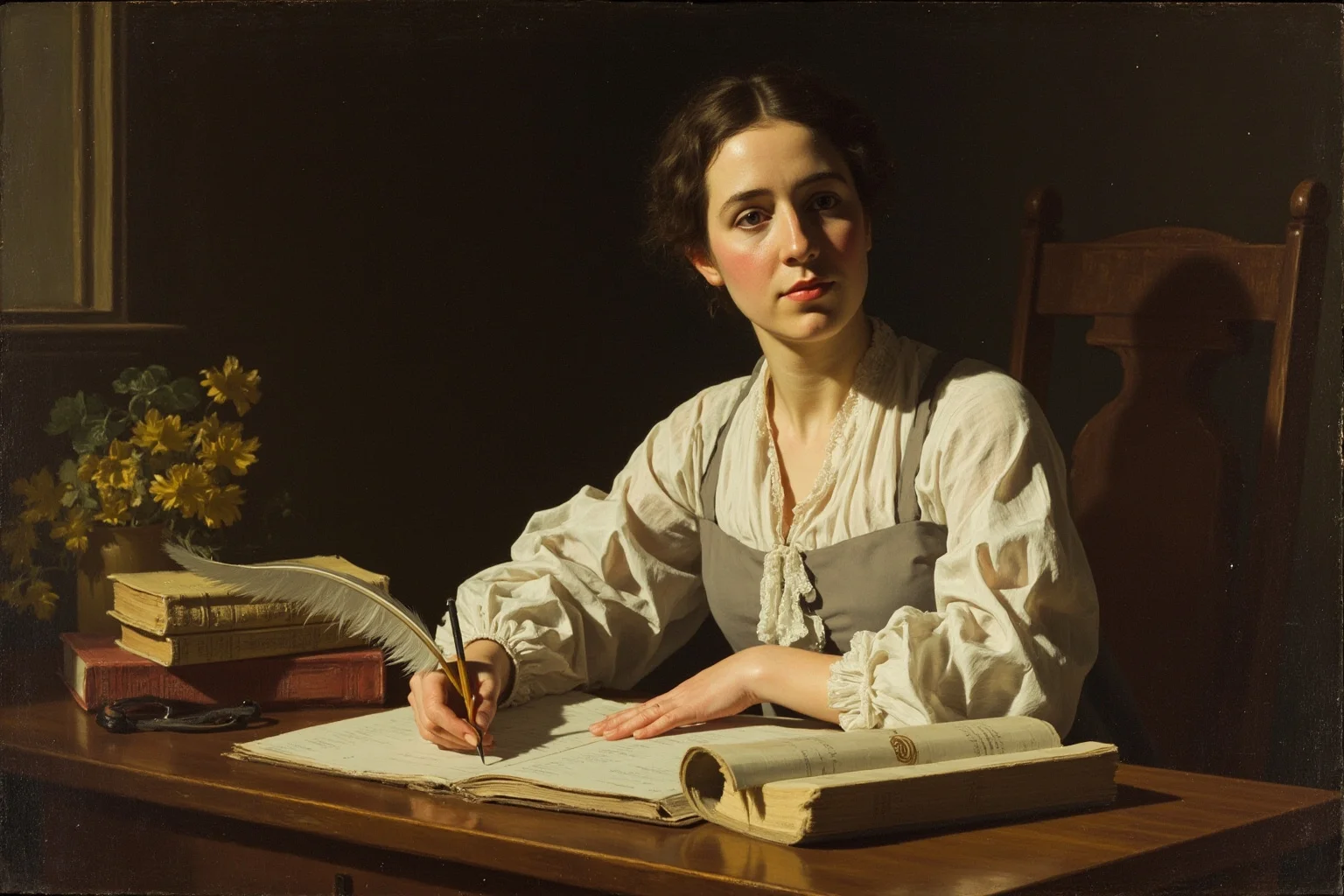
Toussaint Louverture was a formerly enslaved man who became the leading general of the Haitian Revolution. He organized a disciplined army that defeated European forces and abolished slavery in Saint-Domingue. His military and political skill forced France, Spain, and Britain to take him seriously.
Napoleon sent a massive expedition to reclaim the colony and restore slavery, and Louverture was arrested and deported to France. He died in prison in 1803, but the revolution he led produced Haiti's independence in 1804. It was the only successful slave revolt that created a new nation.
8. Mary Wollstonecraft (1759–1797)
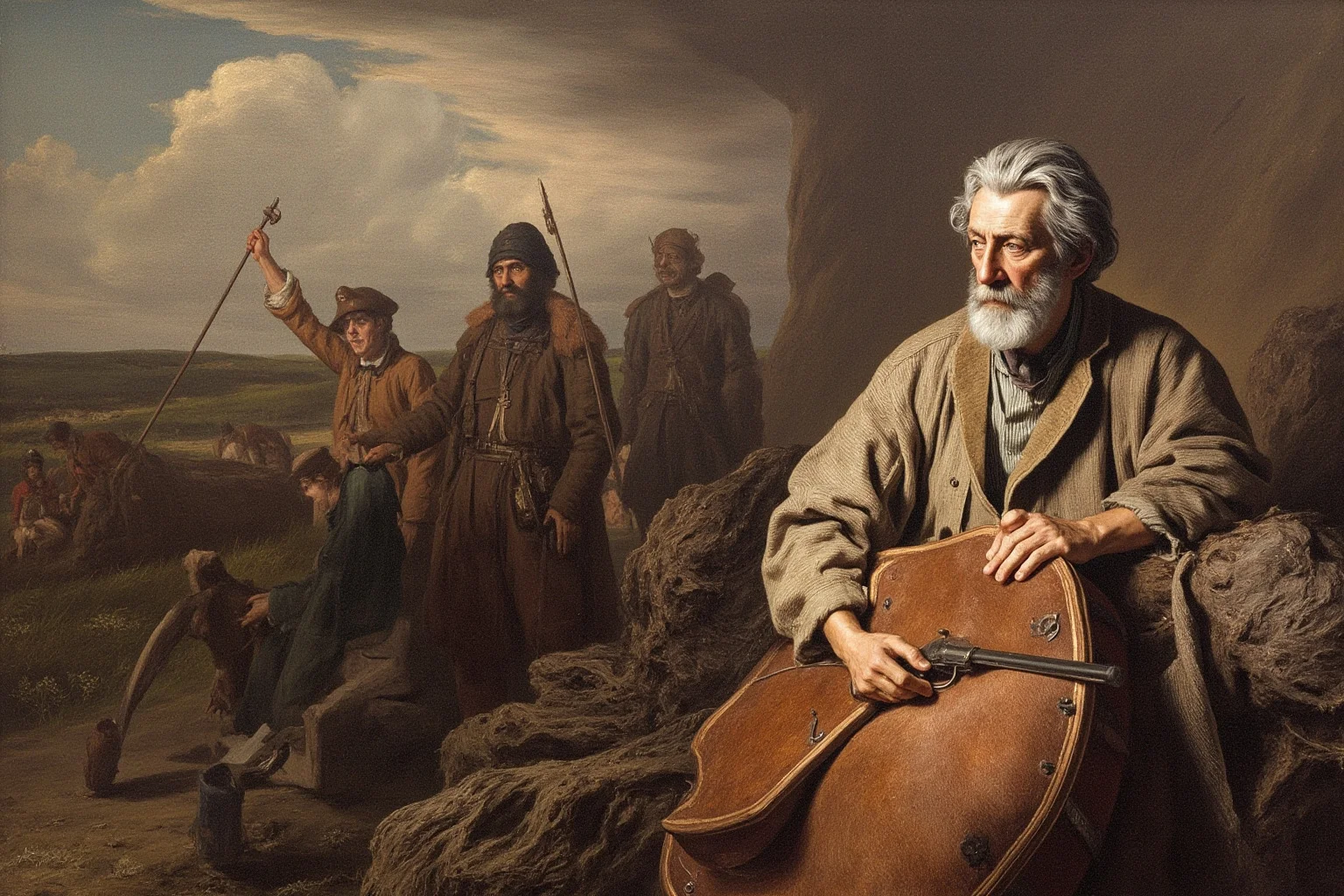
Mary Wollstonecraft published A Vindication of the Rights of Woman in 1792, arguing that women deserved the same education and rational liberty as men. She challenged writers who treated women as decorative dependents. Her argument was scandalous in Georgian England.
Wollstonecraft died young after complications following childbirth, and her personal life was later used to discredit her ideas. Over time, her work became a foundation for modern feminism. She shows that radicalism is often measured by whose rights are considered ordinary.
9. John Brown (1800–1859)
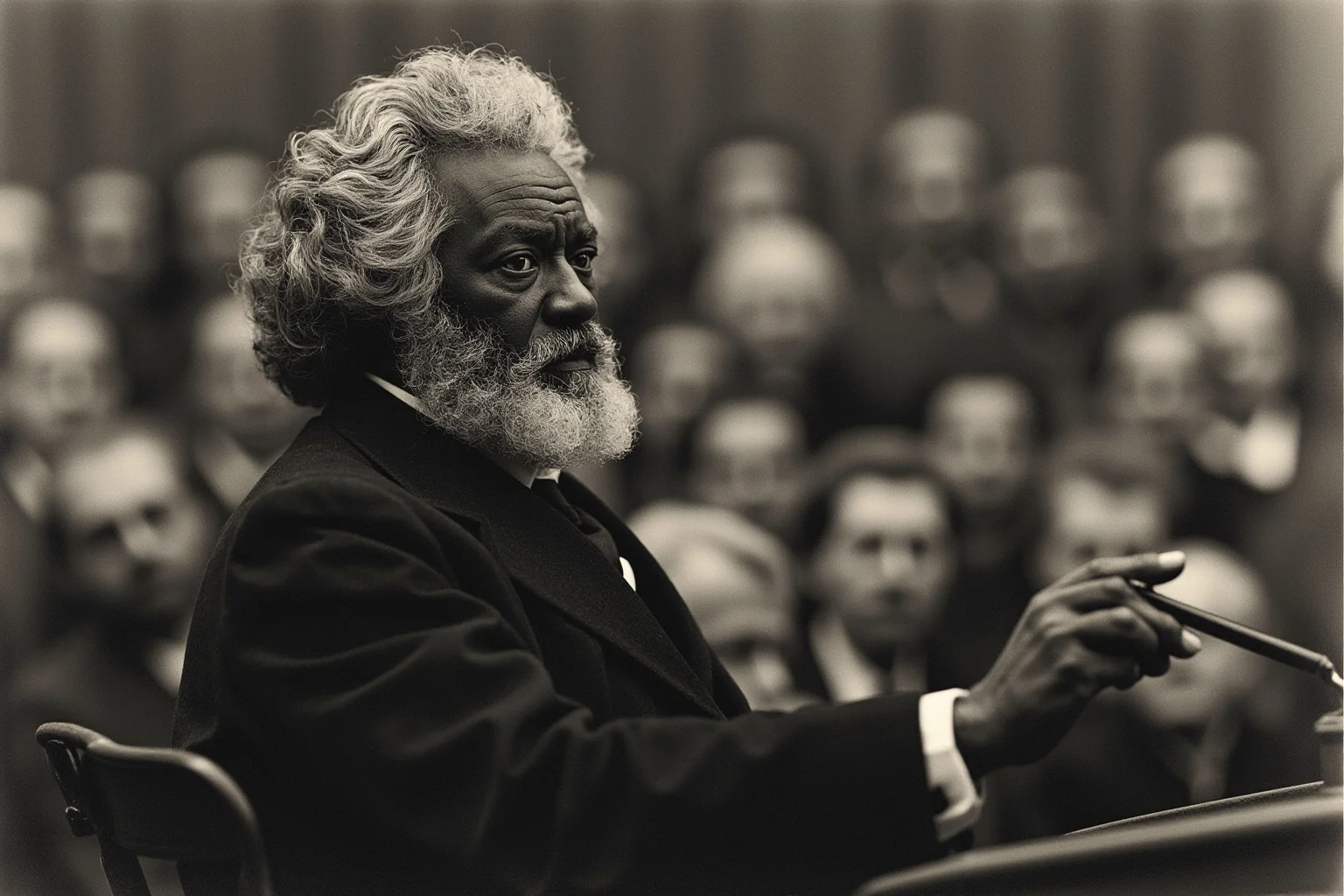
John Brown was a white abolitionist who believed slavery could only be destroyed through direct action. He fought in Kansas and then led the 1859 raid on the federal arsenal at Harpers Ferry, Virginia. His plan was to arm enslaved people and spark a liberation uprising.
The raid failed, and Brown was hanged for treason. Many Northern abolitionists considered him a martyr, while Southern leaders saw him as proof of Northern aggression. His actions hardened sectional divisions on the eve of the Civil War.
10. Frederick Douglass (1818–1895)
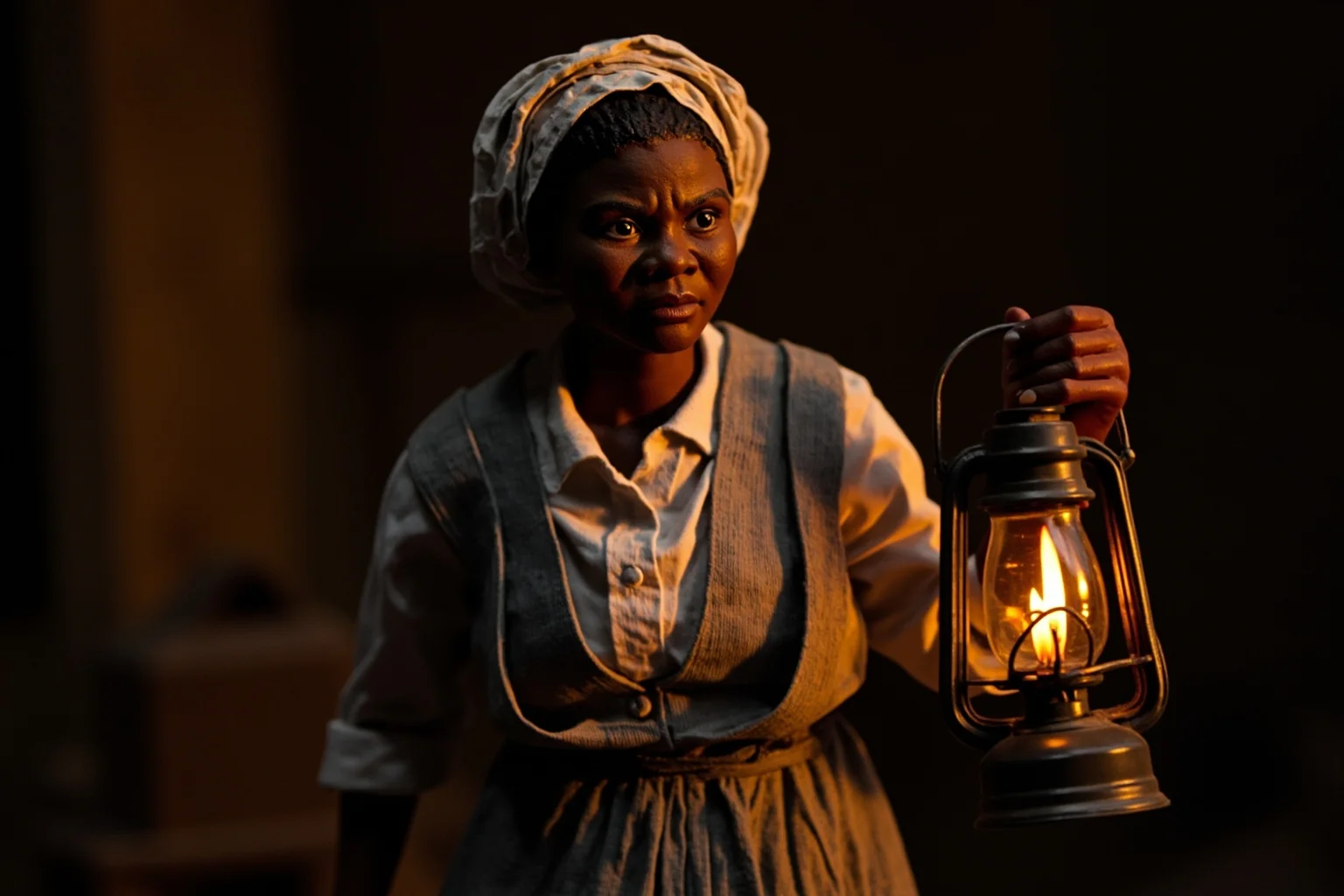
Frederick Douglass escaped from slavery and became one of the most influential abolitionist writers and orators of the nineteenth century. His autobiographies documented the brutality of slavery and asserted the full humanity of Black Americans. He also argued for women's suffrage and Black male suffrage after emancipation.
Douglass worked within political systems but was still considered radical because he attacked the core institution of the American economy. His meetings with presidents and his public speeches pushed the country toward abolition and later civil rights. He remains a central figure in any discussion of radicals in US history.
11. Harriet Tubman (c. 1822–1913)
Harriet Tubman escaped from slavery in Maryland and then returned repeatedly to guide others to freedom on the Underground Railroad. She became known for her courage and tactical skill, helping dozens of enslaved people reach the North. During the Civil War, she served as a scout and spy for the Union Army.
Tubman also advocated for women's suffrage after the war. Her radicalism was practical, direct, and deeply rooted in Black liberation. She was dismissed by many in her own time but is now recognized as a national hero.
12. Susan B. Anthony (1820–1906)
Susan B. Anthony was a leader of the women's suffrage movement in the United States. She organized campaigns, gave speeches, and illegally voted in the 1872 presidential election to challenge the exclusion of women from the ballot. Her arrest and trial drew national attention.
Anthony also took controversial positions, including opposing the Fifteenth Amendment because it did not include women. That stance created rifts with Black civil rights leaders and remains part of a complex legacy. Her single-minded focus on the vote helped lay groundwork for the Nineteenth Amendment.
Labor, Anti-Colonialism, and Civil Rights
Industrial capitalism and empire created new forms of power, and these radicals attacked them from different directions. Some used ballots, some used boycotts, and some used self-defense. Their struggles shaped the rights movements of the modern world.
13. Eugene V. Debs (1855–1926)
Eugene V. Debs was a labor organizer and socialist who helped found the American Railway Union. He led the Pullman Strike of 1894, which disrupted rail traffic and led to federal intervention. Debs was jailed for defying a court injunction against the strike.
He later ran for president five times as a socialist, once from prison in 1920. Debs received nearly a million votes in that election, an extraordinary number for a leftist third-party candidate. His campaigns popularized ideas such as public ownership and workers' rights that later influenced New Deal policies.
14. Emma Goldman (1869–1940)
Emma Goldman was an anarchist writer, speaker, and organizer who championed free speech, workers' rights, birth control, and anti-militarism. She was deported from the United States in 1919 during the Red Scare after years of arrests and government surveillance. Her lectures drew huge crowds and constant controversy.
Goldman opposed state power on principle, which put her at odds with both capitalism and authoritarian socialism. She was an early and vocal advocate for reproductive freedom. Her life demonstrates that radicals often pay a high personal price for positions that later become mainstream.
15. Mahatma Gandhi (1869–1948)
Mohandas Gandhi was an Indian lawyer and anti-colonial leader who developed satyagraha, a method of nonviolent resistance. He organized mass campaigns against racial discrimination in South Africa and later against British rule in India. His tactics of boycotts, marches, and civil disobedience influenced movements worldwide.
Gandhi was also a controversial figure in his views on caste, gender, and modernization. His radicalism was moral and strategic, not simply a refusal to obey laws. The Indian independence movement he helped lead showed that nonviolent pressure could defeat an empire.
16. W.E.B. Du Bois (1868–1963)
W.E.B. Du Bois was a sociologist, historian, and civil rights activist who challenged Booker T. Washington's accommodationist approach to segregation. He co-founded the NAACP and edited The Crisis, using data and journalism to document racial inequality. His book The Souls of Black Folk argued that Black Americans deserved full political and social equality.
Du Bois later became more openly socialist and anti-colonial, which brought government suspicion during the Cold War. He spent his final years in Ghana at the invitation of Kwame Nkrumah. His blend of scholarship and protest helped create the intellectual foundations of the civil rights movement.
17. Sylvia Pankhurst (1882–1960)

Sylvia Pankhurst was a British suffragist and socialist who broke with her mother and sister over strategy. She argued that working-class women needed economic and social change, not just the parliamentary vote. Her East London Federation organized around housing, food, and labor as much as suffrage.
Pankhurst also opposed World War I and later supported anti-fascist and anti-colonial causes. Her radicalism alienated more moderate suffragists and the British establishment. She is a reminder that radical movements often contain fierce internal debates about priorities.
18. Malcolm X (1925–1965)
Malcolm X was a Black nationalist leader and minister in the Nation of Islam who argued that Black Americans should defend themselves by any means necessary. He rejected integration as a goal and instead emphasized self-determination, economic independence, and pride in African heritage. His speeches made him one of the most polarizing figures of the civil rights era.
After leaving the Nation of Islam in 1964, Malcolm traveled through Africa and the Middle East and began to revise some of his views. He was assassinated in 1965 before that evolution was complete. His legacy shaped Black Power and later debates about the limits of nonviolent protest.
19. Frantz Fanon (1925–1961)
Frantz Fanon was a psychiatrist and philosopher from Martinique who analyzed the psychological damage of colonialism. His books Black Skin, White Masks and The Wretched of the Earth argued that colonial rule dehumanized both colonizer and colonized. He supported the Algerian revolution against French rule.
Fanon wrote that true liberation required uprooting colonial structures, not just replacing one elite with another. His work became a central text for anti-colonial and liberation movements around the world. He remains widely studied and debated today.
20. Angela Davis (b. 1944)
Angela Davis is an American philosopher, abolitionist, and activist whose work links racism, mass incarceration, and gender inequality. She gained national attention in the 1970s after being prosecuted for crimes connected to a courtroom hostage crisis, and she was acquitted. Her imprisonment and trial made her a symbol of the movement to free political prisoners.
Davis has spent decades arguing that prisons do not produce justice. Her scholarship and organizing helped build what is now called prison abolition. Though often labeled radical, her ideas now shape mainstream conversations about criminal justice reform.
Common Myths About Radicals in History
One myth is that radicals are always violent. Many radical movements used nonviolent tactics such as strikes, boycotts, pamphlets, and civil disobedience. Radicalism refers to the depth of change demanded, not to a specific weapon.
Another myth is that radicals are automatically on the right side of history. Some radical movements promoted authoritarian, nationalist, or exclusionary ideas that deserve criticism. Historians have to evaluate each case on its own evidence rather than using the label as a badge of honor.
A third myth is that radical ideas appear out of nowhere. Most radical programs grew from existing grievances, social networks, and older traditions of resistance. Change often happens when those scattered demands find a leader, a crisis, and a large enough audience.
Why Some Radicals Are Remembered and Others Are Not
Historical memory is rarely neutral. The radical who is hanged as a criminal in one decade may be honored with a statue in the next. This shift depends on who wins political power and whose version of events gets taught.
Some radicals are remembered because they aligned with winning movements such as national independence, abolition, or civil rights. Others are forgotten because they lost, because their causes still make people uncomfortable, or because their records were erased. Memory is a mix of evidence, myth, and rivalry.
It is also worth asking whether every radical is automatically correct. Radicals can be courageous and wrong, or right about one injustice and blind to another. Honest history requires holding both the insight and the contradiction together.
Conclusion: The Root Question
The radicals history could not ignore were often people who asked the question most institutions did not want asked. They tested the distance between a society's stated ideals and its actual practices. Their demands sounded extreme precisely because the status quo depended on not hearing them.
When we study radicals in history, we are not simply collecting rebels. We are watching the process of change before it becomes respectable. Understanding them helps us see that every era's common sense was once someone's dangerous idea.
Frequently Asked Questions
What are radicals in history?
Radicals in history are people or movements that sought fundamental, root-level changes to political, religious, social, or economic systems. The term comes from the Latin word radix, meaning root, so radicalism is about transforming structures rather than making small reforms. They were often seen as dangerous by authorities in their own time, but many of their ideas later became mainstream.
Who were the Radical Republicans in US history?
The Radical Republicans were a faction of the Republican Party during and after the American Civil War. They pushed for the abolition of slavery, federal protection of civil rights, and a strong Reconstruction that would secure freedom for formerly enslaved people. Their leaders included Thaddeus Stevens and Charles Sumner, and they often clashed with President Andrew Johnson over how harshly to treat the defeated South.
Is calling someone a radical always negative?
No. The label depends on the political center of a given time and place. Abolitionists and suffragists were called radical in their day, but many of their demands are now considered basic rights. The word describes a position relative to the status quo, not a fixed moral judgment.
What is the difference between a radical and a reformer?
A reformer generally works within existing institutions to make gradual improvements. A radical argues that the institutions themselves must be fundamentally restructured or replaced. In practice, the line often blurs because many movements include both reformist and radical wings.
Were all historical radicals violent?
No. Many radicals used nonviolent tactics such as strikes, boycotts, pamphlets, petitions, and civil disobedience. Others believed that armed struggle or self-defense was necessary. Radicalism refers to the depth of change demanded, not to a specific method.

Alex Warren
Related Articles