

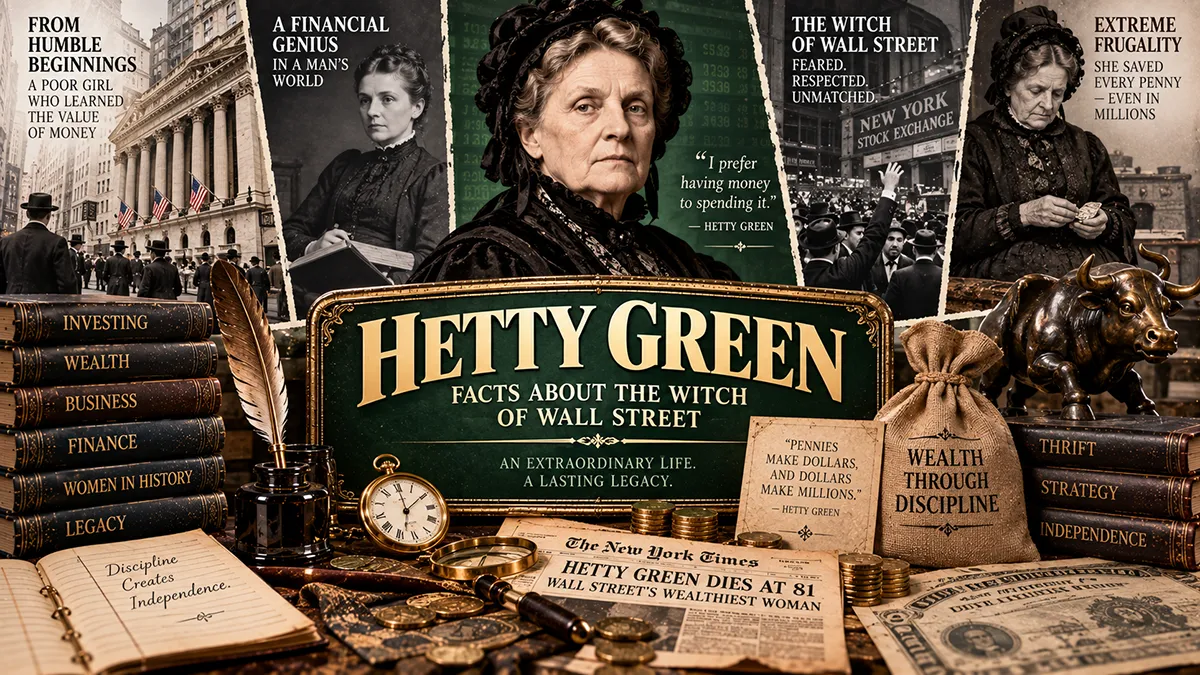
Imagine having enough money to buy entire city blocks of Manhattan, yet wearing the same worn black dress for years and haggling over the price of oatmeal. That was Hetty Green, a woman who turned a modest whaling inheritance into one of the largest fortunes in American history, all while living so frugally that newspapers nicknamed her the “Witch of Wall Street.”
Her story has been retold, exaggerated, and sometimes flat-out invented for over a century, which makes separating fact from legend part of the fun. Below are the real facts, the enduring myths, and everything in between about the woman born Henrietta Robinson.
TL;DR: Hetty Green amassed a fortune worth well over $100 million by the early 1900s through shrewd investing, yet chose to live in cheap boarding houses and extreme frugality, a contradiction that made her one of the most talked-about figures in American financial history.
1. Who Was Hetty Green, Really?

Hetty Green was an American businesswoman and investor who lived from 1834 to 1916. She built her wealth primarily through real estate, railroad bonds, and shrewd lending rather than speculation, which made her unusually conservative for a Gilded Age financier. By the time of her death, she was widely considered the richest woman in the world.
Her fame, though, came less from her financial genius and more from her legendary stinginess. Reporters loved painting her as an eccentric hoarder, and much of that reputation has stuck ever since. Some of it is true, some of it is exaggerated folklore, and untangling the two is exactly what makes her story so interesting.
2. She Was Born Into a Whaling Fortune in 1834

Hetty was born Henrietta Howland Robinson on November 21, 1834, in New Bedford, Massachusetts. Her family had made a fortune in the whaling industry, which was one of the most lucrative businesses in 19th-century New England. Growing up in a wealthy Quaker household gave her financial security most people of the era never experienced.
Her Quaker upbringing also instilled a strong sense of thrift and self-reliance, values she carried to an extreme later in life. New Bedford’s whaling elite were known for practical, unshowy wealth, and Hetty absorbed that culture early.
3. Her Real Name Was Henrietta “Hetty” Robinson
Many modern searches for her use variations like “Hetty Robinson,” and that’s actually her accurate maiden name. She was born Henrietta Howland Robinson and only became “Green” after marrying Edward Henry Green in 1867. Before that marriage, she was simply Hetty Robinson, heiress to her family’s whaling and shipping fortune.
It’s worth noting that spellings like “Hetty Greene,” “Hattie Green,” “Hettie Green,” and even “Heady Green” show up constantly online. These are all phonetic mix-ups or typos for the same historical figure, Hetty Green, so if you’ve seen any of those versions, you’re looking for the same woman.
4. She Was Reading the Financial Papers by Age Six
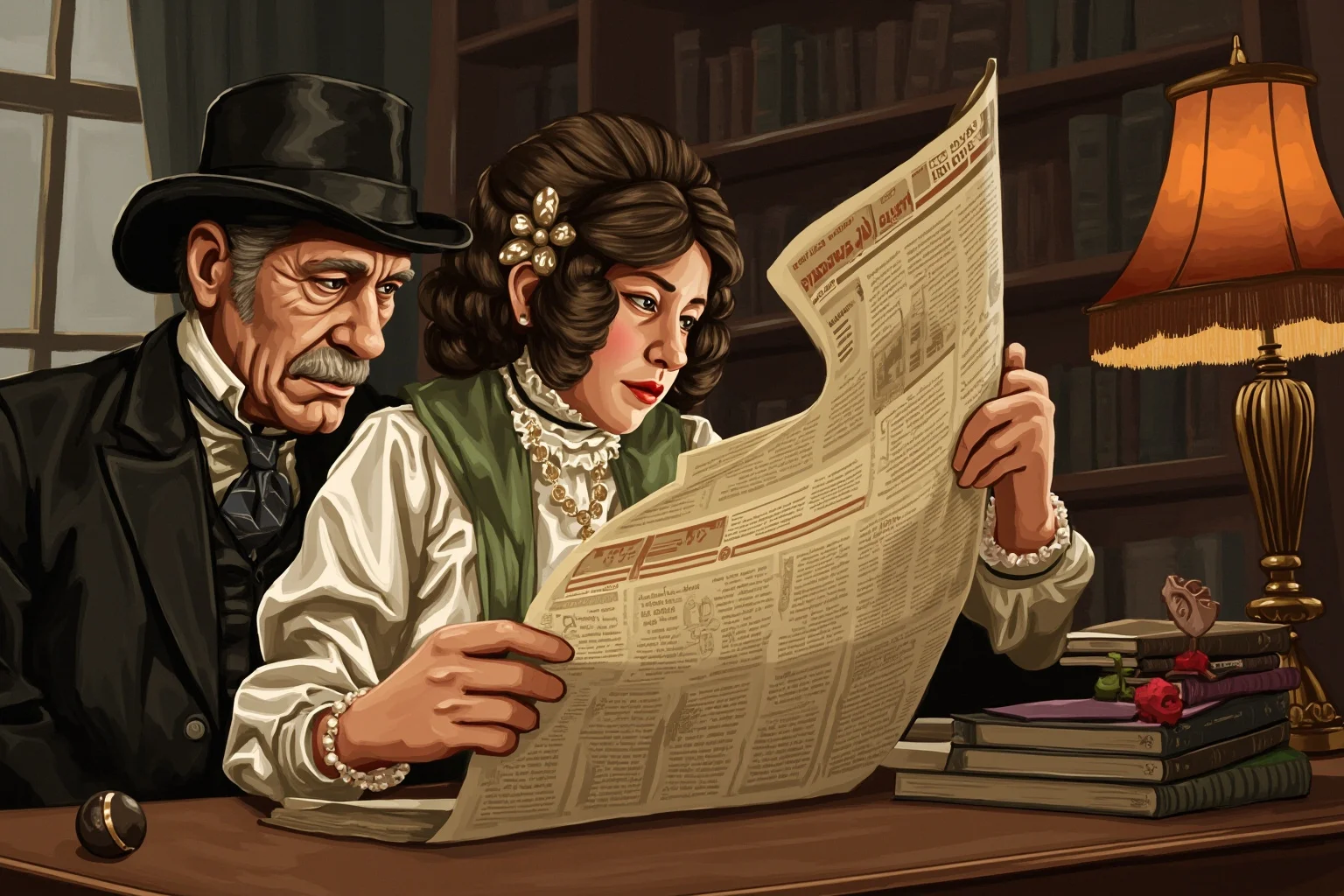
According to accounts from her own family, Hetty’s father began having her read stock quotations and shipping news aloud to him when she was still a young child, partly because her grandfather’s eyesight was failing. This wasn’t formal financial training, but it exposed her early to bonds, interest rates, and market fluctuations. It’s often cited as the root of her lifelong obsession with numbers and money management.
By her teenage years, she was reportedly managing her own investment accounts with her father’s guidance. This early exposure gave her a working knowledge of finance that most women of her era, and many men, never received.
5. She Inherited Millions—Then Multiplied Them

When her father died in 1865, Hetty inherited roughly $5 to $6 million, an enormous sum for the time. She inherited additional money from an aunt shortly after, pushing her starting fortune even higher. Rather than living off the interest quietly, she began actively investing in government bonds, railroad securities, and mortgages.
Her strategy was notably conservative compared to the flashy speculation common among Gilded Age tycoons. She favored steady, secured lending over risky ventures, which helped her fortune survive multiple economic panics that wiped out flashier investors.
6. She Married a Millionaire but Demanded a Prenup
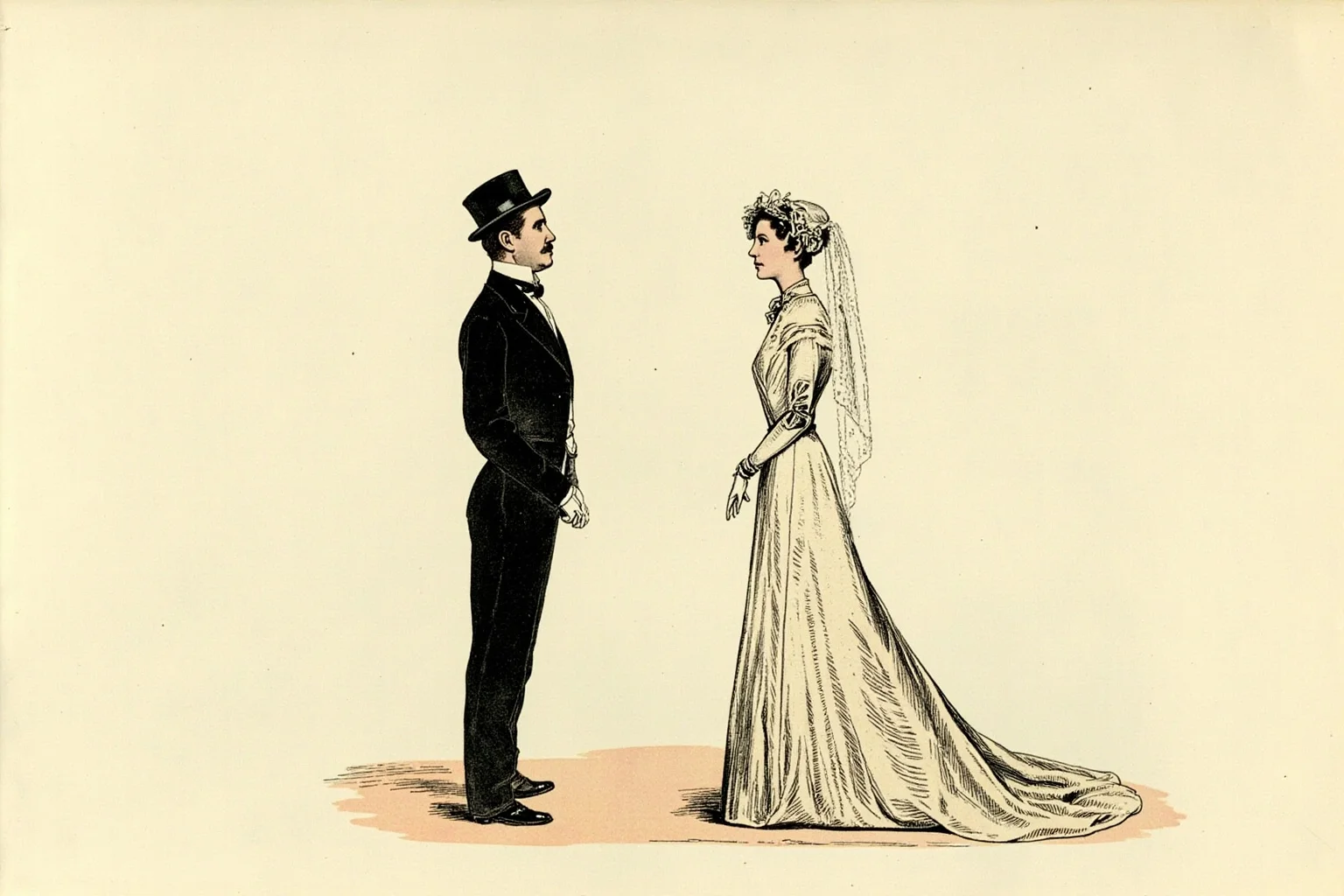
In 1867, Hetty married Edward Henry Green, a wealthy businessman with his own fortune from trading in Asia. Before the wedding, she insisted on keeping her finances entirely separate from his, an unusual and forward-thinking move for a woman in the 19th century. This arrangement mattered enormously later, when Edward’s business dealings ran into serious trouble.
The couple had two children, Ned and Sylvia, and lived for a time in London before financial pressures pulled them back toward New York. The marriage eventually grew strained, largely because of money.
7. She Became Known as the “Witch of Wall Street”
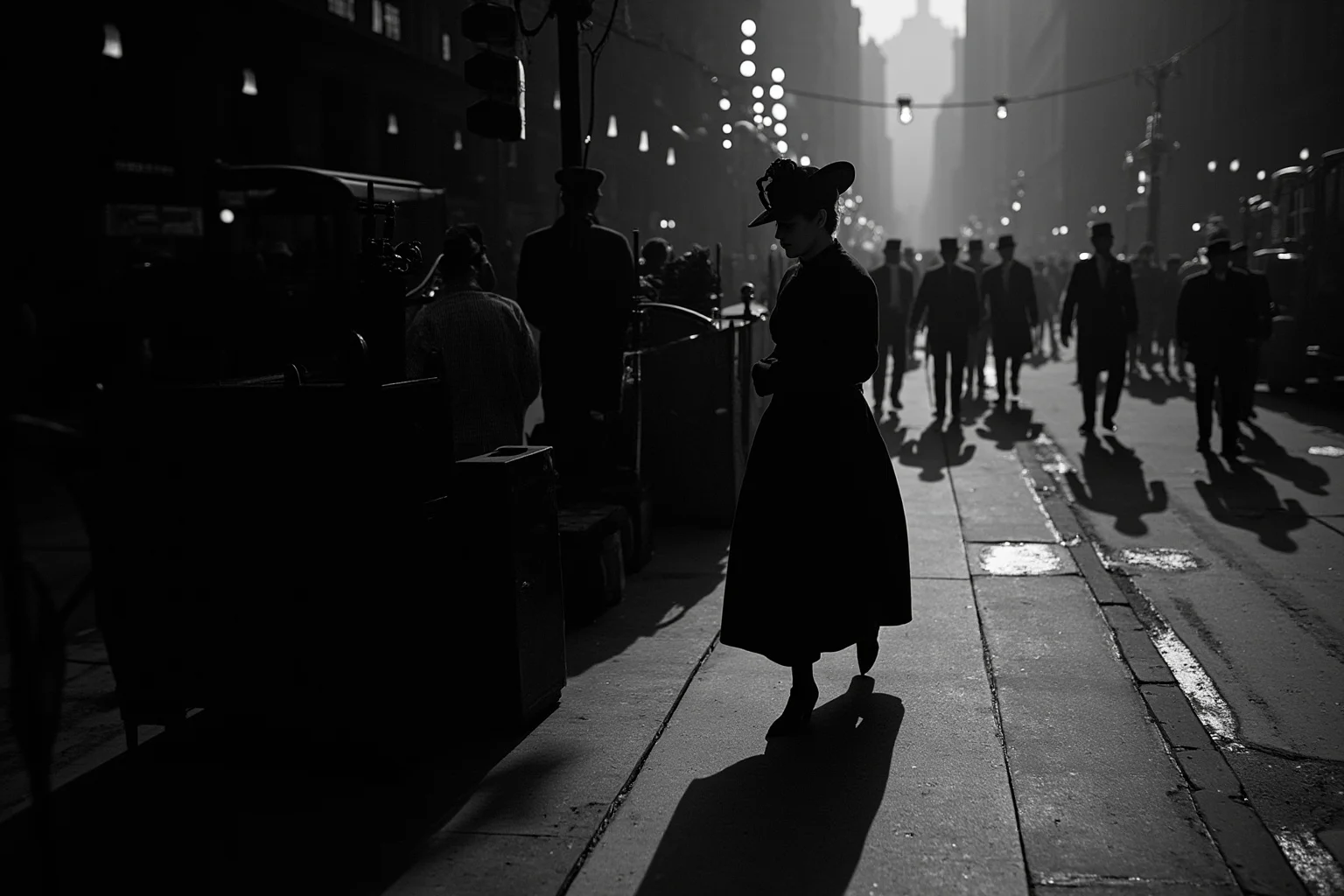
By the 1880s, newspapers had settled on a nickname that would follow Hetty for the rest of her life and long after: the Witch of Wall Street. It combined mockery of her all-black, old-fashioned clothing with awe at her financial power in a male-dominated industry. She was one of the only women regularly seen negotiating directly with bankers on Wall Street itself.
The nickname was as much about discomfort with a powerful woman as it was about her frugality. Female financiers were almost unheard of at the time, and the press struggled to describe her as anything other than an oddity.
8. She Refused to Pay for Heat in Her Own Home

One of the most repeated stories about Hetty is that she refused to heat the various apartments and boarding houses she lived in, even during harsh winters. Multiple contemporary accounts describe her bundling up in layers of clothing rather than paying for coal or firewood. Whether this was true in every instance or exaggerated by reporters eager for a good story is hard to verify with certainty.
What is well documented is that she moved frequently and lived far below what her fortune could have afforded. The heating stories fit a consistent pattern of behavior that both admirers and critics noted throughout her life.
9. She Wore the Same Black Dress Until It Fell Apart
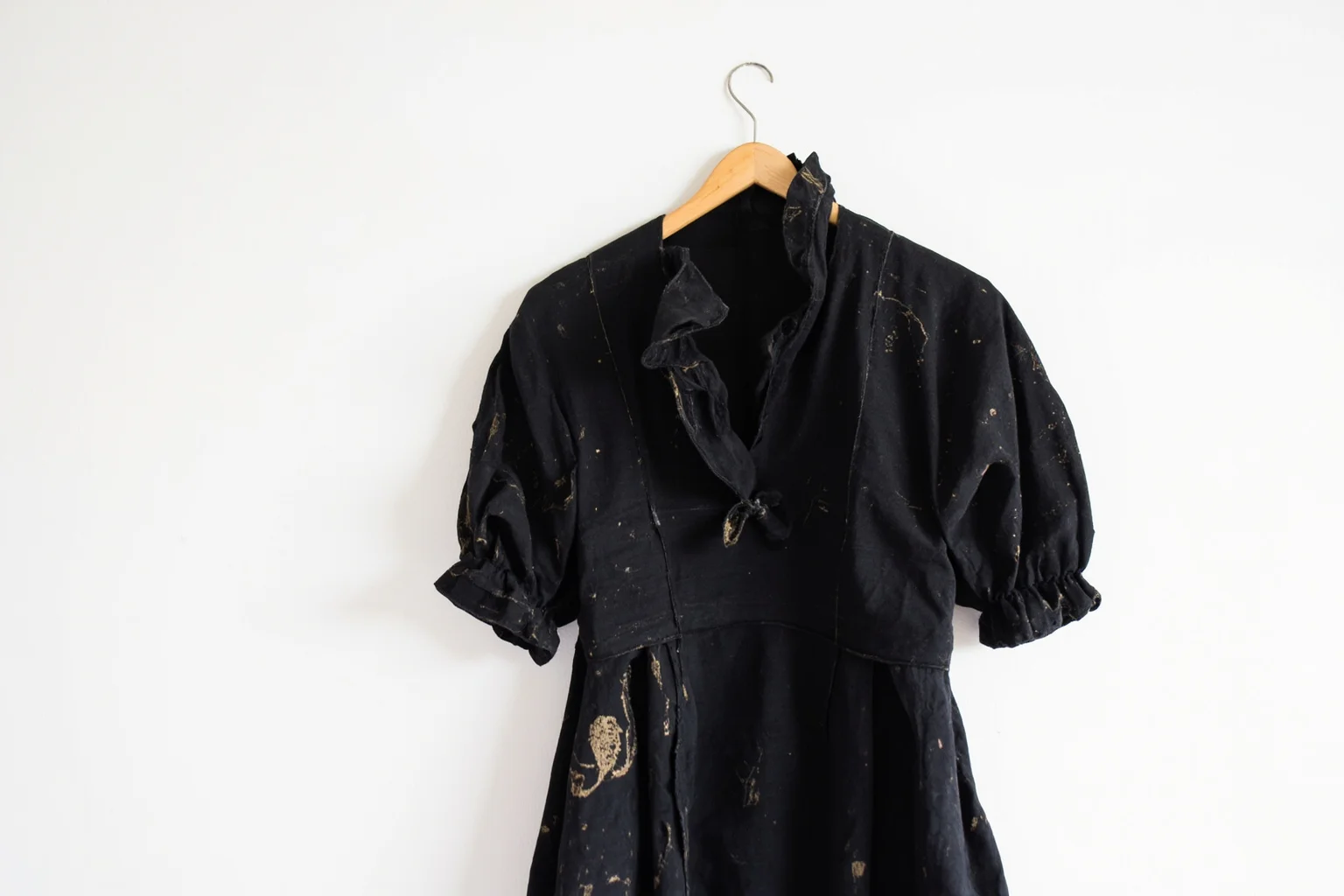
Hetty was famous for wearing plain black dresses, often described as worn, patched, or outdated by the fashion standards of the day. She reportedly bought her clothes in bulk and wore them until they were beyond repair rather than replacing them for style. Photographs of her from the period show a woman who looked more like a modest widow than one of the richest people alive.
Some biographers suggest the dark clothing also served a practical purpose, since it hid dirt and wear longer than lighter fabrics. Others argue it was simply an extension of her Quaker-influenced modesty. Either way, it became a visual shorthand the press used constantly.
10. She Allegedly Avoided Washing Her Clothes to Save Soap

This is one of the more sensational claims that circulated in newspapers and later retellings, and it deserves some skepticism. Stories claimed she only washed the hem of her petticoats to save money on soap and laundering. There’s no solid primary-source verification for this specific detail, and it may have been embellished by tabloid writers of the era looking to sell papers.
It’s a good example of how Hetty’s real frugality got amplified into cartoonish legend over time. The core trait, extreme thriftiness, was real; the specific anecdotes were not always independently confirmed.
11. She Moved Apartments Constantly to Dodge Tax Collectors
Hetty reportedly relocated between New York, New Jersey, and other locations frequently, and one widely cited reason was to avoid establishing permanent residency for tax purposes. By staying mobile, she made it harder for any single jurisdiction to assess and collect taxes on her enormous holdings. This tactic, whether fully successful or not, added to her reputation as someone who treated money with almost obsessive protectiveness.
She reportedly lived in a series of modest boarding houses and cheap apartments rather than owning a grand residence. For a woman with tens of millions of dollars, this was a striking contradiction that fascinated the public then just as it does now.
12. She Ate Cold Oatmeal to Save on Cooking Costs

Another frequently repeated detail is that Hetty ate cold oatmeal rather than pay to heat it, sometimes supposedly warming it on a radiator in a building she didn’t own. Like several of the more colorful anecdotes about her, this story appears in numerous secondhand accounts but is difficult to trace to a single verified source. It fits her documented pattern of extreme cost-cutting, even if the specific detail can’t be confirmed with certainty.
What’s clear is that dozens of these small, similar stories accumulated around her during her lifetime. Even if a few were embellished, the sheer volume suggests her frugality was genuinely extraordinary, not just a media invention.
13. Her Son’s Leg Injury Became Her Most Notorious “Cost”

Perhaps the darkest and most cited story about Hetty involves her son Ned’s leg injury as a child. According to widely repeated accounts, Hetty tried to find free medical treatment for him rather than paying for a doctor, and the delay allegedly worsened the injury, eventually contributing to a partial leg amputation years later. This story has been retold so often that it’s treated as fact in many popular sources, though some historians note the full medical circumstances are difficult to verify in detail.
What is documented is that Ned did lose part of his leg as an adult. The exact causal chain, and how much of it was truly due to his mother’s frugality versus other factors, remains a point some biographers treat cautiously rather than as settled history.
14. She Loaned New York City Millions During Financial Panics
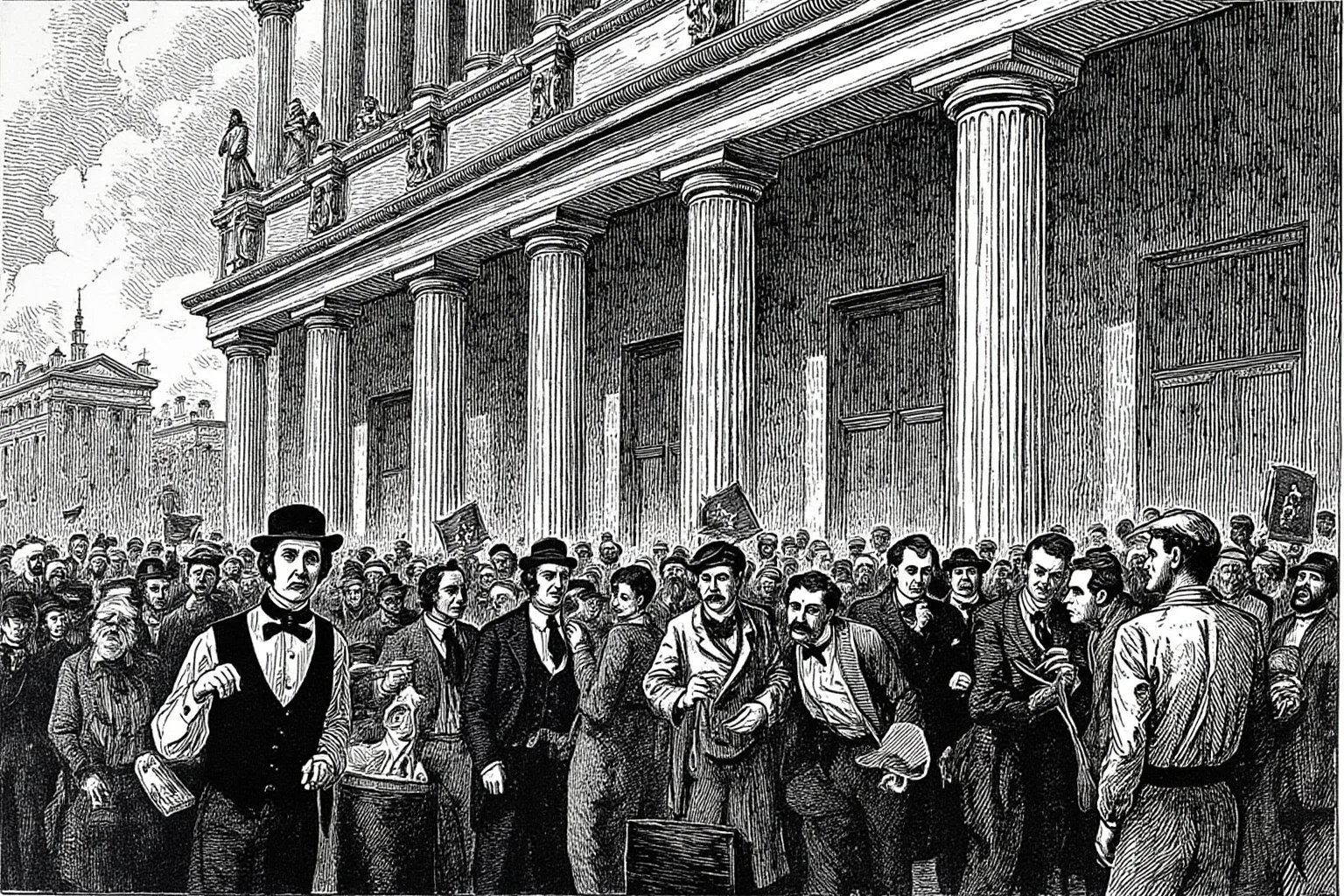
Despite her personal thriftiness, Hetty was capable of extraordinary generosity when it served her financial interests, particularly during crises. During financial panics, including the Panic of 1907, she reportedly loaned substantial sums to New York City and various institutions when banks were short on cash. These loans came with solid interest and collateral, of course, but they also helped stabilize parts of the city’s finances during dangerous moments.
This is one of the clearest examples of her financial philosophy in action. She wasn’t reckless or purely hoarding; she was calculating, patient, and willing to deploy capital strategically when others panicked.
15. She Fought a Decades-Long Legal Battle Over Her Aunt’s Will
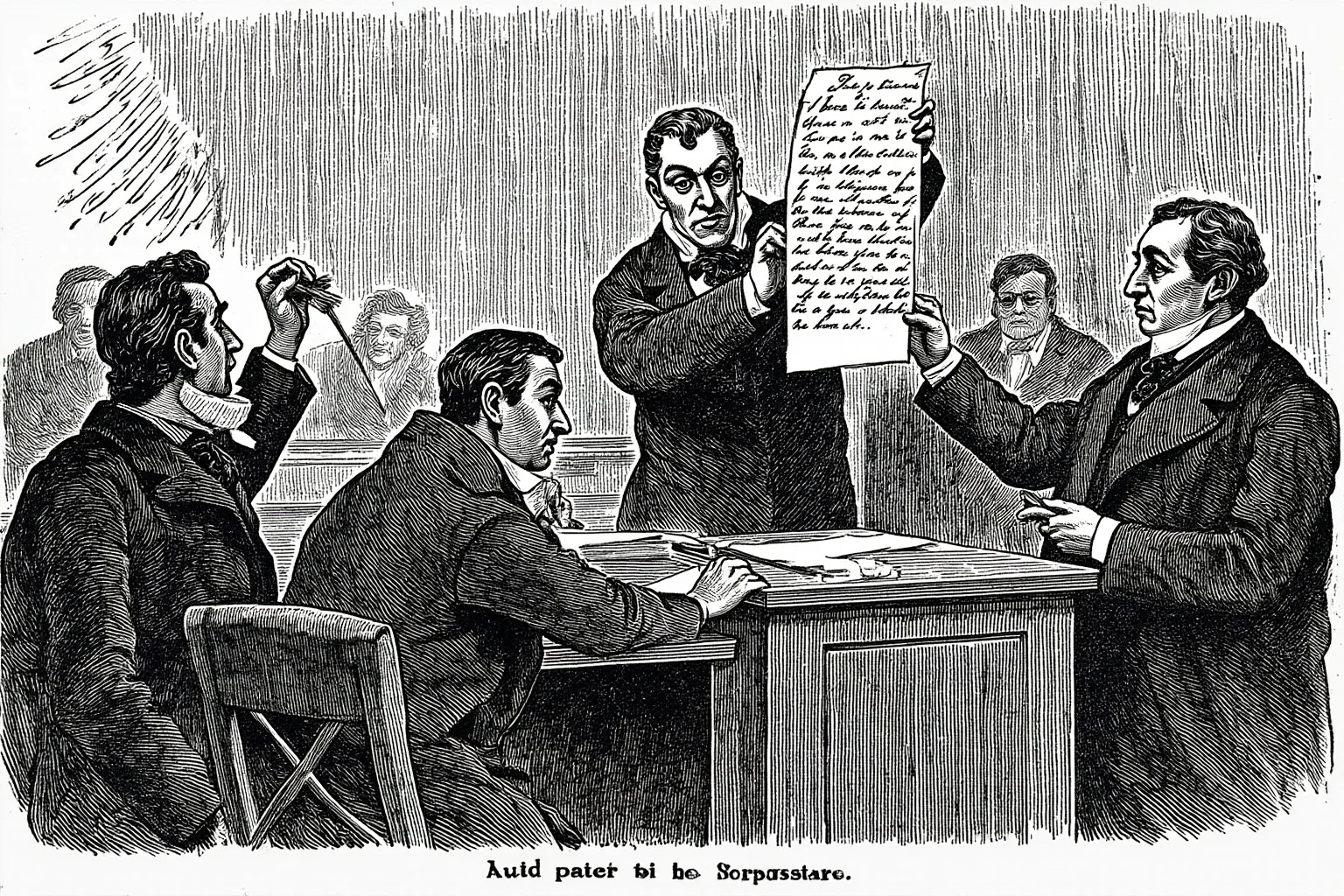
One of the defining events of Hetty’s early adult life was a lengthy legal dispute over the estate of her aunt, Sylvia Ann Howland. Hetty produced a will and an additional document she claimed guaranteed her a larger inheritance, but the validity of that second document was challenged in court. The resulting case, often referenced in legal history for its use of early statistical analysis of handwriting, dragged on for years and damaged her public reputation.
The court ultimately ruled against the validity of the disputed document, though Hetty still received a substantial settlement. The case reinforced her image as someone willing to fight fiercely, and sometimes controversially, over money.
16. She Distrusted Banks and Carried Her Fortune in a Satchel
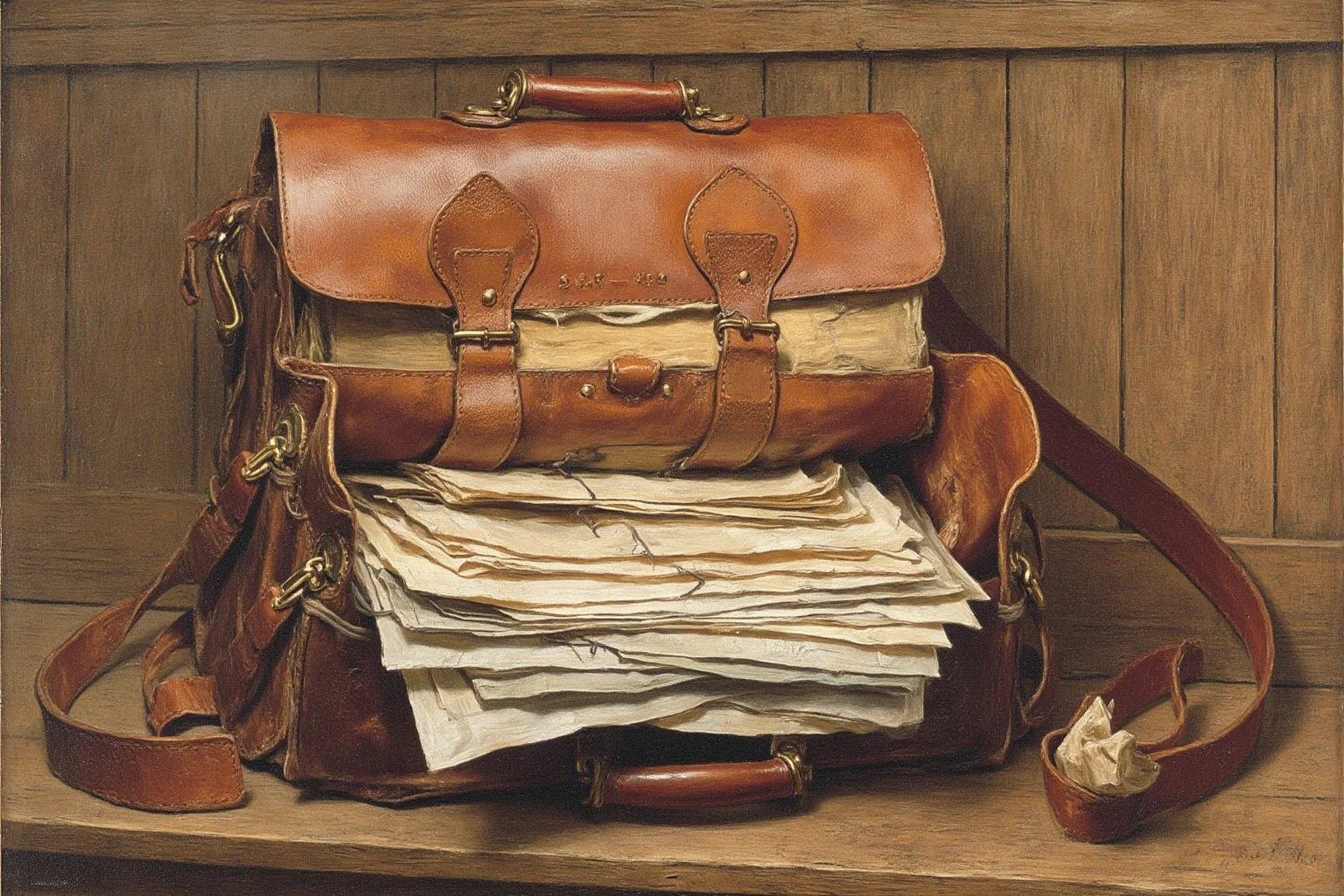
Hetty reportedly carried important financial documents, bonds, and papers with her in a worn black bag rather than leaving everything with banks or safety deposit companies. Given how many banking institutions failed or wavered during 19th-century panics, her distrust wasn’t entirely irrational. She had witnessed firsthand how quickly financial institutions could collapse.
This habit added to her mystique, since she was sometimes seen moving through New York’s financial district clutching worn bags stuffed with valuable paperwork. It was an odd, almost theatrical contrast to the polished bankers she regularly out-negotiated.
17. She Was One of the Richest Women in the World—On Paper

Estimates of Hetty’s fortune at the time of her death in 1916 range widely, but many historical sources place her net worth somewhere between $100 million and $200 million. Adjusted for inflation, that would translate to a fortune worth well over a billion dollars in today’s terms. This is where the popular framing of her as a “billionaire” comes from, even though the term itself wasn’t in common use during her lifetime.
She reportedly built this fortune primarily through patient, compounding investments in bonds, mortgages, and real estate rather than dramatic speculative bets. It’s a reminder that her financial success was rooted in genuine skill, not just luck or inheritance alone.
18. She Lived in Cheap Boarding Houses, Not Mansions

While other Gilded Age tycoons built sprawling mansions on Fifth Avenue or in Newport, Hetty spent much of her later life in modest rented rooms and boarding houses in New Jersey and Brooklyn. She avoided the ostentatious displays of wealth that defined her era’s robber barons almost entirely. Visitors who met her were often shocked to learn the plainly dressed woman haggling over rent was one of the wealthiest people in the country.
This lifestyle wasn’t just about saving money; it also reflected her genuine discomfort with the social spectacle of wealth. She seemed to prefer anonymity and control over status and spectacle.
19. Her Death Sparked Almost as Many Legends as Her Life

Hetty Green died in July 1916 at around age 81, reportedly following a series of strokes. One popular legend claims her final collapse came during a heated argument with a servant over the merits of skimmed versus whole milk, though this detail, like several others in her story, is difficult to verify from reliable primary sources. What’s better documented is that she had been in declining health for some time before her death.
At the time of her passing, she left behind an estate valued in the tens of millions of dollars, split primarily between her two children. Newspapers across the country ran extensive obituaries, most of them still fixated on her frugality rather than her financial acumen.
20. Her Children Lived Very Differently Than She Did

Hetty’s son Ned and daughter Sylvia inherited roughly equal shares of her enormous fortune. Unlike their mother, both siblings spent freely, particularly Ned, who became known for lavish parties, yachts, and a notably more social lifestyle in places like Texas and Massachusetts. Sylvia, meanwhile, married later in life and lived more quietly, though still far more comfortably than her mother ever allowed herself to live.
This generational contrast is one of the more poignant parts of the Hetty Green story. A woman who denied herself basic comforts left behind children who spent the fortune she’d guarded so fiercely.
21. People Still Misspell Her Name Constantly

If you’ve searched for “Hattie Green,” “Hettie Green,” “Heady Green,” or “Hetty Greene,” you’ve stumbled onto one of the more common quirks of her modern legacy. Her name, Hetty Green, gets mangled online in a surprising number of ways, largely because “Hetty” itself is an old-fashioned nickname for Henrietta that isn’t common today. All of these variations point back to the same historical figure born Henrietta Robinson.
It’s a small but telling detail about how historical figures get filtered through modern search habits. A name that was instantly recognizable in 1900 now needs a bit of spelling detective work in 2024.
22. Where Is the Hetty Green Family Now?
Neither of Hetty Green’s children had children of their own, which means she has no direct descendants alive today. Ned Green died in 1936, and Sylvia Green, who married later in life and became known as Sylvia Wilks, died in 1951 without heirs. Because of this, Hetty’s immediate bloodline effectively ended with her two children.
Much of the remaining Green family fortune was eventually distributed to various charitable institutions and relatives after Sylvia’s death, since there was no direct family left to inherit it. So while “Hetty Green family now” is a commonly searched question, the honest answer is that there isn’t a modern direct descendant carrying her name or fortune forward. Her legacy today lives on mainly through historical writing, financial folklore, and the charitable institutions that benefited from the eventual dispersal of her estate.
23. Her Legacy: A Guinness Record and a Permanent Place in Wall Street Lore
Hetty Green holds a long-standing entry in the Guinness World Records as the “greatest miser,” a title that cements her place in pop culture history. She’s frequently cited in personal finance writing, business school case studies, and biographies as an early example of an unconventional, highly successful female investor. Modern writers often use her story to explore both the power of disciplined investing and the psychological extremes of hoarding wealth.
Whatever the exact truth behind every individual anecdote, her core legacy is undeniable. She proved, at a time when women were largely excluded from serious finance, that patience, discipline, and a willingness to ignore social expectations could build one of the largest fortunes in American history.
The Real Hetty Green Behind the Legend
Hetty Green’s life resists a simple label. She wasn’t just a miser, and she wasn’t just a financial genius; she was a genuinely complicated person shaped by early exposure to money, a fiercely protective streak, and a Gilded Age press eager to turn any powerful woman into a caricature. Some of the wilder anecdotes about her have likely grown taller with each retelling over the past century.
What remains solidly true is her skill as an investor, her refusal to live by the social expectations of her class, and her lasting fame as one of the most unusual figures in American financial history. Whether you know her as Hetty Green, Hetty Robinson, or one of the many misspelled variations floating around the internet, her story remains a genuinely fascinating piece of American history.
Frequently Asked Questions
Where is the Hetty Green family now?
Hetty Green has no living direct descendants today. Her son Ned Green died in 1936 and her daughter Sylvia (who became Sylvia Wilks) died in 1951, and neither had children, so her direct bloodline ended with her two children. Much of the remaining family fortune was eventually distributed to relatives and charitable institutions after Sylvia's death.
Was Hetty Green’s real name Hetty Robinson?
Yes. She was born Henrietta Howland Robinson in 1834 and only took the surname Green after marrying Edward Henry Green in 1867. Before her marriage, she was known as Hetty Robinson.
How much money did Hetty Green actually have?
Estimates vary, but most historical sources place her net worth between $100 million and $200 million at the time of her death in 1916. Adjusted for inflation, that would be worth well over a billion dollars today, which is why she's often described in modern terms as a billionaire.
Why was Hetty Green called the Witch of Wall Street?
Newspapers gave her the nickname because of her plain, all-black clothing, her intense frugality, and her unusual presence as a powerful woman negotiating directly with bankers on Wall Street. The nickname reflected both fascination and discomfort with a woman succeeding in a male-dominated financial world.
Why do people search for ‘Hattie Green’ or ‘Heady Green’?
These are common misspellings or mishearings of Hetty Green's name, since 'Hetty' is an old-fashioned nickname for Henrietta that isn't widely used today. Searches for Hattie Green, Hettie Green, Heady Green, and Hetty Greene all typically refer to the same historical figure.
How did Hetty Green die?
Hetty Green died in July 1916 at around age 81, reportedly after suffering a series of strokes. Some popular accounts describe a dramatic final argument with a servant, but that specific detail is difficult to verify and should be treated as folklore rather than confirmed fact.

Alex Warren
Related Articles





