

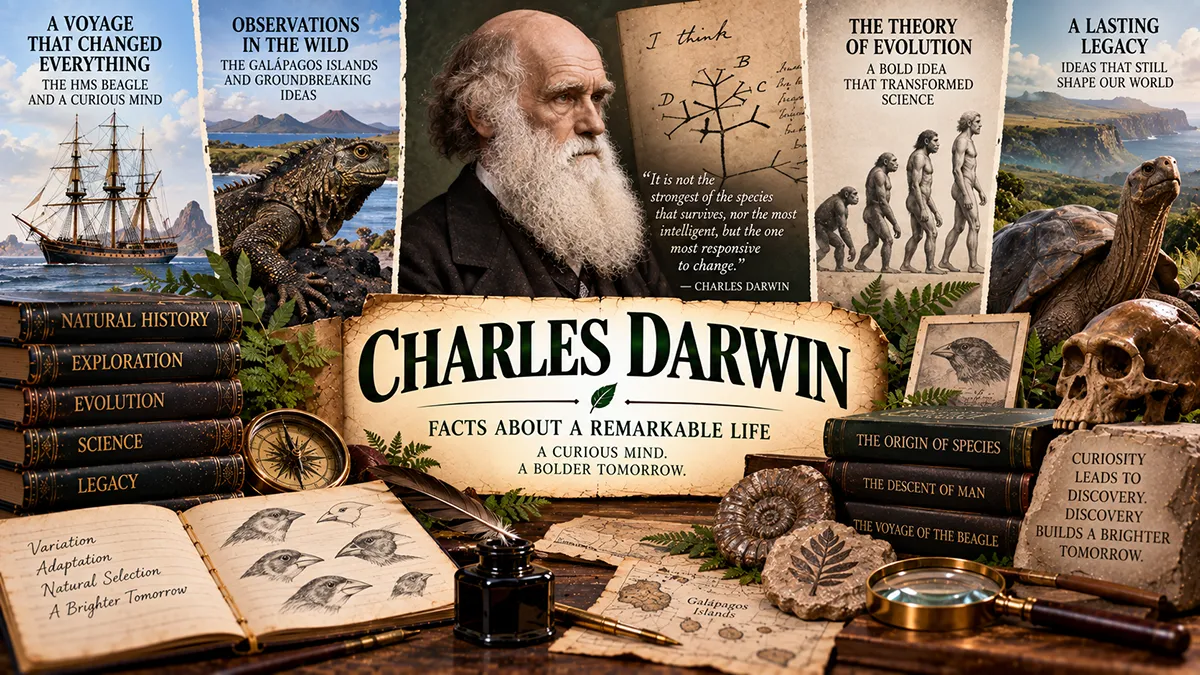
Few scientists have changed how we understand ourselves quite like Charles Darwin. Ask anyone what Charles Darwin is famous for, and you’ll almost certainly hear two words back: natural selection. But behind that famous phrase is a much stranger, slower, and more human story than most people realize.
This guide rounds up the best facts about Charles Darwin — his voyages, his doubts, his illnesses, and the ideas he sat on for two decades before finally publishing. Whether you need five facts about Charles Darwin for a school project or want the full picture of why he’s significant, you’ll find it below.
TL;DR: Charles Darwin is best known for developing the theory of evolution by natural selection, laid out in his 1859 book On the Origin of Species, following a nearly five-year voyage aboard HMS Beagle and roughly two decades of cautious, painstaking research.
What Is Charles Darwin Famous For?
Charles Darwin (1809–1882) was an English naturalist and one of the most recognized historical figures of all time, best known for the theory of evolution by natural selection. In plain terms, he proposed that species change over time because individuals with traits better suited to their environment are more likely to survive and reproduce, passing those traits on.
This idea was published in On the Origin of Species in 1859, and it remains one of the most important scientific works ever written. So when people ask what Charles Darwin is known for, the short answer is: he gave us the scientific framework for understanding how all life on Earth is related and how it changes across generations.
But that’s really just the headline. The facts below show how Darwin actually got there — and they reveal a far more cautious, curious, and occasionally reluctant scientist than the popular image suggests.
26 Fun Facts About Charles Darwin
From his years as a reluctant medical student to the earthworms he obsessed over in old age, here are the facts that explain both the man and the myth.
1. He trained as a doctor, then was steered toward the clergy
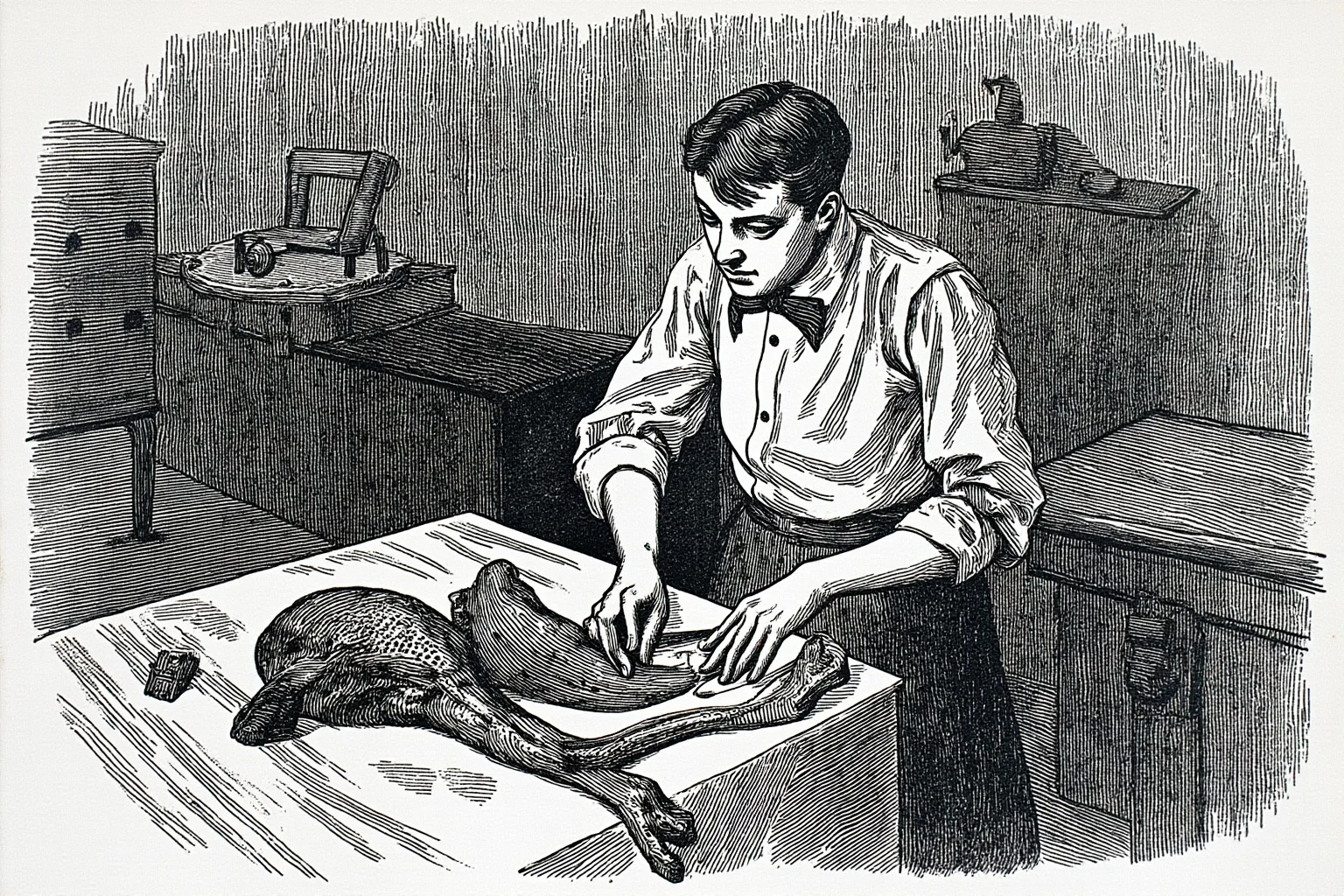
Darwin’s father sent him to study medicine at the University of Edinburgh, but young Charles reportedly found surgery upsetting and lectures dull. He left without finishing the degree.
His father then pushed him toward becoming a clergyman, and Darwin enrolled at Cambridge to study theology. He earned his degree there, though his real passion was already turning toward beetles, geology, and natural history.
2. The Beagle voyage lasted almost five years
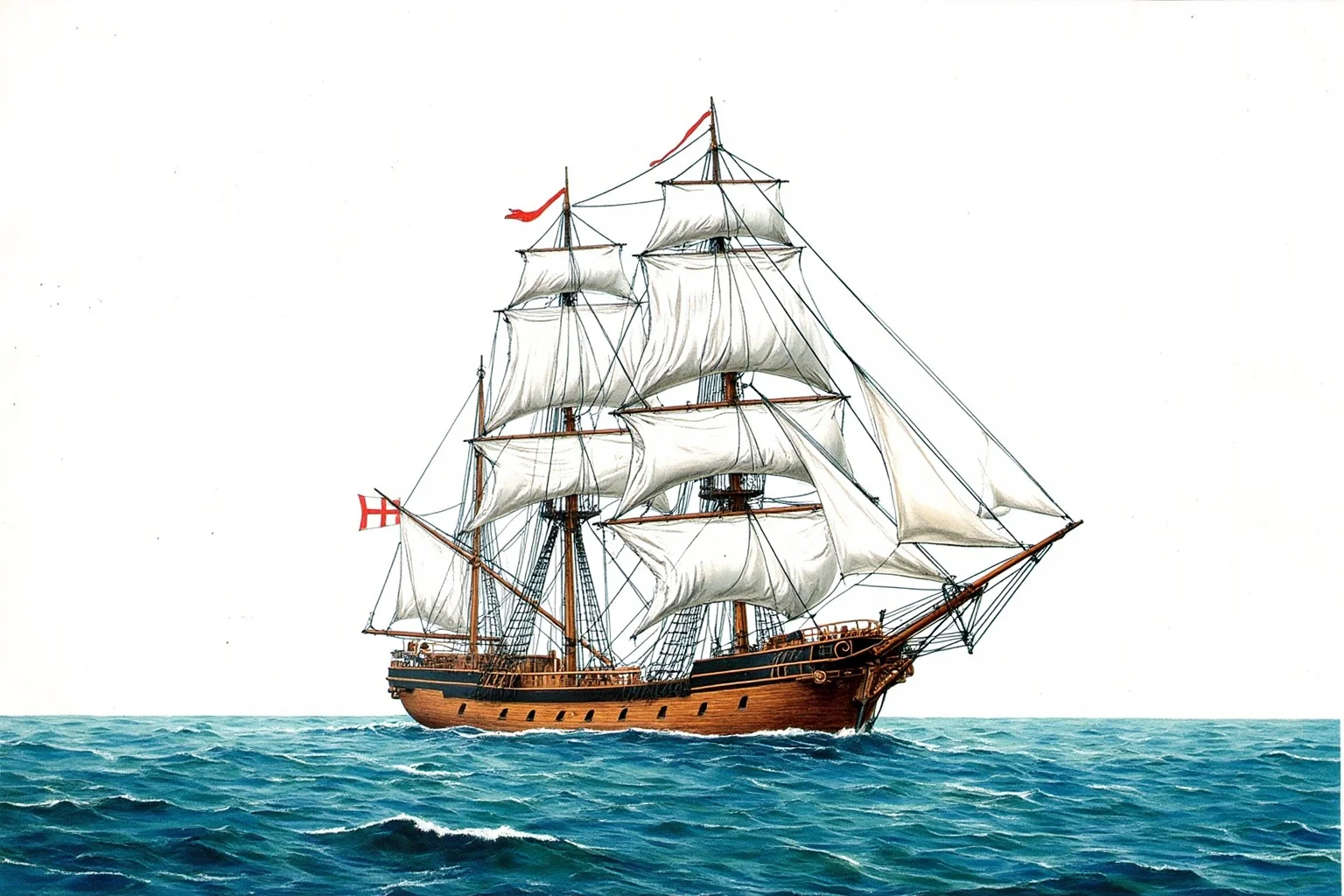
In 1831, at age 22, Darwin joined HMS Beagle as a self-funded naturalist and companion to Captain Robert FitzRoy. The voyage was meant to survey the coastline of South America, but it stretched into a journey of nearly five years, from 1831 to 1836.
Darwin spent most of that time on land, collecting specimens and observing geology across South America, the Galápagos Islands, and beyond. Those years of fieldwork became the raw material for everything he published afterward.
3. There was no single “eureka” moment in the Galápagos
Popular retellings often imply Darwin instantly grasped evolution while staring at Galápagos finches. In reality, he didn’t fully appreciate the significance of the islands’ wildlife until well after the voyage ended, when specialists back in England helped him sort his specimens.
It was ornithologist John Gould who identified many of Darwin’s Galápagos birds as distinct species of finch rather than random varieties. That realization came together slowly, over months of correspondence, not in a flash of island inspiration.
4. His famous finches almost got mislabeled
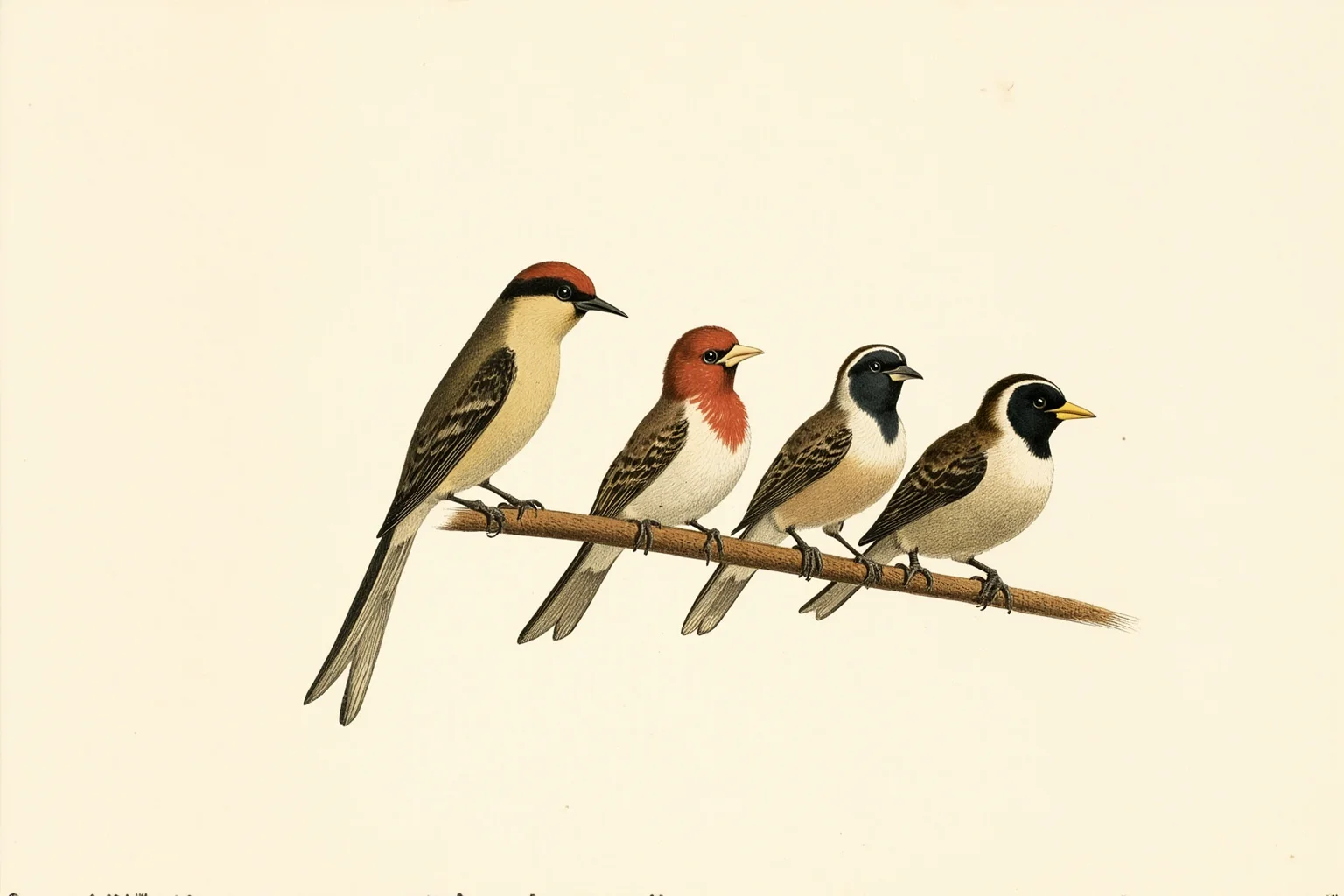
Darwin himself was not always careful about recording which island each finch specimen came from, since he didn’t yet realize location would matter so much. Some of his shipmates on the Beagle had kept better records, and Darwin later had to rely partly on their collections to reconstruct the pattern.
This mix-up is a good reminder that groundbreaking science is rarely as tidy as textbooks make it look. Darwin’s finches became iconic largely in hindsight.
5. He sat on his big idea for roughly 20 years
Darwin had worked out the core of natural selection by the late 1830s, not long after returning from the Beagle voyage. Yet he didn’t publish On the Origin of Species until 1859, waiting roughly two decades.
Historians generally agree he was being cautious, aware of how explosive the idea would be for Victorian society and religion. He spent those years gathering evidence, testing objections, and building an airtight case before going public.
6. Alfred Russel Wallace forced his hand
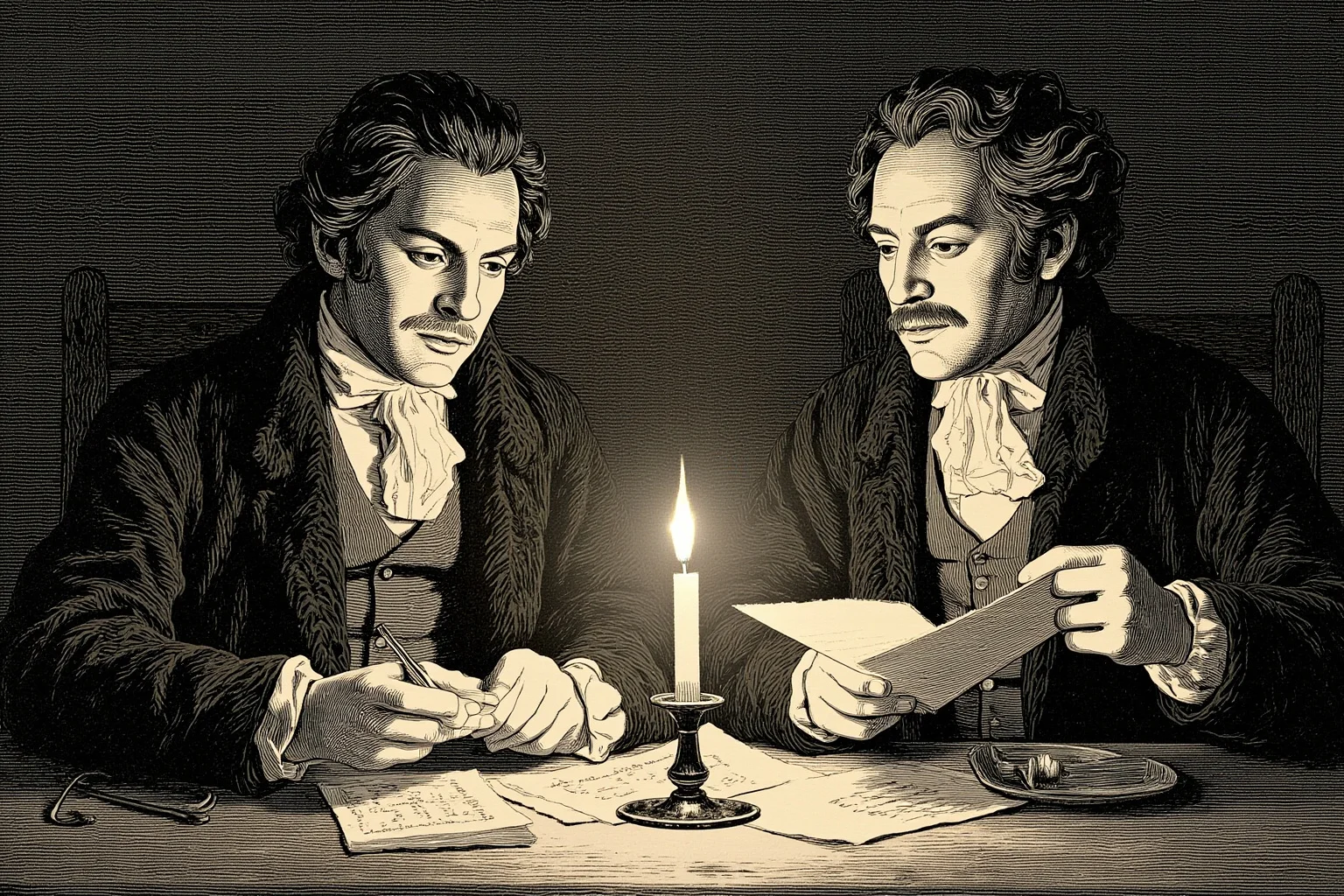
In 1858, a younger naturalist named Alfred Russel Wallace sent Darwin a letter outlining a theory of evolution strikingly similar to his own. Darwin was stunned, having sat on his unpublished work for so long.
Colleagues arranged for both men’s ideas to be presented jointly at the Linnean Society of London in 1858. Darwin then rushed to finish and publish On the Origin of Species the following year.
7. On the Origin of Species sold out immediately
When On the Origin of Species was published on 24 November 1859, its entire first print run reportedly sold out on the first day. The book was written for an educated general audience, not just scientists, which helped it spread quickly.
It went through six editions during Darwin’s lifetime, with him revising the text each time in response to criticism and new evidence. It remains in print more than 160 years later.
8. He didn’t originally write “survival of the fittest”
The phrase “survival of the fittest” is often attributed directly to Darwin, but he didn’t coin it. Philosopher Herbert Spencer used the phrase first, in his own writing on evolution and society.
Darwin adopted the phrase only in later editions of On the Origin of Species, as a shorthand for natural selection. He preferred his original term, and many historians argue “survival of the fittest” oversimplifies what he actually meant.
9. Darwin didn’t invent the word “evolution” either
Interestingly, the word “evolution” barely appears in the first edition of On the Origin of Species. Darwin generally used the phrase “descent with modification” instead.
The term “evolution” only became strongly attached to his theory later, through the writing of other scientists and popular usage. Language around his own idea kept shifting even after he’d published it.
10. He married his first cousin, Emma Wedgwood
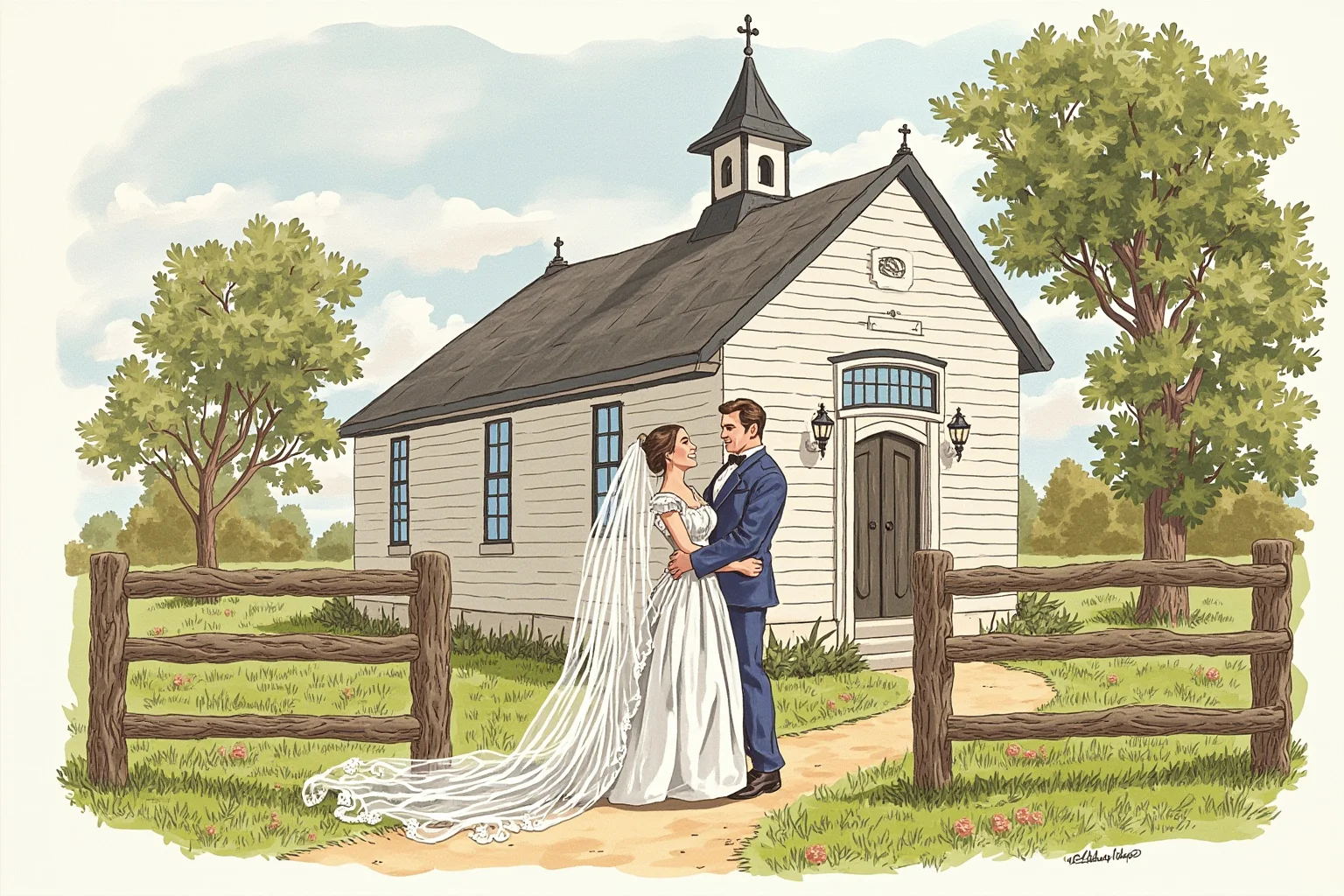
In 1839, Darwin married Emma Wedgwood, his first cousin and a member of the wealthy Wedgwood pottery family. Cousin marriages were far more common and socially acceptable in Victorian England than they are today.
Emma was a steady presence throughout Darwin’s life, nursing him through frequent illness and raising their large family. Some historians have speculated about the effects of the marriage on their children’s health, though this remains debated rather than settled.
11. He spent almost 8 years classifying barnacles
Before he was known as the evolution guy, Darwin was, for a time, the barnacle guy. Starting in the early 1840s, he spent close to eight years producing detailed monographs classifying barnacle species.
This painstaking work built his scientific credibility and sharpened his eye for variation within species. It’s a lesser-known fact about Charles Darwin, but it directly fed into the observations underpinning natural selection.
12. He tinkered with a few inventions, including a wheeled study chair
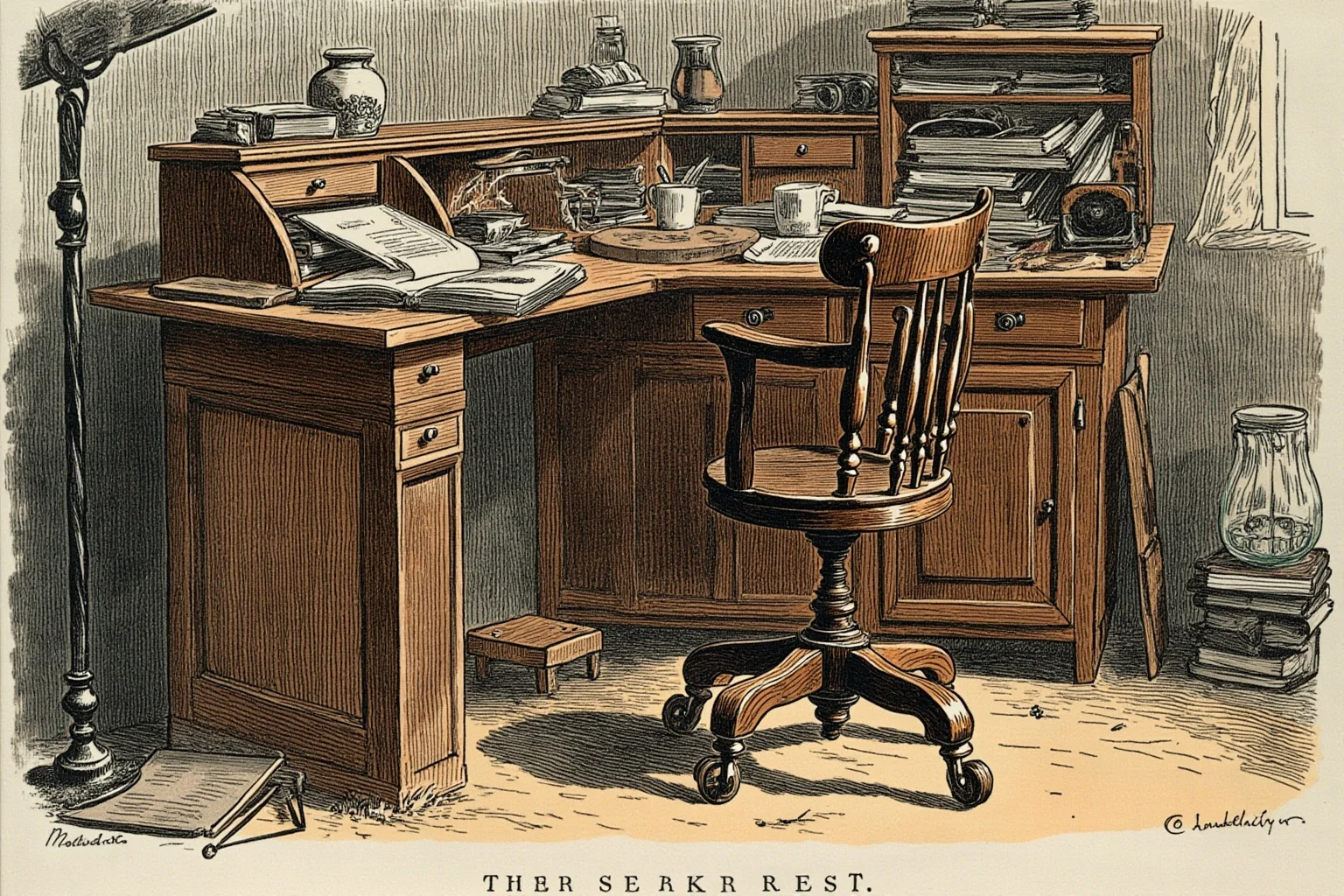
People sometimes search for what Charles Darwin invented, expecting a famous gadget, but he wasn’t primarily an inventor. He did rig up practical tools for his own research, including reportedly attaching wheels to his study chair so he could glide quickly between microscopes and specimen tables.
He also devised specific experimental setups for testing plant movement and earthworm behavior. These were functional tools built for his own work rather than commercial inventions.
13. Chronic illness shadowed most of his adult life
After returning from the Beagle voyage, Darwin suffered from recurring bouts of vomiting, fatigue, headaches, and stomach pain for decades. The exact cause has never been confirmed, and historians and doctors have proposed everything from a tropical illness picked up in South America to chronic anxiety, a level of medical mystery not unlike the ongoing debate over Mad King George III’s illness.
Whatever the cause, his poor health shaped his quiet, homebound working life at Down House in Kent. It may also help explain why he worked so slowly and carefully on his theory.
14. He was a hands-on father of ten
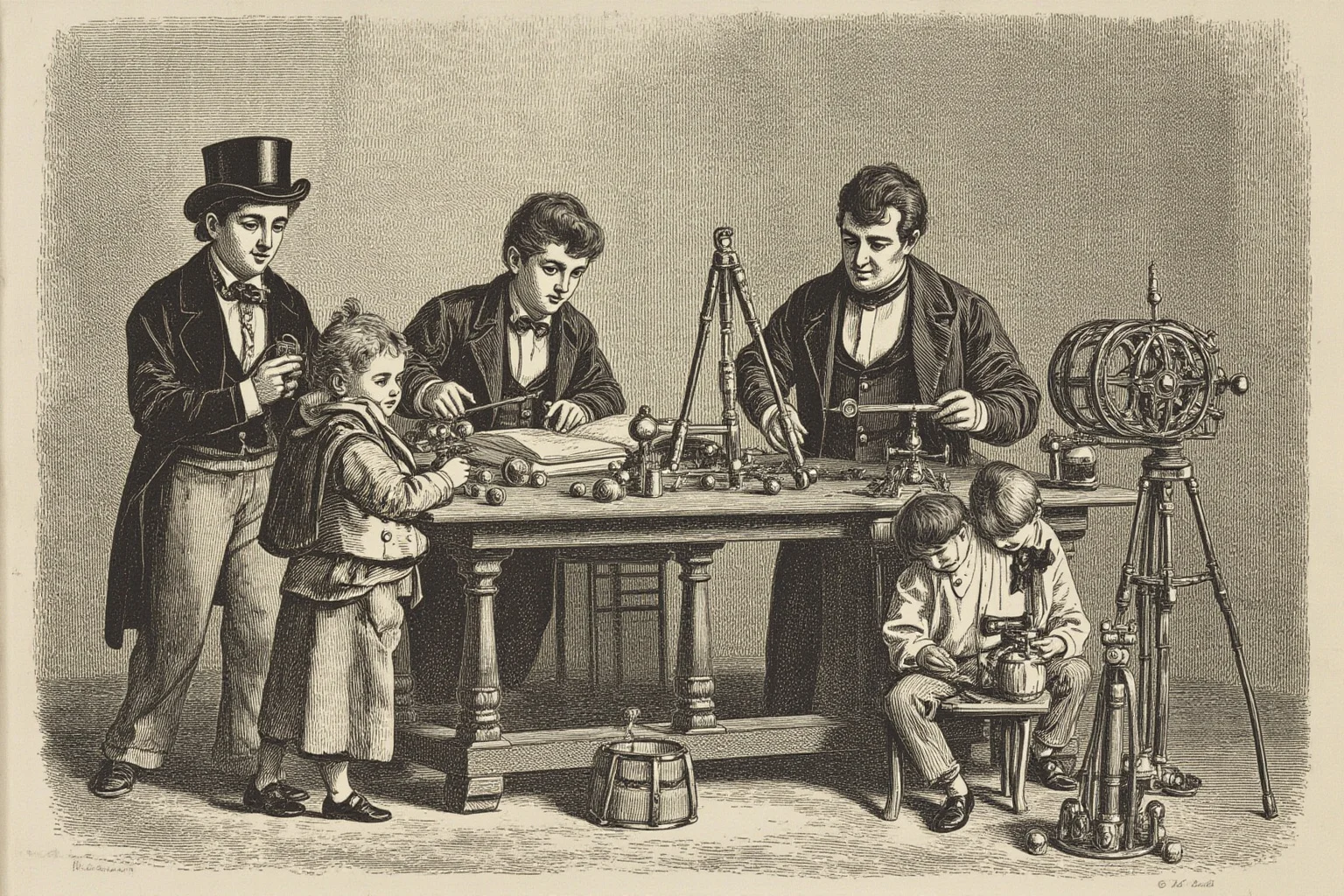
Darwin and Emma had ten children together, though three died young, a tragically common outcome in the Victorian era. Darwin was known as an affectionate, involved father who let his children play in his study and even help with his experiments.
His notebooks include observations of his own children’s expressions and behavior, some of which fed into his later book on emotion in humans and animals. Family life and scientific curiosity were deeply intertwined for him.
15. Thomas Huxley became “Darwin’s Bulldog”
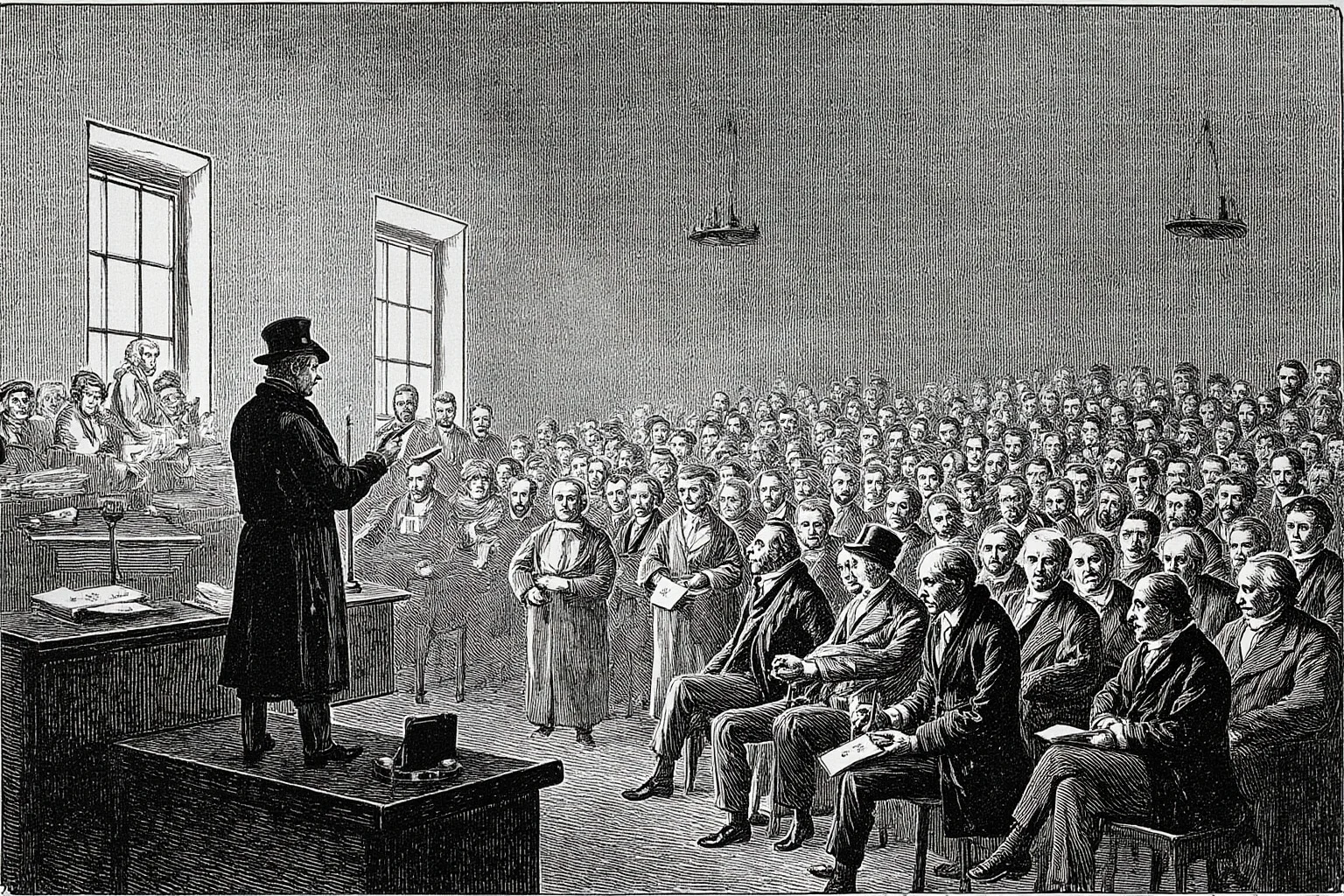
Darwin was a reluctant public debater, partly due to his health and partly due to his temperament. Biologist Thomas Henry Huxley took up the public defense of natural selection instead, earning the nickname “Darwin’s Bulldog.”
Huxley famously debated bishop Samuel Wilberforce over evolution at Oxford in 1860. Darwin himself was not even present for that exchange, which shows how much he relied on allies to fight his public battles.
16. The Descent of Man tackled human origins directly
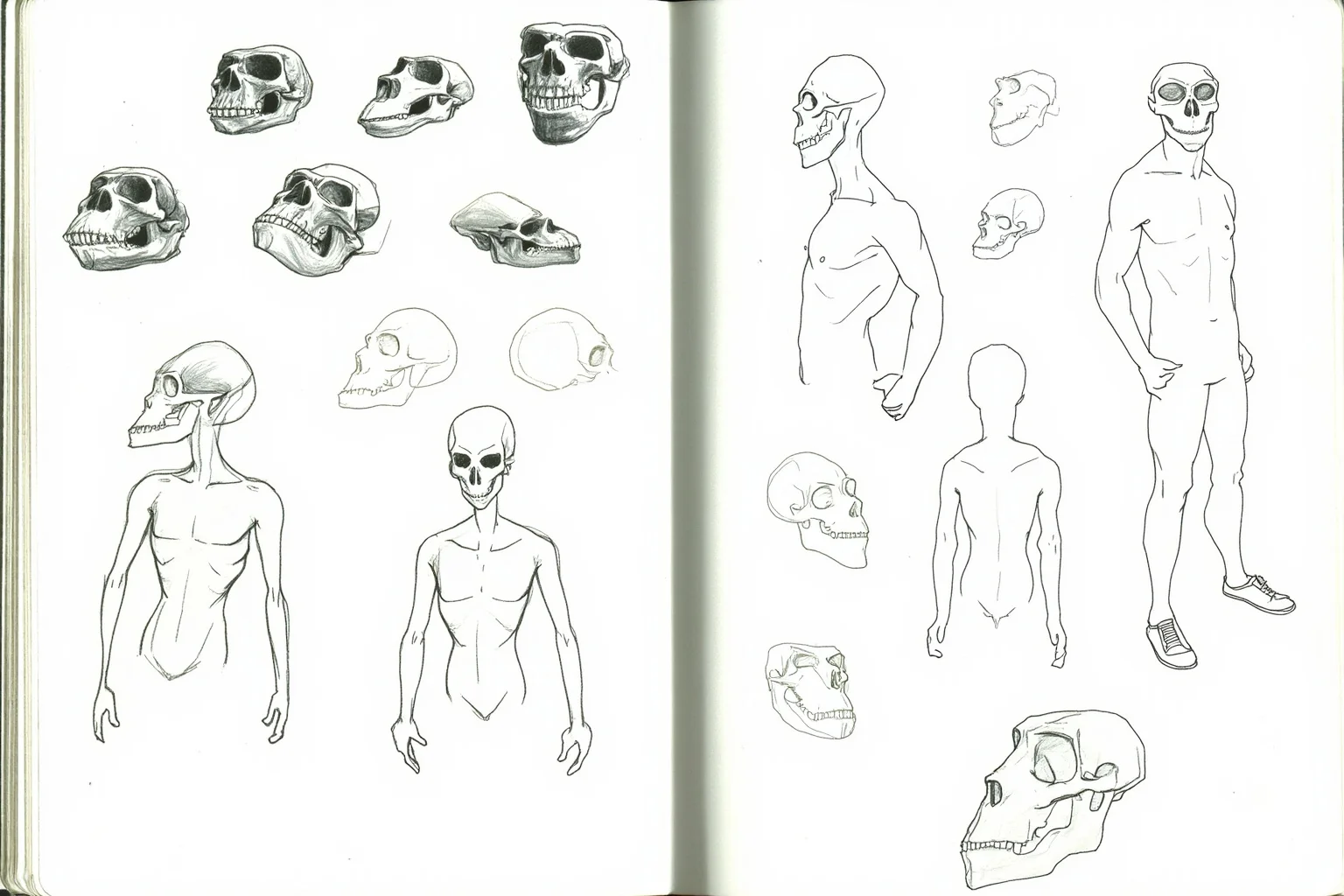
On the Origin of Species said very little about human evolution specifically, which Darwin left deliberately vague at first. He addressed it head-on in 1871 with The Descent of Man, and Selection in Relation to Sex.
That book argued humans evolved from earlier primate ancestors and introduced his theory of sexual selection. It was, understandably, even more controversial than his first major work.
17. He wrote an entire book about earthworms
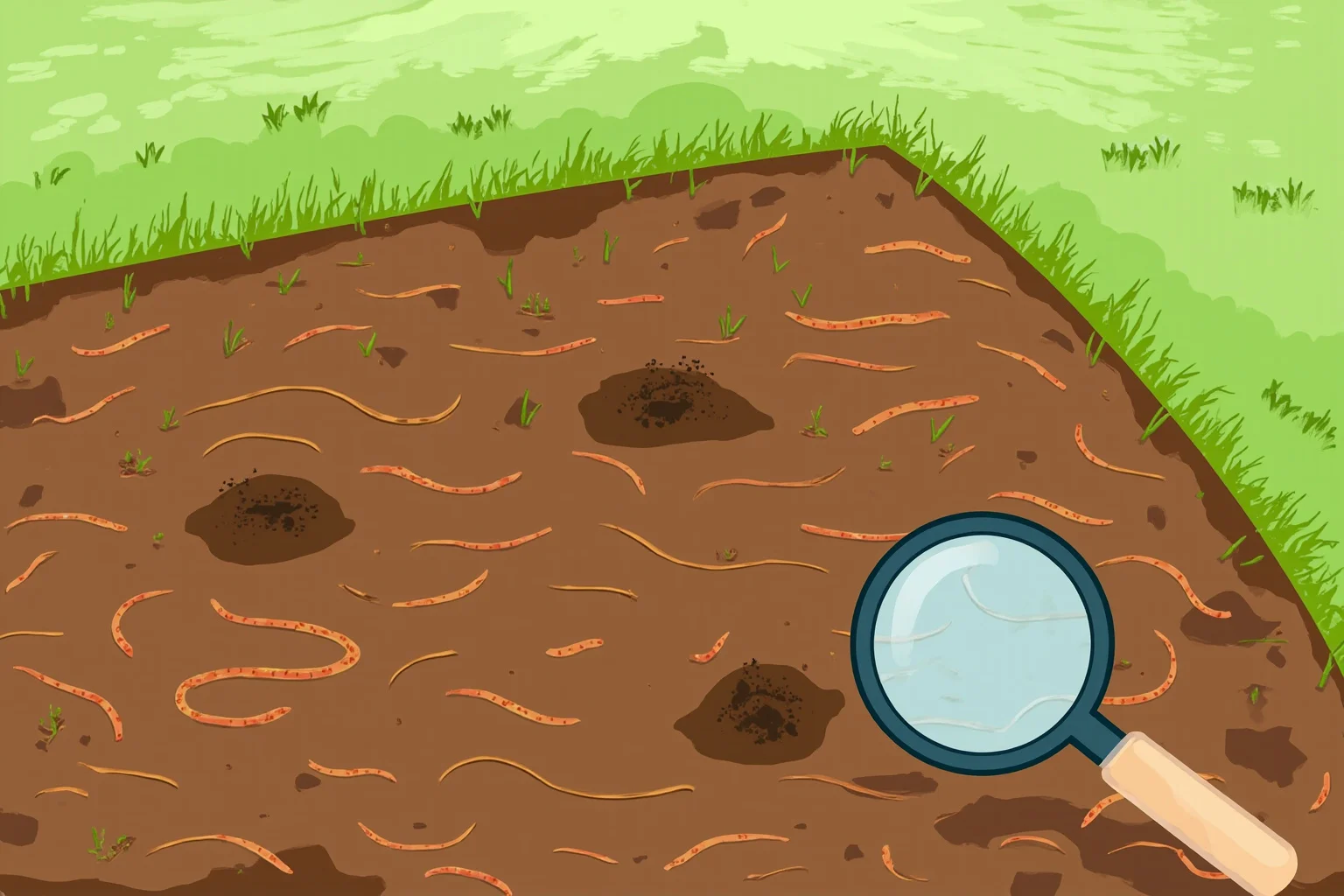
One of Darwin’s last major works, published in 1881, was devoted entirely to earthworms and their role in forming soil. The book was the result of decades of patient observation, including experiments conducted in his own garden.
It became a surprising bestseller, showing that Darwin’s curiosity extended far beyond grand theories of life to the humblest creatures underfoot. It’s one of the more overlooked things about Charles Darwin’s body of work.
18. His religious views were complicated, not simply atheist
Darwin trained for the clergy in his youth and held conventional Christian beliefs for a time. His views shifted gradually over the following decades, partly due to his scientific work and partly due to personal tragedy, including the death of his daughter Annie.
By later life, Darwin generally described himself as agnostic rather than a committed atheist. He avoided publicly attacking religion and was careful, in his writing, not to frame evolution as an argument against God’s existence.
19. He’s buried in Westminster Abbey, near Isaac Newton
When Darwin died in April 1882, public and scientific pressure led to his burial in Westminster Abbey rather than in his local village churchyard as his family had originally planned. He was laid to rest near Isaac Newton, a striking symbol of how highly Victorian society had come to regard him.
This honor reflects just how significant Darwin’s scientific standing had become by the end of his life. It’s a detail often left out of shorter charles darwin factsheet summaries, but it says a lot about his legacy.
20. His face has appeared on British currency
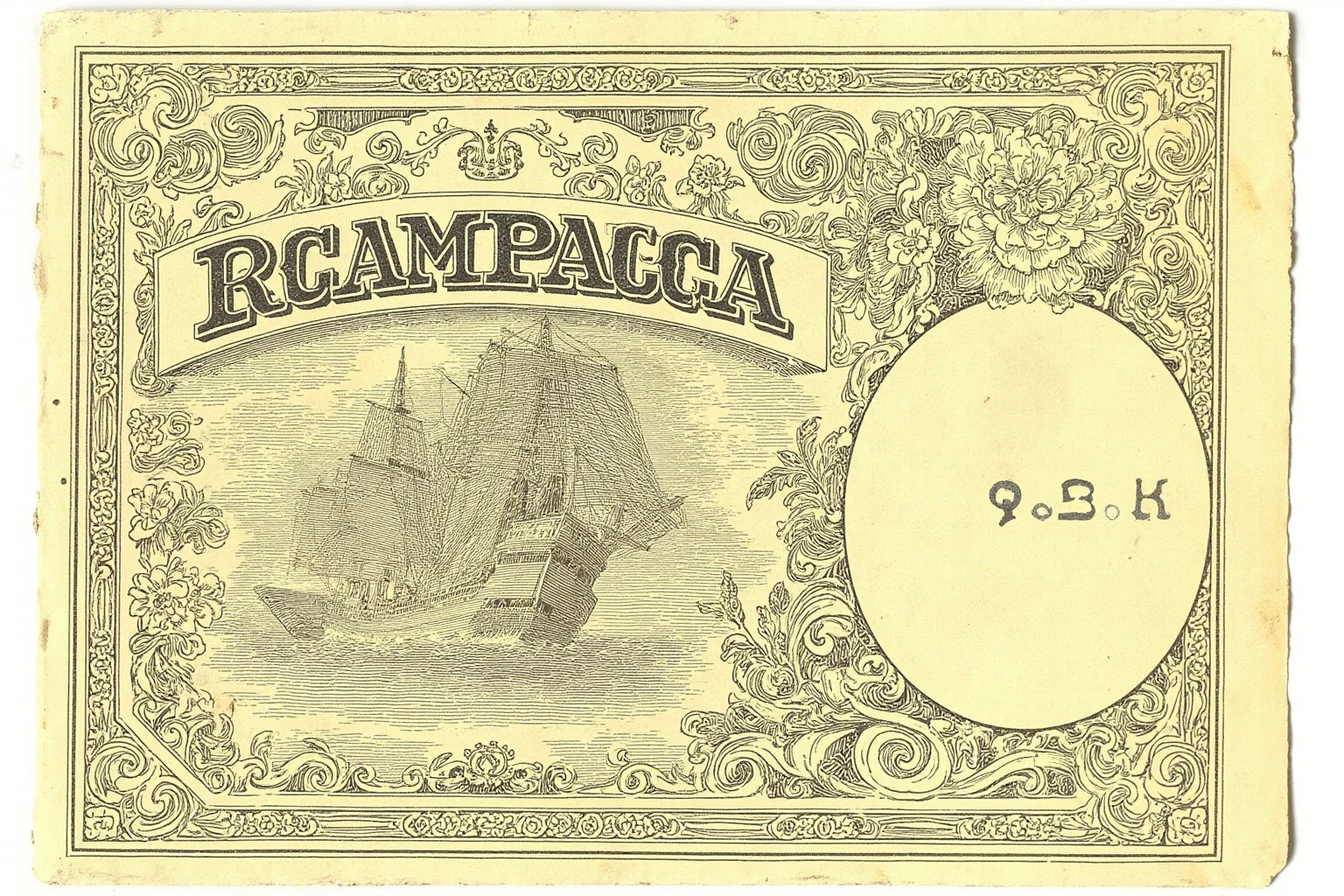
From 2000 to 2018, Charles Darwin’s portrait appeared on the Bank of England’s £10 note, alongside images referencing HMS Beagle and hummingbirds. This made him one of the relatively small number of scientists honored on UK currency.
The note was eventually phased out and replaced with a new design, but Darwin’s image remains a recognizable piece of British monetary history. It’s a small but tangible sign of his lasting cultural weight.
21. Darwin Day is celebrated every February 12

Darwin was born on 12 February 1809, and that date is now marked around the world as Darwin Day. Universities, museums, and science organizations use the occasion to celebrate his contributions to biology and to promote science education more broadly.
It’s not an official public holiday in most countries, but it has grown into a genuinely global tradition. Events range from lectures to informal trivia nights built around fun facts about Charles Darwin.
22. His notebooks include a famous “Tree of Life” sketch
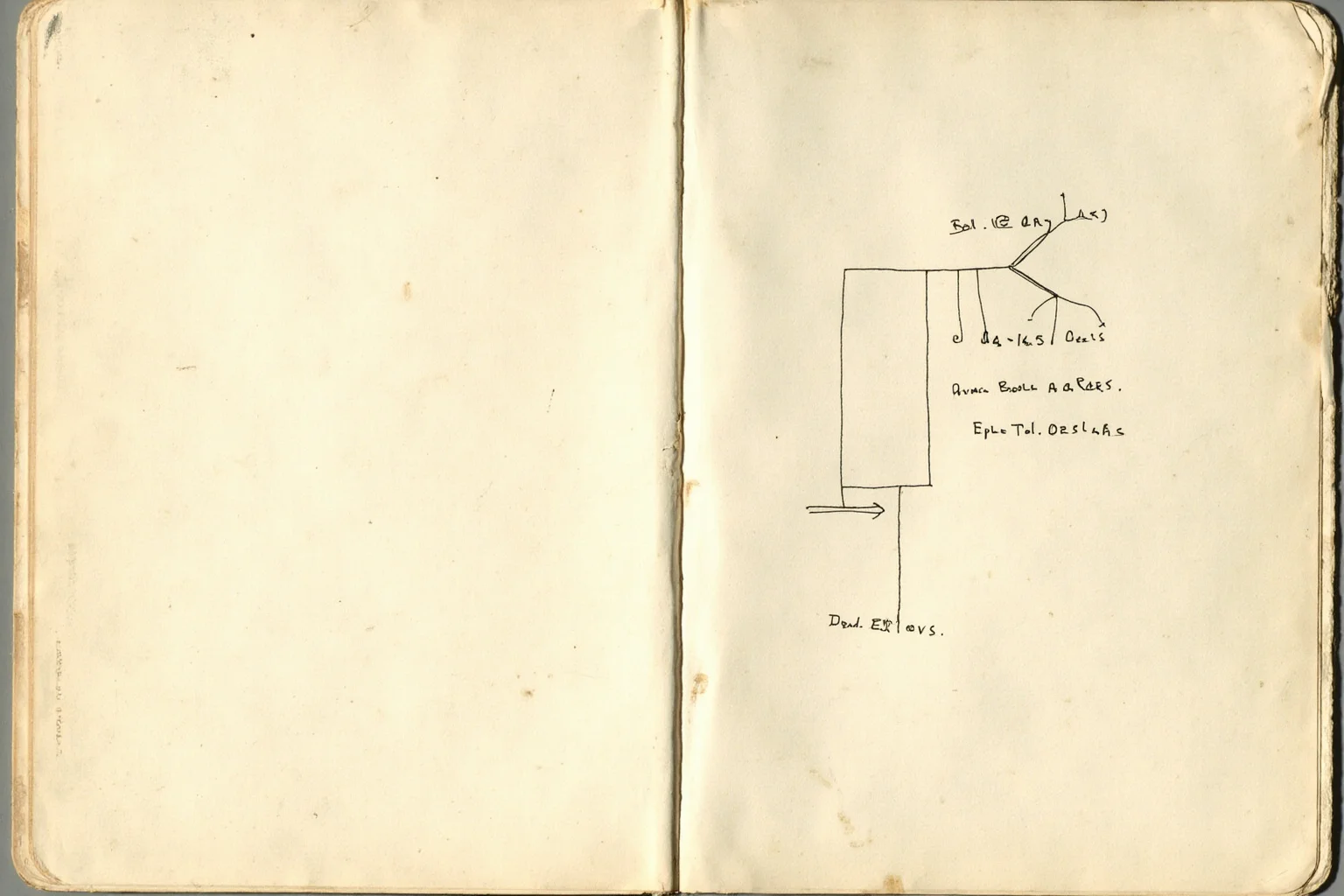
In one of his private notebooks from 1837, Darwin drew a simple branching diagram above the words “I think.” It’s now one of the most famous sketches in the history of science, often called his “Tree of Life” drawing.
The sketch shows him working out, in a private and tentative way, how species might branch and diverge from common ancestors. It predates the publication of his theory by more than two decades.
23. Lyell’s geology and Malthus’s economics shaped his thinking
Darwin didn’t develop his theory in isolation. Geologist Charles Lyell’s work convinced him that the Earth was far older than commonly assumed, giving evolution enough time to operate.
Economist Thomas Malthus’s writing on population growth and limited resources gave Darwin the missing piece: competition for survival. Combining these outside ideas with his own observations was central to how he built the theory of natural selection.
24. He made a literal pros-and-cons list about marriage
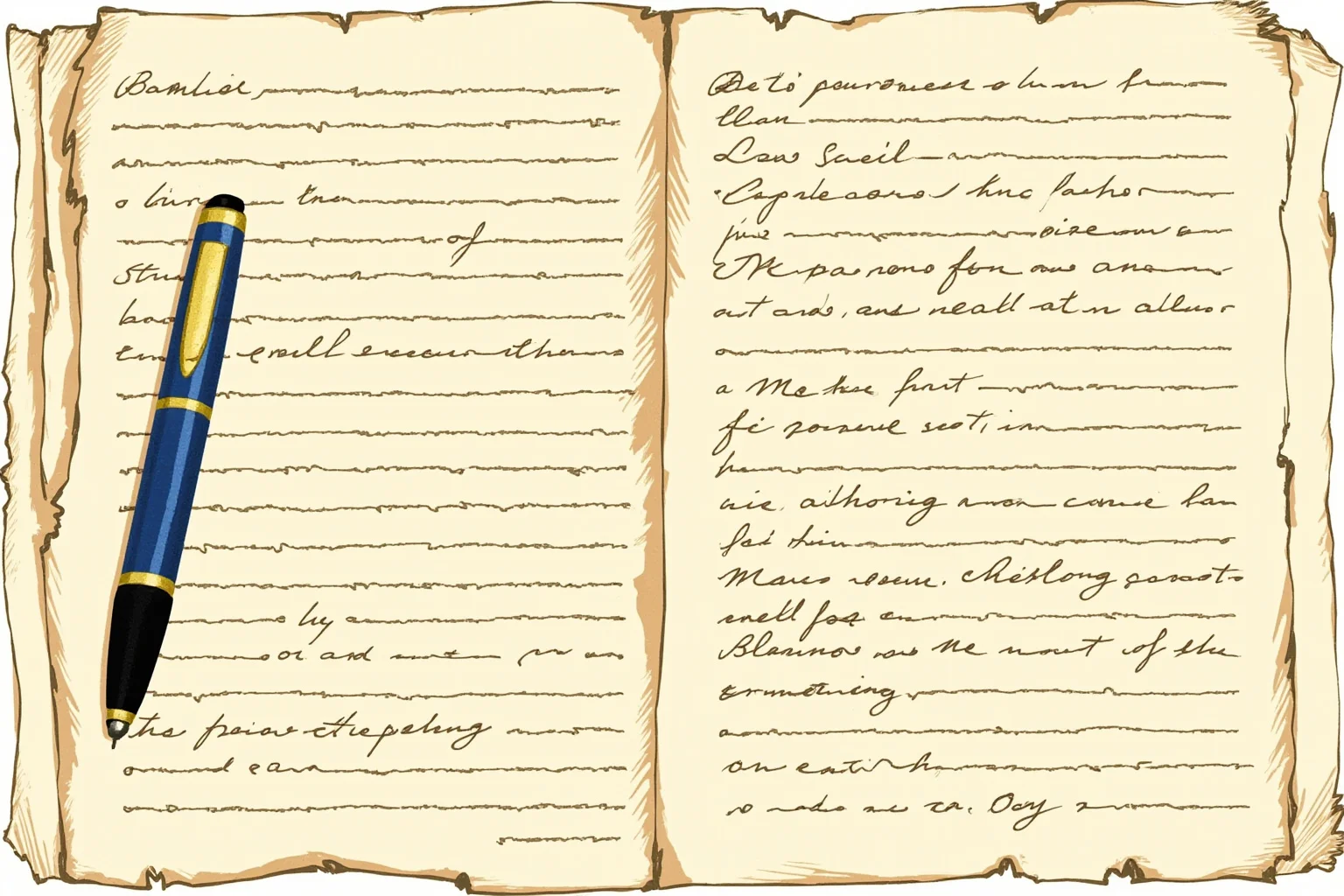
Before proposing to Emma Wedgwood, Darwin reportedly drew up a written list weighing the practical advantages and disadvantages of marrying versus staying single. The surviving notes show him treating a deeply personal decision with the same methodical approach he brought to his scientific work.
It’s a charming, very human detail that tends to surprise people looking for quick facts about Charles Darwin, in the same way unexpected personal quirks turn up in facts about George Washington. He clearly decided marriage won out, and by most accounts, the marriage was a genuinely happy one.
25. The “Darwin Award” has nothing to do with him
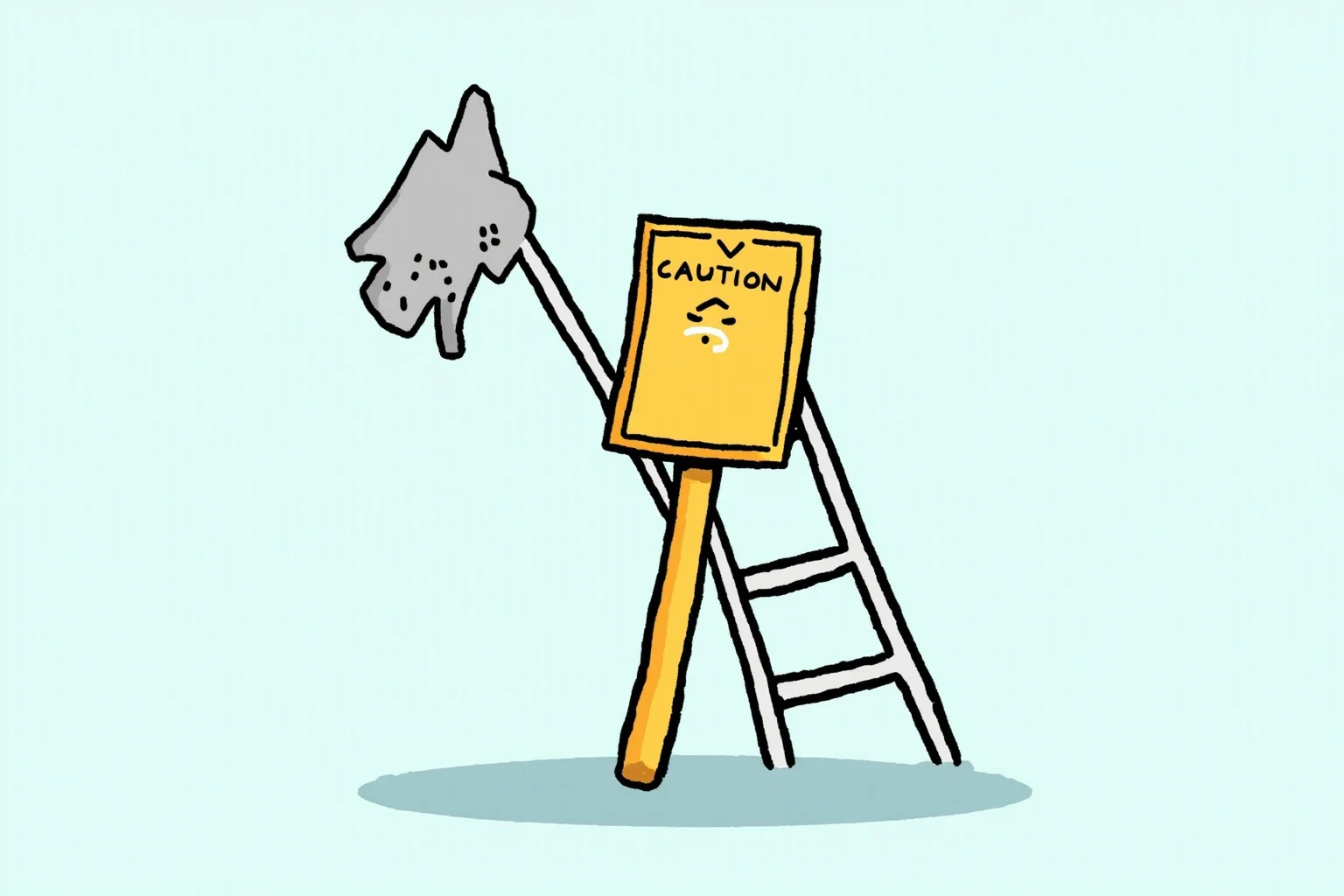
The tongue-in-cheek “Darwin Award,” given informally to people who remove themselves from the gene pool through spectacularly poor decisions, is a modern pop-culture joke. It references natural selection loosely but has no formal connection to Charles Darwin, his family, or his actual writing.
This is a good example of a Darwin-related idea that gets repeated so often people assume it’s historical fact, much like some of the enduring myths surrounding Saint Patrick. It isn’t, and it’s worth myth-busting whenever it comes up.
26. He nearly turned down the voyage that made him famous
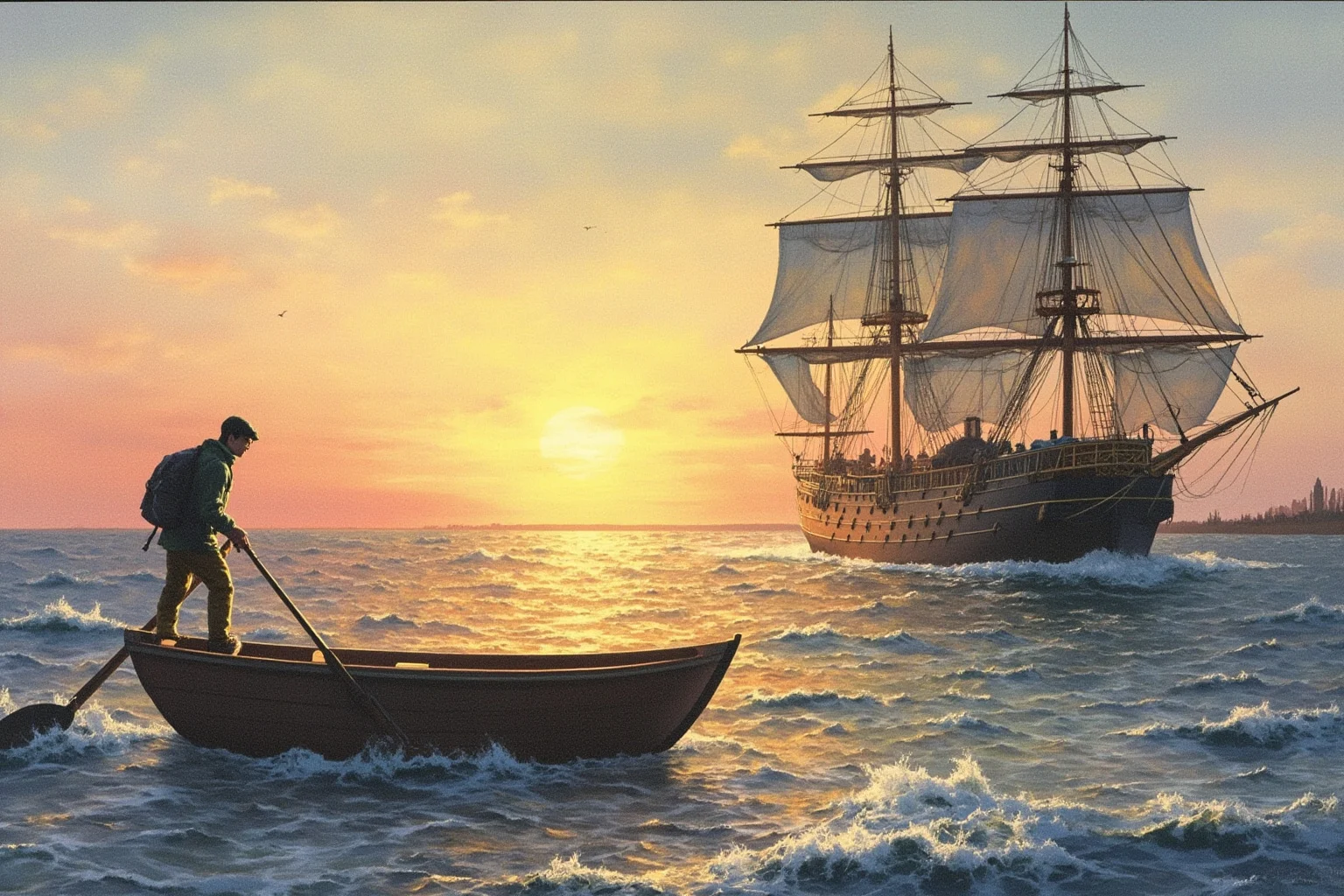
When Darwin was first offered the unpaid naturalist position on HMS Beagle, his father initially objected, viewing it as an impractical distraction from a respectable career. Darwin only secured his place after an uncle intervened and helped persuade his father to agree.
It’s strange to think the entire voyage, and everything that followed from it, could easily have not happened at all. That near-miss is one of the more overlooked facts about Charles Darwin’s early life.
Why Charles Darwin Is Still Significant Today
So why is Charles Darwin significant, more than 140 years after his death? Natural selection remains the foundational framework of modern biology, underpinning everything from medicine to conservation to agriculture.
Darwin’s insistence on patient observation, cautious argument, and overwhelming evidence also set a model for how science should work. He wasn’t reckless with his big idea; he tested it for decades before staking his reputation on it.
The facts above show a more complicated, more human figure than the stern-looking bearded portrait usually suggests. He was cautious, occasionally reluctant, often unwell, and deeply devoted to his family, all while quietly building one of the most important ideas in scientific history.
That combination of humility and rigor is arguably why Darwin’s legacy has held up so well. Understanding the real person behind the theory makes the achievement even more impressive.
Frequently Asked Questions
What is Charles Darwin famous for?
Charles Darwin is famous for developing the theory of evolution by natural selection, which explains how species change over time as helpful traits become more common across generations. He presented this theory in his 1859 book On the Origin of Species, drawing on evidence gathered during his five-year voyage aboard HMS Beagle.
What was Charles Darwin known for besides evolution?
Beyond natural selection, Darwin was known for his detailed work on barnacles, his book on human and animal emotion, and The Descent of Man, which examined human evolution and sexual selection. He also wrote a well-regarded final book on earthworms and soil formation, showing his curiosity extended well beyond his most famous idea.
What did Charles Darwin invent?
Darwin wasn't primarily an inventor, so he's not credited with any famous devices. He did build practical tools for his own research, including a wheeled study chair and custom setups for observing plant movement and earthworm behavior, but his real legacy is the theory of evolution by natural selection rather than a physical invention.
Why is Charles Darwin significant?
Darwin is significant because natural selection became the foundational concept of modern biology, shaping fields from medicine to genetics to conservation science. His careful, evidence-based approach to an enormously controversial idea also set a lasting standard for scientific rigor.
Who was Charles Darwin and what is he known for?
Charles Darwin (1809–1882) was an English naturalist best known for proposing the theory of evolution by natural selection in his 1859 book On the Origin of Species. His ideas, developed after years of research including his voyage on HMS Beagle, transformed the scientific understanding of how life on Earth developed and diversified.
Did Charles Darwin coin the phrase ‘survival of the fittest’?
No, Darwin did not originally coin that phrase. Philosopher Herbert Spencer used it first, and Darwin only adopted it in later editions of On the Origin of Species as an alternative way of describing natural selection.
Is the ‘Darwin Award’ actually connected to Charles Darwin?
No, the informal 'Darwin Award,' given as a joke to people who make spectacularly poor survival decisions, has no official connection to Charles Darwin or his family. It's a modern pop-culture reference to natural selection rather than anything historical.

Alex Warren
Related Articles





