
Ask a room full of people to name three historical figures who changed the world, and you’ll get wildly different answers. Some will say scientists, others will say activists, and a few will insist on generals or kings. That’s the tricky thing about history people love to debate — impact is rarely simple, and even the most celebrated names carry complicated, sometimes uncomfortable, backstories.
This list pulls together 22 historical figures who changed the world for the better, spanning the 1800s through the 21st century. We’ve tried to separate the verified history from the myths that tend to grow around famous characters from history, because the real stories are almost always more interesting than the legends.
TL;DR: From Marie Curie’s lab to Nelson Mandela’s prison cell, these 22 historical figures show that people who changed the world for the better came from every background, era, and field — and their real stories are often messier and more inspiring than the myths.
What Makes Someone a “Historical Figure” Who Changed the World?
A historical figure, broadly speaking, is a real person whose actions left a documented mark on society, science, politics, or culture. That’s a wide net, and it’s why lists of “great historical figures” can look so different depending on who’s writing them. Some prioritize scale of impact, others prioritize moral courage, and plenty of lists just repeat the same textbook names without asking harder questions.
For this list, we leaned toward individuals who changed the world in ways that improved lives — through medicine, civil rights, science, or leadership during crisis. We also tried to flag the parts of their stories that are often exaggerated or oversimplified, because myth-busting is part of taking history seriously.
How We Chose These People Who Changed the World for the Better
We focused on verifiable, well-documented contributions rather than vague claims of greatness. Each person here has a clear, traceable link between what they did and a lasting positive change in the world. We also aimed for range — different centuries, continents, and fields — because people who made a difference in the world didn’t all come from the same country or era.
Finally, we included both the household names and a few figures who deserve more recognition than they usually get. Some of the most inspiring people from history worked quietly, without ever becoming famous in their own lifetimes.
Science, Medicine & Innovation
1. Marie Curie
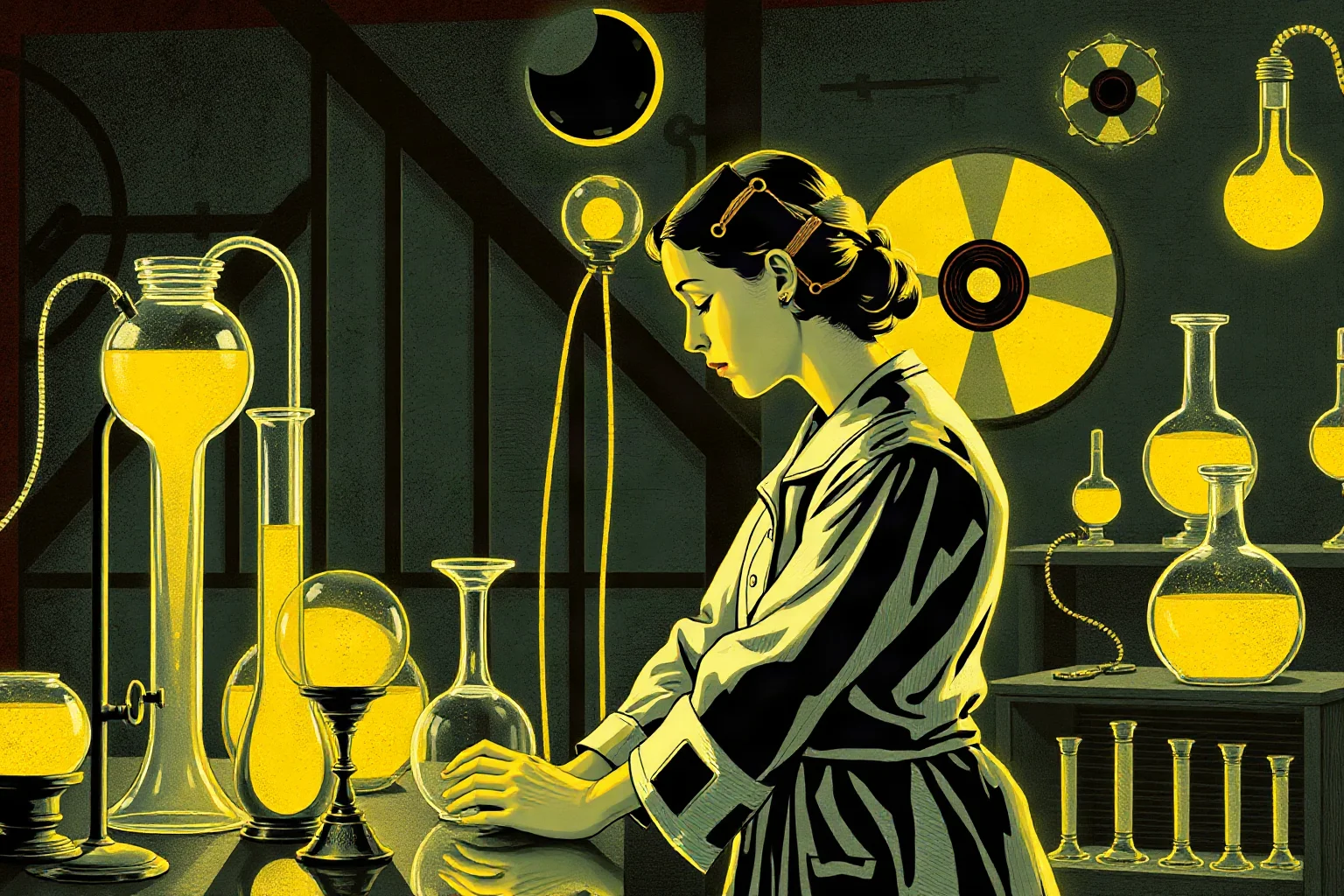
Marie Curie remains one of the most influential historical figures in science, and for good reason. She discovered polonium and radium, coined the term “radioactivity,” and became the first person to win Nobel Prizes in two different sciences — physics in 1903 and chemistry in 1911. Her research laid the groundwork for cancer treatment and modern nuclear physics.
Curie also trained mobile X-ray units during World War I, helping treat wounded soldiers directly on the battlefield. She did all this while facing significant gender discrimination in the scientific establishment of early 1900s France. Her notebooks are still radioactive today, a small but striking reminder of how personally she pursued her work.
2. Charles Darwin

Charles Darwin’s 1859 book “On the Origin of Species” reshaped how humanity understands biology, evolution, and our place in nature. His theory of natural selection wasn’t accepted overnight; it was controversial for decades and remains a flashpoint in some cultural debates today. Still, it became one of the foundational frameworks of modern biology.
A common myth suggests Darwin arrived at evolution in a single flash of insight aboard the HMS Beagle. In reality, he spent over 20 years gathering evidence, corresponding with other scientists, and refining his ideas before publishing. That patient, evidence-based approach is arguably as important a legacy as the theory itself.
3. Albert Einstein

Albert Einstein’s theories of special and general relativity transformed physics and our understanding of space, time, and gravity. His famous equation, E=mc², became a cultural shorthand for genius itself. Beyond physics, Einstein was also a public voice on pacifism and civil rights later in his life.
One persistent myth claims Einstein failed math as a student — he didn’t. School records show he excelled in mathematics from a young age; the myth likely spread because grading systems in Germany and Switzerland were confusingly different at the time. It’s a good reminder to double-check even the most repeated stories about famous people who changed the world.
4. Alexander Fleming

In 1928, Alexander Fleming noticed that mold contaminating one of his bacterial cultures was killing the surrounding bacteria. That mold produced what we now know as penicillin, the first true antibiotic. His observation is often called accidental, and in a narrow sense it was — but Fleming still had the trained eye to recognize its significance.
It took years, and the later work of Howard Florey and Ernst Boris Chain, to turn Fleming’s discovery into a mass-produced medicine during World War II. Together, their work saved countless lives from infections that were previously fatal. Antibiotics are now considered one of the most important medical breakthroughs in history.
5. Florence Nightingale
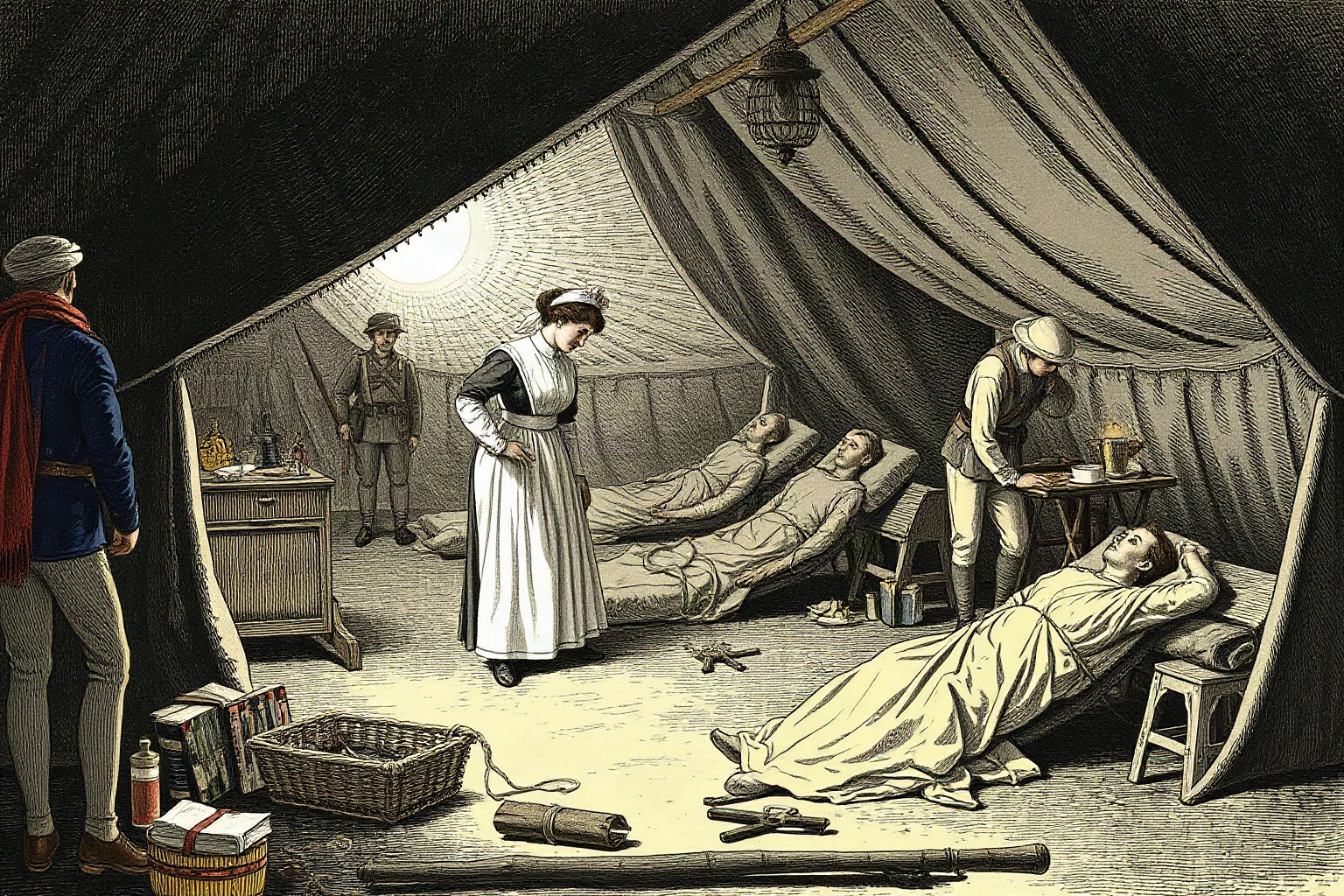
Florence Nightingale is widely credited as the founder of modern nursing, based on her work during the Crimean War in the 1850s. She pushed for better sanitation in military hospitals after observing that far more soldiers were dying from infections and poor hygiene than from battle wounds. Her statistical reports on mortality rates helped convince British officials to overhaul hospital practices.
Beyond nursing reform, Nightingale was also a pioneer in using data visualization to argue for public health policy. Her famous “rose diagram” charts are still studied today as early examples of persuasive statistical graphics. She helped establish nursing as a respected, trained profession rather than an informal duty.
6. Jonas Salk

Jonas Salk developed the first effective polio vaccine, announced to the public in 1955 after large-scale trials. Polio had terrified parents for decades, paralyzing or killing thousands of children every year. Salk’s vaccine, followed later by Albert Sabin’s oral version, led to a dramatic global decline in cases.
Salk famously chose not to patent the vaccine, reportedly saying it belonged to the people rather than to him personally. Whether or not the exact quote is verified word-for-word, his decision not to seek personal profit from the vaccine is well documented. It’s one of the clearer examples of a historical figure prioritizing public good over financial gain.
7. Nikola Tesla
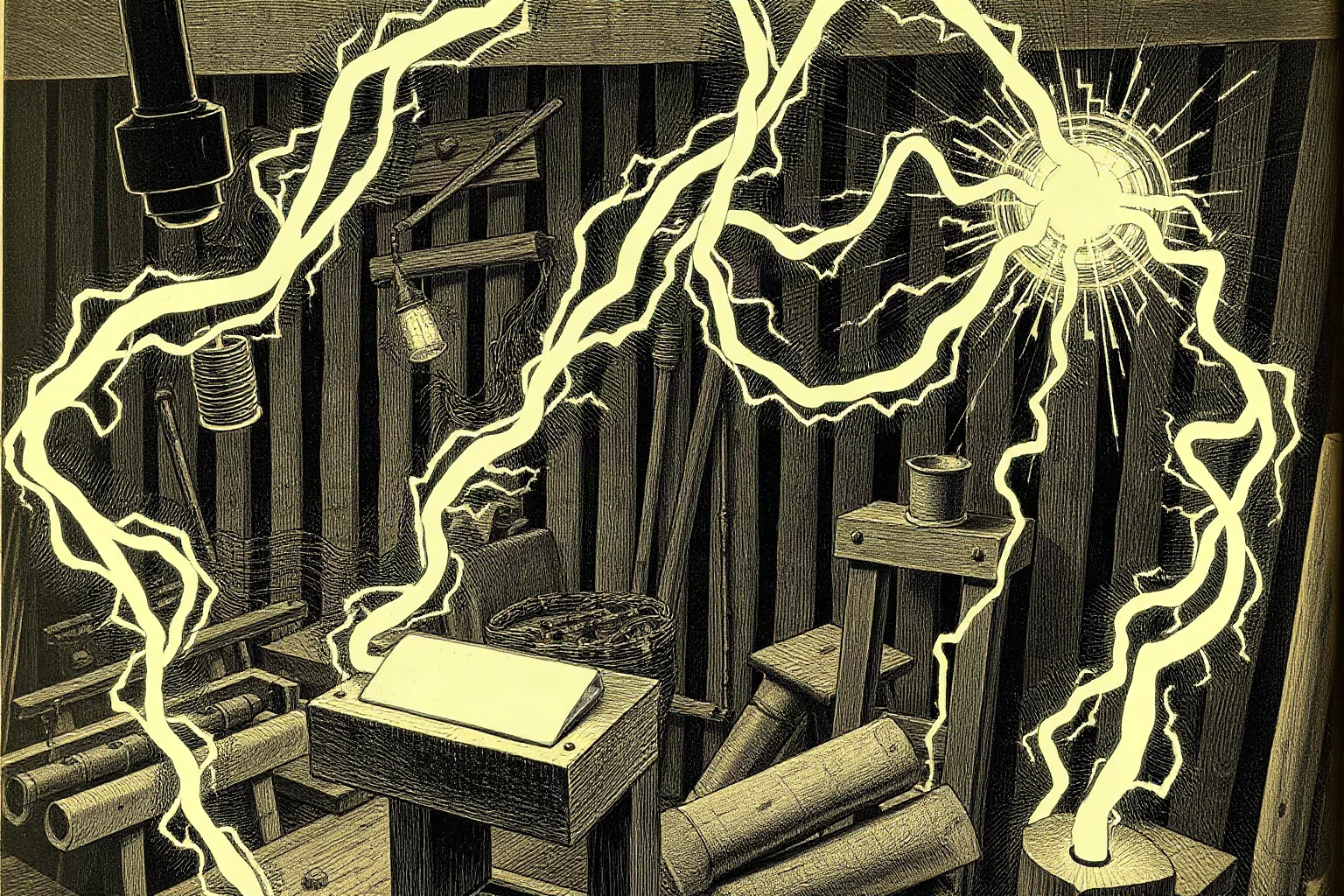
Nikola Tesla was a Serbian-American inventor whose work on alternating current (AC) systems became the backbone of how electricity is transmitted around the world today. He held competing visions with Thomas Edison during the so-called “War of the Currents” in the late 1800s. AC ultimately won out as the more practical system for long-distance power distribution.
Tesla’s reputation has grown enormously in popular culture, sometimes past what the historical record supports. He was a brilliant and prolific inventor, but many viral claims about him — secret advanced technology, suppressed inventions — are unverified or exaggerated. His real, documented contributions to electrical engineering are impressive enough on their own.
8. Ada Lovelace
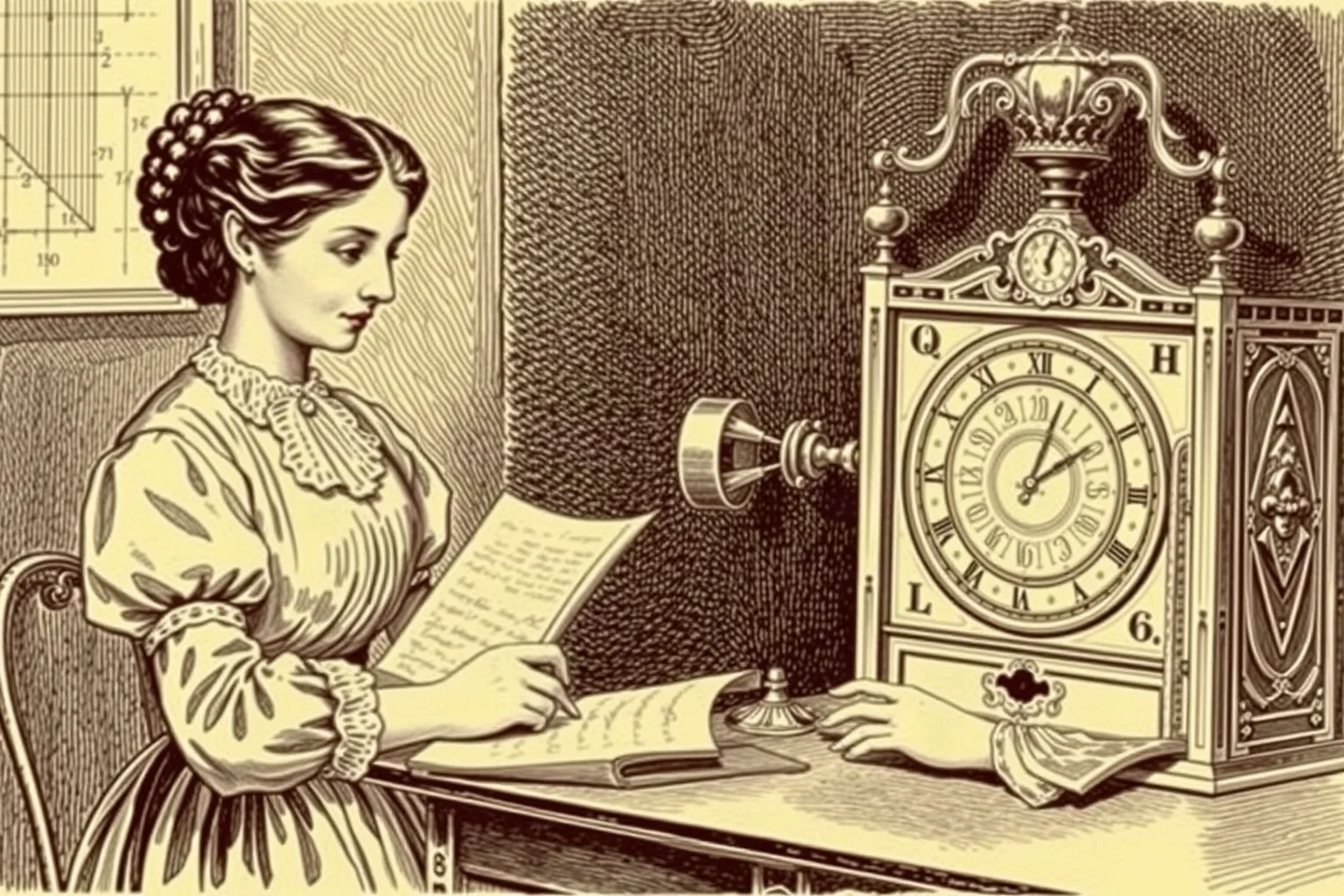
Ada Lovelace worked with Charles Babbage on his proposed Analytical Engine in the 1840s and wrote what many historians consider the first published algorithm intended for a machine.
Her notes explored ideas well beyond simple calculation, including the concept that machines could eventually process more than just numbers. That insight makes her an early conceptual figure in computer science, roughly a century before actual computers existed.
Her story is sometimes romanticized into a straightforward “mother of computing” narrative. The more accurate picture is a mathematically talented woman collaborating closely with Babbage, whose combined notes anticipated ideas that wouldn’t be practically realized until the 20th century. Either way, her contribution to computing history is genuine and well documented.
9. Norman Borlaug
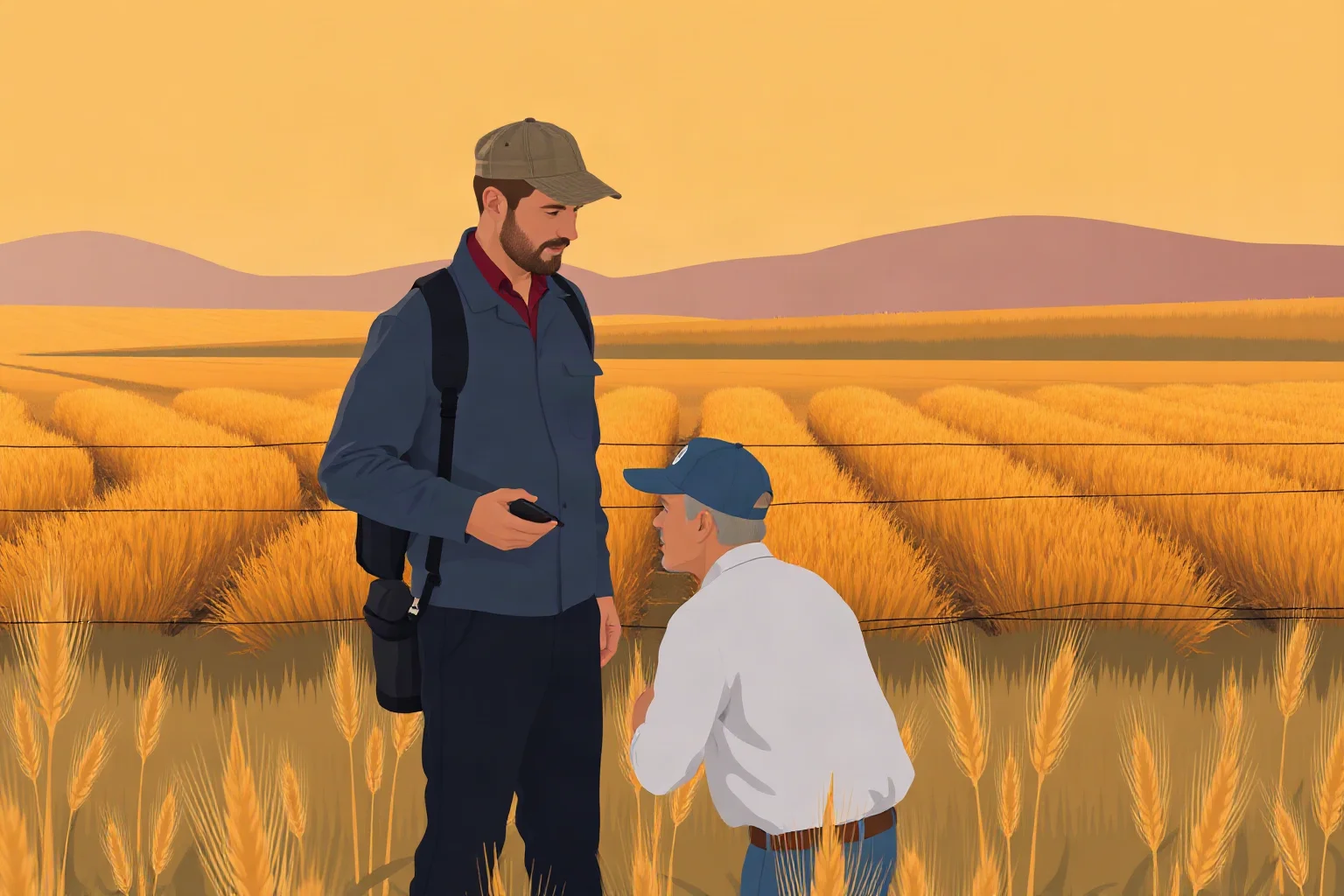
Norman Borlaug is far less famous than most names on this list, yet his agricultural research is credited with saving hundreds of millions of lives. Working in Mexico starting in the 1940s, he developed high-yield, disease-resistant wheat varieties that dramatically increased food production. This work became the core of what’s now called the Green Revolution.
Borlaug’s methods spread to India, Pakistan, and other regions facing famine risk in the 1960s, helping avert humanitarian disasters that experts had predicted.
He received the Nobel Peace Prize in 1970, one of the few scientists honored for work in food security rather than diplomacy. His story is a strong answer for anyone asking which ordinary people who changed the world deserve more recognition.
Civil Rights & Social Justice
10. Harriet Tubman

Harriet Tubman escaped slavery in Maryland in 1849 and went on to make roughly 13 return trips on the Underground Railroad, helping around 70 enslaved people reach freedom according to most historical accounts. During the Civil War, she also served as a scout and spy for Union forces, becoming the first woman to lead an armed military raid in the war.
Some popular claims inflate the number of people she personally freed into the hundreds; the more conservative, well-documented figure is still remarkable given the extreme danger involved. Tubman later became active in the women’s suffrage movement as well. Her life connects two of the defining moral struggles of 1800s America.
11. Frederick Douglass
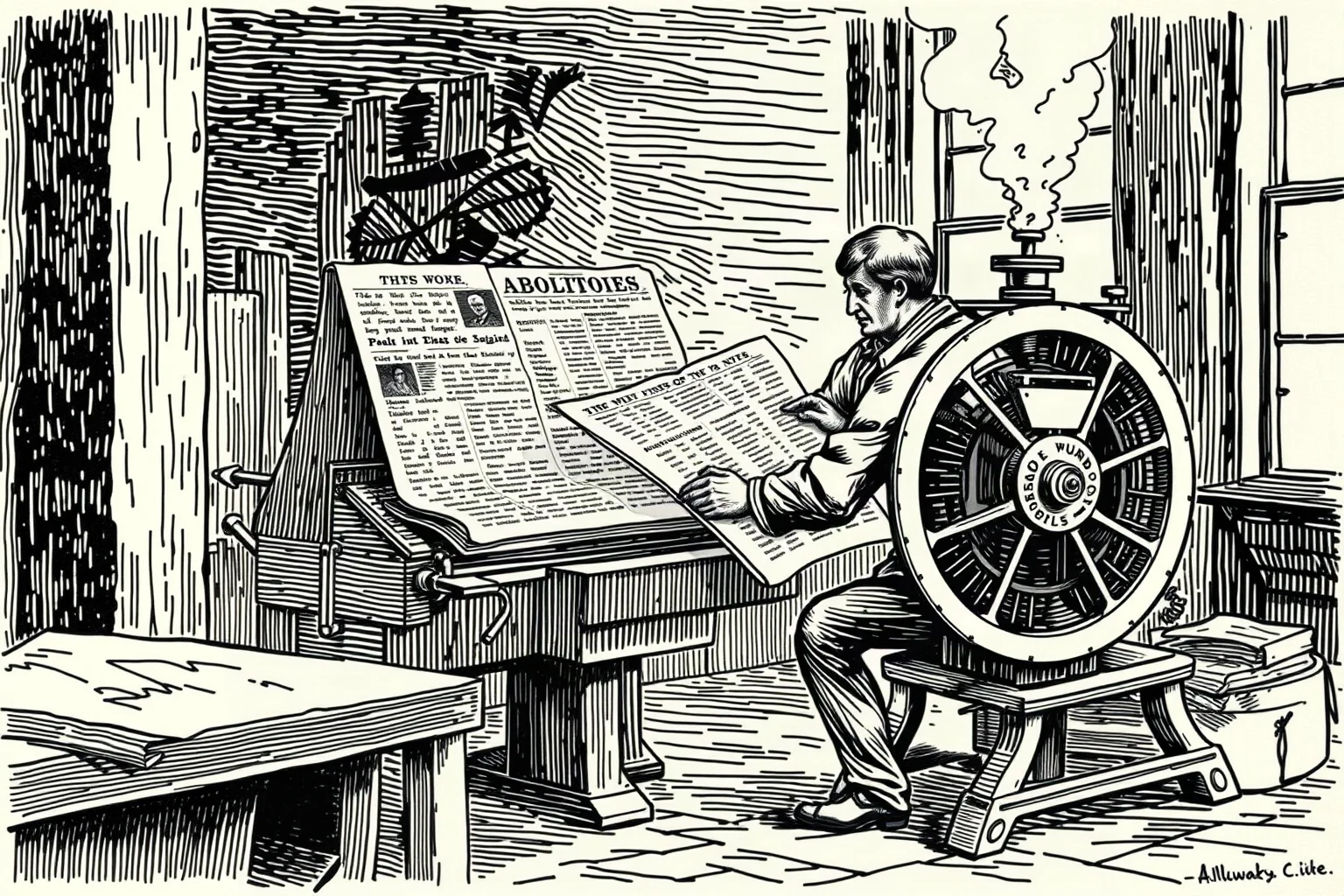
Frederick Douglass escaped slavery in 1838 and became one of the most powerful abolitionist speakers and writers of the 19th century. His autobiography, “Narrative of the Life of Frederick Douglass,” gave firsthand testimony that challenged pro-slavery arguments circulating at the time. He also published his own newspaper, The North Star, and advised political leaders including Abraham Lincoln.
Douglass is often remembered narrowly as a former enslaved person turned speaker, but he was also a statesman who held federal appointments after the Civil War. His speeches remain studied examples of persuasive rhetoric from historical figures who changed public opinion through words alone. He’s frequently cited among famous historical speakers for good reason.
12. Susan B. Anthony
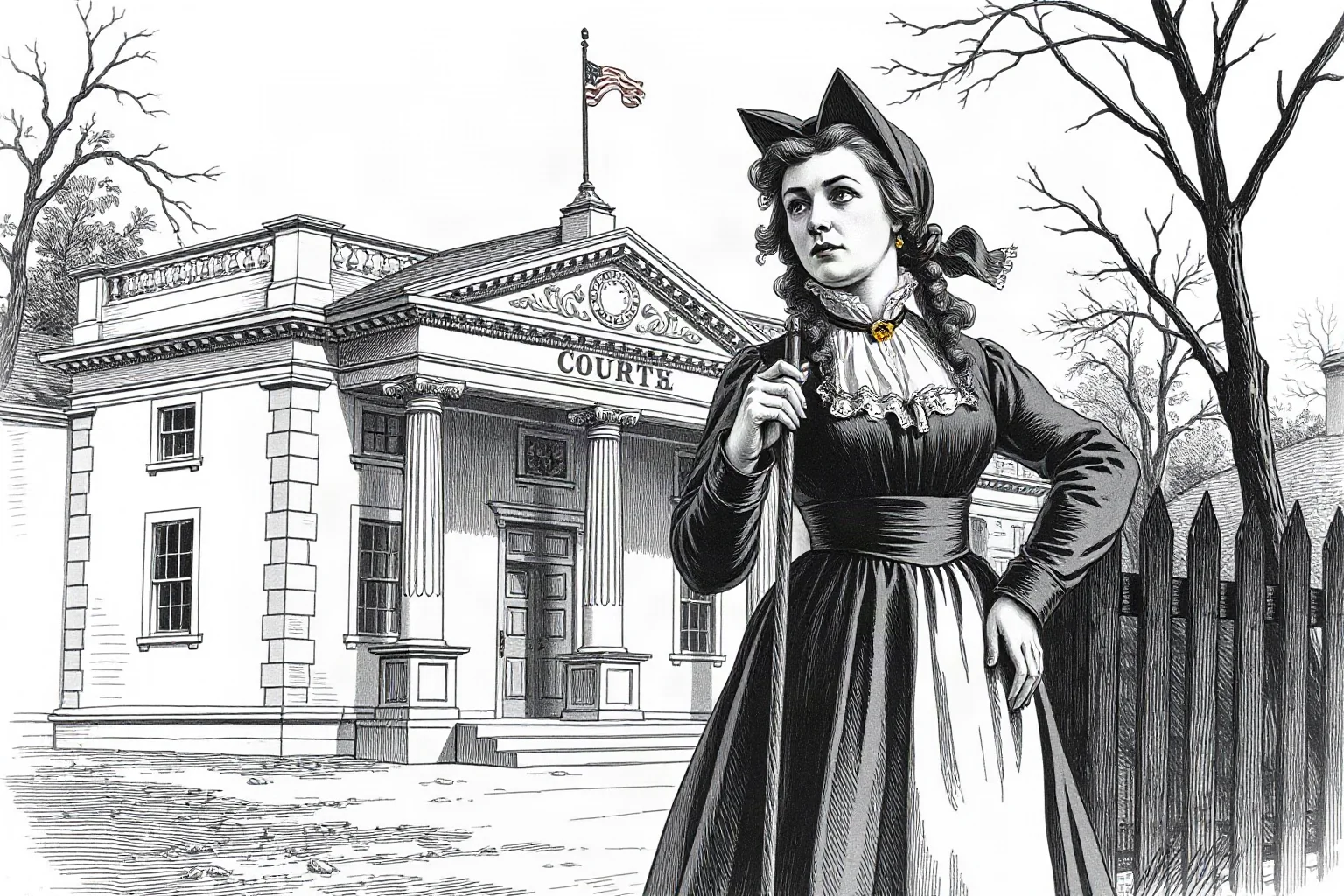
Susan B. Anthony spent decades campaigning for women’s right to vote in the United States, co-founding the National Woman Suffrage Association in 1869.
She was arrested and fined in 1872 for voting illegally in a presidential election, a deliberate act of civil disobedience. She did not live to see the 19th Amendment ratified in 1920, which finally guaranteed women’s suffrage nationally.
Anthony’s activism was closely intertwined with the broader abolition movement, and she worked alongside figures like Frederick Douglass early in her career, though the two later disagreed over the order in which rights should be extended.
That tension is a useful reminder that even allied reformers didn’t always agree on strategy. Her persistence over a lifetime, not a single dramatic moment, is what actually changed the law.
13. Abraham Lincoln
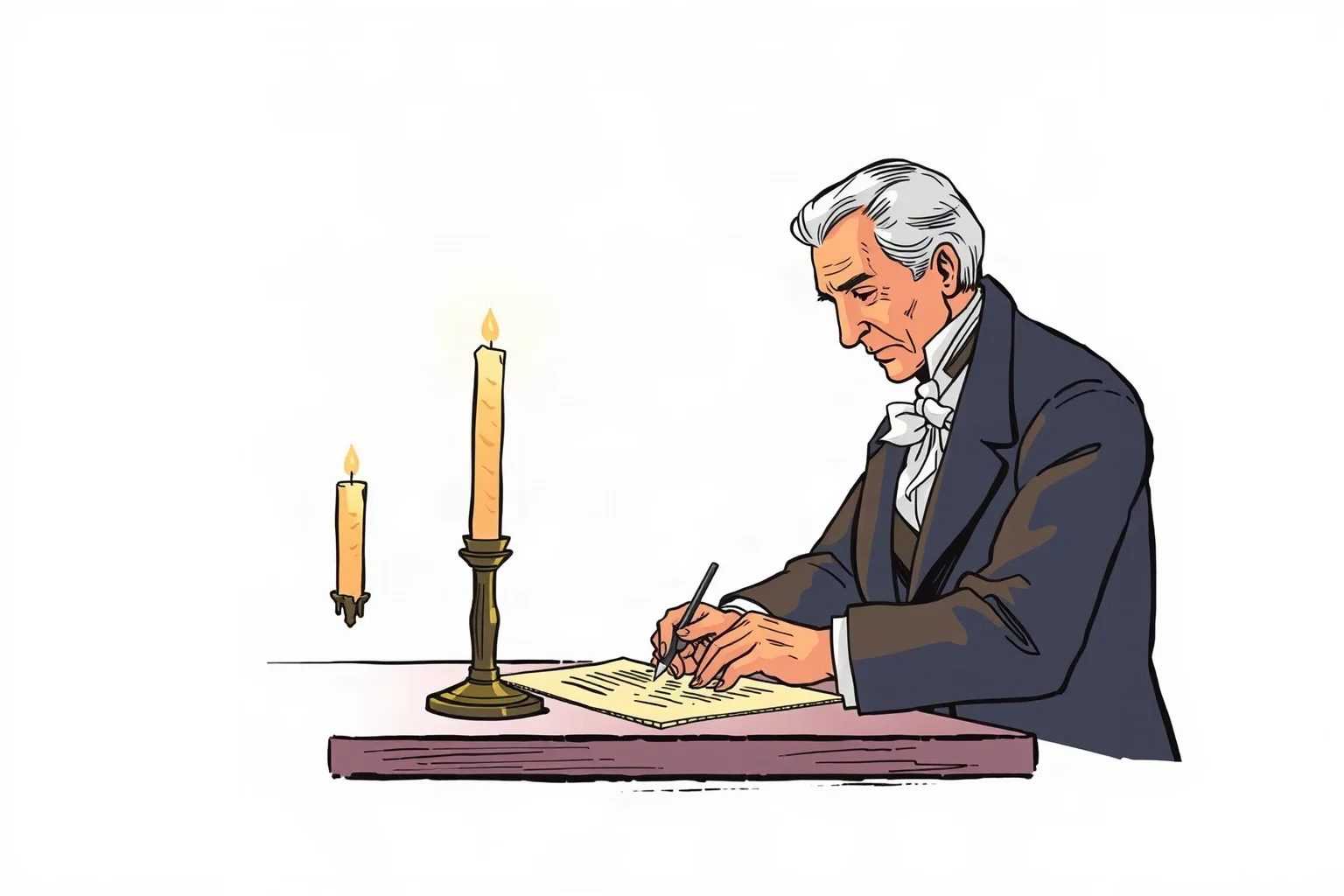
Abraham Lincoln led the United States through the Civil War and issued the Emancipation Proclamation in 1863, a major step toward ending slavery in the Confederacy. He also helped push the 13th Amendment, which formally abolished slavery, through Congress in early 1865. His presidency remains a central case study in how political leadership responds to national crisis.
Lincoln is sometimes mythologized as a straightforward abolitionist hero from the very start of his career, but his early political positions on slavery evolved considerably over time.
Historians continue to debate how much his views shifted out of principle versus political necessity. Either way, the practical result — ending legal slavery in the U.S. — remains one of the most significant contributions of any 1800s American leader.
14. Rosa Parks

Rosa Parks refused to give up her bus seat to a white passenger in Montgomery, Alabama, in December 1955, an act that triggered the Montgomery Bus Boycott. The boycott lasted over a year and helped launch Martin Luther King Jr. into national leadership. It’s a textbook example of an ordinary person’s single decision reshaping a national movement.
A common myth frames Parks as simply a tired seamstress acting on impulse. In reality, she was already a trained civil rights activist and secretary for the local NAACP chapter, and her act of resistance was a deliberate, informed choice. That context doesn’t make her act less brave — if anything, it shows a different kind of courage.
15. Martin Luther King Jr.
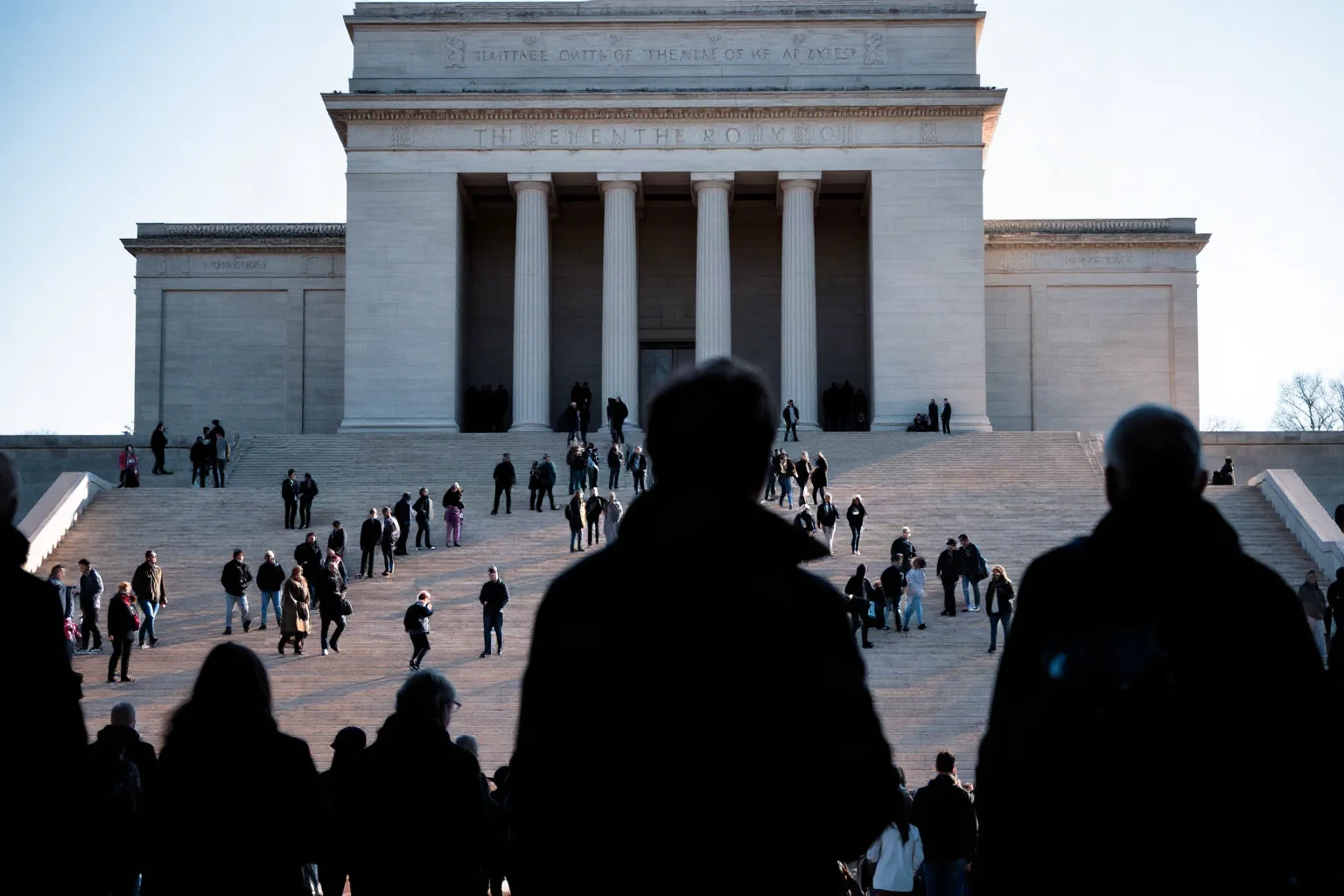
Martin Luther King Jr. became the most prominent leader of the American civil rights movement through the late 1950s and 1960s, advocating nonviolent resistance to segregation and racial injustice.
His 1963 “I Have a Dream” speech at the March on Washington remains one of the most famous historical speeches in American history. He was awarded the Nobel Peace Prize in 1964 and was assassinated in 1968.
King’s legacy is sometimes flattened into a single speech or a single sanitized image of peaceful protest. In reality, he faced significant opposition, including surveillance by the FBI, and his views on economic justice and the Vietnam War grew more radical later in his career. That fuller picture makes him a more complex, and arguably more compelling, historical figure than the simplified classroom version.
16. Nelson Mandela

Nelson Mandela spent 27 years in South African prisons for his opposition to apartheid before being released in 1990. He then negotiated the transition away from apartheid rule and became South Africa’s first Black president in 1994. His willingness to pursue reconciliation rather than retribution is widely studied as a model of transitional leadership after conflict.
Mandela’s early activism did include support for armed resistance through the African National Congress’s military wing, a fact sometimes left out of more sanitized retellings. His later shift toward negotiation and reconciliation was a deliberate strategic and moral choice, not the whole story from the start. Both chapters matter for understanding him as a real historical person rather than a simplified symbol.
17. Desmond Tutu
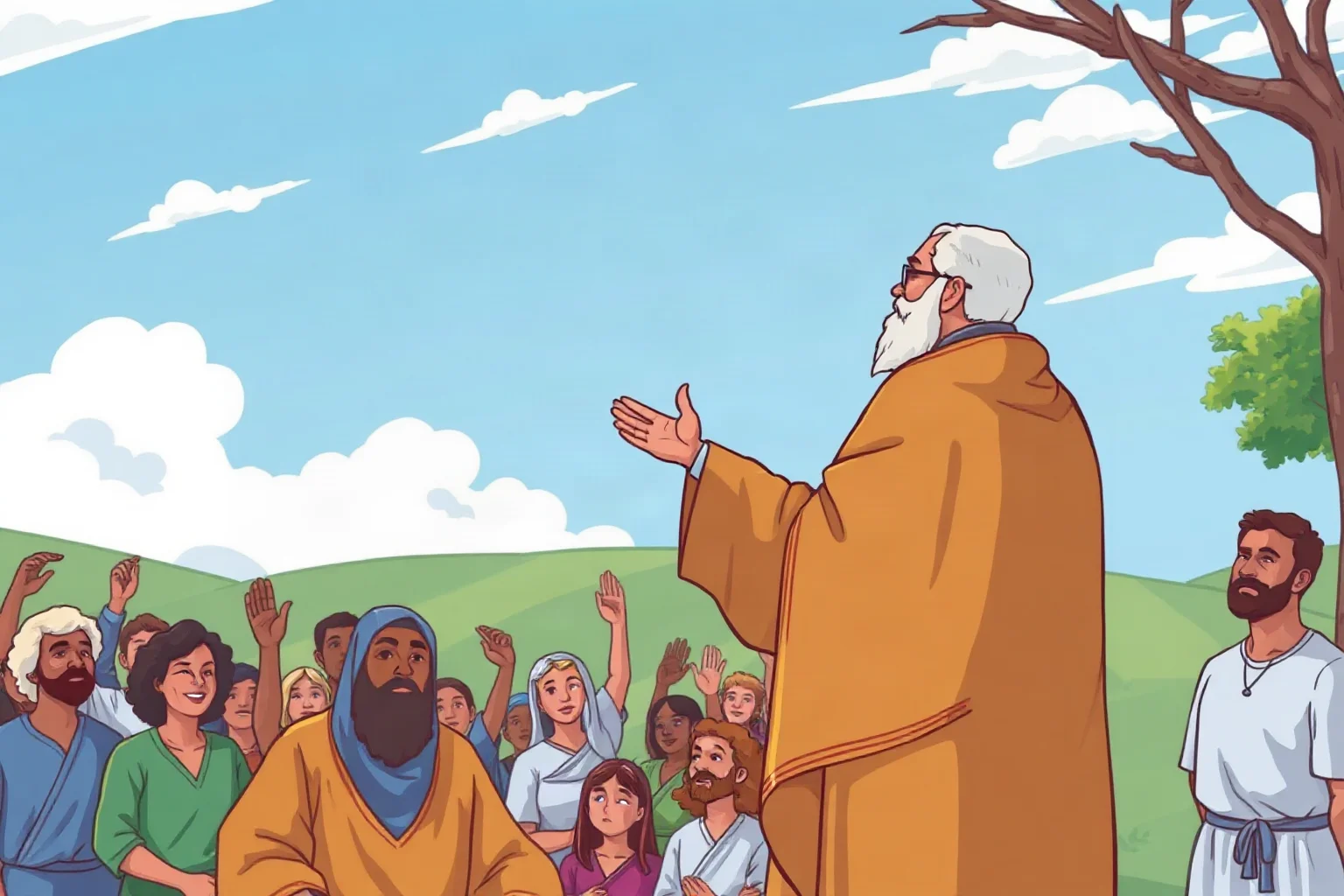
Desmond Tutu was a South African Anglican archbishop who became a leading voice against apartheid alongside Mandela, using his religious platform to pressure the government both domestically and internationally.
He received the Nobel Peace Prize in 1984 for his nonviolent campaign against apartheid. After apartheid ended, he chaired the Truth and Reconciliation Commission, which investigated human rights abuses committed under the old system.
Tutu’s approach emphasized restorative rather than purely punitive justice, a controversial but influential model that other post-conflict nations have since studied. He continued speaking out on human rights issues, including LGBTQ+ rights and climate change, well into his later years. His life shows how moral leadership can extend far beyond a single movement or decade.
Global Leaders & Wartime Figures
18. Mahatma Gandhi
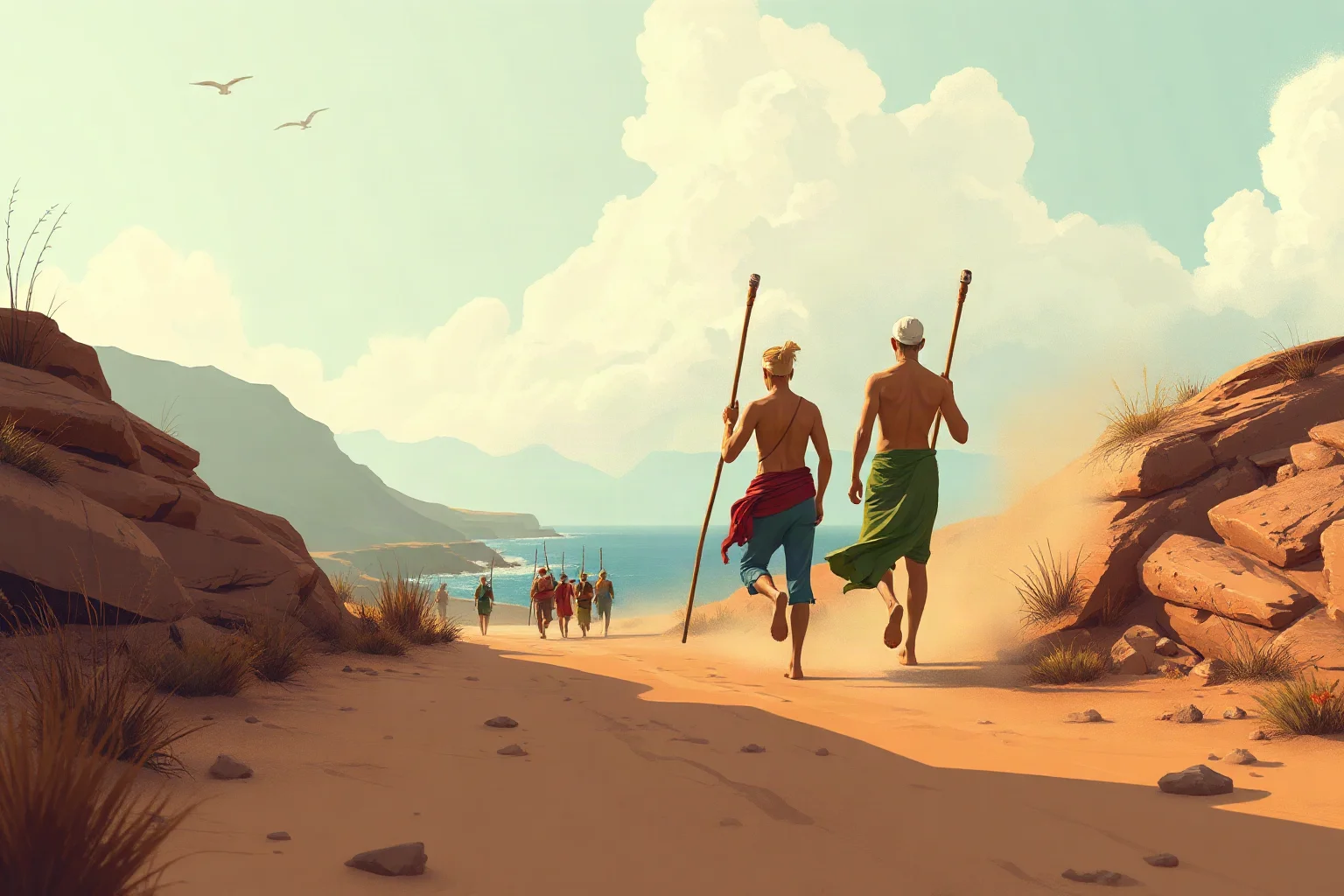
Mahatma Gandhi led India’s independence movement against British colonial rule using a strategy of nonviolent civil disobedience, called satyagraha.
His campaigns, including the 1930 Salt March, mobilized millions of ordinary Indians and put enormous pressure on British authorities. India gained independence in 1947, months before Gandhi was assassinated by a Hindu nationalist opposed to his views on religious unity.
Gandhi’s philosophy of nonviolent resistance later influenced other movements, including Martin Luther King Jr.’s civil rights campaign in the United States.
It’s worth noting that Gandhi’s personal views and actions, including some early writings, have drawn legitimate historical criticism, and serious biographies don’t shy away from that complexity. He remains one of history’s most influential examples of political change achieved largely without armed conflict.
19. Eleanor Roosevelt
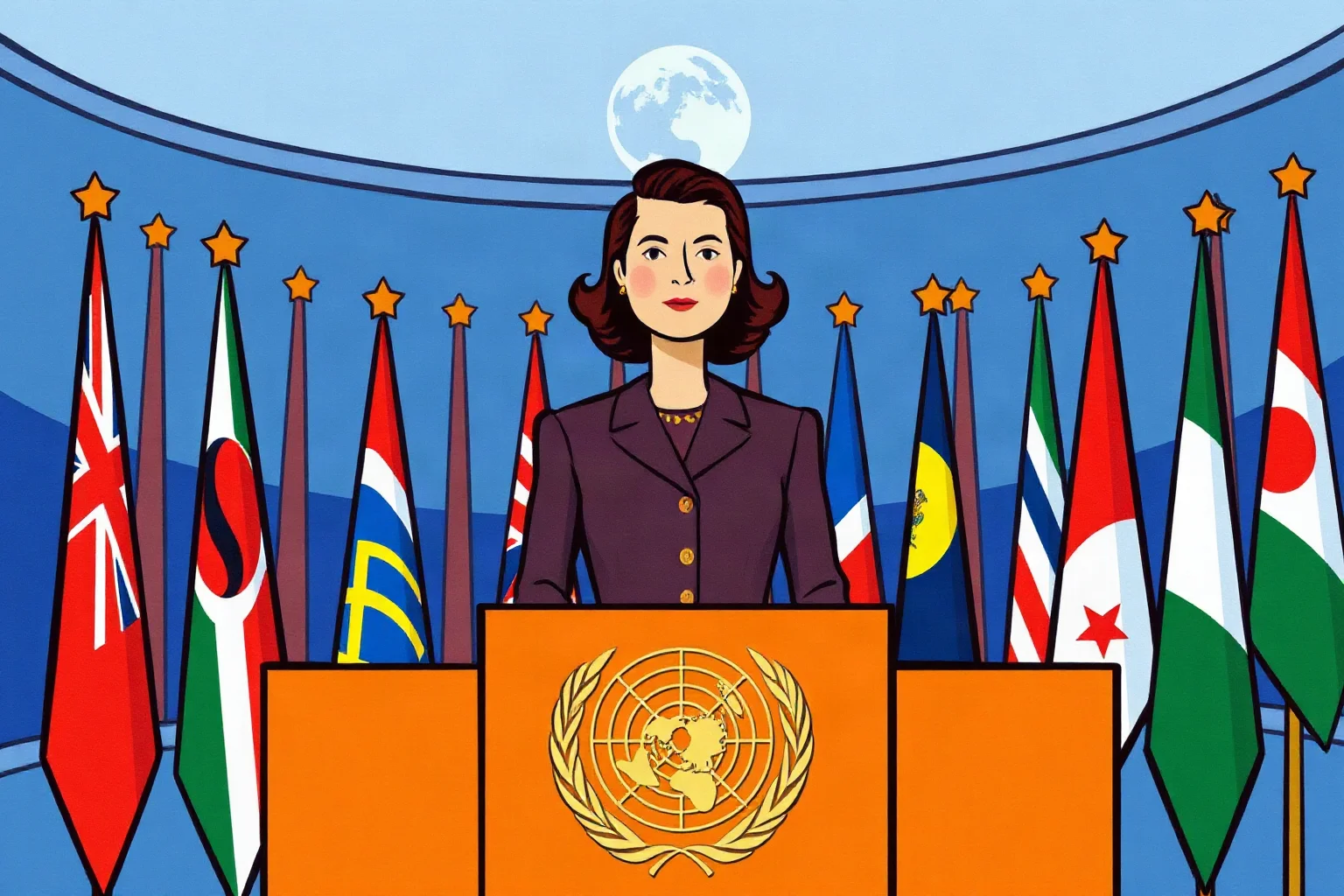
Eleanor Roosevelt redefined the role of U.S. First Lady during the 1930s and 1940s, using the position to advocate for civil rights, labor rights, and women’s issues far more actively than her predecessors.
After her husband Franklin D. Roosevelt’s death, she served as a U.S. delegate to the United Nations. There, she chaired the committee that drafted the Universal Declaration of Human Rights, adopted in 1948.
That document remains a foundational reference point for international human rights law today. Roosevelt is a strong example among influential people of the 1930s and 1940s whose impact extended well past their official title. Her work shows that changing the world doesn’t always require holding the top office yourself.
20. Winston Churchill
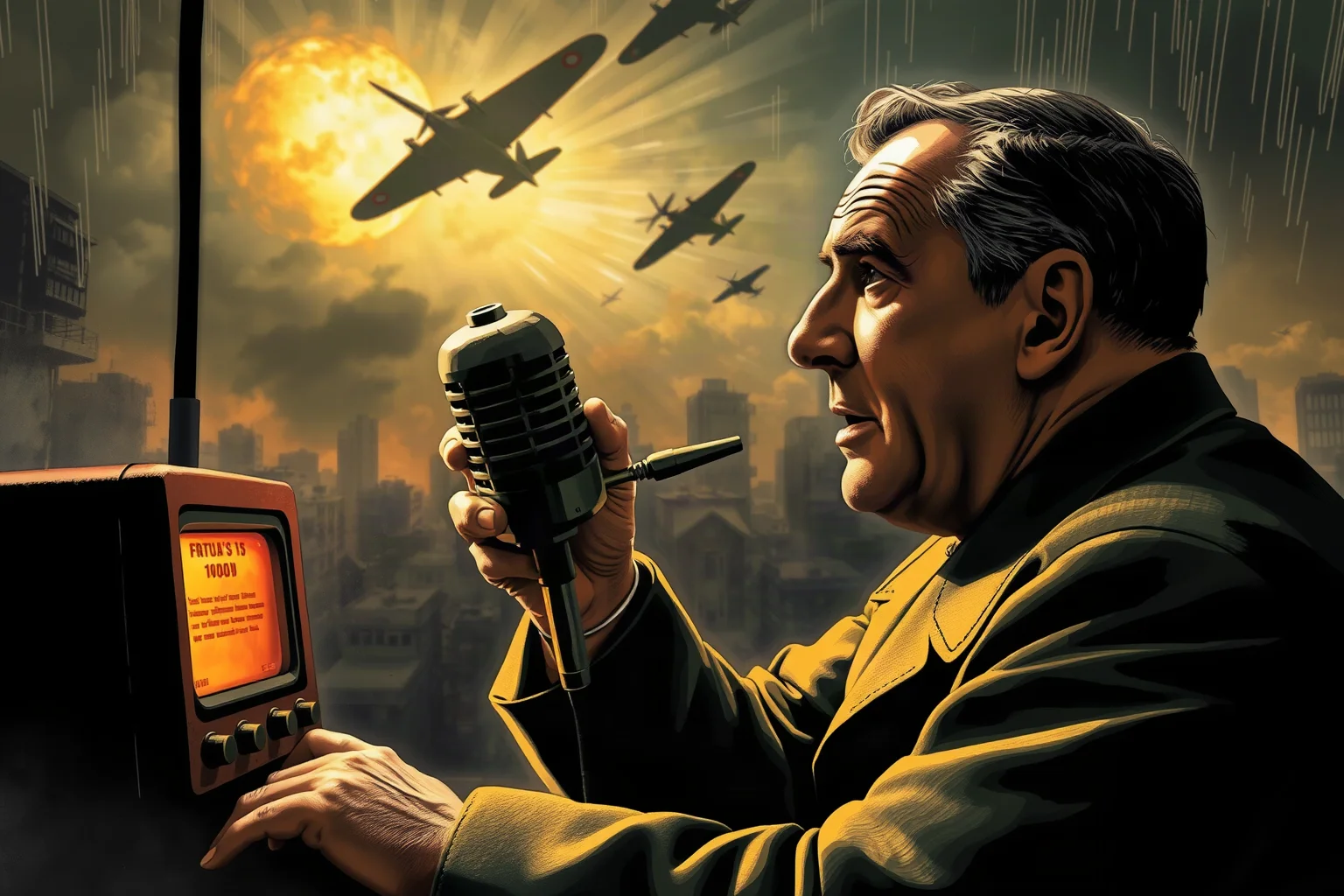
Winston Churchill served as British Prime Minister during World War II and became known for rallying speeches that stiffened British resolve during the darkest years of the war, particularly after the fall of France in 1940. His leadership during the Blitz and his refusal to negotiate with Nazi Germany are widely credited as significant factors in the Allied war effort. He remains one of the most quoted political figures of the 20th century.
Churchill’s legacy is genuinely mixed, and honest history should say so. His wartime leadership is well documented, but his record also includes colonial policies and decisions — including his government’s response to the 1943 Bengal famine — that historians continue to criticize sharply. Presenting him as either a flawless hero or a simple villain misses the more complicated reality.
Modern Changemakers
21. Wangari Maathai
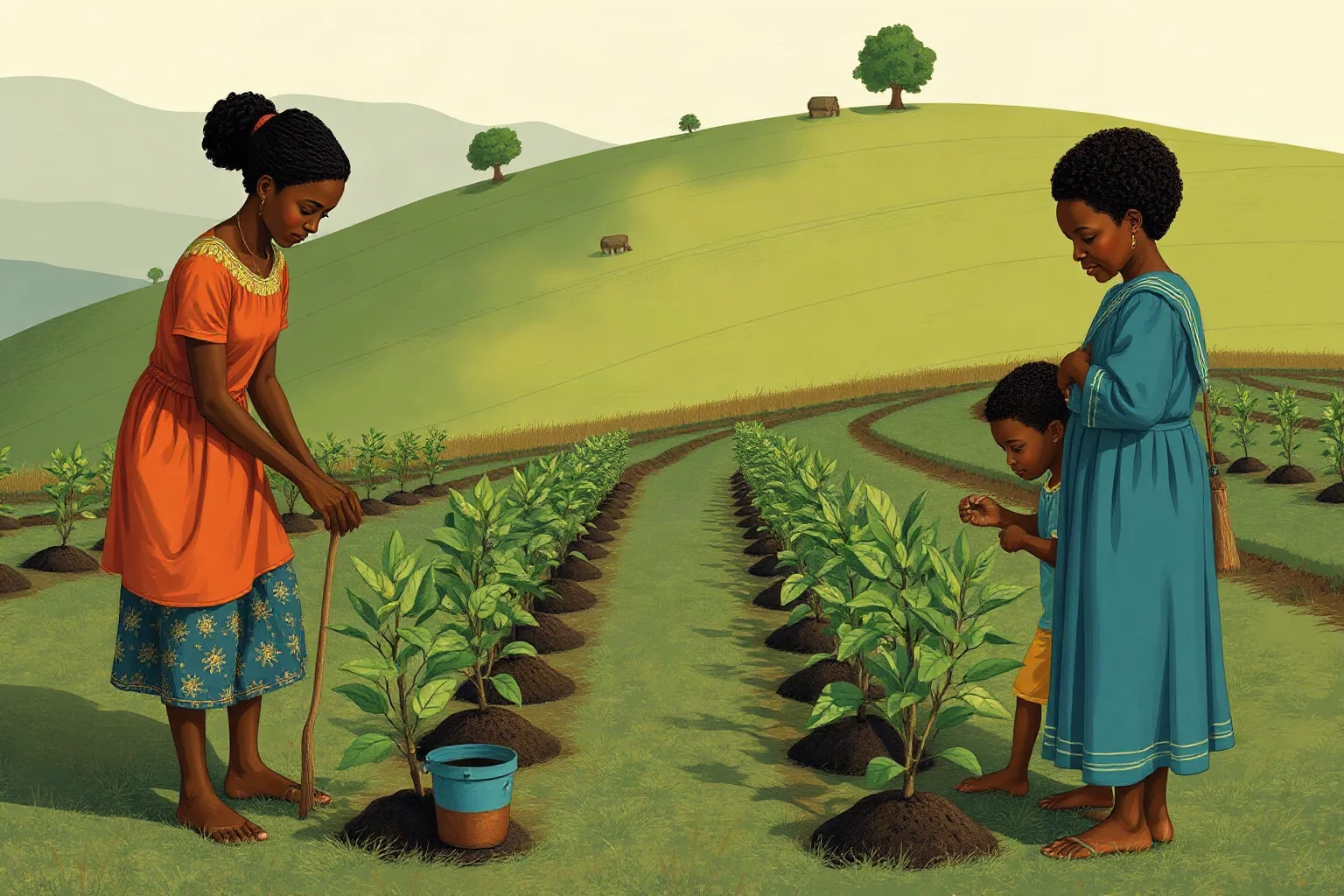
Wangari Maathai founded the Green Belt Movement in Kenya in 1977, mobilizing communities, especially women, to plant trees and combat deforestation and soil erosion. The movement eventually planted tens of millions of trees across Kenya and inspired similar environmental programs elsewhere in Africa. In 2004, she became the first African woman to win the Nobel Peace Prize, recognized for linking environmental conservation to democracy and human rights.
Maathai also faced political harassment and arrest for her activism under Kenya’s government at the time, underscoring how environmental work was tightly connected to broader political freedom in her country.
Her framing of ecological restoration as a form of grassroots empowerment influenced environmental movements well beyond Kenya’s borders. She’s a strong example of people who made a positive impact on the world through sustained, community-level organizing rather than a single dramatic event.
22. Malala Yousafzai

Malala Yousafzai began advocating for girls’ education in Pakistan’s Swat Valley as a teenager, at a time when the Taliban had banned girls from attending school in the region.
In 2012, she survived being shot by a Taliban gunman in retaliation for her activism, an attack that drew global attention to her cause. She continued her advocacy after recovering, co-founding the Malala Fund to support girls’ education worldwide.
In 2014, she became the youngest person ever to receive the Nobel Peace Prize, sharing it with Indian children’s rights activist Kailash Satyarthi. Malala is frequently cited among the most influential people of the 21st century, and her story is a reminder that historical impact isn’t limited to the past. History, in that sense, is still being written by people alive right now.
Why These Stories Still Matter Today
What connects these 22 historical figures isn’t fame alone; it’s the way each of them turned a specific problem — disease, injustice, censorship, famine — into sustained, deliberate action.
Some worked in laboratories, some in courtrooms, and some on dangerous night roads leading toward freedom. Their fields were different, but the pattern of persistence looks remarkably similar across centuries.
It’s also worth resisting the urge to flatten these people into perfect heroes. Real historical impact almost always comes bundled with contradictions, mistakes, and difficult context, and pretending otherwise does a disservice to genuine history. The myth-busting notes throughout this list aren’t meant to diminish anyone’s achievements; they’re meant to keep the story honest.
Finally, several of the names here were, at the time, considered ordinary people rather than icons — a bus rider, a mold-watching bacteriologist, a teenager on a school bus in Pakistan.
That’s arguably the most useful takeaway of all. People who changed the world for the better weren’t necessarily destined for greatness from birth; they responded, deliberately and often at real personal risk, to the moment in front of them.
Frequently Asked Questions
What are famous characters from history, exactly?
"Famous characters from history" usually refers to real people — not fictional characters — whose actions were significant enough to be widely remembered and studied, such as scientists, activists, and political leaders. The word "character" here is used loosely to mean a memorable historical personality, similar to how we might say someone has a big personality. All the people covered in this article are real, documented historical figures rather than legends or fictional creations.
Who is considered a historical figure?
A historical figure is a real person whose life and actions are documented in historical records and who had a notable, verifiable impact on their era or beyond. This can include political leaders, scientists, activists, writers, and even lesser-known people whose specific contributions changed how others lived. The key distinction is that their existence and impact can be traced through credible historical sources, not just legend or folklore.
Who are some of the most influential people of the 1930s and 1940s?
The 1930s and 1940s were shaped heavily by World War II and its aftermath, making figures like Eleanor Roosevelt, Winston Churchill, and Mahatma Gandhi especially influential during this period. Eleanor Roosevelt expanded the political role of the U.S. First Lady and later helped draft the Universal Declaration of Human Rights. Churchill led Britain through the war, while Gandhi's independence campaign against British rule reached a critical stage during these same decades.
Who are considered the most influential people of the 21st century so far?
It's still early to make definitive historical judgments about the 21st century, but figures like Malala Yousafzai are frequently cited for their global impact on education and human rights advocacy. Influence in this century also includes scientists, technologists, and activists whose long-term historical significance is still being assessed. Historians generally prefer some distance from events before ranking their lasting importance.
Were all historical figures who changed the world perfect people?
No, and it's a myth worth busting directly. Nearly every historical figure who changed the world for the better also had flaws, blind spots, or controversial decisions somewhere in their record, from Churchill's colonial policies to Gandhi's early writings. Acknowledging this complexity doesn't erase their genuine achievements; it just gives a more accurate, complete picture of who they really were.
Can ordinary people really change the world, or is it only famous leaders?
Ordinary people have repeatedly changed the world throughout history, often before they became famous for doing so. Rosa Parks was a working seamstress and NAACP secretary before her act of protest, and Malala Yousafzai was a teenage student when she began advocating for girls' education. Historical impact frequently starts with an ordinary person making a deliberate choice in a difficult moment, not with someone who was already famous.
How did these historical figures influence life in the United States specifically?
Several figures on this list had direct, lasting effects on American life: Abraham Lincoln's actions ended legal slavery, Susan B. Anthony's activism helped secure women's voting rights, and Martin Luther King Jr.'s leadership drove major civil rights legislation in the 1960s. Their combined influence reshaped U.S. law, civil rights, and public institutions in ways still felt today. Jonas Salk's polio vaccine also transformed American public health policy and childhood safety.
What’s the difference between a historical figure and a historical event?
A historical figure is a specific person, while a historical event is something that happened, often involving multiple people or forces at once. Figures like Nelson Mandela or Marie Curie are individuals we can study directly, whereas events like the Civil War or the Green Revolution involve broader forces that individual figures helped shape or respond to. Understanding both together usually gives a fuller picture of why change actually happened.

Alex Warren
Related Articles