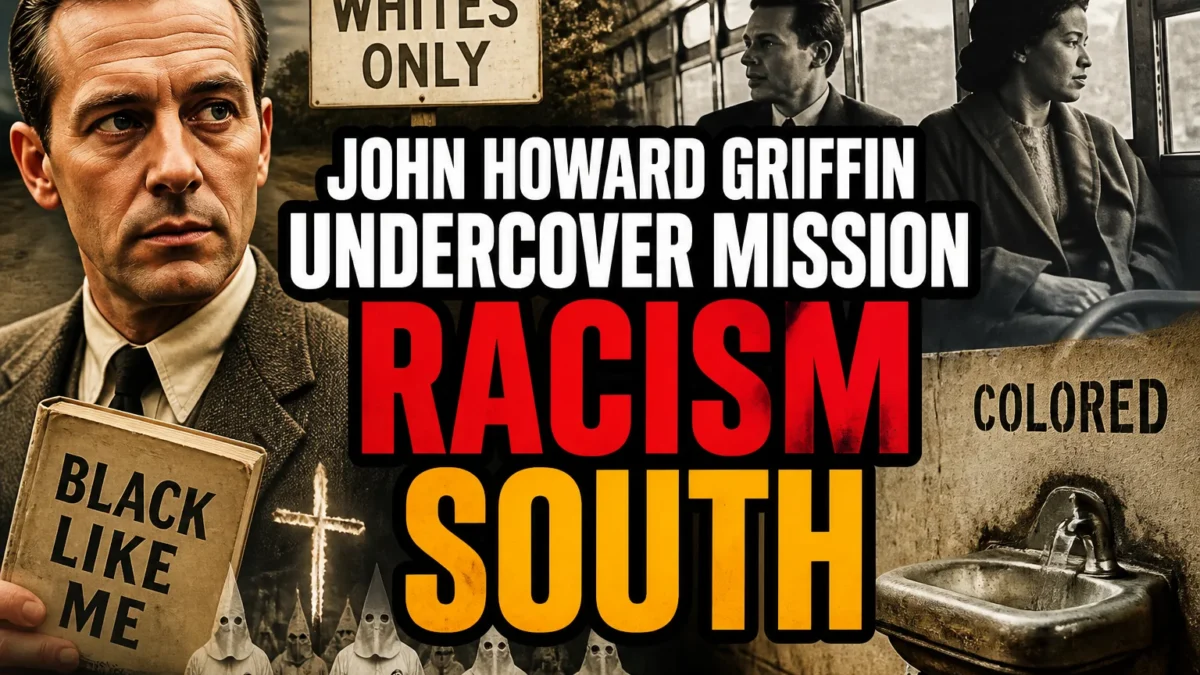
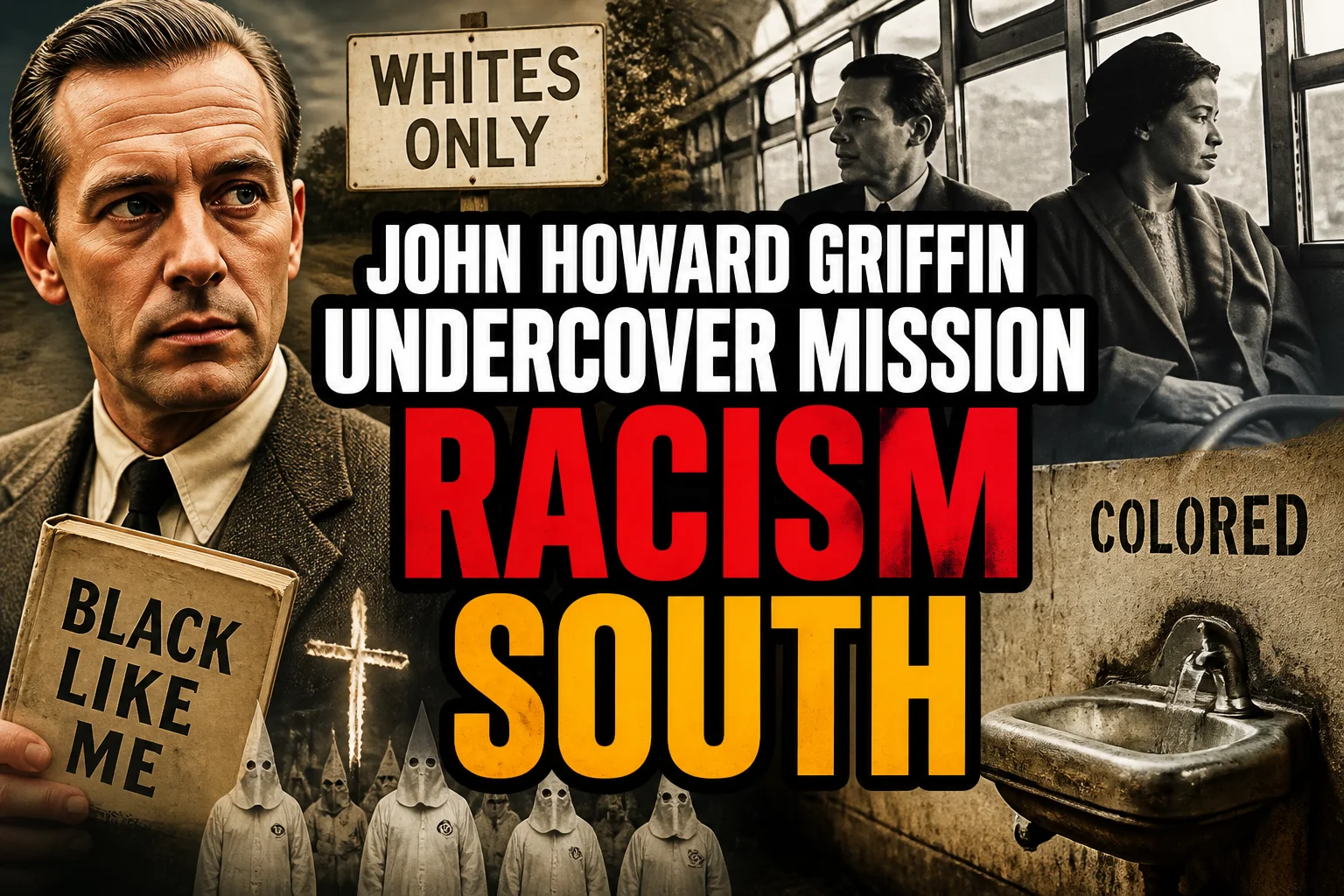
In 1959, a white journalist from Texas darkened his skin and stepped into the Jim Crow South as a Black man. His name was John Howard Griffin, and the journey produced one of the most discussed civil rights documents of the 20th century.
Black Like Me, published in 1961, forced many readers to confront the daily humiliations of segregation. The author John Howard Griffin was no ordinary tourist; he was a writer, music scholar, and former wartime patient who wanted to experience, not just observe.
TL;DR: John Howard Griffin’s 1959 undercover journey through the Jim Crow South used medically darkened skin to document how segregation shaped everyday life, and it became the basis for his landmark book Black Like Me.
1. Griffin Was Already a Writer, Music Scholar, and Former Wartime Patient Before the Experiment
John Howard Griffin was born in Dallas in 1920 and spent part of his youth studying in France. Before his undercover work, he built a varied career as a journalist, musicologist, photographer, and author.
A World War II injury left him blind for several years, and he regained his sight in 1957. That long period of navigating the world without vision shaped his habit of paying close attention to sound, movement, and the ways people treated him.
By the time he proposed the racial experiment, Griffin was an experienced writer rather than a reckless thrill-seeker. His background made him an unusual candidate to document race in the segregated South.
That earlier life also gave him a personal sense of what it meant to be marked as different. He understood that identity could change how strangers responded in ordinary encounters.
2. The Project Began With a Direct Question About Segregation

Griffin began with a simple but uncomfortable question: what did segregation actually do to a person's daily life? He believed most white southerners, including himself, could avoid seeing the full system because they were not forced to live inside it.
He pitched the project to Sepia, a magazine aimed at Black readers, which agreed to publish his dispatches. That publication gave him both an audience and a practical reason to keep detailed notes.
The assignment was not a gimmick in Griffin's mind. He treated it as a serious journalistic investigation into the ordinary machinery of racial discrimination.
By writing for a Black publication first, he also placed his account in front of readers who already knew the system from the inside. That choice shaped the project's early tone.
3. He Treated the Transformation as a Medical Procedure, Not a Costume

To change his appearance, Griffin consulted a dermatologist in New Orleans rather than relying on theatrical makeup. He took a drug called Oxsoralen, which increases melanin production in the skin.
Under medical supervision, he spent hours under an ultraviolet lamp to deepen the effect. The process was slow, painful, and far from glamorous.
This medical approach is one reason the project was more than a costume. Griffin documented the physical discomfort as part of the evidence that race was being imposed on the body through social rules.
He also had to monitor his skin carefully to avoid burns and uneven patches. The transformation was never perfect, but it was enough to change how strangers treated him in public spaces.
4. He Began in New Orleans, a City That Advertised Ease but Enforced Color Lines

Griffin began his experiment in New Orleans in November 1959. He chose the city partly because it had a sophisticated reputation, but he quickly found that racial boundaries were still firmly drawn.
As a Black man, he was turned away from white restaurants, hotels, and restrooms that would have welcomed him before the transformation. The line ran through every ordinary building and street.
New Orleans taught him that segregation was not only a rural Southern problem. It also shaped life in a major port city with a large Black population.
In the French Quarter and beyond, the color line dictated where a person could sit, eat, sleep, or even stand without being questioned. The city's charm did not erase that reality.
5. The 'Hate Stare' Became One of His Most Famous Observations
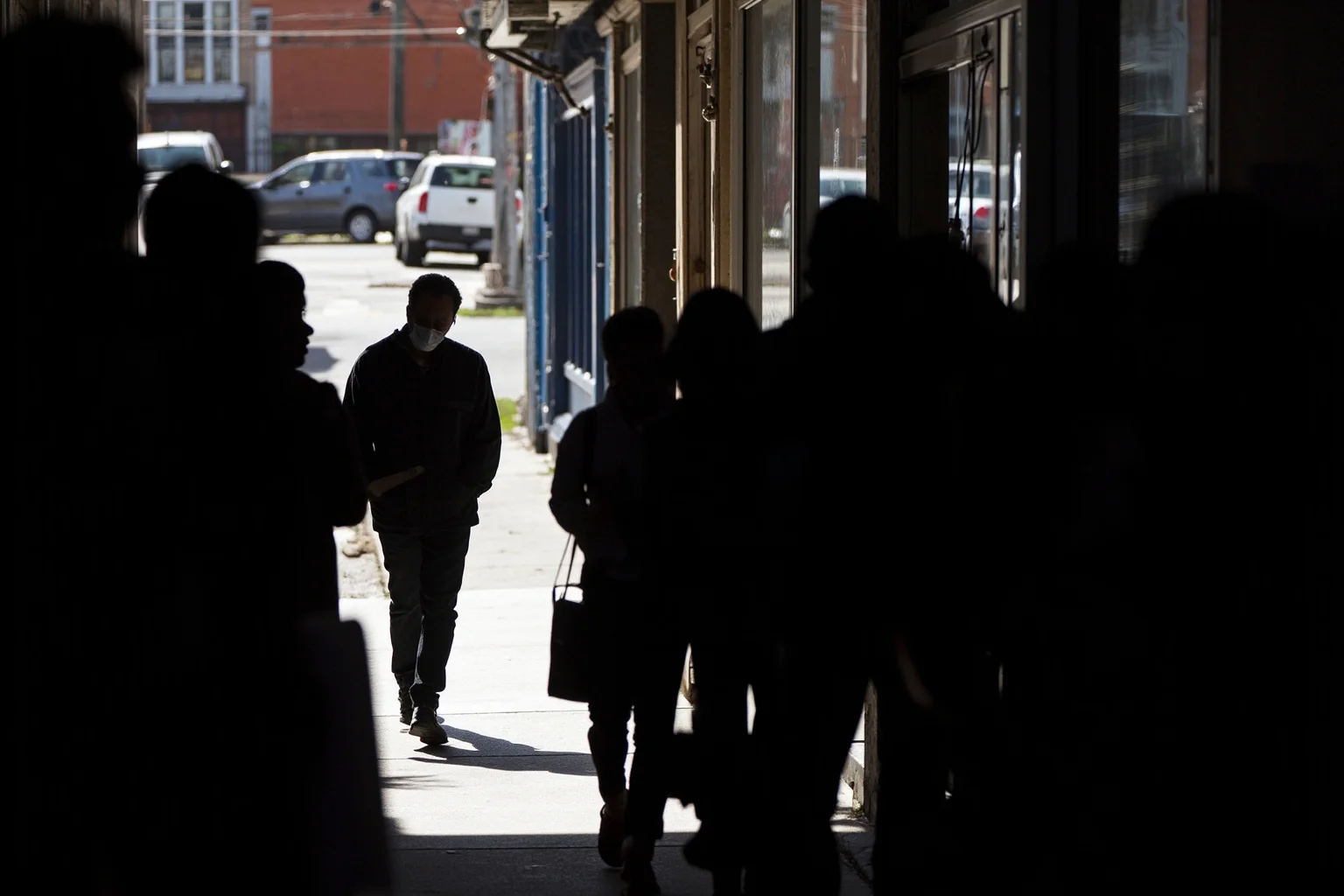
One of Griffin's most quoted observations is the term 'hate stare.' He used it for the hostile glare some white people directed at him when he stepped into spaces they considered white-only.
The stare was not accidental. Griffin argued it functioned as a warning that he had crossed a boundary.
By naming that look, he helped readers understand how racial hostility could be communicated silently and constantly. This small, daily form of intimidation was as damaging as more overt violence in some ways.
It made public spaces feel dangerous for Black residents even when no law was spoken aloud. A glance could carry the weight of the entire social order.
6. Simple Acts Like Finding Water Became a Daily Ordeal
Daily needs such as drinking water, eating, or finding a restroom became exhausting challenges. Griffin wrote about long stretches of thirst because he could not simply enter a drugstore or gas station.
Black travelers often carried food, used designated 'colored' facilities, or relied on Black-owned businesses that welcomed them. These networks were essential for survival.
The book turned those small struggles into a powerful account of how segregation wasted time and eroded dignity. It was not only about dramatic confrontations.
Every trip to a bus station or café required advance planning. The absence of a safe restroom could force a person to wait for hours or walk miles.
7. He Moved Across Louisiana, Mississippi, Alabama, and Georgia
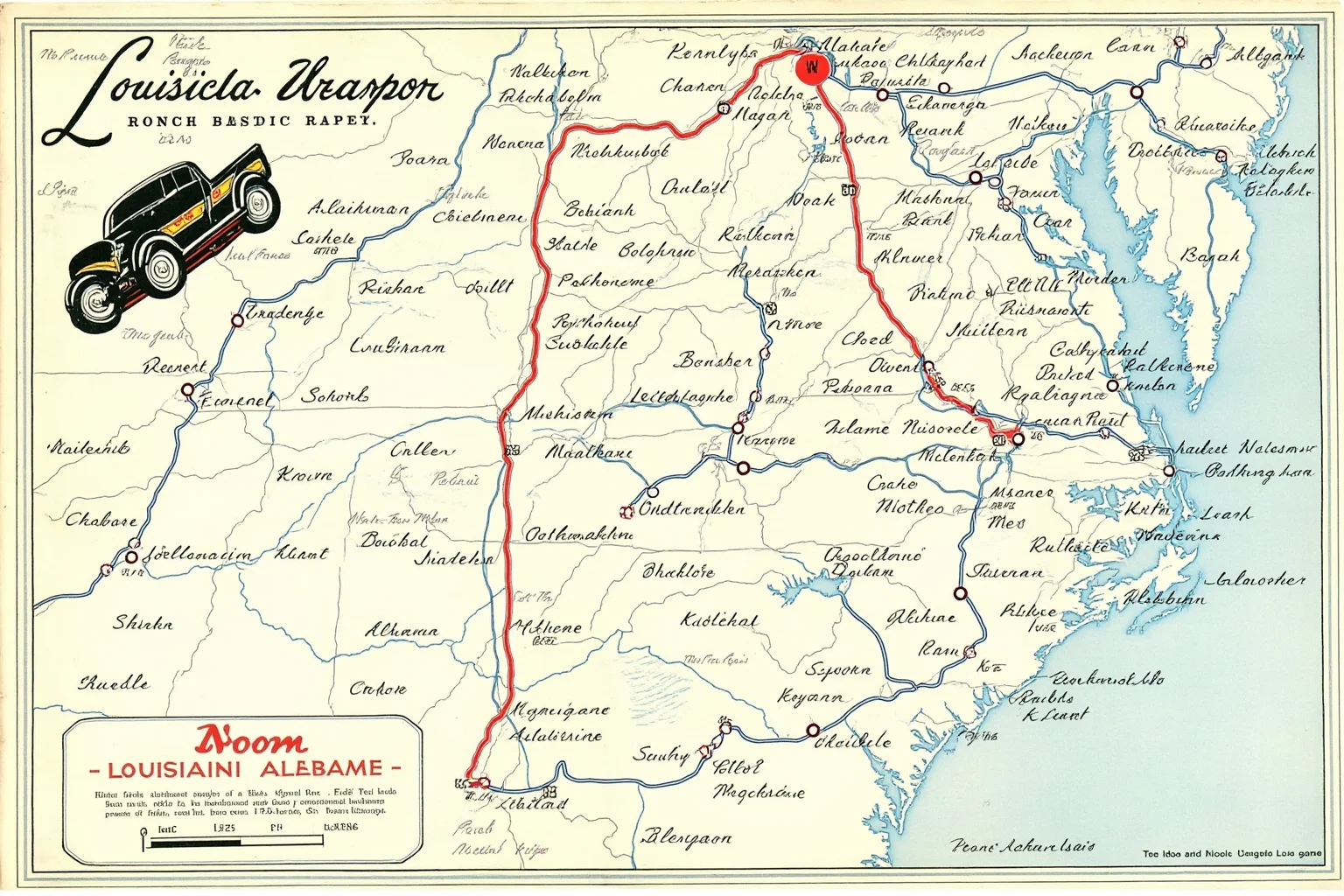
Griffin's route took him through Louisiana, Mississippi, Alabama, and Georgia. Along the way, he passed through small towns and larger cities where legal segregation was enforced in schools, buses, restaurants, and housing.
In Mississippi and Alabama, he noted a particularly rigid racial order and an ever-present threat of violence. Even asking for directions required caution.
Traveling as a Black man meant reading every street, storefront, and face for signals of safety. The geography of the South looked completely different from the other side of the color line.
A friendly town for white travelers could feel hostile for Black travelers after sunset. That difference became one of the book's central themes.
8. He Did Not Travel Alone in the Black Community

Although Griffin acted alone in the physical transformation, he did not travel through a vacuum. Black southerners repeatedly gave him directions, shelter, food, and warnings about dangerous areas.
Black-owned hotels, cafés, and private homes became safe stopping points along his route. These hosts often took real risks by helping an unknown man who could have attracted police attention.
Their cooperation showed that the Black community had built an informal infrastructure of survival. Griffin later stressed that his journey depended on that generosity.
Those encounters also revealed the dignity and resourcefulness that white society refused to acknowledge. The book became a record of mutual care under oppressive conditions.
9. He Switched Back and Forth Between Black and White Identities to Compare Treatment
At several points, Griffin returned to his white appearance to compare how the same places treated him. The experiment gave him a rare before-and-after view of segregation's daily rules.
A clerk or bus driver who ignored him as a white man might refuse him service when he presented as Black. The contrast made the discrimination difficult to dismiss as misunderstanding.
These switches were not safe or casual. Each change meant another painful round of skin treatment and a renewed risk of being discovered.
The comparisons also revealed how much ordinary politeness depended on racial status. The same smile could turn into suspicion in the same doorway.
10. He Documented Segregation's Economic Trap, Not Just Insults
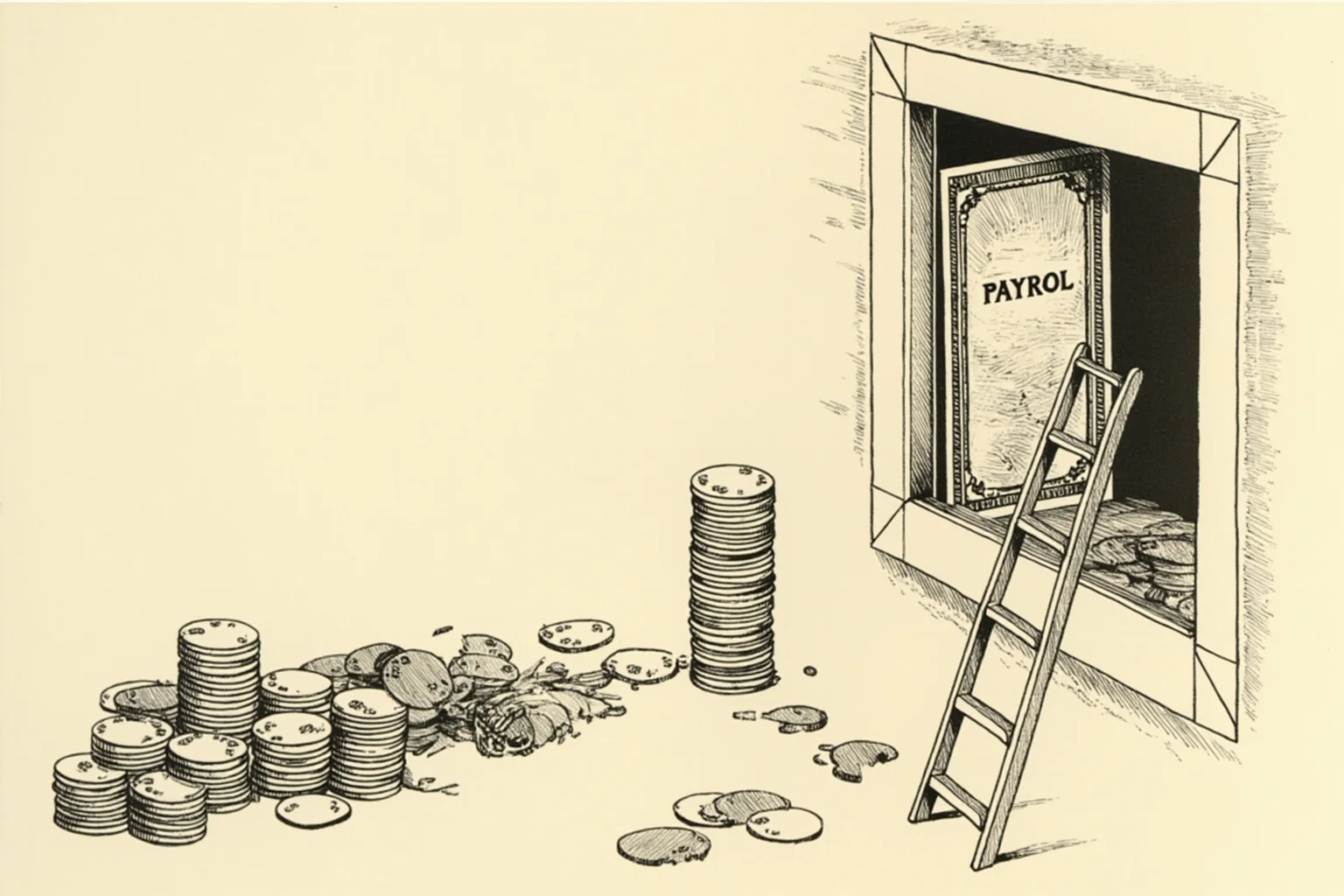
Griffin's reporting captured the economic side of racism. He saw Black workers channeled into low-paying jobs and knew that speaking up could cost them their employment or housing.
Many Black southerners had to weigh dignity against survival because white employers and landlords held enormous power. Fear was an economic weapon as much as an emotional one.
By documenting this pressure, Griffin showed that segregation was not only an insult. It was a system for maintaining control over labor and livelihood.
He described how racial rules kept workers in debt, limited their mobility, and punished ambition. That economic analysis made the book more than a travel diary.
11. The Project Was Dangerous for Griffin and for Those Who Helped Him
The undercover work was dangerous for Griffin and even more dangerous for the Black people who helped him. He described being followed, threatened, and warned to leave certain towns.
White residents sometimes watched him with suspicion, and he moved carefully to avoid confrontations after dark. The threat of arrest or violence was constant.
Griffin also understood that Black contacts could face retaliation if their association with him became known. That awareness weighed on his decisions throughout the journey.
The dangers he faced were real, but they were temporary compared with the lifelong risks carried by Black southerners under Jim Crow. The book makes that distinction visible.
12. Sepia Published the Articles Before the Book Became a Phenomenon

Before Black Like Me became a book, Griffin's reports ran in Sepia magazine. Those installments reached a readership that already knew segregation intimately and responded with intense interest.
The magazine series built momentum for the longer work and allowed Griffin to refine his material. It also placed his story in front of Black readers first, not as a message from a white outsider to other whites.
This publication history matters because it shaped the book's early reception. The story began as journalism for a specific audience, then grew into a mainstream phenomenon.
Some of the strongest early reactions came from readers who recognized their own experiences in his account. That ground-level validation helped the book gain credibility.
13. Black Like Me Was Published in 1961 and Quickly Became a Bestseller

Black Like Me was published in 1961 and became a bestseller. It sold millions of copies and introduced the reality of Jim Crow to readers across the United States and abroad.
The book arrived as the civil rights movement was gaining national attention. Griffin's personal account gave a narrative shape to legal and statistical arguments against segregation.
Decades later, it remains a common classroom selection for teaching the daily texture of the Jim Crow South.
The book's success also turned Griffin into a public figure. He received invitations to speak, write, and testify about what he had witnessed.
14. He Was Hanged in Effigy in Texas After the Book Appeared
The fame that followed the book brought serious backlash. In Mansfield, Texas, where Griffin lived, opponents hanged him in effigy.
Griffin received threats, and the hostility became severe enough that he and his family moved for a time. The reaction showed how much his book had unsettled white southerners who preferred silence.
This backlash also proved one of the book's central points. Even talking about racism publicly carried real personal risk.
For Griffin, the threats were not abstract. They reached his home, his family, and the town where he had lived before the experiment.
15. The 1964 Film Adaptation Brought the Story to More Viewers
In 1964, Black Like Me was adapted into a feature film starring James Whitmore as Griffin. The movie used makeup to darken the actor's skin, a technique that later drew criticism.
The film brought the story to a wider audience but also simplified some parts of the book. Its production choices remain part of debates about representation and racial impersonation.
Still, the adaptation helped keep Griffin's undercover mission in the public conversation beyond the page.
Viewers who never read the book saw a dramatized version of the journey, though the film could not fully capture Griffin's internal reflections.
16. The Book Became a Target of Censorship Challenges
Over the years, Black Like Me has been challenged or removed in some schools and libraries. Objections often focus on language, racial themes, or discomfort with the subject matter.
These censorship attempts are part of the book's history and show its continued power to provoke strong reactions. The same frankness that made it valuable also made it controversial.
For educators, such challenges are a reminder that historical documents can still feel risky when they reveal an ugly part of the past.
Attempts to remove the book from reading lists often had the opposite effect. They drew fresh attention to its message and to the costs of ignoring racial injustice.
17. Critics Noted the Limits of a Temporary, Reversible Experiment

Historians and critics have long noted the limits of Griffin's experiment. He could return to white privilege whenever he chose, while Black southerners could not.
Some Black authors and scholars argue that a temporary journey by a white man cannot capture the psychological weight of lifelong racism. The book is a powerful snapshot, not the whole story.
Griffin's account is best read alongside the work of Black writers and civil rights activists from the same era. That context makes his observations more useful without overstating their authority.
The myth-busting view is simple: Black Like Me is an important document, but it is not a substitute for Black testimony. It should open a door to other voices, not close it.
18. He Was Motivated by Catholic Faith and a Belief That Racism Was a Sin
Griffin's Catholic faith was central to his opposition to segregation. He had converted to Catholicism before the experiment and viewed racism as a moral crisis rather than only a political dispute.
His religious convictions led him to frame the project as an act of witness. He believed ignoring the suffering caused by segregation was itself a moral failure.
That faith-based perspective ran throughout his later writing and speeches. It gave his book a distinctly ethical argument against racial discrimination.
Catholic social teaching and personal conscience shaped how he interpreted what he saw in the South. For Griffin, the color line was a sin made visible in daily routines.
19. He Wrote More Than Black Like Me, but the Undercover Mission Defined His Legacy
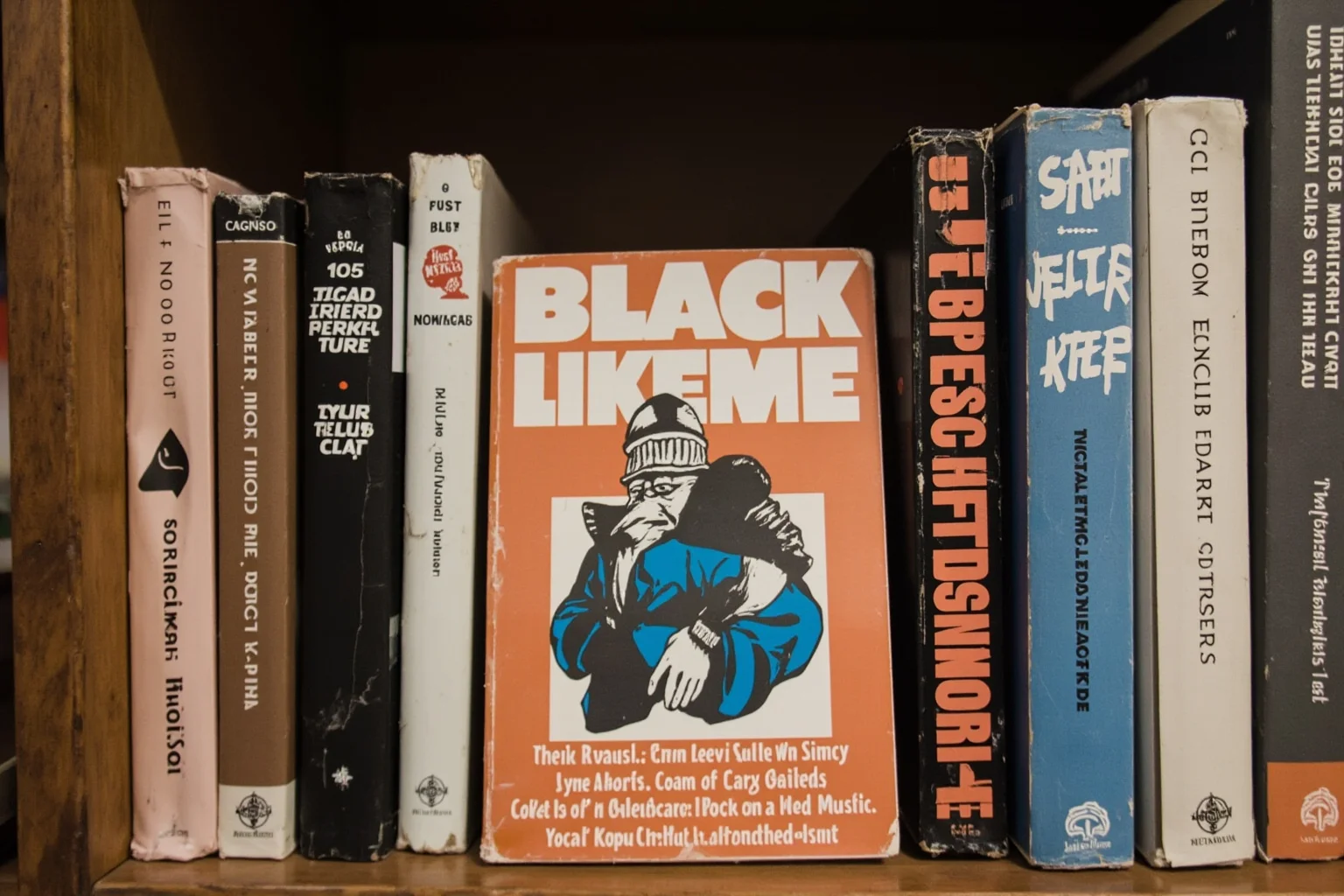
Although Black Like Me made him famous, John Howard Griffin was not a one-book writer. He published novels, memoirs, and works on spirituality, including The Devil Rides Outside.
His other writings explored faith, suffering, and the experience of blindness. None achieved the same national visibility as the racial experiment.
Understanding his wider career helps readers see Black Like Me as the product of a restless, serious writer rather than a one-off spectacle.
He continued to write and lecture until his death in 1980, often returning to themes of justice, identity, and human connection.
20. The Undercover Mission Influenced How Journalists Write About Racism
Griffin's undercover mission helped popularize immersive journalism in civil rights reporting. His approach inspired later writers to use first-person participation as a way to expose hidden systems.
The method has been debated, but its influence on literary journalism is widely acknowledged. Black Like Me sits near the center of that tradition.
Modern reporters still ask the same question Griffin raised: how can an outsider responsibly document an experience that may not be reversible?
The book also forced newsrooms and readers to think about whose eyes were doing the reporting. That question remains urgent in contemporary media.
21. He Used Photography to Capture What Words Could Not
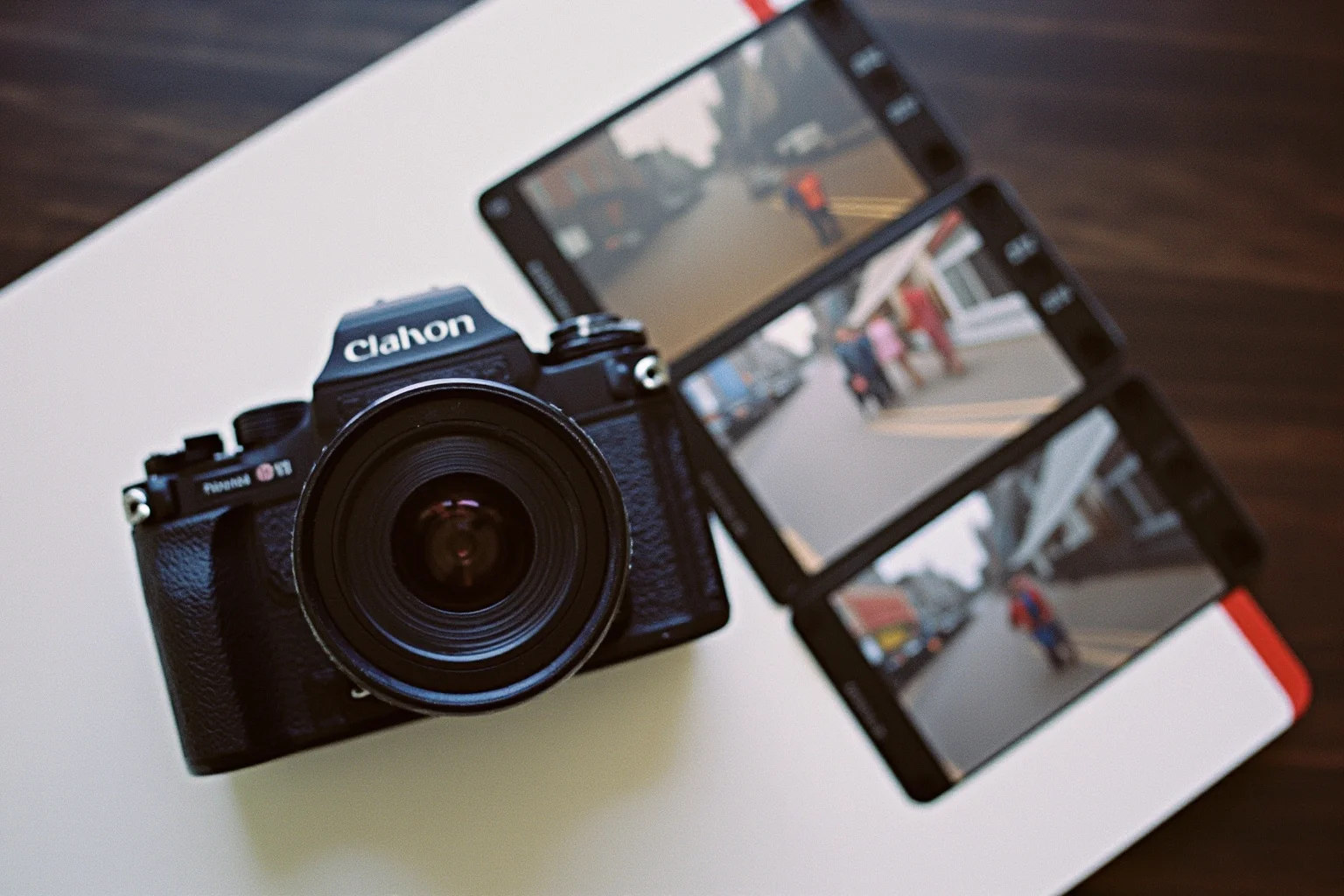
Griffin was an avid photographer, and he carried a camera during his journey. His photographs added a visual record to the written account, showing the streets, rooms, and faces he encountered.
Photography was not incidental to his work. It reflected his conviction that evidence mattered and that readers needed to see the world he moved through.
Some images from the project have become part of the historical record of segregation. They reinforce the book's claim that racial boundaries were visible everywhere.
The camera also allowed him to document scenes without relying only on memory. In a story about perception, that visual record strengthened his reporting.
22. His Work Made the Ordinary Machinery of Racism Visible
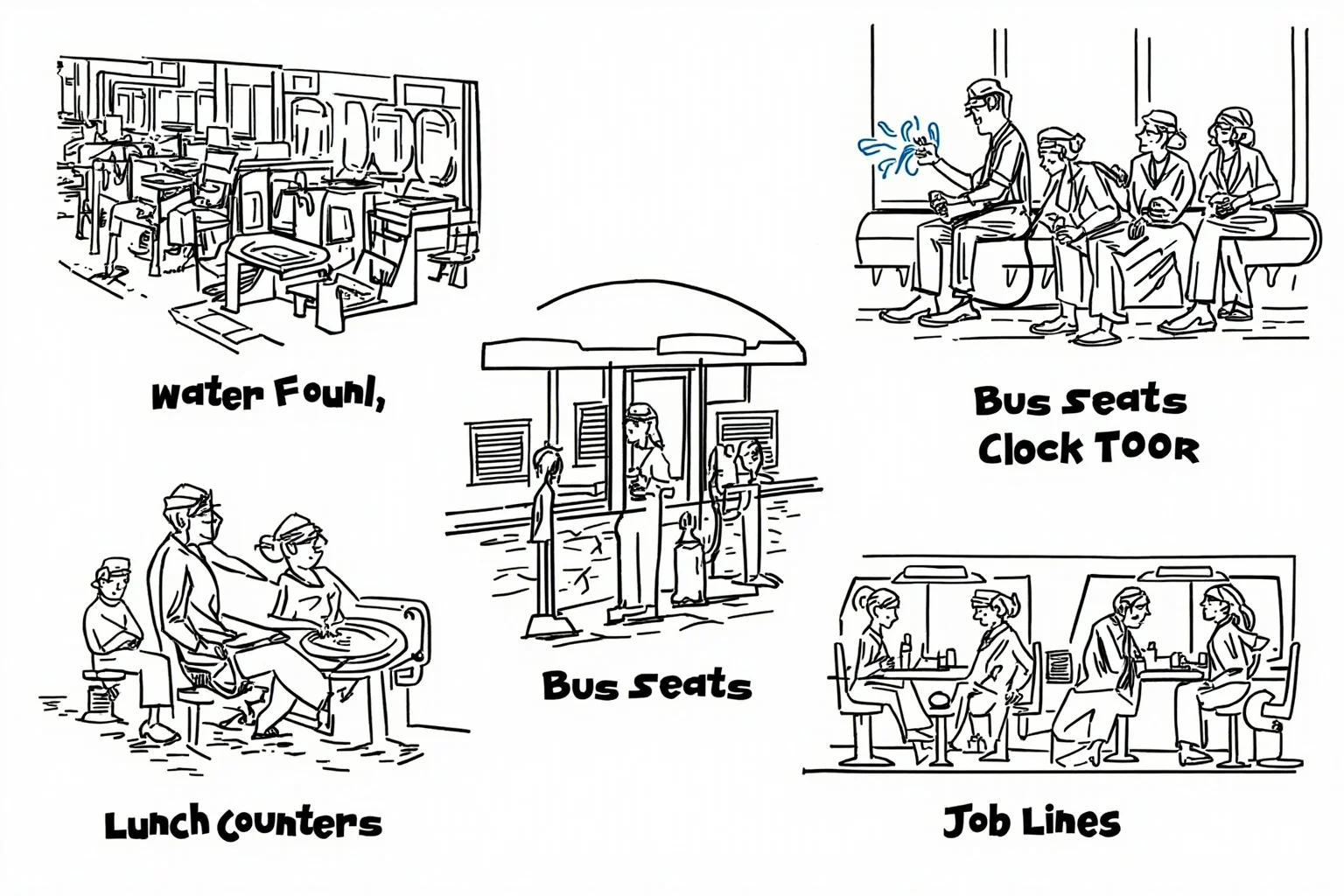
The lasting value of Griffin's mission is that it made the ordinary machinery of racism visible to people who had never noticed it. Water fountains, bus seats, waiting rooms, job lines, and simple greetings all carried racial meaning.
Black Like Me treated these daily details as evidence of a systemic order. The book did not rely on dramatic confrontations alone.
Griffin's undercover journey remains a flawed but important historical document. It is most useful when placed beside the voices of the Black southerners who lived that reality every day.
The lesson is not that one white man's experiment solved anything. The lesson is that segregation was never invisible to those who lived under it, and listening to them remains essential.
23. Griffin's Experiment Belonged to a Longer History of Racial Passing Narratives
Griffin's experiment belonged to a longer American tradition of crossing the color line to expose racial injustice. Earlier writers, activists, and journalists had also used disguise or passing narratives.
But his project arrived at a specific moment when mass media, civil rights organizing, and suburban white audiences were aligning. That timing made Black Like Me a national event.
The book did not invent the form. It used an old idea in a new way and placed it in the pages of a widely read magazine.
This context helps explain both the book's influence and its limits. Griffin's voice mattered, but it was one chapter in a much larger story.
24. The Book Reads Like an Early Account of What We Now Call Microaggressions
Griffin's work often reads like an early study of what later generations called microaggressions. He recorded the small insults, cold looks, and daily inconveniences that accumulated into a system.
The term did not exist in 1959, but the phenomenon was clear. Griffin saw that racism was not only exceptional violence but also repeated, ordinary denial.
Modern readers can see parallels to contemporary discussions of bias, belonging, and public space. That continuity keeps the book relevant beyond its historical moment.
The undercover mission therefore still speaks to debates about how racism operates in everyday life. It reminds readers that large systems often live in tiny gestures.
Why the Undercover Mission Still Matters
John Howard Griffin's undercover mission did not end racism, and it did not replace the voices of Black Americans. What it did was provide a startling testimony from inside the color line, written by an outsider who briefly stepped across it.
Read with historical context, Black Like Me still offers a vivid reminder of how segregation worked in the most routine moments of life. The book endures because it asks readers to look at ordinary spaces and ask who is welcome there.
That question remains urgent, and it is why the author John Howard Griffin's story continues to be taught, debated, and revisited.
Frequently Asked Questions
What should readers know about author John Howard Griffin?
Author John Howard Griffin was a Texas-born journalist, photographer, music scholar, and writer. He is best known for his 1959 undercover journey through the Jim Crow South, which led to the 1961 book Black Like Me. Before that project, he had lived through temporary war-related blindness and had built a varied literary career.
How did John Howard Griffin change his skin color?
Griffin worked with a dermatologist in New Orleans and took a drug called Oxsoralen, which increased his skin's melanin production. He also spent hours under an ultraviolet lamp to deepen the change. The process was medically supervised and physically painful.
Was Black Like Me accurate?
Black Like Me is a real first-person account of a documented undercover journey, but it has limits. Griffin could return to white privilege whenever he chose, and his temporary experiment cannot capture the lifelong experience of being Black. Historians recommend reading it alongside Black writers and civil rights voices from the same era.
Why was Black Like Me banned or challenged?
Black Like Me has been challenged or removed in some schools and libraries over its language and frank treatment of racism. Censorship attempts often focused on discomfort with the book's descriptions of segregation. Those challenges did not stop the book from becoming a bestseller and a classroom classic.
Did John Howard Griffin write other books?
Yes, he wrote novels, memoirs, and spiritual works, including The Devil Rides Outside. None of his other books matched the public impact of Black Like Me, but they show his wider interests in faith, suffering, and human dignity.

Alex Warren
Related Articles