Ask almost anyone to name a famous pyramid, and the Great Pyramid of Giza usually comes first. But that is only the beginning of a much wider story: different pyramids appear in Mexico, Peru, Sudan, Iraq, Rome, and China. This list of pyramids travels beyond the usual postcard images to compare the biggest pyramids, the oldest experiments, and the most famous pyramid builders in history.
Some of these structures are tombs, some are temple platforms, and a few are still debated by archaeologists. A pyramid ranking based only on height would miss the fact that the largest by volume is not in Egypt at all. The names of the pyramids below include well known pyramids as well as lesser-known examples from Sudan, Peru, China, and Iraq.
TL;DR: From Giza to Cholula, the most famous pyramids span Egypt, Mesoamerica, Peru, Sudan, Rome, and China—and the largest by volume isn't the Great Pyramid.
Why Pyramids Appear Across the World
The old myth that one lost civilization built all the pyramids in the world ignores a basic engineering fact: a pyramid is one of the most stable shapes you can pile from stone, earth, or brick. Cultures that never met arrived at the same basic form because it resists collapse and creates a commanding skyline. That does not make the monuments any less impressive.
Egyptian pyramids were mostly royal tombs, while many Mesoamerican pyramids were raised platforms for temples and public ritual. In Sudan, Nubian kings built steep-sided pyramids for burial, and in Mesopotamia ziggurats served as temple steps. The shared shape is real, but the meanings were often very different.
You will find pyramids across the world, from desert necropolises to jungle city centers. Some are smooth-sided, some are stepped, and some are built over earlier structures. Understanding that variety is the first step to making sense of any list of pyramids.
The 22 Most Famous Pyramids in the World
These pyramid rankings start with the most iconic example and then move through the biggest, oldest, and most unusual structures. Every entry is a real archaeological site, and each one earned its fame for a different reason.
1. Great Pyramid of Giza (Egypt)

The Great Pyramid of Giza is the most famous pyramid on Earth, built for the pharaoh Khufu around 2560 BCE. It was the tallest human-made structure in the world for more than 3,800 years. Even today, it remains the only surviving member of the Seven Wonders of the Ancient World.
Its original height was about 146.6 meters, though erosion has reduced it to roughly 138.8 meters. The core contains millions of limestone blocks, but exactly how it was built is still debated. It anchors a wider Giza complex that includes two other huge pyramids and the Great Sphinx.
For many people, this is the pyramid that defines the word 'pyramid.' It deserves its place at the top of any list of pyramids, but it is not the largest pyramid by volume.
2. Pyramid of Khafre (Egypt)
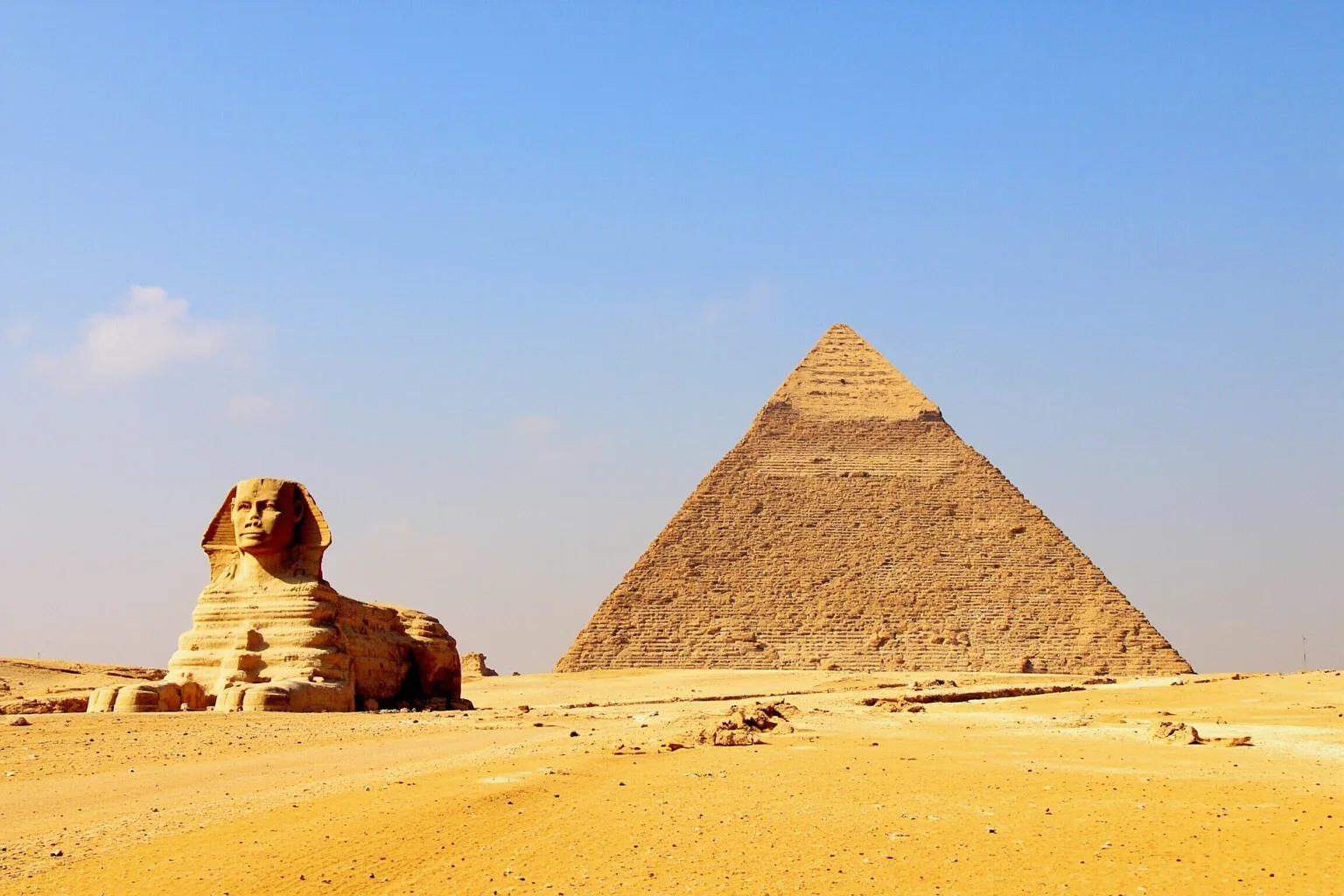
The Pyramid of Khafre often looks taller than the Great Pyramid in photos, but that is an optical illusion created by its higher location on the plateau and its surviving casing at the top. It was built for Khufu's son Khafre around 2570 BCE. It is the second-largest pyramid at Giza.
Its original height was about 143.5 meters, only slightly less than Khufu's pyramid. The complex includes the Great Sphinx, which many Egyptologists believe was part of Khafre's pyramid complex. The remaining limestone cap makes this one of the most recognizable pyramids in the world.
3. Pyramid of Menkaure (Egypt)
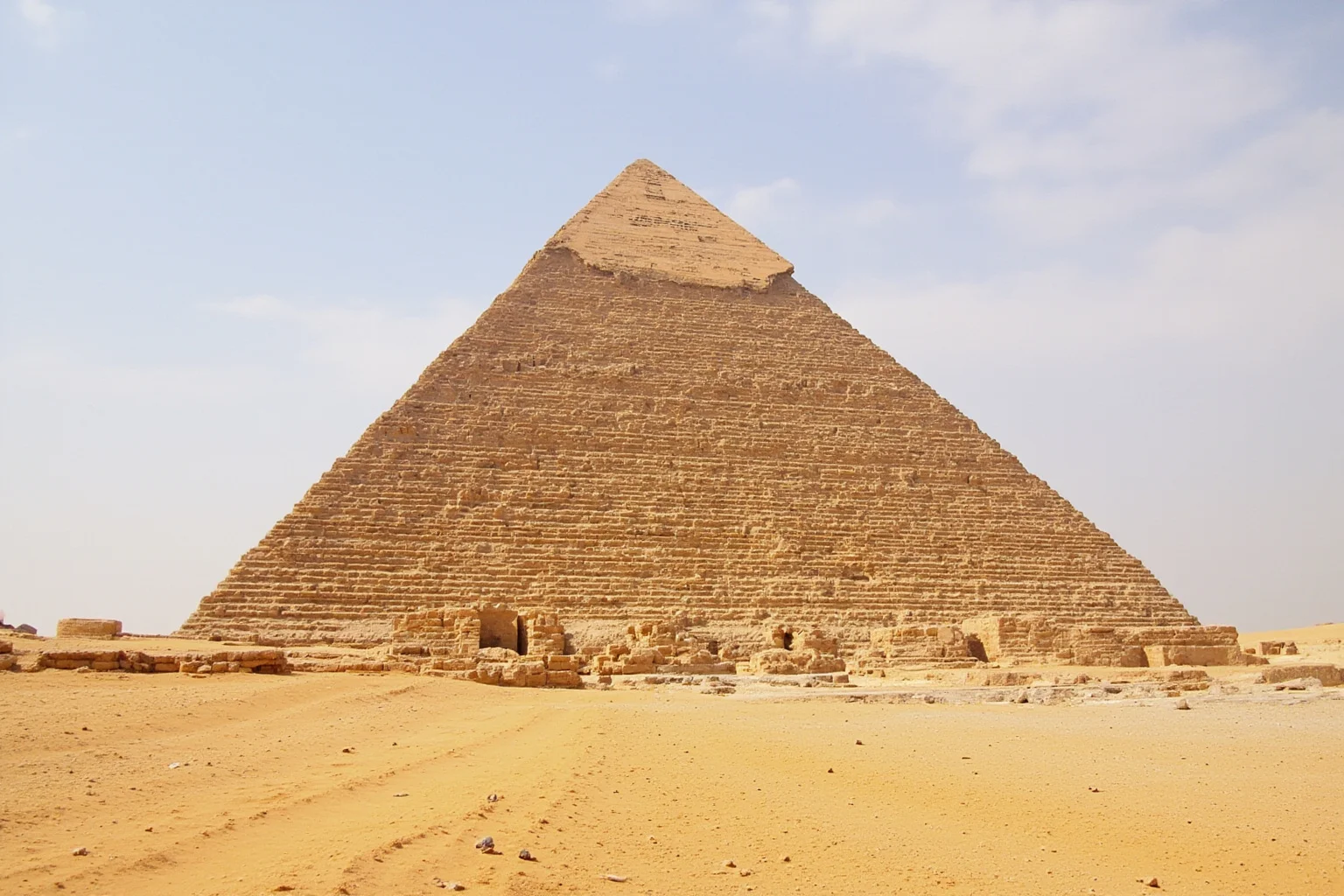
The Pyramid of Menkaure is the smallest of the three main Giza pyramids, but it is far from minor. Built around 2510 BCE, it stood about 65 meters tall. Its lower courses were partly cased in granite, a costly material that signaled royal power.
Menkaure's pyramid sits at the southern edge of the Giza plateau. It is part of a complex that includes three queen's pyramids and the Valley Temple. Together, the Giza group is the most famous cluster of pyramids in the world.
4. Step Pyramid of Djoser (Egypt)
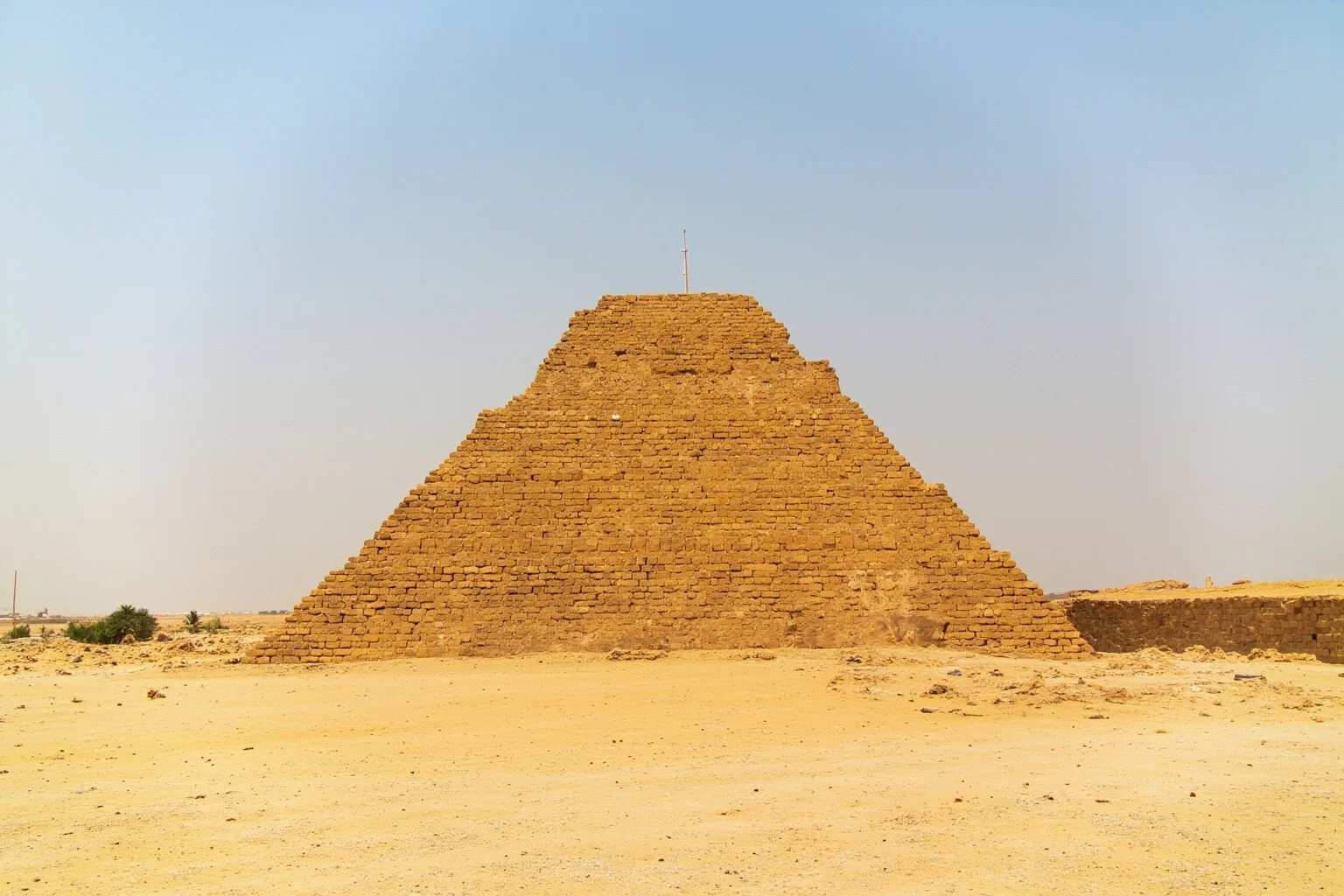
The Step Pyramid of Djoser at Saqqara is generally regarded as the oldest monumental stone building in Egypt. Built during the Third Dynasty around 2670 BCE, it was designed by the architect Imhotep. It began as a flat mastaba tomb before rising into six stepped levels.
This pyramid marks a turning point from earlier mudbrick tombs to royal stone monuments. The complex around it includes courts, shrines, and a massive enclosure wall. Many historians call it the blueprint for later smooth-sided pyramids.
5. Red Pyramid (Egypt)
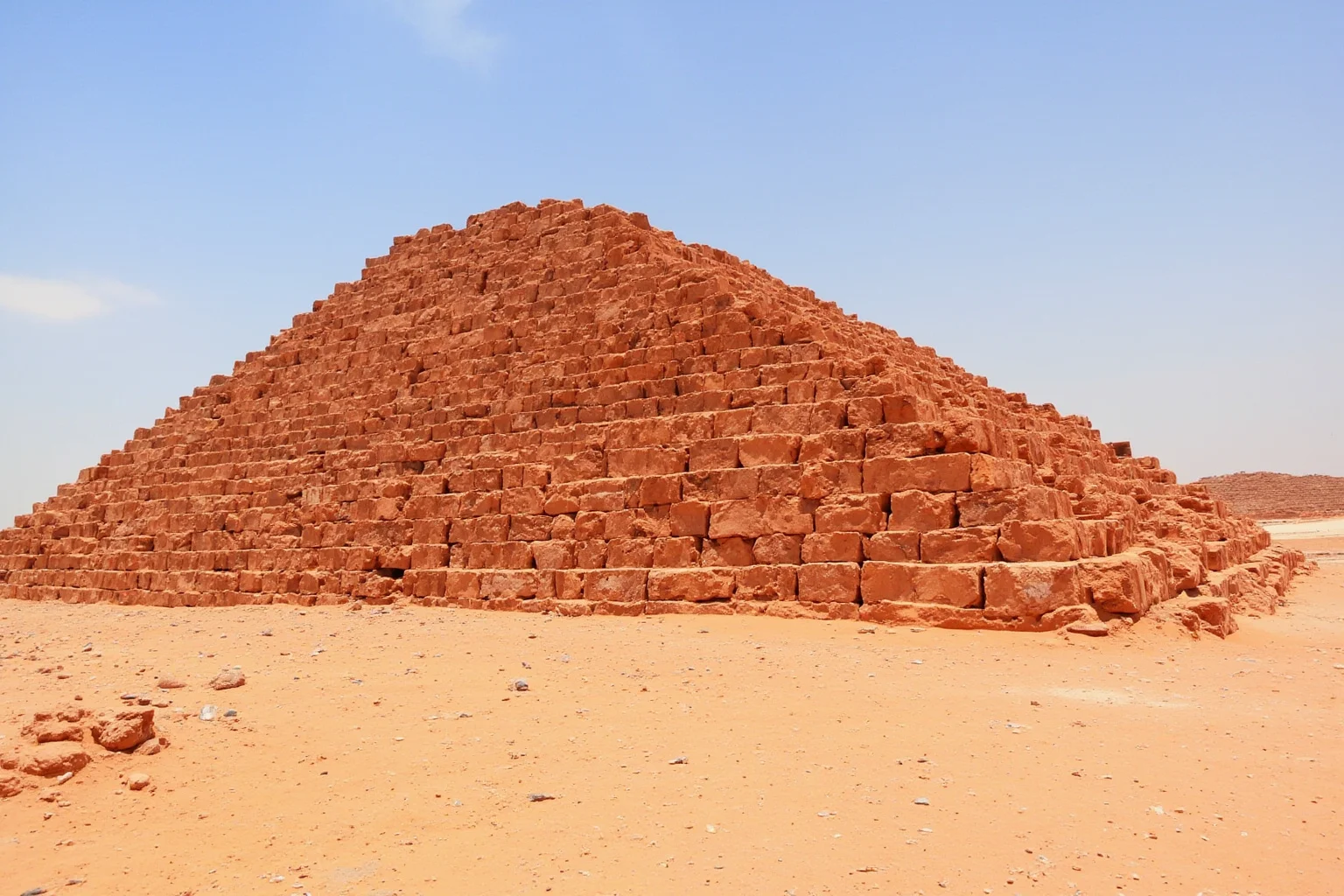
The Red Pyramid at Dahshur is the third-largest Egyptian pyramid and often seen as the first successful true smooth-sided pyramid. It was built by the pharaoh Sneferu around 2600 BCE. Its reddish limestone core gives the pyramid its modern name.
It rises about 105 meters and has a much shallower angle than earlier attempts. The Red Pyramid is especially significant because it showed Egyptian builders how to create a stable, smooth-sided royal tomb. Visitors can still enter the interior passageways today.
6. Bent Pyramid (Egypt)
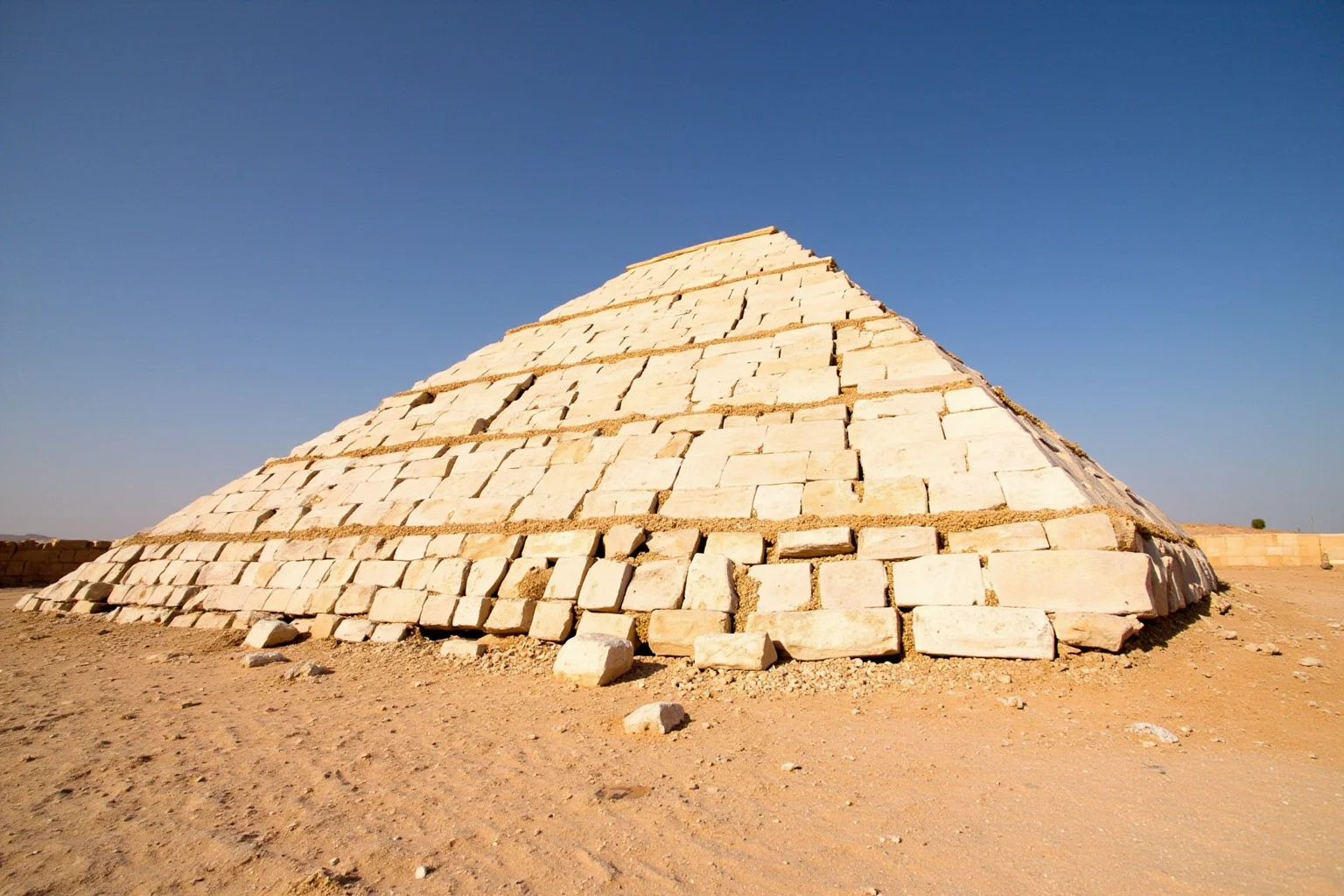
The Bent Pyramid at Dahshur is one of the most visually strange pyramids in the world. It was built under Sneferu before the Red Pyramid, and its angle suddenly changes partway up. The lower section rises at about 54 degrees, then the upper section shifts to roughly 43 degrees.
This change was likely a structural adjustment made during construction, not an accident or a mystery. The Bent Pyramid retains much of its original white limestone casing, giving a rare glimpse of how Egyptian pyramids once looked. It is a favorite example for anyone studying pyramid building experiments.
7. Pyramid of the Sun (Teotihuacan, Mexico)
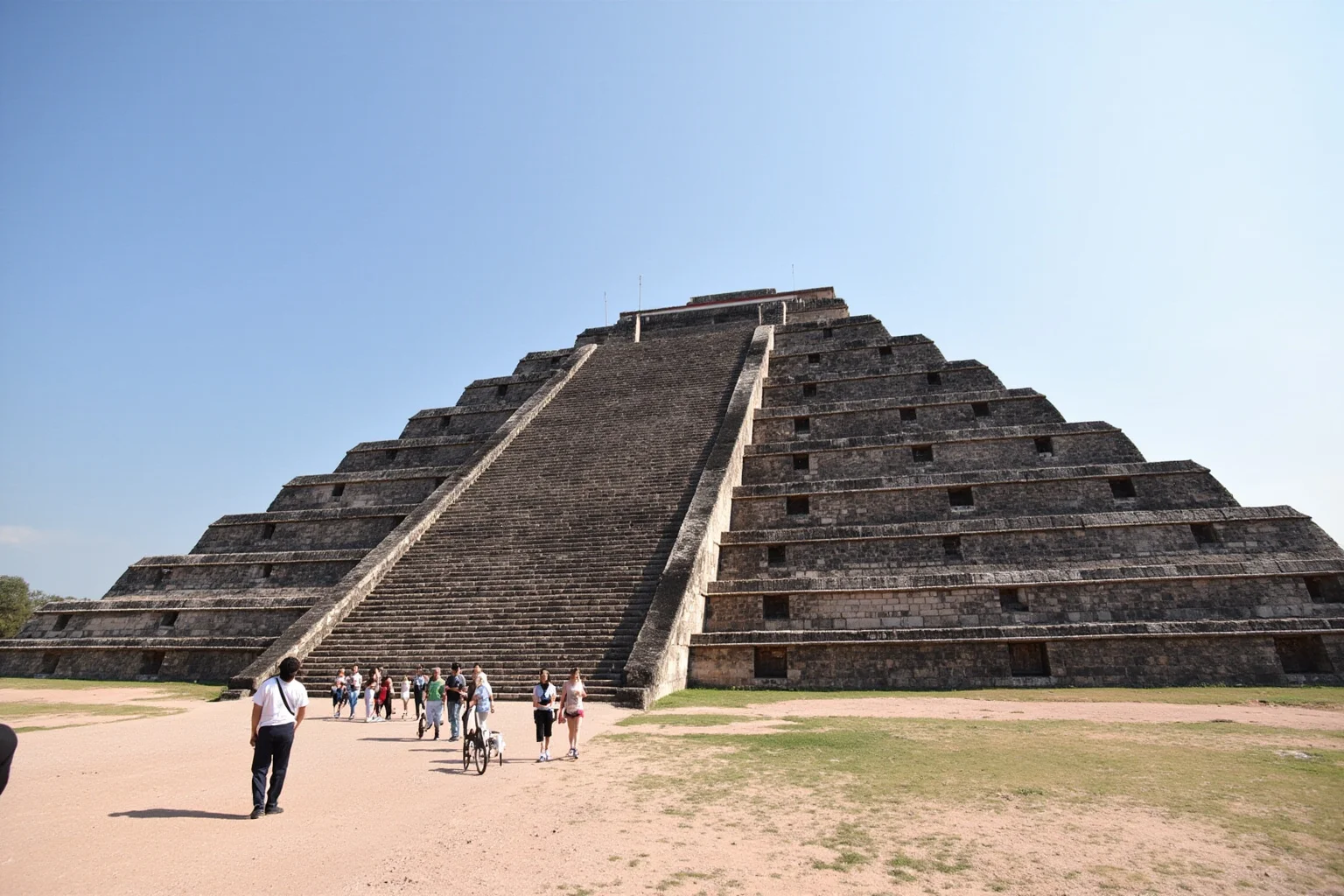
The Pyramid of the Sun is the largest pyramid at Teotihuacan and one of the biggest pyramids in the Americas. It was built around 200 CE, though its exact purpose remains unclear. The city's original name is unknown; the Aztecs later called it Teotihuacan, the place where gods were born.
The pyramid is about 66 meters tall and covers a base of roughly 220 by 230 meters. It sits on a deliberate alignment with the surrounding sacred landscape. A later tunnel found beneath the pyramid may connect to ritual or burial space, but archaeologists are still investigating.
8. Pyramid of the Moon (Teotihuacan, Mexico)
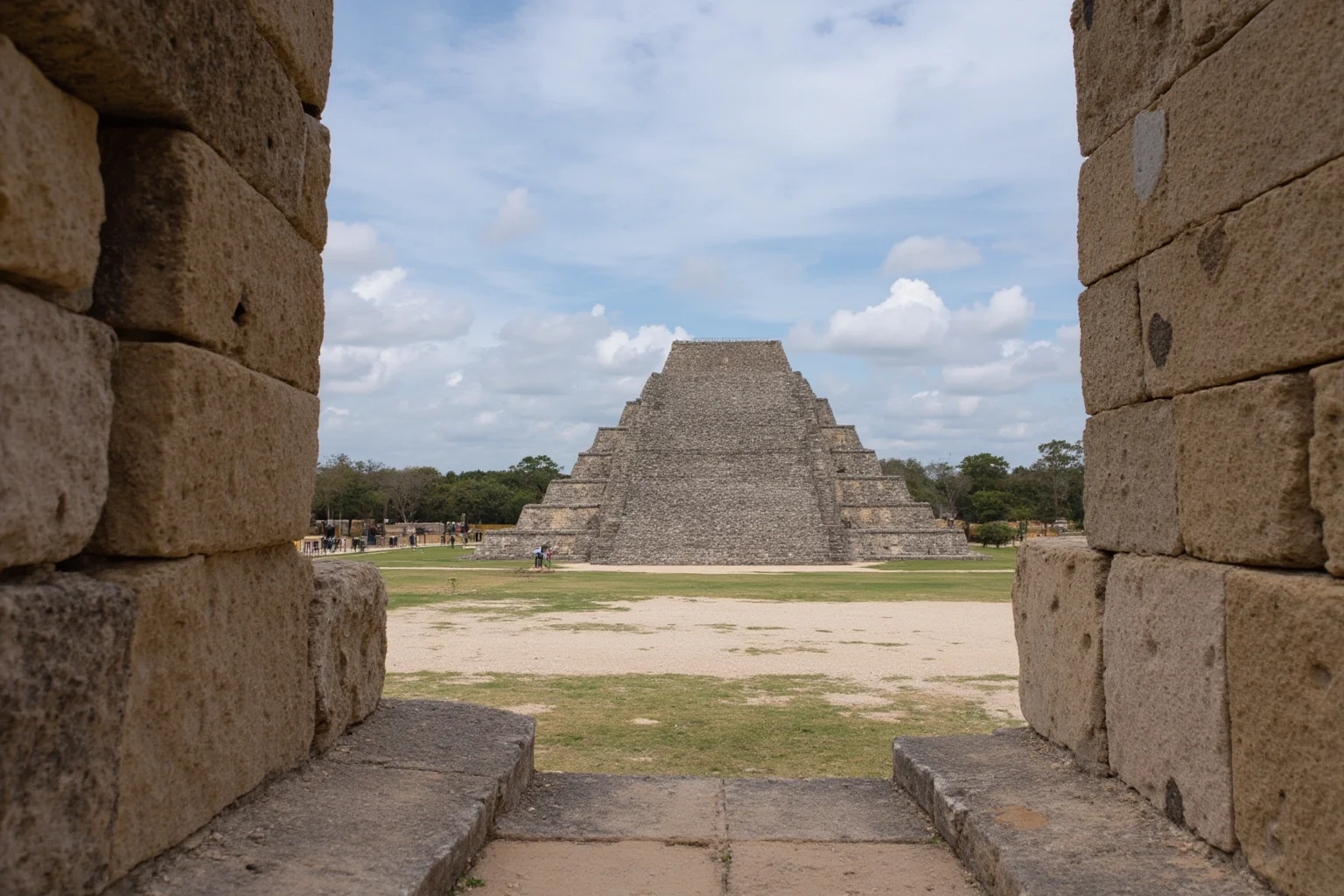
At the north end of the Avenue of the Dead, the Pyramid of the Moon mirrors the larger Pyramid of the Sun. It was built in stages beginning around 100 CE. Its platform faced a broad plaza used for public ceremonies.
Archaeologists have found sacrificial offerings, including animals and human remains, inside the pyramid. The Pyramid of the Moon is smaller in volume but visually frames the whole city plan. It is an essential piece of Teotihuacan's ceremonial geography.
9. El Castillo / Temple of Kukulcán (Chichen Itza, Mexico)
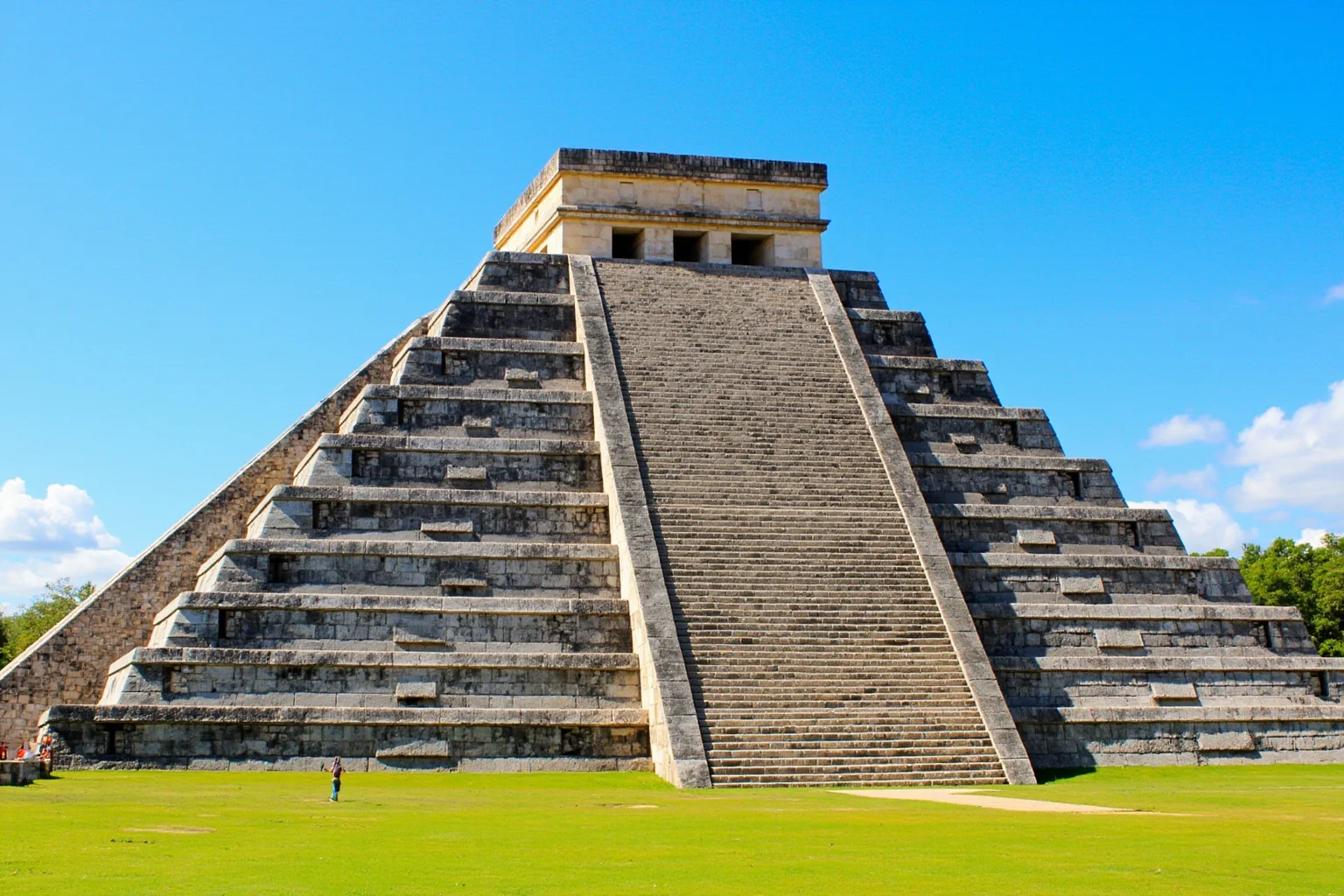
El Castillo at Chichen Itza is one of the most famous pyramids in the world, and it is a pyramid famous for its equinox serpent shadow. On the spring and autumn equinoxes, the setting sun casts triangular shadows that suggest a feathered serpent moving down the staircase. The pyramid was dedicated to Kukulcán, the Maya version of the feathered serpent deity.
It is a stepped pyramid with four stairways of 91 steps each, plus the top platform making 365 in total. The structure is actually a later pyramid built over an earlier one. That older inner pyramid contains a jaguar throne and other ritual features.
10. Great Pyramid of Cholula (Mexico)
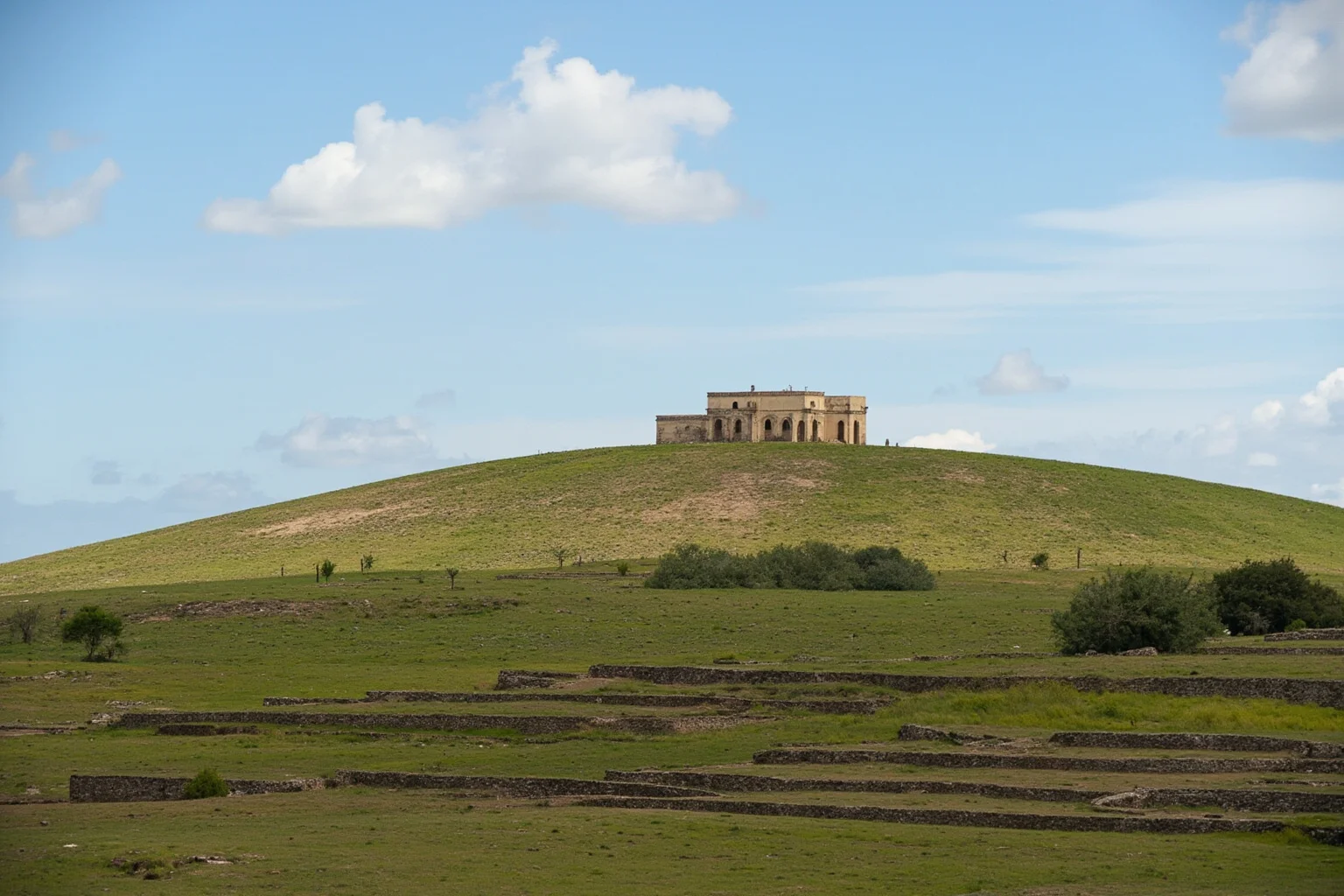
The Great Pyramid of Cholula is often called the largest pyramid by volume in the world. Its full base covers about 400 by 400 meters, and its total volume is estimated at roughly 4.45 million cubic meters. That is larger than the Great Pyramid of Giza, even though Cholula is only about 55 meters tall above the plaza.
Today it looks like a grassy hill topped by a Spanish church, but the hill is largely an ancient adobe-brick pyramid. It was built and expanded over many centuries by successive Mesoamerican cultures. This is the biggest pyramid surprise for people who assume Egypt automatically holds the record.
11. Pyramid of the Magician (Uxmal, Mexico)
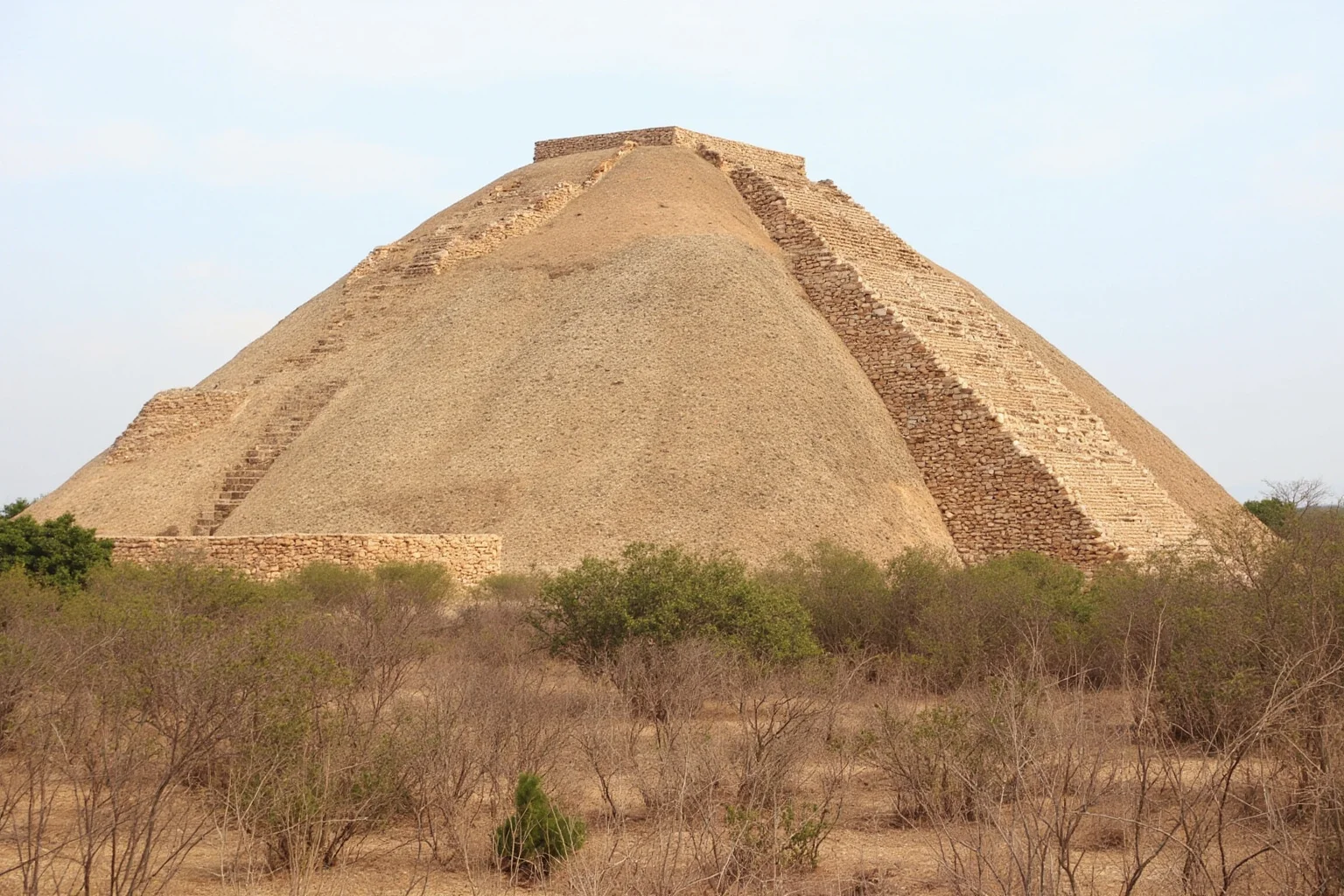
The Pyramid of the Magician at Uxmal is unusual because its base is oval or elliptical rather than rectangular. It rises steeply on one side and has a rounded profile that sets it apart from other Maya pyramids. According to local legend, a dwarf with magical powers built it in a single night.
Archaeological evidence shows the structure was rebuilt several times, with successive temples placed over older ones. It dominates the Puuc-style city of Uxmal in the Yucatán. The pyramid's name comes from colonial-era stories about the site.
12. Nohoch Mul (Coba, Mexico)
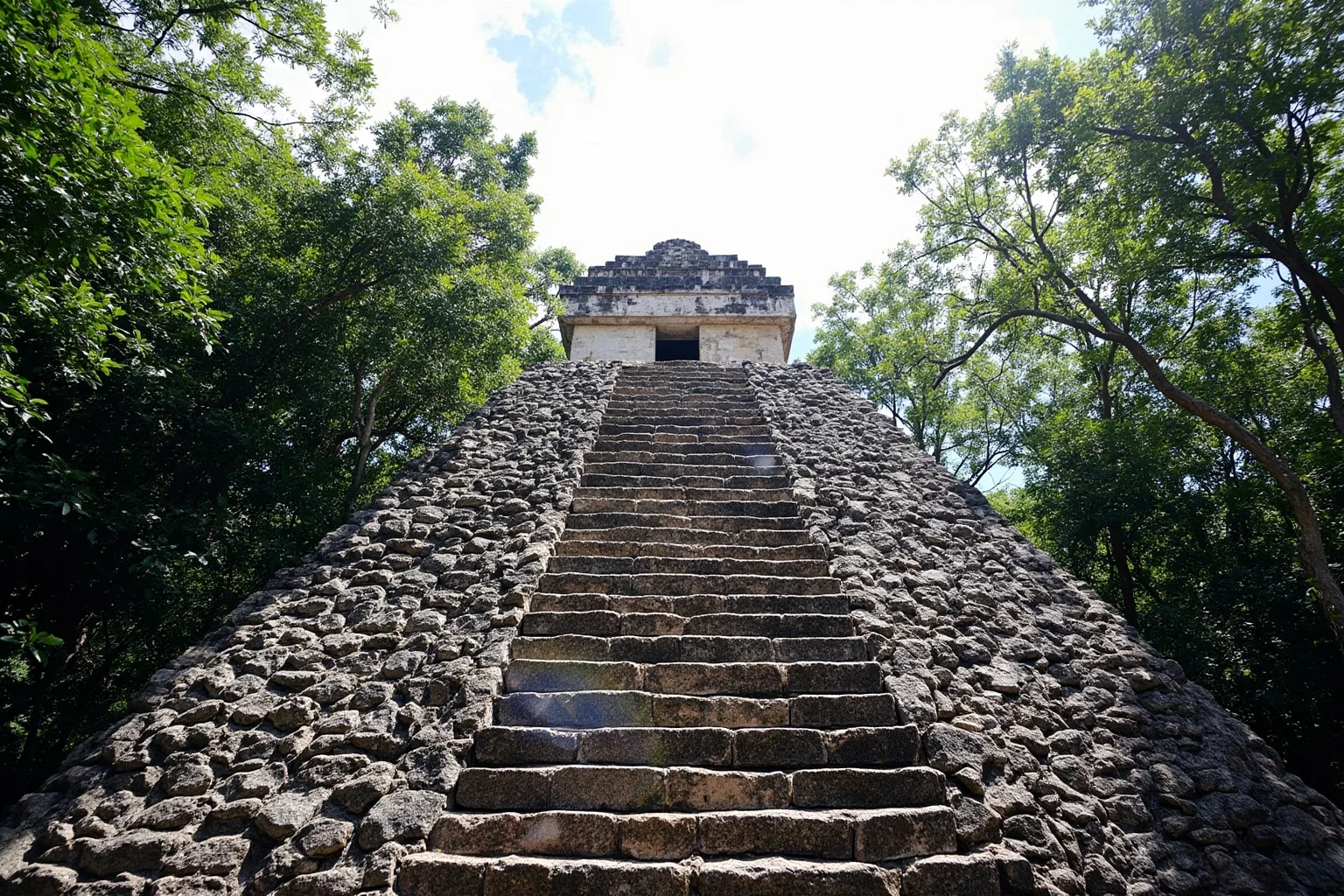
Nohoch Mul at Coba is one of the tallest pyramids in the Yucatán Peninsula, reaching about 42 meters. Unlike many Mexican archaeological sites, Coba's pyramids still allow visitors to climb to the top. From the summit, you can see the dense forest that surrounds the ancient city.
Coba was a major Maya city connected by raised stone causeways called sacbeob. Nohoch Mul was built around the Late Classic period and later expanded. It is a striking example of how different pyramids were designed with very different functions and settings.
13. Tikal Temple I (Guatemala)
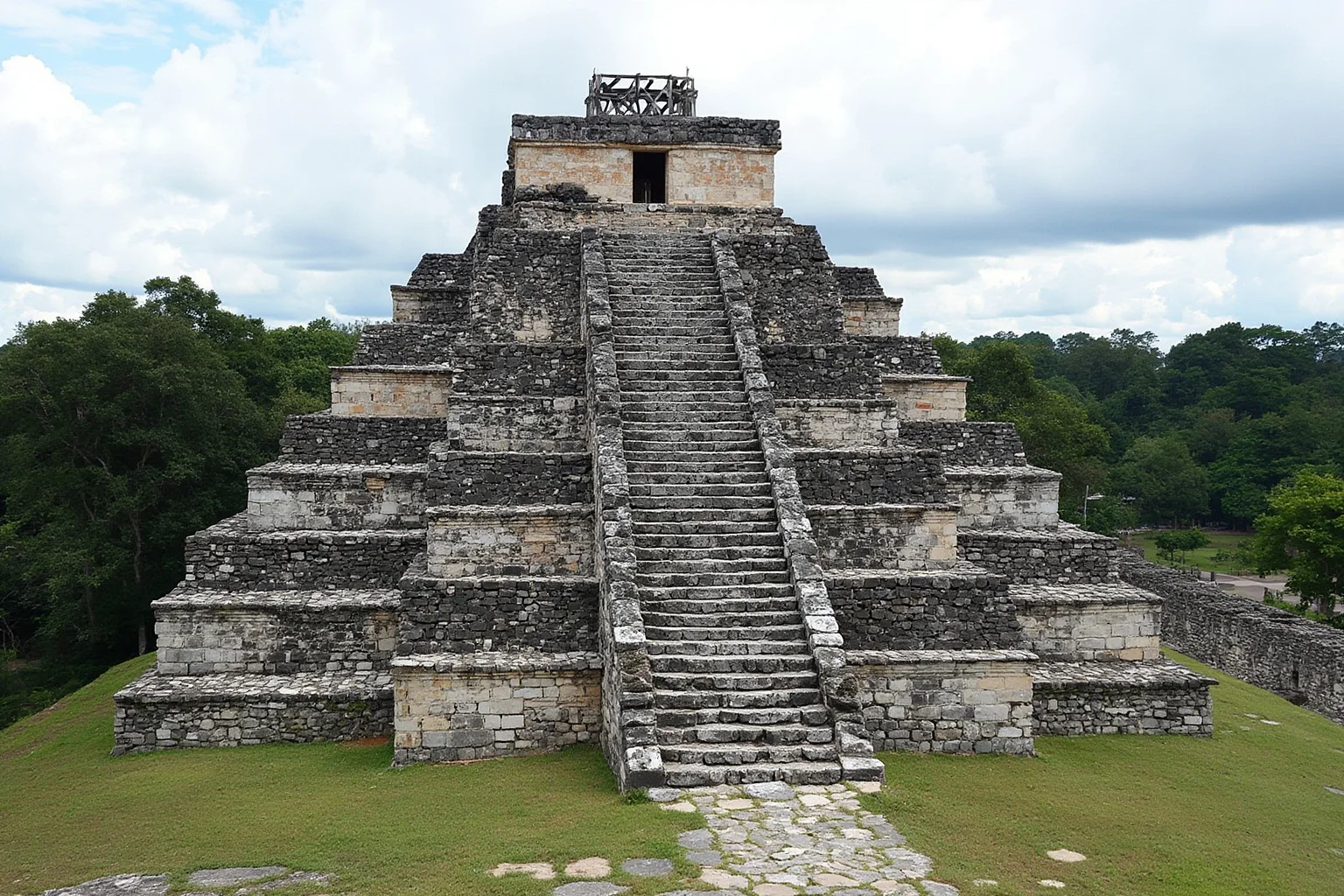
Tikal Temple I, also called the Temple of the Great Jaguar, is one of the most emblematic Maya pyramids. It rises about 47 meters above the Grand Plaza at Tikal in present-day Guatemala. Unlike Egyptian pyramids, it served as a temple platform and funerary monument for the ruler Jasaw Chan K'awiil I.
The pyramid has steep staircases and a distinctive roof comb on top. Tikal was one of the largest Maya cities, and its skyline of temple pyramids remains an icon of ancient Mesoamerica. It also proves that not all famous pyramids are found in Egypt.
14. La Danta (El Mirador, Guatemala)
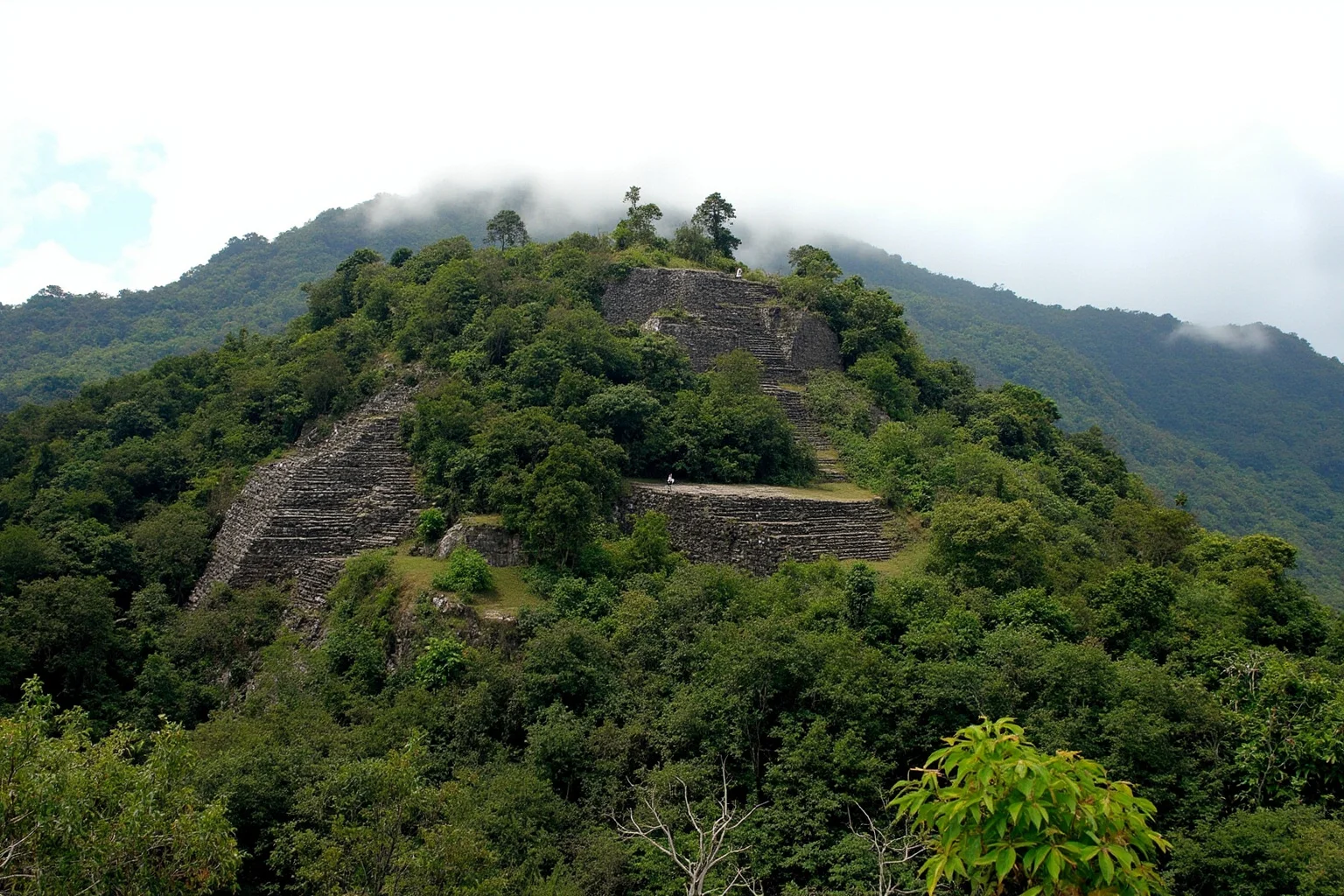
La Danta at El Mirador is one of the largest Maya pyramids ever built, though it is far less visited than Tikal. Its total complex rises about 72 meters from the forest floor, making it one of the tallest ancient structures in the Maya world. It was built around the Late Preclassic period, centuries before many better-known Maya cities peaked.
The pyramid is part of a massive triadic group, a layout common in early Maya ceremonial centers. Its lower platforms cover a huge area, but much of the site remains under jungle. La Danta is a reminder that the full list of pyramids worldwide is still being mapped.
15. Pyramid of the Niches (El Tajín, Mexico)
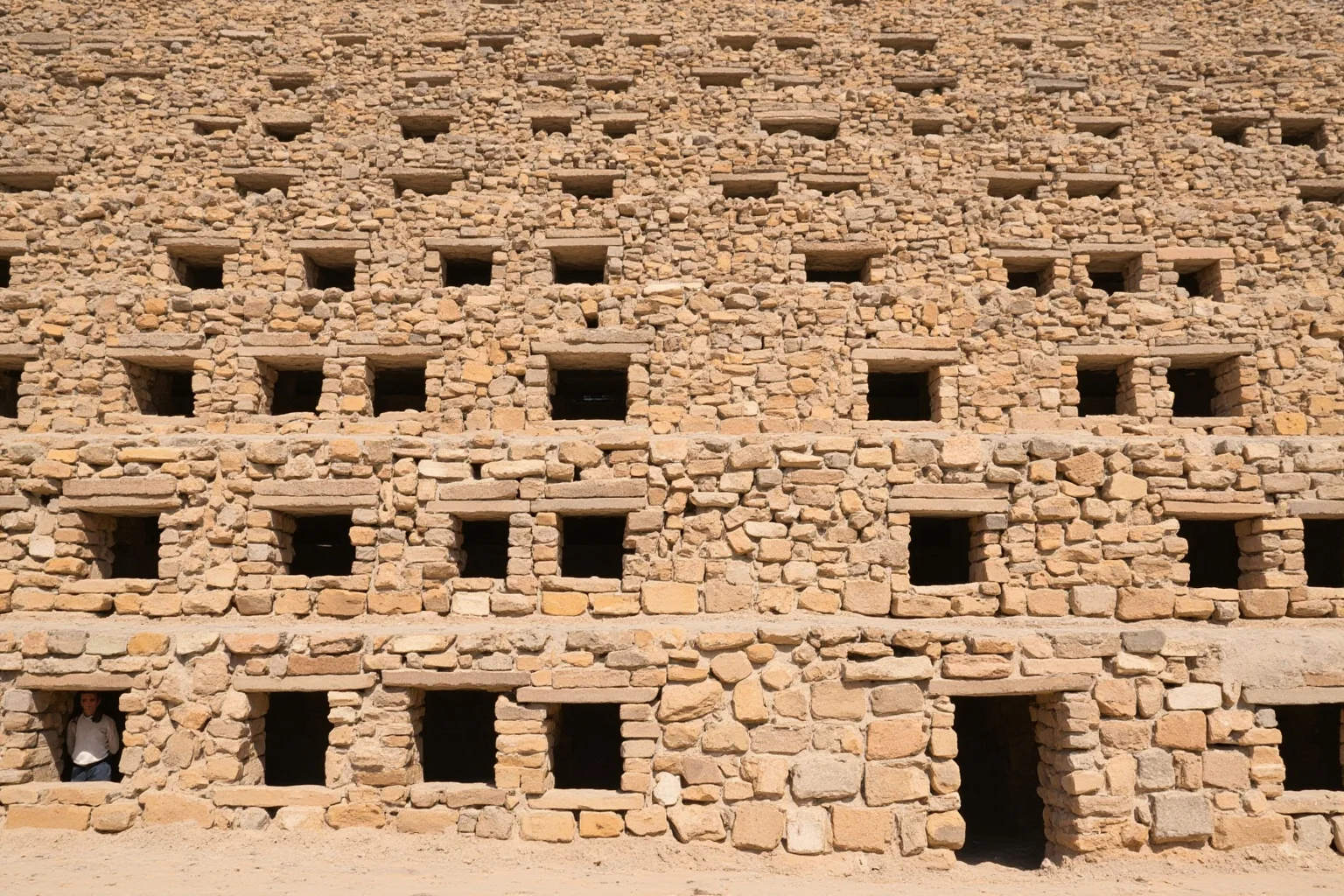
The Pyramid of the Niches at El Tajín is smaller than many Mesoamerican pyramids, but it is one of the most architecturally distinctive. It has seven tiers lined with square niches, often counted as 365 niches in total. That number has led many archaeologists to link the pyramid to the solar year.
El Tajín was a major city of the Classic period, located in what is now Veracruz. The pyramid was likely used for ceremonies rather than burial. It shows that a famous pyramid can earn its reputation through design, not just sheer size.
16. Huaca del Sol (Peru)
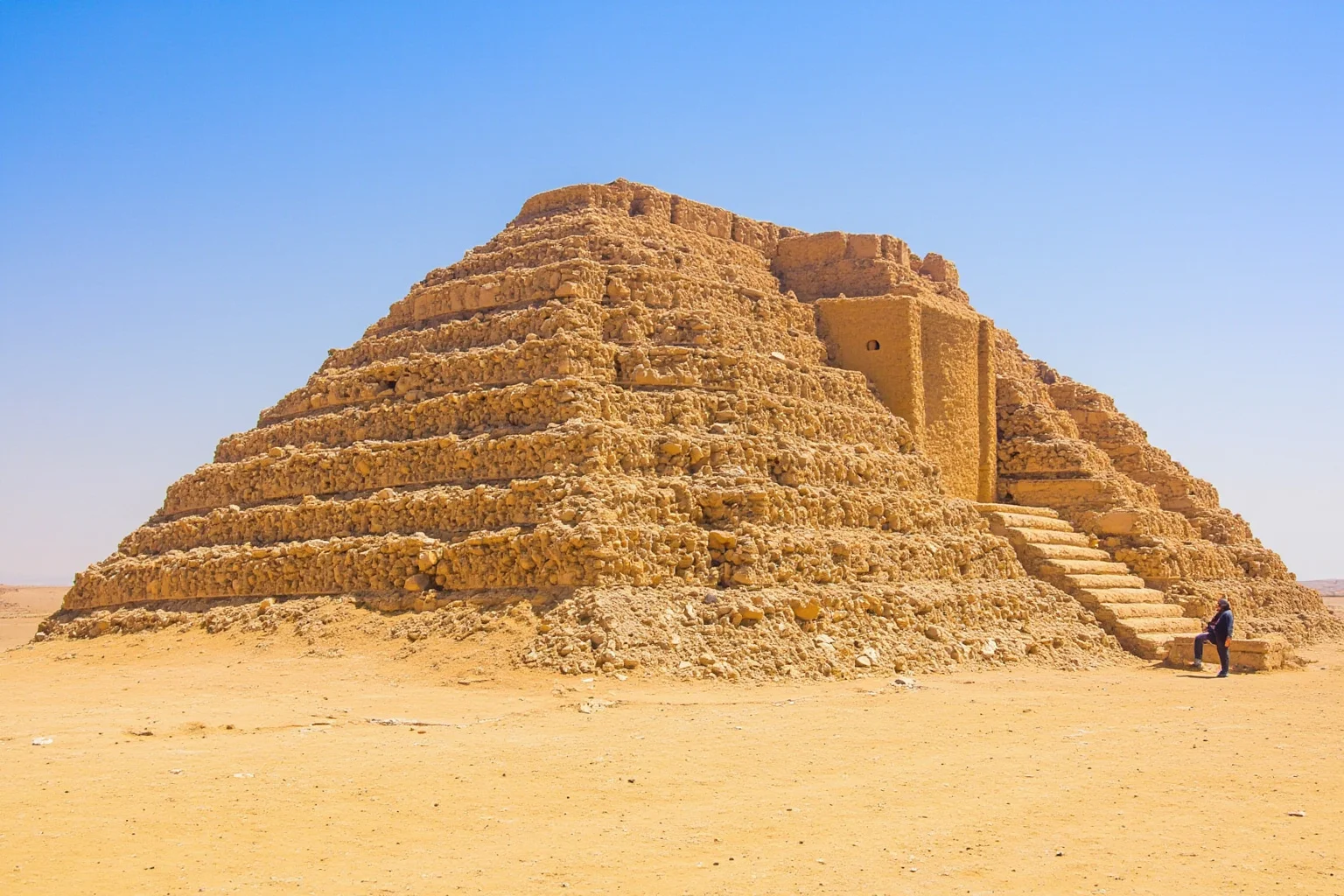
Huaca del Sol is a massive adobe brick pyramid built by the Moche civilization near present-day Trujillo, Peru. It was constructed over centuries beginning around 100 CE. The Moche built it from millions of sun-dried bricks, many of them marked with individual makers' symbols.
Much of the structure was damaged by Spanish colonial looting and a later river diversion, but it remains a major archaeological landmark. Huaca del Sol faces Huaca de la Luna across an open plain. Together they formed the ceremonial core of the Moche capital.
17. Huaca Pucllana (Peru)
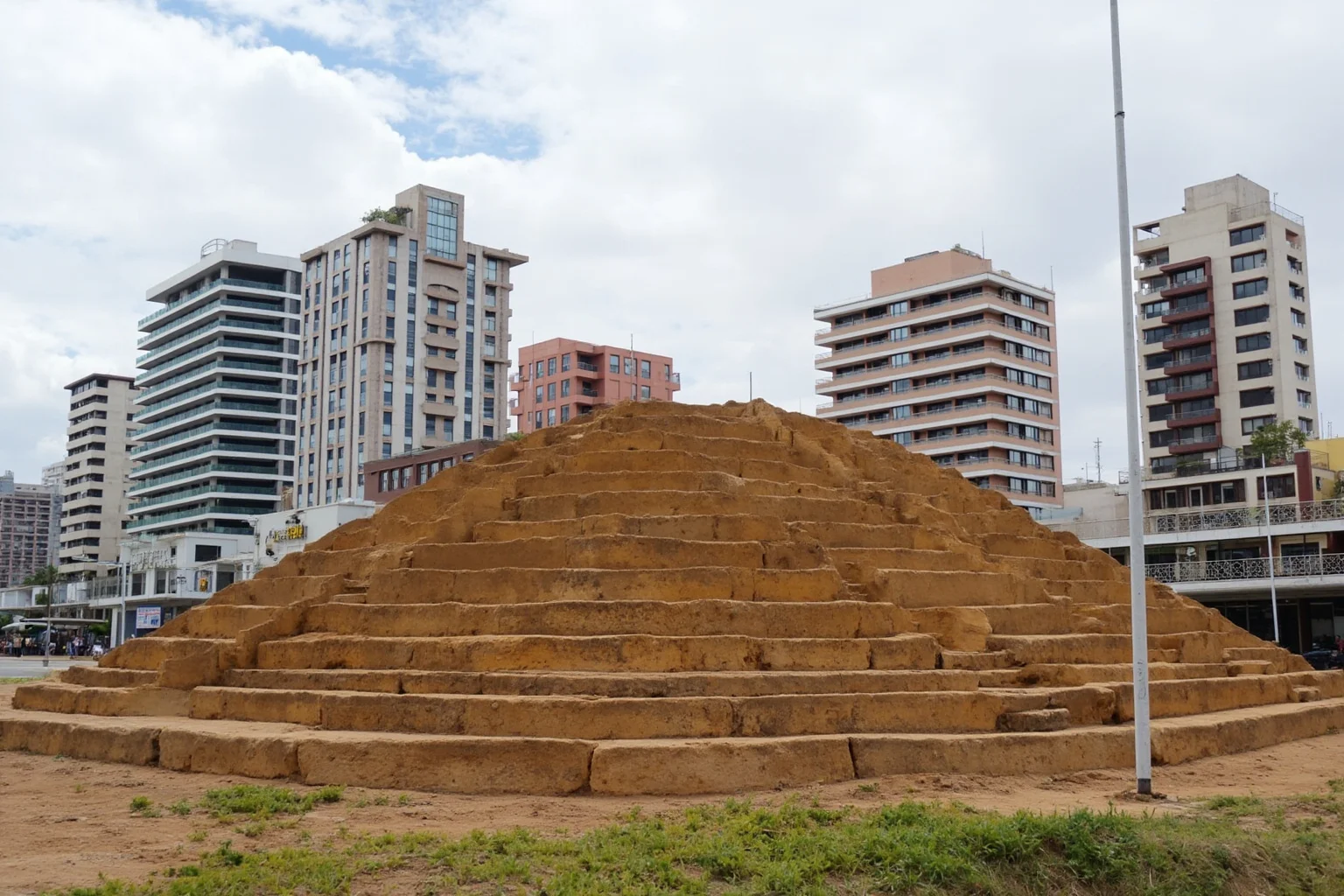
Huaca Pucllana is a seven-stepped adobe pyramid in the middle of modern Lima. It was built by the Lima culture around 500 CE. Unlike many remote ruins, this pyramid sits surrounded by city streets and restaurants.
The pyramid was used for ceremonial activities, and excavations have found evidence of elite burials and offerings. Its builders shaped the adobe bricks like vertical books, a technique that helped the structure survive earthquakes. It is one of the most surprising examples of pyramids worldwide hiding in plain sight.
18. Caral Pyramids (Peru)
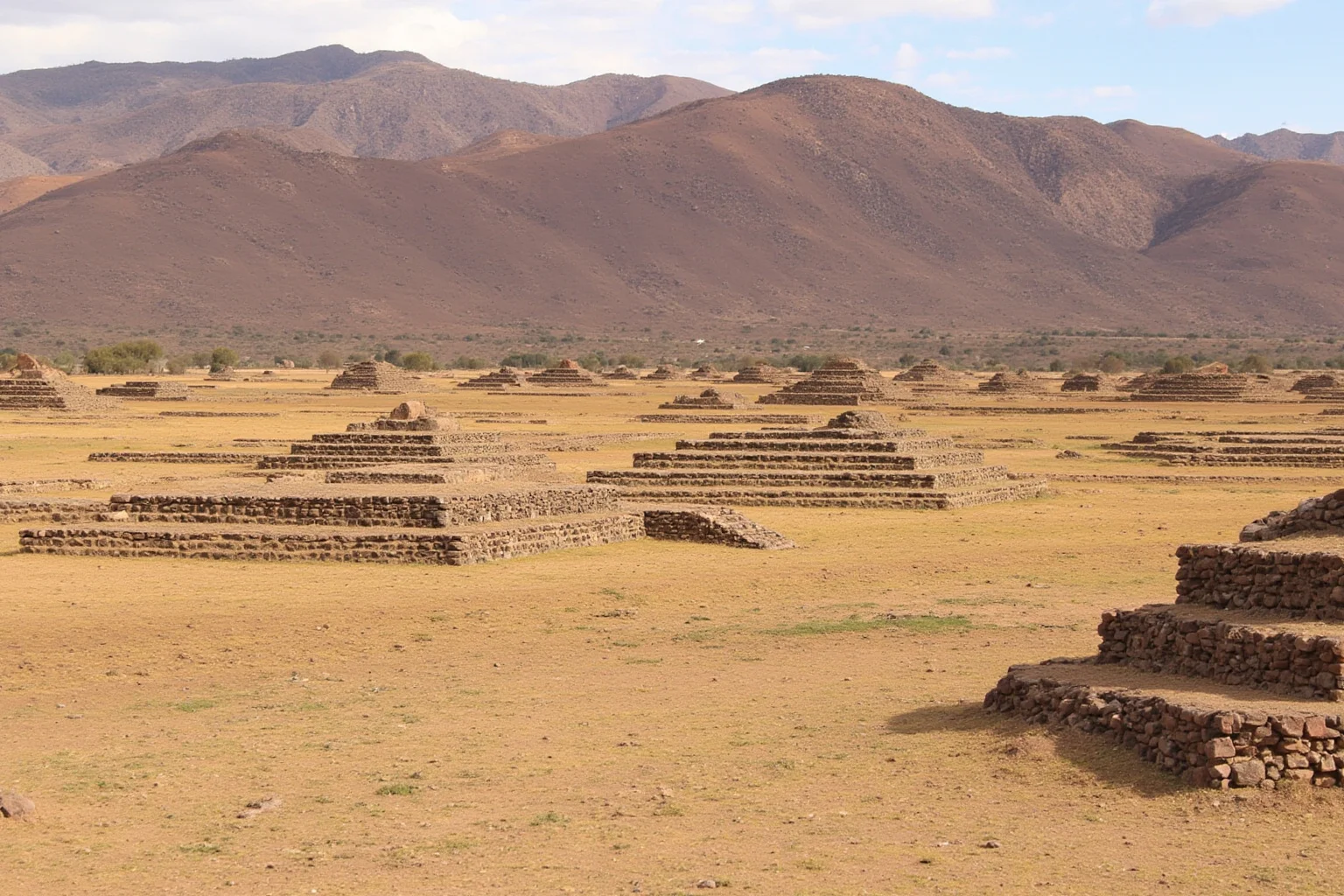
The sacred city of Caral, in Peru's Supe Valley, contains some of the oldest monumental platform mounds in the Americas. They date to roughly 2600 BCE, making them broadly contemporary with the Egyptian pyramid age. Unlike Egypt, however, these structures were not royal tombs.
Caral's pyramids were built as platforms for ritual and public gatherings, and the city shows no major signs of warfare. The largest pyramid, now called the Pirámide Mayor, rises through terraces and central stairways. Caral is central evidence that different pyramids emerged independently in the Americas.
19. Nubian Pyramids at Meroe (Sudan)
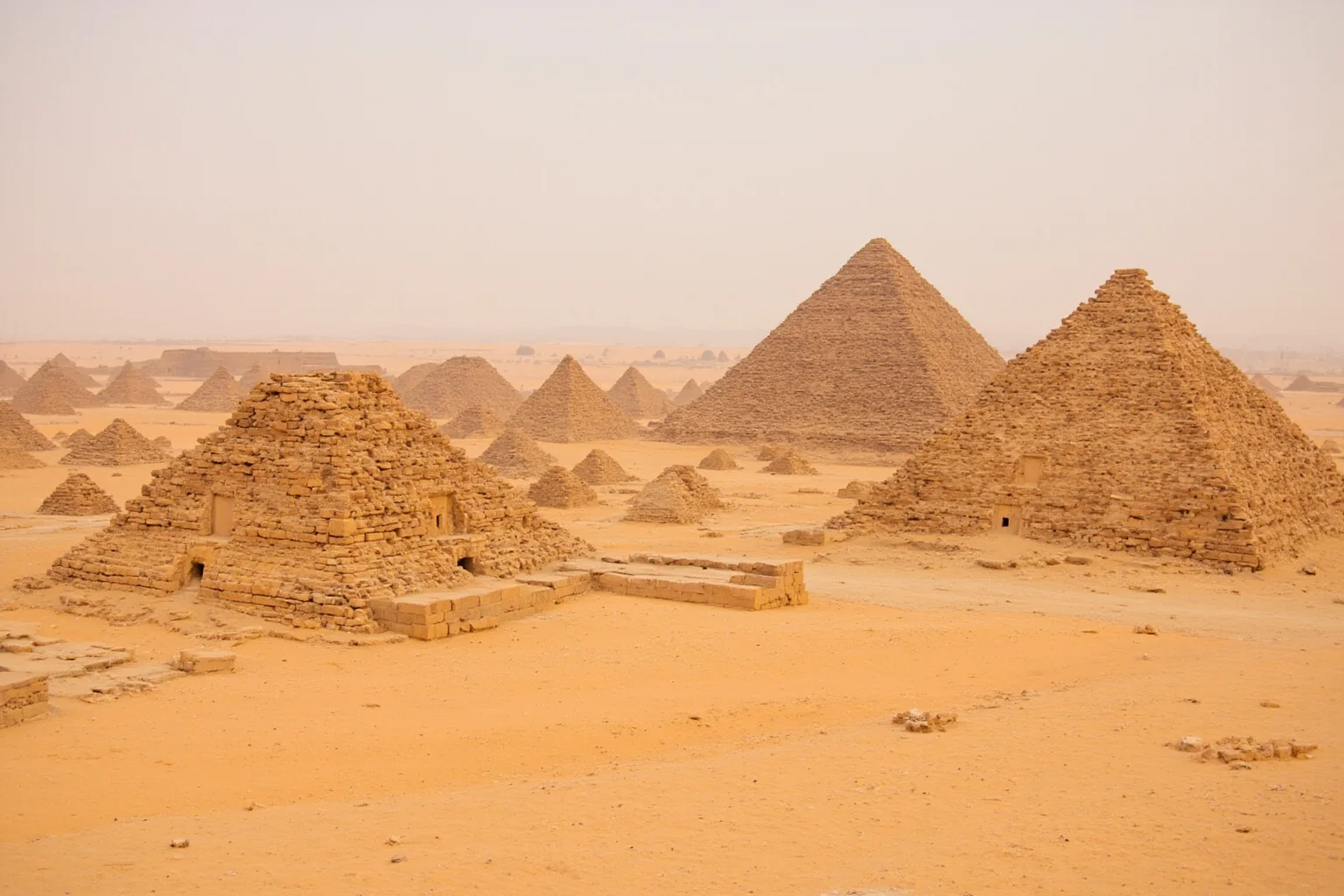
Sudan has more pyramids than Egypt, a fact that surprises many people. The Nubian pyramids at Meroe were built by the Kingdom of Kush from roughly 300 BCE to 350 CE. They are much smaller and steeper than the pyramids at Giza.
These structures served as tombs for Kushite kings and queens. Many have small offering chapels attached and once had smooth sandstone facing. The Meroe field contains hundreds of pyramids, making it one of the densest pyramid landscapes in the world.
20. Pyramid of Cestius (Rome, Italy)
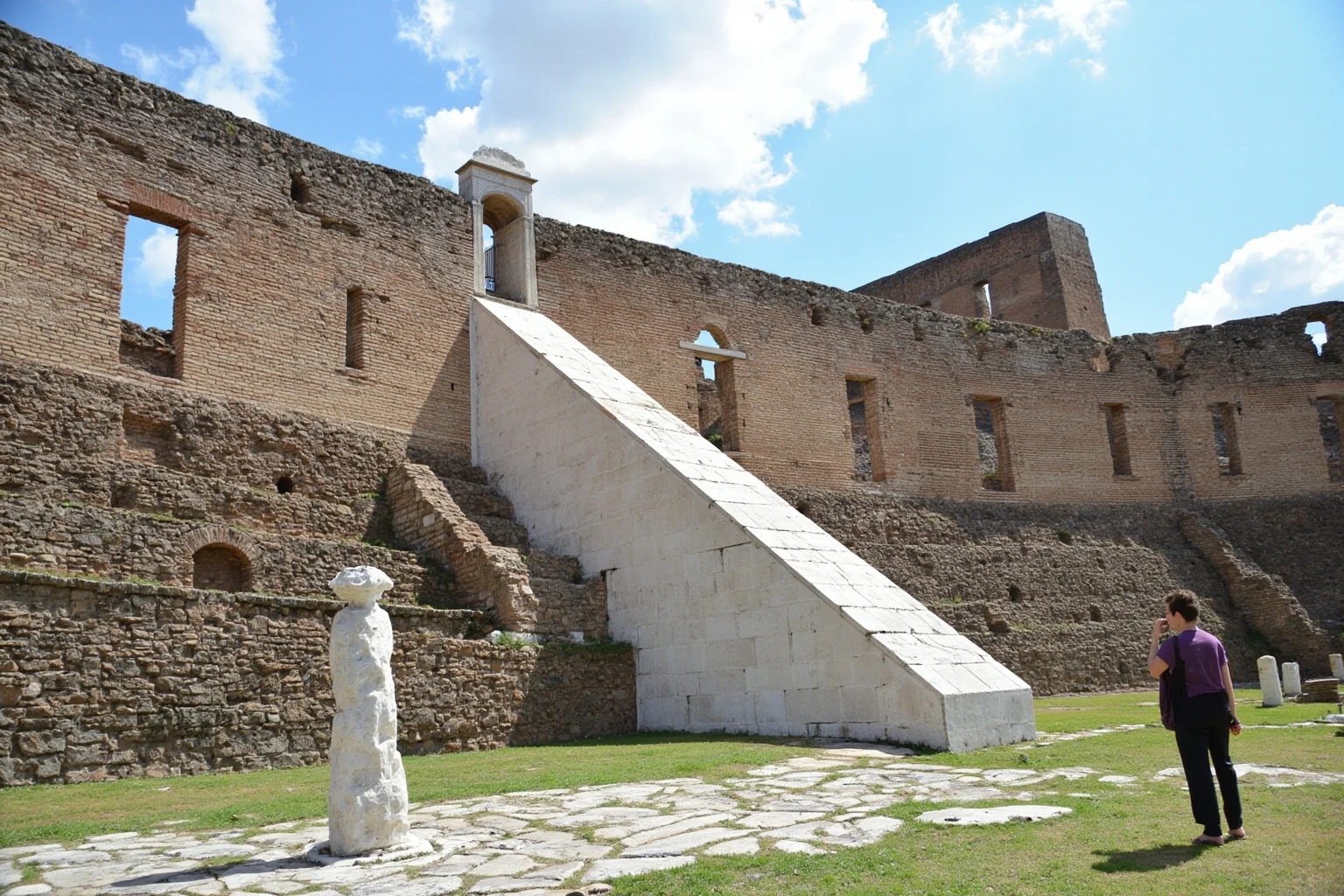
The Pyramid of Cestius is a Roman pyramid built around 18–12 BCE as a tomb for Gaius Cestius, a Roman magistrate. It stands near the Porta San Paolo in Rome and was later incorporated into the city's defensive walls. Its steep white marble shape looks unlike the Egyptian pyramids.
Rome had a brief fashion for Egyptian-style monuments after Egypt became a Roman province. The Pyramid of Cestius is the best-preserved surviving example. It is a useful reminder that pyramid fame is not limited to any one continent.
21. Great Ziggurat of Ur (Iraq)
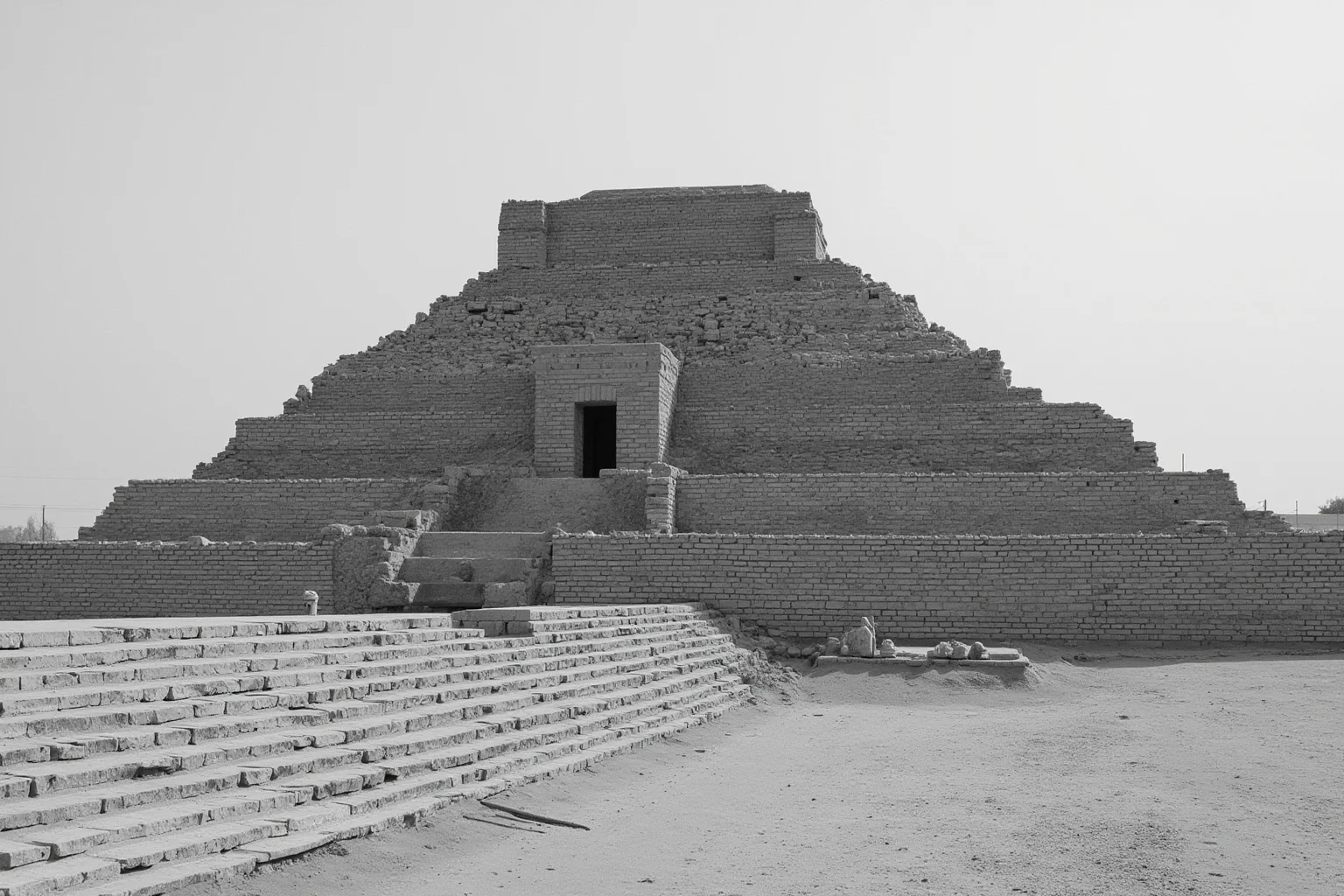
The Great Ziggurat of Ur is not a pyramid in the Egyptian sense, but it often appears in discussions of stepped pyramids across the world. It was built around the 21st century BCE by the Sumerian king Ur-Nammu and dedicated to the moon god Nanna. Its massive mudbrick core and baked brick facing rose in at least three tiers.
The ziggurat supported a temple at the top, reached by long staircases. It was partly reconstructed in the 20th century, so visitors see a mix of ancient and modern brickwork. Even so, it remains one of the most important stepped temple platforms from Mesopotamia.
22. Maoling Mausoleum (China)
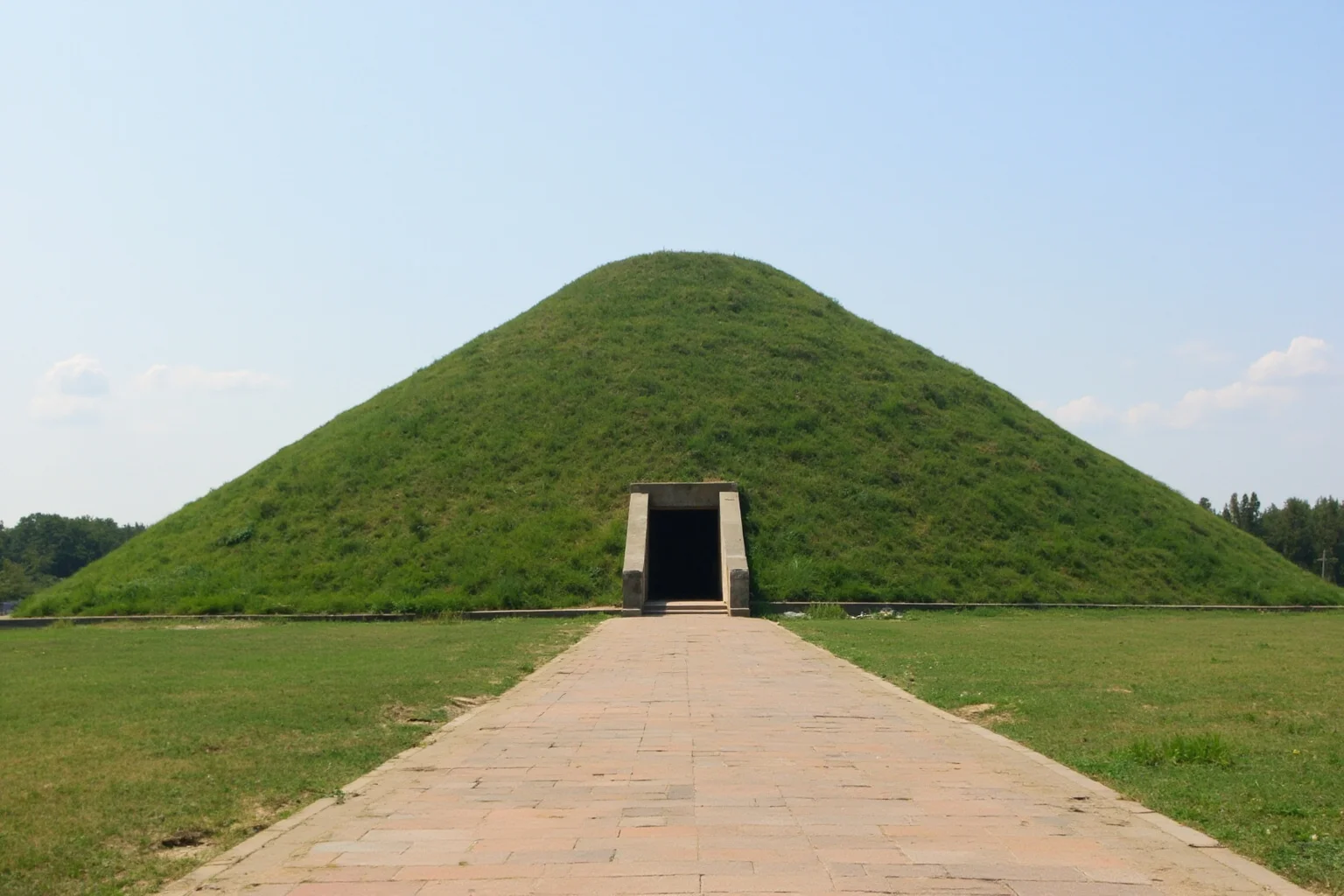
The Maoling Mausoleum near Xi'an is the tomb of Emperor Wu of Han, who ruled from 141 to 87 BCE. It is often called one of China's most famous pyramidal tomb mounds, although Chinese imperial tumuli are usually broad earthen mounds rather than stone pyramids. The mound rises from a large walled funerary park.
Nearby satellite tombs held members of the imperial family and high officials. China has many such pyramid-shaped mound tombs scattered across the Wei River valley. They are less famous internationally than the pyramids of Egypt, but they are an essential part of any complete look at pyramids across the world.
How the Biggest Pyramids Really Compare
When people search for the biggest pyramids in the world, they often expect a simple answer, but the answer depends on the measurement. By height, the Great Pyramid of Giza was originally the tallest ancient pyramid, while today the Pyramid of Khafre appears taller from some angles. By total volume, the Great Pyramid of Cholula in Mexico is usually considered the largest.
A fair pyramid ranking should also account for base area, mass, and the size of the surrounding complex. Some huge earth mounds in China and the Americas have enormous volume but lower profiles. That is why archaeology prefers to compare function and context as well as dimensions.
The names of the pyramids themselves can also mislead. 'Pyramid of the Sun' sounds like a tomb, but its exact ritual purpose is still studied. Likewise, calling the Great Ziggurat of Ur a pyramid is convenient but not exact.
Common Pyramid Myths Worth Leaving Behind
The most persistent myth is that all the pyramids in the world were built by aliens or a lost advanced civilization. There is no archaeological evidence for that. Instead, the evidence shows large labor forces, skilled engineers, years of planning, and generations of trial and error.
Another myth claims that Egypt has the most pyramids. In fact, Sudan has a greater number of surviving pyramids, most of them smaller and steeper. Egypt remains central to pyramid history, but it is not the only place where pyramid building thrived.
A third myth treats every large pyramid as a tomb. Many Mesoamerican pyramids were temple platforms, and some Andean pyramids were centers of public ritual. Recognizing different functions is crucial for understanding pyramids worldwide.
Closing: Which Pyramids Should You Visit First?
If you want the most famous pyramid experience, Giza is the obvious starting point. It combines the Great Pyramid, the Pyramid of Khafre, and the Pyramid of Menkaure in one unforgettable plateau. From there, Saqqara and Dahshur show how Egyptian builders learned to perfect the form.
For a very different view, the pyramids of Mexico and Guatemala place you in jungle or highland landscapes. Chichen Itza and Tikal are highly accessible, while Cholula and Teotihuacan offer enormous plazas and layered histories. Peru and Sudan reward travelers who want fewer crowds and older or more varied designs.
No single ranking can capture every pyramid worth knowing. The more you compare different pyramids, the clearer it becomes that these structures were local solutions to local beliefs. Whether built as tombs, temples, or cosmic mountains, they remain among humanity's most powerful architectural ideas.
Frequently Asked Questions
What is the most famous pyramid in the world?
The Great Pyramid of Giza is usually considered the most famous pyramid in the world. It was built for Pharaoh Khufu around 2560 BCE and is the last surviving Wonder of the Ancient World.
What are the biggest pyramids in the world by volume?
The Great Pyramid of Cholula in Mexico is often cited as the largest pyramid in the world by volume, estimated at roughly 4.45 million cubic meters. The Great Pyramid of Giza is taller, but Cholula has a much larger base and total volume.
What are the most famous pyramids to visit?
The most famous pyramids to visit include the Giza Pyramids in Egypt, El Castillo at Chichen Itza, the Pyramid of the Sun at Teotihuacan, and the Great Pyramid of Cholula in Mexico. Each offers a different cultural and historical experience.
Are pyramids only found in Egypt?
No. Pyramids and pyramid-like structures are found in Mexico, Guatemala, Peru, Sudan, Iraq, Iran, China, Italy, and other regions. They were built independently for different purposes.
Which country has the most pyramids?
Sudan has more surviving pyramids than Egypt, with hundreds of smaller, steep-sided pyramids at sites like Meroe. Egypt has around 100 or more known pyramids, but many are ruined or less visible.
Why did ancient cultures build pyramids?
Many cultures built pyramids because the shape is structurally stable and symbolically powerful. Egyptian pyramids were mainly royal tombs, while Mesoamerican pyramids often supported temples and public rituals.

Alex Warren
Related Articles