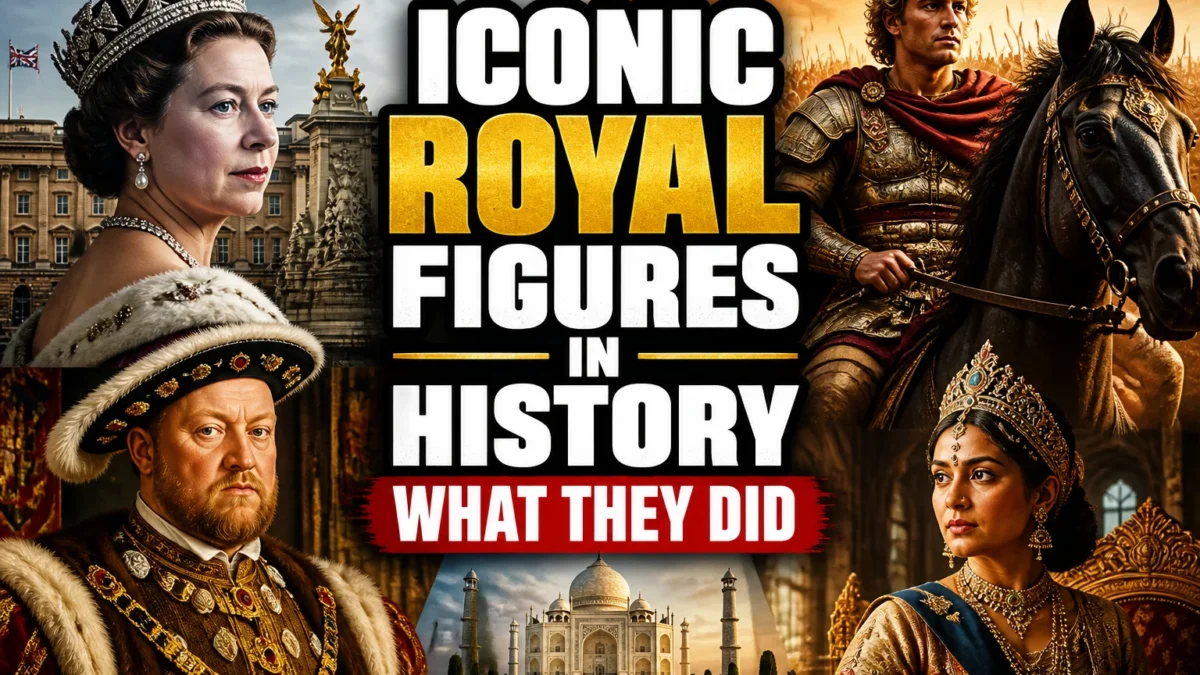
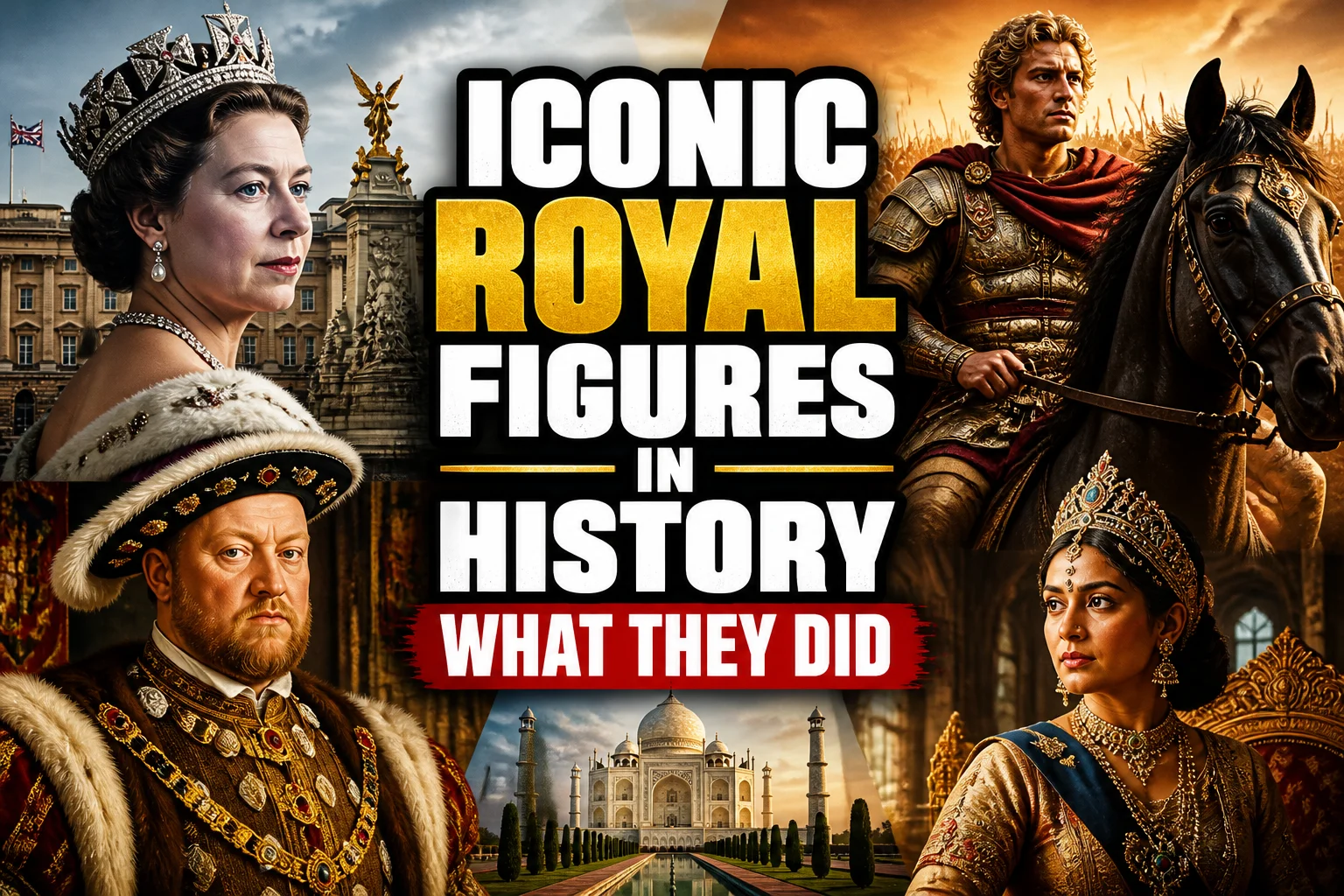
Ask ten people to name the most famous kings and queens in history and you will get ten different lists. Some start with Henry VIII, others with Elizabeth II, and a few leap straight to Cleopatra or Louis XIV. That is half the fun, and half the problem, because the stories we tell about monarchs are often wrapped in myth.
This guide walks through 20 of the most iconic royal figures, from English royalty and British royalty to European kings and queens and royals of the world. For each one you will see what they actually did, and which famous 'facts' about them do not hold up.
TL;DR: From Alfred the Great to Elizabeth II and from Cleopatra to Catherine the Great, history's most iconic monarchs shaped laws, borders, religions and national identities, though many of their best-known stories are myths.
How We Chose These Famous Monarchs in History
No list of the best royalty can be objective, so we used a few simple tests. Each figure had to change something lasting, such as a law, a border, a religion, a city, or the public idea of monarchy itself. We also wanted variety, so the list mixes kings, queens regnant, a queen consort, and rulers from different centuries and continents.
A quick note on terms. 'English royalty' usually refers to monarchs who ruled England before the Acts of Union, and Queen Anne in 1707 became the first monarch of Great Britain. After that, 'British royalty' is the more accurate phrase, and that is how we use it here.
We have also flagged the myths as we go. Royal biographies are full of quotes and anecdotes written long after the fact, and a good rule is that the more quotable a line is, the more carefully you should check it.
Famous Kings and Queens of England and Britain
The first twelve figures are the famous rulers of England and Britain, in chronological order. Together they cover more than a thousand years, from Viking-age Wessex to the modern Commonwealth. Some won battles, some lost kingdoms, and a few changed how the country is governed.
1. Alfred the Great (reigned 871–899)
Alfred ruled the kingdom of Wessex at a time when Viking armies had overrun most other English kingdoms. He is one of the few English kings remembered as 'the Great', an epithet that came into use long after his death.
After defeating the Danish leader Guthrum at Edington in 878, Alfred negotiated a settlement that left a Viking-ruled region, the Danelaw, to the north and east. He also reorganised defence with fortified towns called burhs and a more dependable army system.
He promoted learning and had key Latin works translated into English. The story of Alfred burning the cakes appears only in later sources, so treat it as legend rather than history.
2. William the Conqueror (reigned 1066–1087)
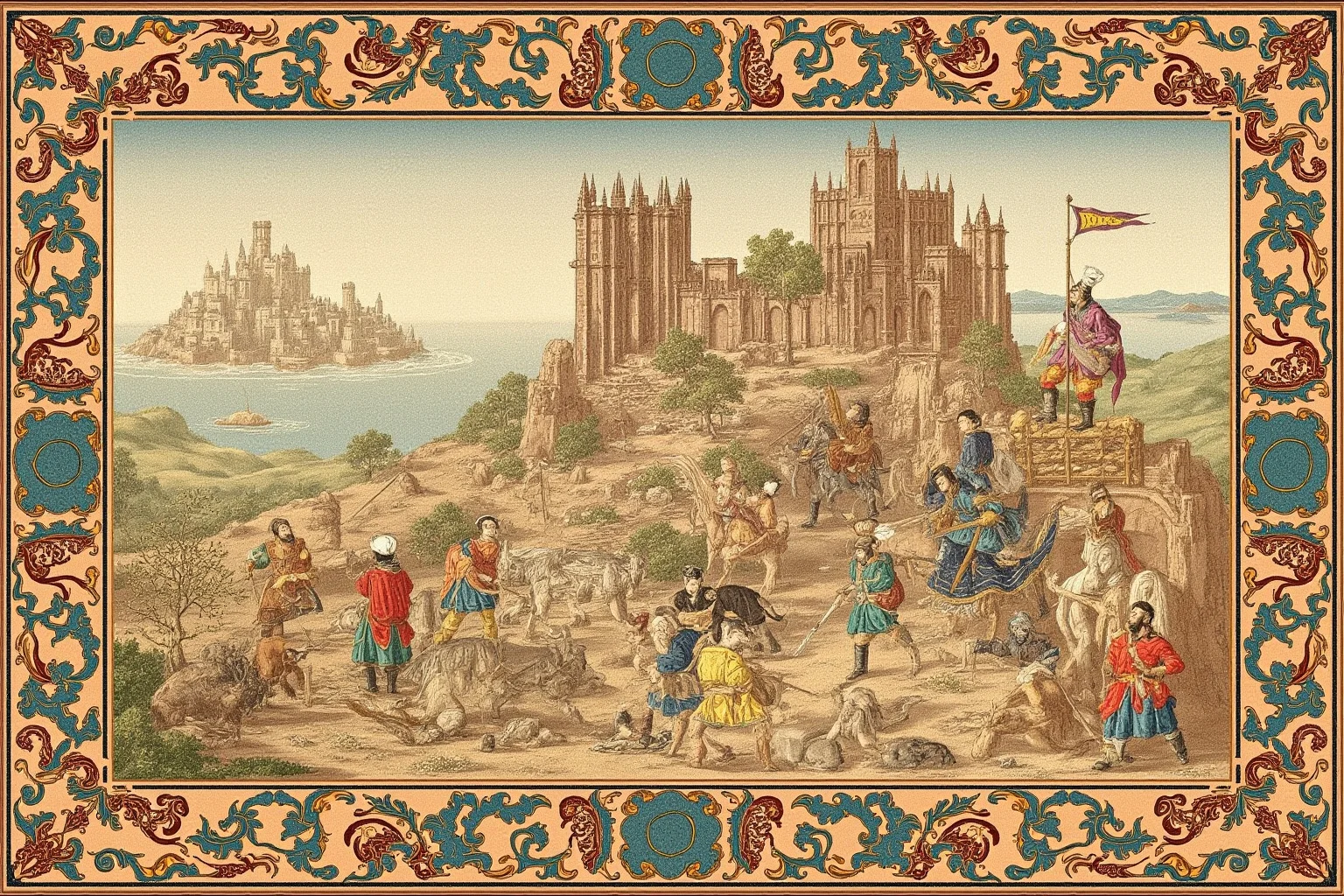
William, Duke of Normandy, won the Battle of Hastings on 14 October 1066 and was crowned king on Christmas Day that year. Born illegitimate, he was known in his youth as 'William the Bastard'.
His conquest replaced most of the English aristocracy with Norman landholders and reshaped English law, language and architecture. He built castles across the country and in 1086 commissioned the Domesday survey, a remarkable record of land and resources.
A popular claim says King Harold died from an arrow in the eye. The Bayeux Tapestry is ambiguous on the point, and historians still debate exactly how Harold was killed.
3. Eleanor of Aquitaine (c. 1124–1204)
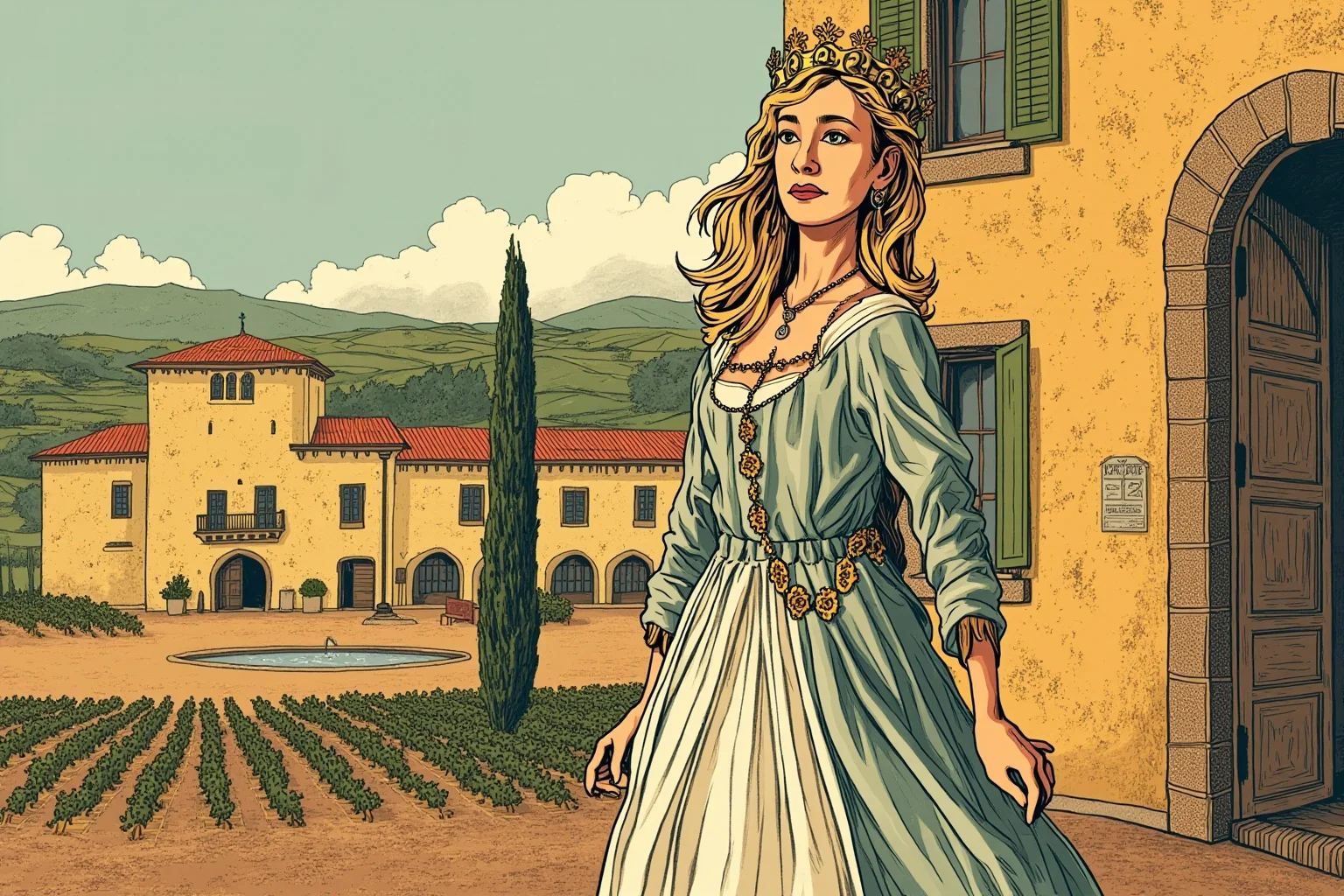
Eleanor inherited one of the richest duchies in Europe and became queen of France, then queen of England. Her marriage to Louis VII was annulled in 1152, and she then married Henry of Anjou, who became Henry II of England in 1154.
She was the mother of two English kings, Richard I and John, and wielded real political influence. After supporting a revolt against Henry in 1173, she was kept in captivity for roughly sixteen years.
When Richard was absent on crusade and later held for ransom, she helped hold his realm together and worked to raise the money. Tales of scandalous behaviour on crusade are mostly later gossip rather than solid evidence.
4. King John (reigned 1199–1216)
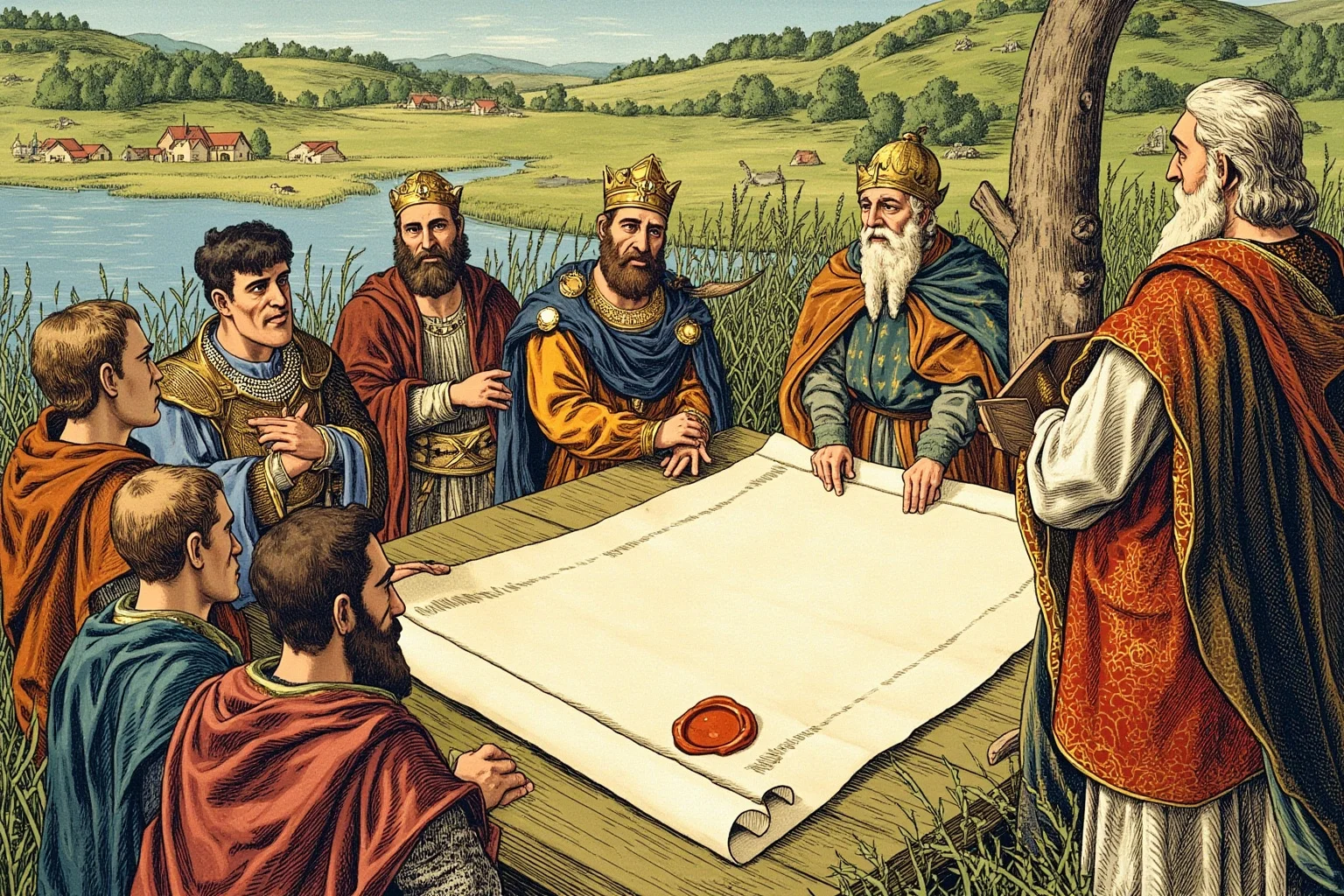
John is often cast as the villain of Robin Hood stories, and his real record is hardly glowing. He lost Normandy to the French in 1204, quarrelled with the Pope, and taxed his barons heavily.
In June 1215, rebel barons forced him to seal Magna Carta at Runnymede. The charter limited arbitrary royal demands and promised that free men would not be punished except by lawful judgment.
Magna Carta did not create modern democracy. It was a practical feudal peace deal, annulled by the Pope within weeks, but later reissues and its principles became a lasting symbol of limits on royal power.
5. Henry V (reigned 1413–1422)
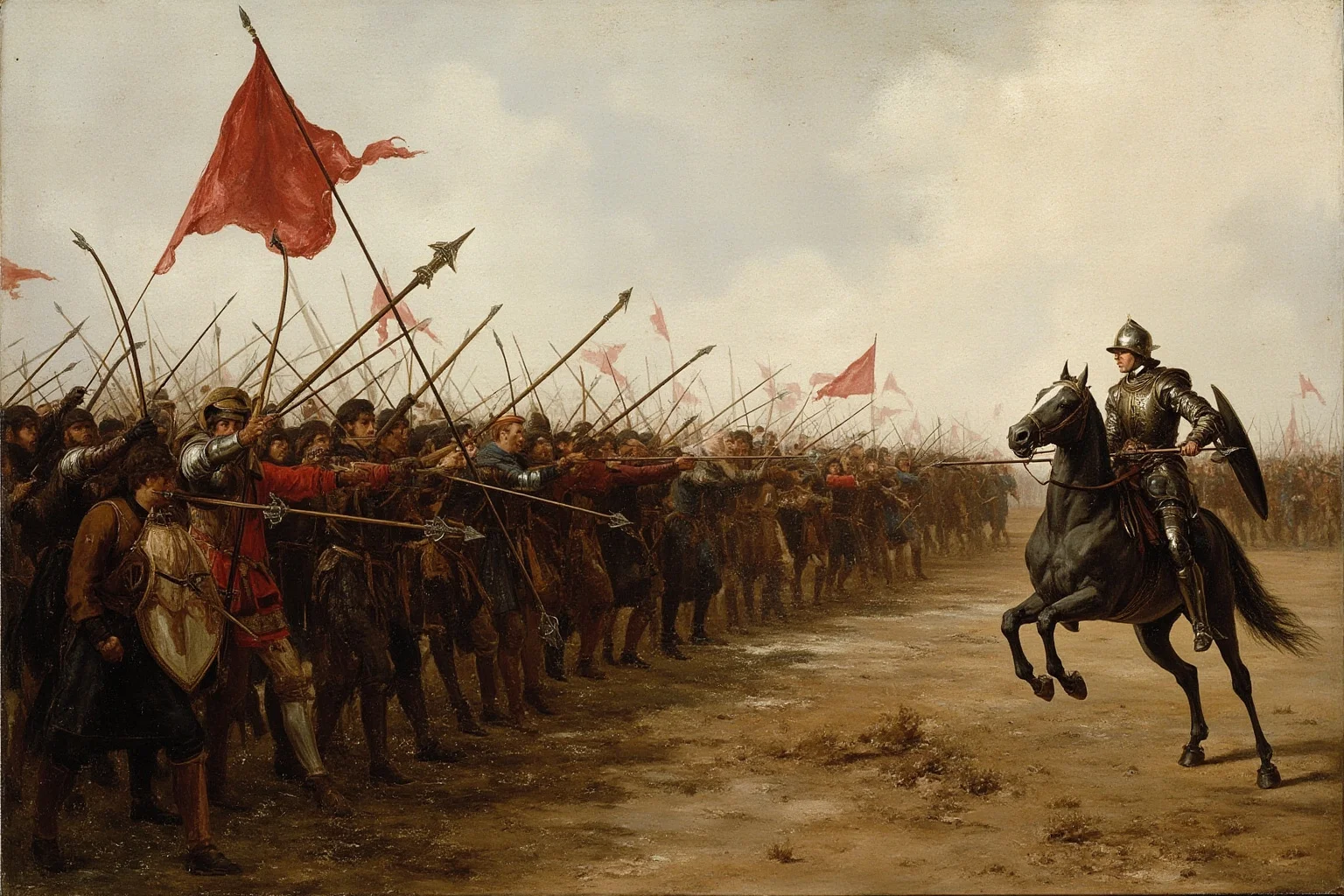
Henry V is best remembered for the English victory at Agincourt on 25 October 1415. Outnumbered, his army and its longbowmen defeated a larger French force on muddy ground.
He followed up with campaigns in Normandy and the Treaty of Troyes in 1420, which named him heir to the French throne and led to his marriage to Catherine of Valois. He died in August 1422, probably of dysentery, before he could inherit France.
Much of his glamour comes from Shakespeare, whose 'band of brothers' speech is dramatic invention rather than a recorded quote. His infant son Henry VI inherited the crowns, and the instability that followed helped set the stage for the Wars of the Roses.
6. Richard III (reigned 1483–1485)
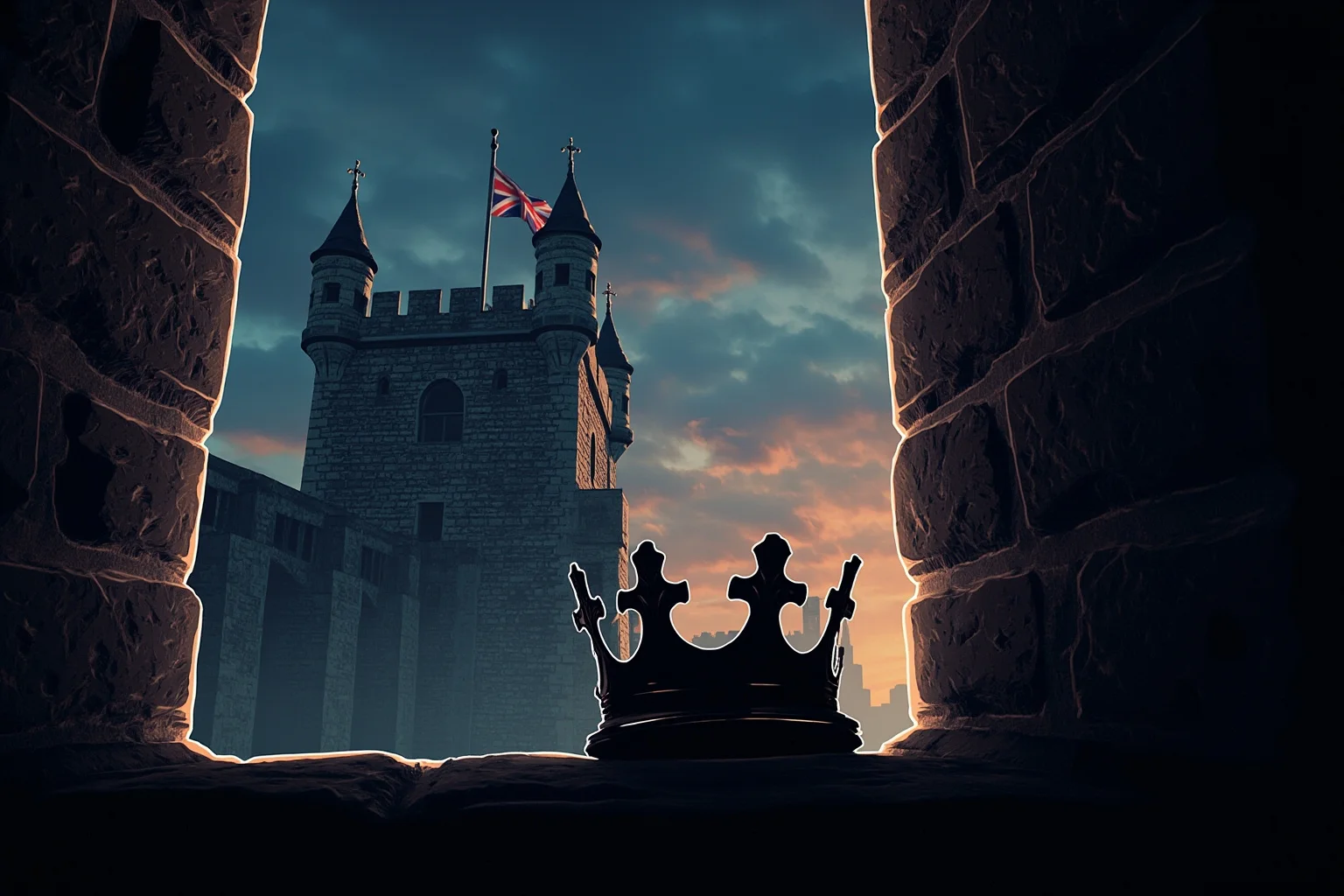
Richard took the throne in 1483 after his nephew Edward V was declared illegitimate and the two princes were last seen in the Tower of London. He was killed at the Battle of Bosworth on 22 August 1485, ending the Plantagenet line.
In 2012 archaeologists found his remains beneath a Leicester car park, and he was reburied in Leicester Cathedral in 2015. The skeleton showed severe scoliosis, but no sign of the withered arm that Tudor writers and Shakespeare gave him.
What happened to the Princes in the Tower remains unproven, and Richard's guilt is debated rather than settled. He is also often credited with legal reforms such as protections around bail, though his reign was brief.
7. Henry VIII (reigned 1509–1547)
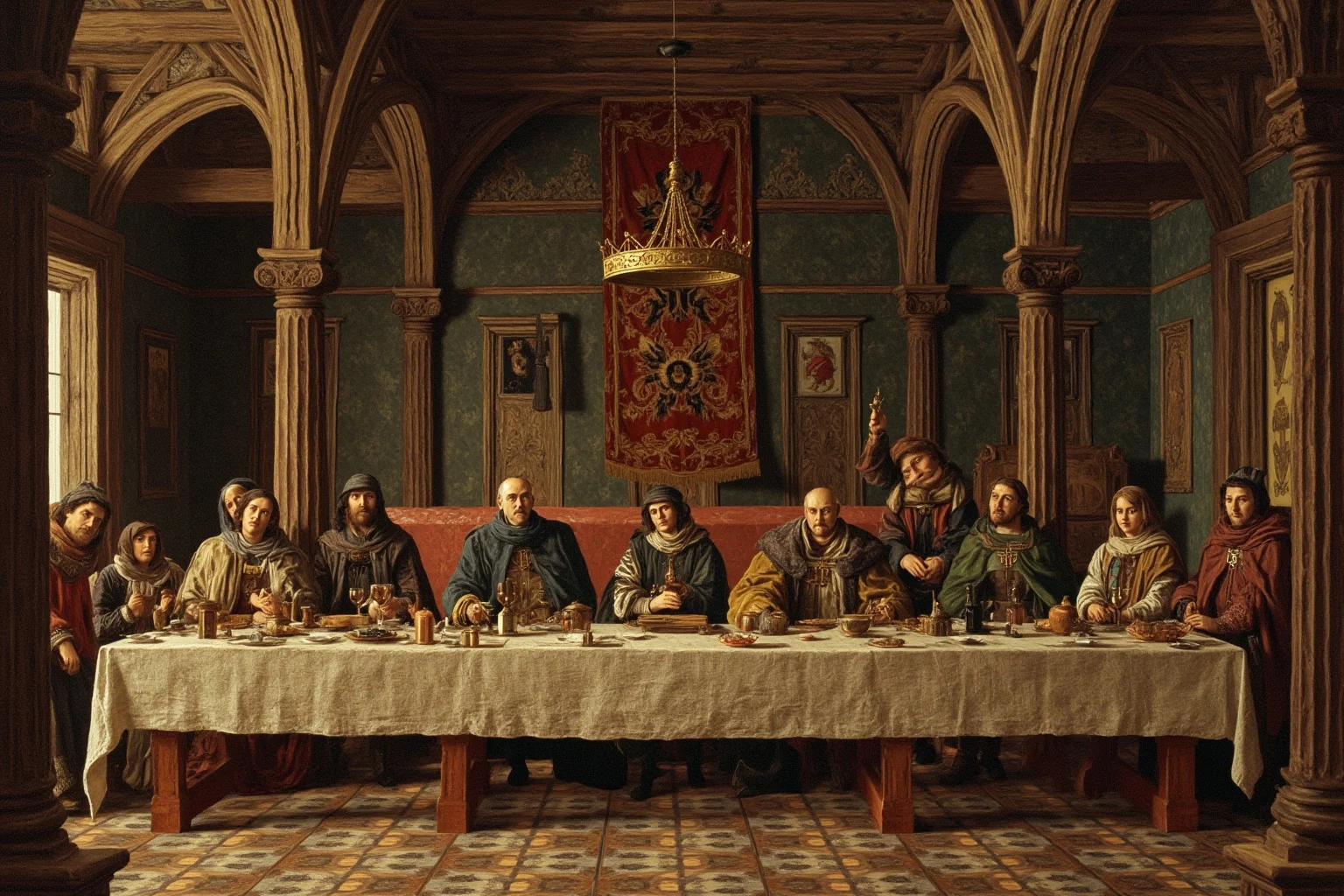
For many people Henry VIII is the most famous king of England, thanks largely to his six marriages. He came to the throne as the second son after his brother Arthur died, and in his youth he was a gifted athlete and patron of the arts.
His determination to end his first marriage helped lead to the break with Rome, and the Act of Supremacy in 1534 made him head of the Church of England. Between 1536 and 1541 the monasteries were dissolved, transferring vast wealth and land to the crown.
The rhyme 'divorced, beheaded, died, divorced, beheaded, survived' is a handy memory aid for his wives. But the religious break was driven by more than marriage, including politics, money and reforming ideas already circulating in Europe.
8. Elizabeth I (reigned 1558–1603)
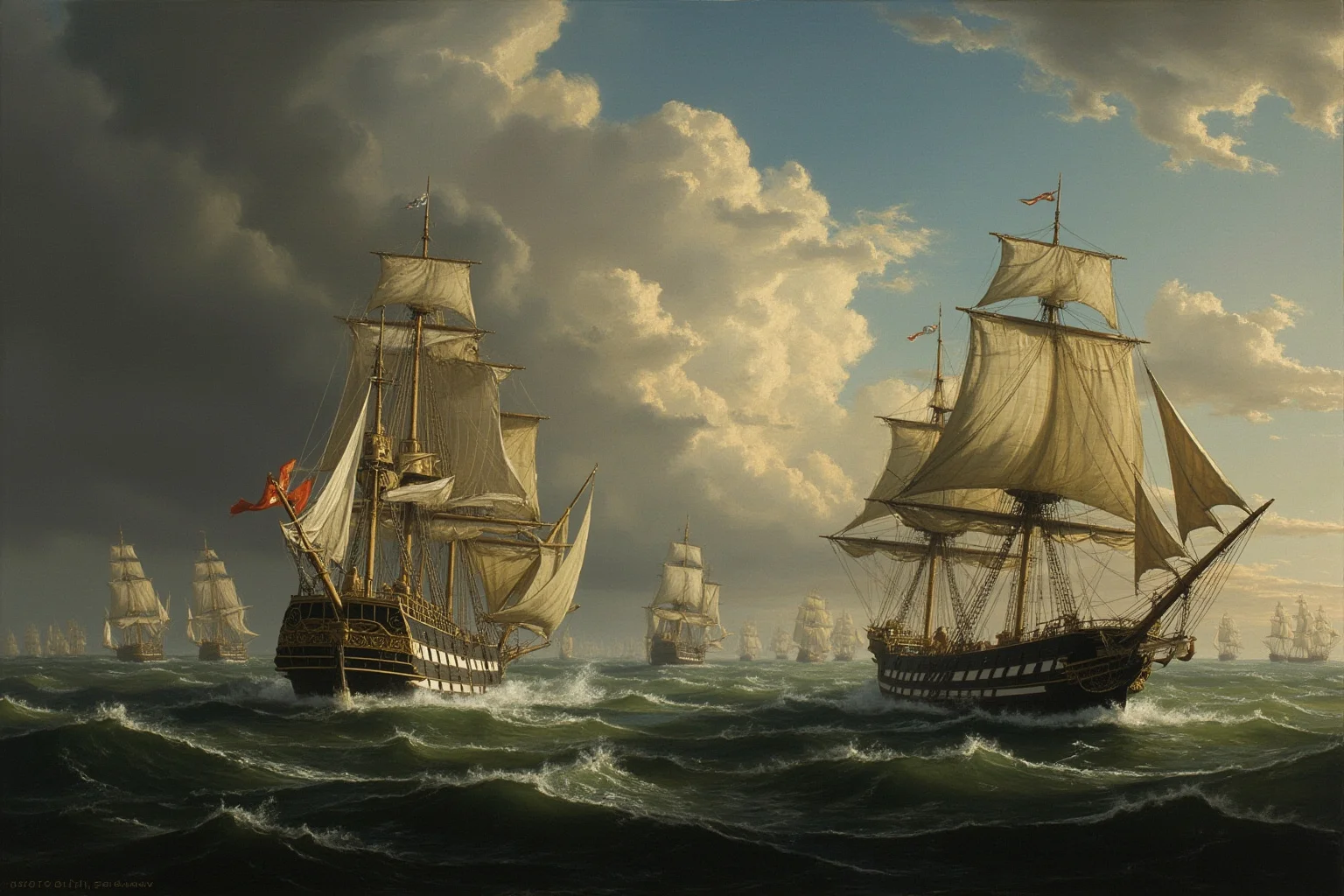
Elizabeth inherited a country divided over religion and short of money. Her 1559 religious settlement created a moderate Protestant Church of England that most subjects could live with.
In 1588 the English fleet and bad weather defeated the Spanish Armada. Her reign also coincided with a flowering of English culture, including playwrights such as Shakespeare, and with early overseas voyages.
Her famous Tilbury speech survives only in a version written down years later, so its exact wording is uncertain. She never married and named no heir, yet James VI of Scotland succeeded her without a civil war.
9. Charles I (reigned 1625–1649)
Charles believed strongly in the divine right of kings and clashed repeatedly with Parliament. He ruled without calling it between 1629 and 1640, relying on controversial ways of raising money.
Civil war broke out in 1642, and after his defeat he was tried and executed on 30 January 1649. He remains the only English monarch to be tried and put to death by his own government.
Many people assume the monarchy ended for good, but it was restored in 1660 under his son Charles II. The episode shaped the later idea that Parliament, not the crown, holds ultimate authority in Britain.
10. Queen Victoria (reigned 1837–1901)
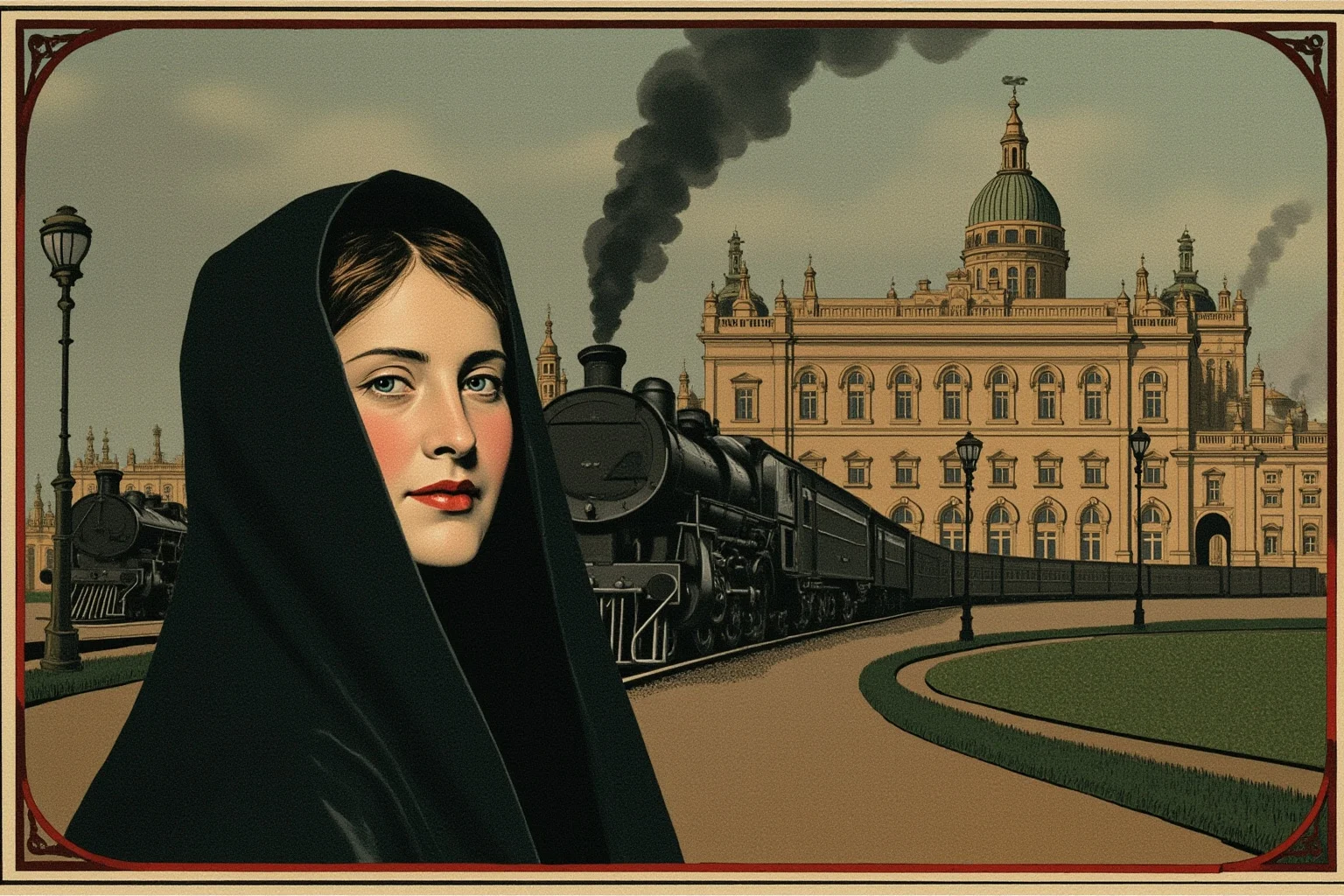
Victoria became queen at 18 and reigned for more than 63 years. Her era saw industrialisation, railways and the growth of the British Empire, and in 1876 she took the title Empress of India.
Her marriage to Prince Albert, and her long mourning after his death in 1861, shaped the public image of monarchy as a family institution. Her children and grandchildren married into royal houses across Europe, earning her the nickname 'grandmother of Europe'.
The line 'We are not amused' is widely attributed to her, but there is no reliable evidence she said it. By then the monarch's political role was shrinking, and she was becoming more a constitutional figure than a ruler.
11. George VI (reigned 1936–1952)
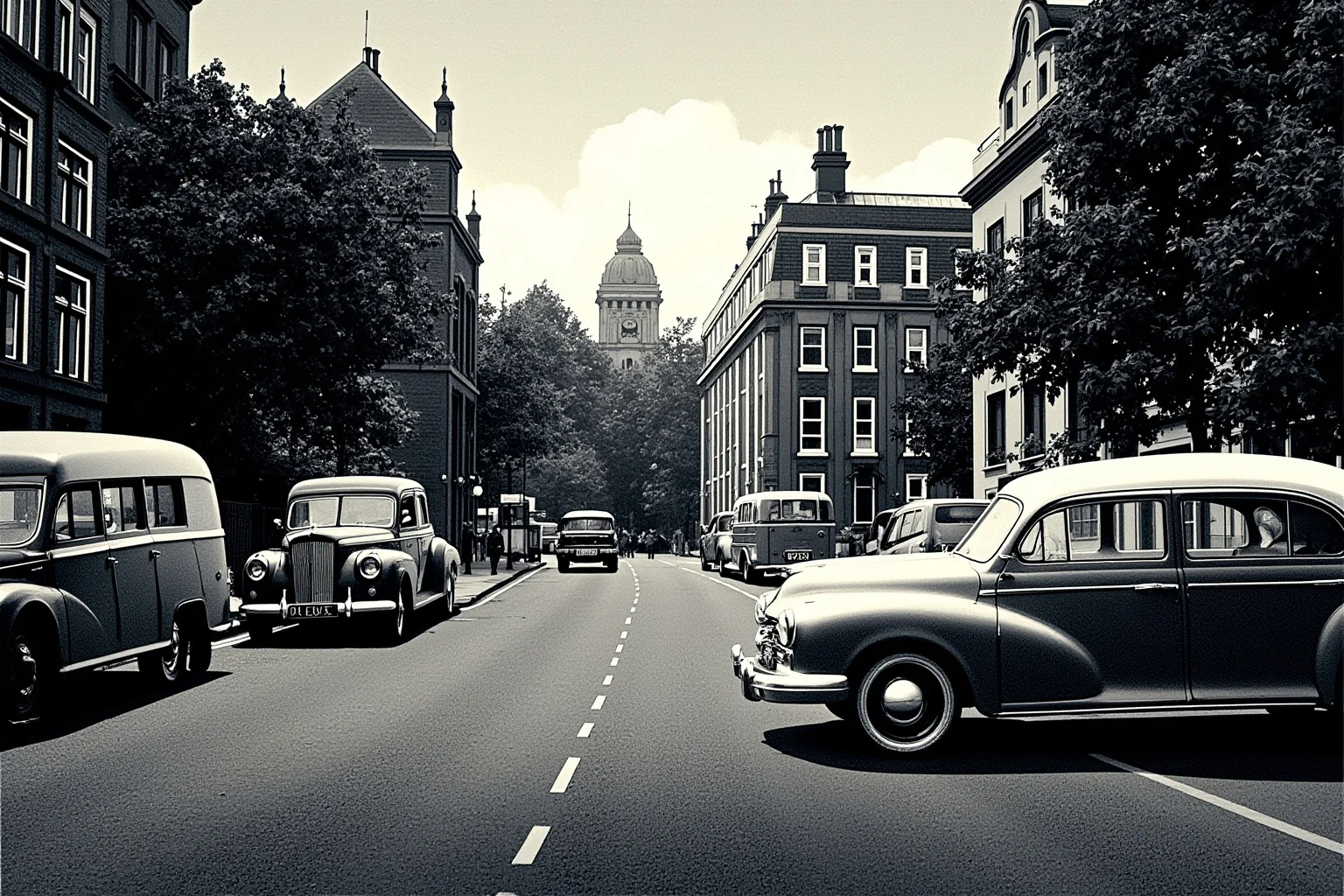
George VI never expected to be king. He took the throne in December 1936 after his brother Edward VIII abdicated, and he struggled with a stammer throughout his life.
During the Second World War he and Queen Elizabeth stayed in London through the Blitz, and Buckingham Palace was bombed in 1940. His reign also saw India's independence in 1947 and the transformation of the empire into the Commonwealth.
For the British monarchs of the 20th century, the sequence is simple. Victoria died in January 1901, and Edward VII, George V, Edward VIII, George VI and Elizabeth II followed. George V also changed the royal house name to Windsor in 1917.
12. Elizabeth II (reigned 1952–2022)
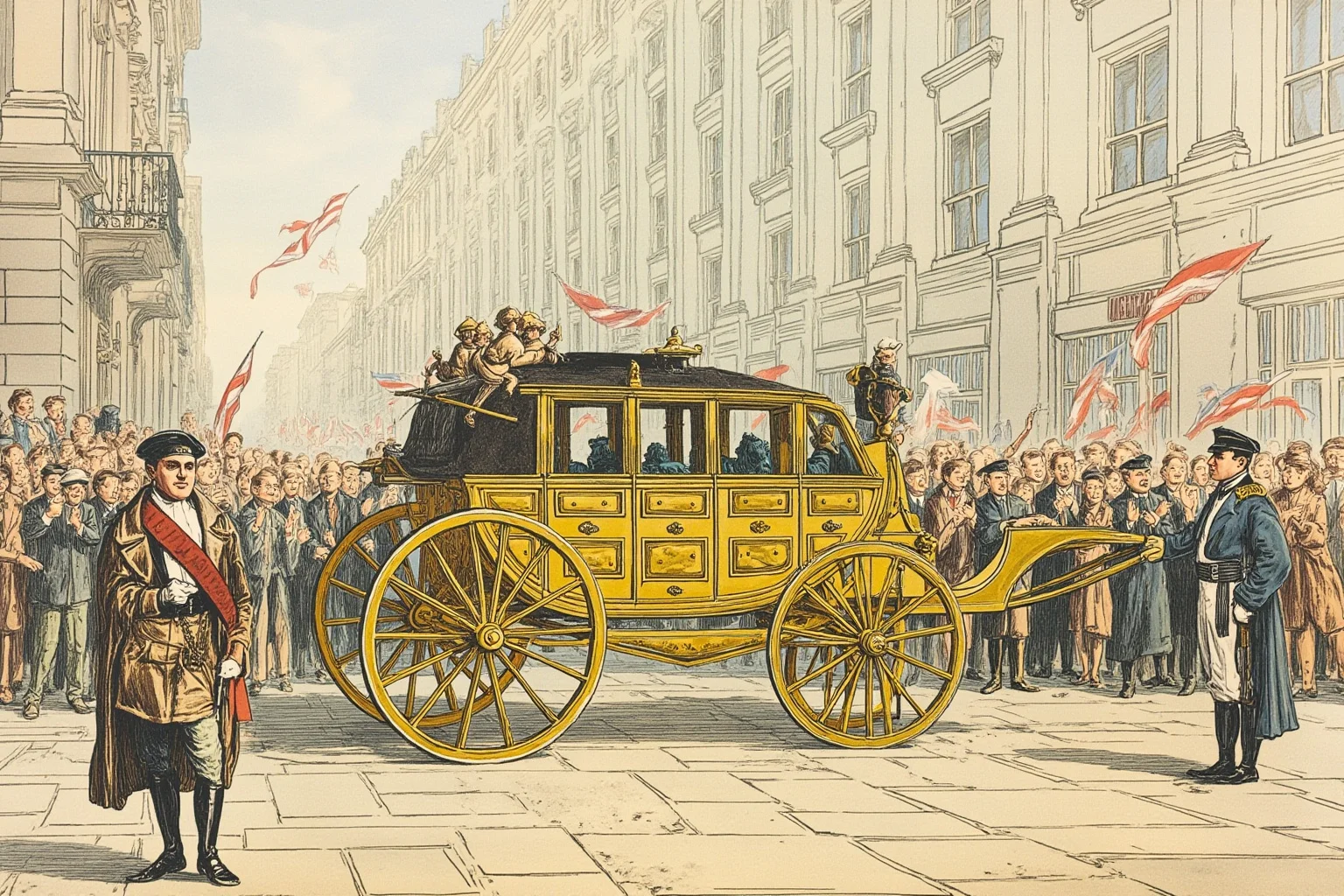
Elizabeth II became queen on 6 February 1952 and reigned until her death on 8 September 2022. At more than 70 years, hers is the longest reign of any British monarch.
Her reign saw decolonisation, the growth of the Commonwealth, and 15 prime ministers from Winston Churchill to Liz Truss. She stayed publicly above party politics, which is the constitutional role of a modern monarch.
For a global audience she was the most recognisable of all royal family members, and her image appeared on coins and stamps in many countries. Her death brought the accession of Charles III.
Europe Kings and Queens and Royals of the World
Britain has no monopoly on dramatic monarchy. These eight rulers show how royal power worked in Egypt, the Frankish world, Spain, the Ottoman Empire, France and Russia. Some were absolute rulers, and one never wore a crown at all.
13. Cleopatra VII (69–30 BCE)
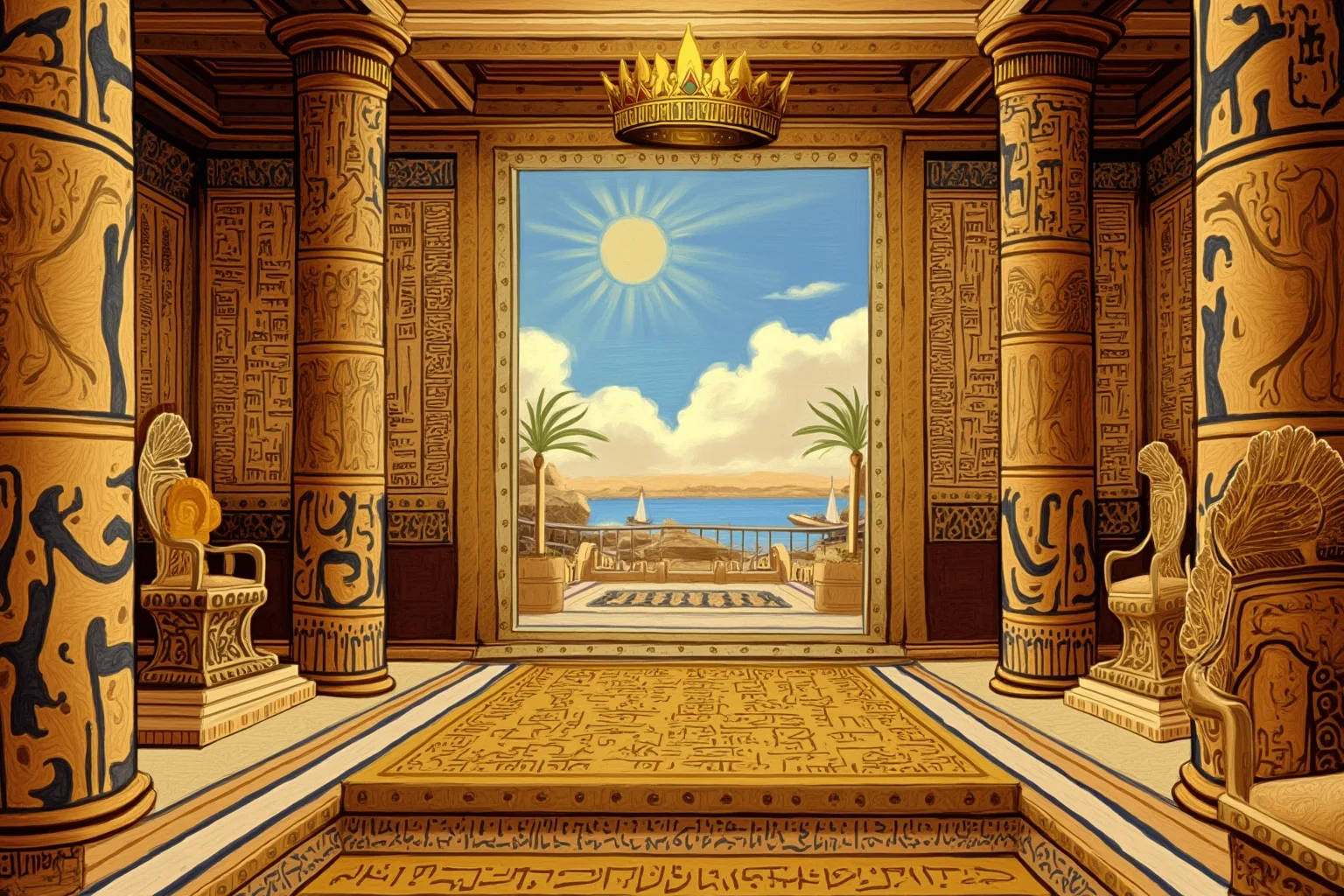
Cleopatra was the last active ruler of Ptolemaic Egypt. She belonged to a Macedonian Greek dynasty founded after Alexander the Great, but the ancient writer Plutarch says she was the first of her family to learn the Egyptian language.
She allied with Julius Caesar and later Mark Antony to protect Egypt's independence. Their defeat by Octavian at Actium in 31 BCE led to Egypt's absorption into the Roman world, and Cleopatra died in 30 BCE.
The famous asp story comes from ancient accounts, and the exact cause of her death is uncertain. Much of her modern fame also owes something to Roman propaganda and later drama.
14. Charlemagne (c. 748–814)
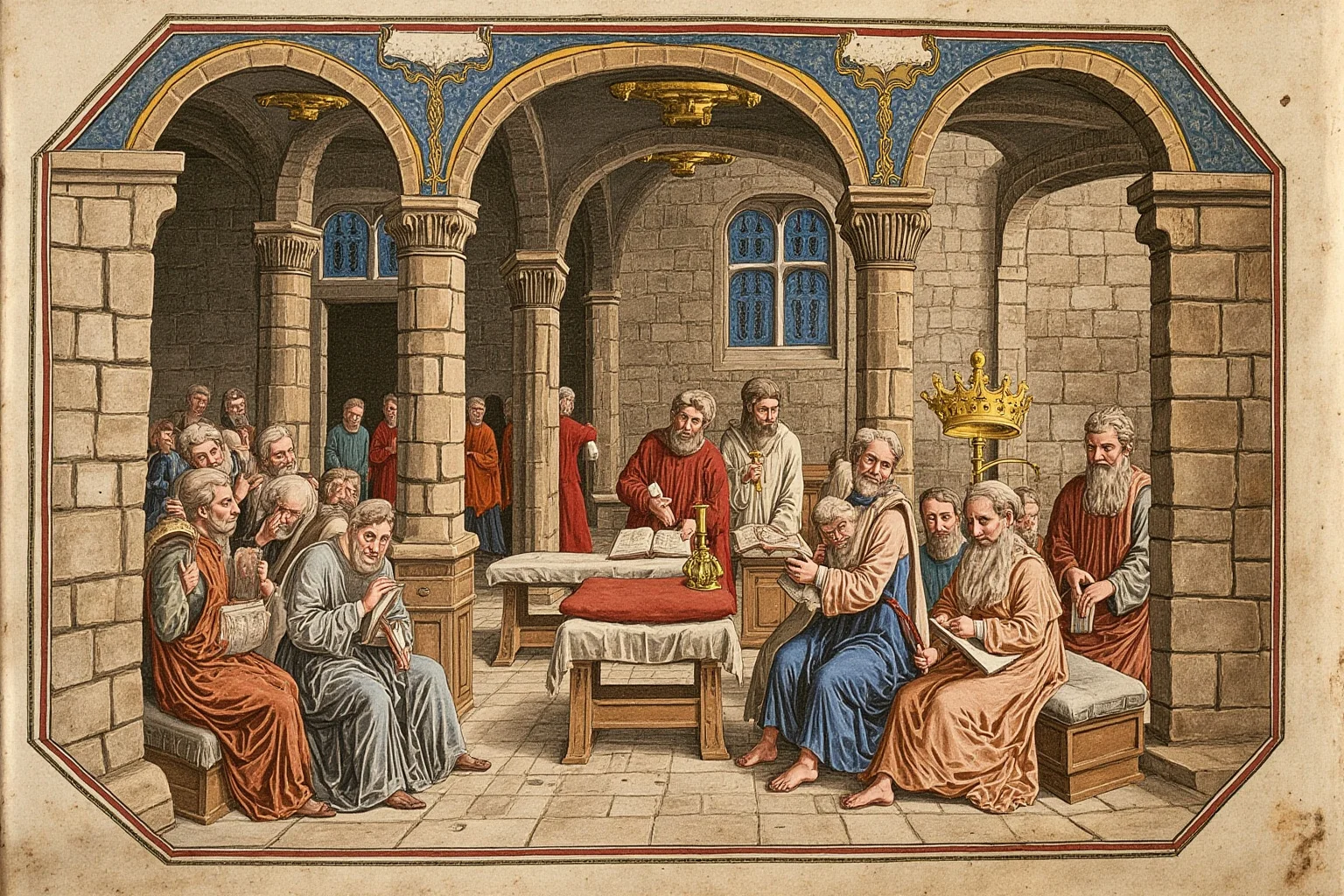
Charlemagne became king of the Franks in 768 and conquered the Lombards in 774, building a realm across much of western and central Europe. On Christmas Day 800, Pope Leo III crowned him emperor in Rome.
He supported scholars such as Alcuin, helping drive what is called the Carolingian Renaissance. A clearer handwriting style, Carolingian minuscule, spread through his realm and later influenced the lower-case letters we use today.
His biographer Einhard says he tried to learn to write late in life but with little success. It is a nice reminder that even great rulers were not masters of everything.
15. Isabella I of Castile (reigned 1474–1504)
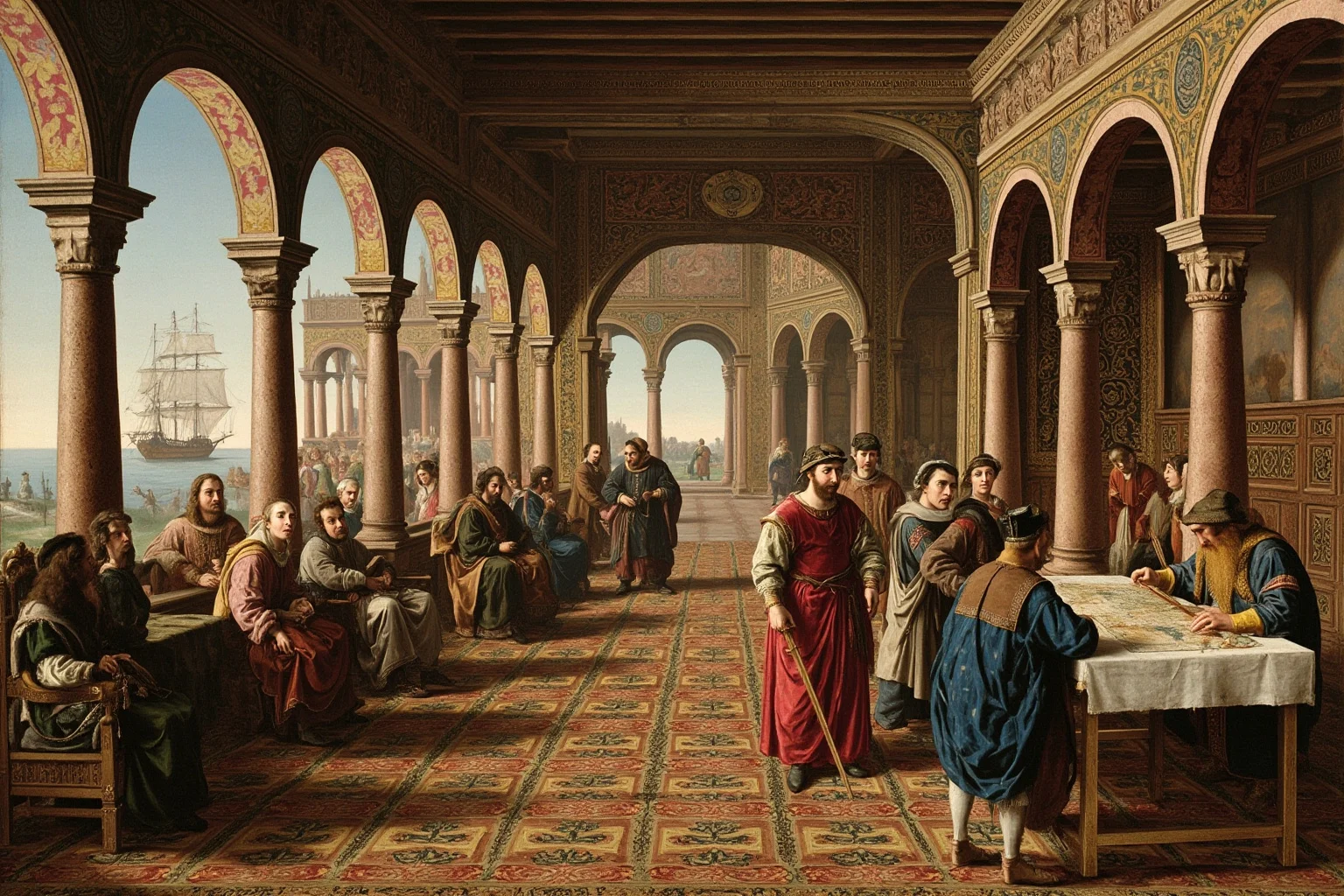
Isabella ruled Castile and, with her husband Ferdinand II of Aragon, laid the foundations of a united Spain. Their conquest of Granada in 1492 ended Muslim rule on the Iberian Peninsula.
That same year she backed Christopher Columbus's voyage, and the Alhambra Decree ordered Jews to convert or leave. She also supported the Spanish Inquisition, founded in 1478, so her legacy is deeply controversial.
The tale that she pawned her jewels to pay for Columbus is a popular legend. Historians instead point to funding arranged through officials of the Crown of Aragon and others.
16. Suleiman the Magnificent (reigned 1520–1566)
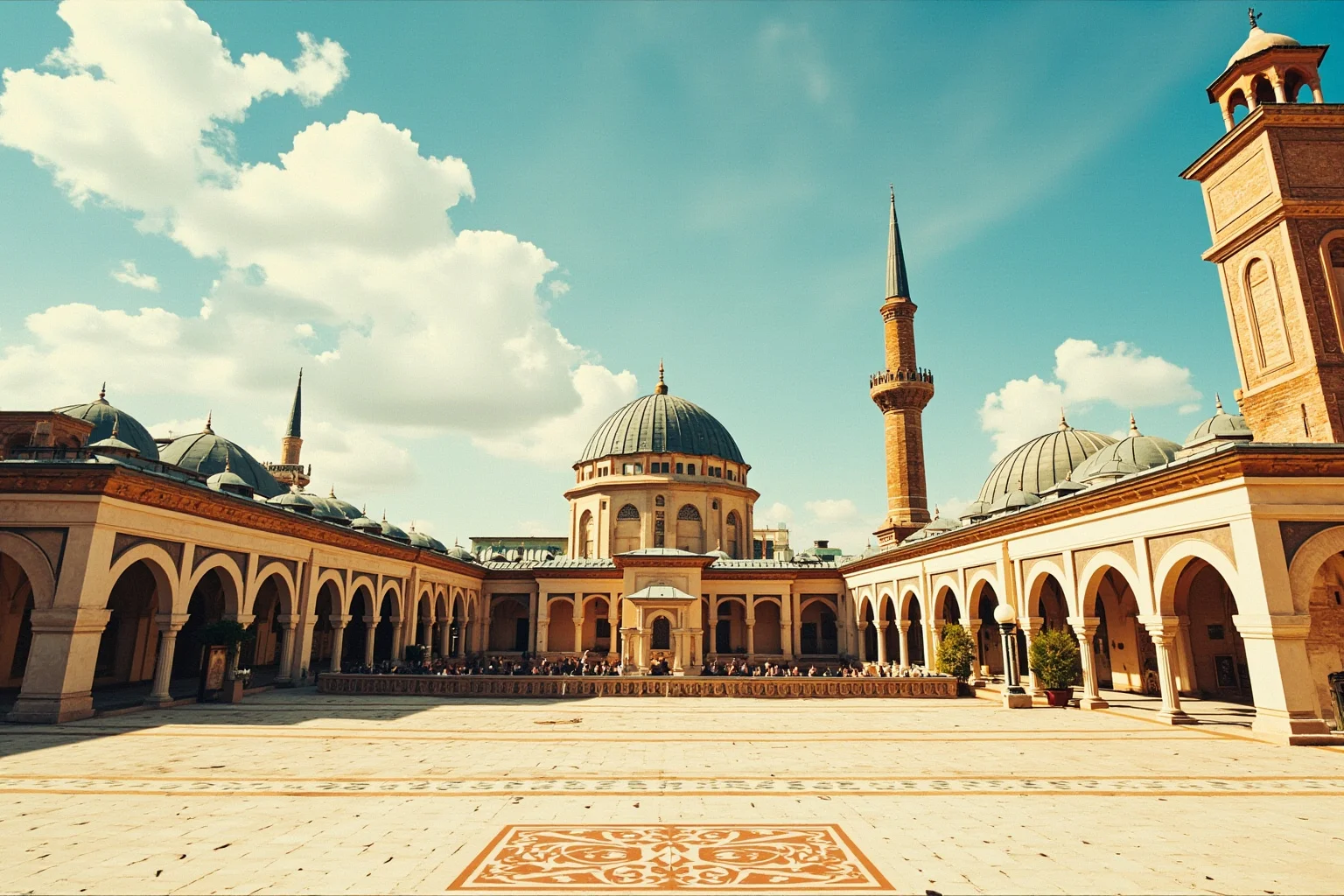
Suleiman ruled the Ottoman Empire at the height of its power. Under him the Ottomans captured Belgrade in 1521 and Rhodes in 1522, and won the Battle of Mohács in 1526.
In Turkish he is remembered as Kanuni, 'the Lawgiver', for his legal reforms. He also sponsored the architect Mimar Sinan, whose works include the Süleymaniye Mosque in Istanbul.
His 1529 siege of Vienna failed, showing the limits of Ottoman reach. 'The Magnificent' is a label used mainly in Europe, not the way his own subjects usually described him.
17. Louis XIV of France (reigned 1643–1715)
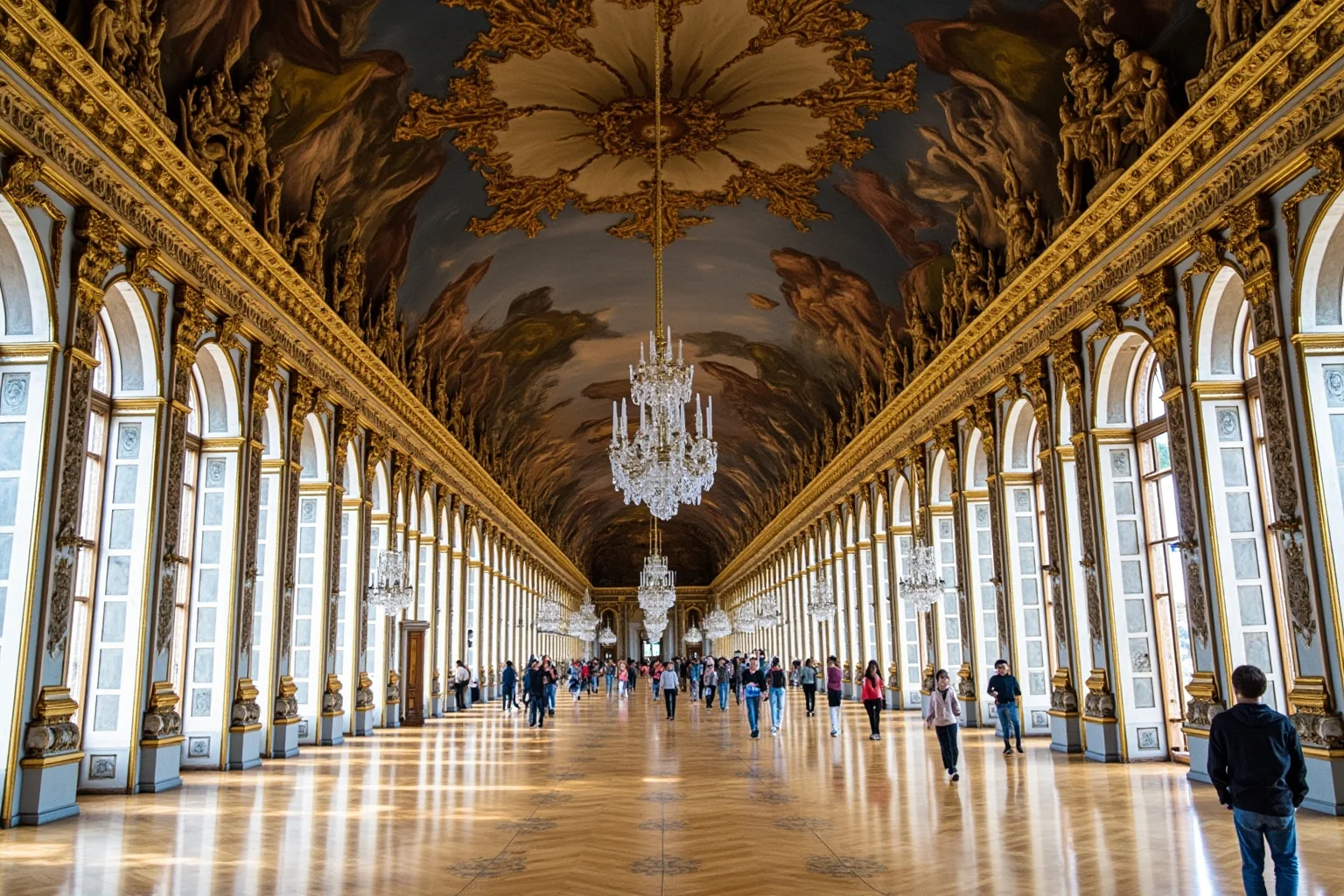
Louis became king at age four and reigned for around 72 years, one of the longest reigns of any European monarch. Known as the Sun King, he made the palace of Versailles the centre of royal power.
He drew nobles to court, centralised government, and fought costly wars that expanded France's borders but strained its finances. In 1685 he revoked the Edict of Nantes, ending legal toleration for French Protestants.
The line 'I am the state' is attached to him but is probably apocryphal. Absolute monarchy was real, though in practice he still depended on ministers, officials and nobles.
18. Peter the Great of Russia (reigned 1682–1725)
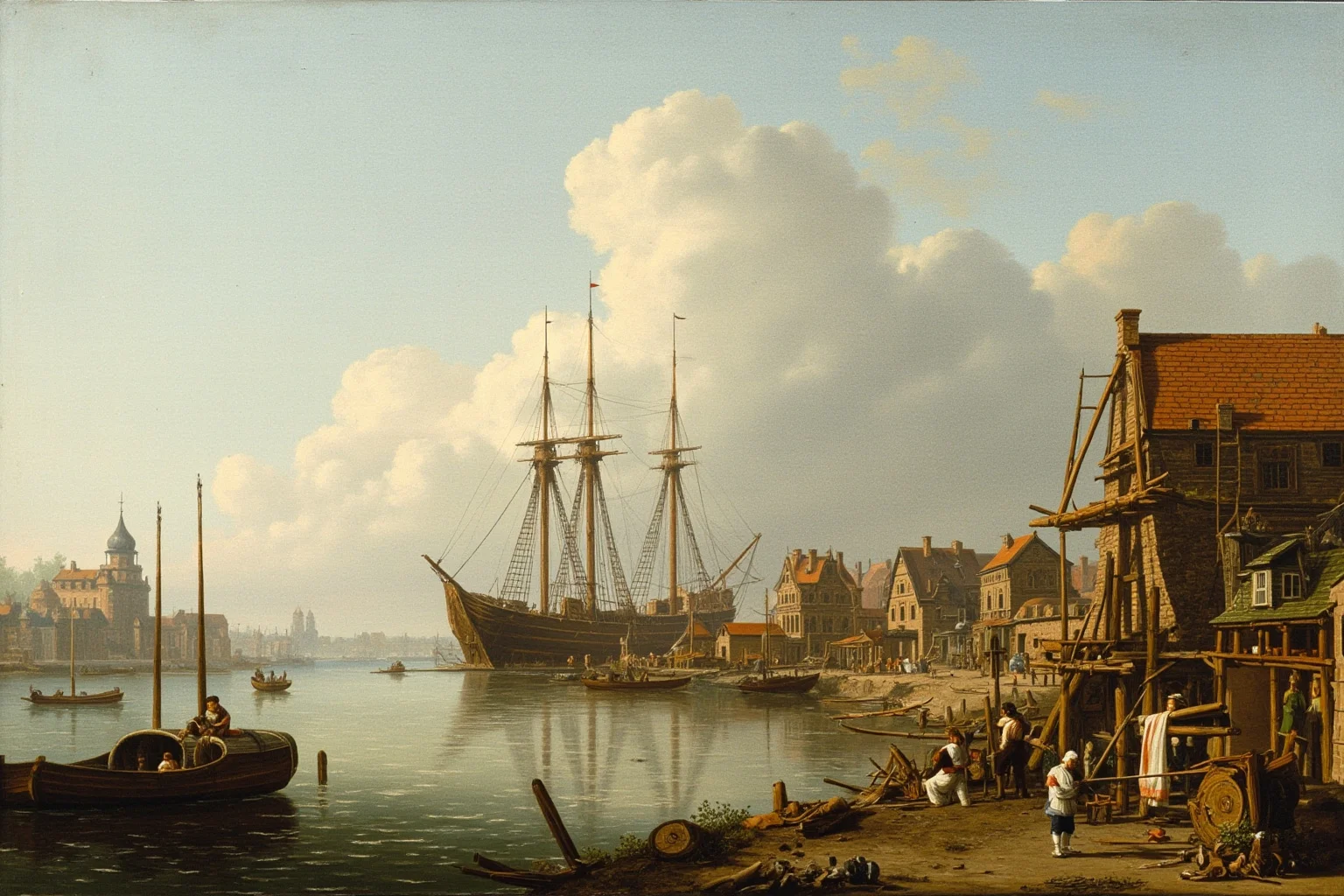
Peter became tsar as a boy, ruled alone from 1696, and took the title emperor in 1721. He travelled Europe on the 'Great Embassy' of 1697–98 to study shipbuilding and technology.
He founded St Petersburg in 1703, built Russia's navy, and defeated Sweden in the Great Northern War. His reforms reshaped administration and the army, and he pushed nobles to adopt Western dress.
The beard tax is real, introduced in 1698, but it was just one part of a wider cultural push. His methods were often harsh and costly for ordinary Russians.
19. Catherine the Great of Russia (reigned 1762–1796)
Born a German princess, Catherine took power in 1762 after a coup that removed her husband Peter III. She went on to rule Russia for more than three decades.
Russia gained vast territory under her, including Crimea in 1783 and large parts of Poland through the partitions. She corresponded with Enlightenment thinkers such as Voltaire and Diderot, and she built up the Hermitage art collection.
Despite her enlightened image, serfdom grew harsher under her rule, and the Pugachev rebellion of 1773–75 shook her regime. The scandalous rumour about her death involving a horse is false gossip with no evidence behind it.
20. Marie Antoinette (1755–1793)
Born an Austrian archduchess, Marie Antoinette married the future Louis XVI in 1770 and became queen of France in 1774. She became a symbol of royal extravagance as France's financial crisis deepened.
The monarchy was abolished in 1792, and Louis was executed in January 1793. Marie Antoinette was tried and guillotined on 16 October 1793.
'Let them eat cake' cannot be reliably linked to her. A similar story appears in Rousseau's Confessions, written when she was a child, which shows how quickly reputations become propaganda.
Famous Queen Names and Old Royal Family Dynasties
Certain famous queen names keep recurring in history, and many belong to some of history's most powerful women, including Elizabeth, Victoria, Catherine, Isabella, Eleanor and Mary. Part of this was dynastic habit, since names were passed down to honour ancestors. Part of it was branding, because a successful namesake gave later queens a ready-made reputation.
The same goes for each old royal family. English history is often told through dynasties such as the Plantagenets, Tudors and Stuarts, followed by the Hanoverians and then the Windsors. Across the Channel, the Bourbons ruled France, the Habsburgs spanned central Europe, and the Romanovs ruled Russia until 1917.
Surnames and house names also changed more than people realise. Victoria was the last Hanoverian monarch, her son Edward VII belonged to the house of Saxe-Coburg and Gotha, and George V adopted Windsor in 1917 during the First World War.
Interesting Facts About Monarchy That Bust Common Myths
Here is a quick tour of surprising points about monarchy that tend to get lost in popular retellings. They are a good reminder that being a ruler was rarely as simple as 'the king says so'.
First, many monarchs were far from absolute. English kings relied on nobles, councils and eventually Parliament for money and support, which is why events like Magna Carta and the Civil War happened at all.
Second, succession rules varied widely. France invoked a rule, often called Salic law, that excluded women from the throne, while England, Castile and Russia all saw powerful queens rule in their own right.
Third, many iconic monarchs were not expected to reign. Henry VIII was a second son, George VI took over after an abdication, and Elizabeth II was not expected to be queen until her uncle stepped aside in 1936.
Finally, nicknames and famous sayings are often later inventions. 'The Great', 'The Magnificent', 'Let them eat cake' and 'We are not amused' show how legends can outlive the evidence.
Why Is the Royal Kingdom So Popular?
People often ask why the royal kingdom is so popular, even in countries that are modern democracies. There is no single answer, but several factors keep coming up. Monarchy offers a long-running story with heroes, villains, weddings, scandals and betrayals, which suits books, films and television perfectly.
Ceremony also matters. Coronations, jubilees, state funerals and royal weddings give people shared moments, and they are visually striking in a way that most politics is not.
There is also the pull of continuity. A monarchy can link a modern nation to a deep past, and for tourists and the heritage industry, palaces and castles are a major attraction.
Popularity does not mean universal approval. Opinion about monarchy varies widely by country, age group and time, and debates about its cost, fairness and relevance are an ongoing part of public life.
Famous Fictional Kings and the Real History Behind Them
Fiction has produced its own royal characters, and many of them lean on real history. King Arthur is the best example. He is a legendary figure whose historical basis is debated, and the medieval romances that made him famous were written centuries after the era he supposedly lived in.
Shakespeare's Macbeth is another case. The real Macbeth, Mac Bethad mac Findláich, ruled Scotland from 1040 to 1057, and by most accounts his reign was less bloody than the play suggests. King Lear, too, is based on a legendary British king rather than a documented one.
Modern favourites such as Aragorn, Mufasa and the kings of Westeros borrow from medieval ideas of rightful succession, usurpers and civil war. Spotting those echoes is a fun way to connect fantasy with the real monarchs in history.
What These Royal Figures Teach Us
Looking across these 20 monarchs, a pattern emerges. The most famous rulers were rarely simply heroes or villains, and many are remembered for things they did not do or say. Good history means separating the dramatic story from the evidence.
They also show that monarchy is not one thing. It looked very different for Alfred, Louis XIV, Victoria and Elizabeth II, and it continues to change today. If you want to keep exploring, read about any figure above in more depth, look at some of the prominent monarchies you've never heard of, and compare the legend with the sources.
Frequently Asked Questions
Who are the most famous rulers of England?
Among the famous rulers of England, the names that come up most often are Alfred the Great, William the Conqueror, Henry V, Henry VIII, Elizabeth I and Queen Victoria. Richard III, King John and Charles I are also well known, though for more controversial reasons. Which one counts as most famous depends on whether you value military victory, lasting reforms or cultural impact.
Who is the most famous king of England?
There is no official answer, but Henry VIII is probably the best known, mainly because of his six marriages and the English Reformation. Alfred the Great, William the Conqueror and Henry V are strong contenders for their military and political achievements. Fame often depends on books, plays and television as much as on historical significance.
What is the difference between English royalty and British royalty?
English royalty usually refers to monarchs who ruled the Kingdom of England before 1707. After the Acts of Union, Queen Anne became the first monarch of Great Britain, so 'British royalty' is the more accurate term from then on. The Union of the Crowns in 1603 had already brought England and Scotland under one king, James VI and I, but they remained separate kingdoms until 1707.
Who were the British monarchs in the 20th century?
Victoria reigned until January 1901. After her came Edward VII (1901–1910), George V (1910–1936), Edward VIII (1936), George VI (1936–1952) and Elizabeth II, who took the throne in 1952 and reigned into the 21st century. George V adopted the name House of Windsor in 1917.
Who was the longest-reigning British monarch?
Elizabeth II holds the record, reigning from 6 February 1952 until her death on 8 September 2022, more than 70 years. Queen Victoria previously held the record, with a reign of more than 63 years. Her great-great-granddaughter surpassed her in 2015.
Why is the royal kingdom so popular?
Popular interest in monarchy comes from a mix of storytelling, ceremony, continuity and tourism. Royal families provide a long-running human drama, and events like coronations and weddings create shared moments. Attitudes vary widely by country and generation, so popularity does not mean everyone supports the institution.
Did Marie Antoinette really say ‘Let them eat cake’?
There is no reliable evidence that she did. A similar story about an unnamed princess appears in Rousseau's Confessions, written when Marie Antoinette was still a child in Austria. The phrase became attached to her later as part of revolutionary-era criticism of the monarchy.

Alex Warren
Related Articles