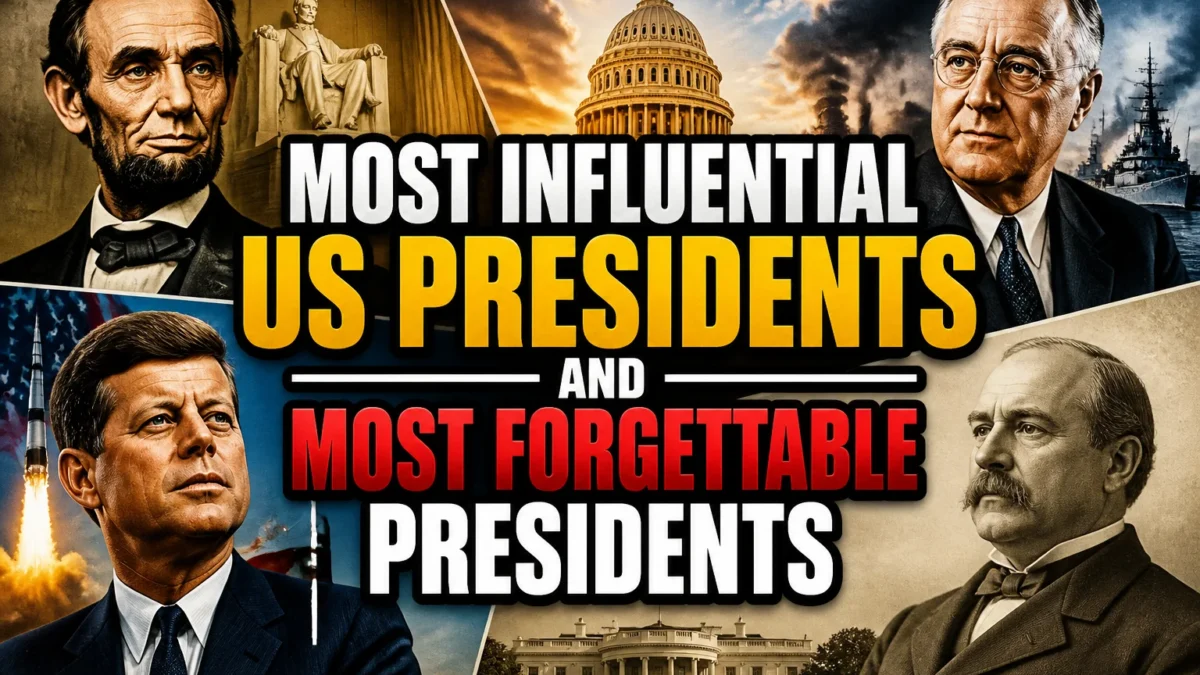
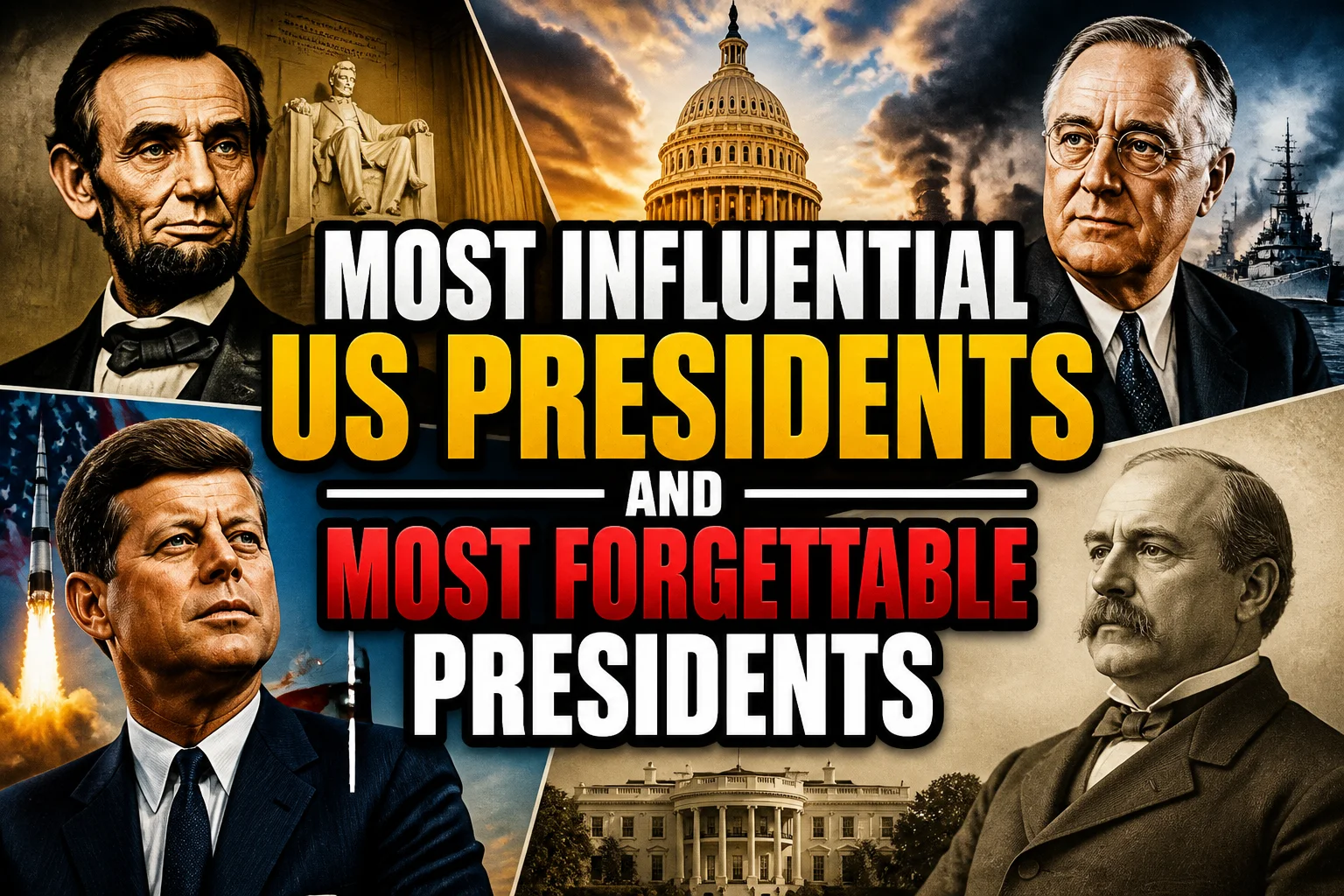
Ask people to name the most influential US presidents and you will hear the same handful of names. Ask them to name the one who served in 1850 or 1881 and you will probably get a long pause. That gap between fame and impact is where some of the best history hides.
This post sorts presidents into two groups: the ten most consequential, and ten of the most obscure presidents in popular memory. Along the way we will bust a few myths, untangle which presidents were impeached, look at the unelected presidents who got the job through succession, and check the claim that all presidents are related except one.
TL;DR: The most influential presidents reshaped the nation's government and borders, but many "forgettable" presidents left decisions, precedents, and myths that still shape American life.
How to Judge the Most Significant Presidents
"Influential" and "good" are not the same thing. A president can be hugely consequential and still be judged harshly, as the list below shows. We are measuring lasting impact on institutions, territory, law, and the balance of power, not popularity.
The same goes for "irrelevant," which is a loaded word. Almost no president is truly irrelevant, so the second list uses "forgettable" or "obscure" to describe how little the public remembers. Rankings like these are always debatable, and historians would shuffle both lists.
The 10 Most Influential Presidents of the United States
These are the presidents most often named when historians discuss the most impactful presidents. Each one changed how the office worked or what the country was. Order here is roughly chronological, not a strict ranking.
1. George Washington: The Man Who Wrote the Job Description
Washington was chosen unanimously by the Electoral College in 1789 and again in 1792. Because the Constitution left the presidency loosely defined, nearly everything he did became precedent. He built a cabinet, issued the Neutrality Proclamation of 1793, and put down the Whiskey Rebellion of 1794 with federal authority.
His most important act may have been leaving. By stepping down after two terms and publishing his Farewell Address in 1796, he modeled a peaceful transfer of power. That example, not any single law, is why he sits at the top of nearly every list of the most significant presidents.
2. Thomas Jefferson: The Deal That Doubled the Country
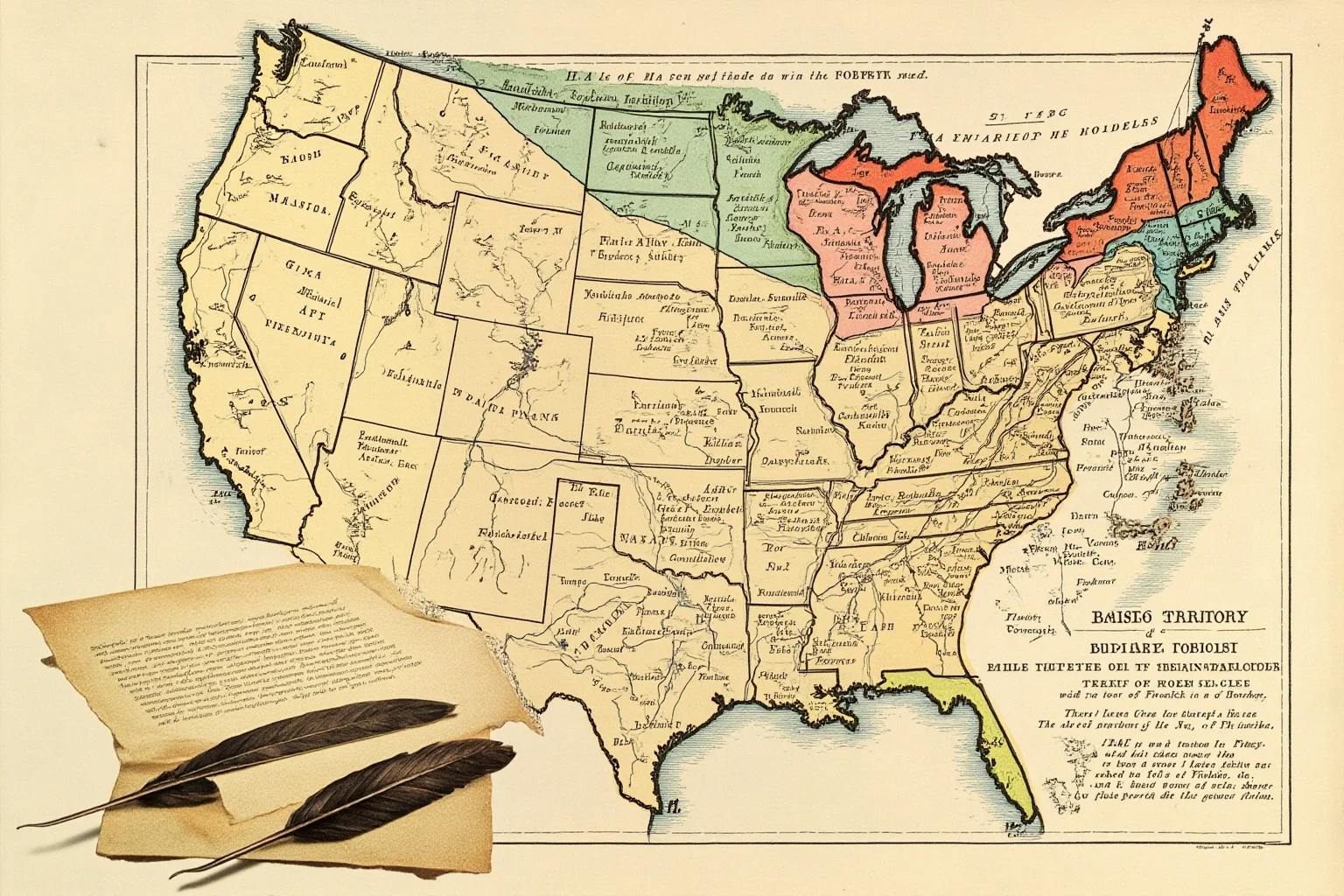
The Louisiana Purchase of 1803 added roughly 828,000 square miles for about $15 million. It nearly doubled the nation's size and set the stage for westward expansion. Jefferson also sent Lewis and Clark to explore the new territory.
His legacy is deeply contradictory. He wrote of human equality yet enslaved hundreds of people over his lifetime, and most historians accept that he fathered children with Sally Hemings, an enslaved woman at Monticello. Influence and moral failure sit side by side in his record.
3. Andrew Jackson: Democracy's Expansion and Its Cost
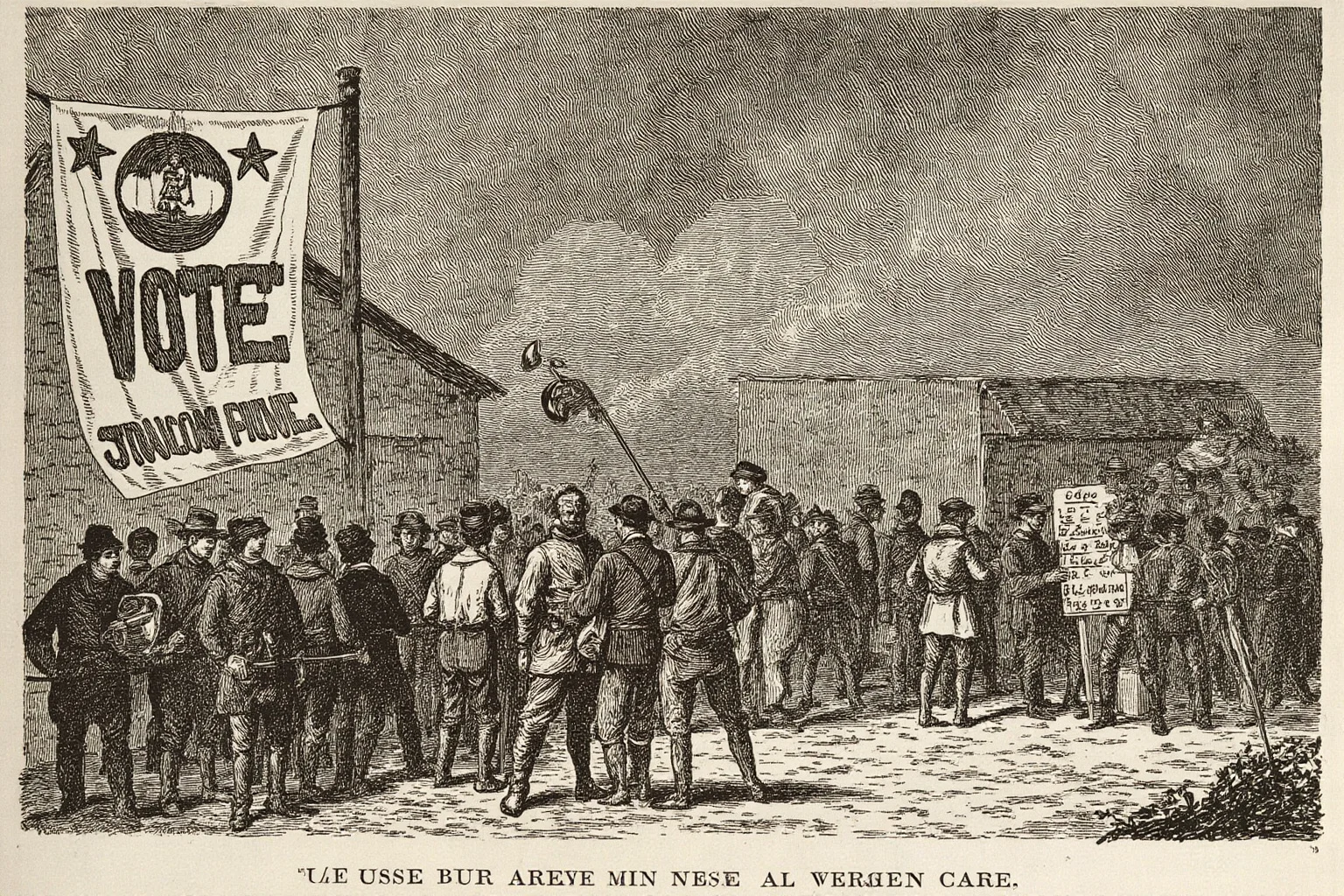
Jackson's presidency (1829–1837) coincided with the growth of voting among white men and the rise of mass party politics. He fought the Second Bank of the United States, faced down South Carolina in the Nullification Crisis, and expanded the use of the veto. Supporters saw a champion of ordinary voters.
Critics point to the Indian Removal Act of 1830, which led to the forced relocation of Native nations, including the Trail of Tears. Jackson reshaped the presidency into a more powerful, populist office. He did so at tremendous human cost.
4. Abraham Lincoln: Saving the Union and Ending Slavery
Lincoln led the country through the Civil War and kept the Union intact. His Emancipation Proclamation took effect on January 1, 1863, and he pushed Congress toward the Thirteenth Amendment, which passed in January 1865 and was ratified after his death. His 1863 Gettysburg Address redefined what the war was for.
His administration also signed the Homestead Act, the Pacific Railway Act, and the Morrill Land-Grant College Act in the early 1860s. Few presidents changed both the Constitution and the country's economy so profoundly.
5. Theodore Roosevelt: The Modern Presidency Takes Shape
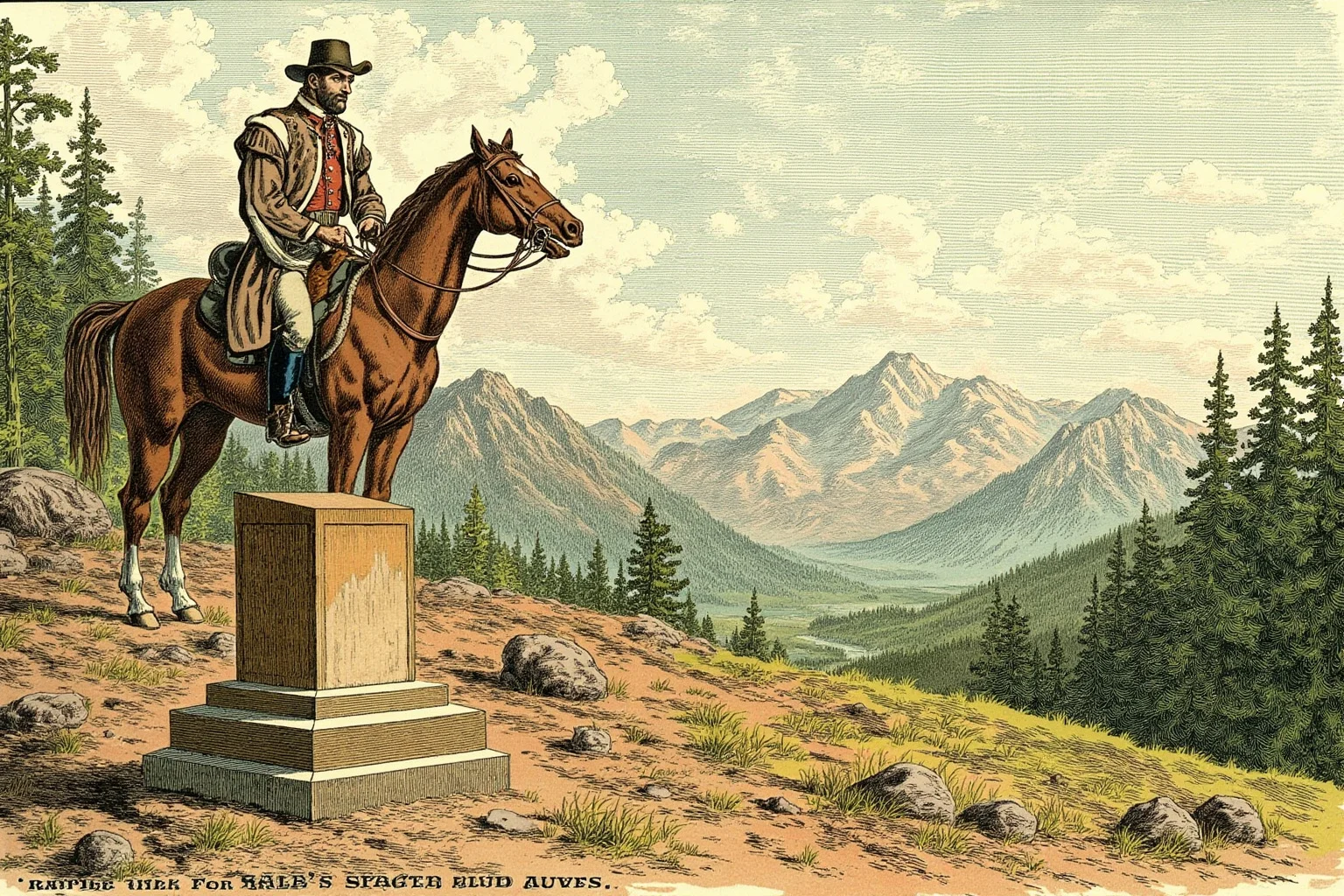
Theodore Roosevelt took office in 1901 after William McKinley's assassination. He treated the presidency as a "bully pulpit," using it to shape public opinion. His administration pursued antitrust cases like Northern Securities and backed the Pure Food and Drug Act and Meat Inspection Act of 1906.
He also made conservation a national priority, protecting an estimated 230 million acres of public land. Abroad, he pushed the Panama Canal forward and won the 1906 Nobel Peace Prize for mediating the Russo-Japanese War.
6. Franklin D. Roosevelt: The Government Gets Bigger
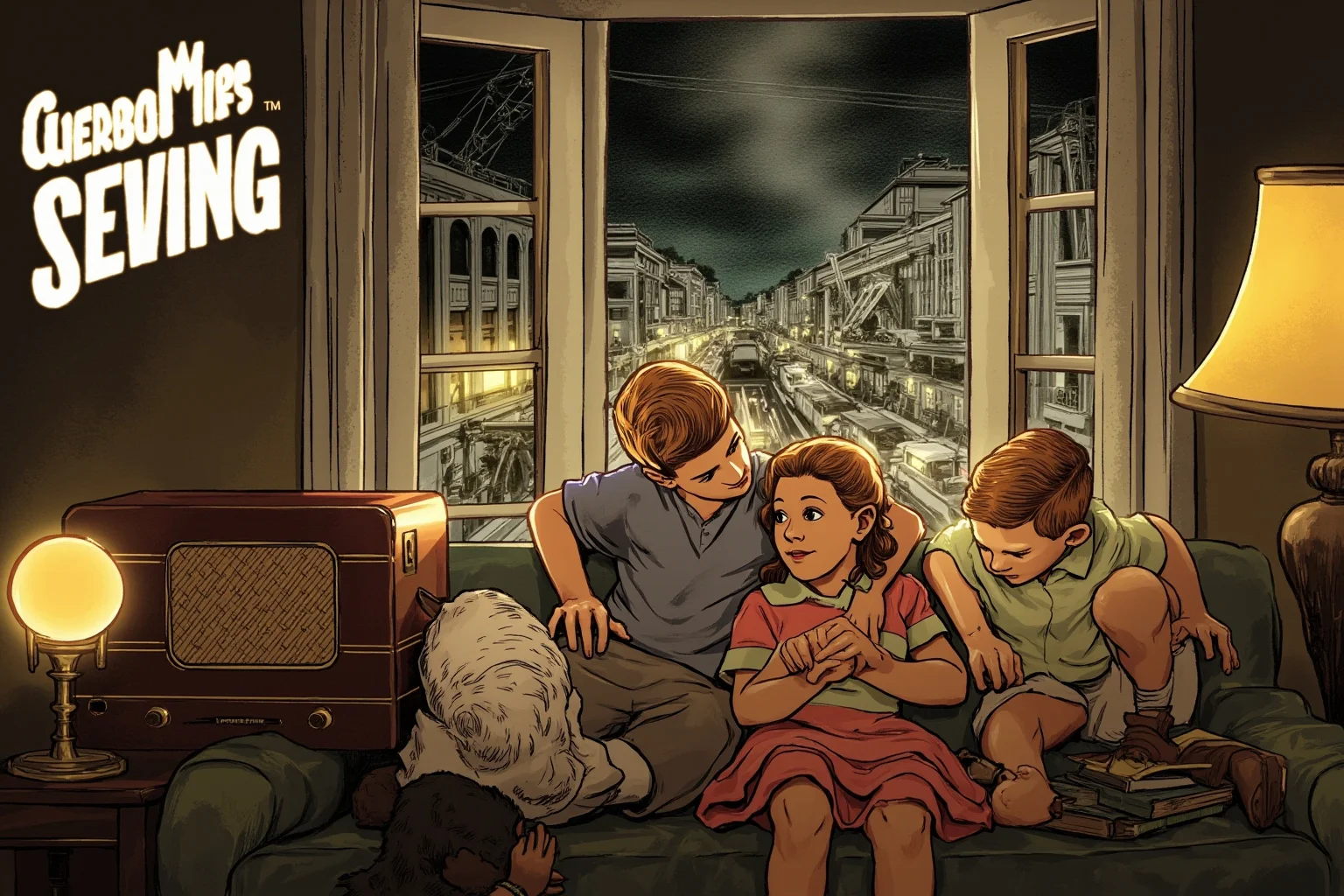
FDR was elected four times, an unmatched record. The Twenty-second Amendment, ratified in 1951, later limited presidents to two terms. His New Deal produced Social Security in 1935, bank deposit insurance, and a new expectation that Washington would respond to economic crises.
He then led the United States through most of World War II, dying in April 1945 before it ended. Debate continues about the New Deal's economic results, but its institutional legacy is hard to dispute.
7. Harry S. Truman: Building the Cold War Order

Truman inherited the presidency in April 1945 and quickly faced the decision to use atomic weapons on Japan. He then helped build the postwar framework with the Truman Doctrine in 1947, the Marshall Plan, and NATO in 1949. Those structures shaped global politics for decades.
At home, his Executive Order 9981 in 1948 began desegregating the armed forces. He also led the nation into the Korean War, which left a divided peninsula that still exists today.
8. Dwight D. Eisenhower: Highways, Alliances, and a Warning
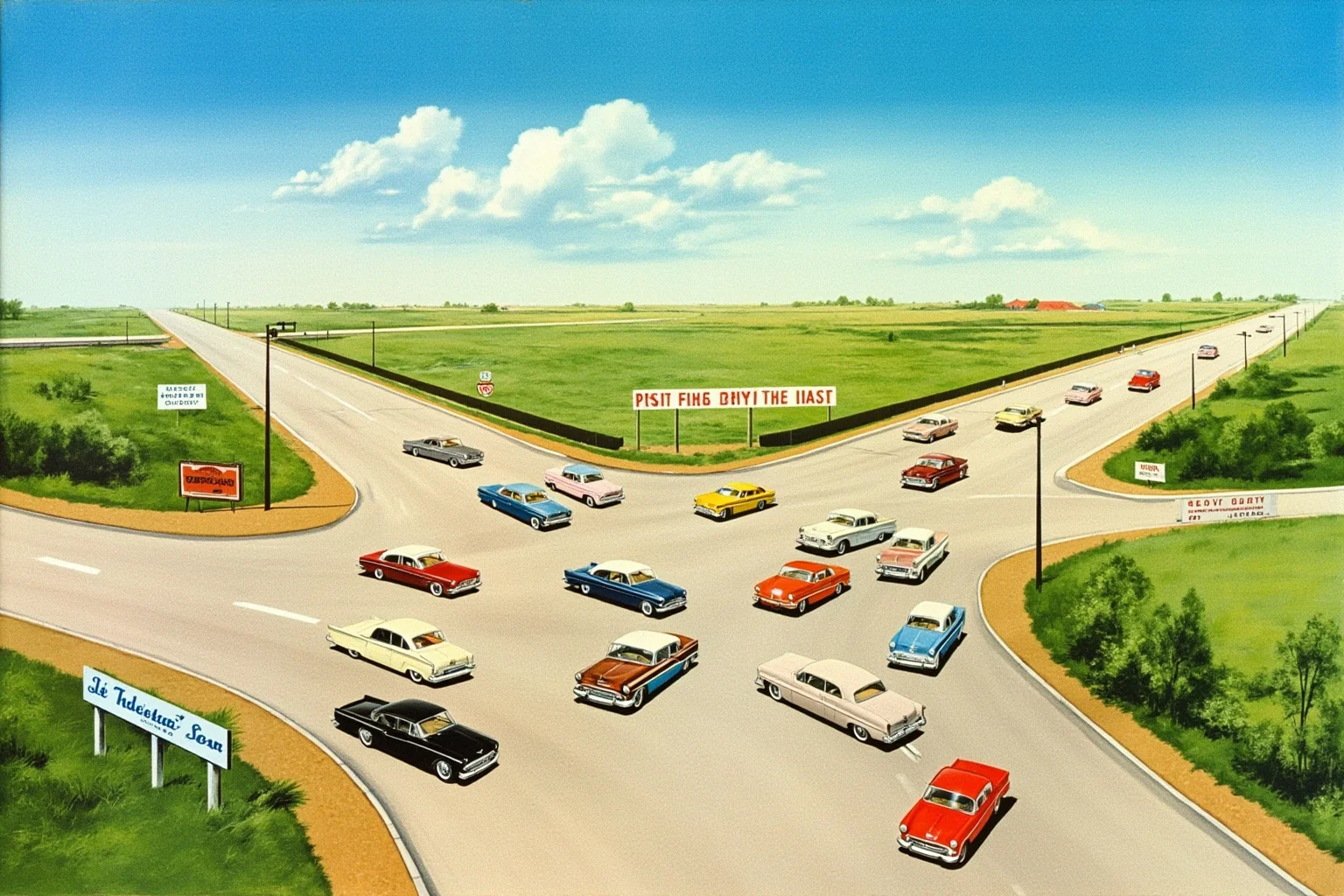
Eisenhower ended fighting in Korea with the 1953 armistice and signed the Federal-Aid Highway Act of 1956. The Interstate Highway System changed how Americans traveled, shopped, and where they lived. NASA was created during his administration in 1958.
He also sent federal troops to enforce school desegregation in Little Rock in 1957. His 1961 farewell address warned about the "military-industrial complex," a phrase still quoted today.
9. Lyndon B. Johnson: Civil Rights and the Great Society
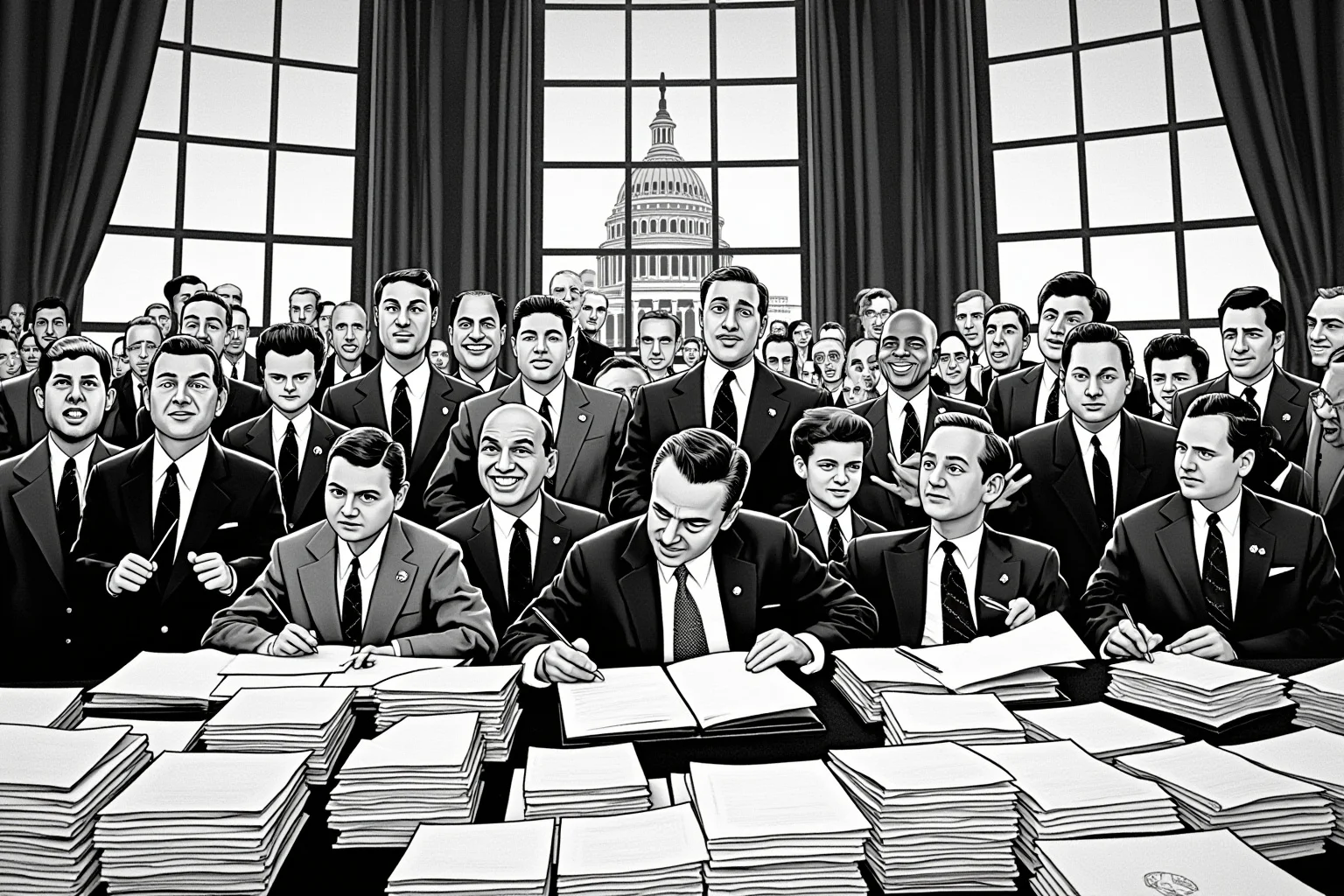
Johnson used his legislative skill to push through the Civil Rights Act of 1964 and the Voting Rights Act of 1965. His Great Society also created Medicare and Medicaid in 1965 and expanded federal involvement in education. Few presidents have changed domestic law so quickly.
His presidency was also defined by the escalation of the Vietnam War, which damaged public trust and ultimately led him not to seek reelection in 1968. His record is a clear case of enormous impact running in both directions.
10. Ronald Reagan: A Political Realignment
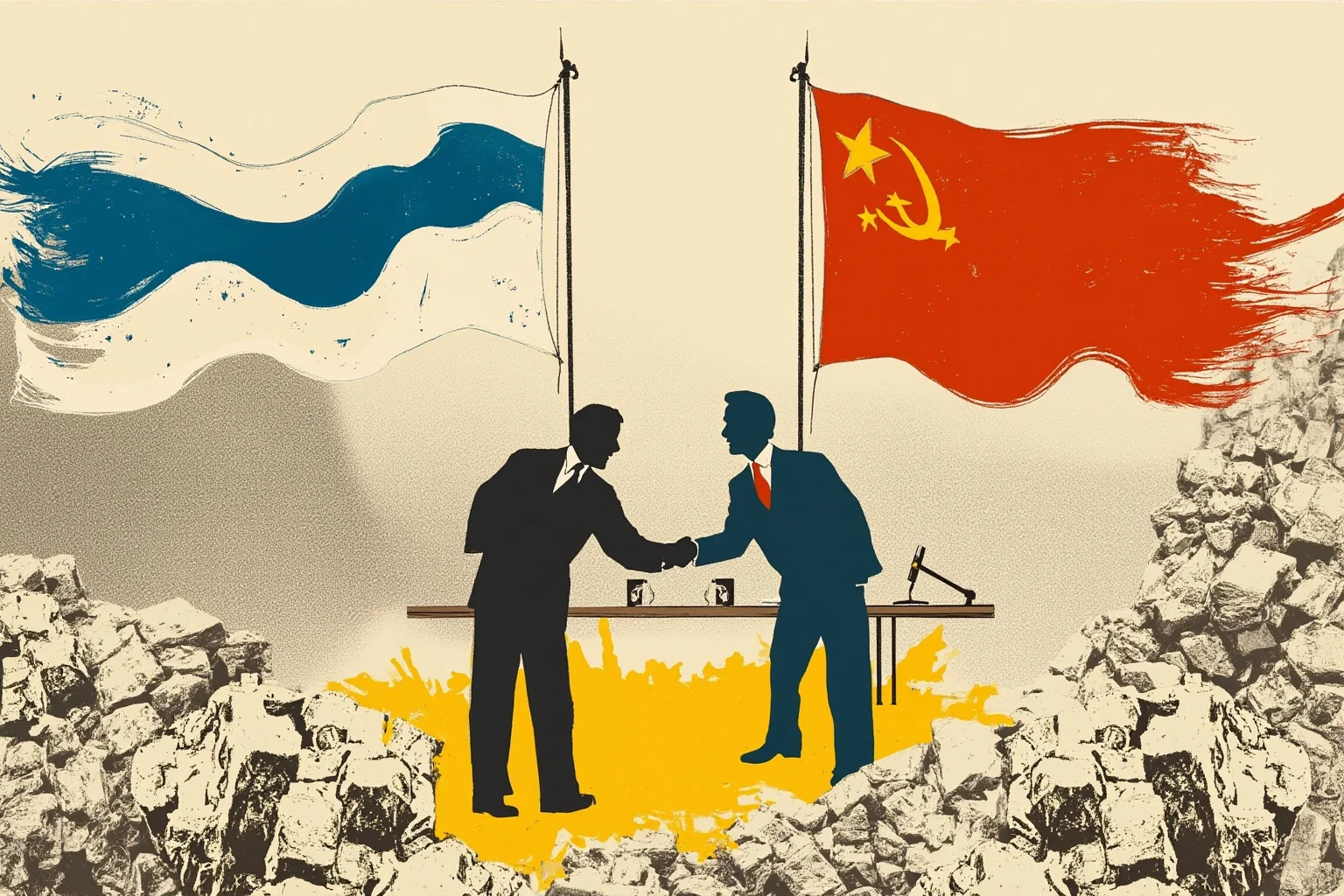
Reagan's 1981 and 1986 tax laws and his push for deregulation shifted the national argument about the role of government. In foreign policy, he moved from confrontation with the Soviet Union to negotiation with Mikhail Gorbachev, including the 1987 INF Treaty.
Historians still debate how much credit Reagan deserves for the end of the Cold War, as many factors were involved. There is less debate that he reshaped the political conversation for a generation.
10 Forgettable US Presidents Who Still Left a Mark
Now for the other end of public memory. These are often named when people search for the most obscure US president or the most unknown presidents. Many of them were in office during decisive moments, and their decisions had real consequences.
11. Martin Van Buren: The Political Architect Nobody Quotes
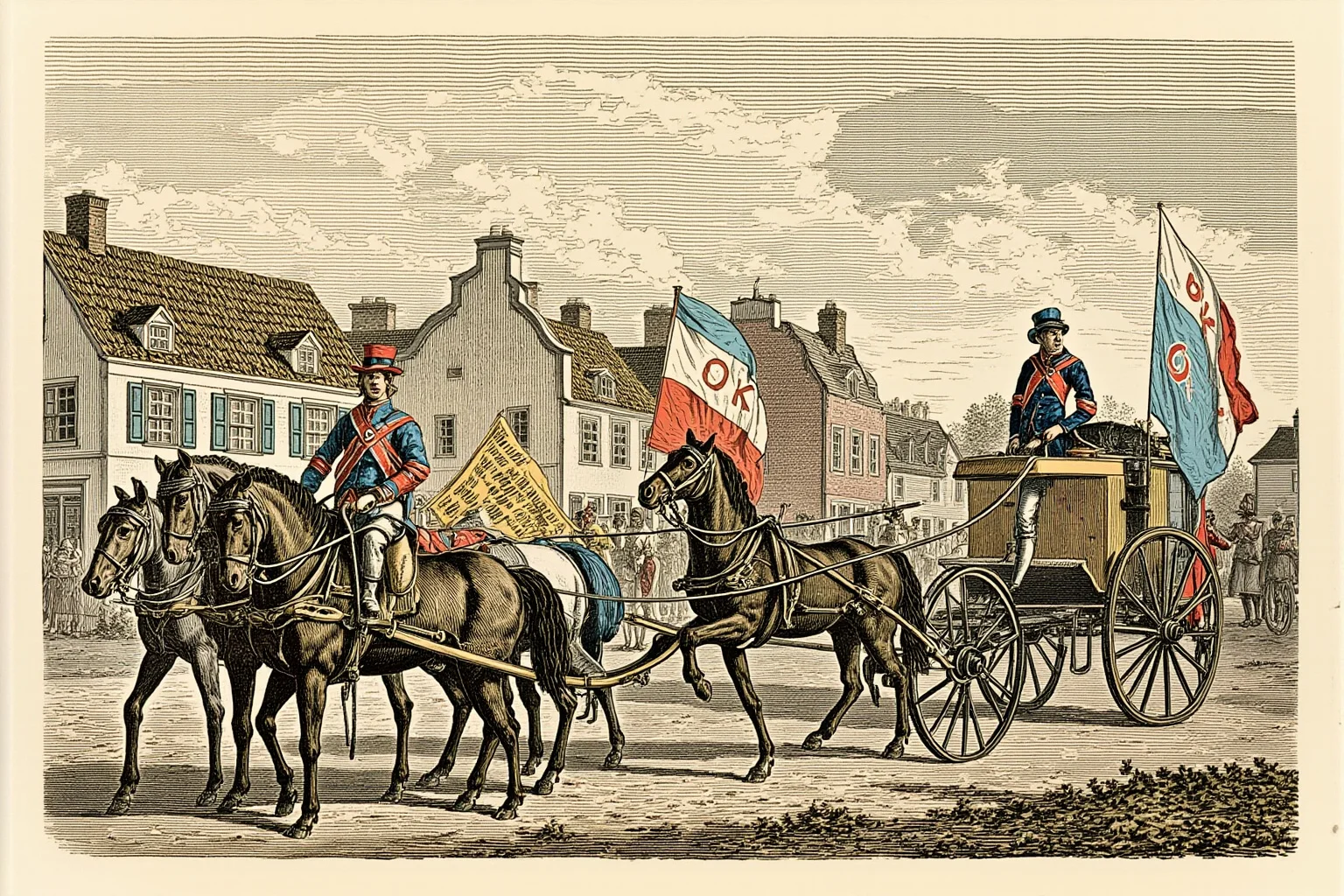
Van Buren (1837–1841) helped build the modern Democratic Party before becoming president. His term was overshadowed by the Panic of 1837, a deep economic downturn that hurt his reelection chances. He established an Independent Treasury system in response.
He was also the first president born a United States citizen, and he grew up speaking Dutch at home. His "Old Kinderhook" nickname is often credited with helping popularize the expression "OK," though the word's history is more complicated than that.
12. William Henry Harrison: Thirty-One Days and a Big Precedent
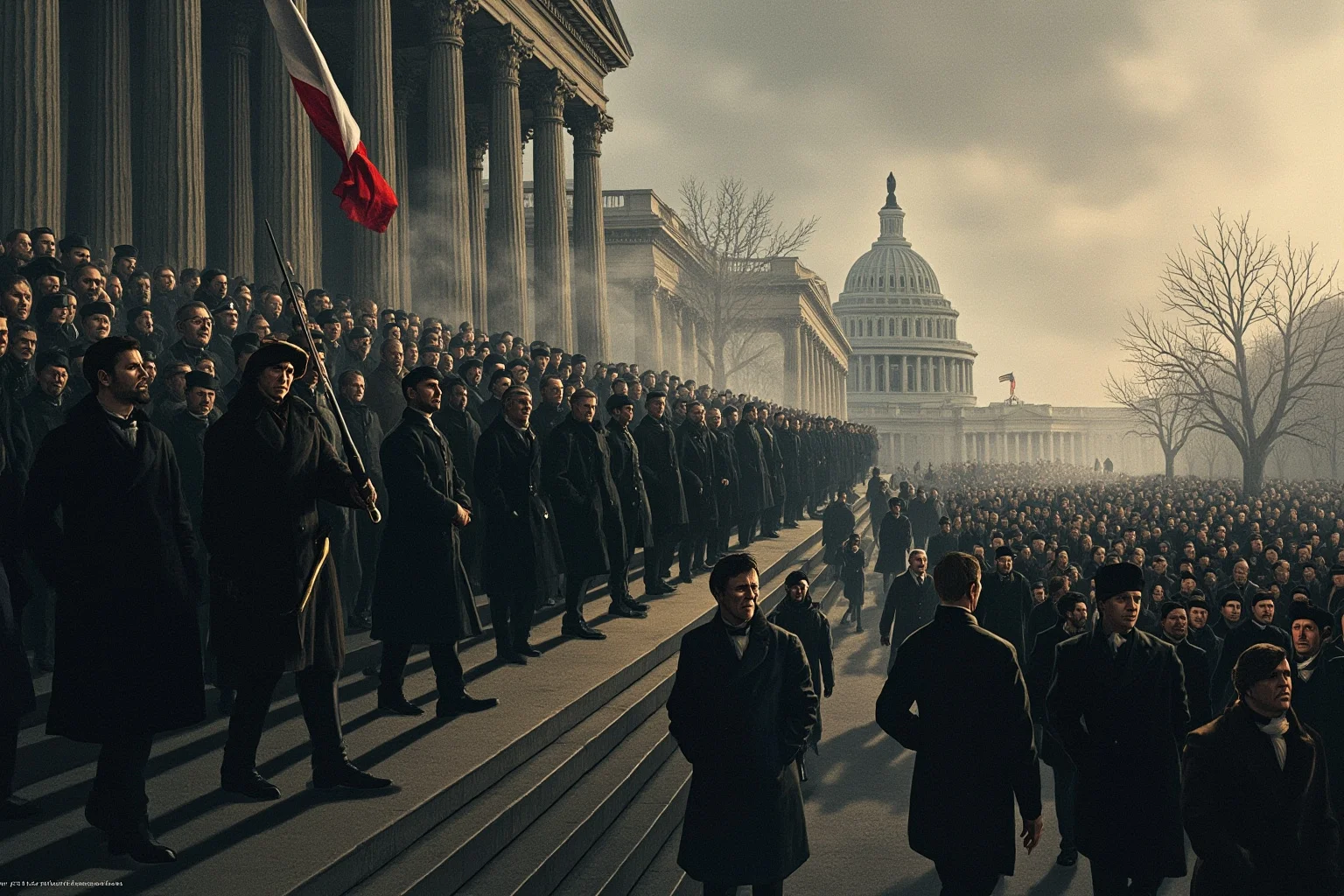
Harrison delivered the longest inaugural address in history on March 4, 1841 and died on April 4, after about a month in office. The familiar story says he caught pneumonia from speaking in the cold without a coat. A 2014 medical analysis argued that enteric fever from contaminated water may be a more likely cause, so the cold-weather tale is far from settled.
His death mattered because the Constitution was vague about succession. John Tyler's decision to claim the full powers of the presidency, rather than act as a caretaker, became known as the Tyler Precedent. The Twenty-fifth Amendment made it explicit in 1967.
13. John Tyler: "His Accidency" and the Annexation of Texas
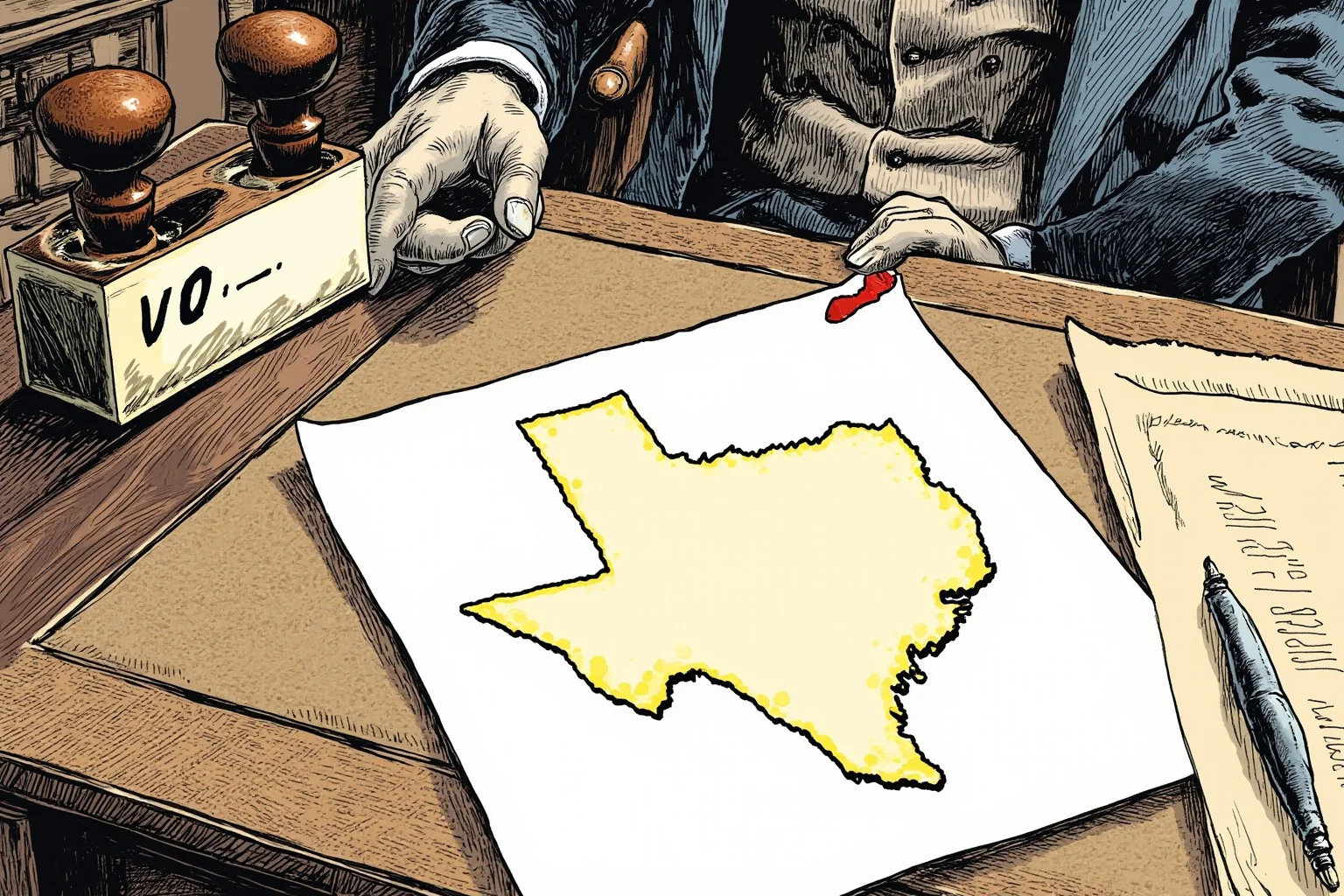
Tyler was the first vice president to take over after a president's death, and critics mocked him as "His Accidency." He clashed with his own Whig Party, which expelled him, and vetoed several of its bills. The House rejected a resolution to impeach him in 1843.
His administration set annexation of Texas in motion, and a joint resolution was signed in March 1845. After leaving office, Tyler sided with the Confederacy and was elected to its congress, though he died in 1862 before taking his seat.
14. Zachary Taylor: The Poisoning Rumor That Didn't Hold Up
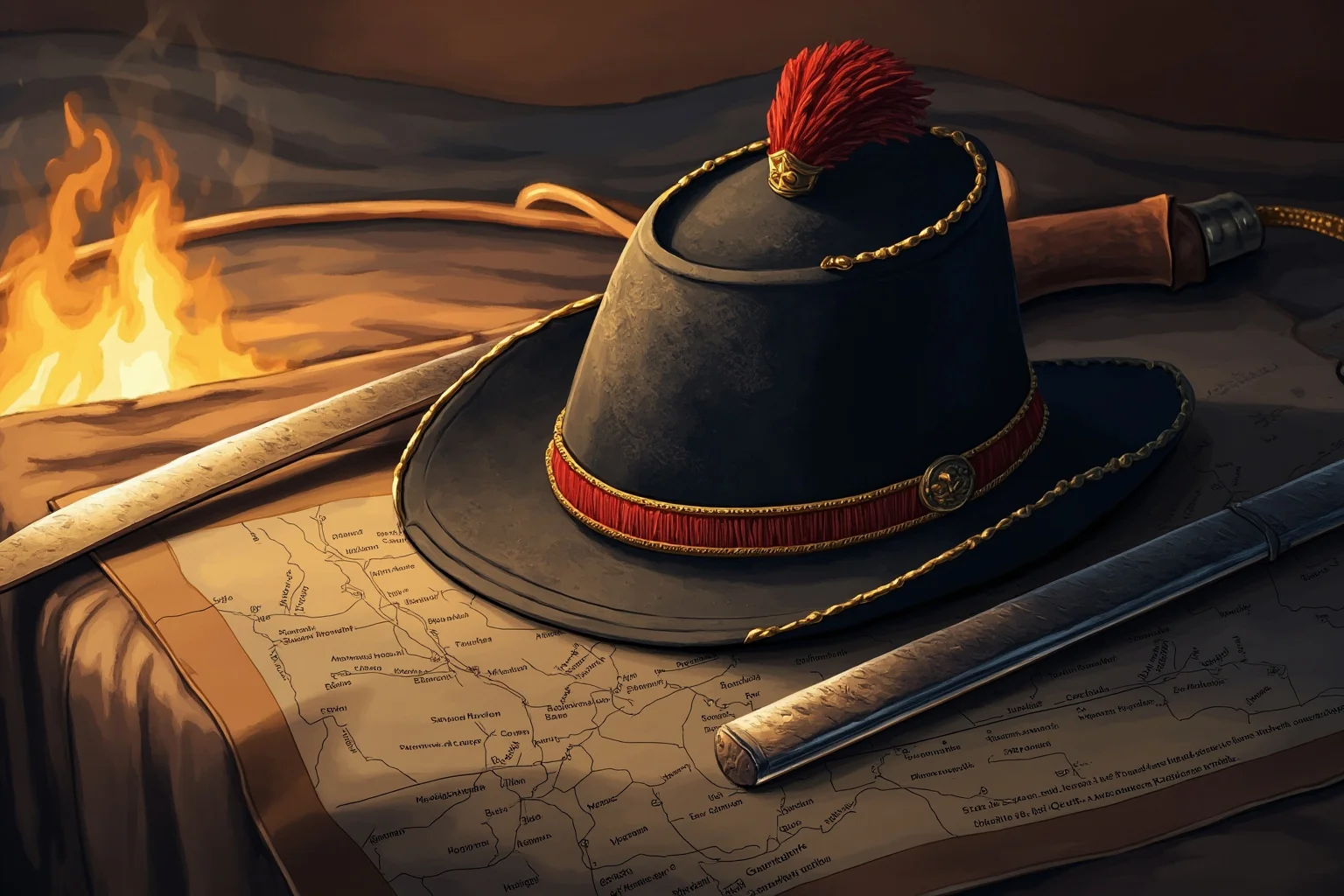
Taylor was a war hero from the Mexican-American War who had never held elected office or even voted before running. He died in July 1850, roughly sixteen months into his term. Rumors that he was poisoned persisted for generations.
His remains were examined in 1991, and testing found no evidence of arsenic poisoning at levels that would suggest murder. His death mattered because it put Millard Fillmore in charge during the debate over the Compromise of 1850.
15. Millard Fillmore: The Compromise and the Bathtub Hoax
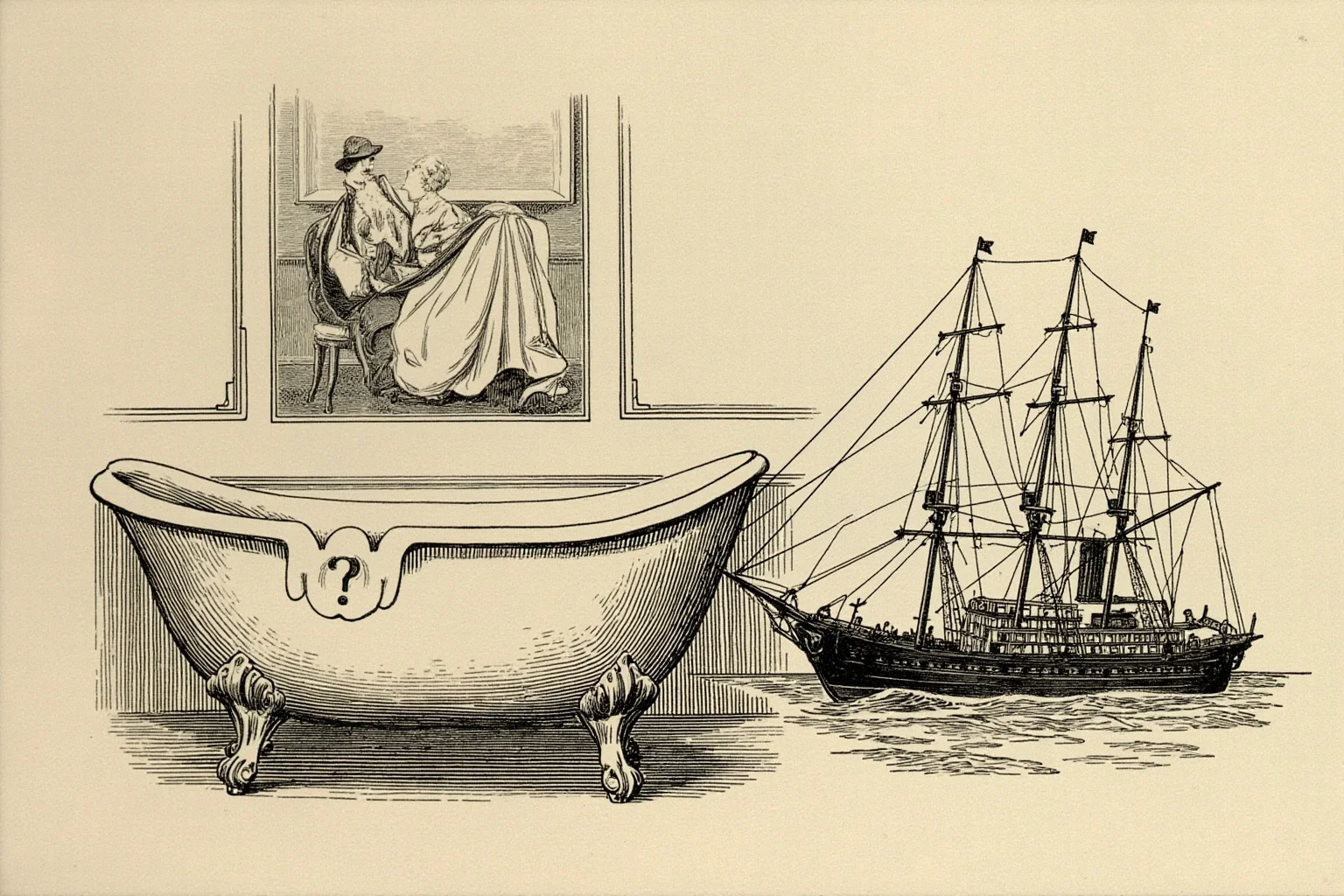
Fillmore signed the Compromise of 1850, which included the Fugitive Slave Act, a law that outraged many Northerners. His administration also launched the naval expedition that led to Commodore Perry's opening of Japan. He later ran for president in 1856 as the Know Nothing Party candidate.
You may have heard he installed the first White House bathtub. That story traces to a 1917 satirical piece by H. L. Mencken, who later admitted it was a joke. It stuck anyway, which may be why Fillmore is among the best-known forgettable presidents.
16. Franklin Pierce: A Doomed Presidency on the Eve of Crisis
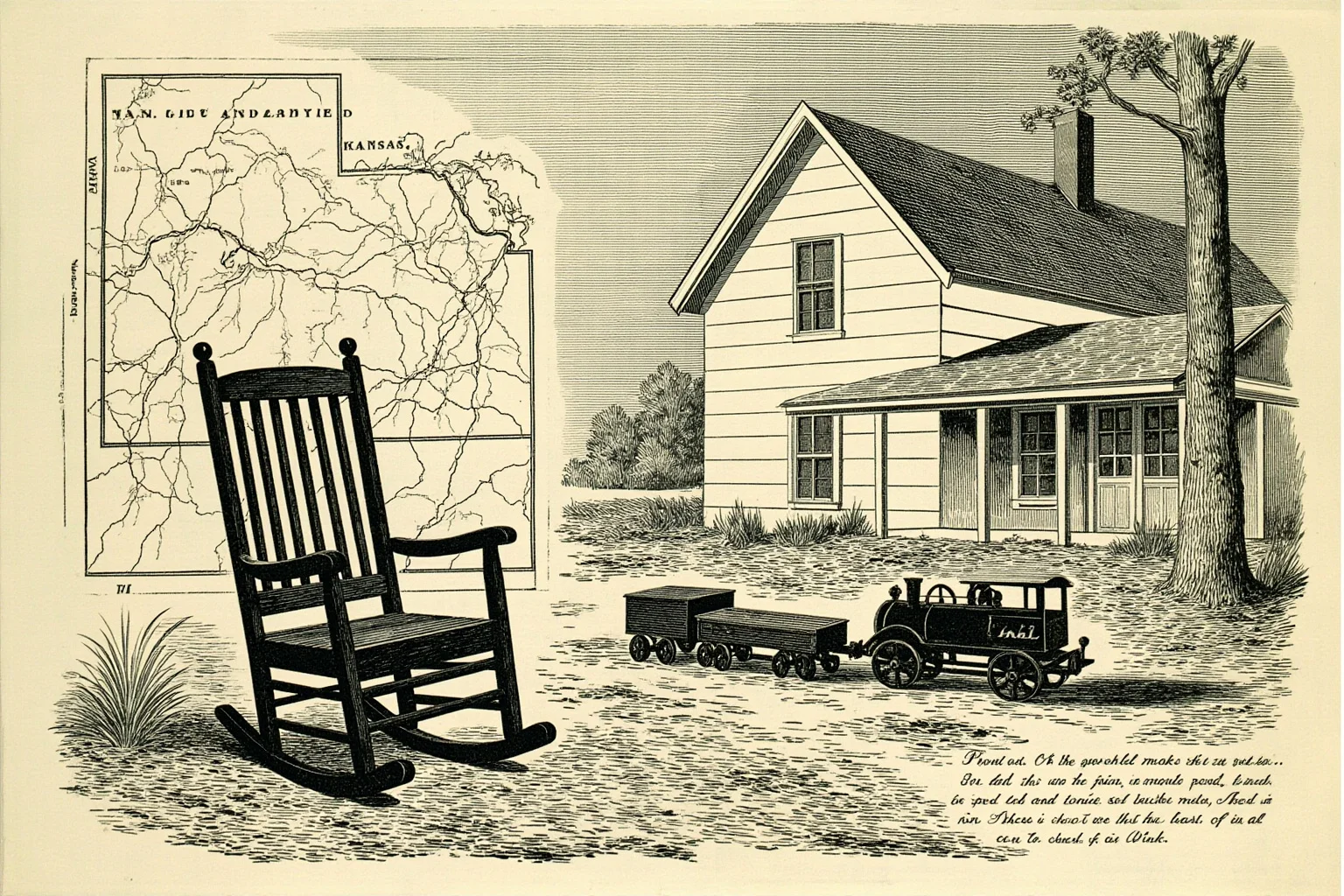
Pierce won in 1852 and lost his young son Benjamin in a train accident weeks before his inauguration. His administration completed the Gadsden Purchase in 1853. His signature of the Kansas-Nebraska Act in 1854 reopened the slavery debate in the territories and sparked violence in Kansas.
His own party declined to renominate him in 1856. Many historians view his presidency as a failure that helped push the country toward the Civil War, yet most Americans could not name him.
17. Rutherford B. Hayes: The Election That Ended Reconstruction
The 1876 election was disputed, and Hayes lost the national popular vote to Samuel Tilden. A congressional commission awarded him the contested electoral votes. The informal Compromise of 1877 is associated with the removal of remaining federal troops from the South.
That withdrawal marked the end of Reconstruction, with lasting consequences for Black Southerners' civil rights. Hayes also pursued civil service reform and kept his pledge to serve only one term.
18. James A. Garfield: Two Hundred Days and a Reform Movement

Garfield was shot by Charles Guiteau on July 2, 1881, and died on September 19 after about 200 days in office. Many historians believe the medical care he received, including repeated probing of the wound, contributed to the infection that killed him. Alexander Graham Bell even built an experimental metal detector to try to locate the bullet.
His assassination fueled public demand to end the spoils system. The result was the Pendleton Civil Service Reform Act of 1883, which began merit-based hiring in the federal government.
19. Chester A. Arthur: From Machine Politician to Reformer
Arthur was a New York party insider who became president after Garfield's death. Surprisingly, he signed the Pendleton Act and supported modernizing the Navy. He also signed the Chinese Exclusion Act of 1882, the first major federal law restricting immigration based on nationality.
He hid a serious kidney illness from the public and did not win his party's nomination in 1884. His mix of reform and exclusion shows how a forgettable president can have a complicated legacy.
20. Benjamin Harrison: The Popular-Vote Loser Who Signed Antitrust Law
Benjamin Harrison, the grandson of William Henry Harrison, won the presidency in 1888 by carrying the Electoral College while losing the popular vote to Grover Cleveland. His term (1889–1893) saw six western states join the Union and the passage of the Sherman Antitrust Act of 1890.
He was defeated by Cleveland in a rematch in 1892. His Sherman Act signature mattered more than his reputation suggests, since the law became the foundation of federal antitrust enforcement.
Impeached Presidents of the United States
Impeachment is one of the most misunderstood terms in politics. It does not mean removal from office. It means the House of Representatives has formally brought charges, and the Senate then holds a trial where a two-thirds vote is required to convict and remove.
Three presidents have been impeached, and no president has ever been removed by that process. Donald Trump was impeached twice, so there have been four impeachments in total. That is why searches such as "what two presidents were impeached" often have an outdated answer.
Andrew Johnson was impeached in 1868 after a dispute with Congress over the Tenure of Office Act and his firing of Secretary of War Edwin Stanton. The Senate fell one vote short of the two-thirds needed to convict him.
Bill Clinton was impeached by the House in December 1998 on charges of perjury and obstruction of justice. The Senate acquitted him in February 1999.
Donald Trump was impeached in December 2019 on charges tied to Ukraine and acquitted by the Senate in February 2020. He was impeached again in January 2021 on a charge of incitement of insurrection and acquitted in February 2021, after he had left office.
Richard Nixon is often wrongly listed among them. The House Judiciary Committee approved articles of impeachment in 1974, but Nixon resigned in August before the full House voted. He was never formally impeached.
Unelected Presidents of the United States
The phrase "unelected presidents of the United States" usually refers to vice presidents who took over mid-term. Eight did so after a president's death: Tyler, Fillmore, Andrew Johnson, Arthur, Theodore Roosevelt, Calvin Coolidge, Harry Truman, and Lyndon Johnson. Roosevelt, Coolidge, Truman, and Johnson later won election in their own right.
Gerald Ford is the truly unusual case. He became vice president in 1973 through the Twenty-fifth Amendment after Spiro Agnew resigned, then became president when Nixon resigned in 1974. He was never elected to either office on a national ticket.
Some people also call presidents who lost the popular vote "unelected," but that is inaccurate. Hayes, Benjamin Harrison, and others won under the Electoral College rules of their day, even if the outcomes were controversial.
Are All Presidents Related Except One?
You may have seen the claim that all presidents are related except one, usually Martin Van Buren. The idea is that every other president descends from English royalty, while Van Buren came from Dutch stock. It is a fun story, and it deserves some caution.
Genealogists have argued that many presidents have traceable royal ancestry. Those claims rely on medieval lineages that are often thinly documented, and almost any large population with long English roots will share distant royal ancestors. That makes it a statement about remote ancestry, not close family ties.
There are well-documented real relationships, though. John Adams and John Quincy Adams were father and son, as were George H. W. Bush and George W. Bush. William Henry Harrison and Benjamin Harrison were grandfather and grandson, Theodore and Franklin Roosevelt were fifth cousins, and James Madison and Zachary Taylor were second cousins.
The Real Lesson About Presidential Influence
Public memory rewards drama, long terms, and wars. History rewards precedent, law, and unintended consequences. A president who served for 31 days or 200 days can matter because of what happened next.
So the next time someone asks about the most influential US presidents, remember that fame is only part of the story. Some of the most overlooked names on the list helped decide how succession works, how the civil service operates, and how the country handled the road to civil war.
Frequently Asked Questions
Who are the impeached presidents of the United States?
Three presidents have been impeached by the House of Representatives: Andrew Johnson in 1868, Bill Clinton in 1998, and Donald Trump in 2019 and again in 2021. That makes four impeachments in total. All were acquitted by the Senate, and no president has ever been removed from office through impeachment.
What two presidents were impeached before Donald Trump?
Andrew Johnson (1868) and Bill Clinton (1998) were the first two presidents impeached. Johnson was acquitted by a single vote in the Senate, and Clinton was acquitted in 1999. Trump later became the third president impeached, and the only one impeached twice.
Was Richard Nixon impeached?
No. The House Judiciary Committee approved articles of impeachment in 1974, but Nixon resigned in August of that year before the full House voted. He is therefore not counted among the impeached presidents.
Who were the unelected presidents of the United States?
The term usually refers to vice presidents who took over mid-term. Tyler, Fillmore, Andrew Johnson, Arthur, Theodore Roosevelt, Coolidge, Truman, and Lyndon Johnson succeeded after a president died, while Gerald Ford took over after Nixon resigned and was never elected president or vice president.
Who is the most obscure US president?
There is no official answer, and it depends on who you ask. Names such as Chester Arthur, Franklin Pierce, Millard Fillmore, and Benjamin Harrison come up often in discussions of forgettable presidents, but each of them made decisions with lasting effects.
Are all presidents related except one?
It is a popular claim that every president except Martin Van Buren descends from English royalty. The evidence relies on distant medieval genealogies that are hard to verify, so it should be treated cautiously. Documented family ties do exist, such as the Adamses, the Bushes, the Harrisons, and the Roosevelts.
Who are the most influential US presidents?
Historians commonly point to Washington, Jefferson, Jackson, Lincoln, Theodore Roosevelt, Franklin Roosevelt, Truman, Eisenhower, Lyndon Johnson, and Reagan. They are valued for their lasting effect on law, territory, and institutions, not necessarily for being judged the best leaders.

Alex Warren
Related Articles