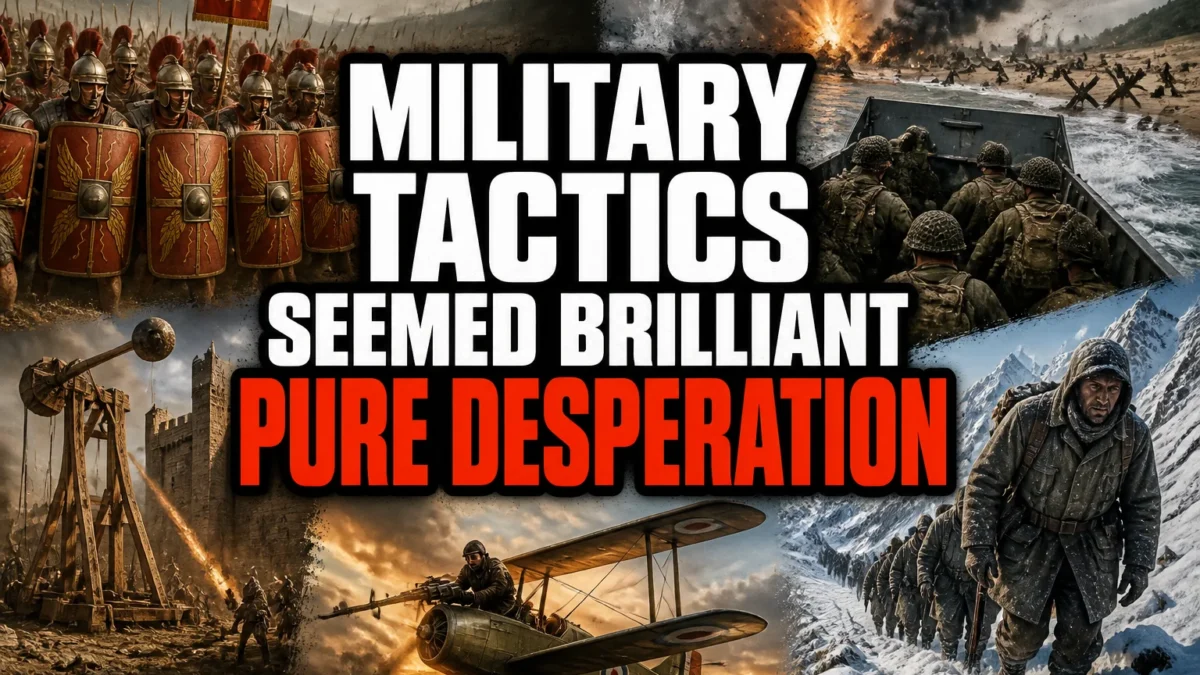
History is full of military tactics that looked like strokes of genius on the surface. A commander faces impossible odds, pulls off a shocking victory, and chroniclers rush to call it brilliance. But look closer, and many of these famous military maneuvers were not careful plans at all. They were hail-mary gambles made by leaders with no good options left.
This list digs into twenty examples where desperation, not design, drove the day. Some worked. Some failed spectacularly. But all of them show how chaos, fear, and last-minute improvisation can sometimes look exactly like genius in the history books.
TL;DR: Many of history's most celebrated military tactics were not products of careful planning but desperate last-ditch gambles that happened to work—or failed dramatically.
Why Desperation Often Looks Like Genius
When a battle goes well, historians tend to credit the winner's cleverness. But military treatises from Sun Tzu to Clausewitz warn that chaos and luck play enormous roles. A tactic that succeeds under impossible pressure gets remembered as brilliant, while the same move in a losing cause gets called reckless.
This is the core of what we might call the desperation paradox. The more hopeless the situation, the more extreme the response, and the more dramatic the story if it works. That is why so many famous battle tactics were really just commanders rolling the dice because every safe option had already failed.
Understanding this pattern helps us read military history more honestly. It also makes these stories more interesting, because the real drama is not in the planning. It is in the moment when a general realizes there is nothing left to lose.
The Thin Red Line: Standing Still Against Cavalry
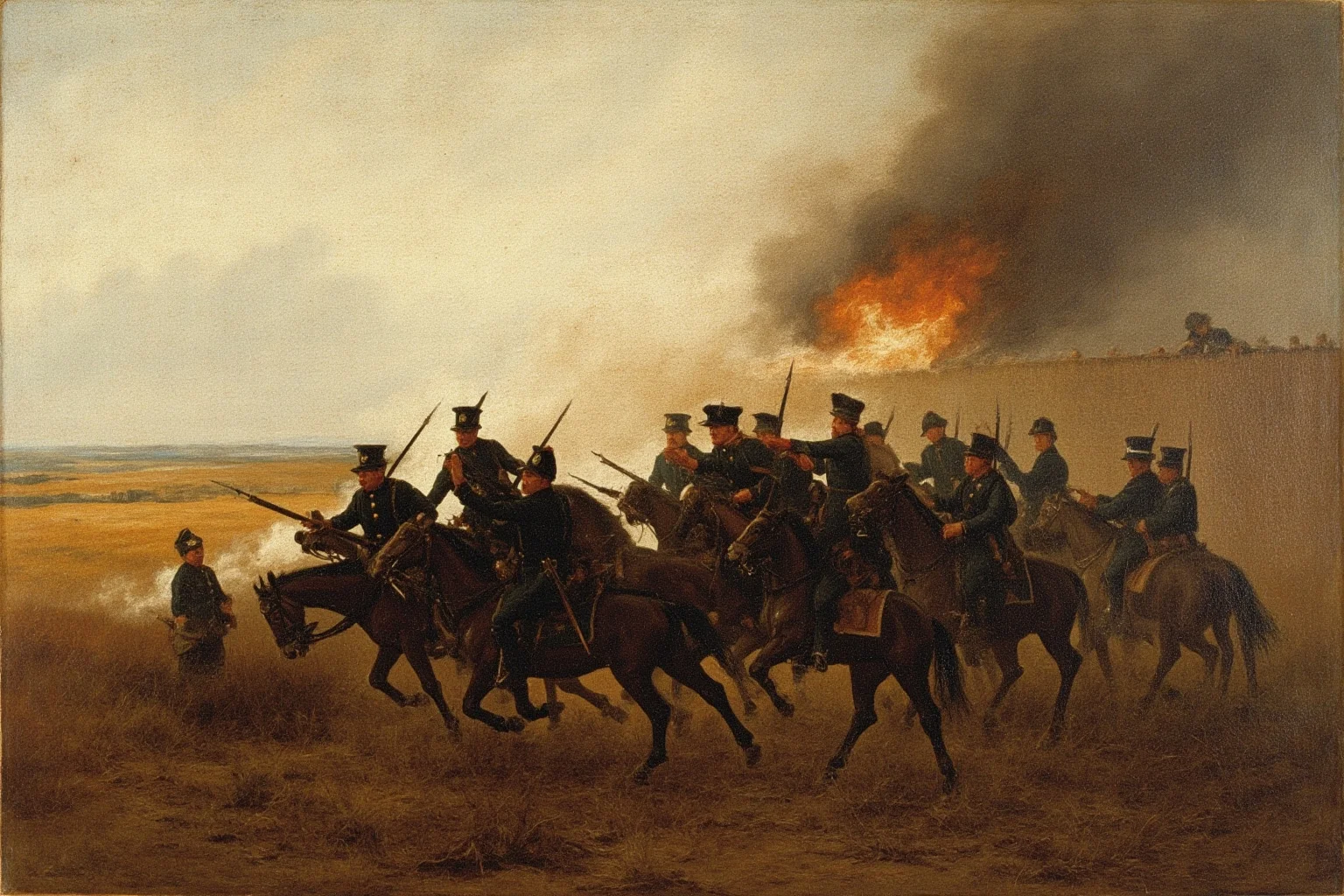
At the Battle of Balaclava in 1854, a small British force faced a massive Russian cavalry charge. Standing in a thin two-deep line instead of forming a square was considered suicidal against horsemen. Yet the 93rd Highlanders held their ground and fired volleys that broke the charge.
Historians still debate whether this was a deliberate tactic or simply a rushed reaction. Either way, the Thin Red Line became a legend of British military warfare tactics. It looked like cool-headed brilliance, but it was really a desperate stand by a tiny force with nowhere to retreat.
Pickett's Charge: A Gamble Born of Frustration
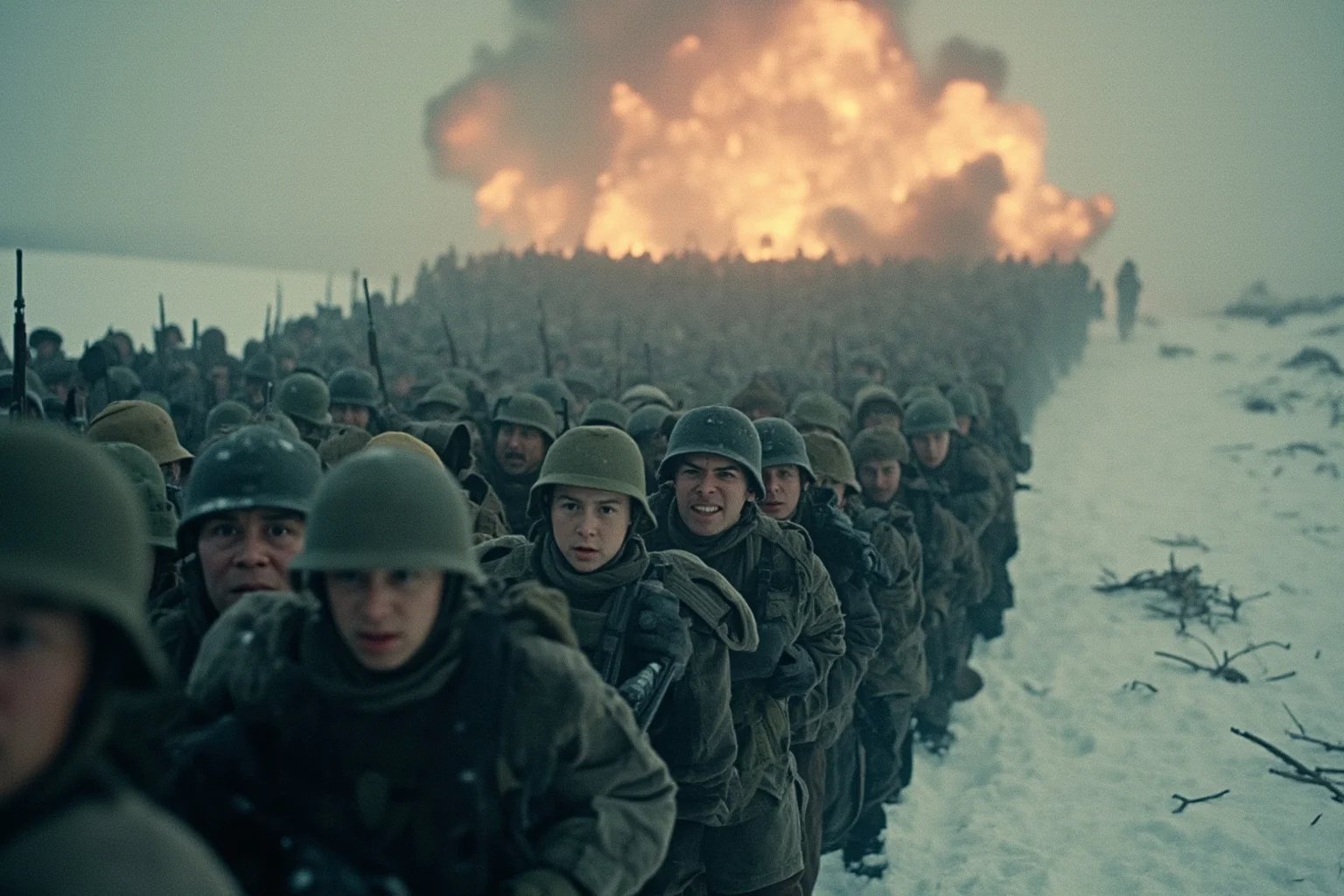
Pickett's Charge at Gettysburg in 1863 is often framed as a bold Confederate gambit. In reality, it was the desperate last card of an army that had already failed on both flanks. General Lee believed a direct assault was the only way to break the Union line and win the war.
The result was catastrophic. Thousands of Confederates were cut down crossing open ground under heavy fire. The charge is remembered as a dramatic moment, but it was never a sound plan. It was desperation dressed up as offensive spirit.
The Human Wave: Numbers as a Weapon
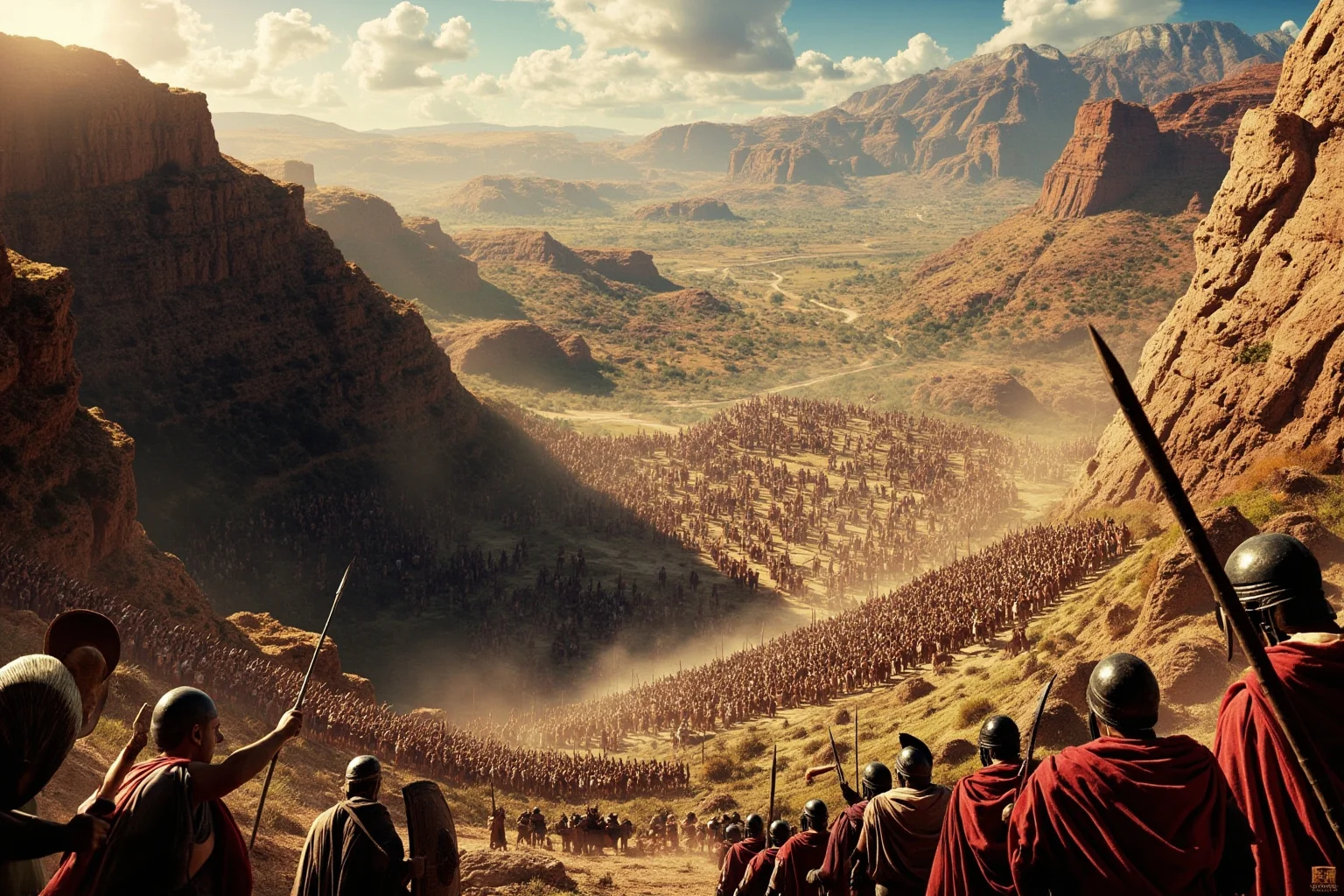
Human wave attacks appear in conflicts from the Korean War to the Iran-Iraq War. The idea is simple: overwhelm a defender with sheer mass, accepting horrific casualties. On paper it looks like a cold calculation of acceptable losses.
In practice, human wave tactics are almost always born of desperation. An army lacking artillery, armor, or air support has few other ways to break through. The tactic is less a strategy than a grim acknowledgment that soldiers' lives are the only resource left to spend.
Thermopylae: Holding a Pass With 300 Men
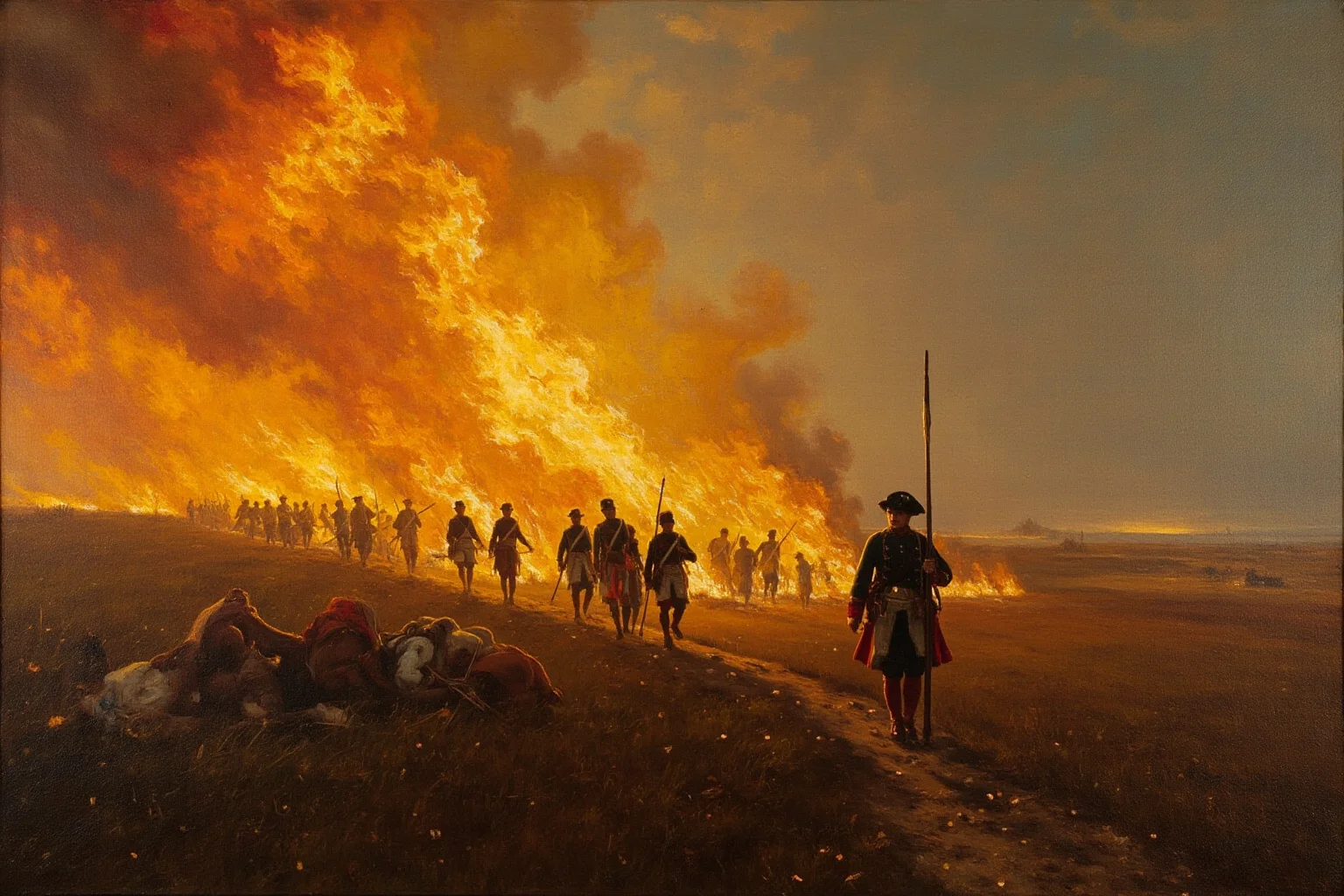
The stand of the 300 Spartans at Thermopylae in 480 BC is the ultimate legend of heroic defense. A tiny Greek force held a narrow pass against the vast Persian army for days. It is remembered as a masterpiece of tactical positioning.
But the Greeks knew they could not win. The stand was a delaying action to buy time for the rest of Greece to mobilize. Leonidas and his men were essentially a sacrificial rearguard. The brilliance came later, in how the story was told.
The Scorched Earth Retreat: Burning Your Own Land
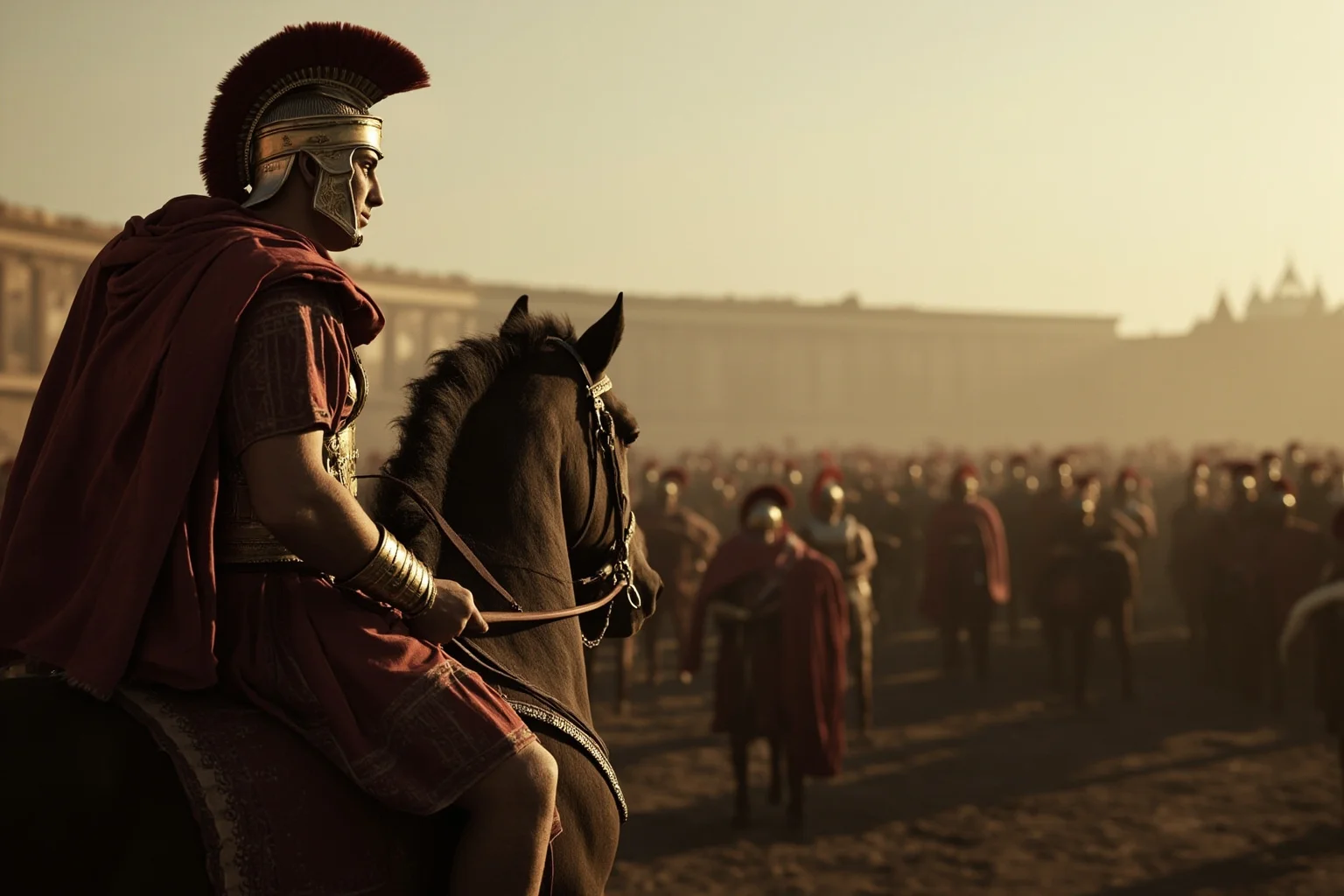
The scorched earth strategy used by the Russians against Napoleon in 1812 is often praised as strategic genius. As French forces advanced, Russians burned crops, villages, and supplies, leaving nothing for the invaders to eat.
It worked, but it was also an act of sheer desperation. The Russian army could not defeat Napoleon in open battle, so it destroyed its own territory to survive. The tactic saved Russia at enormous cost to its own people. It was less a plan than a survival instinct.
The Fabian Strategy: Avoiding Battle Altogether
Named after Roman general Fabius Maximus, the Fabian strategy means refusing pitched battle and wearing down an enemy through harassment. It looks like patient, deliberate wisdom. But Fabius adopted it because Rome could not beat Hannibal head-on.
The Romans were losing battle after battle, so Fabius chose to do nothing dramatic and let time do the work. His own troops mocked him for cowardice. The strategy was smart, but it was also the only option left for an army that kept getting crushed.
The Siege of Constantinople: Chains Across the Water
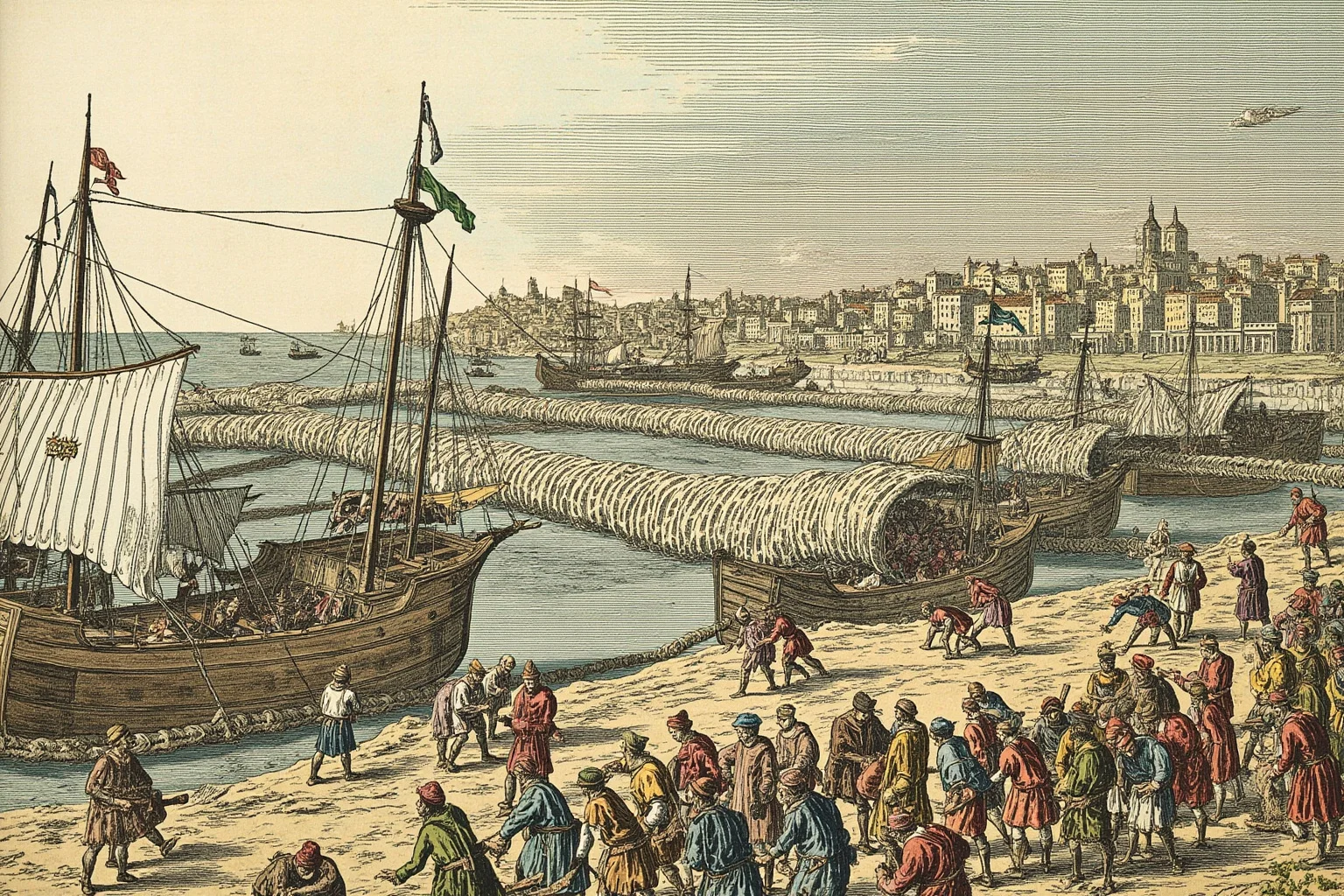
In 1453, the Byzantines stretched a massive chain across the Golden Horn to block Ottoman ships. It was a clever defensive move that protected the city's weakest point. For a while, it worked perfectly.
The Ottomans simply dragged their ships overland on greased logs and bypassed the chain entirely. The Byzantines had no reserves and no allies coming. Their chain was a desperate improvisation by a dying empire, not a masterstroke of military maneuvers.
The Trojan Horse: A Myth Built on Desperation
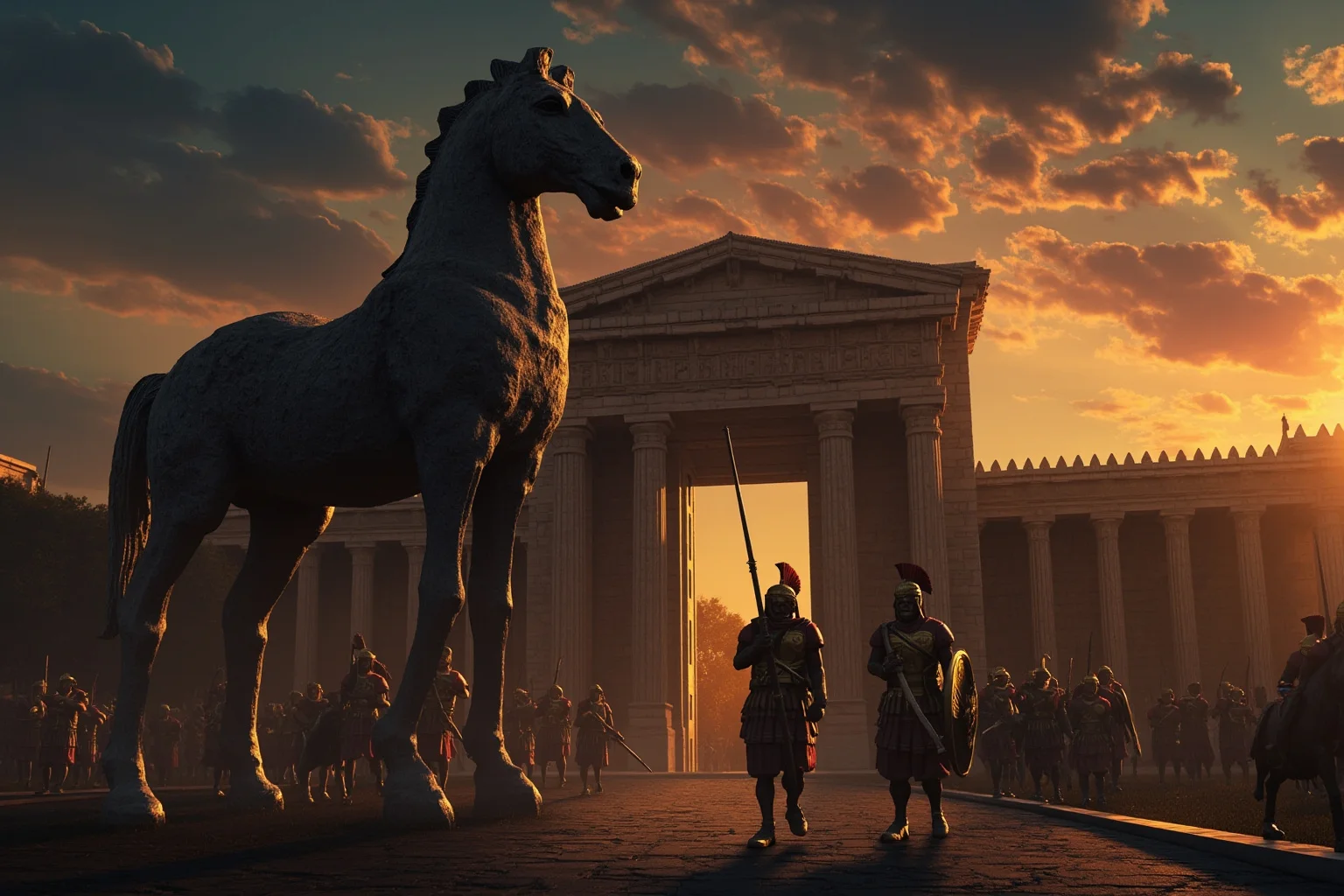
Whether or not the Trojan Horse existed, the story captures the essence of desperate tactics. After ten years of siege and no victory, the Greeks supposedly resorted to a trick. It was not a brilliant battle plan; it was an act of exhaustion.
The myth endures because it feels true to war: when force fails, deception becomes the last tool. Real armies throughout history have used similar ruses, and almost always because they could not win by conventional means.
The Ride of the Valkyries: Cavalry Charges Against Modern Weapons
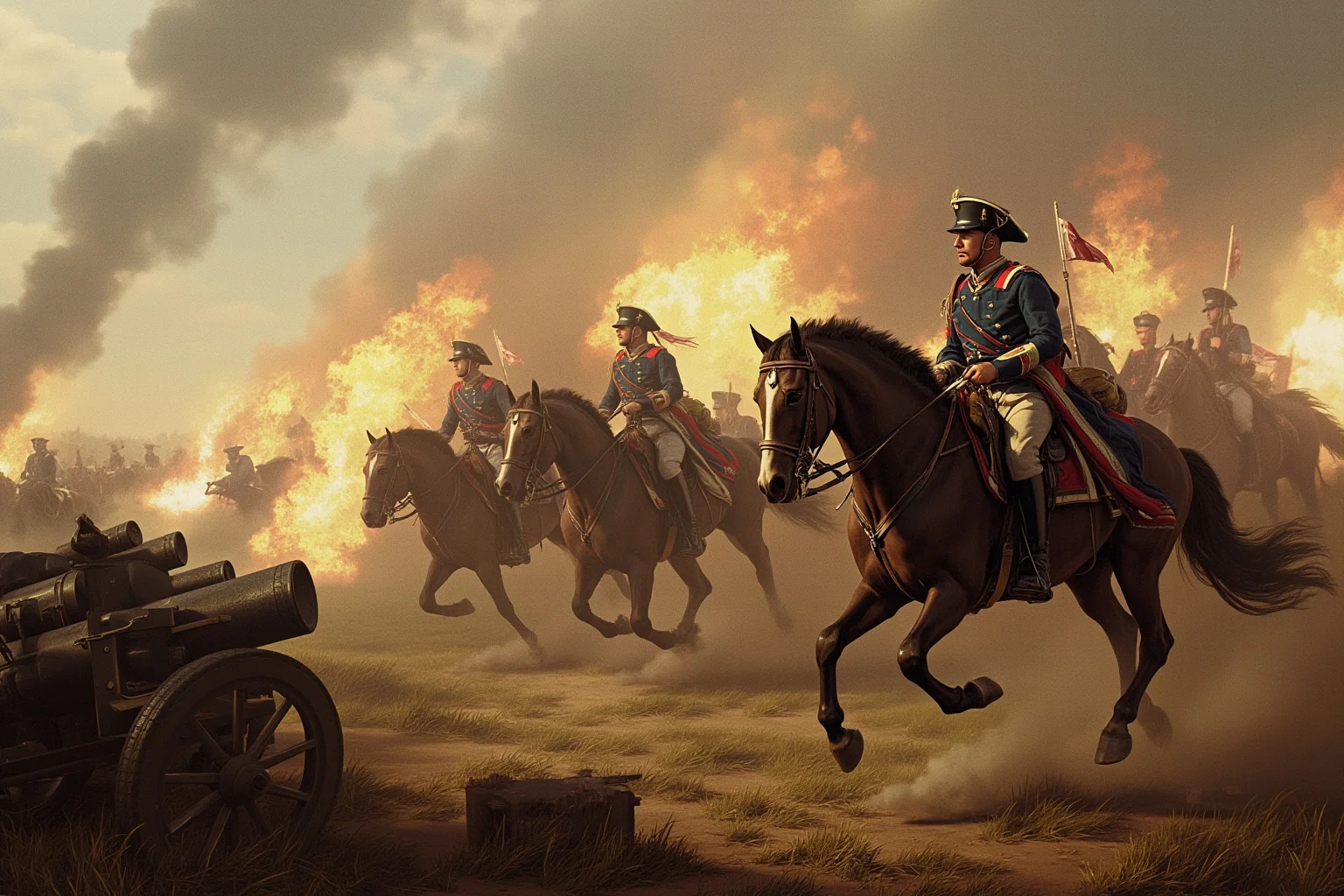
In the 19th century, cavalry charges against artillery and rifles became increasingly suicidal. Yet armies kept ordering them, from Balaclava's Light Brigade to numerous colonial battles. These charges are sometimes romanticized as bold cavalry tactics.
In reality, they were often desperate attempts to exploit a gap or save a collapsing position. Commanders trained in an older era of warfare struggled to adapt. The result was men on horses riding into certain death because no one knew what else to do.
D-Day's Airborne Drop: Scattering as a Strategy
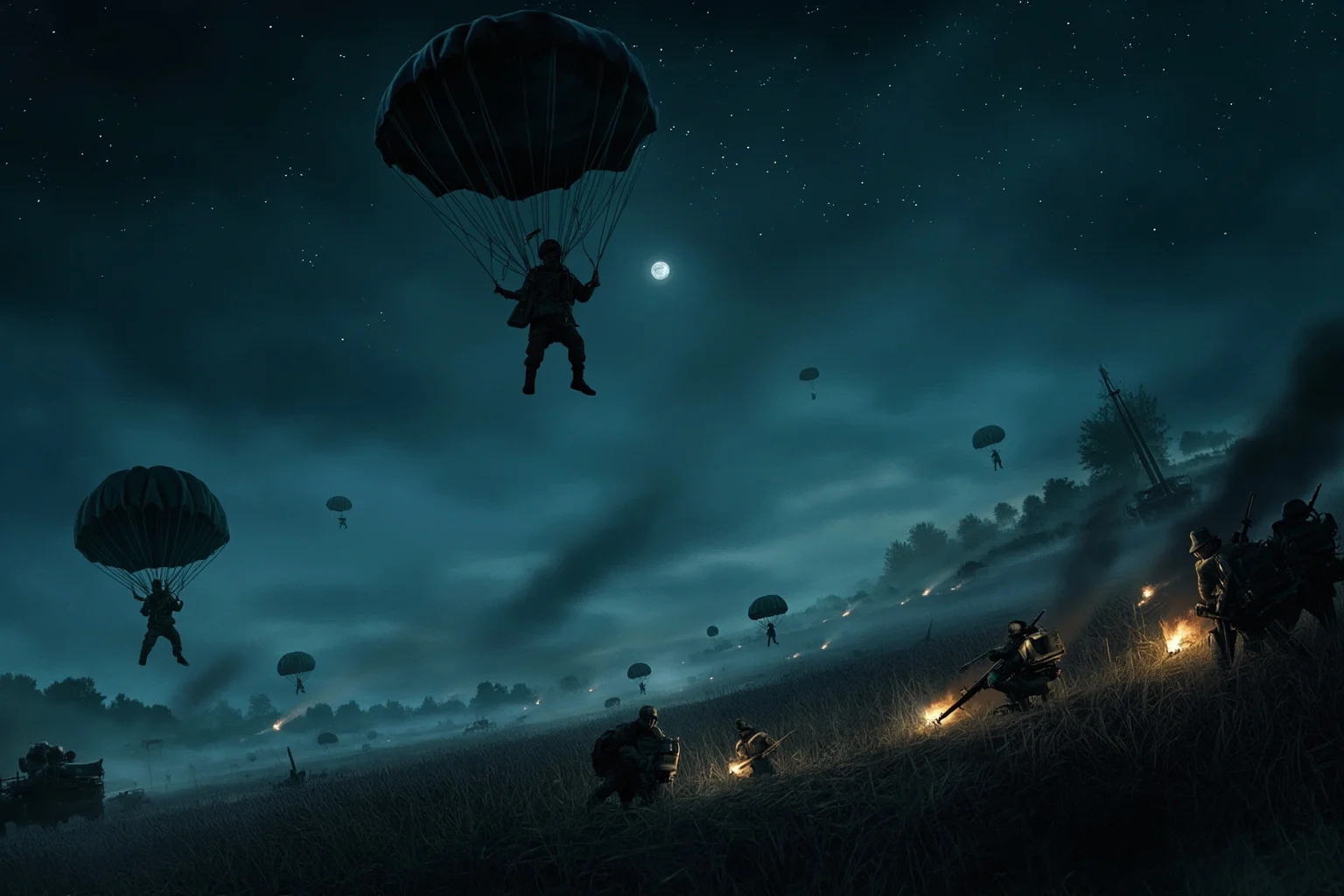
On D-Day, June 6, 1944, Allied paratroopers were dropped across Normandy with notoriously poor accuracy. Many landed far from their targets, scattered and disorganized. Somehow, this chaos actually helped, confusing German defenders about the scale of the attack.
But this was not the plan. The drops were meant to be precise. The scattering was a malfunction that happened to work. Allied planners accepted the risk because they had no choice but to get troops behind enemy lines before dawn.
The Zodiac Killer of Armies: Guerrilla Warfare
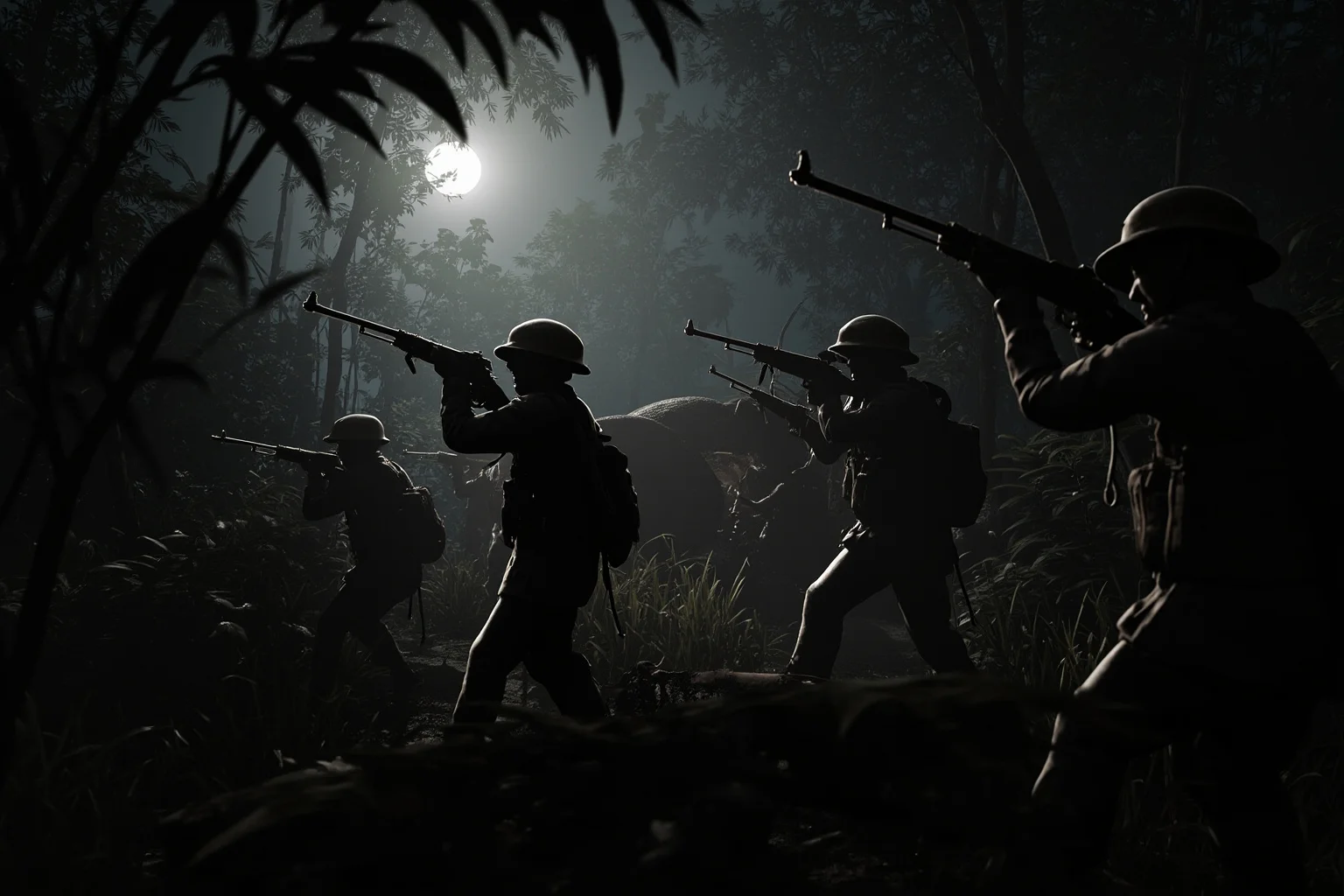
Guerrilla warfare is often described as a sophisticated strategy of the weak against the strong. From Spanish resistance to Napoleon to the Viet Cong, it has toppled powerful armies. It looks like a carefully designed doctrine.
Yet guerrilla warfare is usually what happens when you cannot fight a conventional war. It is the tactic of the outgunned, the outnumbered, and the desperate. It becomes brilliant only in retrospect, once the stronger side has been worn down.
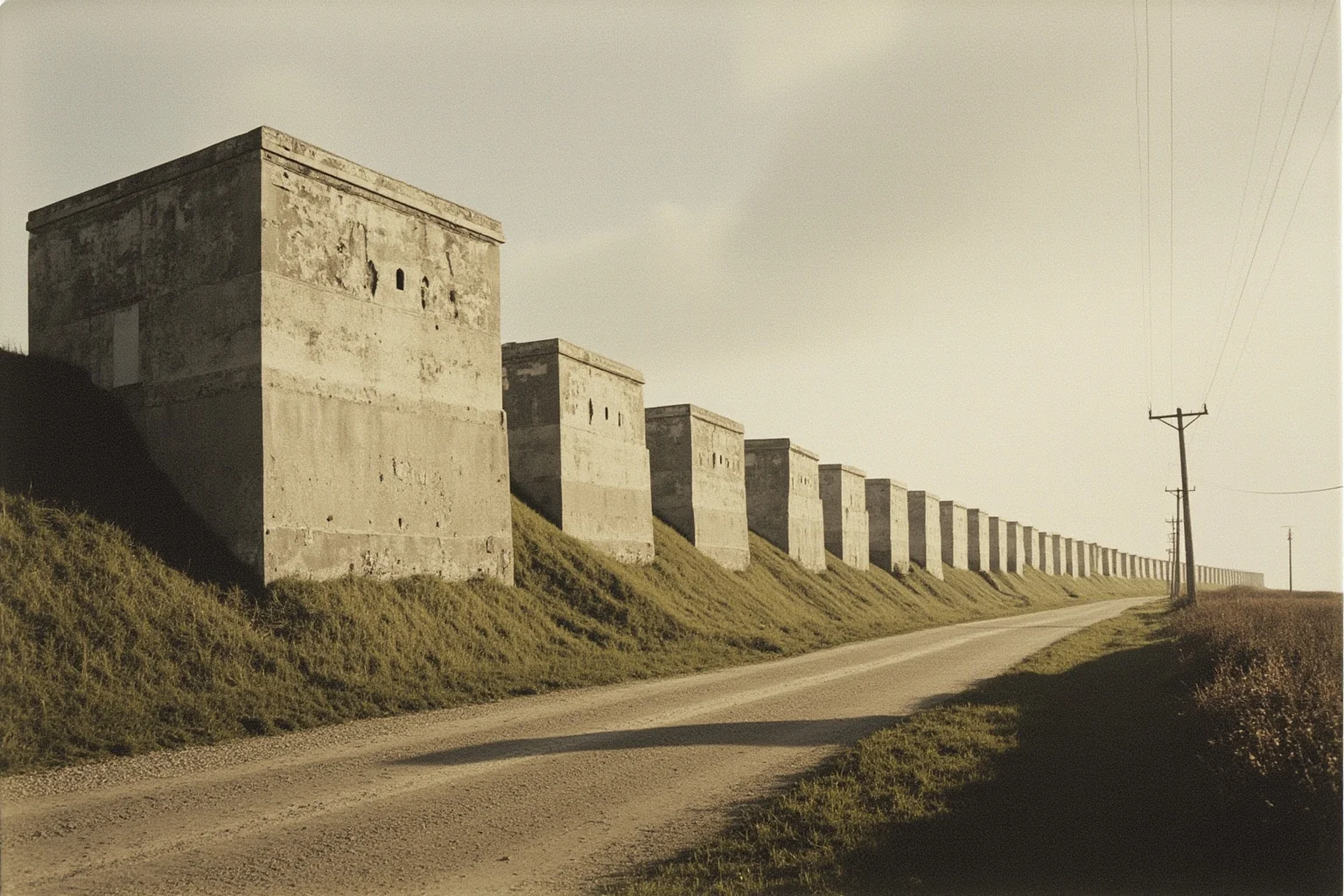
The Maginot Line: A Fortress of Fear
The Maginot Line was a massive string of fortifications France built after World War I to deter German invasion. It is often mocked as a failure, but it was actually a rational response to French demographic and industrial weakness.
France knew it could not match Germany's manpower in a long war. The line was a desperate attempt to substitute concrete for soldiers. When Germany simply went around it through Belgium, the tactic collapsed. It was defensive desperation, not stupidity.
The Banzai Charge: When Honor Meets Hopelessness
Late in World War II, Japanese forces sometimes launched banzai charges against American positions. These were massed, screaming frontal assaults with bayonets, often against overwhelming firepower. They almost always ended in annihilation.
These charges are sometimes portrayed as fearless warrior spirit. But they were also the acts of troops who had no artillery, no air support, and no hope of reinforcement. They were desperate last stands, not tactical brilliance.
The Partisan Uprising: Civilians as Soldiers
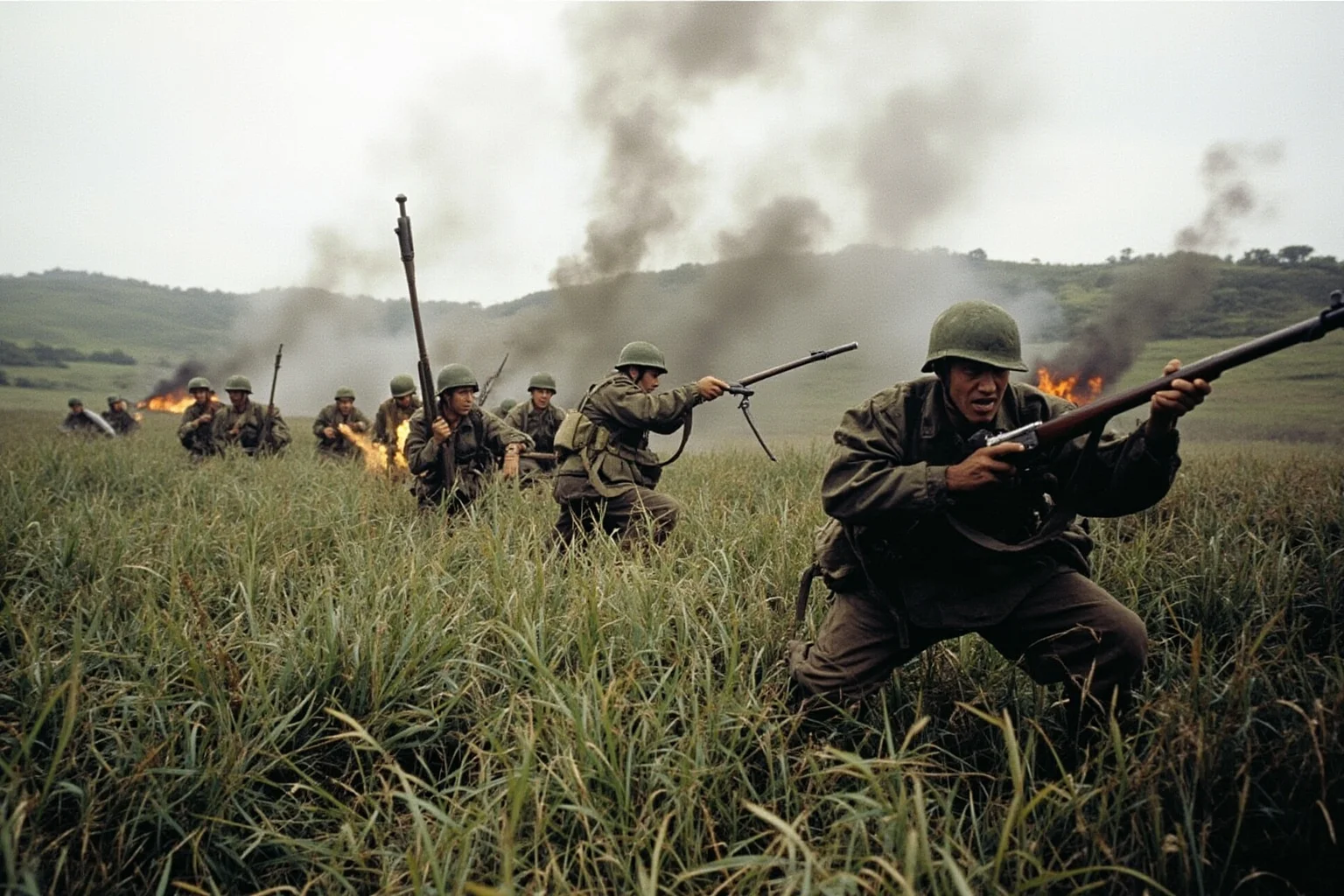
Partisan resistance movements, from Yugoslavia to France, tied down huge numbers of enemy troops. This is often celebrated as clever asymmetric warfare. But partisans were usually civilians with no military training, fighting because their homes were occupied.
Their military maneuvers were improvised, their weapons were captured, and their survival rates were brutal. What looked like a coordinated strategy was often thousands of desperate people doing whatever they could to resist.
The Rallying Speech: Words When Weapons Fail
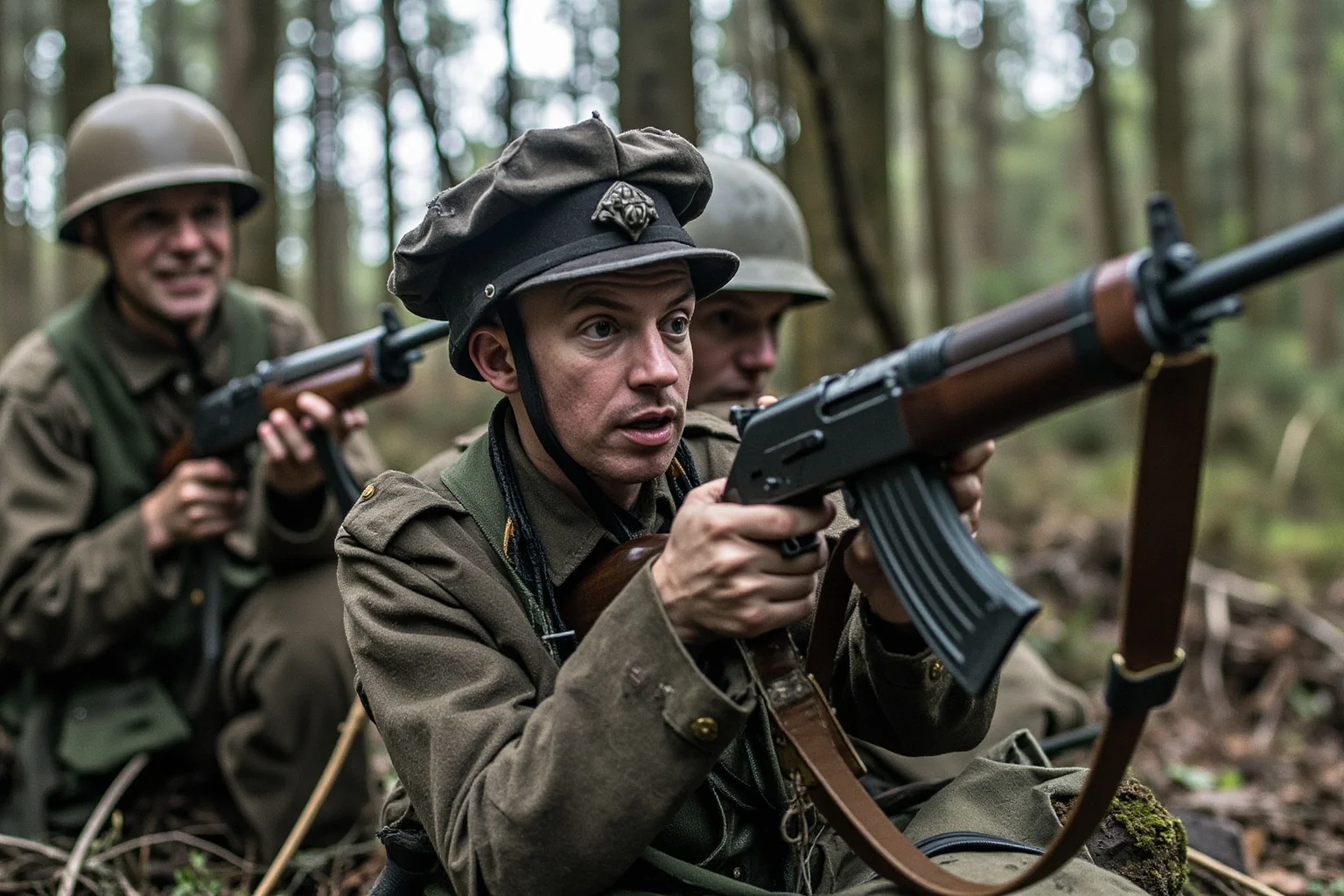
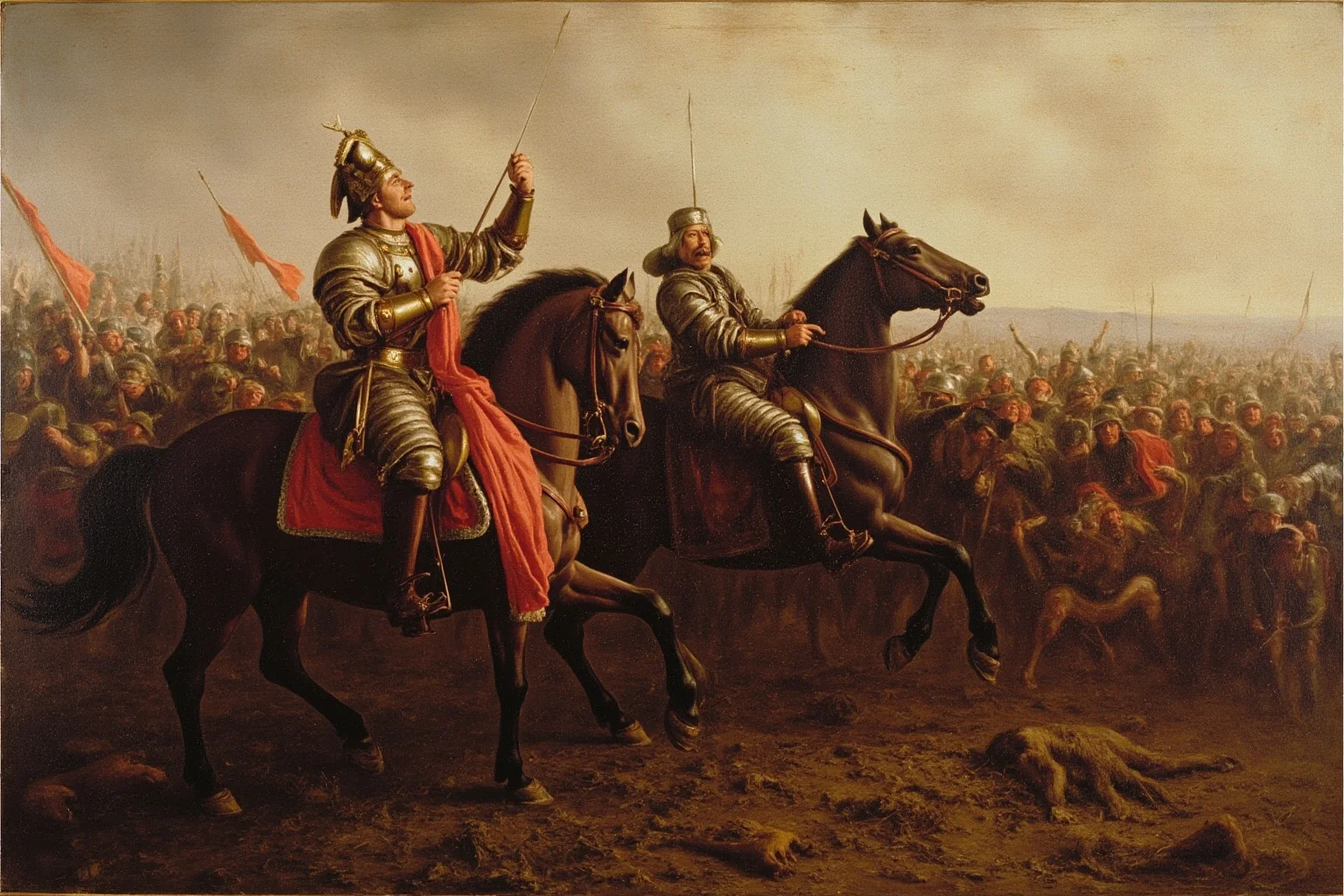
Great commanders are famous for speeches that turn the tide of battle. Henry V at Agincourt, for instance, supposedly rallied his exhausted, outnumbered men before the fight. Such moments are retold as leadership genius.
But why did those men need rallying? Because they were terrified and outnumbered. The speech was a desperate tool to prevent collapse, not a sign of confidence. Words became a weapon precisely because every other advantage had been lost.
The Forlorn Hope: Volunteers for Certain Death
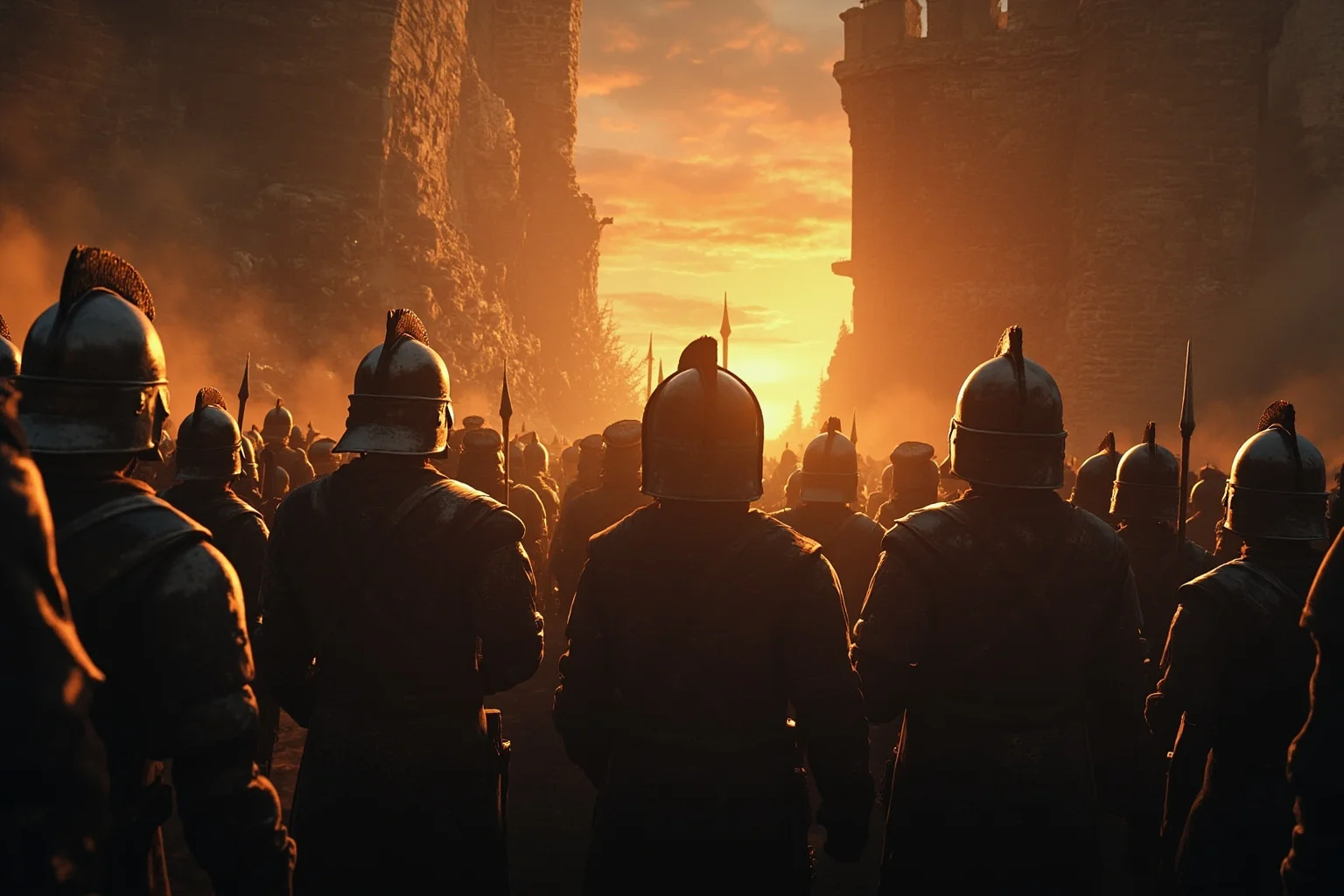
In siege warfare, the "forlorn hope" was the first group of soldiers sent into a breach. Their chances of survival were tiny, and they knew it. The name itself means a lost cause.
Men volunteered for complex reasons: pardons, promotion, or sheer desperation. The tactic was not brilliant; it was a brutal acknowledgment that someone had to go first. It was a military necessity born of the ugliest kind of arithmetic.
The Kamikaze: Desperation Wearing Wings
Kamikaze attacks in the Pacific were born when Japan's conventional air power had been shattered. Pilots were asked to crash their planes into Allied ships in a last-ditch effort to stop the advance. It was a calculated atrocity as much as a tactic.
These attacks were not a sign of strength. They were a sign that Japan had run out of skilled pilots, functioning aircraft, and viable options. The tactic is remembered for its ferocity, but its root was despair.
The Caracole: Revolving Cavalry That Rarely Worked
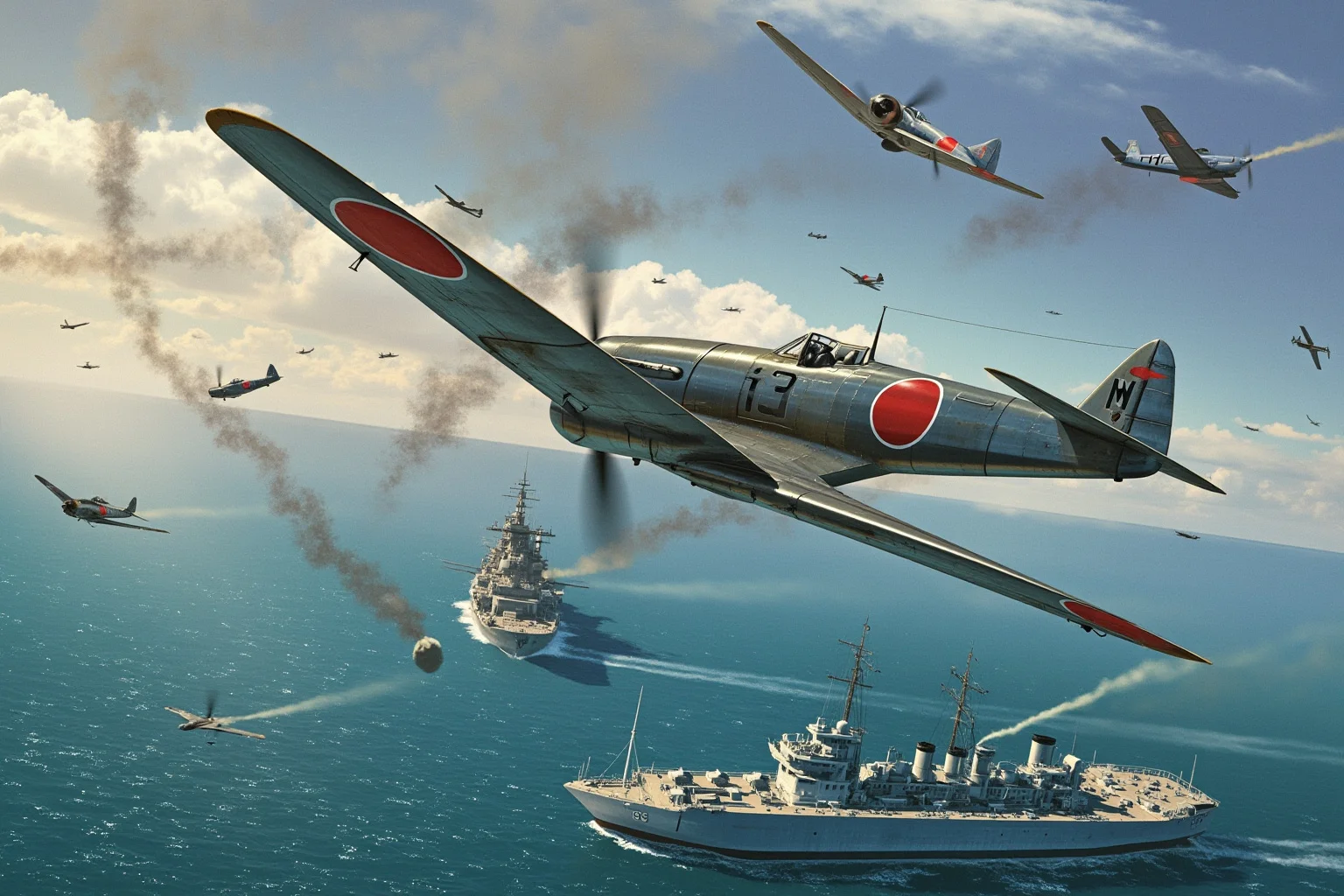
The caracole was a 16th-century cavalry tactic in which horsemen rode up, fired pistols, and wheeled away to reload. It looked like a disciplined, modern approach to firepower. In practice, it was often slow and ineffective.
Armies adopted it because traditional cavalry charges were failing against pike formations. The caracole was an attempt to stay relevant, not a proven success. It was a tactic born of uncertainty, and it was eventually abandoned.
The Flooded Delta: Using Geography as a Last Resort
In various conflicts, armies have broken levees or flooded fields to stop an advance. The Dutch Water Line is a famous example, using controlled flooding as a defensive barrier. It seems like brilliant environmental warfare.
But flooding your own land is an act of desperation. It destroys farms, displaces people, and cripples your own economy. Armies do it only when conventional defense has failed. It is a tactic of the cornered, not the confident.
The Suicide Squad: Elite Troops as a Last Card
Many armies have created elite units for the most dangerous missions. From stormtroopers in World War I to special forces today, these units are celebrated for their skill and courage. Their successes look like tactical mastery.
Yet sending elite troops into near-certain death often signals that regular forces have failed. These squads are a last card played when normal military war tactics are not enough. Their bravery is real, but so is the desperation behind their deployment.
The Cordon Sanitaire: Soldiers as Disease Fighters
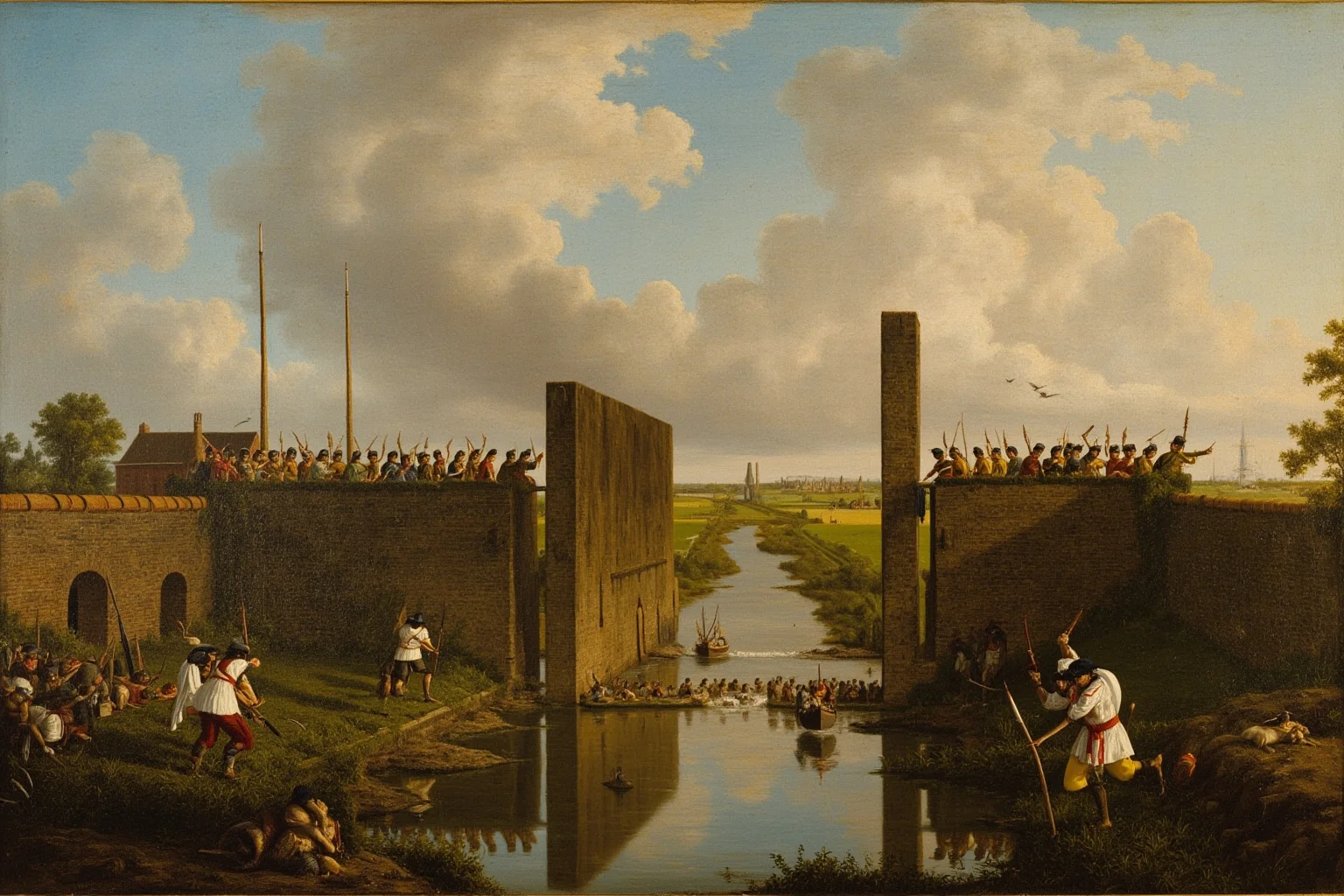
During epidemics, military cordons have been used to quarantine whole cities or regions. This is sometimes praised as an early public health tactic. But it was also a desperate measure to stop an enemy that bullets could not touch.
Troops enforcing a cordon often had no medical training and little protection. They were used because civilian authorities had lost control. The tactic was less about strategy than about sheer panic in the face of plague.
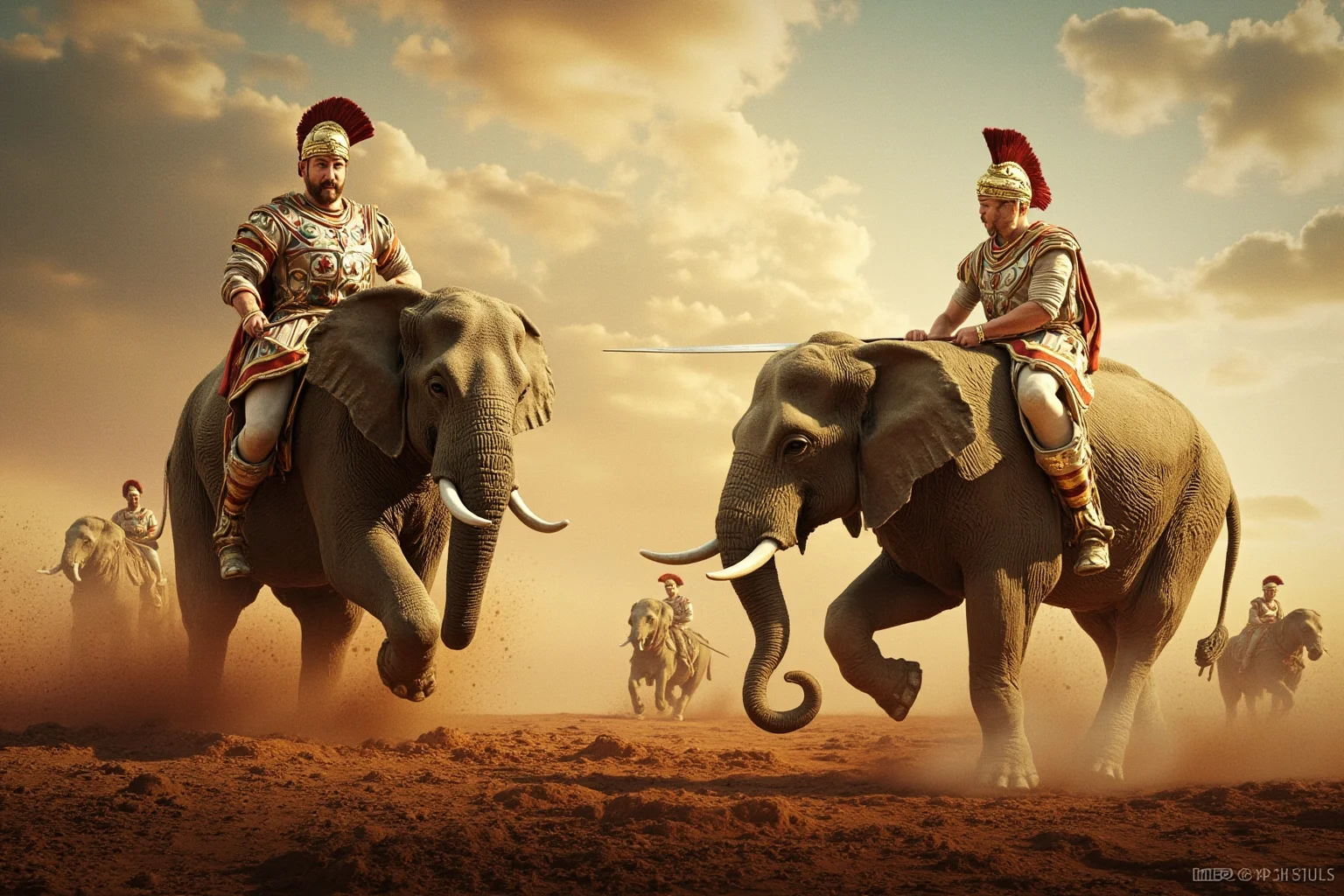
The Elephant Charge: Shock Weapons That Backfired
War elephants were the tanks of the ancient world, used to smash enemy lines. They appear in accounts from Alexander to Hannibal. The sight of charging elephants must have seemed like an unbeatable tactic.
But elephants panicked easily and could trample their own troops. They were deployed because armies lacked better options for breaking solid infantry formations. Their use was often a gamble, not a guarantee, and many battles turned on the animals' unpredictability.
The False Retreat: Tricking an Enemy Into Overconfidence
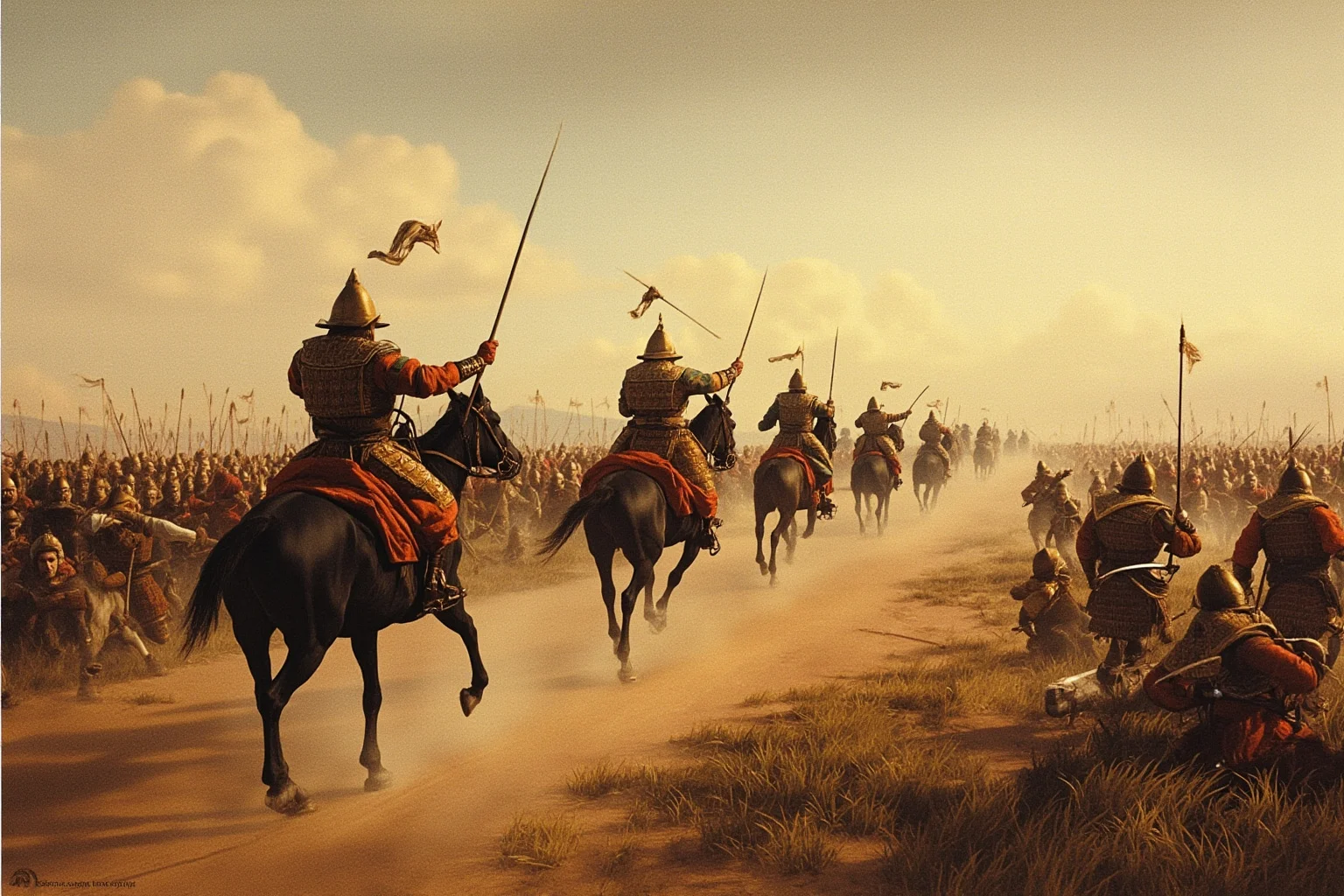
Feigned retreats are a classic military maneuver, used from the Mongols to the Zulus. A force pretends to flee, luring the enemy into a trap. It is a textbook example of battlefield deception.
Yet false retreats are dangerous and hard to control. If the enemy does not take the bait, or your own troops panic for real, the tactic can collapse into disaster. Armies use them when they cannot win a straight fight, making them a calculated act of desperation.
When Desperation Becomes Legend
What all these examples share is a moment when a commander ran out of good choices. The tactic that followed was not genius by design. It was genius by survival, and history has a habit of rewriting it as brilliance.
That does not make these tactics useless or their leaders foolish. It makes them human. In war, as in life, the most dramatic solutions often come from the most desperate circumstances.
So next time you read about a brilliant military tactic, ask what the alternatives were. Often, the answer explains everything. The line between genius and desperation is thinner than the legends suggest.
Why This Matters for Understanding War
Recognizing desperation as a driver of military tactics gives us a more honest view of history. It reminds us that war is not a chess match played by calm strategists. It is a messy, terrifying scramble for survival.
This perspective also helps us avoid glorifying tactics that caused unnecessary suffering. Many desperate gambles cost thousands of lives for little gain. Seeing them clearly is a step toward understanding war's true cost.
Finally, it connects us to the people behind the tactics. They were not superhuman geniuses. They were frightened leaders making impossible choices. Their stories are more powerful when we see them as they really were.
Frequently Asked Questions
What is the difference between a brilliant military tactic and a desperate one?
A brilliant tactic usually involves careful planning, adequate resources, and a reasonable expectation of success. A desperate tactic is one chosen when all conventional options have failed, often with high risk and low odds. In history, the two are often confused because successful desperate gambles get retold as genius.
Why do so many famous military tactics come from desperate situations?
Desperation forces commanders to take extreme risks that they would normally avoid. When those risks pay off, the resulting victories are dramatic and memorable, so they get recorded as brilliant. Meanwhile, the more cautious tactics that failed are forgotten.
Was the Trojan Horse a real military tactic?
The Trojan Horse comes from Greek mythology and epic poetry, not from verified historical records. However, similar deceptions have been used in real warfare, such as feigned retreats and disguised infiltrations. The story endures as a symbol of desperate cunning.
Did the Maginot Line fail because it was a bad idea?
The Maginot Line was actually a rational response to France's manpower shortage after World War I. It failed because Germany bypassed it through Belgium, not because the fortifications themselves were useless. It was a defensive tactic born of desperation, not stupidity.
Are human wave attacks still used in modern warfare?
Large-scale human wave attacks are rare today because modern firepower makes them extremely costly. However, similar mass assault tactics have appeared in recent conflicts when an army lacks precision weapons or air support. They remain a sign of desperation rather than strength.

Alex Warren
Related Articles