If you have ever fallen down an internet rabbit hole about a swordfighting opera star who burned down a convent, you have met Julie d'Aubigny. She is usually introduced as a bisexual, duel-happy singer from the court of Louis XIV, and the stories about her are very hard to put down. Many of them are also very hard to prove.
This post walks through 20 of the most scandalous episodes attached to her name. For each one, we will say what the sources suggest, where the legend takes over, and why her story still fascinates people more than 300 years later.
TL;DR: Julie d'Aubigny (La Maupin) was a real, celebrated French opera singer with a genuinely wild reputation, but many of her most famous exploits come from gossip and later retellings rather than hard documentation.
First, a Quick Word on the Sources
Before we get to the swords and scandals, a myth-busting caveat. Almost everything about Julie d'Aubigny's private life comes from gossip, anecdotes and biographical sketches written after her death in 1707. Court records and opera archives confirm that she was a real performer, but the duels, elopements and midnight escapes mostly rest on tradition.
That does not make her story worthless. It means we should read it the way historians read any colorful legend, enjoying the details while marking which ones are shaky. Throughout the list, you will see phrases like "reportedly" and "according to tradition" for exactly that reason.
Early Life: Swords, Stables and a Strange Marriage
1. She Grew Up Around Swords and Horses
Julie was born around 1670, though some sources give 1673, and she was most likely born in Paris. Her father, Gaston d'Aubigny, worked as a secretary to the Count d'Armagnac, the powerful official in charge of the king's horses and pages. That put her in a household full of young men, weapons and aristocratic swagger.
The usual story says she learned to fence, ride and carry herself like the boys around her. It is plausible, since her later skill with a blade became part of her fame. But the details of her training are not documented, so treat the childhood scenes with care.
2. Gossip Linked Her to Her Father's Powerful Employer
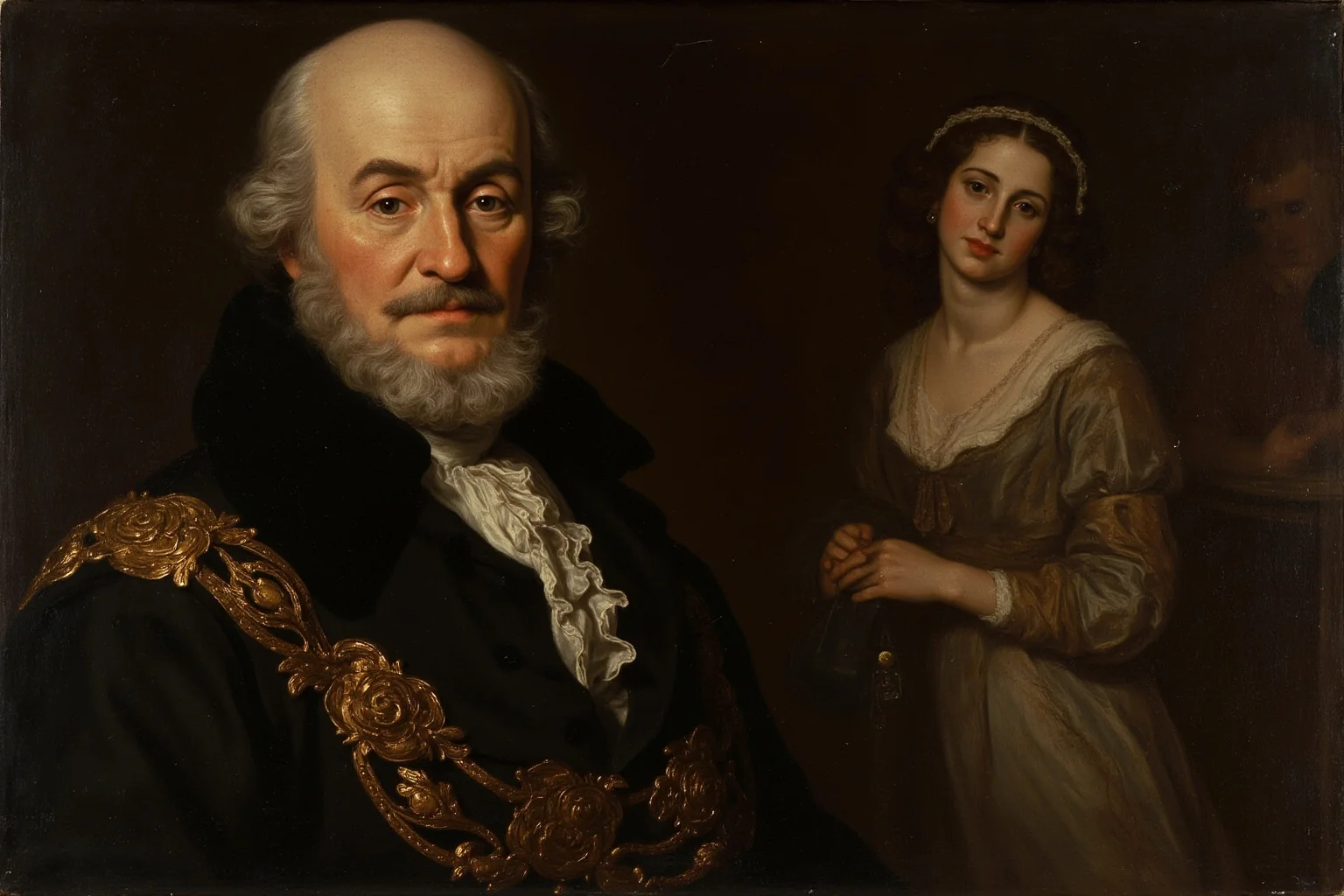
A widely repeated tale claims that the Count d'Armagnac took Julie as his mistress while she was still a teenager. This is based on later gossip rather than firm evidence, and the age at which it supposedly began is unclear. If true, it would describe a powerful older man and a young woman dependent on his household, which is not the romance some retellings suggest.
It is worth noticing how often her biographers framed her story through the men around her. The rumor may reflect that habit as much as any real relationship.
3. She Married a Man She Barely Lived With
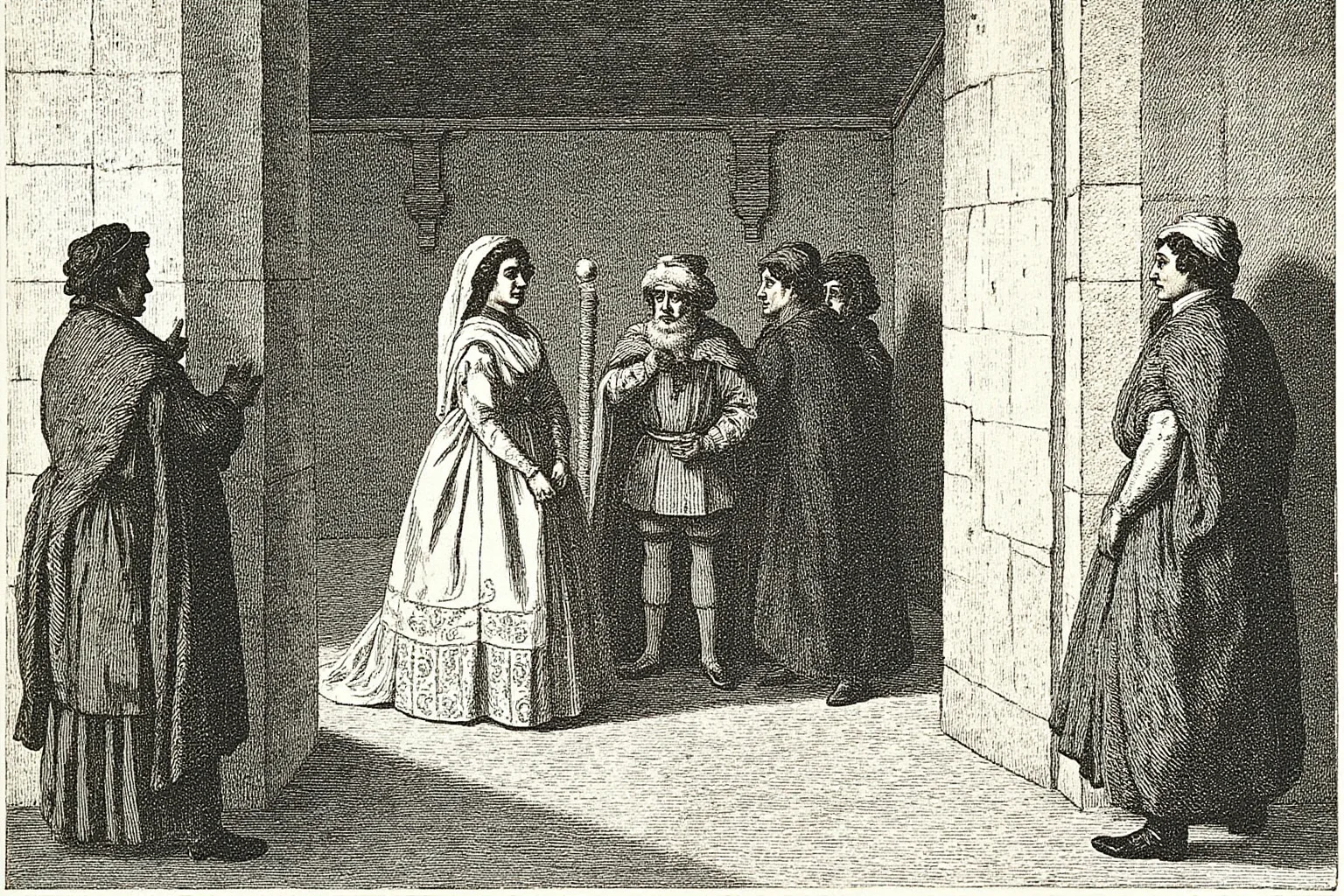
In 1687 Julie married Sieur de Maupin, a minor official who received a provincial post. The marriage is often described as arranged, with the Count d'Armagnac said to have helped it along. Whatever the motive, Julie did not follow her husband to the provinces.
That marriage gave her the name she would use for the rest of her career. "La Maupin" became a stage identity far more famous than the man who had lent his surname to it.
4. She Ran Off with a Fencing Master
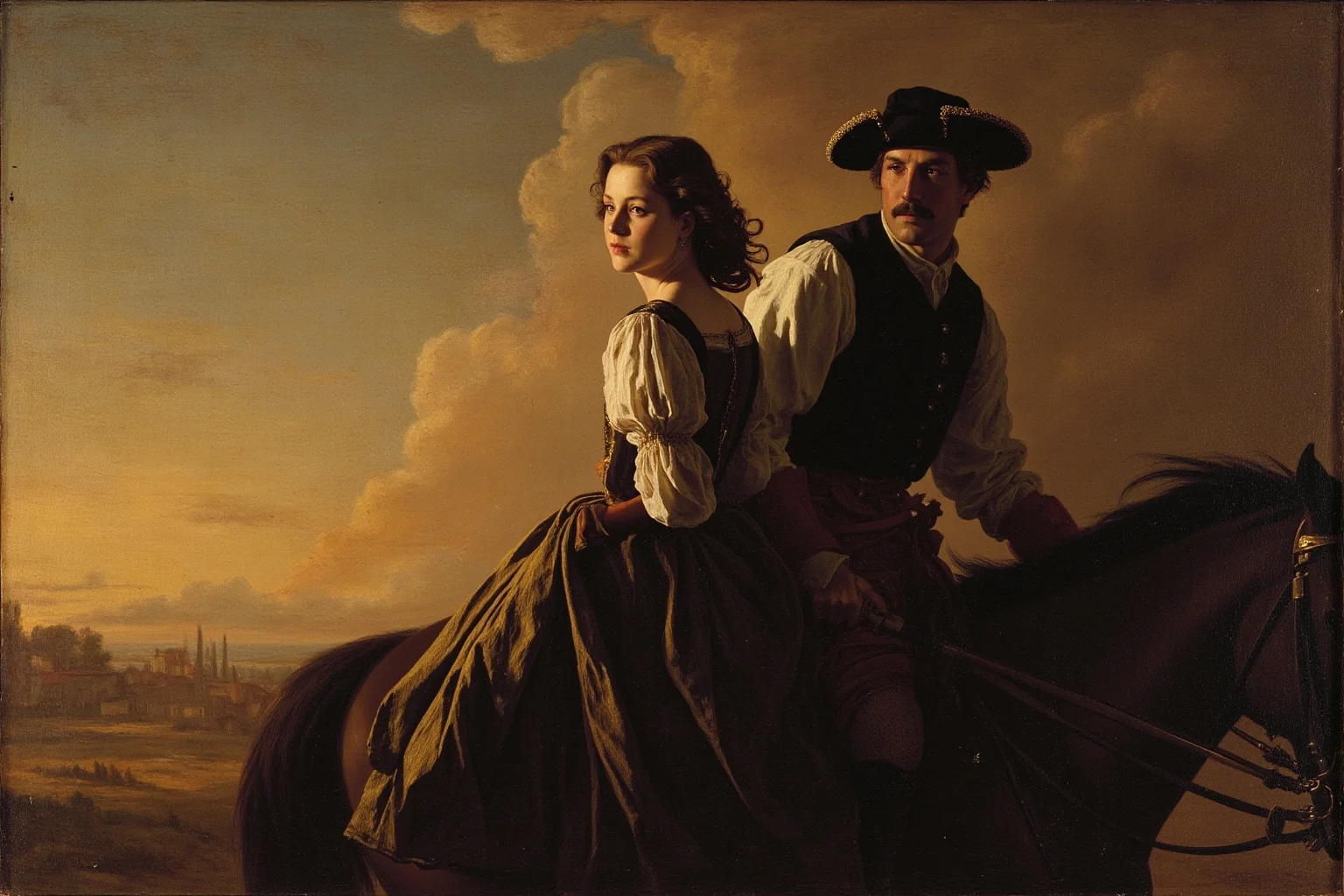
According to tradition, Julie soon began a relationship with a fencing master named Sérannes. He is said to have been wanted after wounding or killing someone in a duel, so the two left Paris together. The story is thrilling, but we only know it through secondhand tellings.
What seems more certain is that her life as a performer began outside Paris. Her skill with a sword and her willingness to break social rules both became part of her public image.
On the Road: Convents, Corpses and Close Calls
5. She Fenced in Public Exhibitions

The couple reportedly earned money by giving fencing demonstrations, with Julie dressed in men's clothing. Public sword exhibitions were a real form of entertainment in this era, so the detail fits the period. A woman winning matches against men would have made a striking spectacle.
This is the kind of anecdote that shows how fame and scandal fed each other. A cross-dressing swordswoman was exactly the sort of story people loved to repeat.
6. She Found Her Voice in Marseille
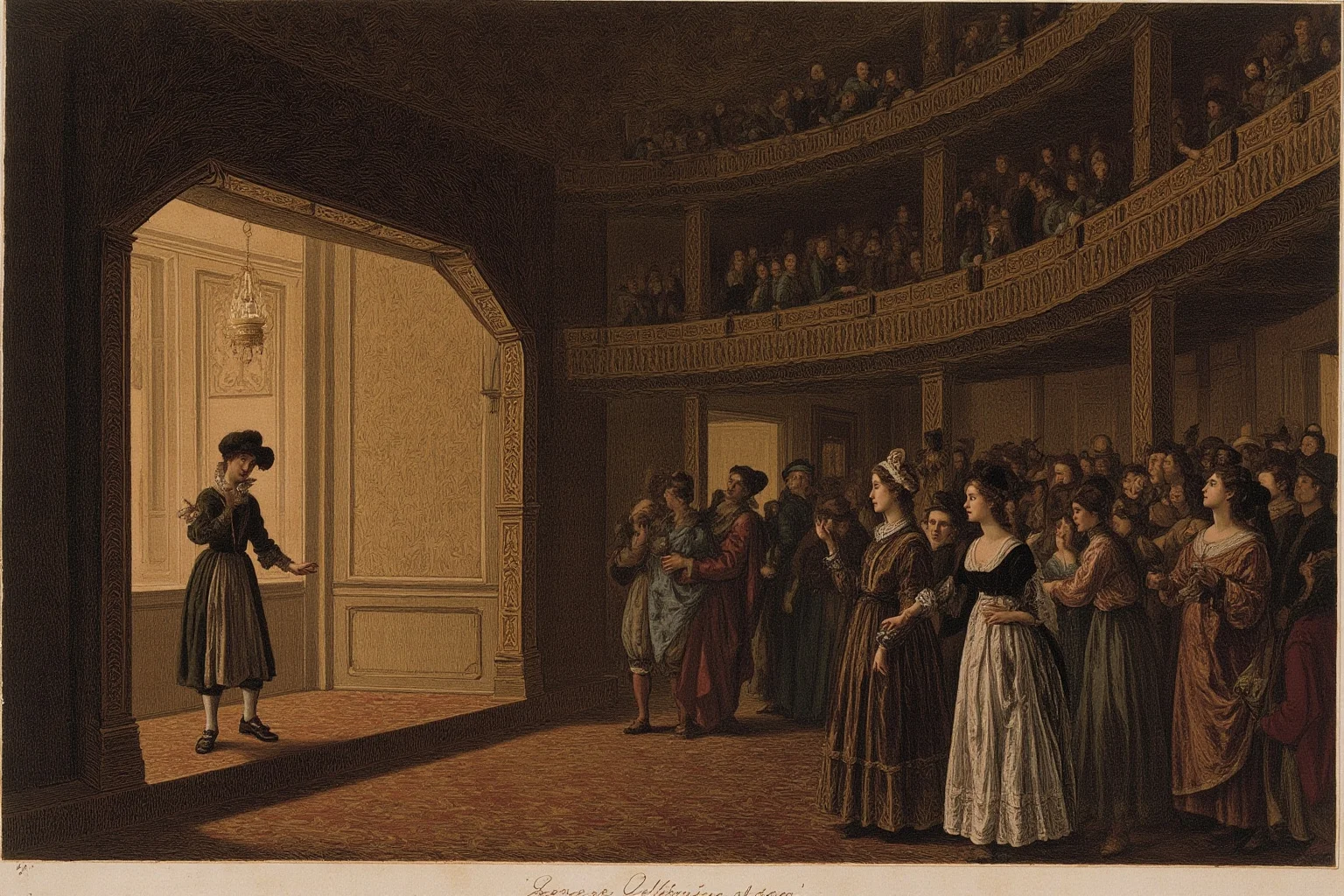
Julie's singing career is much better supported than her swordfights. She is said to have joined the opera company in Marseille around 1690, where audiences recognized her unusual voice. Singing gave her something her scandals alone could not, which was a legitimate profession.
In the 1690s the opera was a major institution in France, tied closely to the court and to the legacy of Jean-Baptiste Lully. Winning a place there was a real achievement for a woman with no formal training to speak of.
7. The Convent Fire and the Stolen Corpse

Here is the story that made her famous in popular retellings. Julie fell in love with a young woman whose family sent her to a convent in Avignon. Julie reportedly entered the convent herself, exhumed the body of a dead nun, placed it in the young woman's bed and set the room on fire to cover their escape.
The two women supposedly lived together for a few months before the relationship ended and the young woman returned to her family. It is a dramatic tale, but we should be honest that it comes to us through anecdote. It may be partly true, wholly true or embroidered over generations.
8. She Was Reportedly Sentenced to Death in Absentia
The same legend says Julie was condemned for kidnapping, grave robbing, arson and wearing men's clothes. In early modern France, such charges could be taken very seriously. A sentence handed down while she was absent would have meant little as long as she stayed out of reach.
It is a good example of how the legend stacks crimes into a tidy list. When you see a perfect catalog of offenses, it is fair to ask how much was added later for effect.
9. She Allegedly Dueled Three Men at Aix, Then Was Pardoned

Another story places Julie in Aix-en-Provence, dressed as a man and attending an event where she made advances on a young woman. Three men reportedly challenged her, and she supposedly defeated all of them. Afterward, the tale says, she revealed that she was a woman.
The story often ends with a royal pardon from Louis XIV, who reportedly forgave her earlier crimes. Pardons for sentences like hers were not unheard of, but the details here are murky. Treat the pardon as part of her tradition rather than a settled fact.
The Opera Star: A Voice That Stopped Paris
10. She Made a Real Debut at the Paris Opera
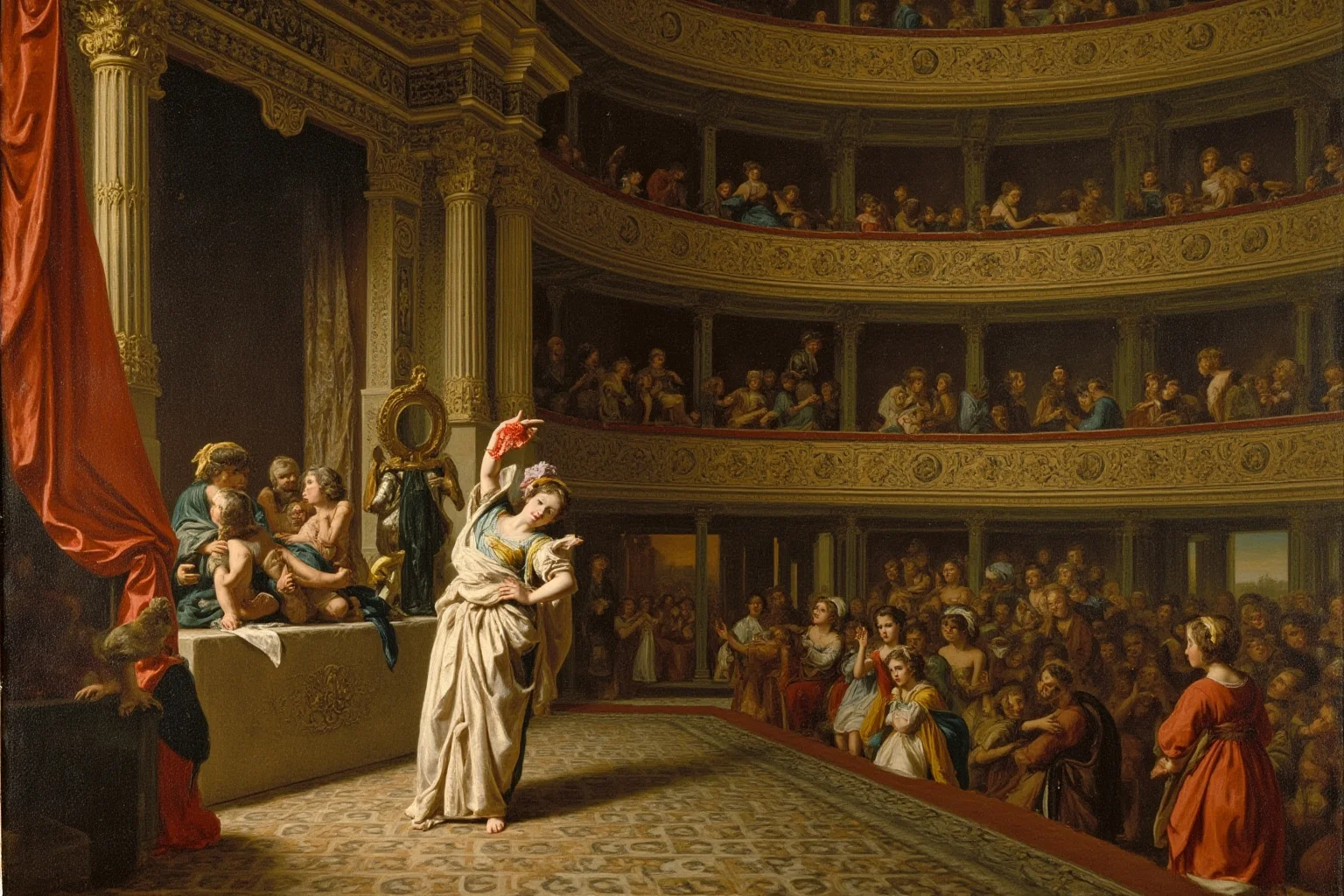
Julie is generally said to have debuted at the Paris Opera in 1690, in Lully's Cadmus et Hermione, singing the role of Pallas. This part of her story stands on firmer ground than the early adventures. She became a recognized member of the company and remained part of its world for years.
A singer with a wild reputation could still succeed if the audience loved her voice. In Julie's case, it seems they did.
11. Her Voice Was Unusual and Powerful

Accounts commonly describe her as a contralto, with a strong, expressive voice and a wide range. She is associated with roles in French baroque opera, including Clorinde in Campra's Tancrède in 1702. Singers of the time were expected to combine vocal skill with dramatic presence, and she apparently had both.
Her reputation for flamboyance may have helped her on stage. French audiences prized intensity, and a performer who lived dramatically could seem especially convincing playing heroines and goddesses.
12. She Reportedly Beat Up a Fellow Performer and Took His Watch
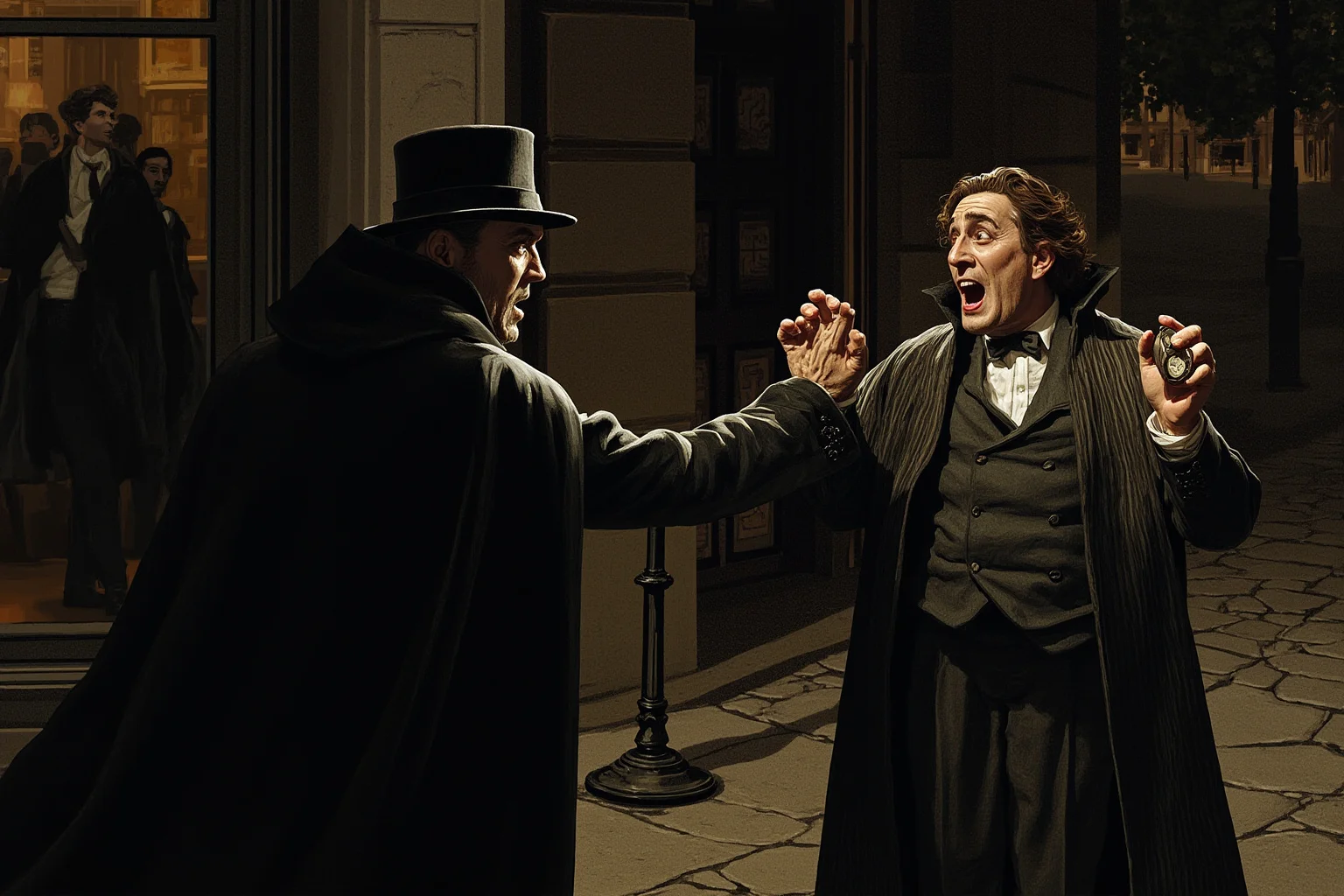
One of the best-known anecdotes involves a male opera singer named Dumesnil. The story says he insulted her, so she dressed as a man, confronted him at night, beat him and took his watch and snuffbox. The next day, when he boasted about having fought off thieves, she supposedly produced his belongings and exposed the truth.
It is a satisfying tale, which is exactly why a careful reader should be wary. It sounds like a story polished through retelling, and we have no way to verify the details. Still, it captures how people imagined her, as a woman who punished arrogant men at their own game.
13. Her Offstage Reputation Followed Her Onstage
Stories about her cross-dressing, fights and love affairs were reportedly part of her public image. Audiences in Paris were fascinated by the Opera's performers, and scandal often boosted fame rather than ending careers. Julie seems to have been both admired and gossiped about.
That tension matters for how we read her biography. Rumors, praise and invention were all mixed together even while she was alive, which is a big reason it is so hard to separate them now.
Duels, Exile and a Very Expensive Breakup
14. Dueling Was Illegal, and She Allegedly Did It Anyway
Louis XIV had issued harsh edicts against dueling, including one in 1679, because the practice killed so many nobles. Fighting a duel could bring severe punishment, which makes the stories about Julie even more daring. A woman doing it publicly would have been shocking.
Here is a useful myth-busting note. The "three men challenge her and lose" motif appears more than once in her legend, which suggests that storytellers recycled a good plot. That does not prove she never dueled, but it should make us cautious about the exact numbers.
15. A Ballroom Scandal Sent Her into Exile
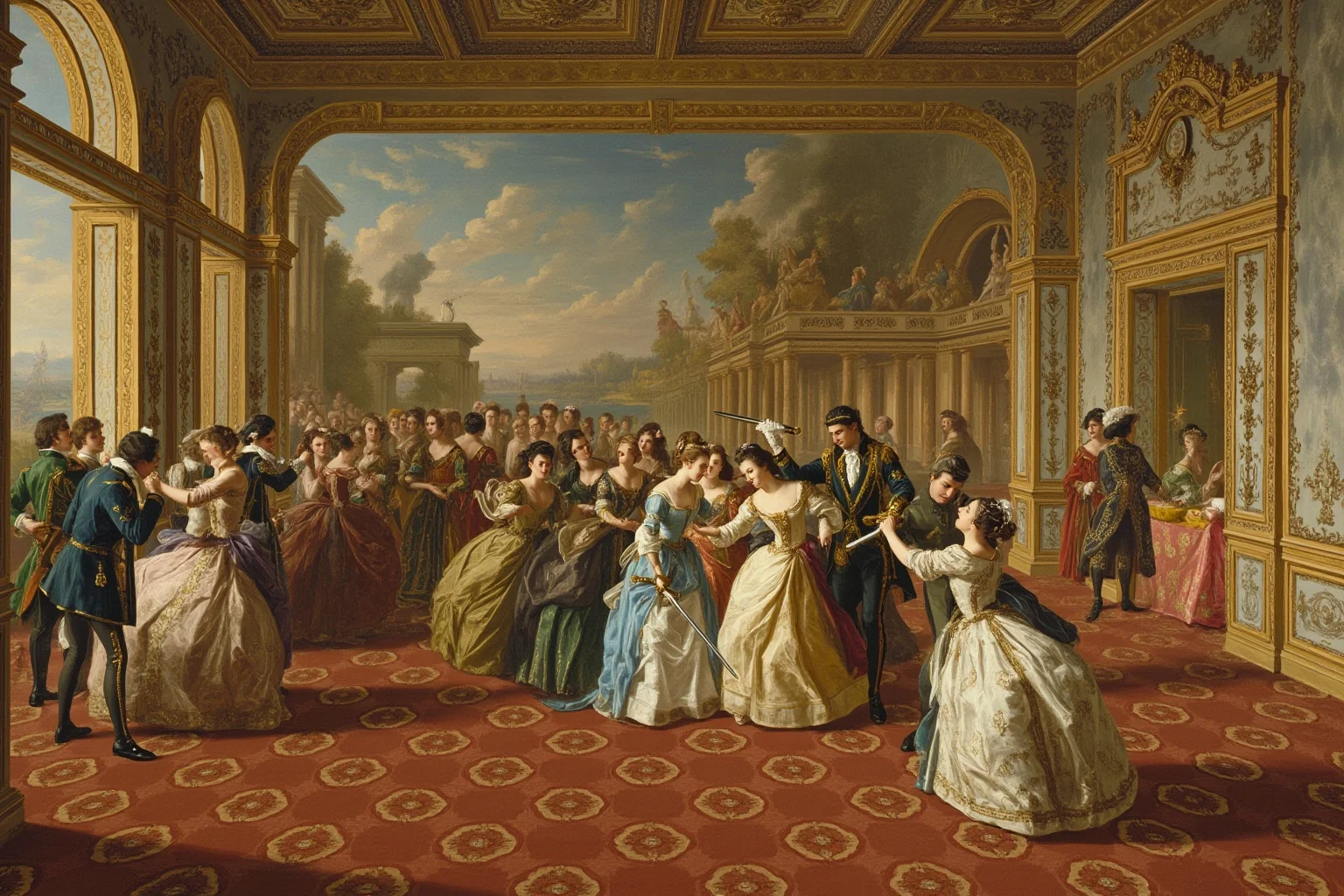
One famous story says Julie attended a grand ball in the Palais-Royal circle dressed as a man. She reportedly kissed a young woman, was challenged by three men and defeated them in duels before returning to the party. Afterward, the legend says, she left France for Brussels to avoid trouble.
It is the sort of scene that looks perfect in a film. Whether it happened exactly this way is unknown, but there is a plausible core, since a brawl or scandal could well have made her leave Paris for a time.
16. She Became the Mistress of a Prince, Then Rejected His Money
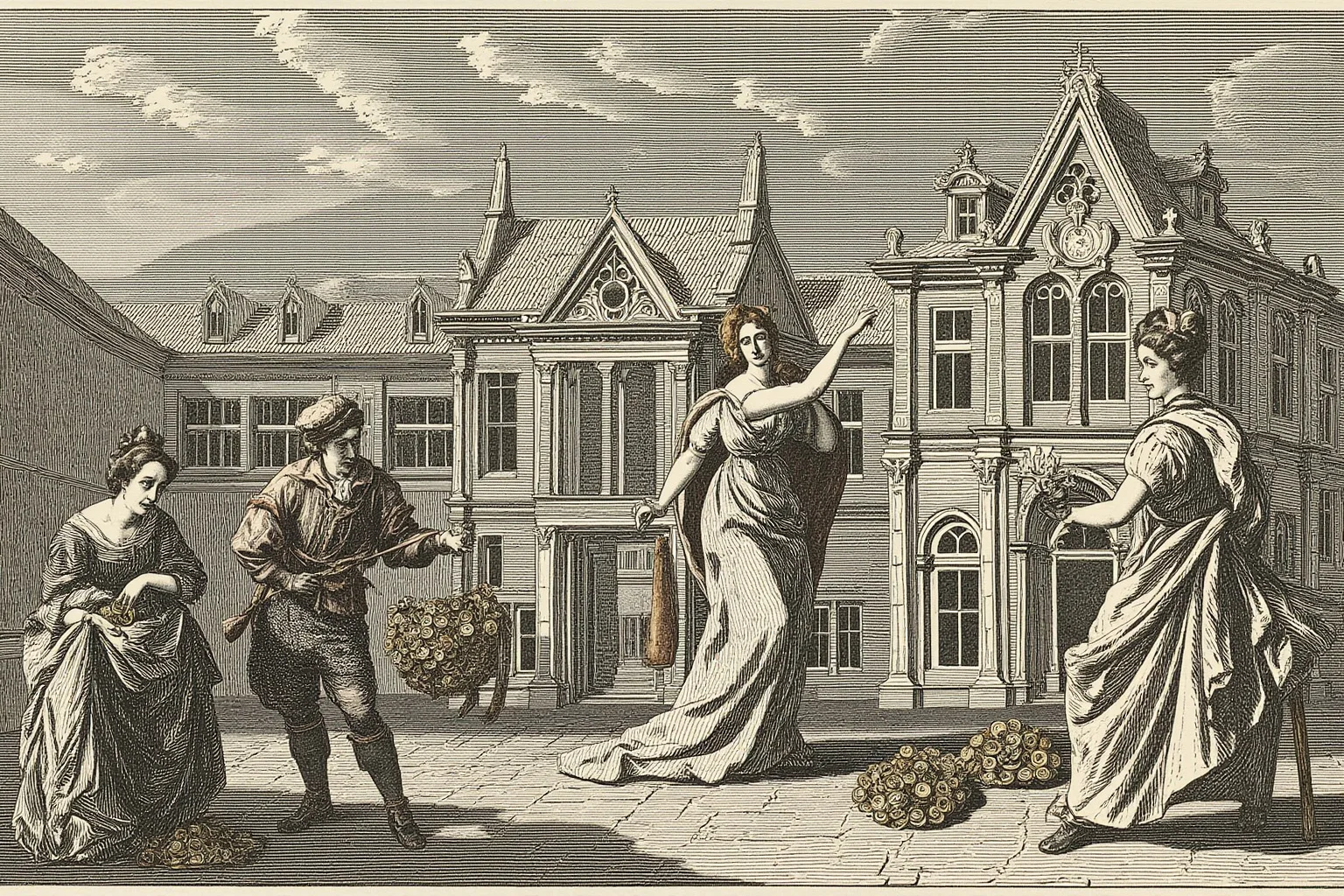
In Brussels, Julie reportedly became the mistress of Maximilian II Emanuel, the Elector of Bavaria, who governed the Spanish Netherlands at that time. When he tired of her, he supposedly sent a messenger with 40,000 francs as a farewell payment. Versions differ on how she reacted, with some saying she hurled the money back and others that she gave it away.
The affair with a ruler is more believable than many other tales, because powerful men in that era often kept performers as mistresses. The exact sum and her dramatic response may be later embellishment.
Love, Loss and a Quiet Ending
17. Her Great Love Was a Married Noblewoman
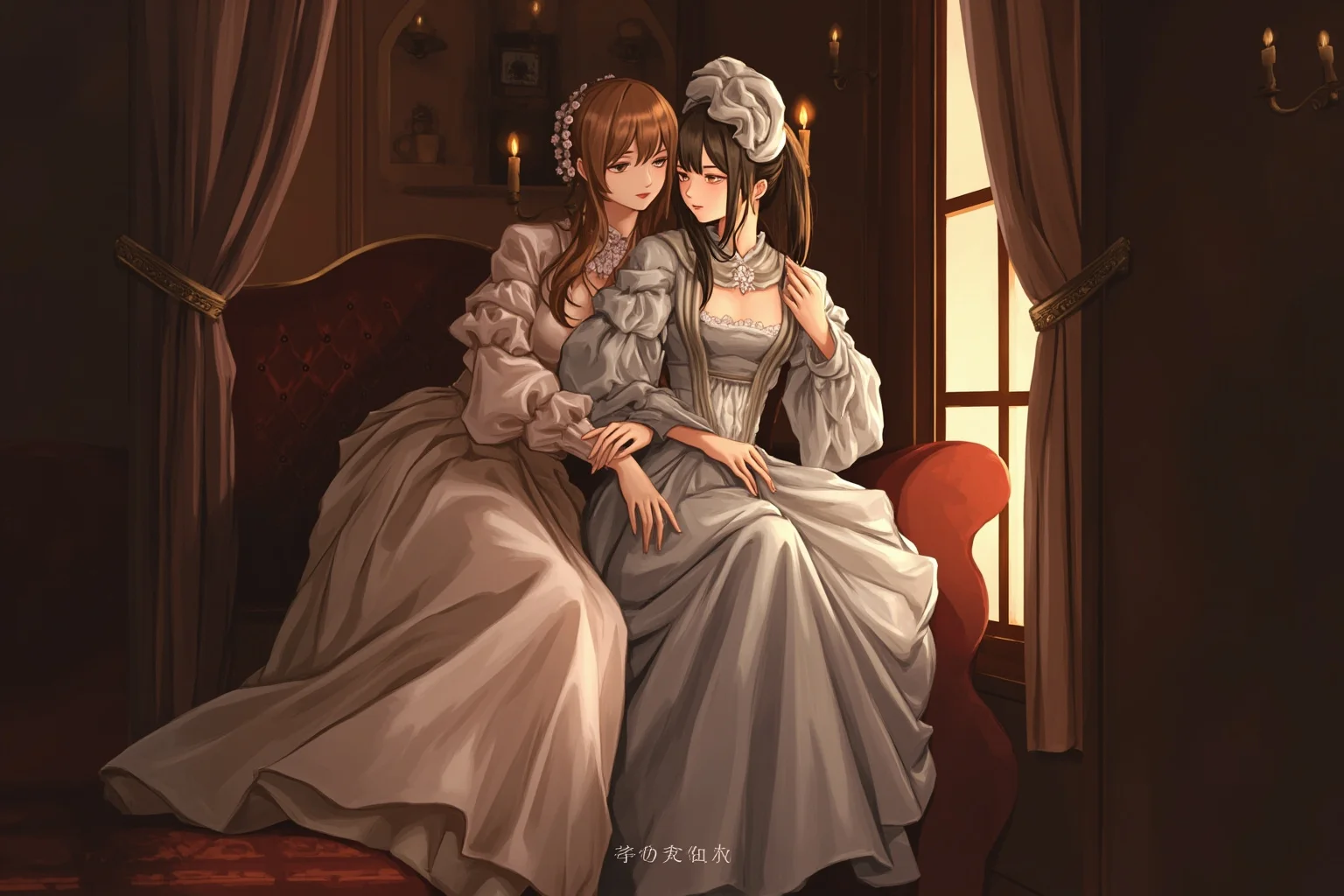
Julie's most important relationship is often said to have been with the Marquise de Florensac, a noblewoman. The two reportedly became lovers around the early 1700s, after Julie had returned to Paris. Unlike the convent affair, this relationship appears in many accounts as a lasting and emotional attachment.
The Marquise's death, in about 1707, is said to have devastated Julie. Because our sources are so thin, we should resist inventing private feelings for either woman.
18. She Retired from the Opera in 1705
After years on stage, Julie left the Paris Opera around 1705. She was still young by modern standards, yet her career had already lasted well over a decade. Retirement ended her public performing life but not the interest in her story.
Some accounts say that in her last years she turned to religion and was reconciled with her husband. The reports are not firm enough to treat as certain. What we do know is that she died in 1707, probably in her thirties.
19. A Famous Novel Made Her Name Immortal, and Wrong
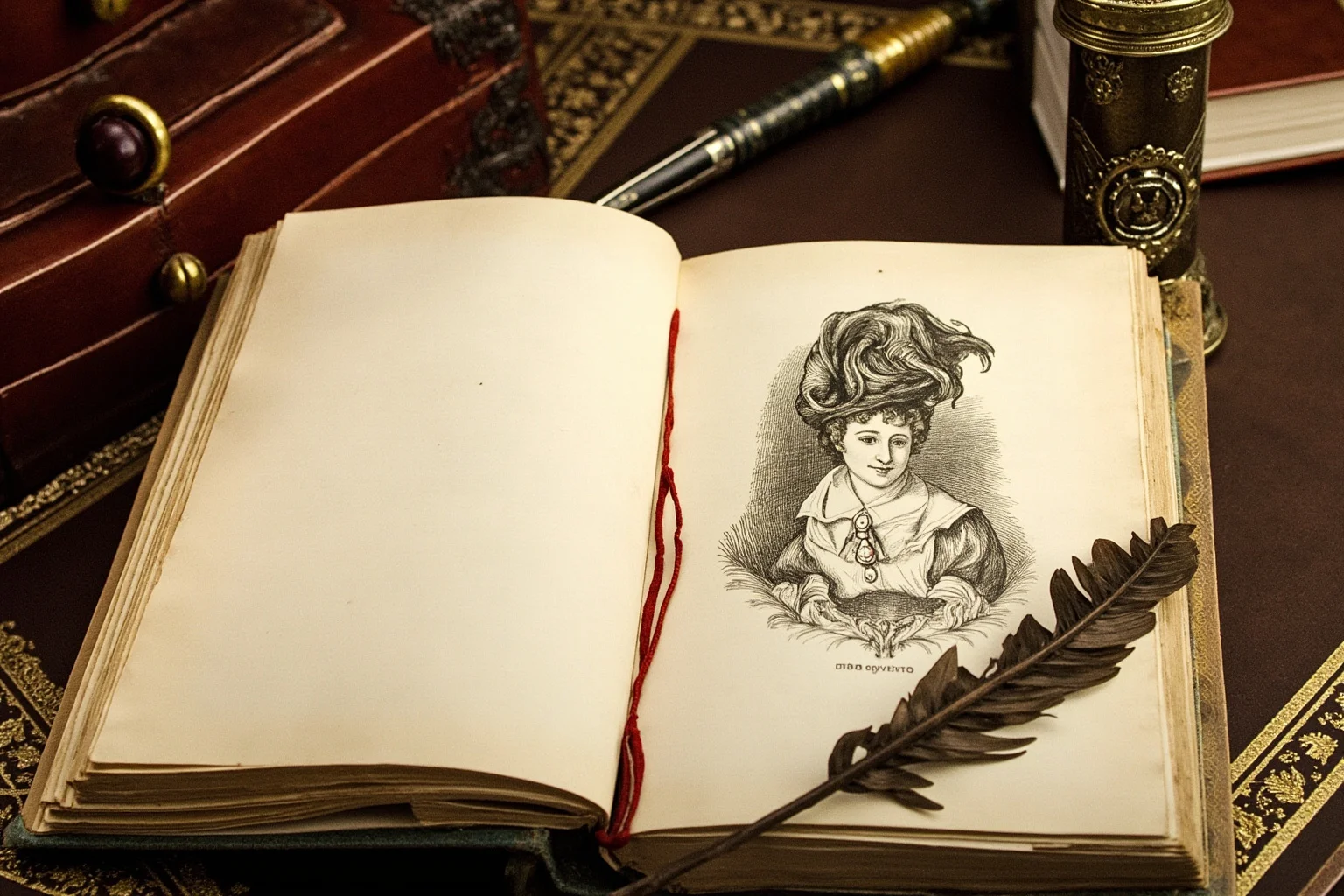
In 1835 the French writer Théophile Gautier published Mademoiselle de Maupin, a novel inspired by the opera singer's name and her reputation for cross-dressing. The book is mostly fiction, and its heroine's story is not a biography of Julie. Gautier's preface also became a landmark for the idea of art for art's sake.
The novel is one reason Julie's name survived. It is also a reminder that much of what people "know" about La Maupin may come from fiction and romantic reinvention rather than from the historical record.
20. Today She Is a Cult Figure, With Some Caveats

Modern writers and podcasters often present Julie d'Aubigny as a bisexual, gender-defying icon. Her reported relationships with both men and women and her cross-dressing make her an appealing figure for contemporary readers. Her life has also inspired novels, articles and online lists like this one.
Historians usually advise caution with modern labels, since seventeenth-century people did not think about identity in the same way we do. We can say she appears to have loved women and men and defied conventions without claiming to know exactly how she understood herself.
Separating Julie the Singer from La Maupin the Legend
So what is solid, and what is story? Her existence, her marriage name, her career at the Paris Opera and her death in 1707 are well supported. The convent fire, the death sentence, the pardon and the multiple three-man duels are far less certain.
That gap is where the fun lies for readers, but also where honest history writing matters. The most responsible way to tell her story is to say that she was clearly extraordinary and that the best-known tales about her may be exaggerated.
Why Julie d'Aubigny Still Fascinates Us
People keep searching for Julie d'Aubigny because she breaks the mold of what we expect from the age of Louis XIV. She was a woman who sang, fought and loved in ways that defied her society's rules, or at least that is how her reputation reads. Even with the myths stripped away, a professional singer whose name inspired gossip for centuries is remarkable.
The next time you see a viral post about La Maupin, enjoy it, but ask where the story comes from. Doing that does not spoil the legend. It gives you a sharper, more accurate picture of a woman who, truth or not, became one of France's most unforgettable performers.
Frequently Asked Questions
Who was Julie d’Aubigny?
Julie d'Aubigny, known as La Maupin, was a French opera singer who performed at the Paris Opera in the 1690s and early 1700s. She is famous for a reputation as a cross-dressing swordswoman and for relationships with both men and women. She died in 1707.
Was Julie d’Aubigny a real person?
Yes. Her marriage, her career at the Paris Opera and her death in 1707 are historically supported. Many of her more dramatic adventures, however, come from later anecdotes and cannot be fully verified.
Did Julie d’Aubigny really duel and kill men?
Tradition says she fought several duels, sometimes against multiple opponents, but the evidence is weak and the stories repeat similar plots. It is safest to say she was famous for dueling rumors rather than to state numbers or outcomes as fact.
Did Julie d’Aubigny really burn down a convent?
The tale says she entered an Avignon convent to rescue a young woman, placed a dead nun's body in the bed and set a fire to cover their escape. This is a famous legend with no firm documentation, so it should be treated as tradition rather than proven history.
Was Julie d’Aubigny bisexual?
Accounts describe her relationships with both men and women, so many people today call her bisexual. Historians caution that seventeenth-century people did not use that label, and the details of her private life are uncertain.
Is Mademoiselle de Maupin a biography of Julie d’Aubigny?
No. Théophile Gautier's 1835 novel was inspired by her name and reputation, but it is a work of fiction with its own story. It is a major reason her legend survived, though it should not be read as biography.

Alex Warren
Related Articles