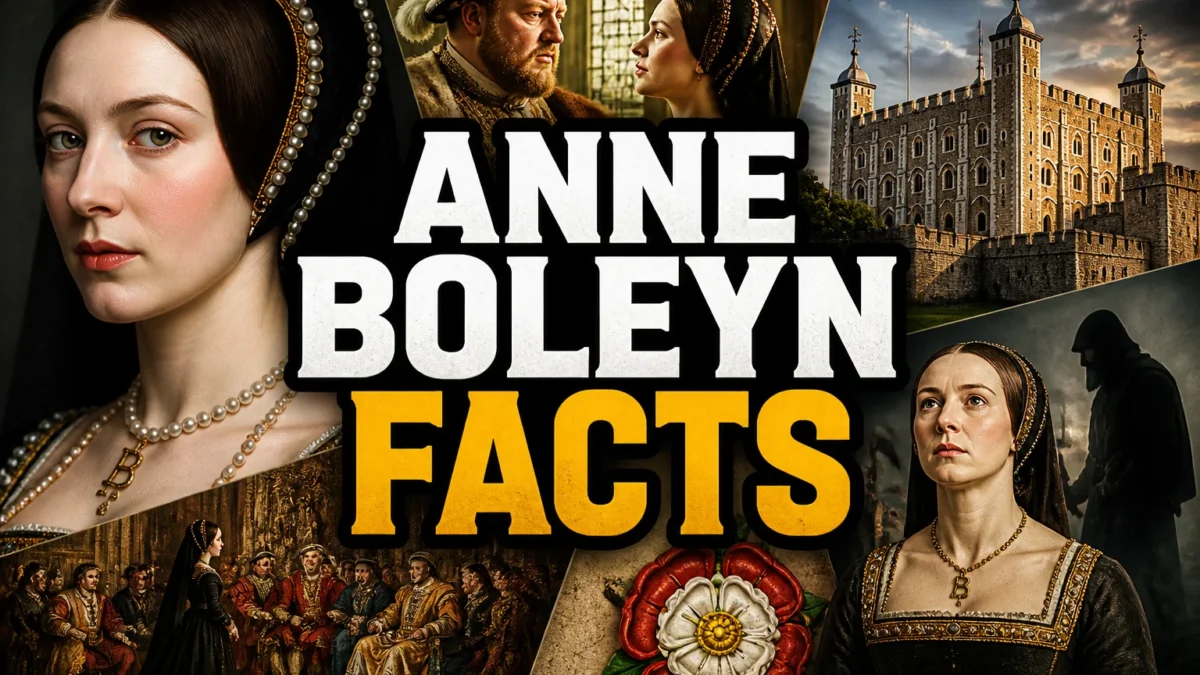
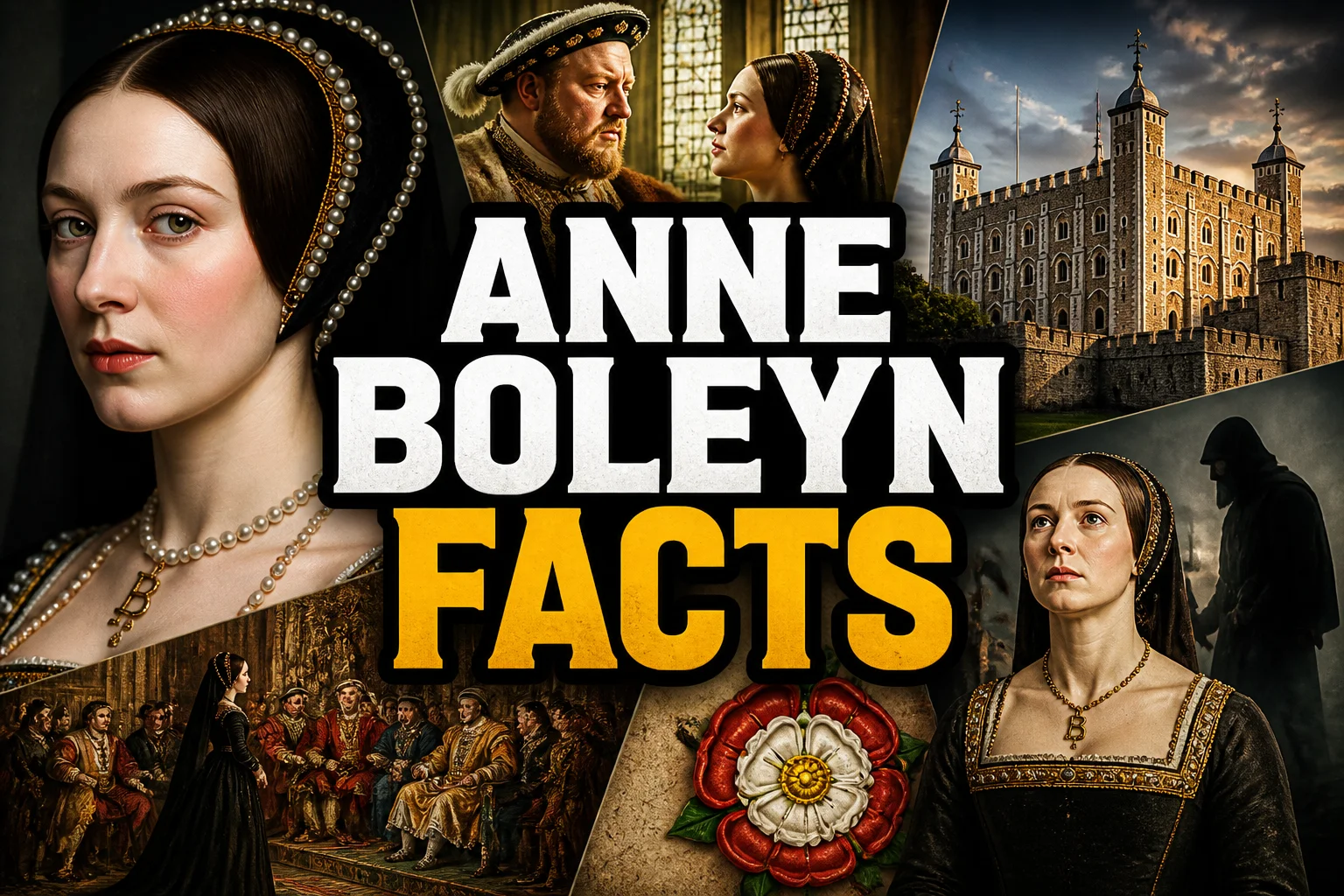
Few Tudor figures have been retold as often as Anne Boleyn, and few have been so heavily distorted. She has been cast as a scheming seductress, a Protestant martyr, a witch, and a tragic romantic heroine, sometimes all in the same documentary. The truth about Anne Boleyn's real life is more interesting than any of those labels.
This list of 20 interesting facts about Anne Boleyn separates what the sources support from what later legend invented. Where historians disagree, we will say so. The history of Anne Boleyn is full of gaps, hostile reports, and educated guesses, and an honest account has to admit that.
TL;DR: Anne Boleyn was an educated, politically sharp courtier whose rise helped trigger England's break with Rome, and whose execution in 1536 rested on charges most historians doubt.
Anne Boleyn in Real Life: Family, Education and Early Years
Before she was a queen, Anne was a young woman navigating the courts of Europe. These first five facts cover where she came from and what she was actually like. Several of them overturn the popular picture.
1. Nobody Knows Exactly When She Was Born
Anne's birth year is one of the great puzzles of her life. Historians have argued for either about 1501 or about 1507, because no birth record survives. The earlier date is usually defended by pointing to her placement in a foreign court as a girl, while the later one leans on a account by the antiquarian William Camden, written decades after her death, that she was 29 when she died.
Her birthplace is also unproven. Blickling Hall in Norfolk is often named, but the Boleyn family seat most firmly tied to her youth is Hever Castle in Kent. If you see a confident birth date on a souvenir or a website, treat it with caution.
2. She Came From a Rising Family, Not an Obscure One
A popular myth says Anne was a nobody plucked from obscurity. In fact, her father Thomas Boleyn was an experienced diplomat, and her mother Elizabeth Howard came from one of England's most powerful noble families. Her great-grandfather Geoffrey Boleyn had been a London merchant who rose to become Lord Mayor.
The family's fortunes combined trade money, court service, and aristocratic marriage. That mix explains how Anne's relatives, including her uncle the Duke of Norfolk, were positioned to benefit when she caught the king's attention. It also explains why they were later so keen to distance themselves from her.
3. She Was Educated in the Courts of Europe
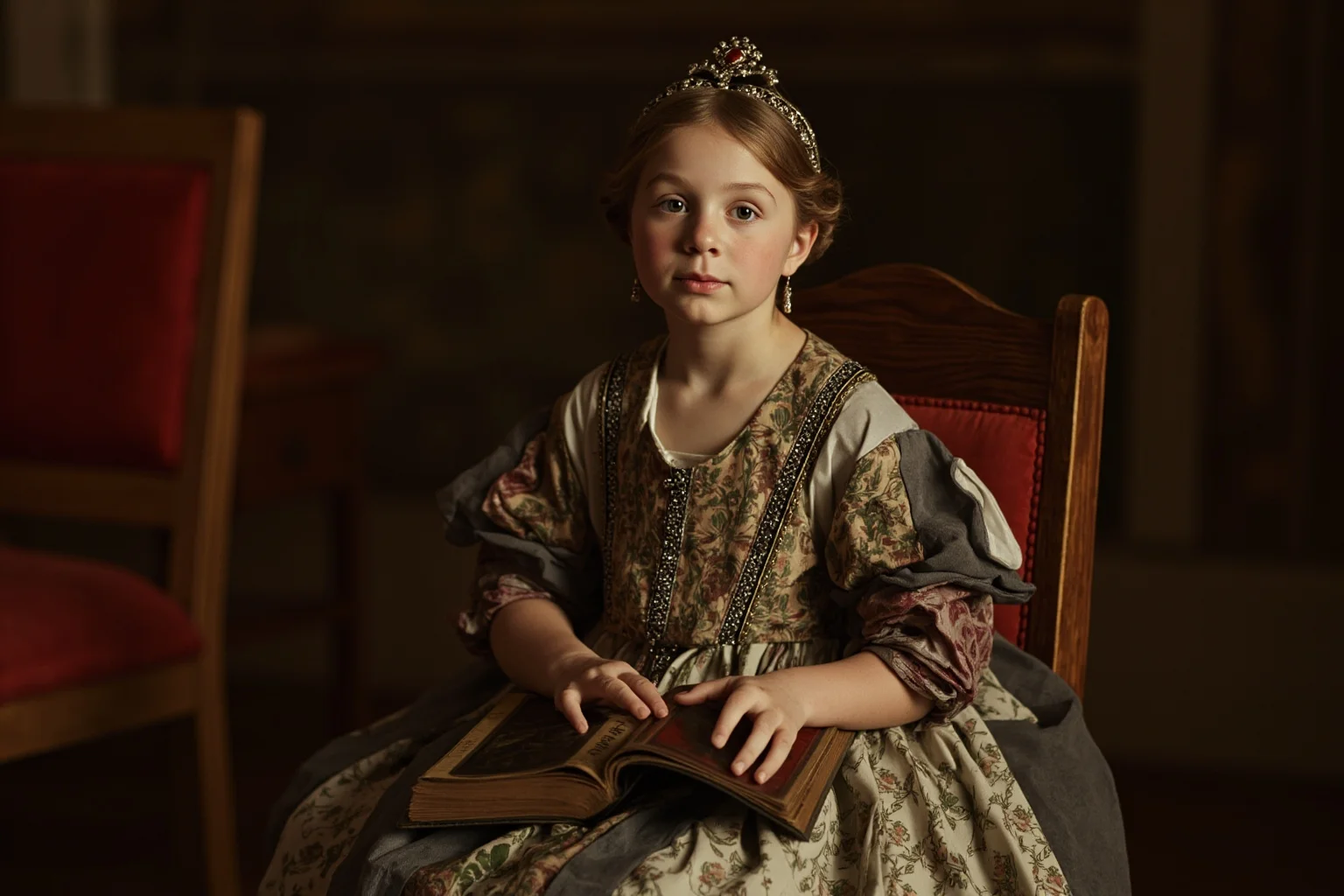
Around 1513, Anne went to the Netherlands to serve in the household of Margaret of Austria, a highly regarded ruler. She later moved to France, where she spent several years in the circle of Queen Claude. There she became fluent in French and absorbed continental fashion, music, and manners.
This education set her apart when she returned to England around 1522. Contemporaries noted her French polish and her skill at conversation, dancing, and music. It was a very different upbringing from that of most English court women.
4. Anne Boleyn's Occupation Was Courtier, Not Commoner's Job
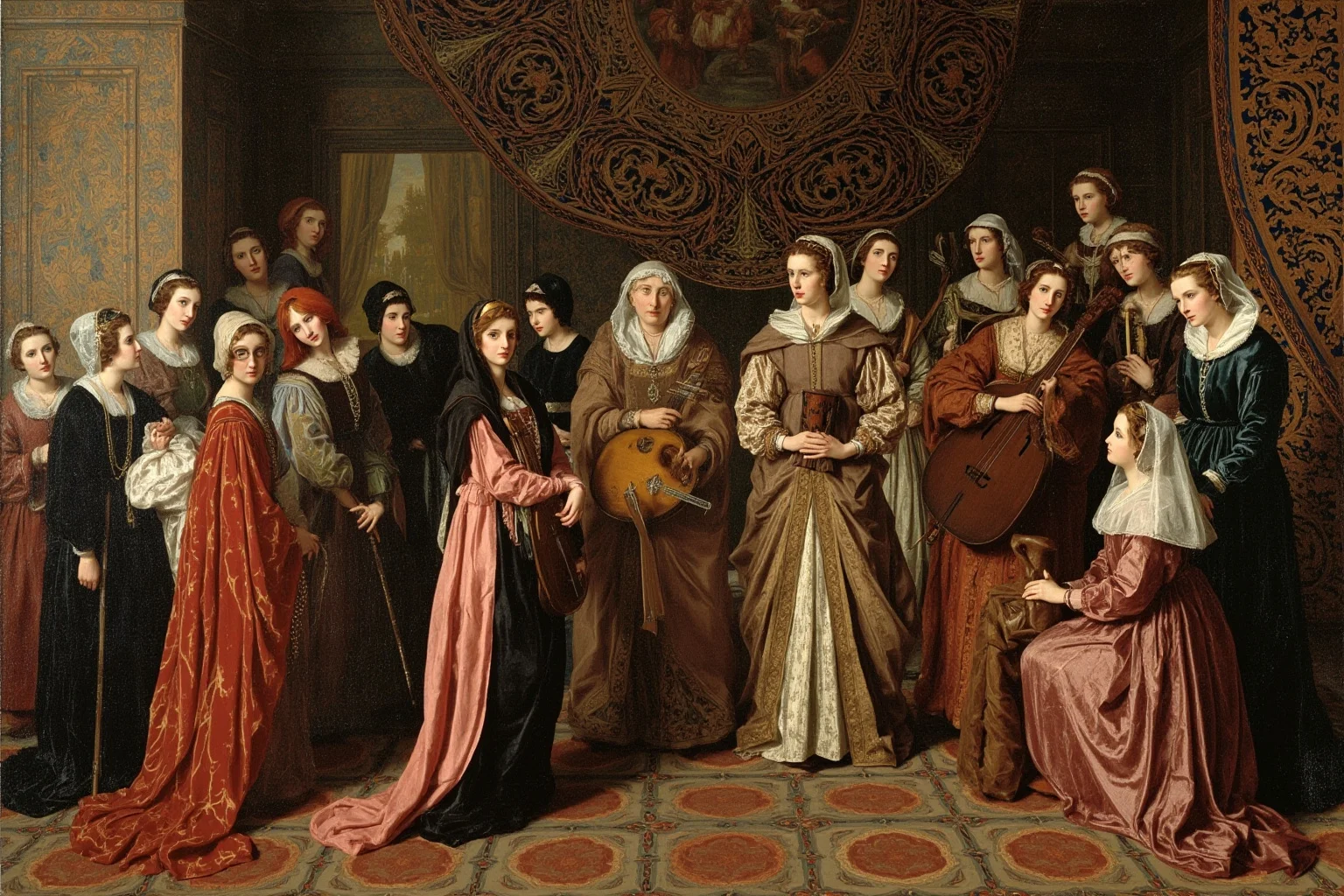
Women of Anne's rank did not hold jobs in the modern sense, so her "occupation" is best described as lady-in-waiting, or maid of honour. In England she served Queen Catherine of Aragon, attending her, joining ceremonies, and taking part in court entertainments. In 1522 she was part of a pageant at Cardinal Wolsey's residence, where she played a figure called Perseverance.
The role was prestigious but not powerful on its own. Its real value was proximity: a maid of honour was constantly in the royal orbit. That access is what turned a courtier into a historical turning point.
5. She Was Not a Conventional Beauty, and the Six-Fingers Story Is Late Gossip
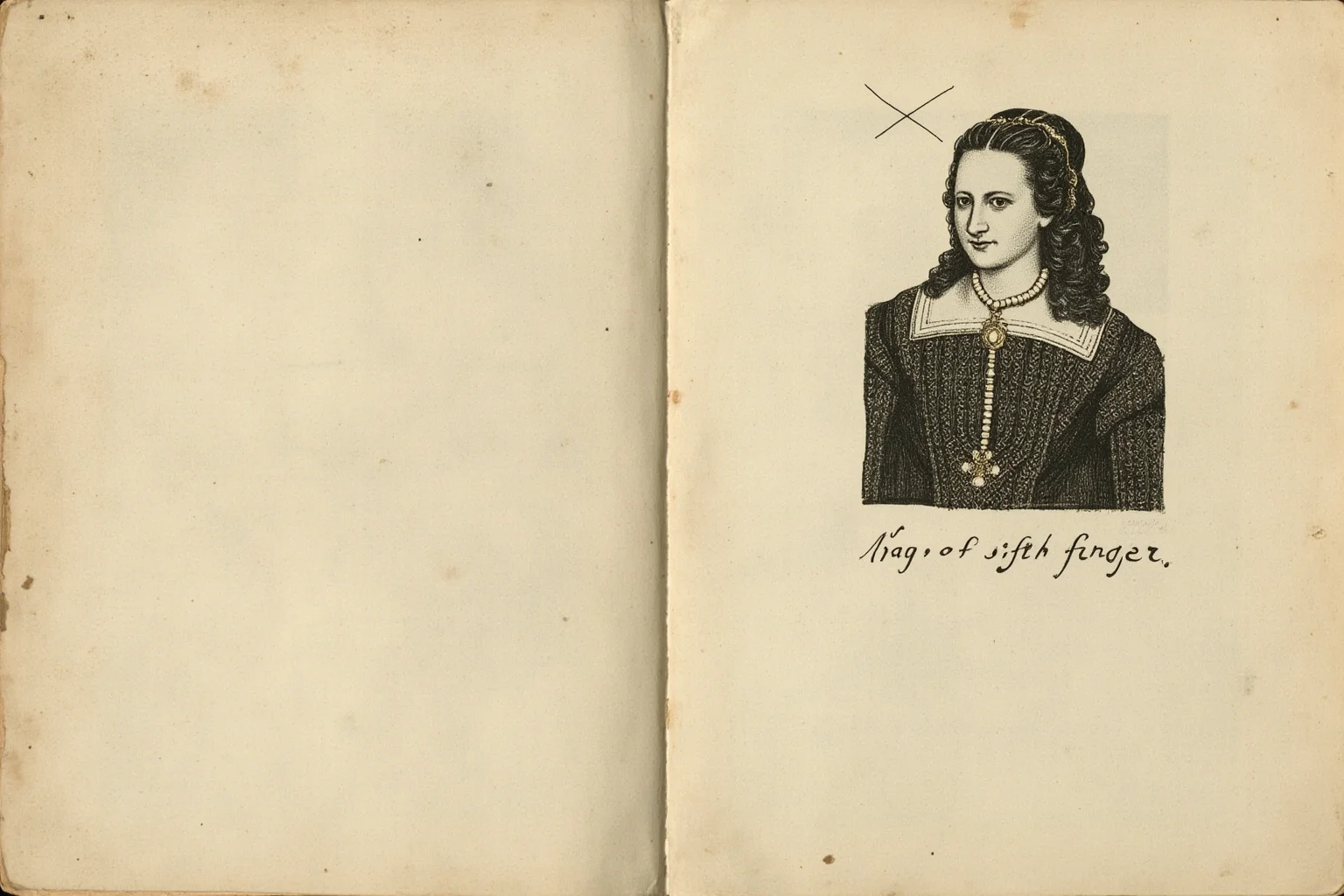
Contemporary descriptions suggest Anne was admired for her dark eyes, her style, and her wit rather than for classic good looks. One Venetian observer reportedly said she was not among the most beautiful women around. Her charm, in other words, seems to have mattered more than her appearance.
The tales of a sixth finger, a large mole, or a swollen neck come mainly from Nicholas Sander, a hostile Catholic writer publishing decades after her death. Even sympathetic early writers mention at most a minor blemish on a fingernail. The monstrous version is propaganda, not evidence.
The History of Anne Boleyn and Henry VIII's Court
The next six facts follow Anne from court romance to royal marriage. This is the part of the history of Anne Boleyn that most people think they know. The details are messier than the legend.
6. Her First Known Romance Was With Henry Percy
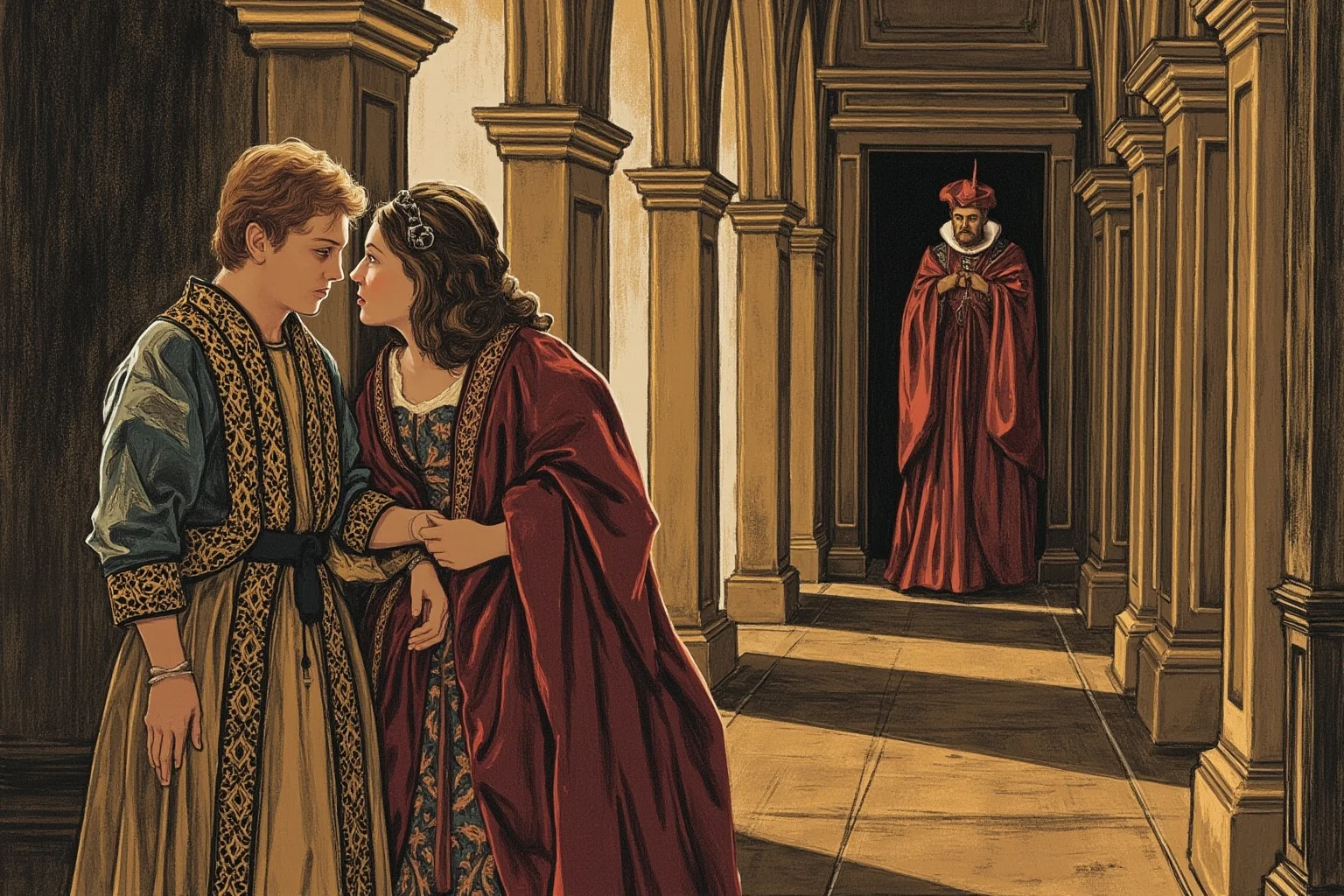
Before the king noticed her, Anne reportedly formed an attachment to Henry Percy, heir to the Earl of Northumberland. Cardinal Wolsey stepped in and the match was ended, apparently around 1523. Percy was married to someone else, and Anne was sent away from court for a time.
Historians debate how serious the relationship was and whether Wolsey acted on his own initiative or on the king's wishes. Later in life, the episode became tangled up in rumours of a "pre-contract." That claim would resurface dramatically in 1536.
7. She Refused to Be Henry's Mistress, and His Love Letters Survive
Henry VIII's pursuit of Anne seems to have begun around 1526. Her sister Mary had already been the king's mistress, and Anne reportedly declined to follow that path. Whether this was strategy, principle, or both is something we cannot know for certain.
Seventeen of Henry's letters to Anne survive in the Vatican Library, and they show a king eager for her affection. Anne's replies, by contrast, have not survived. That one-sided record shapes how we see the relationship, because we only hear one voice.
8. The "Great Matter" Took Around Six Years
Henry wanted his marriage to Catherine of Aragon annulled, mainly because the couple had no surviving son. The effort to secure that annulment, known as the King's Great Matter, dragged on through the late 1520s. In 1529 a legatine court at Blackfriars failed to deliver the result he wanted, and Cardinal Wolsey fell from power.
Anne was part of this story, but she was not the sole cause of it. Henry's dynastic anxiety and his clash with the papacy were already in motion. Her presence gave the crisis a personal face and made compromise harder.
9. Anne Was a Patron of Religious Reform
Anne favoured evangelical ideas, meaning reformist Christianity that stressed scripture in the vernacular. She supported reform-minded clergy, and later accounts say she circulated banned books, including William Tyndale's writings. She is best described as a reformer rather than a Protestant in the later sense, since those categories were still forming.
Her influence was real but should not be exaggerated. The break with Rome was driven by Henry's own decisions and by ministers such as Thomas Cromwell and Thomas Cranmer. Anne helped create a climate in which reform advanced faster.
10. She Became Marquess of Pembroke in Her Own Right
In September 1532, Henry created Anne Marquess of Pembroke, a title she held in her own right rather than through a husband. It is often described as the first time an English woman was made a marquess. The grant included lands and income, signalling her new status.
The timing was no accident. Henry was preparing to meet the French king, and Anne needed higher rank before she could be presented as his future wife. The title was also a reminder of how far a former maid of honour had risen.
11. The Marriage Was Secret at First, Followed by a Spectacular Coronation
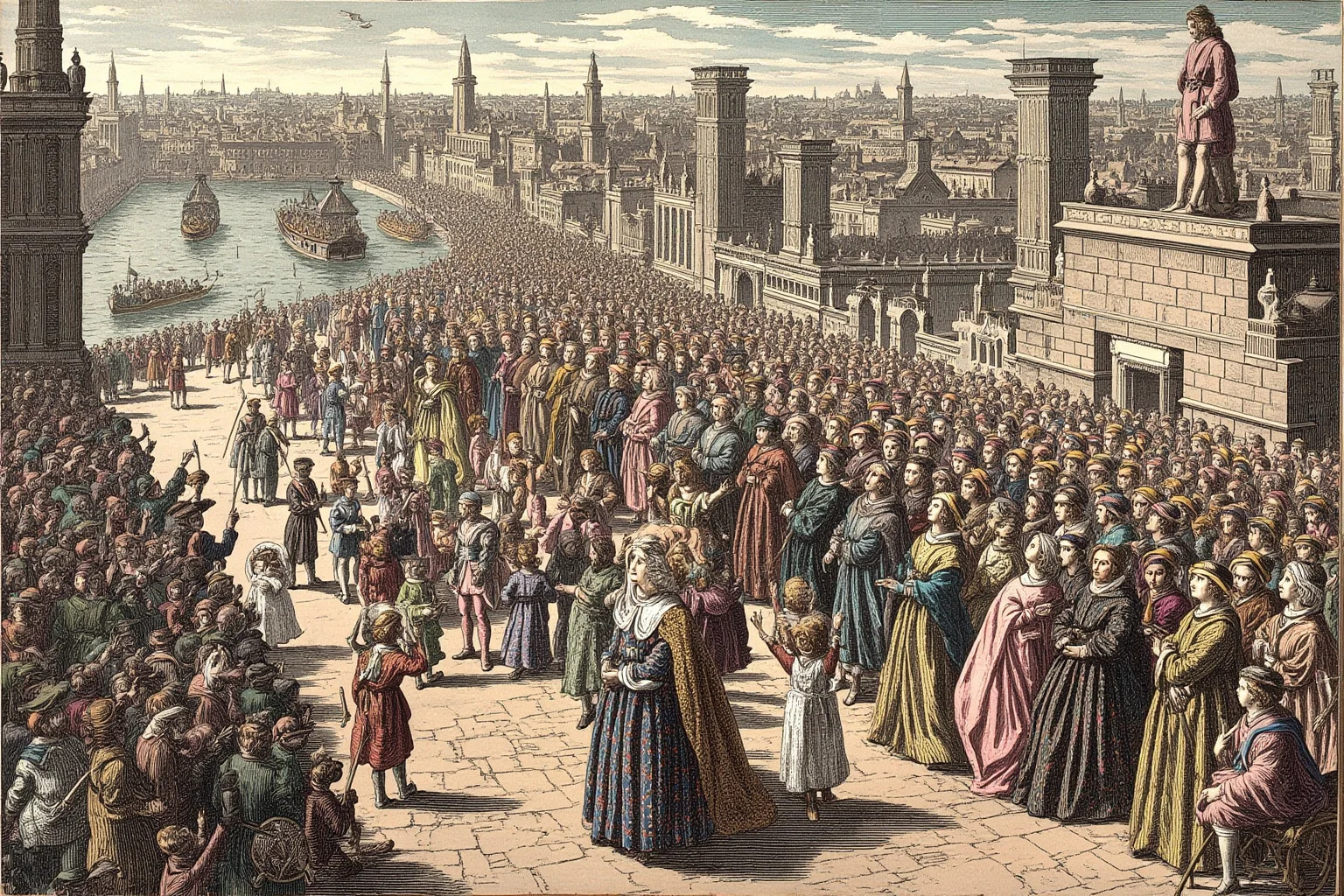
Anne and Henry married privately, traditionally dated to January 1533, though the exact date is debated. By spring she was visibly pregnant, and Thomas Cranmer declared Henry's first marriage invalid. Her coronation followed on 1 June 1533, after a grand procession through London.
The pageantry was meant to proclaim legitimacy, yet reports suggest many Londoners watched without much enthusiasm. Anne was crowned as queen while Catherine, still alive, was demoted to Princess Dowager. The tension behind the ceremony never really went away.
Queen Anne: Symbols, Motherhood and Myths
As queen, Anne tried to shape her own image through badges, mottoes, and patronage. These three facts cover her public identity and the hard realities of her private life. They also tackle a popular misconception about how long she reigned.
12. Her Badge Was a Crowned White Falcon
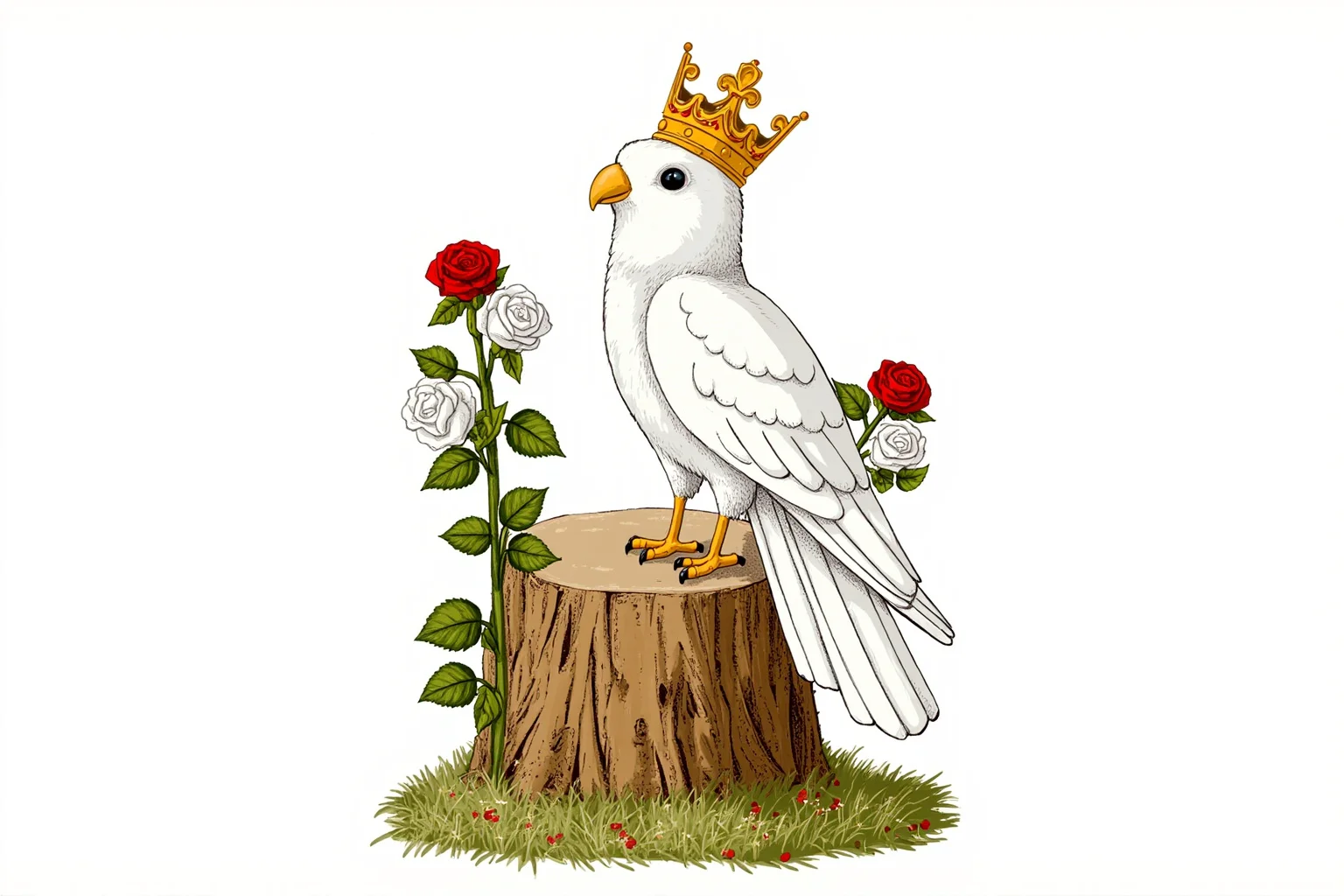
Anne's personal emblem was a white falcon, often shown on a tree stump sprouting Tudor roses. It appeared on buildings, decorations, and objects associated with her. The imagery combined her family heritage with the new Tudor dynasty she hoped to help continue.
A motto often linked to her, "The Most Happy," now reads as painfully ironic. Still, these symbols show a queen who understood branding. Her image-making was as deliberate as any monarch's.
13. Her Daughter Elizabeth Was Born in 1533, but Sons Did Not Survive
Elizabeth was born on 7 September 1533, a healthy child but not the male heir Henry craved. Anne is believed to have suffered further pregnancy losses, culminating in a miscarriage in January 1536. The Imperial ambassador reported it as a male foetus, which would have been a bitter blow.
Historians still debate how much this failure affected Henry's attitude toward her. Dynastic pressure was undeniably enormous. Yet as we will see, it was not the only factor behind what happened next.
14. She Was Not Queen for "A Thousand Days"
The phrase "Anne of the Thousand Days" comes from a 1960s play and film, and it is a dramatic round number rather than a precise count. From her secret marriage in early 1533 to her execution in May 1536, her marriage lasted over three years. Counted from her coronation, she was queen for just under three years.
The myth is harmless but typical of how Anne's story gets neat, cinematic edges. The real timeline is longer and more complicated. It also shows how popular culture can quietly rewrite historical detail.
The Fall of Anne Boleyn
The collapse of Anne's marriage took only a few weeks in the spring of 1536. These four facts explain what historians think happened, and where they disagree. Treat any single-cause explanation with suspicion.
15. Her Fall Was About Politics as Well as a Missing Son
By 1536, Anne had clashed with Thomas Cromwell, the king's chief minister. Accounts point to disagreements over foreign policy and over how to use the wealth of dissolved monasteries. Meanwhile, Henry's interest was turning to Jane Seymour, one of Anne's ladies.
The historian Eric Ives argued that factional politics drove her destruction, while G. W. Bernard has argued that she may really have been guilty of serious indiscretions. The majority of historians remain sceptical of the official charges. What is clear is that Cromwell moved quickly once the king wanted a way out.
16. The Charges Were Adultery, Incest, and Conspiracy
Anne was accused of adultery with several men, including the musician Mark Smeaton, Henry Norris, Francis Weston, and William Brereton. She was also accused of incest with her brother George, and of plotting against the king. These were treason charges, since infidelity by a queen threatened the royal succession.
Of the accused, only Smeaton is reported to have confessed, and some historians suspect pressure or torture. The others denied the charges. Modern scholars note that dates and places in the indictments appear to conflict with known movements, which is one reason the case is widely doubted.
17. Her Trial Was Short, and Her Marriage Was Annulled
Anne and George were tried in the Tower of London in mid-May 1536 before a panel of peers, with her uncle the Duke of Norfolk presiding. Both were found guilty. The other four men had already been condemned and were executed on 17 May.
The same week, Archbishop Cranmer declared Anne's marriage to Henry invalid. The precise grounds were not made fully public, and historians have suggested several possibilities, such as the king's earlier relationship with her sister. The annulment effectively made Elizabeth illegitimate.
18. She Was Executed With a Sword and Buried in the Tower
On 19 May 1536, Anne was beheaded within the Tower precinct. Henry allowed a swordsman brought from France rather than the usual axe, which was considered a more refined method. She is not recorded as protesting her guilt in her final speech, which followed convention by praising the king and asking for prayers.
She was buried in the Chapel of St Peter ad Vincula at the Tower. Henry married Jane Seymour just eleven days later. During nineteenth-century restoration work, remains believed to be Anne's were identified and the spot was marked.
Why Was Anne Boleyn Famous? Her Legacy
So why is Anne Boleyn famous today? Partly because her rise coincided with England's break from Rome, and partly because her fall is one of history's most dramatic reversals. The last two facts look at what she left behind and how legend has blurred the picture.
19. Her Daughter Became Elizabeth I
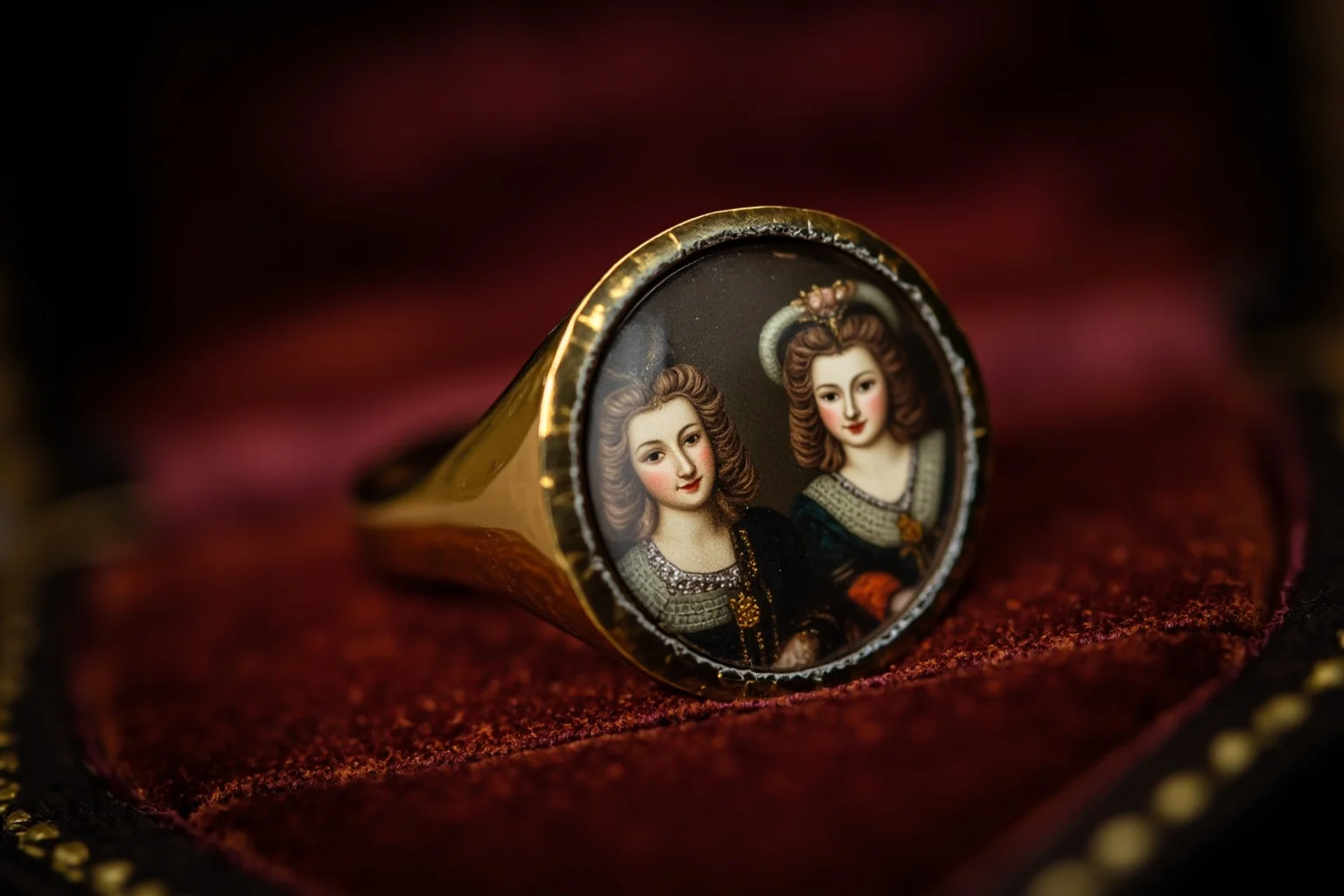
Anne's greatest legacy was Elizabeth, who reigned for 44 years and presided over a golden age. Elizabeth rarely spoke of her mother in public, which has led historians to read her silence in different ways. Yet there are hints of private loyalty.
The so-called Chequers Ring, associated with Elizabeth, is said to contain hidden miniature portraits of the queen and a woman traditionally identified as Anne. Elizabeth also made use of falcon imagery. Whatever she said aloud, her mother's memory seems to have mattered to her.
20. We Don't Have a Certain Portrait, and the Ghost Stories Are Legend
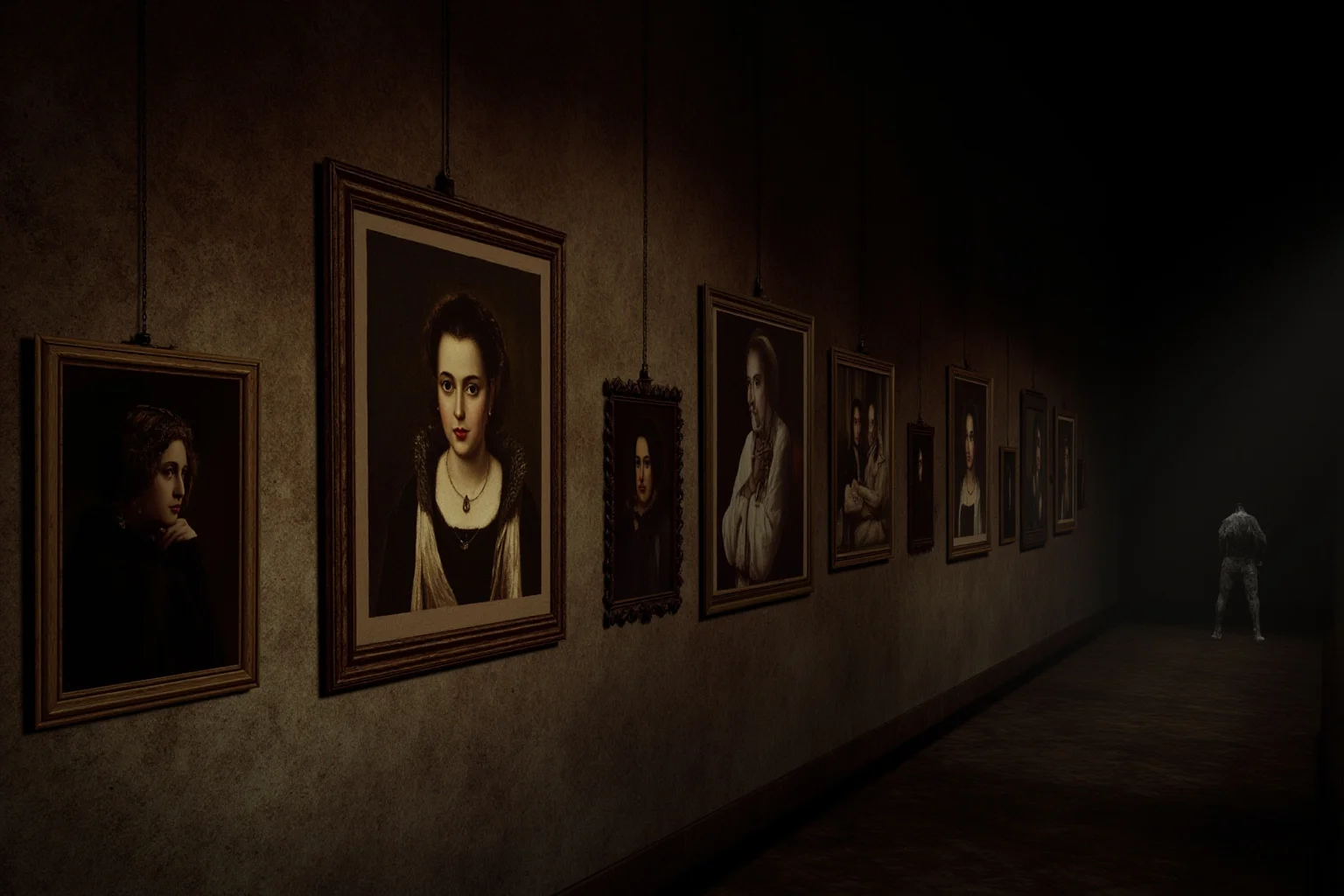
No painting of Anne made during her lifetime is securely identified. The famous image of a dark-haired woman with a "B" necklace comes from later copies, and the best contemporary likeness may be a 1534 medal. When you see "the" portrait of Anne Boleyn, you are looking at an informed reconstruction.
The legends of her ghost, carrying her head through the Tower or haunting Hever and Blickling, are folklore with no historical basis. They do show how vividly her story has captured the imagination. For a historian, the ghost stories are a reminder that fascination often outruns evidence.
Separating the Real Anne From the Legend
The real Anne Boleyn was neither a villain nor a saint. She was an intelligent, well-travelled, politically aware woman who operated in a world where a king's favour could make or ruin a person overnight. Many of the most famous details about her, from the extra finger to the ghost, turn out to be later embellishment.
If you enjoyed these fun facts about Anne Boleyn, keep reading with a critical eye. Check who wrote a claim, when they wrote it, and why. That habit is the best way to move from legend to history, whether you are reading about Anne or about another much-mythologised queen, such as Marie Antoinette.
Frequently Asked Questions
What was Anne Boleyn’s real life like before she met Henry VIII?
Anne Boleyn's real life began in a well-connected, upwardly mobile family. As a girl she was sent to serve at the court of Margaret of Austria in the Netherlands, then spent years in France in the circle of Queen Claude. She returned to England around 1522 and became a maid of honour to Catherine of Aragon, which put her in the king's orbit.
Why was Anne Boleyn famous?
Anne Boleyn is famous because her relationship with Henry VIII coincided with England's break from Rome and the start of the English Reformation. She became queen in 1533, mothered the future Elizabeth I, and was executed in 1536 on charges of adultery, incest, and treason that most historians doubt. Her dramatic rise and fall has made her one of the best-known figures in English history.
What was Anne Boleyn’s occupation?
Anne Boleyn did not have a job in the modern sense. Her role was courtier: she served as a maid of honour, first in France and then to Queen Catherine of Aragon in England. After 1533 she was queen consort, and in 1532 she was made Marquess of Pembroke in her own right.
Did Anne Boleyn really have six fingers?
There is no reliable evidence for it. The claim comes mainly from Nicholas Sander, a hostile Catholic writer who published decades after her death. Even sympathetic early writers mention at most a minor blemish on a fingernail.
How was Anne Boleyn executed?
She was beheaded on 19 May 1536 inside the Tower of London precinct. Contrary to a common belief, it was done with a sword rather than an axe, by a swordsman brought from France. She was buried in the Chapel of St Peter ad Vincula.
Was Anne Boleyn guilty of the crimes she was accused of?
Most historians doubt it. The evidence was thin, one alleged lover is the only one reported to have confessed, and some dates and locations in the charges seem to conflict with known movements. A minority view, such as G. W. Bernard's, argues she may have been guilty of some indiscretion, but the mainstream view is that the case was driven by politics.

Alex Warren
Related Articles